Speelgoed categoriseren: figuren, knuffels en meer
Een figuur om mee te spelen is speelgoed: actie- en speelgoedfiguren hebben Google-ID 6058. Een figuur om te verzamelen, zoals een limited edition, hoort bij de categorie voor verzamelobjecten (216) en een decoratief beeldje bij decoratie onder Huis en tuin (5609). Beslis op het bedoelde gebruik, niet op het uiterlijk. De ID's volgen de Google-producttaxonomie, versie 2021-09-21, en zijn in elke taal gelijk.
Speelgoed & spellen categoriehiërarchie
Standaard categoriestructuur die op grote e-commerce platforms en marktplaatsen wordt gebruikt
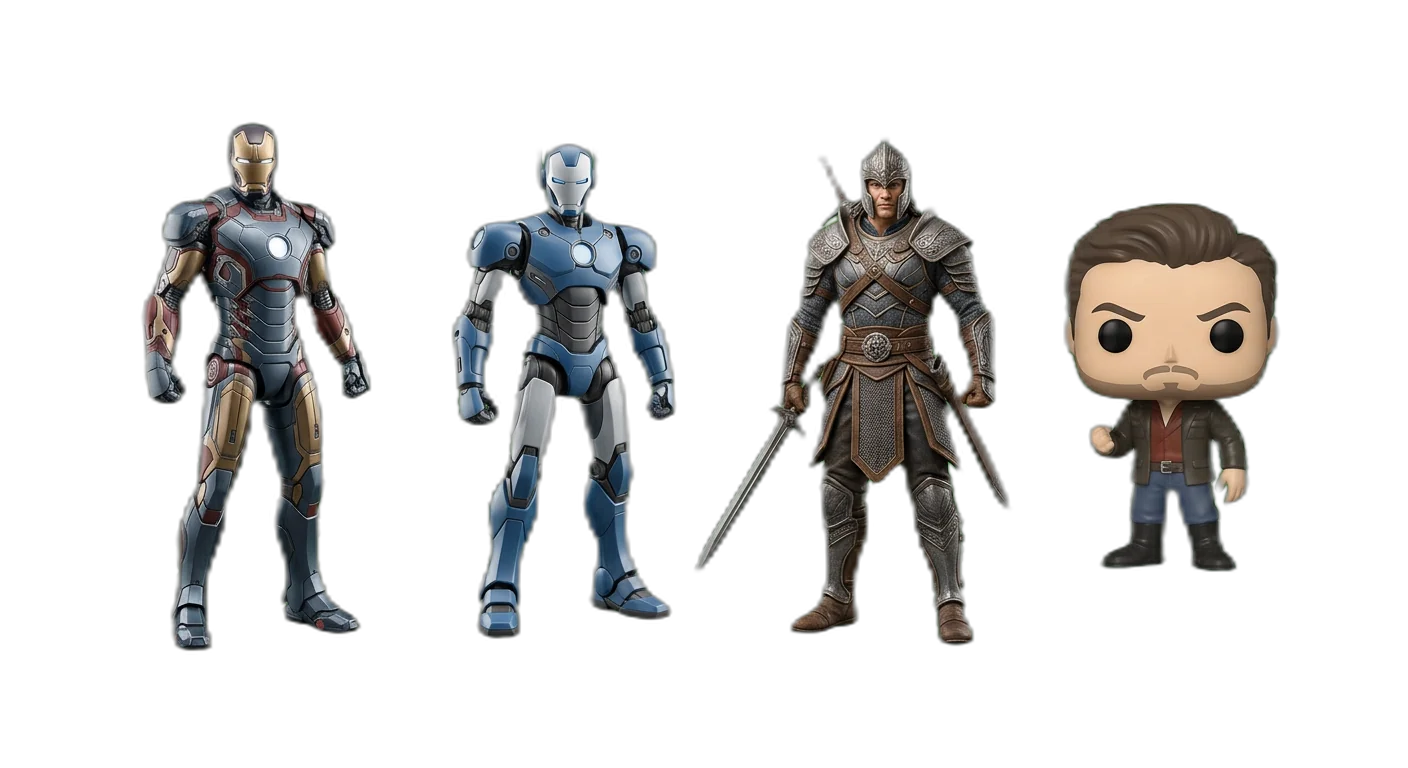
Actiefiguren & verzamelobjecten
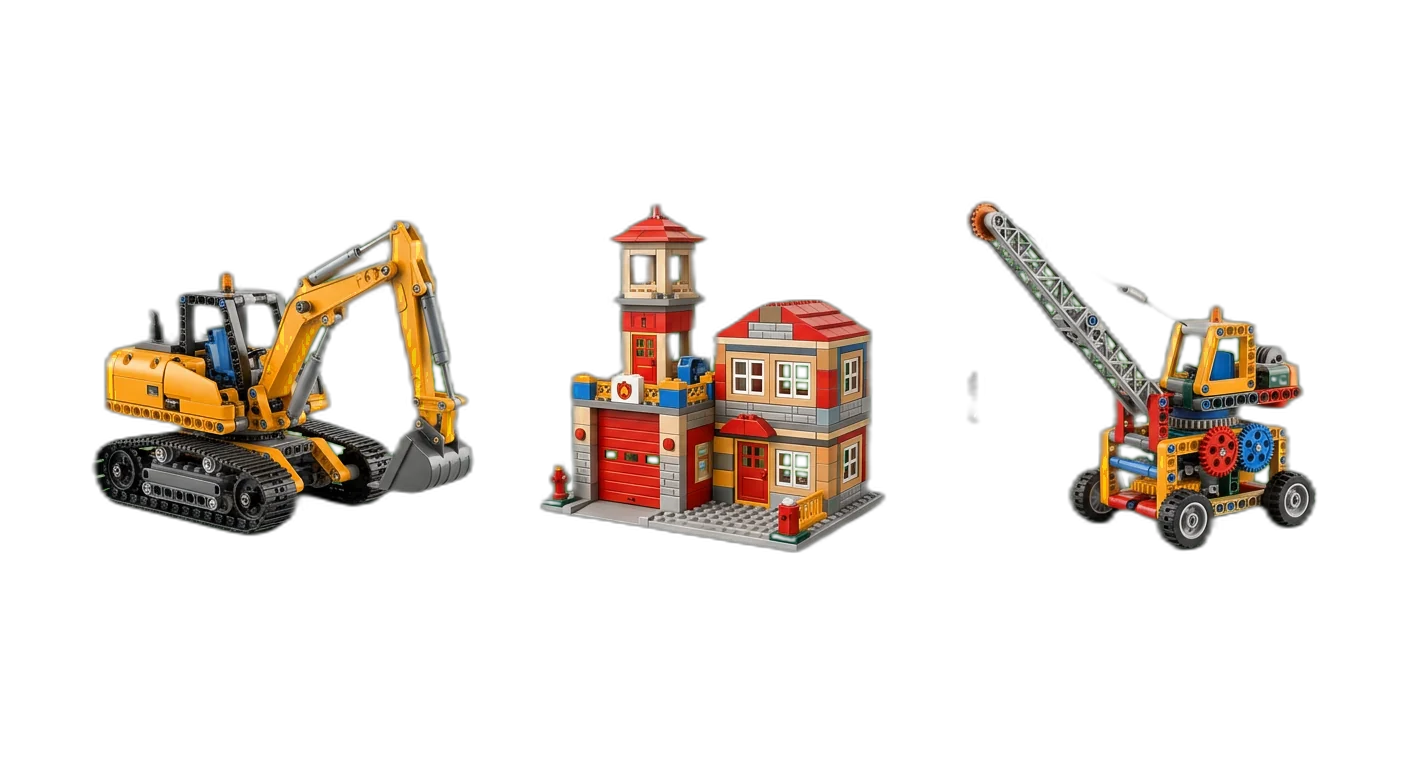
Bouwen & construeren
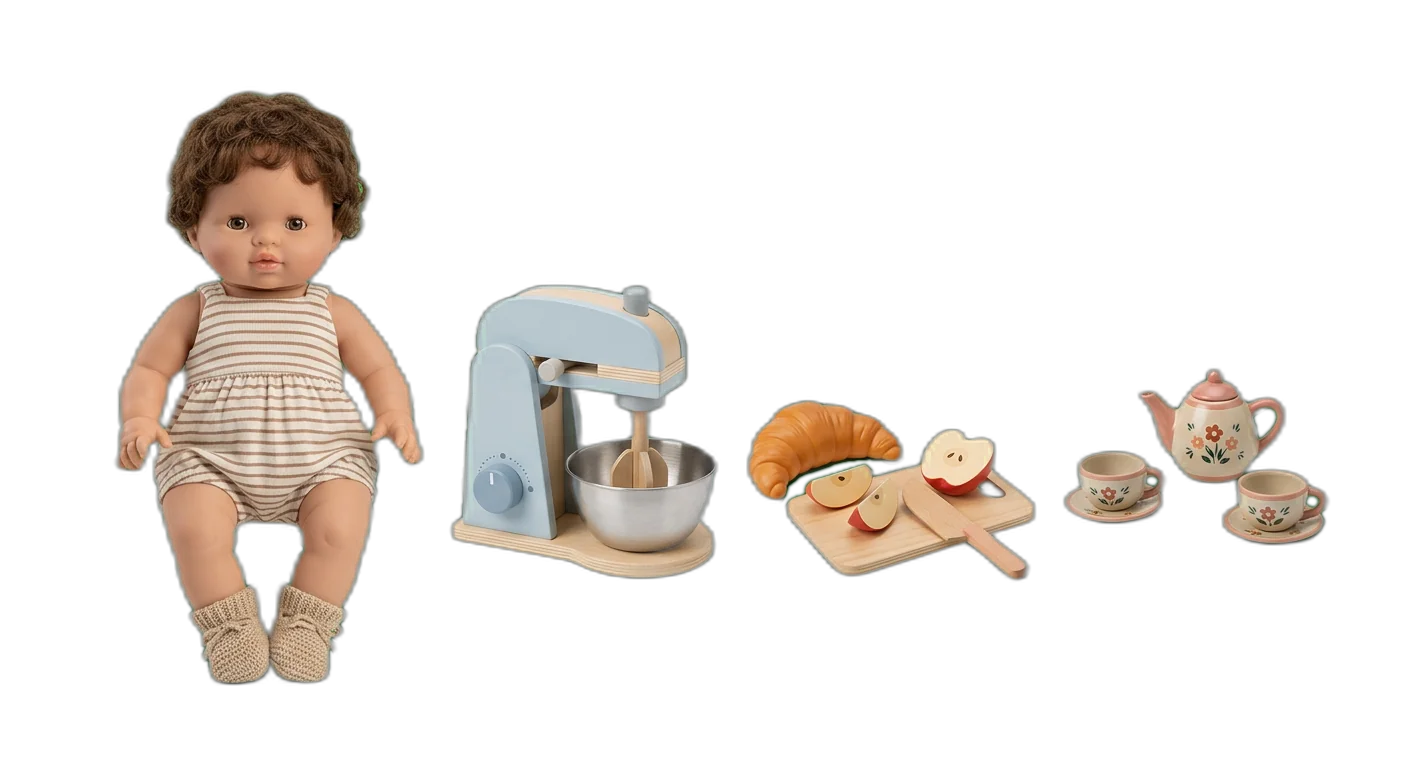
Poppen & rollenspel
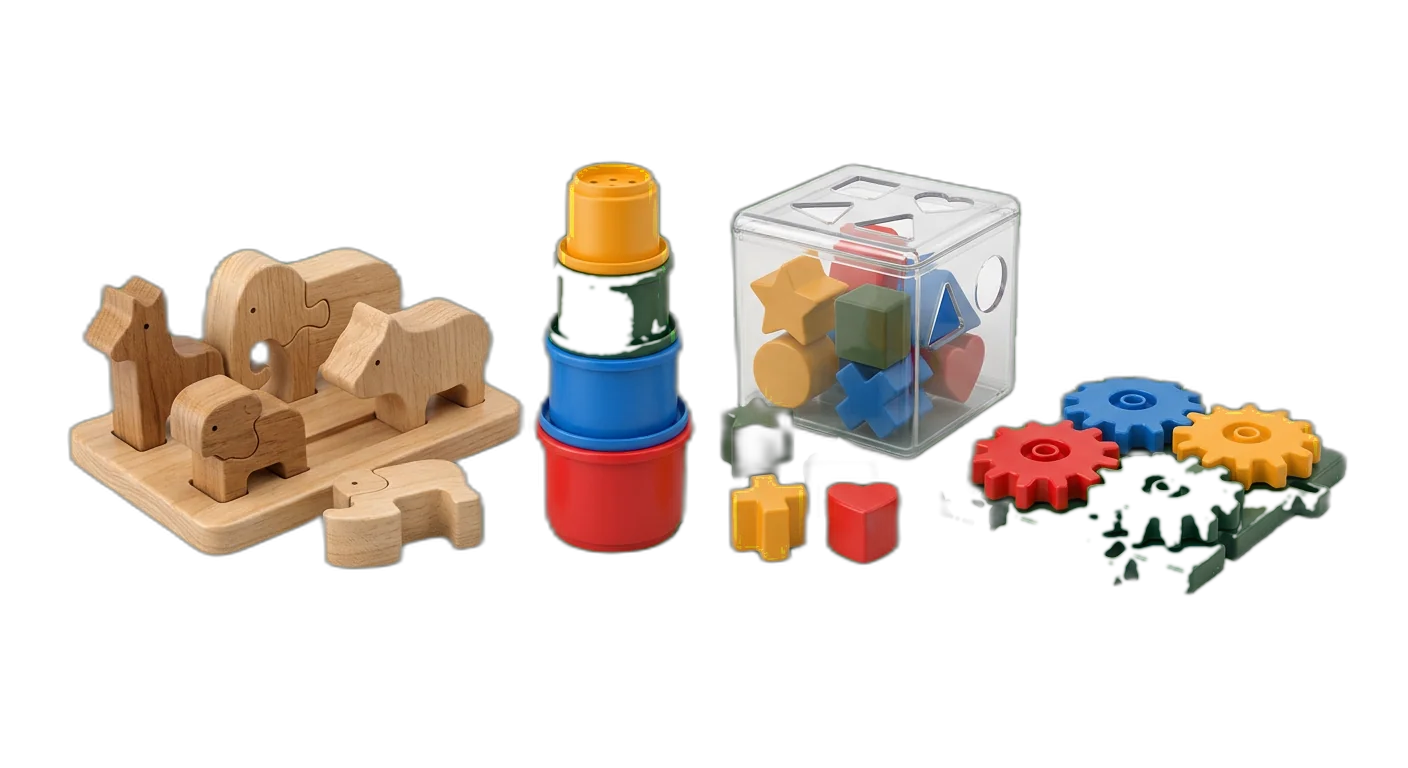
Educatief speelgoed
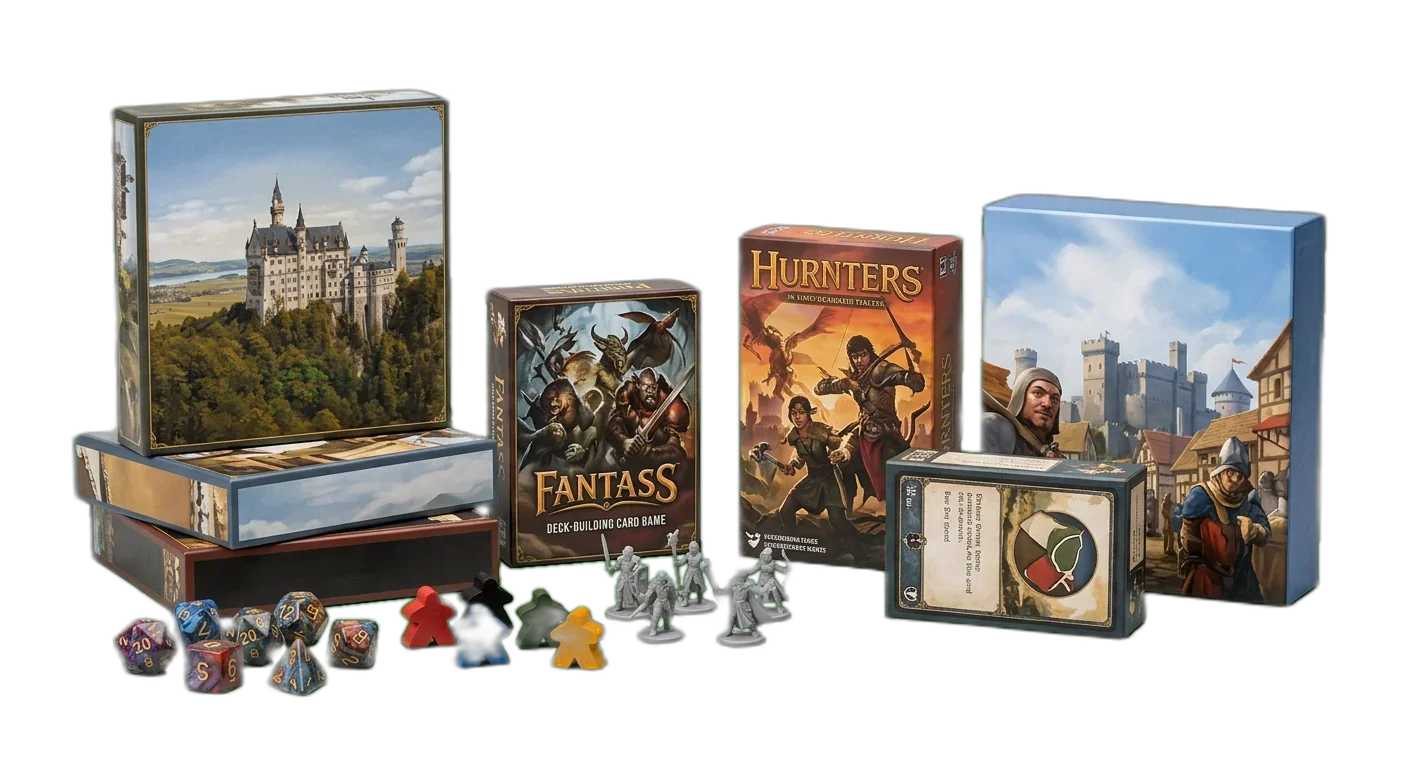
Spellen
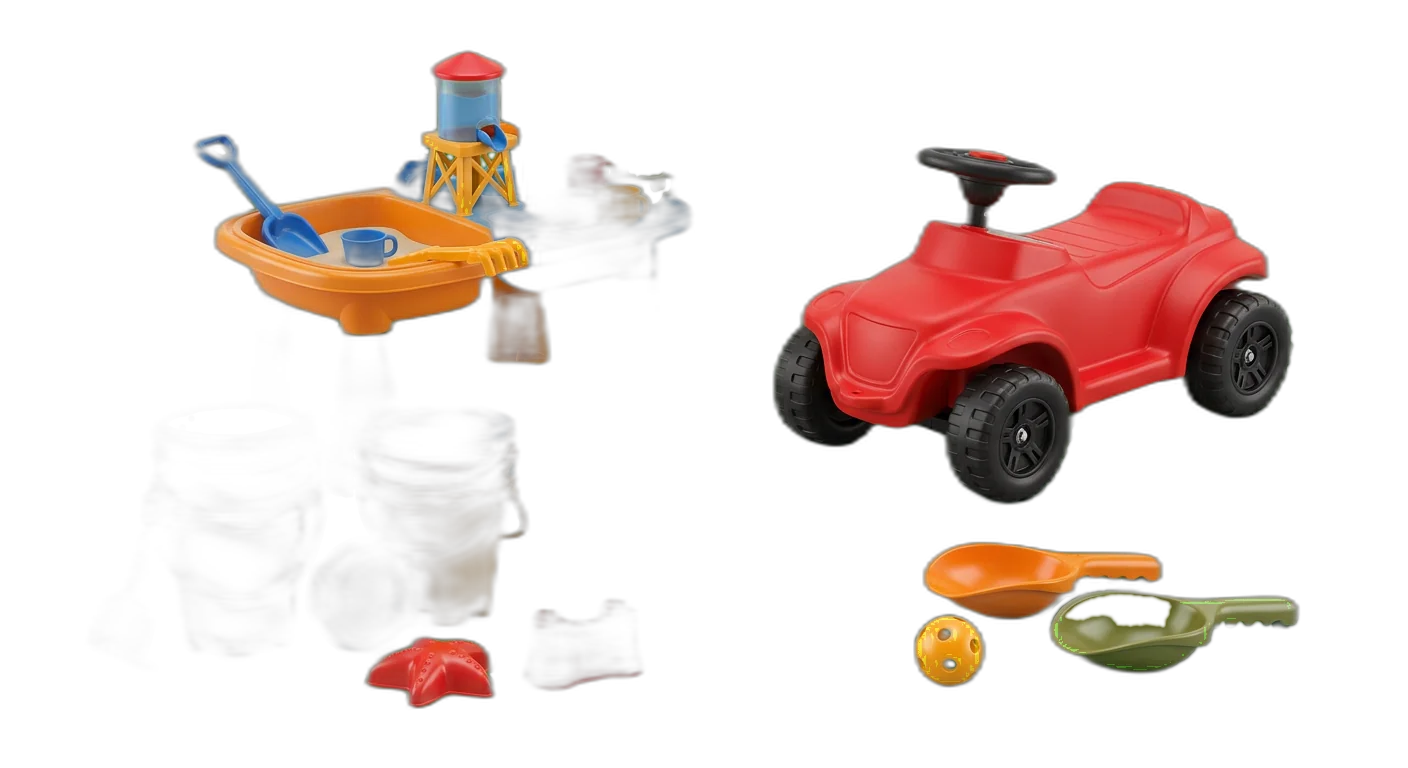
Buitenspeelgoed
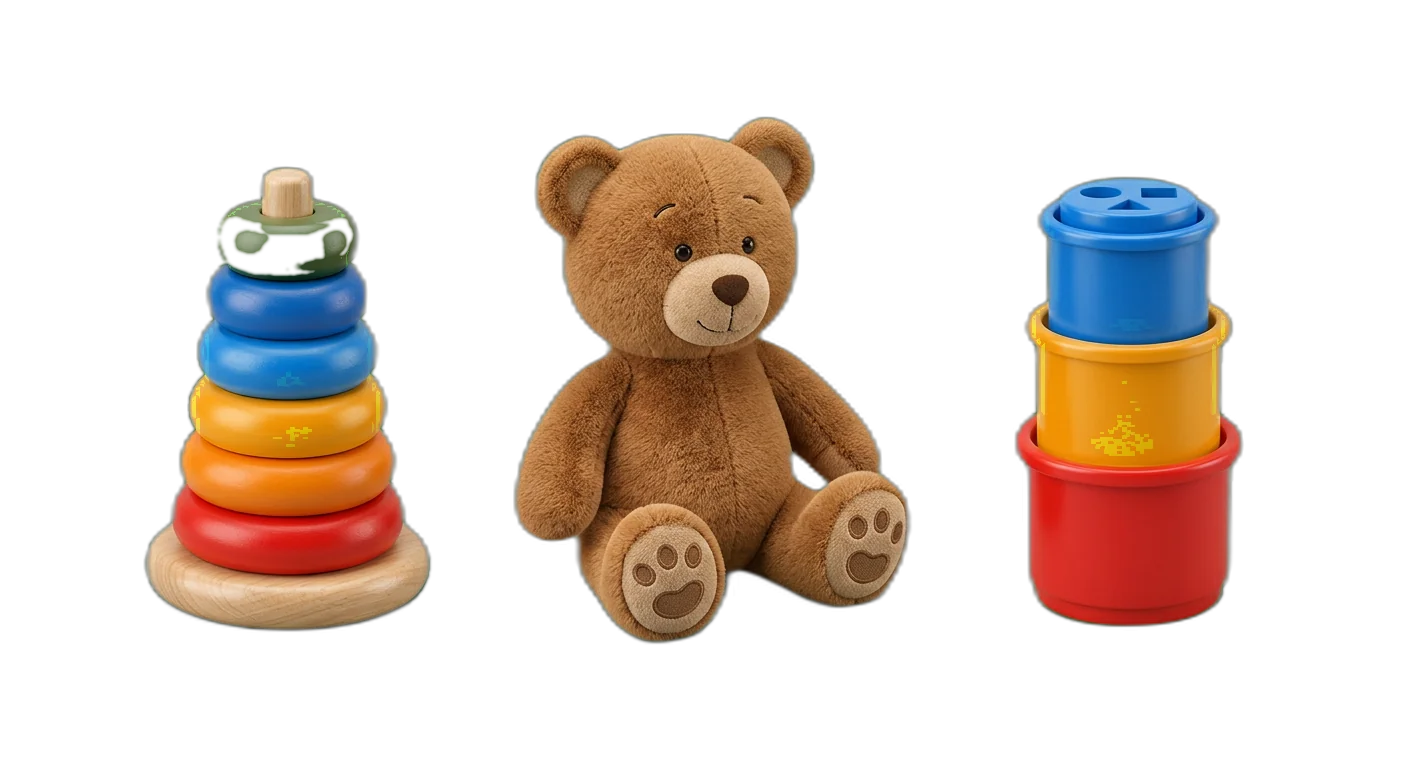
Baby & peuter
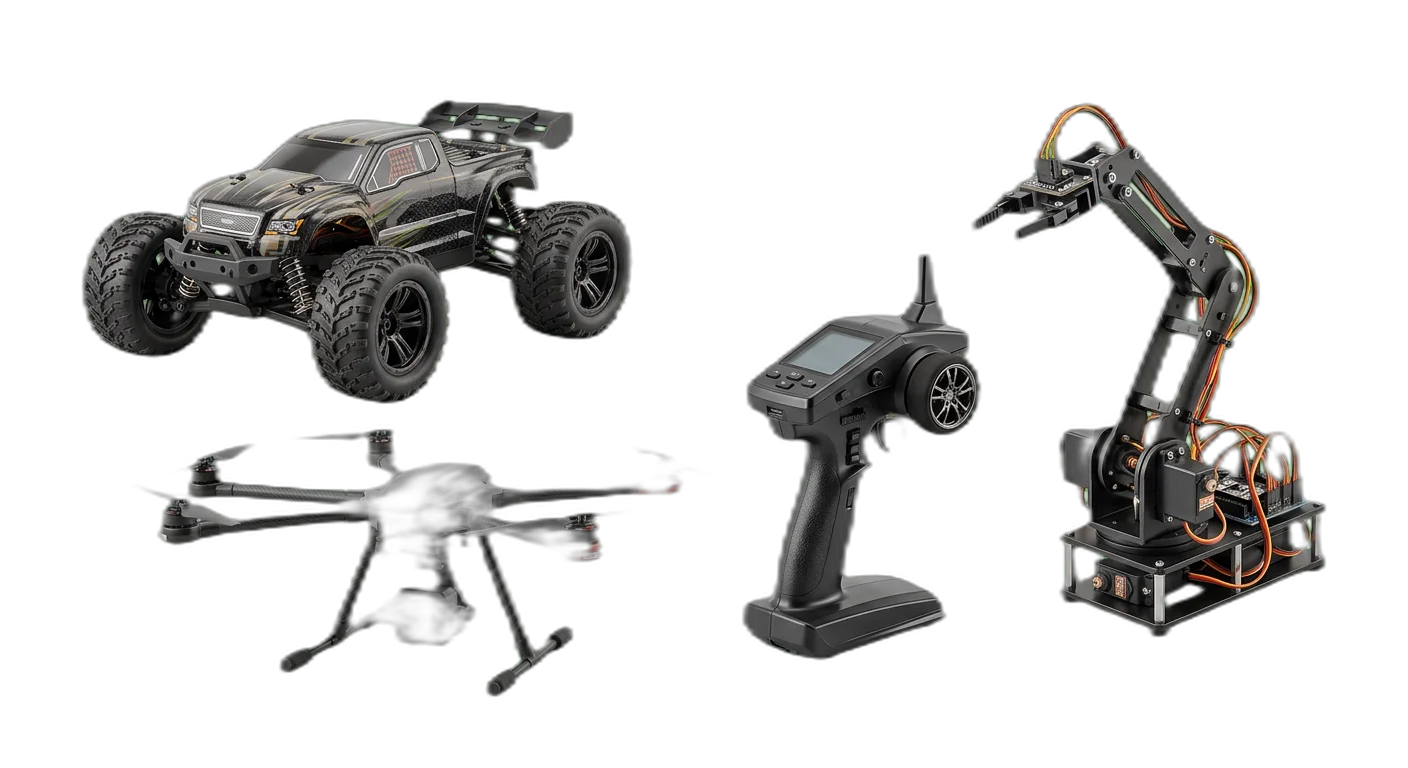
Radiografisch & elektronica
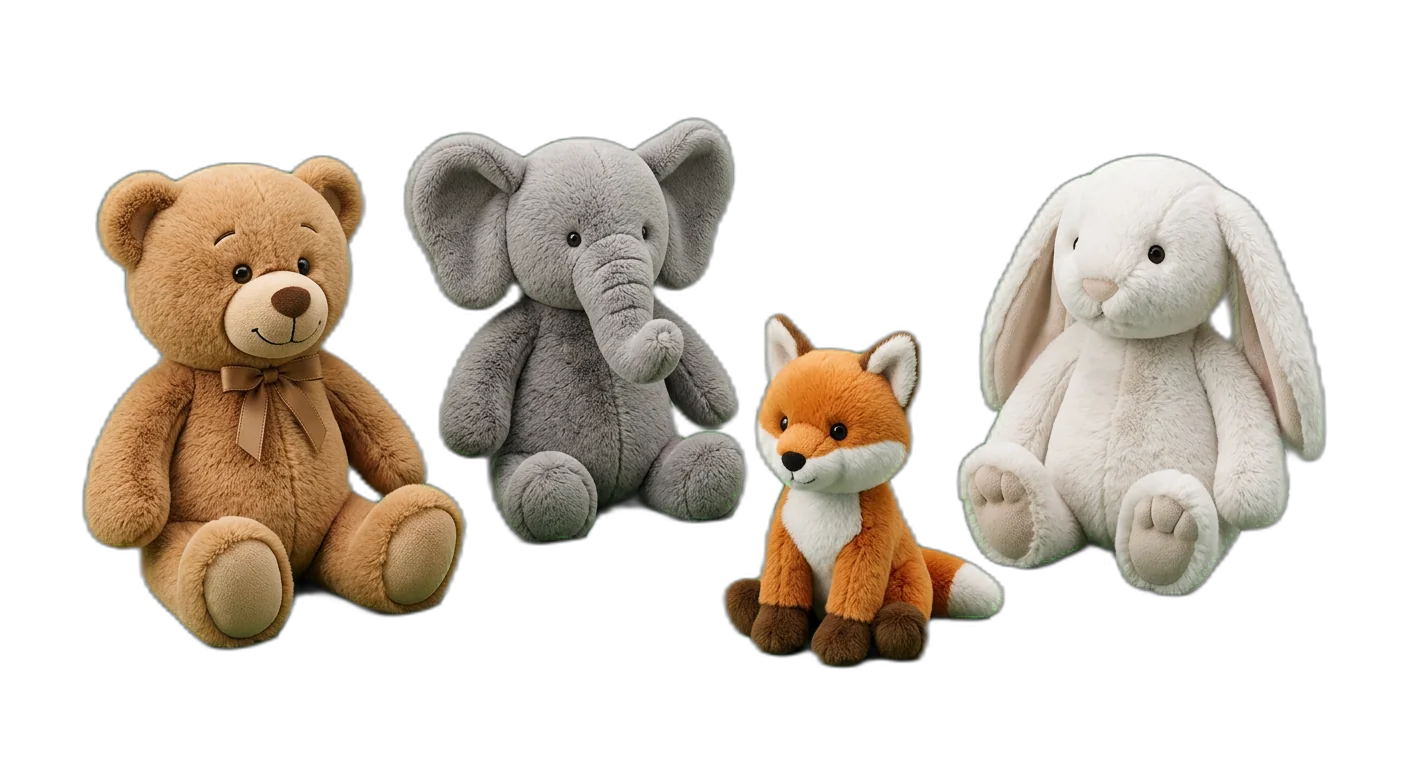
Knuffels & pluche
Hoe classificeer je Speelgoed & spellen producten
Volg deze regels om producten elke keer in de juiste categorie te plaatsen
- 1
Leeftijdscategorie is op elk product het belangrijkste filterbare attribuut
Elk stuk speelgoed en elk spel heeft een gestructureerd attribuut Leeftijdscategorie nodig (bijvoorbeeld 0-6 maanden, 1-3 jaar, 4-7 jaar, 8-12 jaar, 13+ jaar, volwassenen). Dit is het belangrijkste filter voor speelgoedkopers en de meeste marketplaces eisen het. Leeftijd hoort alleen wel een attribuut te zijn, geen niveau in je categorieboom.
Een LEGO City-set valt onder Bouwen & construeren > LEGO & compatibel > City met Leeftijdscategorie: 6-12 jaarEen babyrammelaar valt onder Baby & peuter > Rammelaars & bijtringen met Leeftijdscategorie: 0-6 maanden - 2
Veiligheidscertificeringen zijn verplichte attributen voor al je speelgoed
Elk speelgoedproduct heeft gestructureerde attributen voor veiligheidscertificering nodig: ASTM F963 (VS), EN 71 (EU), CPSC-conformiteit, waarschuwingen voor verstikkingsgevaar en de bijbehorende leeftijdsbeperkingen. In de meeste markten zijn dat wettelijke eisen, dus leg ze vast als gestructureerde, exporteerbare data.
Waarschuwing kleine onderdelen: Leeftijdscategorie: 3+ jaar, Verstikkingsgevaar: ja - kleine onderdelen, ASTM F963: conform - 3
Leg franchise en licentie vast als attribuut, niet als categorie
Gelicentieerde producten (Disney, Marvel, Star Wars, Paw Patrol, Barbie) horen in een filterbaar attribuut Franchise/Licentie en niet in een eigen categorietak. Categorieën per franchise dupliceren namelijk je complete speelgoedtaxonomie onder elke licentie.
Een Spider-Man-actiefiguur valt onder Actiefiguren & verzamelobjecten > Actiefiguren > Superhelden met Franchise: Marvel, Personage: Spider-ManEen Frozen-pop valt onder Poppen & rollenspel > Modepoppen met Franchise: Disney, Personage: Elsa - 4
Tag de educatieve waarde en de vaardigheden die het speelgoed traint
Voeg attributen voor Vaardigheidsontwikkeling toe aan je producten (fijne motoriek, grove motoriek, STEM, creativiteit, sociale vaardigheden, taal, probleemoplossend denken). Zo vinden ouders en leerkrachten speelgoed dat past bij de ontwikkelingsfase van het kind, en het weegt steeds zwaarder mee voor je vindbaarheid op marketplaces.
Bouwblokken ontwikkelen de fijne motoriek en het ruimtelijk inzichtEen programmeerrobot ontwikkelt STEM-vaardigheden, probleemoplossend denken en logisch nadenken - 5
Leg batterijvereisten vast als gestructureerde data
Al je elektronische speelgoed heeft gestructureerde attributen nodig voor Batterijtype, Aantal batterijen en Batterijen inbegrepen. In veel markten is die vermelding wettelijk verplicht, en voor ouders is het een doorslaggevend detail. Vermeld altijd expliciet of de batterijen in de doos zitten.
Een RC-auto: Batterijtype: AA, Aantal batterijen: 4, Batterijen inbegrepen: nee, Oplaadbaar: ja (afstandsbediening) - 6
Onderscheid binnen- en buitenspeelgoed met een omgevingsattribuut
Gebruik een attribuut Binnen/buiten in plaats van alleen te leunen op de categorie Buitenspeelgoed. Sommige producten werken in allebei de omgevingen, en met dit attribuut kun je dwars door je categorieën heen filteren voor je seizoensplanning.
- 7
Koppel vaardigheidsontwikkeling aan het producttype, niet andersom
Deel educatief speelgoed eerst in op producttype (bouwen, wetenschap, kunst) en niet op de vaardigheid die het traint. Gebruik Vaardigheidsontwikkeling als attribuut met meerdere waarden, zodat één product meerdere ontwikkelingsvoordelen kan dragen zonder dat je overlappende categorieën creëert.
- 8
Beheer series, waves en collecties als attribuut
Verzamelspeelgoed verschijnt vaak in series of waves (Funko Pop!-waves, seizoensthema's van LEGO). Leg dat vast in de attributen Serie, Wavenummer en Collectiejaar in plaats van kortlevende categorietakken te maken die binnen een jaar verouderd zijn.
Funko Pop! Marvel #847 valt onder Verzamelfiguurtjes > Funko Pop! met Serie: Marvel, Wave: 2024 Q3, Nummer: 847 - 9
Vang seizoensspeelgoed op met attributen binnen je vaste taxonomie
Feestdagenspeelgoed, waterspeelgoed voor de zomer en andere seizoensartikelen horen in hun gewone productcategorie, met een attribuut Seizoen erbij. Maak geen tijdelijke seizoenscategorieën: die staan de rest van het jaar leeg en leveren je dode pagina's op.
Een LEGO-adventskalender valt onder Bouwen & construeren > LEGO & compatibel met Seizoen: Kerst, Producttype: Adventskalender - 10
Kies voor een genderneutrale indeling
Vermijd categorieën op gender (Jongensspeelgoed, Meisjesspeelgoed). Moderne speelgoedretailers delen in op producttype en functie en laten klanten daarna zelf filteren op interesse, franchise of thema. Dat vergroot de vindbaarheid en sluit aan bij hoe de retail het vandaag doet.
Speelkeukens vallen onder Poppen & rollenspel > Rollenspel > Speelkeukens, niet onder MeisjesspeelgoedGereedschapssets vallen onder Poppen & rollenspel > Rollenspel > Werkbank & gereedschap, niet onder Jongensspeelgoed
Vereiste attributen per categorie
Zorg voor volledige productdata met de verplichte en aanbevolen attributen voor elk categorieniveau
Speelgoed & spellen classificatievalkuilen om te vermijden
Vermijd deze veelgemaakte categorisatiefouten die de vindbaarheid van producten schaden
- Fout
Leeftijdscategorie als categorieniveau gebruiken in plaats van als filterbaar attribuut (bijvoorbeeld categorieën als Speelgoed voor 3-5 jaar aanmaken)
Betere aanpakLeeftijdscategorie hoort een filterbaar attribuut op elk product te zijn, geen categorie. Een LEGO-set valt altijd onder Bouwen & construeren > LEGO & compatibel, met Leeftijdscategorie: 6+ als attribuut. Categorieën op leeftijd persen producten in één leeftijdsvakje, terwijl veel speelgoed juist meerdere leeftijdsgroepen bedient.
- Fout
Veiligheidscertificeringen (ASTM F963, EN 71, waarschuwingen voor verstikkingsgevaar) niet vastleggen als gestructureerde attributen
Betere aanpakVoeg de verplichte attributen Veiligheidscertificeringen en Waarschuwing verstikkingsgevaar toe aan al je speelgoed. In de VS en de EU zijn dat wettelijke eisen, en marketplaces weigeren listings zonder die gegevens. Leg ze vast als gestructureerde data, zodat je compliance geautomatiseerd kunt controleren.
- Fout
Franchise of licentie (Disney, Marvel, Paw Patrol) als categorie gebruiken in plaats van als filterbaar attribuut
Betere aanpakHoud Franchise en Personage filterbare attributen. Een Frozen-pop valt onder Poppen & rollenspel > Modepoppen met Franchise: Disney, Personage: Elsa. Categorieën per franchise dupliceren je hele speelgoedtaxonomie onder elke licentie en worden onhoudbaar zodra er licenties bij komen of aflopen.
- Fout
Batterijtype, aantal batterijen en of ze meegeleverd worden niet bijhouden bij elektronisch speelgoed
Betere aanpakElk elektronisch speelgoedproduct heeft Batterijtype, Aantal batterijen en Batterijen inbegrepen nodig als verplichte attributen. In veel markten is die vermelding wettelijk verplicht. Ouders willen het bovendien vóór de aankoop weten, zodat het cadeau bij het uitpakken niet tegenvalt.
- Fout
Vaardigheidsontwikkeling verwarren met de complexiteit van het product (bijvoorbeeld al het makkelijke speelgoed als educatief bestempelen)
Betere aanpakGebruik losse attributen voor Leeftijdscategorie, Moeilijkheidsgraad en Vaardigheidsontwikkeling. Een simpel stapelspeeltje kan belangrijke motorische vaardigheden trainen (hoge educatieve waarde) en tegelijk heel makkelijk in gebruik zijn (lage moeilijkheidsgraad). Dat zijn onafhankelijke dimensies.
- Fout
Alle educatieve producten in één categorie Educatief speelgoed stoppen terwijl ze meerdere speelgoedtypes beslaan
Betere aanpakDeel eerst in op producttype (bouwspeelgoed, wetenschapssets, tekenmateriaal) en tag daarna met educatieve attributen als Vaardigheidsontwikkeling en Leergebied. Een programmeerrobot valt onder Educatief speelgoed > STEM-speelgoed > Programmeerspeelgoed, niet in een algemene restcategorie Educatief.
- Fout
Serie-, wave- of collectiegegevens van verzamelproducten niet bijhouden, waardoor voorraadbeheer onmogelijk wordt
Betere aanpakVoeg Serie, Wavenummer, Collectiejaar en Limited edition toe als gestructureerde attributen voor verzamelobjecten en trading cards. Zo herkennen verzamelaars precies welk item ze voor zich hebben, zien ze wat er nog leverbaar is en ontdekken ze nieuwe aanvullingen op hun collectie.
- Fout
Tijdelijke seizoenscategorieën aanmaken (Kerstspeelgoed, Zomerspeelgoed) die de rest van het jaar leeg achterblijven
Betere aanpakGebruik je vaste productcategorieën en zet er een attribuut Seizoen bij. Een LEGO-adventskalender valt gewoon onder Bouwen & construeren met Seizoen: Kerst. Regel je seizoenspresentatie via landingspagina's en promotietags, niet door je categoriestructuur om te gooien.
- Fout
Aantal onderdelen, afmetingen of de opgebouwde maat niet vastleggen bij bouwspeelgoed
Betere aanpakAantal onderdelen, Doosafmetingen en Afmetingen (gebouwd) zijn cruciale attributen voor bouwspeelgoed. Ouders vergelijken sets op het aantal onderdelen en willen weten hoeveel plek het straks inneemt. Maak er verplichte attributen van in plaats van ze weg te stoppen in de productbeschrijving.
- Fout
Geen rekening houden met toegankelijkheid en attributen voor prikkelarm of aangepast speelgoed niet bijhouden
Betere aanpakVoeg Toegankelijkheidskenmerken toe als attribuut met meerdere waarden (geschikt voor schakelbediening, prikkelarm, met één hand te spelen, visuele/auditieve signalen). De markt voor aangepast speelgoed groeit, en veel regulier speelgoed heeft kenmerken die het waard zijn om te benoemen voor een inclusieve winkelervaring.
Hoe categoriseer je Speelgoed & spellen producten
Volg deze stappen om je Speelgoed & spellen producten correct te categoriseren voor e-commerce en marktplaatsvereisten
01
Importeer je speelgoedcatalogus
Koppel je e-commerceplatform of upload je productfeed met productnamen, omschrijvingen, verpakkingsdata en afbeeldingen. WISEPIM haalt daar automatisch speelgoedspecifieke gegevens uit, zoals leeftijdscategorieën, franchisekoppelingen, aantallen onderdelen en veiligheidscertificeringen, als voorbereiding op de categorisatie met AI.
02
AI deelt producten in op type en attributen
WISEPIM analyseert je productdata en plaatst elk item op het juiste knooppunt in je taxonomie. De AI herkent producttypes (bouwsets, actiefiguren, bordspellen), leidt franchises en personages af uit afbeeldingen en titels, haalt de leeftijdscategorie eruit en signaleert ontbrekende veiligheidscertificeringen, met hoge nauwkeurigheid.
03
Verrijk attributen met veiligheids- en compliancegegevens
Op basis van de toegekende categorie vult WISEPIM de verplichte attributen aan, zoals leeftijdscategorie, aantal onderdelen, batterijvereisten en veiligheidscertificeringen. Producten waarbij verplichte compliancedata ontbreekt (ASTM F963, EN 71, waarschuwing verstikkingsgevaar) worden vóór publicatie gemarkeerd voor controle.
04
Controleer, keur goed & publiceer op al je kanalen
Beoordeel de AI-suggesties in bulk, stuur bij waar nodig en publiceer je ingedeelde catalogus naar al je verkoopkanalen. De mappings naar Amazon, Google Shopping, Walmart en gespecialiseerde speelgoedretailers worden automatisch gegenereerd, zodat je producten overal bij de juiste kopers terechtkomen.
Speelgoed & spellen: categoriseer je eigen catalogus in WISEPIM
Meld je aan voor het gratis plan en pas deze gids toe op je eigen producten: bouw je categorieboom, laat AI per product een categorie voorstellen en koppel je categorieën aan de producttaxonomie van Google.
- 100 producten en 50 AI-credits per maand met het gratis plan
- Importeer producten uit een CSV-bestand of een gekoppelde winkel
- AI-categorisatie wijst categorieën toe, of stelt ze voor zodat jij eerst checkt
- De categoriekaart koppelt je categorieën aan Google-productcategorieën
Veelgestelde vragen
Veelgestelde vragen over Speelgoed & spellen productcategorisatie
Beste Speelgoed & spellen categorieën voor e-commerce
Ontdek de best presterende Speelgoed & spellen productcategorieën gerangschikt op vraag, marges en groeipotentieel.
Map Speelgoed & spellen producten naar een globale taxonomie
Heb je je eigen categorieboom? Map ze naar de standaarden die marketplaces, advertentieplatforms en dataleveranciers vereisen.
Bekijk meer branchegidsen
Printbare checklist
Begin in 15 minutenZet elk live product in de juiste categorie
Begin met een telling van 15 minuten: producten zonder categorie, of met alleen een hoofdcategorie. Je krijgt twee getallen, zoals 140 producten, 12 in je top 100. Daarna 5 stappen voor de rest van de week.
Zo werkt het
- Filter op producten zonder categorie of met alleen een hoofdcategorie.
- Kijk hoeveel daarvan in je top 100 bestsellers staan.
- Schrijf beide getallen op, zoals '140 producten, 12 in de top 100'.
Eén mail, één keer, met een link naar de printbare checklist. Verder niets, tenzij je het vakje aanvinkt.
Gratis Excel-template
XLSX · 3 tabbladenZie welke van je 20 bestsellers nog niet compleet zijn
Een Excel-check met de kolommen die je voor speelgoed en spellen nodig hebt. In ongeveer 15 minuten weet je hoeveel van je 20 producten compleet zijn, en welke verbetering de meeste rijen helpt.
Zo werkt het
- Plak 20 bestsellers uit je webshopexport in Producten.
- Vul in wat je weet. De laatste kolom zegt per rij wat er ontbreekt.
- Lees je resultaat op Begin hier: hoeveel er compleet zijn en welke verbetering de meeste rijen helpt.
Eén mail, één keer, met de XLSX als bijlage en als downloadlink. Verder niets, tenzij je het vakje aanvinkt.
Verder ontdekken
Zorgvuldig gekozen vervolgstappen om dieper te gaan.
Klaar om je Speelgoed & spellen categorisatie te automatiseren?
WISEPIM gebruikt AI om producten automatisch te classificeren. Bespaar uren handmatig werk en maak een einde aan categorisatiefouten.