Hobby- en knutselartikelen classificeren
Echte categoriebomen, classificatieregels en attribuutvereisten voor Hobby & creatief catalogi. Kopieer ze, map je producten en bespaar maanden taxonomiewerk.
Hobby & creatief categoriehiërarchie
Standaard categoriestructuur die op grote e-commerce platforms en marktplaatsen wordt gebruikt
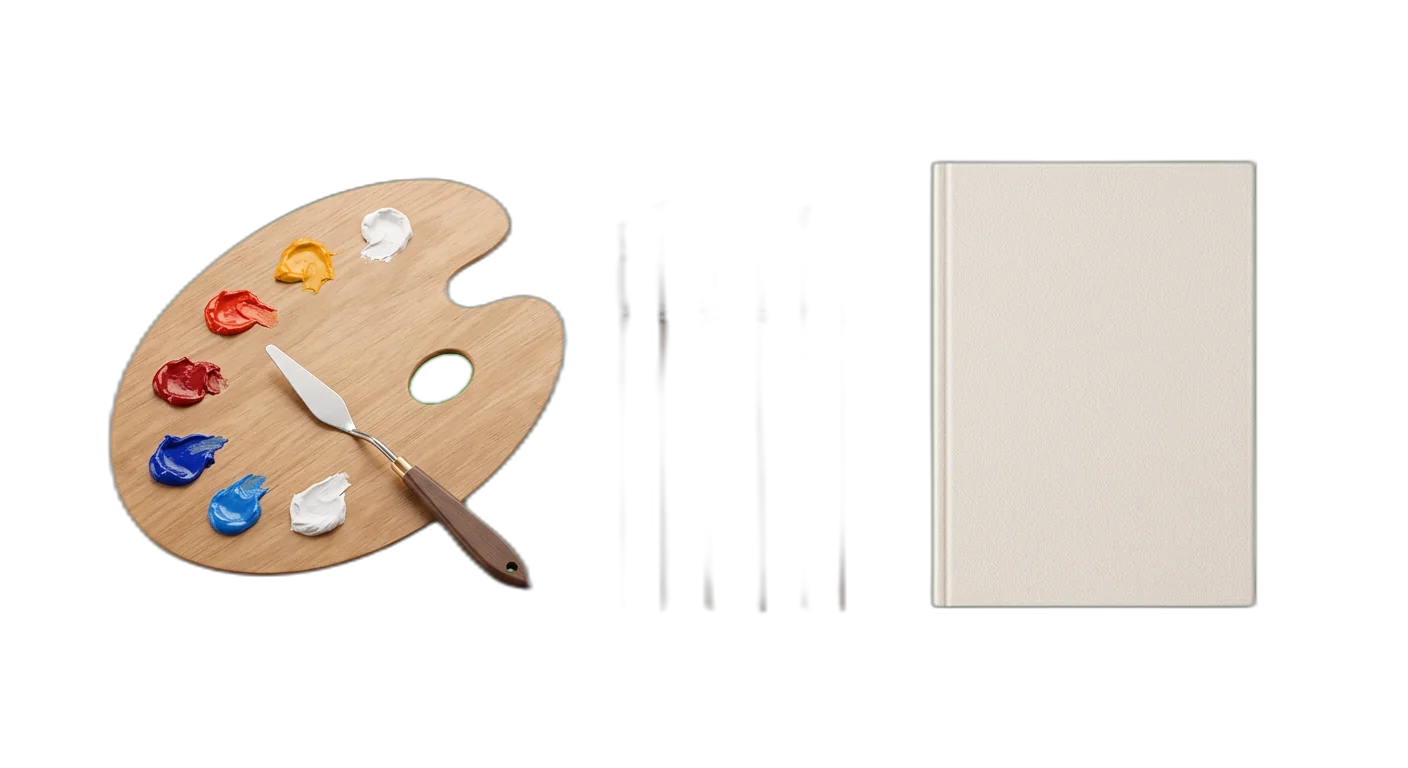
Kunstbenodigdheden
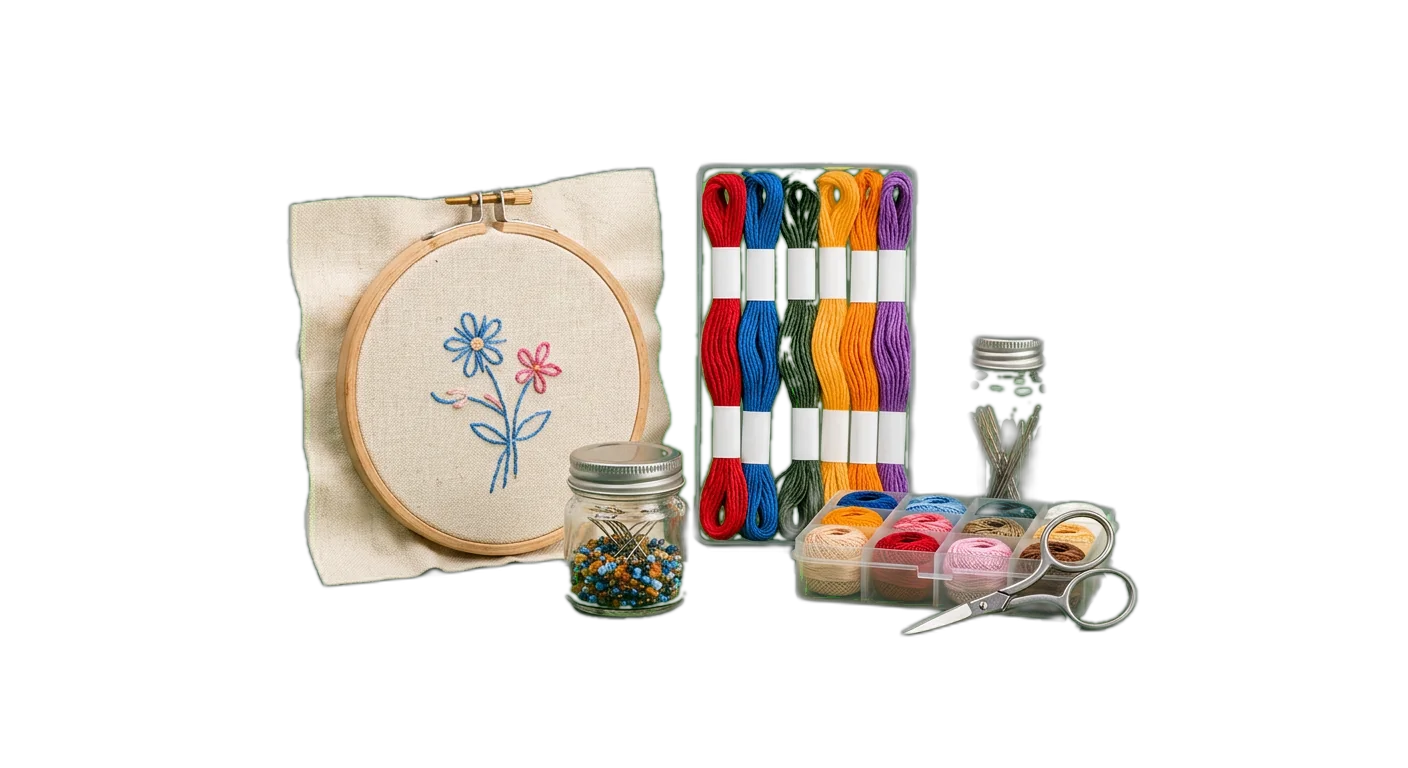
Handwerken
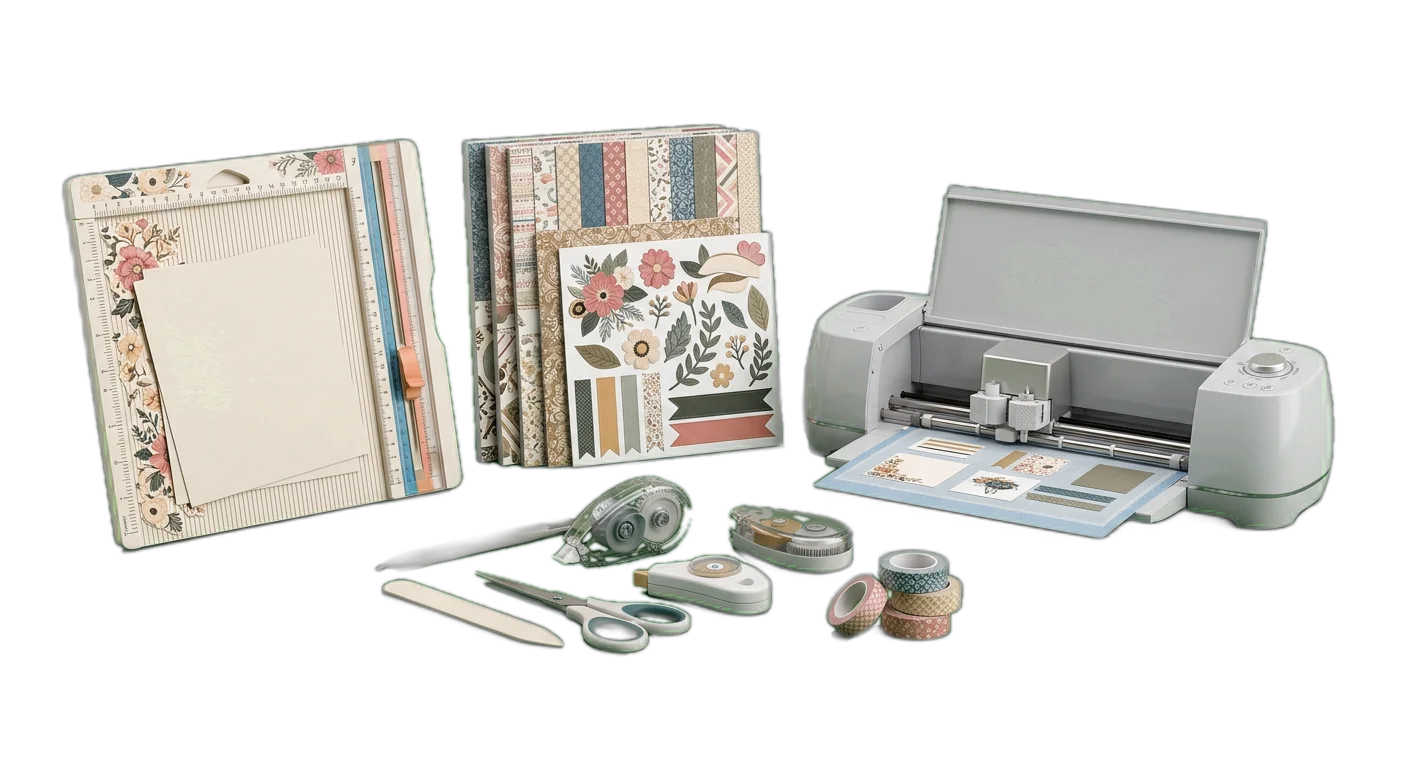
Papierhobby
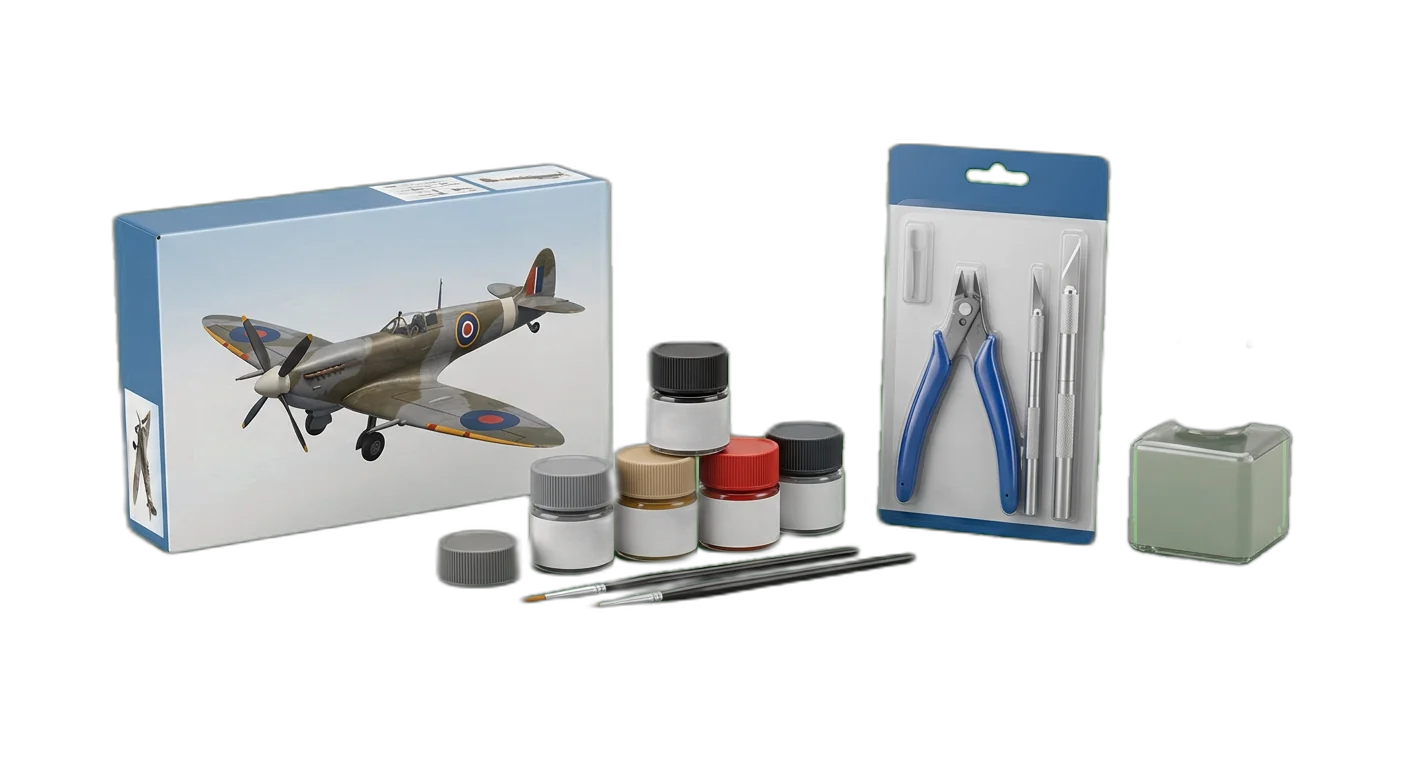
Modelbouw
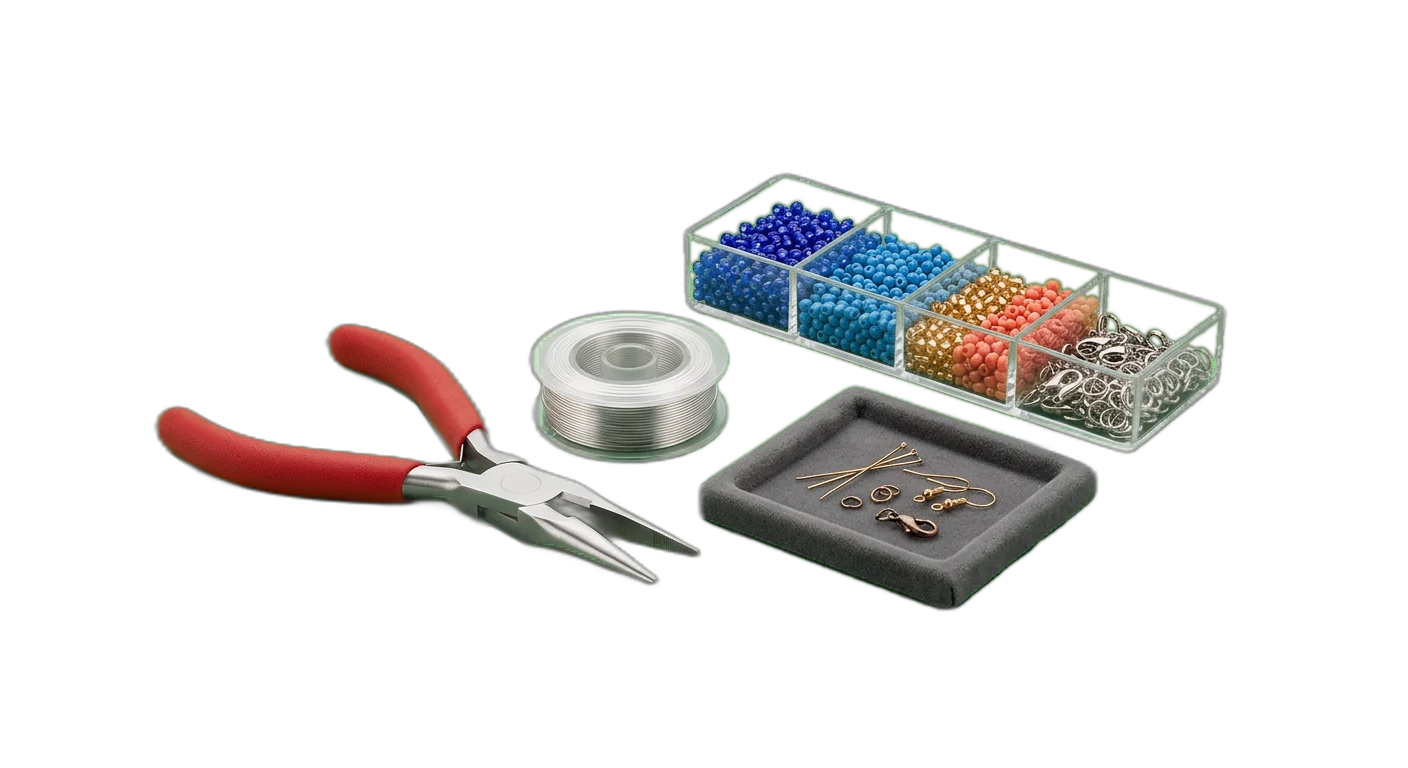
Sieraden maken
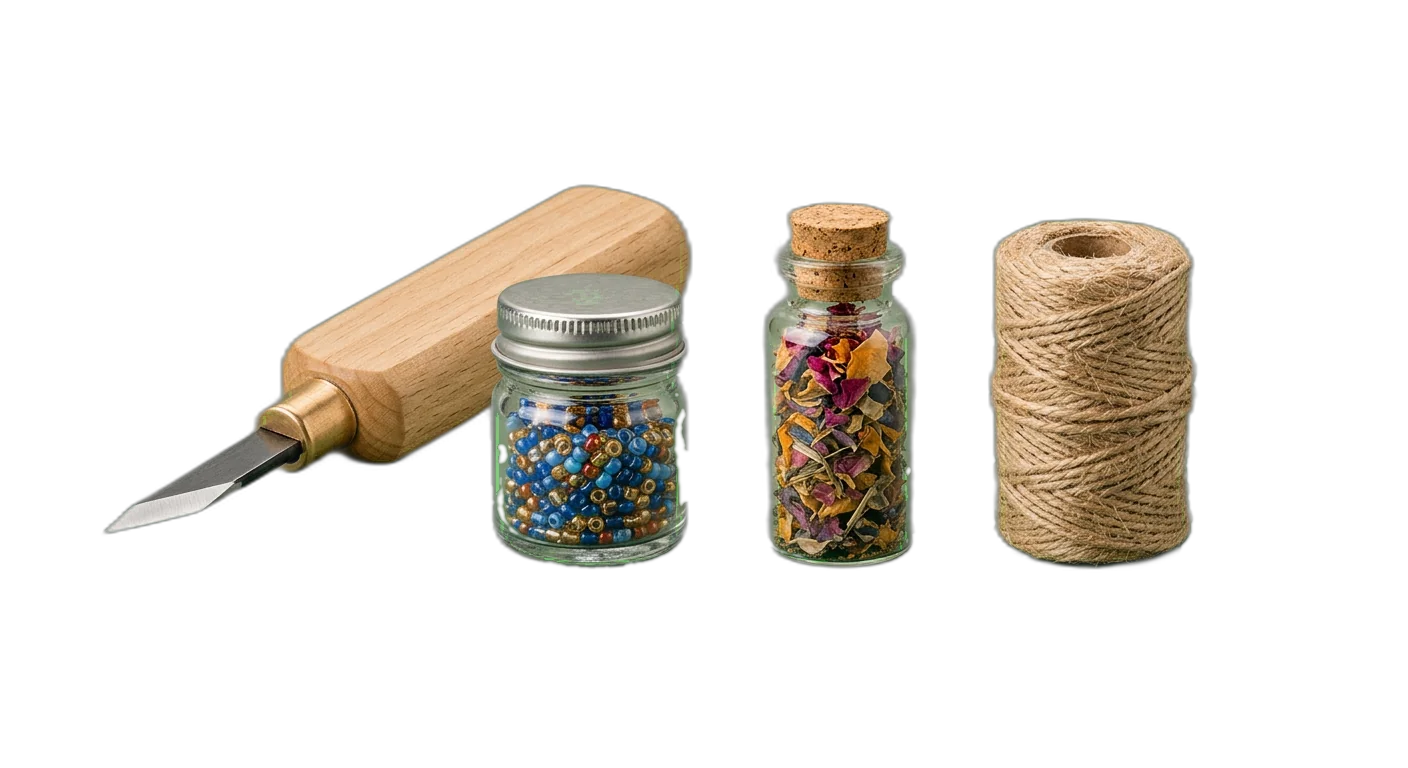
DIY & maker
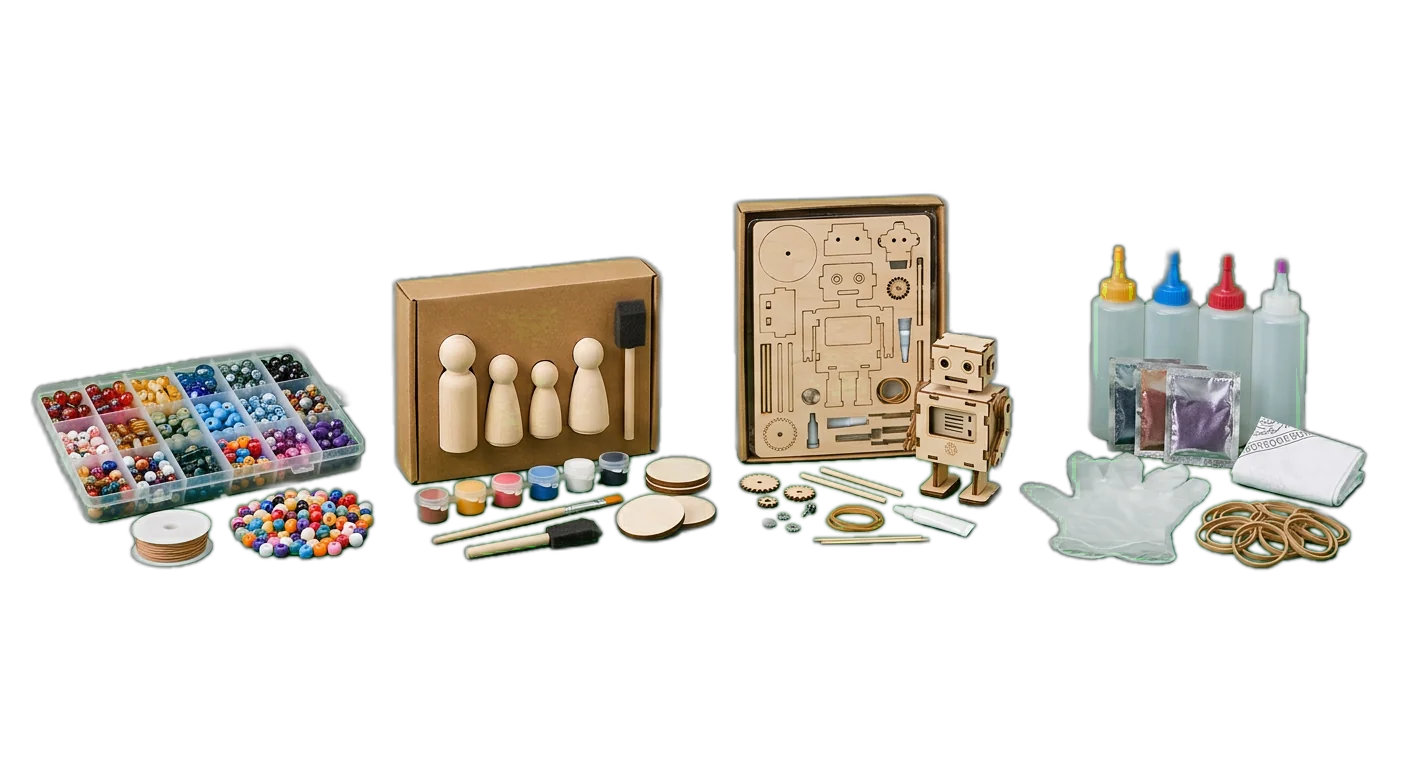
Kinderknutselen
Hoe classificeer je Hobby & creatief producten
Volg deze regels om producten elke keer in de juiste categorie te plaatsen
- 1
Categoriseer eerst op hobbydiscipline
De hoofdcategorie weerspiegelt het type hobby (schilderen, breien, houtbewerking), niet de productvorm. Een penseel dat verkocht wordt voor acrylschilderen hoort onder Kunstbenodigdheden > Schilderen > Penselen, en niet in een algemene categorie Penselen. Zo winkelen hobbyisten namelijk ook: ze bladeren vanuit hun eigen discipline, niet vanuit een producttype.
Een aquarelpenseel staat onder Kunstbenodigdheden > Schilderen > Penselen, niet onder Gereedschap > PenselenEen borduurschaartje hoort onder Handwerken > Borduren, niet in een algemene categorie Scharen - 2
Gebruik niveau als attribuut, niet als categorie
Maak geen aparte takken voor beginners, halfgevorderden en gevorderden. Het niveau verschilt per persoon en leg je het beste vast als filterbaar attribuut. Zo hoef je je categorieboom niet drie keer te dupliceren en vinden klanten via filters precies de producten die bij hun ervaring passen.
Breipakketten met het attribuut Niveau: BeginnerSchaalmodellen met het attribuut Niveau: Gevorderd - 3
Onderscheid pakketten van losse materialen
Pakketten die meerdere onderdelen bundelen tot een compleet project horen in een subcategorie Pakketten binnen hun eigen discipline. Losse materialen (verf, garen, gereedschap) categoriseer je op hun specifieke type. Dat onderscheid is belangrijk, want pakketten en losse artikelen vragen om andere attributen, andere prijsmodellen en bedienen een andere koopintentie.
Een compleet startpakket om te leren breien staat onder Handwerken > Breien > BreipakkettenEen bol merinowol staat onder Handwerken > Breien > Garen - 4
Leg het projecttype vast als attribuut, niet als categorie
Hobbyisten zoeken vaak op project (sjaal, kaars, modelauto), maar projecttypes horen als attribuut of tag in je data en niet als categorie. Het product is het materiaal of het gereedschap; het project is wat je ermee maakt. Zo voorkom je een wildgroei aan projectcategorieën die overlappen met je materiaalcategorieën.
Garen met project_suggestions: ['Sjaal', 'Muts', 'Deken']Resin met project_type-tags: ['Sieraden', 'Onderzetters', 'Kunst'] - 5
Leg kwaliteitsklassen vast als gestructureerde attributen
Hobbymaterialen lopen uiteen van studiekwaliteit tot professionele kwaliteit. Leg dat vast in een attribuut Kwaliteitsklasse (Studie, Kunstenaar, Professioneel) in plaats van parallelle categoriebomen te bouwen. De klasse bepaalt de prijs, de pigmentconcentratie en de duurzaamheid, maar verandert niet wat het product in de kern is.
Acrylverf met Kwaliteitsklasse: Kunstenaar, Pigmentgehalte: HoogTekenpotloden met Kwaliteitsklasse: Studie, geschikt voor beginners - 6
Tag leeftijdsgeschiktheid voor veiligheid en vindbaarheid
Hobbymateriaal dat voor kinderen bedoeld of veilig is, krijgt een leeftijdsattribuut (Aanbevolen leeftijd: 6+) en veiligheidscertificeringen (ASTM D-4236, CE, EN71). Zet producten voor kinderen in de aparte categorie Kinderknutselen. Producten met risico's (scherp gereedschap, chemicaliën, kleine onderdelen) markeer je nadrukkelijk als alleen voor volwassenen.
Knutselpakket voor kinderen met Leeftijd: 6-12, Veiligheid: ASTM D-4236-gecertificeerdEpoxyhars met Leeftijd: 18+, Veiligheid: ventilatie vereist, niet voor kinderen - 7
Hang patronen en werkbeschrijvingen onder hun eigen discipline
Patronen, sjablonen en werkbeschrijvingen horen als subcategorie binnen hun discipline, niet in een losse hoofdcategorie Patronen. Een naaipatroon is iets wezenlijk anders dan een breipatroon, en hobbyisten verwachten patronen naast de materialen van diezelfde discipline te vinden.
Handwerken > Naaien > Naaipatronen (niet Patronen > Naaipatronen)Handwerken > Breien > Breipatronen (niet Patronen > Breipatronen) - 8
Regel seizoensartikelen met attributen en tags
Seizoensgebonden hobbymateriaal (kerstballen beschilderen, paaseieren versieren) blijft in zijn vaste categorie staan en krijgt seizoenstags. Maak geen seizoenstakken die het grootste deel van het jaar leeg staan. Gebruik de attributen Seizoen en Feestdag voor je merchandising en promotiefilters.
Een schilderpakket voor kerstballen blijft onder Kunstbenodigdheden > Schilderen met tags: ['Kerst', 'Feestdagen']Materiaal voor valentijnskaarten blijft onder Papierhobby > Kaarten maken met Seizoen: Valentijnsdag - 9
Onderscheid gereedschap van verbruiksmateriaal
Gereedschap (scharen, naalden, snijmatten) en verbruiksmateriaal (verf, garen, was) kennen een ander koopritme en andere attributen. Beide horen onder hun discipline, maar door ze op subcategorieniveau duidelijk te scheiden verbeter je je voorraadplanning, je herbestelmeldingen en het winkelgedrag van je klanten.
Penselen (herbruikbaar gereedschap) en acrylverf (verbruiksmateriaal) staan naast elkaar onder Kunstbenodigdheden > SchilderenHaaknaalden (gereedschap) en haakgaren (verbruiksmateriaal) staan naast elkaar onder Handwerken > Haken - 10
Gebruik merkcollecties als tags, niet als categorieën
Bekende hobbymerken brengen regelmatig samenhangende productlijnen of collecties uit. Vang die op met een attribuut Merkcollectie en met tags over producten heen, in plaats van met merkspecifieke categorieën. Zo blijft je taxonomie merkonafhankelijk en hoef je niets te herstructureren als een merksamenwerking verandert.
DMC Mouliné-garen met Merk: DMC, Collectie: ColorisEen Cricut-snijmachine met Merk: Cricut, niet onder een categorie Cricut
Vereiste attributen per categorie
Zorg voor volledige productdata met de verplichte en aanbevolen attributen voor elk categorieniveau
Hobby & creatief classificatievalkuilen om te vermijden
Vermijd deze veelgemaakte categorisatiefouten die de vindbaarheid van producten schaden
- Fout
Verschillende hobbytypes door elkaar in gedeelde categorieën zetten, bijvoorbeeld alle verf bij elkaar ongeacht de discipline (acrylverf voor doeken naast miniatuurverf)
Betere aanpakHoud producten binnen hun eigen discipline. Acrylverf om op doek te schilderen hoort onder Kunstbenodigdheden > Schilderen > Acrylverf, terwijl miniatuurverf onder Modelbouw > Miniaturen & wargaming > Miniatuurverf thuishoort. Het is allebei verf, maar de koopintentie en de vereiste attributen verschillen sterk.
- Fout
Het niveau (beginner, halfgevorderd, gevorderd) als categorieniveau gebruiken, waardoor je hele categorieboom verdrievoudigt
Betere aanpakLeg het niveau vast als filterbaar productattribuut. Een breipakket voor beginners en een breipakket voor gevorderden horen allebei onder Handwerken > Breien > Breipakketten, onderscheiden door het attribuut Niveau. Dat houdt je boom compact en laat klanten binnen een hele discipline filteren op hun ervaring.
- Fout
Geen onderscheid maken tussen complete pakketten en losse artikelen, waardoor klanten niet weten wat er nu precies bij zit
Betere aanpakMaak expliciete subcategorieën voor pakketten binnen elke discipline en definieer pakketspecifieke attributen: Inhoud, Niveau, Eindresultaat en Volledigheid (alles inbegrepen of extra materiaal nodig). Losse materialen en pakketten bedienen een andere koopintentie en moeten los van elkaar te doorzoeken zijn.
- Fout
Kwaliteitsklassen negeren, waardoor klanten professioneel materiaal niet kunnen onderscheiden van studiekwaliteit
Betere aanpakVoeg aan al je verbruiksmaterialen een attribuut Kwaliteitsklasse toe (Studie, Kunstenaar, Professioneel). De klasse bepaalt de pigmentconcentratie, de vezelsamenstelling, de materiaalzuiverheid en het prijsniveau. Hobbyisten filteren er actief op en marketplaces vragen dit onderscheid vaak expliciet uit.
- Fout
Patronen en werkbeschrijvingen in een algemene categorie Patronen zetten in plaats van binnen hun eigen discipline
Betere aanpakHoud patronen onder hun discipline: Handwerken > Naaien > Naaipatronen, Handwerken > Breien > Breipatronen. Een naaipatroon heeft totaal andere attributen (type kledingstuk, maatbereik, benodigde stof) dan een breipatroon (garendikte, stekenverhouding, breitechnieken). Door ze samen te voegen breek je je filters en verlies je vindbaarheid.
- Fout
Hetzelfde gereedschap dupliceren over meerdere disciplines omdat het in meer dan één hobby bruikbaar is
Betere aanpakZet multi-inzetbaar gereedschap in de discipline waar het het vaakst gekocht wordt en gebruik kruisverwijzingstags voor de andere toepassingen. Een scherpe schaar is bijvoorbeeld bruikbaar bij quilten, scrapbooking en naaien: plaats hem onder de primaire discipline (bijvoorbeeld Naaien > Fournituren) en voeg tags toe als ['quilten', 'scrapbooking'] voor zoekresultaten over categorieën heen.
- Fout
Geen projectsuggesties of inspiratie meegeven, waardoor je een kans laat liggen om klanten aanvullende producten te laten ontdekken
Betere aanpakVoeg een attribuut Projectsuggesties of een tag met gerelateerde projecten toe aan je materialen en gereedschap. Wie garen bekijkt, hoort projectideeën te zien (sjaal, deken, amigurumi) die doorlinken naar bijpassende patronen en aanvullende materialen. Dat stimuleert cross-selling en maakt het winkelen leuker.
- Fout
Veiligheidsinformatie en leeftijdsadvies weglaten bij hobbymateriaal, zeker bij artikelen die aan gezinnen verkocht worden
Betere aanpakMaak Leeftijdsadvies en Veiligheidscertificering (ASTM D-4236, EN71, CE) verplichte attributen voor alles wat door of in de buurt van kinderen gebruikt kan worden. Markeer producten met scherpe onderdelen, giftige stoffen of kleine onderdelen die ingeslikt kunnen worden. In veel markten is dat wettelijk verplicht, en het versterkt het vertrouwen van je klanten.
- Fout
Seizoenstakken aanmaken (kerstknutselen, halloweenknutselen) die het grootste deel van het jaar leeg staan
Betere aanpakHoud seizoensgebonden hobbymateriaal in zijn vaste disciplinecategorie en gebruik tags voor Seizoen en Feestdag in je merchandising. Een schilderpakket voor kerstballen hoort onder Kunstbenodigdheden > Schilderen met de tag Feestdag: Kerst. Gebruik seizoenscollecties of landingspagina's om producten te laten ontdekken, en verbouw je taxonomie er niet voor.
- Fout
De compatibiliteit tussen merken en systemen niet vastleggen (welke snijmallen werken bijvoorbeeld met welke machine)
Betere aanpakVoeg compatibiliteitsattributen toe die naar merken en systemen verwijzen. Geef bij snijmallen bijvoorbeeld Compatibele machines: ['Cricut Maker', 'Sizzix Big Shot'] op, en bij naaimachineaccessoires de compatibele modellen. Dat scheelt retouren en helpt klanten producten te vinden die op hun bestaande apparatuur passen.
Hoe categoriseer je Hobby & creatief producten
Volg deze stappen om je Hobby & creatief producten correct te categoriseren voor e-commerce en marktplaatsvereisten
01
Importeer je hobbycatalogus
Koppel je e-commerceplatform of upload je productfeed met hobbymateriaal, gereedschap, pakketten en patronen. WISEPIM leest producttitels, beschrijvingen, afbeeldingen en bestaande attributen uit en maakt je catalogus klaar voor AI-classificatie per hobbydiscipline.
02
AI classificeert producten per hobbydiscipline
WISEPIM analyseert je productdata en plaatst elk artikel in de juiste discipline en subcategorie. De AI bepaalt of iets gereedschap, verbruiksmateriaal, een pakket of een patroon is, kent de juiste discipline toe (Kunstbenodigdheden, Handwerken, Modelbouw) en stelt attributen voor zoals niveau, kwaliteitsklasse en materiaalsoort.
03
Verrijk attributen & koppel gerelateerde producten
Controleer de voorgestelde categorieën en vul de cruciale attributen aan: materiaalspecificaties, niveaus, veiligheidscertificeringen en compatibiliteit. WISEPIM markeert ontbrekende verplichte attributen en stelt projectgerichte kruisverwijzingen voor, zodat klanten aanvullende producten ontdekken binnen én buiten hun eigen discipline.
04
Publiceer naar al je kanalen
Exporteer je gecategoriseerde hobbycatalogus naar je webshop, Amazon, Etsy en andere kanalen. WISEPIM mapt je interne disciplinetaxonomie naar de categoriestructuur van elk platform en houdt je listings synchroon als je nieuwe producten toevoegt of bestaande aanpast.
Hobby & creatief: categoriseer je eigen catalogus in WISEPIM
Meld je aan voor het gratis plan en pas deze gids toe op je eigen producten: bouw je categorieboom, laat AI per product een categorie voorstellen en koppel je categorieën aan de producttaxonomie van Google.
- 100 producten en 50 AI-credits per maand met het gratis plan
- Importeer producten uit een CSV-bestand of een gekoppelde winkel
- AI-categorisatie wijst categorieën toe, of stelt ze voor zodat jij eerst checkt
- De categoriekaart koppelt je categorieën aan Google-productcategorieën
Veelgestelde vragen
Veelgestelde vragen over Hobby & creatief productcategorisatie
Beste Hobby & creatief categorieën voor e-commerce
Ontdek de best presterende Hobby & creatief productcategorieën gerangschikt op vraag, marges en groeipotentieel.
Map Hobby & creatief producten naar een globale taxonomie
Heb je je eigen categorieboom? Map ze naar de standaarden die marketplaces, advertentieplatforms en dataleveranciers vereisen.
Bekijk meer branchegidsen
Printbare checklist
Begin in 15 minutenZet elk live product in de juiste categorie
Begin met een telling van 15 minuten: producten zonder categorie, of met alleen een hoofdcategorie. Je krijgt twee getallen, zoals 140 producten, 12 in je top 100. Daarna 5 stappen voor de rest van de week.
Zo werkt het
- Filter op producten zonder categorie of met alleen een hoofdcategorie.
- Kijk hoeveel daarvan in je top 100 bestsellers staan.
- Schrijf beide getallen op, zoals '140 producten, 12 in de top 100'.
Eén mail, één keer, met een link naar de printbare checklist. Verder niets, tenzij je het vakje aanvinkt.
Gratis Excel-template
XLSX · 3 tabbladenZie welke van je 20 bestsellers nog niet compleet zijn
Een Excel-check met de kolommen die je voor hobby en creatief nodig hebt. In ongeveer 15 minuten weet je hoeveel van je 20 producten compleet zijn, en welke verbetering de meeste rijen helpt.
Zo werkt het
- Plak 20 bestsellers uit je webshopexport in Producten.
- Vul in wat je weet. De laatste kolom zegt per rij wat er ontbreekt.
- Lees je resultaat op Begin hier: hoeveel er compleet zijn en welke verbetering de meeste rijen helpt.
Eén mail, één keer, met de XLSX als bijlage en als downloadlink. Verder niets, tenzij je het vakje aanvinkt.
Verder ontdekken
Zorgvuldig gekozen vervolgstappen om dieper te gaan.
Klaar om je Hobby & creatief categorisatie te automatiseren?
WISEPIM gebruikt AI om producten automatisch te classificeren. Bespaar uren handmatig werk en maak een einde aan categorisatiefouten.