Boeken en media categoriseren
Echte categoriebomen, classificatieregels en attribuutvereisten voor Boeken & digitale media catalogi. Kopieer ze, map je producten en bespaar maanden taxonomiewerk.
Boeken & digitale media categoriehiërarchie
Standaard categoriestructuur die op grote e-commerce platforms en marktplaatsen wordt gebruikt
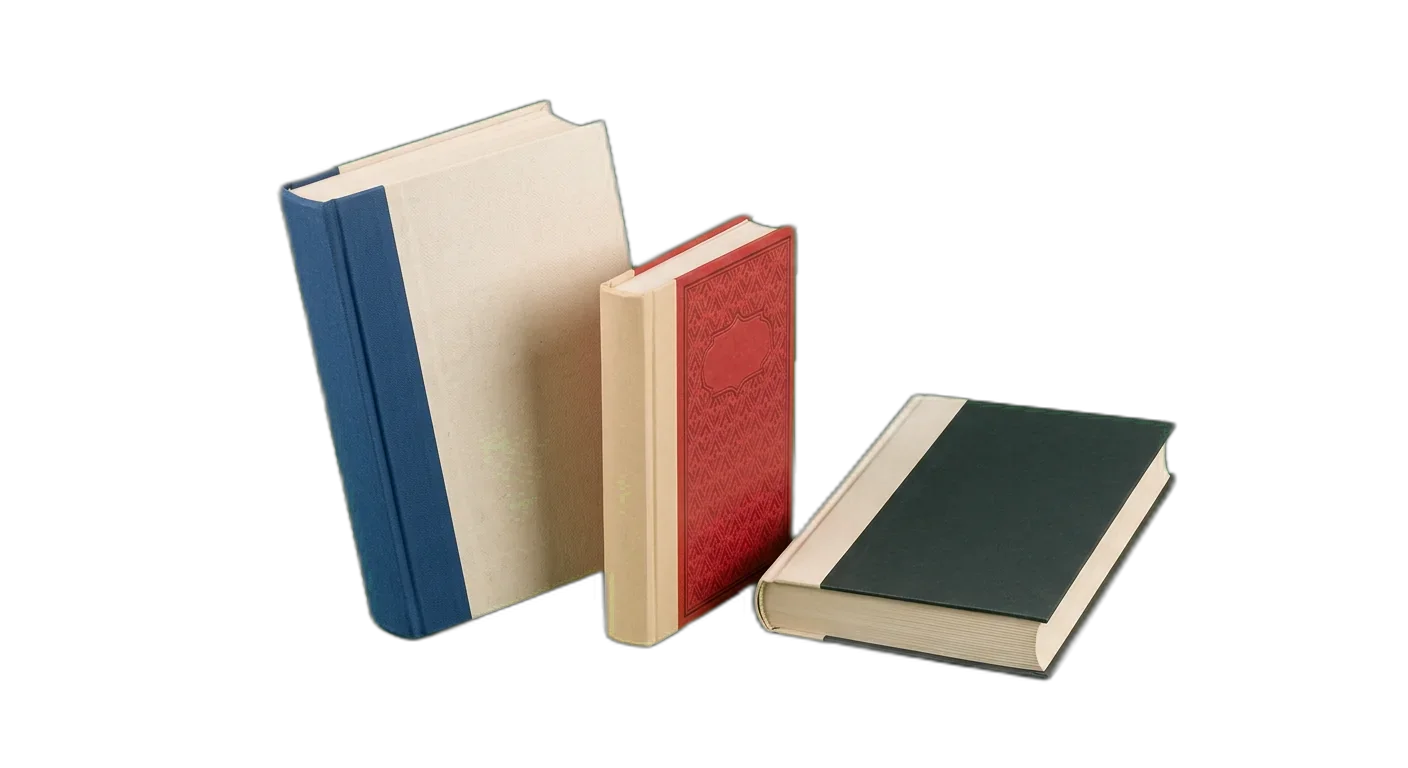
Boeken
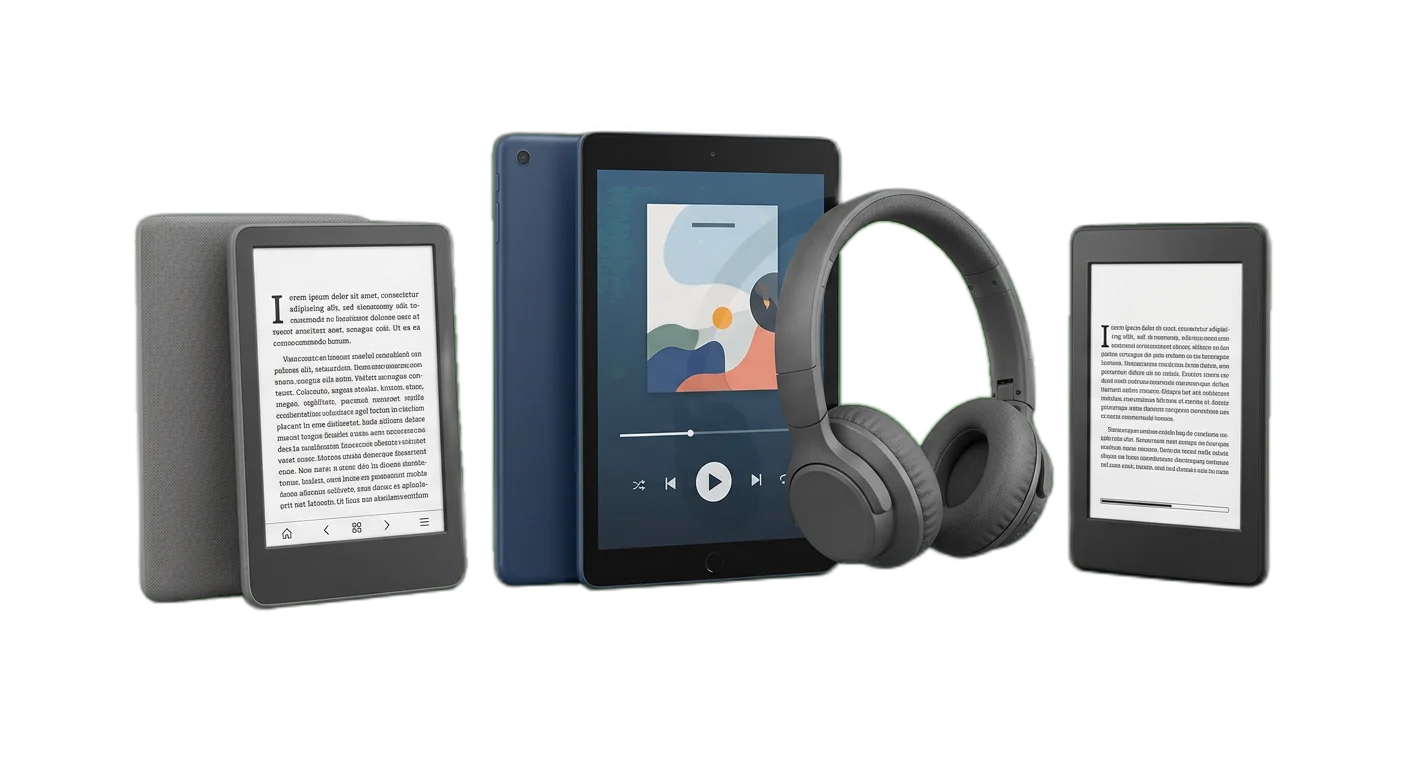
E-books & luisterboeken
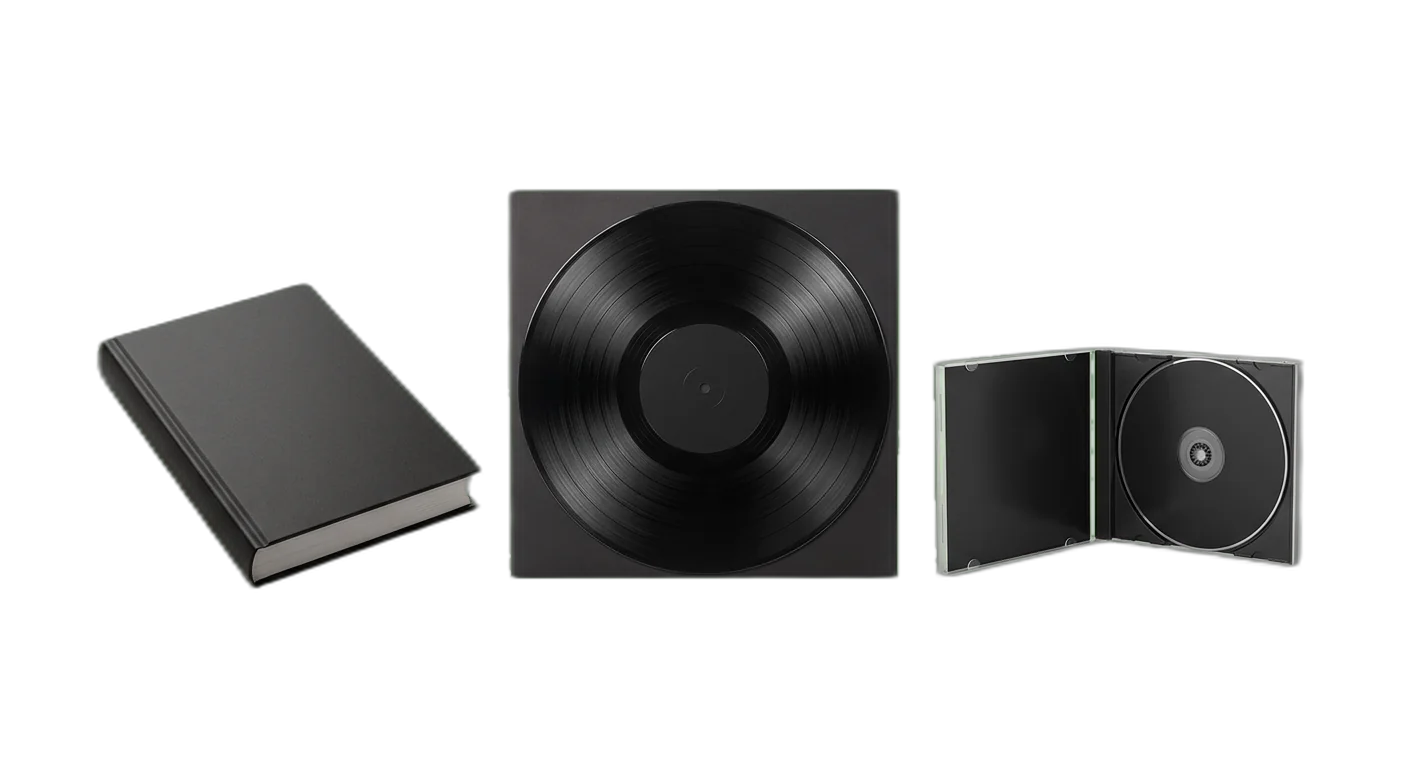
Muziek
Films & series
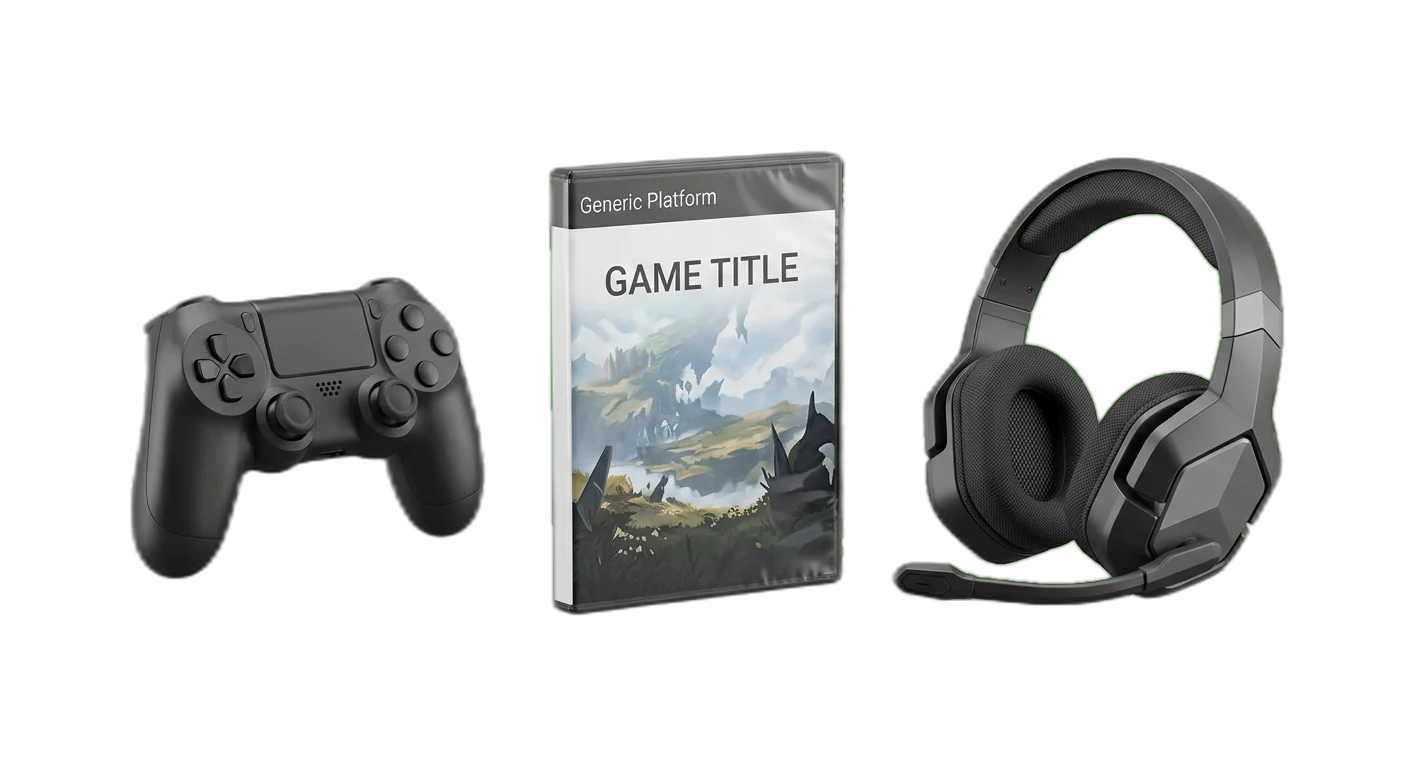
Videogames
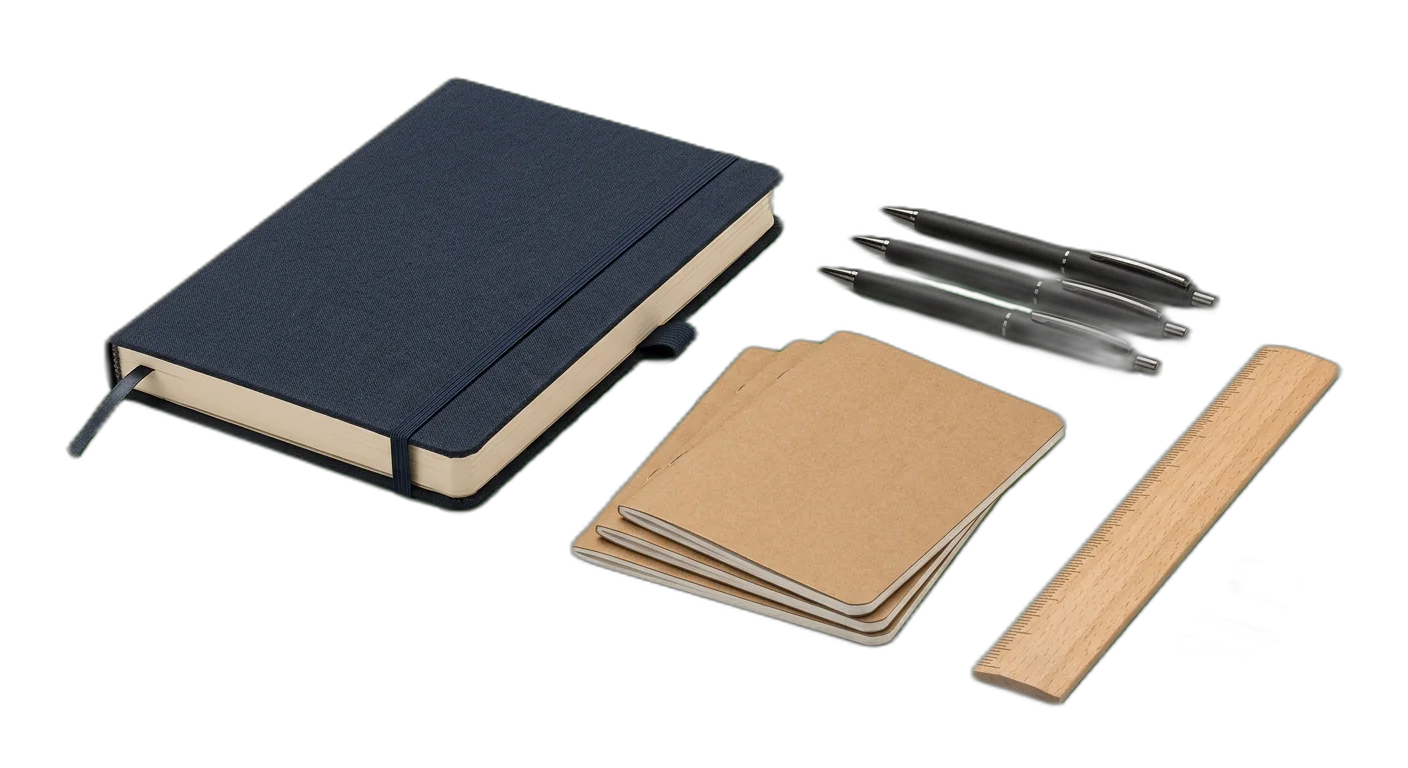
Schrijfwaren & notitieboeken
Hoe classificeer je Boeken & digitale media producten
Volg deze regels om producten elke keer in de juiste categorie te plaatsen
- 1
Behandel formaat als attribuut, niet als categorie
Paperback, hardcover, e-book en luisterboek zijn leveringsvormen van hetzelfde werk. Gebruik formaat als gestructureerd attribuut in plaats van je taxonomie op te splitsen per bindwijze. Zo voorkom je dubbele records voor één titel en houd je het voorraadbeheer over al je kanalen eenvoudig.
Boeken > Fictie > Thrillers & detectives met attribuut Formaat: HardcoverMaak geen aparte takken Boeken > Hardcover fictie en Boeken > Paperback fictie - 2
Houd je genrehiërarchie consistent
Genre-indeling volgt een helder systeem van twee niveaus: het brede genre op categorieniveau (Fictie, Non-fictie) en het specifieke subgenre op het niveau daaronder. Meng die niveaus niet en maak geen hybride genrecategorieën. Titels die meerdere genres beslaan krijgen één primair genre als categorie en de rest als genretags.
Boeken > Fictie > Sciencefiction als categorie, met subgenre-attribuut: Space operaEen sciencefictionromance valt onder Sciencefiction met genretags: ['Romantiek', 'Sciencefiction'] - 3
Gebruik ISBN en ISSN als standaardidentificatie
Elk boekproduct hoort zijn ISBN-13 te dragen als verplicht attribuut (of ISBN-10 bij oudere titels). Voor tijdschriften en periodieken gebruik je het ISSN. Deze codes zijn onmisbaar voor marketplace-listings, ontdubbeling en de koppeling met je toeleverketen. Digitale producten kunnen daarnaast een ASIN of een platformspecifieke ID hebben.
ISBN-13: 978-0-13-468599-1 voor een fysiek boekISSN: 0028-0836 voor een tijdschriftabonnement - 4
Leg leeftijdsclassificaties vast als gestructureerd attribuut
Gebruik de classificatiesystemen die de branche hanteert in plaats van eigen labels. Voor boeken werk je met de leeftijdsindicatie van de uitgever. Voor videogames gebruik je ESRB (Noord-Amerika), PEGI (Europa) of CERO (Japan). Voor films MPAA of het regionale equivalent, zoals Kijkwijzer in Nederland. Sla altijd het gebruikte systeem naast de waarde op, zodat een internationale catalogus per markt de juiste classificatie toont.
Videogame met ESRB: M (Mature 17+) en PEGI: 18Kinderboek met age_range: 4-8 en reading_level: Early Reader - 5
Leg series en collecties vast
Veel mediaproducten horen bij een serie of collectie. Leg serienaam, deelnummer en het totale aantal delen vast als aparte attributen. Klanten vinden zo verwante titels, je kunt navigatie op leesvolgorde aanbieden en bundels gerichter onder de aandacht brengen.
Serie: Harry Potter, Deel: 3, Totaal aantal delen: 7Tv-boxset: Breaking Bad, Seizoen: 2, Formaat: Blu-ray - 6
Geef titels met meerdere formaten één canoniek record
Is dezelfde titel beschikbaar als paperback, hardcover, e-book en luisterboek, houd dan één canoniek productrecord aan met formaatvarianten in plaats van losse producten. Reviews, beoordelingen en metadata blijven zo bij elkaar en klanten zien geen verwarrende dubbele listings.
Eén productrecord voor 'Atomic Habits' met varianten: Hardcover, Paperback, E-book, LuisterboekElke variant heeft een eigen ISBN, prijs en beschikbaarheid - 7
Leg taal vast als productattribuut met ISO-codes
Maak geen categorieën op taal (Engelse boeken, Spaanse boeken). Gebruik een taalattribuut met ISO 639-1-codes. Bij tweetalige of meertalige uitgaven sla je alle taalcodes op die van toepassing zijn. Je taxonomie blijft schoon en je kunt internationaal uitbreiden zonder je structuur om te gooien.
Taal: en (Engels), met additional_languages: ['es'] voor een tweetalige editieTaal: ja (Japans) voor manga in het originele Japans - 8
Onderscheid edities en houd de versiegeschiedenis bij
Leg editie-informatie (1e druk, herziene druk, jubileumeditie, verzamelaarseditie) vast als gestructureerd attribuut in plaats van er aparte categorieën van te maken. Koppel edities van dezelfde titel aan elkaar, zodat klanten kunnen vergelijken en jij kunt volgen welke versie waar in de markt staat.
Editie: 3e herziene druk, Oorspronkelijk verschijningsjaar: 2015, Editiejaar: 2023Editietype: Verzamelaarseditie, met attributen voor extra's zoals gesigneerd, genummerd of geïllustreerd - 9
Scheid digitaal en fysiek op het hoogste niveau
Fysieke en digitale media verschillen fundamenteel in fulfilment, licentievoorwaarden en retourbeleid. Houd op het hoogste niveau een duidelijke scheiding aan tussen fysieke producten (Boeken, Fysieke muziek, Dvd en Blu-ray) en hun digitale tegenhangers (E-books, Digitale downloads, Streamingcodes). Dat vereenvoudigt je logistiek en je marketplace-mapping.
- 10
Behandel pre-orders en releasedatums als productstatus
Maak geen categorie Pre-order aan. Gebruik een attribuut voor beschikbaarheidsstatus (Beschikbaar, Pre-order, Niet meer verkrijgbaar, Binnenkort) in combinatie met een veld voor de releasedatum. Pre-orders staan dan gewoon in hun juiste categorie en kun je apart filteren en promoten.
Beschikbaarheid: Pre-order, Releasedatum: 2026-06-15, categorie: Boeken > Fictie > FantasyBeschikbaarheid: Niet meer verkrijgbaar, Laatste drukjaar: 2019
Vereiste attributen per categorie
Zorg voor volledige productdata met de verplichte en aanbevolen attributen voor elk categorieniveau
Boeken & digitale media classificatievalkuilen om te vermijden
Vermijd deze veelgemaakte categorisatiefouten die de vindbaarheid van producten schaden
- Fout
Formaat (paperback, hardcover, e-book) als categorie op het hoogste niveau gebruiken in plaats van als attribuut
Betere aanpakFormaat is een productvariant, geen categorie. Deel eerst in op contentsoort en genre (Boeken > Fictie > Fantasy) en gebruik Formaat daarna als attribuut. Zo staat dezelfde titel niet in drie verschillende takken en blijft je catalogus ontdubbeld.
- Fout
Genres op verschillende diepten door elkaar gebruiken, bijvoorbeeld Thriller op hetzelfde niveau als Fictie
Betere aanpakHanteer een strikte genrehiërarchie van twee niveaus: het brede genre op niveau twee (Fictie, Non-fictie) en het specifieke subgenre op niveau drie (Thrillers & detectives, Sciencefiction). Til een subgenre nooit op naar het niveau van zijn ouder. Gebruik genretags om titels ook buiten hun eigen tak vindbaar te maken.
- Fout
Serie- of collectiegegevens niet vastleggen, waardoor klanten verwante titels niet kunnen vinden
Betere aanpakVoeg Serienaam, Deelnummer en Totaal aantal delen toe als aparte attributen bij elke titel die bij een serie hoort. Daarmee kun je navigatie op leesvolgorde aanbieden en bundels aanbevelen, en bestellen klanten niet per ongeluk het verkeerde deel.
- Fout
Verschillen tussen edities negeren, waardoor een derde druk als eerste druk in de winkel staat
Betere aanpakLeg Editie (1e druk, 2e druk, herziene druk, jubileumeditie, verzamelaarseditie) vast als verplicht attribuut voor boeken. Koppel edities van dezelfde titel in je PIM aan elkaar, zodat klanten kunnen vergelijken en je marketplace-listings de juiste versie met het bijbehorende ISBN tonen.
- Fout
Categorieën aanmaken per taal (Engelse boeken, Spaanse boeken, Duitse boeken) in plaats van een taalattribuut gebruiken
Betere aanpakGebruik een attribuut Taal met ISO 639-1-codes (en, es, de, fr). Bij meertalige uitgaven sla je alle taalcodes op die van toepassing zijn. Je categorieboom blijft schoon en schaalbaar, zodat je nieuwe markten kunt toevoegen zonder je hele taxonomie te herbouwen.
- Fout
Geen leeftijdsclassificatie toepassen of per mediasoort andere leeftijdslabels gebruiken
Betere aanpakStandaardiseer op de classificatiesystemen die de branche erkent: leeftijdsindicaties van de uitgever voor boeken, ESRB en PEGI voor videogames, MPAA en BBFC voor films. Bewaar zowel het systeem als de waarde, zodat een internationale catalogus per regio de juiste classificatie laat zien.
- Fout
Aparte productrecords aanmaken voor de fysieke en de digitale versie in plaats van ze te koppelen als formaatvarianten
Betere aanpakHoud één canoniek productrecord aan met formaatvarianten (Fysiek, E-book, Luisterboek). Elke variant heeft een eigen ISBN, prijs en fulfilmentgegevens, maar ze delen metadata zoals titel, auteur, genre en beschrijving. Zo bundel je reviews en houd je het catalogusbeheer overzichtelijk.
- Fout
ISBN-13 niet als primaire productidentificatie gebruiken en alleen op eigen SKU's vertrouwen
Betere aanpakMaak ISBN-13 een verplicht attribuut voor alle boeken en ISSN voor periodieken. Dit zijn de universele identificatiecodes die elke grote marketplace, distributeur en bibliotheek gebruikt. Eigen SKU's zijn prima voor intern gebruik, maar vervangen nooit de standaardcodes voor externe koppelingen.
- Fout
Schrijfwaren en notitieboeken onder Boeken hangen omdat ze nu eenmaal in boekhandels liggen
Betere aanpakSchrijfwaren, notitieboeken en wenskaarten hebben andere attributen dan boeken (papiergewicht, liniatuur, aantal pagina's zonder ISBN). Geef ze een eigen categorie Schrijfwaren & notitieboeken op het hoogste niveau, met een eigen attribuutschema. Dat voorkomt verwarring in je feeds en marketplace-mappings.
- Fout
Boxsets en verzamelingen met meerdere discs niet als apart producttype behandelen
Betere aanpakMaak een subcategorie Boxsets & collecties voor bundels met meerdere items. Voeg attributen toe voor Aantal items, Inbegrepen titels en Type set (Complete serie, Seizoen, Bloemlezing). Zo vervuilen boxsets de categorieën van losse titels niet en houd je prijzen en voorraad zuiver.
Hoe categoriseer je Boeken & digitale media producten
Volg deze stappen om je Boeken & digitale media producten correct te categoriseren voor e-commerce en marktplaatsvereisten
01
Importeer je mediacatalogus
Koppel je e-commerceplatform of upload je productfeed met boeken, muziek, films, games en andere media. WISEPIM herkent ISBN's, titels, auteurs en bestaande metadata en maakt je catalogus klaar voor classificatie met AI. Bestaande categorie-indelingen en productbeschrijvingen blijven tijdens de import behouden.
02
AI deelt je producten in op genre en soort
WISEPIM analyseert titels, beschrijvingen, omslagafbeeldingen en metadata en plaatst elk item in de juiste categorie. De AI bepaalt mediasoort, genre, doelgroep en formaat met hoge nauwkeurigheid, herkent series, stelt ontbrekende attributen voor zoals leeftijdsclassificatie en taalcode, en markeert de producten die je zelf even moet nakijken.
03
Verrijk attributen en koppel verwante producten
Controleer de voorgestelde categorieën en vul de belangrijkste attributen aan: ISBN's, namen van auteurs en artiesten, editie-informatie, seriegegevens en leeftijdsclassificaties. WISEPIM toetst of je attributen compleet zijn volgens de eisen van je marketplaces en koppelt verwante producten (delen van een serie, formaatvarianten, boxsets) voor cross-selling.
04
Publiceer naar al je kanalen
Exporteer je ingedeelde mediacatalogus naar je webshop, Amazon, Google Shopping en andere kanalen. WISEPIM koppelt je interne categorieën aan de taxonomie van elk platform (BISAC-codes voor boeken, Amazon Browse Nodes, Google Product Categories) en houdt je listings synchroon als je nieuwe titels toevoegt of bestaande producten bijwerkt.
Boeken & digitale media: categoriseer je eigen catalogus in WISEPIM
Meld je aan voor het gratis plan en pas deze gids toe op je eigen producten: bouw je categorieboom, laat AI per product een categorie voorstellen en koppel je categorieën aan de producttaxonomie van Google.
- 100 producten en 50 AI-credits per maand met het gratis plan
- Importeer producten uit een CSV-bestand of een gekoppelde winkel
- AI-categorisatie wijst categorieën toe, of stelt ze voor zodat jij eerst checkt
- De categoriekaart koppelt je categorieën aan Google-productcategorieën
Veelgestelde vragen
Veelgestelde vragen over Boeken & digitale media productcategorisatie
Beste Boeken & digitale media categorieën voor e-commerce
Ontdek de best presterende Boeken & digitale media productcategorieën gerangschikt op vraag, marges en groeipotentieel.
Map Boeken & digitale media producten naar een globale taxonomie
Heb je je eigen categorieboom? Map ze naar de standaarden die marketplaces, advertentieplatforms en dataleveranciers vereisen.
Bekijk meer branchegidsen
Printbare checklist
Begin in 15 minutenZet elk live product in de juiste categorie
Begin met een telling van 15 minuten: producten zonder categorie, of met alleen een hoofdcategorie. Je krijgt twee getallen, zoals 140 producten, 12 in je top 100. Daarna 5 stappen voor de rest van de week.
Zo werkt het
- Filter op producten zonder categorie of met alleen een hoofdcategorie.
- Kijk hoeveel daarvan in je top 100 bestsellers staan.
- Schrijf beide getallen op, zoals '140 producten, 12 in de top 100'.
Eén mail, één keer, met een link naar de printbare checklist. Verder niets, tenzij je het vakje aanvinkt.
Gratis Excel-template
XLSX · 3 tabbladenZie welke van je 20 bestsellers nog niet compleet zijn
Een Excel-check met de kolommen die je voor boeken en media nodig hebt. In ongeveer 15 minuten weet je hoeveel van je 20 producten compleet zijn, en welke verbetering de meeste rijen helpt.
Zo werkt het
- Plak 20 bestsellers uit je webshopexport in Producten.
- Vul in wat je weet. De laatste kolom zegt per rij wat er ontbreekt.
- Lees je resultaat op Begin hier: hoeveel er compleet zijn en welke verbetering de meeste rijen helpt.
Eén mail, één keer, met de XLSX als bijlage en als downloadlink. Verder niets, tenzij je het vakje aanvinkt.
Verder ontdekken
Zorgvuldig gekozen vervolgstappen om dieper te gaan.
Klaar om je Boeken & digitale media categorisatie te automatiseren?
WISEPIM gebruikt AI om producten automatisch te classificeren. Bespaar uren handmatig werk en maak een einde aan categorisatiefouten.