Beste categorieën voor Speelgoed & Spellen
De best presterende Speelgoed & Spellen productcategorieën voor je webshop, gerangschikt op vraag, marges en groeipotentieel.
Beste Speelgoed & Spellen categorieën om online te verkopen
Gerangschikt op marktvraag, winstmarges en groeimomentum
- 1
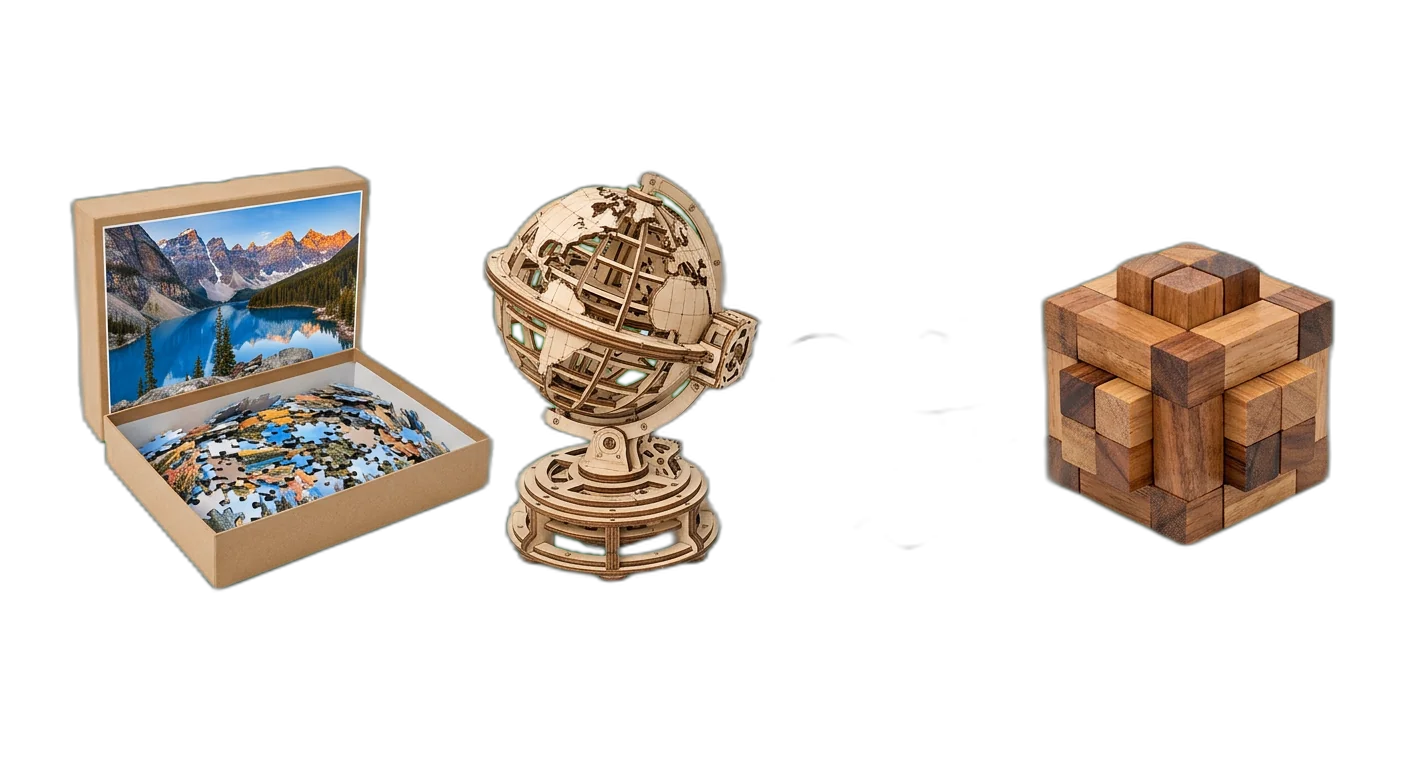
Puzzels
Spellen > Puzzels
Puzzels beleefden tijdens de pandemie een enorme comeback en hebben een groot deel van die vraag vastgehouden. Ze spreken alle leeftijden aan, hebben vrijwel geen retouren en werken zowel voor solo-entertainment als familietijd. Premium puzzels van 1000+ stukjes en 3D-puzzels zorgen voor hogere bestelwaarden.
Vraag: HoogConcurrentie: GemiddeldMarge: HoogStijgendVoorbeeldproductenLegpuzzels (500-1000 stukjes)3D-puzzelsBreinkrakersHouten puzzelsPro tipVermeld de afmetingen van de voltooide puzzel en een voorbeeldafbeelding. Kopers willen de voltooide grootte weten voor inlijsting en willen de afbeelding zien voordat ze kopen.
- 2
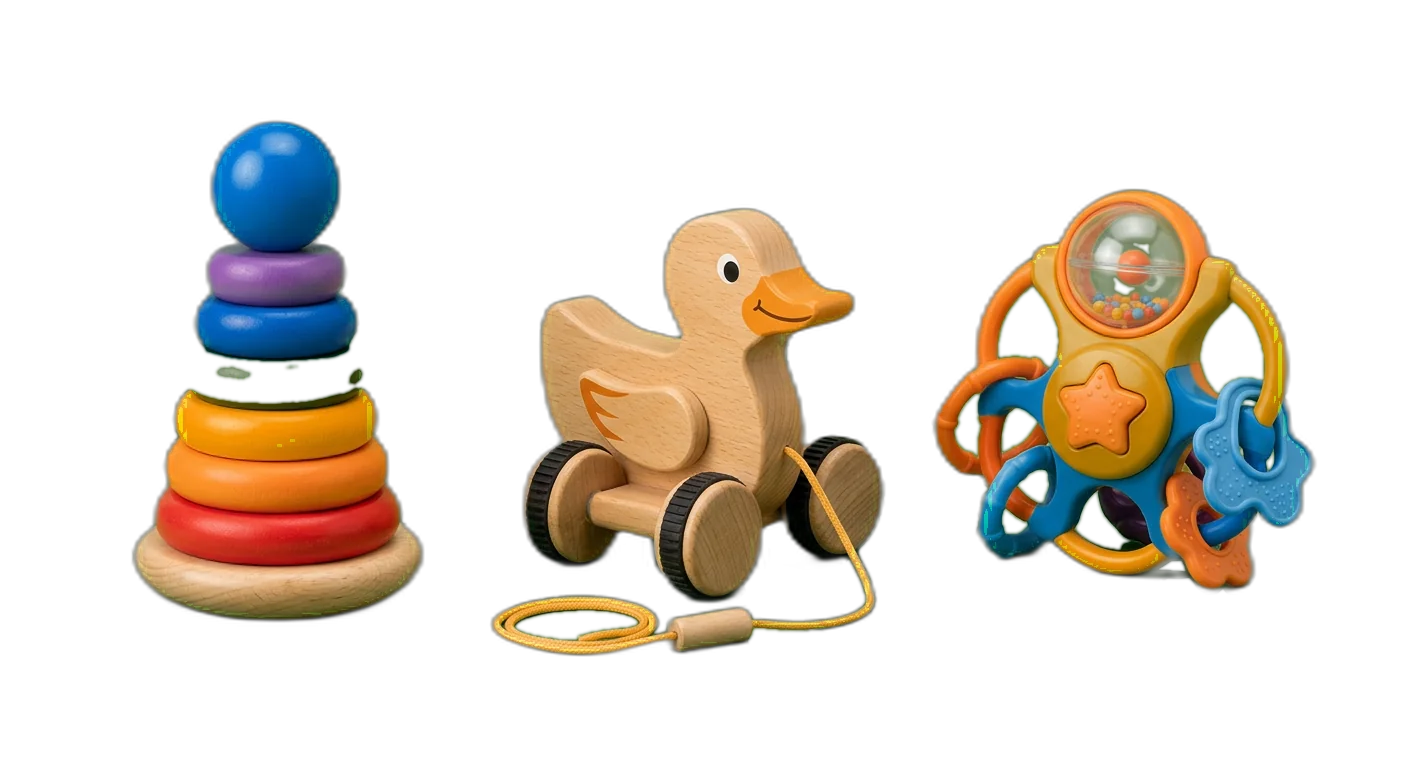
Baby- & Peuterspeelgoed
Baby & Peuter
Baby- en peuterspeelgoed profiteert van een continu vernieuwend klantenbestand naarmate nieuwe ouders de markt betreden. Veiligheidsgecertificeerd, ontwikkelingsgericht speelgoed haalt hogere prijzen omdat ouders kwaliteit vooropstellen voor hun jongste kinderen. Babyshowers en eerste verjaardagen zijn een grote motor voor cadeau-aankopen.
Vraag: GroeiendConcurrentie: LaagMarge: HoogStijgendVoorbeeldproductenRammelaars & bijtspeelgoedStapelspeelgoedActiviteitencentraDuw- & trekspeelgoedPro tipZet veiligheidscertificeringen (ASTM F963, EN 71, BPA-vrij) goed in het zicht. Ouders van baby's en peuters laten veiligheid zwaarder wegen dan alle andere kenmerken.
- 3

Actiefiguren & Verzamelobjecten
Actiefiguren & Verzamelobjecten
De markt voor verzamelobjecten is enorm gegroeid, en volwassen verzamelaars zijn inmiddels goed voor een groot deel van alle actiefiguurverkopen. Funko Pop!, Marvel Legends en animefiguren rijden op hogere prijzen en beperkte oplages die urgentie creeren. De categorie heeft sterk online zoekverkeer dankzij franchise-specifieke zoekwoorden.
Vraag: HoogConcurrentie: GemiddeldMarge: HoogStabielVoorbeeldproductenSuperhelden-actiefigurenFunko Pop!-figuurtjesAnimefigurenLimited edition verzamelobjectenPro tipLeg serie, wave en exclusiviteitsstatus vast als gestructureerde kenmerken. Verzamelaars zoeken op deze identifiers en verlaten je winkel als deze informatie ontbreekt.
- 4
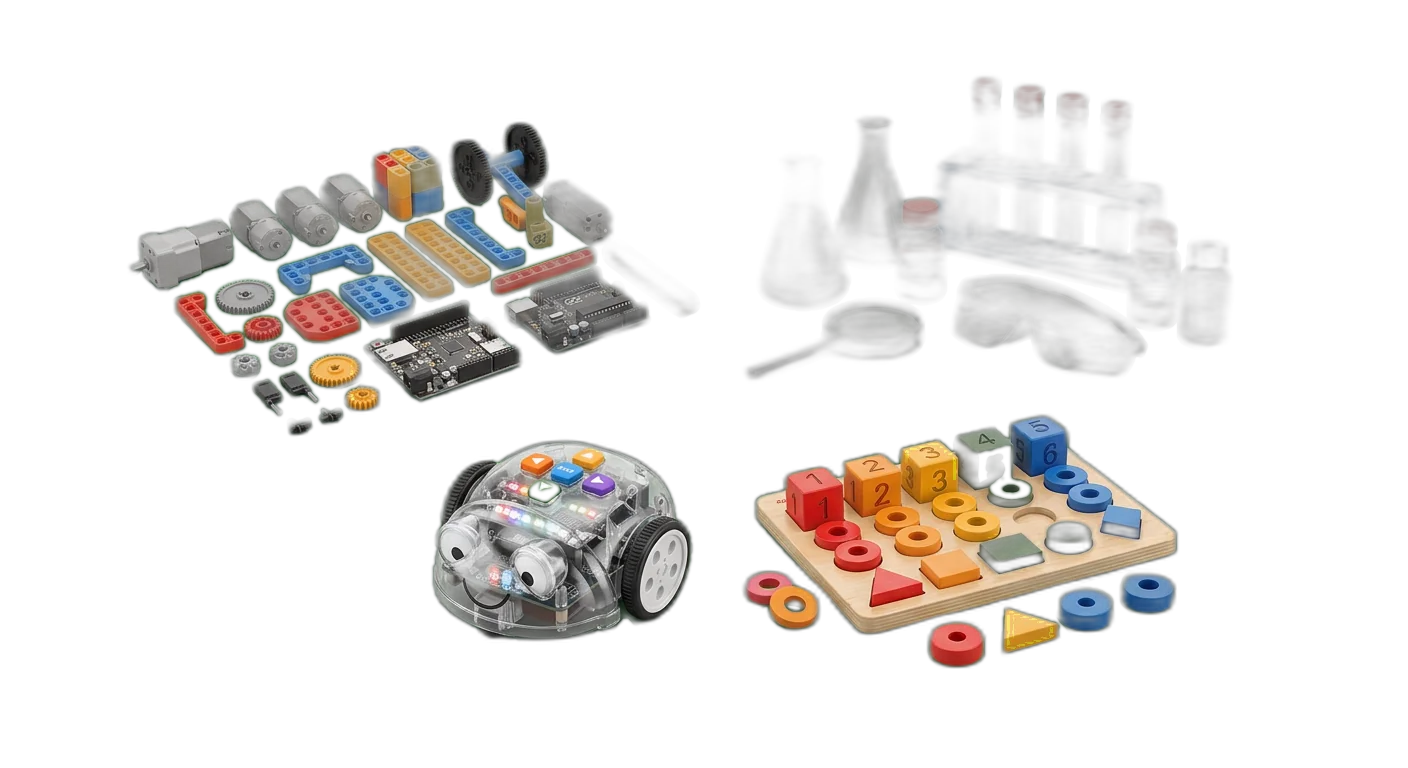
Educatief & STEM-speelgoed
Educatief Speelgoed > STEM-Speelgoed
STEM-speelgoed is een van de snelst groeiende segmenten in de speelgoedindustrie, gedreven door ouders die op zoek zijn naar schermvrij, educatief spel. Codeerrobots, wetenschapskits en engineering-speelgoed halen hogere prijzen, want ouders betalen graag meer voor duidelijke educatieve waarde.
Vraag: HoogConcurrentie: GemiddeldMarge: GemiddeldStijgendVoorbeeldproductenWetenschapskitsCodeerrobotsRoboticakitsWiskundeleerspellenPro tipBenoem specifieke vaardigheden (coderen, engineering, scheikunde) in plaats van alleen 'educatief'. Ouders zoeken naar concrete leerresultaten bij het kopen van STEM-speelgoed.
- 5
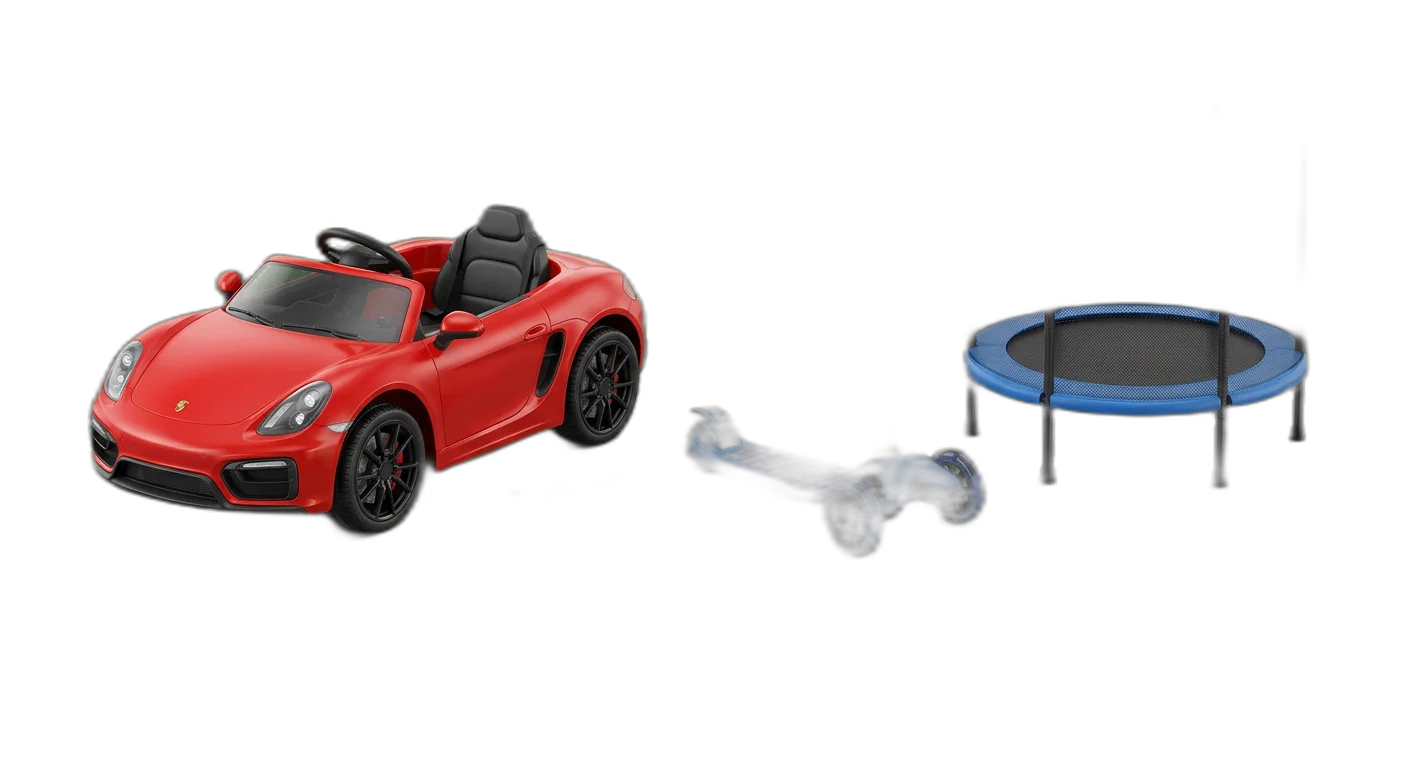
Buiten- & Rijspeelgoed
Buitenspeelgoed
Buitenspeelgoed heeft enkele van de hoogste gemiddelde bestelwaarden in de speelgoedindustrie, zeker rijspeelgoed en trampolines. De categorie profiteert van sterke seizoensvraag met een zomerpiek. Elektrisch rijspeelgoed is een van de snelst groeiende subsegmenten, gedreven door de premium markt voor kindervoertuigen.
Vraag: GemiddeldConcurrentie: LaagMarge: HoogStijgendVoorbeeldproductenElektrische rijdende auto'sStepsTrampolinesWaterspelsetsPro tipVermeld altijd het maximale draagvermogen en het leeftijdsbereik samen. Ouders hebben beide nodig om te bepalen of het speelgoed geschikt is voor hun kind. Als een van de twee ontbreekt, leidt dat tot twijfel en retouren.
- 6
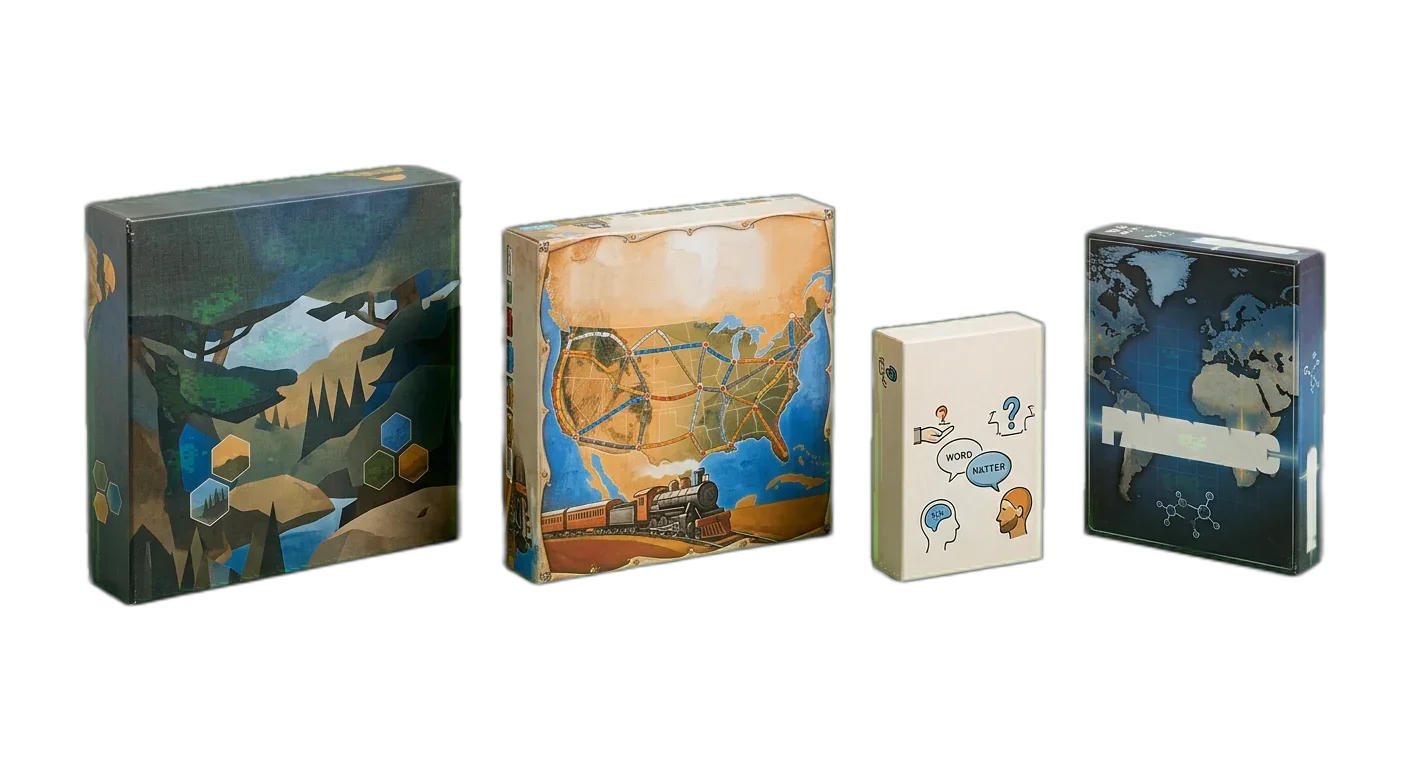
Bordspellen
Spellen > Bordspellen
De bordspelrevival houdt de categorie sinds 2020 in de lift. Strategie- en cooperatieve spellen zijn populair bij volwassen spelers, een snel groeiend segment, terwijl familiespellen vaste cadeaufavorieten blijven tijdens de feestdagen. Bordspellen hebben sterke marges.
Vraag: HoogConcurrentie: HoogMarge: GemiddeldStijgendVoorbeeldproductenStrategiespellen (Catan, Wingspan)Familiespellen (Ticket to Ride)Partyspellen (Codenames)Cooperatieve spellen (Pandemic)Pro tipVoeg aantal spelers en speelduur toe als primaire filters. Dit zijn de twee dingen die bordspelkopers als eerste checken bij het kiezen voor een specifieke gelegenheid.
- 7
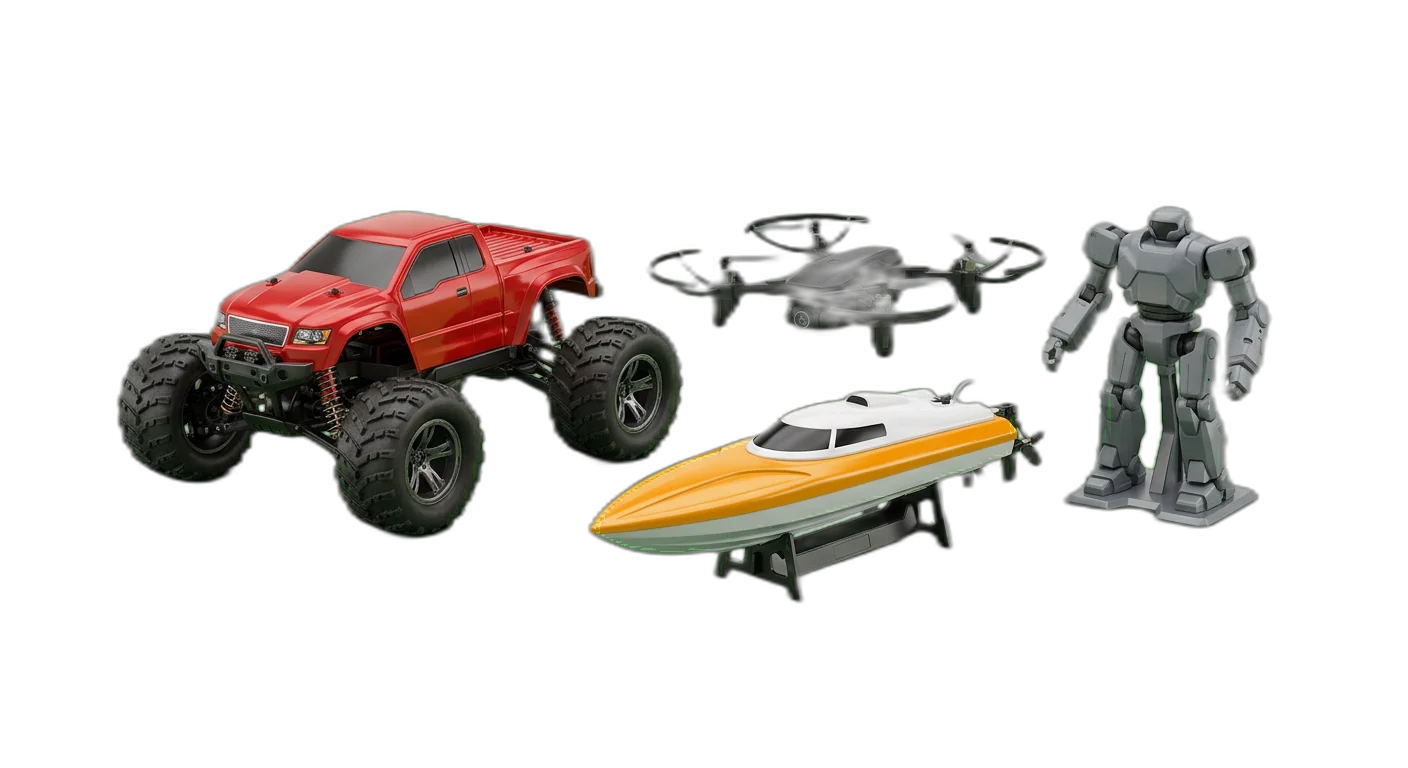
Afstandsbediening Speelgoed
Afstandsbediening & Elektronica
RC-speelgoed combineert traditioneel speelgoed met technologie en spreekt zowel kinderen als volwassen hobbyisten aan. RC-drones hebben een eigen marktsegment gecreeerd met hogere prijzen. De categorie verkoopt goed als cadeau en kent seizoenspieken die samenvallen met de feestdagen.
Vraag: GemiddeldConcurrentie: LaagMarge: HoogStabielVoorbeeldproductenRC-auto'sRC-dronesRC-botenSpeelgoedrobotsPro tipVermeld altijd het batterijtype, of batterijen zijn inbegrepen en de oplaadtijd. Dit horen bij de meest gestelde vragen bij elektronisch speelgoed en ze voorkomen teleurstelling na aankoop.
- 8
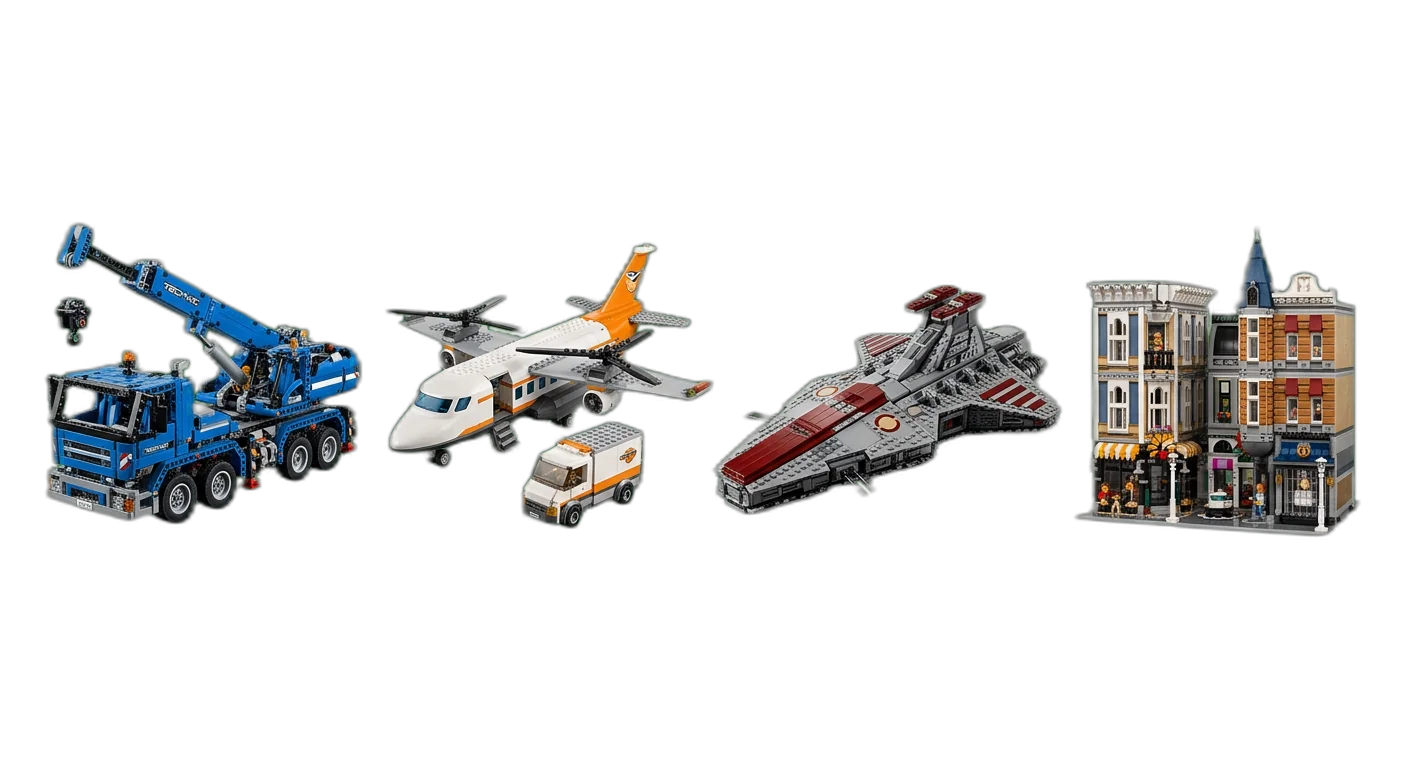
LEGO & Bouwsets
Bouwen & Constructie > LEGO & Compatibel
LEGO is het grootste speelgoedbedrijf ter wereld qua omzet. Bouwsets spreken een uitzonderlijk brede leeftijdsgroep aan (4 jaar tot volwassen verzamelaars) en verkopen het hele jaar goed als cadeau. Gelicentieerde thema's zoals Star Wars en Harry Potter zorgen voor hogere prijzen en verzamelgedrag.
Vraag: HoogConcurrentie: HoogMarge: GemiddeldSeizoensgebondenVoorbeeldproductenLEGO City setsLEGO TechnicLEGO Star WarsLEGO Creator ExpertPro tipVermeld altijd het aantal onderdelen en het setnummer. LEGO-kopers zoeken direct op setnummer en het aantal onderdelen is de belangrijkste manier om sets met elkaar te vergelijken.
- 9
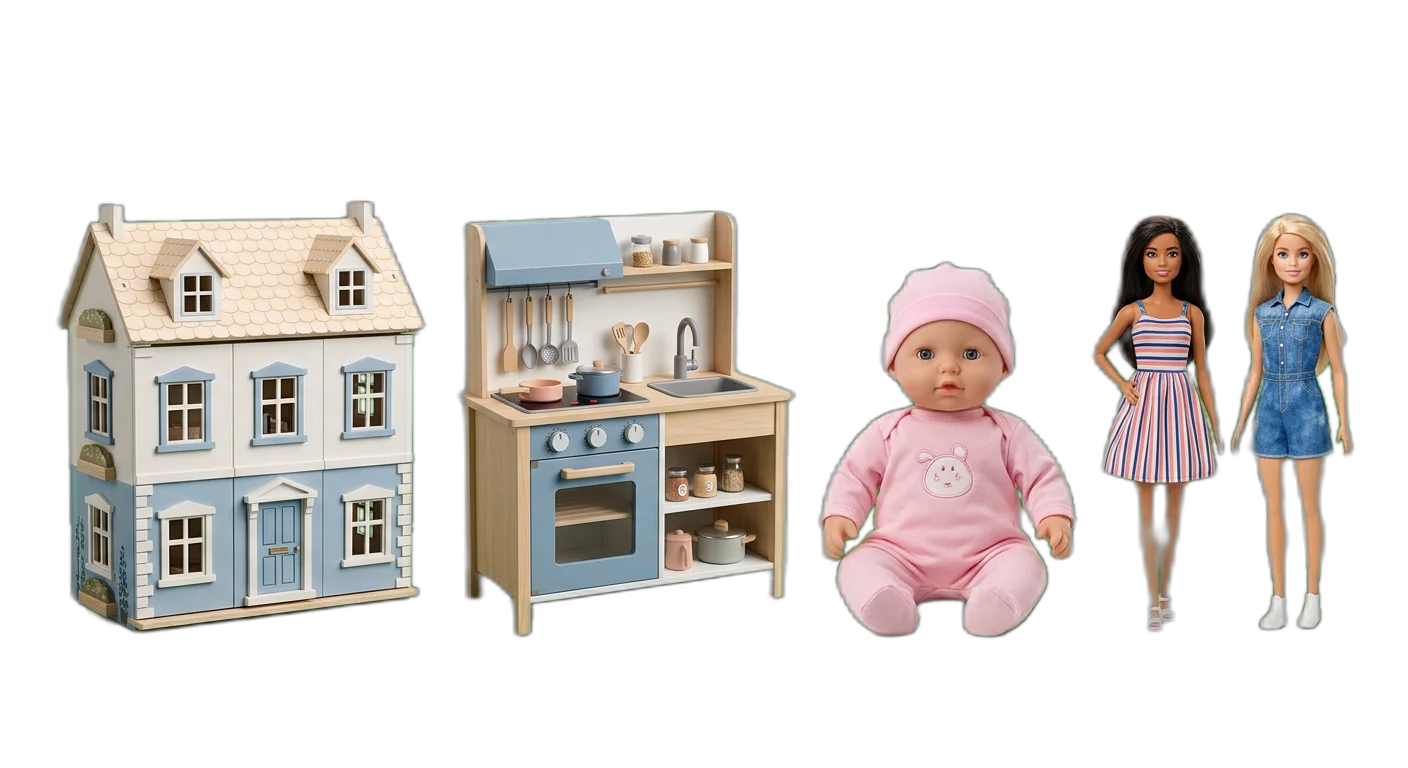
Poppen & Fantasiespel
Poppen & Fantasiespel
Poppen blijven een sterke speelgoedcategorie met stabiele jaarrondse vraag en goede verkopen rond de feestdagen. Barbie's culturele comeback gaf het modepoppensegment een duidelijke impuls. Fantasiespelsets zoals keukens en dokterskoffers spreken ouders aan die gericht zijn op ontwikkeling en genereren sterke herhaalaankopen.
Vraag: GemiddeldConcurrentie: GemiddeldMarge: GemiddeldStabielVoorbeeldproductenModepoppen (Barbie, LOL)BabypoppenPoppenhuizenFantasiespel-keukensetsPro tipGebruik franchise en karakter als filterbare kenmerken, niet als categorieën. Kinderen zoeken op specifieke karakternamen, en franchisecategorieën creeren taxonomieduplicatie die snel onbeheersbaar wordt.
- 10
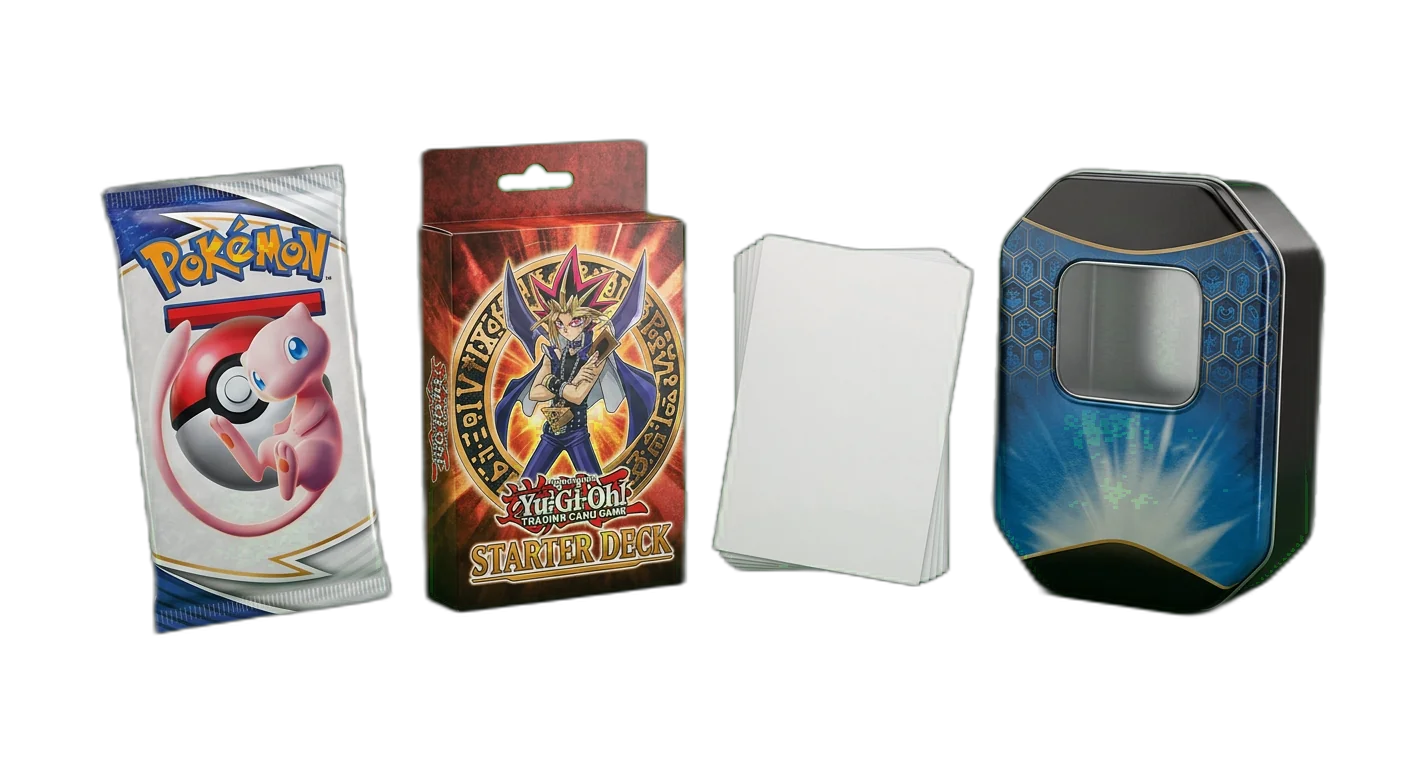
Ruilkaarten
Actiefiguren & Verzamelobjecten > Ruilkaarten
De ruilkaartenmarkt is explosief gegroeid, met Pokemon als duidelijke koploper onder de kaartspellen. Nieuwe releases zorgen voor urgentiegedreven aankopen en de verzamelgemeenschap drijft hogere prijzen voor verzegelde producten. Zowel kinderen als volwassen verzamelaars voeden de vraag.
Vraag: HoogConcurrentie: HoogMarge: LaagSeizoensgebondenVoorbeeldproductenPokemon boosterpacksYu-Gi-Oh! starterdecksSportkaarten (Topps, Panini)VerzamelblikkenPro tipMaak duidelijk onderscheid tussen verzegelde producten en losse kaarten. Verzamelaars betalen sterk verschillende prijzen en hebben andere verwachtingen voor verzegelde boosterpacks versus losse kaarten.
Categorieprestaties in één oogopslag
Vergelijk vraag, concurrentie, marges en groei voor alle aanbevolen categorieën
PuzzelsBaby- & PeuterspeelgoedActiefiguren & VerzamelobjectenEducatief & STEM-speelgoedBuiten- & RijspeelgoedBordspellenAfstandsbediening SpeelgoedLEGO & BouwsetsPoppen & FantasiespelRuilkaartenAanbevolen Speelgoed & Spellen categoriestructuur
De volledige categorieboom met subcategorieën voor elke aanbevolen hoofdcategorie
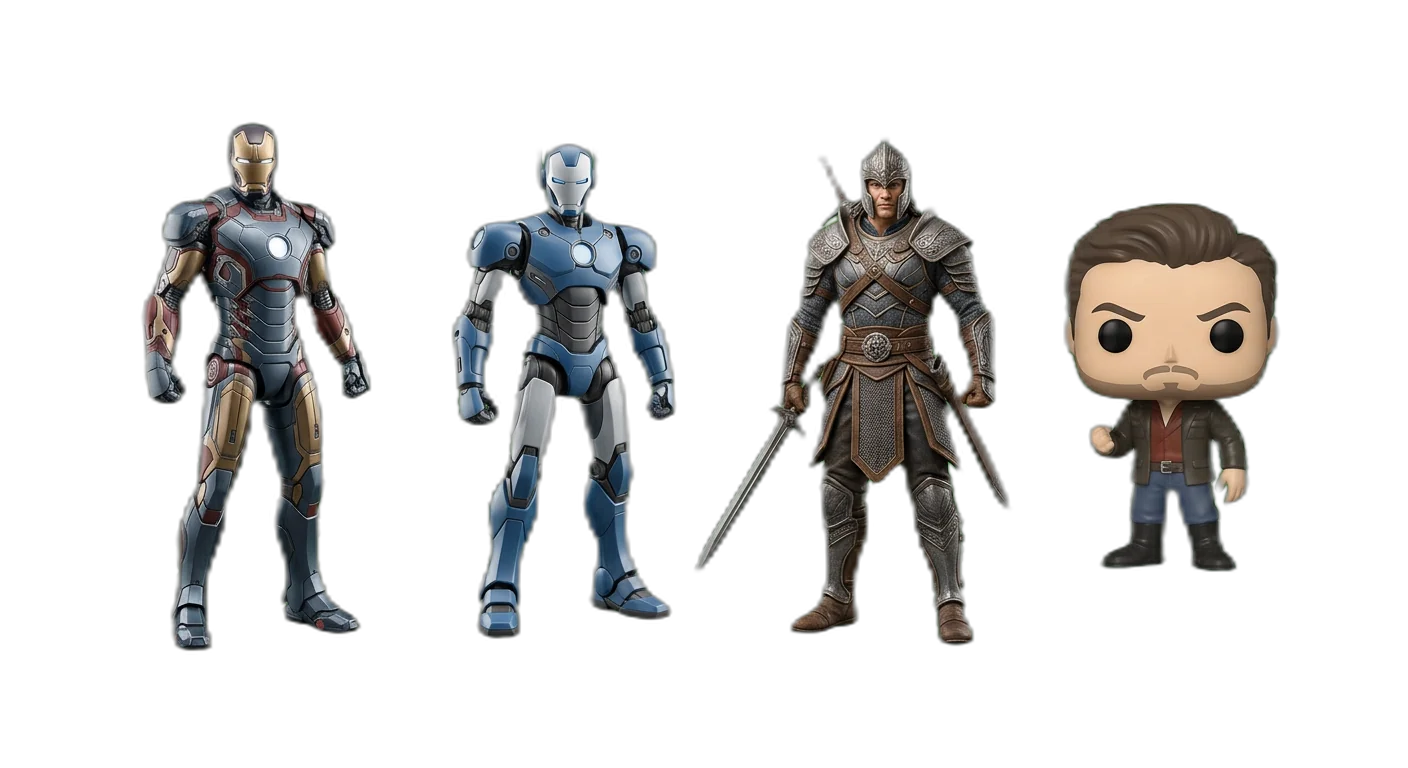
Actiefiguren & verzamelobjecten
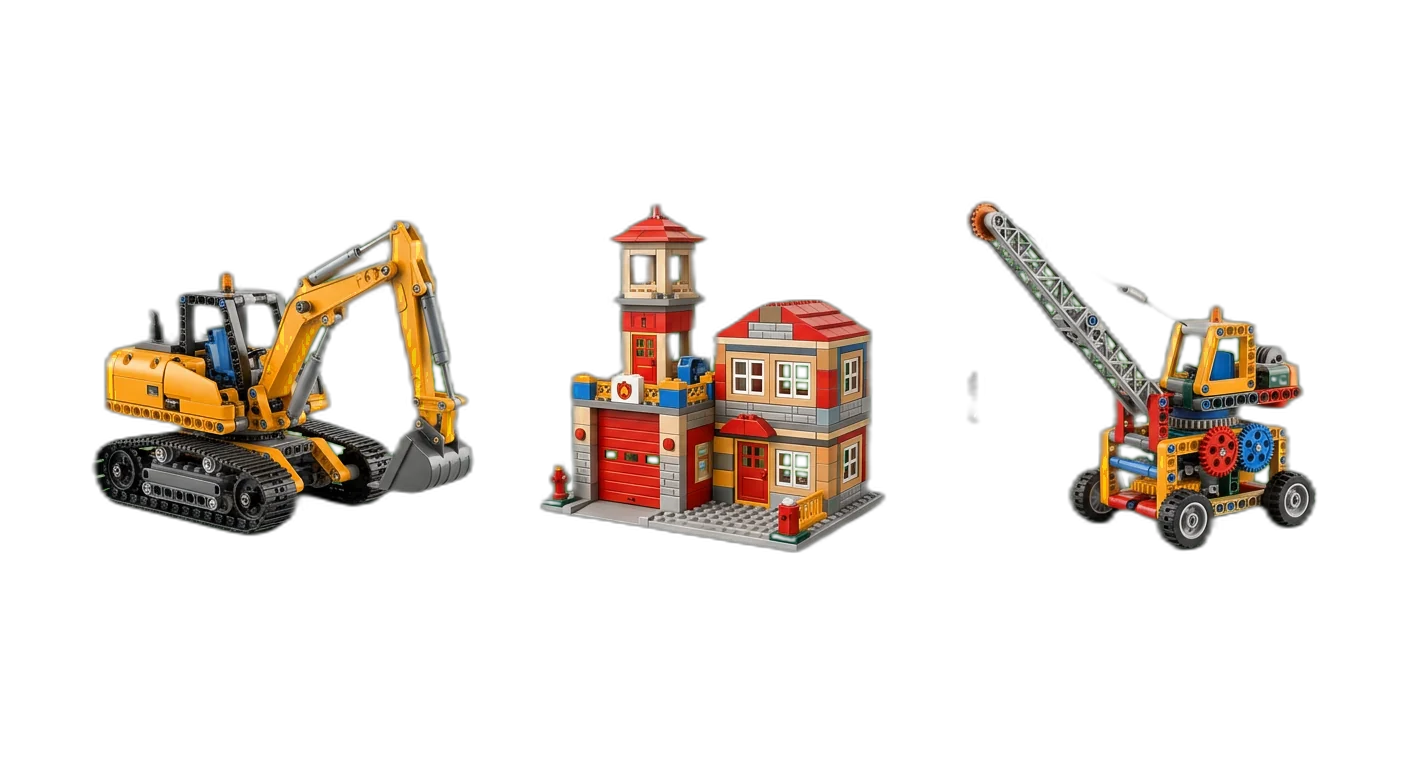
Bouwen & construeren
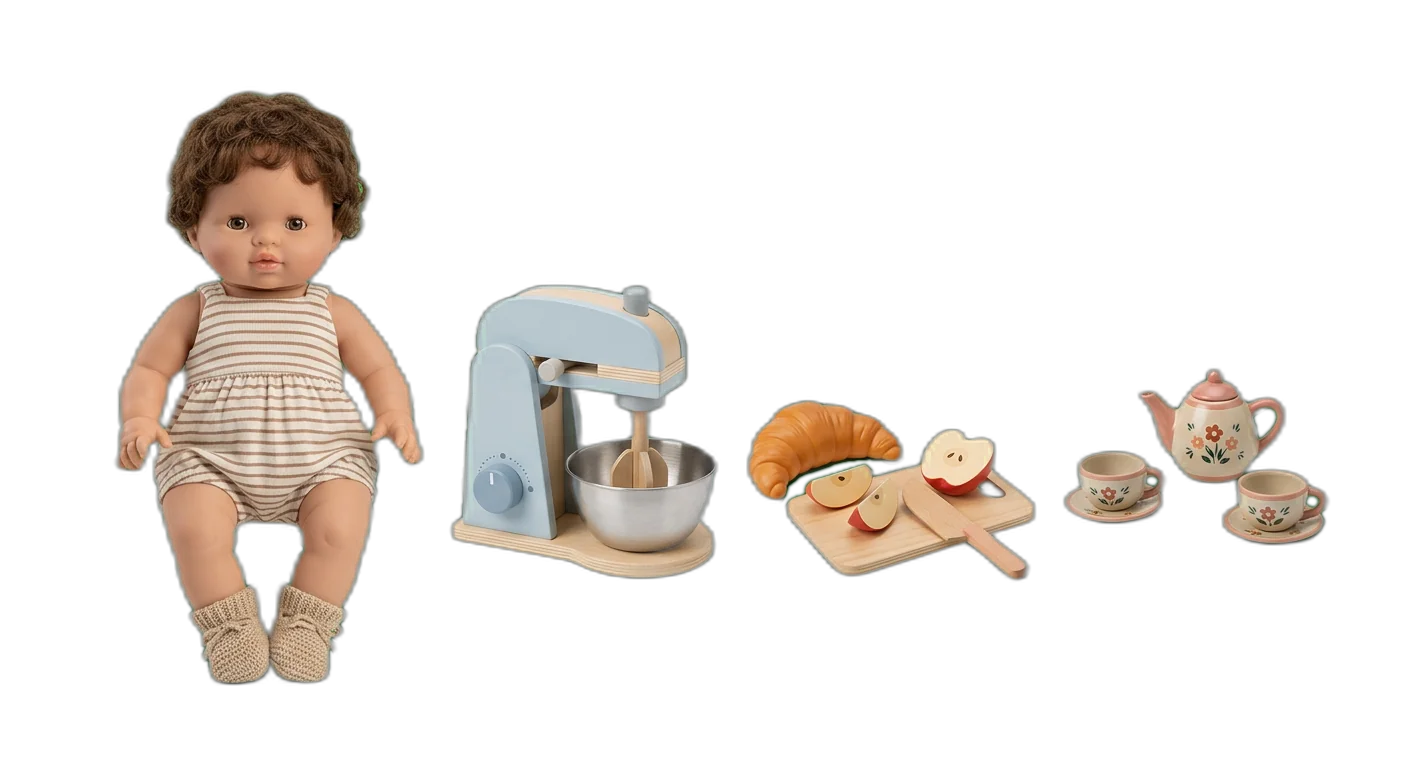
Poppen & rollenspel
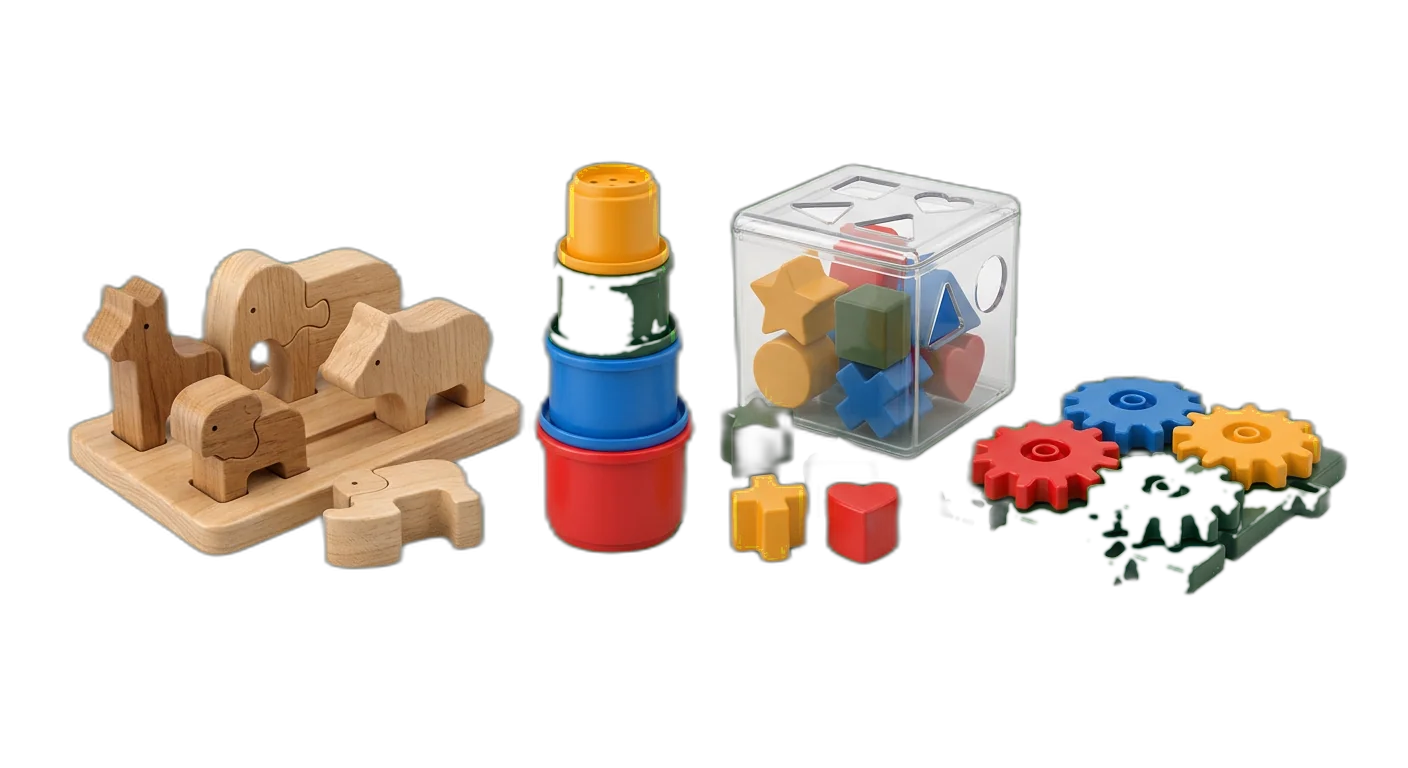
Educatief speelgoed
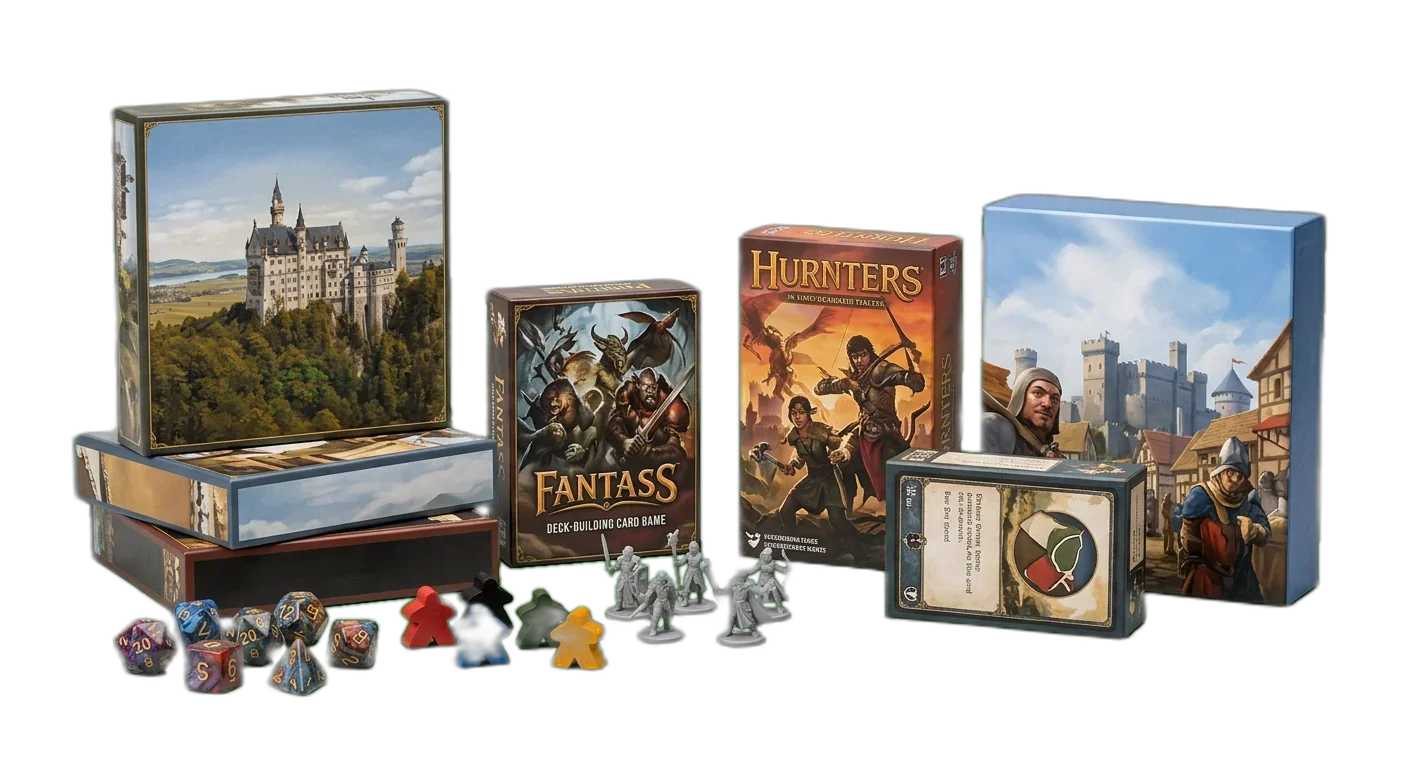
Spellen
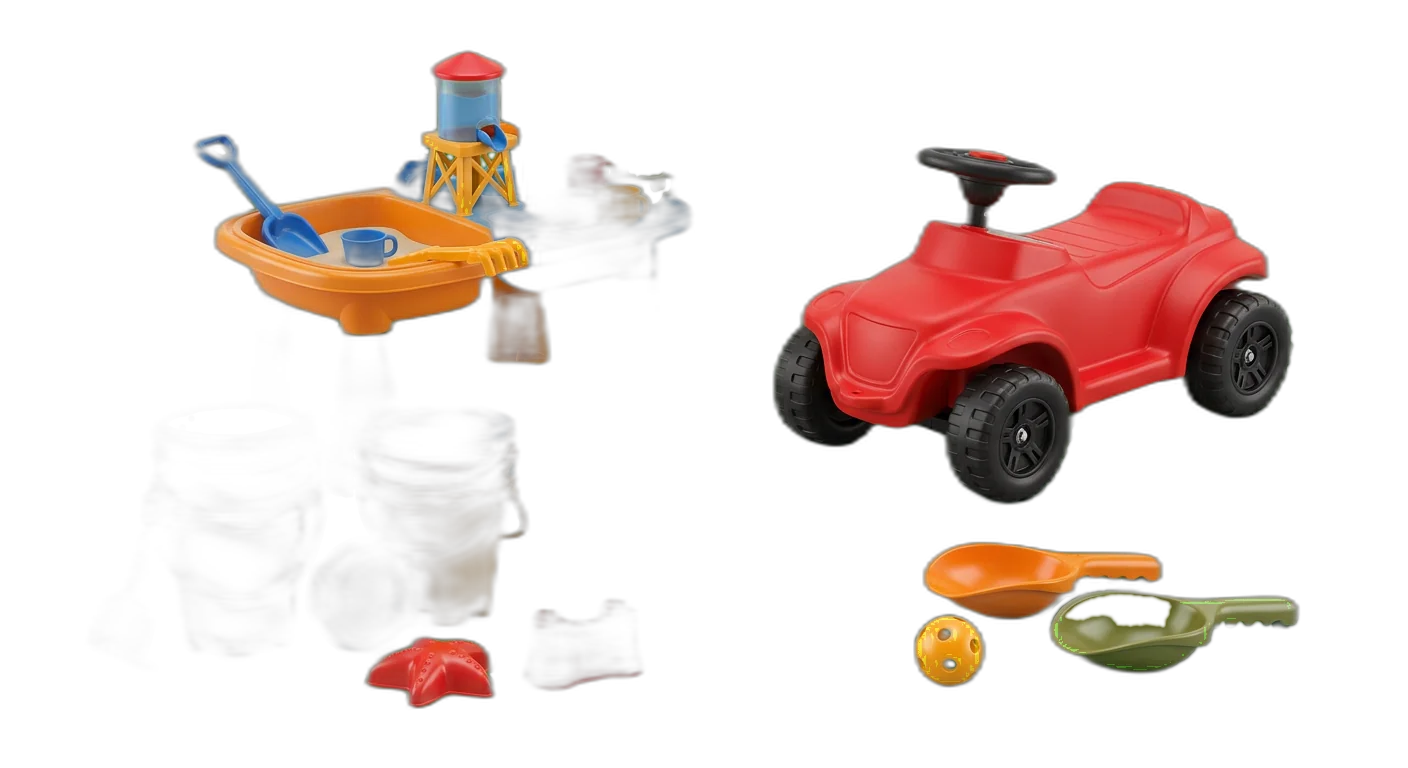
Buitenspeelgoed
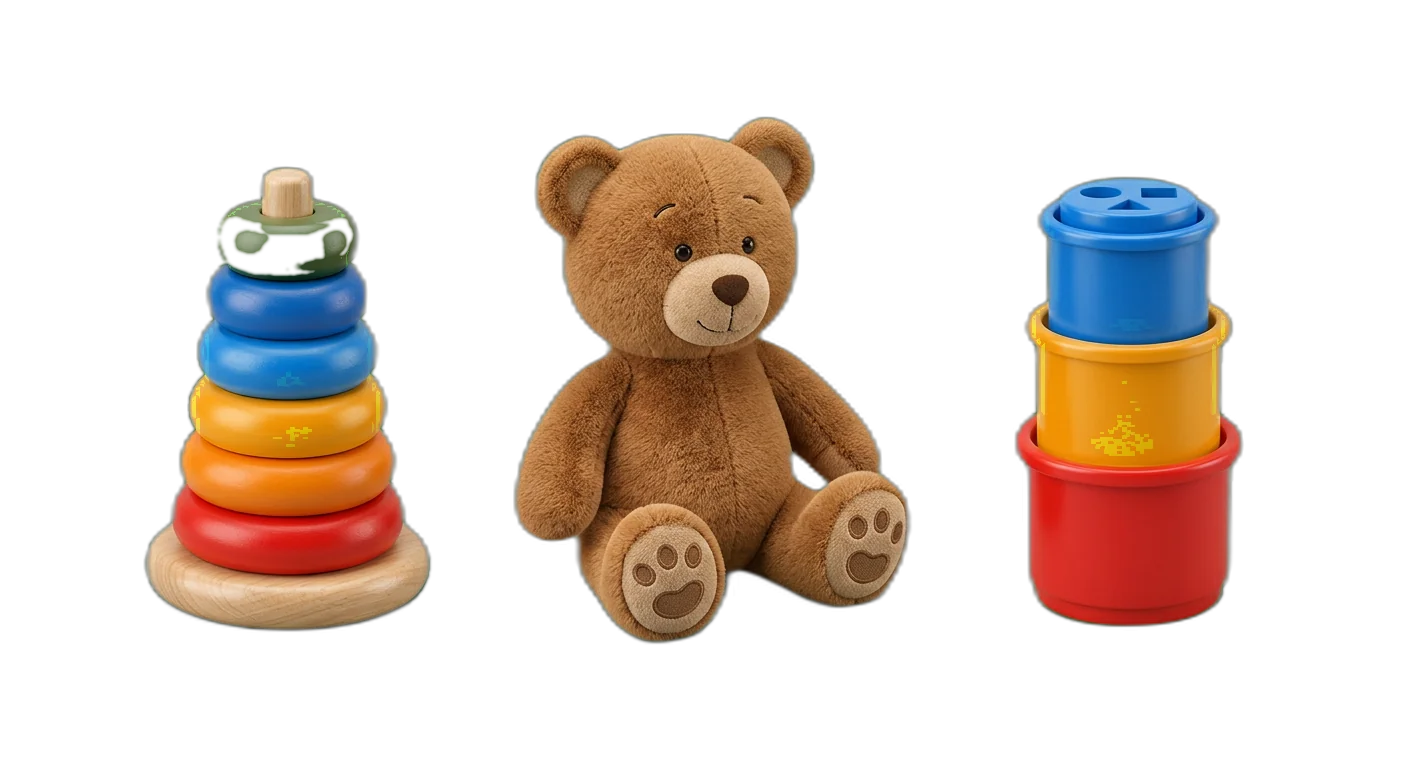
Baby & peuter
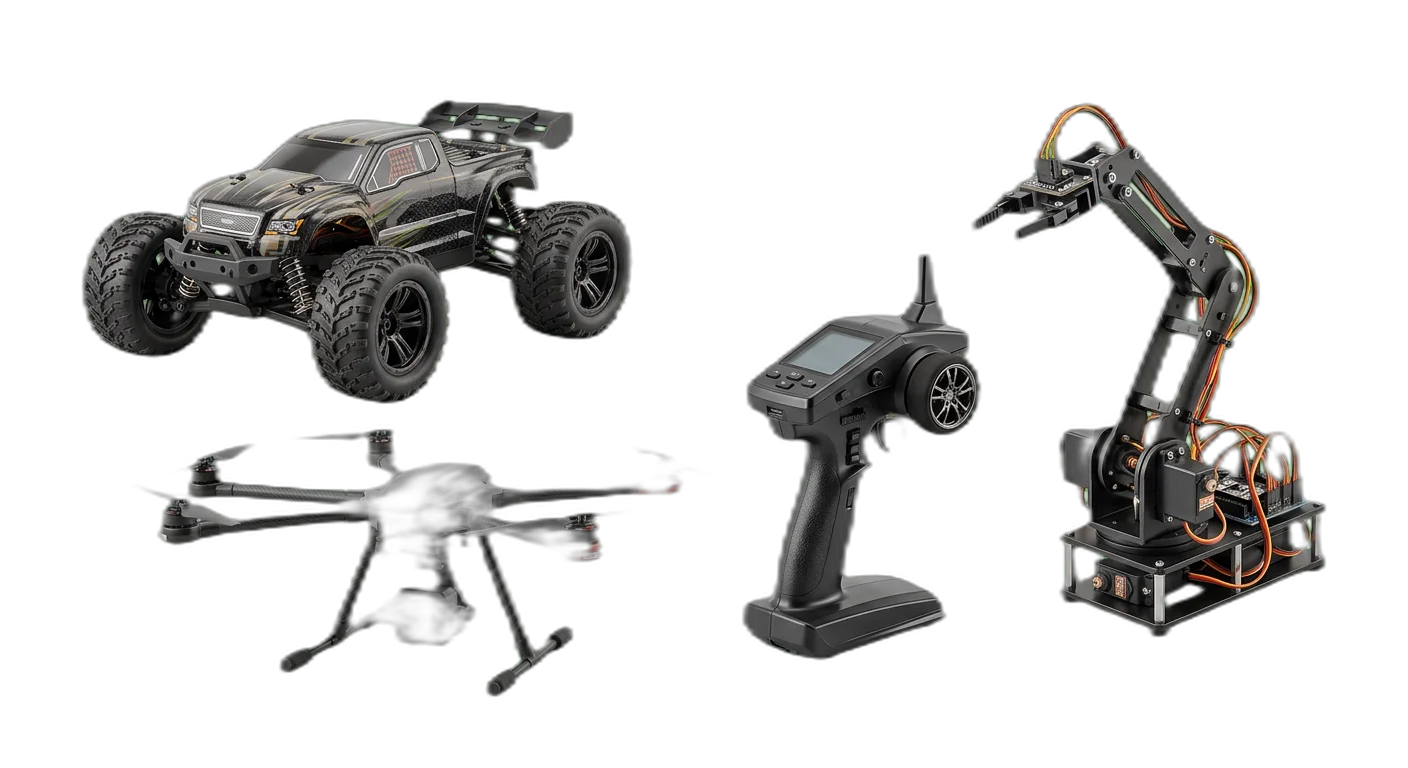
Radiografisch & elektronica
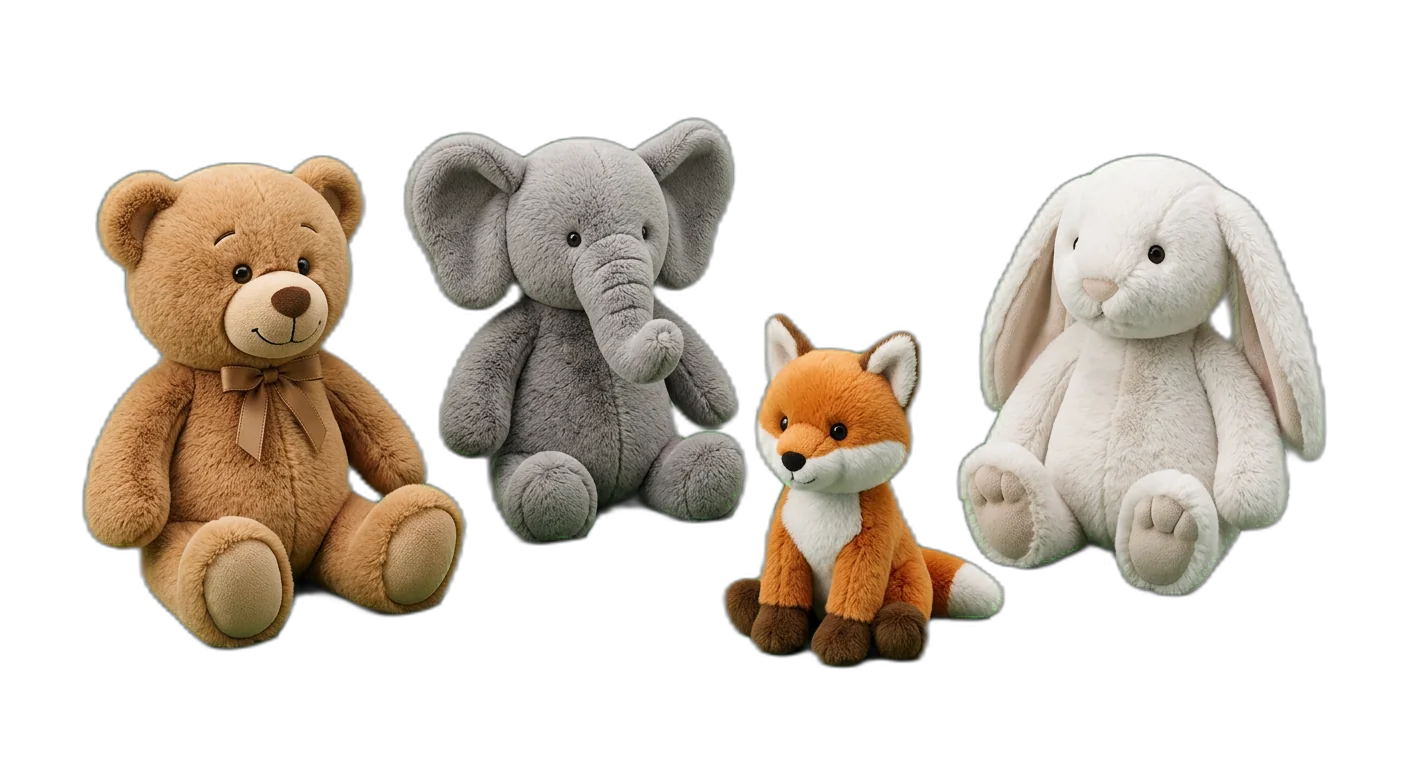
Knuffels & pluche
Met welke categorieën begin je het best?
Kies je startcategorieën op basis van je catalogusgrootte en groeifase
Richt je op een sterke categorie met jaarrondse vraag en cadeaupotentieel. LEGO-sets of bordspellen zijn ideale startpunten met loyale klanten en goede marges.
Breid uit naar categorieën die verschillende leeftijdsgroepen en gelegenheden bedienen. Combineer verzamelobjecten met hoge marges met alledaagse speelcategorieën om je inkomsten te spreiden.
Dek het volledige speelgoed- en spellenspectrum voor alle leeftijden. Investeer in veiligheidscompliance, franchisetracking en diepgaande seizoensmerchandising voor de feestdagenpieken.
Hoe orden je categorieën in je webshop menu?
Praktische tips om je navigatie zo in te richten dat je meer clicks en conversies haalt
Organiseer op producttype, niet op leeftijd of geslacht
Gebruik producttype-categorieën (Bouwsets, Bordspellen, Poppen) als je hoofdnavigatie. Laat klanten filteren op leeftijdsbereik en interesse in plaats van door leeftijdsgesegmenteerde secties te bladeren.
Zet franchisefilters goed in het zicht
Kinderen zoeken vaak op karakternaam (Paw Patrol, Pokemon, Spider-Man). Voeg een "Shop op Karakter" filter toe dat werkt over alle productcategorieën.
Voeg leeftijdsbereik toe als filter op elke pagina
Leeftijdsbereik is een van de meest gebruikte filters voor speelgoedshoppers. Houd het zichtbaar op elke categoriepagina, niet verstopt in geavanceerde filterpanelen.
Maak cadeaugids-landingspagina's per gelegenheid
Bouw samengestelde collecties voor verjaardagen, feestdagen en educatief cadeau doen. Gebruik merchandisingpagina's in plaats van categorieën, zodat je taxonomie overzichtelijk blijft.
Zet 'Nieuw Binnen' en 'Trending' als uitgelichte secties neer
Speelgoedshoppers zijn trendgevoelig. Benadruk nieuwe aankomsten en trending producten prominent zonder er aparte categorieën voor aan te maken.
Wanneer piekt elke categorie?
Stem je voorraad en marketing af op seizoensverschuivingen in de vraag
Lente (mrt-mei)
Piekcategorieën
De vraag naar buitenspeelgoed trekt aan in de lente. STEM-speelgoed piekt rond Paascadeaus en de wetenschapsbeurzen op school.
Zomer (jun-aug)
Piekcategorieën
Waterspeelgoed en buitenspeelgoed pieken. RC-speelgoed en drones zijn populair voor buitenspel in de zomer. Bouw voorraden op voor back-to-school gerelateerde items.
Herfst (sep-nov)
Piekcategorieën
Feestdaginkopen beginnen in oktober. Black Friday en Cyber Monday zijn belangrijke speelgoed-koopevents. Zorg dat je voorraad en deals klaar zijn voor begin november.
Winter (dec-feb)
Piekcategorieën
December is de piekmaand voor speelgoedverkoop. In januari verschuift de vraag naar binnenactiviteiten: puzzels, bordspellen en bouwsets doen het dan goed.
Categorieën die goed samengaan
Combineer verwante categorieën om je gemiddelde bestelwaarde te verhogen
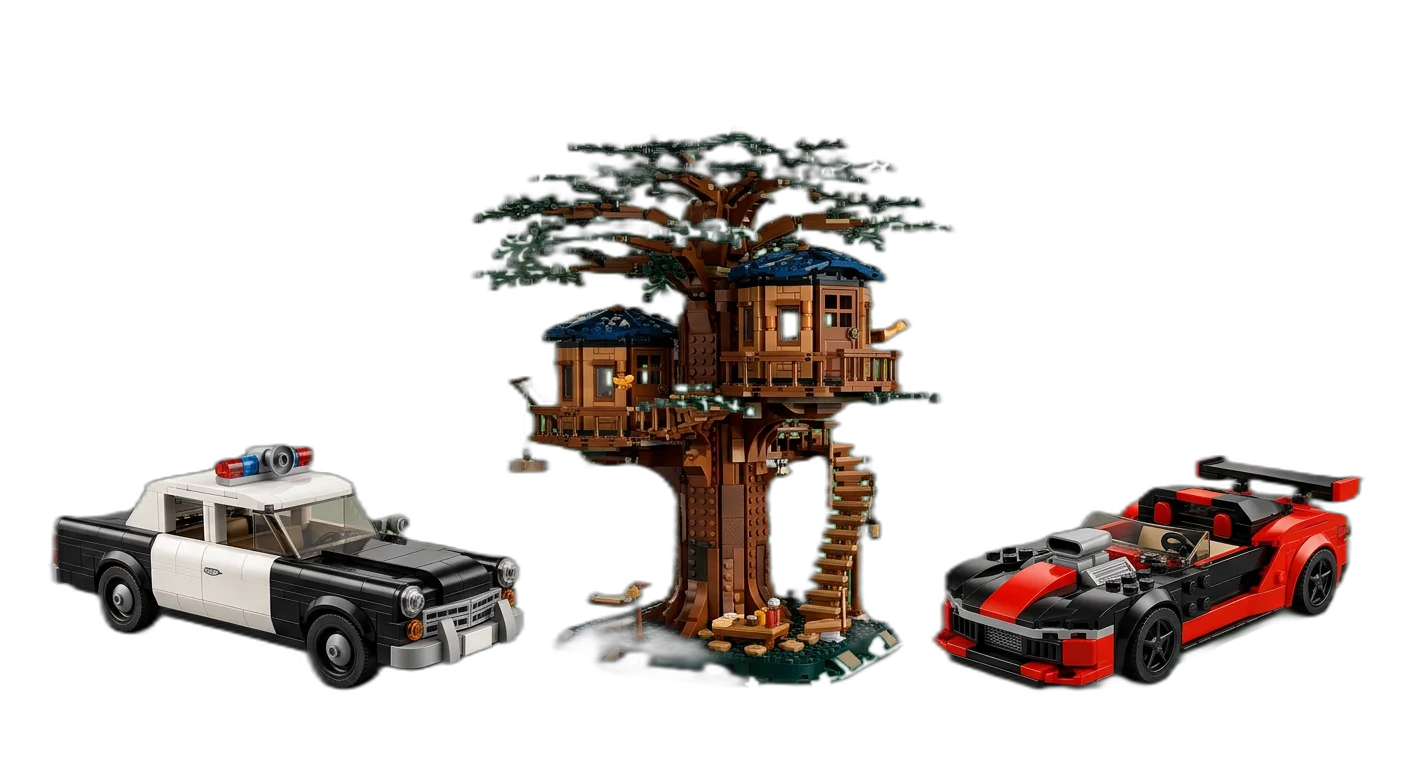
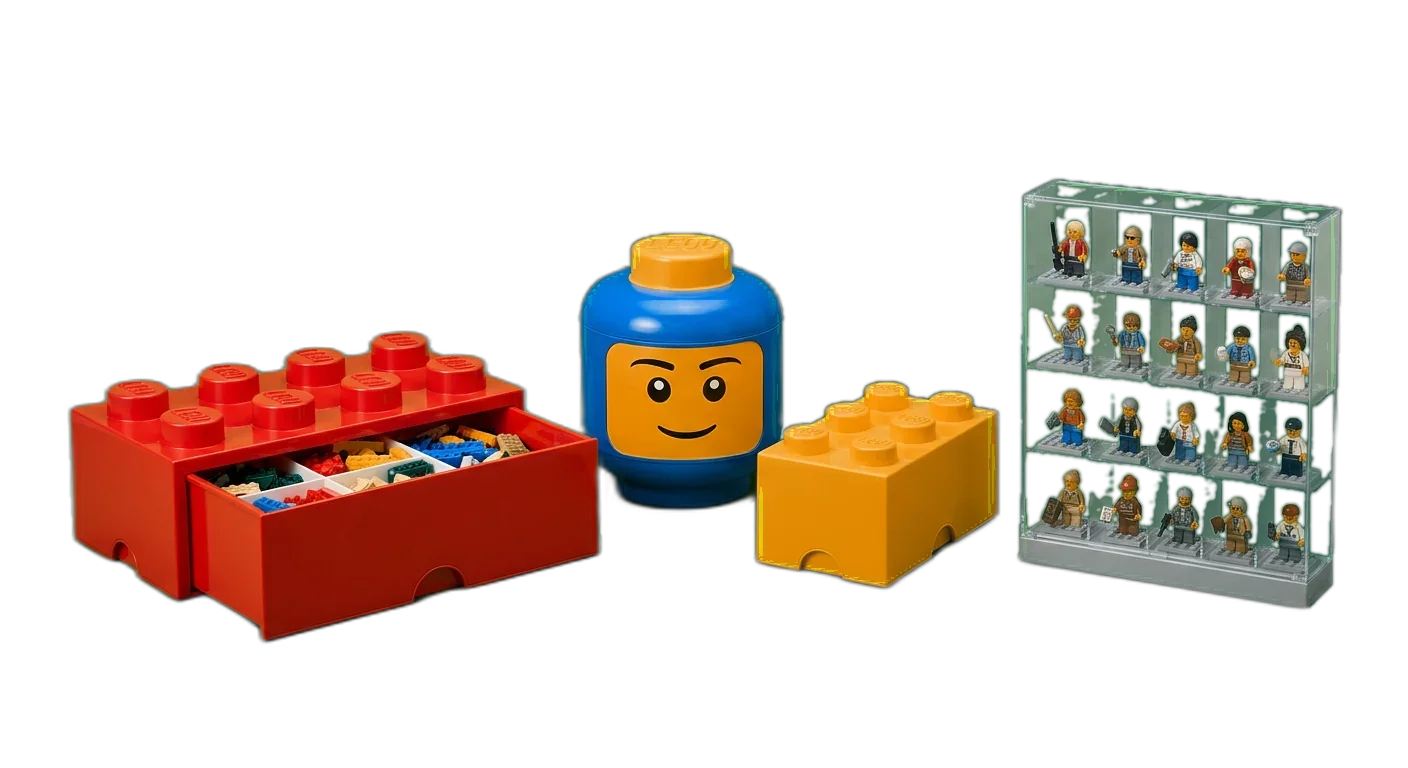
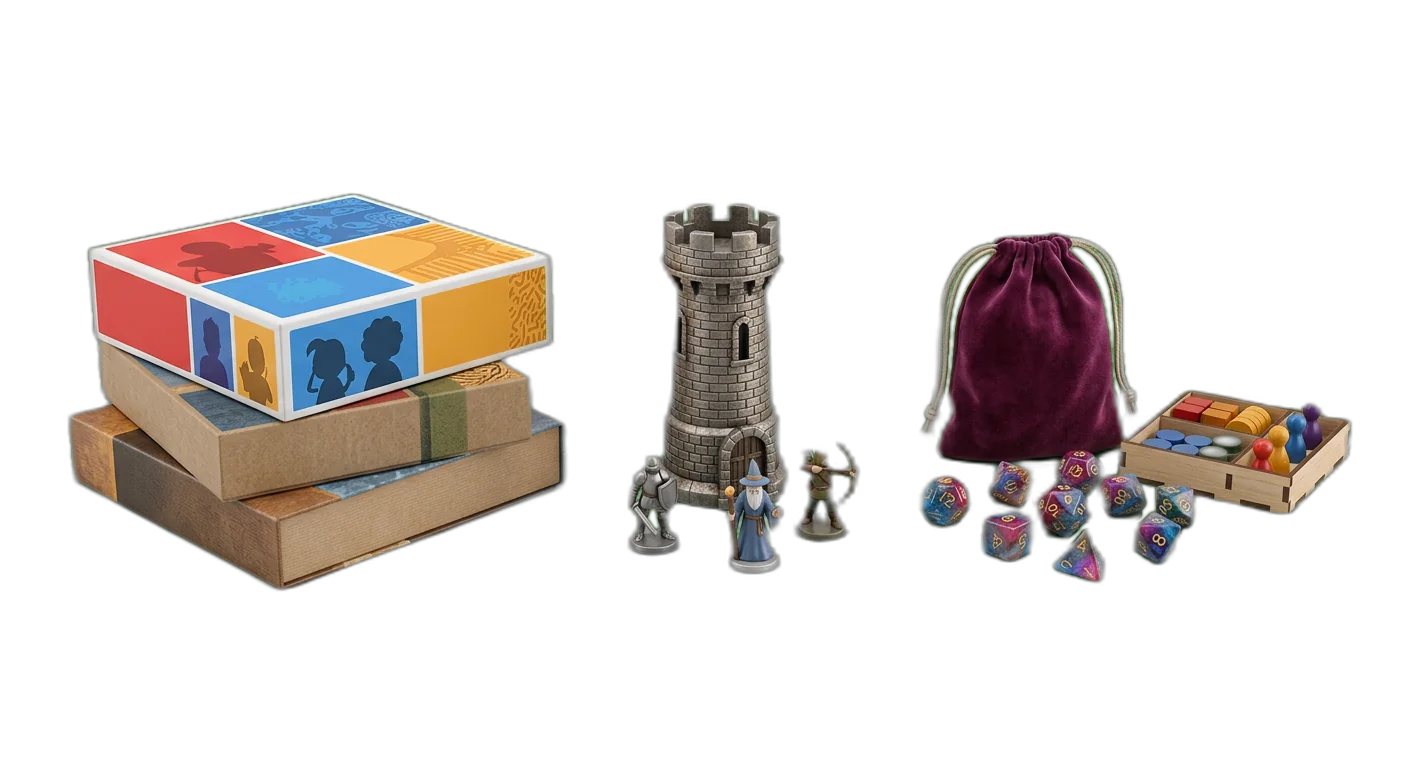
LEGO-kopers hebben vaak opslagoplossingen en displaykasten nodig naarmate hun collectie groeit. Suggereer deze op de productpagina.
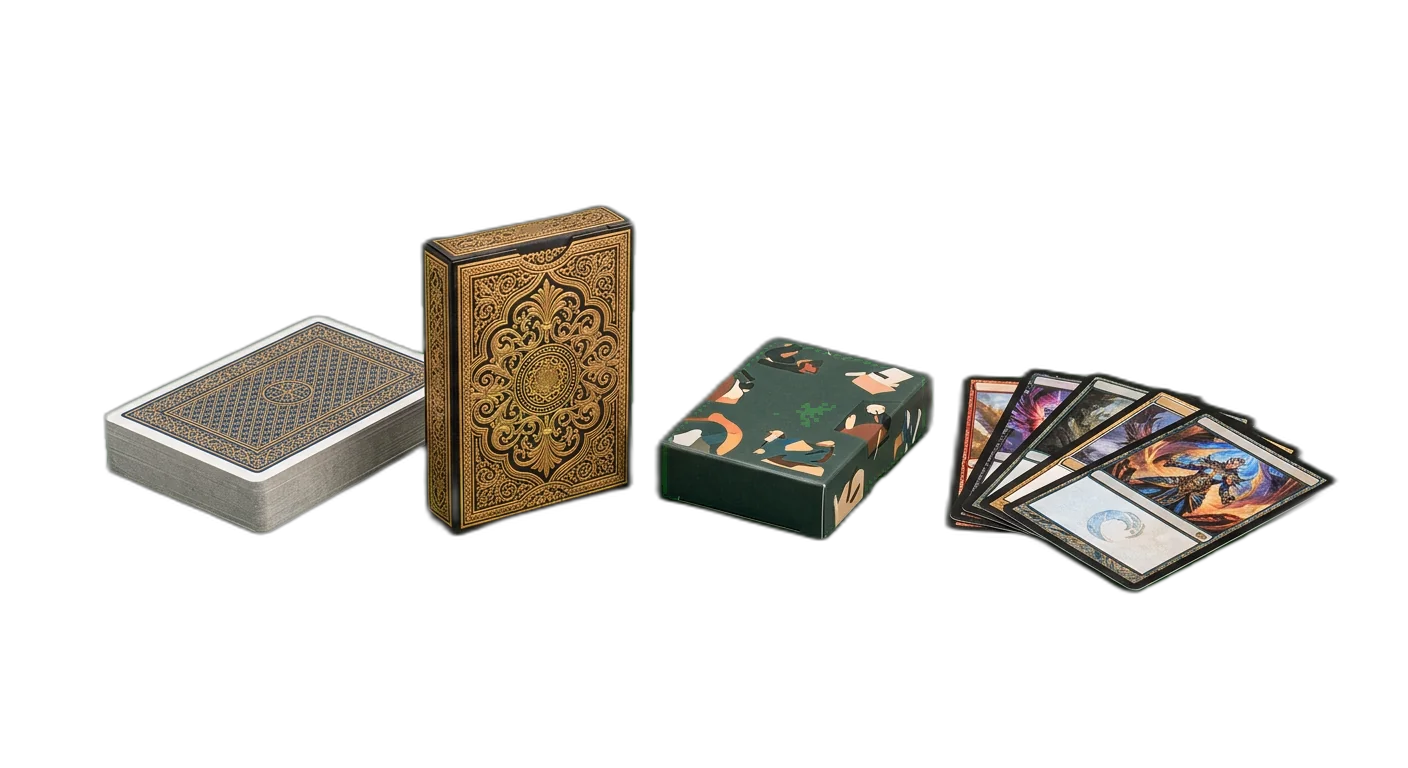
Bordspelkopers zijn zeer ontvankelijk voor kaartspelsuggesties, omdat ze dezelfde sociale spelgelegenheid delen.
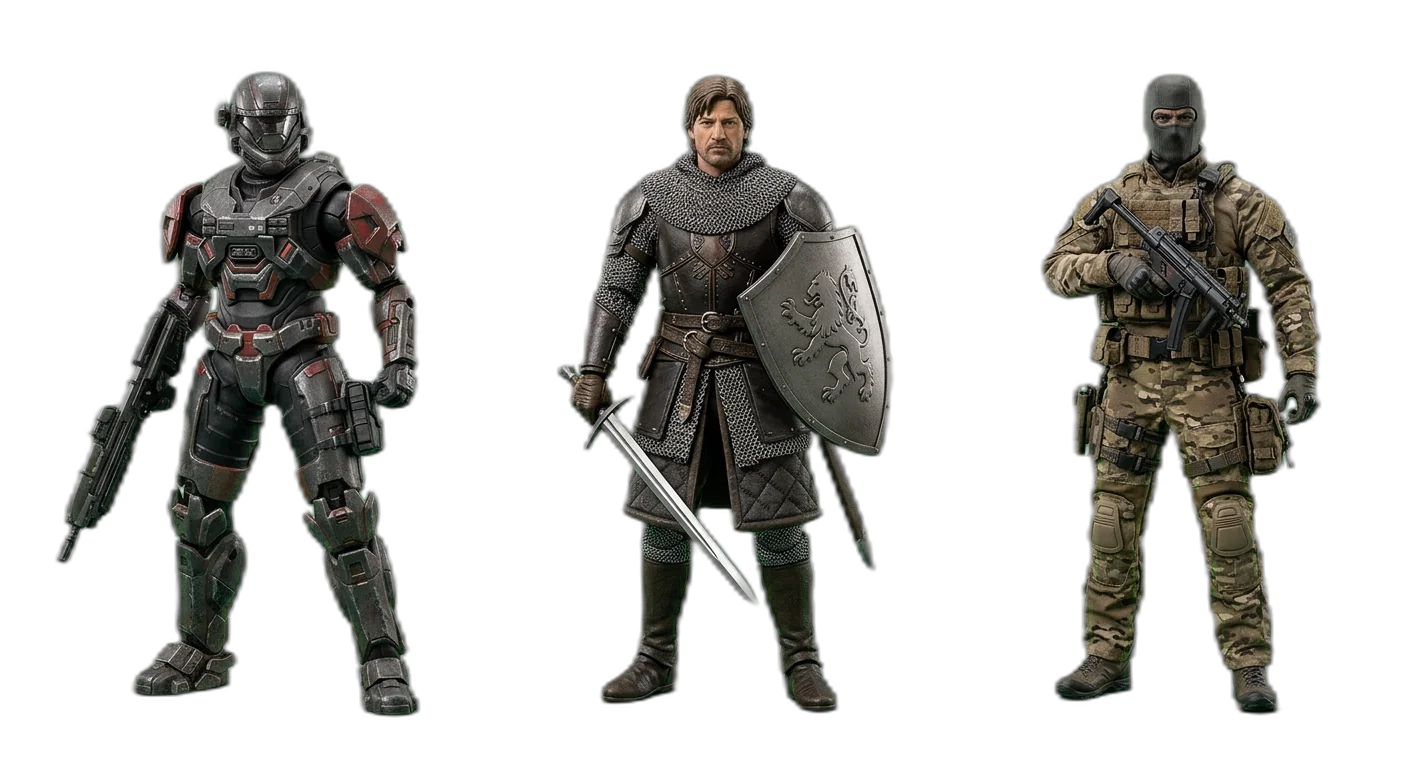
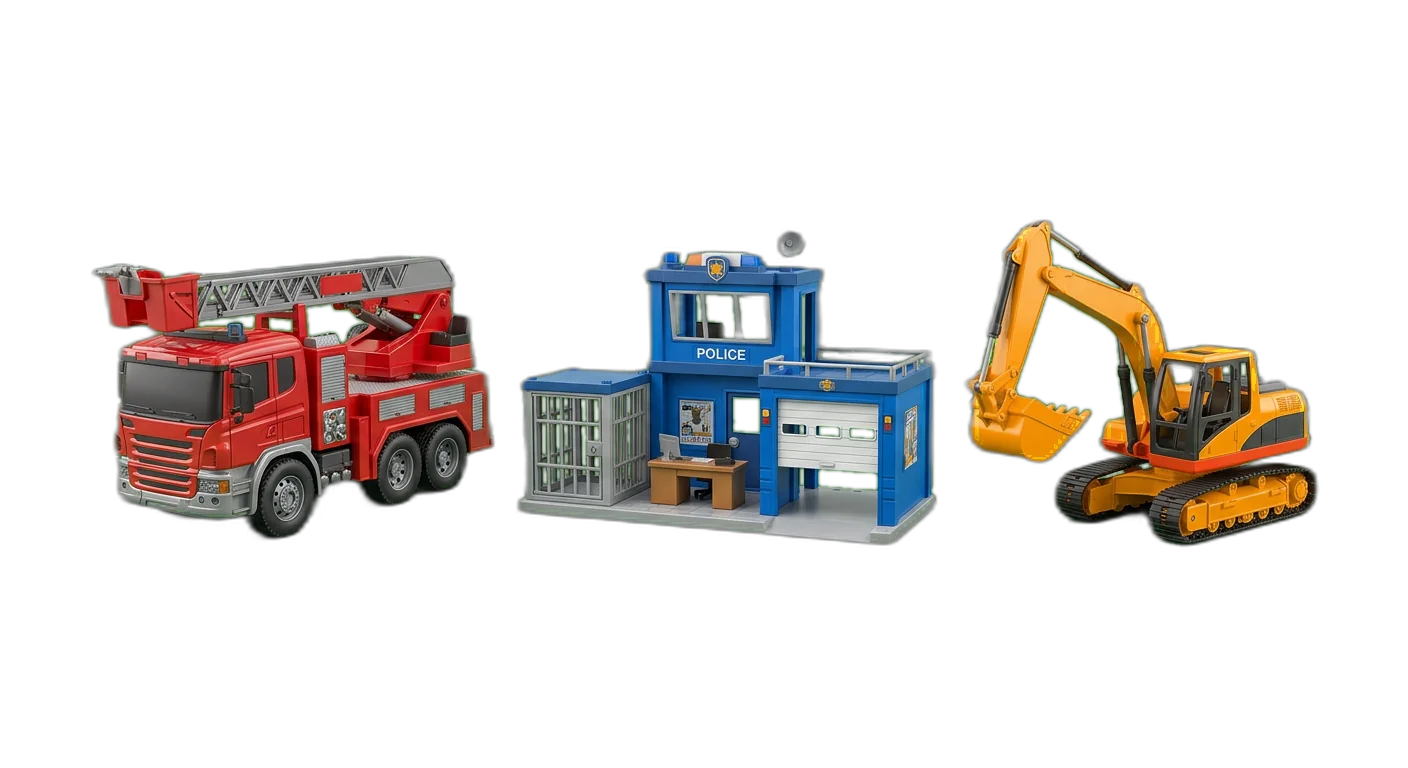
Actiefiguurkopers voegen vaak compatibele speelsets en voertuigen van dezelfde franchise toe aan hun bestelling.
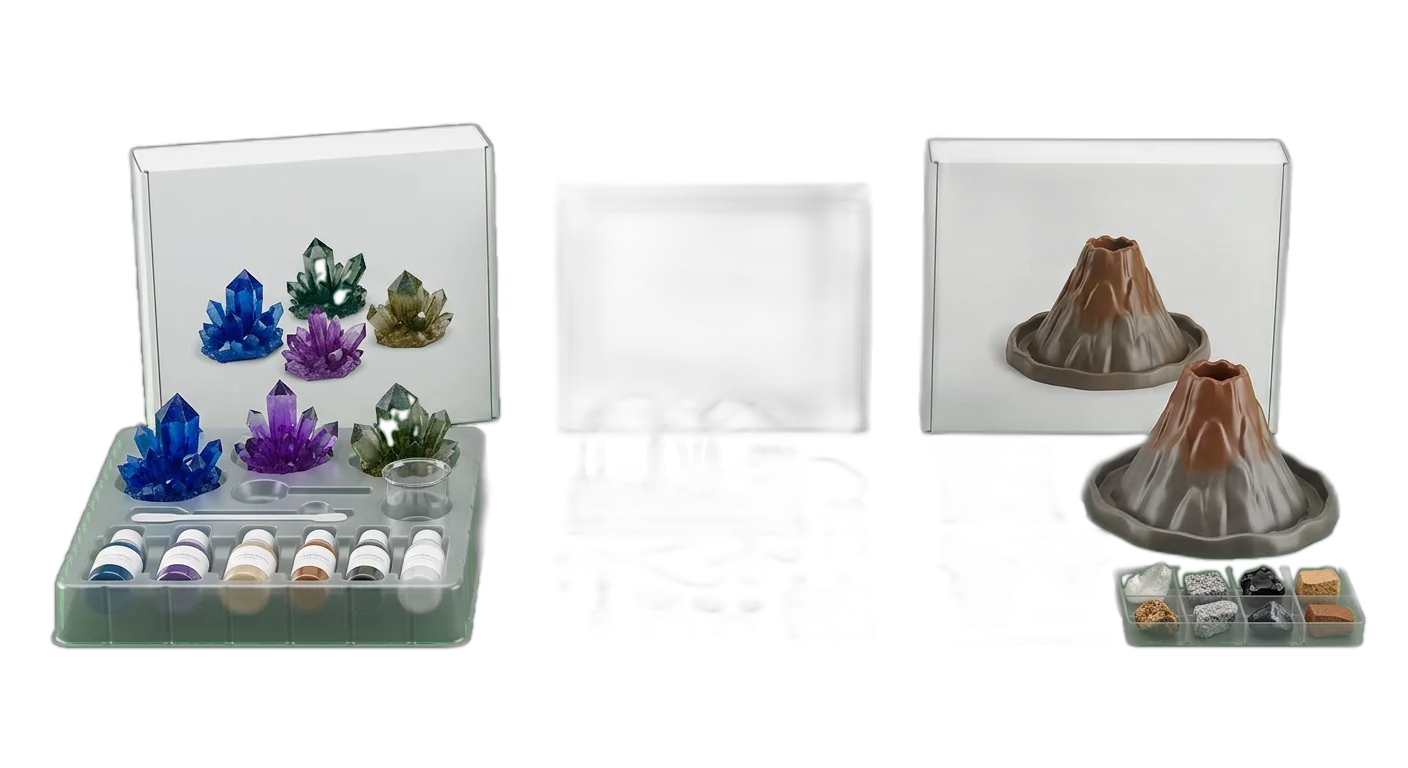
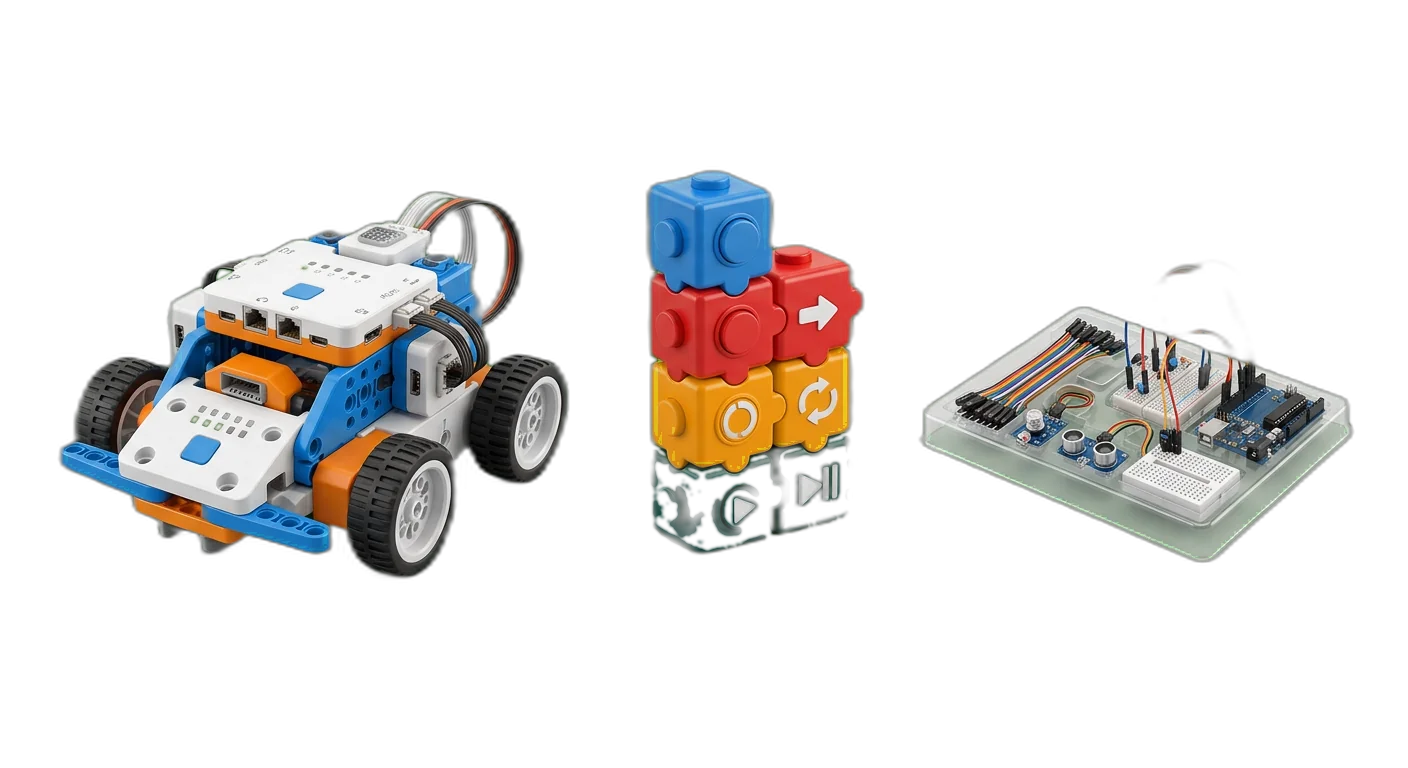
Ouders die STEM-speelgoed kopen, shoppen vaak over meerdere STEM-domeinen. Kopers van wetenschapskits zijn sterke kandidaten voor codeerspeelgoed.
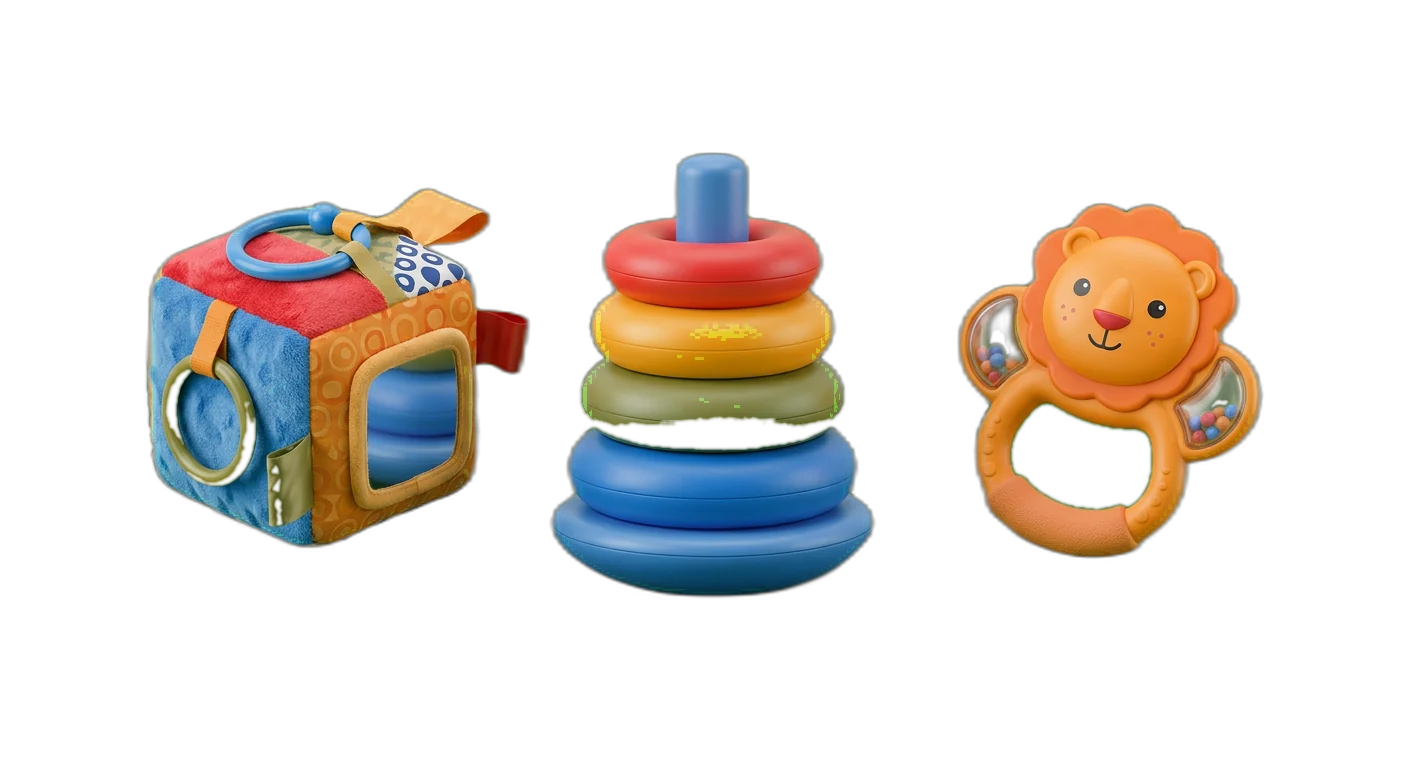
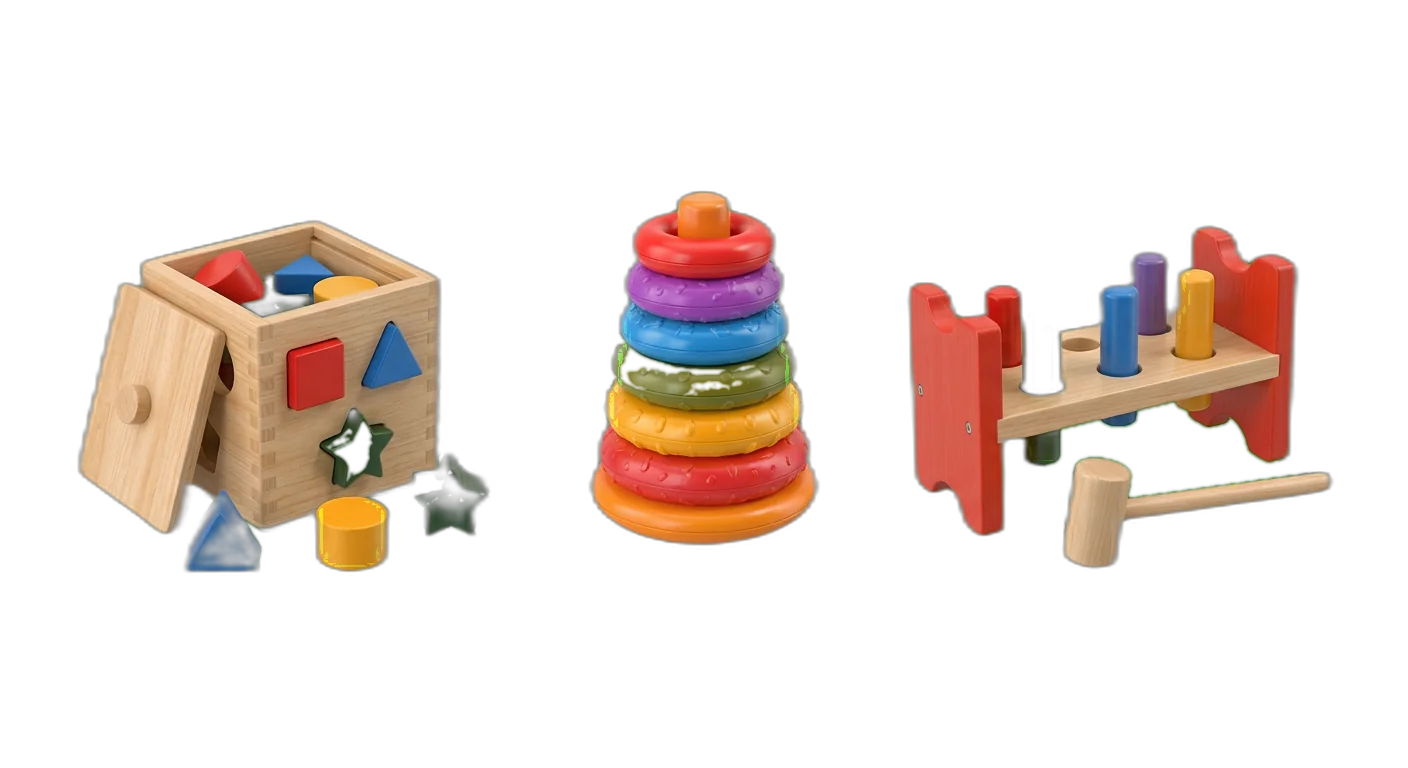
Ouders van baby's denken graag vooruit. Door passend speelgoed voor de volgende levensfase te suggereren, leg je toekomstige aankopen vroeg vast.
Veelgemaakte fouten bij Speelgoed & Spellen categoriekeuzes
Fouten die je vindbaarheid, SEO en conversieratio schaden
- Fout
Leeftijdsbereik als categorieniveau gebruiken in plaats van als filterbaar kenmerk (bijv. een categorie aanmaken als 'Speelgoed voor 3-5 jarigen')
Betere aanpakLeeftijdsbereik hoort als filterbaar kenmerk op elk product, niet als categorie. Veel speelgoed is geschikt voor meerdere leeftijden, en leeftijdsgebaseerde categorieën dwingen je een product in slechts een vakje te stoppen.
- Fout
Veiligheidscertificeringsdata (ASTM F963, EN 71, stikgevaarwaarschuwingen) niet vastleggen als gestructureerde kenmerken
Betere aanpakVoeg verplichte kenmerken toe voor Veiligheidscertificeringen en Stikgevaarwaarschuwing aan alle producten. Dit zijn wettelijke vereisten en marketplaces weigeren vermeldingen zonder deze informatie.
- Fout
Franchise of licentie (Disney, Marvel, Paw Patrol) als categorie gebruiken in plaats van als filterbaar kenmerk
Betere aanpakHoud Franchise en Karakter als filterbare kenmerken. Franchisecategorieën dupliceren je hele taxonomie onder elke licentie en worden snel onbeheersbaar.
- Fout
Tijdelijke seizoenscategorieën aanmaken ('Kerstspeelgoed', 'Zomerspeelgoed') die de rest van het jaar leeg staan
Betere aanpakGebruik de standaard productcategorieën en voeg een Seizoen-kenmerk toe. Beheer seizoenszichtbaarheid via landingspagina's en actietags, niet door je categorieopbouw te wijzigen.
- Fout
Batterijtype, -aantal en inbegrepen status niet bijhouden voor elektronisch speelgoed
Betere aanpakElk elektronisch speelgoed moet Batterijtype, Aantal batterijen en Batterijen inbegrepen als verplichte kenmerken hebben. Dit is een wettelijke vereiste in veel markten en een belangrijk aankoopcriterium.
Stel Speelgoed & Spellen categorieën in met AI
Krijg je Speelgoed & Spellen productcategorieën in minuten op orde, niet in dagen
01
Importeer je speelgoed- en spellencatalogus
Upload je productdata via CSV, Excel of API. WISEPIM haalt automatisch speelgoedspecifieke details op, zoals leeftijdsbereiken, franchise-koppelingen, aantallen onderdelen en veiligheidscertificeringen, uit je bestaande productinformatie.
02
AI categoriseert je producten
De AI van WISEPIM leest producttitels, beschrijvingen en afbeeldingen om elk artikel te classificeren op producttype, franchise- en karakterkoppelingen te herkennen, leeftijdsbereiken te extraheren en ontbrekende veiligheidscertificeringen te signaleren. Allemaal met hoge nauwkeurigheid.
03
Controleer, verfijn en publiceer
Bekijk AI-suggesties in bulk, controleer veiligheidsdata en leeftijdsclassificaties, en zet je gecategoriseerde producten live op alle verkoopkanalen. Marketplace-koppelingen voor Amazon, Google Shopping en Walmart worden automatisch aangemaakt.
Veelgestelde vragen
Veelgestelde vragen over het kiezen van Speelgoed & Spellen categorieën voor e-commerce
Beste categorieën voor andere branches
Printbare checklist
Begin in 15 minutenBeslis in één week of een nieuwe categorie loont
Begin bij de vraag: 15 minuten in Google Trends. Je krijgt één telling, zoals 2 van 3 termen stijgen. Daarna 5 stappen voor de rest van de week.
Zo werkt het
- Kies de 3 zoektermen die klanten voor de categorie gebruiken.
- Zoek ze alle drie op in Google Trends over 2 jaar.
- Schrijf het aantal op, zoals '2 van 3 termen stijgen'.
Eén mail, één keer, met een link naar de printbare checklist. Verder niets, tenzij je het vakje aanvinkt.
Gratis Excel-template
XLSX · 3 tabbladenZie welke van je 20 bestsellers nog niet compleet zijn
Een Excel-check met de kolommen die je voor speelgoed en spellen nodig hebt. In ongeveer 15 minuten weet je hoeveel van je 20 producten compleet zijn, en welke verbetering de meeste rijen helpt.
Zo werkt het
- Plak 20 bestsellers uit je webshopexport in Producten.
- Vul in wat je weet. De laatste kolom zegt per rij wat er ontbreekt.
- Lees je resultaat op Begin hier: hoeveel er compleet zijn en welke verbetering de meeste rijen helpt.
Eén mail, één keer, met de XLSX als bijlage en als downloadlink. Verder niets, tenzij je het vakje aanvinkt.
Verder ontdekken
Zorgvuldig gekozen vervolgstappen om dieper te gaan.
Klaar om je Speelgoed & Spellen catalogus te organiseren?
WISEPIM gebruikt AI om je producten automatisch te categoriseren, attributes in te stellen en te synchroniseren met al je verkoopkanalen.