Beste categorieën voor Koffers & Tassen
De best presterende Koffers & Tassen productcategorieën voor je webshop, gerangschikt op vraag, marges en groeipotentieel.
Beste Koffers & Tassen categorieën om online te verkopen
Gerangschikt op marktvraag, winstmarges en groeimomentum
- 1
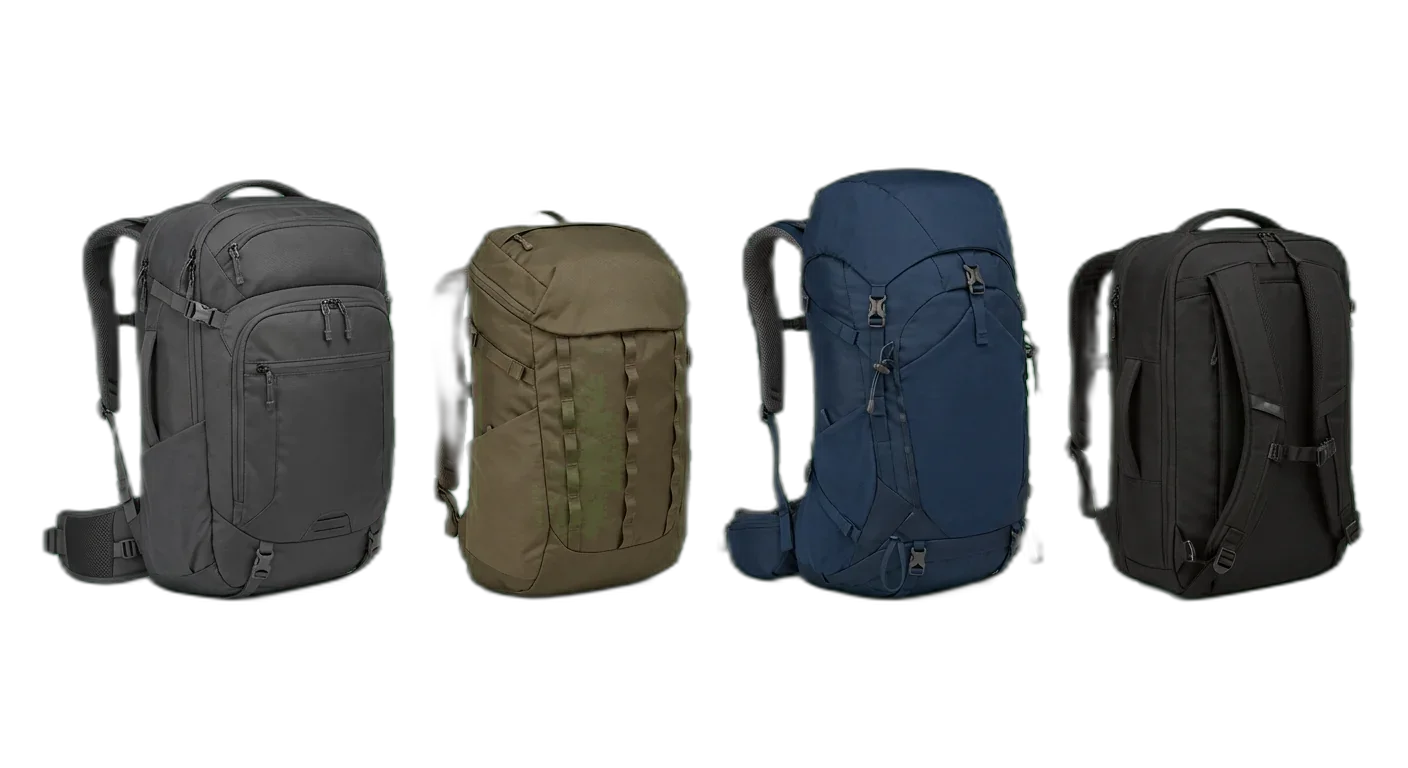
Reisrugzakken
Rugzakken > Reisrugzakken
Reisrugzakken zijn volop in opmars, want jongere reizigers kiezen vaker voor een rugzak dan voor een traditionele koffer, geholpen door digitale nomaden en budgetmaatschappijen. Tassen van 40-50L die ook als handbagage passen zijn bijzonder populair.
Vraag: HoogConcurrentie: GemiddeldMarge: HoogStijgendVoorbeeldproductenReispacks (40-50L)DaypacksWandelrugzakkenConverteerbare reisrugzakkenPro tipZet duidelijk of de reistas als handbagage past in het vliegtuig. Rugzakreizigers zoeken specifiek naar tassen die in de overhead bin passen zonder in te hoeven checken.
- 2
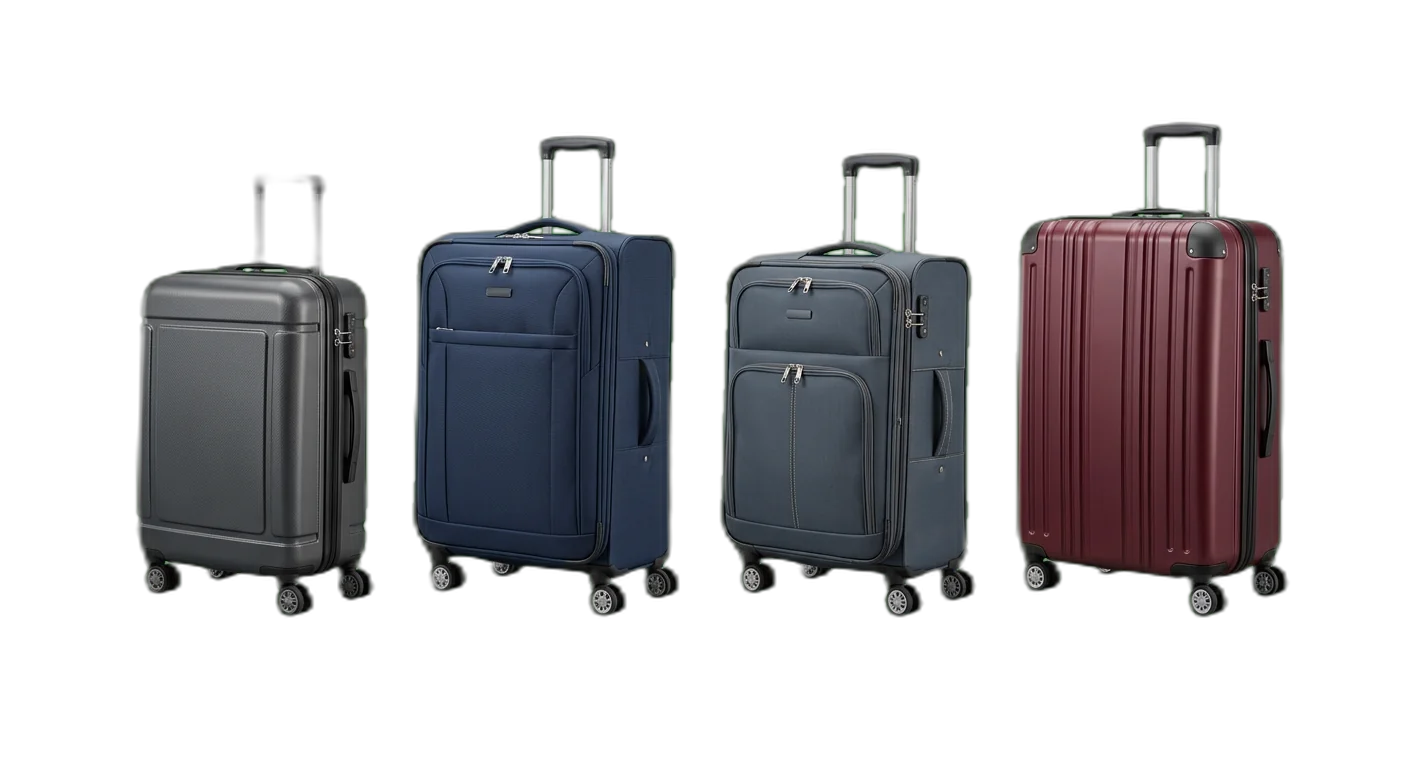
Ruimbagage
Koffers > Ruimbagage
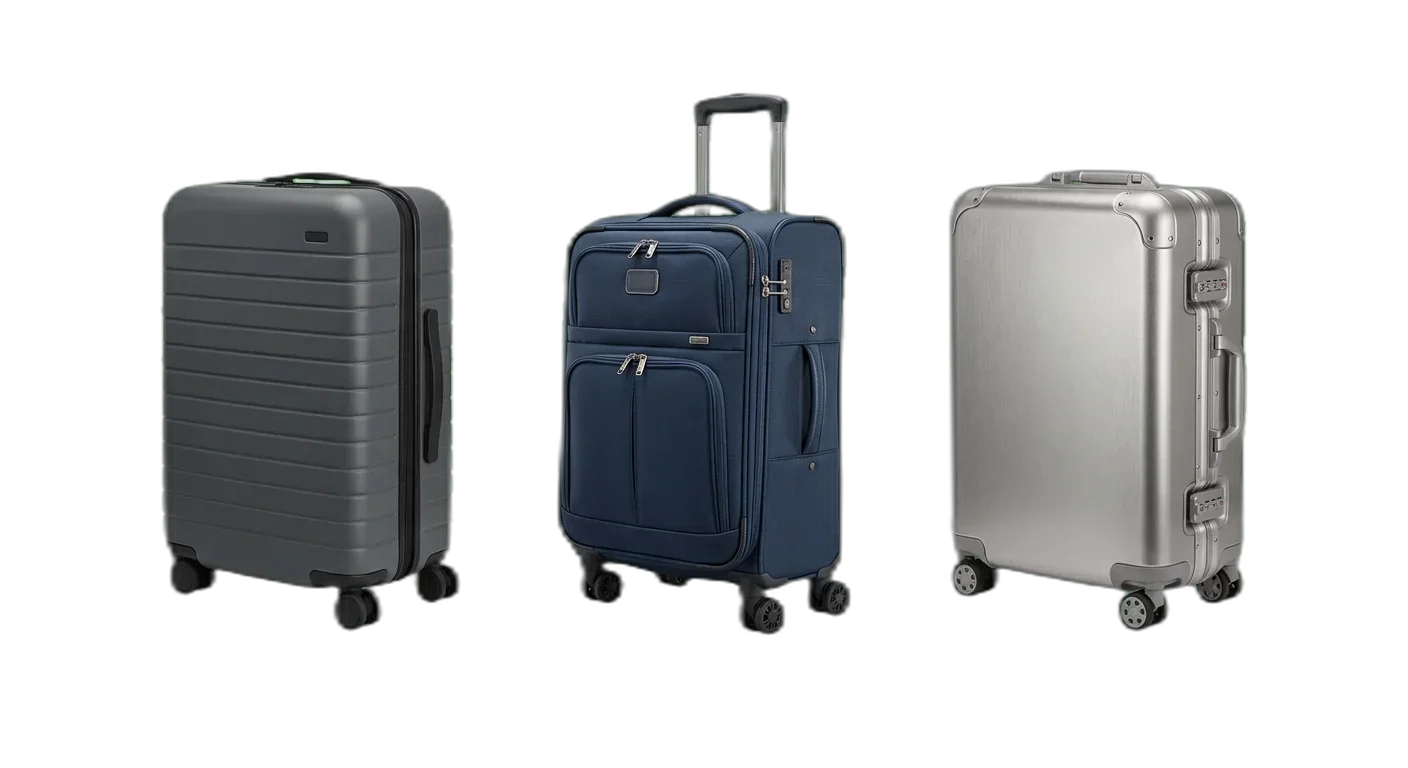
Ruimbagage blijft onmisbaar voor lange trips en gezinsreizen. Ook al groeit het handbagage-segment, ingecheckte koffers blijven een fors deel van de kofferverkoop. Premium hardside ruimbagage met spinnerwielen levert sterke marges op en trekt loyale terugkerende klanten.
Vraag: GroeiendConcurrentie: LaagMarge: HoogStijgendVoorbeeldproductenMedium ruimbagage (24")Grote ruimbagage (28")Uitbreidbare ruimbagageExtra grote ruimbagagePro tipVermeld zowel de ingeklapte als de uitgevouwen afmetingen voor uitbreidbare koffers. Reizigers willen weten of de koffer ook ingecheckt mag worden als hij volledig is uitgevouwen.
- 3
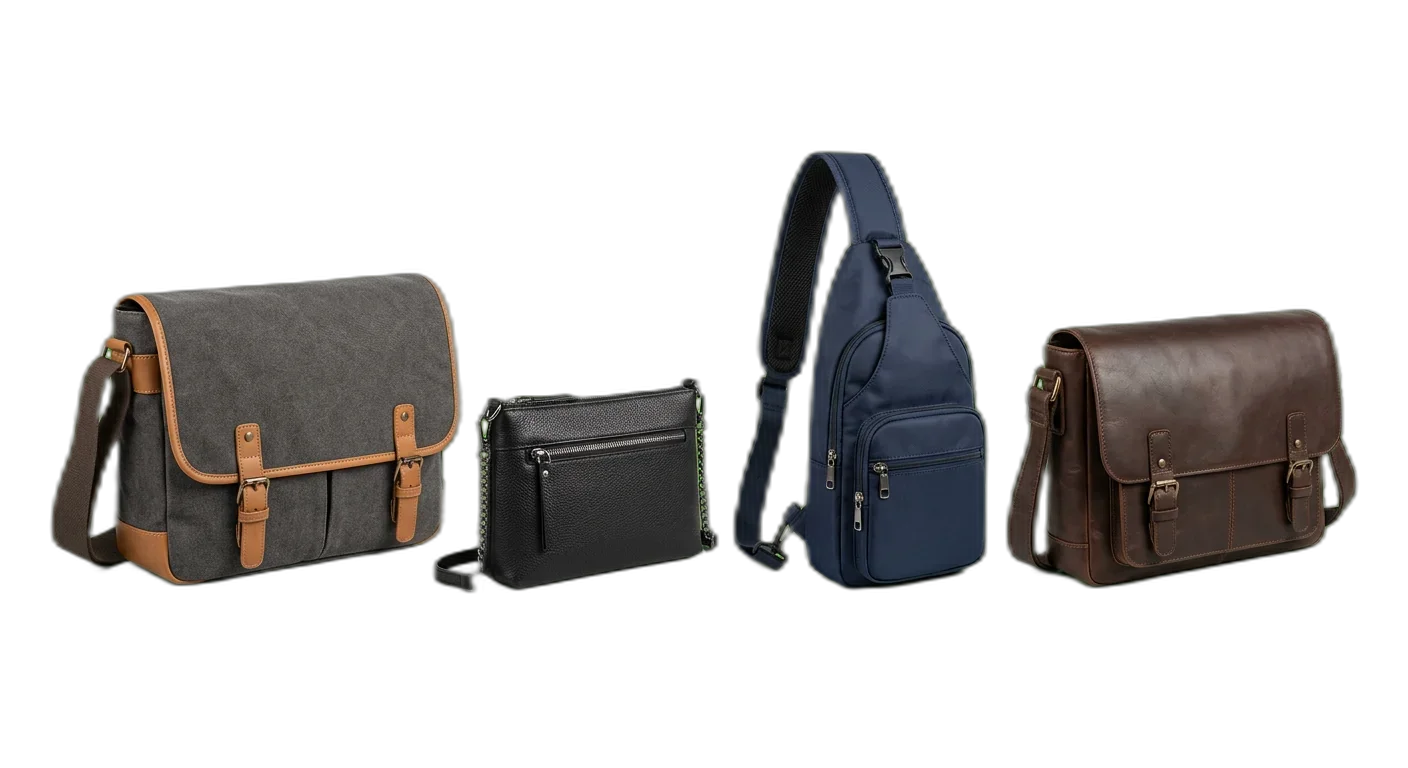
Crossbody & Messengertassen
Tassen > Messenger & Crossbody
Crossbodytassen zijn een van de snelst groeiende tassensegmenten. Shoppers zijn dol op het handsvrij gemak, en de tassen spreken alle leeftijdsgroepen aan voor zowel casual als professioneel gebruik. De gemiddelde orderwaarde is hoog omdat kopers regelmatig meerdere stijlen pakken.
Vraag: HoogConcurrentie: GemiddeldMarge: HoogStabielVoorbeeldproductenCrossbodytassenMessengertassenSlingtassenMini crossbody-tasjesPro tipGebruik lifestyle-afbeeldingen die de tas gedragen laten zien, want crossbody-shoppers willen schaal en styling zien, wat verrassingen over het formaat en de retouren die daaruit volgen voorkomt.
- 4
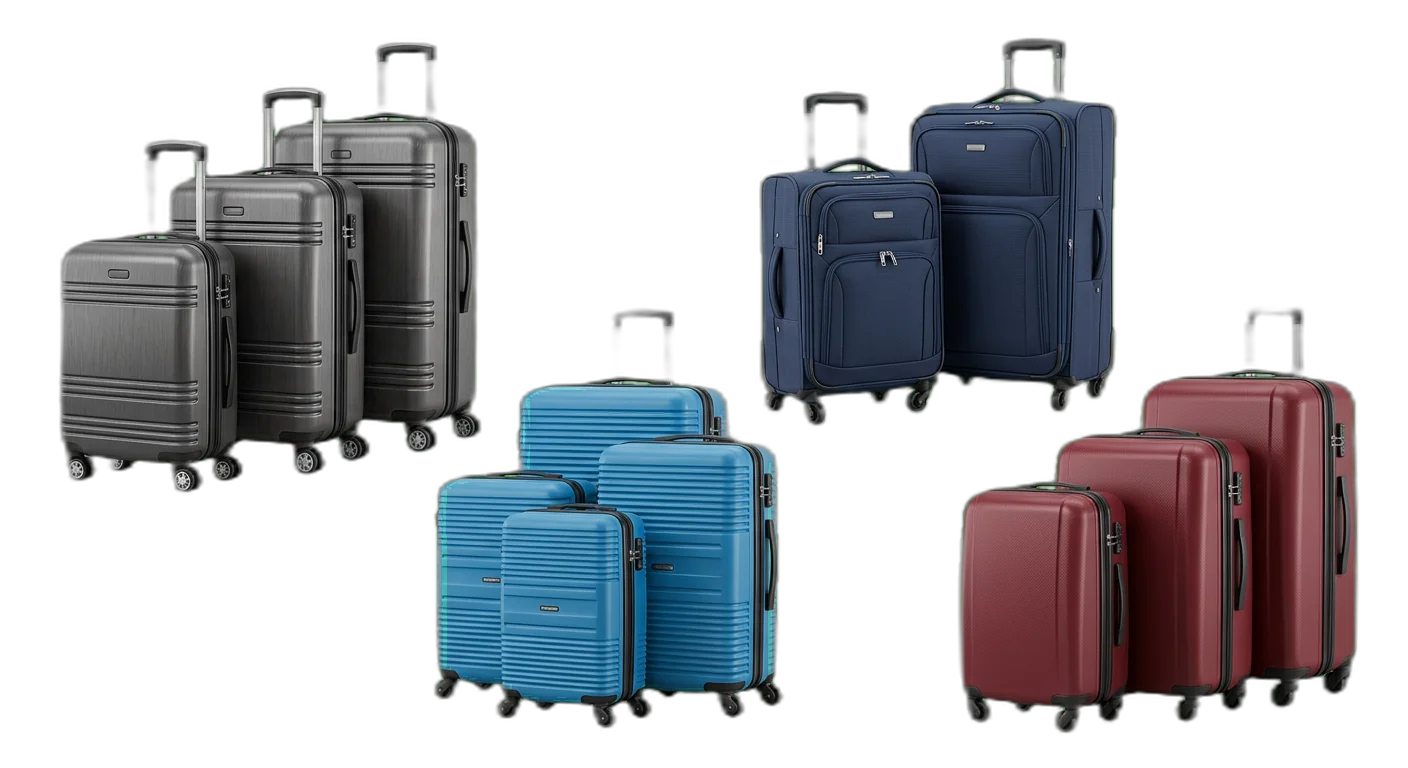
Koffersets
Koffers > Koffersets
Koffersets hebben de hoogste gemiddelde orderwaarde in de categorie, want een set kost een veelvoud van een los stuk. Shoppers waarderen de bijpassende look, en sets zijn een van de populairste cadeau-opties tijdens de feestdagen. Met één aankoop heb je bovendien meteen een complete reisset.
Vraag: HoogConcurrentie: GemiddeldMarge: GemiddeldStijgendVoorbeeldproducten3-delige spinnersets2-delige handbagage + ruimbagage sets4-delige familiesetsGeneste koffersetsPro tipZet de afmetingen van elk onderdeel apart in de listing. Kopers vergelijken sets vooral op de maten die erin zitten en willen weten of elk stuk past bij hun reisplannen.
- 5
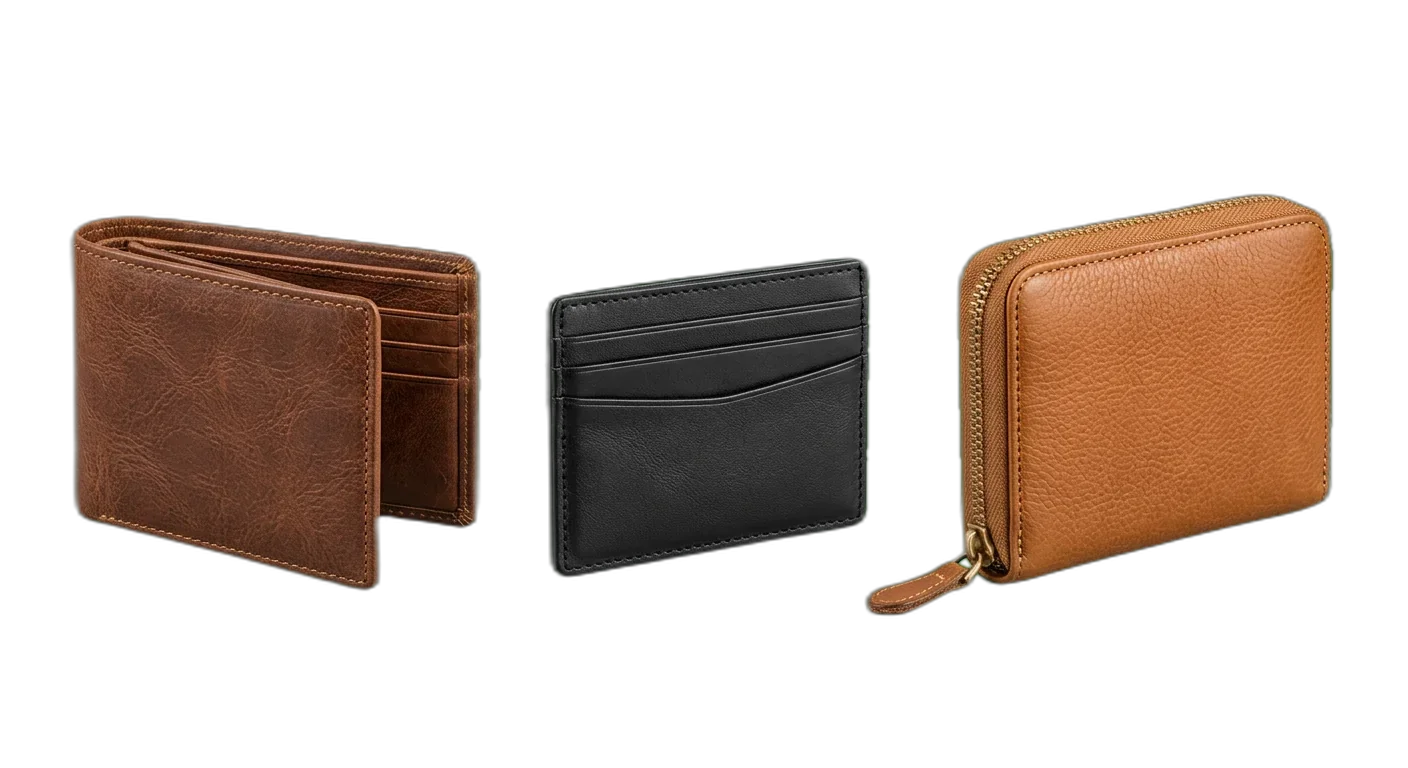
Portemonnees & Pasjeshouders
Portemonnees & Kleine Accessoires > Portemonnees
Portemonnees behoren tot de accessoires met de hoogste marge en verkopen het hele jaar goed als cadeau. Shoppers stappen over op slankere, RFID-blokkerende modellen, wat voor constante vraag zorgt. Lage verzendkosten en nauwelijks retouren maken dit een van de meest rendabele categorieën voor webshops.
Vraag: GemiddeldConcurrentie: LaagMarge: HoogStijgendVoorbeeldproductenBi-fold portemonneesPasjeshoudersRits-portemonneesGeldklemmenPro tipZet RFID-blokkering altijd als een uitgelicht kenmerk. Het is een veelgebruikt zoekfilter voor portemonnees en een echte reden om te kopen.
- 6
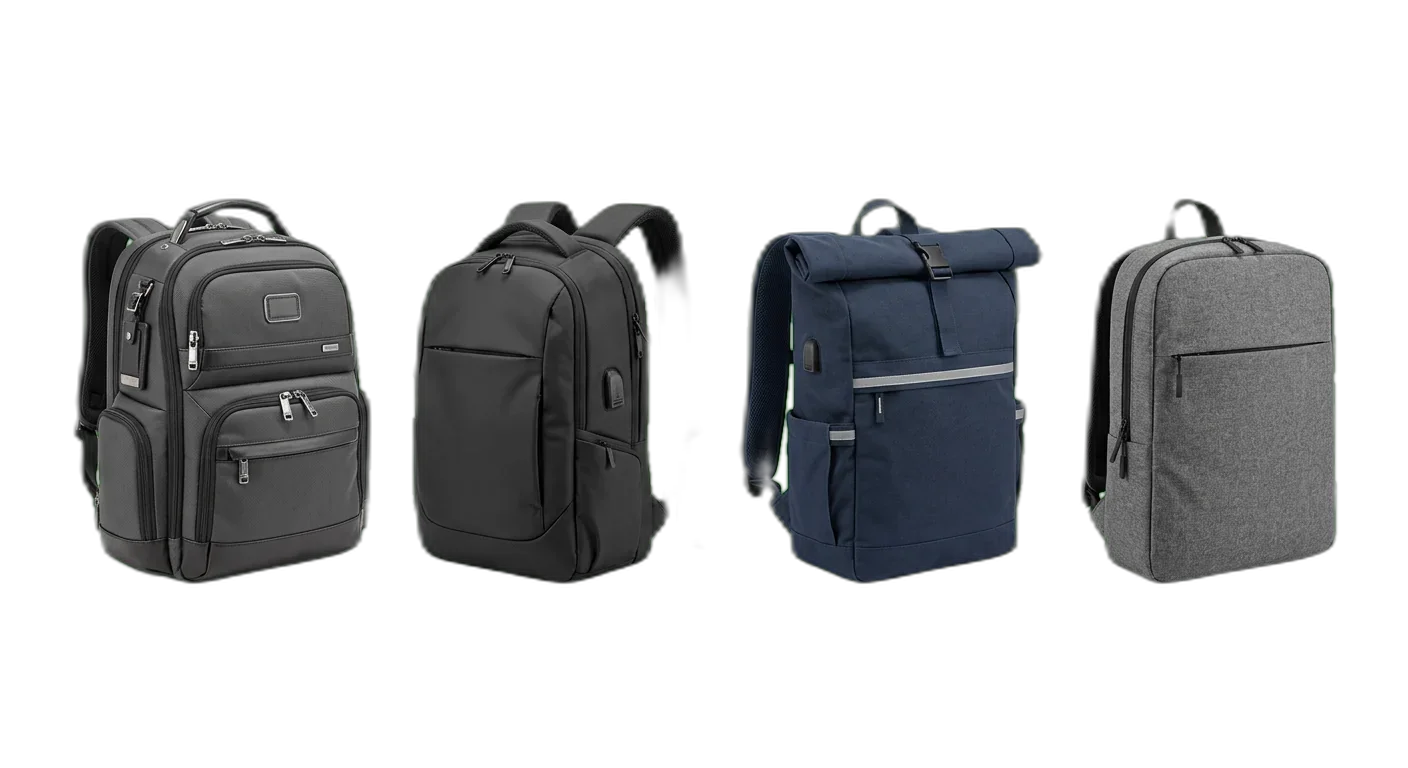
Laptop Rugzakken
Rugzakken > Laptop Rugzakken
Laptoprugzakken zijn nu een dagelijks must-have voor forenzen en thuiswerkers. Kopers filteren duidelijk op laptopformaat, aantal vakken en materiaal, dus in deze categorie is goed scoren goed te doen.
Vraag: HoogConcurrentie: HoogMarge: GemiddeldStijgendVoorbeeldproductenBusiness rugzakkenTech rugzakkenForens rugzakkenSlanke laptop rugzakkenPro tipZet het maximale laptopformaat in inches (bijv. 15.6") goed zichtbaar in je listing. Dit is vaak de doorslaggevende factor bij aankoop en een van de meest gebruikte zoekfilters.
- 7
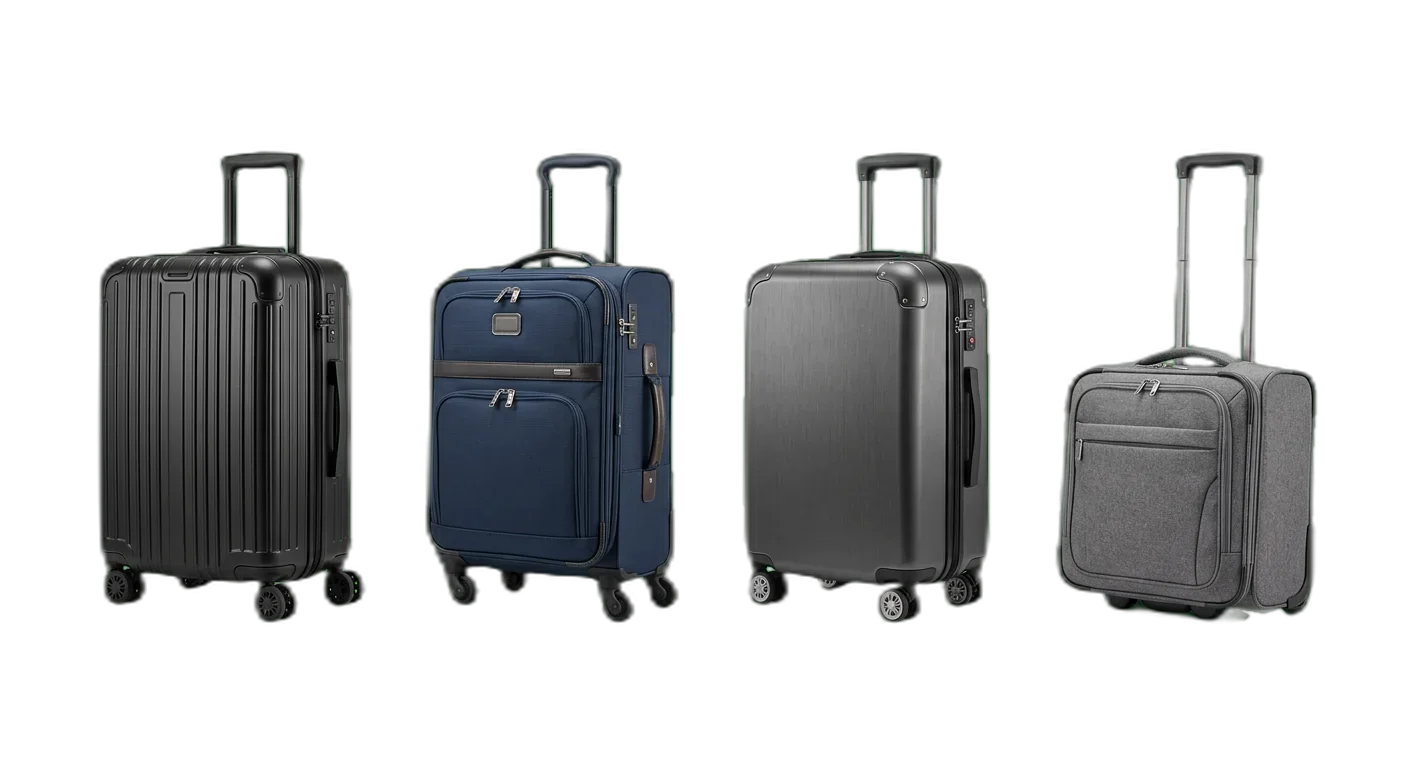
Handbagage
Koffers > Handbagage
Handbagage is een van de meest gezochte kofferproducten online. Reizigers willen kosten voor ruimbagage vermijden, en spinnermodellen met vier wielen vormen het grootste deel van de verkoop. Dankzij strenge maatregels van luchtvaartmaatschappijen is er veel vraag naar producten met duidelijke, accurate afmetingen.
Vraag: HoogConcurrentie: HoogMarge: GemiddeldStabielVoorbeeldproductenSpinner handbagageHardside cabinekofferSoftside handbagageUnderseat kofferPro tipVermeld altijd exacte afmetingen in centimeters en koppel ze aan de maateisen van grote luchtvaartmaatschappijen. Ontbrekende afmetingen zijn een belangrijke reden voor kofferretouren.
- 8
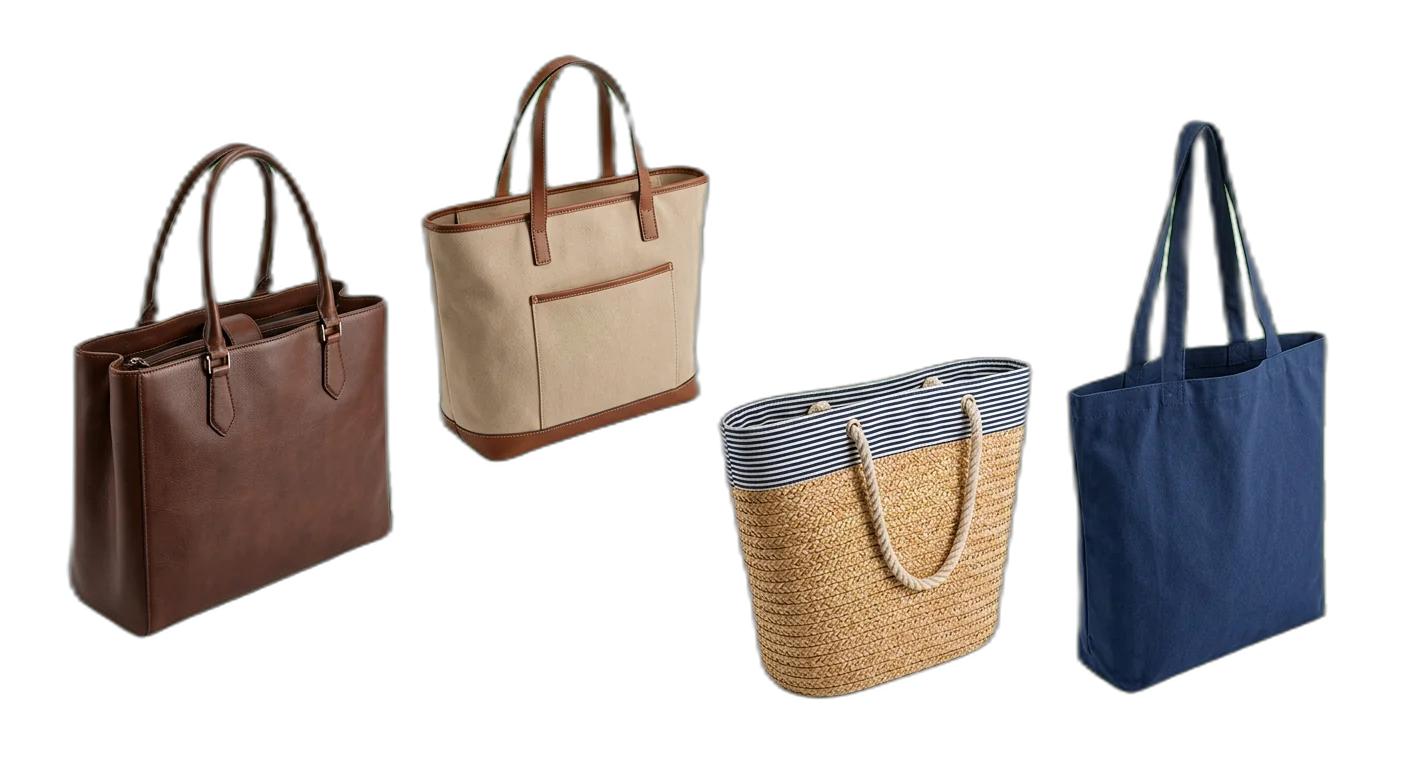
Shoppers & Tote Bags
Tassen > Shoppers
Shoppers zijn een vaste waarde in de dagelijkse tassenmarkt voor werk, boodschappen en casual gebruik. De duurzame modebeweging heeft canvas en gerecyclede shoppers een boost gegeven. Retouren zijn zeldzaam en er is veel ruimte om je als merk te onderscheiden via materiaal en design.
Vraag: HoogConcurrentie: HoogMarge: GemiddeldStabielVoorbeeldproductenWerktassenAlledaagse shoppersStrandtassenBoodschappentassenPro tipVermeld altijd of er een standaard laptop in past. Veel kopers van werkshopers hebben dit detail nodig en slaan listings over die het niet vermelden.
- 9
Kindertassen
Kindertassen
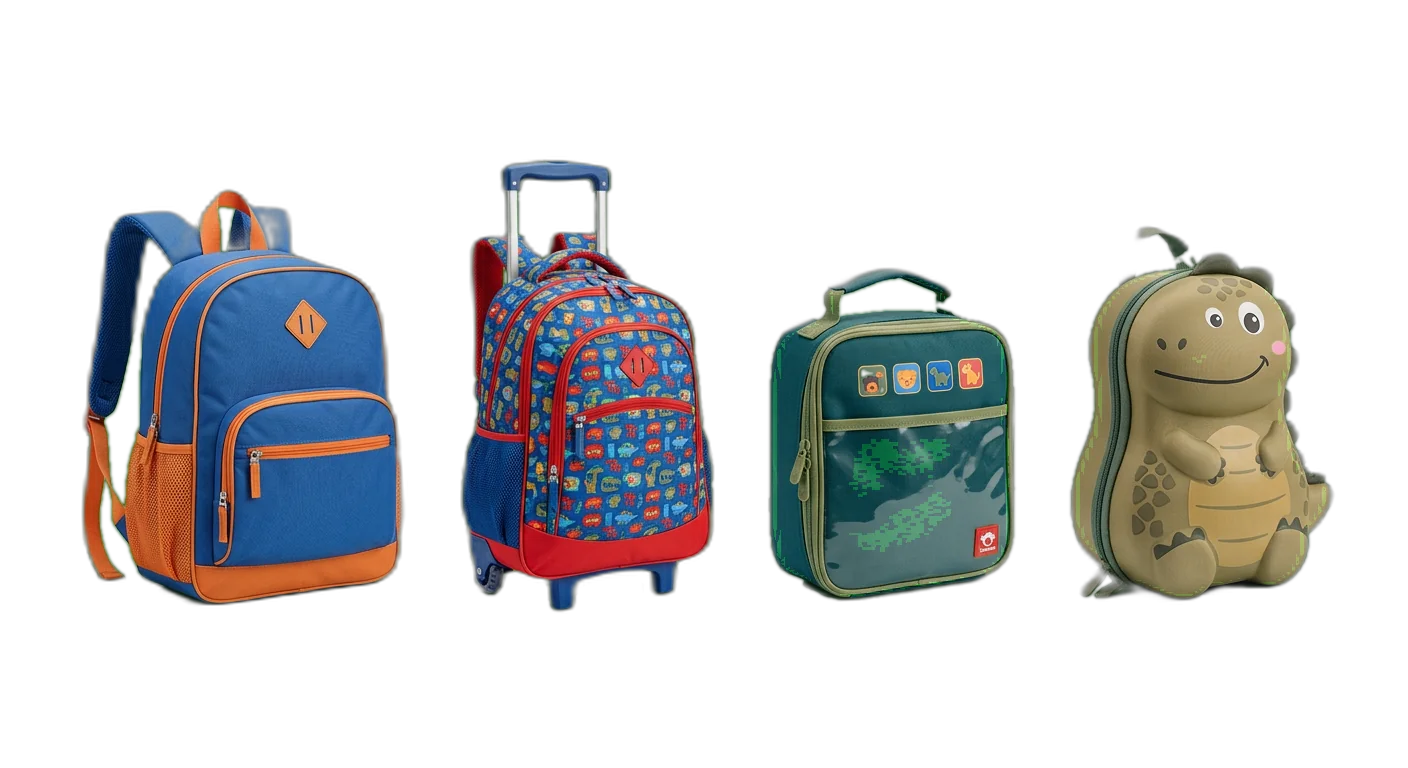
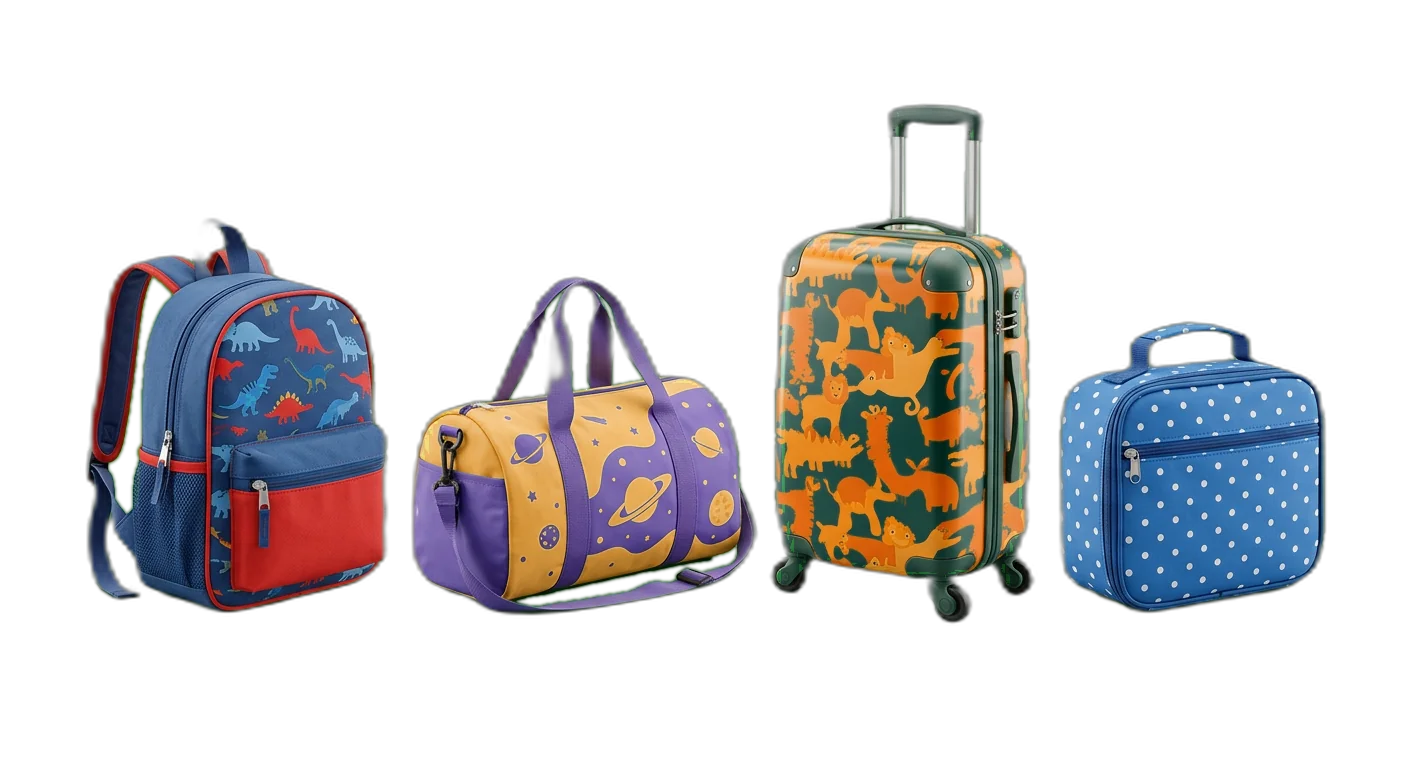
Kindertassen bestrijken school, reizen en lunch, met een sterke back-to-school piek elk jaar. Kinderen groeien snel uit hun tassen, wat voor herhaalaankopen zorgt. Gelicentieerde karaktertassen zetten aan tot impulsaankopen, en ouders betalen graag iets meer voor tassen die duurzaam zijn en goed zitten op de rug.
Vraag: GemiddeldConcurrentie: LaagMarge: GemiddeldStabielVoorbeeldproductenSchooltassenTrolley-rugzakkenLunchtassenKaraktertassenPro tipBenoem ergonomische details en het gewicht van de lege tas. Ouders letten steeds vaker op ruggezondheid en kiezen bewust voor tassen die rugondersteuning bieden.
- 10
Reistassen
Tassen > Reistassen
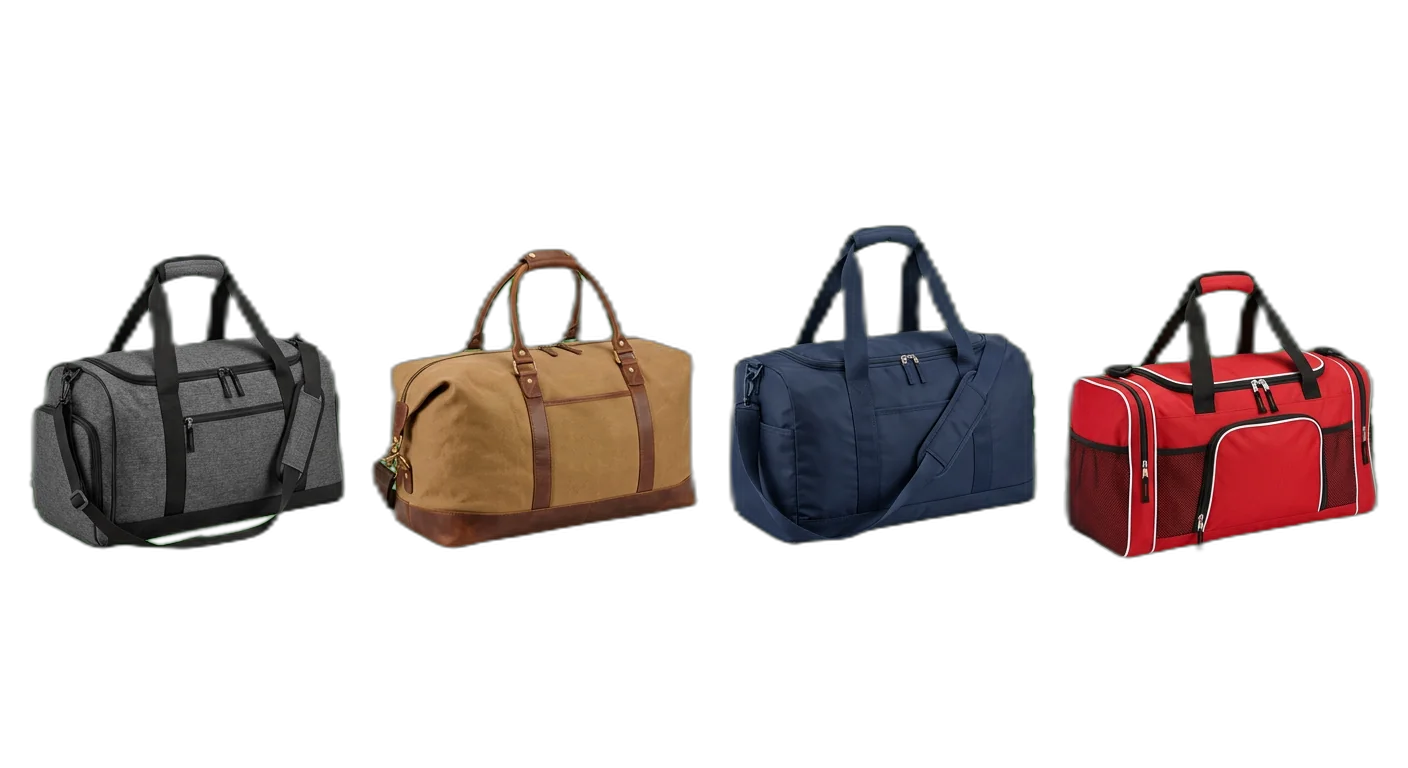
Reistassen werken voor sport, weekendtripjes en fitness tegelijk. Die veelzijdigheid houdt het retouraantal laag en het volume hoog. De weekendtas wint terrein doordat reizigers een flexibeler alternatief voor een harde koffer willen bij korte trips.
Vraag: GemiddeldConcurrentie: GemiddeldMarge: HoogSeizoensgebondenVoorbeeldproductenSporttassenReistassenWeekendtassenSportduffelsPro tipZet het schoenvak en het natte vak goed zichtbaar in je listing. Dit zijn de twee kenmerken die premium reistassen onderscheiden en een hogere prijs rechtvaardigen.
Categorieprestaties in één oogopslag
Vergelijk vraag, concurrentie, marges en groei voor alle aanbevolen categorieën
ReisrugzakkenRuimbagageCrossbody & MessengertassenKoffersetsPortemonnees & PasjeshoudersLaptop RugzakkenHandbagageShoppers & Tote BagsKindertassenReistassenAanbevolen Koffers & Tassen categoriestructuur
De volledige categorieboom met subcategorieën voor elke aanbevolen hoofdcategorie
Reisbagage
Rugzakken
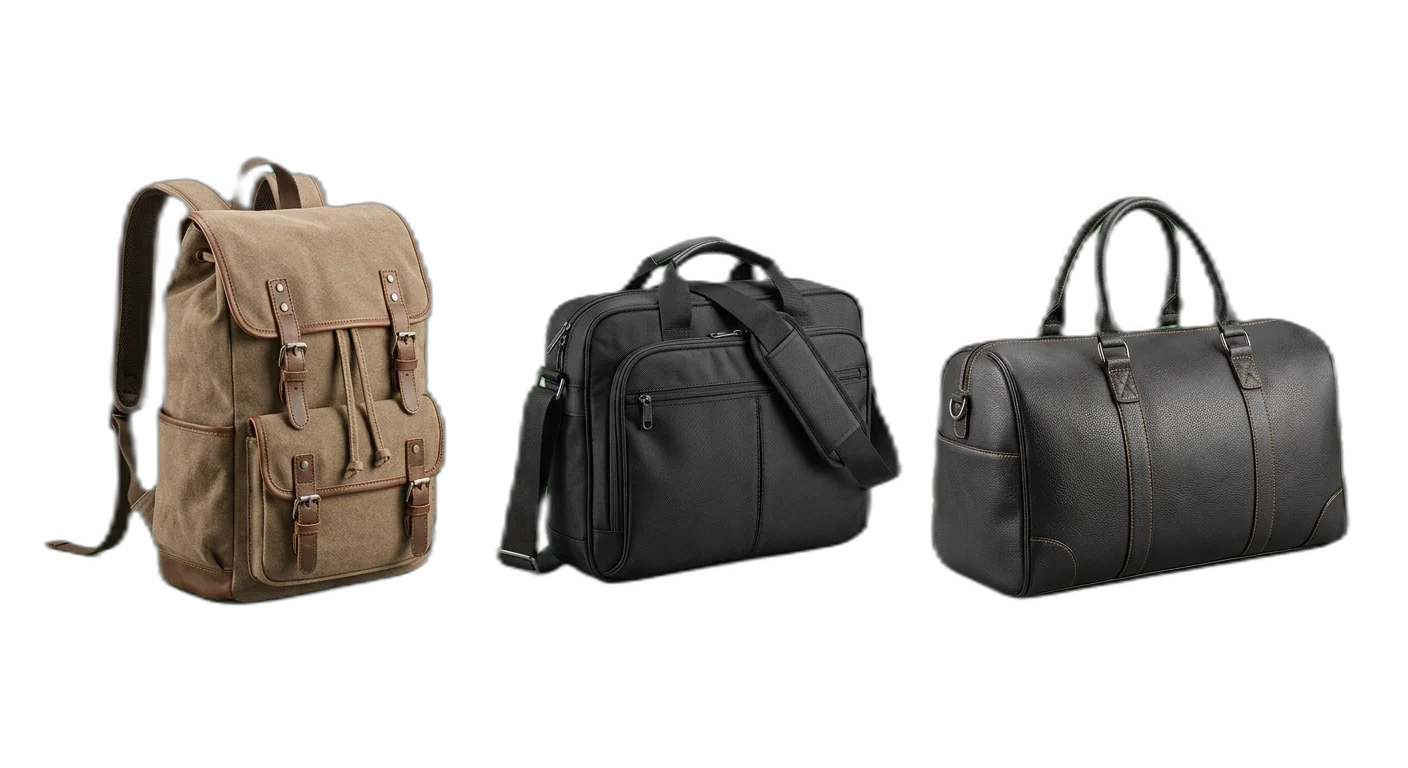
Tassen
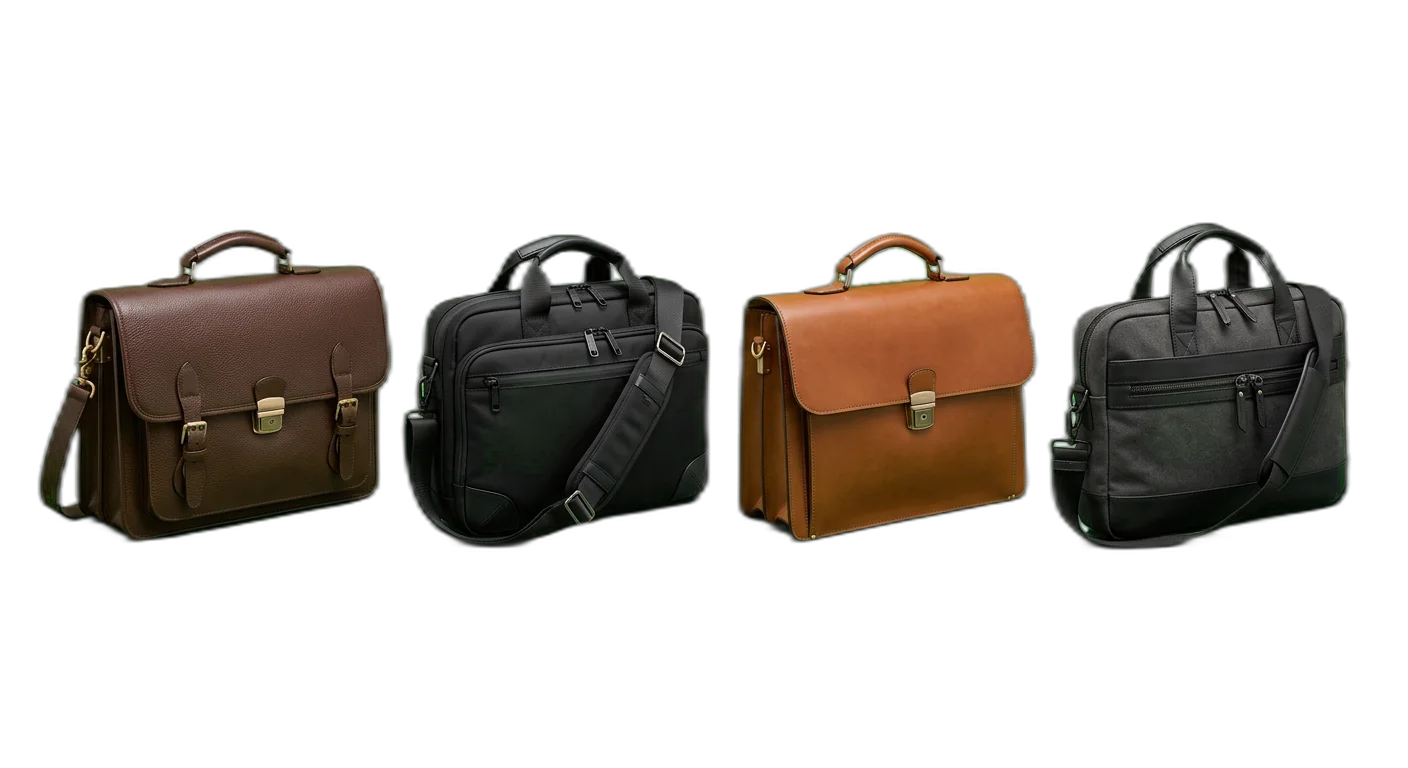
Aktetassen & werktassen
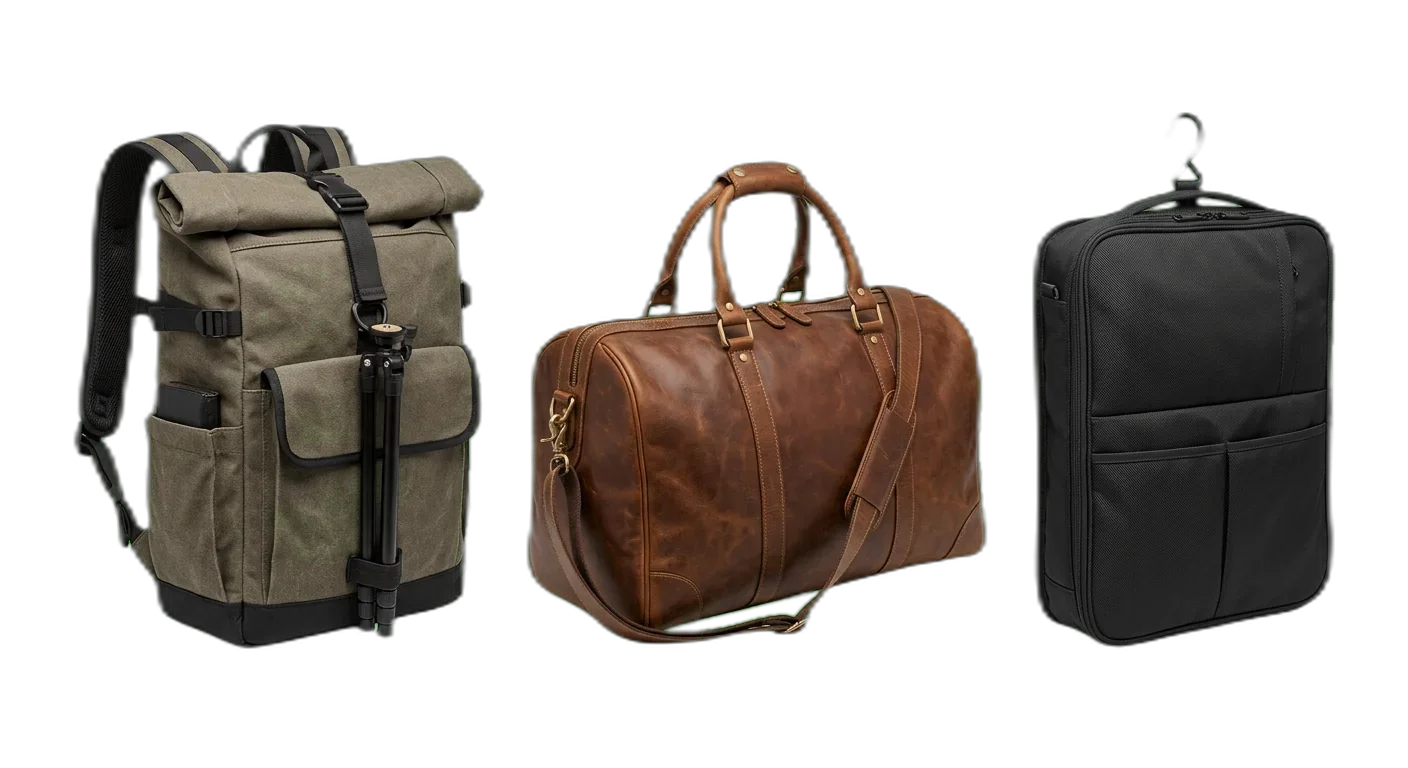
Speciale tassen
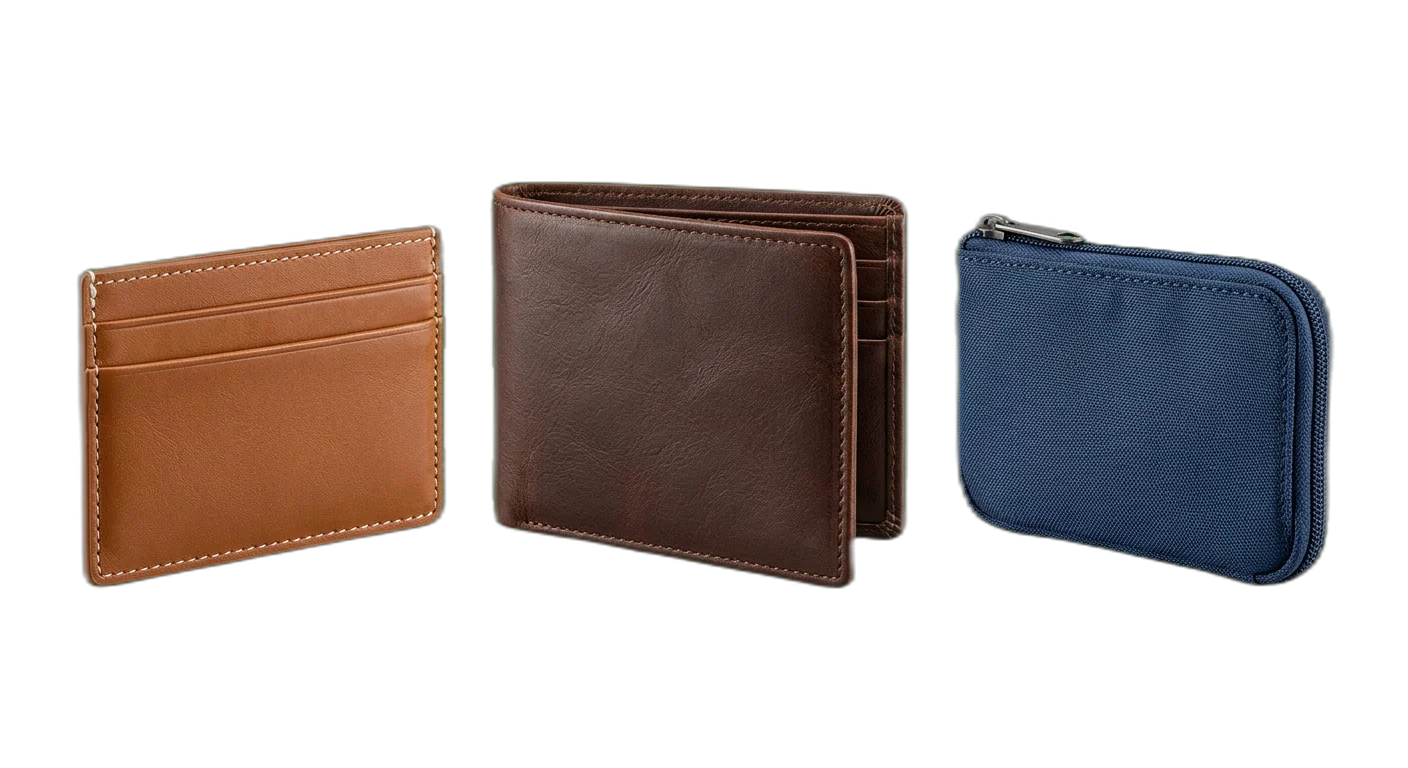
Portemonnees & kleine accessoires
Kindertassen
Met welke categorieën begin je het best?
Kies je startcategorieën op basis van je catalogusgrootte en groeifase
Kies een kerncategorie, zoals handbagage of laptoprugzakken, en ga daar diep in met meerdere prijspunten en materialen. Sterke diepte in een categorie bouwt je reputatie sneller op dan je verdunnen over veel categorieën.
Breid uit naar categorieën die aansluiten bij je reis- of dagelijks draagpubliek. Voeg accessoires en sets toe om via cross-selling de gemiddelde orderwaarde te verhogen.
Dek het hele koffers- en tassenaanbod met gedetailleerde subcategorieën. Investeer in maatdata voor luchtvaartconformiteit, geavanceerde filters op afmetingen en kenmerken, en cross-category merchandising voor maximale vindbaarheid.
Hoe orden je categorieën in je webshop menu?
Praktische tips om je navigatie zo in te richten dat je meer clicks en conversies haalt
Begin met je meest gevraagde categorieën
Zet "Handbagage" en "Rugzakken" vóór nichecategorieën zoals "Kledingtassen" in je hoofdmenu. De meeste reizigers weten al of ze een koffer of een rugzak zoeken.
Voeg een "Shop op gebruiksdoel" filter toe
Laat klanten browsen op gelegenheid (Zakenreis, Weekendtrip, Dagelijks woon-werkverkeer, Outdoor avontuur). Dit vult je productcategorieën aan zonder extra niveaus aan je navigatie toe te voegen.
Presenteer afmetings- en conformiteitsfilters prominent
Luchtvaartmaateisen en laptopformaat horen bij de meest gebruikte filters in koffer- en tassenwinkels. Zet ze zichtbaar op categoriepagina's, niet verstopt in een geavanceerd filterpaneel.
Houd je hoofdmenu onder 7 items
Groepeer gerelateerde categorieën onder een bovenliggend item (bijv. "Tassen" met Shoppers, Crossbody, Reistassen). Te veel opties op het hoogste niveau overweldigen shoppers en kosten clicks.
Roteer seizoenscategorieën naar prominente posities
Zet koffersets hoger in je menu tijdens de cadeauperiode en reisrugzakken hoger in het voorjaar, wanneer vakantieplanning piekt.
Wanneer piekt elke categorie?
Stem je voorraad en marketing af op seizoensverschuivingen in de vraag
Lente (mrt-mei)
Piekcategorieën
Vakantieplanning piekt in het voorjaar. Zorg dat reistassen en handbagage vanaf maart prominent in beeld zijn.
Zomer (jun-aug)
Piekcategorieën
Het piekseizoen voor reizen trekt de koffervraag omhoog. Gezinsvakanties zorgen voor een flinke stijging in ruimbagage en kindertassen.
Herfst (sep-nov)
Piekcategorieën
Back-to-school drijft de rugzakverkoop in september omhoog. Black Friday is een belangrijk verkoopmoment voor koffersets, dus zet je bundels op tijd klaar.
Winter (dec-feb)
Piekcategorieën
Portemonnees en kleine lederen accessoires pieken als feestdagcadeau in december. Januari laat sterke koffersetverkopen zien bij mensen die een nieuwjaarsreis plannen.
Categorieën die goed samengaan
Combineer verwante categorieën om je gemiddelde bestelwaarde te verhogen
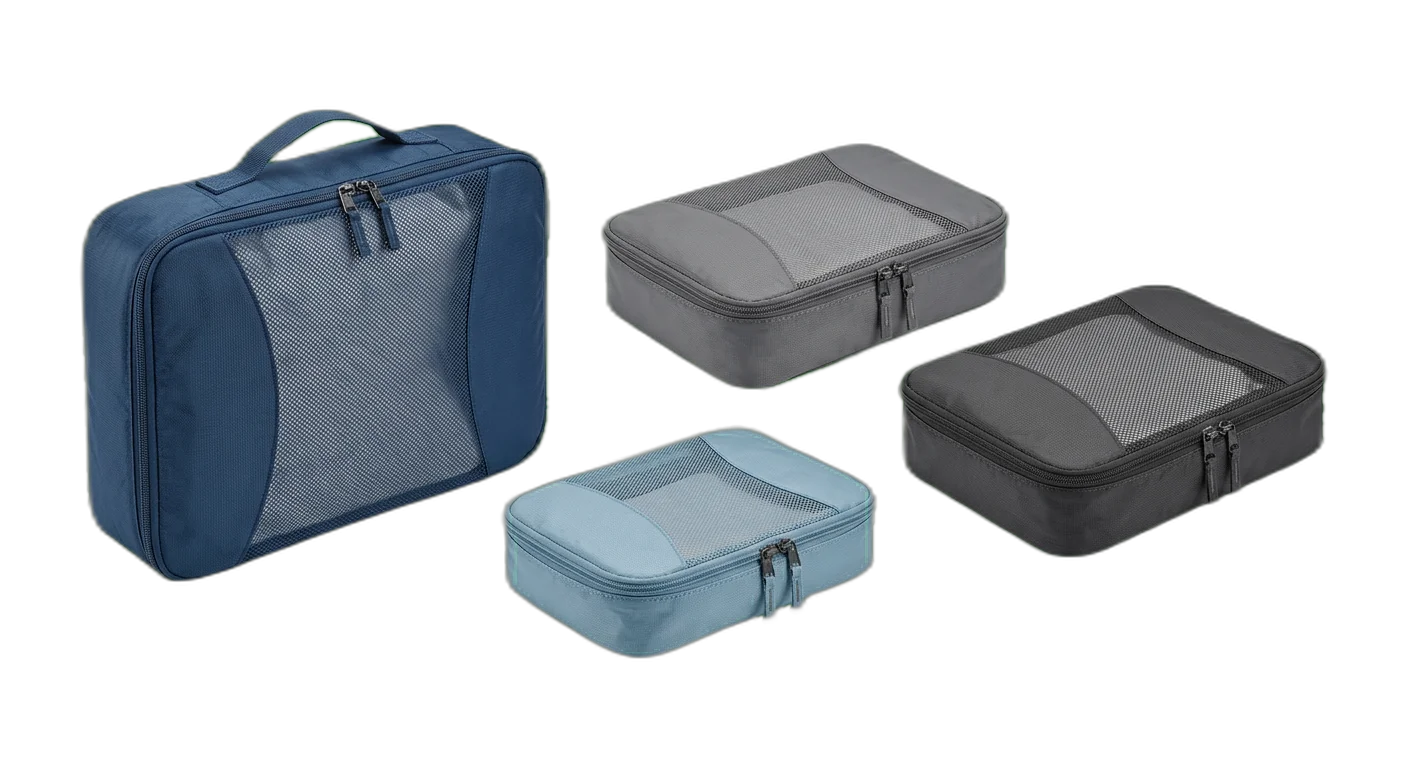
Packing cubes zijn de meest logische accessoire-upsell bij handbagage en verhogen de orderwaarde met nauwelijks extra verzendkosten.
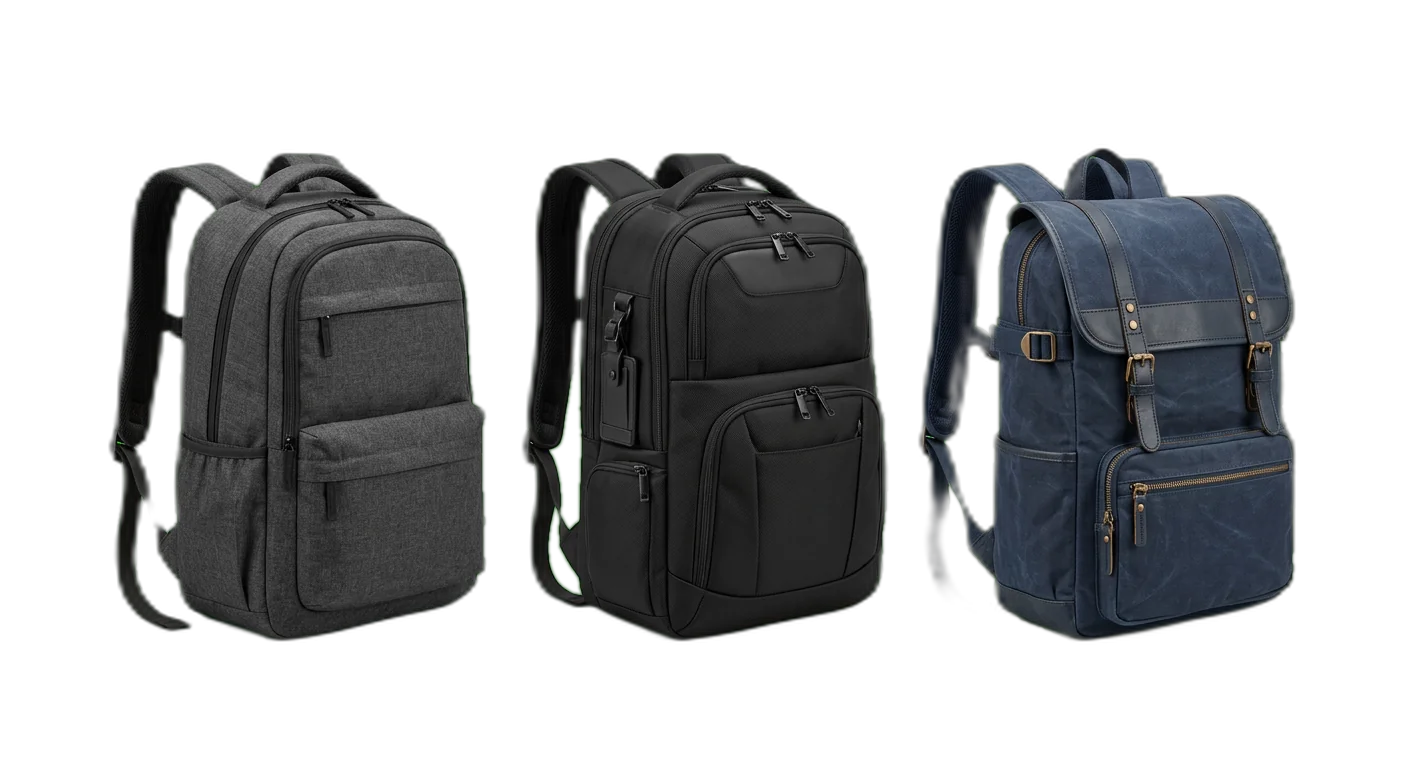
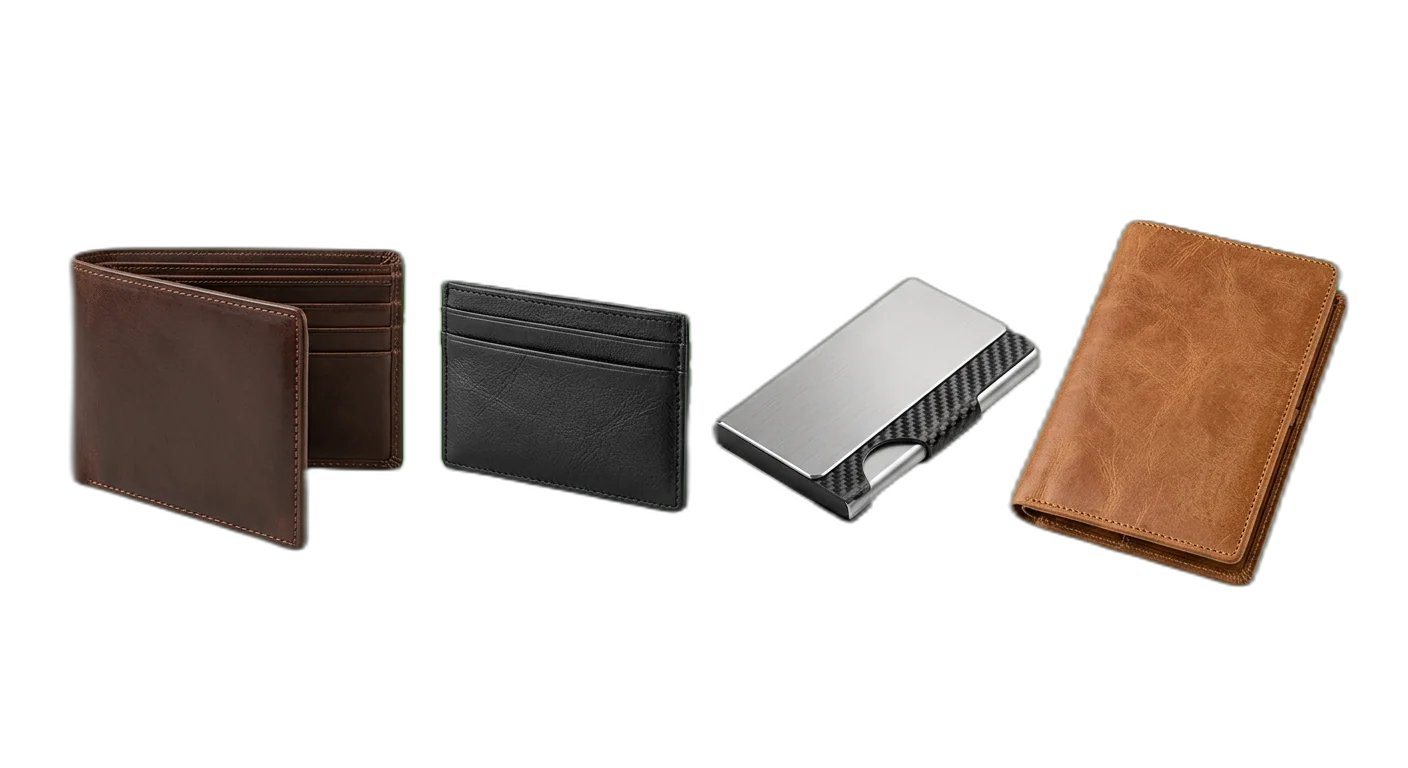
Forenzen die een laptoprugzak kopen, voegen er vaak ook een bijpassende portemonnee of pasjeshouder bij.
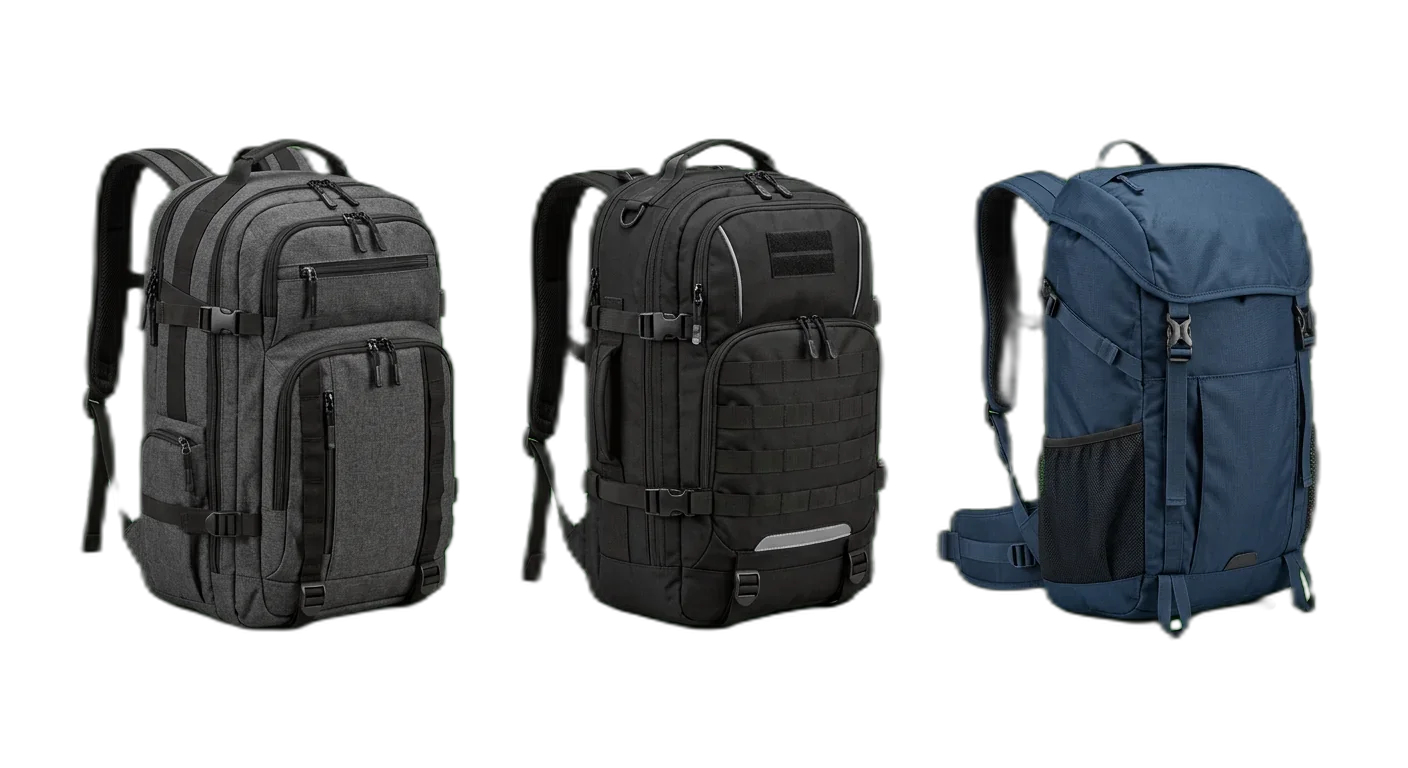
Frequente reizigers kopen vaak een reisrugzak én handbagage, elk voor een ander type trip.
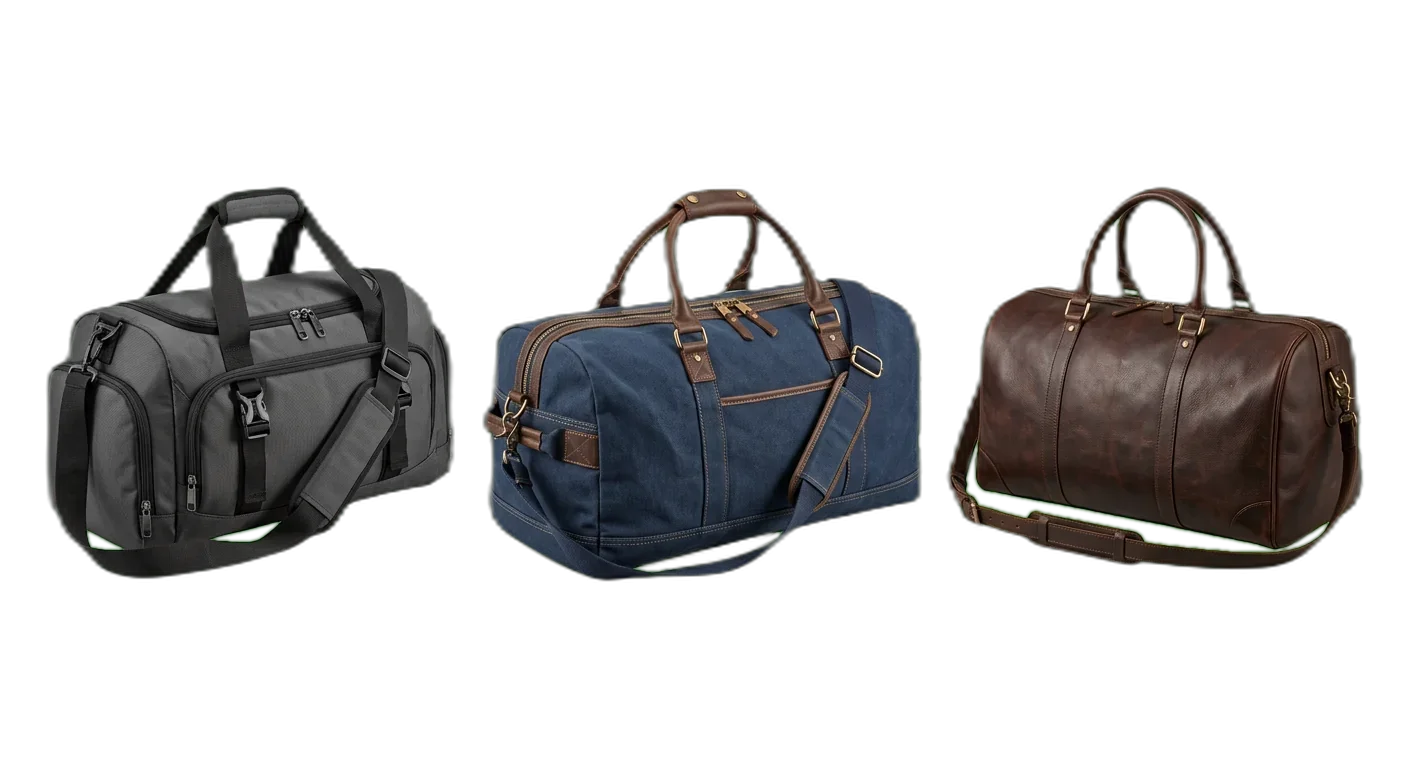
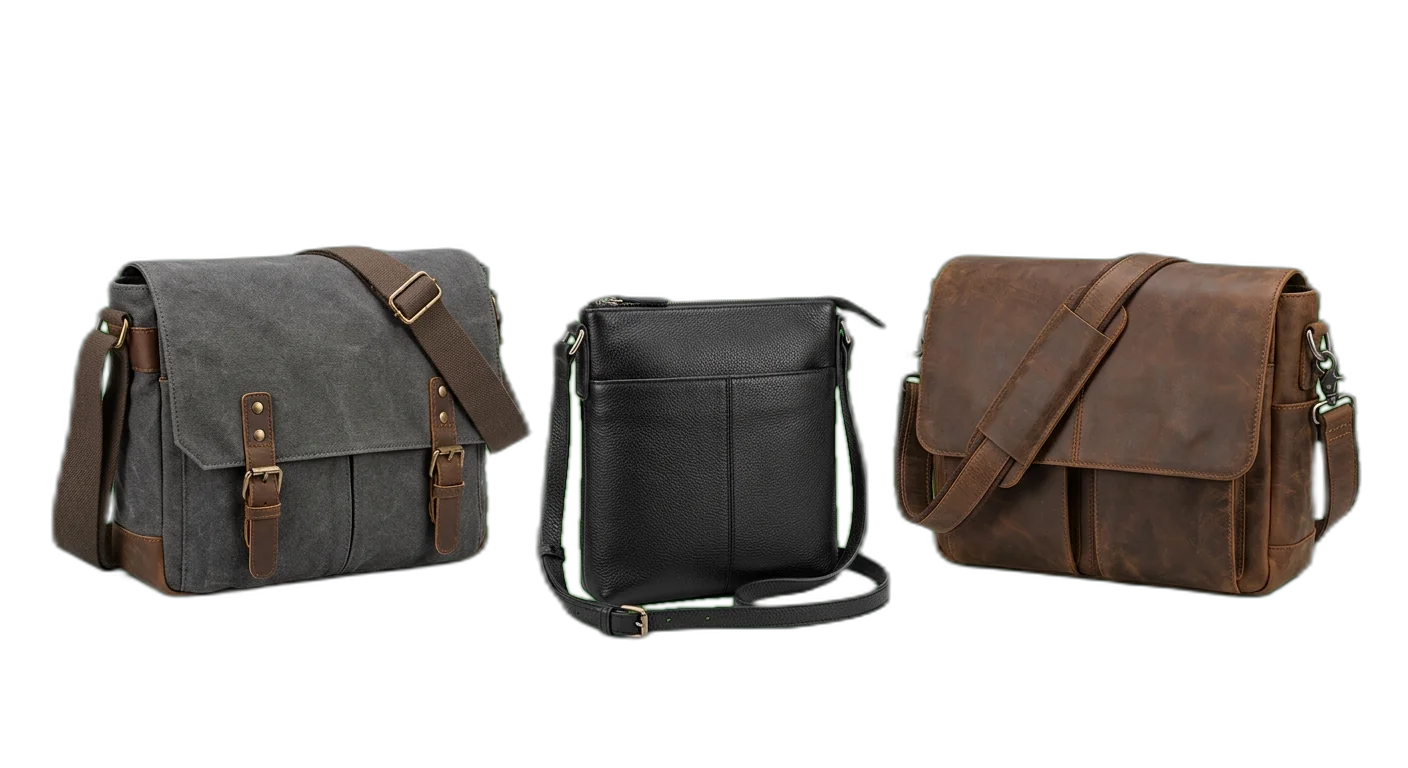
Weekendreizigers nemen naast een reistas ook een kleinere crossbodytas mee voor sightseeing en dagtripjes.
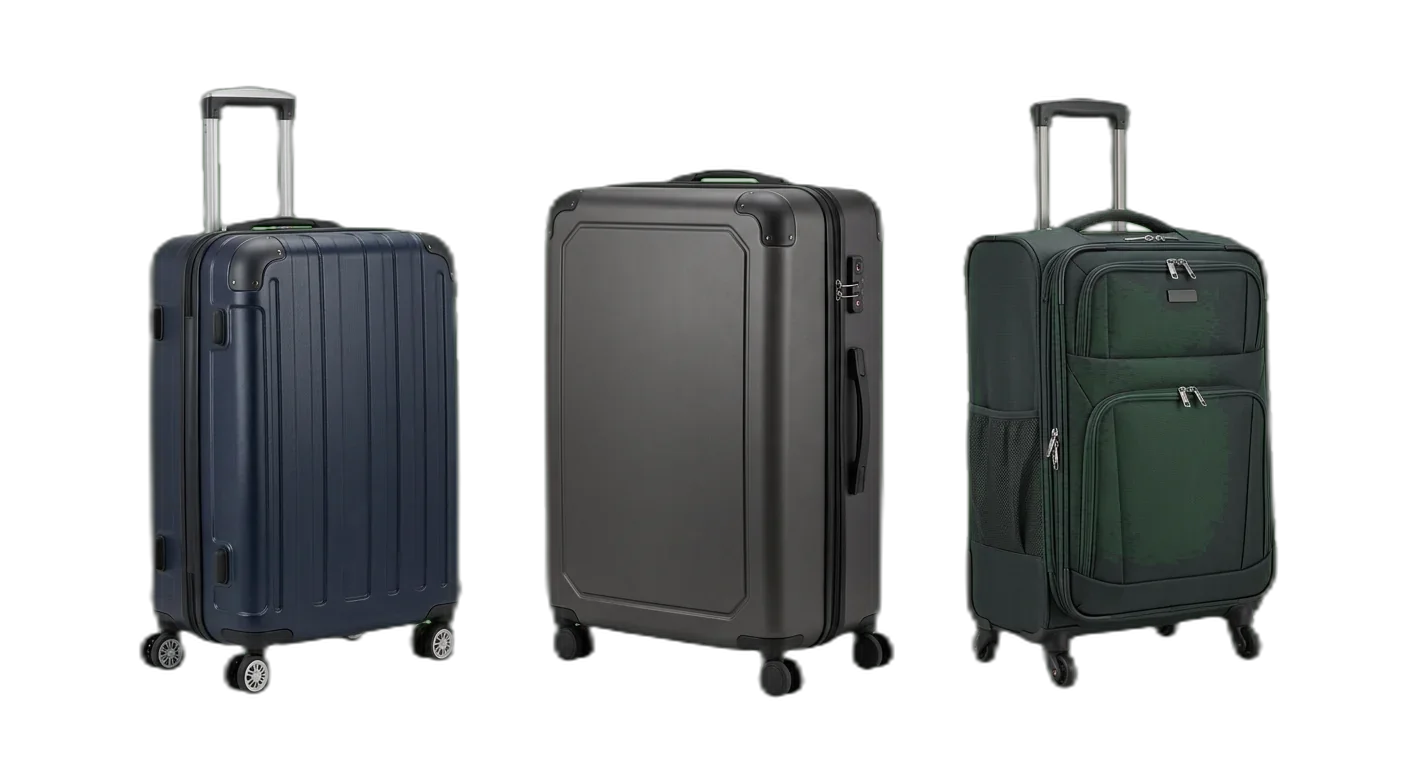
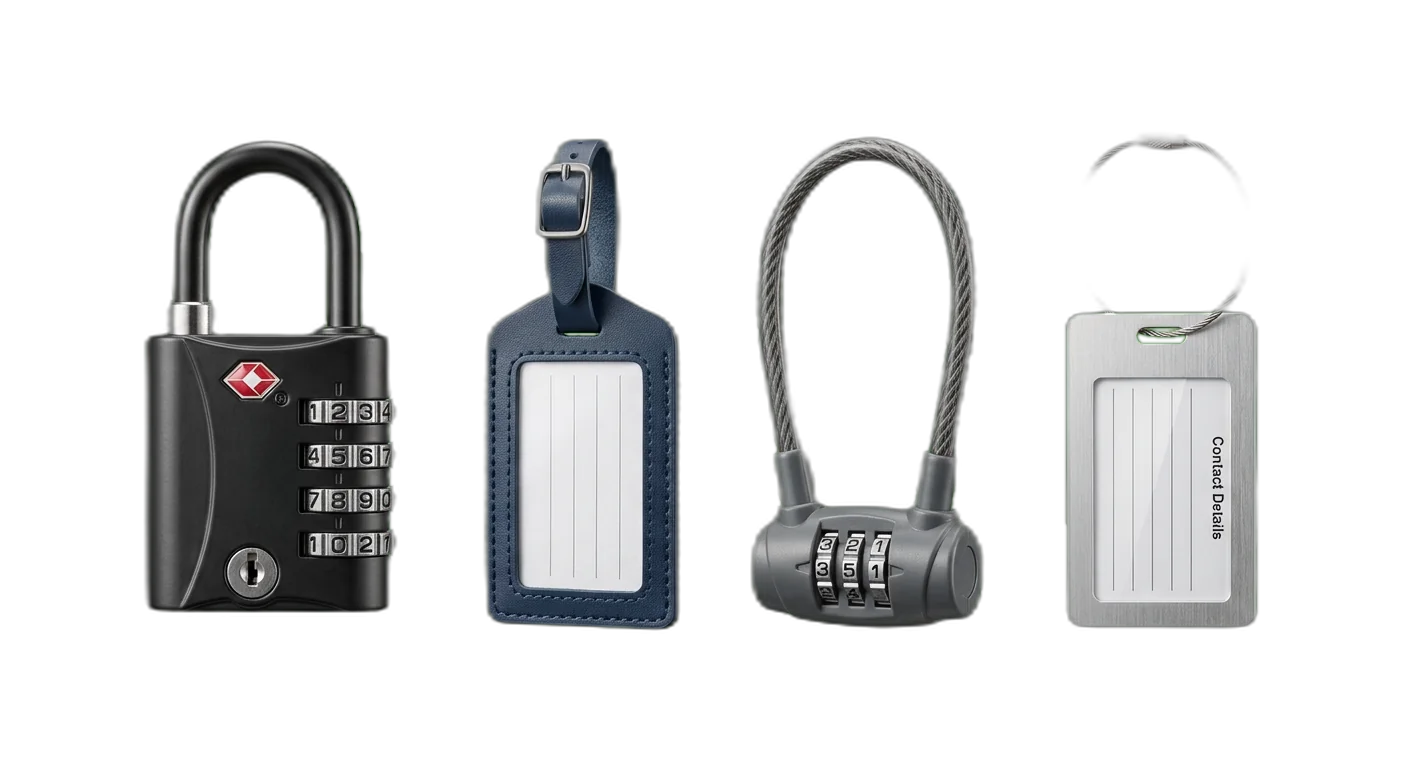
Wie ruimbagage koopt, heeft bijna altijd ook kofferlabels en TSA-goedgekeurde sloten nodig voor de reis.
Veelgemaakte fouten bij Koffers & Tassen categoriekeuzes
Fouten die je vindbaarheid, SEO en conversieratio schaden
- Fout
Categorieën aanmaken op basis van grootte (Kleine Tassen, Middelgrote Tassen, Grote Tassen) in plaats van op tastype
Betere aanpakGebruik tastype als categorie (Handbagage, Ruimbagage, Reistas, Rugzak) en voeg Volume in liters en Afmetingen toe als filterbare kenmerken. Grootte is relatief en verschilt per merk.
- Fout
Exacte afmetingen weglaten, waardoor klanten niet kunnen controleren of de tas als handbagage past
Betere aanpakVermeld altijd hoogte, breedte en diepte in centimeters als verplichte kenmerken. Voeg de totale lineaire afmeting toe en koppel aan de maateisen van grote luchtvaartmaatschappijen. Ontbrekende afmetingen zijn een belangrijke oorzaak van kofferretouren.
- Fout
Casual en professionele tassen in dezelfde categorieën mengen zonder duidelijk onderscheid in gebruik
Betere aanpakGebruik specifieke subcategorieën die het gebruik weerspiegelen (Business Rugzakken vs Stadsrugzakken, Werktassen vs Strandtassen). Past een product in beide, categoriseer het dan op de primaire doelstelling.
- Fout
Materiaal (leer, nylon, polycarbonaat) als categorieniveau gebruiken in plaats van als filterbaar kenmerk
Betere aanpakHoud materiaal als filterbaar kenmerk met vaste waarden en denierbeoordelingen waar relevant. Zo kunnen shoppers materialen vergelijken en schaal je moeiteloos zonder je categoriestructuur te hoeven aanpassen.
- Fout
Het leeggewicht niet vermelden, waardoor klanten niet kunnen berekenen hoeveel ruimte er overblijft voor de vlieglimiet
Betere aanpakNeem gewicht (leeg) op als verplicht kenmerk voor alle koffers en tassen. Dit is essentieel voor vliegreizen, waar gewichtslimieten strikt worden gehandhaafd.
Stel Koffers & Tassen categorieën in met AI
Krijg je Koffers & Tassen productcategorieën in minuten op orde, niet in dagen
01
Importeer je koffers- en tassencatalogus
Upload je productdata via CSV, Excel of API. WISEPIM herkent automatisch kofferrelevante kenmerken zoals afmetingen, volume, materiaal en luchtvaartmaatdata vanuit je bestaande productinformatie.
02
AI categoriseert je producten
De AI van WISEPIM leest producttitels, beschrijvingen en afbeeldingen om elk artikel te classificeren op tastype en gebruik. Zo onderscheidt hij handbagage van ruimbagage, business rugzakken van reispacks, en plaatst elk product in de juiste categorie.
03
Controleer, verfijn en publiceer
Bekijk AI-suggesties in bulk, controleer de afmetingen en luchtvaartconformiteit, en zet je producten klaar voor alle verkoopkanalen. Categorieën en kenmerkkoppelingen blijven automatisch in sync als je nieuwe producten toevoegt.
Veelgestelde vragen
Veelgestelde vragen over het kiezen van Koffers & Tassen categorieën voor e-commerce
Beste categorieën voor andere branches
Printbare checklist
Begin in 15 minutenBeslis in één week of een nieuwe categorie loont
Begin bij de vraag: 15 minuten in Google Trends. Je krijgt één telling, zoals 2 van 3 termen stijgen. Daarna 5 stappen voor de rest van de week.
Zo werkt het
- Kies de 3 zoektermen die klanten voor de categorie gebruiken.
- Zoek ze alle drie op in Google Trends over 2 jaar.
- Schrijf het aantal op, zoals '2 van 3 termen stijgen'.
Eén mail, één keer, met een link naar de printbare checklist. Verder niets, tenzij je het vakje aanvinkt.
Gratis Excel-template
XLSX · 3 tabbladenZie welke van je 20 bestsellers nog niet compleet zijn
Een Excel-check met de kolommen die je voor bagage en tassen nodig hebt. In ongeveer 15 minuten weet je hoeveel van je 20 producten compleet zijn, en welke verbetering de meeste rijen helpt.
Zo werkt het
- Plak 20 bestsellers uit je webshopexport in Producten.
- Vul in wat je weet. De laatste kolom zegt per rij wat er ontbreekt.
- Lees je resultaat op Begin hier: hoeveel er compleet zijn en welke verbetering de meeste rijen helpt.
Eén mail, één keer, met de XLSX als bijlage en als downloadlink. Verder niets, tenzij je het vakje aanvinkt.
Verder ontdekken
Zorgvuldig gekozen vervolgstappen om dieper te gaan.
Klaar om je Koffers & Tassen catalogus te organiseren?
WISEPIM gebruikt AI om je producten automatisch te categoriseren, attributes in te stellen en te synchroniseren met al je verkoopkanalen.