Beste categorieën voor Sieraden & Accessoires
De best presterende Sieraden & Accessoires productcategorieën voor je webshop, gerangschikt op vraag, marges en groeipotentieel.
Beste Sieraden & Accessoires categorieën om online te verkopen
Gerangschikt op marktvraag, winstmarges en groeimomentum
- 1
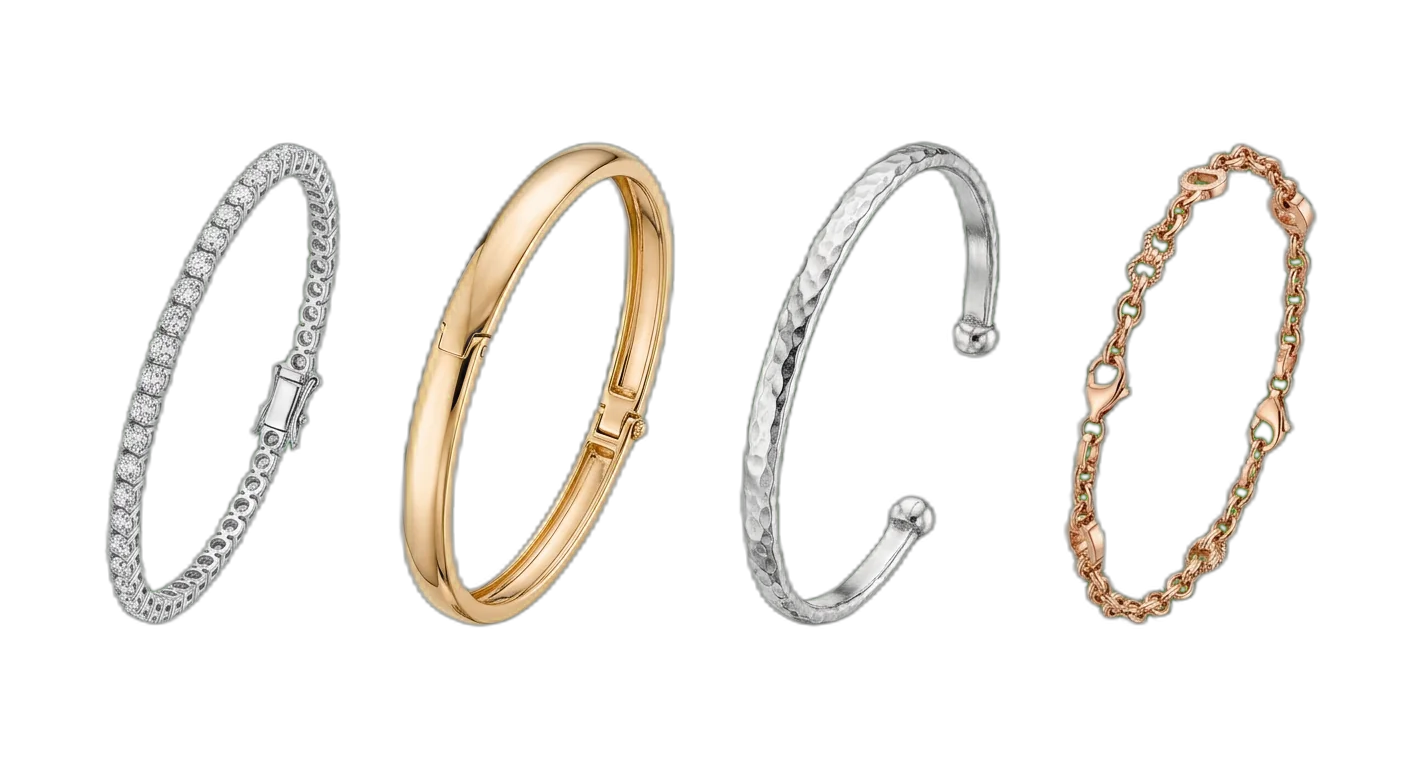
Armbanden & bangles
Fijne Sieraden > Armbanden
Armbanden profiteren van de stapel- en layeringtrend, waardoor shoppers vaker meer dan één stuk kopen. Tennisarmbanden zijn terug in de mode dankzij celebrity-invloed, en bedalarmbanden brengen klanten terug voor meer. Cadeauaantrekkingskracht is groot en het retourpercentage is gemiddeld.
Vraag: HoogConcurrentie: GemiddeldMarge: HoogStijgendVoorbeeldproductenTennisarmbandenBanglesManchetarmbandenSchakelmbandenPro tipGeef altijd polsmaat-informatie en vermeld of de armband verstelbaar is. Onduidelijke maten leiden tot afhaken en retourzendingen.
- 2
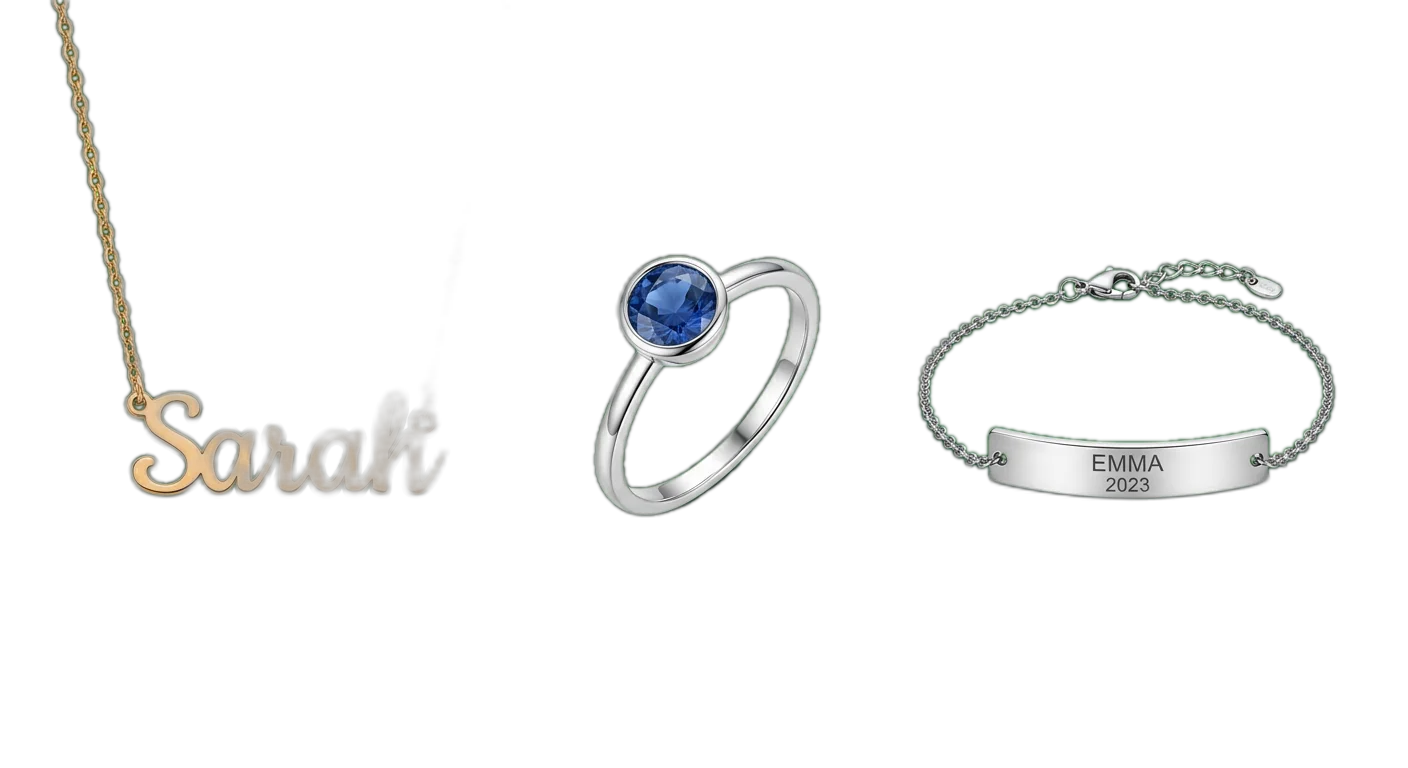
Gepersonaliseerde sieraden
Fijne Sieraden > Kettingen > Hangers
Gepersonaliseerde sieraden (naamkettingen, geboortesteenstukken, gegraveerde items) brengen premiumprijzen op en zijn een favoriet cadeau. Omdat elk stuk op maat is, vergelijken kopers minder op prijs en zijn ze bereid meer te betalen. De verkoop piekt sterk rond cadeau-gelegenheden.
Vraag: GroeiendConcurrentie: LaagMarge: HoogStijgendVoorbeeldproductenNaamkettingenGeboortestenenringenGegraveerde armbandenInitiaalhangersPro tipToon duidelijke productietijden op elke productpagina. Kopers van gepersonaliseerde sieraden moeten weten of het item op tijd aankomt voor een specifieke gelegenheid. Onduidelijke levertijden zorgen ervoor dat shoppers afhaken.
- 3
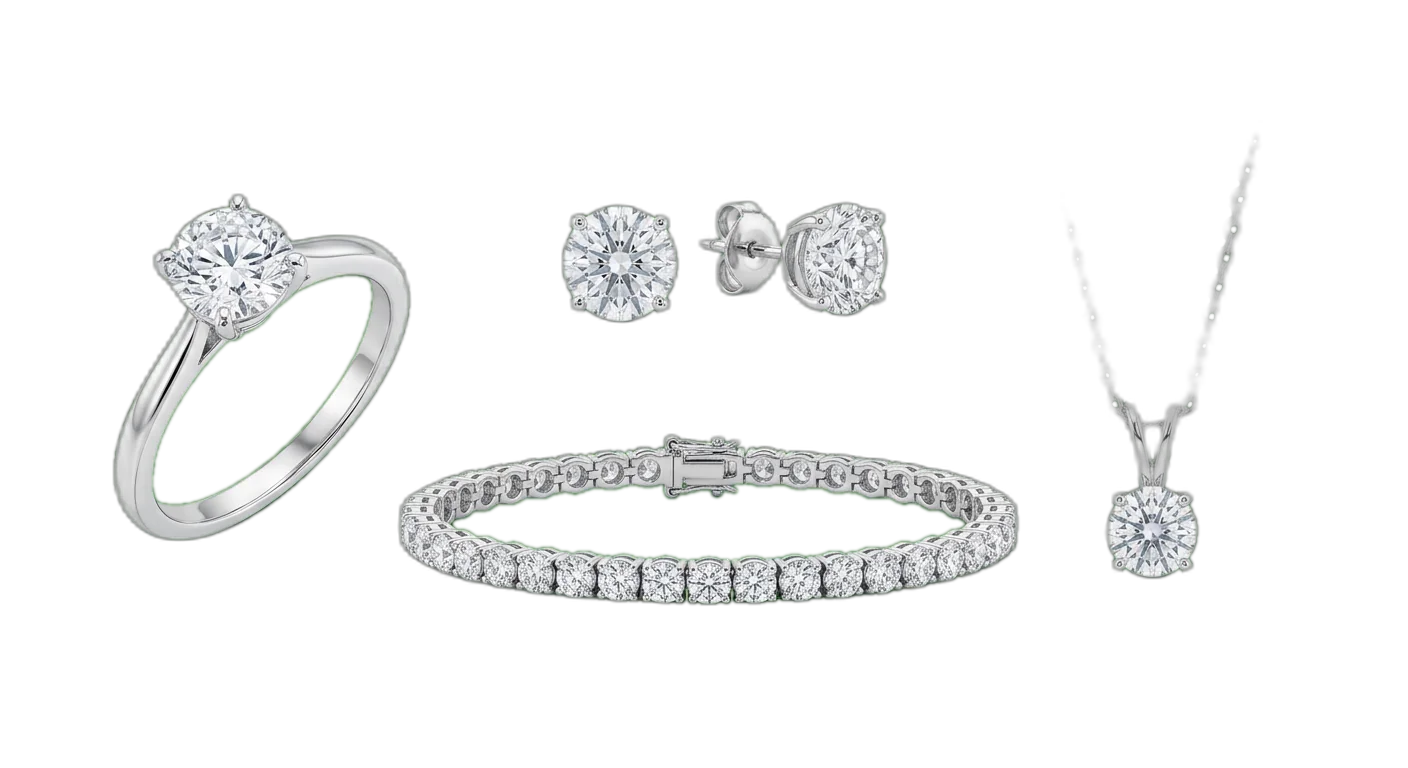
Labgekweekte diamanten sieraden
Fijne Sieraden > Ringen > Verlovingsringen
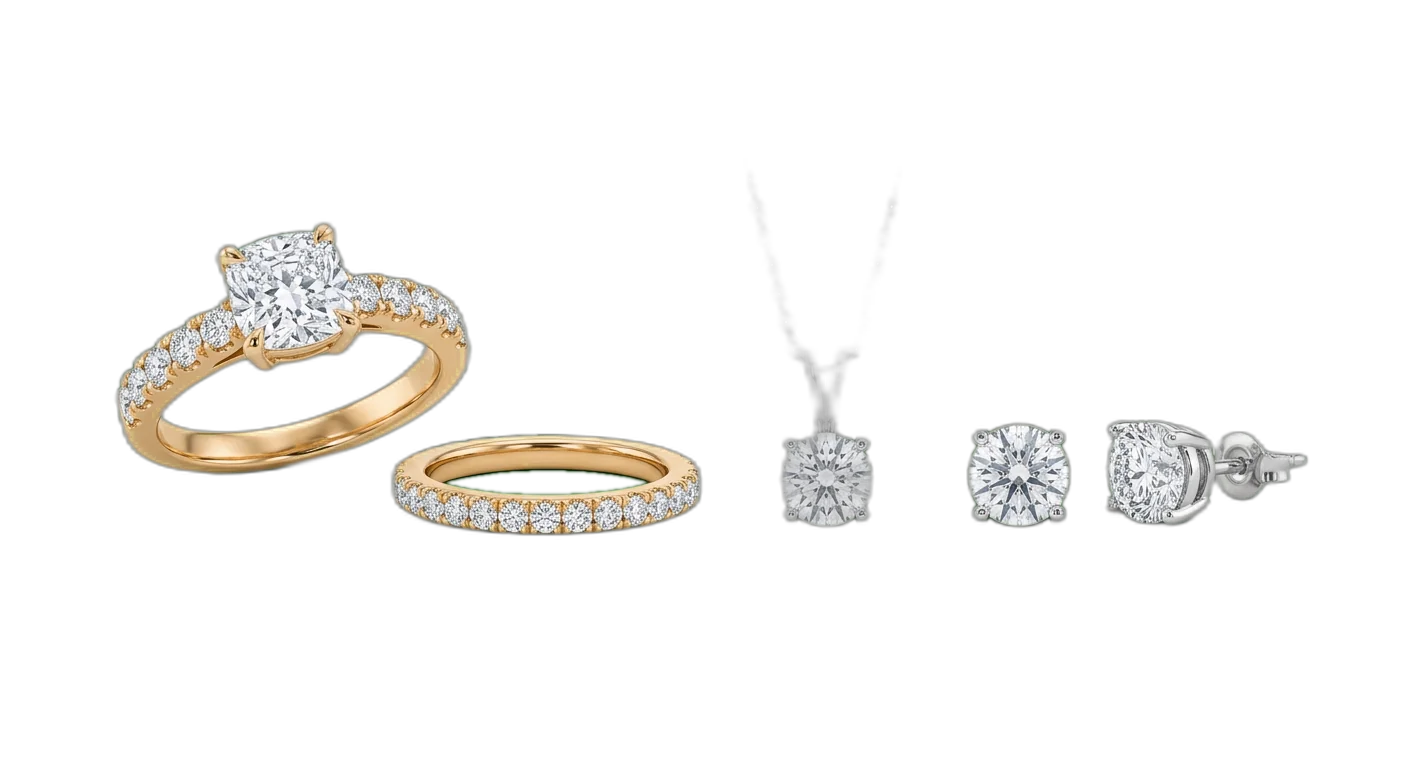
Labgekweekte diamanten zijn een van de snelst groeiende segmenten in fijne sieraden. Ze zijn merkbaar goedkoper dan gedolven diamanten van vergelijkbare kwaliteit, wat aantrekkelijk is voor prijsbewuste en ethisch denkende shoppers. De categorie trekt een jonger publiek dat nieuw is bij fijne sieraden online.
Vraag: GemiddeldConcurrentie: LaagMarge: HoogStijgendVoorbeeldproductenLabgekweekte verlovingsringenLabgekweekte oorstekersLabgekweekte tennisarmbandenLabgekweekte hangerkettingenPro tipGebruik Oorsprongtype (Labgekweekt vs. Natuurlijk) als filterbaar kenmerk in plaats van een aparte categorie. Zo kunnen shoppers beide opties naast elkaar vergelijken en positioneer je labgekweekt als een volwaardige keuze.
- 4
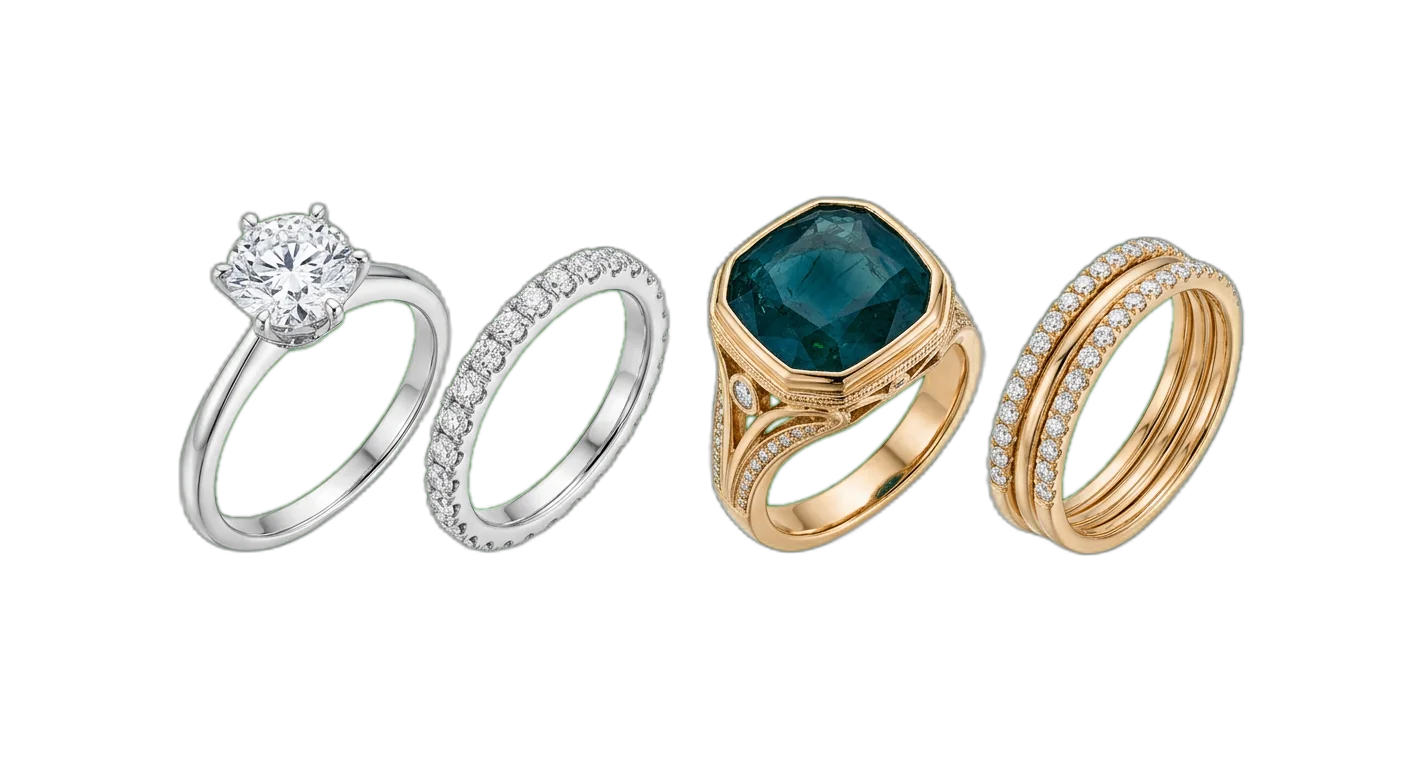
Ringen
Fijne Sieraden > Ringen
Ringen horen bij de duurste categorieën in sieraden-ecommerce, met verlovingsringen en trouwringen als absolute topverkopers. Klanten zoeken uitgebreid voordat ze kopen, dus goede productdata heeft direct effect op je conversie. Het zoekvolume is het hele jaar hoog.
Vraag: HoogConcurrentie: HoogMarge: HoogStabielVoorbeeldproductenVerlovingsringenTrouwringenStatementringenStapelbare ringenPro tipVoeg bij elke productpagina een maatgids toe. Twijfel over de maat is een belangrijke reden waarom shoppers afhaken en ringen terugsturen.
- 5
Kettingen & hangers
Fijne Sieraden > Kettingen
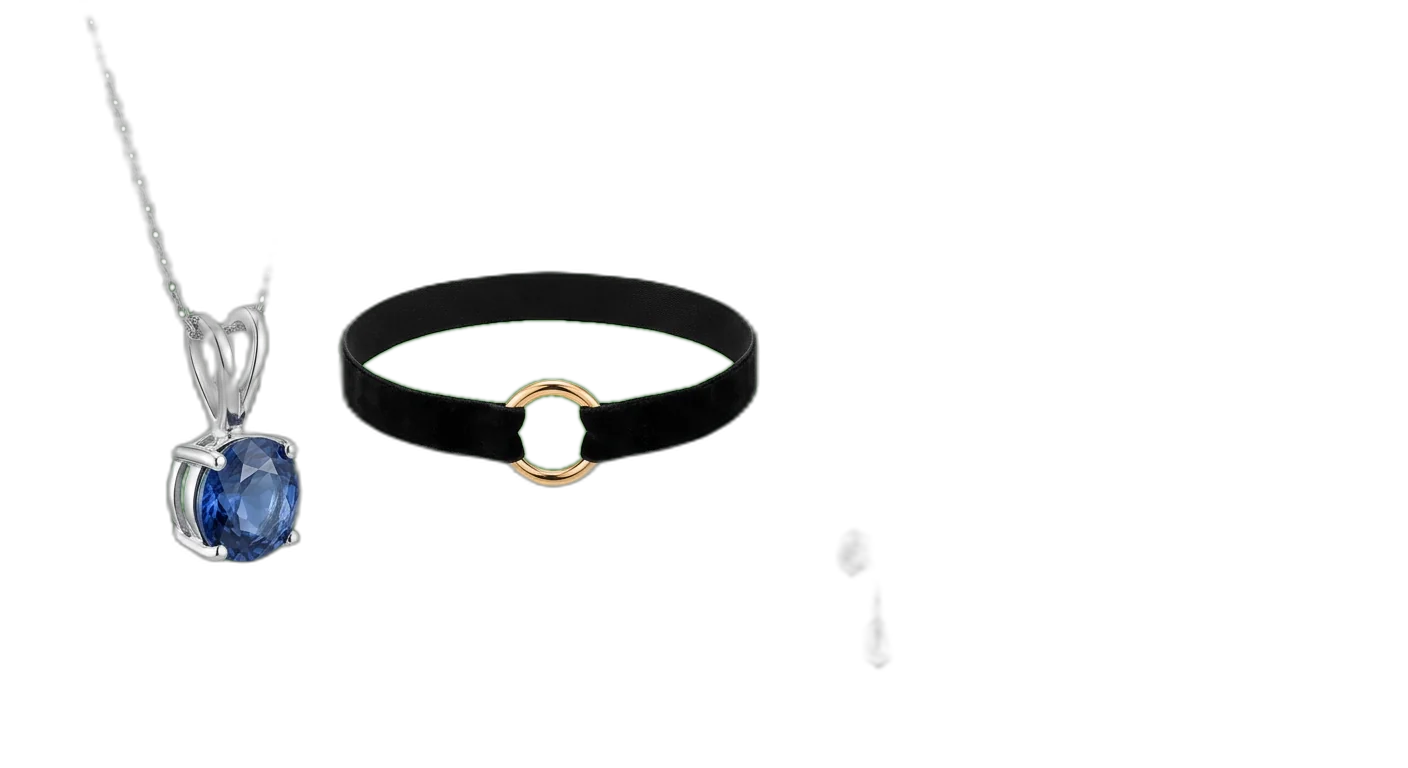
Kettingen horen bij de populairste sieradencadeaus, met de meeste vraag rond Valentijnsdag, Moederdag en Kerst. Hangers zijn makkelijk te personaliseren (initialen, geboortestenen) en brengen premiumprijzen op. Retouren zijn zeldzamer dan bij ringen, omdat maat minder belangrijk is.
Vraag: HoogConcurrentie: GemiddeldMarge: HoogSeizoensgebondenVoorbeeldproductenHangersKettingenChokersLariatsPro tipBied meerdere kettinglengtes aan bij elke hanger. Een veelgehoorde klacht in kettingreviews is dat de lengte tegenvalt. Een diagram dat laat zien waar elke lengte valt, helpt shoppers een betere keuze maken.
- 6
Oorbellen
Fijne Sieraden > Oorbellen
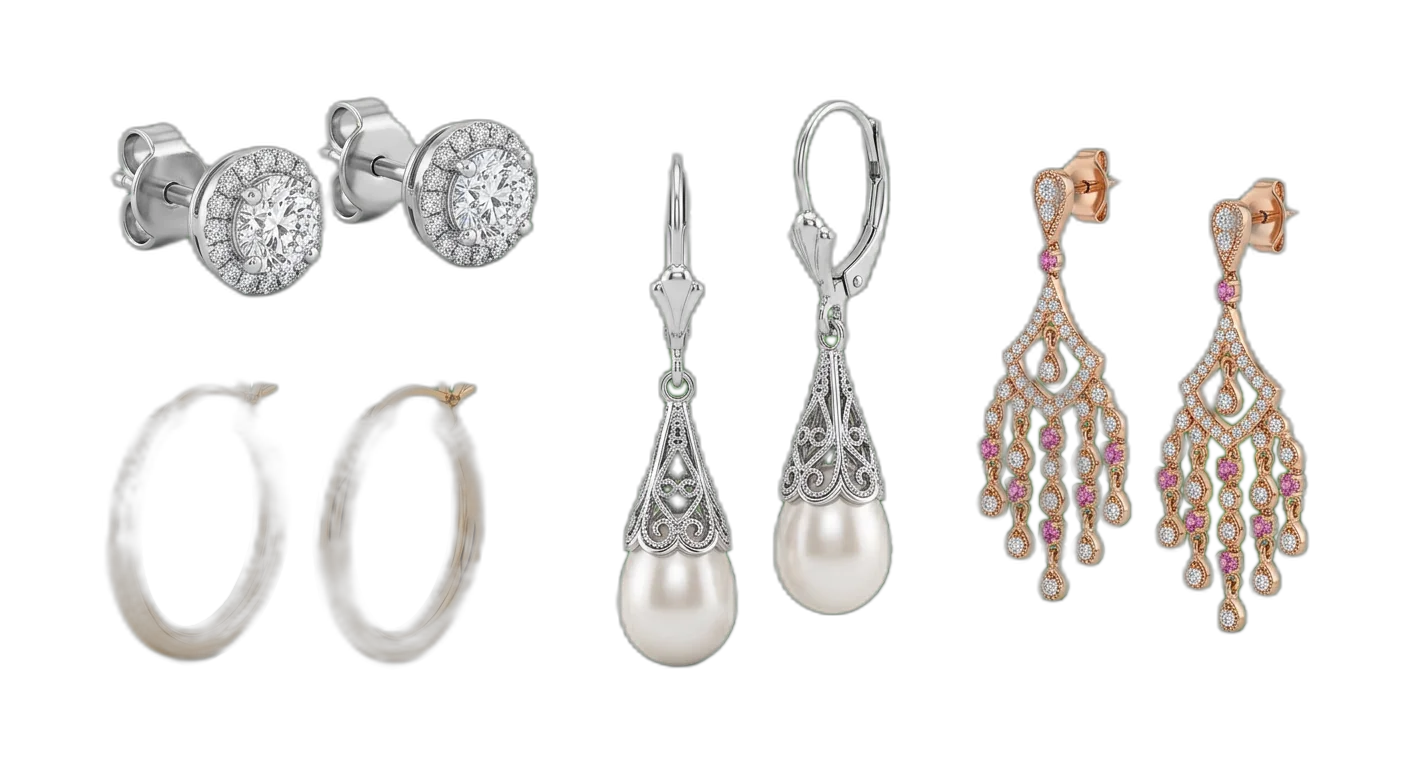
Oorbellen horen bij de sieraden die het vaakst opnieuw gekocht worden. Klanten verzamelen meerdere paren voor verschillende gelegenheden, en het prijsbereik is enorm: van budgetvriendelijke oorstekers tot luxe diamanten hangers. Lagere orderwaardes worden meer dan gecompenseerd door sterke herhaalaankopen.
Vraag: HoogConcurrentie: HoogMarge: HoogStabielVoorbeeldproductenOorstekersOorringenHangeroorbellenChandelieroorbellenPro tipMaak subcategorieën op basis van stijl (oorstekers, oorringen, hangers, climbers) en niet op materiaal. Shoppers zoeken eerst op looks en filteren daarna pas op metaaltype.
- 7
Modesieraden
Modesieraden
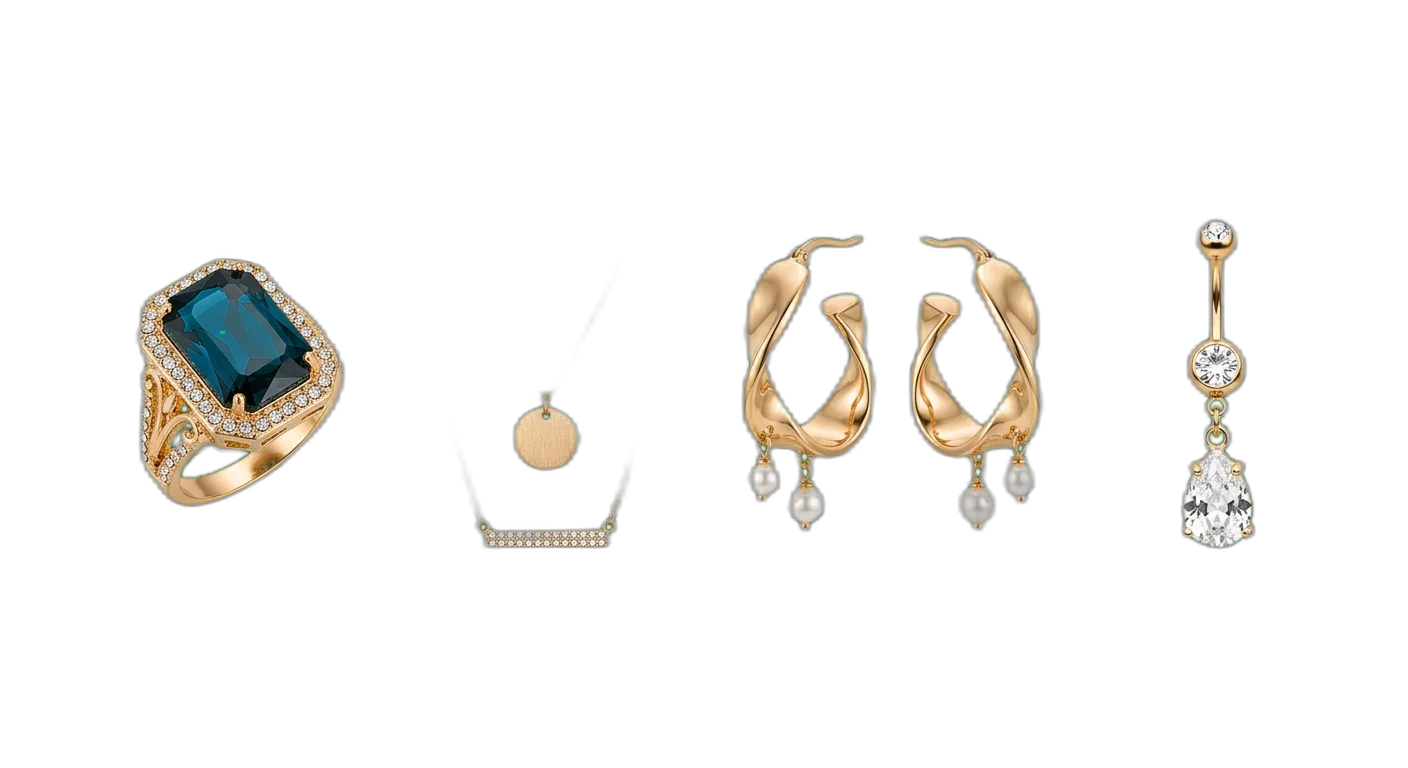
Modesieraden zorgen voor volume en bereikbaarheid in online sieradenverkoop. Lage prijzen stimuleren impulsaankopen en herhaalaankopen, en de categorie is sterk gegroeid dankzij direct-to-consumer merken en social media. Lage retourverzendkosten en hoge marges op vergulde en synthetische materialen maken het een winstgevende categorie.
Vraag: HoogConcurrentie: HoogMarge: GemiddeldStijgendVoorbeeldproductenKostuumringenModekettingenMode-oorbellenLichaamssieradenPro tipVermeld het materiaal altijd duidelijk (verguld, sterling zilver, roestvrij staal). Shoppers die edelmetaal verwachtten en verrast werden, zijn een veelvoorkomende bron van retouren in deze categorie. Transparantie bouwt vertrouwen.
- 8
Sieradenverzorging & opslag
Sieradenverzorging & opslag
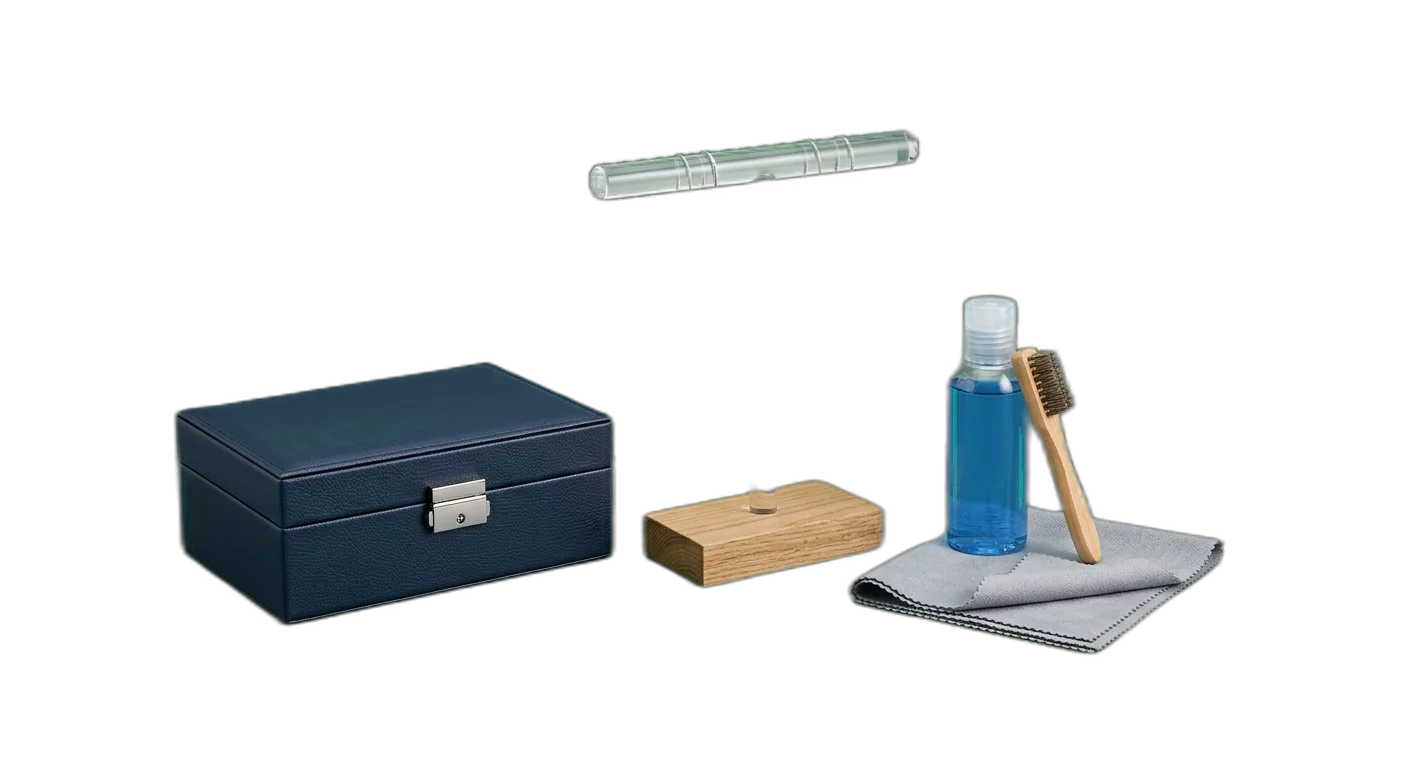
Sieradenverzorgingsproducten (reinigingsoplossingen, polijstdoeken, opbergdozen) zijn een logische cross-sell bij elke sieradenaankoop. Hoge marges, bijna geen retouren en de loyaliteitsboost van klanten helpen hun aankopen te onderhouden, maken dit een makkelijke win. Displaystandaards spreken ook B2B-sieradenverkopers aan.
Vraag: GemiddeldConcurrentie: LaagMarge: HoogStabielVoorbeeldproductenSieradendozenReinigingskitsDisplaystandaardsPolijstdoekenPro tipCross-sell verzorgingsproducten op elke sieradenproductpagina. Een simpele 'Bescherm je aankoop'-sectie met een reinigingskit is een makkelijke manier om je accessoireverkoop te verhogen.
- 9
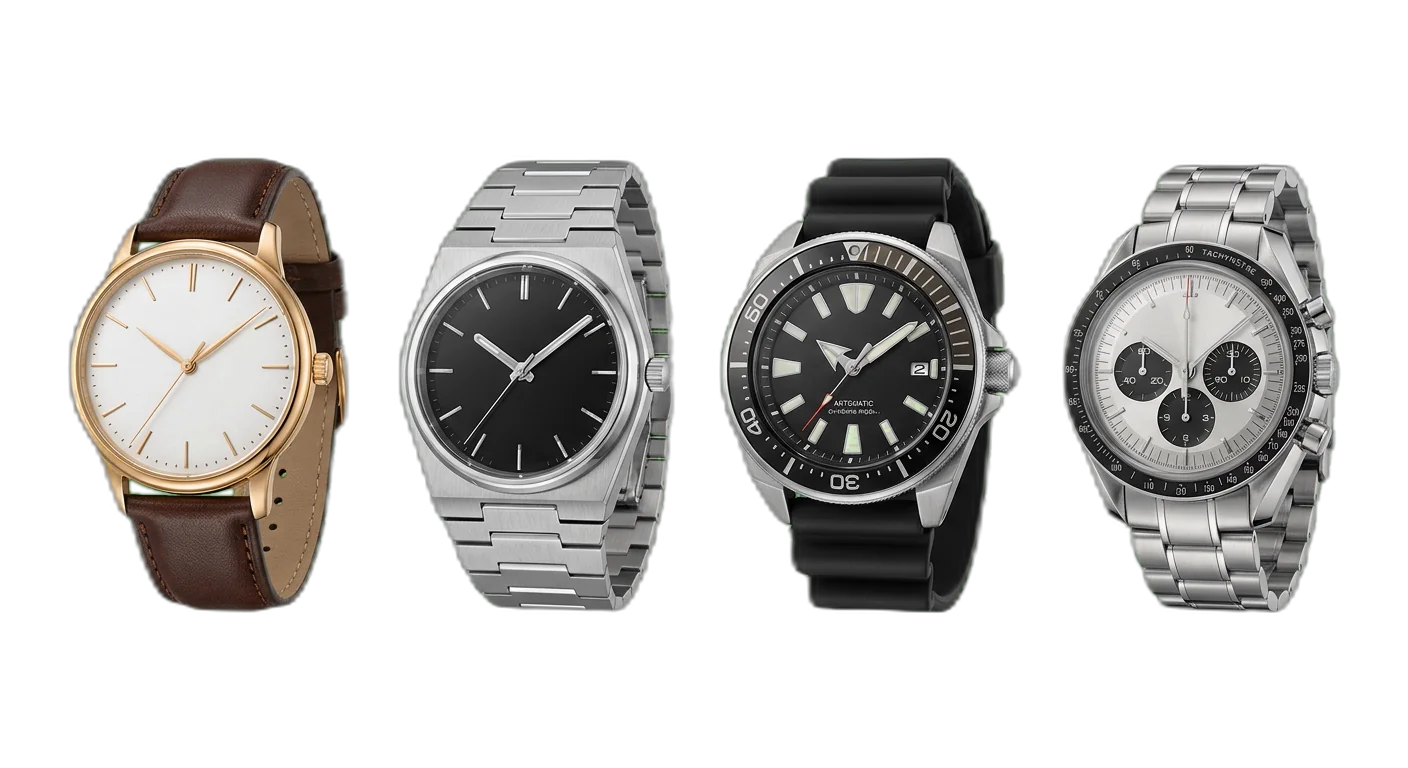
Horloges
Horloges > Analoge horloges
Horloges variëren van betaalbare modehorloges tot luxe verzamelobjecten. De online horlogemarkt groeit doordat shoppers steeds vaker dure aankopen online doen. Sterke merkloyaliteit zorgt voor herhaalaankopen, en de verzamelmarkt maakt premium- en limited edition-prijzen mogelijk.
Vraag: GemiddeldConcurrentie: GemiddeldMarge: HoogStabielVoorbeeldproductenDresshorlogesSporthorlogesDuikhorlogesChronografenPro tipHoud analoge horloges en smartwatches in aparte categorieën. Horlogeliefhebbers kijken naar het uurwerktype en de geschiedenis van het merk; smartwatchkopers willen gezondheidsensoren en app-compatibiliteit. Dat zijn twee heel verschillende doelgroepen.
- 10
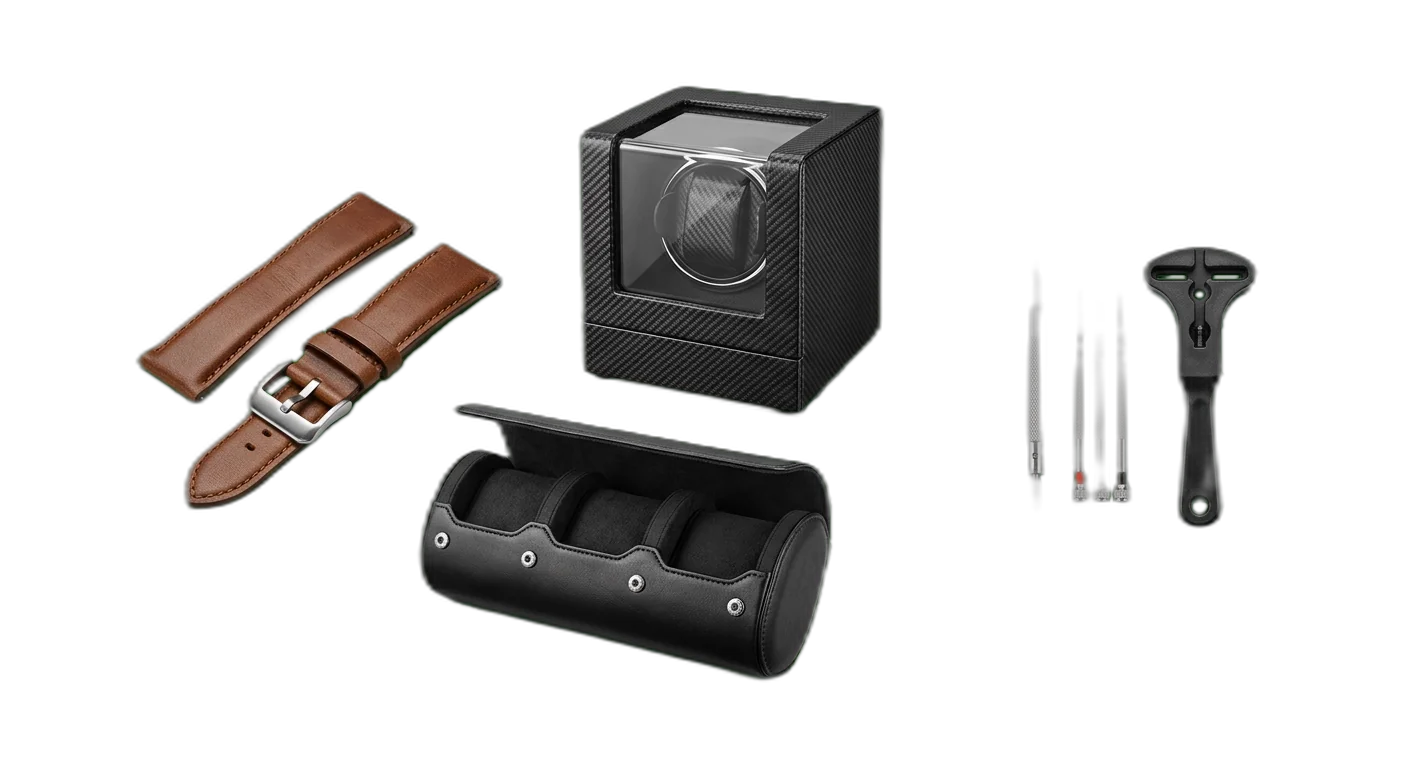
Horlogeaccessoires
Horloges > Horlogeaccessoires
Horlogebandjes, opwinders en kisten zorgen voor herhalingsomzet bij bestaande horlogebezitters. Bandvervanging is seizoensgebonden, en de opkomst van smartwatches heeft een enorme vraag naar verwisselbare bandjes gecreëerd. Hoge marges en lage retouren maken dit een zeer winstgevende aanvulling.
Vraag: GemiddeldConcurrentie: GemiddeldMarge: GemiddeldSeizoensgebondenVoorbeeldproductenHorlogebandjesHorlogeopwindersHorlogekistenHorlogegereedschapPro tipVermeld bij elk bandje welke horlogemodellen en aanslagbreedtes worden ondersteund. Incompatibele bandjes zijn een belangrijke reden voor retouren in deze categorie.
Categorieprestaties in één oogopslag
Vergelijk vraag, concurrentie, marges en groei voor alle aanbevolen categorieën
Armbanden & banglesGepersonaliseerde sieradenLabgekweekte diamanten sieradenRingenKettingen & hangersOorbellenModesieradenSieradenverzorging & opslagHorlogesHorlogeaccessoiresAanbevolen Sieraden & Accessoires categoriestructuur
De volledige categorieboom met subcategorieën voor elke aanbevolen hoofdcategorie
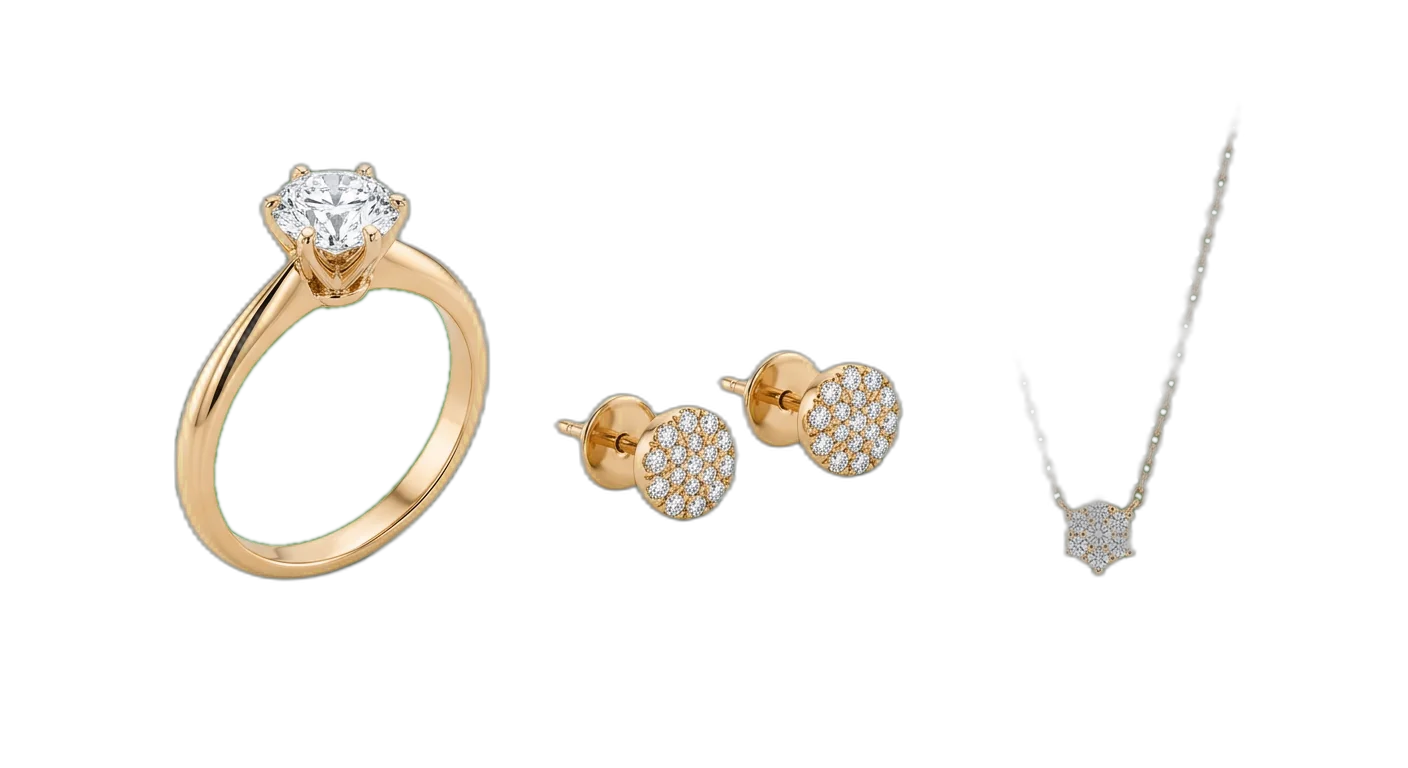
Fijne sieraden
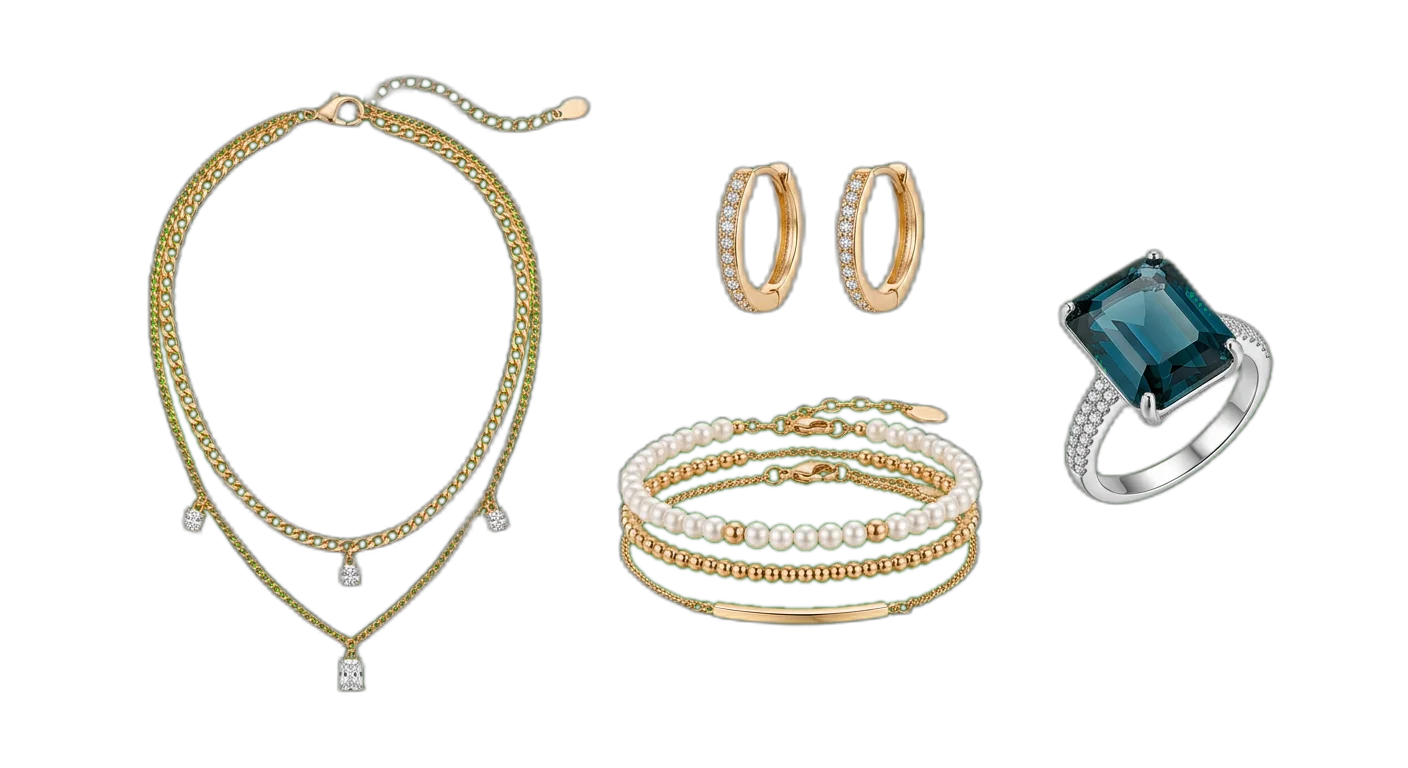
Modesieraden
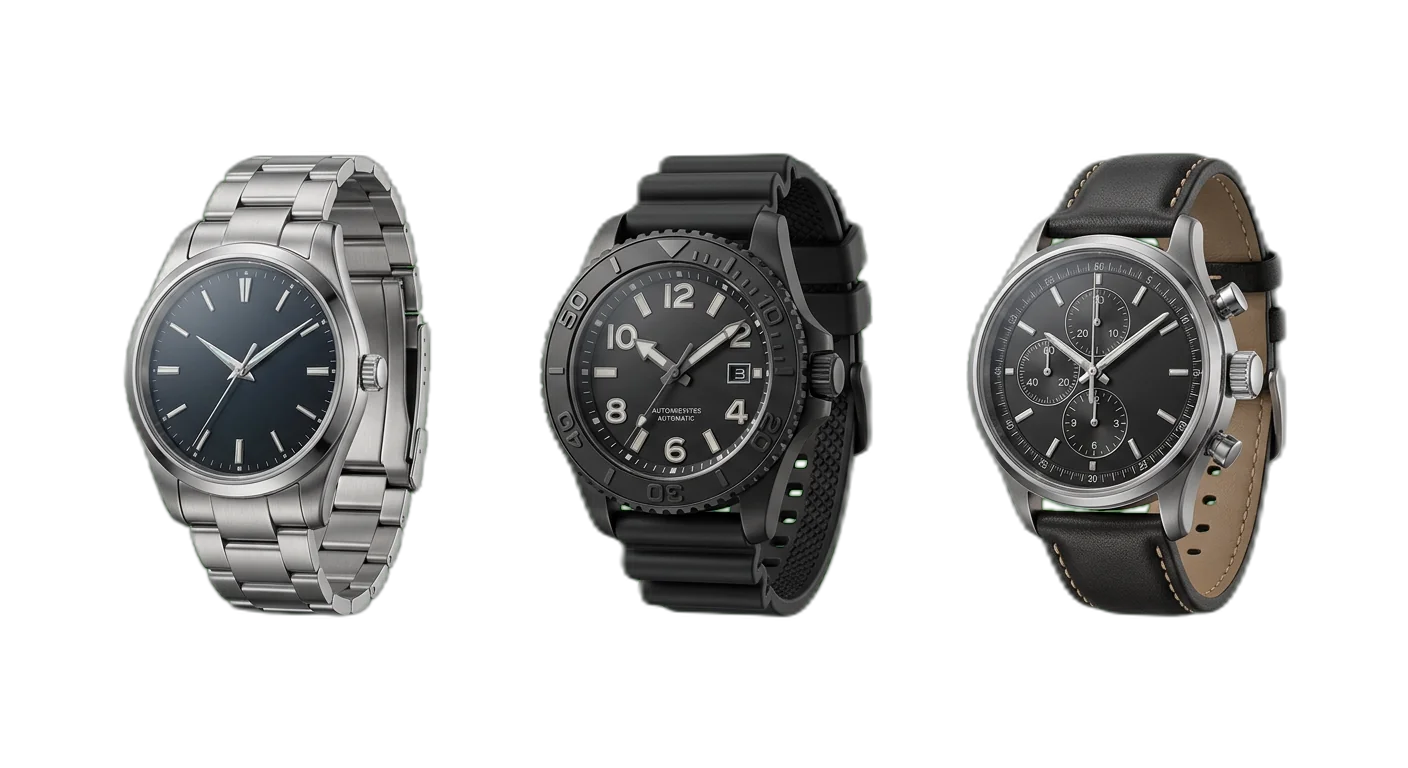
Horloges
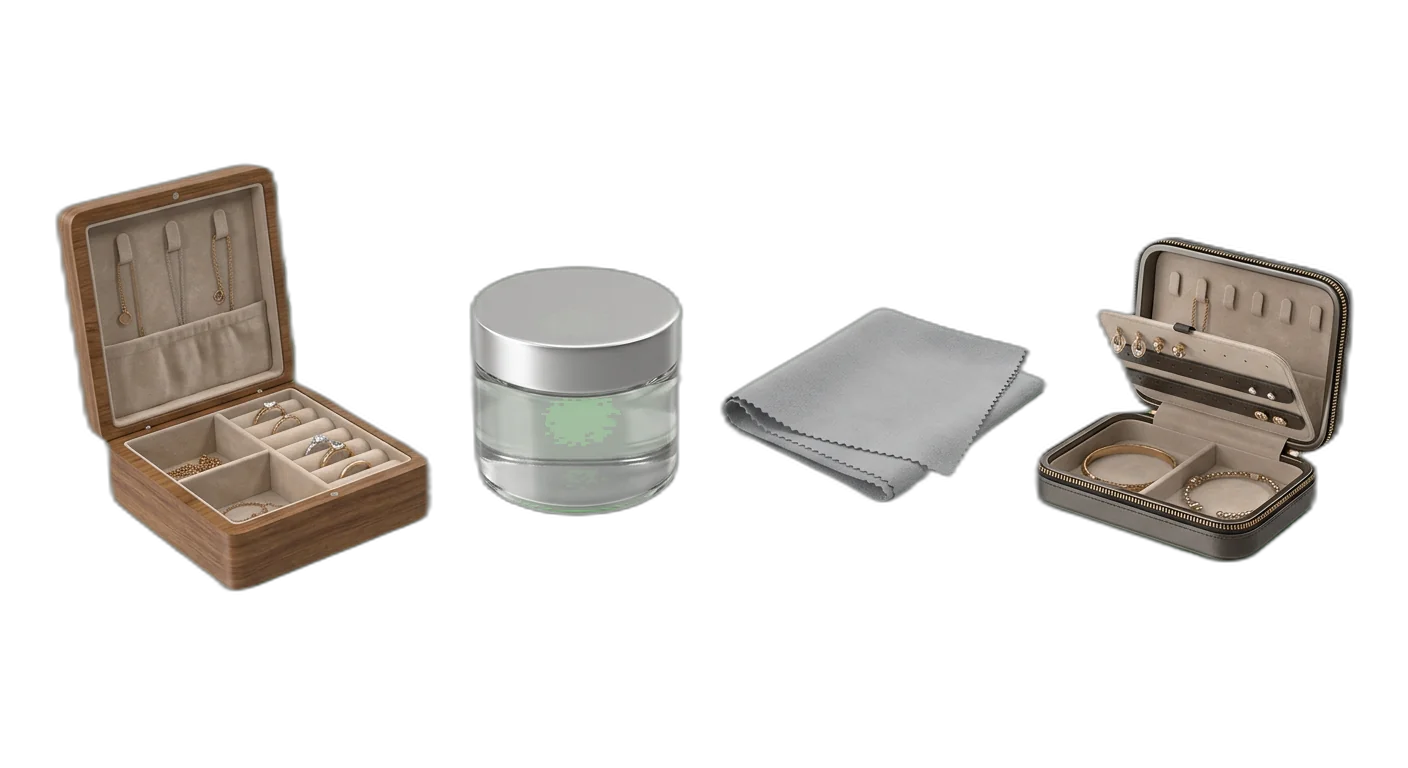
Sieradenonderhoud & opberging
Met welke categorieën begin je het best?
Kies je startcategorieën op basis van je catalogusgrootte en groeifase
Kies één sieradentype en ga de diepte in met complete productdata, maatgidsen en goede foto's. Fijne sieraden hebben uitgebreide kenmerkdata nodig om bezoekers online te overtuigen.
Breid uit naar meer sieradentypen en voeg modesieraden toe voor meer volume. Introduceer horloges en verzorgingsproducten om je gemiddelde orderwaarde en herhaalaankopen te verhogen.
Dek het volledige sieradenaanbod: fijne sieraden, modesieraden, horloges en verzorgingsproducten. Investeer in personalisatiemogelijkheden, certificeringstracking en kenmerkenmapping voor elk marketplace waarop je verkoopt.
Hoe orden je categorieën in je webshop menu?
Praktische tips om je navigatie zo in te richten dat je meer clicks en conversies haalt
Begin met je bestverkopende sieradentype
Ringen en kettingen zijn meestal de meest bezochte sieradencategorieën. Zet ze vooraan in je navigatie. Ben je gespecialiseerd in horloges, begin dan daarmee.
Voeg een 'Shop op gelegenheid'-filter toe
Sieradenshoppers hebben vaak een specifieke gelegenheid in gedachten (verloving, verjaardag, jubileum). Een gelegenheidsfilter werkt goed naast je categoriestructuur, zonder extra niveaus toe te voegen.
Scheid Fijne Sieraden en Modesieraden duidelijk in de navigatie
Shoppers van fijne sieraden hebben andere budgetten en verwachtingen dan shoppers van modesieraden. Het onderscheid meteen duidelijk maken voorkomt frustratie en verbetert je conversie.
Benadruk personaliseringsopties prominent
Gepersonaliseerde sieraden brengen premiumprijzen op en zijn een populaire cadeaukeuze. Als je gravure of maatwerkontwerpen aanbiedt, maak dat dan zichtbaar in je hoofdnavigatie of hero-sectie.
Voeg een prijsbereikfilter toe op elk niveau
Sieraden hebben een uitzonderlijk breed prijsbereik. Een zichtbaar prijsfilter op elk navigatieniveau helpt shoppers snel iets binnen hun budget te vinden.
Wanneer piekt elke categorie?
Stem je voorraad en marketing af op seizoensverschuivingen in de vraag
Lente (mrt-mei)
Piekcategorieën
Valentijnsdag (februari) en Moederdag (mei) zijn belangrijke cadeau-gelegenheden voor sieraden. Zorg dat je voorraad en marketingcampagnes minstens 4 weken van tevoren klaarstaan.
Zomer (jun-aug)
Piekcategorieën
De zomer is het hoogseizoen voor modesieraden en lichaamssieraden (enkelbandjes, gelaagde kettingen). Festival- en vakantiestemming zorgt voor meer impulsaankopen in de lagere prijssegmenten.
Herfst (sep-nov)
Piekcategorieën
Het verlovingsseizoen begint in oktober en piekt in december. Black Friday wordt een steeds groter moment voor horloges en fijne sieraden, omdat shoppers eerder premiumcadeaus inslaan.
Winter (dec-feb)
Piekcategorieën
December is de piekmaand voor sieradenverkoop. Kerst- en nieuwjaarsverlovingen trekken de ringverkoop omhoog, en kettingen en horloges zijn populaire cadeaukeuzes.
Categorieën die goed samengaan
Combineer verwante categorieën om je gemiddelde bestelwaarde te verhogen
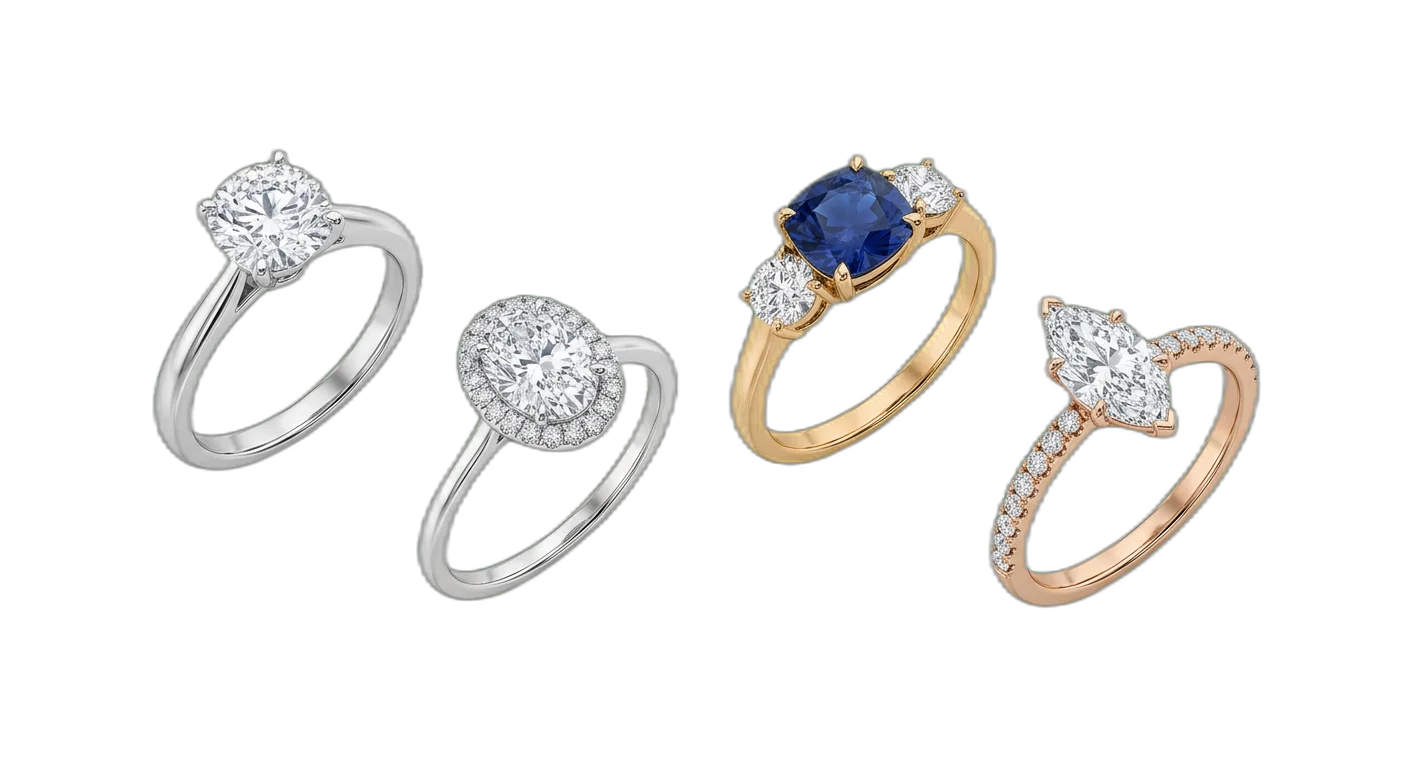
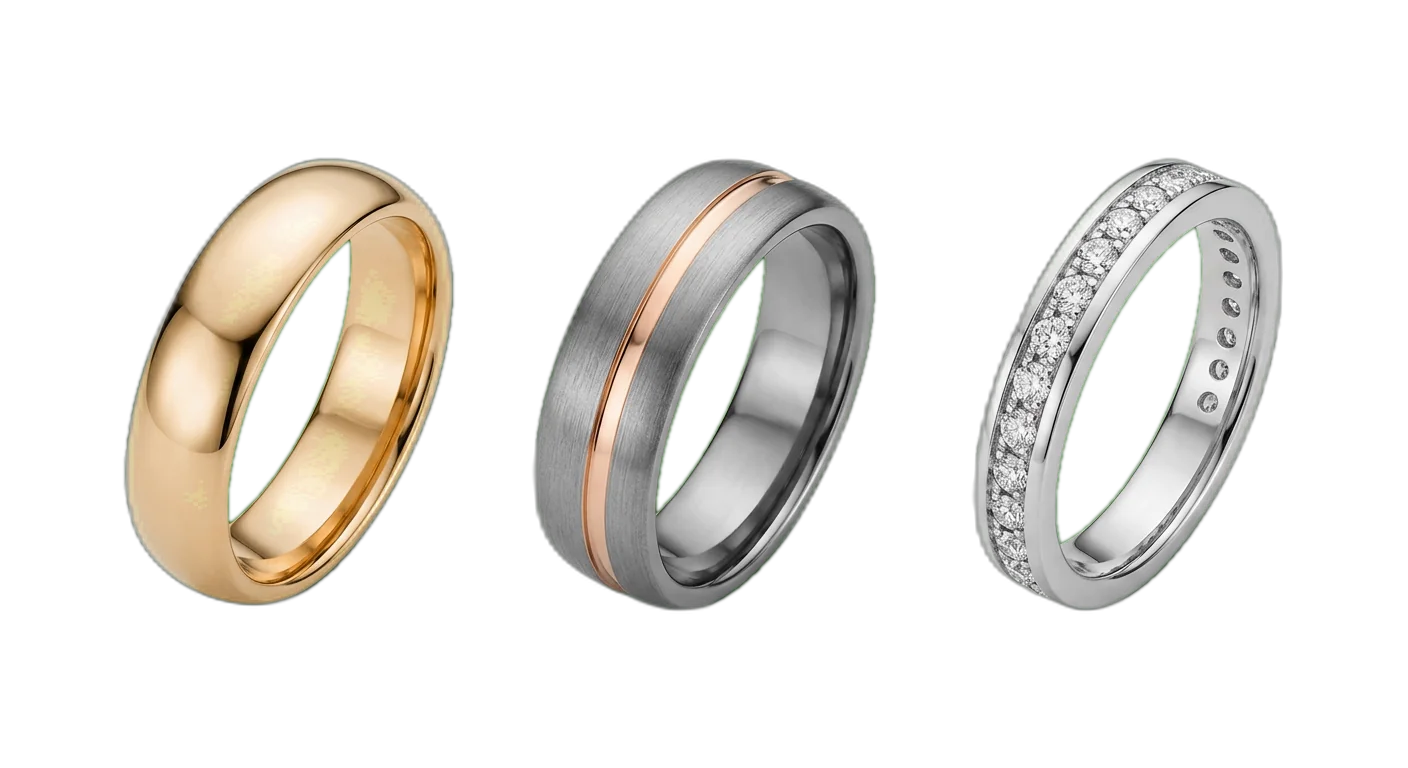
Kopers van een verlovingsring komen meestal binnen het jaar terug voor een trouwring. Begin vroeg met cross-selling met bijpassende bandsuggesties.
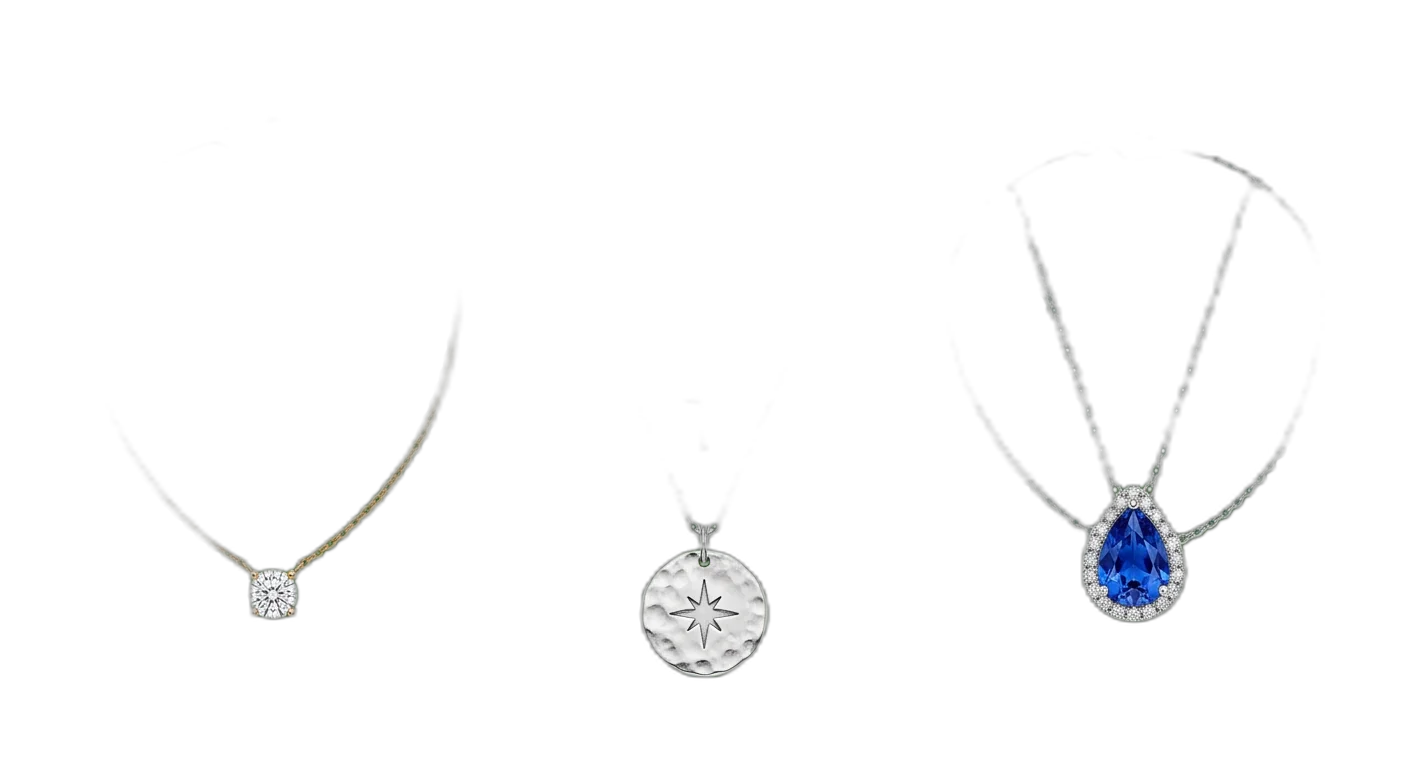
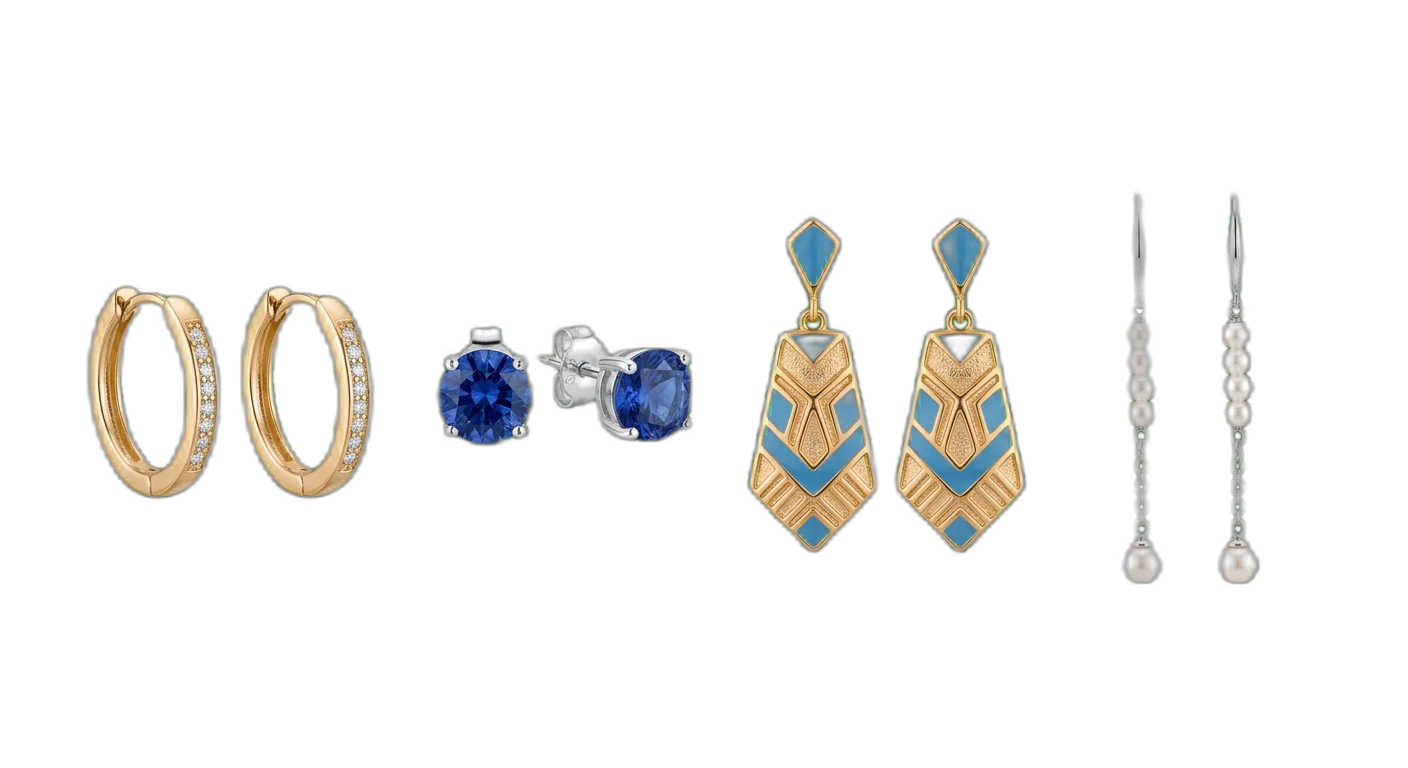
Shoppers willen vaak een bijpassende set. Bijpassende oorbellen voorstellen op kettingpagina's is een simpele manier om de orderwaarde te verhogen.
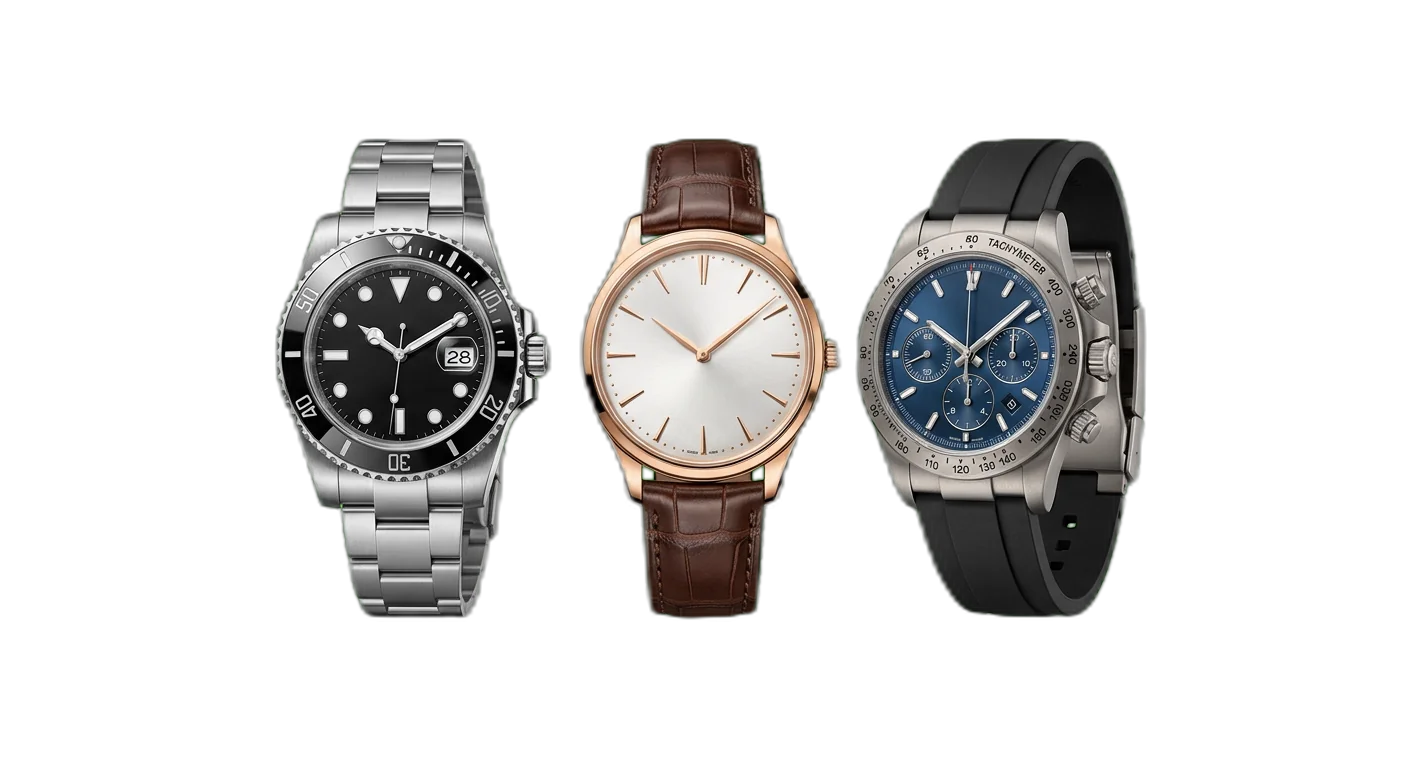
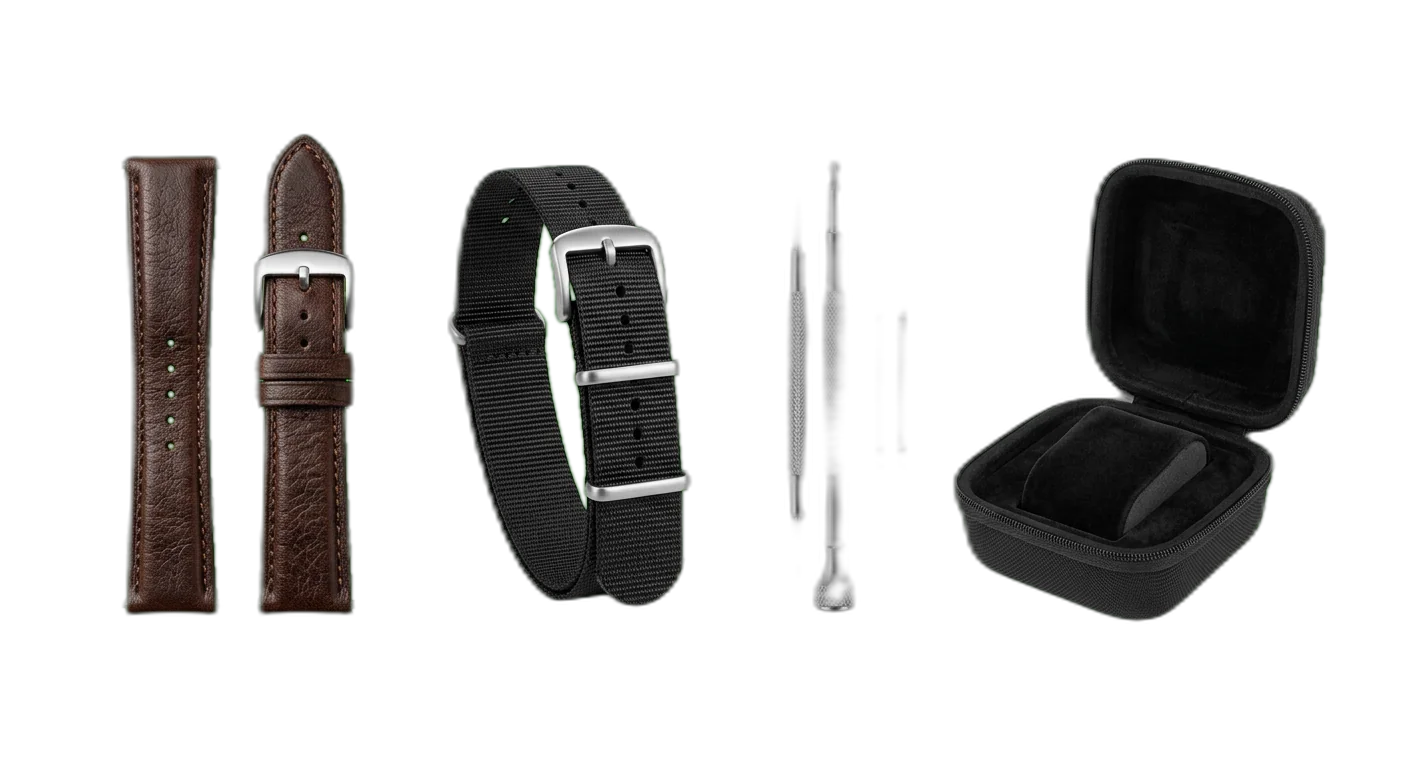
Horlogekopers komen regelmatig terug voor extra bandjes en opbergoplossingen. Stel seizoensgebonden bandwissels en premium horlogekisten voor op je productpagina's.
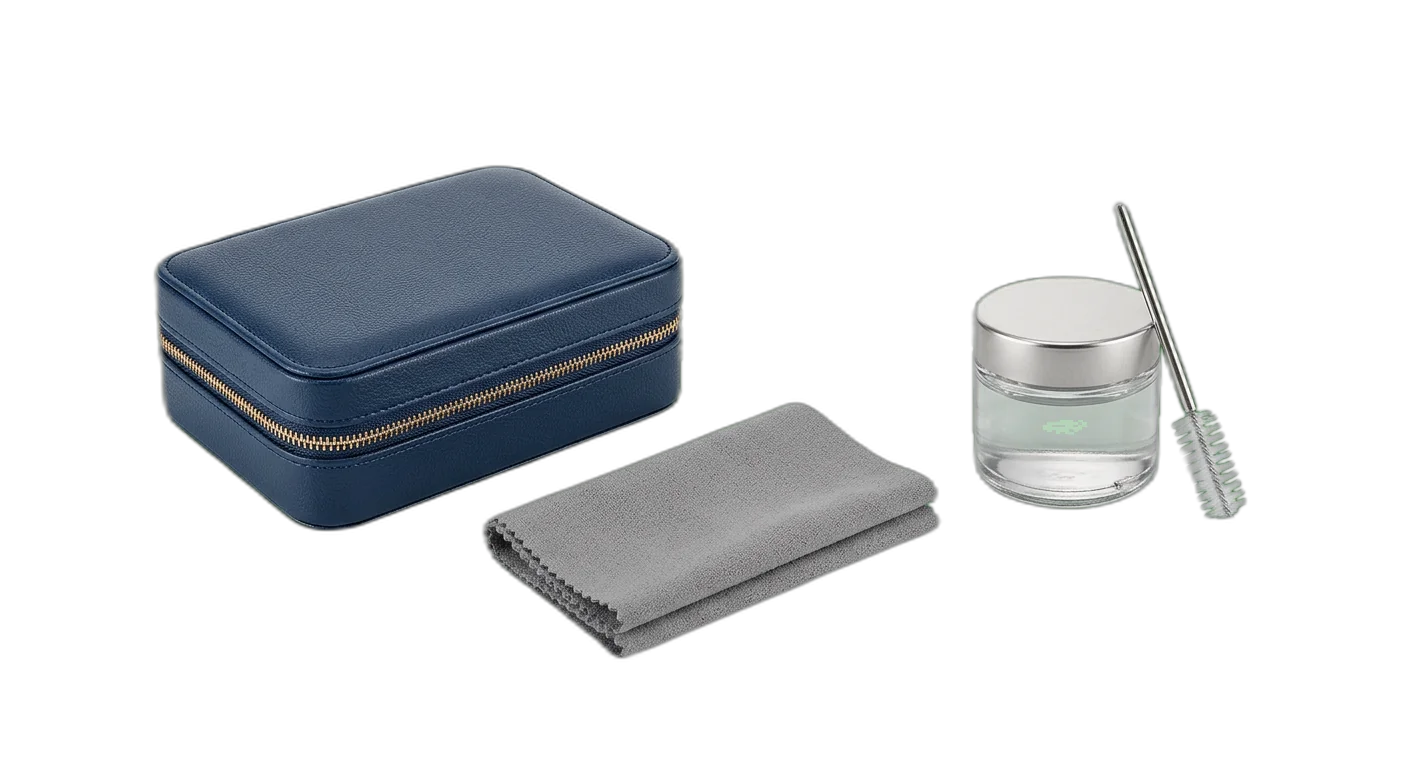
Dure sieradenaankopen gaan vanzelf samen met verzorgingsproducten. Een 'Bescherm je investering'-sectie op fijne sieradenpagina's converteert goed.
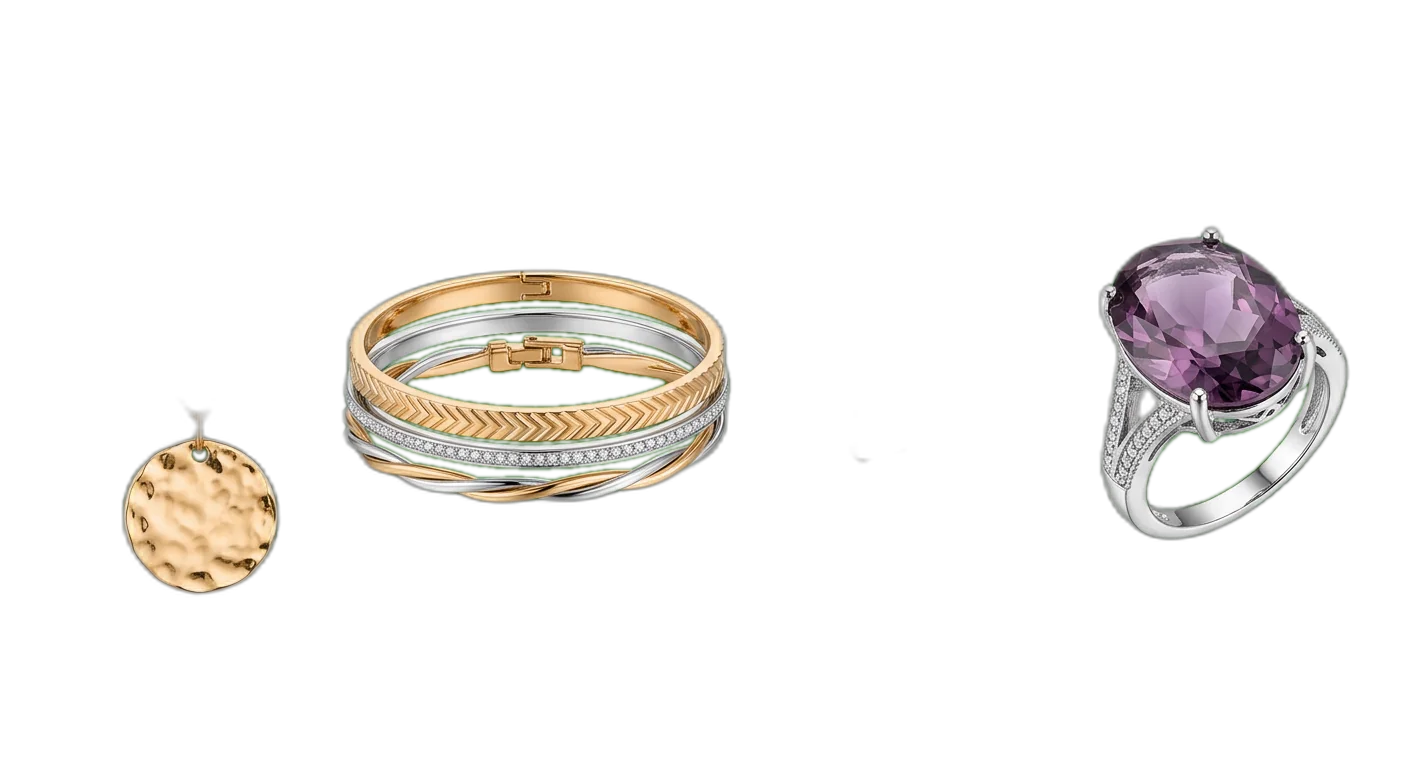
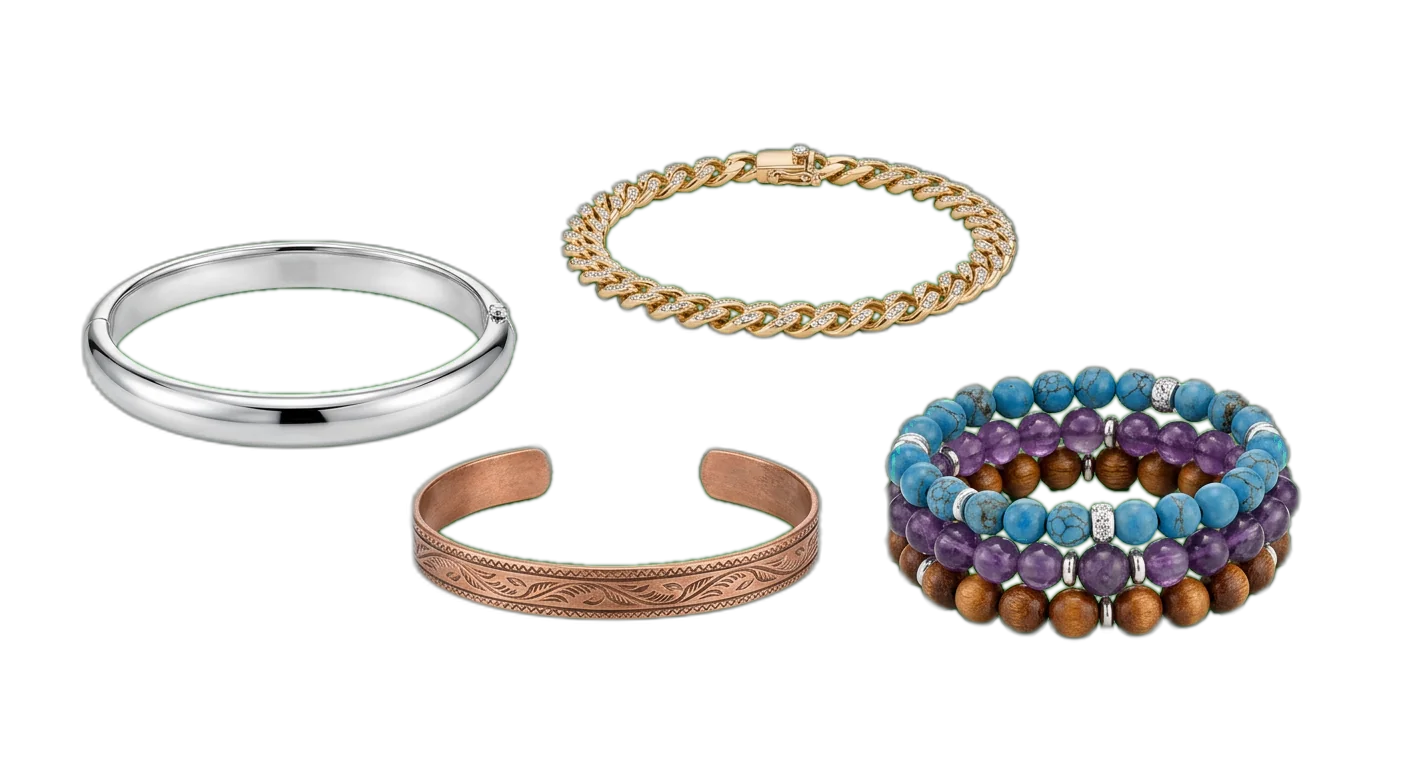
De stapel- en layeringtrend zet shoppers aan om meerdere stukken te kopen. Stel armbanden en ringen voor die goed combineren met wat de shopper al heeft geselecteerd.
Veelgemaakte fouten bij Sieraden & Accessoires categoriekeuzes
Fouten die je vindbaarheid, SEO en conversieratio schaden
- Fout
Categorieën op basis van metaaltype aanmaken (Gouden sieraden, Zilveren sieraden, Platina sieraden) in plaats van producttype
Betere aanpakGebruik producttype als categorie (Ringen, Kettingen, Oorbellen) en metaaltype als filterbaar kenmerk. Dit voorkomt dubbele vermeldingen en stelt shoppers in staat om metaaltypen in één overzicht te vergelijken.
- Fout
Fijne en modesieraden mengen in dezelfde categorieën zonder duidelijke scheiding
Betere aanpakHoud Fijne Sieraden en Modesieraden als aparte hoofdcategorieën. Ze hebben andere prijzen, materialen, kenmerkenvereisten en marketplace-regels.
- Fout
Edelsteentypes gebruiken als categorienamen (Diamanten oorbellen, Robijnen ringen) wat leidt tot een explosief groeiende categoriestructuur
Betere aanpakHoud edelsteen als filterbaar kenmerk. Eén Oorbellen-categorie dekt alle edelsteenopties zonder dat je de hele structuur voor elk steentype hoeft te herhalen.
- Fout
Certificeringen zoals GIA-rapporten en keurtekens niet bijhouden als gestructureerde data
Betere aanpakVoeg aparte certificeringskenmerken toe aan je fijne sieradencategorieën. In veel markten zijn ze wettelijk verplicht, en ze zijn essentieel voor klantvertrouwen bij dure aankopen.
- Fout
Seizoenscategorieën aanmaken (Valentijnscollectie, Kerstcadeaus) die de vaste categoriestructuur versnipperen
Betere aanpakGebruik tags of collectiekenmerken voor seizoenscampagnes. Categorieën moeten vaste producttypen vertegenwoordigen die het hele jaar stabiel blijven.
Stel Sieraden & Accessoires categorieën in met AI
Krijg je Sieraden & Accessoires productcategorieën in minuten op orde, niet in dagen
01
Importeer je sieradencatalogus
Upload je productdata via CSV, Excel of API. WISEPIM herkent automatisch sieradenspecifieke kenmerken zoals metaaltype, edelsteen, maatvoering en certificeringsdetails vanuit je bestaande data en productbeschrijvingen.
02
AI categoriseert je producten
De AI van WISEPIM bekijkt productafbeeldingen, titels en beschrijvingen om elk stuk in te delen bij Fijne Sieraden, Modesieraden of Horloges, en wijst daarna de juiste subcategorie toe. Type, stijl en materiaal worden automatisch herkend.
03
Controleer, verfijn en publiceer
Bekijk AI-suggesties in bulk, vul ontbrekende kenmerken aan zoals certificeringen en maten, en publiceer je verrijkte catalogus naar al je verkoopkanalen. WISEPIM koppelt je sieradencategorieën aan de formats van Google Shopping, Amazon en andere marketplaces.
Veelgestelde vragen
Veelgestelde vragen over het kiezen van Sieraden & Accessoires categorieën voor e-commerce
Beste categorieën voor andere branches
Printbare checklist
Begin in 15 minutenBeslis in één week of een nieuwe categorie loont
Begin bij de vraag: 15 minuten in Google Trends. Je krijgt één telling, zoals 2 van 3 termen stijgen. Daarna 5 stappen voor de rest van de week.
Zo werkt het
- Kies de 3 zoektermen die klanten voor de categorie gebruiken.
- Zoek ze alle drie op in Google Trends over 2 jaar.
- Schrijf het aantal op, zoals '2 van 3 termen stijgen'.
Eén mail, één keer, met een link naar de printbare checklist. Verder niets, tenzij je het vakje aanvinkt.
Gratis Excel-template
XLSX · 3 tabbladenZie welke van je 20 bestsellers nog niet compleet zijn
Een Excel-check met de kolommen die je voor sieraden en horloges nodig hebt. In ongeveer 15 minuten weet je hoeveel van je 20 producten compleet zijn, en welke verbetering de meeste rijen helpt.
Zo werkt het
- Plak 20 bestsellers uit je webshopexport in Producten.
- Vul in wat je weet. De laatste kolom zegt per rij wat er ontbreekt.
- Lees je resultaat op Begin hier: hoeveel er compleet zijn en welke verbetering de meeste rijen helpt.
Eén mail, één keer, met de XLSX als bijlage en als downloadlink. Verder niets, tenzij je het vakje aanvinkt.
Verder ontdekken
Zorgvuldig gekozen vervolgstappen om dieper te gaan.
Klaar om je Sieraden & Accessoires catalogus te organiseren?
WISEPIM gebruikt AI om je producten automatisch te categoriseren, attributes in te stellen en te synchroniseren met al je verkoopkanalen.