Koffers en tassen categoriseren met Google ID's
Trolleys en koffers horen bij Bagage en tassen > Koffers (Google-ID 107), duffeltassen bij Bagage en tassen > Plunjezakken (103) en rugzakken bij Bagage en tassen > Rugzakken (100). Een handtas is geen bagage: die valt onder Kleding en accessoires > Handtassen, portefeuilles en koffers > Handtassen (3032). Formaat, wieltjes en een harde of zachte schaal zijn attributen, geen categorieën. De ID's volgen de Google-producttaxonomie, versie 2021-09-21.
Snel antwoord: in welke categorie hoort het?
| Product | Categoriepad | Standaard | ID |
|---|---|---|---|
| Trolley of koffer | Bagage en tassen > Koffers | Google-producttaxonomie | 107 |
| Duffeltas | Bagage en tassen > Plunjezakken | Google-producttaxonomie | 103 |
| Rugzak | Bagage en tassen > Rugzakken | Google-producttaxonomie | 100 |
| Transportmand voor huisdieren | Dieren > Benodigdheden voor huisdieren > Transportmanden en -kooien voor huisdieren | Google-producttaxonomie | 6251 |
| Handtas | Kleding en accessoires > Handtassen, portefeuilles en koffers > Handtassen | Google-producttaxonomie | 3032 |
| Draagtas | Bagage en tassen > Boodschappentassen | Google-producttaxonomie | 5608 |
| Aktetas | Bagage en tassen > Aktetassen | Google-producttaxonomie | 101 |
| Toilettas | Bagage en tassen > Toilettassen | Google-producttaxonomie | 108 |
| Kledinghoes | Bagage en tassen > Kledingzakken | Google-producttaxonomie | 105 |
| Bagagelabel | Bagage en tassen > Bagageaccessoires > Bagagelabels | Google-producttaxonomie | 5651 |
Koffers & tassen categoriehiërarchie
Standaard categoriestructuur die op grote e-commerce platforms en marktplaatsen wordt gebruikt
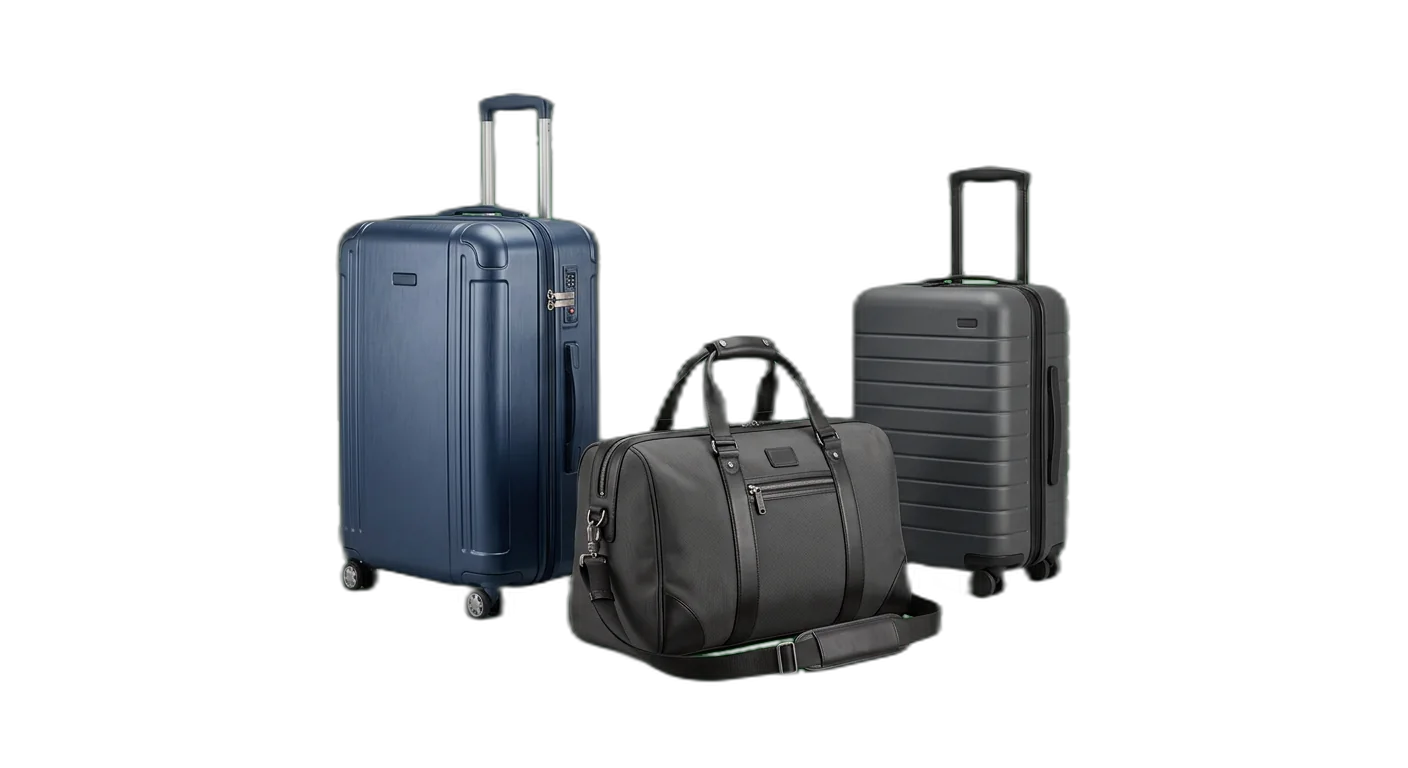
Reisbagage
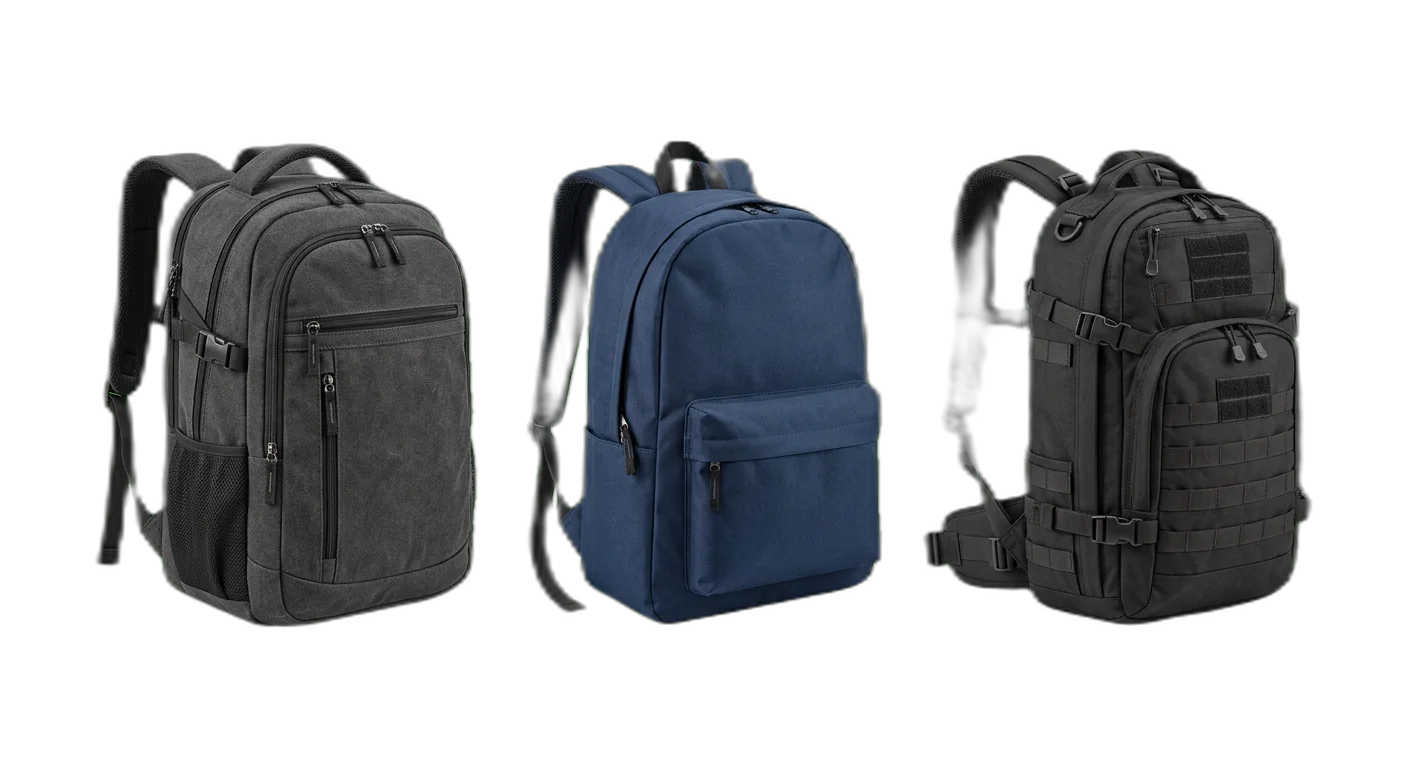
Rugzakken
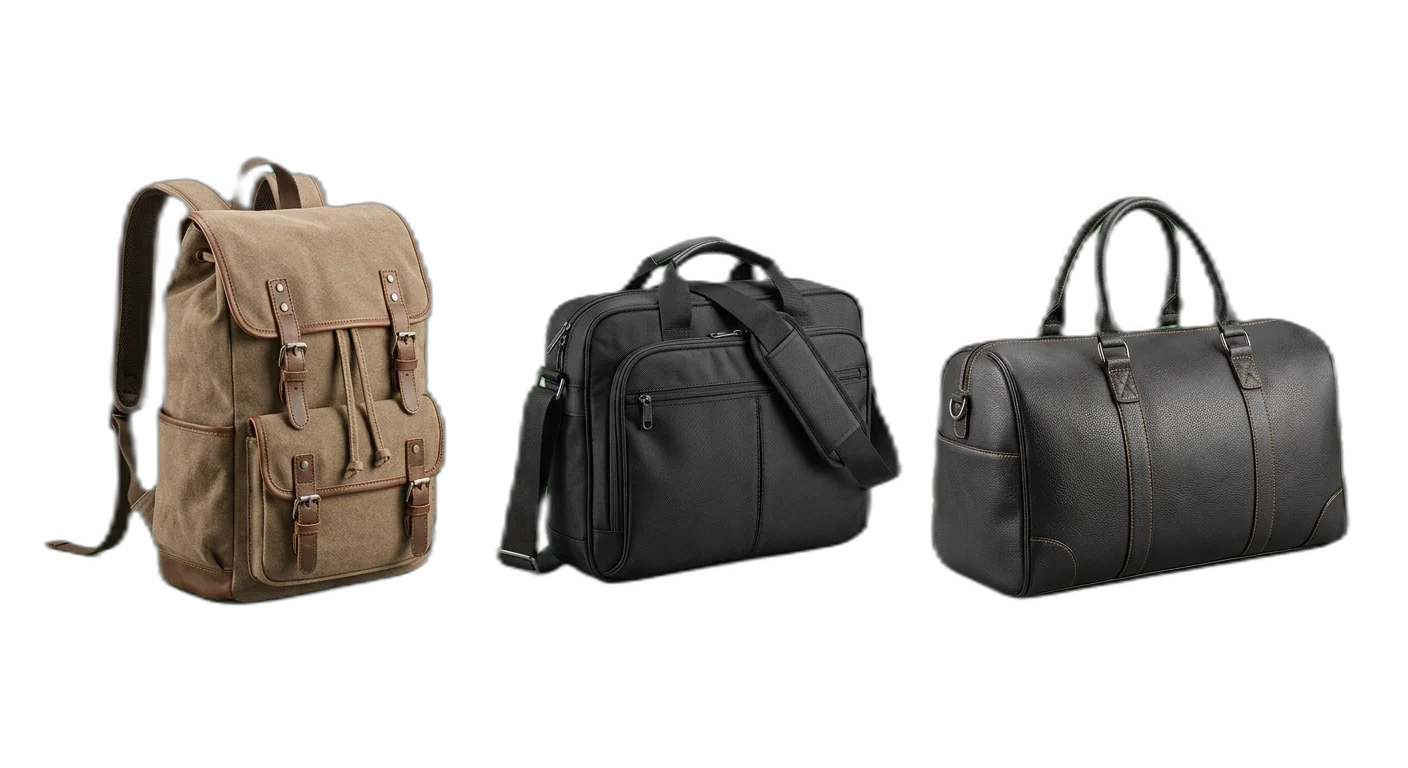
Tassen
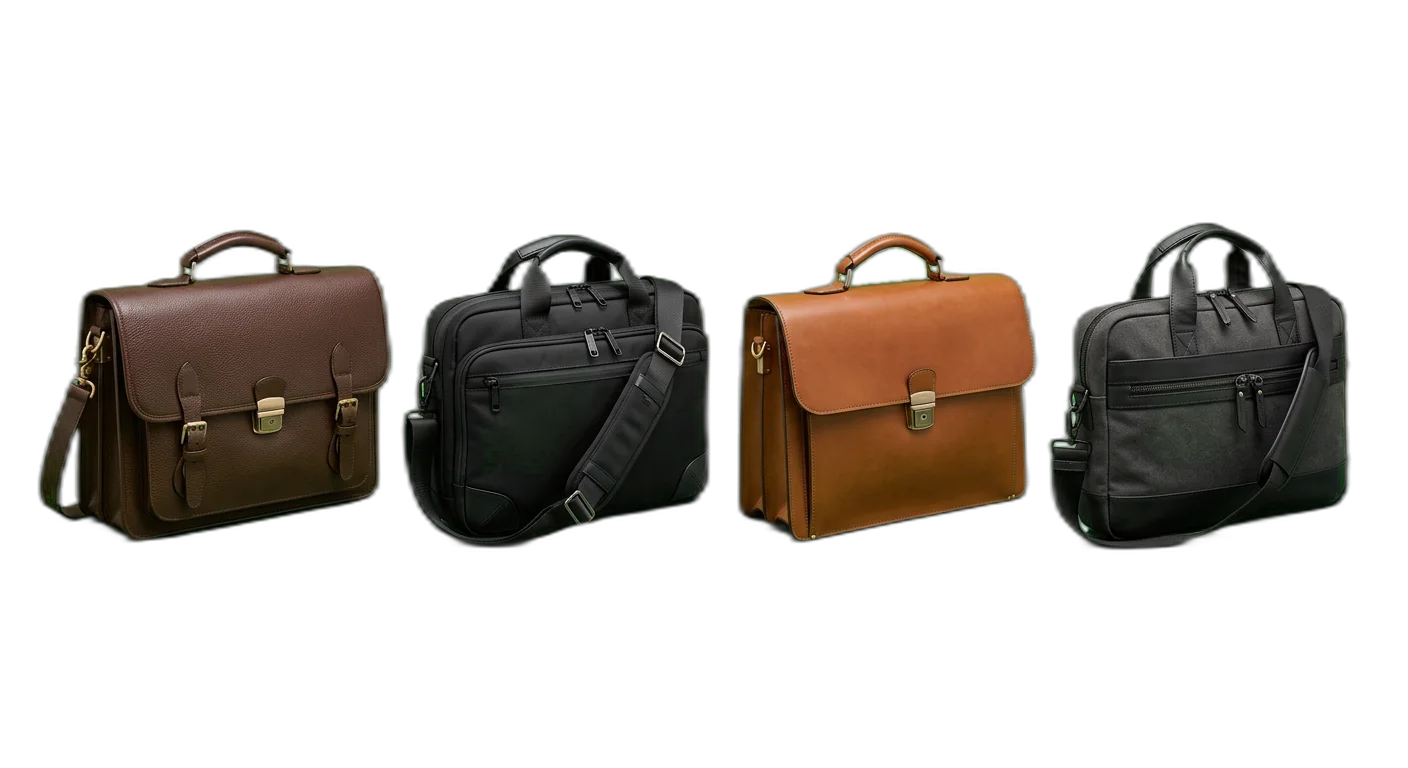
Aktetassen & werktassen
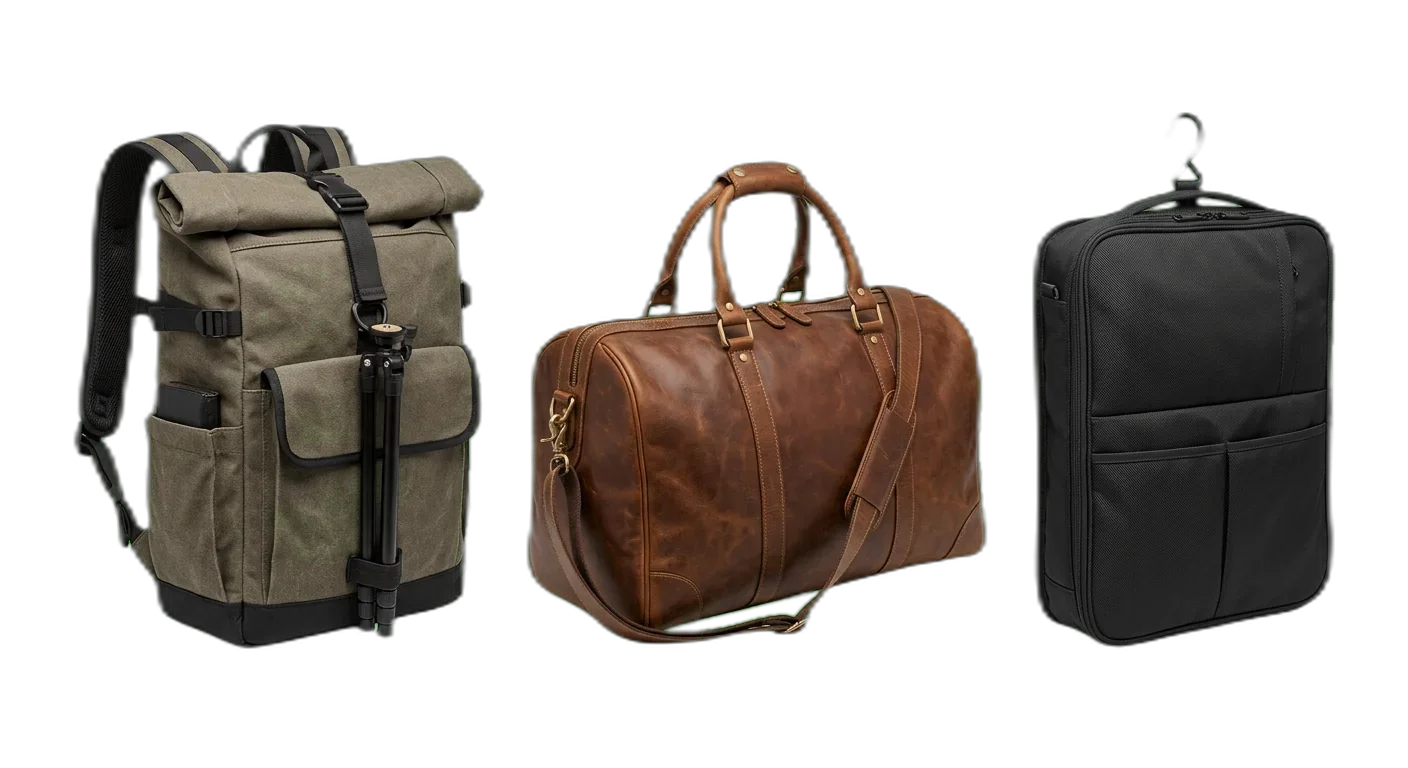
Speciale tassen
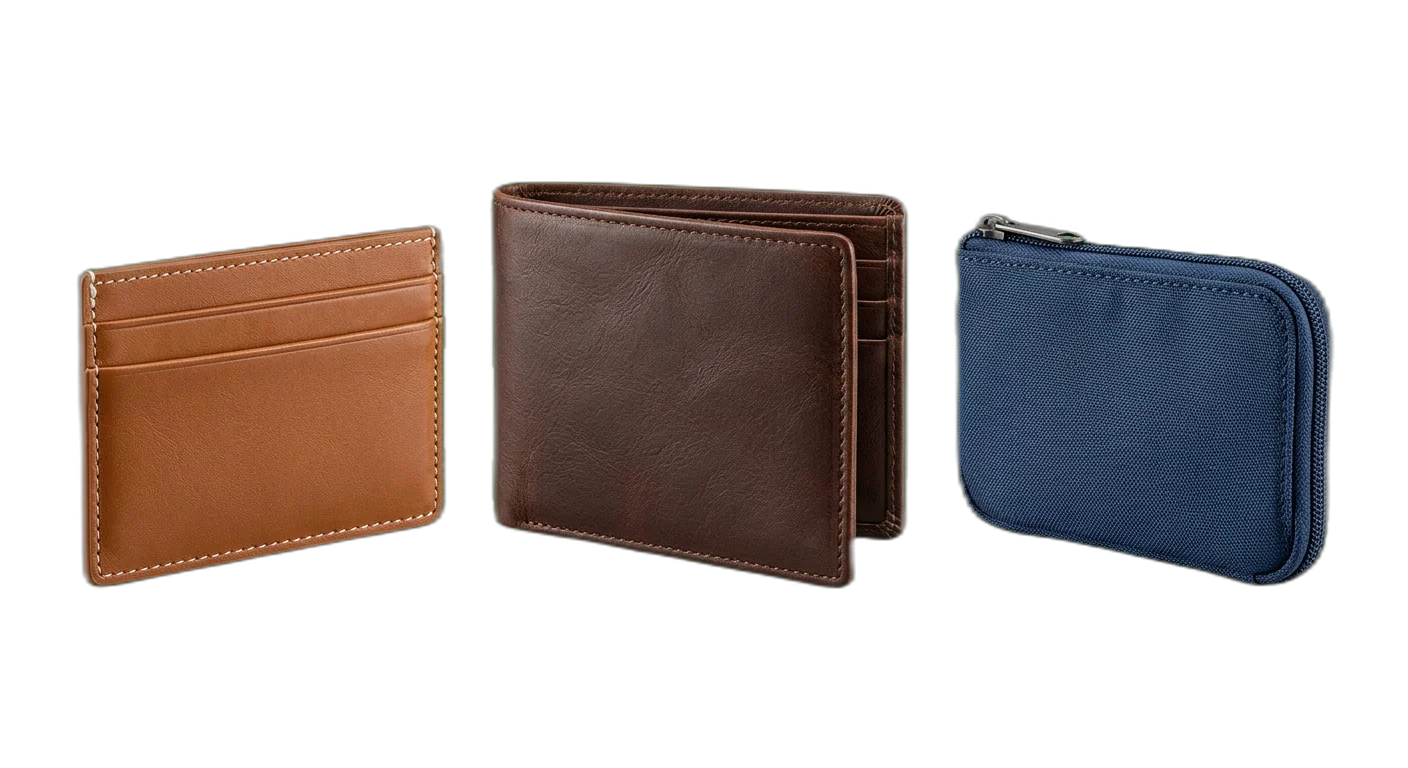
Portemonnees & kleine accessoires
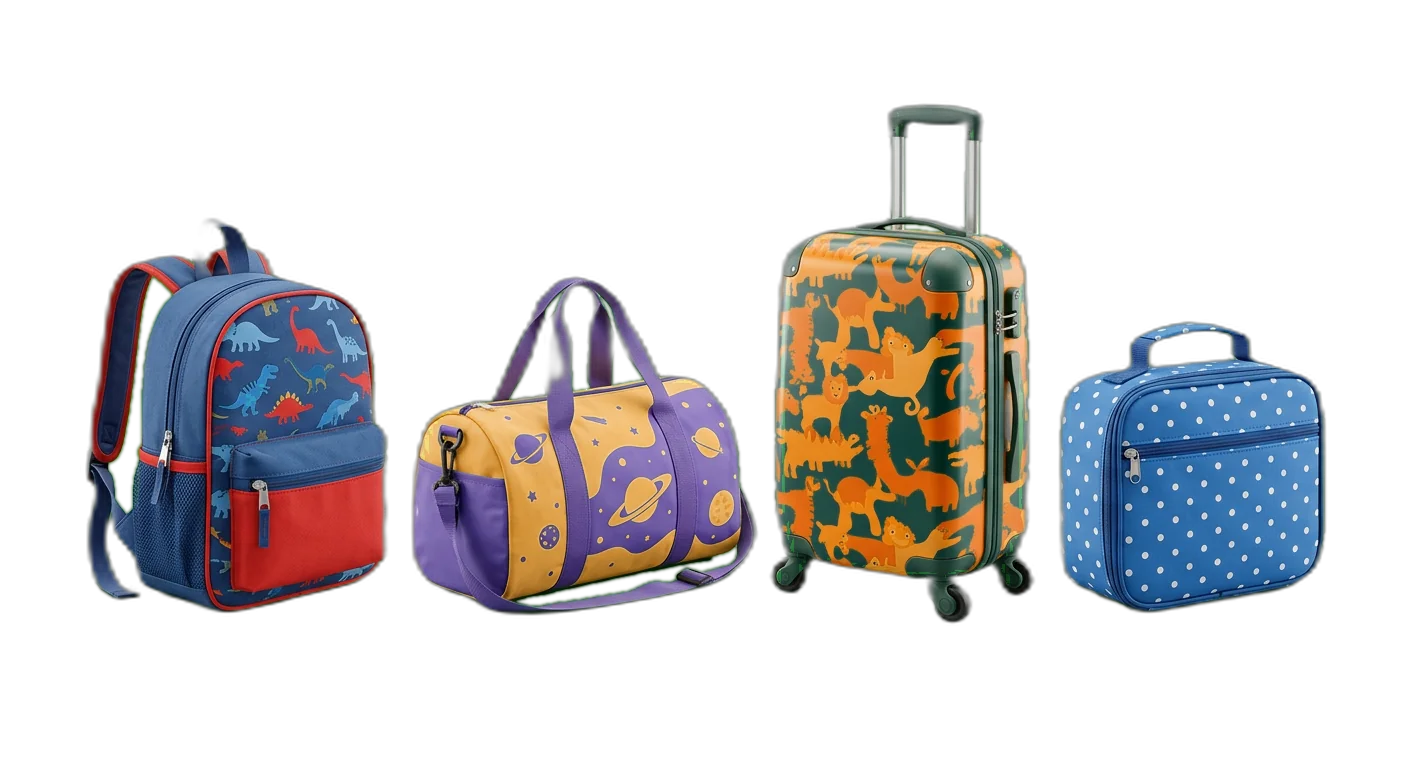
Kindertassen
Hoe classificeer je Koffers & tassen producten
Volg deze regels om producten elke keer in de juiste categorie te plaatsen
- 1
Categoriseer eerst op tastype, daarna op gebruiksdoel
De primaire categorisatie moet het tastype zijn (koffer, rugzak, shopper, aktetas) en niet het gebruiksdoel of de gelegenheid. Verfijn binnen elk type met subcategorieën op vorm of beoogd gebruik. Zo winkelen klanten ook: ze weten meestal al of ze een rugzak of een koffer zoeken voordat ze inzoomen op een specifieke stijl.
Een handbagagekoffer met spinnerwielen valt onder Reisbagage > Handbagage > Handbagage met 4 wielenEen tas die zowel voor de sportschool als op reis wordt gebruikt, categoriseer je op het primaire type: Tassen > Duffeltassen > Fitnesstassen - 2
Leg maat en inhoud vast als gestructureerde attributen
Maak geen categorieën op basis van formaat (Kleine rugzakken, Grote rugzakken). Gebruik het tastype als categorie en voeg Volume (liter), Afmetingen (h x b x d) en Gewicht toe als verplichte attributen. Zo blijft je taxonomie vlak en kunnen klanten filteren op precies het formaat dat ze nodig hebben.
Gebruik Rugzakken > Reisrugzakken > Backpacks met het attribuut Volume: 45 LMaak niet Rugzakken > Grote rugzakken > Rugzakken van 45 L - 3
Behandel materiaal als filterbaar attribuut, niet als categorie
Materialen als volnerfleer, ballistisch nylon, polycarbonaat of canvas horen thuis in attributen en niet in categorieniveaus. Eén categorie Aktetassen bedient alle materialen, en klanten filteren op hun voorkeursmateriaal zonder door aparte takken van de boom te hoeven navigeren.
- 4
Neem de eisen van luchtvaartmaatschappijen op bij je koffers
Leg voor alle handbagage en ruimbagage vast of een koffer voldoet aan de eisen van luchtvaartmaatschappijen, als gestructureerd attribuut. Sla afmetingen op in centimeters en koppel ze aan de maximale maten van de grote maatschappijen. Neem zowel de losse afmetingen op als de totale lineaire maat (lengte + breedte + hoogte), waarmee maatschappijen vaak snel controleren.
Conform luchtvaarteisen: IATA-standaard (55 x 35 x 20 cm), totale lineaire maat: 110 cmPast bij grote maatschappijen: past in de bagagebakken van de meeste grote luchtvaartmaatschappijen, waaronder Ryanair en EasyJet - 5
Deel binnen elk tastype in op het primaire gebruiksdoel
Zodra het tastype vaststaat, splits je verder op primair gebruiksdoel: zakelijk, reizen, sport of dagelijks gebruik. Een laptoprugzak voor woon-werkverkeer hoort onder Laptoprugzakken > Woon-werkrugzakken en niet onder een algemene categorie Rugzakken. Die extra specificiteit helpt bij zoekrelevantie en bij de mapping naar marketplaces.
- 6
Gebruik gender als attribuut, niet als categorieniveau
Maak geen aparte categorieën Herenrugzakken en Damesrugzakken. Gebruik een attribuut Gender (heren, dames, unisex) waarop klanten kunnen filteren. Veel tassen zijn unisex en zouden anders in beide takken moeten verschijnen, wat dubbelingen oplevert. Verschillen in styling breng je beter over via productbeschrijvingen en foto's.
- 7
Behandel merk als attribuut, nooit als categorie
Ook bij merkgedreven segmenten zoals luxe koffers houd je het merk een filterbaar attribuut. Categorieën beschrijven het producttype, niet de fabrikant. Zo blijft je boomstructuur consistent en hoef je niets te herstructureren wanneer er merken bijkomen of verdwijnen.
- 8
Leg TSA- en beveiligingskenmerken vast in eigen attributen
TSA-goedgekeurde sloten, RFID-blokkerende materialen, antidiefstalkenmerken en snijbestendige stoffen leg je vast in eigen boolean- of enum-attributen. Deze kenmerken wegen steeds zwaarder mee in de aankoopbeslissing en zijn veelgebruikte filters op marketplaces, zeker bij reistassen en koffers.
- 9
Leg wielsystemen en hardware apart vast
Leg bij koffers met wielen de wielconfiguratie (2 wielen/spinner, 4 wielen/360 graden) en het wieltype (inline, spinner, all-terrain) vast als attributen. Ook het handvattype (telescopisch, bovengreep, zijgreep) verdient een eigen gestructureerd attribuut. Op deze hardwaredetails filteren klanten actief.
- 10
Leg garantie-informatie vast als gestructureerd attribuut
Bij koffers en tassen is een uitgebreide garantie vaak een belangrijk verkoopargument. Leg vast om welk garantietype het gaat (beperkt levenslang, x jaar, geen garantie), wat eronder valt (fabricagefouten, wielen, ritsen) en of het merk reparatieservice biedt. Die gegevens helpen bij het vergelijken van producten en geven klanten vertrouwen.
Vereiste attributen per categorie
Zorg voor volledige productdata met de verplichte en aanbevolen attributen voor elk categorieniveau
Koffers & tassen classificatievalkuilen om te vermijden
Vermijd deze veelgemaakte categorisatiefouten die de vindbaarheid van producten schaden
- Fout
Categorieën maken op basis van formaat (Kleine tassen, Middelgrote tassen, Grote tassen) in plaats van op tastype en vorm
Betere aanpakGebruik het tastype als categorie (handbagage, ruimbagage, duffeltas) en voeg Volume (liter) en Afmetingen toe als filterbare attributen. Formaat is relatief en verschilt per merk, terwijl volume en afmetingen precies en vergelijkbaar zijn.
- Fout
Exacte afmetingen weglaten, waardoor klanten niet kunnen controleren of een koffer als handbagage mee mag
Betere aanpakNeem Hoogte, Breedte en Diepte in centimeters altijd op als verplichte attributen voor al je koffers. Voeg een veld voor de totale lineaire maat toe en koppel dat aan de maximale maten van de grote luchtvaartmaatschappijen. Ontbrekende afmetingen zijn de belangrijkste reden dat koffers retour komen.
- Fout
Geen informatie over luchtvaarteisen opnemen bij handbagage en ruimbagage
Betere aanpakVoeg Luchtvaartconformiteit toe als gestructureerd attribuut dat verwijst naar de maximale maten van de grote maatschappijen. Neem de IATA-standaardafmetingen op en markeer producten die ook binnen de strengere limieten van prijsvechters als Ryanair en EasyJet passen.
- Fout
Materiaalnamen die door de hele catalogus heen door elkaar lopen (nylon, ballistisch nylon, 1680D nylon en nylonstof als synoniemen gebruiken)
Betere aanpakLeg een gestandaardiseerde materiaalwoordenlijst vast met specifieke gradaties: ballistisch nylon (1680D), Cordura nylon (1000D), ripstop nylon (210D). Neem de denierwaarde waar relevant op als apart attribuut. Consistente naamgeving maakt filteren en vergelijken pas echt betrouwbaar.
- Fout
Het leeggewicht niet vastleggen, waardoor klanten hun totale beladen gewicht niet kunnen afzetten tegen de limieten van de luchtvaartmaatschappij
Betere aanpakNeem Leeggewicht op als verplicht attribuut bij alle koffers en tassen. Dat is cruciaal bij vliegreizen, waar gewichtslimieten streng worden gehandhaafd en klanten willen weten hoeveel ze daadwerkelijk kunnen inpakken.
- Fout
Vage inhoudsaanduidingen (klein, middelgroot, groot) gebruiken in plaats van een exacte inhoud in liters
Betere aanpakVermeld Volume altijd in liters als numeriek attribuut. Standaardiseer hoe je het volume meet (het inpakvolume aan de binnenkant, niet de buitenmaten) en geef aan of het uitgebreide volume in dat getal is meegerekend.
- Fout
Het aantal en type compartimenten, vakken en organizerfuncties niet vastleggen
Betere aanpakVoeg gestructureerde attributen toe voor Aantal compartimenten, Maat laptopvak, Schoenenvak, Vak voor natte kleding en Organizerpaneel. Deze functies zijn doorslaggevend bij de aankoop en belangrijk om producten op marketplaces te kunnen vergelijken.
- Fout
Garantie- en duurzaamheidsinformatie ontbreekt, terwijl klanten daar bij duurdere koffers juist op afgaan
Betere aanpakNeem Garantietype (levenslang, beperkt levenslang, x jaar, geen), de dekking van de garantie en het al dan niet aanbieden van reparatieservice op. Bij premium koffers geeft de garantie vaak de doorslag tussen twee verder vergelijkbare producten.
- Fout
Casual tassen en zakelijke tassen door elkaar in dezelfde eindcategorieën zetten zonder duidelijk onderscheid in gebruiksdoel
Betere aanpakGebruik specifieke subcategorieën die het gebruiksdoel weerspiegelen (Zakelijke rugzakken versus Stadsrugzakken, Werkshoppers versus Strandtassen). Dient een product oprecht beide doelen, categoriseer het dan op de primaire marketingpositionering en voeg een attribuut Gebruiksdoel toe.
- Fout
Geen slijtvastheidsscores of testnormen opnemen voor materialen en hardwareonderdelen
Betere aanpakVoeg attributen toe voor slijtvastheid, waterbestendigheidsklasse (bijvoorbeeld IPX4), ritstype (YKK, zelfherstellend) en relevante testcertificeringen. Kwaliteitsbewuste kopers verwachten deze gegevens steeds vaker, en ze onderbouwen een hogere prijs.
Hoe categoriseer je Koffers & tassen producten
Volg deze stappen om je Koffers & tassen producten correct te categoriseren voor e-commerce en marktplaatsvereisten
01
Importeer je catalogus met koffers en tassen
Koppel je e-commerceplatform of upload de productfeed met je koffers, rugzakken, tassen en accessoires. WISEPIM herkent automatisch producttitels, omschrijvingen, afbeeldingen en bestaande attributen, en maakt je catalogus klaar voor categorisatie met AI.
02
AI deelt in op tastype en gebruiksdoel
WISEPIM analyseert productfoto's en omschrijvingen om het tastype (koffer, rugzak, duffeltas, aktetas), de vorm (hardshell, softshell, spinner) en het beoogde gebruiksdoel (zakelijk, reizen, sport) te bepalen. De AI plaatst producten met hoge nauwkeurigheid in het juiste categoriepad.
03
Verrijk afmetingen, luchtvaarteisen en kenmerken
Controleer de door AI voorgestelde categorieën en vul de cruciale attributen aan: exacte afmetingen, volume, leeggewicht, luchtvaarteisen, materiaalspecificaties en beveiligingskenmerken. WISEPIM valideert de notatie van afmetingen en signaleert producten waarbij verplichte attributen ontbreken, zoals TSA-conformiteit bij handbagage.
04
Publiceer naar je verkoopkanalen
Exporteer je gecategoriseerde catalogus naar je webshop, Google Shopping, Amazon en andere marketplaces. WISEPIM koppelt je interne categorieën aan de koffertaxonomie van elk platform en zorgt dat alle verplichte attributen, inclusief de handbagagematen, per kanaal correct zijn opgemaakt.
Koffers & tassen: categoriseer je eigen catalogus in WISEPIM
Meld je aan voor het gratis plan en pas deze gids toe op je eigen producten: bouw je categorieboom, laat AI per product een categorie voorstellen en koppel je categorieën aan de producttaxonomie van Google.
- 100 producten en 50 AI-credits per maand met het gratis plan
- Importeer producten uit een CSV-bestand of een gekoppelde winkel
- AI-categorisatie wijst categorieën toe, of stelt ze voor zodat jij eerst checkt
- De categoriekaart koppelt je categorieën aan Google-productcategorieën
Veelgestelde vragen
Veelgestelde vragen over Koffers & tassen productcategorisatie
Beste Koffers & tassen categorieën voor e-commerce
Ontdek de best presterende Koffers & tassen productcategorieën gerangschikt op vraag, marges en groeipotentieel.
Map Koffers & tassen producten naar een globale taxonomie
Heb je je eigen categorieboom? Map ze naar de standaarden die marketplaces, advertentieplatforms en dataleveranciers vereisen.
Bekijk meer branchegidsen
Printbare checklist
Begin in 15 minutenZet elk live product in de juiste categorie
Begin met een telling van 15 minuten: producten zonder categorie, of met alleen een hoofdcategorie. Je krijgt twee getallen, zoals 140 producten, 12 in je top 100. Daarna 5 stappen voor de rest van de week.
Zo werkt het
- Filter op producten zonder categorie of met alleen een hoofdcategorie.
- Kijk hoeveel daarvan in je top 100 bestsellers staan.
- Schrijf beide getallen op, zoals '140 producten, 12 in de top 100'.
Eén mail, één keer, met een link naar de printbare checklist. Verder niets, tenzij je het vakje aanvinkt.
Gratis Excel-template
XLSX · 3 tabbladenZie welke van je 20 bestsellers nog niet compleet zijn
Een Excel-check met de kolommen die je voor bagage en tassen nodig hebt. In ongeveer 15 minuten weet je hoeveel van je 20 producten compleet zijn, en welke verbetering de meeste rijen helpt.
Zo werkt het
- Plak 20 bestsellers uit je webshopexport in Producten.
- Vul in wat je weet. De laatste kolom zegt per rij wat er ontbreekt.
- Lees je resultaat op Begin hier: hoeveel er compleet zijn en welke verbetering de meeste rijen helpt.
Eén mail, één keer, met de XLSX als bijlage en als downloadlink. Verder niets, tenzij je het vakje aanvinkt.
Verder ontdekken
Zorgvuldig gekozen vervolgstappen om dieper te gaan.
Klaar om je Koffers & tassen categorisatie te automatiseren?
WISEPIM gebruikt AI om producten automatisch te classificeren. Bespaar uren handmatig werk en maak een einde aan categorisatiefouten.