Beste categorieën voor Schoonheid & Persoonlijke Verzorging
De best presterende Schoonheid & Persoonlijke Verzorging productcategorieën voor je webshop, gerangschikt op vraag, marges en groeipotentieel.
Beste Schoonheid & Persoonlijke Verzorging categorieën om online te verkopen
Gerangschikt op marktvraag, winstmarges en groeimomentum
- 1
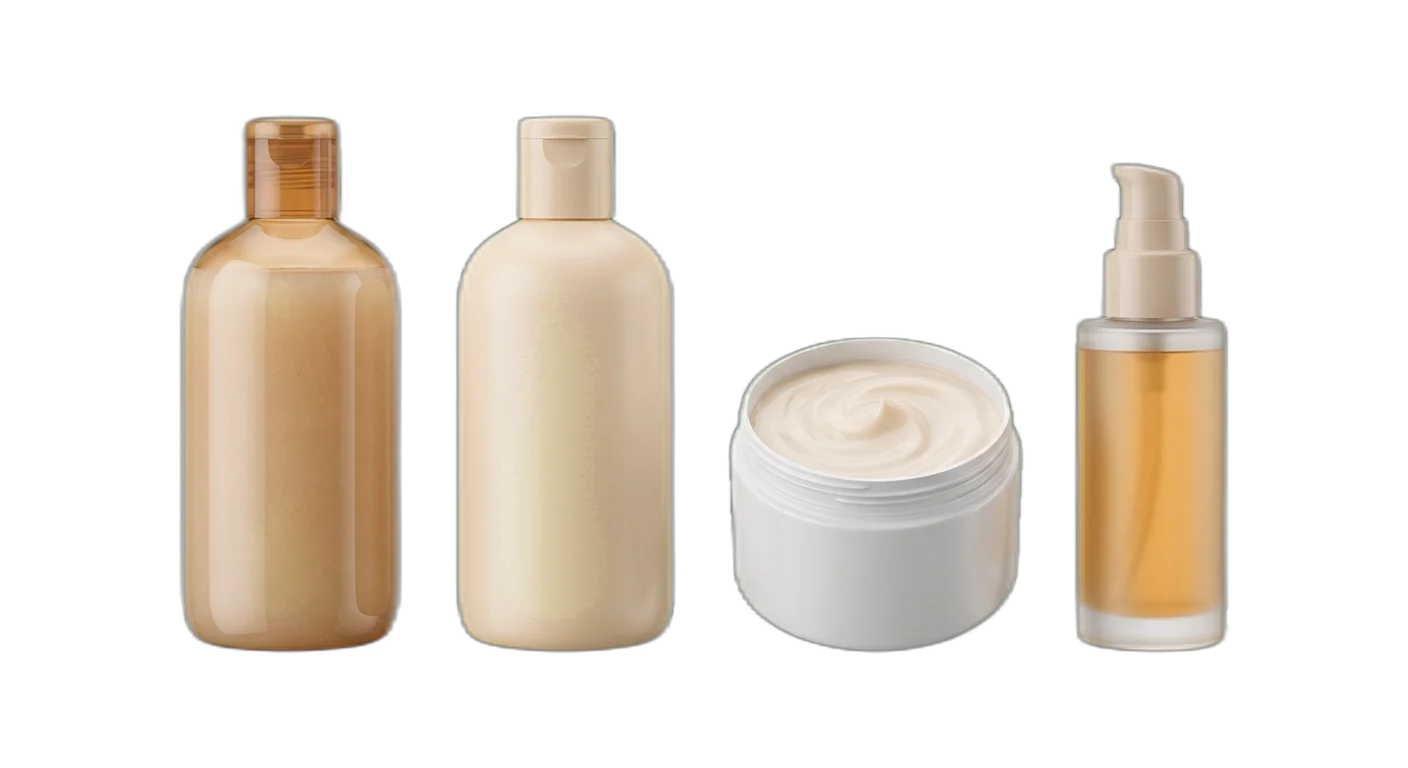
Haarverzorging & styling
Haarverzorging
Haarverzorging is de op een na grootste schoonheidscategorie qua omzet. Shampoo en conditioner zorgen voor een stabiele basisvraag, terwijl behandelingsproducten zoals maskers, serums en olien hogere marges opleveren. De opkomst van natuurlijke en schone haarverzorging heeft premiumsegmenten gecreeerd met goede mogelijkheden om je te onderscheiden.
Vraag: HoogConcurrentie: GemiddeldMarge: HoogStijgendVoorbeeldproductenShampooConditionerHaarmaskersStylingproductenPro tipVerdeel subcategorieën op haarverzorgingsstap (Reiniging, Behandeling, Styling, Kleur). Dit sluit aan bij hoe shoppers over hun haarroutine denken en stimuleert ze meerdere producten tegelijk te kopen.
- 2
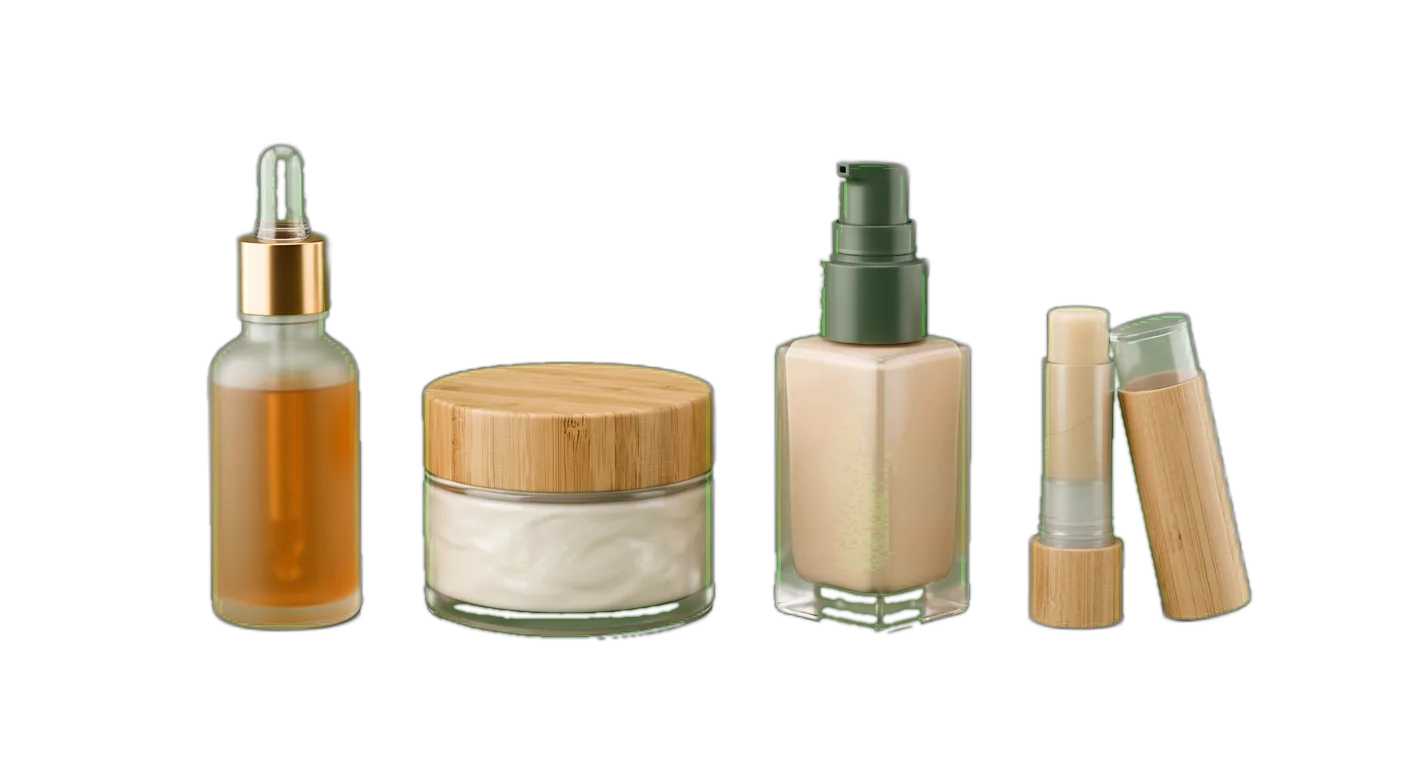
Schone & natuurlijke schoonheid
Huidverzorging > Gezichtsverzorging
Schone schoonheid is allang geen niche meer. Het is een mainstream koopfilter geworden in huidverzorging, make-up en haarverzorging. Steeds meer shoppers zoeken producten zonder parabenen, sulfaten en synthetische geuren. De categorie heeft hoge prijzen, een gepassioneerde vaste klantenkring en profiteert van sterke mond-tot-mondreclame en sociale media.
Vraag: GroeiendConcurrentie: LaagMarge: HoogStijgendVoorbeeldproductenBiologische serumsNatuurlijke moisturizersSchone foundationsVeganistische lipproductenPro tipGebruik schone schoonheidscertificeringen (Leaping Bunny, COSMOS Organic, EWG Verified) als filterbare kenmerken, niet als aparte categorie. Zo kunnen klanten schone producten filteren in je hele catalogus.
- 3
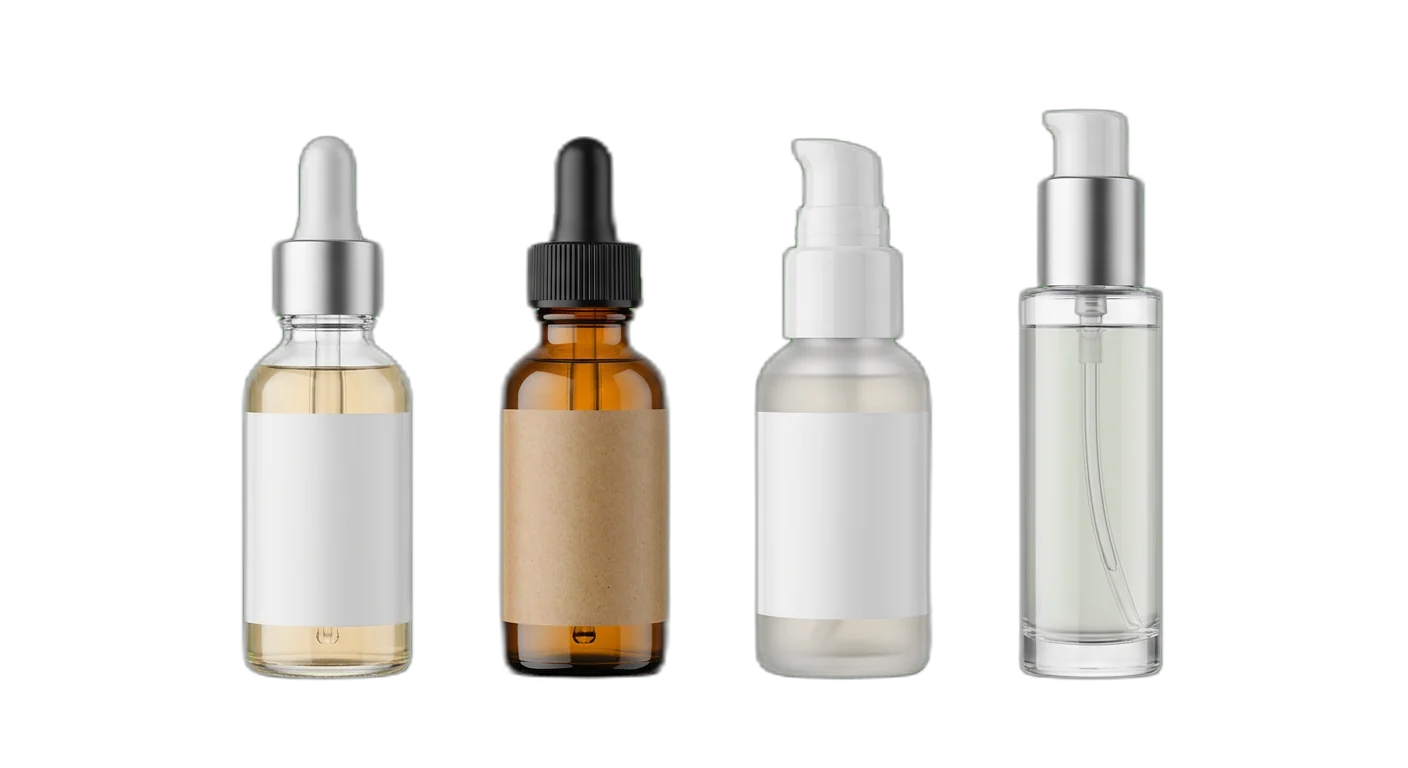
Huidverzorgingsserums & treatments
Huidverzorging > Gezichtsverzorging > Serums
Serums zijn een van de snelst groeiende segmenten in huidverzorging. Ze hebben hoge prijzen dankzij geconcentreerde actieve ingrediënten, en shoppers komen keer op keer terug zodra serums deel uitmaken van hun dagelijkse routine. Trends als retinol, vitamine C en niacinamide houden de vraag het hele jaar sterk.
Vraag: HoogConcurrentie: HoogMarge: HoogStijgendVoorbeeldproductenVitamine C-serumsRetinolserumsHyaluronzuurserumsNiacinamideserumsPro tipVermeld actieve ingredienten met concentraties (bijv. '10% Niacinamide') in je productkenmerken. Shoppers die weten wat ze zoeken, filteren op exacte formuleringen. Duidelijke data helpt ze sneller beslissen.
- 4
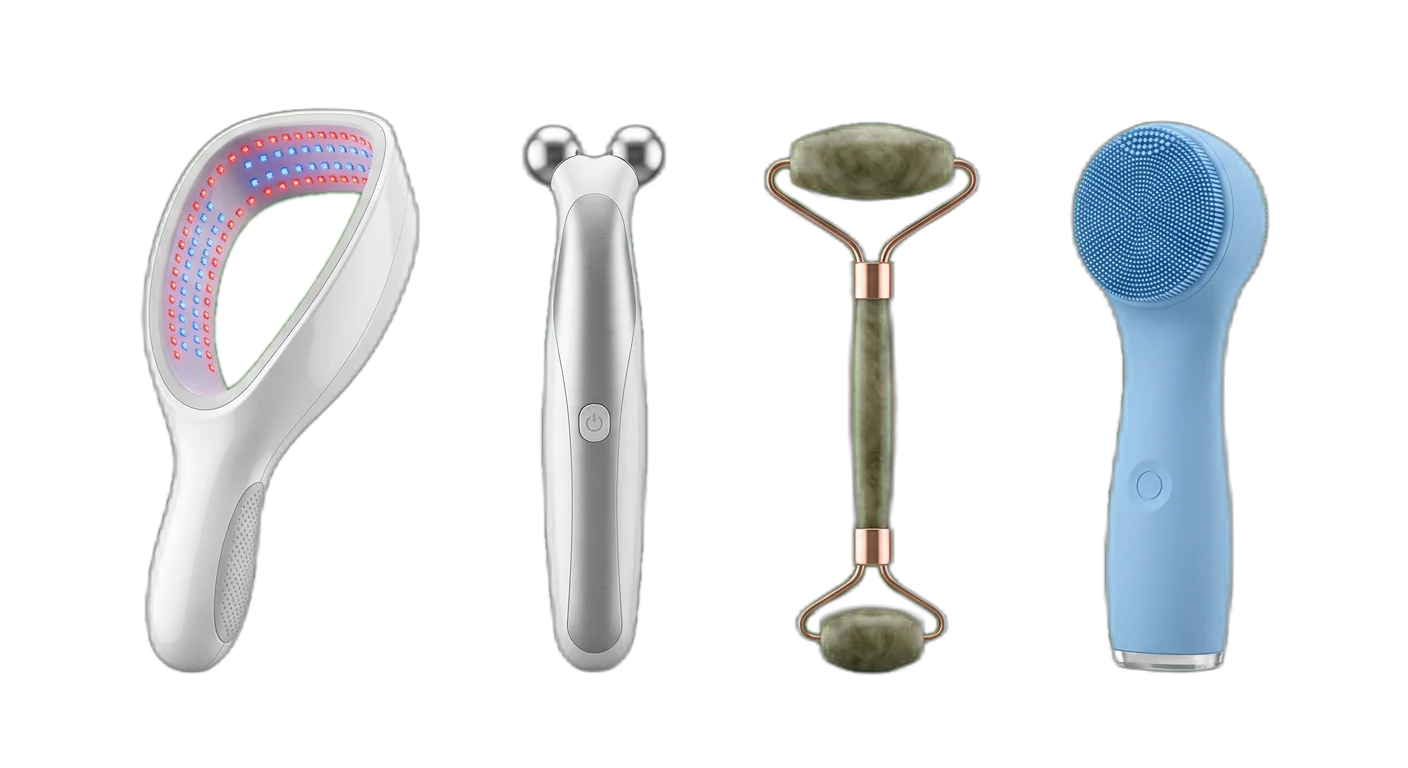
Huidverzorgingsapparaten & tools
Tools & Apparaten > Huidverzorgingsapparaten
Huidverzorgingsapparaten voor thuisgebruik, zoals LED-maskers, microstroom-tools en gezichtsrollers, zijn het snelst groeiende segment in schoonheidstools. De klinische beautrend drijft deze groei. Ze hebben hoge prijzen, hoge marges en bouwen merkloyaliteit op doordat shoppers investeren in apparaat-ecosystemen met vervangingsonderdelen en bijpassende serums.
Vraag: GemiddeldConcurrentie: LaagMarge: HoogStijgendVoorbeeldproductenLED-apparatenMicrostroom-apparatenGezichtsrollersReinigingsborstelsPro tipZet klinisch bewijs en certificeringen duidelijk in beeld. Kopers van huidverzorgingsapparaten doen veel onderzoek en zoeken naar FDA-goedkeuring, klinische studies en aanbevelingen van dermatologen voordat ze kopen.
- 5
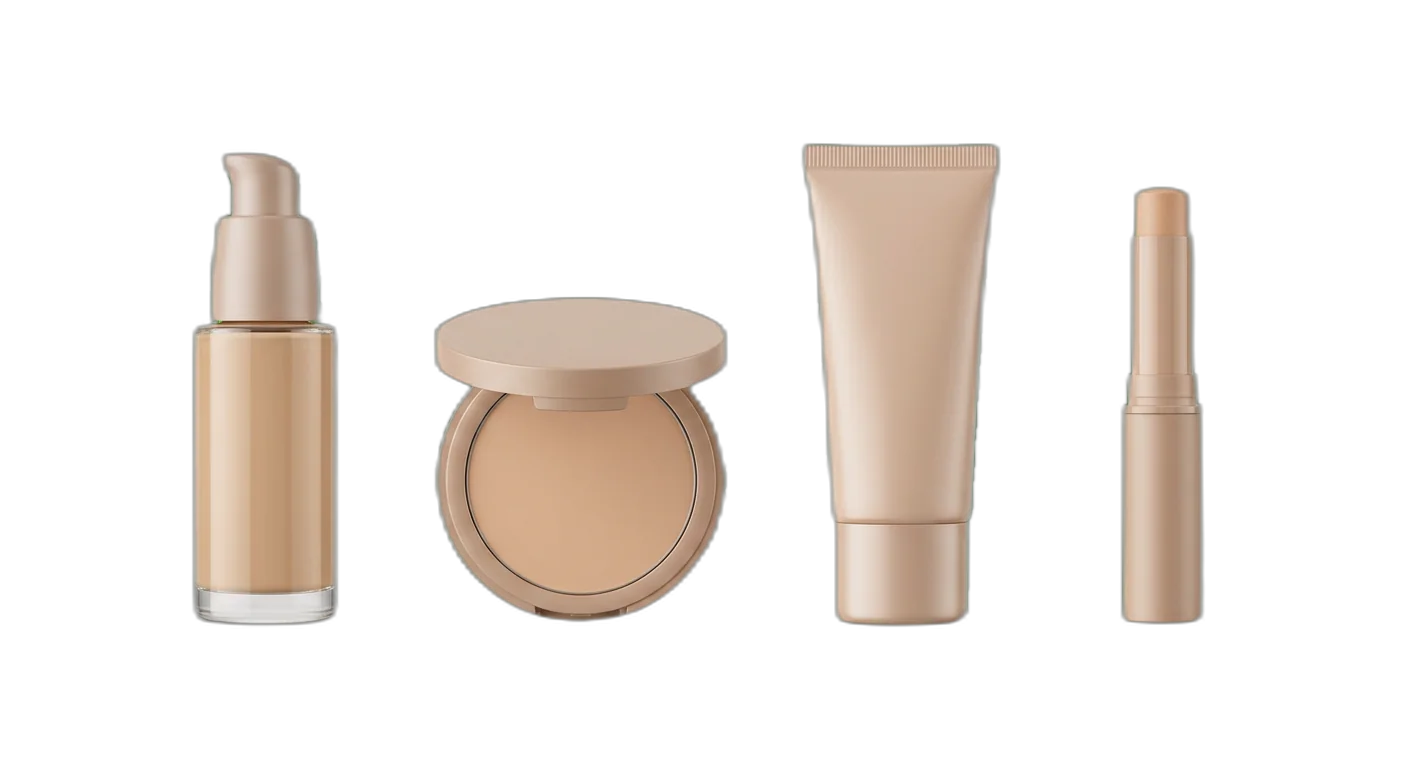
Foundation & gezichtsmake-up
Make-up > Gezicht
Foundation is het kernproduct in make-up ecommerce, met de hoogste gemiddelde orderwaarde in de cosmeticacategorie. De juiste tint vinden vraagt veel online vergelijken, en klanten die hun perfecte match vinden worden trouwe vaste klanten. De categorie profiteert van een groeiend tintenassortiment dat een bredere groep shoppers bedient.
Vraag: HoogConcurrentie: HoogMarge: HoogStabielVoorbeeldproductenVloeibare foundationPoederfoundationBB creamConcealerPro tipInvesteer in een shade-matching tool of gedetailleerde ondertoon-gids. De verkeerde tint is de belangrijkste reden dat foundation retour komt, en nauwkeurige ondertoon- en finishdata is de directste manier om dat retourpercentage omlaag te krijgen.
- 6
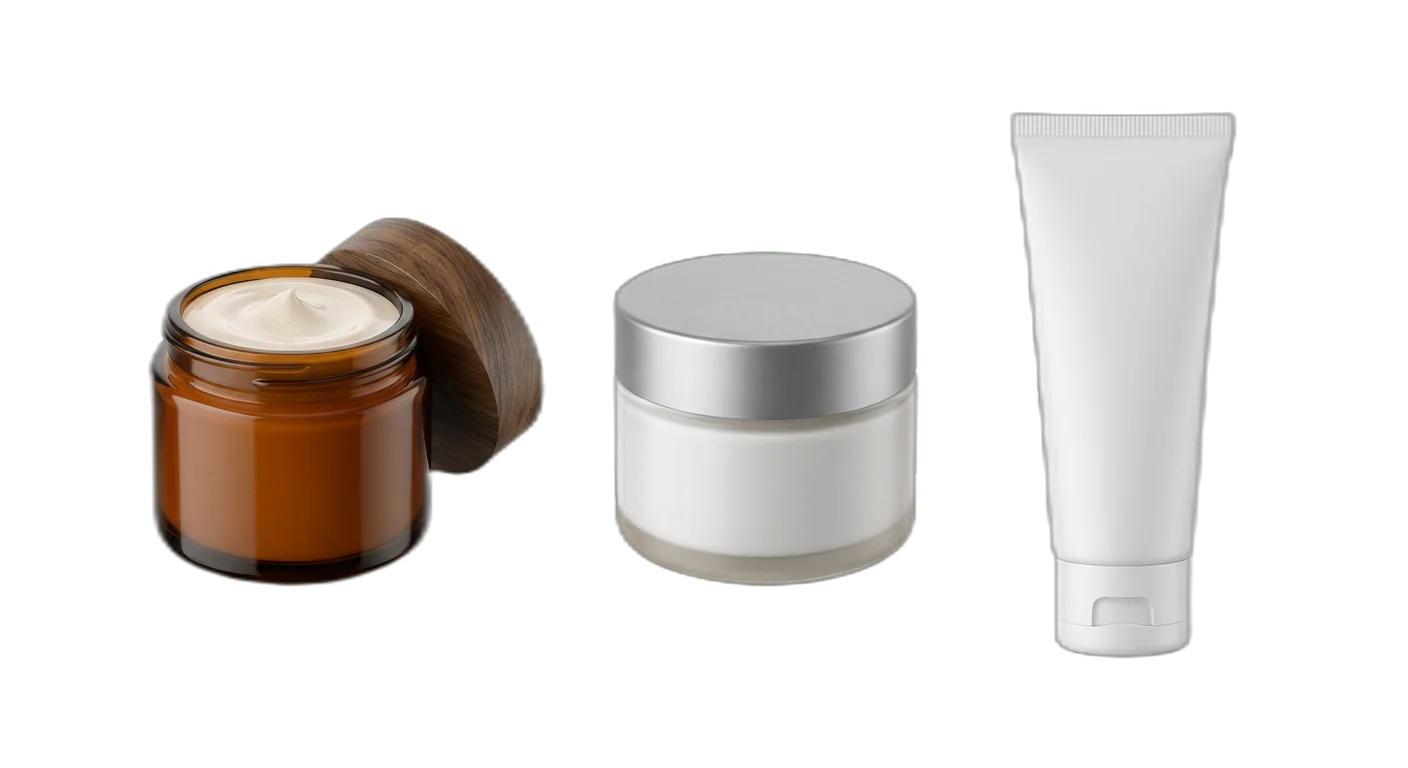
Moisturizers & zonnebescherming
Huidverzorging > Gezichtsverzorging > Moisturizers
Moisturizers zijn het meest universele huidverzorgingsproduct, gebruikt door vrijwel elke doelgroep. De categorie heeft een zeer hoge herhalingsaankoop en brede aantrekkingskracht. Zonnebescherming is verschoven van een seizoensproduct naar een jaarrond must-have, naarmate bewustwording over UV-schade groeit. Daardoor spreidt de vraag zich over het hele jaar in plaats van over een korte zomerpiek.
Vraag: HoogConcurrentie: GemiddeldMarge: GemiddeldStabielVoorbeeldproductenDagcremeNachtcremeSPF-moisturizerZonnebrandcremePro tipPromoot SPF-moisturizers het hele jaar door, niet alleen in de zomer. Jaarrondse zonbescherming is de topaanbeveling van dermatologen, en die positionering verlengt je piekverkoopperiode.
- 7
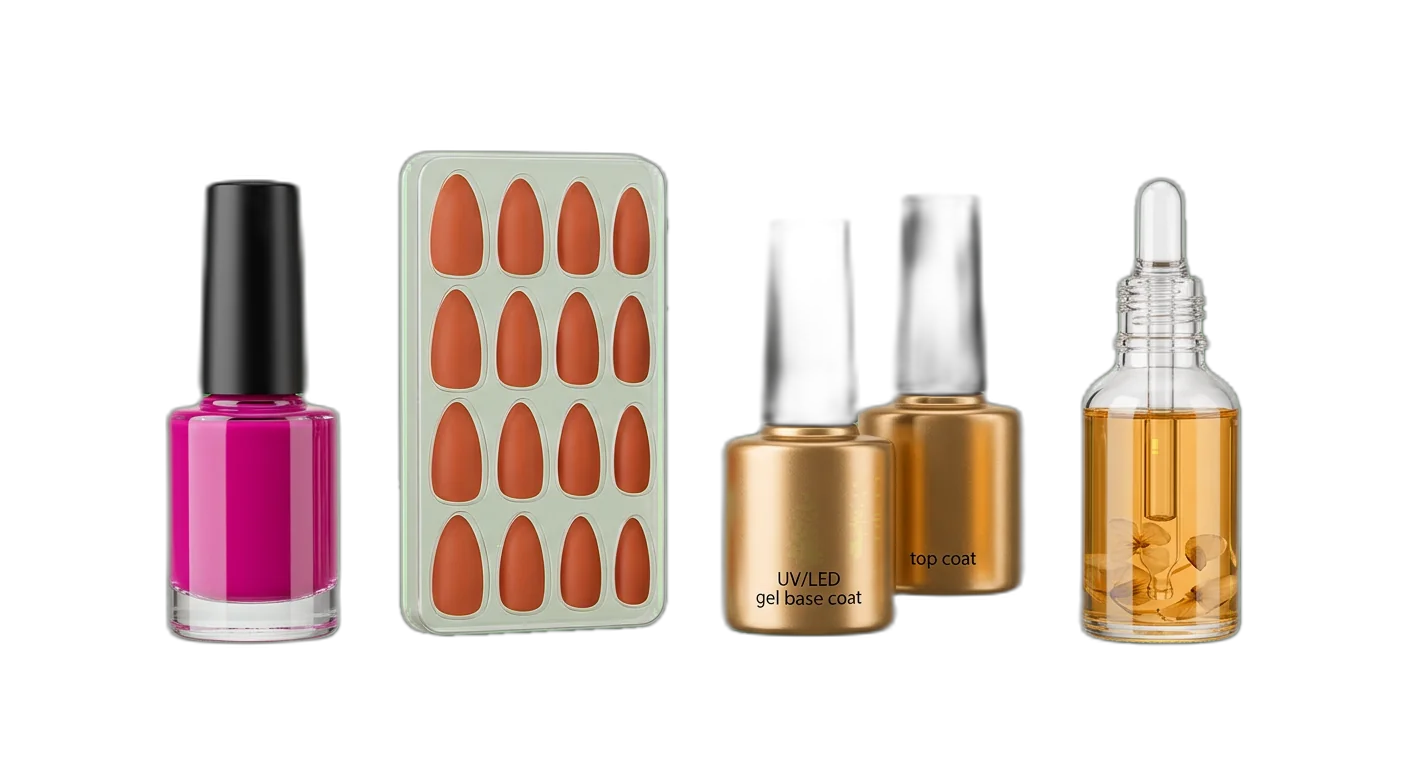
Nagelproducten
Make-up > Nagels
De thuisnagelverzorgingsmarkt is flink gegroeid, aangedreven door gel- en plaknagelinnovaties die salonkwaliteit thuis mogelijk maken. Nagellak trekt shoppers steeds terug doordat ze nieuwe kleuren verzamelen. Plaknagels zijn het snelst groeiende segment en trekken een jonger publiek aan dat gemak voorop stelt.
Vraag: GemiddeldConcurrentie: GemiddeldMarge: HoogStijgendVoorbeeldproductenNagellakPlaknagelsGelsystemenNagelverzorgingsbehandelingenPro tipToon kleuren nauwkeurig met meerdere swatch-afbeeldingen op verschillende huidtinten. Kleurnauwkeurigheid is de grootste aankoopdriver en de voornaamste klachtenbron als de kleur in het echt tegenvalt.
- 8
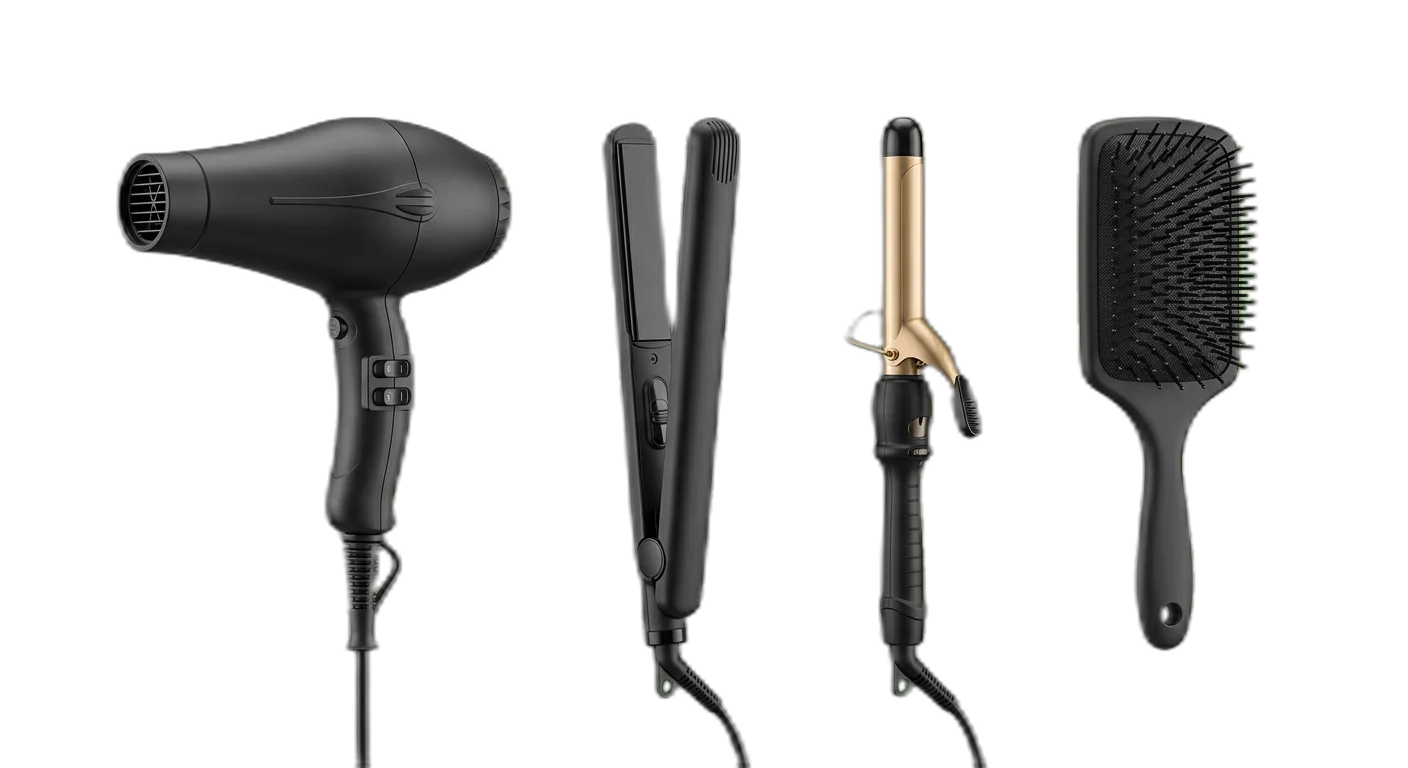
Haartools & apparaten
Tools & Apparaten > Haartools
Haartools zoals föhns, stijltangen en krultangen zijn aankopen met een hoge waarde, sterke merkloyaliteit en een lange vervangingscyclus. Premiummerken als Dyson en ghd hebben de gemiddelde orderwaarde in deze categorie omhooggebracht. Hittestylingstools bieden bovendien veel cross-sellkansen met hittebeschermingsproducten en stylingaccessoires.
Vraag: HoogConcurrentie: GemiddeldMarge: GemiddeldStabielVoorbeeldproductenHaardrogersStijltangenKrultangenHaarborstelsPro tipVoeg technologietype (ionisch, keramisch, tourmaline, infrarood) toe als belangrijk kenmerk. Goed geïnformeerde shoppers vergelijken technologieen actief, en duidelijke specs helpen bij duurdere aankopen.
- 9
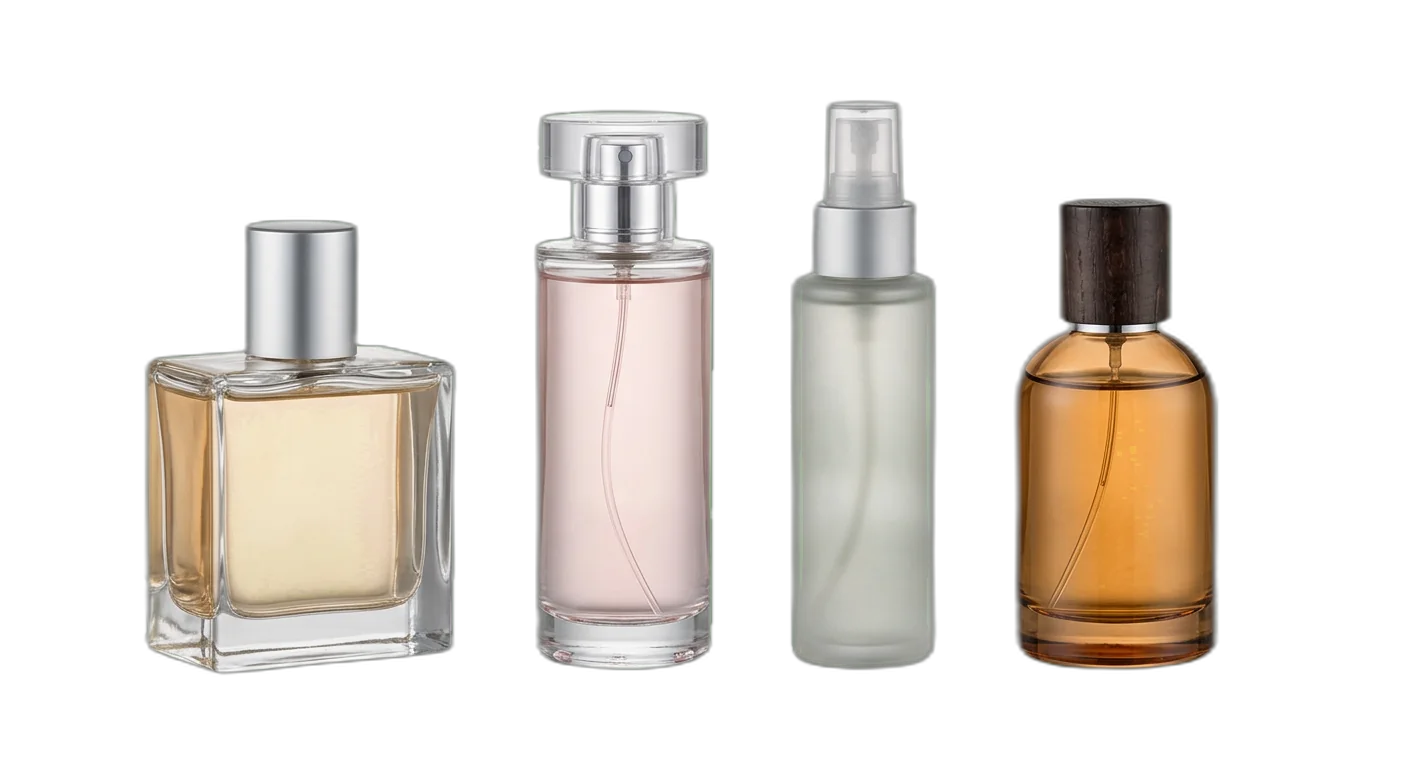
Parfum & geuren
Parfum
Parfum heeft de hoogste marges in schoonheids-ecommerce: de geur zelf is maar een klein deel van de winkelprijs, de rest zit in merk, flacon en verpakking. De categorie heeft sterke piekverkoop rond cadeaumomenten en groeiende online vraag, nu shoppers comfortabeler worden met online een geur kopen. Merkloyaliteit is uitzonderlijk hoog, omdat mensen hun vaste geur herhalen in plaats van te experimenteren.
Vraag: HoogConcurrentie: HoogMarge: HoogSeizoensgebondenVoorbeeldproductenEau de parfumEau de toiletteBodymistColognePro tipVerdeel eerst op geslacht, dan op concentratietype (EDP, EDT, Bodymist). Zo sluit je aan bij hoe parfumshoppers browsen. Voeg geurenfamilie (bloemig, houtachtig, orientaals) toe als prominent filter.
- 10
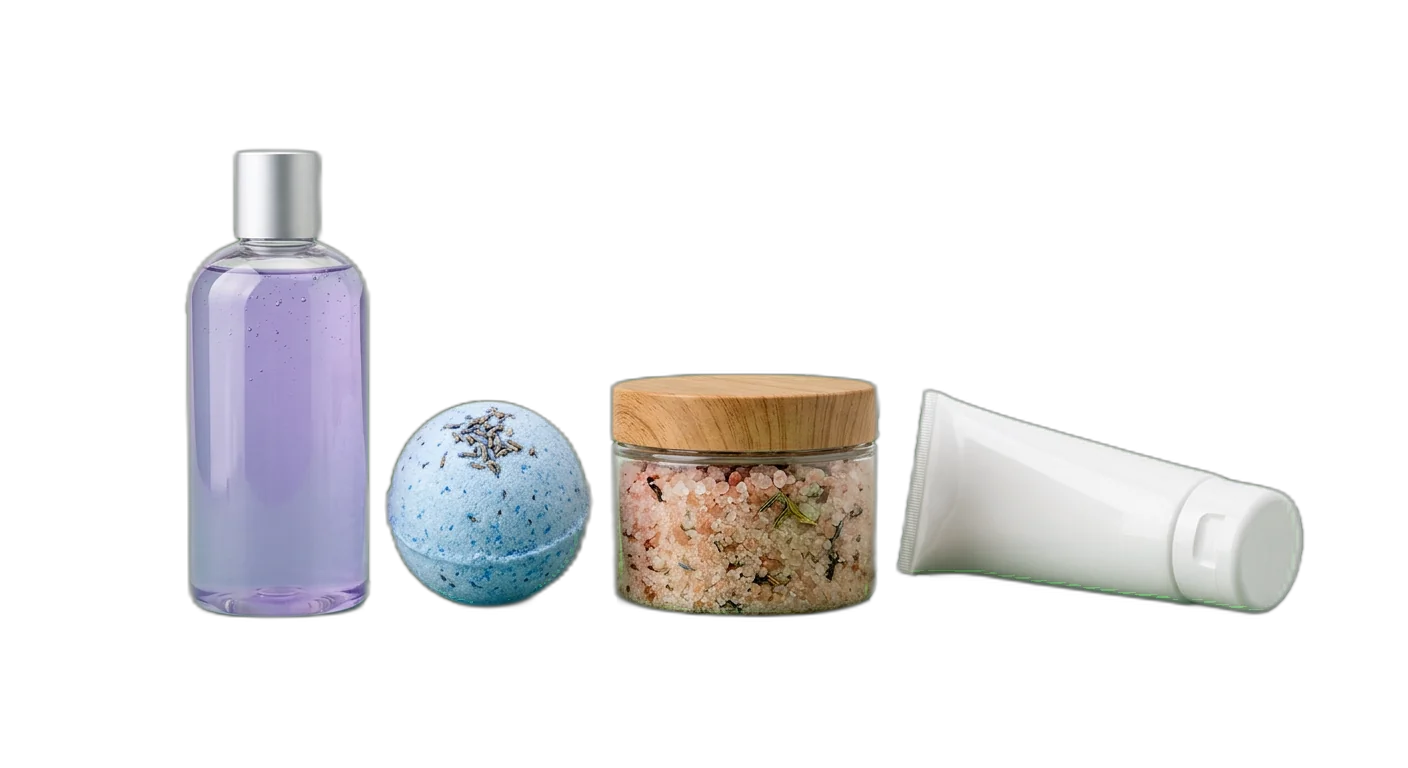
Bad & lichaam
Persoonlijke Verzorging > Bad & Douche
Bad- en lichaamsproducten zoals douchegels, bodyscrubs en bruisballen zijn de meest cadeau-gegeven categorie in persoonlijke verzorging, met sterke pieken rond feestdagen en Moederdag. De categorie heeft een stabiele herhalingsvraag, lage retourpercentages en een groeiend premiumsegment dankzij aromatherapie en zelfzorgtrends.
Vraag: GemiddeldConcurrentie: GemiddeldMarge: GemiddeldStabielVoorbeeldproductenDouchegelBruisballenBodyscrubBodylotionPro tipMaak cadeausets goed zichtbaar in je assortiment. Bad & lichaam is de nr. 1 schoonheidscadeaucategorie. Een gebundelde set met bij elkaar passende geuren levert meer op dan het losse product dat een cadeaushopper anders had gekozen.
Categorieprestaties in één oogopslag
Vergelijk vraag, concurrentie, marges en groei voor alle aanbevolen categorieën
Haarverzorging & stylingSchone & natuurlijke schoonheidHuidverzorgingsserums & treatmentsHuidverzorgingsapparaten & toolsFoundation & gezichtsmake-upMoisturizers & zonnebeschermingNagelproductenHaartools & apparatenParfum & geurenBad & lichaamAanbevolen Schoonheid & Persoonlijke Verzorging categoriestructuur
De volledige categorieboom met subcategorieën voor elke aanbevolen hoofdcategorie
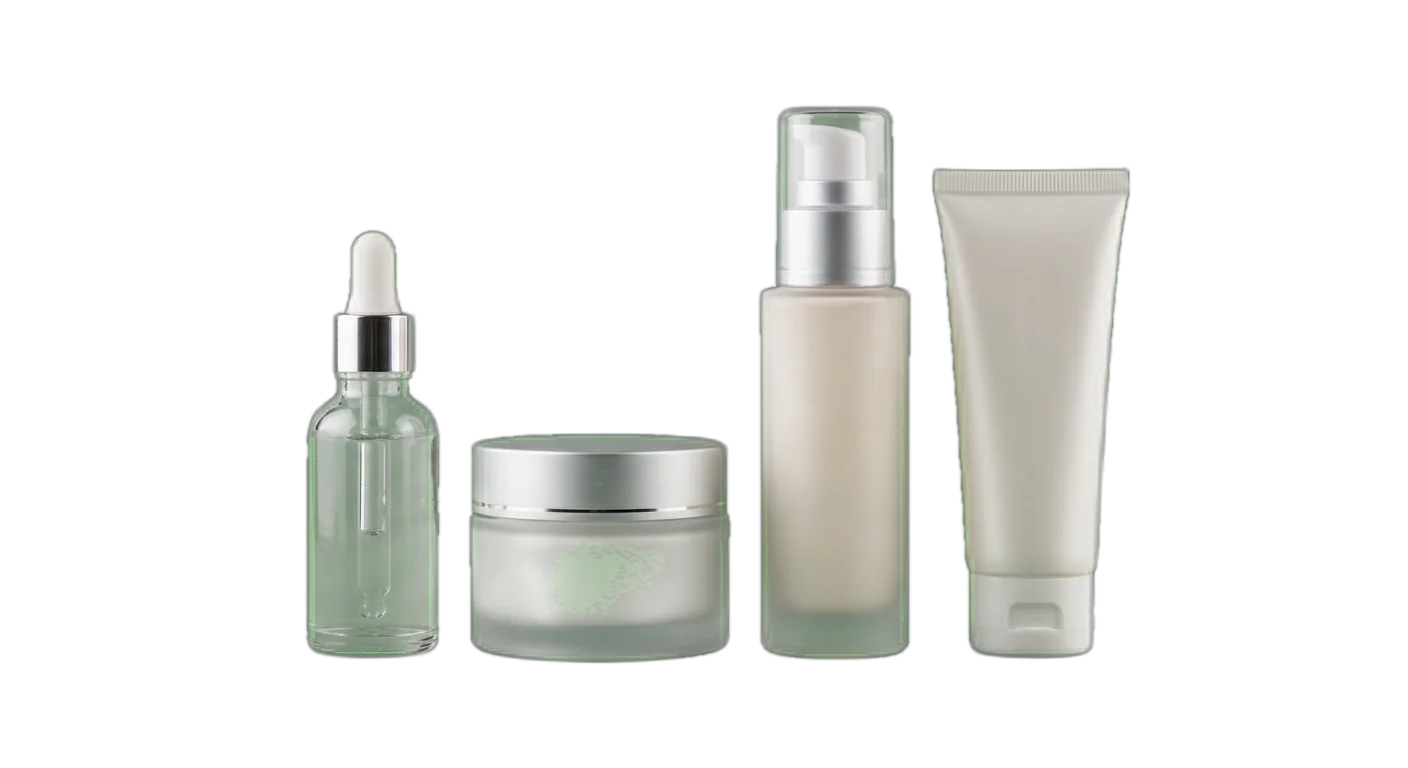
Huidverzorging
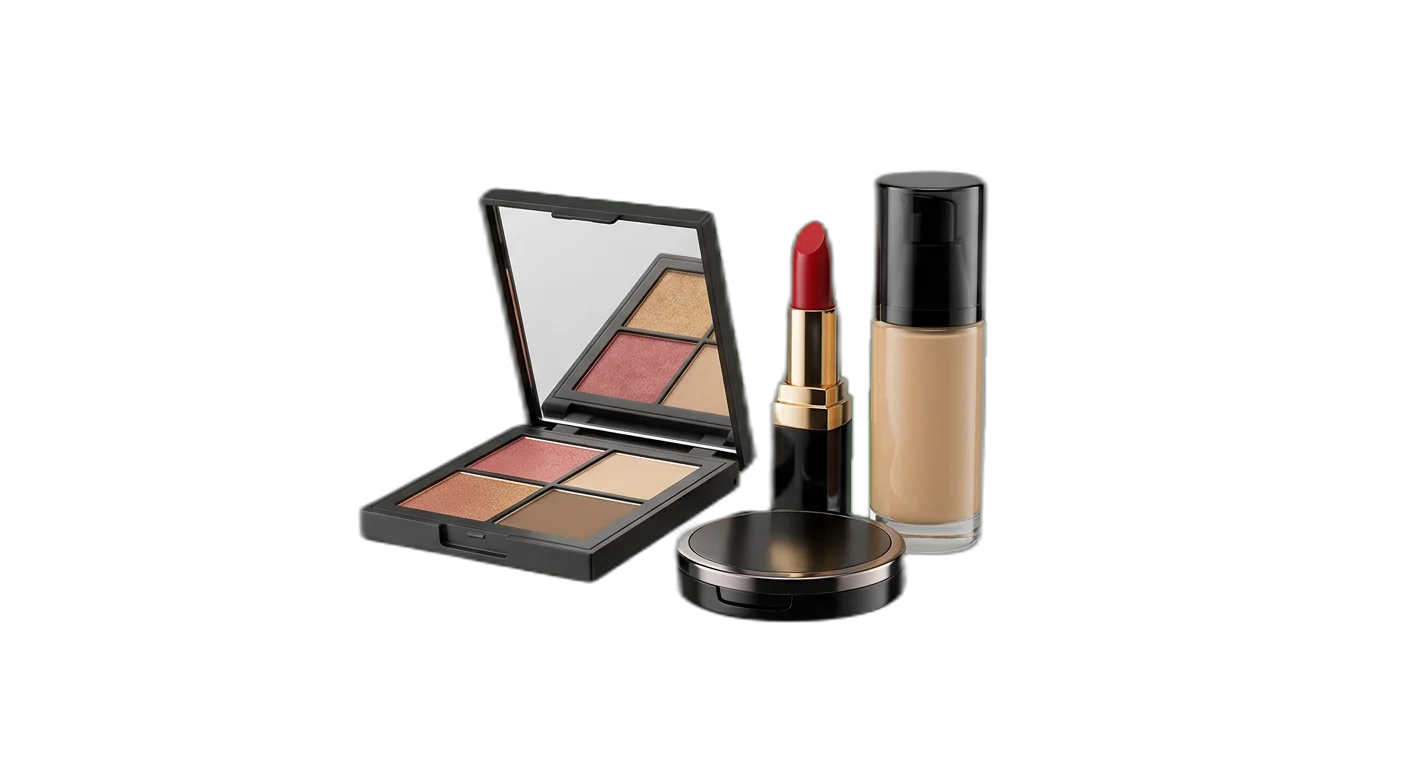
Make-up
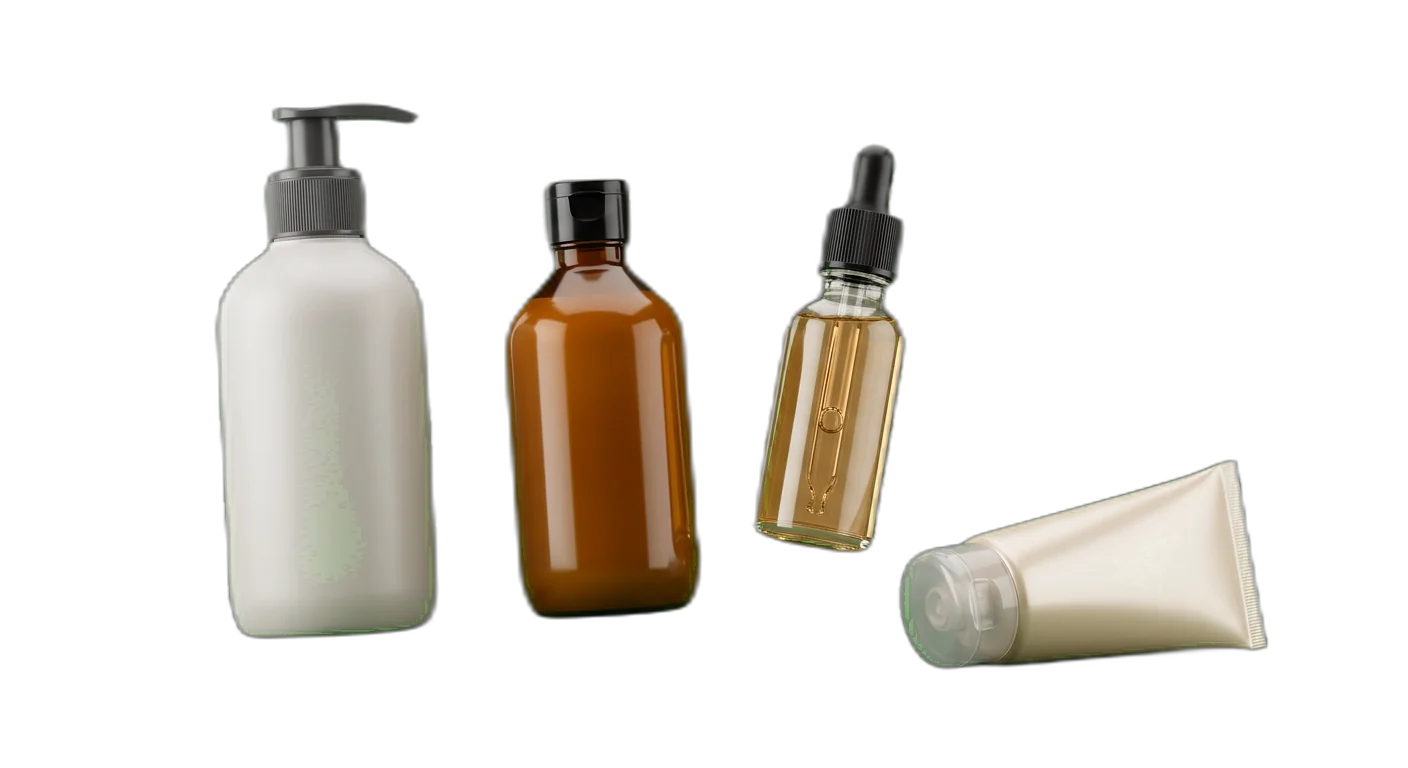
Haarverzorging
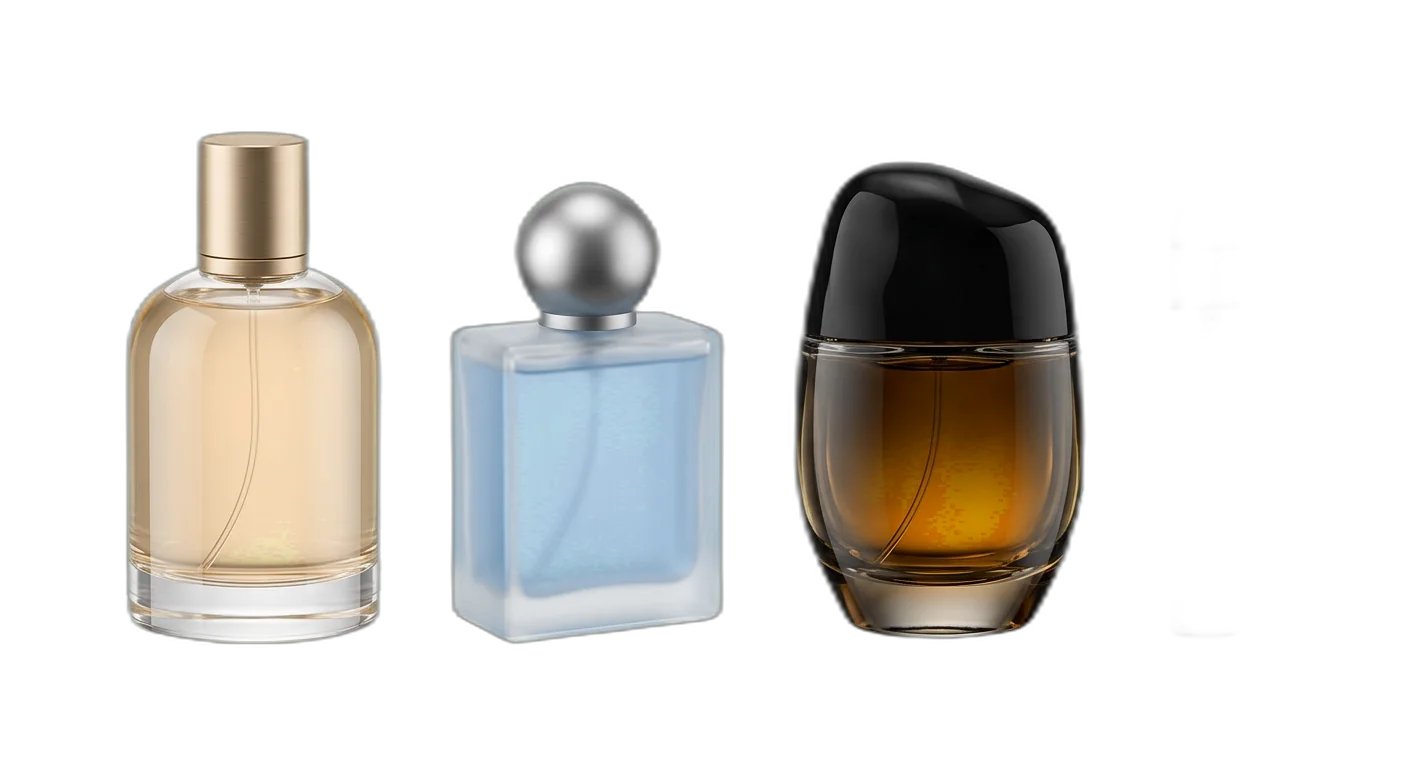
Geuren
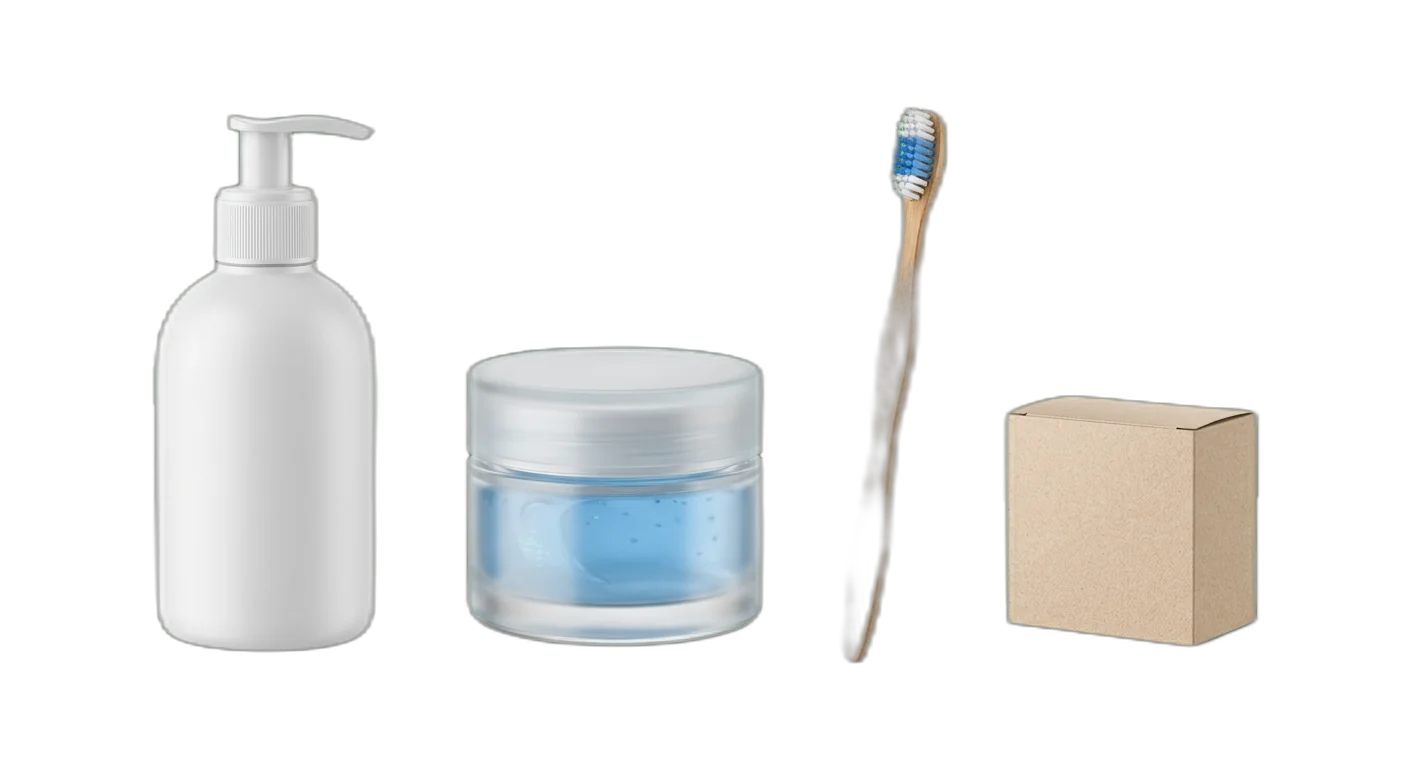
Persoonlijke verzorging
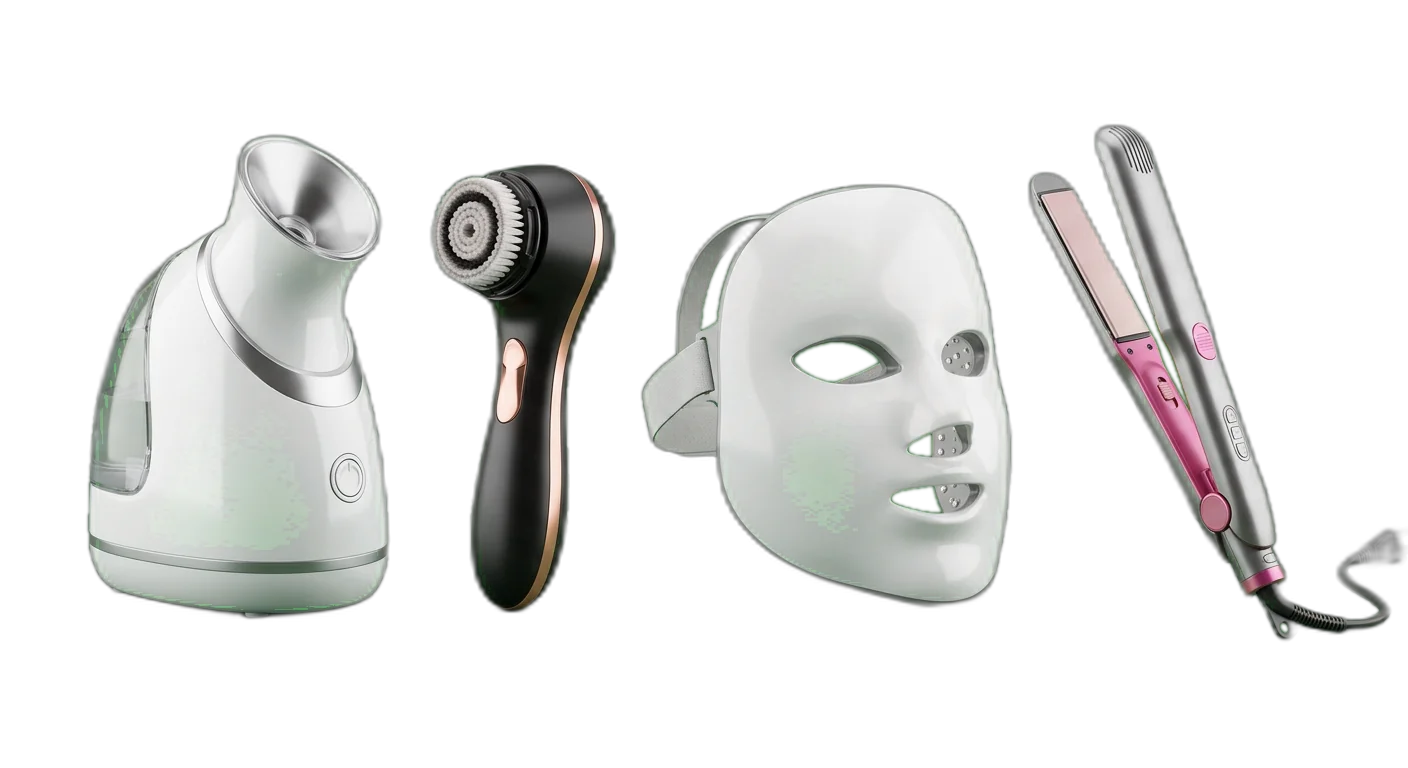
Tools & apparaten
Met welke categorieën begin je het best?
Kies je startcategorieën op basis van je catalogusgrootte en groeifase
Richt je op een schoonheidssegment (huidverzorging, make-up of haarverzorging) en bouw diepgang op met complete ingredientdata, tintinformatie en goede productfoto's. Schoonheidsproducten hebben rijke productdata nodig om te converteren.
Breid uit naar meerdere schoonheidssegmenten en voeg parfum toe als aanvulling met hoge marges. Voeg tools en apparaten toe om de gemiddelde bestelwaarde te verhogen en klanten aan te trekken die meer te besteden hebben.
Dek het volledige schoonheidsspectrum met diepe subcategorisering. Investeer in shade-matching tools, ingredientdatabases en certificeringsbeheer voor schone schoonheid op grote schaal.
Hoe orden je categorieën in je webshop menu?
Praktische tips om je navigatie zo in te richten dat je meer clicks en conversies haalt
Zet Huidverzorging en Make-up als eerste navigatie-items op het hoogste niveau
Deze twee categorieën trekken het meeste verkeer in schoonheids-ecommerce. Zet ze bovenaan. Laat Haarverzorging en Parfum volgen, met Persoonlijke Verzorging en Tools verder in de navigatie.
Voeg een 'Shop op probleem'-filter toe naast je categorieën
Laat klanten filteren op huidprobleem (acne, veroudering, hydratatie, egalisering) over alle categorieën heen. Dit sluit aan bij hoe veel schoonheidsshopper over hun aankoop nadenken.
Maak zoeken op ingredienten goed zichtbaar
Schoonheidsshopper zoeken steeds vaker op ingredienten zoals retinol, vitamine C en hyaluronzuur. Maak belangrijke ingredienten filterbaar op elk navigatieniveau.
Benadruk schone schoonheid en certificeringen visueel
Gebruik badges of iconen voor Veganistisch, Dierproefvrij en Biologisch door de hele browse-ervaring. Shoppers die op ethiek en ingredienten kopen, checken deze claims als eerste. Met een badge zien ze het in een oogopslag, zonder elke productpagina te openen.
Voeg routinegebaseerde navigatie toe naast je productcategorieën
Bied een 'Bouw je routine'- of 'Huidverzorgingsstappen'-navigatieoptie aan. Routinegericht winkelen stimuleert aankoop van meerdere producten tegelijk en verhoogt de gemiddelde bestelwaarde.
Wanneer piekt elke categorie?
Stem je voorraad en marketing af op seizoensverschuivingen in de vraag
Lente (mrt-mei)
Piekcategorieën
De lentehuidverversing stimuleert serum- en moisturizerverkoop. Moederdag (mei) is het op een na grootste schoonheidscadeaumoment van het jaar. Bereid parfum- en huidverzorgingscadeausets ruim van tevoren voor.
Zomer (jun-aug)
Piekcategorieën
De vraag naar zonnebrandcreme piekt in de zomer. Waterbestendige make-up, UV-haarbescherming en felle nagellakkleuren zijn seizoensbestsellers. Promoot reisformaten voor vakantiegangers.
Herfst (sep-nov)
Piekcategorieën
Huidverzorgingsroutines verschuiven naar rijkere, voedende producten. Nieuwe seizoensmake-uplanceringen stimuleren foundationverkoop. Black Friday is het grootste schoonheidsshopevenement van het jaar.
Winter (dec-feb)
Piekcategorieën
Feestdagencadeaus domineren december. Parfum, badsets en schoonheidstools zijn de topcadeaucategorieën. In januari zie je een golf van 'nieuw jaar, nieuwe routine'-interesse in huidverzorging.
Categorieën die goed samengaan
Combineer verwante categorieën om je gemiddelde bestelwaarde te verhogen
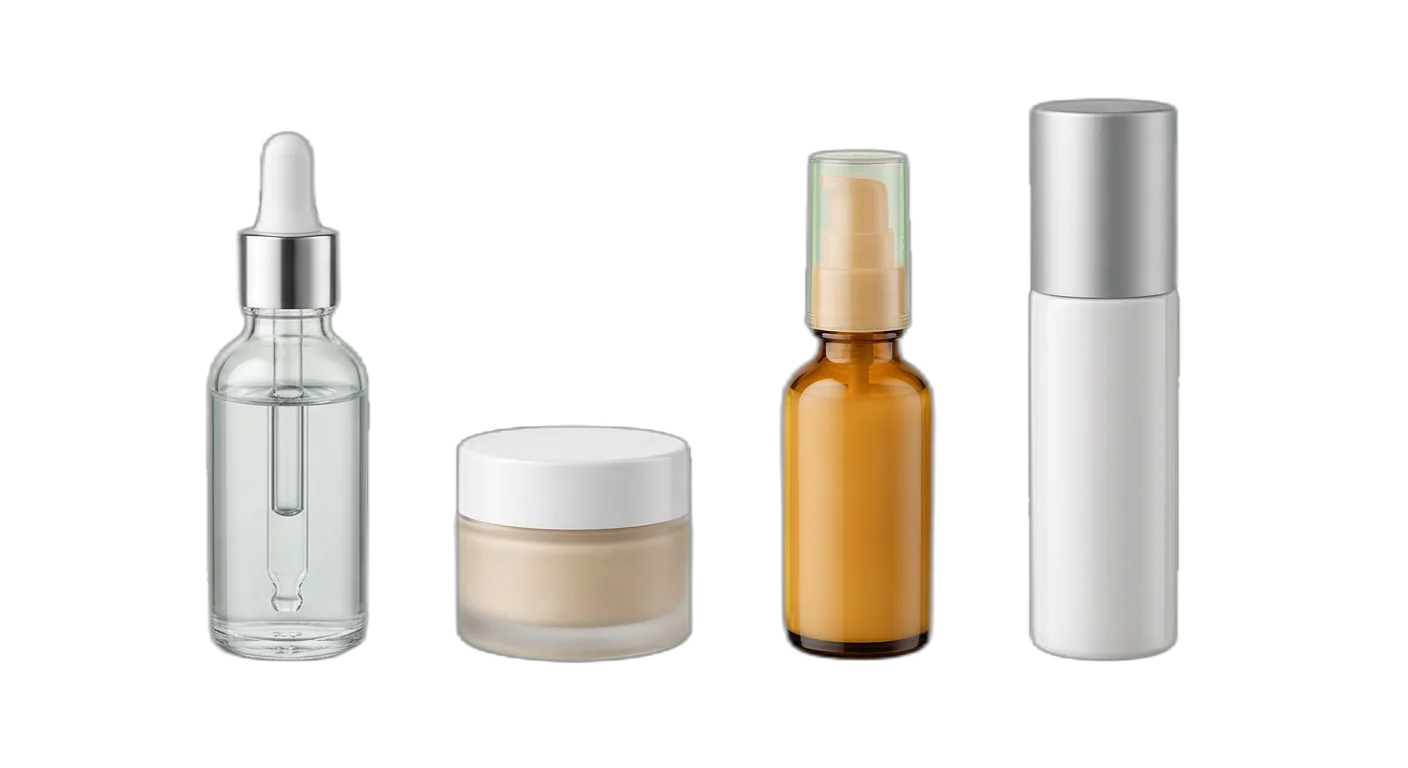
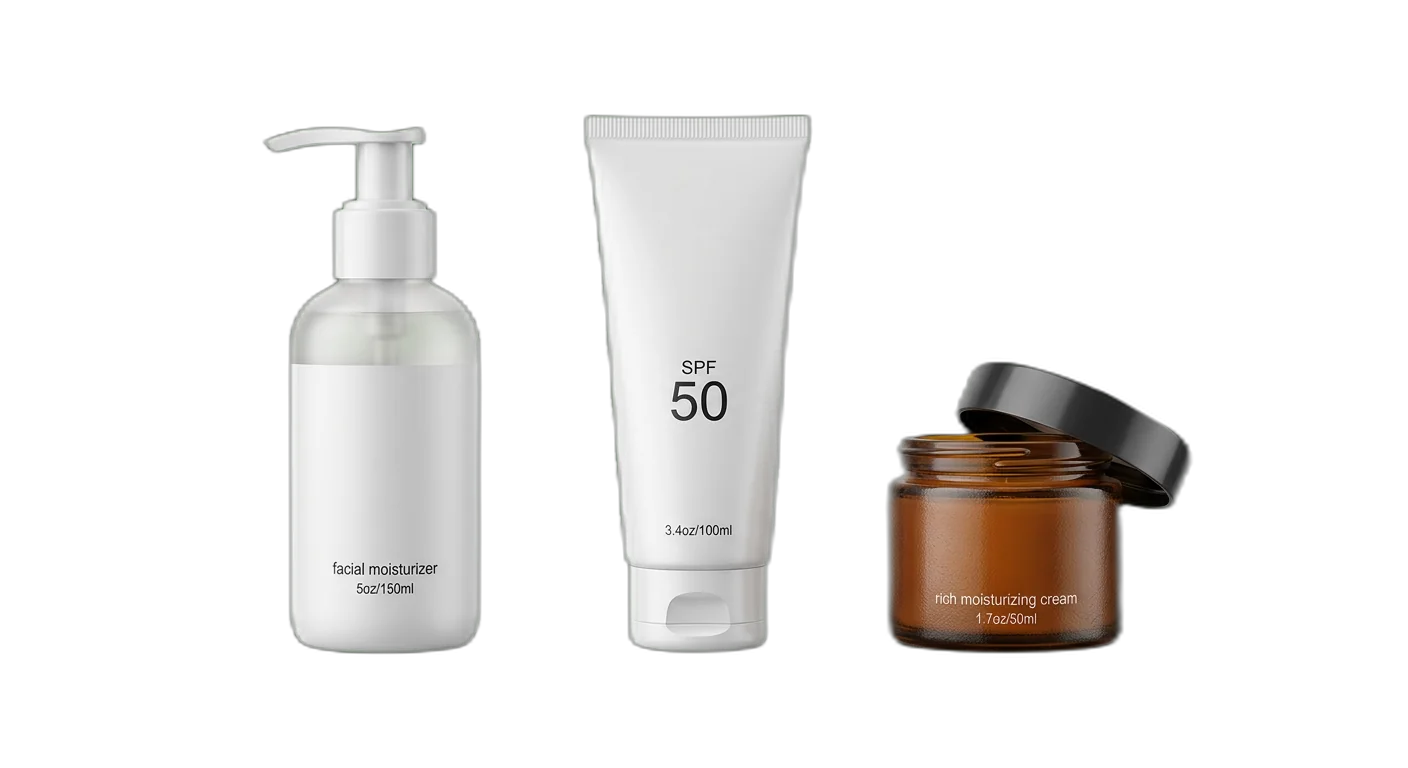
Serums worden in een huidverzorgingsroutine altijd gevolgd door een moisturizer. Een passende moisturizer aanraden maakt van een losse aankoop een complete routine.
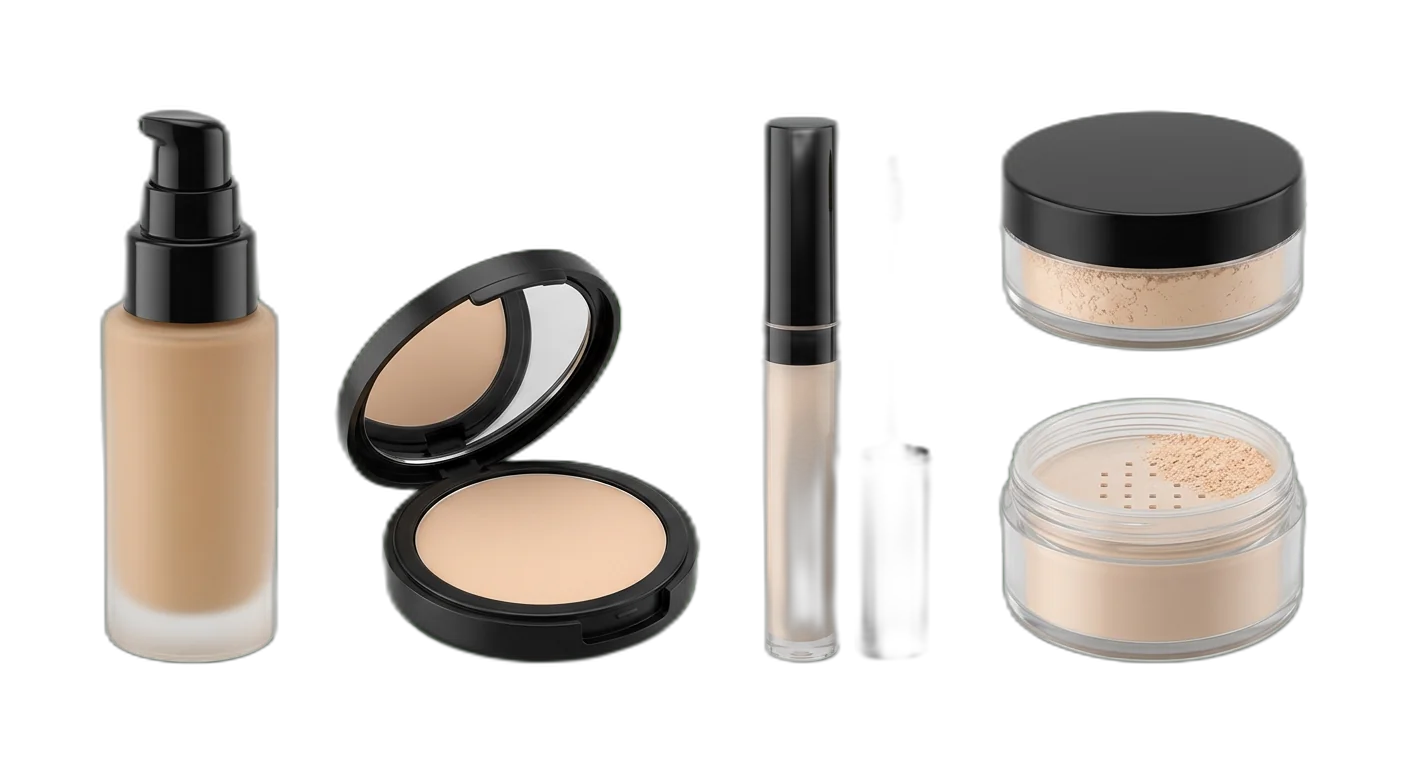
Make-upshopper investeren steeds vaker in huidverzorging om hun basis te verbeteren. Stel primers en serums voor die foundation beter laten presteren.
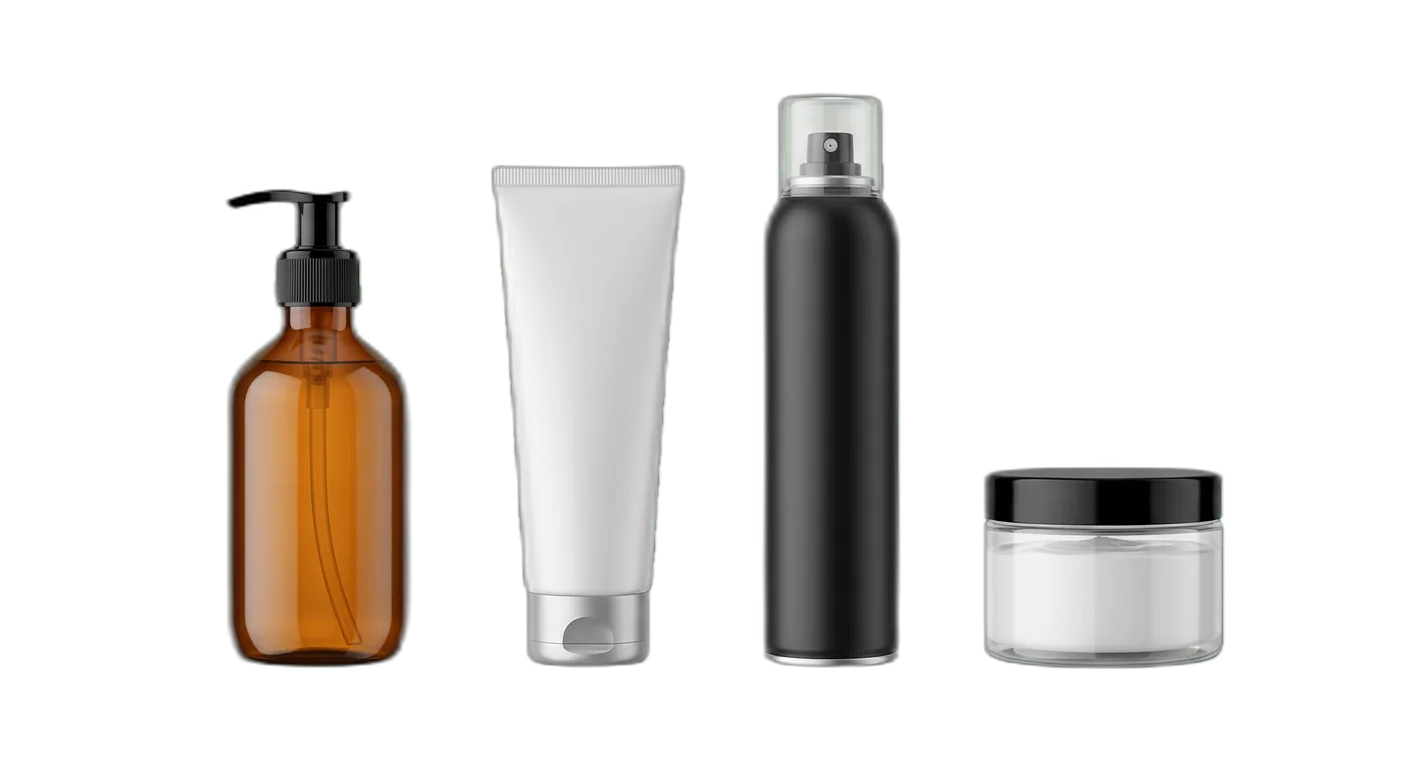
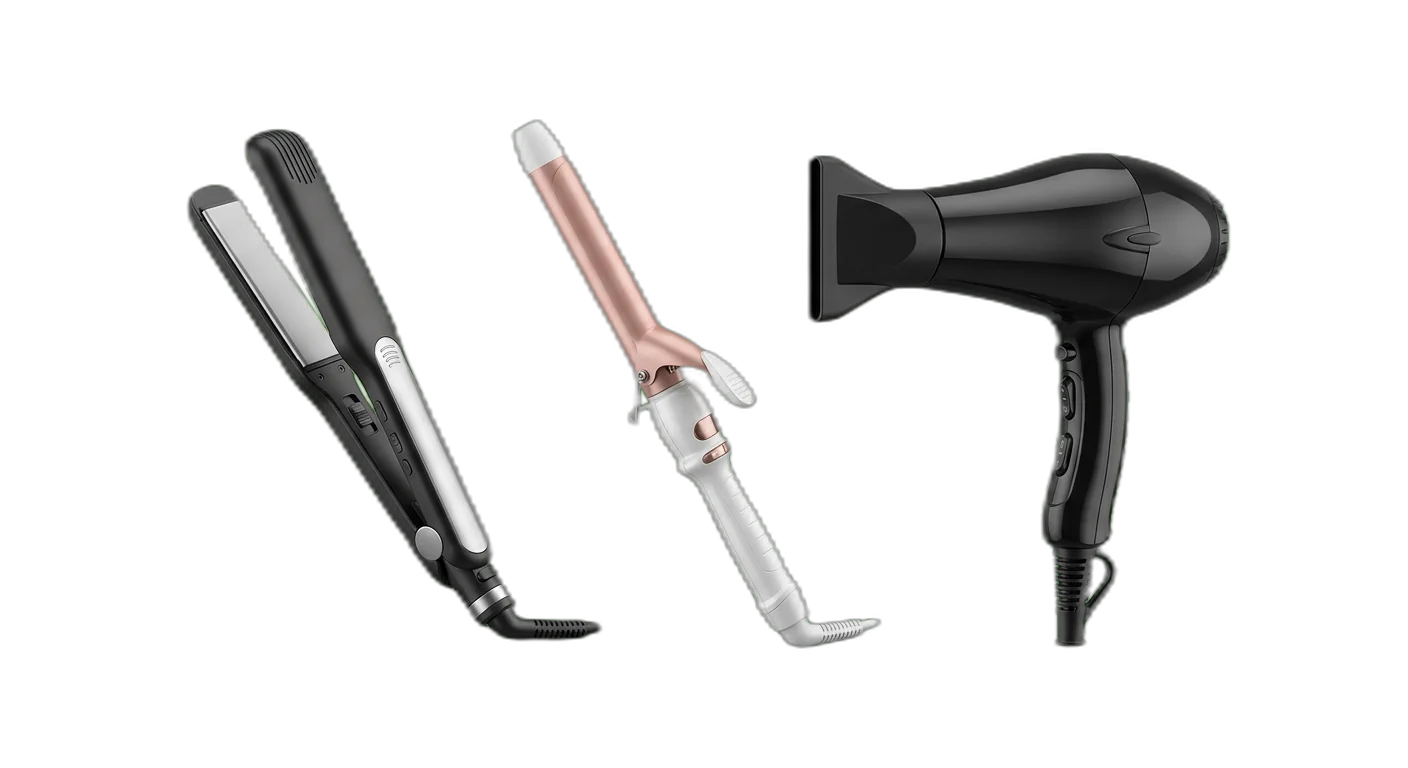
Kopers van haarproducten upgraden regelmatig ook hun tools. Stel een bijpassend hittebeschermingsproduct voor bij stylingtools, en andersom.
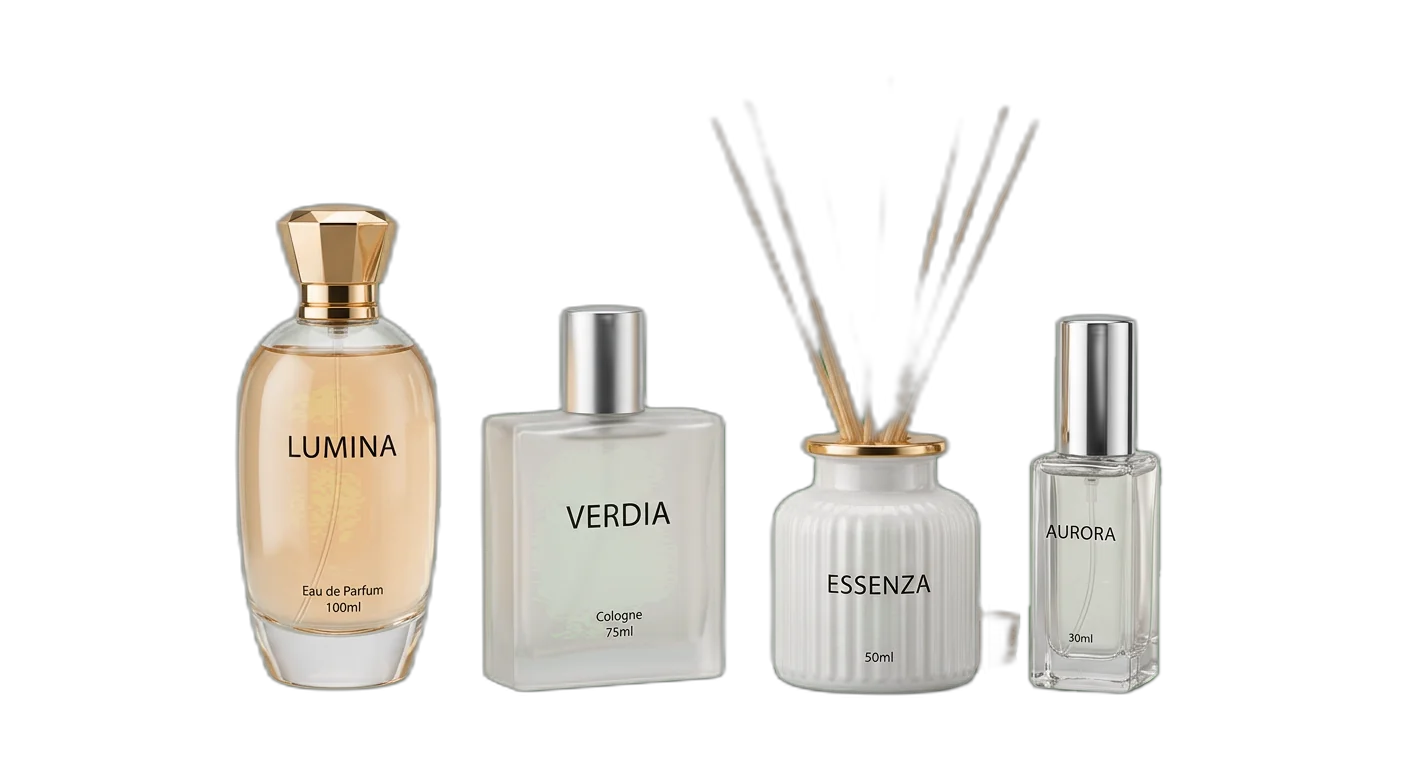
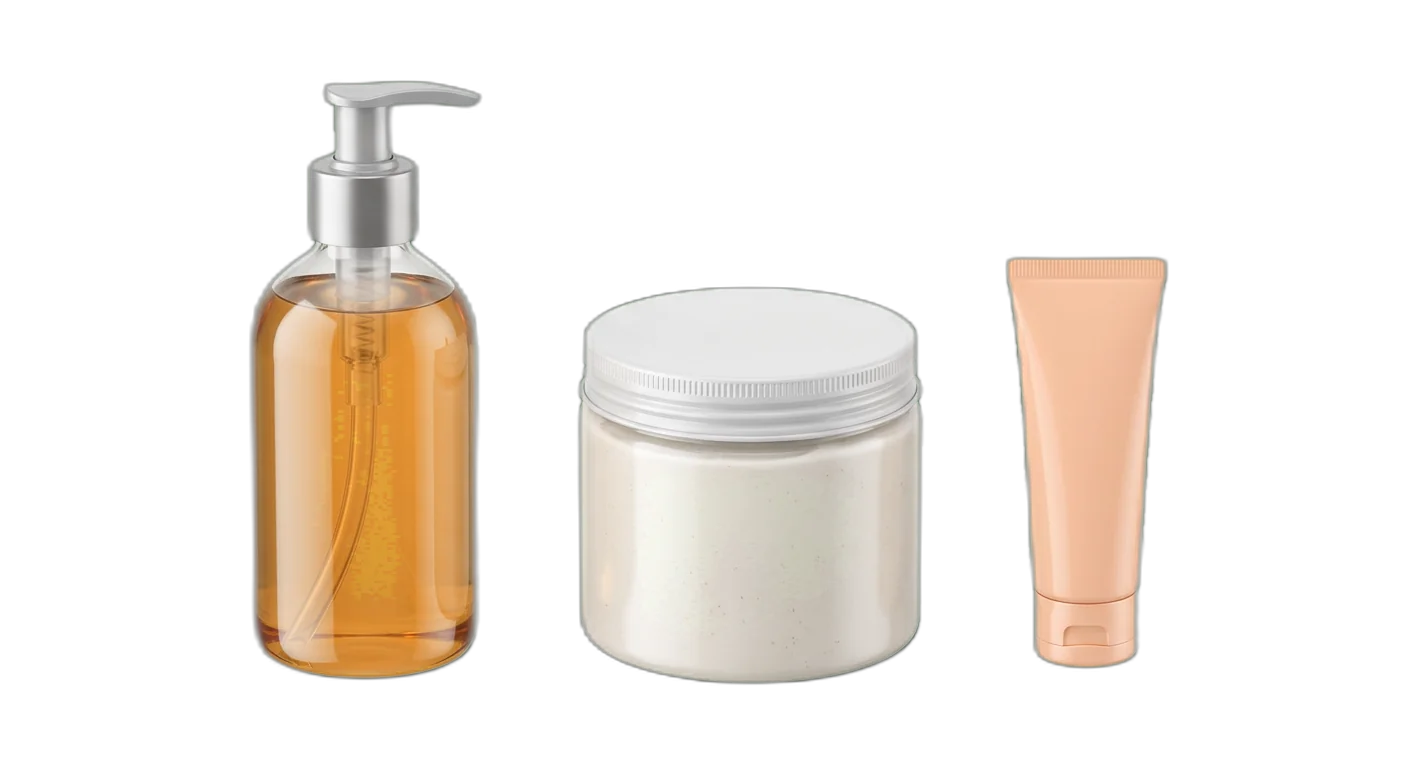
Geur combineren met bijpassende lichaamsproducten zorgt dat de geur langer blijft hangen. Stel douchegels en bodylotions in dezelfde geurenfamilie voor.
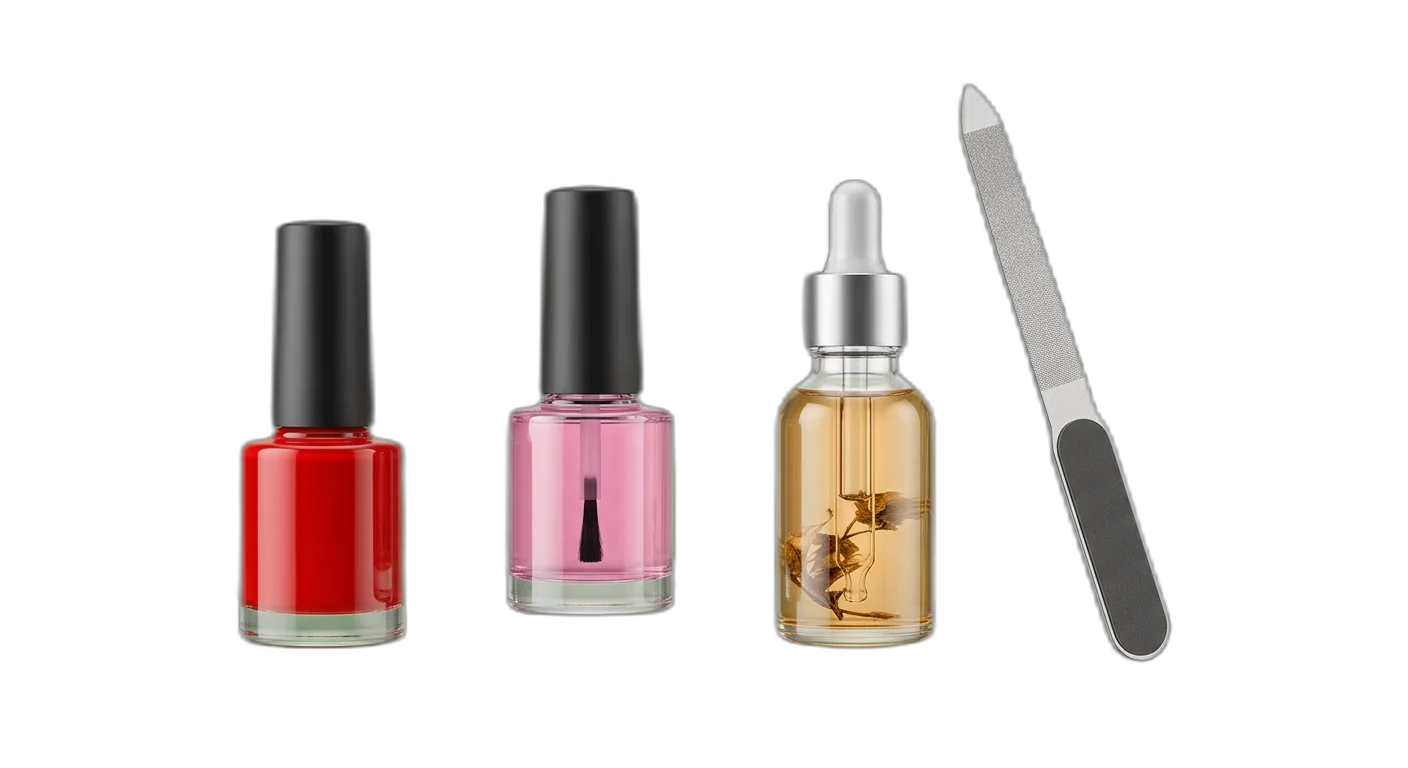
Shoppers die schone nagelproducten zoeken, breiden die voorkeur vaak uit naar hun hele routine. Cross-sell veganistische en niet-toxische producten over categorieën heen.
Veelgemaakte fouten bij Schoonheid & Persoonlijke Verzorging categoriekeuzes
Fouten die je vindbaarheid, SEO en conversieratio schaden
- Fout
Merknamen gebruiken als categorieën (bijv. MAC, L'Oreal, The Ordinary als categoriesecties aanmaken)
Betere aanpakGebruik functionele categorieën (Serums, Foundation, Shampoo) en merk als filterbaar kenmerk. Merkgebaseerde categorieën versnipperen de browse-ervaring en worden lastig te beheren naarmate je merken toevoegt of laat vallen.
- Fout
Schoonheidstools en kwasten in dezelfde categorie plaatsen als de producten die ze aanbrengen
Betere aanpakMaak een aparte Tools & Apparaten hoofdcategorie. Klanten die een foundationkwast zoeken, hebben heel andere behoeften dan klanten die foundation zoeken. Koppel de twee met aanbevelingen.
- Fout
Aparte categorieën aanmaken voor elk huidtype (Vette Huid Moisturizers, Droge Huid Reinigers)
Betere aanpakHoud huidtype als filterbaar kenmerk. Een moisturizer hoort altijd in Huidverzorging > Gezichtsverzorging > Moisturizers, ongeacht het doelhuidtype. Dit voorkomt dubbele structuren en maakt beheer eenvoudiger.
- Fout
Producten indelen op ingredienten (Retinolproducten, Vitamine C-producten) in plaats van op functie
Betere aanpakDeel in op productfunctie (Serums, Moisturizers, Reinigers) en zet ingredienten als zoekbare kenmerken. Ingredienttrends komen en gaan; productfuncties blijven stabiel.
- Fout
Alle herenproducten onderbrengen in een aparte hoofdcategorie, waardoor de structuur wordt gedupliceerd
Betere aanpakIntegreer herenproducten in functionele categorieën (een herenmoisturizer hoort in Huidverzorging > Gezichtsverzorging > Moisturizers) en gebruik Geslacht als kenmerk. Alleen Parfum heeft baat bij een geslachtssplitsing.
Stel Schoonheid & Persoonlijke Verzorging categorieën in met AI
Krijg je Schoonheid & Persoonlijke Verzorging productcategorieën in minuten op orde, niet in dagen
01
Importeer je schoonheidscatalogus
Upload je productdata via CSV, Excel of API. WISEPIM herkent automatisch schoonheidsspecifieke details zoals tintnamen, ingredientenlijsten, volumes en geurnoten uit je bestaande data.
02
AI categoriseert je producten
De AI van WISEPIM leest producttitels, beschrijvingen en ingredientenlijsten om elk artikel in de juiste categorie te plaatsen. Het onderscheidt huidverzorging van make-up, herkent parfumconcentraties en bepaalt automatisch of iets een tool of een verbruiksproduct is.
03
Controleer, verfijn en publiceer
Bekijk AI-suggesties in bulk, vul ontbrekende tintdata en ingredientenlijsten aan en stuur je verrijkte catalogus naar al je verkoopkanalen. WISEPIM koppelt je categorieën aan Google Shopping, Amazon Beauty en andere marktplaatstaxonomieen.
Veelgestelde vragen
Veelgestelde vragen over het kiezen van Schoonheid & Persoonlijke Verzorging categorieën voor e-commerce
Beste categorieën voor andere branches
Printbare checklist
Begin in 15 minutenBeslis in één week of een nieuwe categorie loont
Begin bij de vraag: 15 minuten in Google Trends. Je krijgt één telling, zoals 2 van 3 termen stijgen. Daarna 5 stappen voor de rest van de week.
Zo werkt het
- Kies de 3 zoektermen die klanten voor de categorie gebruiken.
- Zoek ze alle drie op in Google Trends over 2 jaar.
- Schrijf het aantal op, zoals '2 van 3 termen stijgen'.
Eén mail, één keer, met een link naar de printbare checklist. Verder niets, tenzij je het vakje aanvinkt.
Gratis Excel-template
XLSX · 3 tabbladenZie welke van je 20 bestsellers nog niet compleet zijn
Een Excel-check met de kolommen die je voor beauty en verzorging nodig hebt. In ongeveer 15 minuten weet je hoeveel van je 20 producten compleet zijn, en welke verbetering de meeste rijen helpt.
Zo werkt het
- Plak 20 bestsellers uit je webshopexport in Producten.
- Vul in wat je weet. De laatste kolom zegt per rij wat er ontbreekt.
- Lees je resultaat op Begin hier: hoeveel er compleet zijn en welke verbetering de meeste rijen helpt.
Eén mail, één keer, met de XLSX als bijlage en als downloadlink. Verder niets, tenzij je het vakje aanvinkt.
Verder ontdekken
Zorgvuldig gekozen vervolgstappen om dieper te gaan.
Klaar om je Schoonheid & Persoonlijke Verzorging catalogus te organiseren?
WISEPIM gebruikt AI om je producten automatisch te categoriseren, attributes in te stellen en te synchroniseren met al je verkoopkanalen.