Auto-onderdelen categoriseren: van remmen tot poetsset
Een autopoetsset hoort bij Voertuigen en onderdelen > Voertuigonderdelen en -accessoires > Onderhoud en decoratie voor voertuigen > Voertuigreiniging (Google-ID 2895); was en polijstmiddel hebben een eigen subcategorie (2643). Mechanische onderdelen vallen onder Motorvoertuigonderdelen, zoals Remmen voor motorvoertuigen (2977) voor remblokken en remschijven. Pasvorm (merk, model, bouwjaar) is een attribuut, nooit een categorie. Versie 2021-09-21.
Snel antwoord: in welke categorie hoort het?
| Product | Categoriepad | Standaard | ID |
|---|---|---|---|
| Autopoetsset | Voertuigen en onderdelen > Voertuigonderdelen en -accessoires > Onderhoud en decoratie voor voertuigen > Voertuigreiniging | Google-producttaxonomie | 2895 |
| Autowas en polijstmiddel | Voertuigen en onderdelen > Voertuigonderdelen en -accessoires > Onderhoud en decoratie voor voertuigen > Voertuigreiniging > Was, poetsmiddel en beschermingsmiddelen voor auto's | Google-producttaxonomie | 2643 |
| Remblokken en remschijven | Voertuigen en onderdelen > Voertuigonderdelen en -accessoires > Motorvoertuigonderdelen > Remmen voor motorvoertuigen | Google-producttaxonomie | 2977 |
| Autobanden | Voertuigen en onderdelen > Voertuigonderdelen en -accessoires > Motorvoertuigonderdelen > Wielsystemen voor motorvoertuigen > Banden voor motorvoertuigen > Autobanden | Google-producttaxonomie | 6093 |
| Motorolie | Voertuigen en onderdelen > Voertuigonderdelen en -accessoires > Onderhoud en decoratie voor voertuigen > Vloeistoffen voor voertuigen > Motorolie voor voertuigen | Google-producttaxonomie | 3044 |
| Koplampen en lampjes | Voertuigen en onderdelen > Voertuigonderdelen en -accessoires > Motorvoertuigonderdelen > Verlichting voor motorvoertuigen | Google-producttaxonomie | 3318 |
| Buitenspiegel | Voertuigen en onderdelen > Voertuigonderdelen en -accessoires > Motorvoertuigonderdelen > Spiegels voor motorvoertuigen | Google-producttaxonomie | 2642 |
| Autospeakers | Voertuigen en onderdelen > Voertuigonderdelen en -accessoires > Elektronica voor motorvoertuigen > Luidsprekers voor motorvoertuigen | Google-producttaxonomie | 895 |
| Parkeercamera | Voertuigen en onderdelen > Voertuigonderdelen en -accessoires > Elektronica voor motorvoertuigen > Parkeercamera's voor motorvoertuigen | Google-producttaxonomie | 6968 |
| Autohoes | Voertuigen en onderdelen > Voertuigonderdelen en -accessoires > Onderhoud en decoratie voor voertuigen > Voertuighoezen | Google-producttaxonomie | 3436 |
Auto-onderdelen categoriehiërarchie
Standaard categoriestructuur die op grote e-commerce platforms en marktplaatsen wordt gebruikt
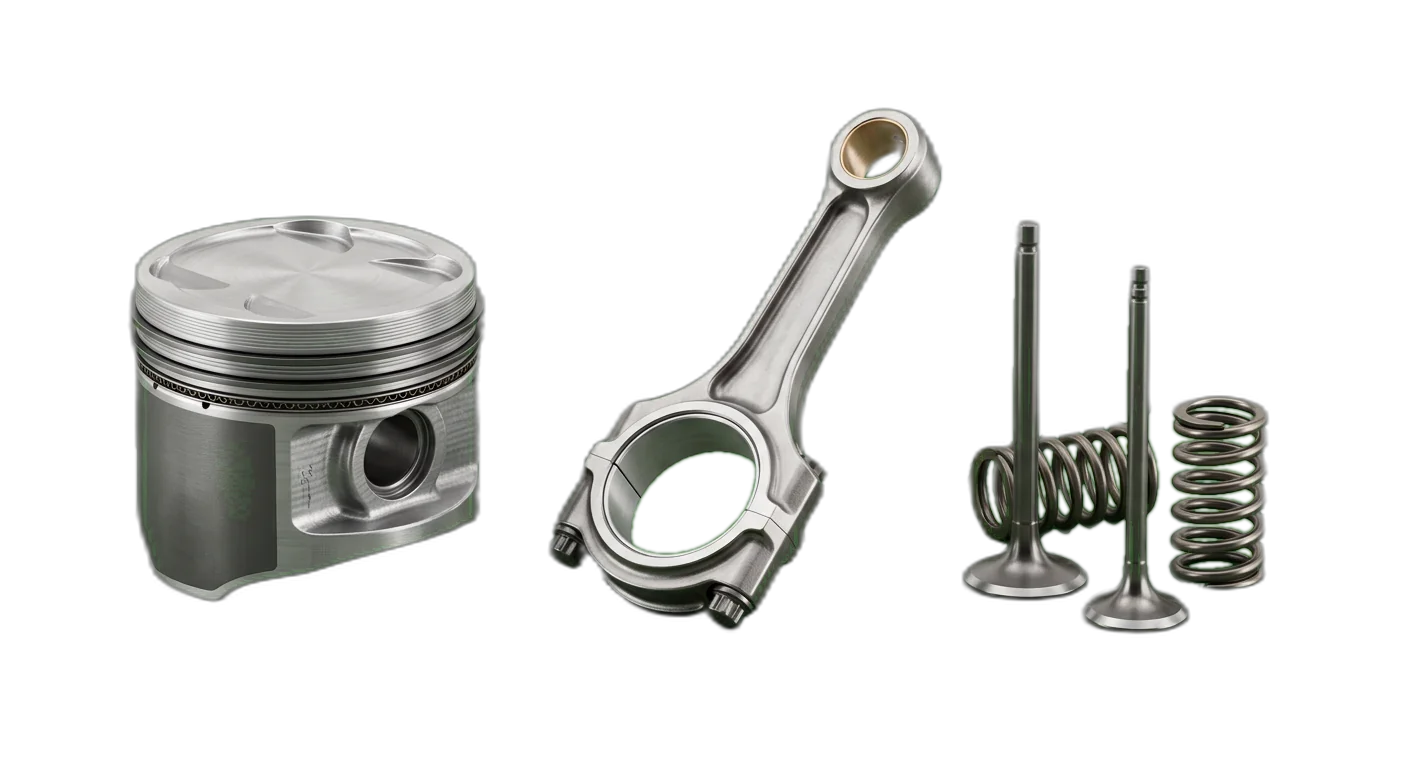
Motoronderdelen
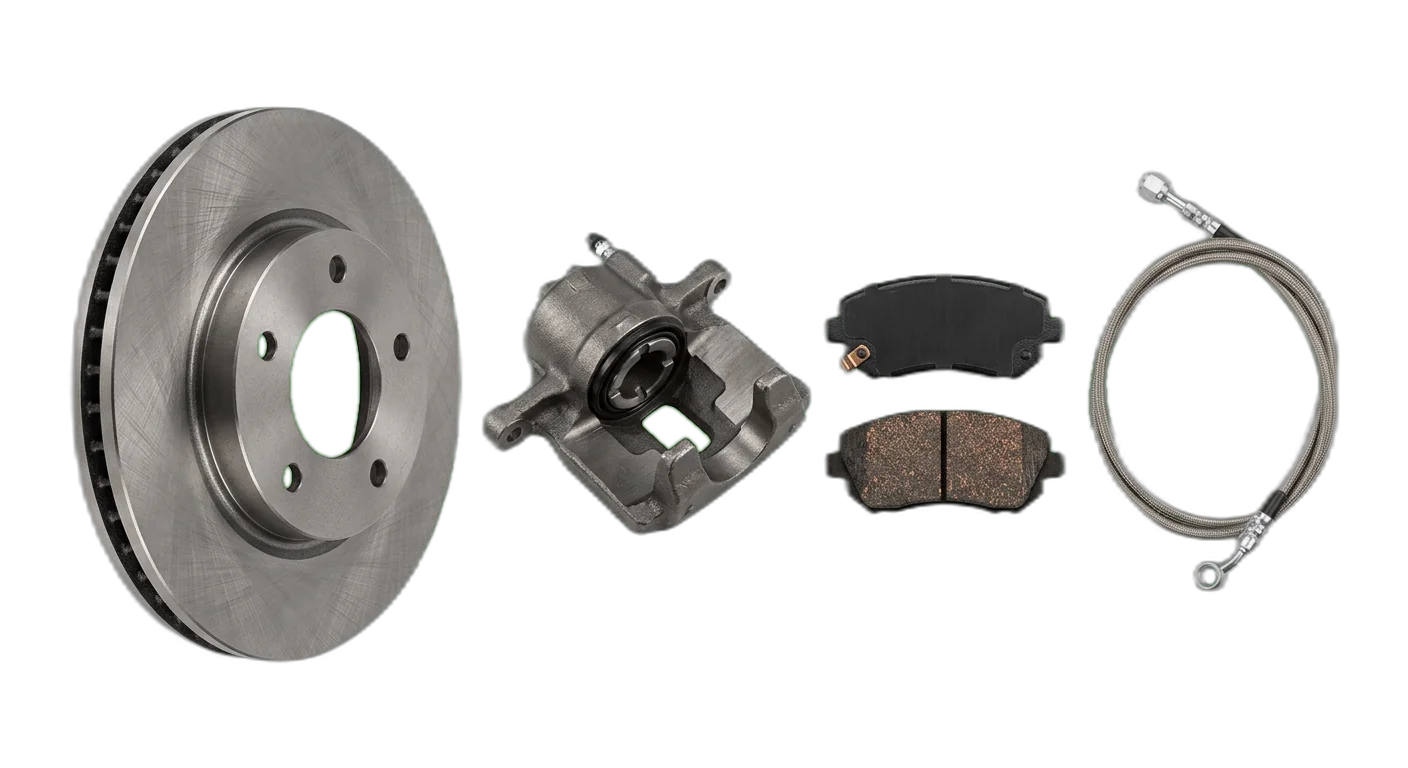
Remmen
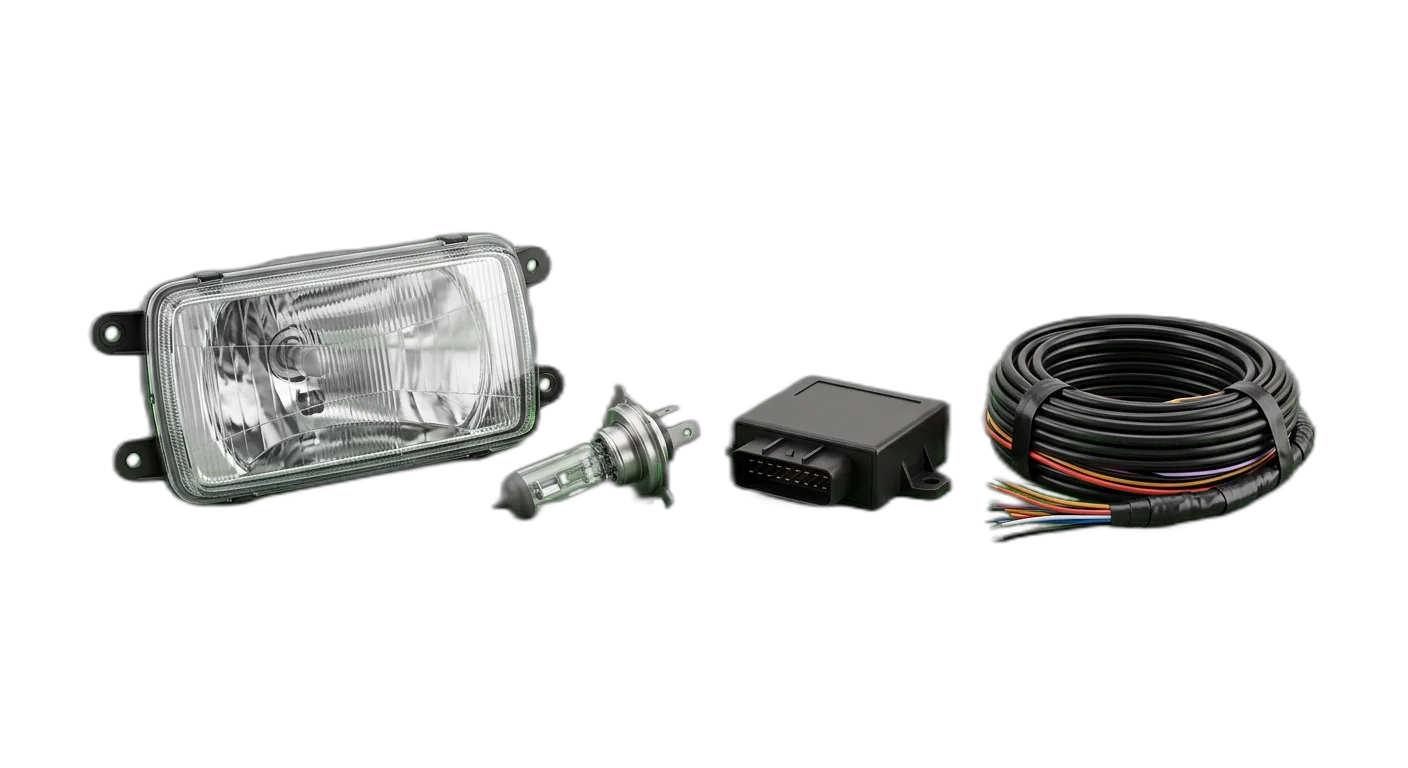
Elektra & verlichting
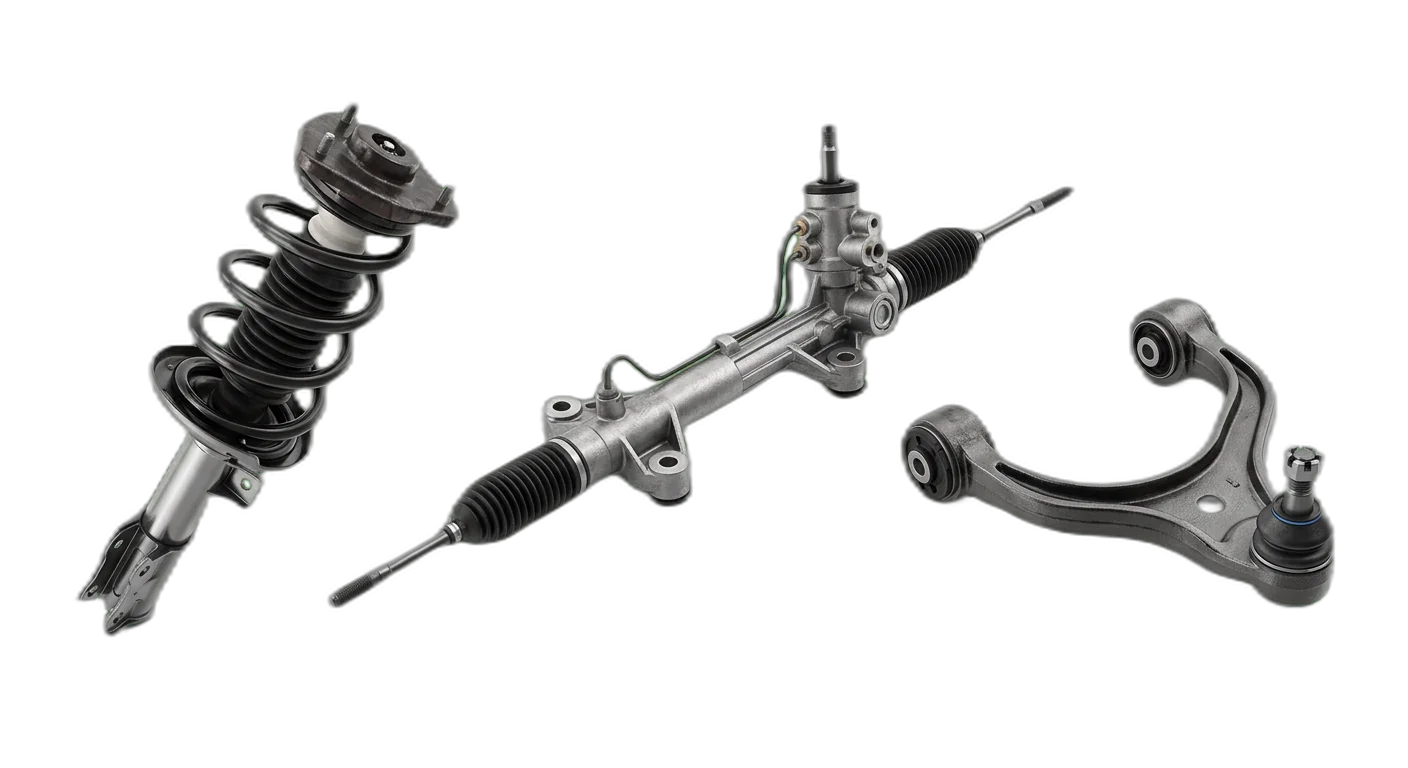
Ophanging & besturing
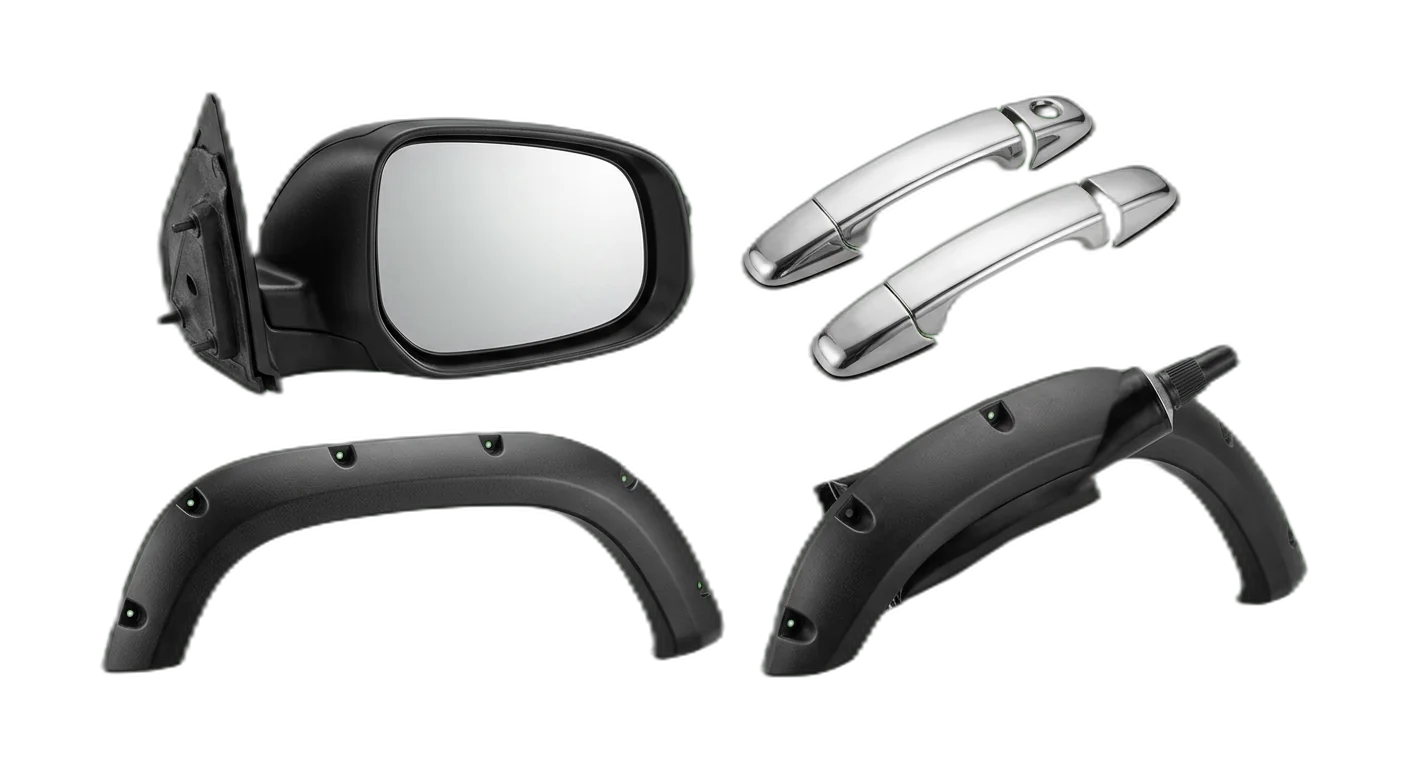
Carrosserie & exterieur
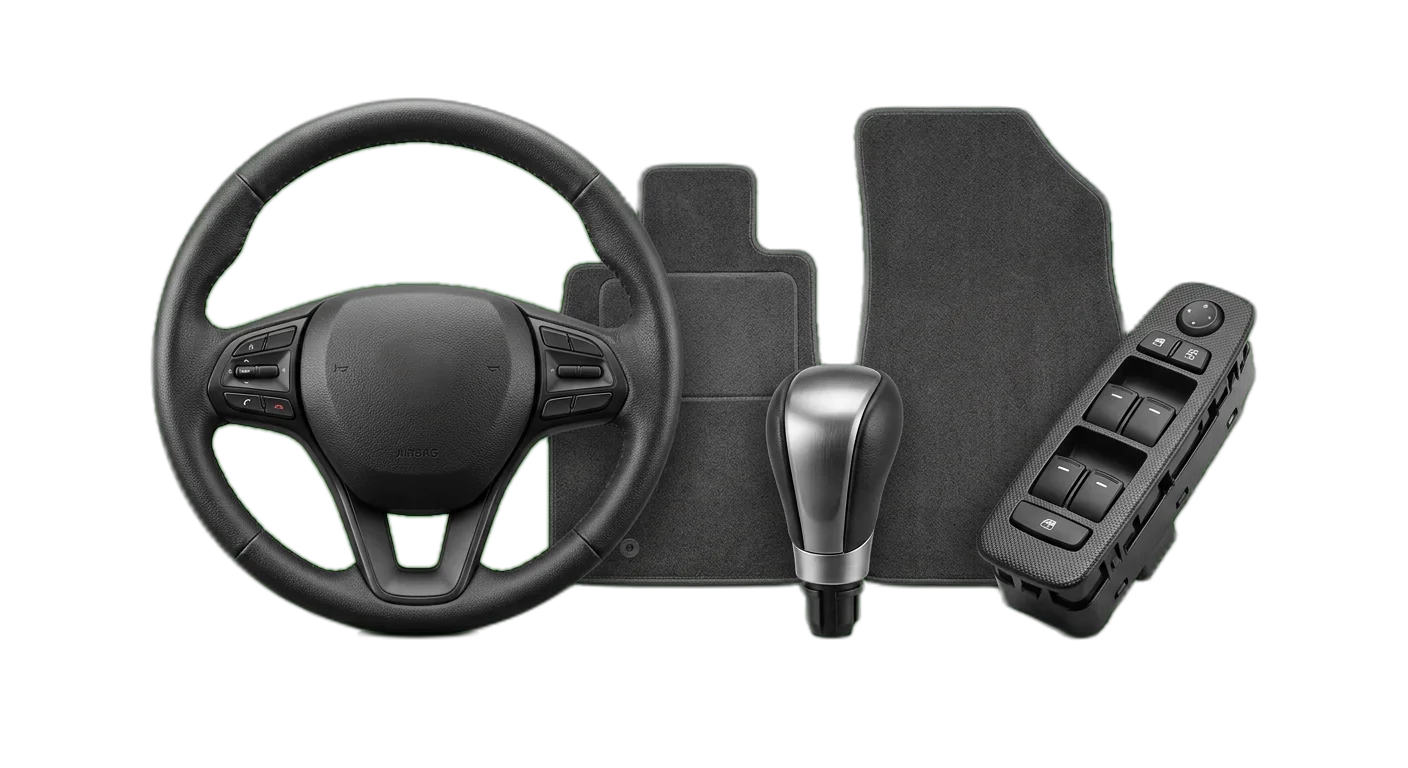
Interieuronderdelen
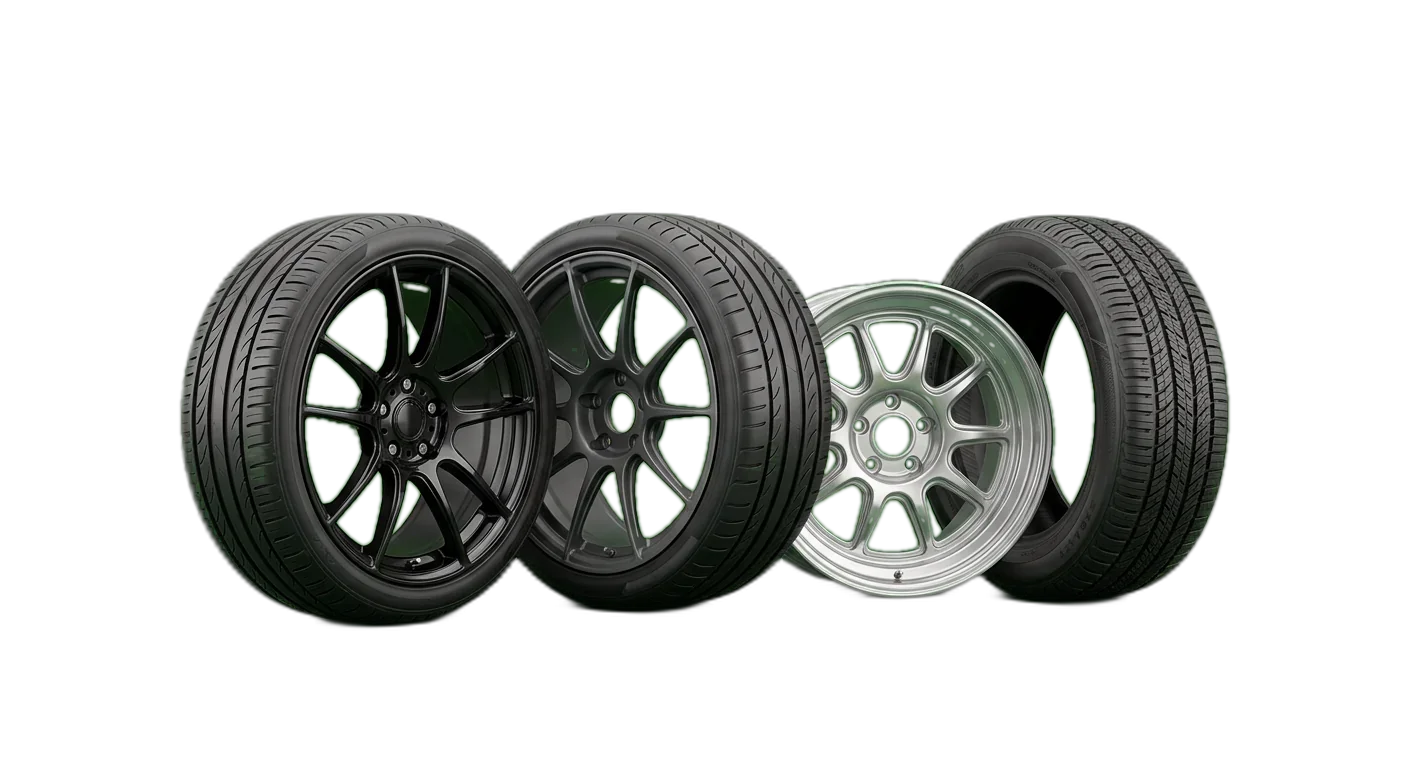
Wielen & banden
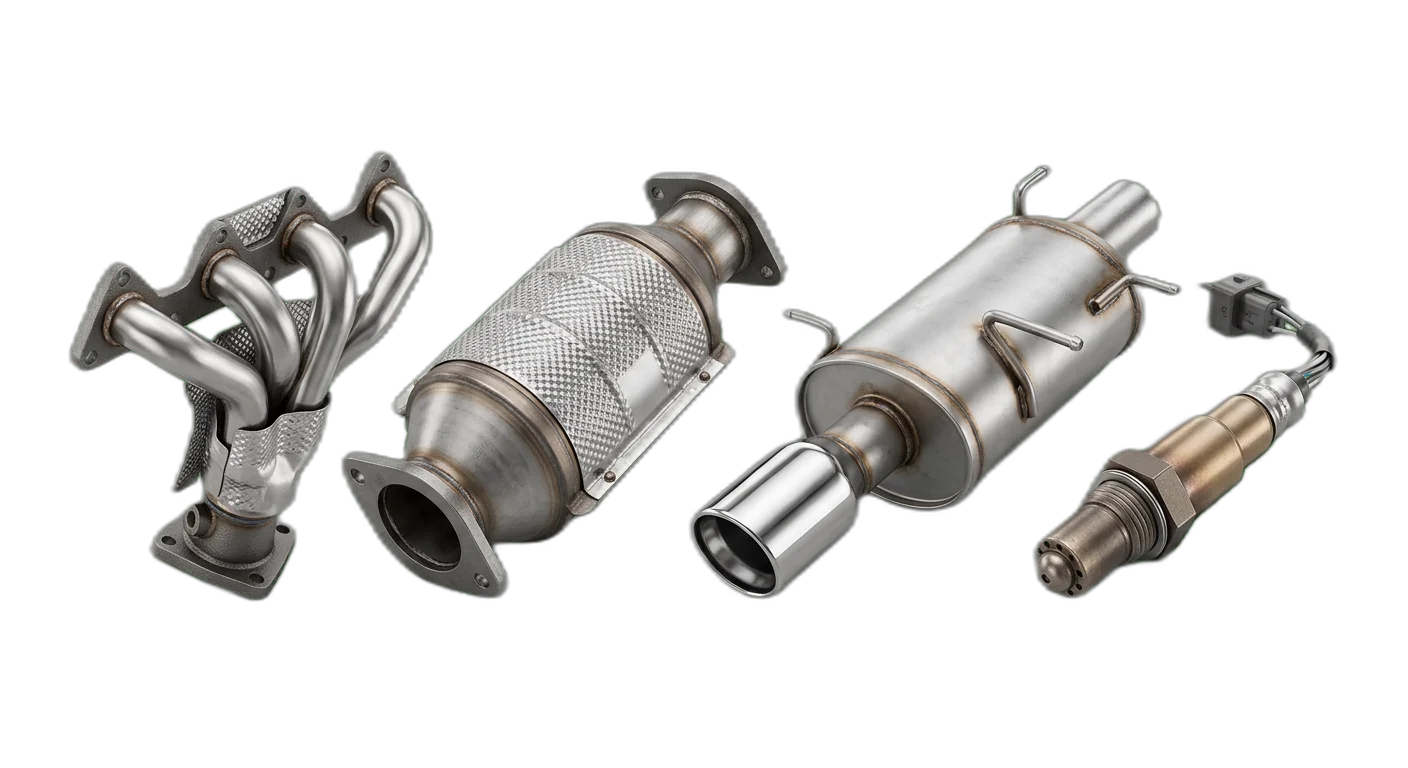
Uitlaat & emissies
Hoe classificeer je Auto-onderdelen producten
Volg deze regels om producten elke keer in de juiste categorie te plaatsen
- 1
Deel in op voertuigsysteem, niet op merk of fabrikant
Orden onderdelen op het voertuigsysteem waar ze bij horen (motor, remmen, ophanging) en niet op merk (Bosch, Brembo, Monroe). Merk is een filterbaar attribuut, geen categorie. Zo blijft je taxonomie stabiel, ongeacht welke merken je in je assortiment hebt.
Een oliefilter van Bosch hoort onder Motoronderdelen > Filters > Oliefilters, niet onder een 'Bosch'-categorieRemblokken van Brembo horen thuis in Remmen > Remblokken, met merk: Brembo als attribuut - 2
Sluit aan op de datastandaarden TecDoc of ACES/PIES
Gebruik TecDoc (Europa) of ACES/PIES (Noord-Amerika) als fundament voor je taxonomie. Deze standaarden leggen gestandaardiseerde onderdeelcategorieën, attributen en voertuigkoppelingen vast die inkoopsystemen en marketplaces van je verwachten.
TecDoc Generic Article 1 = oliefilter komt overeen met Motoronderdelen > Filters > OliefiltersACES Part Terminology 870 = remblok komt overeen met Remmen > Remblokken - 3
Onderscheid OEM en aftermarket met attributen, niet met categorieën
OEM-onderdelen (Original Equipment Manufacturer) en aftermarketonderdelen vervullen dezelfde functie en horen dus in dezelfde categorieën. Gebruik een attribuut onderdeeltype (OEM, OES, aftermarket, gereviseerd) zodat kopers op herkomst kunnen filteren zonder dat je je taxonomie hoeft te dupliceren.
Een OEM-oliefilter van Toyota en een aftermarketfilter van Mann zijn allebei oliefilters, alleen met een ander onderdeeltype - 4
Scheid universele onderdelen van voertuigspecifieke onderdelen met pasgegevens
Universele onderdelen (ruitensproeivloeistof, kabelbinders, standaardlampjes) passen op elk voertuig, terwijl specifieke onderdelen pasgegevens op bouwjaar-merk-model-motor nodig hebben. Label je categorieën daarop, zodat universele producten vindbaar zijn zonder dat de klant eerst een voertuig hoeft te kiezen.
Ruitensproeivloeistof is universeel, een specifieke koplampunit vraagt om complete pasgegevensMotorolie is universeel op basis van specificatie (5W-30), een oliefilter is voertuigspecifiek - 5
Leg generatie en motorvariant vast voor kloppende pasgegevens
Dezelfde modelnaam loopt vaak over meerdere generaties met totaal verschillende onderdelen. Neem daarom altijd de generatie- of platformcode én de motorvariant op in je pasgegevens. Een 'remblok voor een VW Golf' zegt niets zolang je er niet bij zet of het om een Mk7 of Mk8 gaat en om welke motorvariant.
VW Golf VII (5G) 2.0 TDI 150 pk vraagt om andere pasgegevens dan de Golf VII 1.4 TSI 125 pkEen BMW 3-serie F30 heeft compleet andere ophangingsonderdelen nodig dan een G20 - 6
Maak aparte categorieën voor EV- en hybridecomponenten
Elektrische en hybride voertuigen hebben eigen componenten (accupakketten, omvormers, laadkabels, regeneratief remmen) die niet in de klassieke categorieën voor verbrandingsmotoren passen. Voeg EV-specifieke subcategorieën toe binnen de systemen waar ze thuishoren.
Elektra > EV-componenten > Laadkabels naast Elektra > Accu's > EV-accu'sRemmen > Onderdelen voor regeneratief remmen als nieuwe subcategorie - 7
Onderscheid slijtdelen van constructieonderdelen
Slijtdelen (remblokken, filters, ruitenwisserbladen) worden regelmatig vervangen en zorgen voor herhaalaankopen. Constructieonderdelen (draagarmen, subframes) gaan veel langer mee. Leg dat onderscheid vast om zoekfunctie, marketing en voorraadbeheer te optimaliseren.
Remblokken, oliefilters en bougies zijn slijtdelen met een hoge aankoopfrequentieStuurhuizen, versnellingsbakhuizen en asdragers zijn constructieonderdelen met een laag volume - 8
Houd accessoires en stylingonderdelen los van functionele componenten
Accessoires (automatten, telefoonhouders, dakdragers) en stylingonderdelen (spoilers, bodykits) bedienen een heel andere koopbehoefte dan functionele vervangingsonderdelen. Zet ze in eigen hoofdcategorieën, zodat je structuur aansluit op de intentie van de koper.
Een chromen sierstuk voor de uitlaat is een accessoire, een vervangende demper hoort in Uitlaat > UitlaatdempersLED-sfeerverlichting voor het interieur is een accessoire, een vervangende binnenlamp hoort in Elektra > Verlichting - 9
Deel vloeistoffen en chemie in op specificatie, niet alleen op soort
Autovloeistoffen moeten naast hun soort ook op specificatie worden ingedeeld (SAE 5W-30, DOT 4, G12++). Kopers zoeken namelijk op specificatie om zeker te weten dat het product past. Maak specificatie daarom een verplicht, doorzoekbaar attribuut.
Motorolie > 5W-30 met de specificaties API SN Plus / ACEA C3 als attributenRemvloeistof > DOT 4 en DOT 5.1 zijn verschillende specificaties binnen dezelfde categorie - 10
Behandel tuning- en performanceonderdelen als subcategorie, niet als aparte boom
Performanceonderdelen (sportremblokken, verlagingsveren, sportuitlaten) horen als subcategorie of attribuutvariant binnen hun functionele categorie, niet in een losse tak 'Performance'. Zo voorkom je dat je taxonomie versnippert.
Remmen > Remblokken > Sportremblokken, en dus geen aparte tak Performance > RemmenOphanging > Veren bevat zowel standaard- als verlagingsveren, onderscheiden met het attribuut type
Vereiste attributen per categorie
Zorg voor volledige productdata met de verplichte en aanbevolen attributen voor elk categorieniveau
Auto-onderdelen classificatievalkuilen om te vermijden
Vermijd deze veelgemaakte categorisatiefouten die de vindbaarheid van producten schaden
- Fout
Categorieën opbouwen per merk en model (bijvoorbeeld Toyota > Corolla > Remblokken) in plaats van per voertuigsysteem
Betere aanpakDeel in op systeemfunctie (Remmen > Remblokken) en koppel de pasgegevens (bouwjaar-merk-model-motor) als attribuut. Zo voorkom je dat je categorieboom exponentieel groeit en blijft je taxonomie beheersbaar als er voertuigen bij komen.
- Fout
Onderdelen aanbieden zonder OE-referentienummers of kruisverwijzingen naar de originele onderdeelnummers
Betere aanpakMaak het OE-referentienummer een verplicht attribuut voor alle voertuigspecifieke onderdelen. Neem daarnaast kruisverwijzingen naar onderdeelnummers van andere merken op (bijvoorbeeld de equivalenten van Bosch, Mann of TRW), zodat kopers precies het onderdeel vinden dat ze zoeken.
- Fout
Universele producten (vloeistoffen, lampjes, accessoires) in dezelfde categorieën mengen met voertuigspecifieke onderdelen zonder onderscheid in pasgegevens
Betere aanpakLabel elk product als universeel of voertuigspecifiek. Universele producten moeten vindbaar zijn zonder dat de klant eerst een voertuig kiest. Voertuigspecifieke onderdelen mogen pas live als hun pasgegevens compleet zijn.
- Fout
Geen categorieën of attributen aanmaken voor EV- en hybridespecifieke componenten
Betere aanpakVoeg eigen subcategorieën toe voor EV-componenten (accumodules, omvormers, laadapparatuur, onderdelen voor regeneratief remmen). De markt voor EV-onderdelen groeit hard en kopers verwachten deze onderdelen in een doordachte structuur terug te vinden.
- Fout
Geen kruisverwijzingen tussen OEM-onderdelen en aftermarketalternatieven
Betere aanpakBouw kruisverwijstabellen die OEM-onderdeelnummers koppelen aan alle beschikbare aftermarketequivalenten. Dit is de belangrijkste manier waarop kopers in de autobranche zoeken. Neem in die kruisverwijzing ook merk, kwaliteitsniveau en prijspositionering op.
- Fout
Onvolledige pasgegevens: onderdelen vermelden met alleen het automodel, zonder generatie, motor of bouwjaarrange
Betere aanpakEis complete pasgegevens: merk, model, generatie- of platformcode, motorcode, bouwjaarrange en waar van toepassing chassis- of carrosserietype. Gebruik de koppelingsdata van TecDoc of ACES als bron van waarheid.
- Fout
Autovloeistoffen en chemie in dezelfde categorieën stoppen als mechanische onderdelen
Betere aanpakMaak een aparte categorie Vloeistoffen & chemie met subcategorieën voor motorolie, remvloeistof, koelvloeistof en reinigingsproducten. Deel ze in op specificatie (SAE, DOT, OEM-vrijgave) en niet alleen op soort.
- Fout
Kits en sets (distributieriemkit, remmenset) niet als eigen producttype behandelen
Betere aanpakMaak een producttype kit of set dat verwijst naar de losse componenten. Een distributieriemkit bevat de riem, de spanner, de waterpomp en de keerringen. Voer de kit op als eigen SKU met een stuklijst die naar de losse onderdelen verwijst.
- Fout
Ontbrekende veiligheids- en keuringscertificeringen (ECE R90 voor remonderdelen, E-keur voor verlichting, Euro-emissienormen voor katalysatoren)
Betere aanpakMaak certificeringsvelden verplicht voor veiligheidskritische categorieën. Remonderdelen hebben een ECE R90-goedkeuring nodig, verlichting een E-keur en katalysatoren moeten aan de Euro-emissienormen voldoen. Blokkeer publicatie zolang een geldige certificering ontbreekt.
- Fout
De catalogus indelen op merk (Bosch, Valeo, Sachs) in plaats van op functie en voertuigsysteem
Betere aanpakMerk hoort altijd een filterbaar attribuut te zijn, nooit een categorie. Kopers zoeken op functie en pasgegevens en filteren daarna pas op hun merkvoorkeur. Een taxonomie op merk dwingt kopers om de fabrikant al te kennen voordat ze het onderdeel kunnen vinden.
Hoe categoriseer je Auto-onderdelen producten
Volg deze stappen om je Auto-onderdelen producten correct te categoriseren voor e-commerce en marktplaatsvereisten
01
Importeer je onderdelencatalogus
Koppel je onderdelenbeheersysteem, upload je productfeed of importeer vanuit TecDoc. WISEPIM leest onderdeelnummers, OE-referenties, pasgegevens en technische specificaties uit en maakt je catalogus klaar voor categorisatie met AI.
02
AI deelt in per voertuigsysteem
WISEPIM analyseert onderdeelnummers, omschrijvingen en specificaties en plaatst elk onderdeel automatisch in de juiste voertuigsysteemcategorie. De AI legt de link met TecDoc-databases, valideert pasgegevens en signaleert ontbrekende attributen of kruisverwijzingen.
03
Verrijk pasgegevens en kruisverwijzingen
Controleer de indeling van de AI, vul de pasgegevens van voertuigspecifieke onderdelen aan en bouw kruisverwijstabellen die OEM-nummers koppelen aan aftermarketequivalenten. WISEPIM markeert onderdelen met onvolledige pasgegevens of ontbrekende certificeringen.
04
Publiceer naar je verkoopkanalen
Exporteer je gestructureerde catalogus naar marketplaces in de autobranche (eBay Motors, Autodoc, de TecDoc-catalogus), B2B-bestelplatforms en je eigen webshop, inclusief complete pasgegevens en kruisverwijzingen. Alle kanalen blijven synchroon lopen terwijl je catalogus verandert.
Auto-onderdelen: categoriseer je eigen catalogus in WISEPIM
Meld je aan voor het gratis plan en pas deze gids toe op je eigen producten: bouw je categorieboom, laat AI per product een categorie voorstellen en koppel je categorieën aan de producttaxonomie van Google.
- 100 producten en 50 AI-credits per maand met het gratis plan
- Importeer producten uit een CSV-bestand of een gekoppelde winkel
- AI-categorisatie wijst categorieën toe, of stelt ze voor zodat jij eerst checkt
- De categoriekaart koppelt je categorieën aan Google-productcategorieën
Veelgestelde vragen
Veelgestelde vragen over Auto-onderdelen productcategorisatie
Beste Auto-onderdelen categorieën voor e-commerce
Ontdek de best presterende Auto-onderdelen productcategorieën gerangschikt op vraag, marges en groeipotentieel.
Map Auto-onderdelen producten naar een globale taxonomie
Heb je je eigen categorieboom? Map ze naar de standaarden die marketplaces, advertentieplatforms en dataleveranciers vereisen.
Bekijk meer branchegidsen
Printbare checklist
Begin in 15 minutenZet elk live product in de juiste categorie
Begin met een telling van 15 minuten: producten zonder categorie, of met alleen een hoofdcategorie. Je krijgt twee getallen, zoals 140 producten, 12 in je top 100. Daarna 5 stappen voor de rest van de week.
Zo werkt het
- Filter op producten zonder categorie of met alleen een hoofdcategorie.
- Kijk hoeveel daarvan in je top 100 bestsellers staan.
- Schrijf beide getallen op, zoals '140 producten, 12 in de top 100'.
Eén mail, één keer, met een link naar de printbare checklist. Verder niets, tenzij je het vakje aanvinkt.
Gratis Excel-template
XLSX · 3 tabbladenZie welke van je 20 bestsellers nog niet compleet zijn
Een Excel-check met de kolommen die je voor auto-onderdelen nodig hebt. In ongeveer 15 minuten weet je hoeveel van je 20 producten compleet zijn, en welke verbetering de meeste rijen helpt.
Zo werkt het
- Plak 20 bestsellers uit je webshopexport in Producten.
- Vul in wat je weet. De laatste kolom zegt per rij wat er ontbreekt.
- Lees je resultaat op Begin hier: hoeveel er compleet zijn en welke verbetering de meeste rijen helpt.
Eén mail, één keer, met de XLSX als bijlage en als downloadlink. Verder niets, tenzij je het vakje aanvinkt.
Verder ontdekken
Zorgvuldig gekozen vervolgstappen om dieper te gaan.
Klaar om je Auto-onderdelen categorisatie te automatiseren?
WISEPIM gebruikt AI om producten automatisch te classificeren. Bespaar uren handmatig werk en maak een einde aan categorisatiefouten.