Industriële en B2B-producten categoriseren
Echte categoriebomen, classificatieregels en attribuutvereisten voor Industrie & B2B catalogi. Kopieer ze, map je producten en bespaar maanden taxonomiewerk.
Industrie & B2B categoriehiërarchie
Standaard categoriestructuur die op grote e-commerce platforms en marktplaatsen wordt gebruikt
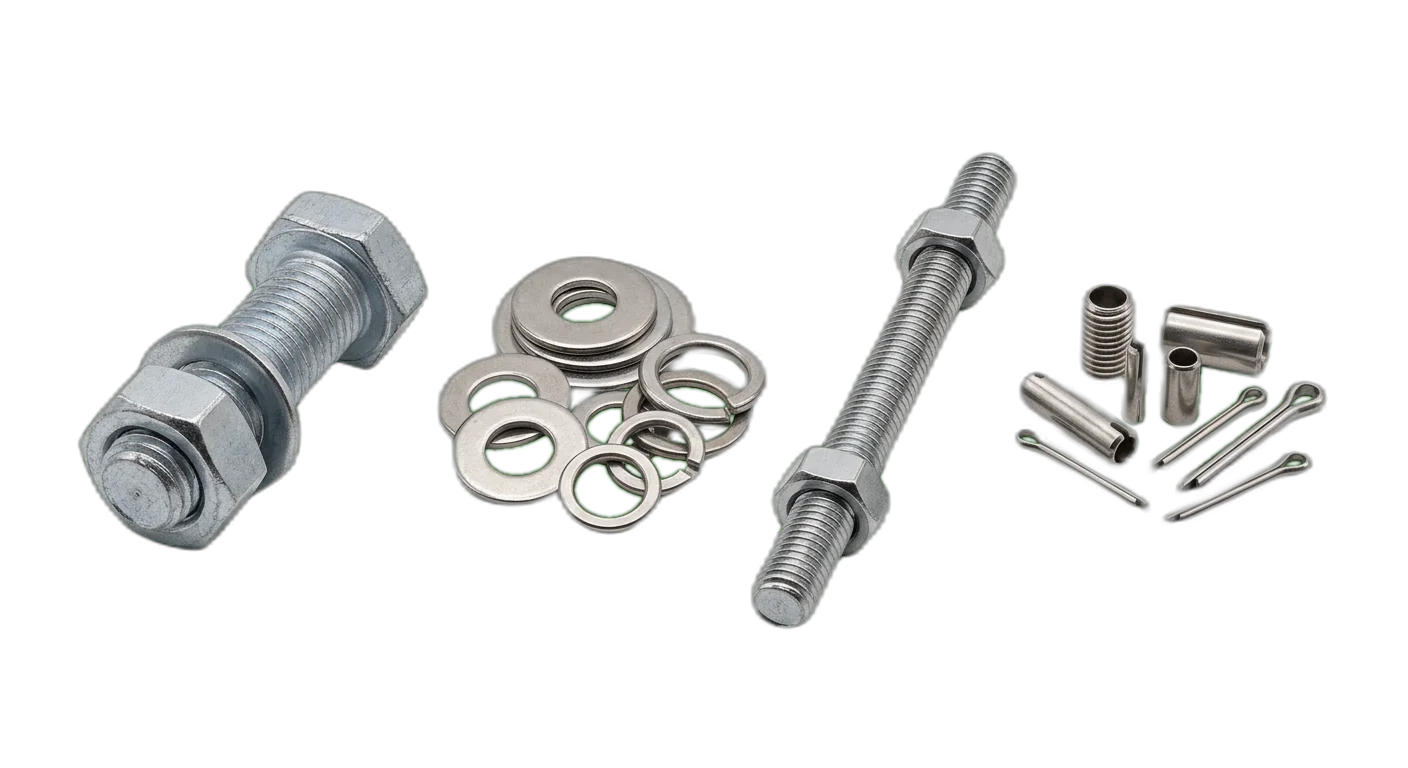
Bevestigingsmiddelen & ijzerwaren
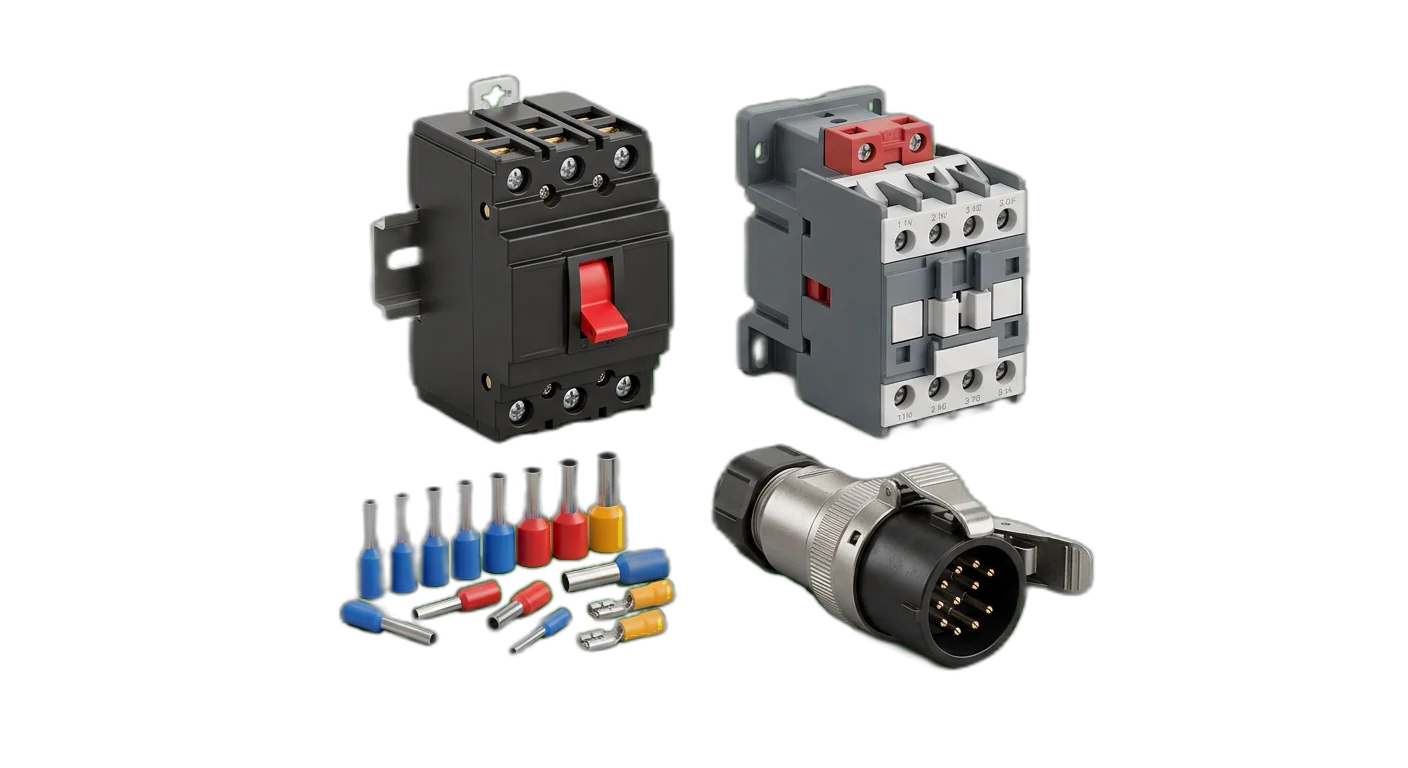
Elektrische componenten
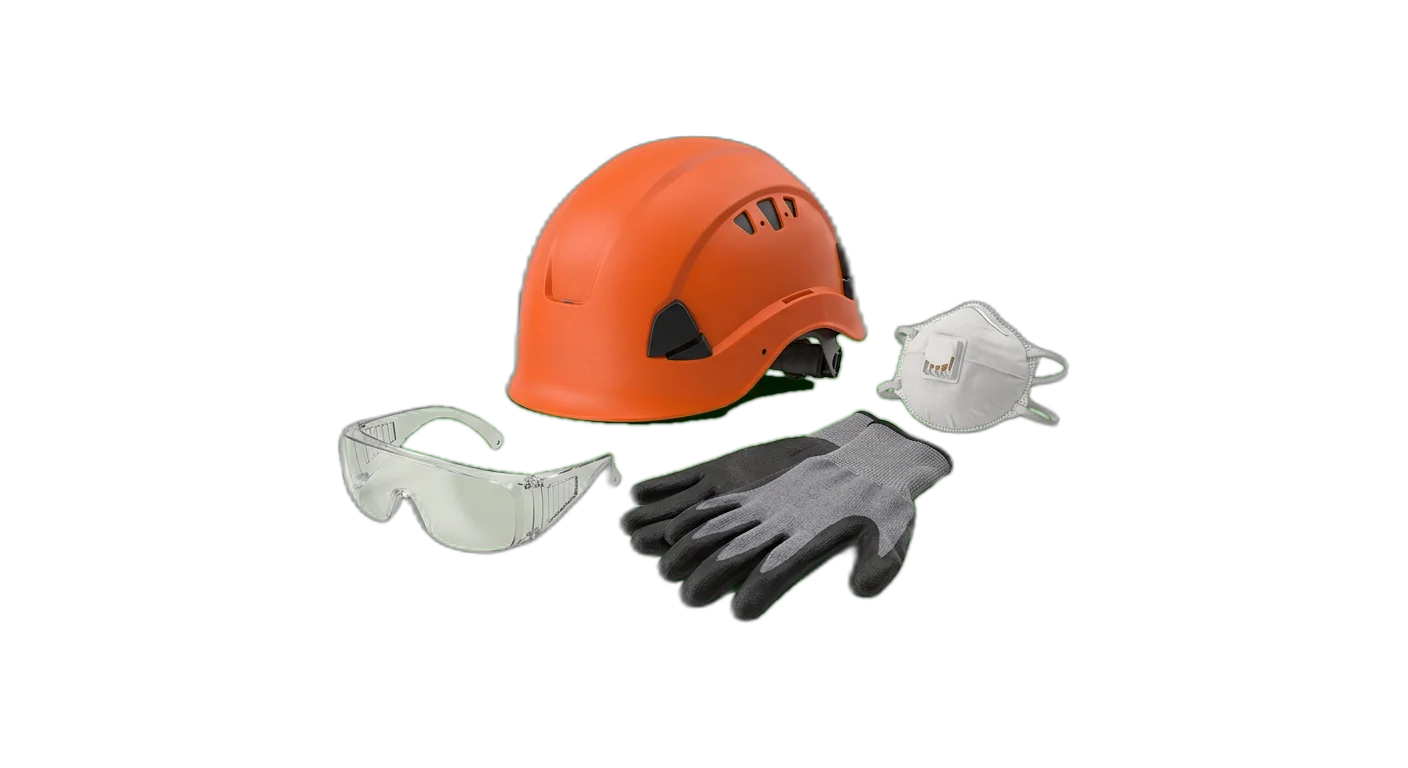
Veiligheid & PBM
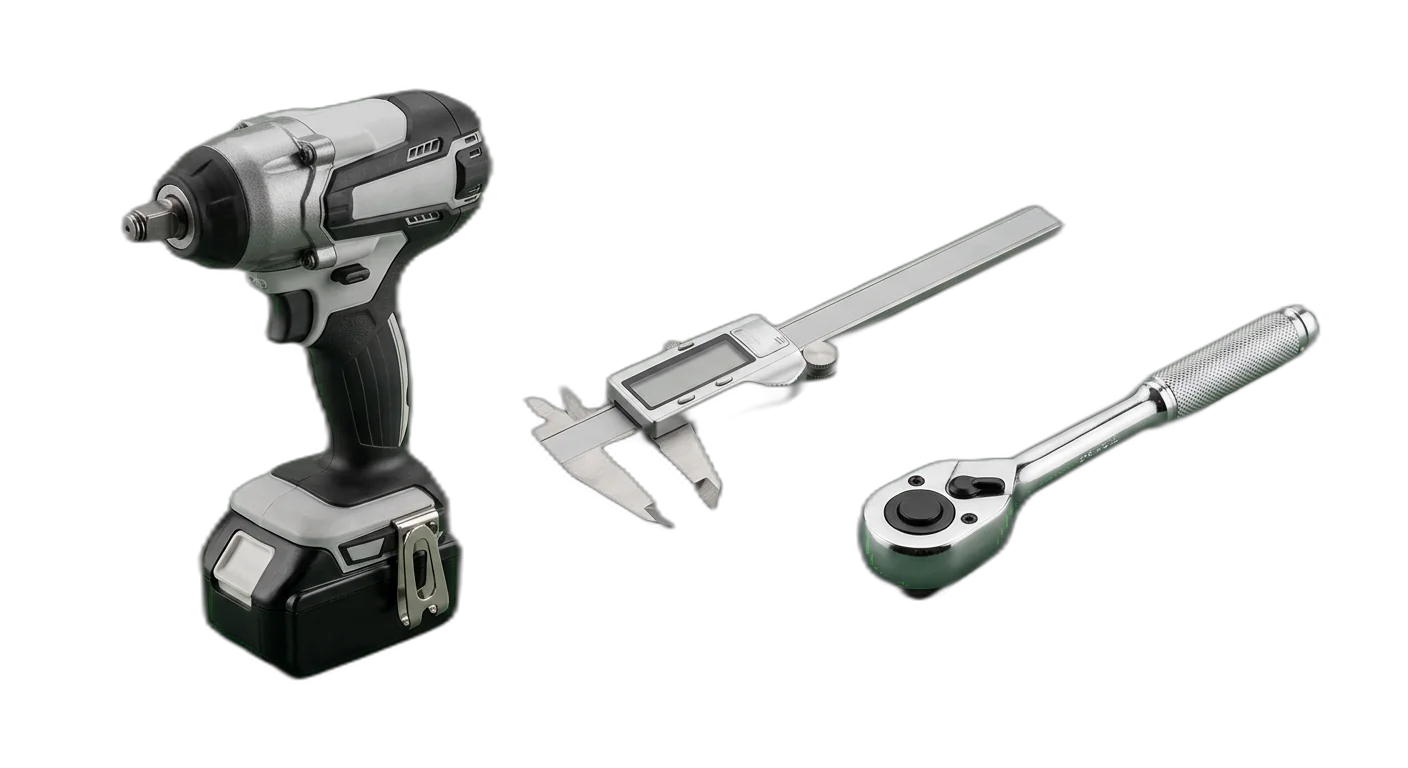
Gereedschap & apparatuur
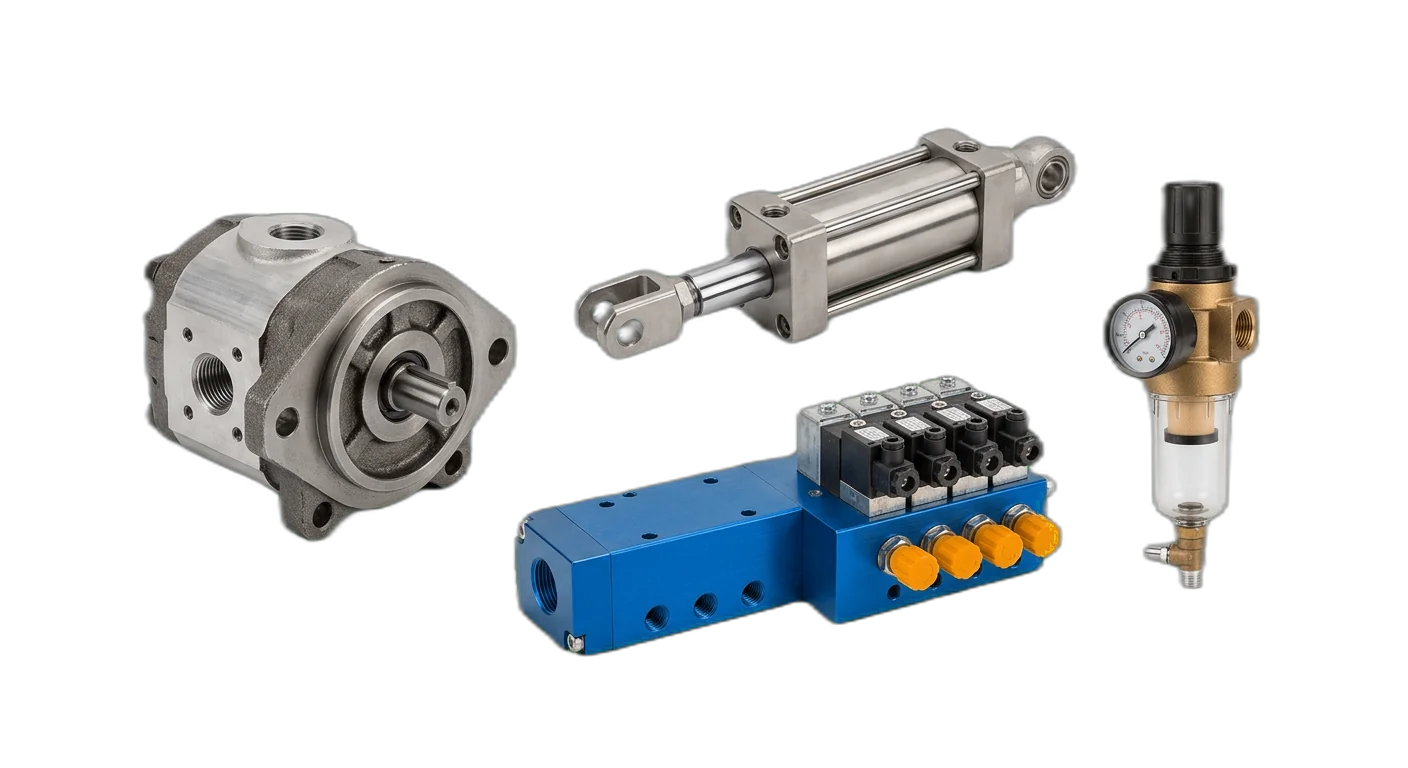
Hydrauliek & pneumatiek
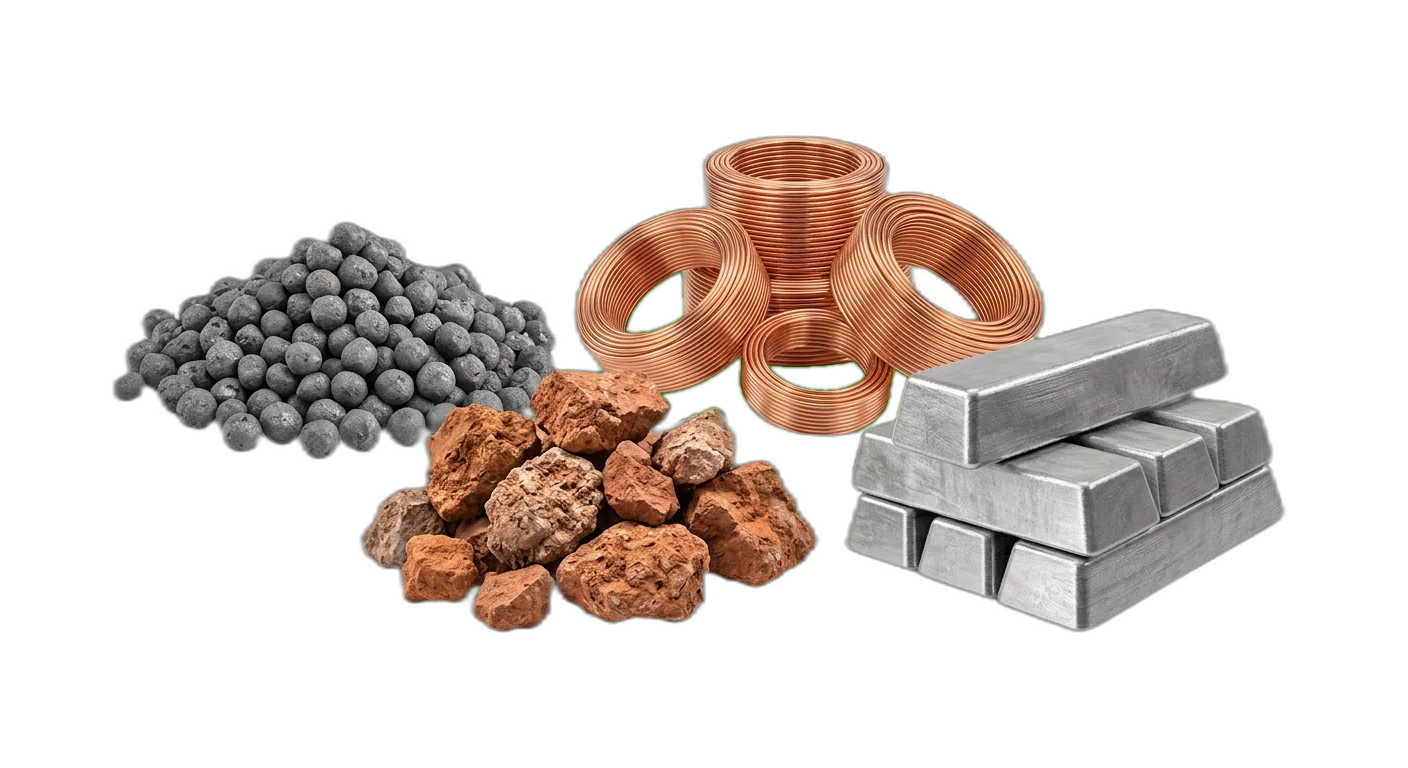
Grondstoffen
Hoe classificeer je Industrie & B2B producten
Volg deze regels om producten elke keer in de juiste categorie te plaatsen
- 1
Sluit vanaf dag één aan op UNSPSC of ETIM
Koppel je interne taxonomie aan een gevestigde industriële standaard zoals UNSPSC (United Nations Standard Products and Services Code) of ETIM (European Technical Information Model). Zo blijft je data uitwisselbaar met inkoopsystemen en wordt aansluiten op een marketplace een stuk eenvoudiger.
UNSPSC 31161500 = moeren, ETIM EC000023 = zeskantboutGebruik de standaardcodes als tweede identificatie naast je eigen categorie-ID's - 2
Maak artikelnummers en MPN's doorzoekbaar in de hele taxonomie
Industriële inkopers zoeken op fabrikantsartikelnummer (MPN), niet op productnaam. Zorg dat elke SKU een doorzoekbaar MPN heeft en dat je taxonomie kruisverwijzingen ondersteunt tussen OEM-artikelnummers en gelijkwaardige alternatieven.
Zoeken op 'DIN 933 M10x50' moet Zeskantbouten > DIN 933 in de juiste sterkteklasse opleverenBosch GBH 2-26 hoort onder Elektrisch gereedschap > Boormachines > Boorhamers - 3
Scheid verbruiksartikelen van kapitaalgoederen
Verbruiksartikelen (boortjes, lasdraad, lijmen) en kapitaalgoederen (CNC-machines, compressoren) hebben totaal andere inkoopcycli, goedkeuringsstromen en levensduurbeheer. Houd ze in aparte hoofdtakken van je boom.
Lasdraad is een verbruiksartikel, het MIG-lasapparaat is een kapitaalgoedSlijpschijven zijn verbruiksartikelen, de haakse slijper is apparatuur - 4
Categoriseer op toepassing en functie, niet op leverancier
Bouw je categorieën op rond wat een product doet en waar het wordt gebruikt, niet rond wie het maakt. Leverancier en merk horen thuis als filterbare attributen, zodat je taxonomie leveranciersneutraal blijft.
Een boormachine van Bosch en één van DeWalt staan allebei onder Elektrisch gereedschap > BoormachinesAdembescherming van 3M en van Honeywell hoort allebei onder Veiligheid & PBM > Ademhalingsbescherming - 5
Maak technische specificaties verplicht voor elke listing
Industriële producten verkopen niet zonder complete technische data. Leg per categorie verplichte attributen vast, zoals materiaalkwaliteit, draadmaat, spanning of werkdruk, zodat onvolledige listings simpelweg niet live kunnen.
Zeskantbouten vereisen: draadmaat, lengte, sterkteklasse, afwerking en materiaalInstallatieautomaten vereisen: nominale stroom, spanning, aantal polen en karakteristiek - 6
Ondersteun kruisverwijzingen tussen samenhangende producten
Industriële inkopers zoeken naar alternatieven en bijpassende artikelen. Richt je taxonomie zo in dat kruisverwijzingstabellen, waar-gebruikt-lijsten en veelgekochte combinaties tussen categorieën mogelijk zijn.
Een M10-bout verwijst door naar bijpassende M10-moeren, sluitringen en veerringenEen hydraulische cilinder linkt naar passende afdichtingen, slangen en koppelingen - 7
Regel verpakkingseenheden en eenheden op attribuutniveau
Industriële producten worden in allerlei verpakkingen verkocht: per stuk, per doos van 100, per pallet van 5000. Maak daar geen aparte categorieën voor. Leg eenheid en verpakkingsgrootte vast als attributen binnen dezelfde categorie.
M8-zeskantbouten per stuk, per doos van 50 of per doos van 500 horen tot dezelfde SKU-familieKabelbinders in zakken van 100, 500 of 1000 delen één categorie - 8
Markeer per categorie welke certificeringen verplicht zijn
Veel industriële producten vragen om certificeringen (CE, ATEX, UL, ISO) of compliance-documentatie. Merk de categorieën waar dat speelt, zodat producten niet gepubliceerd kunnen worden zonder de vereiste documenten.
PBM-categorieën vereisen CE-markering en een verwijzing naar de EN-normElektrische componenten vereisen CE/UL-certificering en een IP-klasse - 9
Herken en label gevaarlijke stoffen apart
Producten met gevaarlijke stoffen (chemicaliën, oplosmiddelen, bepaalde lijmen) moeten gemarkeerd worden voor regelgeving, veiligheidsinformatiebladen en transportbeperkingen. Gebruik een gevaarclassificatie als verplicht attribuut.
Epoxylijmen vereisen een veiligheidsinformatieblad en GHS-gevaarsymbolenSpuitbussen en oplosmiddelen hebben een UN-nummer voor gevaarlijke goederen nodig - 10
Onderscheid onderhouds- en vervangingsonderdelen van nieuwbouwcomponenten
Industriële inkopers zoeken vaak gericht naar vervangingsonderdelen (MRO: maintenance, repair, operations). Label producten die typisch als vervangingsonderdeel dienen, zodat ze opduiken in MRO-gerichte zoekopdrachten en inkoopprocessen.
Een vervangende hydraulische afdichting is een MRO-artikel, een nieuwe hydraulische cilinder is een nieuwbouwartikelReservekoolborstels zijn MRO, de complete motor is een kapitaalgoed
Vereiste attributen per categorie
Zorg voor volledige productdata met de verplichte en aanbevolen attributen voor elk categorieniveau
Industrie & B2B classificatievalkuilen om te vermijden
Vermijd deze veelgemaakte categorisatiefouten die de vindbaarheid van producten schaden
- Fout
Consumentachtige productnamen gebruiken in plaats van technische omschrijvingen (bijvoorbeeld 'Extra sterke schroef' in plaats van 'DIN 933 zeskantbout M10x50 sterkteklasse 8.8')
Betere aanpakGebruik altijd een gestandaardiseerde technische naamgeving met de relevante norm (DIN/ISO), de afmetingen, de materiaalkwaliteit en de afwerking. Een klantvriendelijke naam kun je daarnaast toevoegen als tweede weergavenaam.
- Fout
Certificeringen en compliance-data ontbreken bij producten die ze wettelijk nodig hebben (CE, ATEX, UL, EN-normen)
Betere aanpakStel verplichte certificeringsvelden in op categorieniveau. Blokkeer publicatie van PBM, elektrische componenten en drukapparatuur zolang de compliance-documentatie en testrapporten niet geverifieerd zijn.
- Fout
Minimale afnamehoeveelheden (MOQ) en verpakkingsvarianten negeren in de productstructuur
Betere aanpakGebruik een parent-child-structuur waarin de parent het product is en de children de verpakkingseenheden. Leg MOQ, levertijd en staffelprijzen vast als attributen, niet als losse productlistings.
- Fout
Een eigen taxonomie bouwen zonder aansluiting op UNSPSC, ETIM of eCl@ss
Betere aanpakBegin bij een gevestigde standaard en breid die uit met je eigen subcategorieën. Koppel elke interne categorie aan het UNSPSC- of ETIM-equivalent, zodat EDI, e-procurement-koppelingen en marketplaces gewoon werken.
- Fout
Verbruiksartikelen en kapitaalgoederen door elkaar in dezelfde categorieën zetten (boortjes naast kolomboormachines)
Betere aanpakMaak aparte hoofdtakken voor verbruiksartikelen, gereedschap en kapitaalgoederen. Verbind ze met relaties als 'geschikt voor' of 'vereist' in plaats van ze bij elkaar te zetten.
- Fout
Producten publiceren met onvolledige technische specificaties (ontbrekende afmetingen, materialen of toleranties)
Betere aanpakLeg per categorie verplichte attribuutsjablonen vast en handhaaf ze voordat een product live mag. Industriële inkopers kunnen zonder complete technische data simpelweg geen beslissing nemen.
- Fout
Gevaarlijke stoffen niet markeren (REACH, RoHS, GHS) of geen veiligheidsinformatiebladen aanbieden
Betere aanpakVoeg een gevaarclassificatie toe aan de betreffende categorieën en maak het uploaden van een veiligheidsinformatieblad verplicht voor chemicaliën, lijmen, oplosmiddelen en coatings. Neem daarbij de GHS-pictogrammen en H- en P-zinnen mee.
- Fout
Geen kruisverwijzingen tussen bijpassende of alternatieve producten
Betere aanpakZet kruisverwijzingstabellen op die bouten koppelen aan bijpassende moeren en ringen, filters aan geschikte apparatuur en OEM-onderdelen aan alternatieven. Voor industriële inkopers is dit cruciaal.
- Fout
Vage materiaalomschrijvingen als 'roestvast staal' gebruiken zonder de exacte kwaliteit te noemen (304, 316, A2, A4)
Betere aanpakEis een specifieke materiaalaanduiding volgens de internationale normen (bijvoorbeeld AISI 316L, EN 1.4404). Kwaliteiten verschillen enorm in corrosiebestendigheid, temperatuurbereik en prijs.
- Fout
Productvarianten niet op schaal beheren (duizenden combinaties van maat, materiaal en afwerking per basisproduct)
Betere aanpakGebruik een matrix- of variantstructuur die SKU's genereert uit attribuutcombinaties. Eén zeskantbout kan 200+ varianten hebben over maten, lengtes, sterkteklassen en afwerkingen. Beheer dat op sjabloonniveau, niet artikel voor artikel.
Hoe categoriseer je Industrie & B2B producten
Volg deze stappen om je Industrie & B2B producten correct te categoriseren voor e-commerce en marktplaatsvereisten
01
Importeer je industriële catalogus
Koppel je ERP-systeem, upload je productfeed of importeer vanuit een bestaand PIM. WISEPIM leest artikelnummers, technische specificaties, leveranciersdata en bestaande classificaties in, zodat je catalogus klaar is voor AI-categorisatie.
02
AI classificeert tegen de standaarden
WISEPIM analyseert je productdata, inclusief MPN's, technische attributen en normverwijzingen (DIN, ISO), en wijst elk artikel automatisch toe aan de juiste UNSPSC- of ETIM-categorie. De AI herkent materiaalkwaliteiten, afmetingen en certificeringseisen met industriële precisie.
03
Verrijk technische data en compliance
Vul ontbrekende specificaties aan, koppel certificaten en veiligheidsinformatiebladen en leg kruisverwijzingen tussen samenhangende producten vast. WISEPIM signaleert onvolledige listings en stelt attributen voor op basis van de productcategorie.
04
Publiceer naar je B2B-kanalen
Exporteer je gestructureerde catalogus naar B2B-marketplaces, inkoopplatformen (BMEcat, cXML, OCI) en je eigen webshop. WISEPIM houdt alle kanalen synchroon terwijl je producten toevoegt, specificaties bijwerkt of prijzen wijzigt.
Industrie & B2B: categoriseer je eigen catalogus in WISEPIM
Meld je aan voor het gratis plan en pas deze gids toe op je eigen producten: bouw je categorieboom, laat AI per product een categorie voorstellen en koppel je categorieën aan de producttaxonomie van Google.
- 100 producten en 50 AI-credits per maand met het gratis plan
- Importeer producten uit een CSV-bestand of een gekoppelde winkel
- AI-categorisatie wijst categorieën toe, of stelt ze voor zodat jij eerst checkt
- De categoriekaart koppelt je categorieën aan Google-productcategorieën
Veelgestelde vragen
Veelgestelde vragen over Industrie & B2B productcategorisatie
Beste Industrie & B2B categorieën voor e-commerce
Ontdek de best presterende Industrie & B2B productcategorieën gerangschikt op vraag, marges en groeipotentieel.
Map Industrie & B2B producten naar een globale taxonomie
Heb je je eigen categorieboom? Map ze naar de standaarden die marketplaces, advertentieplatforms en dataleveranciers vereisen.
Bekijk meer branchegidsen
Printbare checklist
Begin in 15 minutenZet elk live product in de juiste categorie
Begin met een telling van 15 minuten: producten zonder categorie, of met alleen een hoofdcategorie. Je krijgt twee getallen, zoals 140 producten, 12 in je top 100. Daarna 5 stappen voor de rest van de week.
Zo werkt het
- Filter op producten zonder categorie of met alleen een hoofdcategorie.
- Kijk hoeveel daarvan in je top 100 bestsellers staan.
- Schrijf beide getallen op, zoals '140 producten, 12 in de top 100'.
Eén mail, één keer, met een link naar de printbare checklist. Verder niets, tenzij je het vakje aanvinkt.
Gratis Excel-template
XLSX · 3 tabbladenZie welke van je 20 bestsellers nog niet compleet zijn
Een Excel-check met de kolommen die je voor industriële uitrusting nodig hebt. In ongeveer 15 minuten weet je hoeveel van je 20 producten compleet zijn, en welke verbetering de meeste rijen helpt.
Zo werkt het
- Plak 20 bestsellers uit je webshopexport in Producten.
- Vul in wat je weet. De laatste kolom zegt per rij wat er ontbreekt.
- Lees je resultaat op Begin hier: hoeveel er compleet zijn en welke verbetering de meeste rijen helpt.
Eén mail, één keer, met de XLSX als bijlage en als downloadlink. Verder niets, tenzij je het vakje aanvinkt.
Verder ontdekken
Zorgvuldig gekozen vervolgstappen om dieper te gaan.
Klaar om je Industrie & B2B categorisatie te automatiseren?
WISEPIM gebruikt AI om producten automatisch te classificeren. Bespaar uren handmatig werk en maak een einde aan categorisatiefouten.