Kantoorartikelen classificeren met een template
Kantoorartikelen hebben in de Google-producttaxonomie een eigen hoofdtak (Google-ID 922). Pennen hebben ID 982, kopieerpapier 962 en ordners en ringbanden 4303. Classificeer op producttype; kleur, verpakkingsgrootte en papiergewicht zijn attributen, geen categorieën. De ID's volgen de Google-producttaxonomie, versie 2021-09-21, en zijn in elke taal gelijk, dus je kunt ze in elke feed gebruiken.
Kantoor- & schoolartikelen categoriehiërarchie
Standaard categoriestructuur die op grote e-commerce platforms en marktplaatsen wordt gebruikt
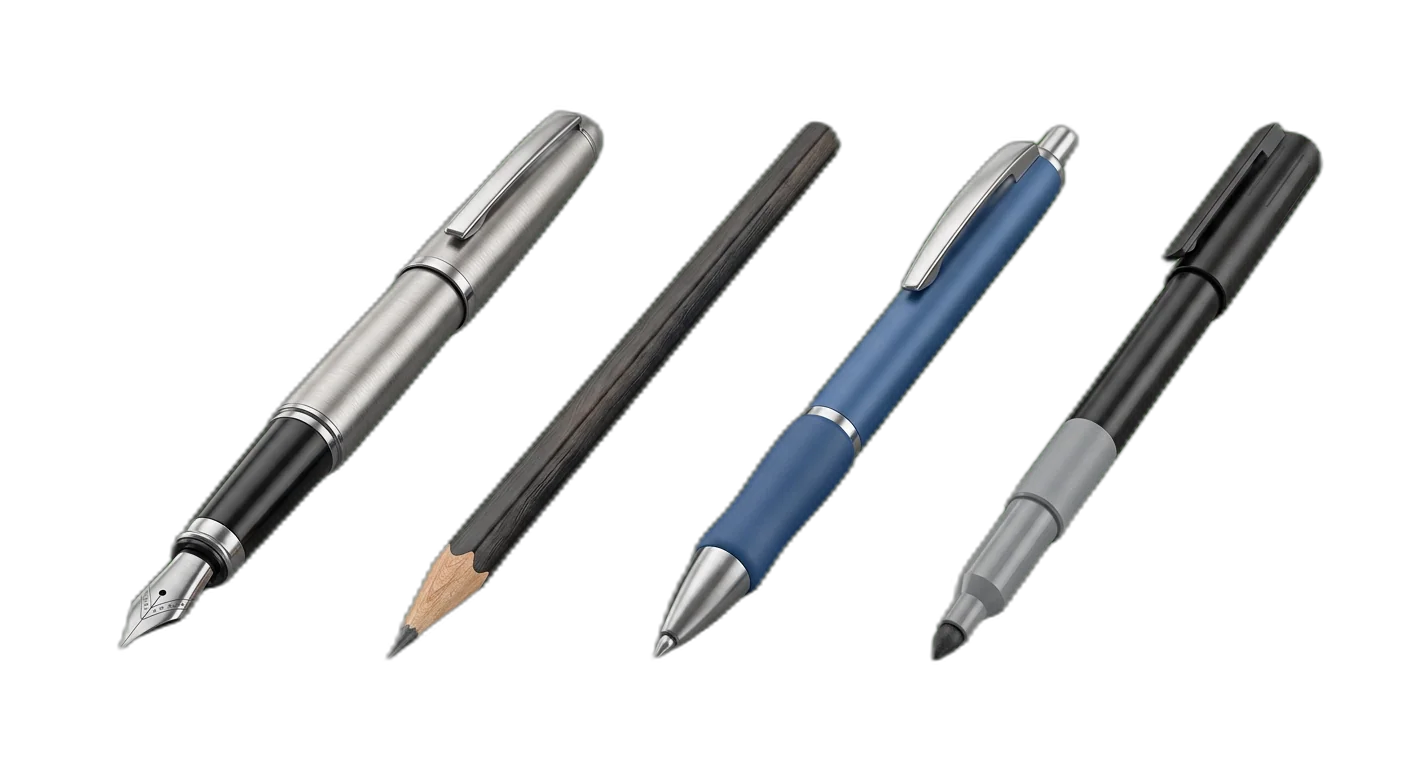
Schrijfwaren
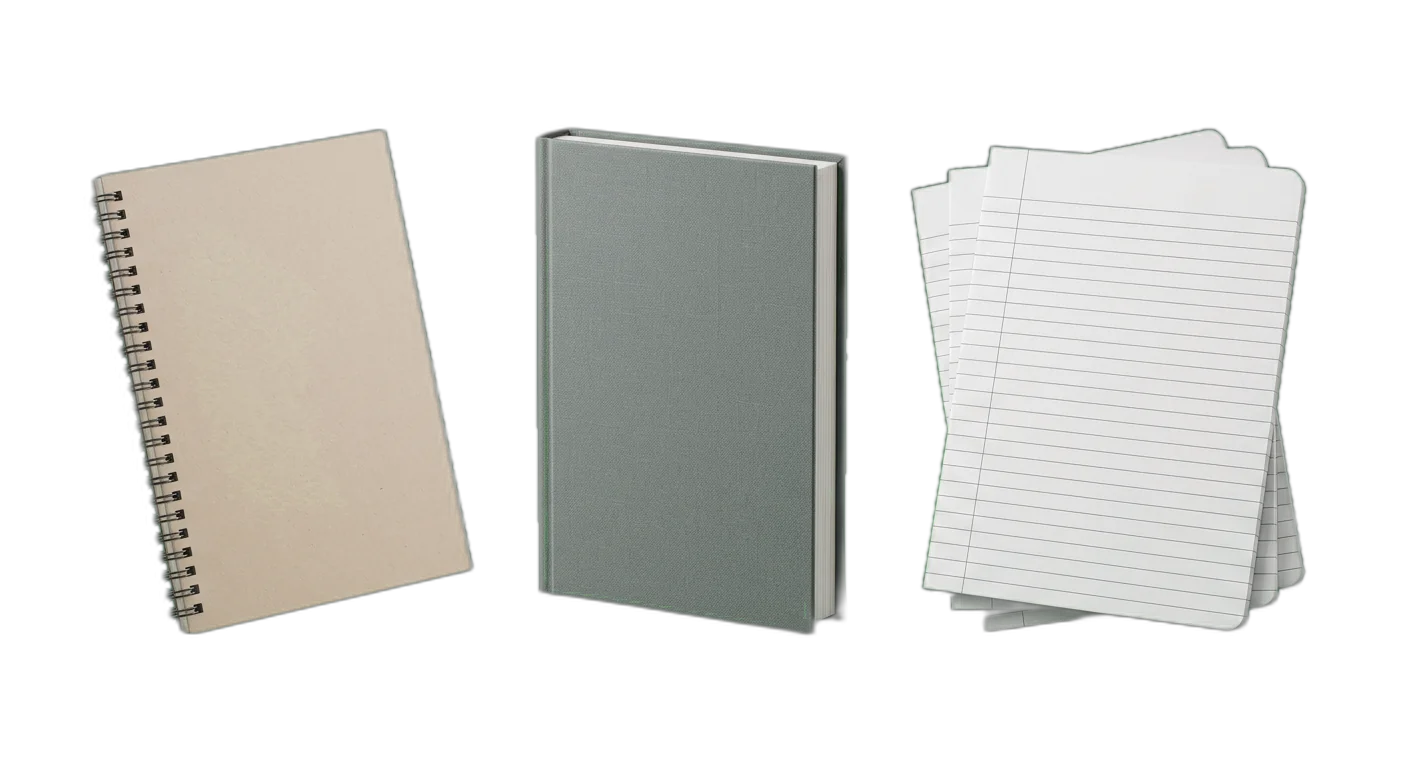
Papierwaren
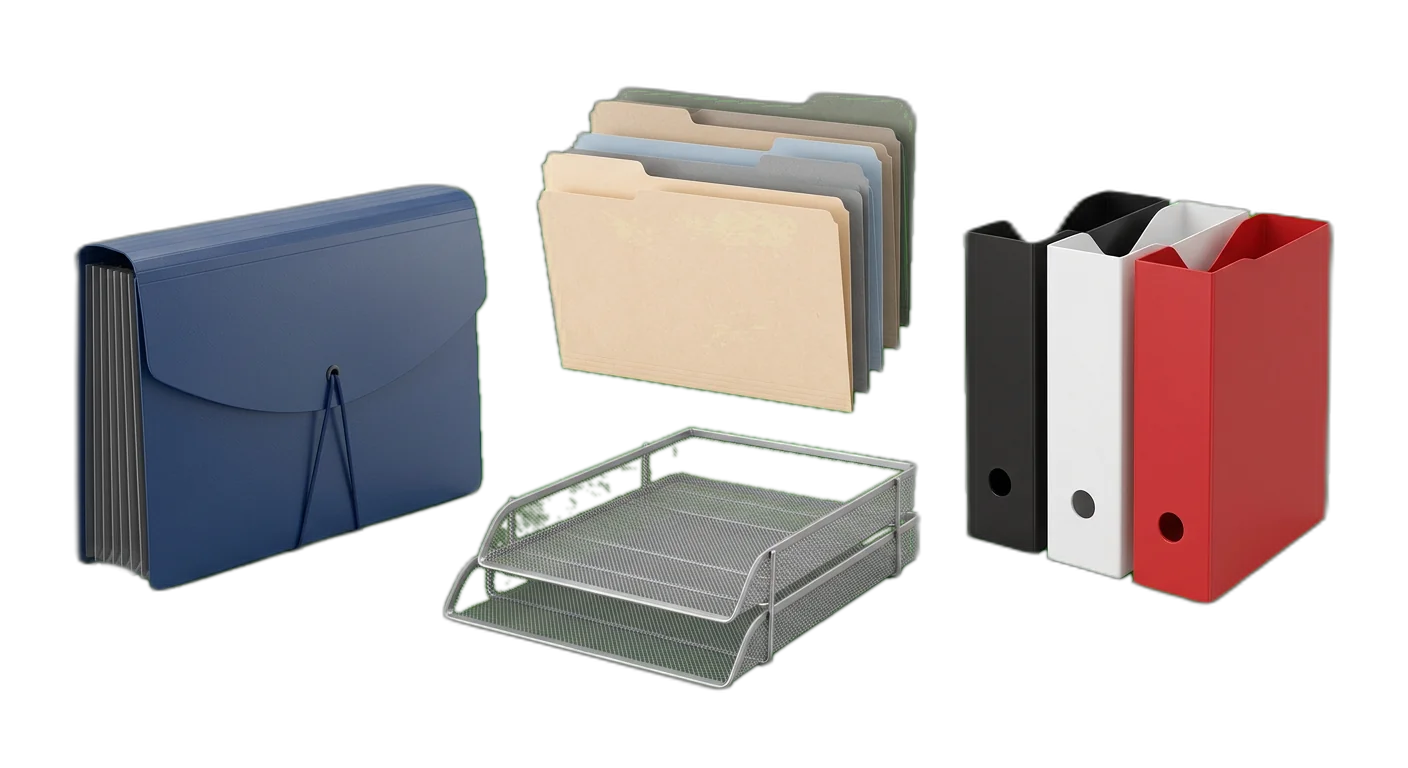
Archiveren & organiseren
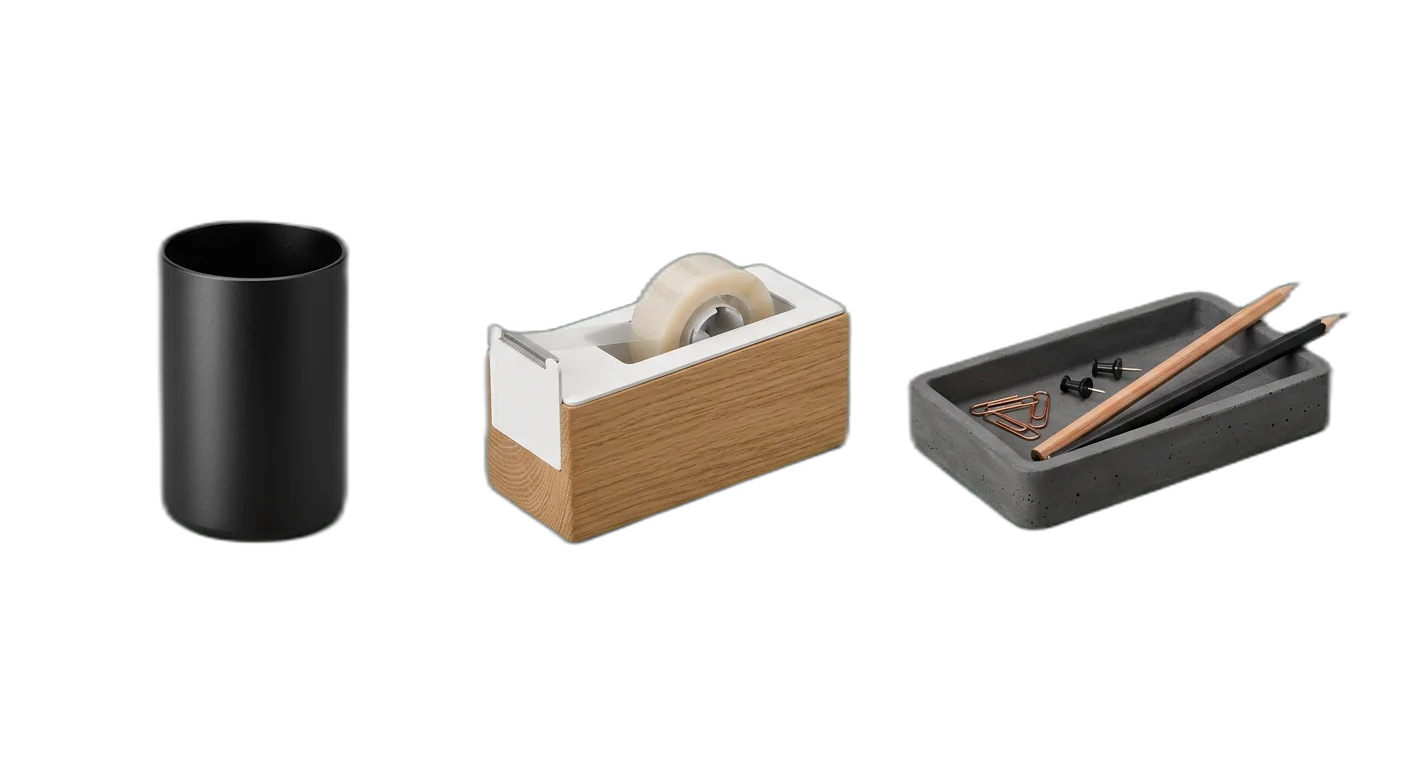
Bureau-accessoires

Technologie & elektronica
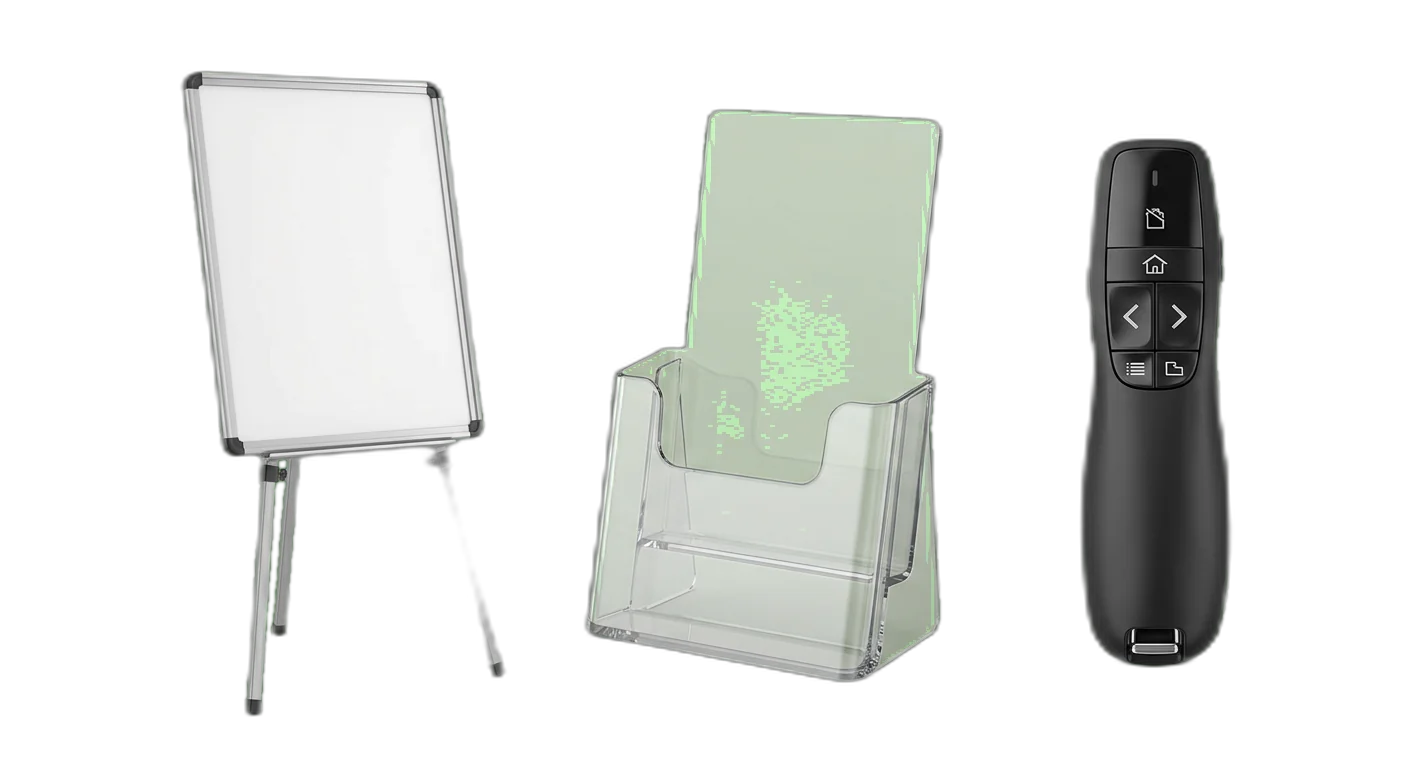
Presentatie & display
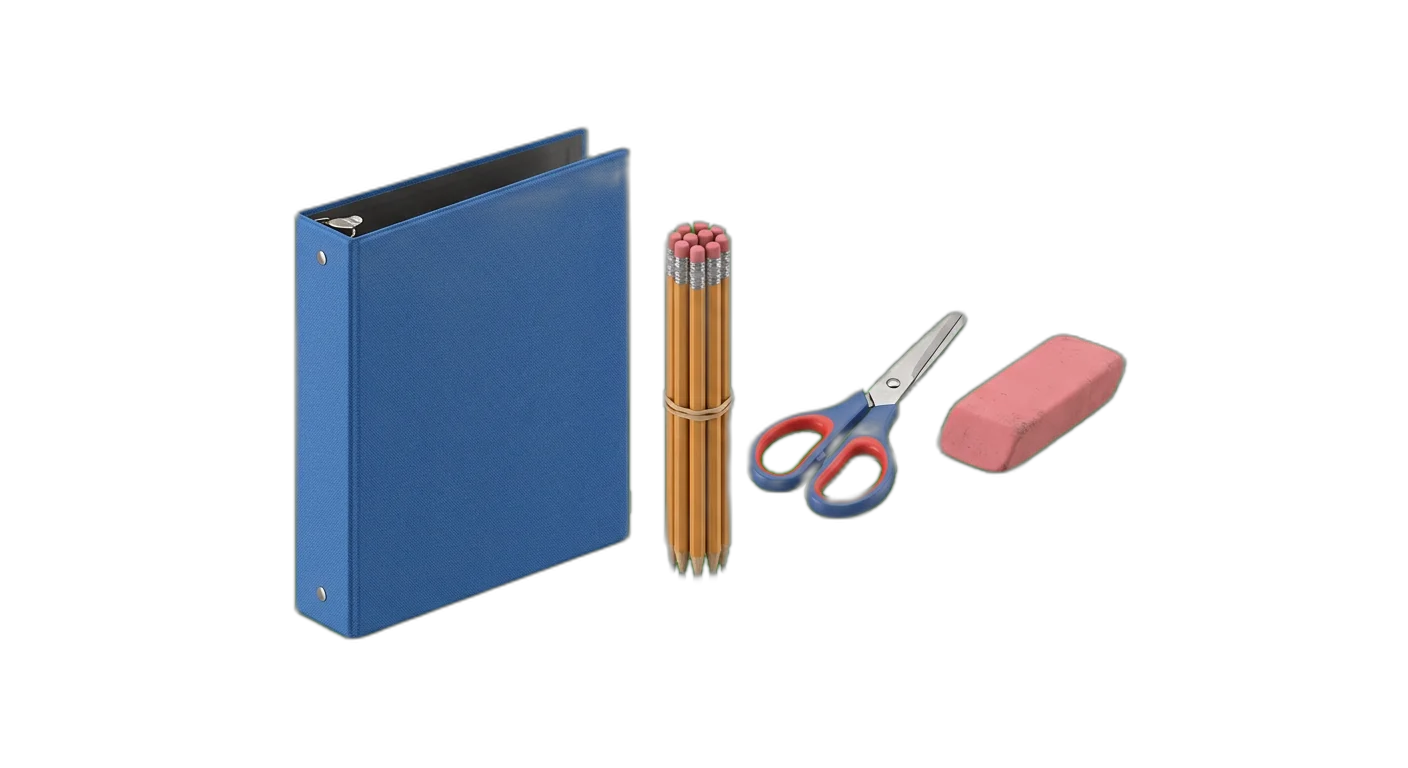
Schoolspullen
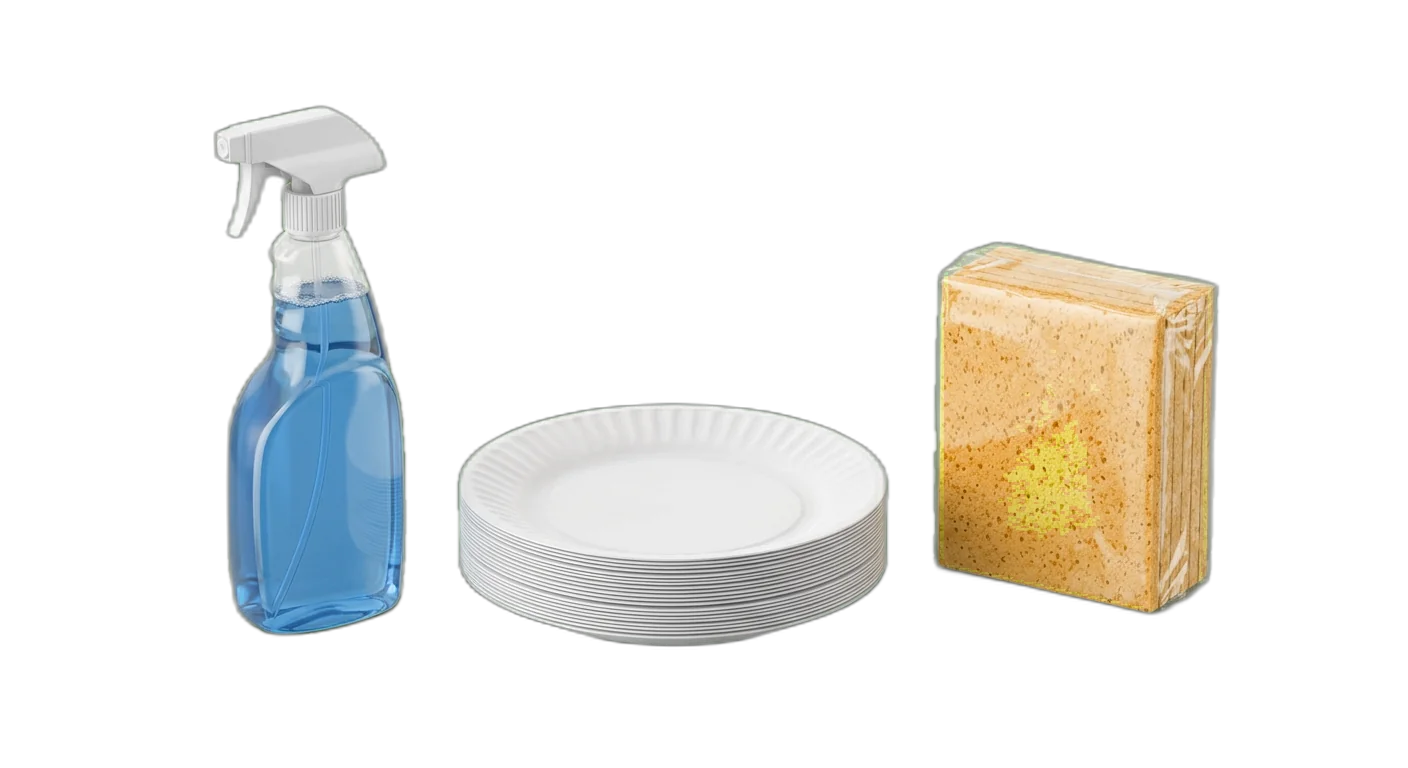
Pantry & schoonmaak
Hoe classificeer je Kantoor- & schoolartikelen producten
Volg deze regels om producten elke keer in de juiste categorie te plaatsen
- 1
Classificeer eerst op productfunctie, niet op merk of uiterlijk
Deel producten altijd in op basis van wat ze doen op kantoor of in de klas. Een pen is schrijfwaar, of hij nu als designermerk of als voordeeloptie in de markt wordt gezet. De functie bepaalt de hoofdcategorie; merk, kleur en vormgeving zijn attributen.
Een Montblanc-balpen valt onder Schrijfwaren > Pennen > Balpennen met Merk: Montblanc, en niet onder een categorie LuxeEen decoratieve plakbandhouder valt onder Bureau-accessoires > Tape & lijm, en niet onder Decoratie - 2
Koppel verbruiksartikelen aan de hardware waarvoor ze bedoeld zijn
Inktcartridges, toner, labeltape, nietjes en andere verbruiksartikelen moeten compatibiliteitsattributen dragen die ze verbinden met de specifieke printers, labelprinters of nietmachines waar ze in passen. Dat is cruciaal voor herhaalaankopen en voorkomt kostbare bestelfouten.
Een HP 61-inktcartridge valt onder Inkt & toner > Inktcartridges met Compatibele printers: HP DeskJet 1000/2540/3050Labeltape valt onder Etiketten & labelen > Labeltape met Compatibel apparaat: Brother P-Touch PTD210 - 3
Behandel zakelijke bulkverpakkingen als variant, niet als aparte categorie
Veel kantoorartikelen worden per bulkverpakking verkocht (een doos van 10 riemen papier, een doos van 12 pennen). Maak daar varianten van het losse product van met een attribuut Verpakkingsgrootte, geen aparte categorieën. Zo blijft je taxonomie schoon en kunnen klanten op verpakkingsgrootte filteren.
Een doos van 10 riemen kopieerpapier valt onder Papierwaren > Printpapier > Kopieerpapier met Verpakkingsgrootte: 10 riemenEen 12-pack balpennen valt onder Schrijfwaren > Pennen > Balpennen met Verpakkingsgrootte: 12 - 4
Houd schoolspullen gescheiden van algemene kantoorartikelen
Schoolspullen als rugzakken, broodtrommels, passerdozen en boekomslagen bedienen een eigen doelgroep en hebben een heel ander seizoenspatroon. Zet ze in een eigen categorie Schoolspullen, zodat je gericht kunt merchandisen rond het nieuwe schooljaar.
- 5
Onderscheid verbruiksartikelen van duurzame producten met attributen
Kantoorartikelen lopen uiteen van eenmalige verbruiksartikelen (papier, inkt, memoblaadjes) tot duurzame goederen (nietmachines, printers, archiefkasten). Gebruik een attribuut Levensduur (verbruiksartikel of duurzaam product) om bijbestelherinneringen voor verbruiksartikelen en garantiebeheer voor duurzame producten te ondersteunen.
- 6
Houd merk een attribuut, nooit een categorie
Categorieën op merk (een categorie 3M of een categorie Pilot) worden snel onbeheersbaar en dupliceren producttypes. Gebruik merk als filterbaar attribuut, zodat klanten door je hele taxonomie heen alle memoblaadjes of alle pennen van hun favoriete merk kunnen vinden.
Post-it memoblaadjes vallen onder Papierwaren > Memoblaadjes & markeerstrookjes > Memoblaadjes met Merk: 3M/Post-itPilot G2-pennen vallen onder Schrijfwaren > Pennen > Gelpennen met Merk: Pilot - 7
Leg verpakkingsgrootte en aantal per verpakking gestructureerd vast
Kopers van kantoorartikelen vergelijken vooral op stuksprijs. Elk product hoort daarom gestructureerde attributen Verpakkingsgrootte en Aantal per verpakking te dragen, zodat prijsvergelijking klopt en inkopers een onderbouwde keuze kunnen maken.
- 8
Behandel milieukeurmerken en duurzaamheidscertificeringen als attributen
Gerecycled materiaal, FSC-certificering, CO2-neutrale verzending en andere milieuclaims horen filterbare attributen te zijn, geen aparte categorieën. Zo kunnen milieubewuste kopers door je hele assortiment heen filteren.
Gerecycled kopieerpapier valt onder Papierwaren > Printpapier > Kopieerpapier met Gerecycled aandeel: 100%, FSC-gecertificeerd: Ja - 9
Houd kantoormeubilair gescheiden van bureau-artikelen
Archiefkasten en bureau-organizers horen onder Archiveren & organiseren > Opbergen, omdat ze een organiserende functie hebben. Echt kantoormeubilair (bureaus, stoelen, kasten) hoort in een aparte categorie Meubilair als je dat voert, nooit tussen de verbruiksartikelen.
- 10
Categoriseer technologie-accessoires bij de apparaten waar ze bij horen
Printerkabels, vervangingsonderdelen en apparaatspecifieke accessoires horen onder Technologie & elektronica, dicht bij de apparaten die ze ondersteunen, en niet verspreid over Bureau-accessoires. Zo vindt een klant alles voor zijn printer of lamineermachine op één plek.
Vereiste attributen per categorie
Zorg voor volledige productdata met de verplichte en aanbevolen attributen voor elk categorieniveau
Kantoor- & schoolartikelen classificatievalkuilen om te vermijden
Vermijd deze veelgemaakte categorisatiefouten die de vindbaarheid van producten schaden
- Fout
Schoolspecifieke producten door de algemene kantoorartikelen mengen, waardoor seizoensgebonden campagnes rond het nieuwe schooljaar lastig worden
Betere aanpakHoud een aparte categorie Schoolspullen aan voor artikelen die vooral op scholieren en studenten gericht zijn (rugzakken, broodtrommels, passerdozen, boekomslagen). Zo kun je gericht promoten in het schoolseizoen en blijft je kantoortaxonomie gefocust op de werkplek.
- Fout
Compatibiliteit van verbruiksartikelen negeren en niet vastleggen welke inktcartridges, toners of nietjes bij welke apparaten passen
Betere aanpakVoeg gestructureerde compatibiliteitsattributen toe (Compatibele printers, Compatibele apparaten) aan al je verbruiksartikelen. Dit is het belangrijkste attribuut voor herhaalaankopen en het voorkomt dure bestelfouten bij klanten.
- Fout
Verpakkingsgrootte en aantal per verpakking niet vastleggen, waardoor prijsvergelijking voor bulkkopers onmogelijk wordt
Betere aanpakElk product hoort de attributen Verpakkingsgrootte en Aantal per verpakking te dragen. Een doos van 12 pennen is voor een inkoper iets wezenlijk anders dan één losse pen, ook al gaat het om dezelfde productcategorie.
- Fout
Merknamen als categorie gebruiken in plaats van als filterbaar attribuut (bijvoorbeeld een categorie 3M of een merksectie Staples)
Betere aanpakHoud merk een productattribuut door je hele taxonomie heen. Klanten moeten binnen Schrijfwaren of Papierwaren kunnen filteren op Post-it memoblaadjes of Pilot-pennen, in plaats van naar een aparte merksilo te moeten navigeren.
- Fout
Gramsgewicht, witheid of papierformaat niet vastleggen bij papierwaren, waardoor klanten niets kunnen vergelijken
Betere aanpakPapierwaren vragen om specifieke technische attributen: Gramsgewicht in g/m², Witheid, Papierformaat en Aantal vellen. Voor zakelijke inkopers zijn die niet onderhandelbaar; zij hebben exacte specificaties nodig voor hun printers en kopieermachines.
- Fout
Inktcartridges onder het verkeerde printermerk zetten, of OEM- en alternatieve cartridges door elkaar plaatsen zonder onderscheid
Betere aanpakZet alle cartridges onder Inkt & toner met gestructureerde attributen voor Compatibele printers, Cartridgenummer en OEM of compatibel/gereviseerd. Zo kunnen kopers filteren op hun exacte printermodel en bewust kiezen tussen origineel en alternatief.
- Fout
Kantoormeubilair zoals complete bureaus en stoelen tussen bureau-artikelen als plakbandhouders en pennenbakjes zetten
Betere aanpakHoud een duidelijke grens tussen bureau-artikelen (kleine spullen die op een bureau staan) en kantoormeubilair (het bureau zelf). Archiefkasten en bureau-organizers mogen in Archiveren & organiseren blijven, maar echt meubilair verdient een eigen hoofdcategorie.
- Fout
Milieukeurmerken of het aandeel gerecycled materiaal niet als gestructureerd attribuut vastleggen, waardoor duurzaam filteren onmogelijk is
Betere aanpakVoeg gestructureerde attributen toe voor het percentage gerecycled materiaal, FSC-certificering, het Energy Star-label (voor elektronica) en andere milieuclaims. Veel zakelijke inkopers vragen inmiddels om duurzaamheidsdata in hun inkoopbeslissing.
- Fout
Seizoensgebonden schoolartikelen als permanente jaarrondcategorie behandelen, waardoor je buiten het schoolseizoen lege categoriepagina's overhoudt
Betere aanpakGebruik de vaste categorie Schoolspullen het hele jaar door, maar voeg een attribuut Seizoen toe en stuur de zichtbaarheid via merchandisingregels. Zo blijft je taxonomie stabiel terwijl je de aandacht per seizoen kunt verleggen.
- Fout
B2B-prijsstaffels en accountgebonden prijzen buiten je productdatamodel houden en alle kopers hetzelfde behandelen
Betere aanpakRicht je catalogus zo in dat staffelprijzen mogelijk zijn: voeg attributen toe voor Minimale bestelhoeveelheid, Staffelkortingen en het recht op contractprijzen. Dat is onmisbaar voor catalogi met kantoorartikelen die zowel particulieren als zakelijke accounts bedienen.
Hoe categoriseer je Kantoor- & schoolartikelen producten
Volg deze stappen om je Kantoor- & schoolartikelen producten correct te categoriseren voor e-commerce en marktplaatsvereisten
01
Importeer je catalogus met kantoorartikelen
Koppel je e-commerceplatform of upload je productfeed met productnamen, beschrijvingen, specificaties en afbeeldingen. WISEPIM leest branchespecifieke data zoals papiergewichten, inktcompatibiliteit en verpakkingsgroottes automatisch uit, klaar voor AI-categorisatie.
02
AI categoriseert producten op functie en type
WISEPIM analyseert je productdata en plaatst elk artikel op het juiste knooppunt in je taxonomie. De AI onderscheidt schrijfwaren van bureau-accessoires, herkent papierspecificaties, matcht inktcartridges aan printermodellen en scheidt schoolspullen van kantoorartikelen met hoge nauwkeurigheid.
03
Verrijk productattributen automatisch
Op basis van de toegewezen categorie vult WISEPIM verplichte attributen aan zoals gramsgewicht, inktkleur, verpakkingsgrootte en apparaatcompatibiliteit. Ontbrekende attributen worden gemarkeerd voor controle, zodat je catalogus voldoet aan de eisen van zakelijke kopers en marketplace-kanalen.
04
Controleer, keur goed en publiceer naar al je kanalen
Beoordeel de AI-suggesties in bulk, corrigeer waar nodig en publiceer je gecategoriseerde catalogus naar al je verkoopkanalen. Marketplace-mappings voor Amazon, Google Shopping, Staples en andere platforms worden automatisch gegenereerd, zodat je producten overal in de juiste categorie staan.
Kantoor- & schoolartikelen: categoriseer je eigen catalogus in WISEPIM
Meld je aan voor het gratis plan en pas deze gids toe op je eigen producten: bouw je categorieboom, laat AI per product een categorie voorstellen en koppel je categorieën aan de producttaxonomie van Google.
- 100 producten en 50 AI-credits per maand met het gratis plan
- Importeer producten uit een CSV-bestand of een gekoppelde winkel
- AI-categorisatie wijst categorieën toe, of stelt ze voor zodat jij eerst checkt
- De categoriekaart koppelt je categorieën aan Google-productcategorieën
Veelgestelde vragen
Veelgestelde vragen over Kantoor- & schoolartikelen productcategorisatie
Beste Kantoor- & schoolartikelen categorieën voor e-commerce
Ontdek de best presterende Kantoor- & schoolartikelen productcategorieën gerangschikt op vraag, marges en groeipotentieel.
Map Kantoor- & schoolartikelen producten naar een globale taxonomie
Heb je je eigen categorieboom? Map ze naar de standaarden die marketplaces, advertentieplatforms en dataleveranciers vereisen.
Bekijk meer branchegidsen
Printbare checklist
Begin in 15 minutenZet elk live product in de juiste categorie
Begin met een telling van 15 minuten: producten zonder categorie, of met alleen een hoofdcategorie. Je krijgt twee getallen, zoals 140 producten, 12 in je top 100. Daarna 5 stappen voor de rest van de week.
Zo werkt het
- Filter op producten zonder categorie of met alleen een hoofdcategorie.
- Kijk hoeveel daarvan in je top 100 bestsellers staan.
- Schrijf beide getallen op, zoals '140 producten, 12 in de top 100'.
Eén mail, één keer, met een link naar de printbare checklist. Verder niets, tenzij je het vakje aanvinkt.
Gratis Excel-template
XLSX · 3 tabbladenZie welke van je 20 bestsellers nog niet compleet zijn
Een Excel-check met de kolommen die je voor kantoor- en schoolartikelen nodig hebt. In ongeveer 15 minuten weet je hoeveel van je 20 producten compleet zijn, en welke verbetering de meeste rijen helpt.
Zo werkt het
- Plak 20 bestsellers uit je webshopexport in Producten.
- Vul in wat je weet. De laatste kolom zegt per rij wat er ontbreekt.
- Lees je resultaat op Begin hier: hoeveel er compleet zijn en welke verbetering de meeste rijen helpt.
Eén mail, één keer, met de XLSX als bijlage en als downloadlink. Verder niets, tenzij je het vakje aanvinkt.
Verder ontdekken
Zorgvuldig gekozen vervolgstappen om dieper te gaan.
Klaar om je Kantoor- & schoolartikelen categorisatie te automatiseren?
WISEPIM gebruikt AI om producten automatisch te classificeren. Bespaar uren handmatig werk en maak een einde aan categorisatiefouten.