Kleding categoriseren: van shirt tot sok, met categorie-ID's
Echte categoriebomen, classificatieregels en attribuutvereisten voor Kleding & mode catalogi. Kopieer ze, map je producten en bespaar maanden taxonomiewerk.
Snel antwoord: in welke categorie hoort het?
| Product | Categoriepad | Standaard | ID |
|---|---|---|---|
| Shirt, polo of sweater | Kleding en accessoires > Kleding > Overhemden, shirts en bovenstukjes | Google-producttaxonomie | 212 |
| Jeans en werkbroeken | Kleding en accessoires > Kleding > Lange broeken | Google-producttaxonomie | 204 |
| Leren jas | Kleding en accessoires > Kleding > Buitenkleding > Jassen en jacks | Google-producttaxonomie | 5598 |
| Badpak of bikini | Kleding en accessoires > Kleding > Zwemkleding | Google-producttaxonomie | 211 |
| Sokken | Kleding en accessoires > Kleding > Ondergoed en sokken > Sokken | Google-producttaxonomie | 209 |
| Lingerie | Kleding en accessoires > Kleding > Ondergoed en sokken > Lingerie | Google-producttaxonomie | 1772 |
| Badjas of kamerjas | Kleding en accessoires > Kleding > Nachtkleding en loungewear > Kamerjassen | Google-producttaxonomie | 2302 |
| Pyjama | Kleding en accessoires > Kleding > Nachtkleding en loungewear > Pyama's | Google-producttaxonomie | 2580 |
| Baseballpet | Kleding en accessoires > Kledingaccessoires > Hoeden | Google-producttaxonomie | 173 |
| Sandalen, pantoffels en laarzen | Kleding en accessoires > Schoenen | Google-producttaxonomie | 187 |
Kleding & mode categoriehiërarchie
Standaard categoriestructuur die op grote e-commerce platforms en marktplaatsen wordt gebruikt
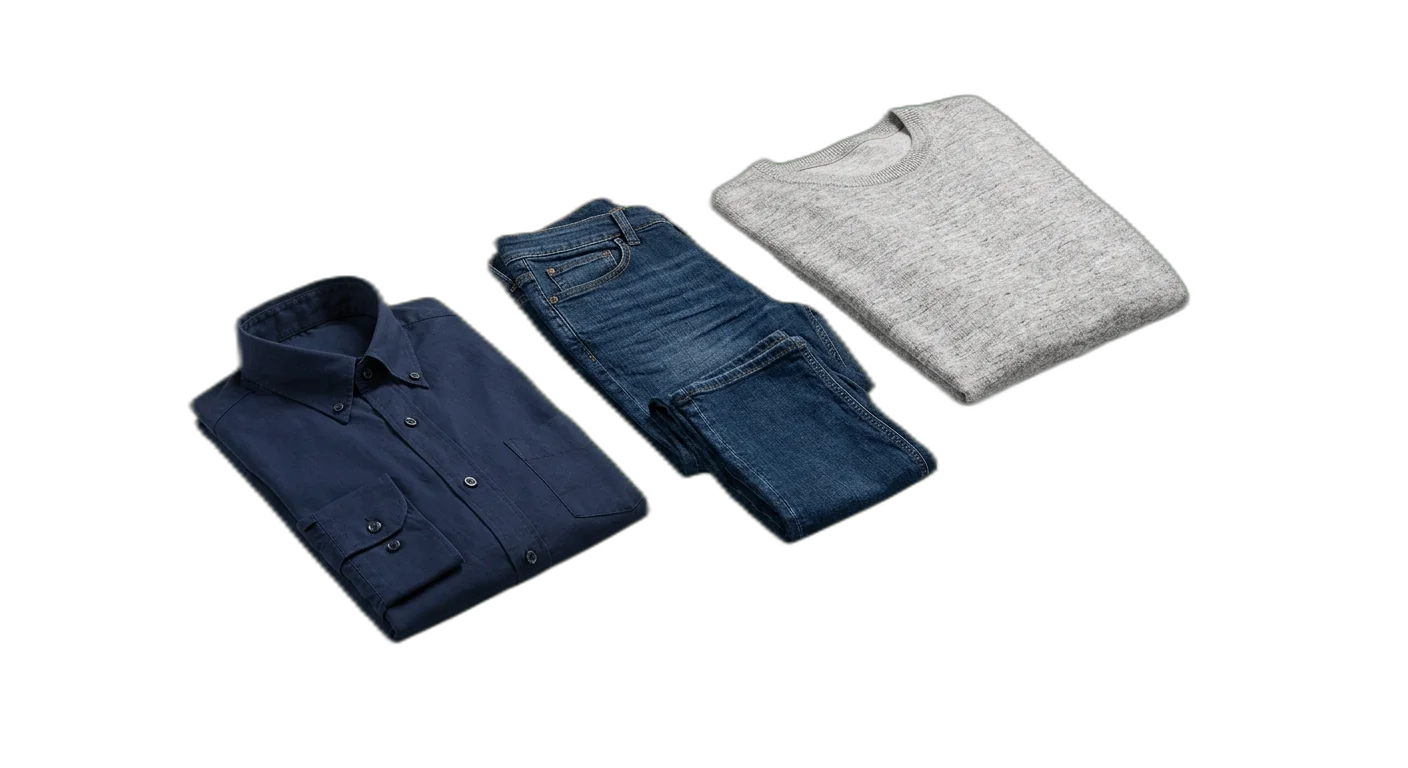
Kleding
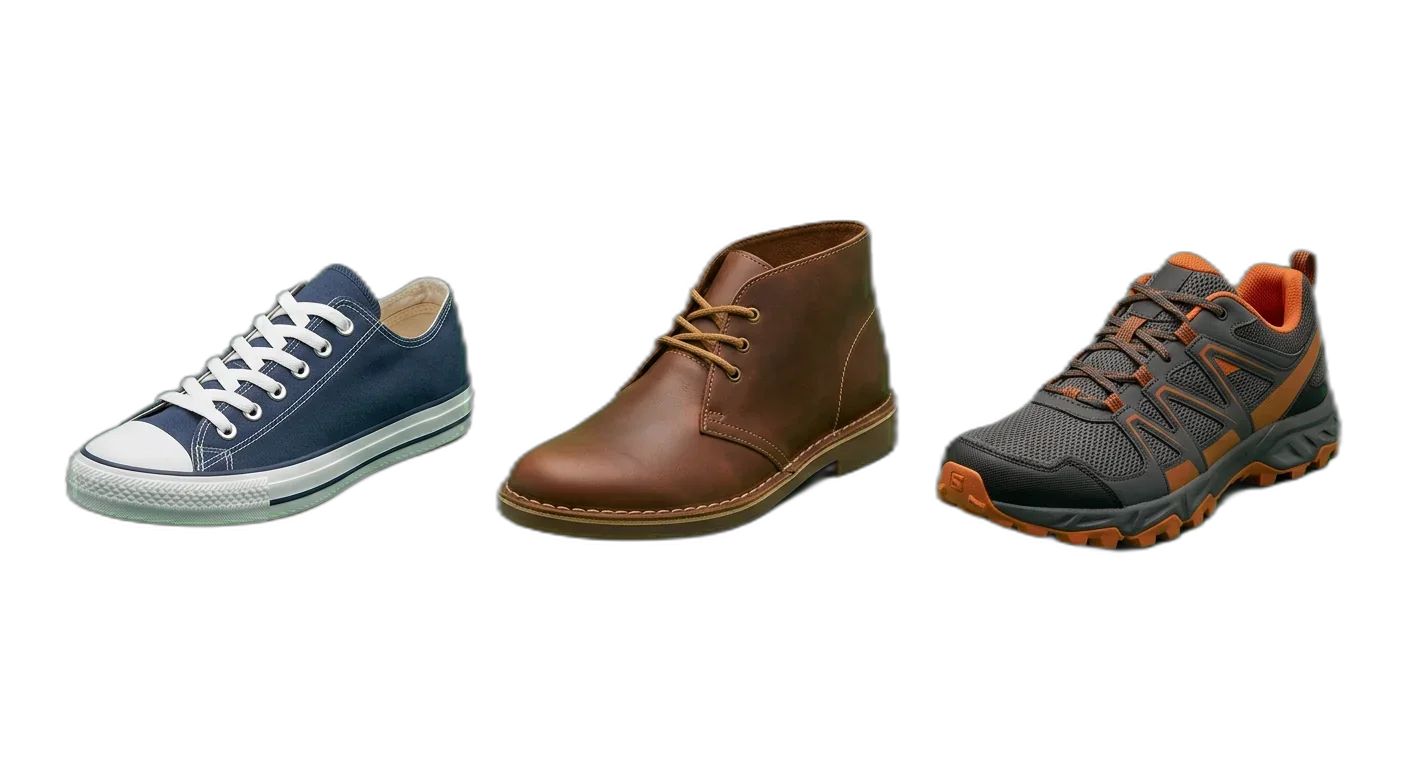
Schoenen
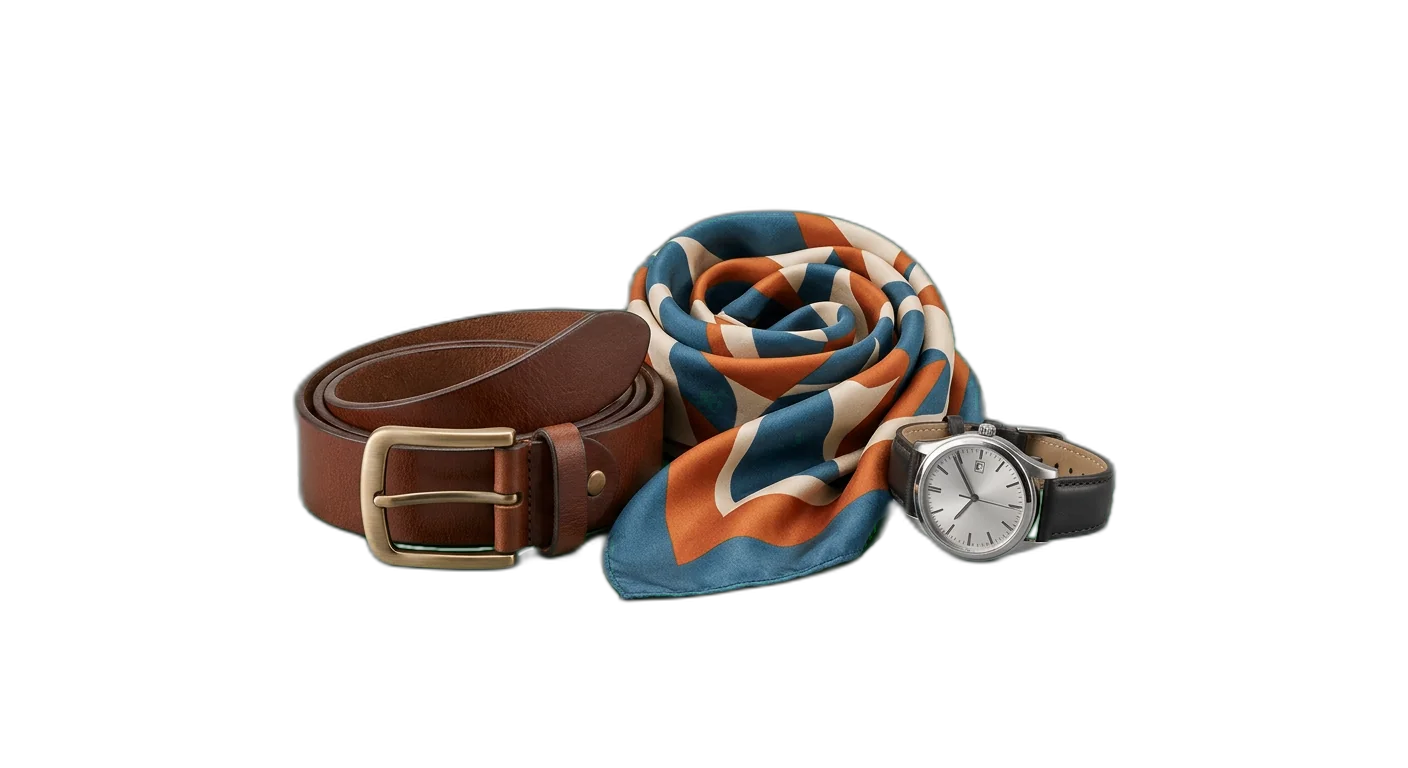
Accessoires
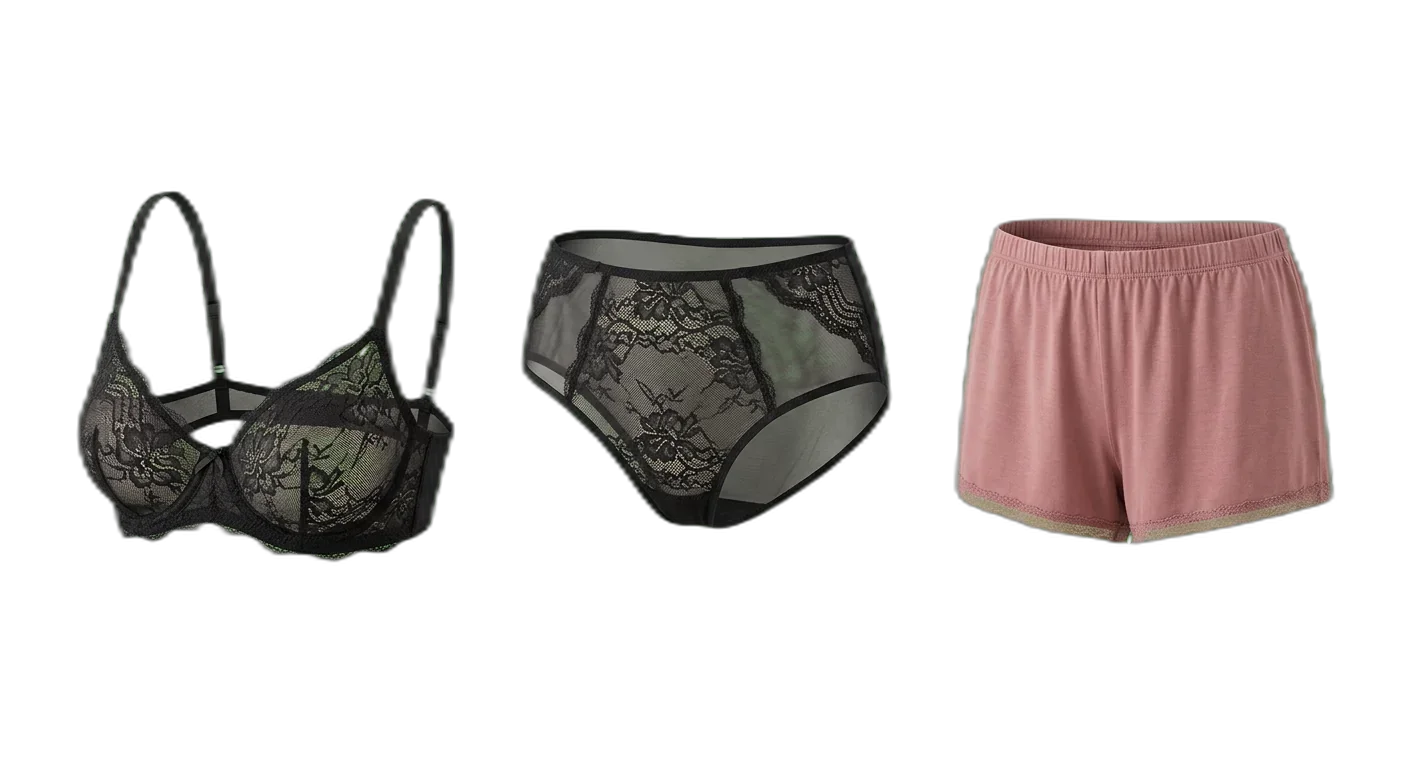
Ondergoed & lingerie
Hoe classificeer je Kleding & mode producten
Volg deze regels om producten elke keer in de juiste categorie te plaatsen
- 1
Classificeer op primaire functie, niet op materiaal
De hoofdcategorie van een product hoort te weerspiegelen wát het is en hoe je het draagt, niet waar het van gemaakt is. Leg materiaal vast als attribuut in plaats van als categorieniveau. Zo voorkom je overbodige takken als 'Katoen > T-shirts' naast 'Polyester > T-shirts'.
Een katoenen polo valt onder Kleding > Herenkleding > Tops > Polo's, met materiaal = 'Katoen'Een zijden avondjurk valt onder Kleding > Dameskleding > Jurken > Avond- & galajurken, met materiaal = 'Zijde' - 2
Splits op geslacht en leeftijdsgroep op het tweede niveau
Splits de tak Kleding op het tweede niveau in dames, heren en kinderen. Dat sluit aan bij hoe shoppers navigeren en bij de manier waarop de meeste marktplaatsen hun taxonomie opbouwen. Splits niet dieper in de boom nóg een keer op geslacht, want dan ontstaan inconsistente paden.
Kleding > Dameskleding > Tops > T-shirts & hemdjesKleding > Herenkleding > Tops > T-shirtsKleding > Kinderkleding > Jongenskleding > Tops & T-shirts - 3
Gebruik gelegenheid en formaliteit als attribuut, niet als categorie
Vermijd parallelle categorietakken voor 'casual', 'formeel' en 'werk' binnen elk kledingtype. Werk in plaats daarvan met een attribuut 'gelegenheid' of 'formaliteit'. De uitzondering zijn jurken en schoenen: daar verschilt de constructie tussen casual en formeel zó sterk dat aparte subcategorieën gerechtvaardigd zijn.
Een zakelijke blazer valt onder Dameskleding > Jassen & bovenkleding > Blazers, met gelegenheid = 'Werk/kantoor'Een jurk voor een galadiner valt onder Dameskleding > Jurken > Avond- & galajurken, omdat de constructie afwijkt van die van casual jurken - 4
Los producten met meerdere categorieën op met één hoofdcategorie plus tags
Past een product logischerwijs in meerdere categorieën, wijs het dan toe aan de meest specifieke hoofdcategorie en gebruik tags of verwijzingen naar secundaire categorieën voor cross-listing. Dupliceer een product nooit over meerdere categorieën in je mastercatalogus.
Een regenjas die voor wandeltochten wordt gebruikt: hoofdcategorie = Jassen & bovenkleding > Jassen, tags = ['activewear', 'outdoor']Een yogabroek die als dagelijkse legging wordt gedragen: hoofdcategorie = Sportkleding > Yoga & pilates, secundaire verwijzing = Broeken & rokken > Leggings - 5
Hanteer consistente naamgevingsconventies
Gebruik meervoudsvormen voor categorienamen (Jurken, niet Jurk). Vermijd afkortingen. Houd één consistente hoofdlettervorm aan. Scheid samengestelde begrippen met een ampersand ('Truien & vesten'), niet met 'en' of een schuine streep. Houd categorienamen korter dan vijf woorden.
'Truien & vesten' in plaats van 'Truien/vesten' of 'Trui en vest''T-shirts & hemdjes' in plaats van 'Tees, tops & topjes' - 6
Onderscheid seizoenscollecties van permanente categorieën
De taxonomie zelf hoort seizoensneutraal te zijn. Gebruik een attribuut 'seizoen' of 'collectie' om producten te labelen voor seizoensgebonden merchandising. Een categorie als Badkleding is wél permanent, omdat dat kledingtype het hele jaar bestaat, ook al is de vraag seizoensgebonden.
Badkleding is een permanente categorie; voeg seizoen = 'Voorjaar/Zomer 2025' toe als attribuutEen kersttrui staat in Truien & vesten met collectie = 'Feestdagen 2025', niet in een aparte categorie 'Feestdagen' - 7
Standaardiseer maatsystemen over markten heen
Maak geen aparte categorieën voor verschillende maatsystemen (US, EU, UK). Gebruik in plaats daarvan een maatattribuut dat meerdere regionale maatformaten ondersteunt. Neem daarbij een aanduiding van het maatsysteem op, zodat hetzelfde product in elke markt de juiste maten toont.
Een jurk heeft maatattributen: US = '6', EU = '36', UK = '10'Schoenmaten opgeslagen als: US_Men = '10', US_Women = '11.5', EU = '43', UK = '9.5' - 8
Gebruik materiaalgroepen als attribuut, niet als categorieniveau
Leg een vaste woordenlijst vast voor materiaalclassificatie. Sla het primaire materiaal en de materiaalsamenstelling op als gestructureerde attributen. Groepeer materialen in brede families (natuurlijke vezels, synthetisch, blends, leer & suède) zodat filteren goed werkt.
Materiaalfamilie = 'Natuurlijke vezel', primair materiaal = 'Biologisch katoen', samenstelling = '95% biologisch katoen, 5% elastaan'Materiaalfamilie = 'Leer & suède', primair materiaal = 'Full-grain leer' - 9
Houd unisexproducten in de meest relevante bovenliggende categorie
Kies voor echt unisexe producten het genderneutrale pad als dat bestaat (bijvoorbeeld Accessoires of Schoenen), of val terug op de categorie waarvoor het product oorspronkelijk is ontworpen. Zet een attribuut 'geslacht' op 'Unisex', zodat het product zowel in de heren- als in de damesfilters opduikt.
Een unisex hoodie: Kleding > Herenkleding > Tops > Truien & hoodies, met geslacht = 'Unisex'Unisex sneakers: Schoenen > Casual schoenen > Sneakers, met geslacht = 'Unisex' - 10
Neem duurzaamheids- en certificeringsattributen op
Maak geen aparte tak 'Duurzaam' of 'Eco-friendly'. Werk in plaats daarvan met eigen attributen voor certificeringen en duurzaamheidsclaims. Zo blijft je taxonomie schoon terwijl je de groeiende vraag van consumenten naar transparante herkomst wél kunt bedienen.
sustainability_certifications = ['GOTS', 'OEKO-TEX Standard 100']recycled_content_percentage = '80%', material_source = 'Post-Consumer Recycled Polyester'
Vereiste attributen per categorie
Zorg voor volledige productdata met de verplichte en aanbevolen attributen voor elk categorieniveau
Kleding & mode classificatievalkuilen om te vermijden
Vermijd deze veelgemaakte categorisatiefouten die de vindbaarheid van producten schaden
- Fout
Materiaal als categorieniveau gebruiken in plaats van als attribuut
Betere aanpakHoud materialen (katoen, polyester, leer) als gestructureerde attributen op het product. Categoriepaden horen te beschrijven wát een product is (T-shirt, jas), niet waar het van gemaakt is. Dat voorkomt dubbele takken en maakt filteren een stuk effectiever.
- Fout
Meer dan vier niveaus diepte in de taxonomie aanbrengen
Betere aanpakBegrens je hiërarchie op vier niveaus (bijvoorbeeld Kleding > Dameskleding > Tops > T-shirts & hemdjes). Alles daarvoorbij vang je op met attributen. Diepe nesting verwart shoppers en maakt de mapping naar marktplaatsen onnodig ingewikkeld.
- Fout
Inconsistente maatnotatie tussen categorieën
Betere aanpakLeg per markt één maatformaat vast en dwing dat in alle categorieën af. Gebruik gestructureerde maatobjecten die regionale equivalenten (US, EU, UK) bevatten in plaats van vrije-tekstvelden. Zet validatieregels in zodat 'Medium' nooit naast 'M' kan bestaan.
- Fout
Categorieën dupliceren voor seizoenscollecties
Betere aanpakHoud je taxonomie seizoensneutraal en label producten in plaats daarvan met seizoens- en collectieattributen. 'Zomerjurken' hoort geen aparte categorie te zijn naast 'Jurken': het product heeft simpelweg seizoen = 'Voorjaar/Zomer'.
- Fout
Geen unisexoptie in de taxonomie
Betere aanpakVoeg een attribuut 'geslacht' toe met 'Unisex' als waarde. Plaats unisexproducten in de meest relevante bestaande categorie en laat dat attribuut de vindbaarheid over geslachten heen regelen, in plaats van het product te dupliceren over de dames- en de herenboom.
- Fout
Merknamen als categorieniveau gebruiken
Betere aanpakMerk is altijd een attribuut, nooit een categorie. Een categorie als 'Nike > Hardloopschoenen' breekt zodra je een tweede merk toevoegt. De juiste structuur is Schoenen > Sportschoenen > Hardloopschoenen met merk = 'Nike'.
- Fout
Gelegenheid en kledingtype door elkaar halen in categorienamen
Betere aanpakVermijd hybride categorieën als 'Casual tops' of 'Werkbroeken'. Gebruik het kledingtype als categorie (Tops, Broeken) en de gelegenheid als attribuut. De uitzondering is wanneer de constructie van het kledingstuk echt verschilt per gelegenheid, zoals bij avondjurken tegenover casual jurken.
- Fout
Duurzaamheids- en certificeringsattributen negeren
Betere aanpakVoeg aparte velden toe voor duurzaamheidscertificeringen (GOTS, Fair Trade, OEKO-TEX), het percentage gerecycled materiaal en de herkomst van grondstoffen. Marktplaatsen vragen hier steeds vaker om, denk aan Amazon Climate Pledge Friendly of de duurzaamheidslabels van Zalando, en consumenten verwachten het inmiddels.
- Fout
Inconsistente verwijzingen naar maattabellen bij vergelijkbare producten
Betere aanpakKoppel elk product aan een maattabel-ID op categorieniveau, niet op productniveau. Alle producten onder 'Dameskleding > Tops' horen naar dezelfde basismaattabel te verwijzen. Afwijkingen zoals een relaxed fit vang je op met pasvormspecifieke correcties, niet met aparte tabellen.
- Fout
Kleurnamen inconsistent of ongecontroleerd gebruiken
Betere aanpakLeg een vaste kleurenlijst vast met zowel een marketingnaam (middernachtblauw) als een gestandaardiseerde basiskleur (blauw). Zo blijven filters correct werken terwijl je creatieve kleurnamen in producttitels kunt gebruiken. Koppel elke kleurvariant aan je lijst met basiskleuren.
Hoe categoriseer je Kleding & mode producten
Volg deze stappen om je Kleding & mode producten correct te categoriseren voor e-commerce en marktplaatsvereisten
01
Analyseer je huidige catalogus en bepaal je hoofdtakken
Exporteer om te beginnen je volledige productlijst en groepeer de artikelen op type. Bepaal welke hoofdindelingen vanzelf ontstaan: Kleding, Schoenen, Accessoires en Ondergoed & lingerie. Tel hoeveel producten er in elke tak vallen. Zo zie je meteen waar je diepte nodig hebt en waar een plattere structuur volstaat. Ruim oude categorieën op die gebaseerd waren op merk, seizoen of campagne.
02
Werk subcategorieën uit tot vier niveaus en leg naamgeving vast
Maak binnen elke hoofdtak subcategorieën volgens het patroon geslacht > kledingtype > specifiek type voor Kleding, en functie > specifiek type voor Schoenen en Accessoires. Gebruik meervoudsvormen, een consistente hoofdlettervorm en een ampersand bij samengestelde namen. Controleer dat geen enkele categorie minder dan vijf producten bevat; is dat wel zo, voeg hem dan samen met de categorie erboven. Streef naar een gebalanceerde boom waarin geen enkele tak op hetzelfde niveau tien keer zoveel producten bevat als een andere.
03
Bepaal verplichte en aanbevolen attributen per eindcategorie
Leg voor elke onderste categorie vast welke attributen verplicht zijn (maat, kleur, materiaal, prijs) en welke aanbevolen (wasvoorschrift, duurzaamheidscertificeringen, land van herkomst). Werk waar mogelijk met vaste waardenlijsten in plaats van vrije tekst. Documenteer het attribuutschema en deel het met je productdatateam, zodat je vanaf dag één consistent werkt.
04
Maak mappingtabellen voor marktplaatsen en valideer je kanalen
Koppel je interne categorieën aan de taxonomie van elke marktplaats waarop je verkoopt en sla die koppelingen op als attribuut op je categorieën. Test de mapping door een voorbeeldfeed door de validatietool van elke marktplaats te halen en los afwijkingen op voordat je live gaat. Let vooral op verplichte attributen die per marktplaats verschillen: Google Shopping vraagt soms om andere velden dan Amazon of Zalando.
05
Leg governance vast en plan periodieke taxonomiereviews
Documenteer wie categorieën mag toevoegen, hernoemen of verwijderen en onder welke voorwaarden. Stel validatieregels in je PIM in die verplichte attributen afdwingen en verkeerde categorisatie voorkomen. Plan elk kwartaal een review om te controleren op verweesde categorieën, scheve takken en nieuwe producttypes die om een eigen categorie vragen. Gebruik zoekanalyses en klantfeedback om gaten in je taxonomie op te sporen.
Kleding & mode: categoriseer je eigen catalogus in WISEPIM
Meld je aan voor het gratis plan en pas deze gids toe op je eigen producten: bouw je categorieboom, laat AI per product een categorie voorstellen en koppel je categorieën aan de producttaxonomie van Google.
- 100 producten en 50 AI-credits per maand met het gratis plan
- Importeer producten uit een CSV-bestand of een gekoppelde winkel
- AI-categorisatie wijst categorieën toe, of stelt ze voor zodat jij eerst checkt
- De categoriekaart koppelt je categorieën aan Google-productcategorieën
Veelgestelde vragen
Veelgestelde vragen over Kleding & mode productcategorisatie
Beste Kleding & mode categorieën voor e-commerce
Ontdek de best presterende Kleding & mode productcategorieën gerangschikt op vraag, marges en groeipotentieel.
Map Kleding & mode producten naar een globale taxonomie
Heb je je eigen categorieboom? Map ze naar de standaarden die marketplaces, advertentieplatforms en dataleveranciers vereisen.
Bekijk meer branchegidsen
- Inventariseer je productbronnen
- Definieer je attribuutschema
- Normaliseer merknamen
- Voeg alt-text toe aan primaire beelden
De productcategorisatie-checklist
Tien concrete stappen voor een schone, schaalbare categorieboom, inclusief regels voor boomdiepte, leaf-level attributen en wat te doen bij conflicten.
- Kies de juiste standaard (Google / GS1 GPC / eCl@ss)
- Max-diepte regels, zodat je boom niet ontspoort
- Minimum attribuutset per leaf-categorie
Eén mail, geen spam. Printen en aan de slag.
| sku | name | brand | size | color |
|---|---|---|---|---|
| FA-001 | Linen shirt | Your brand | M | Sand |
| — | — | — | — | — |
De Kleding & mode PIM starter-template
Dezelfde attributen als in deze gids, maar nu als kant-en-klare CSV. Vereist eerst, daarna aanbevolen, met een ingevuld voorbeeld zodat je direct kunt beginnen.
- 7 vereiste + 12 aanbevolen attributen
- Direct importeerbaar in elk PIM of ERP
- Eén voorbeeldrij + één lege rij
Eén mail, één bijlage. Geen marketingreeks.
Verder ontdekken
Zorgvuldig gekozen vervolgstappen om dieper te gaan.
Klaar om je Kleding & mode categorisatie te automatiseren?
WISEPIM gebruikt AI om producten automatisch te classificeren. Bespaar uren handmatig werk en maak een einde aan categorisatiefouten.