Sportartikelen categoriseren: van schoenen tot badmode
Tennisschoenen van Nike of Adidas horen bij Kleding en accessoires > Schoenen (Google-ID 187), niet bij sportartikelen: Google rekent schoenen tot kleding en de sport wordt een attribuut. Sportuitrusting valt wel onder Sportartikelen, zoals tennisrackets (3906), en badmode hoort bij Kleding en accessoires > Kleding > Zwemkleding (211). Merk is altijd een attribuut, nooit een categorie. De ID's volgen de Google-producttaxonomie, versie 2021-09-21.
Sport & outdoor categoriehiërarchie
Standaard categoriestructuur die op grote e-commerce platforms en marktplaatsen wordt gebruikt
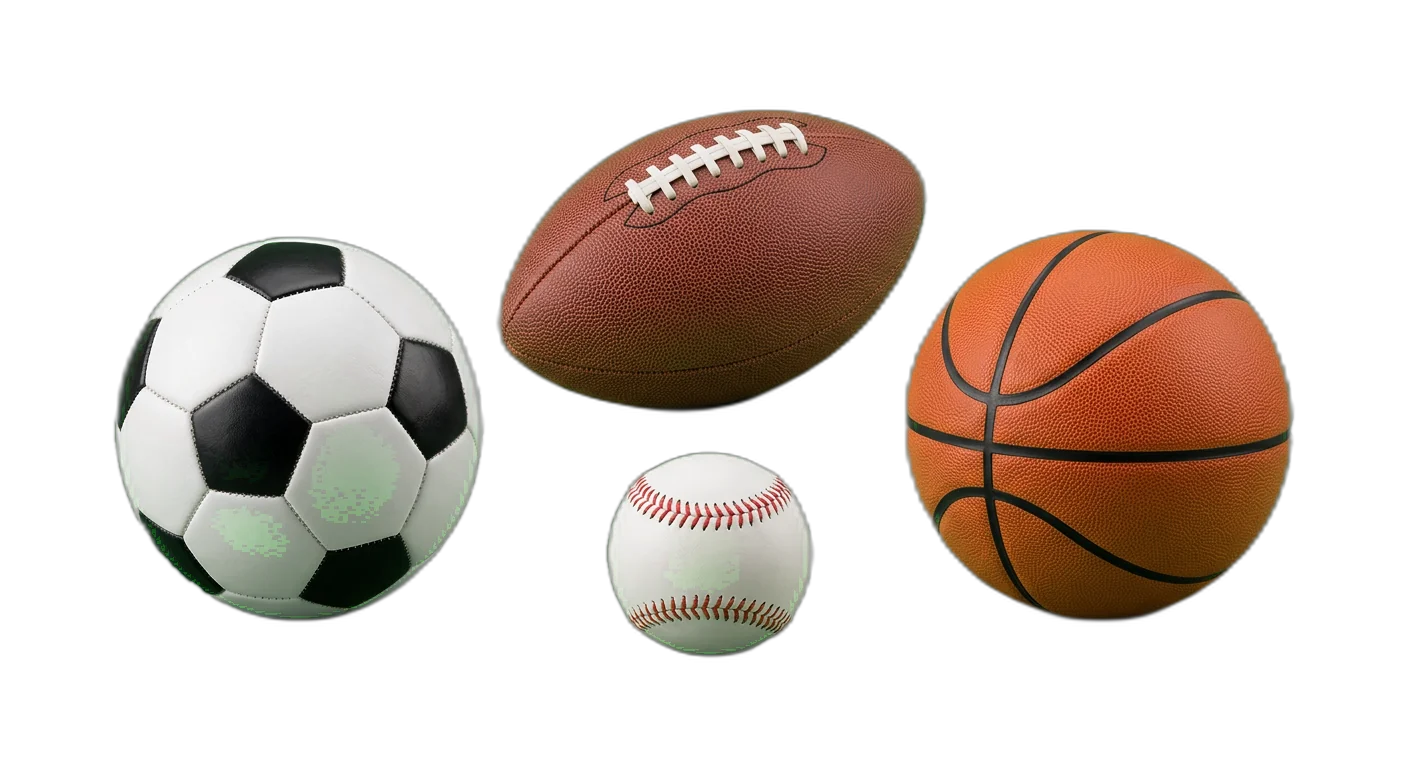
Teamsporten
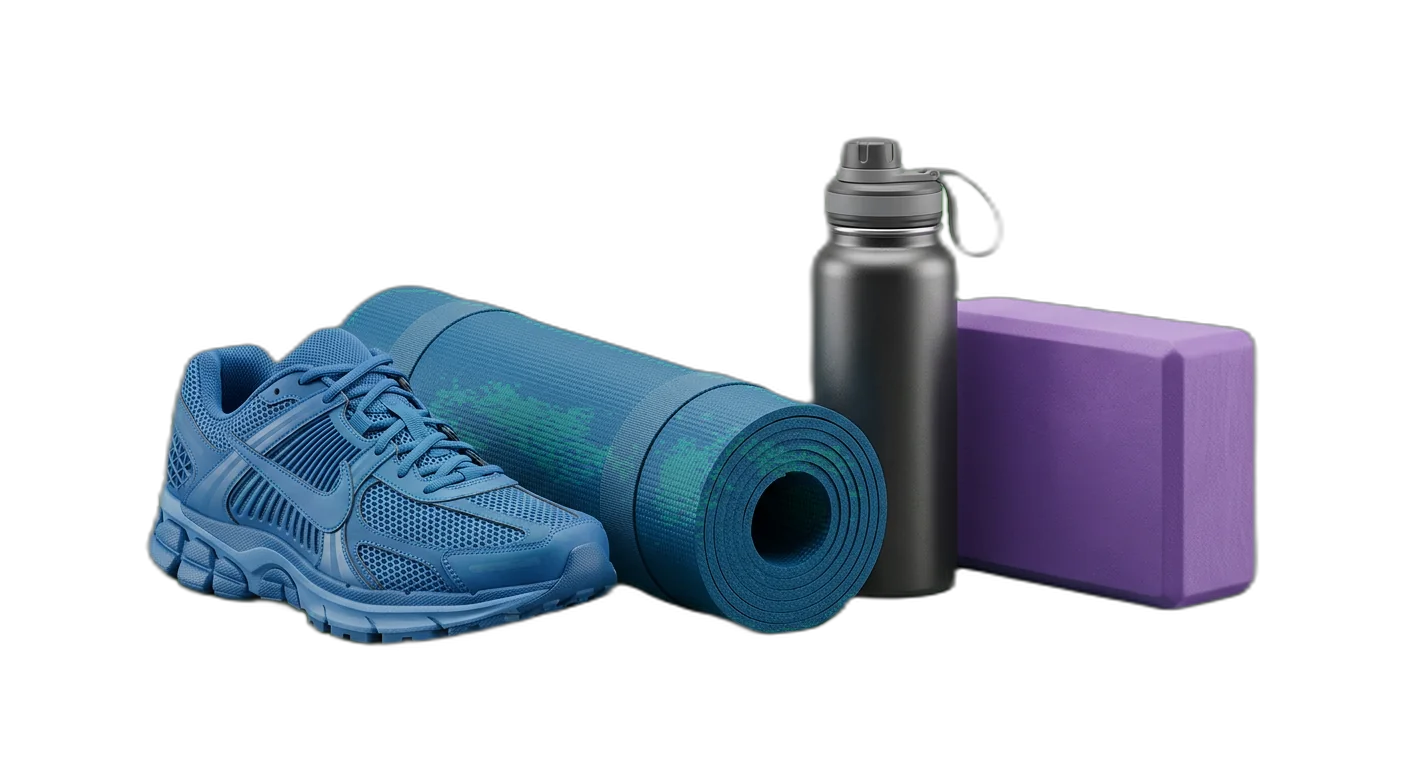
Individuele sporten
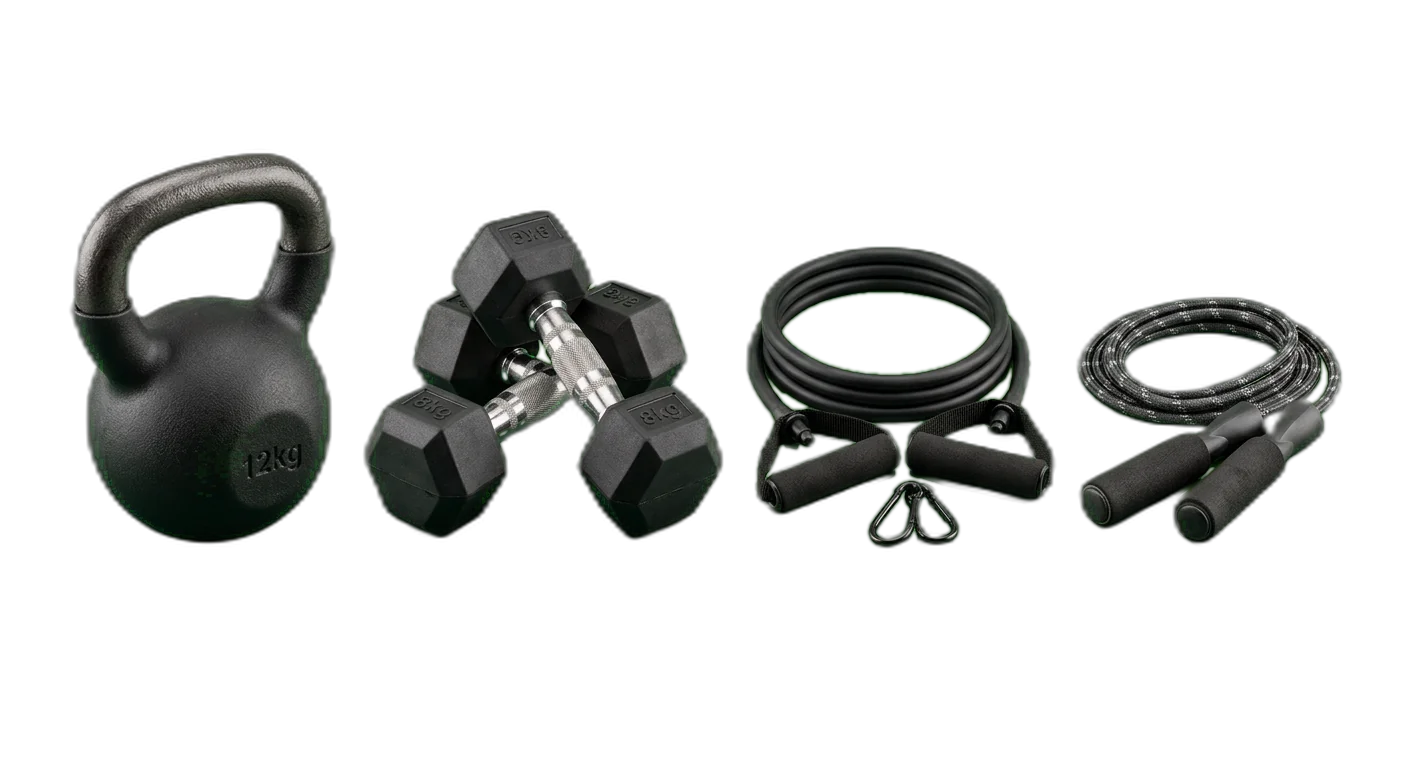
Fitness & training
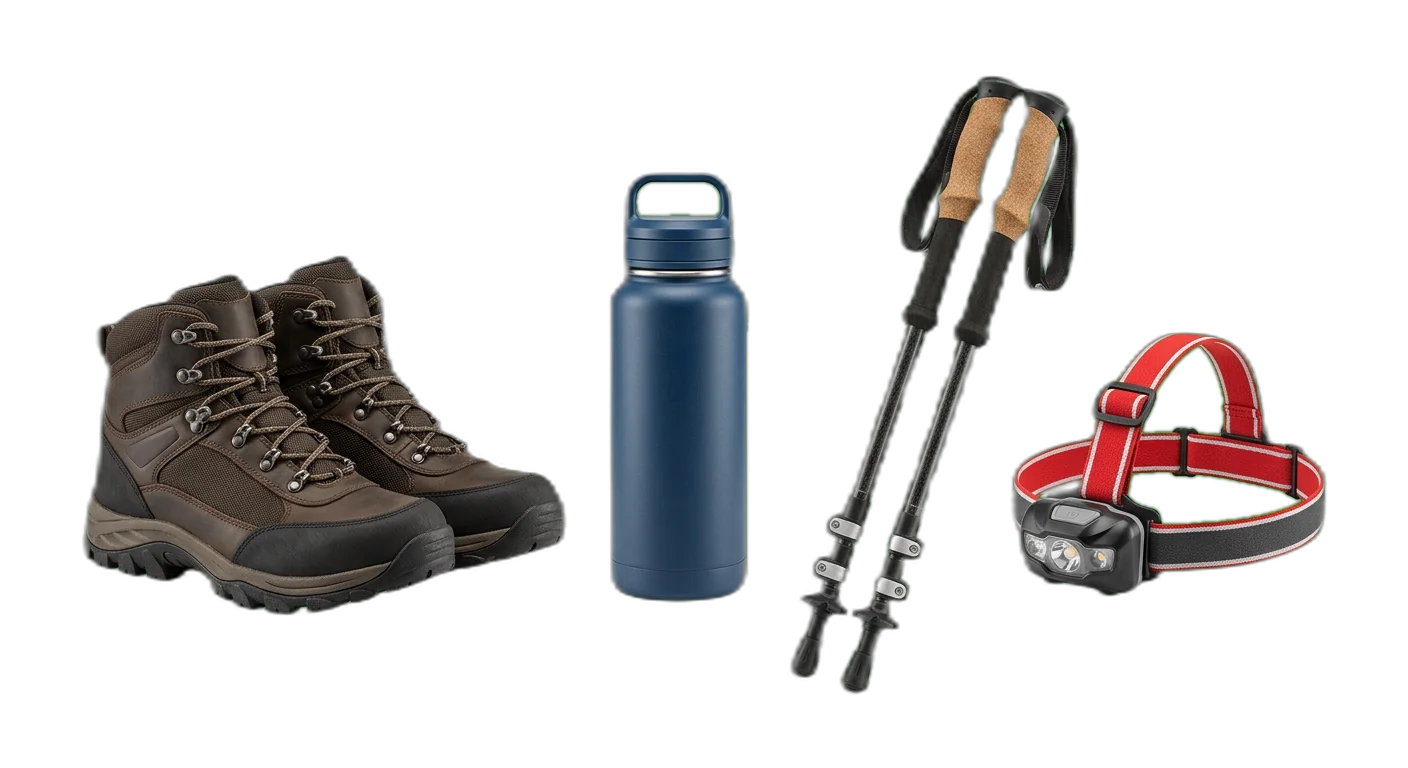
Outdoor & recreatie
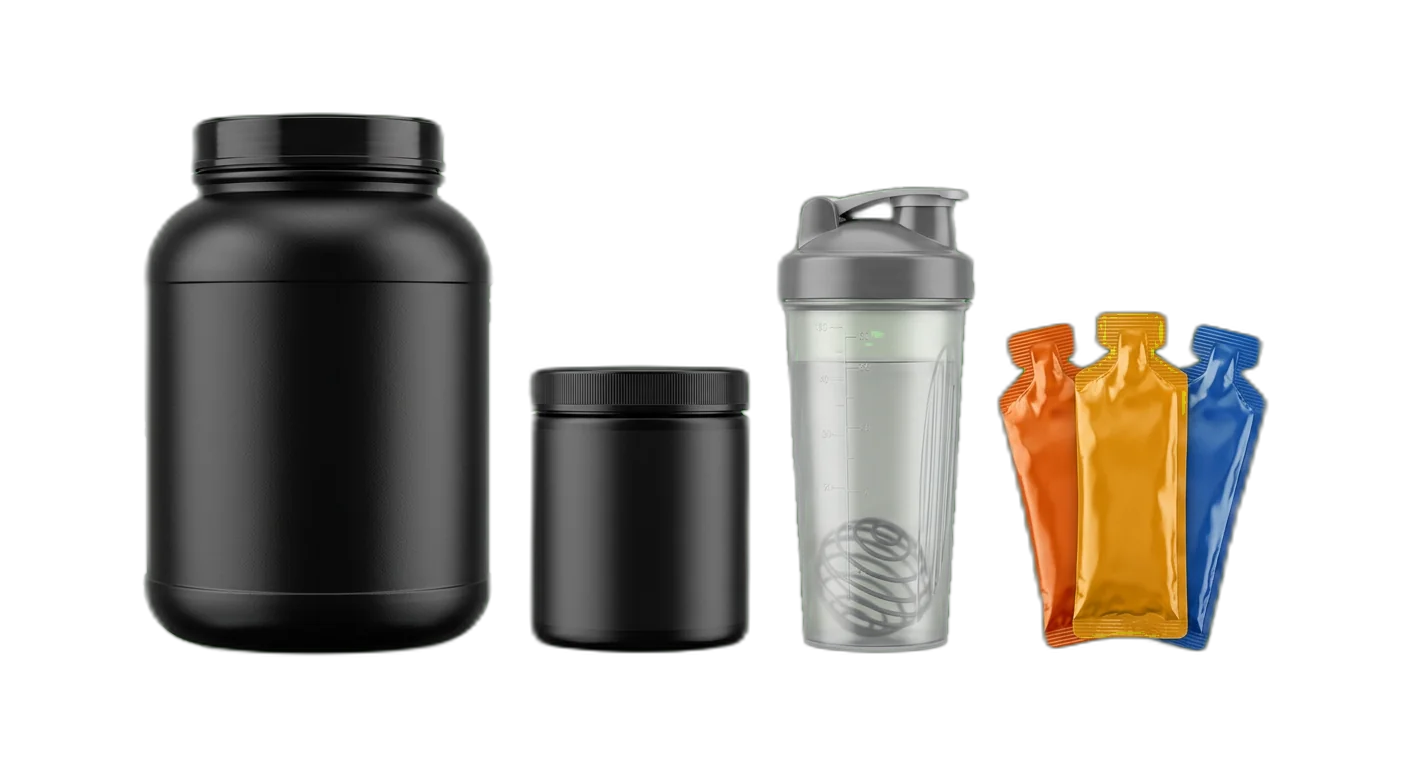
Sportvoeding
Hoe classificeer je Sport & outdoor producten
Volg deze regels om producten elke keer in de juiste categorie te plaatsen
- 1
Classificeer eerst op sport, daarna op producttype
De belangrijkste ordeningsas is de sport of activiteit. Binnen elke sport deel je verder op naar producttype (materiaal, kleding, accessoires). Zo winkelen sporters ook echt: ze zoeken op hun sport, niet op de vraag of ze nu kleding of materiaal nodig hebben.
Een tennisrokje hoort onder Tennis > Tenniskleding, niet onder Kleding > RokkenEen fietshelm hoort onder Wielrennen & fietsen > Fietshelmen, niet onder Helmen > Fietsen - 2
Scheid materiaal en kleding binnen elke sport
Houd binnen een sportcategorie een duidelijk onderscheid tussen hardware (materiaal, uitrusting) en soft goods (kleding, schoenen). Die scheiding ondersteunt verschillende attribuutschema's en helpt bij voorraadbeheer, want materiaal en kleding hebben een fundamenteel andere supply chain.
- 3
Gebruik niveau als attribuut, niet als categorie
Maak geen aparte categorieën voor tennisrackets voor beginners, halfgevorderden en professionals. Houd één categorie Tennisrackets aan en voeg een attribuut Niveau toe (Beginner, Halfgevorderd, Gevorderd, Professional). Dat voorkomt wildgroei in je taxonomie en maakt filteren een stuk flexibeler.
Gebruik Tennis > Tennisrackets met het attribuut Niveau: GevorderdMaak niet Tennis > Gevorderd > Rackets aan - 4
Vang indoor- en outdoorvarianten op met attributen
Veel sporten kennen een indoor- en een outdoorvariant (voetbal, volleybal, basketbal). Gebruik Indoor/Outdoor als attribuut in plaats van parallelle categoriebomen aan te leggen. Het materiaal verschilt in specificaties, maar deelt dezelfde fundamentele categoriestructuur.
- 5
Groepeer accessoires onder hun eigen sport
Sportspecifieke accessoires (tassen, grips, reserveonderdelen) horen genest onder hun sportcategorie en niet in een algemene categorie Accessoires. Een rackettas hoort onder Tennis en niet onder een globale categorie Tassen, want klanten winkelen per sport.
- 6
Behandel seizoensproducten met attributen
Producten die voor een specifiek seizoen zijn ontworpen (zwemkleding voor de zomer, thermo-ondergoed voor de winter) blijven in hun sport- of activiteitencategorie staan, met een attribuut Seizoen. Maak geen aparte hoofdcategorieën Zomersport en Wintersport aan, want veel producten (zoals thermische hardloopkleding) vallen precies op die grens.
- 7
Categoriseer beschermingsmateriaal onder zijn sport, niet generiek
Helmen, beschermers en andere veiligheidsuitrusting horen thuis onder de specifieke sport waarvoor ze gemaakt zijn. Een fietshelm en een skatehelm hebben andere veiligheidscertificeringen en andere eigenschappen. In een algemene categorie Beschermingsmateriaal krijg je de juiste compliance-attributen nooit goed boven water.
Wielrennen & fietsen > Fietshelmen (met CE/CPSC-certificeringsattributen)IJshockey > Beschermingsmateriaal > IJshockeyhelmen (met HECC-certificering) - 8
Houd sportvoeding als aparte hoofdcategorie
Eiwitpoeders, energierepen, hydratatieproducten en supplementen zijn relevant voor alle sporten en fitnessactiviteiten. Ze onder één specifieke sport hangen dwingt je tot omslachtige kruisverwijzingen. Houd Sportvoeding op hetzelfde niveau als Teamsporten, Individuele sporten en Fitness.
- 9
Gebruik geslacht als filterbaar attribuut, niet als niveau in de boom
Dupliceer je hele categorieboom niet voor heren en dames. Voeg in plaats daarvan Geslacht toe als attribuut (Heren, Dames, Unisex, Jeugd). De uitzondering is sportspecifieke kleding waarbij de pasvorm sterk verschilt, maar ook dan hoort geslacht een attribuut te zijn dat je pas ná de producttypecategorie toepast.
- 10
Onderscheid leeftijdsgroepen met attributen, niet met dubbele takken
Producten voor jeugd, junioren of volwassen sporters delen dezelfde categorie, met een attribuut Leeftijdsgroep. Aparte bomen voor Kindersport en Volwassenensport leiden tot enorme duplicatie en onderhoudslast. Gebruik Leeftijdsgroep: Jeugd, Junior, Volwassen, Senior als filterbaar attribuut.
Vereiste attributen per categorie
Zorg voor volledige productdata met de verplichte en aanbevolen attributen voor elk categorieniveau
Sport & outdoor classificatievalkuilen om te vermijden
Vermijd deze veelgemaakte categorisatiefouten die de vindbaarheid van producten schaden
- Fout
Sportkleding ordenen op kledingtype (alle T-shirts bij elkaar, alle shorts bij elkaar) in plaats van op sport
Betere aanpakCategoriseer eerst op sport en daarna op producttype. Een hardloopshort en een basketbalshort hebben totaal andere attributen, maatvoering en klantverwachtingen. Hang ze onder hun eigen sport en gebruik Producttype als secundair attribuut.
- Fout
De hele categorieboom dupliceren per geslacht (Teamsporten heren, Teamsporten dames, Teamsporten kinderen)
Betere aanpakHoud één categorieboom aan en gebruik Geslacht als filterbaar attribuut. Een basketbal is voor iedereen hetzelfde product. Alleen sportspecifieke kleding heeft geslachtsvarianten nodig, en ook daar hoort geslacht een attribuut te zijn en geen niveau in de boom.
- Fout
Indoor- en outdoorvarianten van sporten in aparte hoofdcategorieën zetten in plaats van attributen te gebruiken
Betere aanpakHoud één categorie per sport aan (bijvoorbeeld Voetbal) en voeg een attribuut Indoor/Outdoor toe. Zaalvoetbalschoenen en voetbalschoenen met noppen delen dezelfde sportcontext en dezelfde klantreis. Ze uit elkaar trekken maakt de navigatie alleen maar verwarrend.
- Fout
Categorieën inrichten op merk (Nike Hardlopen, Adidas Training) in plaats van op sport of activiteit
Betere aanpakMerk hoort altijd een filterbaar attribuut te zijn, nooit een categorie. Merkcategorieën versnipperen de browse-ervaring en worden onbeheersbaar zodra je merken toevoegt aan of laat vallen uit je assortiment.
- Fout
Niveau als categorieniveau gebruiken (Golf voor beginners, Golf voor gevorderden) in plaats van als attribuut
Betere aanpakGebruik één categorie Golf met een attribuut Niveau (Beginner, Halfgevorderd, Gevorderd, Professional). Dat voorkomt dubbele takken en laat klanten tijdens het browsen over niveaus heen filteren.
- Fout
Veiligheidscertificeringen en keurmerken van beschermingsmateriaal zoals helmen en beschermers niet vastleggen
Betere aanpakVoeg verplichte attributen voor veiligheidscertificering toe aan alle categorieën met beschermingsmateriaal. Leg specifieke normen vast, zoals CE EN 1078 voor fietshelmen, ASTM voor honkbalhelmen en HECC voor ijshockeymateriaal. Marketplaces eisen ze en je klanten rekenen erop.
- Fout
Sportvoeding (eiwitten, hydratatie, energie) tussen het materiaal in sportspecifieke categorieën plaatsen
Betere aanpakHoud Sportvoeding als aparte hoofdcategorie. Voedingsproducten zijn relevant voor alle sporten en activiteiten. Eiwitpoeder onder Fitness > Krachttraining hangen maakt het onzichtbaar voor hardlopers, zwemmers en wielrenners die het net zo goed gebruiken.
- Fout
Overlappende categorieën maken tussen Outdoor & recreatie en Individuele sporten (bijvoorbeeld Zwemmen op beide plekken)
Betere aanpakGeef elke activiteit één vaste plek in de boom. Wedstrijdzwemmen hoort onder Individuele sporten, terwijl recreatief snorkelen en kajakken onder Outdoor & recreatie > Watersport vallen. Los overlap op met kruisverwijzingen of tags in plaats van met dubbele categorieën.
- Fout
Inconsistente maatstandaarden per sportcategorie (US-maten voor hardloopschoenen, EU voor voetbalschoenen, UK voor cricket)
Betere aanpakStandaardiseer per markt op één maatsysteem en bouw automatische omrekening in. Sla maatdata op in één schema met een mapping naar alle regionale systemen en toon het juiste systeem op basis van de locale van de klant.
- Fout
Geen onderscheid maken tussen team- en individuele sporten en alle sportartikelen in één platte lijst zetten
Betere aanpakGebruik Teamsporten en Individuele sporten als ordenende hoofdcategorieën. Dat sluit aan bij hoe klanten over hun aankoop denken en helpt je sportspecifieke sets te tonen (bijvoorbeeld een complete basketbalopstelling versus persoonlijke hardloopuitrusting).
Hoe categoriseer je Sport & outdoor producten
Volg deze stappen om je Sport & outdoor producten correct te categoriseren voor e-commerce en marktplaatsvereisten
01
Importeer je sportcatalogus
Koppel je e-commerceplatform of upload de productfeed met je sport- en outdoorproducten. WISEPIM herkent automatisch producttitels, beschrijvingen, afbeeldingen en bestaande attributen en maakt je catalogus klaar voor AI-categorisatie over alle sporten en activiteiten heen.
02
AI classificeert je producten
WISEPIM analyseert productafbeeldingen, titels en beschrijvingen om de sport, het producttype en de belangrijkste specificaties te bepalen. De AI onderscheidt teamsporten van individuele sporten, scheidt materiaal van kleding en plaatst elk product met hoge nauwkeurigheid in de juiste subcategorie.
03
Verrijk attributen & controleer veiligheidsdata
Beoordeel de door AI voorgestelde categorieën en vul kritieke attributen aan, zoals maatvoering, veiligheidscertificeringen en niveau-indicaties. WISEPIM markeert ontbrekende verplichte attributen en signaleert beschermingsmateriaal dat certificeringsdata nodig heeft voordat het naar een marketplace gaat.
04
Publiceer naar al je kanalen
Exporteer je gecategoriseerde sportcatalogus naar je webshop, marketplaces en productfeeds. WISEPIM mapt je interne categorieën naar de taxonomie van elk platform (Google Shopping Sporting Goods, Amazon Sports & Outdoors, eBay) en houdt alles synchroon zodra je producten bijwerkt.
Sport & outdoor: categoriseer je eigen catalogus in WISEPIM
Meld je aan voor het gratis plan en pas deze gids toe op je eigen producten: bouw je categorieboom, laat AI per product een categorie voorstellen en koppel je categorieën aan de producttaxonomie van Google.
- 100 producten en 50 AI-credits per maand met het gratis plan
- Importeer producten uit een CSV-bestand of een gekoppelde winkel
- AI-categorisatie wijst categorieën toe, of stelt ze voor zodat jij eerst checkt
- De categoriekaart koppelt je categorieën aan Google-productcategorieën
Veelgestelde vragen
Veelgestelde vragen over Sport & outdoor productcategorisatie
Beste Sport & outdoor categorieën voor e-commerce
Ontdek de best presterende Sport & outdoor productcategorieën gerangschikt op vraag, marges en groeipotentieel.
Map Sport & outdoor producten naar een globale taxonomie
Heb je je eigen categorieboom? Map ze naar de standaarden die marketplaces, advertentieplatforms en dataleveranciers vereisen.
Bekijk meer branchegidsen
Printbare checklist
Begin in 15 minutenZet elk live product in de juiste categorie
Begin met een telling van 15 minuten: producten zonder categorie, of met alleen een hoofdcategorie. Je krijgt twee getallen, zoals 140 producten, 12 in je top 100. Daarna 5 stappen voor de rest van de week.
Zo werkt het
- Filter op producten zonder categorie of met alleen een hoofdcategorie.
- Kijk hoeveel daarvan in je top 100 bestsellers staan.
- Schrijf beide getallen op, zoals '140 producten, 12 in de top 100'.
Eén mail, één keer, met een link naar de printbare checklist. Verder niets, tenzij je het vakje aanvinkt.
Gratis Excel-template
XLSX · 3 tabbladenZie welke van je 20 bestsellers nog niet compleet zijn
Een Excel-check met de kolommen die je voor sportartikelen nodig hebt. In ongeveer 15 minuten weet je hoeveel van je 20 producten compleet zijn, en welke verbetering de meeste rijen helpt.
Zo werkt het
- Plak 20 bestsellers uit je webshopexport in Producten.
- Vul in wat je weet. De laatste kolom zegt per rij wat er ontbreekt.
- Lees je resultaat op Begin hier: hoeveel er compleet zijn en welke verbetering de meeste rijen helpt.
Eén mail, één keer, met de XLSX als bijlage en als downloadlink. Verder niets, tenzij je het vakje aanvinkt.
Verder ontdekken
Zorgvuldig gekozen vervolgstappen om dieper te gaan.
Klaar om je Sport & outdoor categorisatie te automatiseren?
WISEPIM gebruikt AI om producten automatisch te classificeren. Bespaar uren handmatig werk en maak een einde aan categorisatiefouten.