Beautyproducten categoriseren met Google ID's
Make-up voor het gezicht valt onder Gezondheid en persoonlijke verzorging > Persoonlijke verzorging > Cosmetica > Make-up: lipstick heeft Google-ID 3021 en oogschaduw 2904. Een föhn hoort bij Haarverzorging > Haarstylingsapparaten > Föhns (490) en nagellak bij Cosmetica > Nagelverzorging > Nagellakken (2683). Classificeer op wat een product doet, niet op merk. De ID's volgen de Google-producttaxonomie, versie 2021-09-21.
Snel antwoord: in welke categorie hoort het?
| Product | Categoriepad | Standaard | ID |
|---|---|---|---|
| Föhn | Gezondheid en persoonlijke verzorging > Persoonlijke verzorging > Haarverzorging > Haarstylingsapparaten > Föhns | Google-producttaxonomie | 490 |
| Haarborstel | Gezondheid en persoonlijke verzorging > Persoonlijke verzorging > Haarverzorging > Haarstylingsapparaten > Kammen en borstels | Google-producttaxonomie | 487 |
| Oogschaduwpalet | Gezondheid en persoonlijke verzorging > Persoonlijke verzorging > Cosmetica > Make-up > Oogmake-up > Oogschaduw | Google-producttaxonomie | 2904 |
| Lippenstift | Gezondheid en persoonlijke verzorging > Persoonlijke verzorging > Cosmetica > Make-up > Lipmake-up > Lipstick | Google-producttaxonomie | 3021 |
| Nagellak | Gezondheid en persoonlijke verzorging > Persoonlijke verzorging > Cosmetica > Nagelverzorging > Nagellakken | Google-producttaxonomie | 2683 |
| Manicure- en pedicureset | Gezondheid en persoonlijke verzorging > Persoonlijke verzorging > Cosmetica > Cosmetische hulpmiddelen > Hulpmiddelen voor nagelverzorging > Manicuresets | Google-producttaxonomie | 6300 |
| Voetverzorgingsproducten | Gezondheid en persoonlijke verzorging > Persoonlijke verzorging > Voetverzorging | Google-producttaxonomie | 515 |
| Maandverband, tampons en menstruatiecups | Gezondheid en persoonlijke verzorging > Persoonlijke verzorging > Menstruatieproducten | Google-producttaxonomie | 485 |
| Shampoo | Gezondheid en persoonlijke verzorging > Persoonlijke verzorging > Haarverzorging > Shampoo en conditioner > Shampoo | Google-producttaxonomie | 543615 |
| Parfum | Gezondheid en persoonlijke verzorging > Persoonlijke verzorging > Cosmetica > Parfum | Google-producttaxonomie | 479 |
Beauty & persoonlijke verzorging categoriehiërarchie
Standaard categoriestructuur die op grote e-commerce platforms en marktplaatsen wordt gebruikt
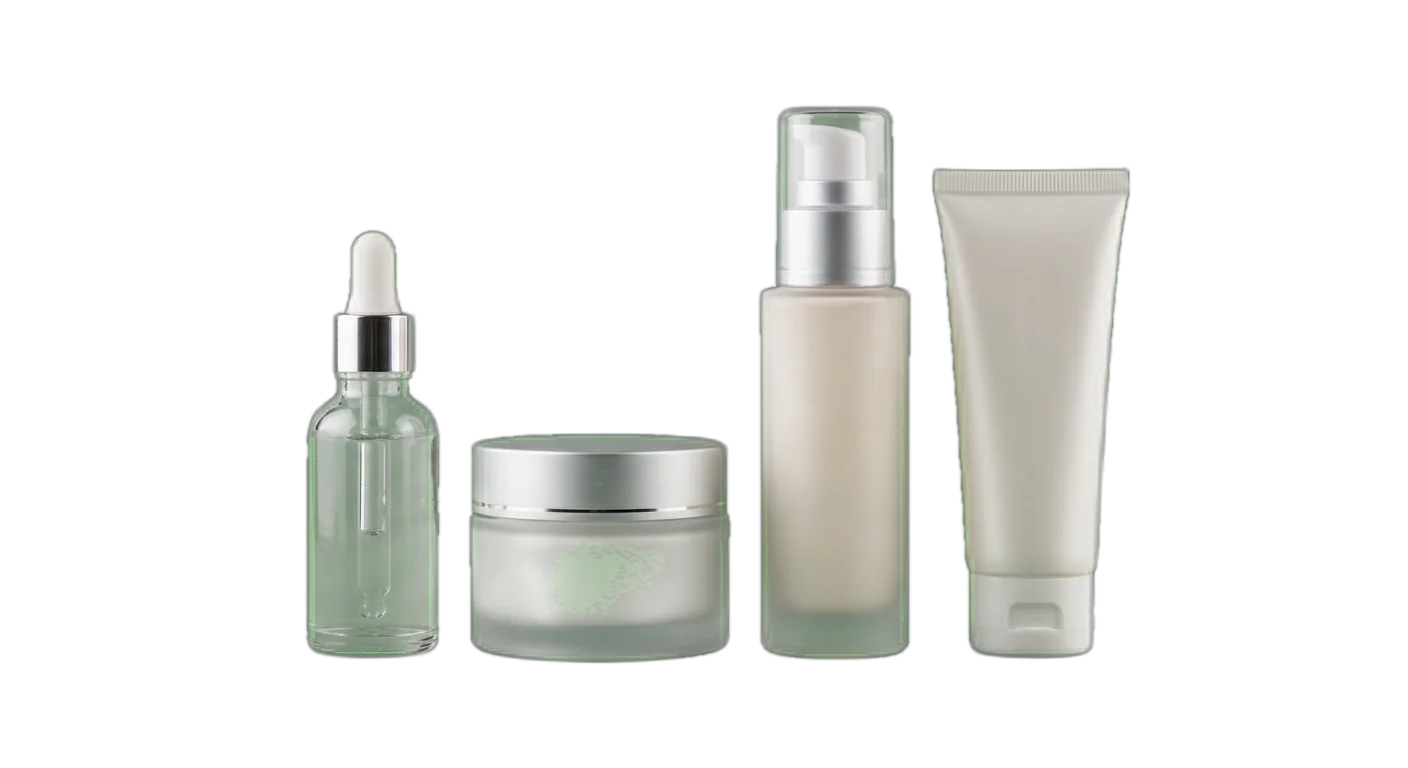
Huidverzorging
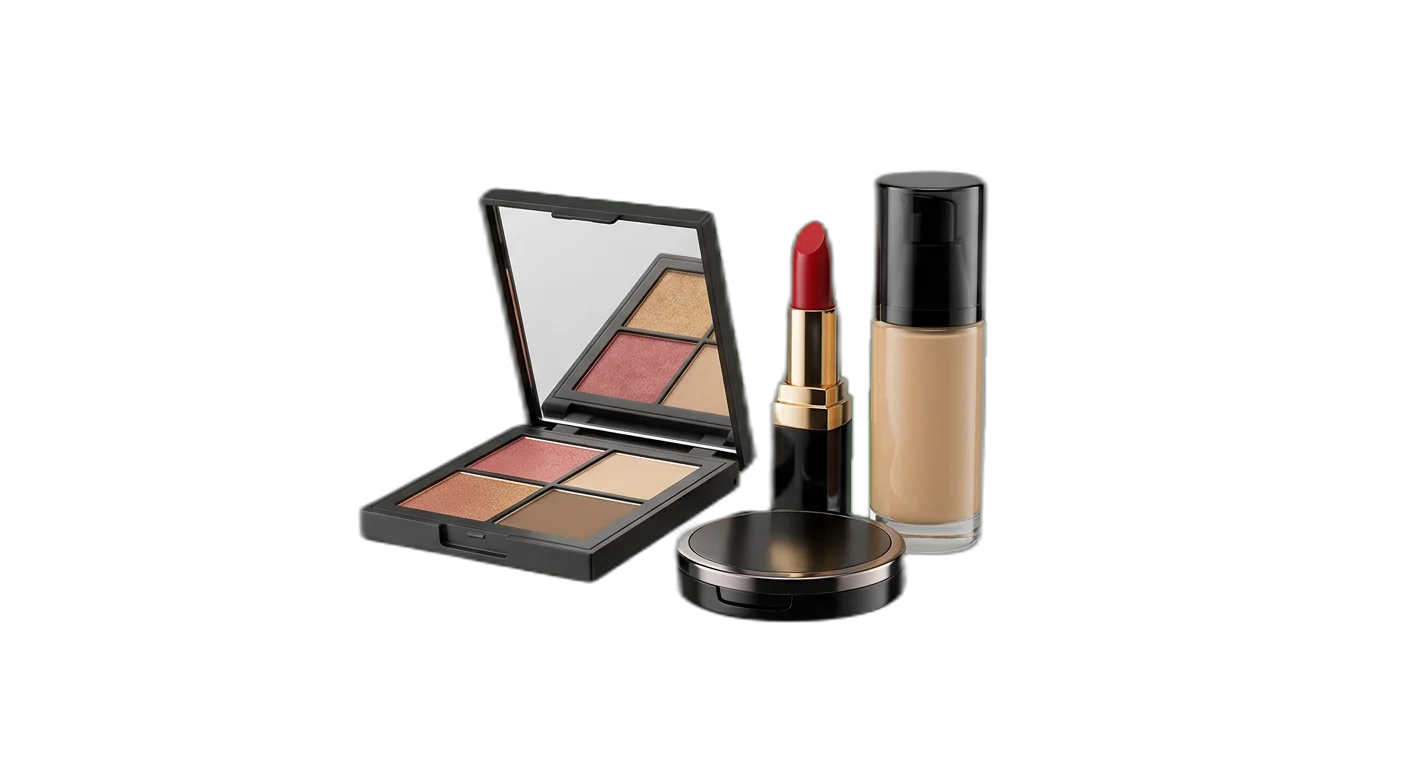
Make-up
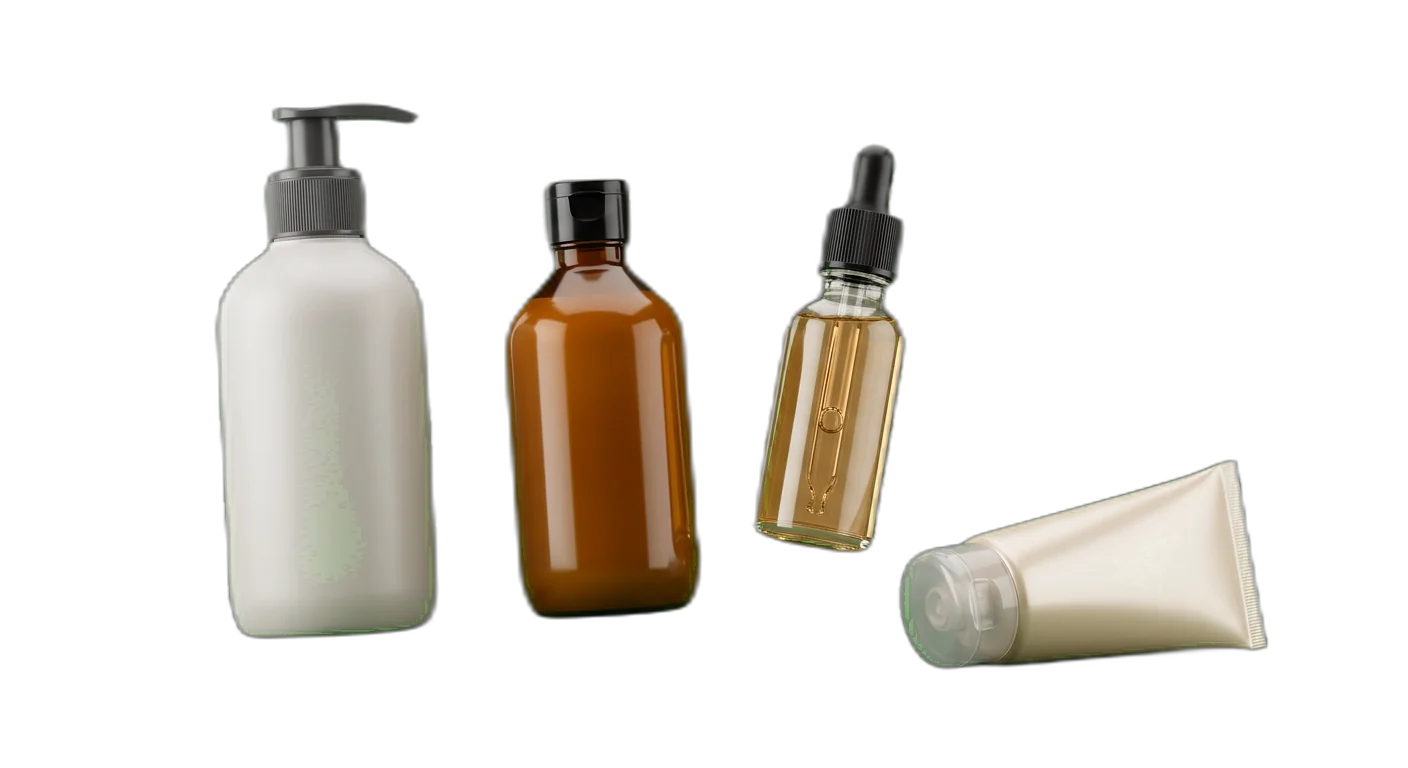
Haarverzorging
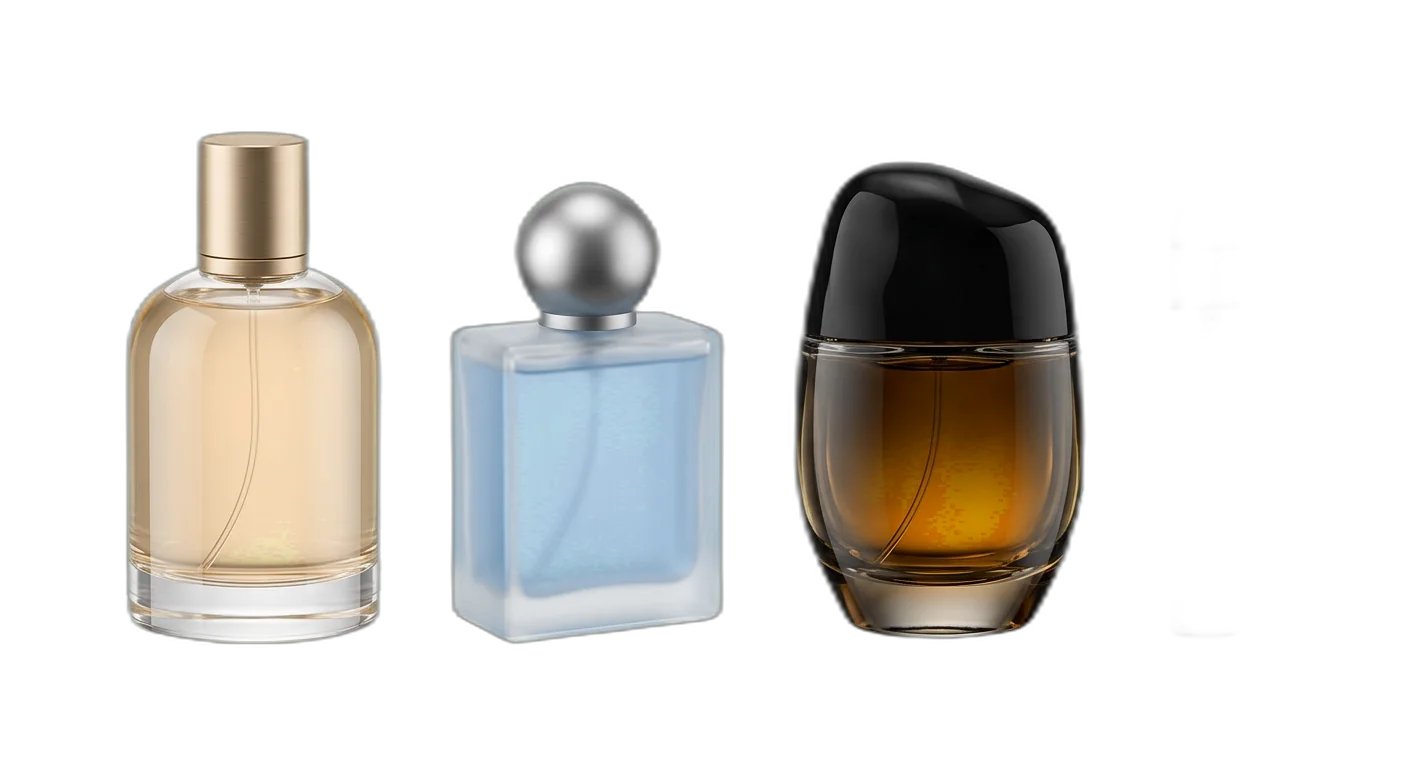
Geuren
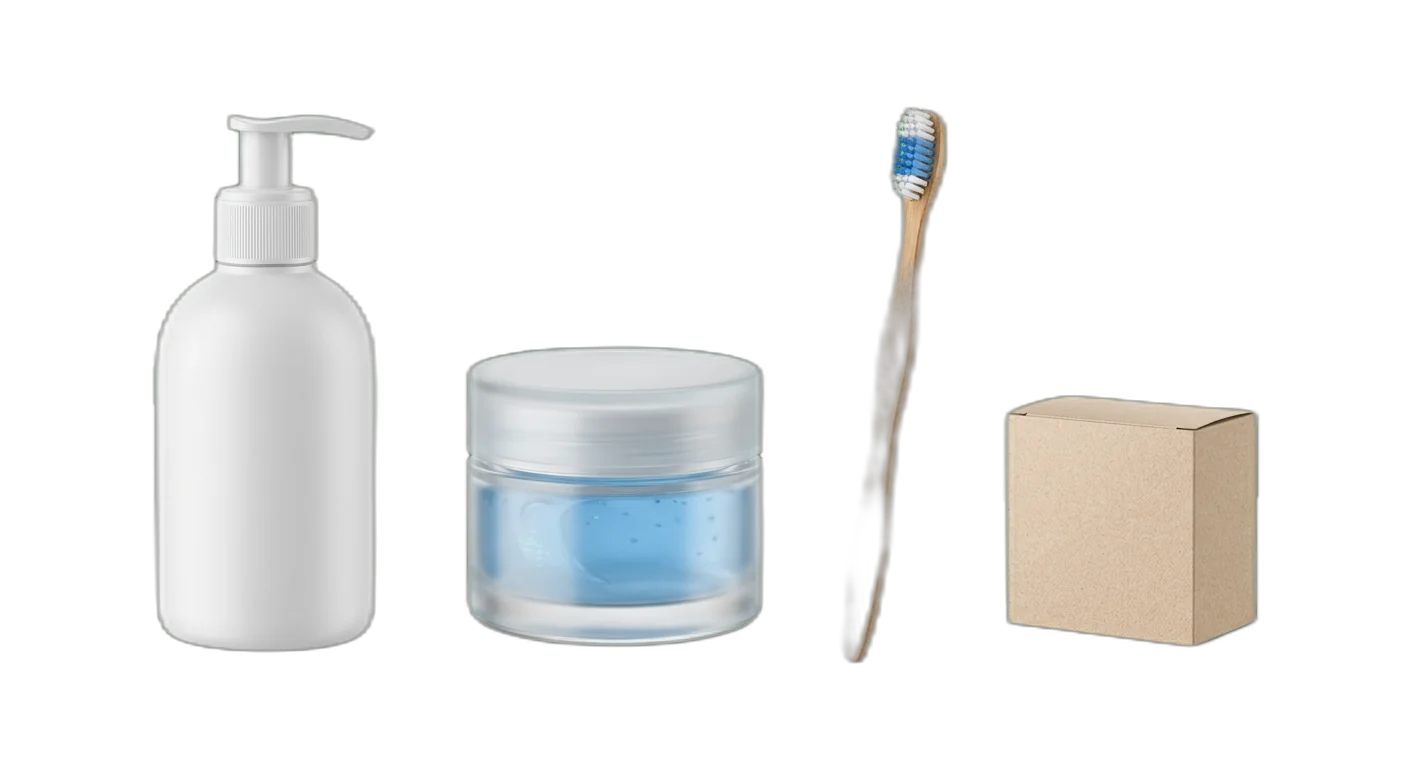
Persoonlijke verzorging
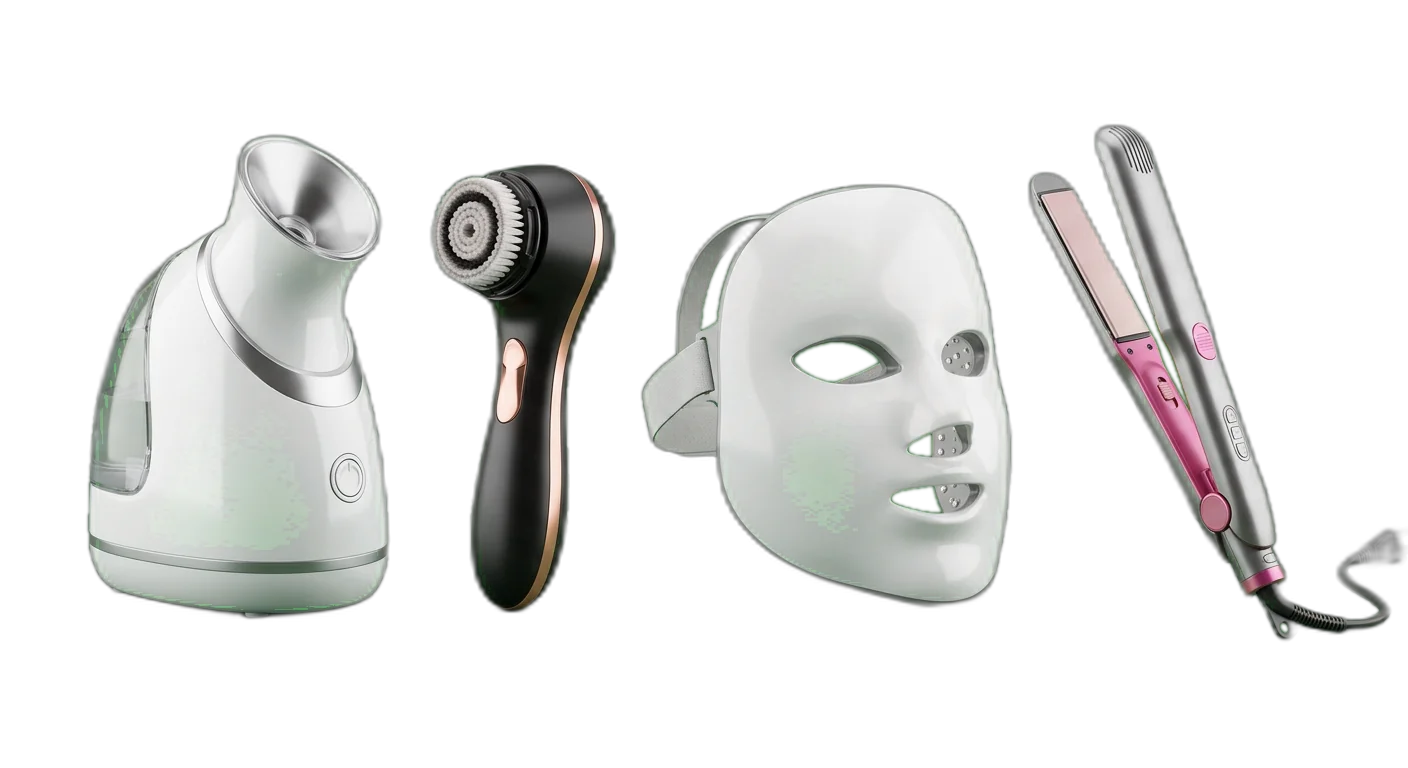
Tools & apparaten
Hoe classificeer je Beauty & persoonlijke verzorging producten
Volg deze regels om producten elke keer in de juiste categorie te plaatsen
- 1
Classificeer op productfunctie en lichaamszone
Deel producten altijd in op basis van wat ze doen en waar je ze aanbrengt. Een hydraterende mist voor het gezicht valt onder Huidverzorging > Gezichtsverzorging en niet onder Haarverzorging, ook al zou je hem in theorie in je haar kunnen gebruiken. Functie en lichaamszone bepalen samen de hoofdcategorie.
Een getinte dagcrème met SPF valt onder Make-up > Gezicht > Foundation, niet onder HuidverzorgingEen lipscrub valt onder Huidverzorging > Lipverzorging, niet onder Make-up > Lippen - 2
Houd merk een attribuut, nooit een categorie
Merk hoort een filterbaar attribuut te zijn, geen niveau in je categorieboom. Merkcategorieën leiden tot een onbeheersbare taxonomie waarin dezelfde producttypes over tientallen takken verspreid raken.
Gebruik Huidverzorging > Serums met Merk: The Ordinary, niet The Ordinary > SerumsGebruik Make-up > Foundation met Merk: MAC, niet MAC > Foundation - 3
Scheid tools en apparaten van verbruiksproducten
Beautytools, kwasten en elektrische apparaten horen thuis onder Tools & apparaten, niet naast de producten waarmee je ze gebruikt. Een make-upkwast hoort bij de tools, ook al breng je er foundation mee aan.
Een jaderoller valt onder Tools & apparaten > Huidverzorgingsapparaten > Gezichtsrollers, niet onder Huidverzorging > GezichtsverzorgingEen nagelvijl valt onder Tools & apparaten, niet onder Nagels > Nagelverzorging - 4
Gebruik huidtype en huidbehoefte als attribuut, niet als categorie
Maak geen aparte categorieën voor de vette huid, de droge huid of anti-aging. Dat zijn productattributen en filteropties. Een moisturizer voor de vette huid blijft Huidverzorging > Gezichtsverzorging > Hydraterende crèmes, met Huidtype: Vet als attribuut.
- 5
Splits geuren op concentratie
Geuren deel je als subcategorie in op concentratie (EDP, EDT, bodymist, eau de cologne), omdat de concentratie het product wezenlijk verandert. Gender is de eerste splitsing, concentratie de tweede.
Dames > Eau de Parfum tegenover Dames > BodymistHeren > Eau de Toilette tegenover Heren > Eau de Cologne - 6
Houd nagelproducten een aparte make-upsubcategorie
Nagelproducten (lak, verzorging, plaknagels, gelsystemen) vormen een eigen subcategorie onder Make-up in plaats van verspreid te raken over Tools of Huidverzorging. Zo winkelen klanten er ook naar.
- 7
Integreer herenverzorging in de hoofdtaxonomie
Bouw geen volledig aparte herenafdeling. Plaats herenproducten in de passende functionele categorie (Scheren & grooming onder Persoonlijke verzorging, Heren onder Geuren) en gebruik gender als attribuut waar producten elkaar overlappen.
Baardolie valt onder Persoonlijke verzorging > Scheren & grooming > Baardverzorging, niet onder een aparte herencategorieEen herenmoisturizer valt onder Huidverzorging > Gezichtsverzorging > Hydraterende crèmes met Gender: Heren - 8
Behandel clean beauty en certificeringen als attribuut
Clean, biologisch, vegan, dierproefvrij en vergelijkbare aanduidingen horen filterbare attributen te zijn, geen aparte categorieën. Een clean-beautyserum blijft Huidverzorging > Serums, met attributen als Vegan: Ja en Dierproefvrij: Ja.
- 9
Scheid professionele lijnen van consumentenlijnen met een attribuut
Professionele producten (alleen voor de salon, hoge concentraties) gebruiken dezelfde categoriestructuur als consumentenproducten, maar krijgen een attribuut Productlijn (Professioneel of Consument) om ze te onderscheiden.
- 10
Deel multifunctionele producten in op hun hoofdfunctie
Producten die voor meerdere toepassingen worden verkocht, zoals een tint voor lippen én wangen, deel je in op hun belangrijkste gebruikssituatie. Zet tags of secundaire koppelingen in voor cross-merchandising in plaats van een categorie voor multifunctionele producten te maken.
Een tint voor lippen en wangen is in de eerste plaats Make-up > Lippen > Lipstain, met een tag voor gebruik op de wangenEen combinatie van shampoo en douchegel valt onder Haarverzorging > Reiniging > Shampoo, met een attribuut voor multifunctioneel gebruik
Vereiste attributen per categorie
Zorg voor volledige productdata met de verplichte en aanbevolen attributen voor elk categorieniveau
Beauty & persoonlijke verzorging classificatievalkuilen om te vermijden
Vermijd deze veelgemaakte categorisatiefouten die de vindbaarheid van producten schaden
- Fout
Merknamen als categorie gebruiken, bijvoorbeeld een categorie MAC of L'Oréal maken in plaats van merk als filterbaar attribuut te gebruiken
Betere aanpakHoud merk altijd een productattribuut. Gebruik functionele categorieën zoals Make-up > Gezicht > Foundation en laat klanten op merk filteren. Dat schaalt beter en voorkomt dat je categorieboom explodeert zodra je merken toevoegt.
- Fout
Tools en kwasten mengen met de producten die je ermee aanbrengt, bijvoorbeeld make-upkwasten in dezelfde categorie zetten als oogschaduwpaletten
Betere aanpakMaak een aparte hoofdcategorie Tools & apparaten. Wie een foundationkwast zoekt, heeft een andere behoefte dan wie foundation zoekt. Leg waar nodig een dwarsverband met tags.
- Fout
Aparte categorieën maken voor huidtypes, bijvoorbeeld Moisturizers droge huid of Reinigers vette huid als categorie
Betere aanpakHoud huidtype een filterbaar attribuut op productniveau. Een moisturizer blijft altijd Huidverzorging > Gezichtsverzorging > Hydraterende crèmes, voor welk huidtype hij ook bedoeld is. Zo voorkom je dubbele takken in je boom.
- Fout
Professionele en consumentenproducten door elkaar in dezelfde categorieën zetten zonder onderscheidend attribuut
Betere aanpakGebruik dezelfde taxonomie voor beide, maar voeg een attribuut Productlijn toe (Professioneel, Consument) zodat saloninkopers en consumenten allebei gericht kunnen filteren.
- Fout
Geuren verkeerd indelen door alle parfums in één platte categorie te zetten zonder onderscheid naar concentratie
Betere aanpakMaak subcategorieën op concentratie (EDP, EDT, bodymist, eau de cologne), want die verschillen sterk in geurduur, prijsniveau en gebruikssituatie. Gender is de eerste splitsing, daarna volgt de concentratie.
- Fout
Tinten als losse SKU's afhandelen zonder gestructureerde kleurdata of tintnummering
Betere aanpakGebruik een gestructureerd tintattribuut met consistente naamgeving, bijvoorbeeld Tintnummer, Tintnaam en Ondertoon, zodat je tinten over producten heen kunt groeperen, vergelijken en filteren.
- Fout
Producten indelen op ingrediënt in plaats van op functie, bijvoorbeeld een categorie Retinol of Hyaluronzuur maken
Betere aanpakDeel in op functie (anti-agingserum, hydraterend serum) en leg de werkzame ingrediënten vast als doorzoekbare attributen. Klanten winkelen zelden puur op één ingrediënt.
- Fout
Een aparte categorie maken voor geschenksets en bundels in plaats van ze te koppelen aan de categorieën van hun onderdelen
Betere aanpakPlaats geschenksets onder de hoofdcategorie van het product (bijvoorbeeld Geuren > Geschenksets) en tag de losse onderdelen. Zo blijft je navigatie overzichtelijk en zijn producten vindbaar via de set én via de losse items.
- Fout
Alle herenproducten in een aparte hoofdcategorie isoleren en zo de hele taxonomie dubbel opbouwen
Betere aanpakIntegreer herenproducten in de functionele taxonomie (Huidverzorging, Haarverzorging, Persoonlijke verzorging) en gebruik Gender als attribuut. Alleen bij Geuren is een splitsing op gender terecht, omdat het zoekgedrag daar echt verschilt.
- Fout
Seizoens- en limited-editionproducten als permanente categorie behandelen, bijvoorbeeld Feestdagencollectie of Summer Glow
Betere aanpakGebruik de standaard categoriestructuur en voeg een attribuut Collectie of Seizoen toe. Limited editions presenteer je via tags en landingspagina's, niet via permanente aanpassingen in je taxonomie.
Hoe categoriseer je Beauty & persoonlijke verzorging producten
Volg deze stappen om je Beauty & persoonlijke verzorging producten correct te categoriseren voor e-commerce en marktplaatsvereisten
01
Importeer je beautycatalogus
Koppel je e-commerceplatform of upload je productfeed met productnamen, beschrijvingen, ingrediëntenlijsten en afbeeldingen. WISEPIM leest beautyspecifieke gegevens zoals tintnamen, inhoudsmaten en werkzame ingrediënten automatisch uit, klaar voor categorisatie met AI.
02
AI deelt producten in op functie en lichaamszone
WISEPIM analyseert producttitels, beschrijvingen, ingrediëntenlijsten en afbeeldingen en wijst elk item aan de juiste categorie toe. De AI houdt huidverzorging en make-up uit elkaar, herkent geurconcentraties en onderscheidt tools van verbruiksproducten.
03
Verrijk attributen automatisch
Op basis van de toegewezen categorie vult WISEPIM de verplichte attributen aan, zoals huidtype, werkzame ingrediënten, inhoud en tintinformatie. Ontbrekende attributen worden gemarkeerd voor handmatige controle, zodat je catalogus aan de eisen van elke marketplace voldoet.
04
Controleer, keur goed en publiceer
Beoordeel de AI-suggesties in bulk, stuur bij waar nodig en publiceer je gecategoriseerde catalogus op al je verkoopkanalen. De categoriemappings voor Google Shopping, Amazon en andere marketplaces worden automatisch gegenereerd, zodat je producten overal op de juiste plek staan.
Beauty & persoonlijke verzorging: categoriseer je eigen catalogus in WISEPIM
Meld je aan voor het gratis plan en pas deze gids toe op je eigen producten: bouw je categorieboom, laat AI per product een categorie voorstellen en koppel je categorieën aan de producttaxonomie van Google.
- 100 producten en 50 AI-credits per maand met het gratis plan
- Importeer producten uit een CSV-bestand of een gekoppelde winkel
- AI-categorisatie wijst categorieën toe, of stelt ze voor zodat jij eerst checkt
- De categoriekaart koppelt je categorieën aan Google-productcategorieën
Veelgestelde vragen
Veelgestelde vragen over Beauty & persoonlijke verzorging productcategorisatie
Beste Beauty & persoonlijke verzorging categorieën voor e-commerce
Ontdek de best presterende Beauty & persoonlijke verzorging productcategorieën gerangschikt op vraag, marges en groeipotentieel.
Map Beauty & persoonlijke verzorging producten naar een globale taxonomie
Heb je je eigen categorieboom? Map ze naar de standaarden die marketplaces, advertentieplatforms en dataleveranciers vereisen.
Bekijk meer branchegidsen
Printbare checklist
Begin in 15 minutenZet elk live product in de juiste categorie
Begin met een telling van 15 minuten: producten zonder categorie, of met alleen een hoofdcategorie. Je krijgt twee getallen, zoals 140 producten, 12 in je top 100. Daarna 5 stappen voor de rest van de week.
Zo werkt het
- Filter op producten zonder categorie of met alleen een hoofdcategorie.
- Kijk hoeveel daarvan in je top 100 bestsellers staan.
- Schrijf beide getallen op, zoals '140 producten, 12 in de top 100'.
Eén mail, één keer, met een link naar de printbare checklist. Verder niets, tenzij je het vakje aanvinkt.
Gratis Excel-template
XLSX · 3 tabbladenZie welke van je 20 bestsellers nog niet compleet zijn
Een Excel-check met de kolommen die je voor beauty en verzorging nodig hebt. In ongeveer 15 minuten weet je hoeveel van je 20 producten compleet zijn, en welke verbetering de meeste rijen helpt.
Zo werkt het
- Plak 20 bestsellers uit je webshopexport in Producten.
- Vul in wat je weet. De laatste kolom zegt per rij wat er ontbreekt.
- Lees je resultaat op Begin hier: hoeveel er compleet zijn en welke verbetering de meeste rijen helpt.
Eén mail, één keer, met de XLSX als bijlage en als downloadlink. Verder niets, tenzij je het vakje aanvinkt.
Verder ontdekken
Zorgvuldig gekozen vervolgstappen om dieper te gaan.
Klaar om je Beauty & persoonlijke verzorging categorisatie te automatiseren?
WISEPIM gebruikt AI om producten automatisch te classificeren. Bespaar uren handmatig werk en maak een einde aan categorisatiefouten.