Beste categorieën voor Eten & Drinken
De best presterende Eten & Drinken productcategorieën voor je webshop, gerangschikt op vraag, marges en groeipotentieel.
Beste Eten & Drinken categorieën om online te verkopen
Gerangschikt op marktvraag, winstmarges en groeimomentum
- 1
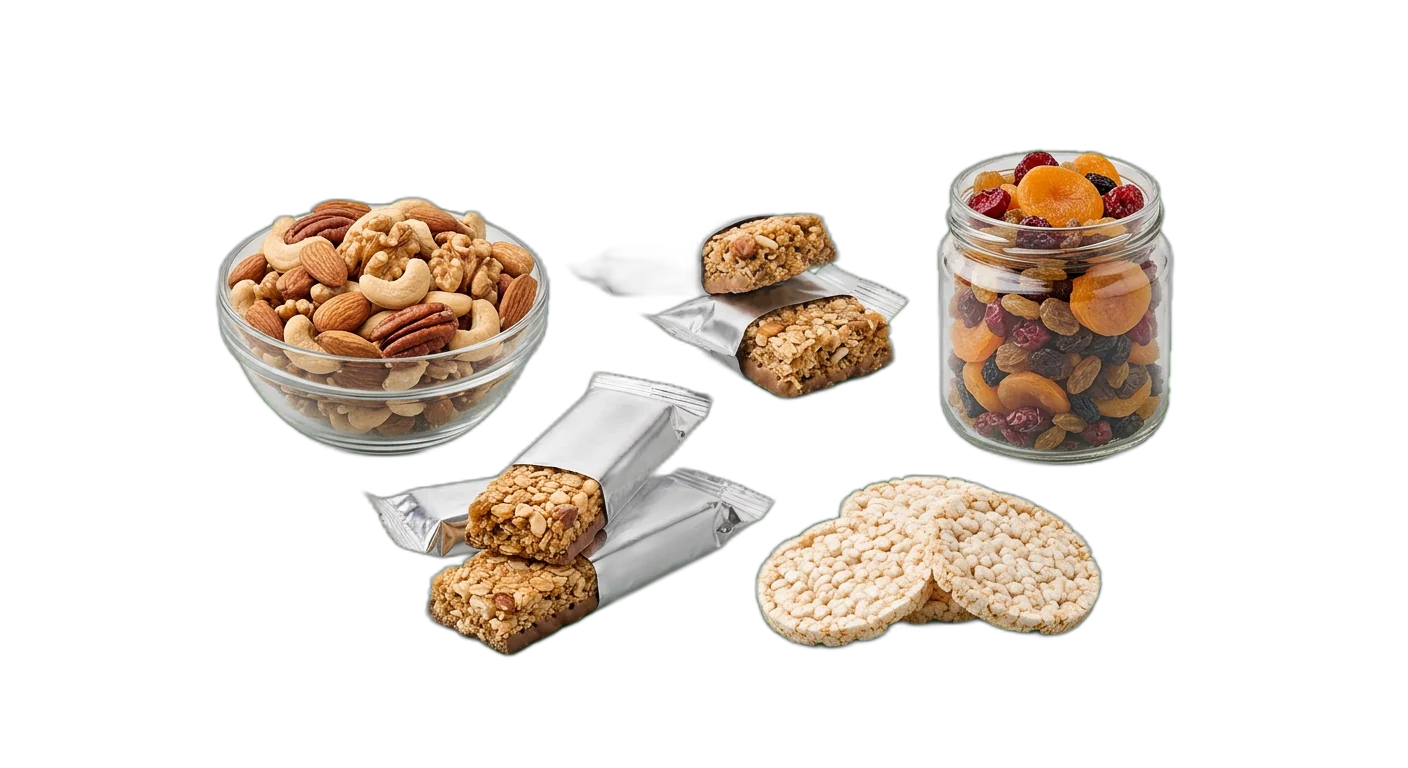
Snacks & Noten
Snacks & Snoep > Noten & Snacks
Snacks zijn de meest impulsieve voedingscategorie online, met veel in-winkelwagen-acties en weinig retouren. Shoppers proberen graag nieuwe smaken, wat zorgt voor een brede SKU-selectie en veel herhaalde bezoeken.
Vraag: HoogConcurrentie: GemiddeldMarge: HoogStijgendVoorbeeldproductenGemengde notenEiwitrepenGedroogd fruitRijstwafelsPro tipBied multipacks en variatiepakketten aan -- snackshoppers reageren goed op bundels en ontdekkingspakketten, die je bestelwaarde verhogen en mensen smaken laten proberen die ze zelf nooit hadden gekozen.
- 2
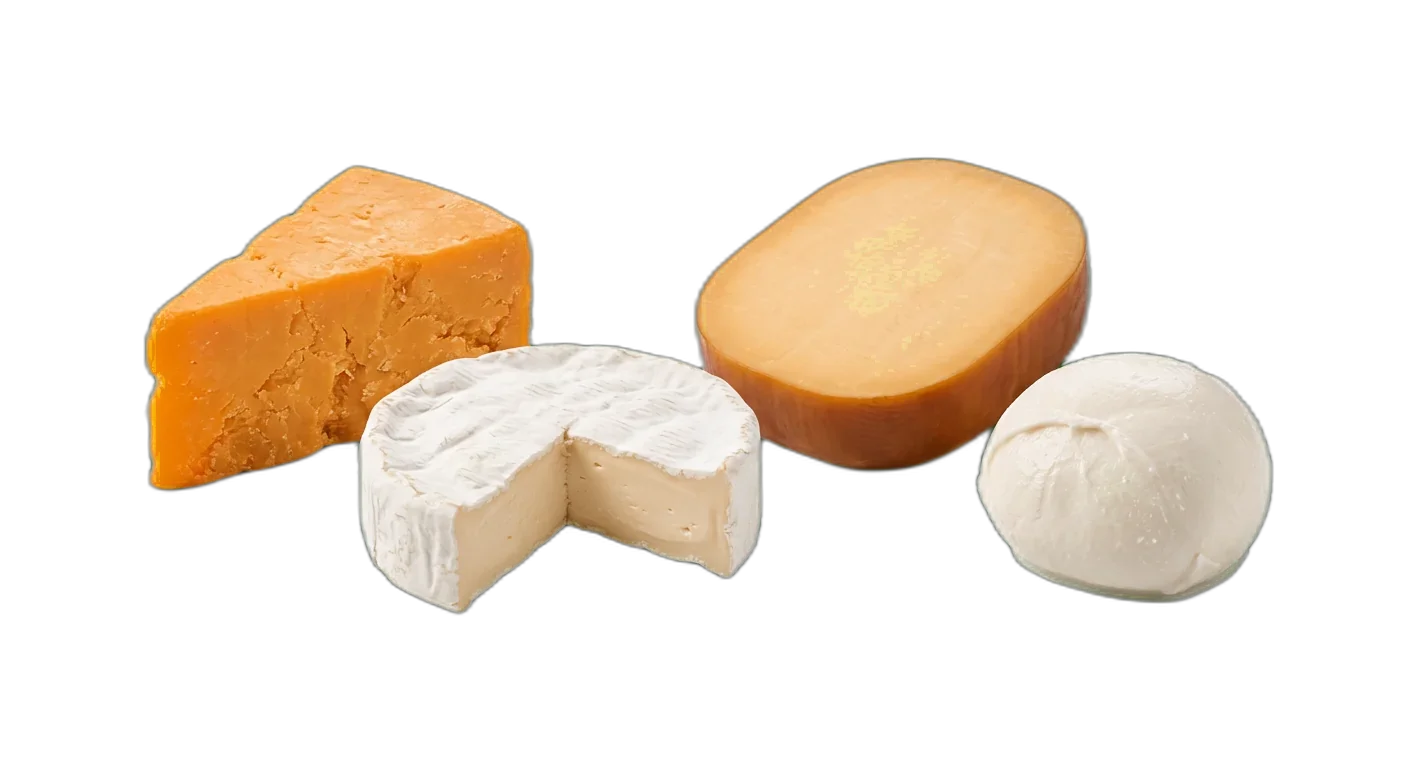
Kaas & Zuivel
Vers Voedsel > Zuivel & Eieren > Kaas
Ambachtelijke en speciale kaas is een van de snelst groeiende voedingscategorieën online. Premium kazen halen sterke marges, klanten ontdekken graag nieuwe soorten, en kaasboxen zijn een populair cadeauformaat geworden.
Vraag: HoogConcurrentie: GemiddeldMarge: HoogStijgendVoorbeeldproductenBelegen cheddarBrieGoudaMozzarellaPro tipVoeg combinatiesuggesties toe (wijn, crackers, fruit) aan productbeschrijvingen -- kaasshoppers stellen meestal een plank samen in plaats van een los product te kopen, dus een combinatieadvies maakt van een kaasje een compleet mandje.
- 3

Craft Bier & Sterke Drank
Dranken > Alcoholisch > Craft
Craft dranken zijn een van de snelst groeiende segmenten in food-ecommerce. Consumenten zoeken unieke, kleinschalige producten die ze niet in de lokale winkel vinden. De categorie heeft weinig concurrentie van grote retailers en biedt ruimte voor premium prijzen met loyale klanten.
Vraag: GroeiendConcurrentie: LaagMarge: HoogStijgendVoorbeeldproductenIPA craft bierKleinschalige ginAmbachtelijke whiskyNatuurwijnPro tipZet rijke proefnotities en herkomstverhalen in je productdata -- craft-drankkopers zijn ervaringsgericht en kiezen op basis van het verhaal, niet alleen de specificaties.
- 4
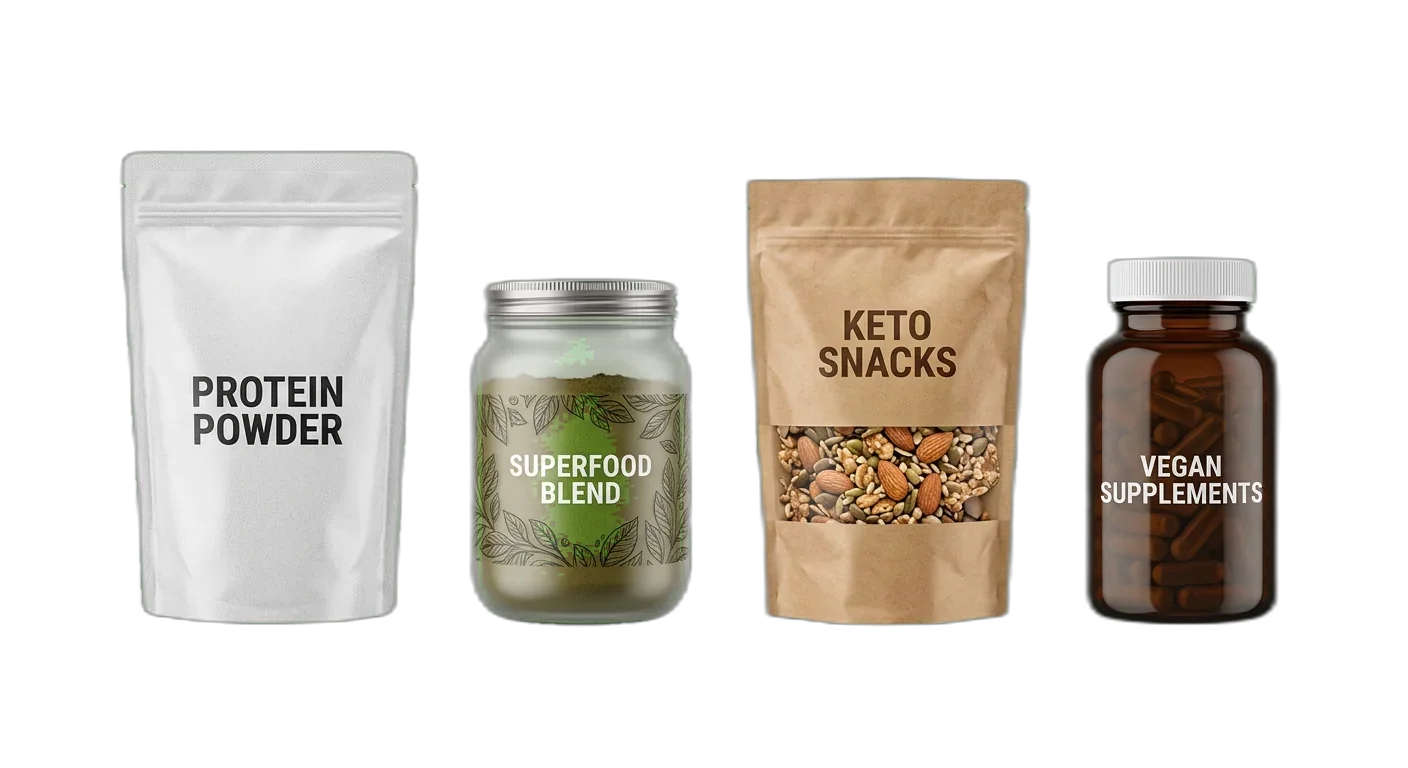
Specialiteiten & Gezonde Voeding
Speciale Dieten > Gezondheid & Welzijn
Gezondheidsbewust eten is een blijvende groeitrend die de snelle uitbreiding van biologische, plantaardige, glutenvrije en functionele voeding online aandrijft. Deze producten hebben hoge marges en trekken loyale, herhalende kopers aan die bereid zijn meer te betalen.
Vraag: HoogConcurrentie: GemiddeldMarge: GemiddeldStijgendVoorbeeldproductenEiwitpoedersSuperfoodmengselsKeto-snacksVegan supplementenPro tipGebruik dieetlabels als filterbare kenmerken in je hele winkel, niet alleen in deze categorie -- gezondheidsbewuste kopers filteren eerst op dieettype, ongeacht de productcategorie.
- 5
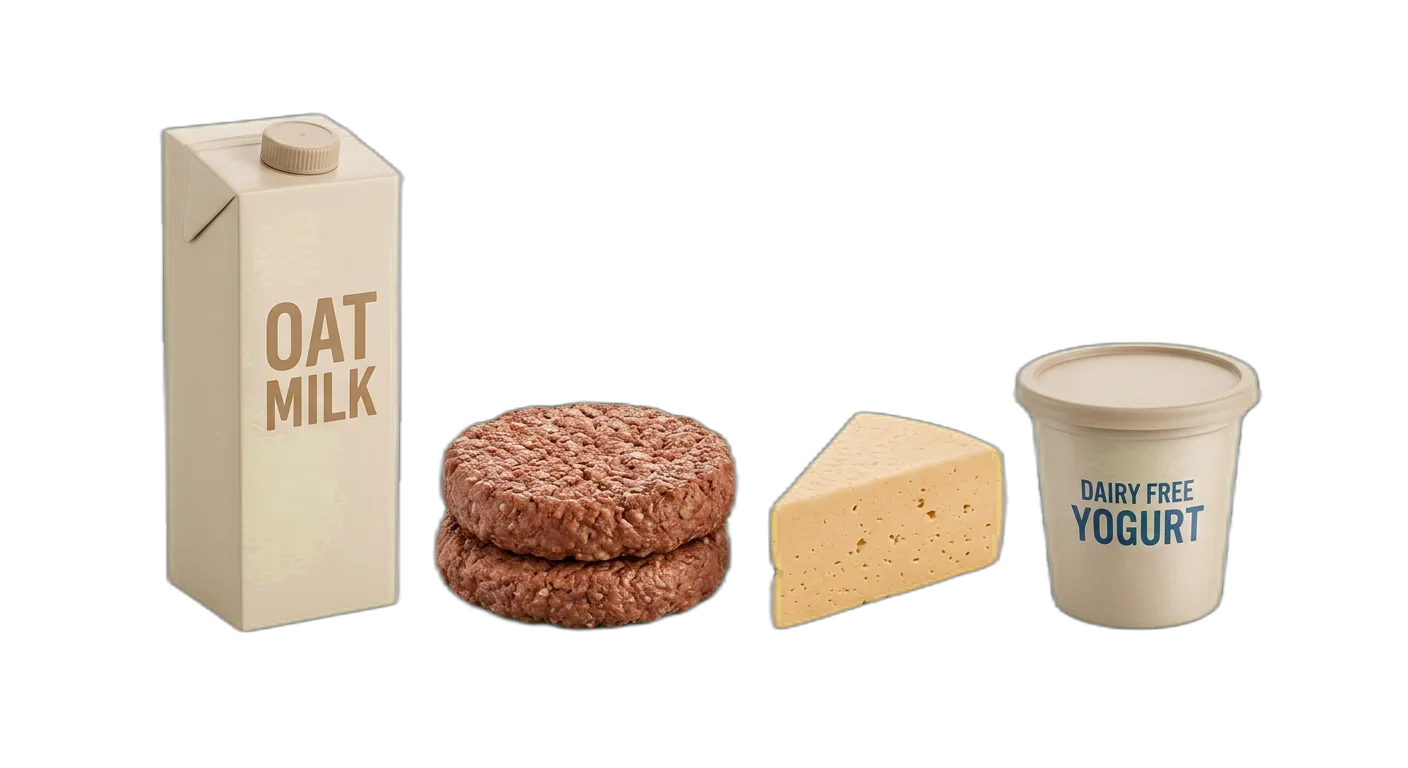
Plantaardig & Vegan
Speciale Dieten > Vegan
De plantaardige categorie groeit snel, gedreven door gezondheid, duurzaamheid en ethische voorkeuren van consumenten. Elke week verschijnen nieuwe producten, de concurrentie is in veel subcategorieën nog beperkt, en winkels met goede productdata pakken snel een voorsprong in zoekmachines.
Vraag: GemiddeldConcurrentie: LaagMarge: HoogStijgendVoorbeeldproductenHavermelkPlantaardige burgersVegan kaasZuivelvrije yoghurtPro tipKoppel plantaardige producten aan hun reguliere equivalenten -- veel shoppers stappen geleidelijk over en willen plantaardige alternatieven vinden voor producten die ze al kennen.
- 6
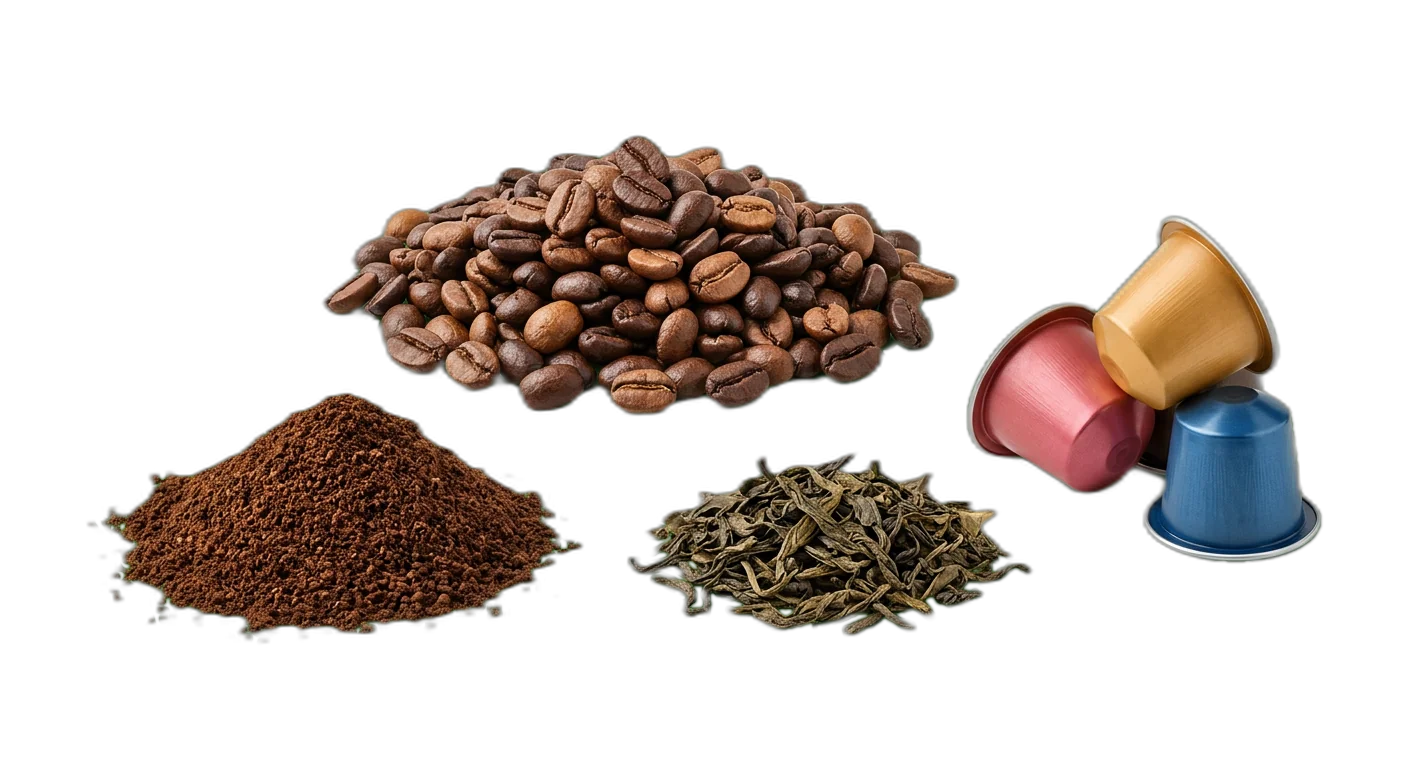
Koffie & Thee
Dranken > Niet-alcoholisch > Koffie & Thee
Koffie en thee behoren tot de meest gekochte producten online, met hoge herhaalaankopen en veel abonnementspotentieel. Specialiteiten en single-origin producten hebben hoge marges, en de categorie loopt uiteen van dagelijkse melanges tot luxe losse thee.
Vraag: HoogConcurrentie: HoogMarge: GemiddeldStabielVoorbeeldproductenKoffiebonenGemalen espressoLosse groene theeKoffiecapsulesPro tipBied abonnementsopties prominent aan -- koffie en thee zijn de sterkste abonnementscategorieën in food-ecommerce, omdat ze op een voorspelbaar ritme opraken. Daardoor is een terugkerende levering een makkelijke ja.
- 7
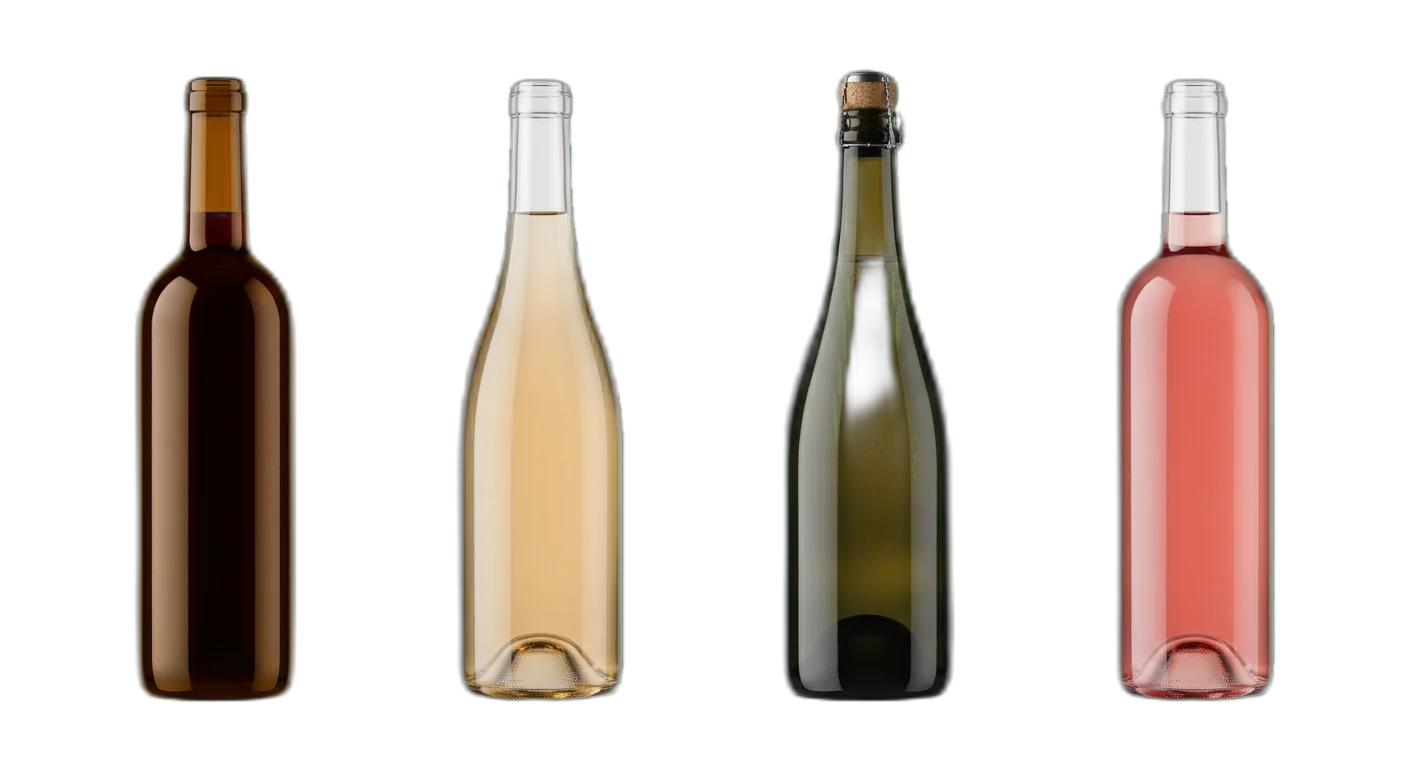
Wijn
Dranken > Alcoholisch > Wijn
Online wijnverkoop is sterk gegroeid nu consumenten het steeds normaler vinden om alcohol digitaal te kopen. Wijn heeft hoge gemiddelde bestelwaarden, veel cadeauvraag en verzamelaars die premium aankopen stimuleren. Een goede categoriestructuur met regio- en druivenfilters is onmisbaar.
Vraag: HoogConcurrentie: HoogMarge: GemiddeldStabielVoorbeeldproductenRode wijnWitte wijnMousserende wijnRose wijnPro tipCategoriseer op regio en druivensoort in plaats van alleen kleur -- wijnliefhebbers zoeken op terroir en druivenras, en deze structuur verbetert de vindbaarheid en SEO enorm.
- 8
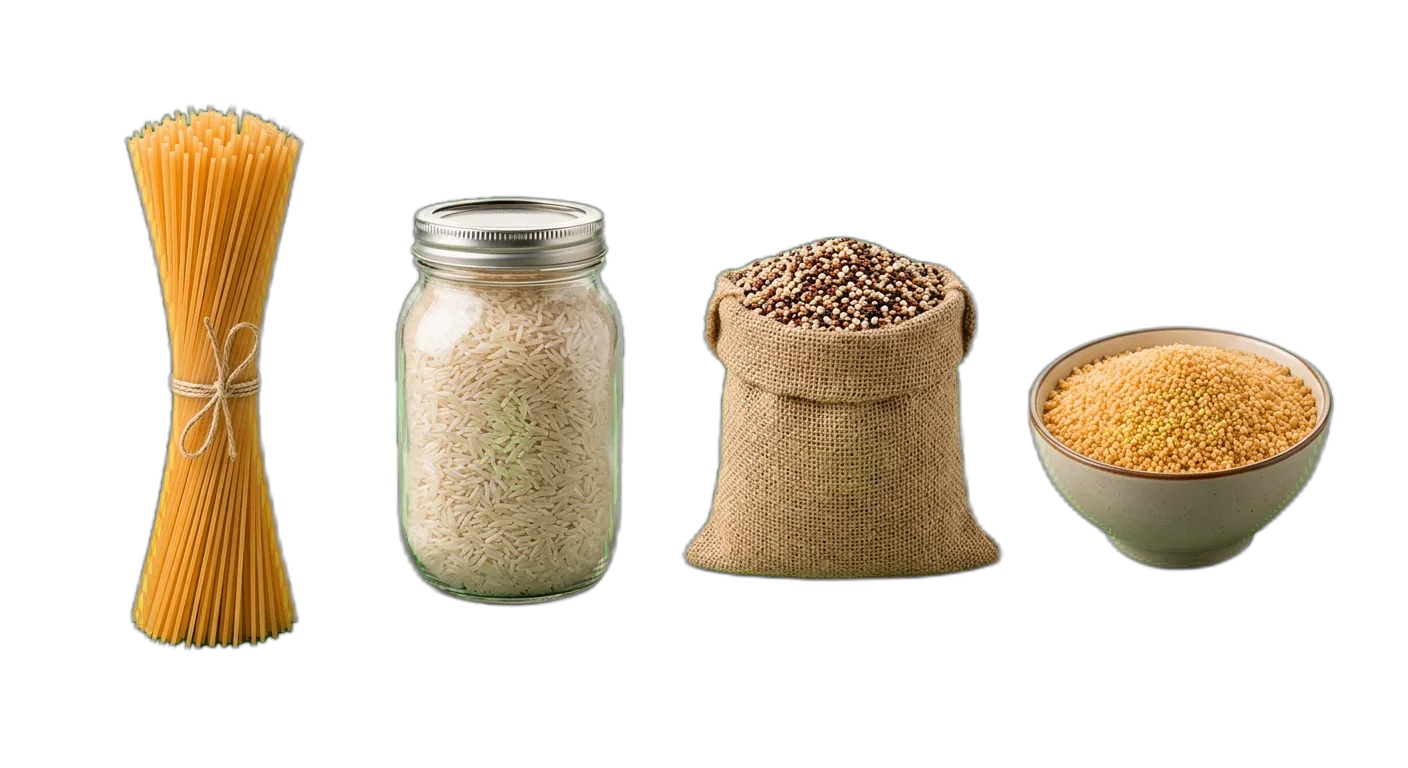
Pasta, Rijst & Granen
Voorraadkast > Granen & Pasta
Voorraadkastproducten vormen de ruggengraat van online boodschappen. Ze hebben het hele jaar door stabiele vraag, weinig retouren en klanten kopen ze regelmatig in bulk. Verzending werkt goed voor houdbare producten, waardoor deze categorie bijzonder winstgevend is voor ecommerce.
Vraag: HoogConcurrentie: HoogMarge: LaagStabielVoorbeeldproductenSpaghettiBasmatirijstQuinoaCouscousPro tipPromoot bulkformaten prominent -- kopers van voorraadkastproducten letten goed op de prijs en bulkopties verhogen de gemiddelde bestelwaarde terwijl je marge per eenheid verbetert.
- 9

Chocolade & Snoep
Snacks & Snoep > Chocolade & Snoep
Chocolade en snoep zorgen voor grote seizoenspieken (Valentijnsdag, Pasen, Kerst) en hebben tegelijk het hele jaar door stabiele vraag. Premium en ambachtelijke chocolade heeft hoge marges en de categorie leent zich uitstekend als cadeau.
Vraag: GemiddeldConcurrentie: GemiddeldMarge: HoogSeizoensgebondenVoorbeeldproductenPure chocoladerepenTruffelsCadeauboxenSuikervrije chocoladePro tipLanceer seizoenscollecties 6-8 weken voor piekfeestdagen -- de zoekvraag naar cadeauchocolade stijgt ruim voor de feestdag zelf.
- 10
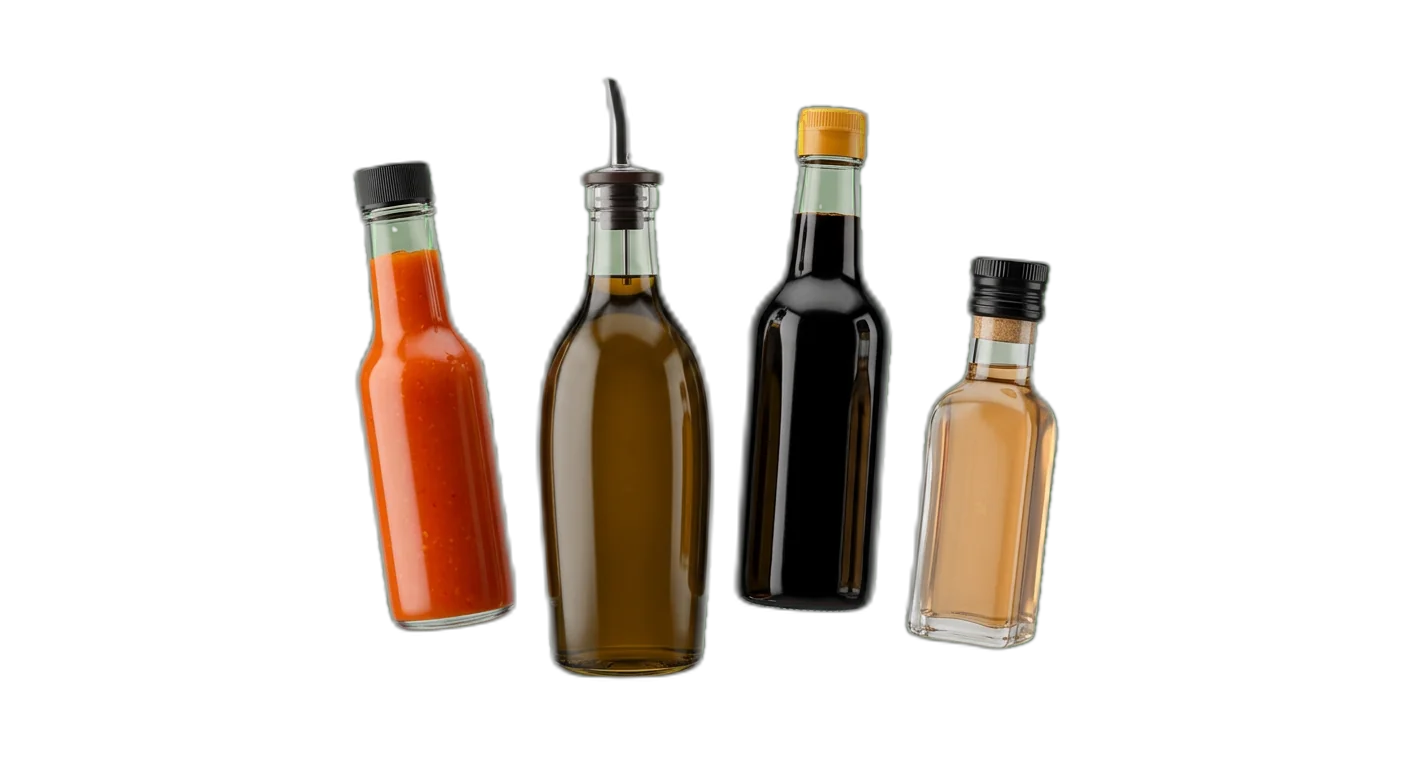
Sauzen, Olien & Kruiden
Voorraadkast > Sauzen & Kruiden
Sauzen en kruiden hebben uitstekende online-economie: ze zijn houdbaar, licht om te verzenden en nodigen uit tot ontdekking. Internationale en speciale sauzen bieden hoge marges en trekken foodliefhebbers aan die zoeken naar specifieke keukens en smaken.
Vraag: GemiddeldConcurrentie: GemiddeldMarge: GemiddeldSeizoensgebondenVoorbeeldproductenHete sausExtra vierge olijfolieSojasausTruffeloliePro tipOrganiseer op keukentype als extra filter -- sausshoppers browsen vaak op keuken (Aziatisch, Italiaans, Mexicaans), en deze structuur trekt niche-zoekverkeer goed aan.
Categorieprestaties in één oogopslag
Vergelijk vraag, concurrentie, marges en groei voor alle aanbevolen categorieën
Snacks & NotenKaas & ZuivelCraft Bier & Sterke DrankSpecialiteiten & Gezonde VoedingPlantaardig & VeganKoffie & TheeWijnPasta, Rijst & GranenChocolade & SnoepSauzen, Olien & KruidenAanbevolen Eten & Drinken categoriestructuur
De volledige categorieboom met subcategorieën voor elke aanbevolen hoofdcategorie
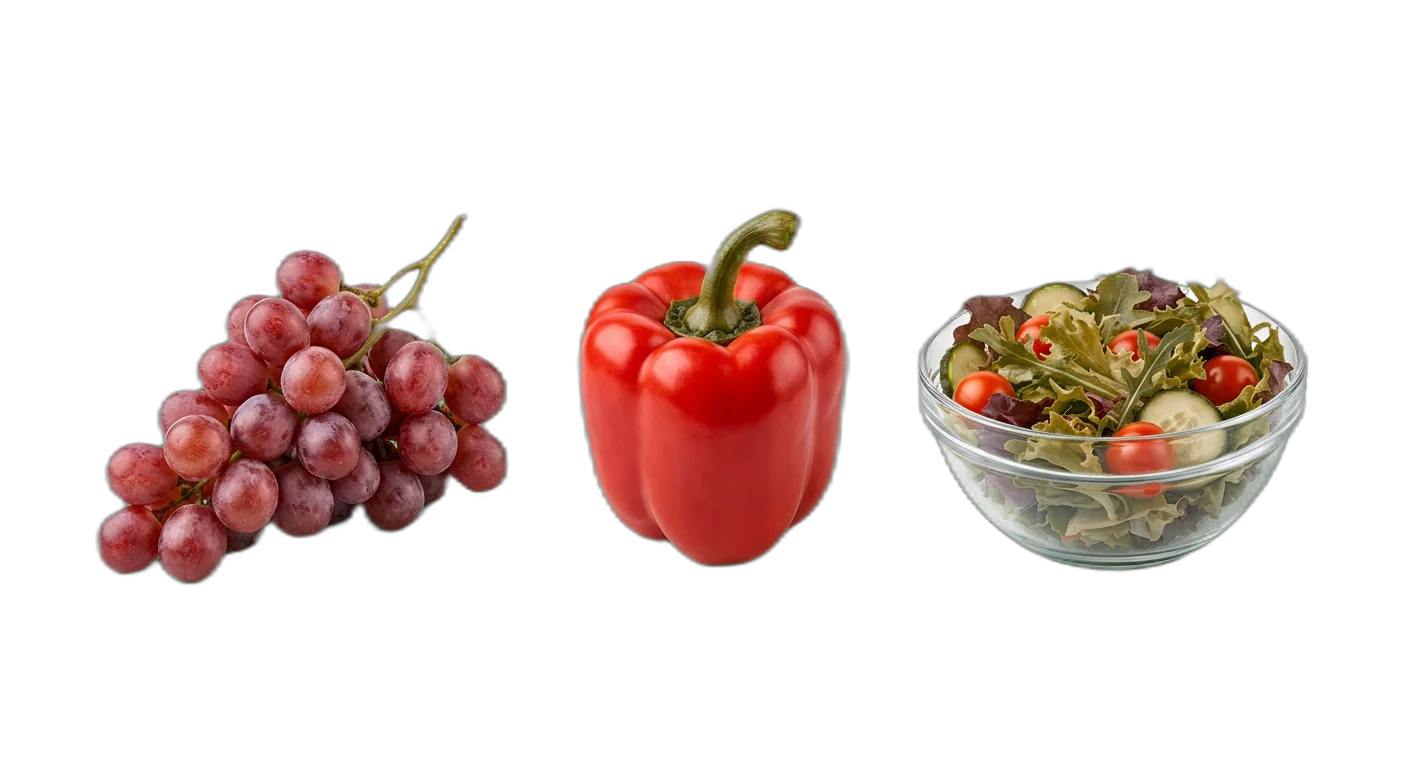
Verse producten
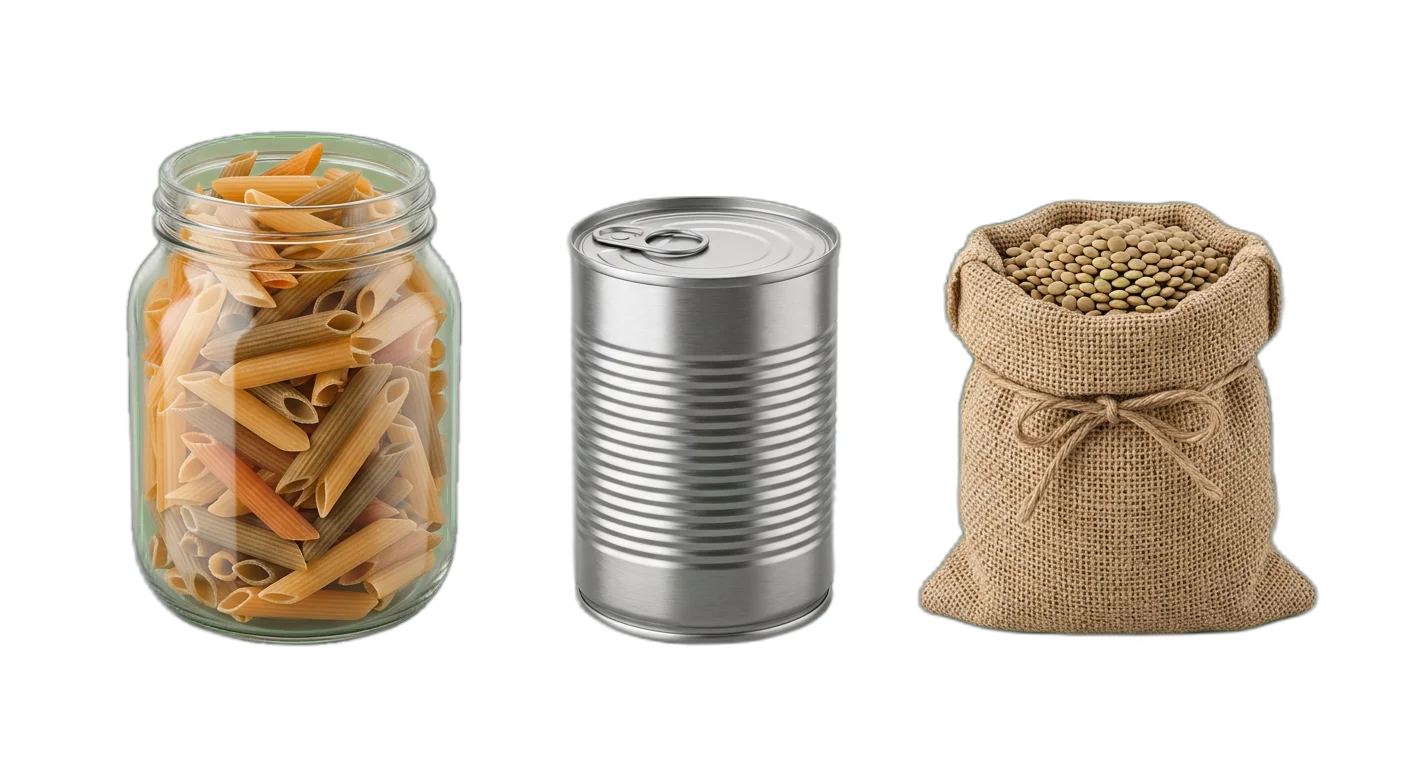
Houdbare basisproducten
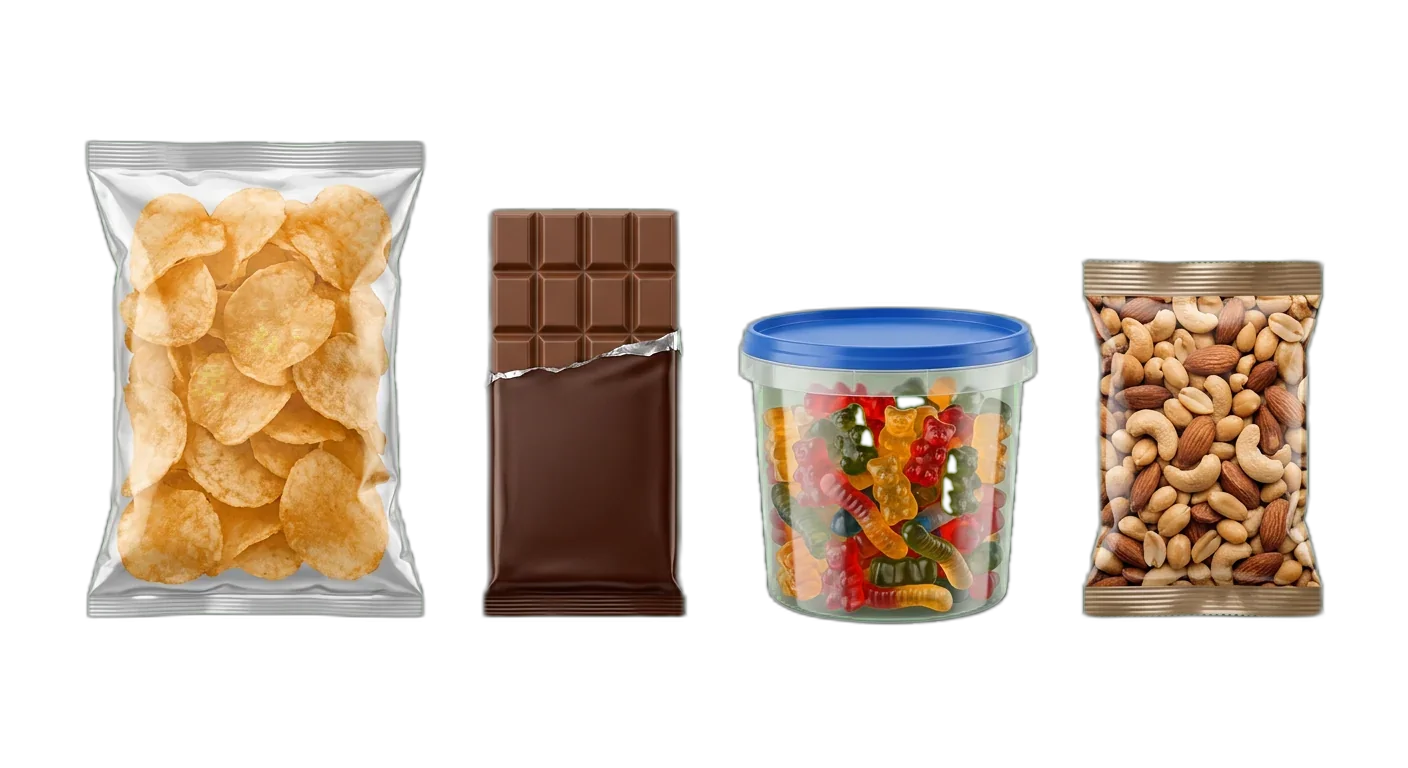
Snacks & snoep
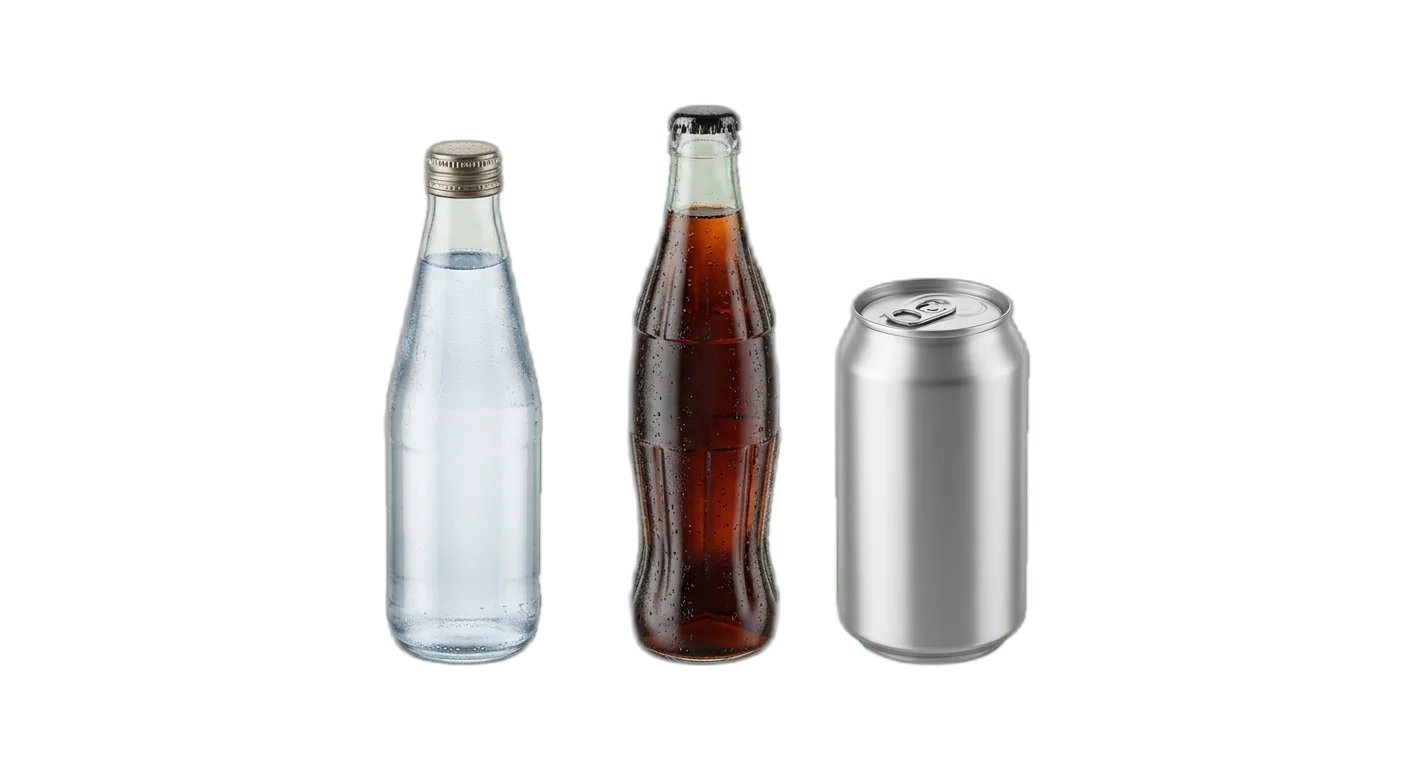
Dranken
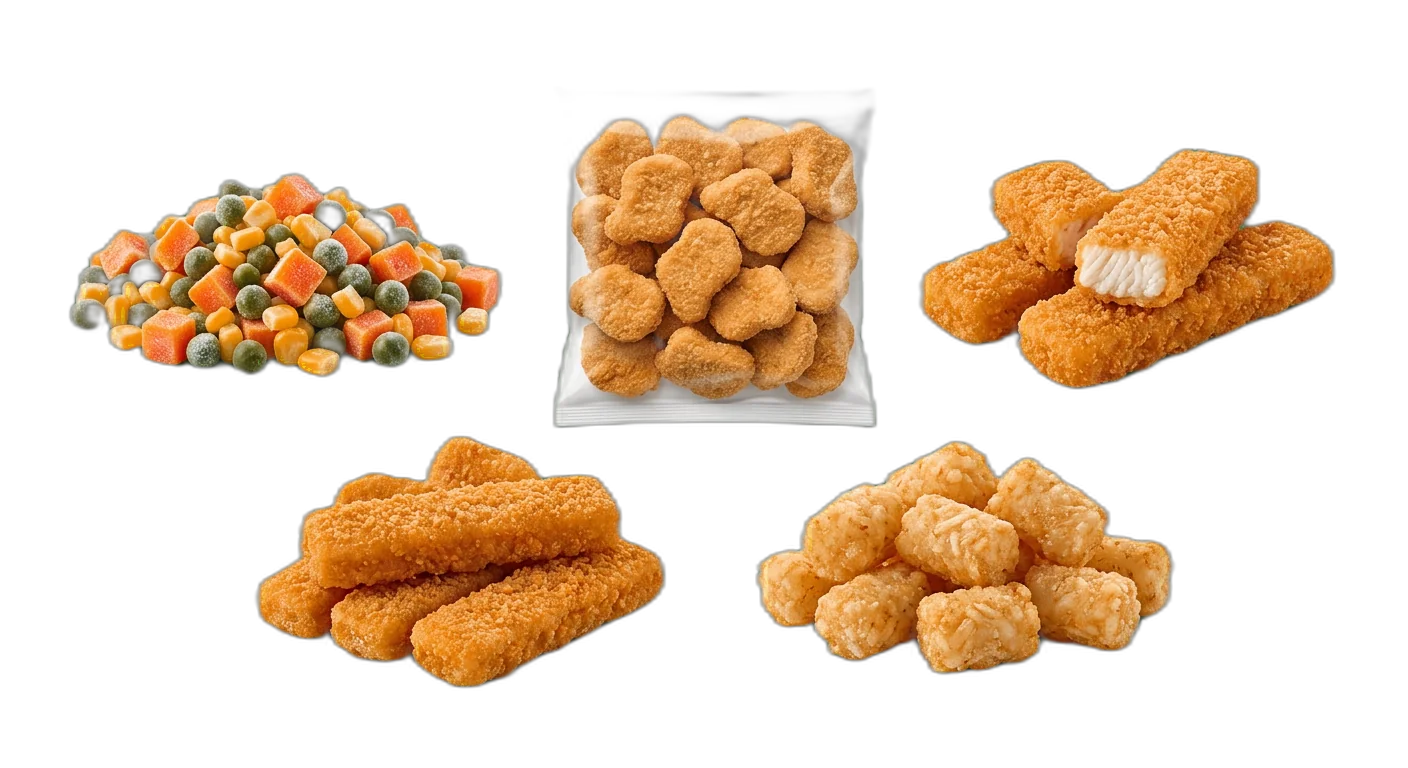
Diepvries
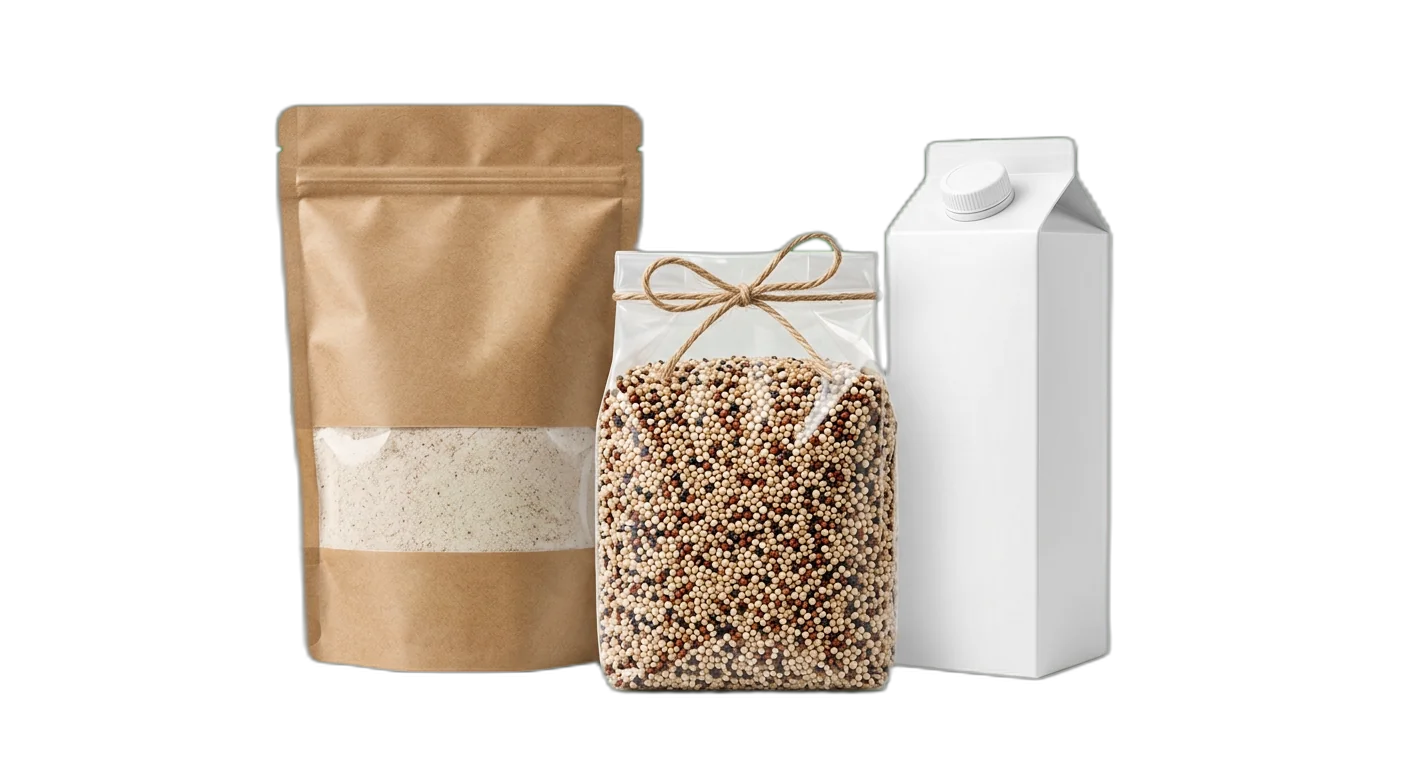
Speciale diëten
Met welke categorieën begin je het best?
Kies je startcategorieën op basis van je catalogusgrootte en groeifase
Richt je op een specialistische niche en bouw diepgang op. Houdbare producten (koffie, snacks, sauzen) zijn ideaal voor beginners vanwege eenvoudigere logistiek en langere houdbaarheid.
Breid uit naar 4-6 categorieën die dezelfde doelgroep bedienen. Voeg premium en speciale producten toe om je te onderscheiden van supermarktketens en de gemiddelde bestelwaarde te verhogen.
Dek het volledige food & beverage spectrum. Investeer in diepgaande subcategorisering, allergenen- en voedingsdata, en geautomatiseerde compliance over alle productcategorieën.
Hoe orden je categorieën in je webshop menu?
Praktische tips om je navigatie zo in te richten dat je meer clicks en conversies haalt
Zet dagelijkse benodigdheden vooraan in de navigatie
"Koffie & Thee" en "Snacks" moeten voor nichecategorieën zoals "Craft Bier" in je hoofdmenu staan. De meeste boodschappers beginnen bij hun vaste basisproducten en kijken daarna pas naar de specialiteiten.
Voeg dieetfilters toe op het hoogste niveau
Laat klanten filteren op Biologisch, Vegan, Glutenvrij en Keto over alle categorieën. Gezondheidsbewuste shoppers kiezen eerst op dieet, dan pas op producttype.
Scheid alcoholische en niet-alcoholische dranken duidelijk
Dit zijn fundamenteel andere aankoopbeslissingen met verschillende regels. Houd ze als aparte menu-items om verwarring en complianceproblemen te voorkomen.
Toon seizoens- en cadeaucategorieën prominent tijdens feestdagen
Verplaats cadeauboxen, adventskalenders en seizoensselecties naar toppositties tijdens piek-cadeauperiodes (Kerst, Pasen, Valentijnsdag).
Gebruik browsen op keuken naast productcategorieën
Laat klanten winkelen op keuken (Italiaans, Japans, Mexicaans) als alternatief navigatiepad. Dit vult je producttaxonomie aan zonder deze dieper te maken.
Wanneer piekt elke categorie?
Stem je voorraad en marketing af op seizoensverschuivingen in de vraag
Lente (mrt-mei)
Piekcategorieën
Lanceer gezondheidsgerichte en plantaardige acties in de lente, wanneer nieuwjaarsgoede voornemens samenvallen met warmer weer.
Zomer (jun-aug)
Piekcategorieën
BBQ-seizoen stimuleert sauzen en marinades; promoot grillbundels en zomerse drankcollecties.
Herfst (sep-nov)
Piekcategorieën
Koffie en wijn pieken in de herfst; lanceer seizoenssmaken en begin tijdig met het opbouwen van feestdagencadeaucollecties voor Black Friday.
Winter (dec-feb)
Piekcategorieën
Cadeaupakketten en premium voedselboxen pieken in december. Zet gecureerde cadeausets klaar 8 weken voor Kerst.
Categorieën die goed samengaan
Combineer verwante categorieën om je gemiddelde bestelwaarde te verhogen
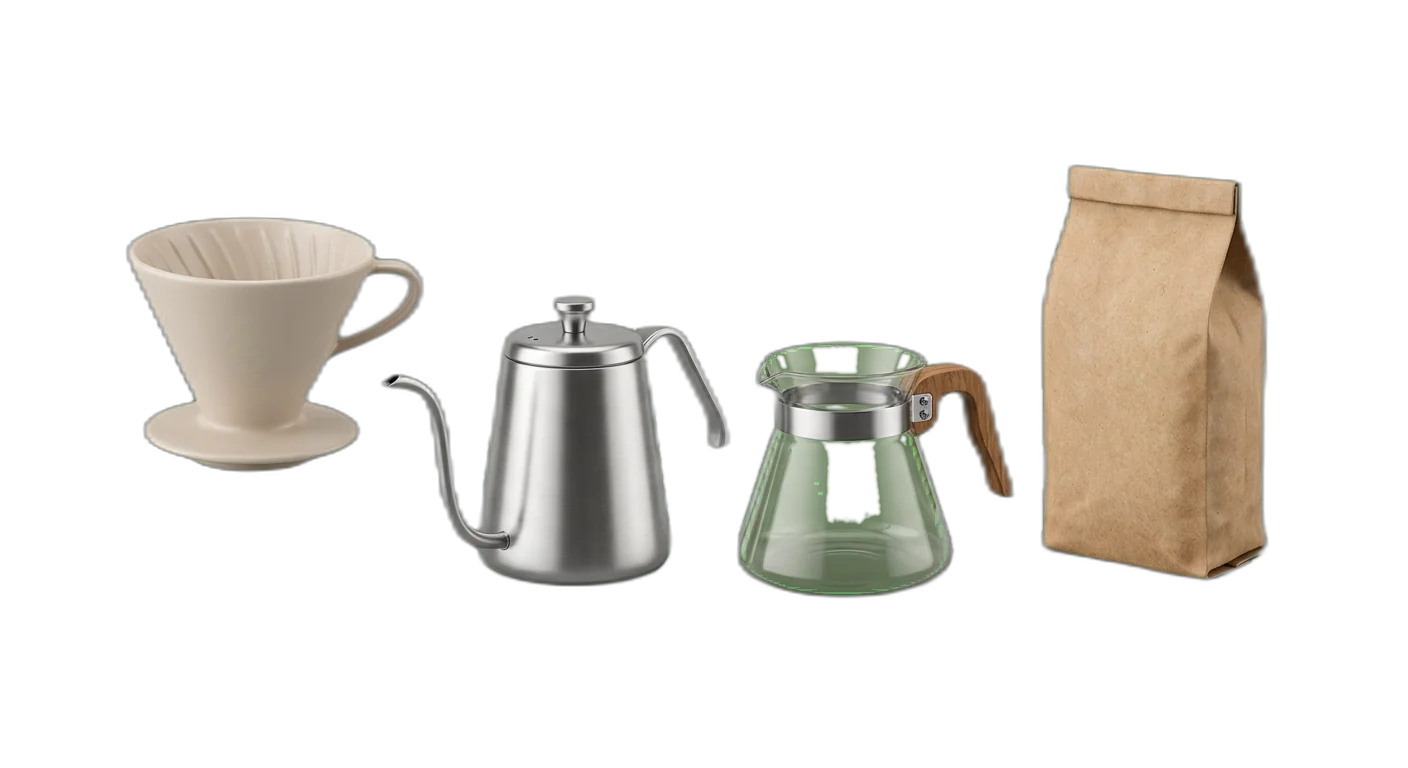
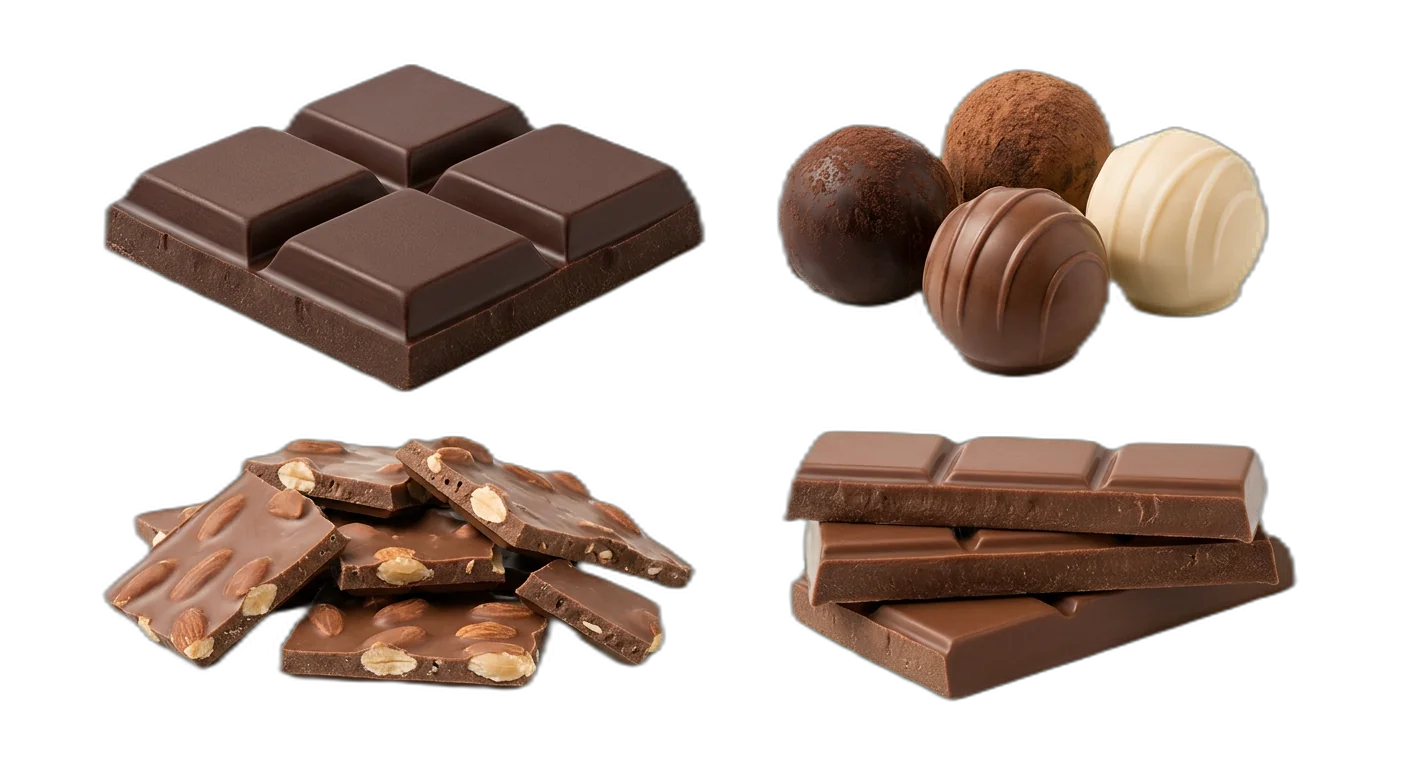
Koffie en chocolade zijn een natuurlijke combinatie en allebei cadeauklassiekers -- ze bundelen verhoogt je bestelwaarde en levert meteen een makkelijk cadeau op.

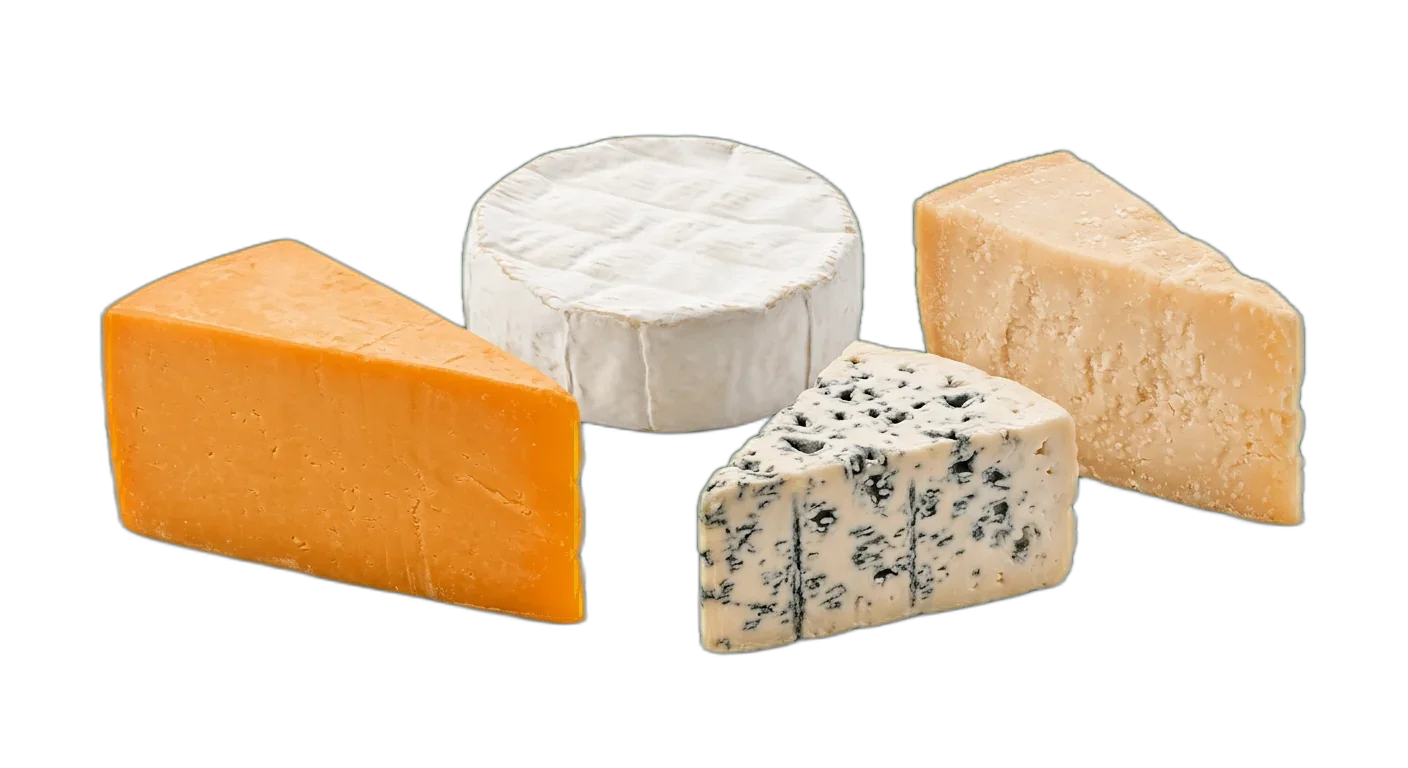
De wijn-kaascombinatie zit diepgeworteld in consumentengedrag en stimuleert sterke cross-sell bij het afrekenen.
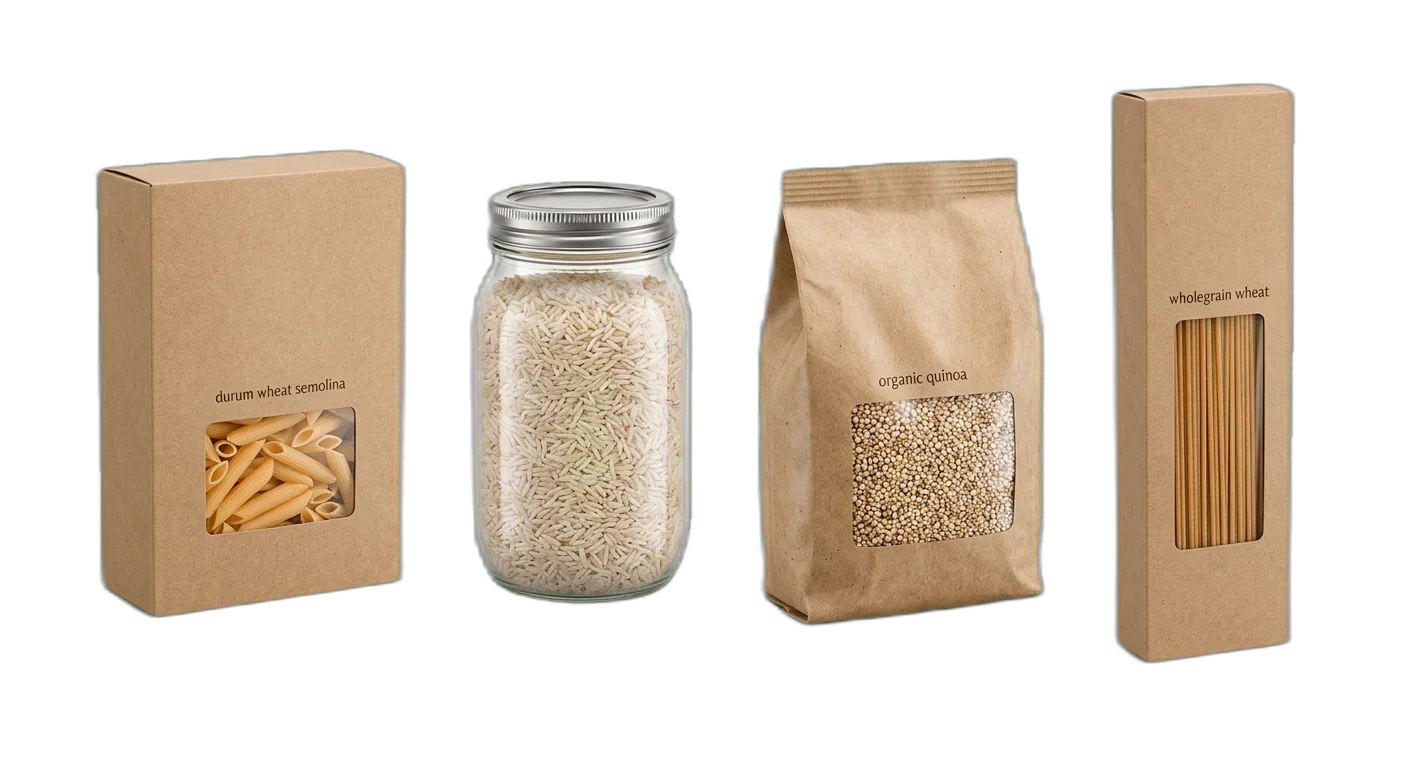
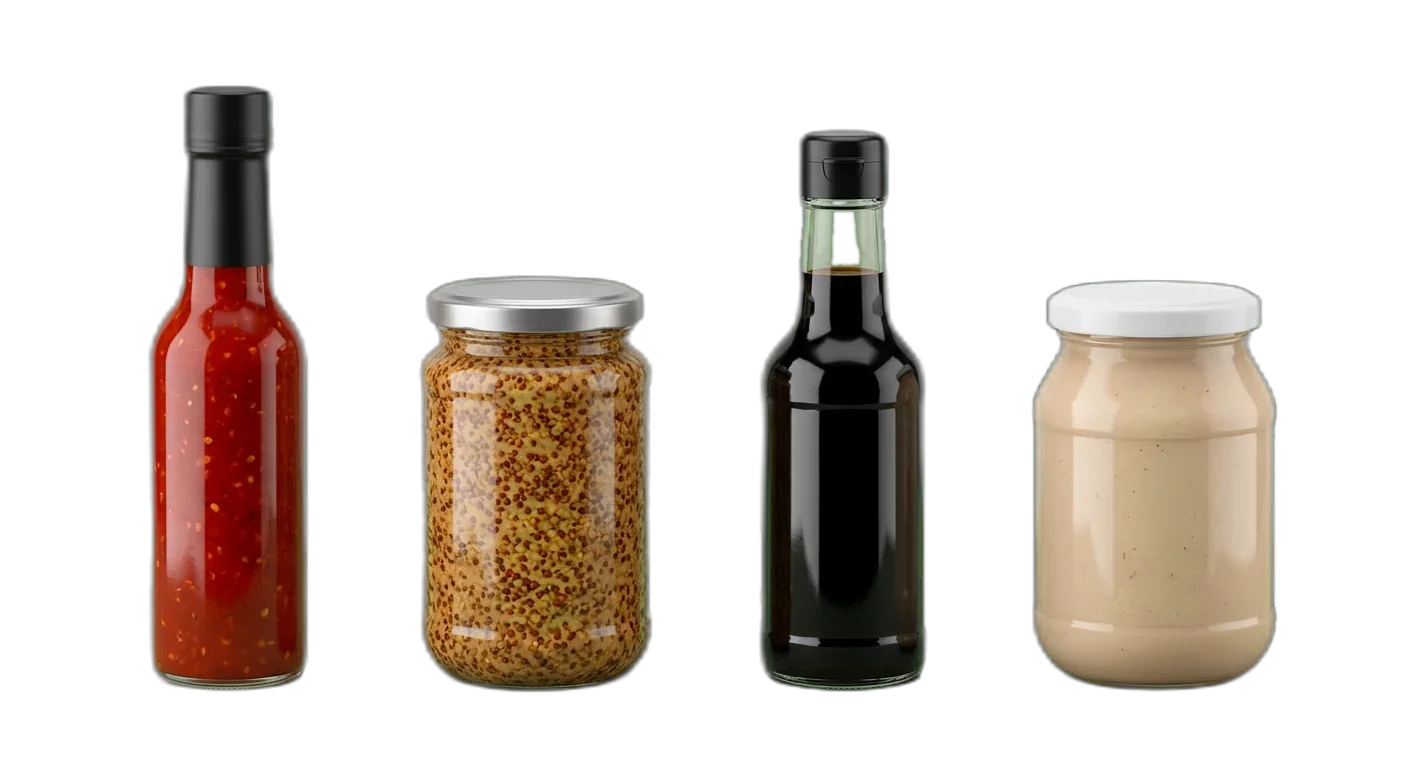
Klanten die pasta kopen hebben vrijwel altijd een saus nodig; suggereer passende sauzen op productpagina's.
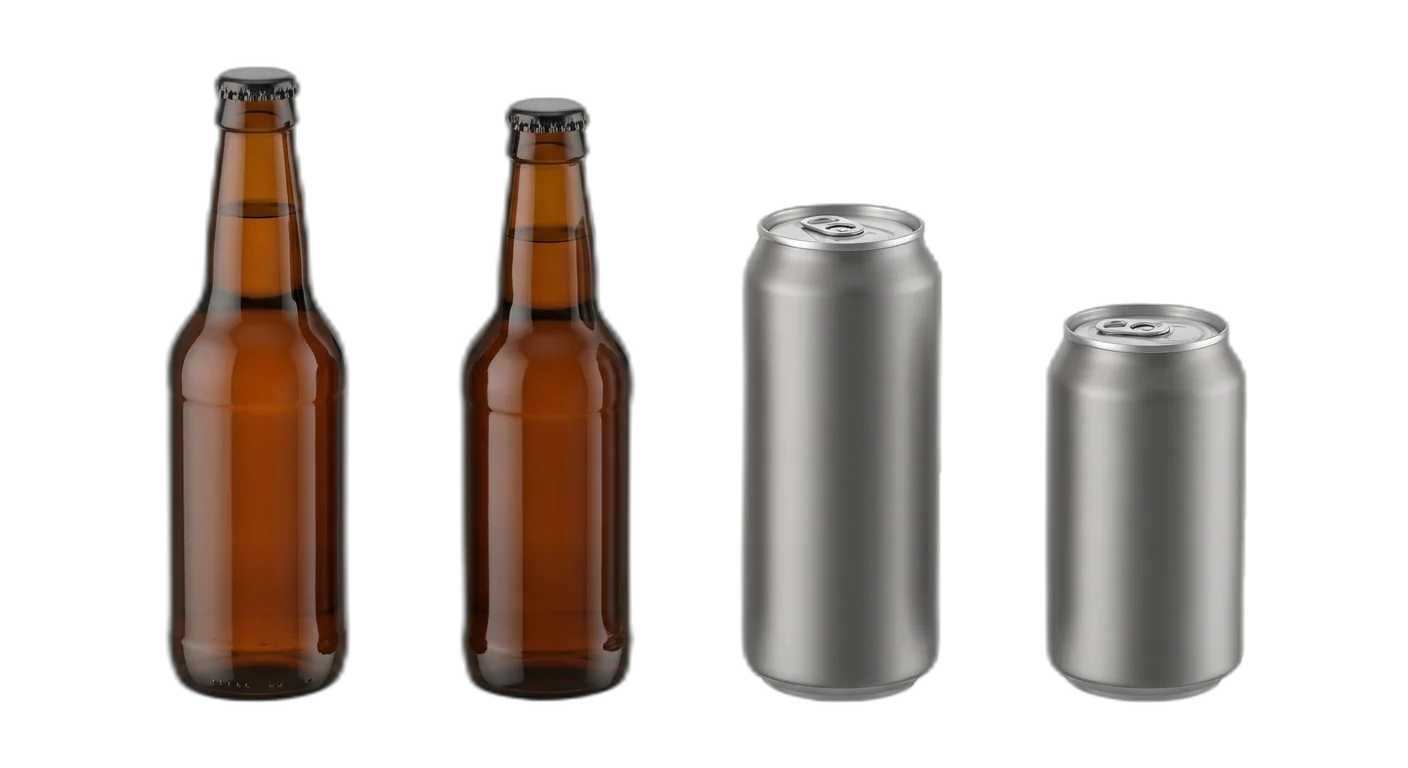
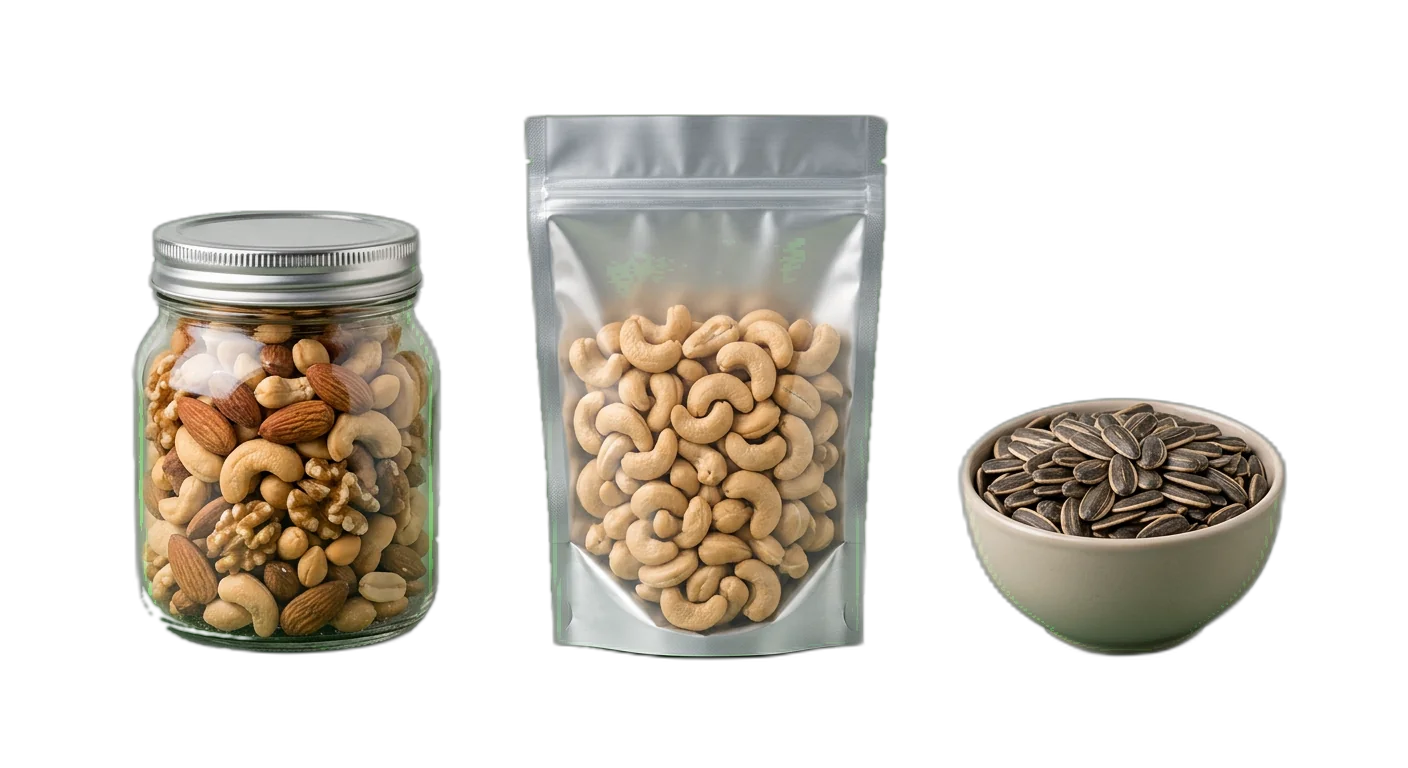
Snackcombinaties passen goed bij craft bier-aankopen en vergroten de winkelwaarde tijdens avondse sessies.
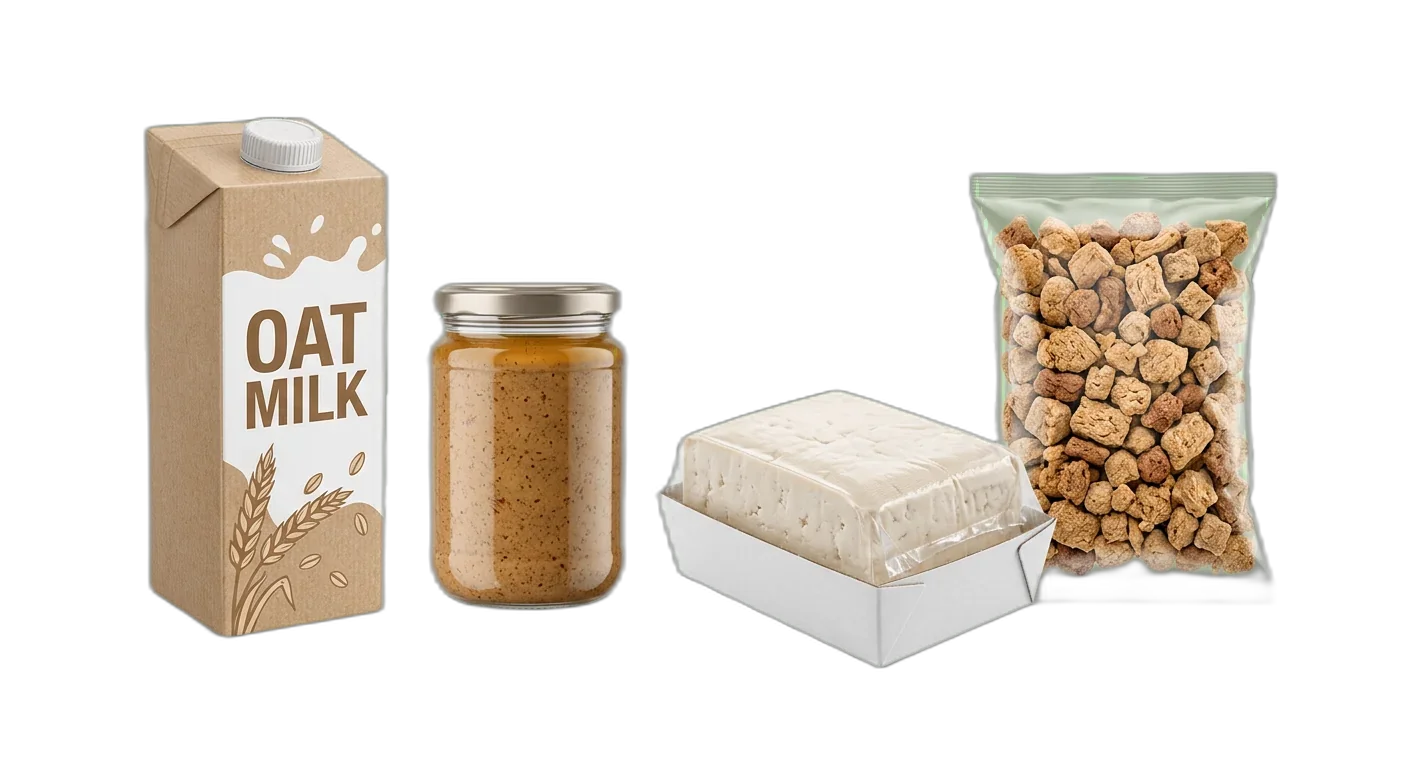
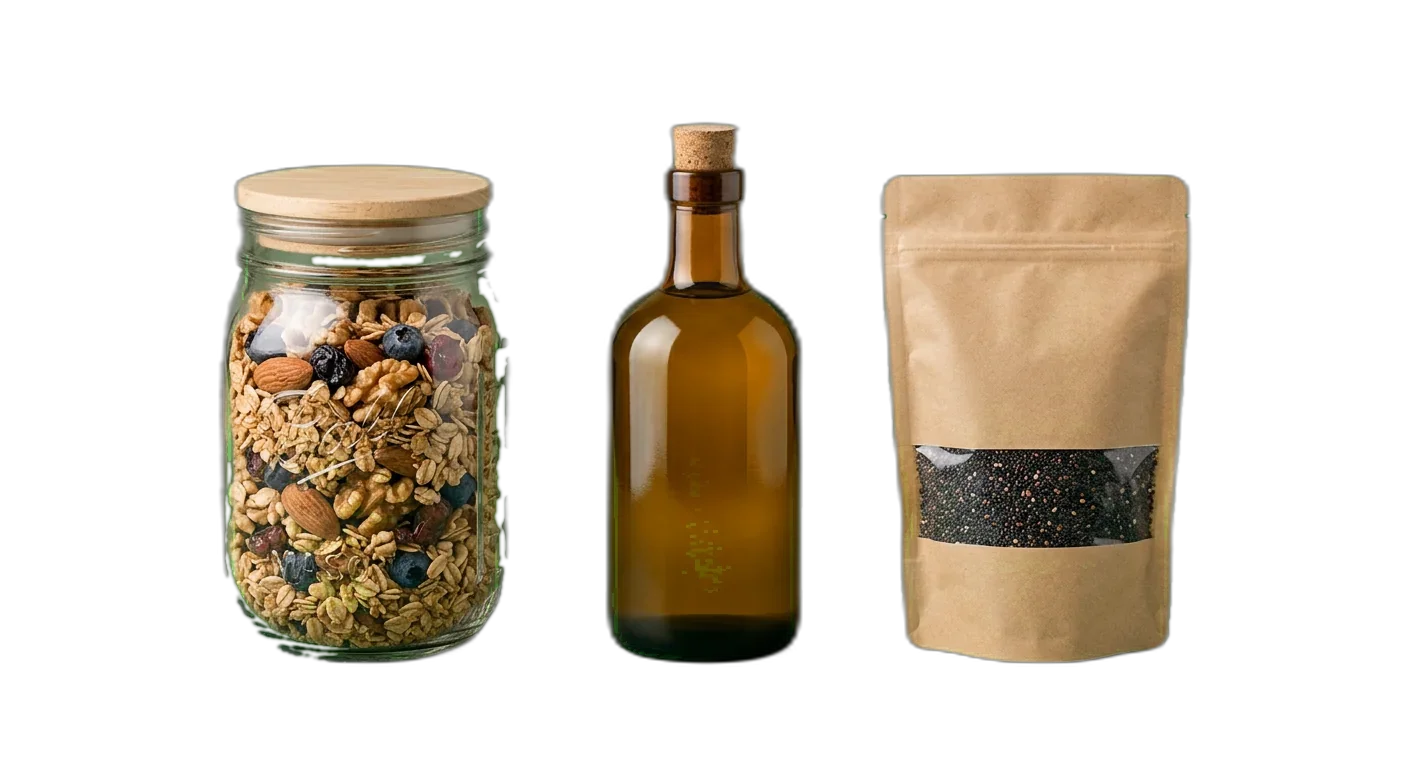
Gezondheidsbewuste shoppers browsen door beide categorieën; toon gerelateerde producten om ontdekking te stimuleren.
Veelgemaakte fouten bij Eten & Drinken categoriekeuzes
Fouten die je vindbaarheid, SEO en conversieratio schaden
- Fout
Dubbele categoriebomen aanmaken voor elke dieetvoorkeur (bijv. een volledige Vegan, Glutenvrij en Biologisch boom die je hoofdtaxonomie spiegelt)
Betere aanpakGebruik dieetlabels (Vegan, Glutenvrij, Biologisch, Keto) als filterbare kenmerken op producten. Een vegan pasta valt onder Voorraadkast > Pasta met het kenmerk Vegan: Ja, niet in een aparte Vegan > Pasta categorie.
- Fout
Kant-en-klare maaltijden mengen met rauwe kookingredienten in dezelfde categorie
Betere aanpakScheid op productstatus en gebruik. Rauwe kip hoort bij Vers Voedsel > Vlees, een voorgekookte rotisserie kip is een bereid product. Opslag- en bereidingseisen bepalen de categorie.
- Fout
Merknamen als categorieën gebruiken in plaats van producttypen
Betere aanpakMerk is een filterbaar kenmerk, nooit een categorie. Producten horen in hun functionele categorie (Sauzen, Pasta) met Merk als doorzoekbaar gegeven. Dit voorkomt categoriespreiding en maakt browsen over merken heen mogelijk.
- Fout
Dranken in voedingscategorieën plaatsen (bijv. sinaasappelsap onder Groenten & Fruit)
Betere aanpakDranken zijn altijd een eigen hoofdcategorie, los van voedsel. Ook al komt sap van fruit, het heeft andere kenmerken (volume, portiegrootte) en ander koopgedrag.
- Fout
Geen gestructureerde allergeendata opnemen en alleen vertrouwen op vrije-tekst ingredientenlijsten
Betere aanpakVoeg allergenenfilters toe (Bevat Noten: ja/nee, Bevat Zuivel: ja/nee, Bevat Gluten: ja/nee, etc.) aan elk product. Dit maakt goede filtering, wettelijke naleving en veilige marktplaatsexports mogelijk.
Stel Eten & Drinken categorieën in met AI
Krijg je Eten & Drinken productcategorieën in minuten op orde, niet in dagen
01
Importeer je food & beverage catalogus
Upload je productdata via CSV, Excel of API. WISEPIM herkent automatisch voedingsrelevante kenmerken zoals gewicht, ingredienten, allergenen en voedingsinformatie uit je bestaande data.
02
AI categoriseert je producten
De AI van WISEPIM analyseert producttitels, beschrijvingen en ingredientenlijsten om elk artikel aan de beste categorie toe te wijzen. Het herkent voedingstypen, identificeert allergenen en verwerkt uitzonderingen zoals producten met meerdere ingredienten of speciale dieetvereisten automatisch.
03
Controleer, verfijn en publiceer
Bekijk AI-suggesties in bulk, vul ontbrekende allergeen- of voedingsdata aan en stuur je gecategoriseerde producten door naar al je verkoopkanalen. Categorieën en compliance-data blijven gesynchroniseerd wanneer je nieuwe producten toevoegt.
Veelgestelde vragen
Veelgestelde vragen over het kiezen van Eten & Drinken categorieën voor e-commerce
Beste categorieën voor andere branches
Printbare checklist
Begin in 15 minutenBeslis in één week of een nieuwe categorie loont
Begin bij de vraag: 15 minuten in Google Trends. Je krijgt één telling, zoals 2 van 3 termen stijgen. Daarna 5 stappen voor de rest van de week.
Zo werkt het
- Kies de 3 zoektermen die klanten voor de categorie gebruiken.
- Zoek ze alle drie op in Google Trends over 2 jaar.
- Schrijf het aantal op, zoals '2 van 3 termen stijgen'.
Eén mail, één keer, met een link naar de printbare checklist. Verder niets, tenzij je het vakje aanvinkt.
Verder ontdekken
Zorgvuldig gekozen vervolgstappen om dieper te gaan.
Klaar om je Eten & Drinken catalogus te organiseren?
WISEPIM gebruikt AI om je producten automatisch te categoriseren, attributes in te stellen en te synchroniseren met al je verkoopkanalen.