Beste categorieën voor Tuin & Buiten
De best presterende Tuin & Buiten productcategorieën voor je webshop, gerangschikt op vraag, marges en groeipotentieel.
Beste Tuin & Buiten categorieën om online te verkopen
Gerangschikt op marktvraag, winstmarges en groeimomentum
- 1
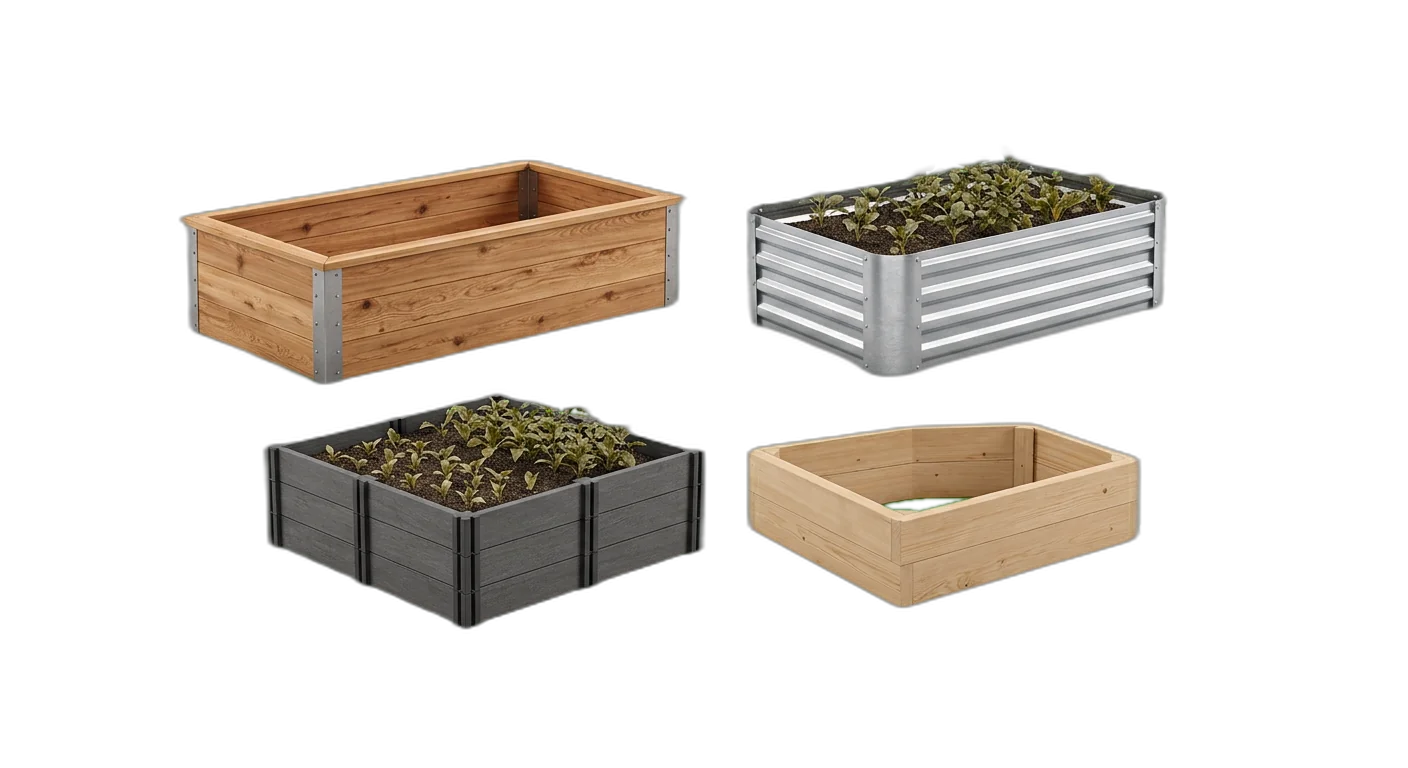
Moestuinbakken
Plantenbakken & Containers > Verhoogde Bedden
Moestuinbakken zijn de afgelopen drie jaar explosief gegroeid, dankzij de urban gardening-trend en het zelf-kweken-enthousiasme. Ze spreken beginners en ervaren tuiniers gelijkelijk aan, leiden tot veel herhaalaankopen van accessoires en leveren sterke marges op bij kwaliteitsmaterialen zoals ceder en verzinkt staal.
Vraag: HoogConcurrentie: GemiddeldMarge: HoogStijgendVoorbeeldproductenCederen moestuinbakkenMetalen moestuinbak-kitsModulaire moestuinbaksystemenHoekmoestuinbakkenPro tipBundel moestuinbakken met grond, zaden en tuinhandschoenen -- een beginnende tuinier heeft geen idee hoeveel grond er in een bak gaat, dus een starterpakket beantwoordt die vraag en converteert beter dan de kale bak.
- 2
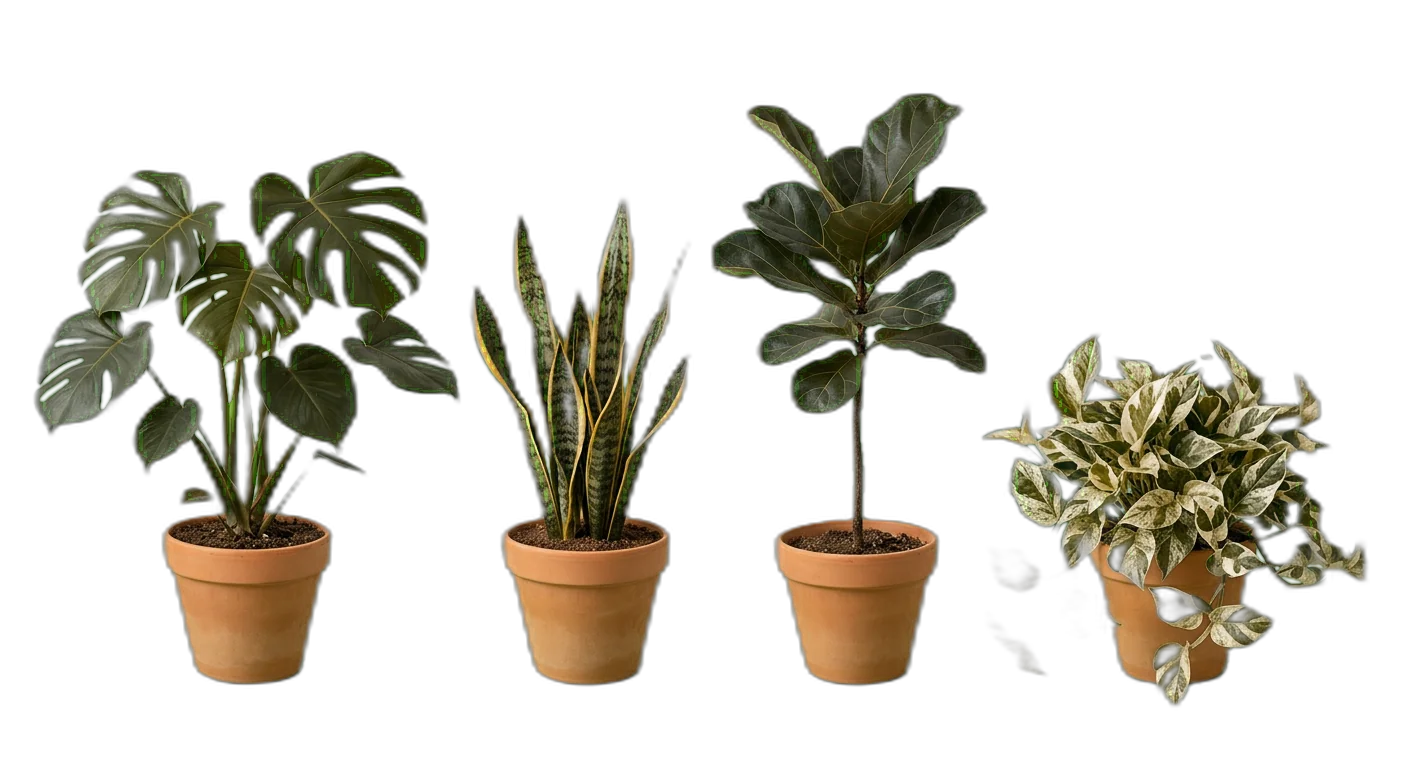
Kamerplanten
Planten & Zaden > Kamerplanten
De kamerplantenmarkt is sinds 2020 flink gegroeid, met millennials en thuiswerkers als grootste kopers. Kamerplanten hebben hoge herhaalaankooppercentages, lage retourpercentages en een groot cross-sell-potentieel met plantenbakken en verzorgingsproducten. Social media zorgt voor veel organische vraag via plant-stylingcontent.
Vraag: GroeiendConcurrentie: GemiddeldMarge: HoogStijgendVoorbeeldproductenMonstera deliciosaSanseveriaEpipremnum (pothos)VioolbladplantPro tipToon een Verzorgingsmoeilijkheid-beoordeling prominent -- de meeste kamerplantenkopers zijn beginners die bang zijn de plant te laten doodgaan, dus 'Makkelijk te verzorgen' is meestal het meestgebruikte filter na prijs.
- 3
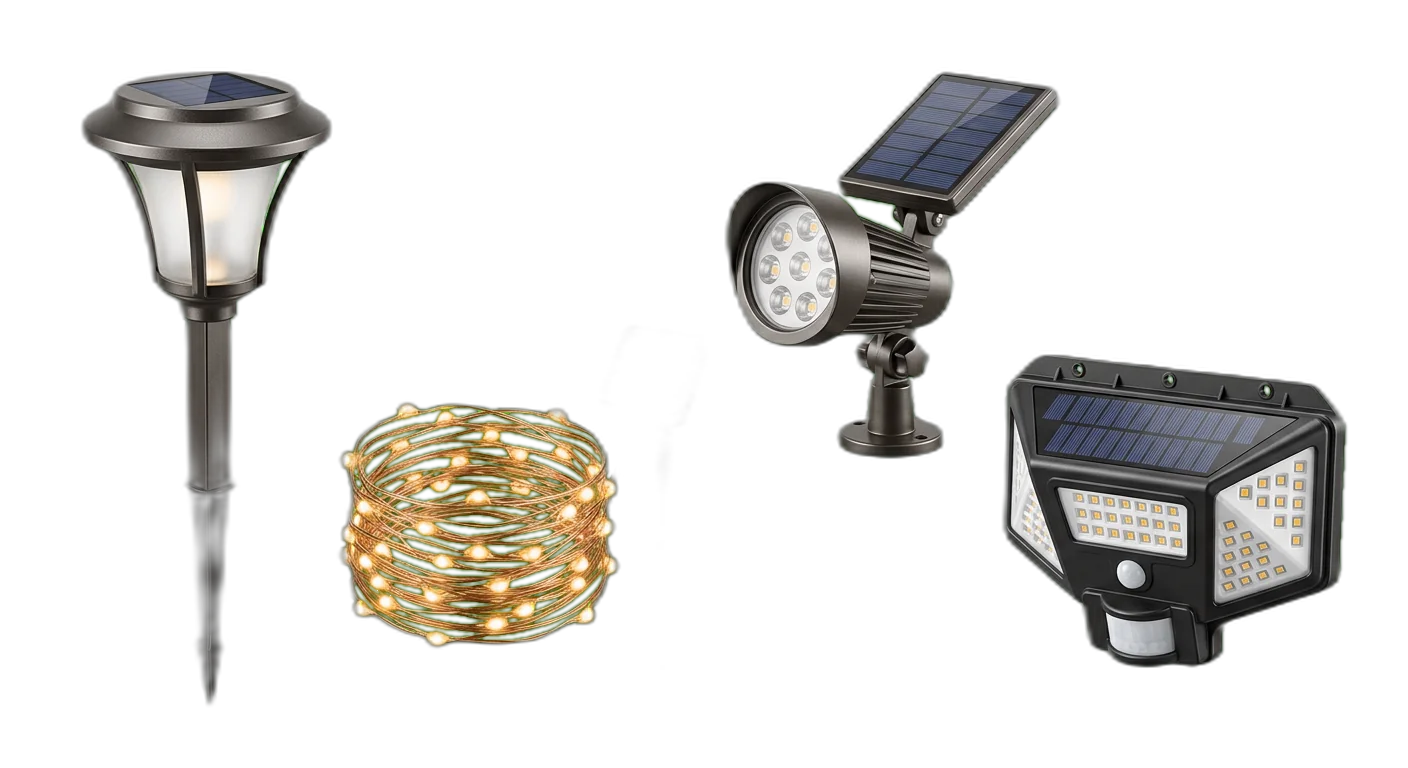
Solar Tuinverlichting
Buitenleven > Buitenverlichting > Zonneverlichting
Solar tuinverlichting is het snelst groeiende segment in buitenverlichting, populair vanwege energiebesparing en eenvoudige installatie zonder bedrading. De categorie heeft hoge marges, lage retourpercentages en wordt vaak in multipacks gekocht. Het segment blijft groeien nu panelen efficiënter worden en accu's langer meegaan.
Vraag: GemiddeldConcurrentie: LaagMarge: HoogStijgendVoorbeeldproductenSolar padverlichtingSolar lichtsnoerenSolar spotlightsSolar beveiligingslampenPro tipVerkoop in multipacks van 4, 6 of 8 -- niemand verlicht een pad met een enkele lamp, dus padverlichting wordt vrijwel altijd in meervoud gekocht en bundelprijzen verhogen je gemiddelde orderwaarde.
- 4
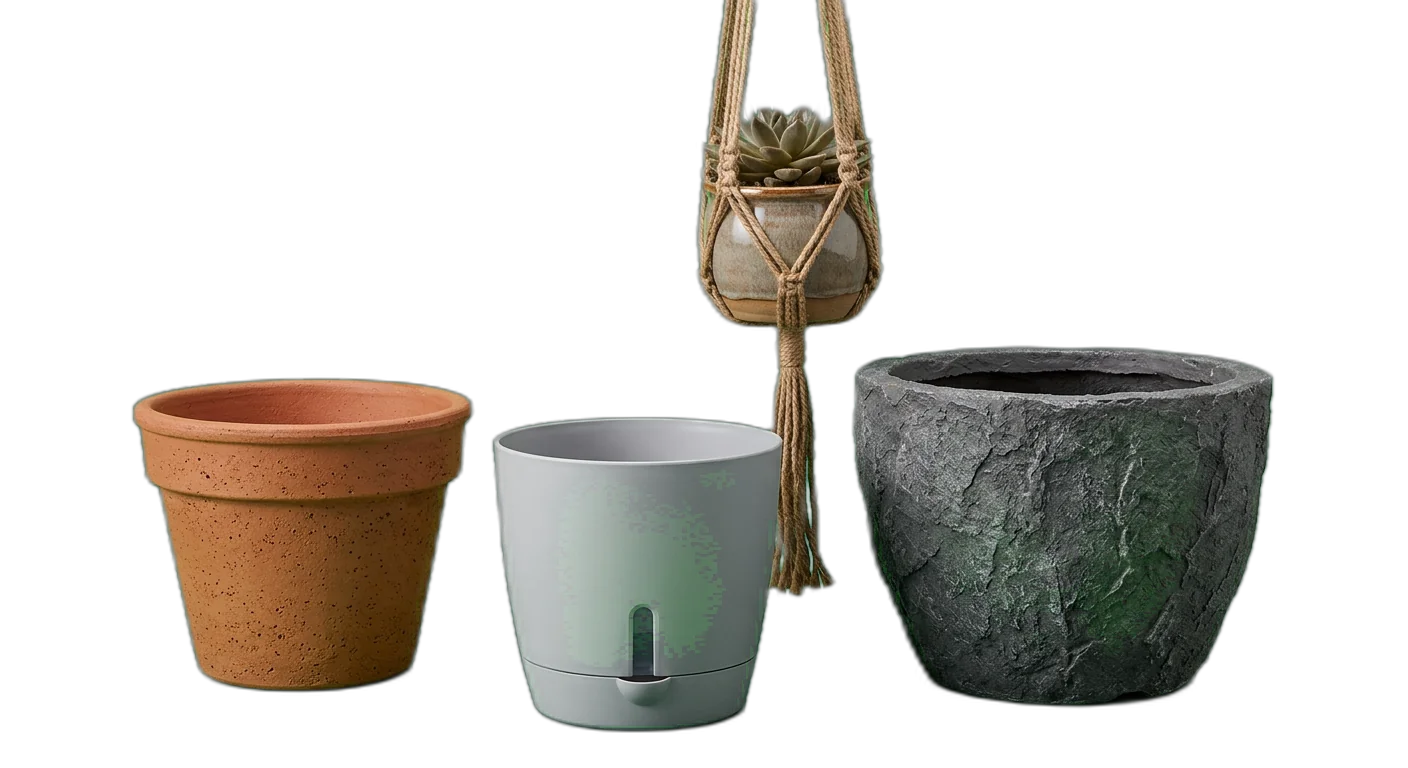
Plantenbakken & Potten
Plantenbakken & Containers > Potten
Plantenbakken en potten zijn de accessoirecategorie met de hoogste marge in tuin-ecommerce, omdat de prijs wordt bepaald door het ontwerp en niet door de materiaalkosten. Ze worden gekocht naast vrijwel elk plantenproduct, waardoor ze ideaal zijn voor cross-selling. De categorie loopt van betaalbaar plastic tot premium keramiek en beton.
Vraag: GemiddeldConcurrentie: LaagMarge: HoogStijgendVoorbeeldproductenKeramieken plantenbakkenZelfwaterende pottenHangpottenGrote buitenplantenbakkenPro tipSuggereer altijd plantenbakken op plantproductpagina's met maataanbevelingen -- een plant die in een kweekpot aankomt heeft een echte pot nodig, en de juiste maat noemen haalt de laatste reden weg om die aankoop uit te stellen.
- 5
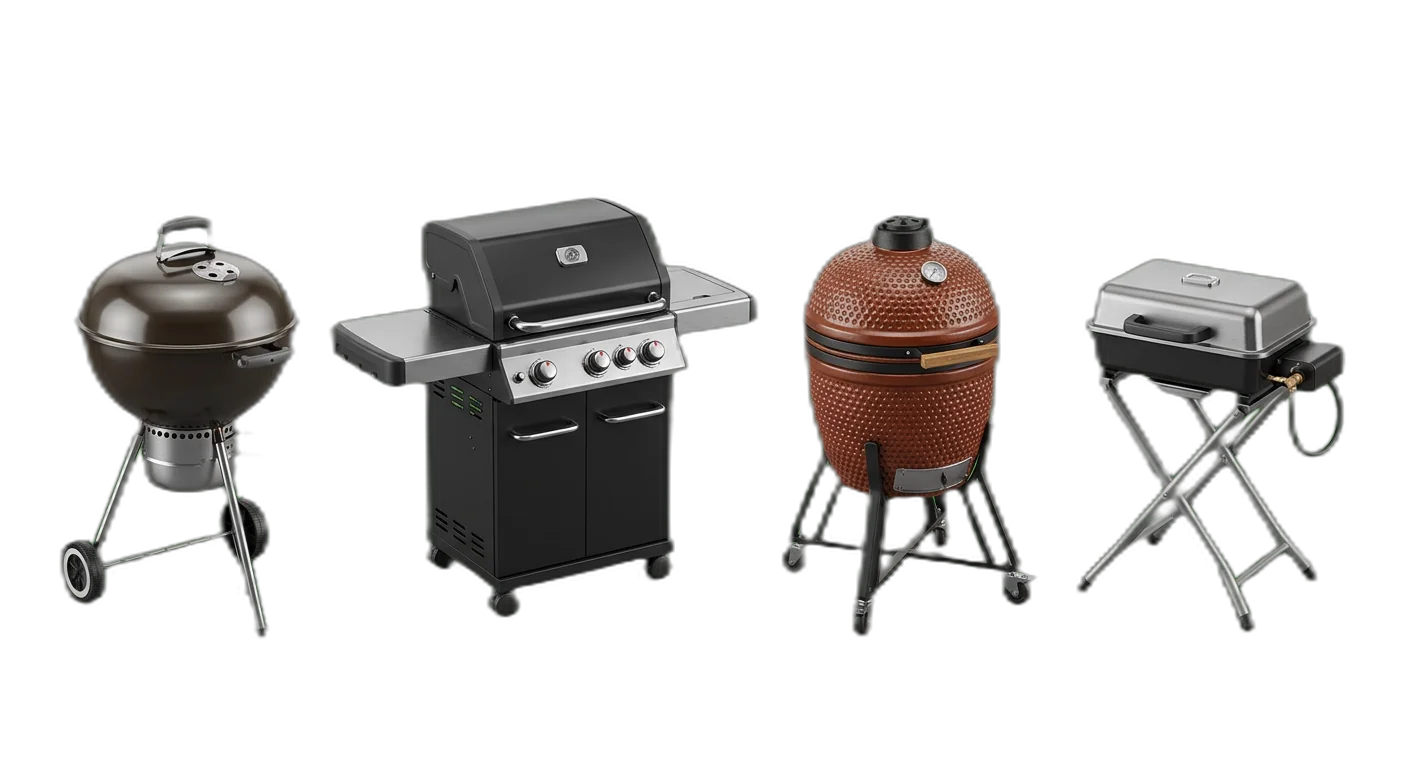
BBQ & Grills
Buitenleven > BBQ & Grillen
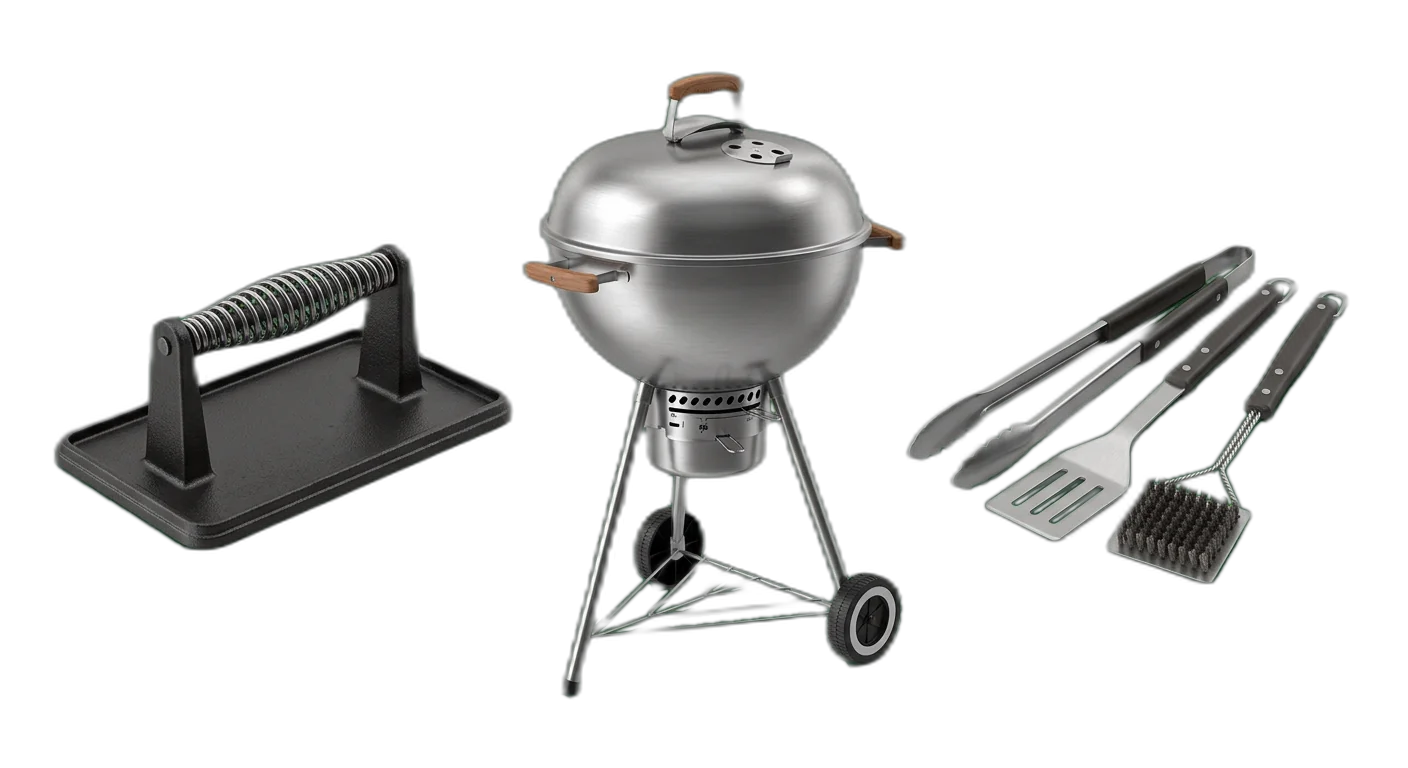
BBQ- en grillproducten zorgen voor de grootste seizoensgebonden omzetpieken in buitenwebshops. Gasgrills alleen al zijn het grootste deel van de categorie. Die heeft sterke merkloyaliteit, hoge accessoire-aankooppercentages en goede cadeauvraag rond Vaderdag en zomerse feestdagen.
Vraag: HoogConcurrentie: GemiddeldMarge: HoogSeizoensgebondenVoorbeeldproductenGasgrillsHoutskoolgrillsKamado-smokersDraagbare grillsPro tipMaak accessoirebundels bij grills -- een grill is nutteloos zonder tang en heeft een hoes nodig om de winter door te komen, dus klanten voegen beide graag in dezelfde sessie toe.
- 6
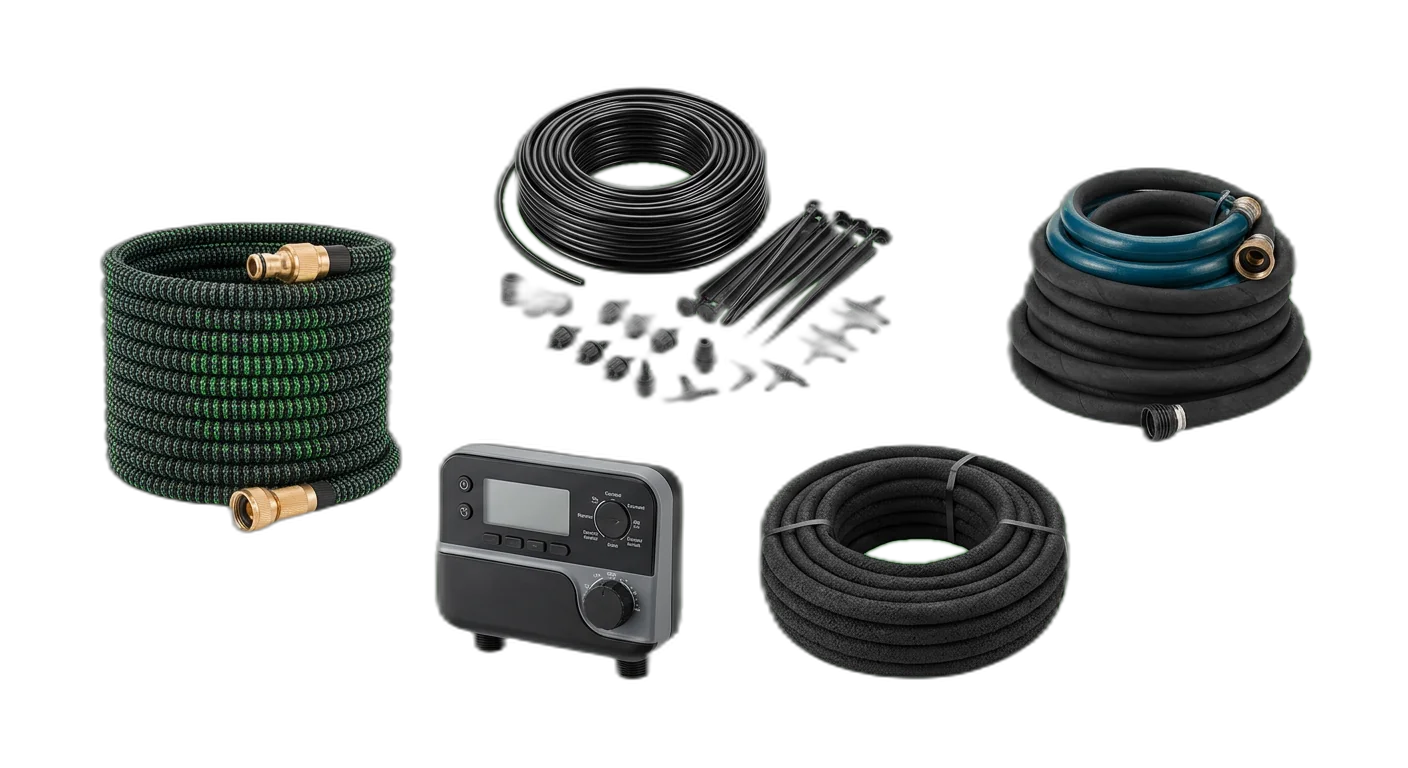
Tuinslangen & Irrigatie
Tuingereedschap > Bewatering
Bewateringsproducten zijn de meest herhaald gekochte tuincategorie -- slangen, sproeiers en besproeiingskoppen moeten regelmatig worden vervangen. Slimme irrigatiesystemen zijn een snel groeiend premiumsegment. De categorie verkoopt het hele jaar door in gematigde klimaten en piekt seizoensgebonden elders.
Vraag: HoogConcurrentie: GemiddeldMarge: GemiddeldStabielVoorbeeldproductenUitrekbare tuinslangenDruppelirrigatie-setsSlimme sproeier-controllersDruppelaarsPro tipBenadruk compatibiliteitsinformatie duidelijk -- slangkoppelingen en irrigatie-fittingen varieren per merk, en incompatibiliteit is de meest genoemde reden voor retouren van bewateringsproducten.
- 7
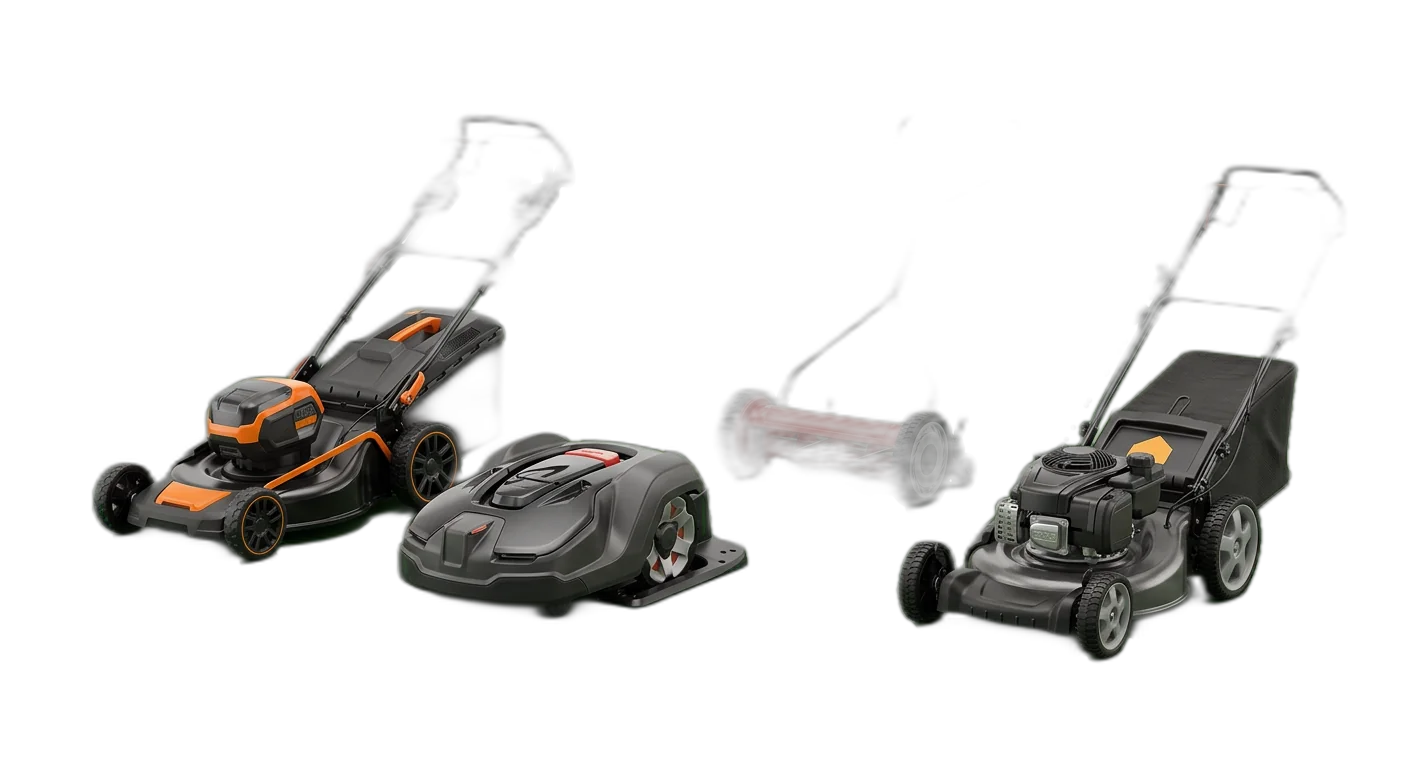
Grasmaaiers
Tuingereedschap > Elektrisch Gereedschap > Grasmaaiers
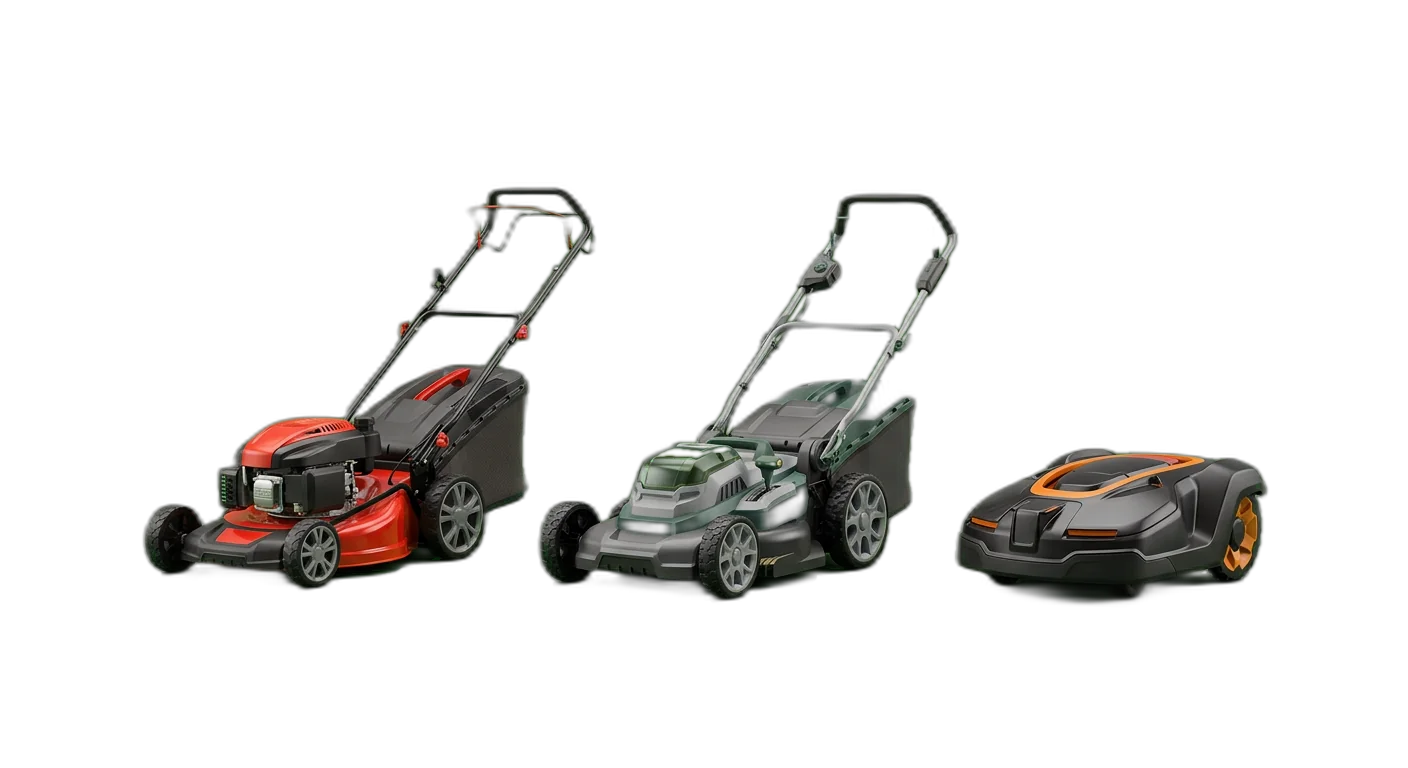
Grasmaaiers zijn het duurste individuele product in tuin-ecommerce. Accu-grasmaaiers zijn het snelst groeiende segment, met zoekvraag die jaar na jaar stijgt nu snoerloos gereedschap benzine vervangt. Klanten doen uitgebreid online onderzoek voor ze kopen, waardoor goed geoptimaliseerde categoriepagina's erg effectief zijn.
Vraag: HoogConcurrentie: HoogMarge: GemiddeldStabielVoorbeeldproductenAccu-grasmaaiersRobotmaaiersHandmaaiersZelfrijdende benzinemaaiersPro tipVoeg een gazongrootte-calculator of aanbevelingsfilter toe -- klanten die hun tuingrootte aan de juiste maaier kunnen koppelen converteren veel beter dan klanten die zelf moeten gokken tussen maaibreedtes en accuwaardes.
- 8
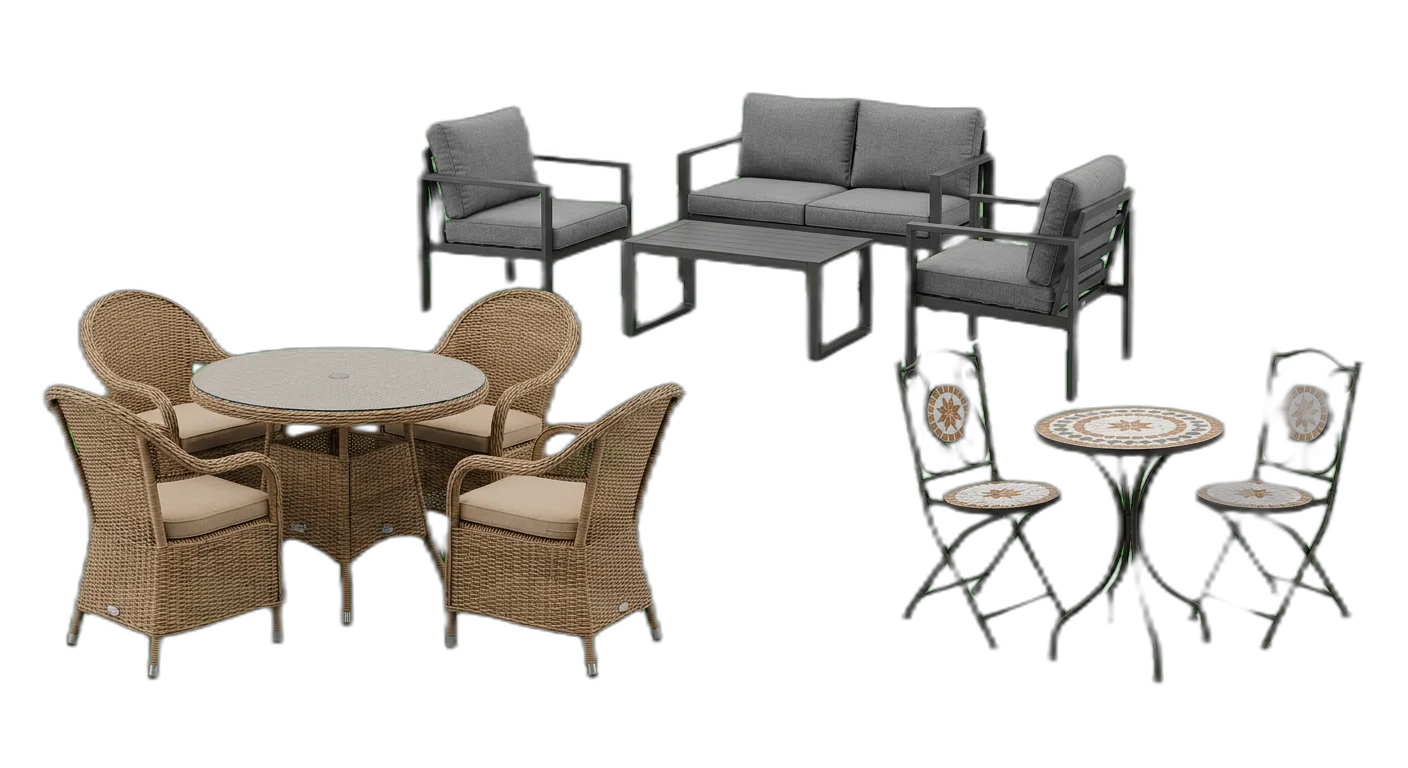
Tuinmeubelsets
Tuinmeubelen > Terras Eethoek > Eetsets
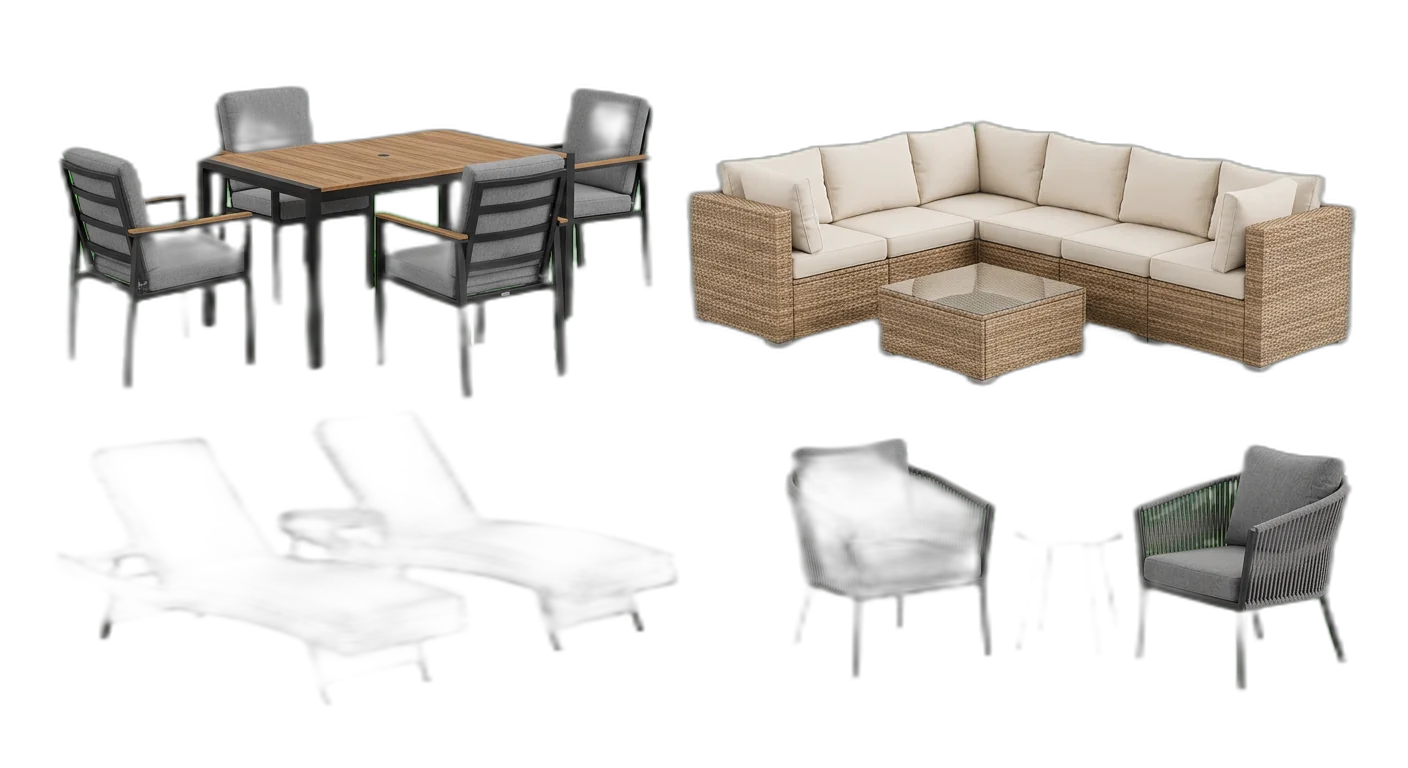
Terras-eetsets zijn de categorie met de hoogste omzet in tuinwebshops, met gemiddelde orderwaarden boven de 500 euro. De vraag piekt van maart tot augustus en klanten zoeken uitgebreid uit voor ze kopen -- gedetailleerde productpagina's met afmetingen en materiaalspecificaties zijn daardoor cruciaal voor je conversie.
Vraag: HoogConcurrentie: HoogMarge: GemiddeldSeizoensgebondenVoorbeeldproductenTerras-eetsetsBistrosetsTuinlounge-setsBuitenbarsetsPro tipVermeld altijd zowel gemonteerde als verpakte afmetingen -- tuinmeubelen komen vaker retour dan wat dan ook in deze categorie, simpelweg omdat ze niet op het terras passen. Complete specificaties zijn het enige dat dat voorkomt.
- 9
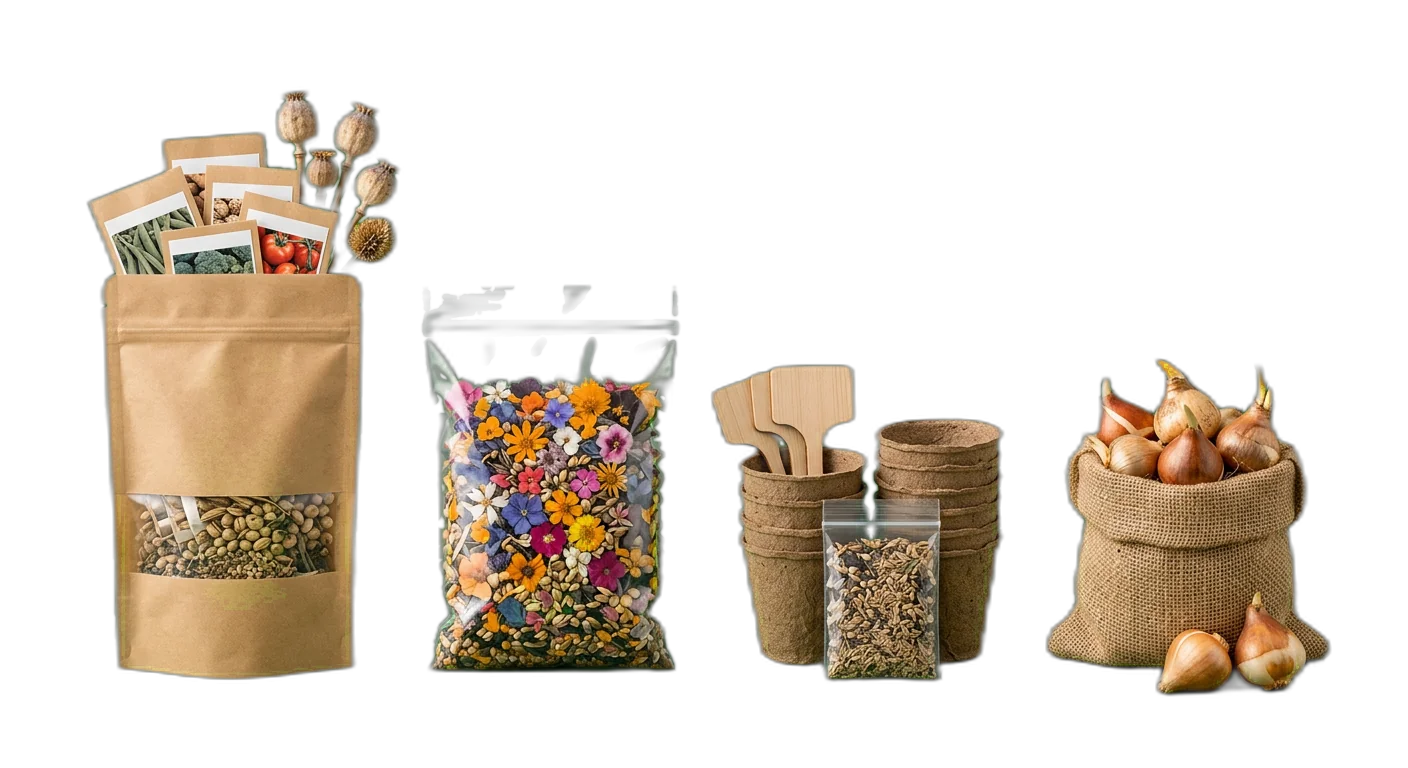
Zaden & Bollen
Planten & Zaden > Zaden & Bollen
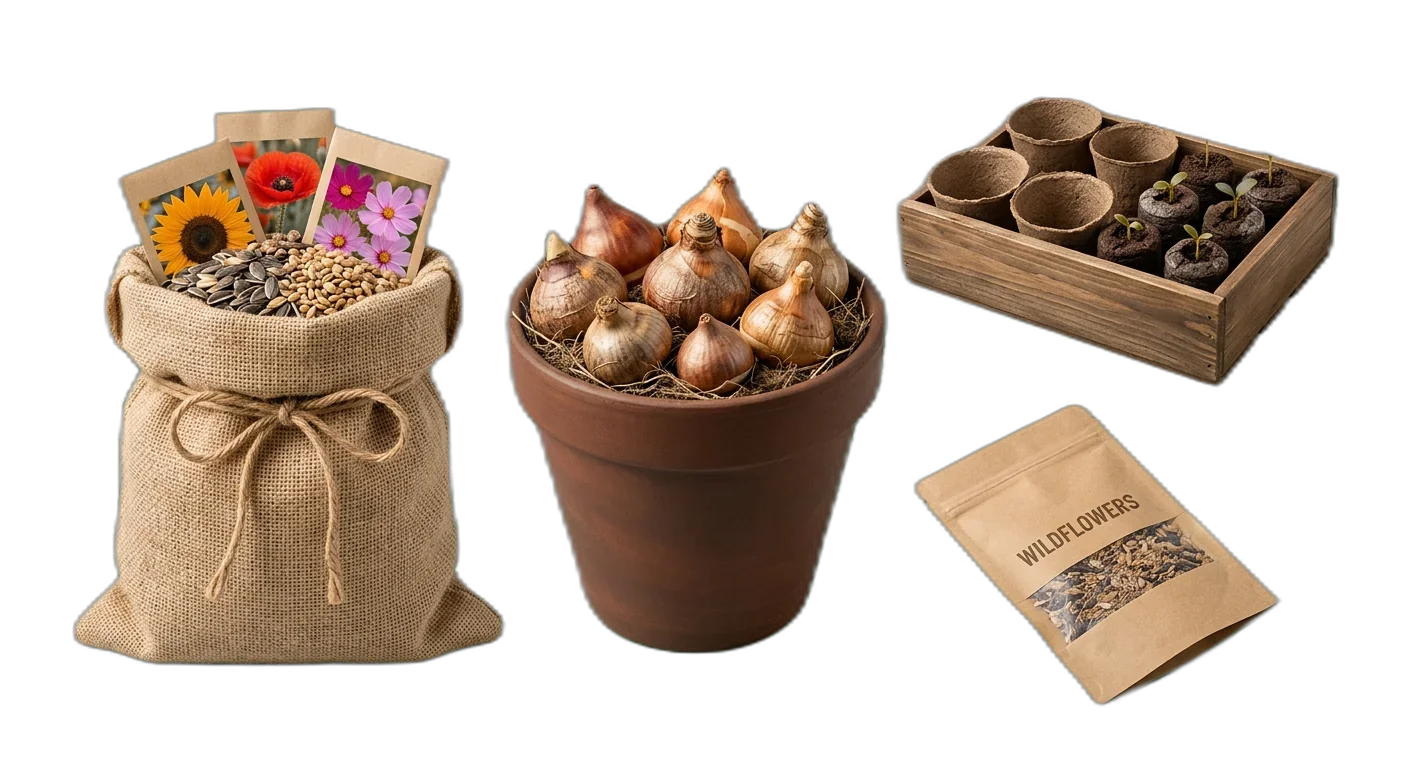
Zaden en bollen zijn het instapproduct voor tuin-ecommerce: lage prijzen stimuleren eerste aankopen en hoge herhaalaankopen houden klanten terugkomen. Groentezaden hebben aanhoudend gegroeid na de thuistuinierboom. De categorie heeft uitstekende marges, lage verzendkosten en duidelijke seizoensgebonden vraagpatronen.
Vraag: HoogConcurrentie: HoogMarge: GemiddeldSeizoensgebondenVoorbeeldproductenGroentezaadcollectiesBloemzaadmengselsKruidenzaadkitsVoorjaarsbloeiende bollenPro tipBied samengestelde zaadcollecties per thema aan (pizzatuin, bijentuin, snijbloementuin) -- een themabundel beantwoordt de vraag 'wat zal ik zaaien?', iets wat een muur vol losse zaadzakjes nooit doet.
- 10
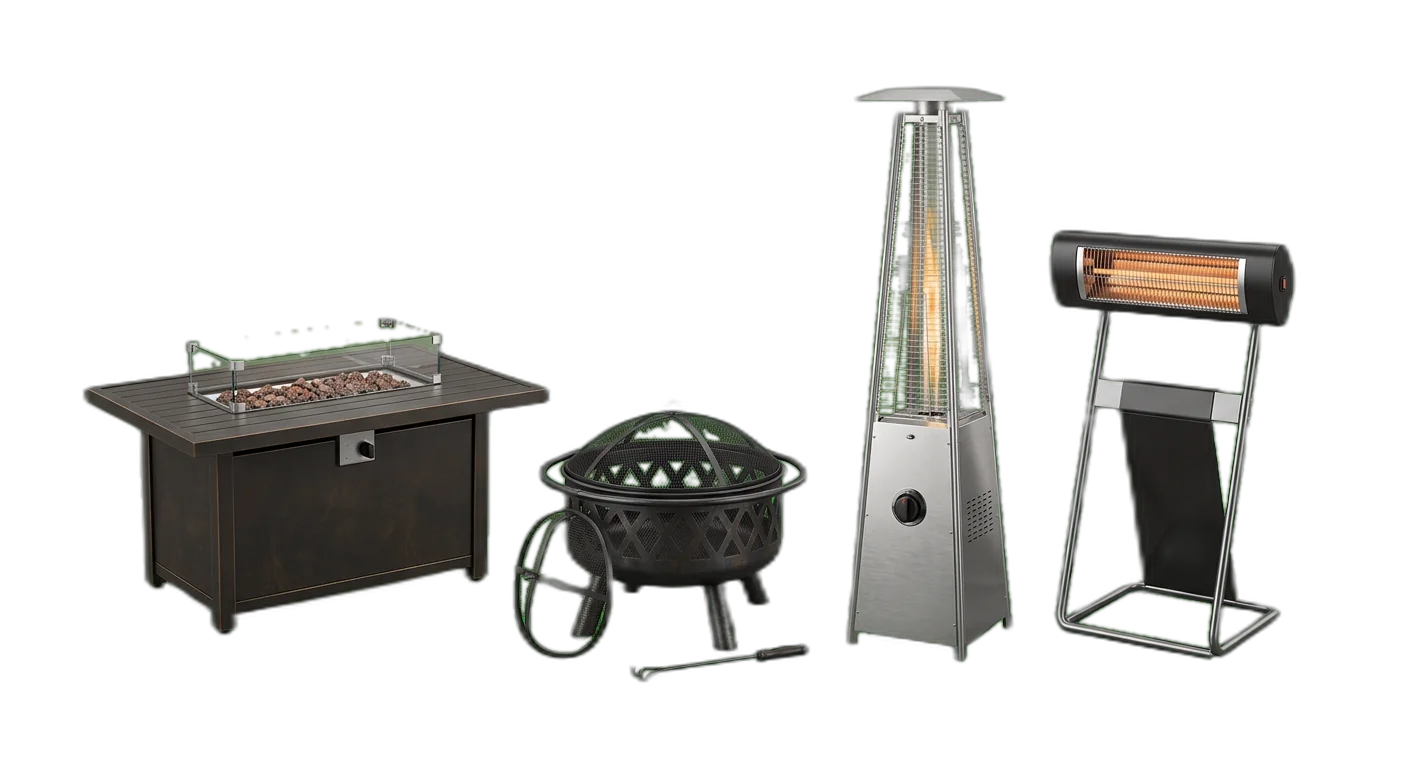
Vuurkorven & Terrasverwarming
Buitenleven > Vuurkorven & Verwarming
Vuurkorven en terrasverwarming verlengen het buitenseizoen met maanden -- een snel groeiende categorie met hoge gemiddelde orderwaarden. Impulsaankopen zijn gebruikelijk in de herfst en de categorie leent zich goed voor visuele marketing. Gasvuurkorven hebben houtvuurkorven inmiddels ingehaald in online verkoop.
Vraag: GemiddeldConcurrentie: GemiddeldMarge: GemiddeldSeizoensgebondenVoorbeeldproductenGas-vuurkorftafelsHout-vuurkorvenPropaan-terrasverwarmingElektrische terrasverwarmingPro tipBegin vuurkorven te promoten eind augustus -- de zoekvraag piekt in september en bereikt het hoogtepunt in oktober, maar veel retailers wachten te lang en missen de vroege kopers.
Categorieprestaties in één oogopslag
Vergelijk vraag, concurrentie, marges en groei voor alle aanbevolen categorieën
MoestuinbakkenKamerplantenSolar TuinverlichtingPlantenbakken & PottenBBQ & GrillsTuinslangen & IrrigatieGrasmaaiersTuinmeubelsetsZaden & BollenVuurkorven & TerrasverwarmingAanbevolen Tuin & Buiten categoriestructuur
De volledige categorieboom met subcategorieën voor elke aanbevolen hoofdcategorie
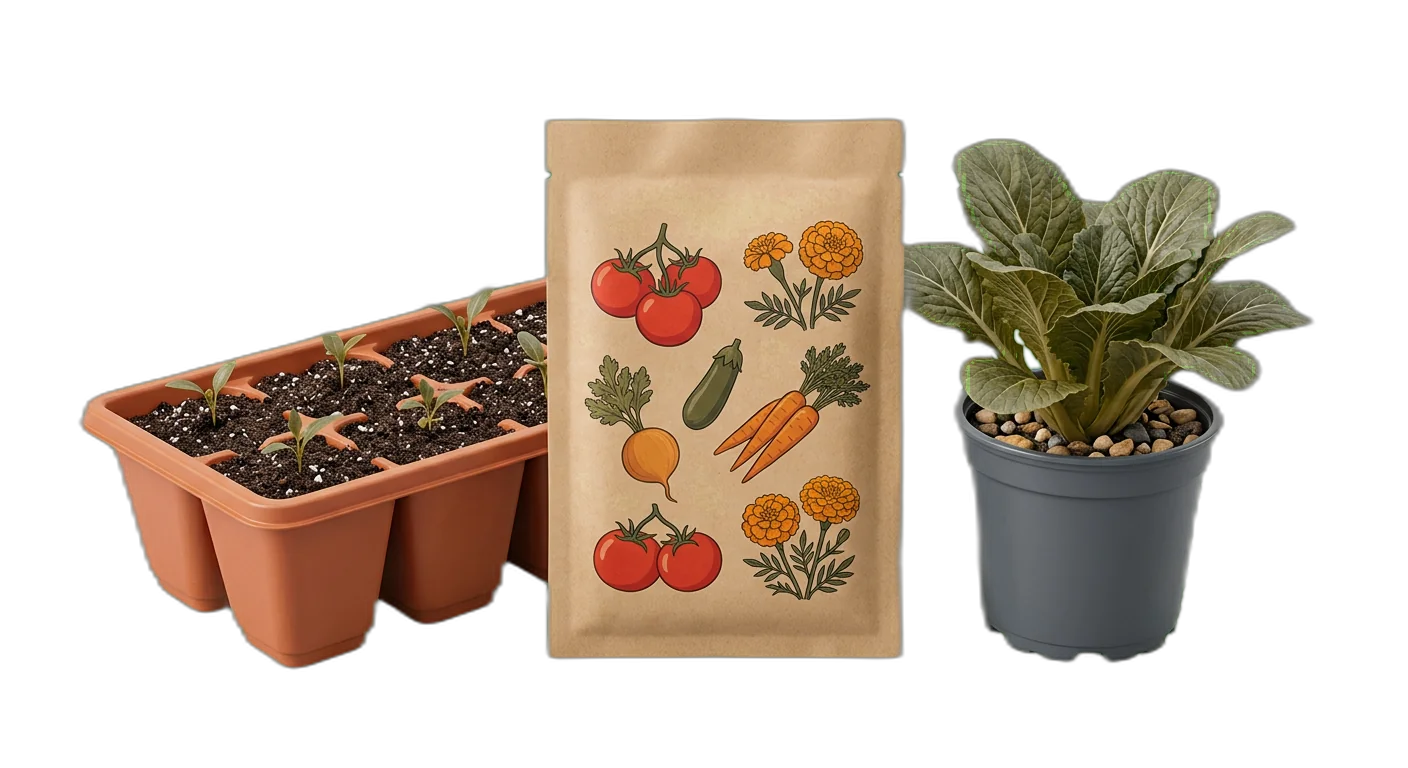
Planten & zaden
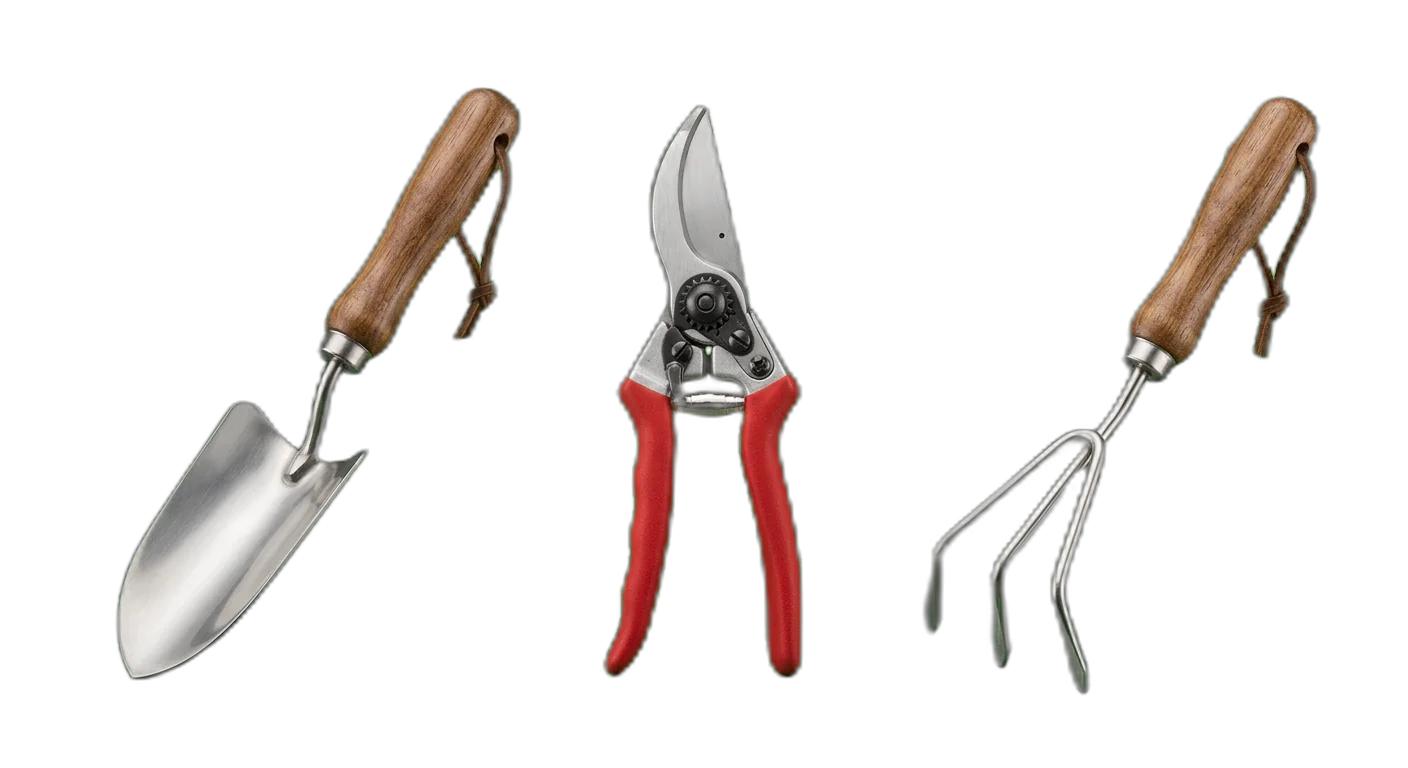
Tuingereedschap
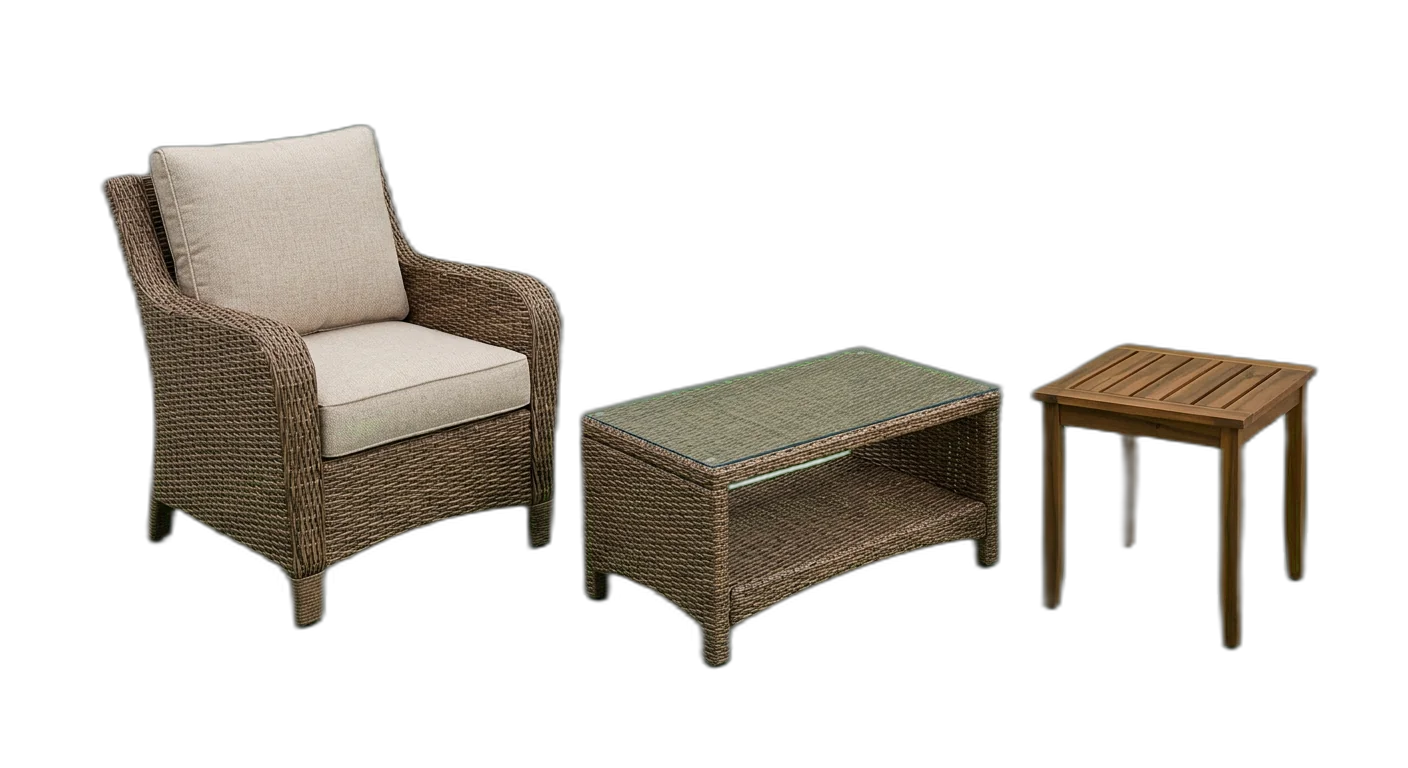
Tuinmeubelen
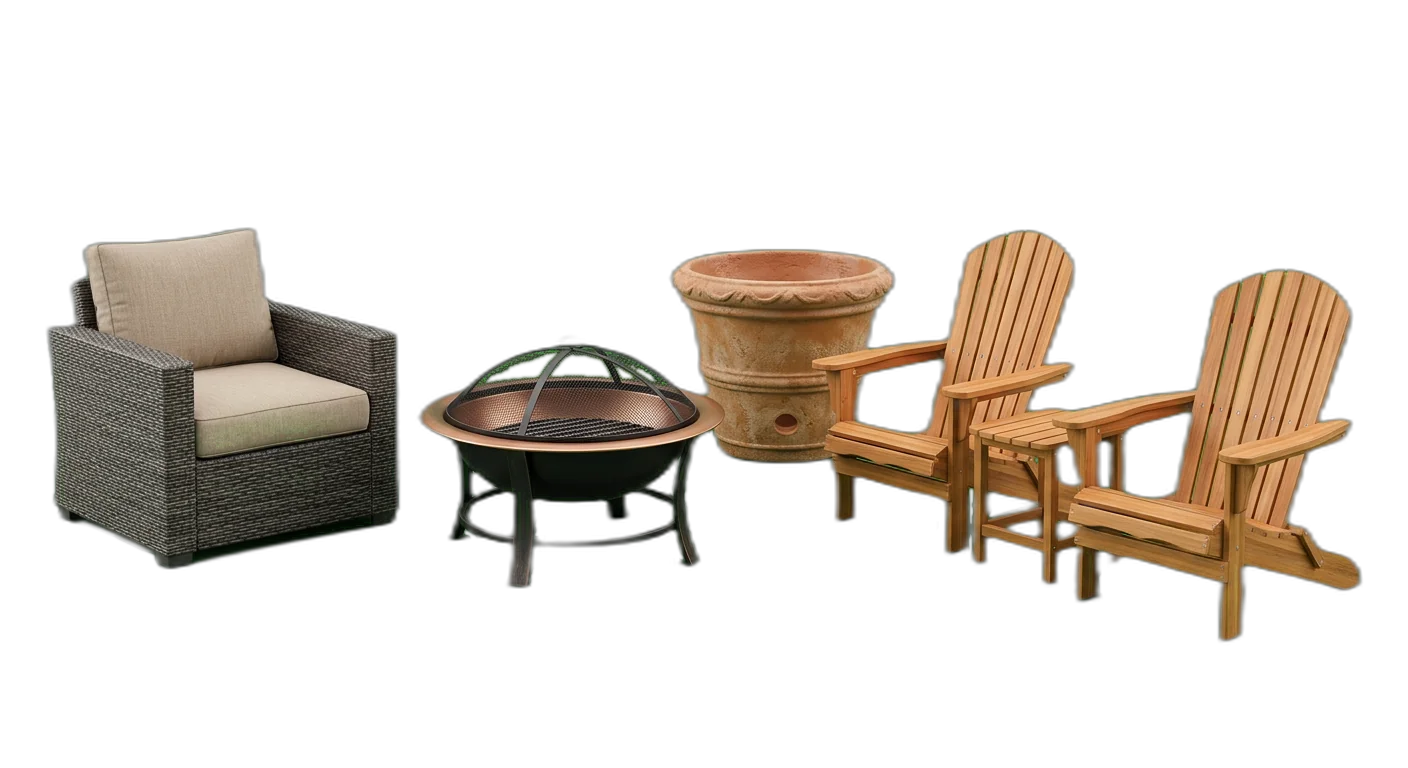
Buitenleven
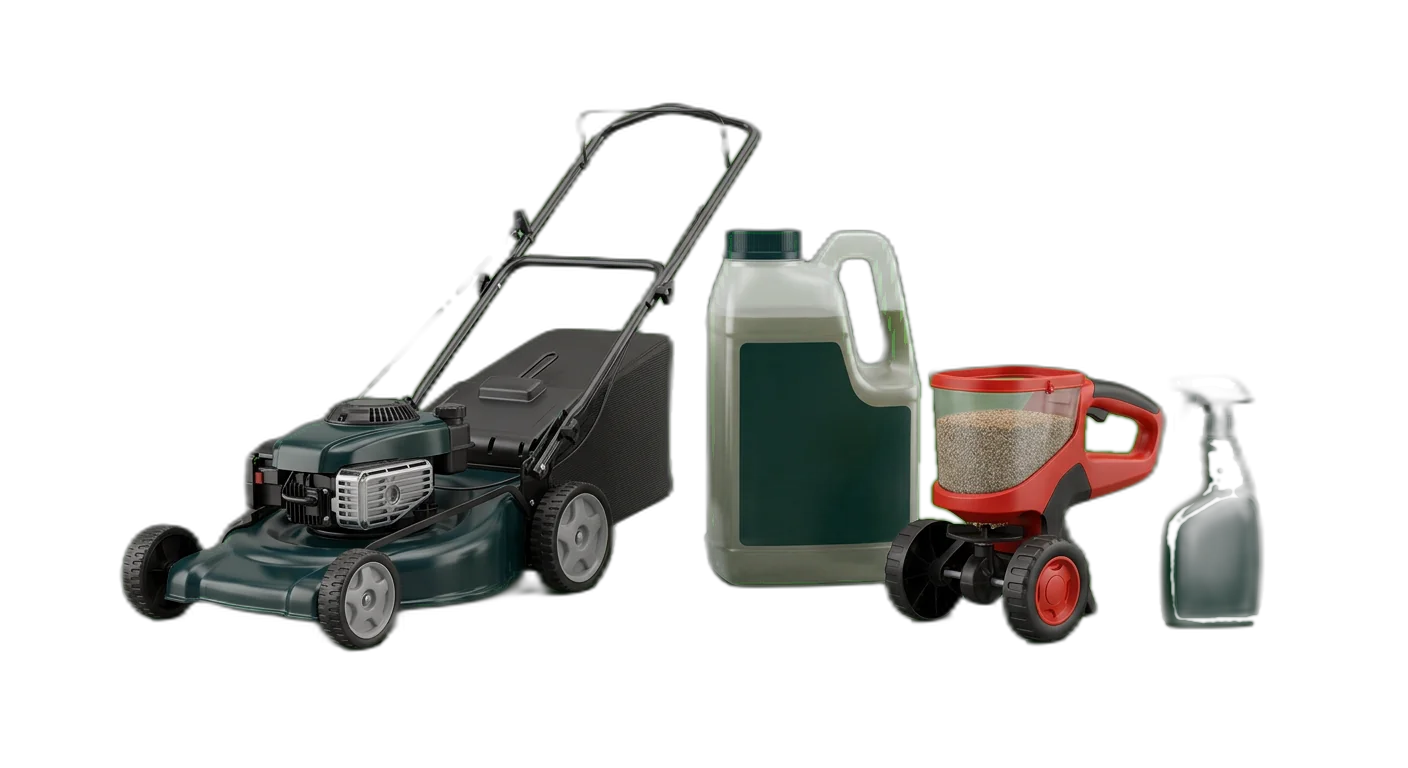
Gazononderhoud
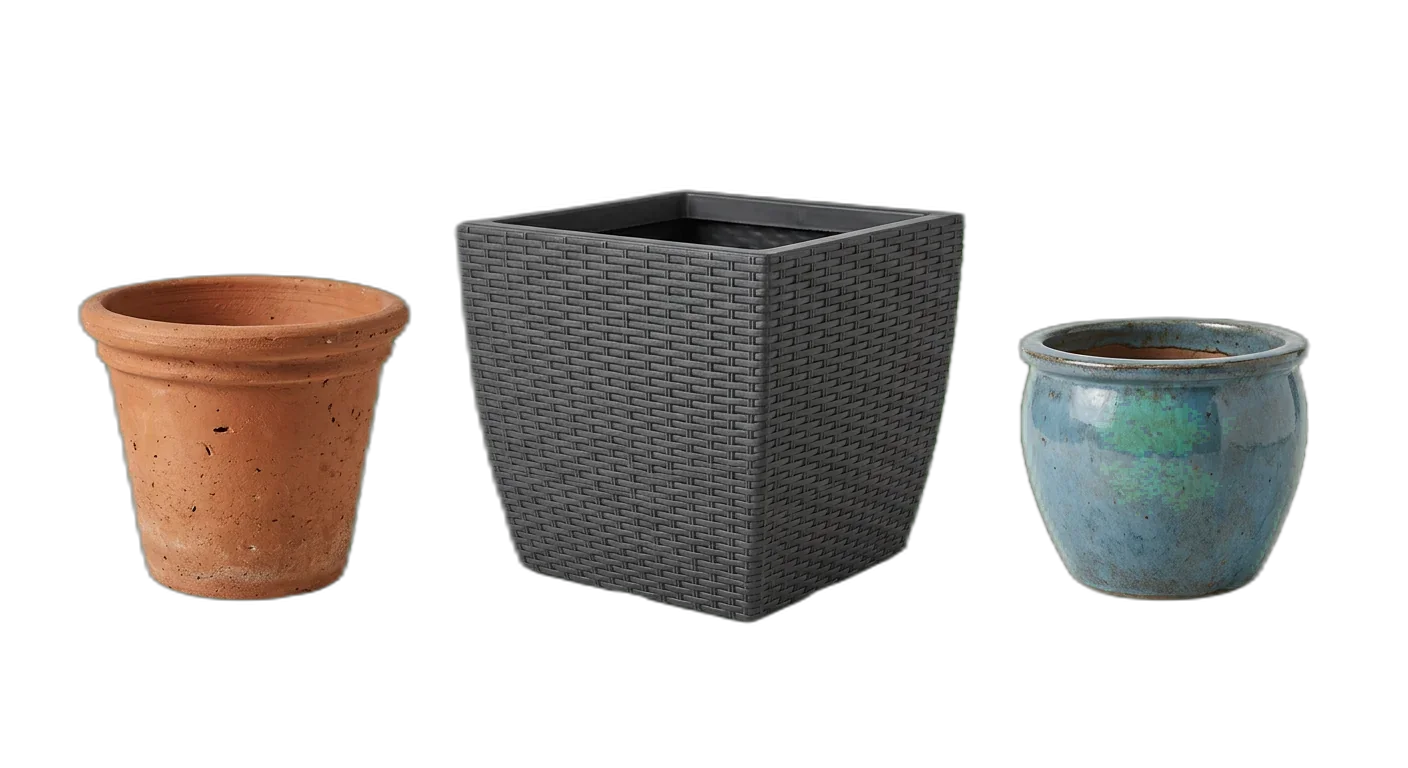
Plantenbakken & potten
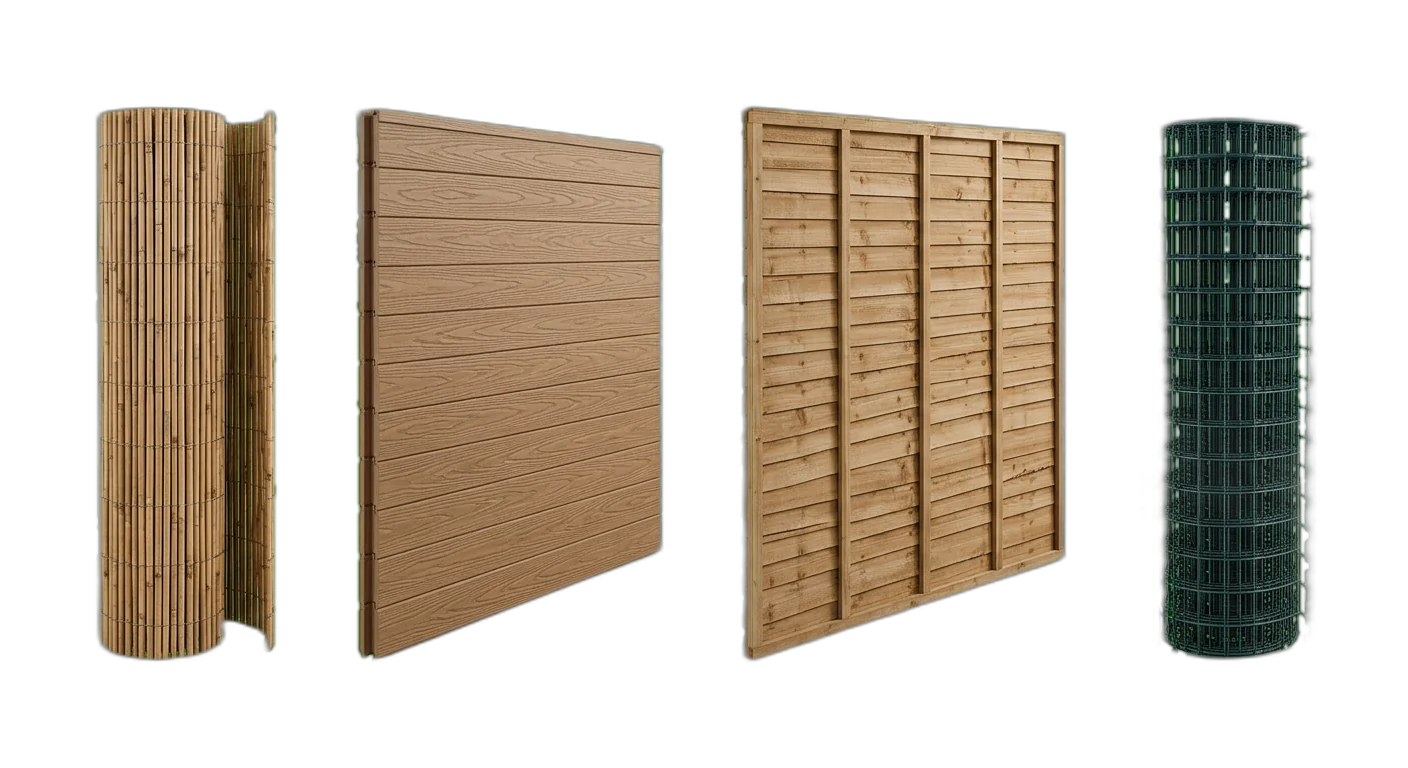
Schuttingen & afscheidingen
Met welke categorieën begin je het best?
Kies je startcategorieën op basis van je catalogusgrootte en groeifase
Richt je op een of twee kerncategorieën die elkaar aanvullen. Bouw diepgang op in subcategorieën en bied complete oplossingen in plaats van losse individuele producten.
Breid uit naar categorieën die dezelfde doelklant aanspreken. Voeg gereedschap en buitenlevenproducten toe als aanvulling met hogere marges op je planten- en tuinkern.
Dek het volledige tuin- en buitenaanbod af met alle grote categorieën. Investeer in diepe subcategorisering, seizoensgebonden merchandising en cross-categorie-bundels.
Hoe orden je categorieën in je webshop menu?
Praktische tips om je navigatie zo in te richten dat je meer clicks en conversies haalt
Begin met je populairste seizoenscategorieën
Roteer je menuvolgorde elk kwartaal. Zet "Tuinmeubelen" en "BBQ & Grills" vooraan in lente/zomer, en "Kamerplanten" en "Vuurkorven" vooraan in herfst/winter.
Scheid levende producten van niet-levende producten in navigatie
Planten, zaden en bollen hebben een heel ander zoekpatroon dan gereedschap en meubelen. Groepeer levende producten samen zodat plantenshoppers vinden wat ze zoeken zonder langs elektrisch gereedschap te scrollen.
Houd je hoofdmenu onder 7-8 items op het hoogste niveau
Te veel categorieën leiden tot keuzestress. Groepeer kleinere categorieën onder bovenliggende items (bijv. 'Tuinonderhoud' met Gazonverzorging, Ongediertebestrijding en Grond & Compost).
Voeg een 'Shop op tuingrootte' filter toe naast categorieën
Veel tuinshoppers denken in termen van ruimte (balkon, kleine tuin, grote tuin). Een ruimtegebaseerd filter vult je producttype-categorieën aan en verbetert de conversie voor nieuwe kopers.
Plaats 'Aanbiedingen' of 'Opruiming' als laatste navigatie-item
Seizoensopruiming is belangrijk voor tuinretail, maar mag niet afleiden van je hoofdcategorieën. Door het achteraan te zetten blijven shoppers eerst door volprijsartikelen bladeren.
Wanneer piekt elke categorie?
Stem je voorraad en marketing af op seizoensverschuivingen in de vraag
Lente (mrt-mei)
Piekcategorieën
Lanceer lentecollecties eind februari om vroeg-seizoense zoekopdrachten op te vangen. Zaad- en plantproductzoekopdrachten pieken in maart.
Zomer (jun-aug)
Piekcategorieën
Tuinmeubelen en BBQ-zoekopdrachten pieken in juni. Begin met de opruiming van voorjaarsplantproducten eind juli.
Herfst (sep-nov)
Piekcategorieën
Vuurkorven-zoekopdrachten pieken in september. Black Friday trekt alle tuingereedschapcategorieën omhoog in november.
Winter (dec-feb)
Piekcategorieën
Kamerplanten en decoratieve plantenbakken pieken als cadeauartikelen in december. Gebruik dit rustige seizoen om je voorjaarsvoorraad op te bouwen.
Categorieën die goed samengaan
Combineer verwante categorieën om je gemiddelde bestelwaarde te verhogen
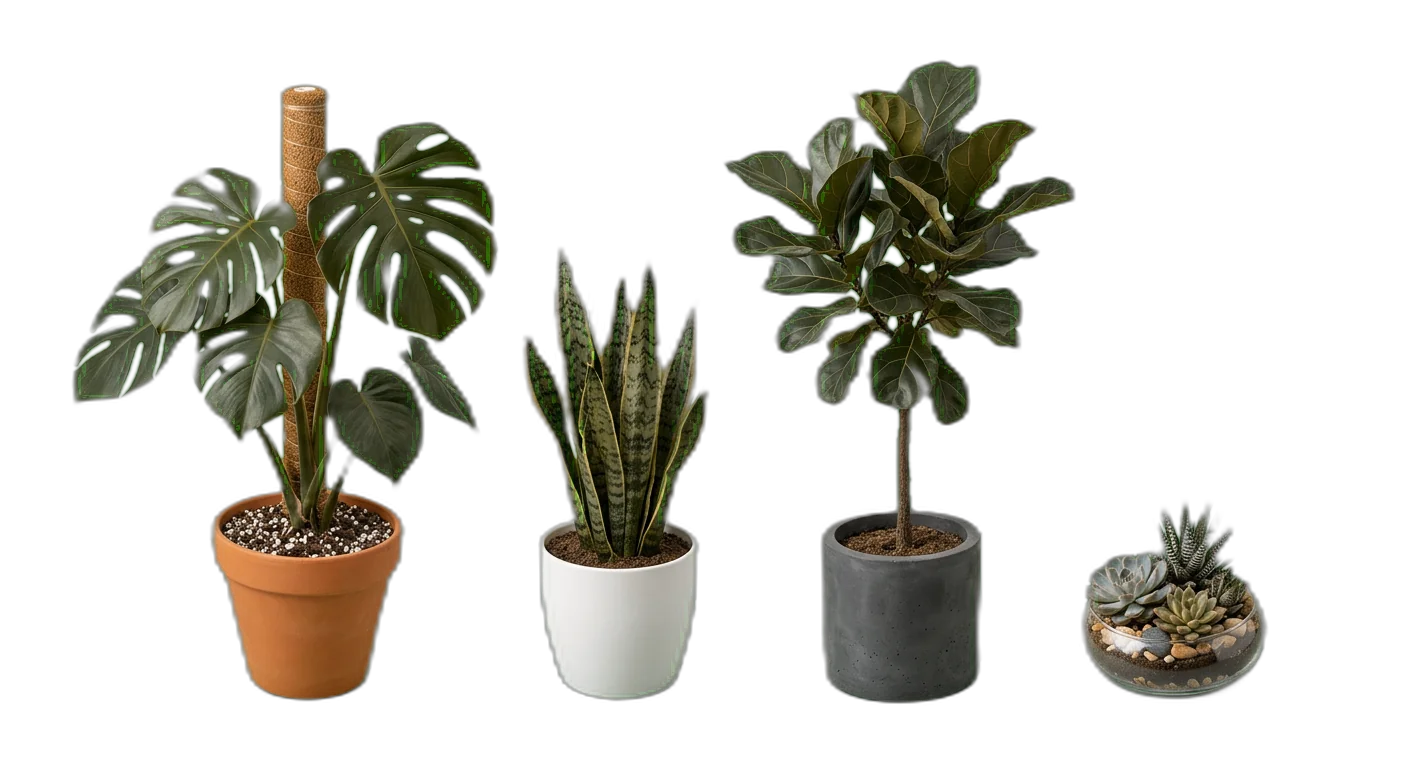
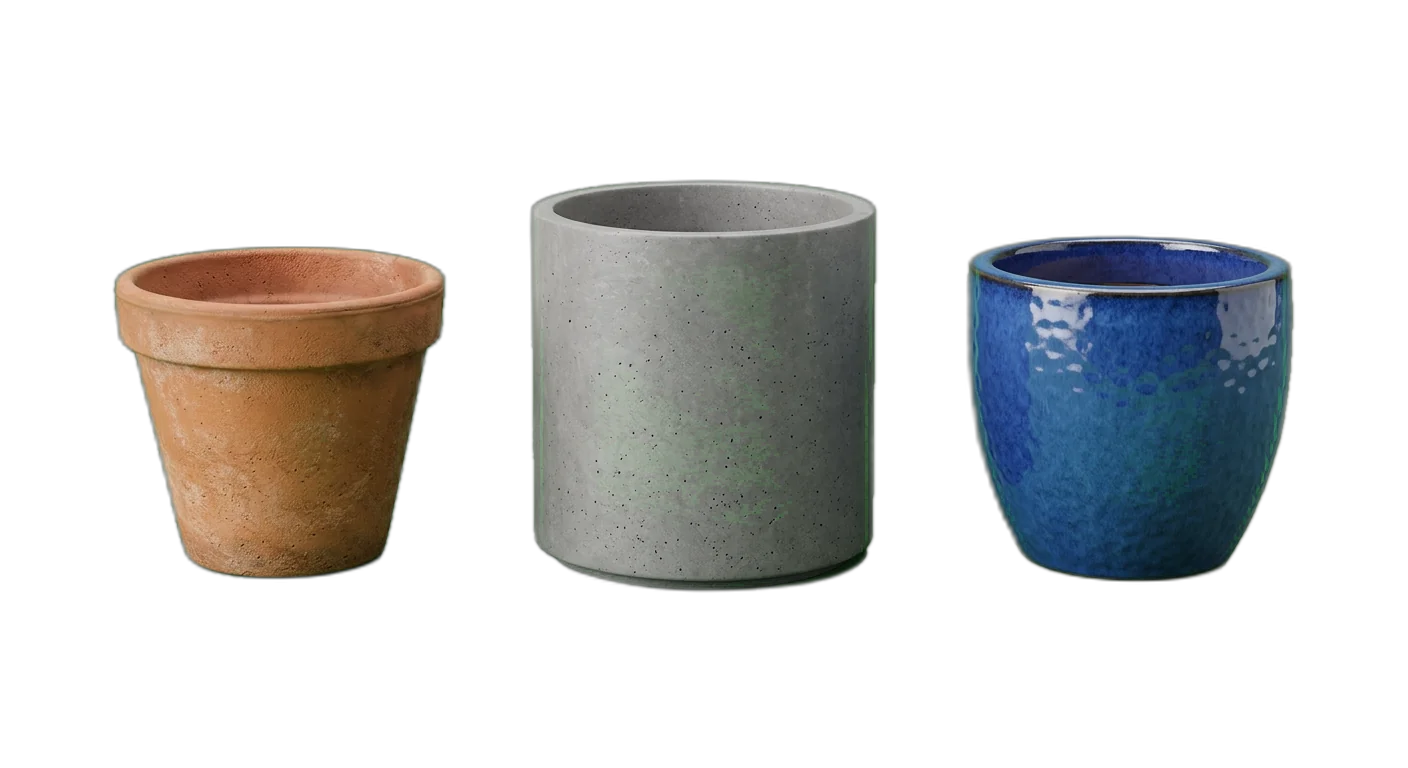
Planten worden geleverd in een kale kweekpot, dus vrijwel elke koper heeft ook een echte plantenbak nodig -- suggereer altijd passende potmaten op plantproductpagina's.
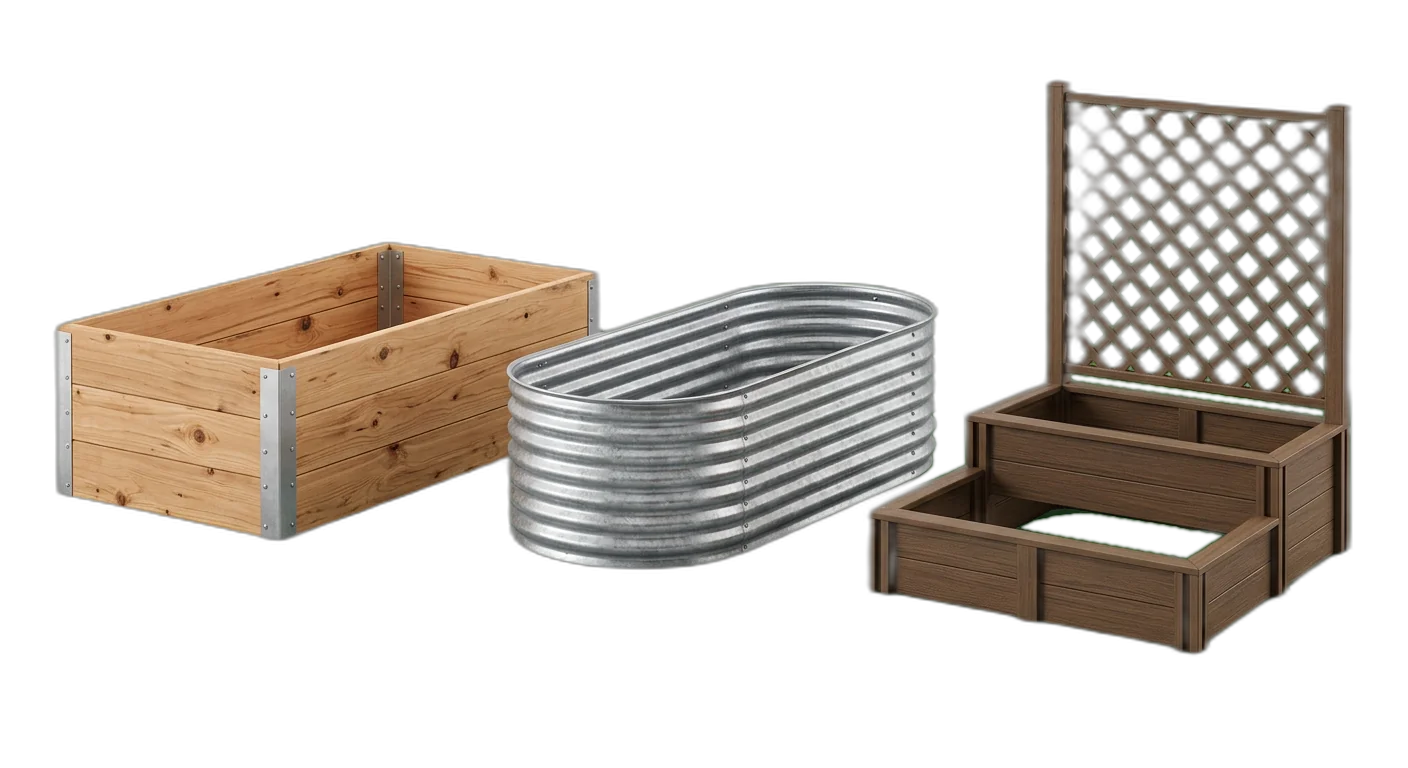
Een lege moestuinbak is nog geen moestuin -- beginners hebben ook grond nodig om hem te vullen en zaad om te zaaien.
Grillkopers zoeken in dezelfde sessie vaak naar terras-eetsets terwijl ze hun terras inrichten.
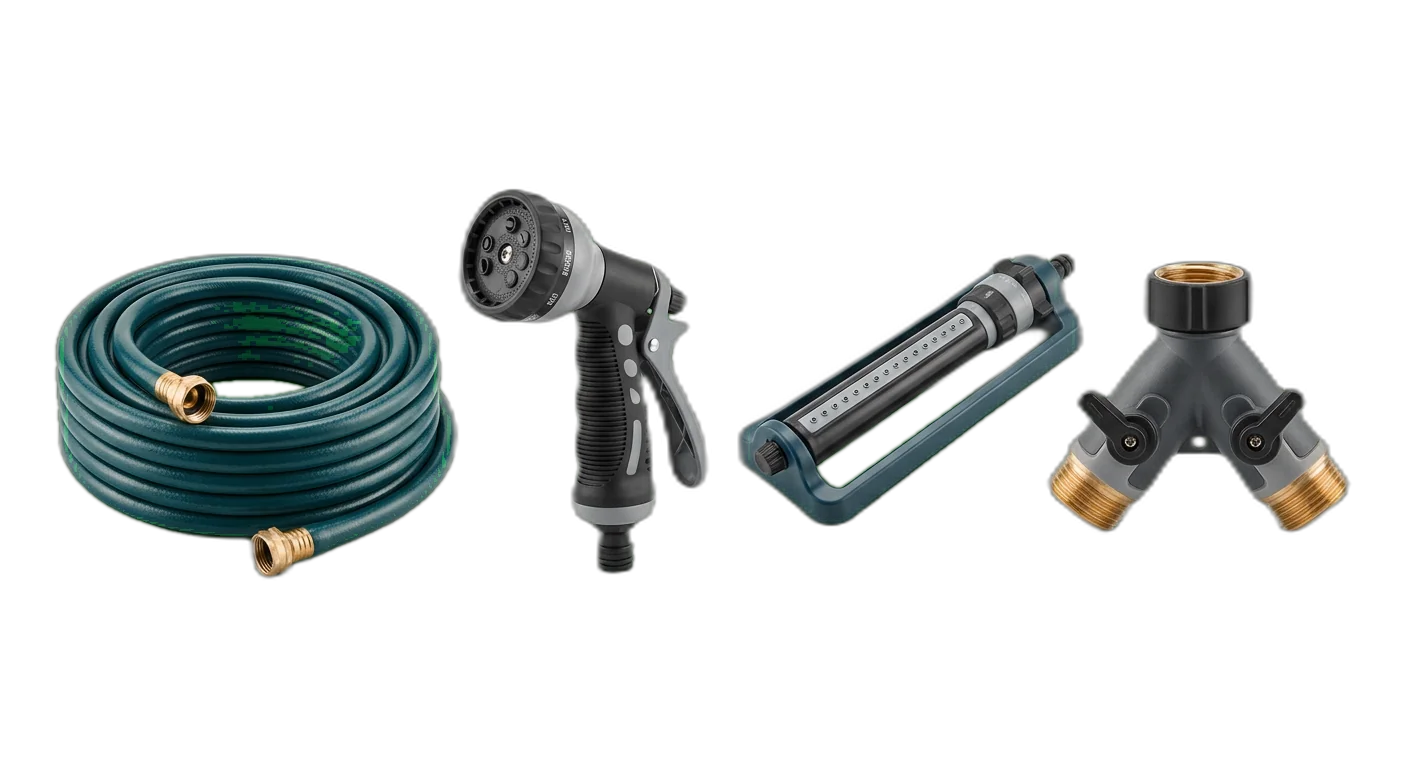
Gazonverzorgingsklanten die een maaier kopen voegen vaak bewateringsproducten toe om hun gazon gezond te houden.
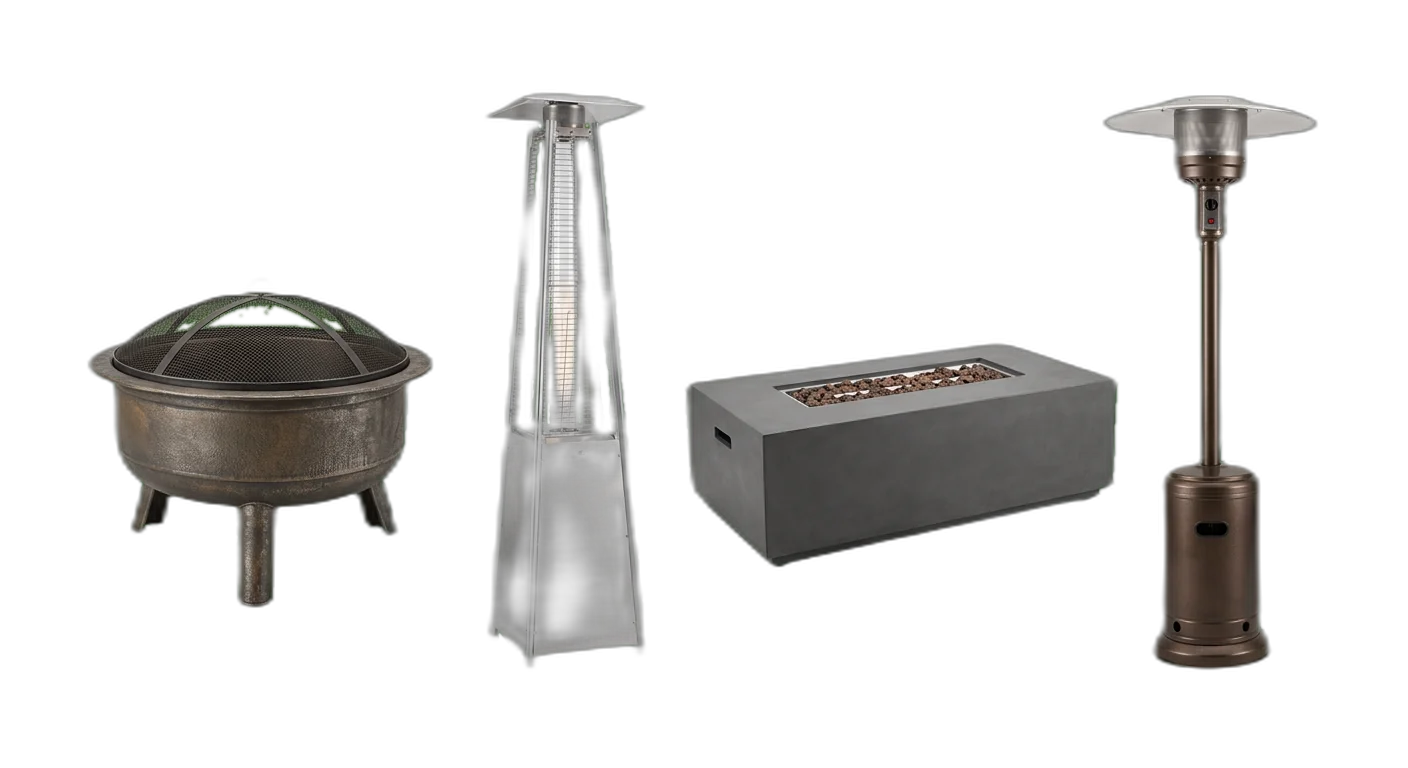
Klanten die een buitenwoonruimte inrichten kopen vaak verwarming erbij om hun terrasseizoen te verlengen.
Veelgemaakte fouten bij Tuin & Buiten categoriekeuzes
Fouten die je vindbaarheid, SEO en conversieratio schaden
- Fout
Seizoenscategorieën aanmaken zoals 'Voorjaarstuin' of 'Zomer Essentials' die de helft van het jaar leeg zijn
Betere aanpakGebruik permanente productcategorieën (Zaden & Bollen, Tuinmeubelen) en voeg Zaaiperiode of Piekseizoen toe als filterbare kenmerken. Maak seizoensgebonden landingspagina's voor merchandising zonder je categoriestructuur te breken.
- Fout
Kamer- en tuinplanten in dezelfde categorie plaatsen omdat ze dezelfde soortnaam delen
Betere aanpakScheid kamerplanten en tuinplanten altijd als aparte subcategorieën. Een varen als kamerplant en een varen voor de tuin hebben verschillende verzorgingskenmerken, prijzen en verzendvereisten. Gebruik de bedoelde groeiomgeving als primaire indeling.
- Fout
Elektrisch gereedschap categoriseren op energiebron (Gasmaaiers, Elektrische maaiers, Accusmaaiers) in plaats van gereedschapstype
Betere aanpakHoud Grasmaaiers als een categorie en gebruik Energiebron (Gas, Elektrisch, Accu, Handmatig) als filterbaar kenmerk. Dat vereenvoudigt de navigatie en laat klanten eenvoudig vergelijken over energietypes heen.
- Fout
Alle buitenverlichting in een platte categorie plaatsen zonder te scheiden op energiebron en doel
Betere aanpakVerdeel buitenverlichting in Solar, Bedraad en Batterij, en daarna op doel (Pad, Beveiliging, Decoratief). Zo sluit je aan bij hoe klanten winkelen en maak je zinvolle filtering mogelijk.
- Fout
Geen weerbestendigheidsinformatie opnemen voor buitenproducten, waardoor klanten moeten gokken over duurzaamheid
Betere aanpakVoeg UV-bestendigheid, Waterdichtheid (IP-classificatie), Roestbestendigheid en Temperatuurbereik toe als verplichte kenmerken voor alle niet-plant buitenproducten. Dit zijn de doorslaggevende factoren bij buitenaankopen.
Stel Tuin & Buiten categorieën in met AI
Krijg je Tuin & Buiten productcategorieën in minuten op orde, niet in dagen
01
Importeer je tuin- en buitencatalogus
Upload je productdata via CSV, Excel of API. WISEPIM pikt automatisch tuinrelevante kenmerken op zoals plantensoorten, materiaalsamenstelling, afmetingen en energiebron uit je bestaande data.
02
AI categoriseert je producten
De AI van WISEPIM leest producttitels, beschrijvingen, afbeeldingen en specificaties om elk artikel in de beste categorie te plaatsen. Het onderscheidt kamerplanten van tuinplanten, herkent gereedschapstypes en classificeert meubelen op materiaal en doel -- volledig automatisch.
03
Controleer, verfijn en publiceer
Bekijk AI-suggesties in bulk, pas eventuele randgevallen aan en push je gecategoriseerde producten naar al je verkoopkanalen. Voeg ontbrekende kenmerken toe zoals winterhardheid en weerbestendigheid. Categorieën blijven gesynchroniseerd wanneer je nieuwe producten toevoegt.
Veelgestelde vragen
Veelgestelde vragen over het kiezen van Tuin & Buiten categorieën voor e-commerce
Beste categorieën voor andere branches
Printbare checklist
Begin in 15 minutenBeslis in één week of een nieuwe categorie loont
Begin bij de vraag: 15 minuten in Google Trends. Je krijgt één telling, zoals 2 van 3 termen stijgen. Daarna 5 stappen voor de rest van de week.
Zo werkt het
- Kies de 3 zoektermen die klanten voor de categorie gebruiken.
- Zoek ze alle drie op in Google Trends over 2 jaar.
- Schrijf het aantal op, zoals '2 van 3 termen stijgen'.
Eén mail, één keer, met een link naar de printbare checklist. Verder niets, tenzij je het vakje aanvinkt.
Gratis Excel-template
XLSX · 3 tabbladenZie welke van je 20 bestsellers nog niet compleet zijn
Een Excel-check met de kolommen die je voor tuin en buiten nodig hebt. In ongeveer 15 minuten weet je hoeveel van je 20 producten compleet zijn, en welke verbetering de meeste rijen helpt.
Zo werkt het
- Plak 20 bestsellers uit je webshopexport in Producten.
- Vul in wat je weet. De laatste kolom zegt per rij wat er ontbreekt.
- Lees je resultaat op Begin hier: hoeveel er compleet zijn en welke verbetering de meeste rijen helpt.
Eén mail, één keer, met de XLSX als bijlage en als downloadlink. Verder niets, tenzij je het vakje aanvinkt.
Verder ontdekken
Zorgvuldig gekozen vervolgstappen om dieper te gaan.
Klaar om je Tuin & Buiten catalogus te organiseren?
WISEPIM gebruikt AI om je producten automatisch te categoriseren, attributes in te stellen en te synchroniseren met al je verkoopkanalen.