Beste categorieën voor Huisdierbenodigdheden
De best presterende Huisdierbenodigdheden productcategorieën voor je webshop, gerangschikt op vraag, marges en groeipotentieel.
Beste Huisdierbenodigdheden categorieën om online te verkopen
Gerangschikt op marktvraag, winstmarges en groeimomentum
- 1
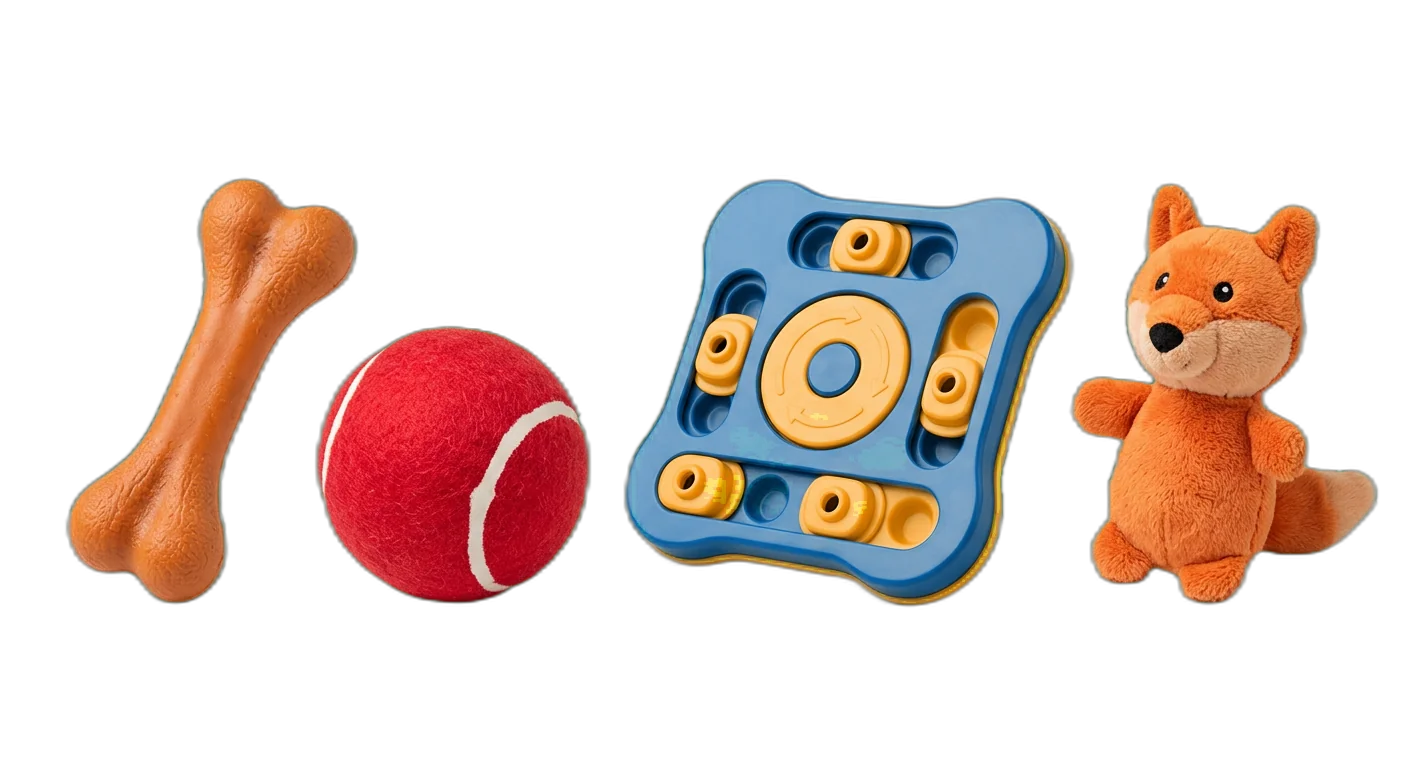
Hondenspeelgoed
Hondenbenodigdheden > Hondenspeelgoed
Hondenspeelgoed is een van de categorieën met de hoogste marges in huisdierbenodigdheden. Stevige en interactieve speeltjes blijven groeien nu eigenaren meer investeren in spelen en mentale stimulatie. Lage retourpercentages en spontane aankopen maken dit een betrouwbare winstcategorie.
Vraag: HoogConcurrentie: GemiddeldMarge: HoogStijgendVoorbeeldproductenKauwspeelgoedGooispeelgoedInteractieve puzzelsPluche hondenspeelgoedPro tipZet duurzaamheidsinformatie prominent neer. 'Onverwoestbaar' en 'extra sterk' zijn veelgebruikte zoektermen voor hondenspeelgoed, vooral bij eigenaren van grote rassen.
- 2
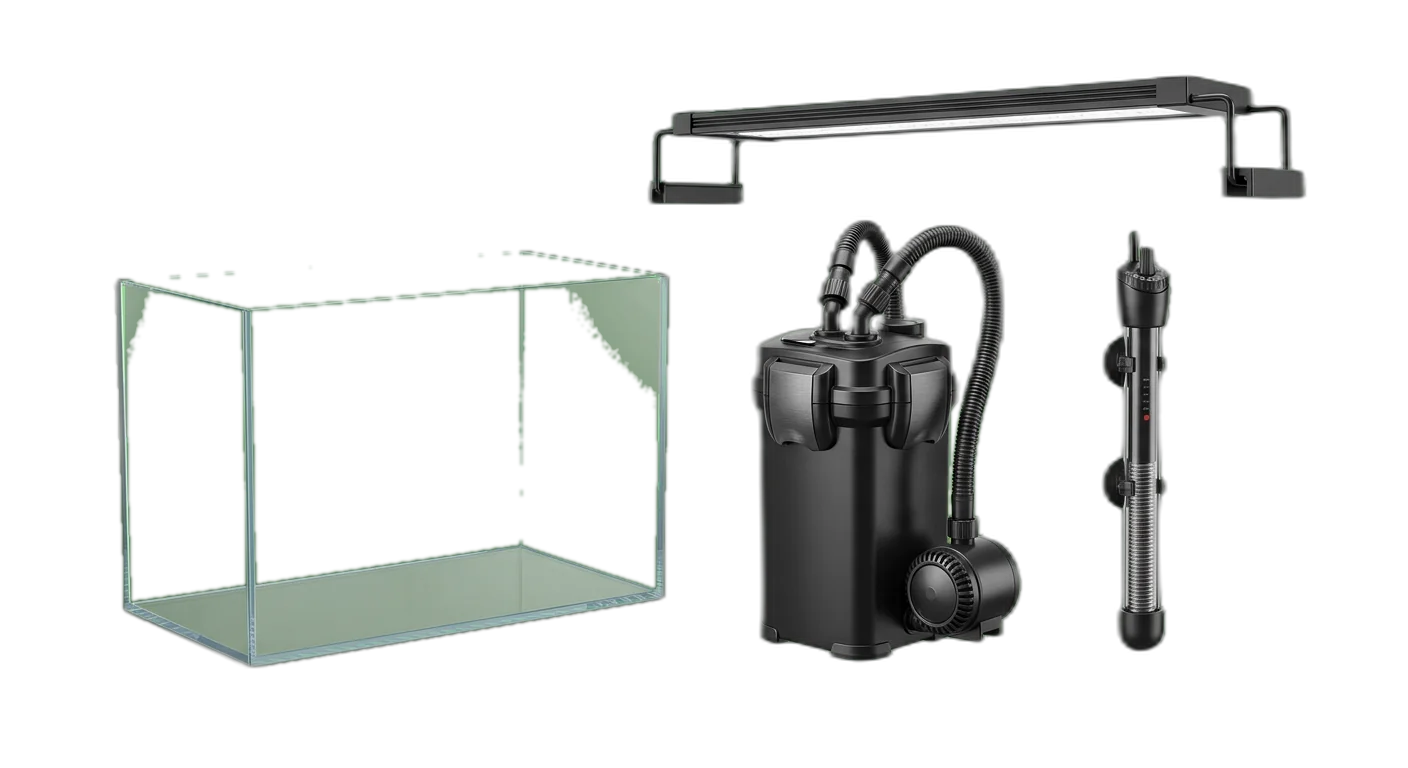
Aquariumuitrusting
Vissen & Aquatisch
De aquariumhobby maakte een sterke comeback na de pandemie en heeft veel van die groei vastgehouden. Uitrusting zoals filters, verwarmers en tanks heeft goede marges en creëert doorlopende behoefte aan consumables (filtermedia, voer, waterbehandelingen).
Vraag: GroeiendConcurrentie: LaagMarge: HoogStijgendVoorbeeldproductenAquaria & tanksFilters & pompenVerwarmersLED-verlichtingPro tipMaak compatibiliteitsgidsen die laten zien welke uitrusting bij welke tankgrootte past. Aquariumhobbyisten hebben exacte technische informatie nodig en vertrouwen winkels die dat duidelijk bieden.
- 3

Krabpalen & Kattenbomen
Kattenbenodigdheden > Kattenaccessoires > Kattenbomen
Krabpalen en kattenbomen zijn essentieel voor het welzijn van binnenkatten, en nu steeds meer katten uitsluitend binnenshuis worden gehouden, blijft de vraag groeien. Modern kattenmeubilair dat past bij het interieur haalt premium prijzen. De categorie heeft lage retourpercentages en sterke mond-tot-mondreclame.
Vraag: GroeiendConcurrentie: LaagMarge: HoogStijgendVoorbeeldproductenKattenbomen met meerdere niveausWandgemonteerde kattenplankenKrabpalenKattencondo'sPro tipVermeld draagvermogen en stabiliteitsinfo. Kattenboomkopers maken zich zorgen over kantelen bij grote katten, en duidelijke stabiliteitsgegevens verminderen twijfel bij de aankoop.
- 4
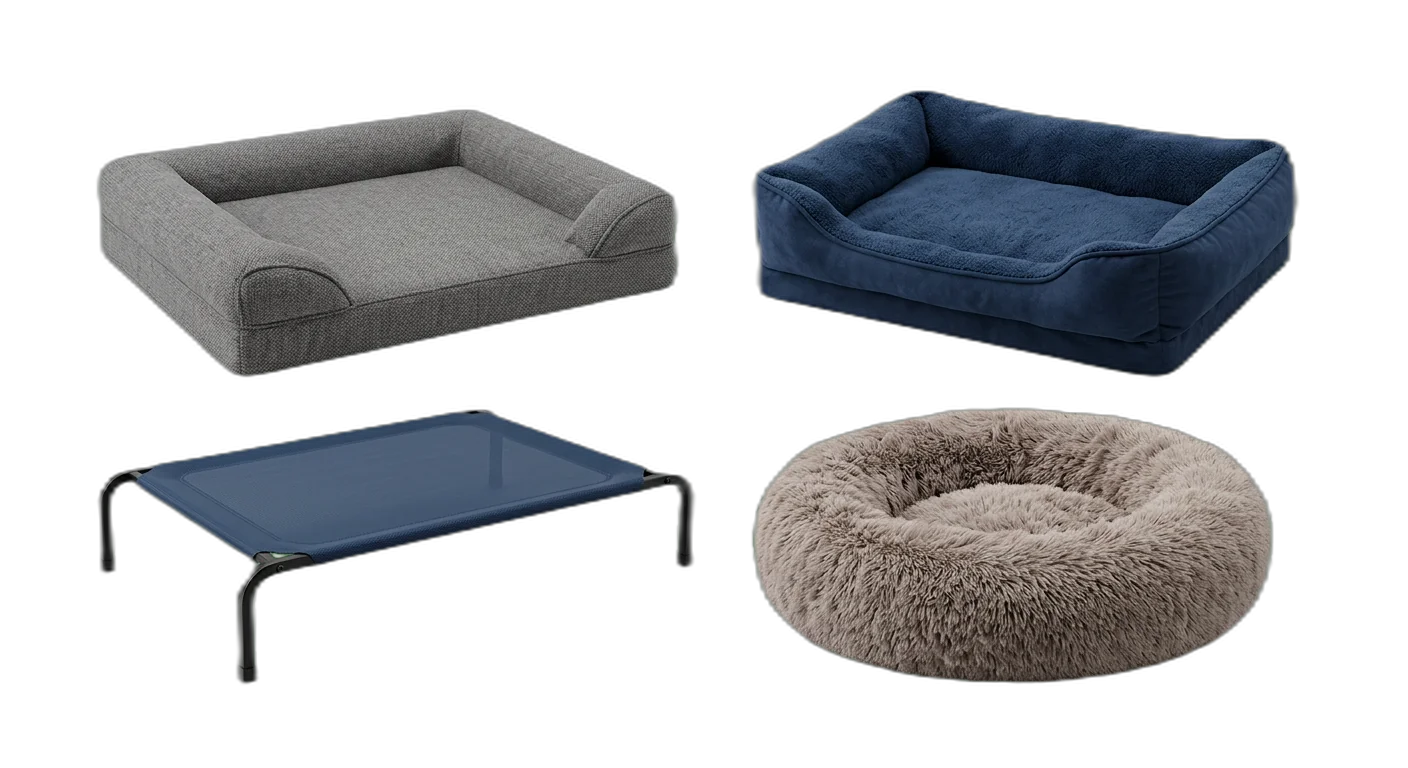
Hondenmanden
Hondenbenodigdheden > Hondenaccessoires > Hondenmanden
Hondenmanden zijn uitgegroeid tot een premium woonproduct nu eigenaren investeren in orthopedische en stijlvolle opties. Memory foam en bolstermanden in het middensegment verkopen het beste. Seizoensupdates en huishoudens met meerdere honden zorgen voor herhaalaankopen.
Vraag: GemiddeldConcurrentie: LaagMarge: HoogStijgendVoorbeeldproductenOrthopedische memory foam mandenBolstermandenVerhoogde stretchersDonut-knuffelmandenPro tipVermeld het draagvermogen naast de maat. 'Groot' betekent per merk iets anders, maar een bereik van '25-40 kg' geeft hondeneigenaren vertrouwen in hun keuze.
- 5
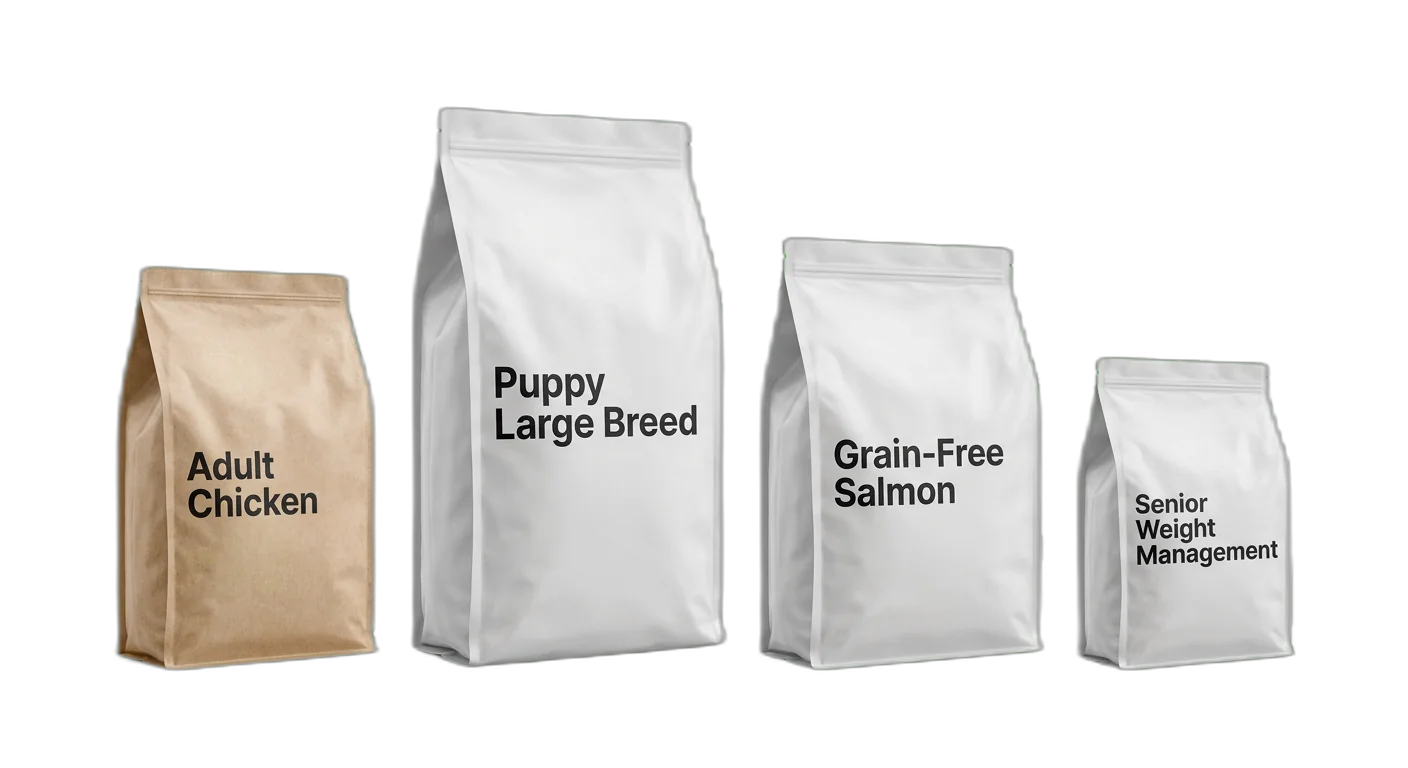
Droog Hondenvoer
Hondenbenodigdheden > Hondenvoer > Droog Hondenvoer
Droog hondenvoer is het grootste segment in diervoeding en de ruggengraat van vrijwel elke dierenwinkel. Het heeft een van de hoogste herhaalaankoopfrequenties van alle huisdierproducten, want een zak gaat weken mee en geen maanden. Premium en graanvrije formules trekken de margemix omhoog.
Vraag: HoogConcurrentie: HoogMarge: GemiddeldStijgendVoorbeeldproductenVolwassen kip-brokkenPuppy grootras-formuleGraanvrij zalmSenior gewichtsbeheerPro tipMaak levensfase en rasgrootte de primaire filters. Hondeneigenaren weten altijd hoe oud en hoe groot hun hond is, en een verkeerde formule leidt tot retouren en negatieve reviews.
- 6
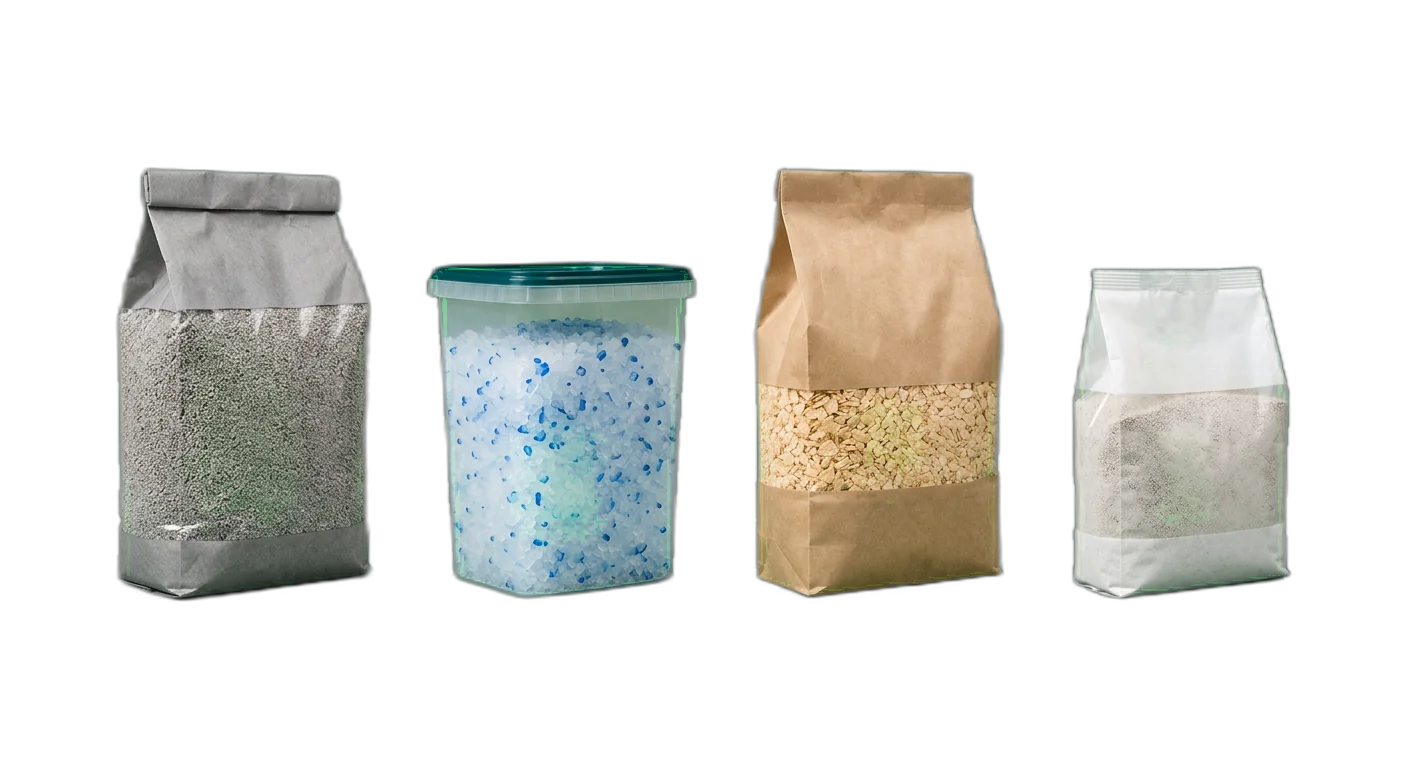
Kattenbakvulling
Kattenbenodigdheden > Kattenbakvulling
Kattenbakvulling is een van de grootste huisdierconsumables qua volume: elk kattenhuishouden koopt het elke paar weken opnieuw. De verschuiving naar klonterende, stofvrije en natuurlijke vulling drijft kopers richting premium opties. Autoship-abonnementen zorgen voor voorspelbare terugkerende omzet met weinig uitval.
Vraag: HoogConcurrentie: GemiddeldMarge: GemiddeldStabielVoorbeeldproductenKlonterende kleiKristalvullingNatuurlijke maisvullingLichtgewicht klonterendPro tipBenadruk gewicht en stofniveau als belangrijkste kenmerken. Dit zijn doorslaggevende factoren voor katteneigenaren, zeker bij online bestellen waar zware zakken duidelijke gewichtsaanduiding nodig hebben.
- 7
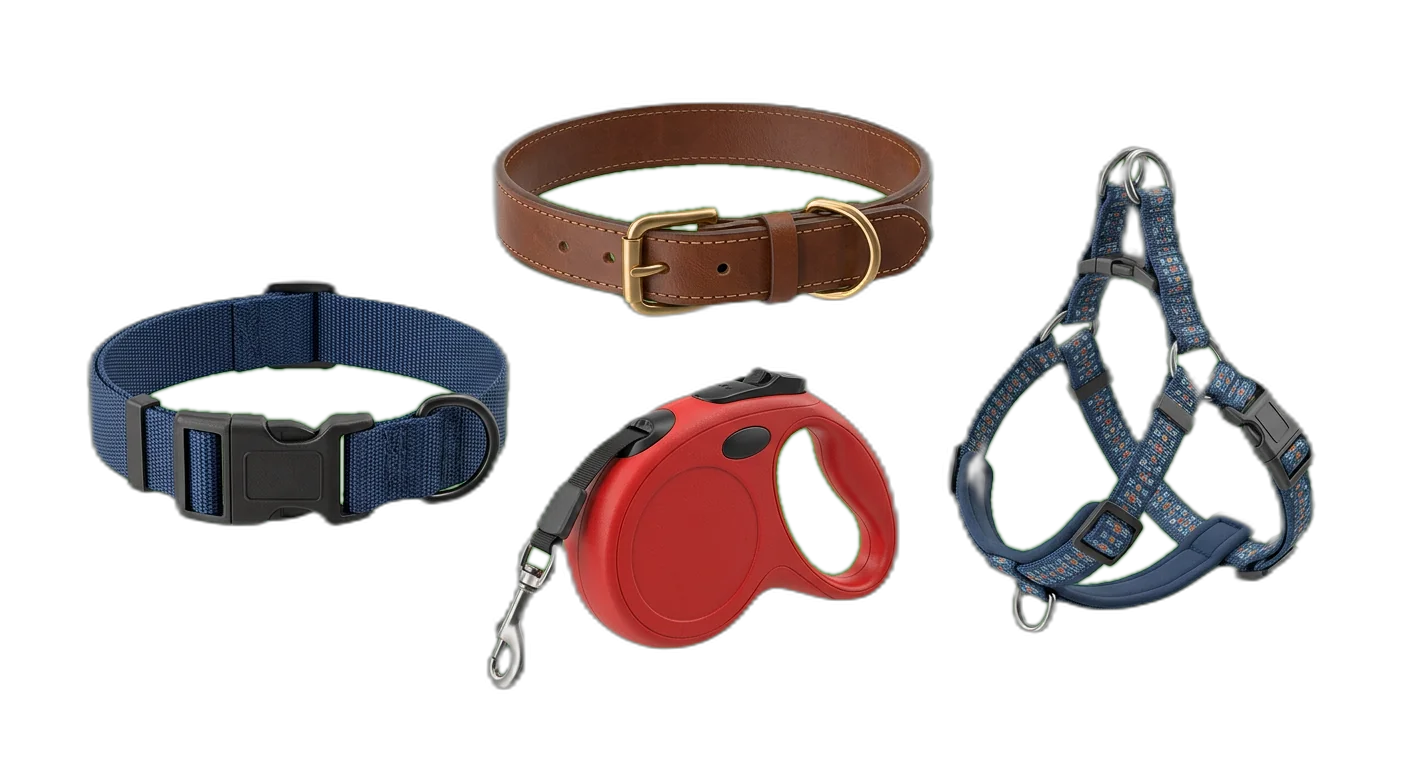
Hondenhalsbanden & Riemen
Hondenbenodigdheden > Hondenaccessoires
Halsbanden en riemen zijn onmisbaar voor elke hondeneigenaar, wat deze categorie universeel maakt. Ze gaan allang verder dan puur functionaliteit, met mode en technologie (GPS, LED-halsbanden). Premium leren en gepersonaliseerde halsbanden halen sterke marges en brengen terugkerende kopers naarmate honden groeien.
Vraag: GemiddeldConcurrentie: GemiddeldMarge: HoogStijgendVoorbeeldproductenNylon halsbandenLeren halsbandenIntrekbare riemenTuigenPro tipBied een gedetailleerde maatgids met nekomtrekbereiken. Verkeerde maat is een belangrijke retourneereden voor halsbanden en tuigen.
- 8
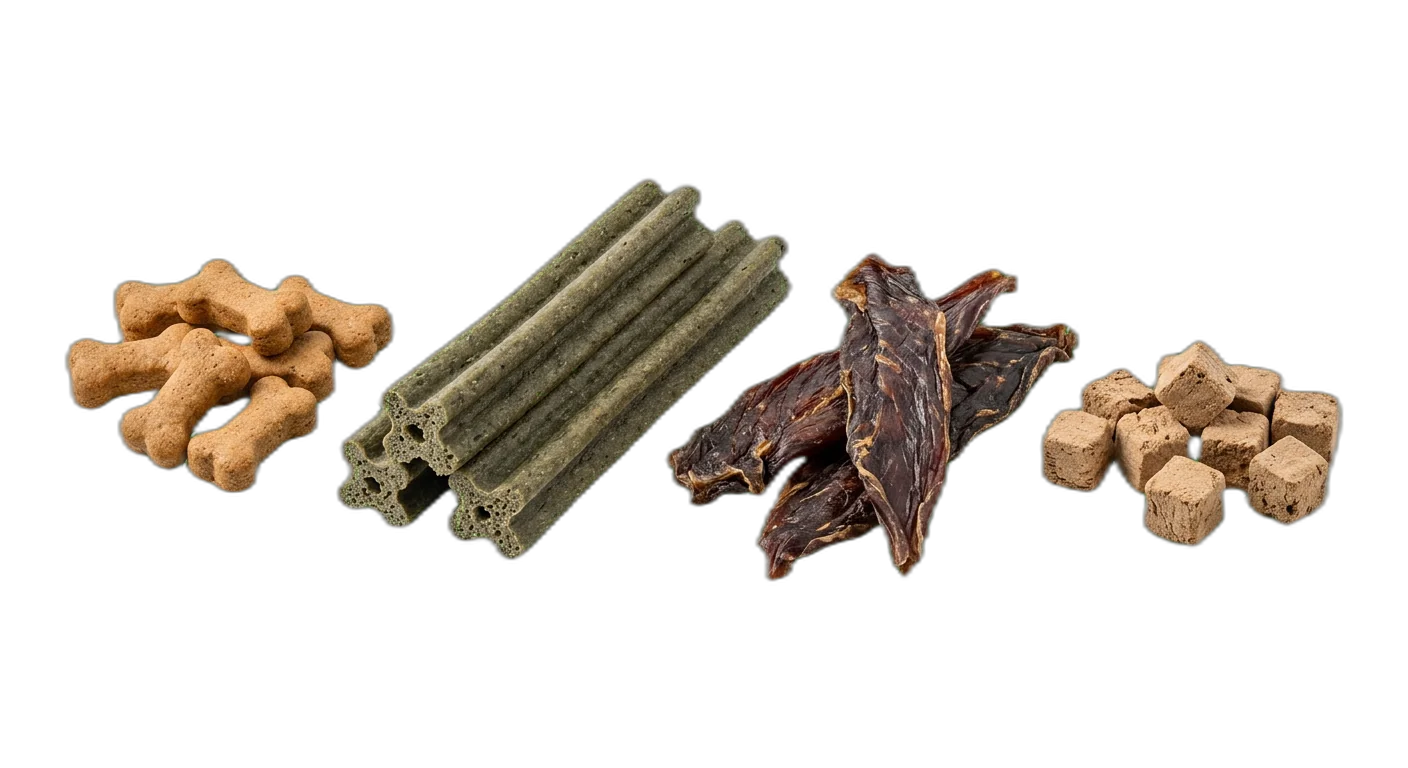
Hondensnacks
Hondenbenodigdheden > Hondenvoer > Hondensnacks
Hondensnacks zijn een van de snelst groeiende segmenten in diervoeding, gedreven door de vraag naar natuurlijke, hoogwaardige opties en de sterke band die eigenaren met hun huisdier hebben. Natuurlijke snacks met één ingrediënt halen sterke marges en worden vaak spontaan gekocht. Trainingssnacks vormen een apart subsegment met trouwe terugkerende kopers.
Vraag: HoogConcurrentie: GemiddeldMarge: GemiddeldStabielVoorbeeldproductenTrainingssnacksTandverzorgingssnacksNatuurlijke vlees-jerkyGevriesdroogde snacksPro tipBenadruk calorie-inhoud en ingrediëntkwaliteit. Gezondheidsbewuste eigenaren lezen snacklabels net zo zorgvuldig als hun eigen voedingslabels.
- 9
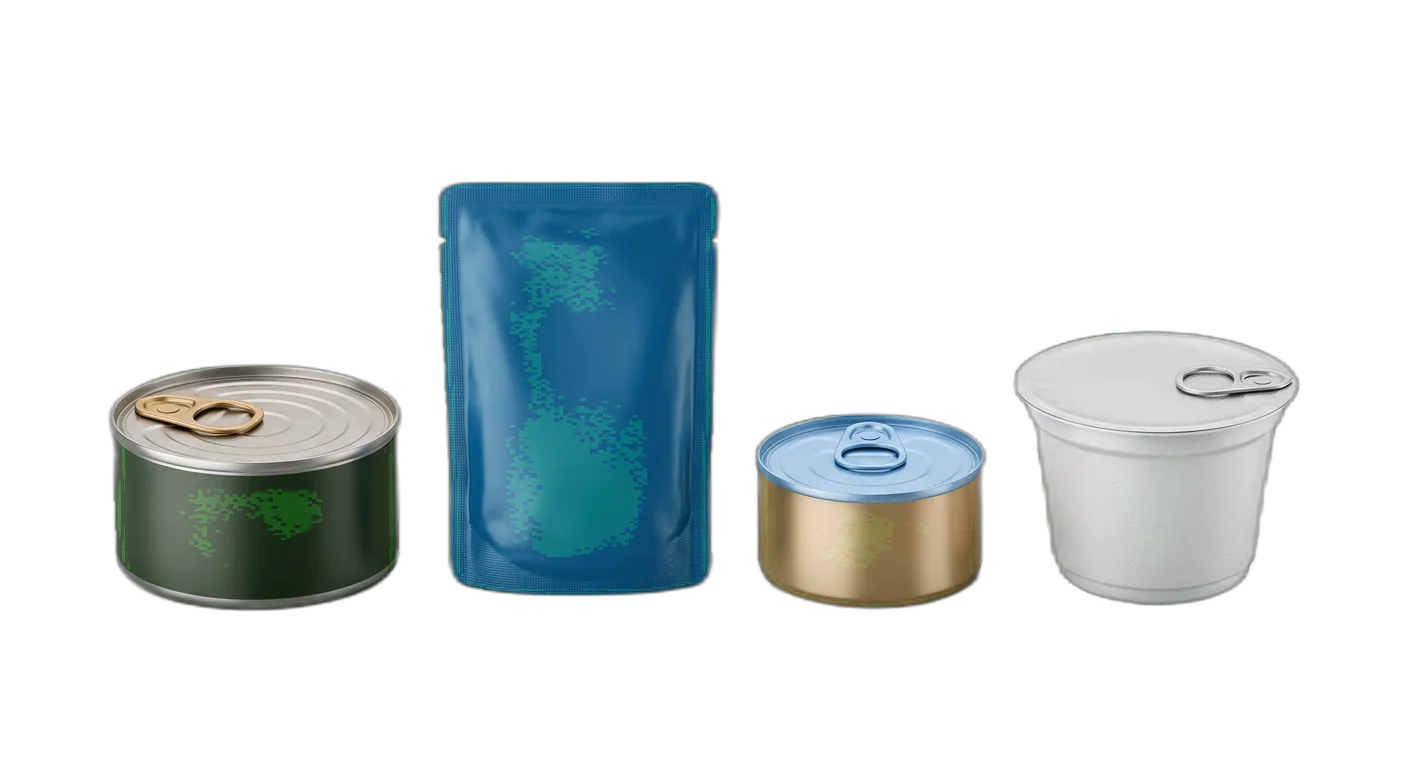
Nat Kattenvoer
Kattenbenodigdheden > Kattenvoer > Nat Kattenvoer
Nat kattenvoer staat centraal in het premium segment, en veel eigenaren kopen het naast droogvoer. De marges zijn hoger dan bij droogvoer en de merkloyaliteit is sterk. Abonnementen doen het hier goed, want de herbestelcycli zijn kort en voorspelbaar.
Vraag: HoogConcurrentie: HoogMarge: GemiddeldStabielVoorbeeldproductenPate kattenvoerStukjes in sausKitten nat voerSenior kattenvoerPro tipBied multipacks prominent aan. Katteneigenaren die nat voer kopen geven de voorkeur aan 12- of 24-packs variatiebundels, een makkelijke manier om de gemiddelde orderwaarde te verhogen.
- 10
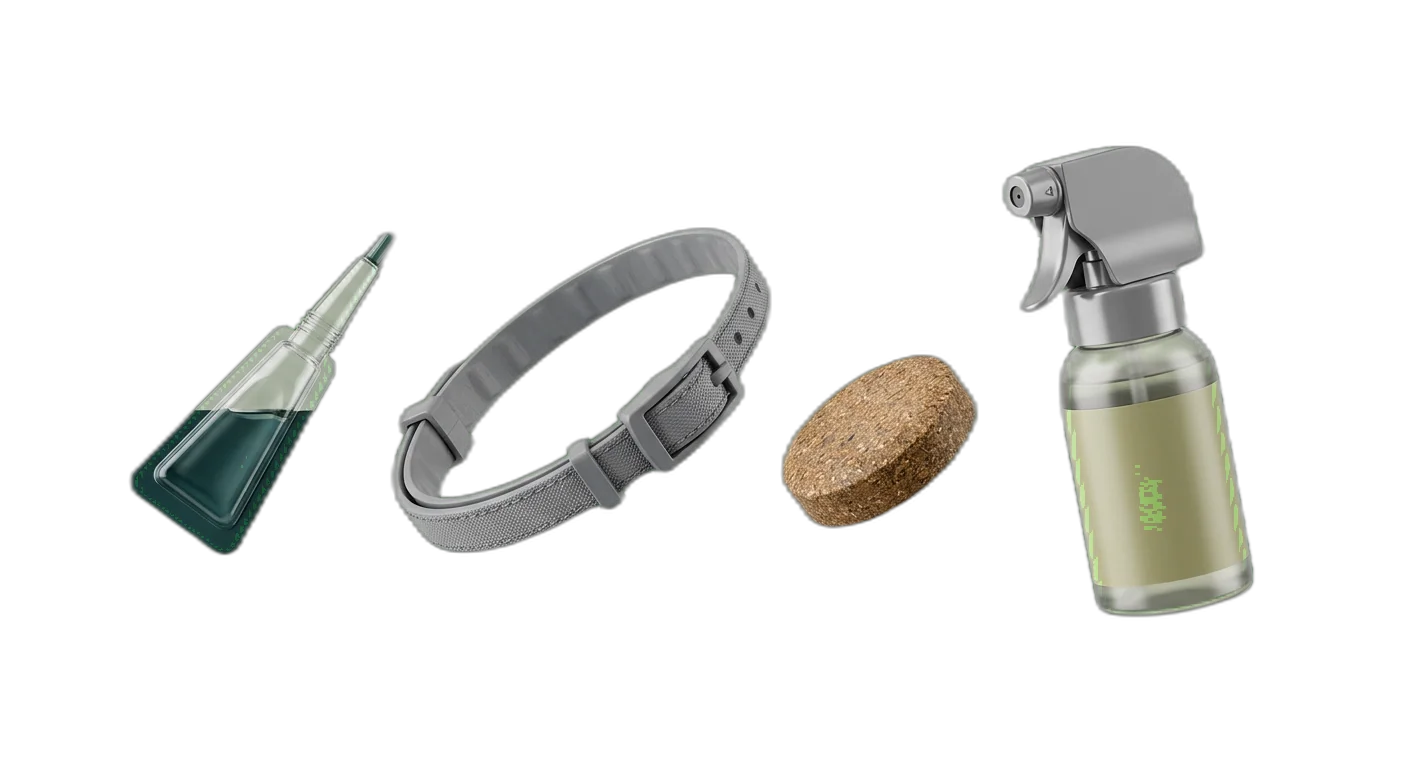
Vlo- & Tekenpreventie
Hondenbenodigdheden > Hondengezondheid > Vlo & Teek
Vlo- en tekenpreventie is een seizoensessentieel product met hoge vraag van lente tot herfst. Het heeft sterke herhaalaankooppatronen (maandelijkse toepassing) en klanten blijven trouw aan bewezen merken. De verschuiving van uitsluitend via de dierenarts naar vrij verkrijgbaar heeft deze markt flink geopend voor e-commerce.
Vraag: GemiddeldConcurrentie: GemiddeldMarge: GemiddeldSeizoensgebondenVoorbeeldproductenSpot-on behandelingenVlooienhalsbandenOrale kauwtablettenVlooienspraysPro tipScheid honden- en kattenproducten voor vlooien altijd duidelijk. Sommige honden-vlooienbehandelingen bevatten permethrine, dat giftig is voor katten. Duidelijke diersoortlabeling voorkomt gevaarlijke vergissingen.
Categorieprestaties in één oogopslag
Vergelijk vraag, concurrentie, marges en groei voor alle aanbevolen categorieën
HondenspeelgoedAquariumuitrustingKrabpalen & KattenbomenHondenmandenDroog HondenvoerKattenbakvullingHondenhalsbanden & RiemenHondensnacksNat KattenvoerVlo- & TekenpreventieAanbevolen Huisdierbenodigdheden categoriestructuur
De volledige categorieboom met subcategorieën voor elke aanbevolen hoofdcategorie
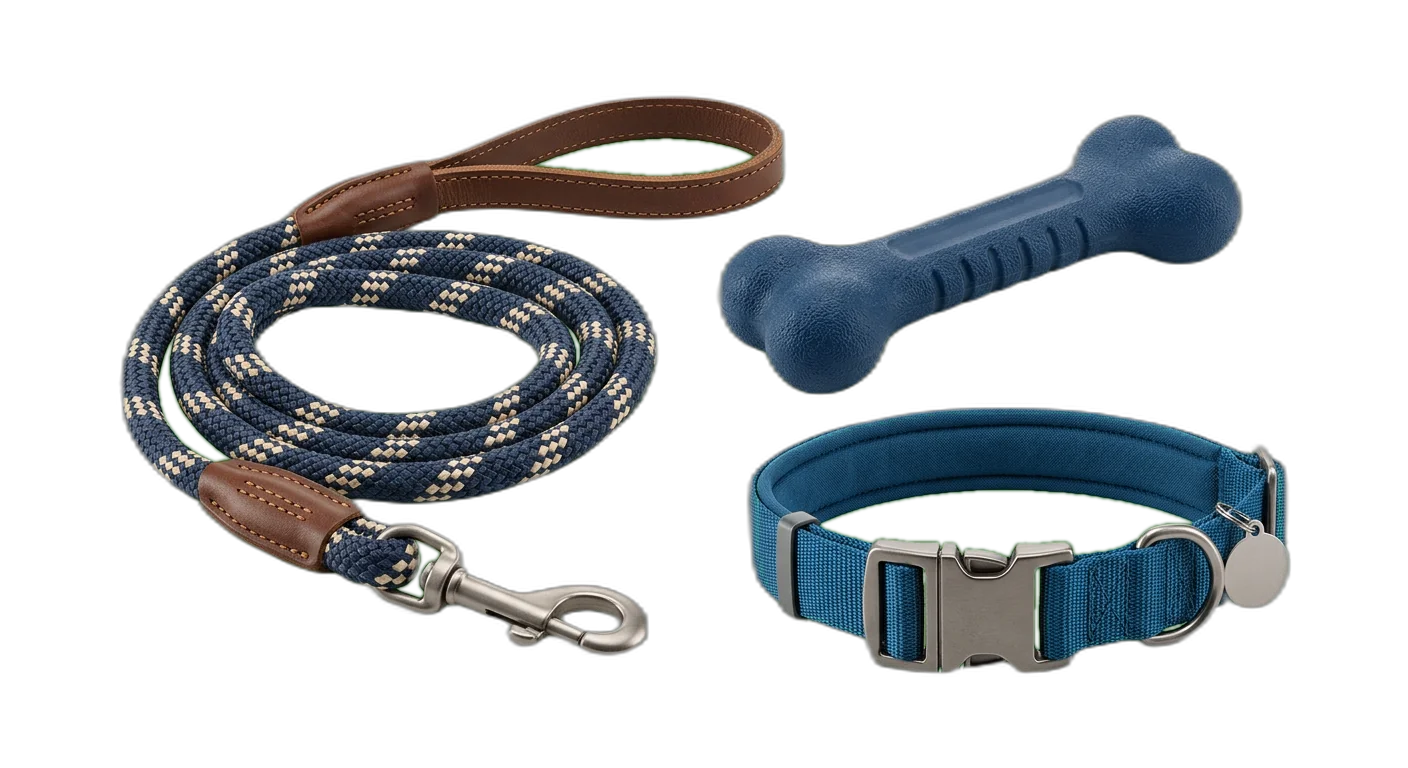
Hondenbenodigdheden
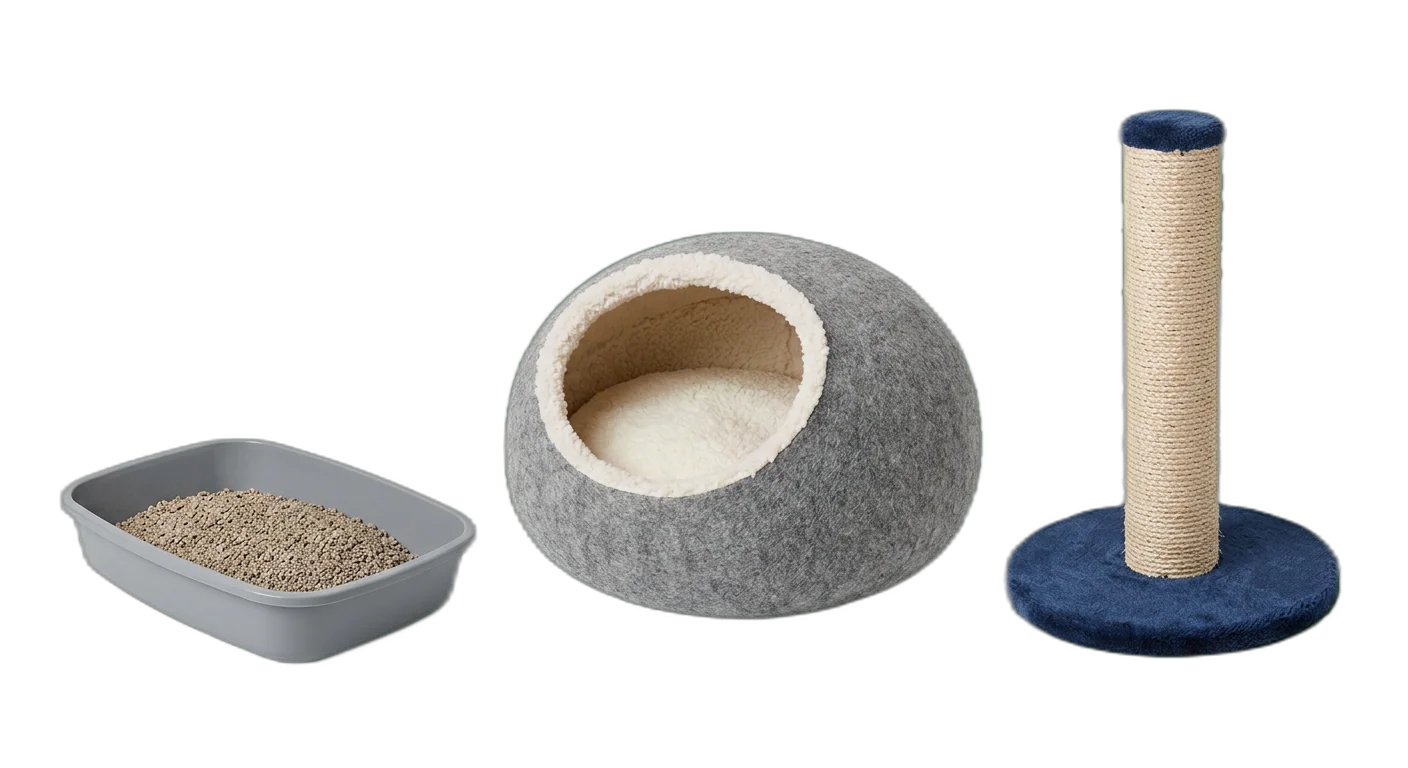
Kattenbenodigdheden
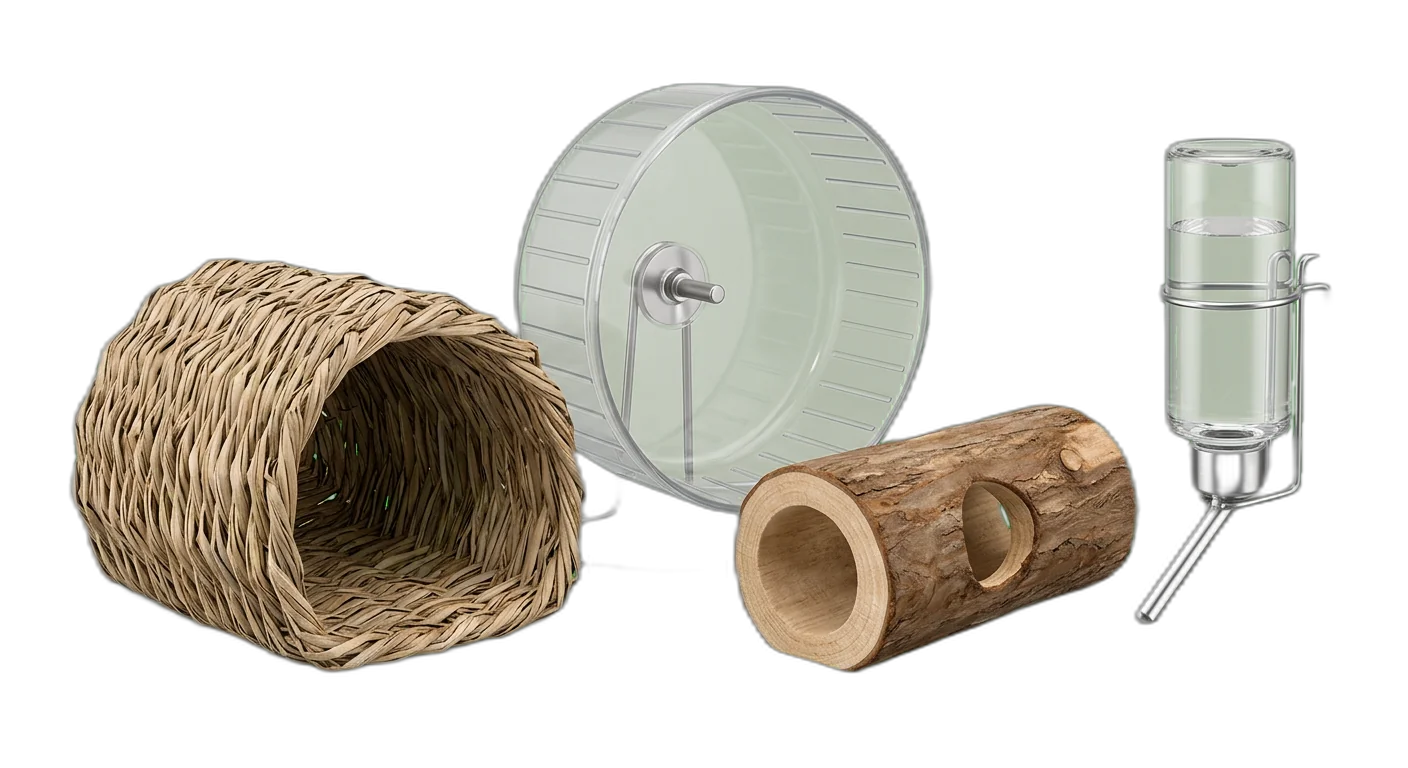
Kleine huisdieren
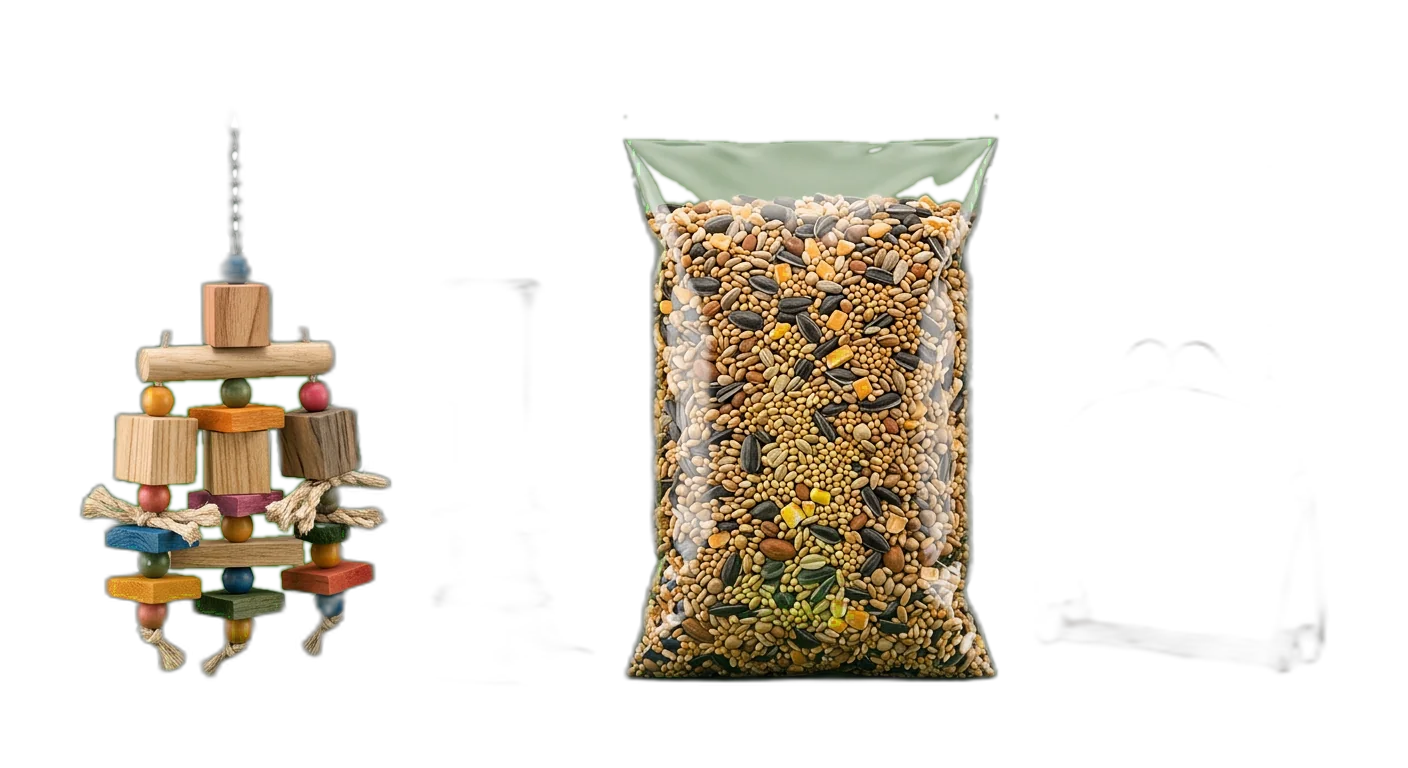
Vogels
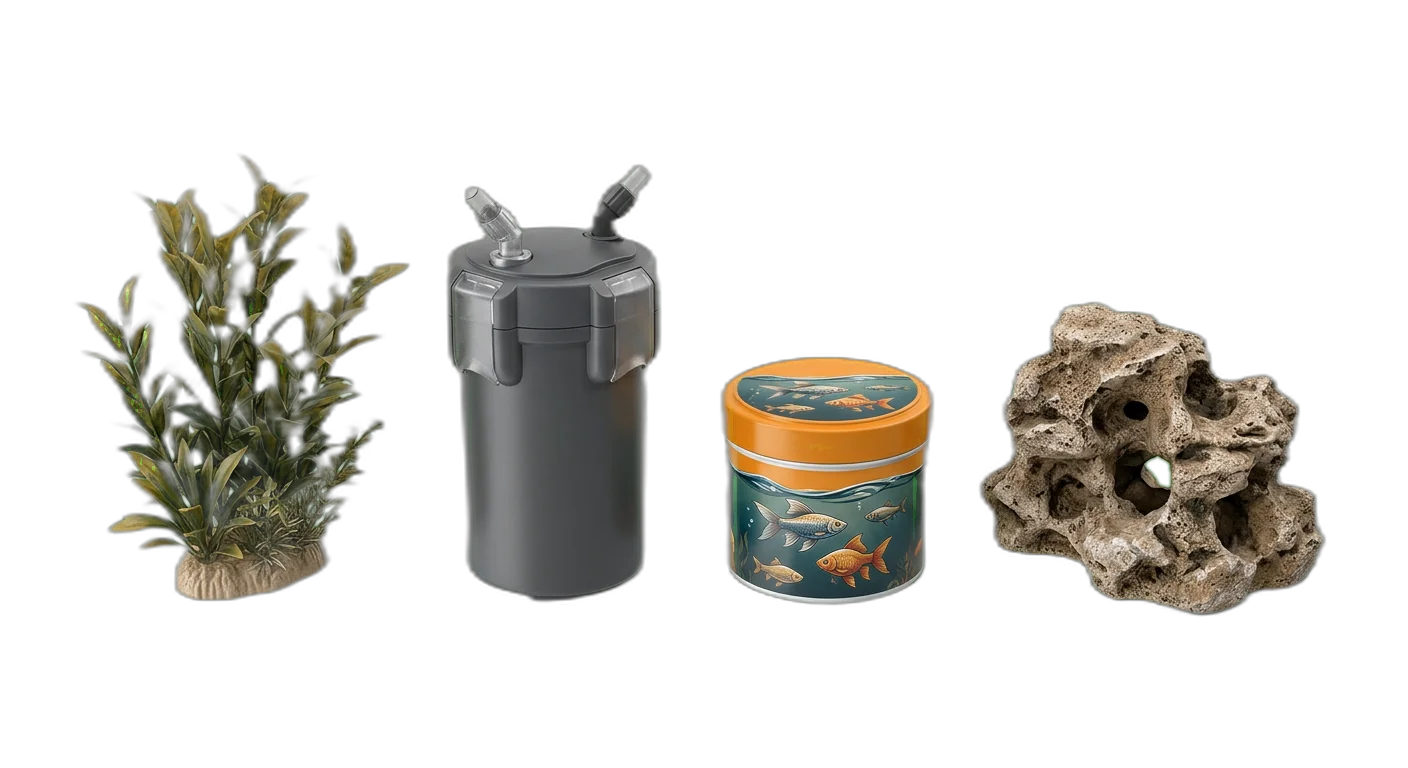
Vissen & aquaria
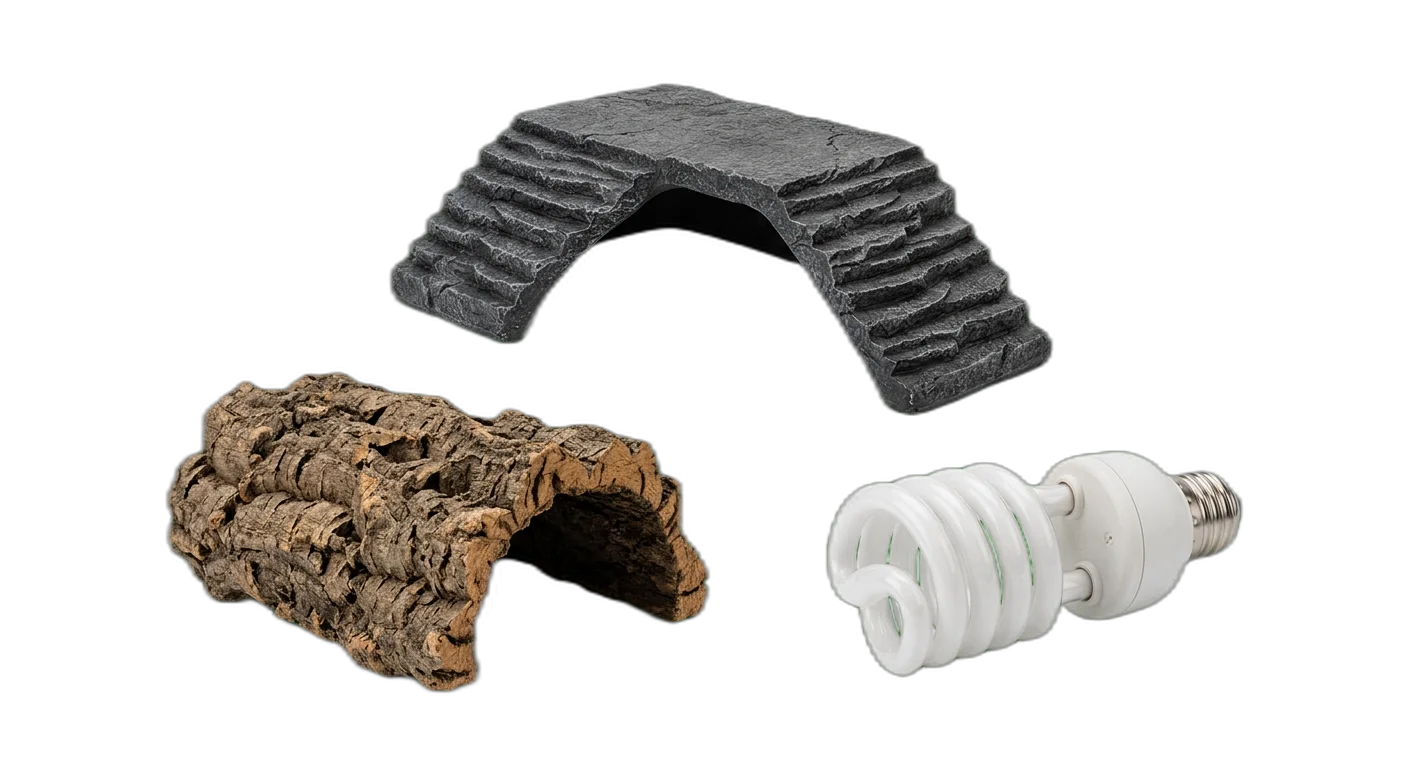
Reptielen & amfibieën
Met welke categorieën begin je het best?
Kies je startcategorieën op basis van je catalogusgrootte en groeifase
Richt je op één diertype (hond of kat) en dek de belangrijkste consumables: voer, snacks en één accessoirecategorie. Consumables zorgen snel voor terugkerende klanten.
Breid uit naar zowel honden als katten met voer, accessoires en gezondheidsproducten. Voeg categorieën met hoge marges toe, zoals speelgoed en manden, om je omzet uit consumables aan te vullen.
Dek alle grote diertypes, inclusief vissen en kleine dieren. Bouw uitgebreide productdata op met voedingsinformatie, compatibiliteitsgidsen en rasspecifieke aanbevelingen.
Hoe orden je categorieën in je webshop menu?
Praktische tips om je navigatie zo in te richten dat je meer clicks en conversies haalt
Begin met diertype als primaire navigatie-as
"Hond" en "Kat" horen de eerste twee menu-items te zijn. Shoppers in huisdierbenodigdheden kiezen vrijwel altijd eerst het diertype voordat ze door productcategorieën bladeren.
Zet voercategorieën het meest prominent neer binnen elk diertype
Voer is de meest frequente aankoop en het startpunt voor de meeste klanten. Plaats het als eerste binnen elke diertypesectie.
Voeg ras- of maatfilters toe aan voer en accessoires
Een rasgrootte-selector (Klein, Middel, Groot) is een van de meest gebruikte filters na diertype. Zorg dat het zichtbaar is op categoriepagina's, niet verstopt in geavanceerde filters.
Maak gezondheid en welzijn een aparte sectie
Vlooienpreventie, tandverzorging en supplementen hebben een andere zoekintentie dan voer of speelgoed. Groepeer ze onder een Gezondheid-sectie binnen elk diertype.
Laat autoship- en abonnementsopties zien in de navigatie
Consumables zoals voer, vulling en vlooienpreventie zorgen voor terugkerende omzet. Maak abonnementsopties zichtbaar vanaf categoriepagina's om aanmeldingen te stimuleren.
Wanneer piekt elke categorie?
Stem je voorraad en marketing af op seizoensverschuivingen in de vraag
Lente (mrt-mei)
Piekcategorieën
Het vlo- en tekenseizoen begint in het voorjaar. Start preventiepromoties in maart om vroege kopers te bereiken.
Zomer (jun-aug)
Piekcategorieën
Meer buitenavonturen betekent hogere vraag naar buitenspeelgoed, koelmatten en drinkbakken. Aquariuminteresse piekt ook in de zomer als binnenhuishobby.
Herfst (sep-nov)
Piekcategorieën
Kouder weer stimuleert aankopen voor binnencomfort. Black Friday is een belangrijk winkelevenement voor huisdierbenodigdheden. Bereid bulkdeals voor op voer en manden.
Winter (dec-feb)
Piekcategorieën
Huisdiercadeaus drijven de vraag naar speelgoed en accessoires in december. Hondenkleding piekt in de wintermaanden voor koudegevoelige rassen.
Categorieën die goed samengaan
Combineer verwante categorieën om je gemiddelde bestelwaarde te verhogen

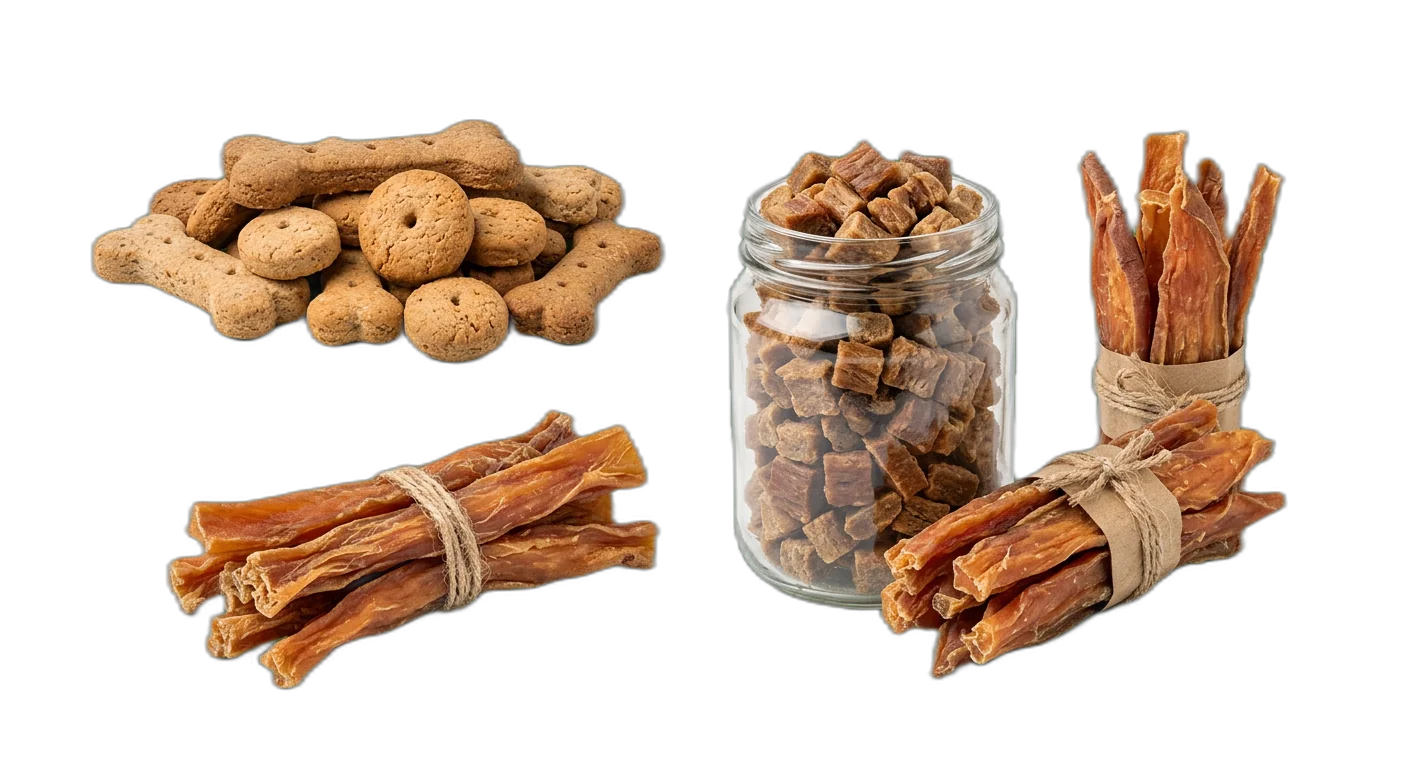
Voerkopers voegen vaak snacks toe. Complementaire eiwitsmaken voorstellen is een simpele manier om de orderwaarde te verhogen.
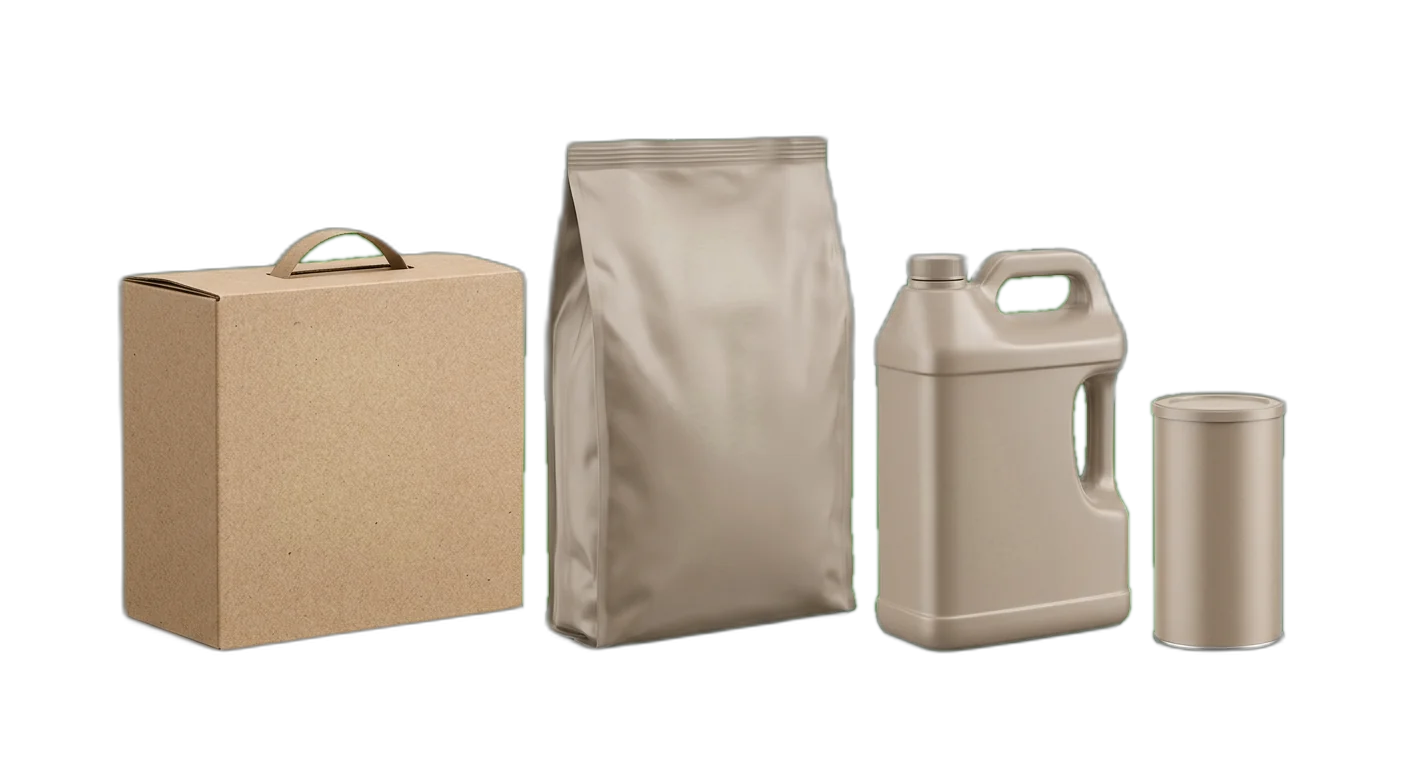
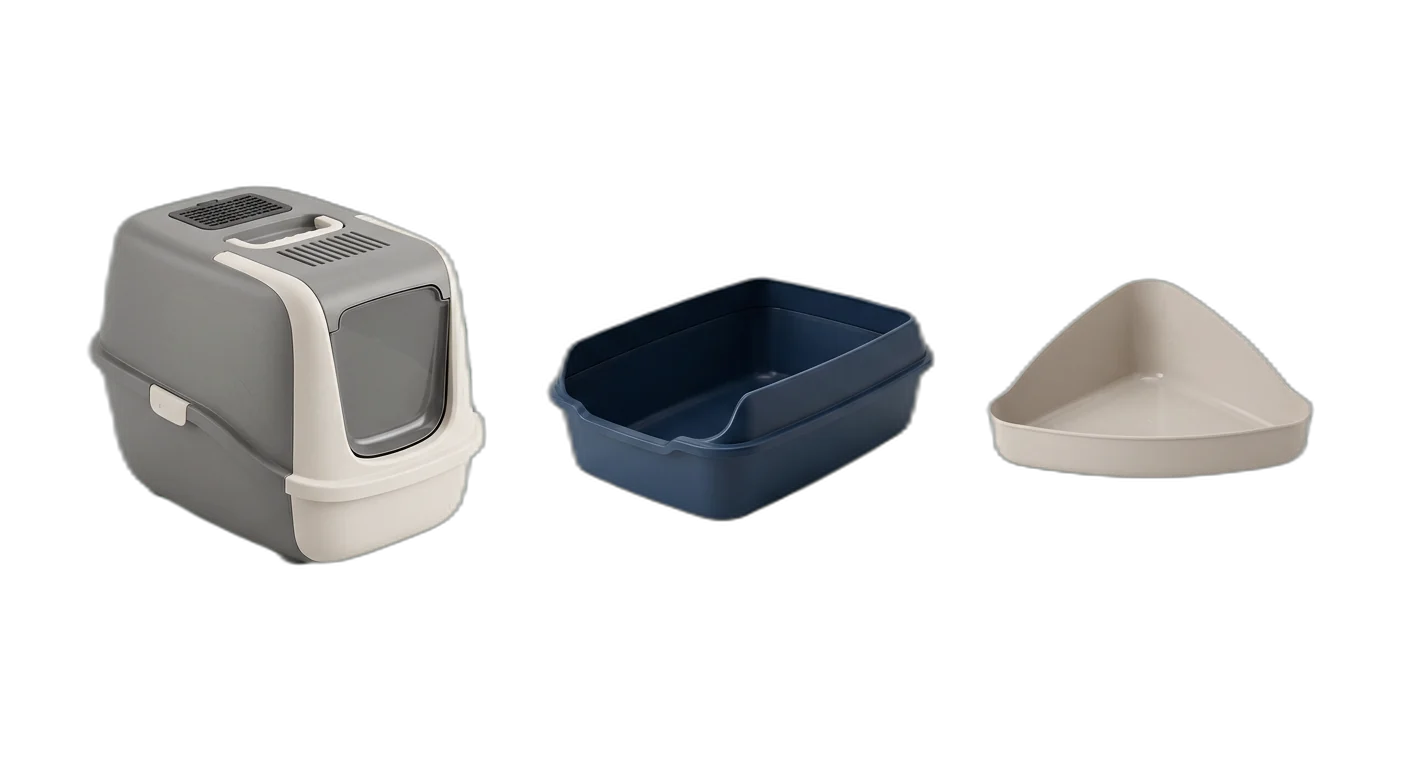
Vulling en kattenbak worden van nature samen gekocht, zeker door nieuwe katteneigenaren die hun huis inrichten.


Halsband en riem worden bijna altijd samen gekocht. Bied bijpassende sets aan zodat de combinatie geen extra moeite kost.
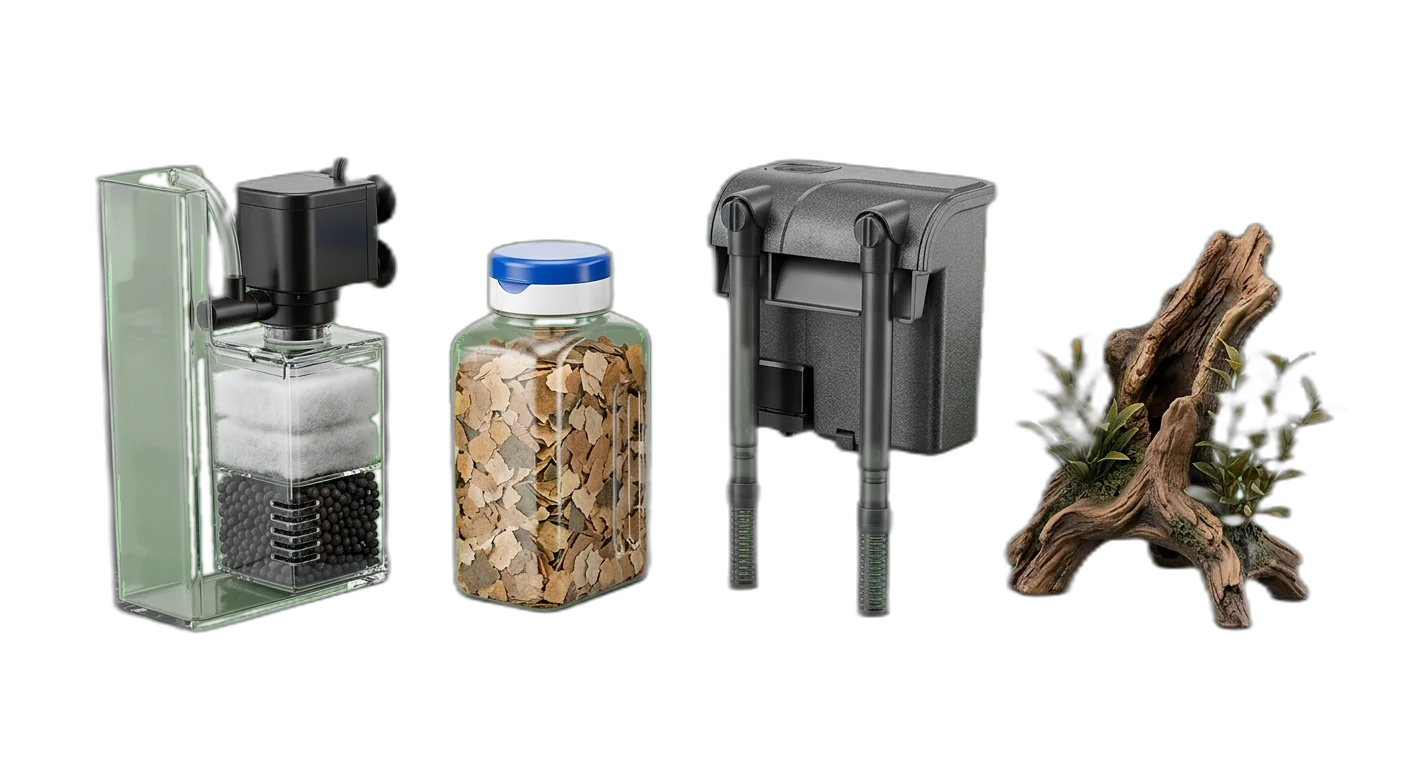
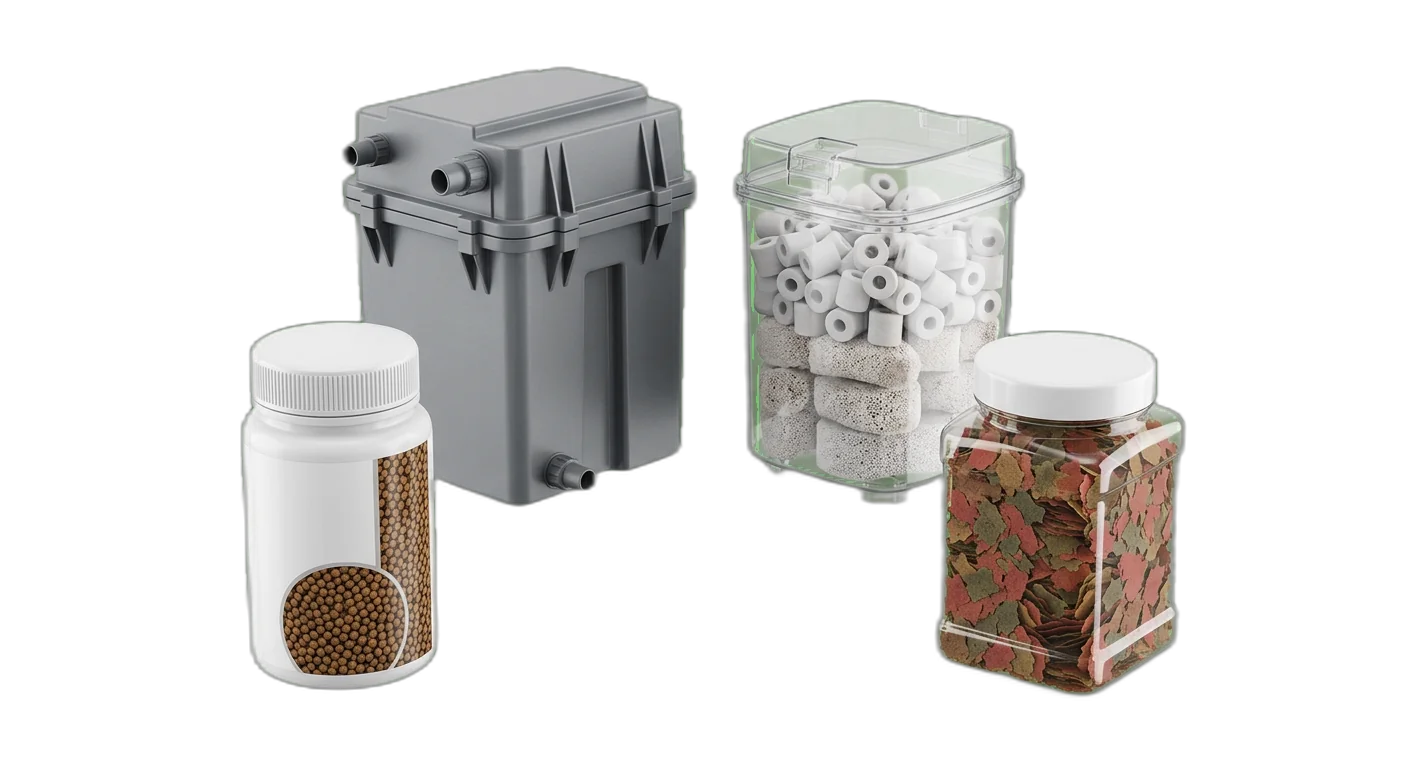
Een nieuw aquarium heeft altijd filters, verwarmers en voer nodig. Bundel startpakketten om de volledige setup-uitgave te vangen.
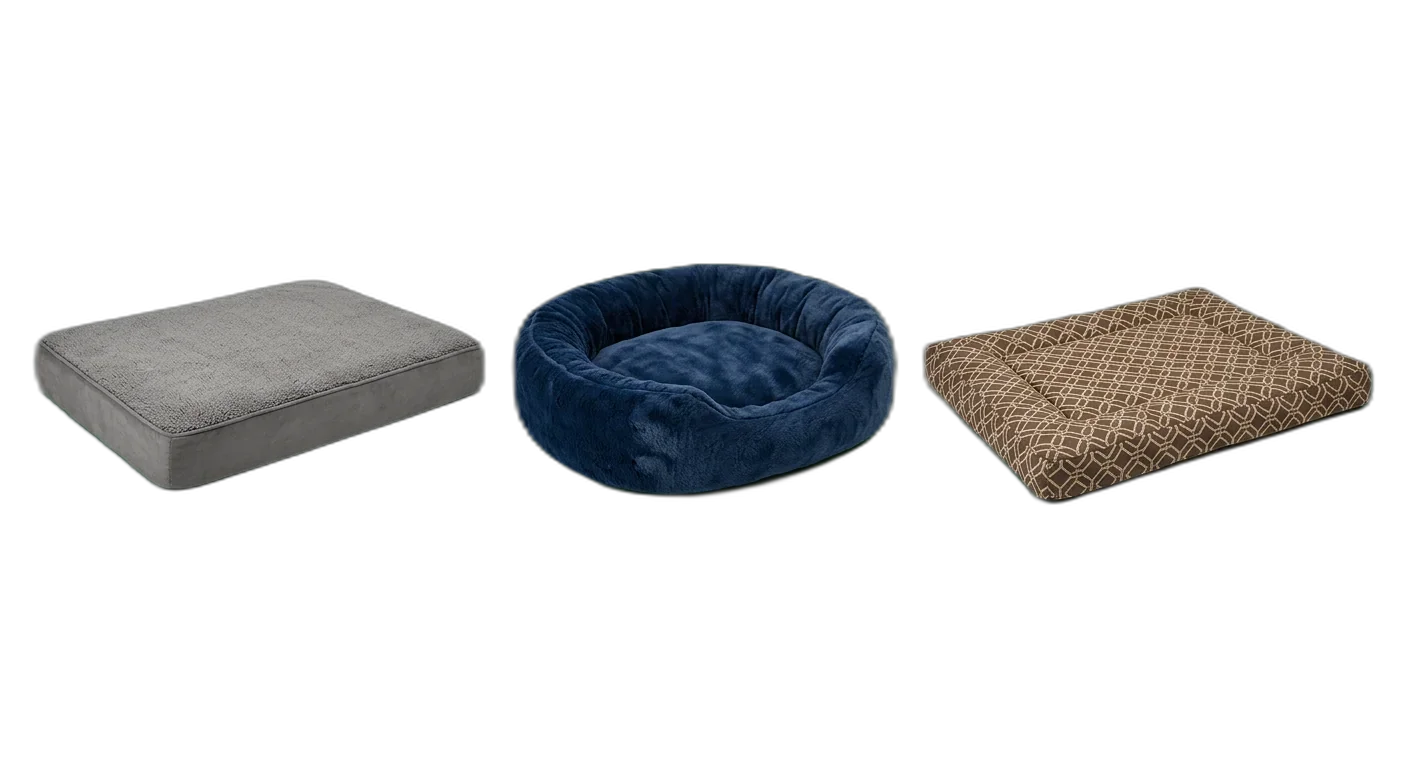
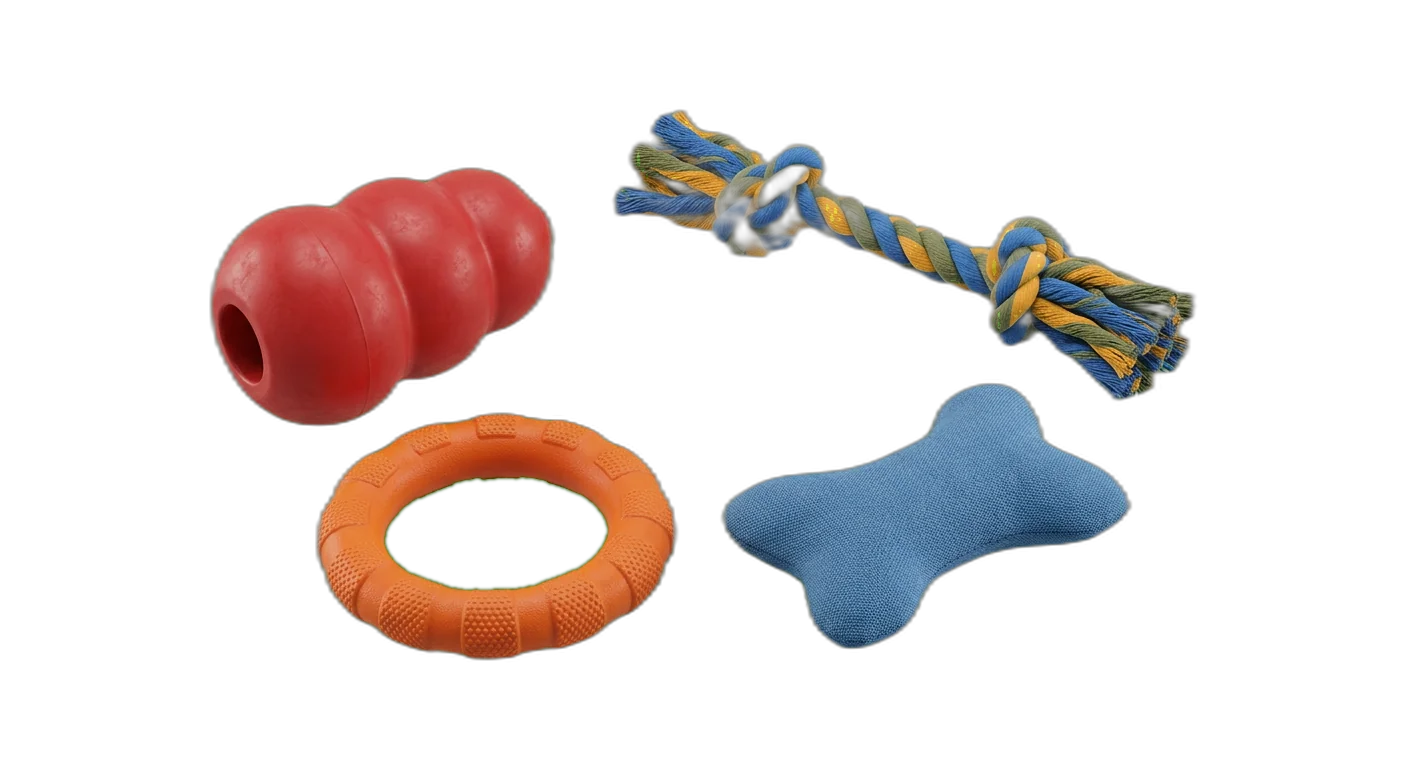
Wie een mand koopt, investeert in het comfort van zijn hond. Interactief en pluche speelgoed past perfect bij die comfortgerichte aankoopmentaliteit.
Veelgemaakte fouten bij Huisdierbenodigdheden categoriekeuzes
Fouten die je vindbaarheid, SEO en conversieratio schaden
- Fout
Producten voor verschillende diersoorten mengen in dezelfde categorie (bijv. alle vlooienbehandelingen in een algemene Vlo & Teek-sectie)
Betere aanpakOrganiseer altijd op diertype. Honden- en kattenproducten voor vlooien horen in aparte paden, omdat formules soortspecifiek zijn en verkeerd gebruik gevaarlijk kan zijn.
- Fout
Rasgrootte-geschiktheid niet bijhouden, waardoor klanten moeten gokken of voer of accessoires bij hun huisdier passen
Betere aanpakVoeg Maatgeschiktheid (Klein, Middel, Groot, Reus) toe als verplicht kenmerk bij alle maatafhankelijke producten. Dit is extra belangrijk voor voer, halsbanden, tuigen en manden.
- Fout
Snacks in dezelfde subcategorie plaatsen als dagelijks voer
Betere aanpakHoud snacks als aparte subcategorie onder Voer (bijv. Hondenvoer > Hondensnacks). Snacks dienen andere doelen (training, beloning, tandgezondheid) en klanten zoeken er apart naar.
- Fout
Voedingsinformatie en gegarandeerde analyse-data ontbreken bij voerproducten
Betere aanpakAlle diervoeding moet gestructureerde voedingskenmerken hebben: Primaire Eiwitbron, Calorie-inhoud, AAFCO-Verklaring en Gegarandeerde Analyse (ruw eiwit %, vet %, vezel %). Dit is wettelijk verplicht en essentieel voor kopers.
- Fout
Receptplichtige diergeneeskundige producten mengen met vrij verkrijgbare artikelen zonder duidelijk onderscheid
Betere aanpakVoeg een 'Recept vereist'-kenmerk toe aan alle gezondheids- en voerproducten. Receptdieten en medicijnen moeten duidelijk gemarkeerd zijn voor wettelijke naleving.
Stel Huisdierbenodigdheden categorieën in met AI
Krijg je Huisdierbenodigdheden productcategorieën in minuten op orde, niet in dagen
01
Importeer je huisdierbenodigdhedencatalogus
Upload je productdata via CSV, Excel of API. WISEPIM herkent automatisch huisdierspecifieke kenmerken zoals diersoort, levensfase, eiwitbron, maatgeschiktheid en voedingsdata vanuit je bestaande productinformatie.
02
AI categoriseert je producten
De AI van WISEPIM analyseert je productdata en wijst elk artikel toe aan het juiste diertype en de juiste categorie. Het onderscheidt honden- van kattenproducten, scheidt voer van supplementen, koppelt rasgeschiktheid en markeert receptplichtige artikelen voor nalevingscontrole.
03
Controleer, verfijn en publiceer
Bekijk AI-suggesties in bulk, controleer voedingsdata en diersoort-veiligheidsinformatie, en zet je gecategoriseerde producten live op alle verkoopkanalen. Marktplaatskoppelingen voor Amazon, Google Shopping en Chewy worden automatisch aangemaakt.
Veelgestelde vragen
Veelgestelde vragen over het kiezen van Huisdierbenodigdheden categorieën voor e-commerce
Beste categorieën voor andere branches
Printbare checklist
Begin in 15 minutenBeslis in één week of een nieuwe categorie loont
Begin bij de vraag: 15 minuten in Google Trends. Je krijgt één telling, zoals 2 van 3 termen stijgen. Daarna 5 stappen voor de rest van de week.
Zo werkt het
- Kies de 3 zoektermen die klanten voor de categorie gebruiken.
- Zoek ze alle drie op in Google Trends over 2 jaar.
- Schrijf het aantal op, zoals '2 van 3 termen stijgen'.
Eén mail, één keer, met een link naar de printbare checklist. Verder niets, tenzij je het vakje aanvinkt.
Gratis Excel-template
XLSX · 3 tabbladenZie welke van je 20 bestsellers nog niet compleet zijn
Een Excel-check met de kolommen die je voor dierenbenodigdheden nodig hebt. In ongeveer 15 minuten weet je hoeveel van je 20 producten compleet zijn, en welke verbetering de meeste rijen helpt.
Zo werkt het
- Plak 20 bestsellers uit je webshopexport in Producten.
- Vul in wat je weet. De laatste kolom zegt per rij wat er ontbreekt.
- Lees je resultaat op Begin hier: hoeveel er compleet zijn en welke verbetering de meeste rijen helpt.
Eén mail, één keer, met de XLSX als bijlage en als downloadlink. Verder niets, tenzij je het vakje aanvinkt.
Verder ontdekken
Zorgvuldig gekozen vervolgstappen om dieper te gaan.
Klaar om je Huisdierbenodigdheden catalogus te organiseren?
WISEPIM gebruikt AI om je producten automatisch te categoriseren, attributes in te stellen en te synchroniseren met al je verkoopkanalen.