Beste categorieën voor Woningverbetering
De best presterende Woningverbetering productcategorieën voor je webshop, gerangschikt op vraag, marges en groeipotentieel.
Beste Woningverbetering categorieën om online te verkopen
Gerangschikt op marktvraag, winstmarges en groeimomentum
- 1
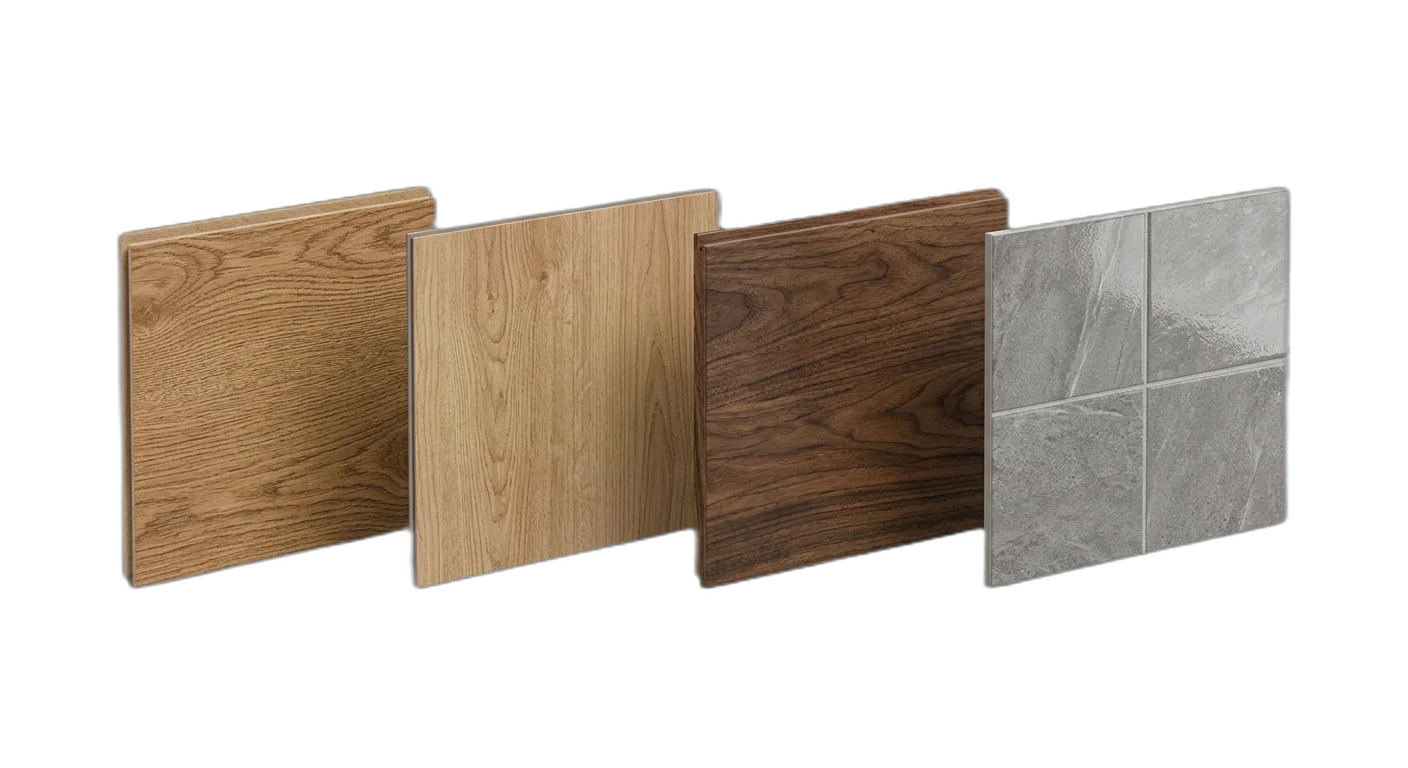
Vloeren
Vloeren
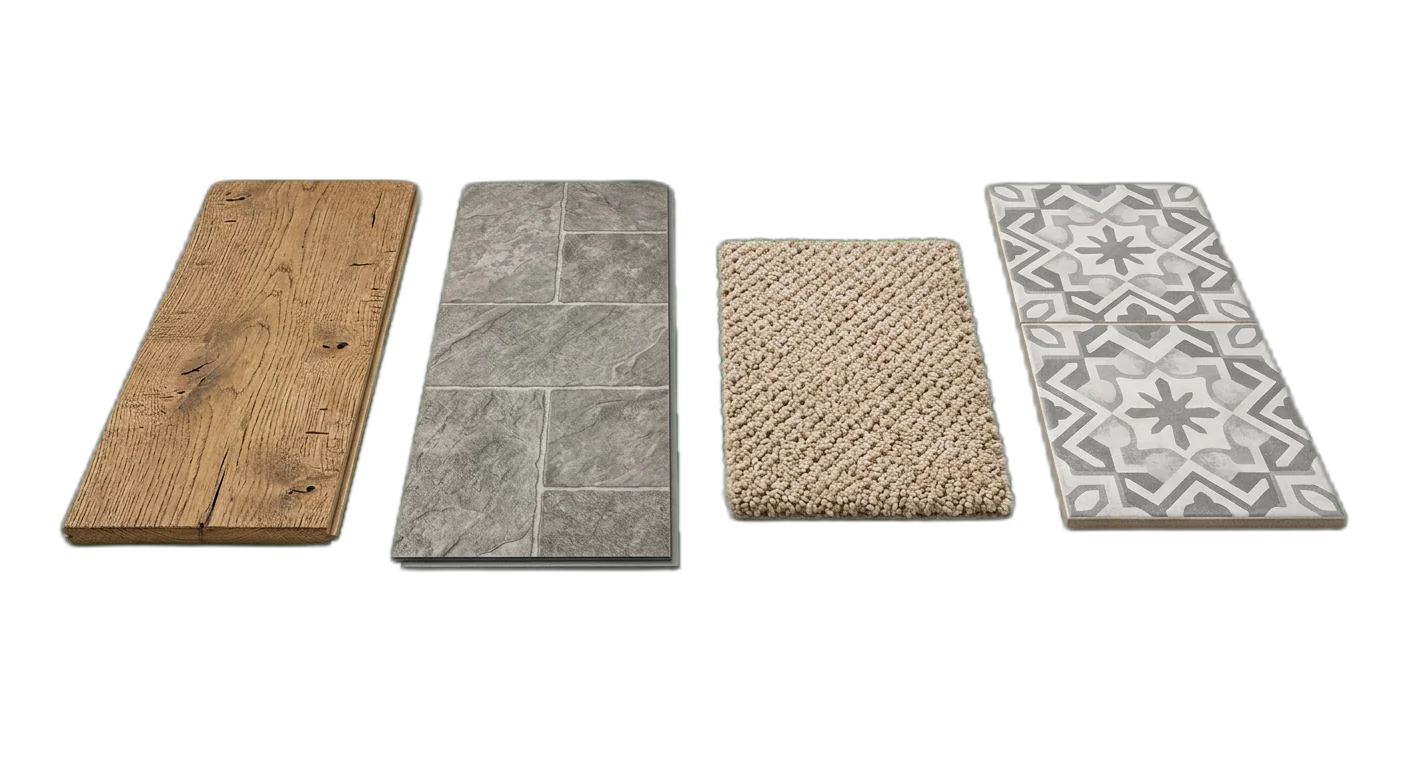
Vloeren hoort bij de categorieën met de hoogste gemiddelde bestelwaarde in de bouwmarkt. Online vloerverkoop groeit snel nu consumenten steeds meer vertrouwen krijgen in het bestellen van monsters en volledige hoeveelheden. De categorie kent een duidelijk specificatiegedreven aankoopproces en een sterke vraag van professionele kopers.
Vraag: HoogConcurrentie: GemiddeldMarge: HoogStijgendVoorbeeldproductenLaminaatvloerVinylplankHouten vloerKeramische tegelsPro tipToon altijd de dekking per doos en bied een vloeroppervlaktecalculator aan. Kopers moeten precies kunnen uitrekenen hoeveel materiaal ze nodig hebben, en zo'n tool voorkomt dat er te weinig besteld wordt en dus ook nabestellingen.
- 2
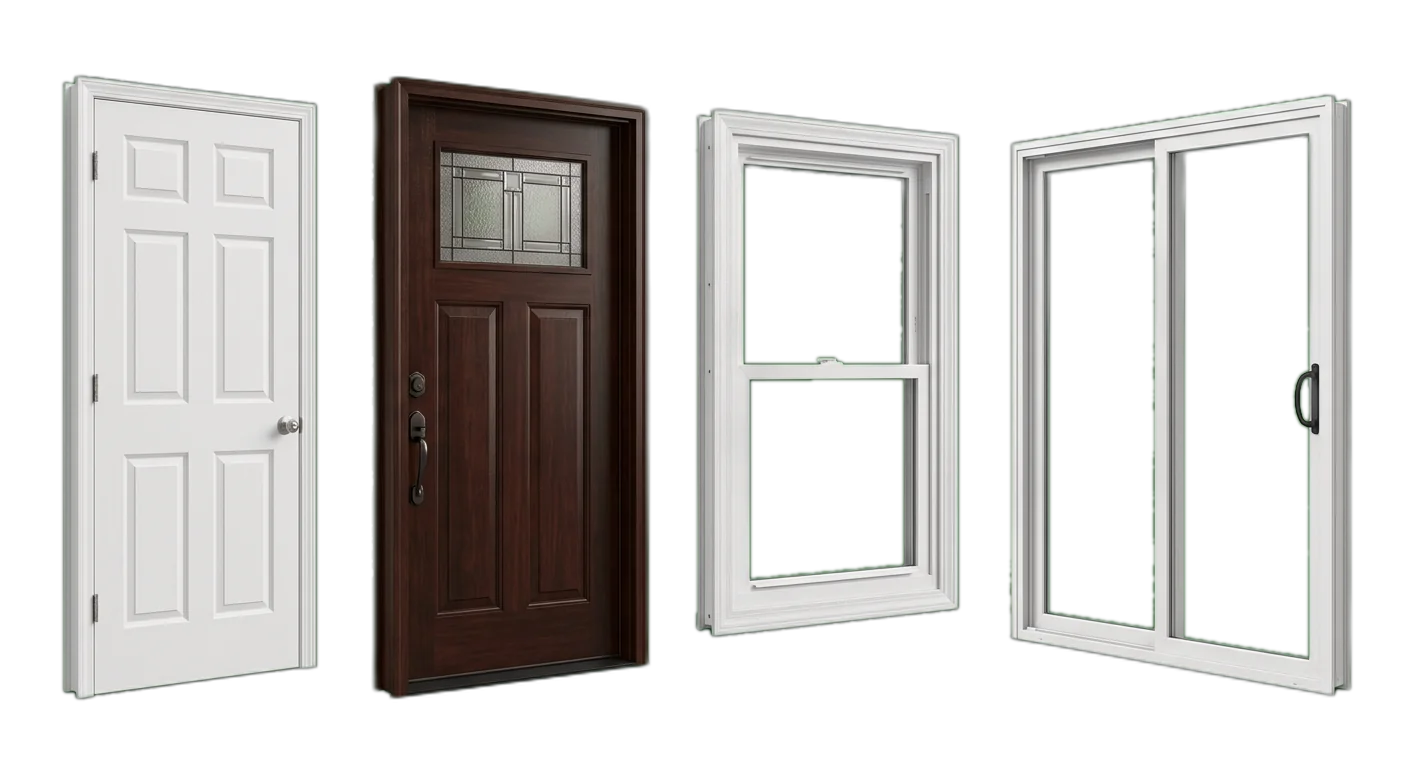
Deuren & Ramen
Deuren & Ramen
Deuren en ramen zijn hoogwaardige, weloverwogen aankopen met sterke marges. Energie-efficiëntieregelgeving stimuleert de vervangingsvraag, en de categorie profiteert van duidelijke specificatievereisten die goed aansluiten op online browsen met configuratietools.
Vraag: GroeiendConcurrentie: LaagMarge: HoogStijgendVoorbeeldproductenPaneeldeuren voor binnenVoordeurKunststof ramenSchuifpuideurenPro tipToon energie-efficiëntiewaarden (U-waarde, R-waarde, zonwarmtewinst) duidelijk zichtbaar. Energiebesparing is een belangrijke koopoverweging bij vervangende ramen en speelt ook bij deuren een steeds grotere rol.
- 3
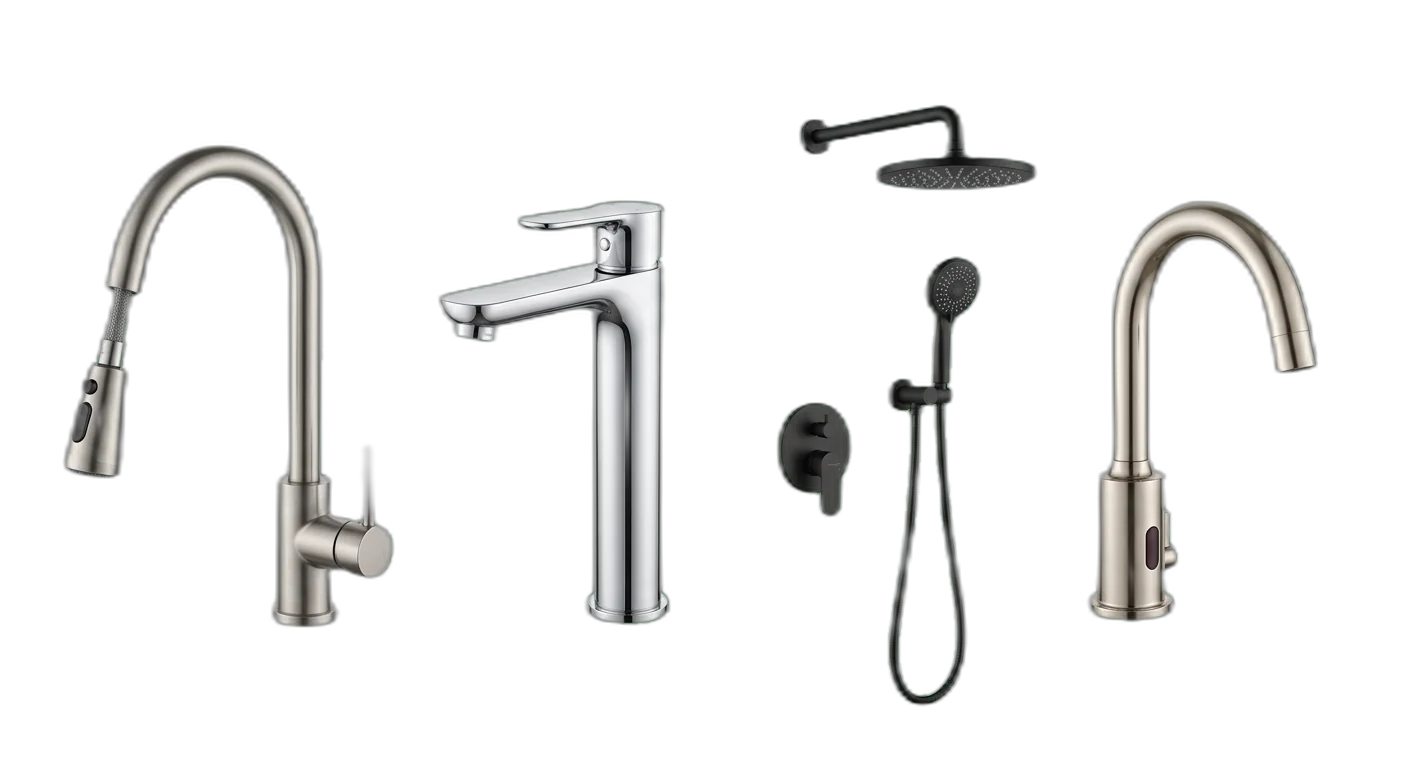
Keuken- & Badkamerkranen
Sanitair > Kranen & Armaturen
Kranen en armaturen zijn een categorie met hoge marges die de markt voor functionele vervanging en stijlvolle upgrades samenbrengt. De categorie scoort hoog op visueel zoekgedrag, heeft duidelijke specificatievereisten en groeit online snel nu consumenten keukens en badkamers renoveren.
Vraag: HoogConcurrentie: GemiddeldMarge: GemiddeldStijgendVoorbeeldproductenKeukenmengkraan met uittrekbare uitloopWastafelkraanDouchesystemenSensorgestuurde kranenPro tipGebruik dezelfde afwerkingsnamen in alle ijzerwarencategorieën (kranen, kasttrekkers, handdoekrekken). Klanten die een badkamer renoveren moeten consistent op afwerking kunnen filteren, ook over verschillende producttypen.
- 4
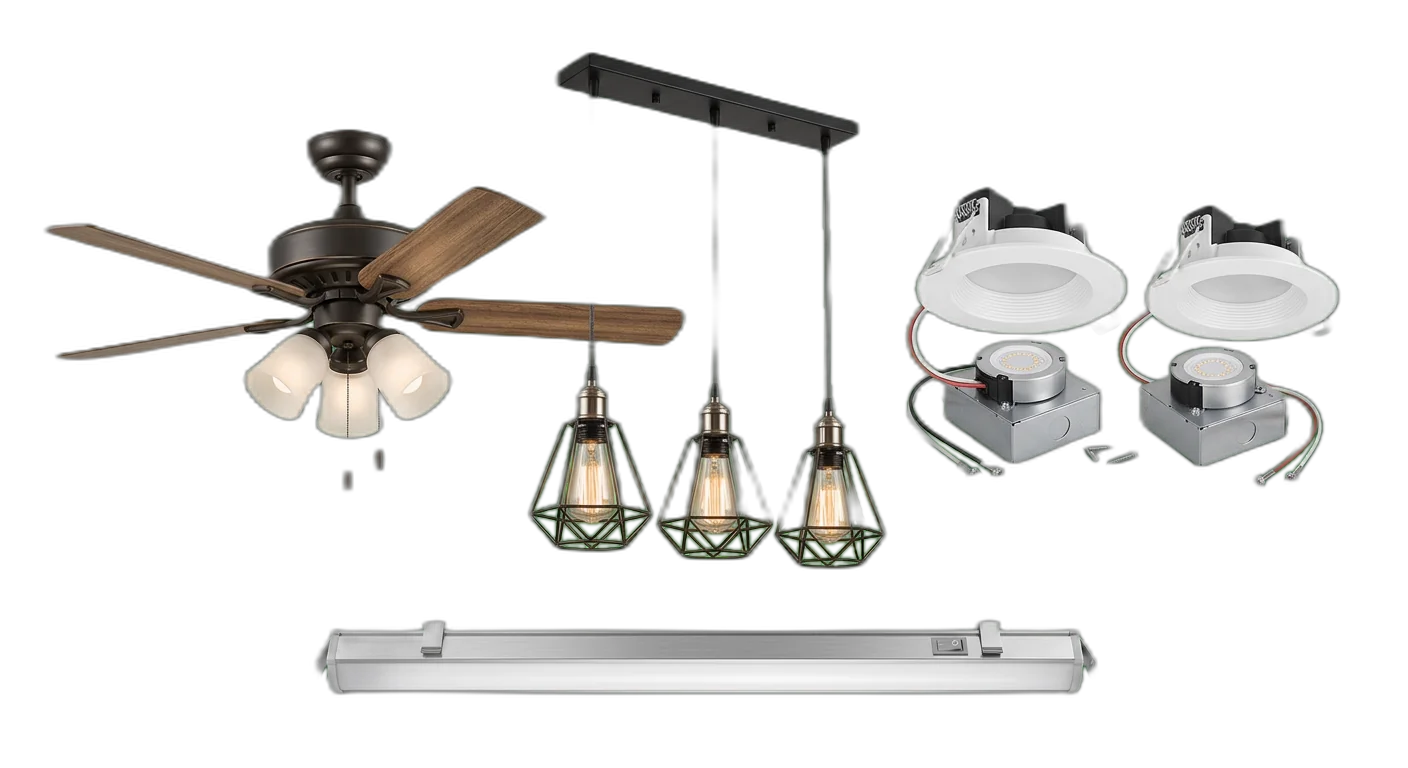
Verlichtingsarmaturen & Plafondventilatoren
Elektra > Verlichtingsarmaturen
Verlichting is een designgedreven categorie met hoge marges en sterke online groei. Consumenten winkelen steeds vaker online voor verlichting vanwege het veel grotere aanbod vergeleken met lokale winkels. De categorie scoort hoog op visueel browsen en heeft sterke toevoeg-aan-winkelwagen-cijfers.
Vraag: HoogConcurrentie: GemiddeldMarge: HoogStabielVoorbeeldproductenHanglampInbouwspot-setsPlafondventilatoren met verlichtingOnderbouw-LED'sPro tipVoeg kamergrootte-advies toe bij elk armatuur. Klanten willen weten of een lamp past in hun ruimte, en die informatie vermindert retouren en wekt vertrouwen.
- 5
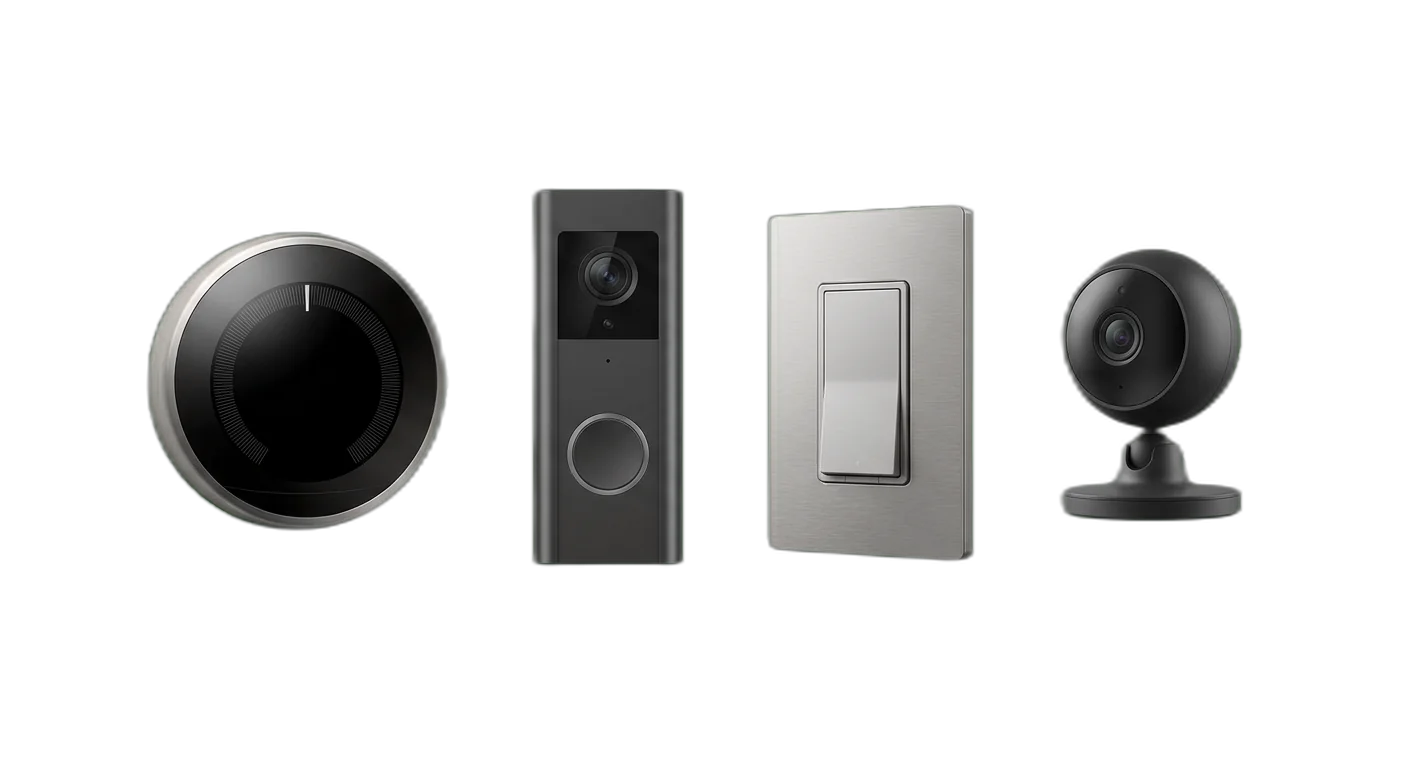
Smart Home Apparaten
Elektra > Smart Home
Smart home is een van de snelst groeiende subcategorieën in de bouwmarkt, gedreven door energiebewustzijn en de opkomst van huisautomatisering. Thermostaten, beveiligingscamera's en slimme schakelaars hebben hoge marges en trekken tech-savvy kopers aan die gedetailleerde specificaties waarderen.
Vraag: GemiddeldConcurrentie: LaagMarge: HoogStijgendVoorbeeldproductenSlimme thermostatenVideo-deurbellenSlimme lichtschakelaarsBeveiligingscamera'sPro tipZet ecosysteemcompatibiliteit (Google Home, Apple HomeKit, Alexa, Matter) als primair filter. Smart home-kopers moeten zeker weten dat nieuwe apparaten werken met wat ze al hebben.
- 6
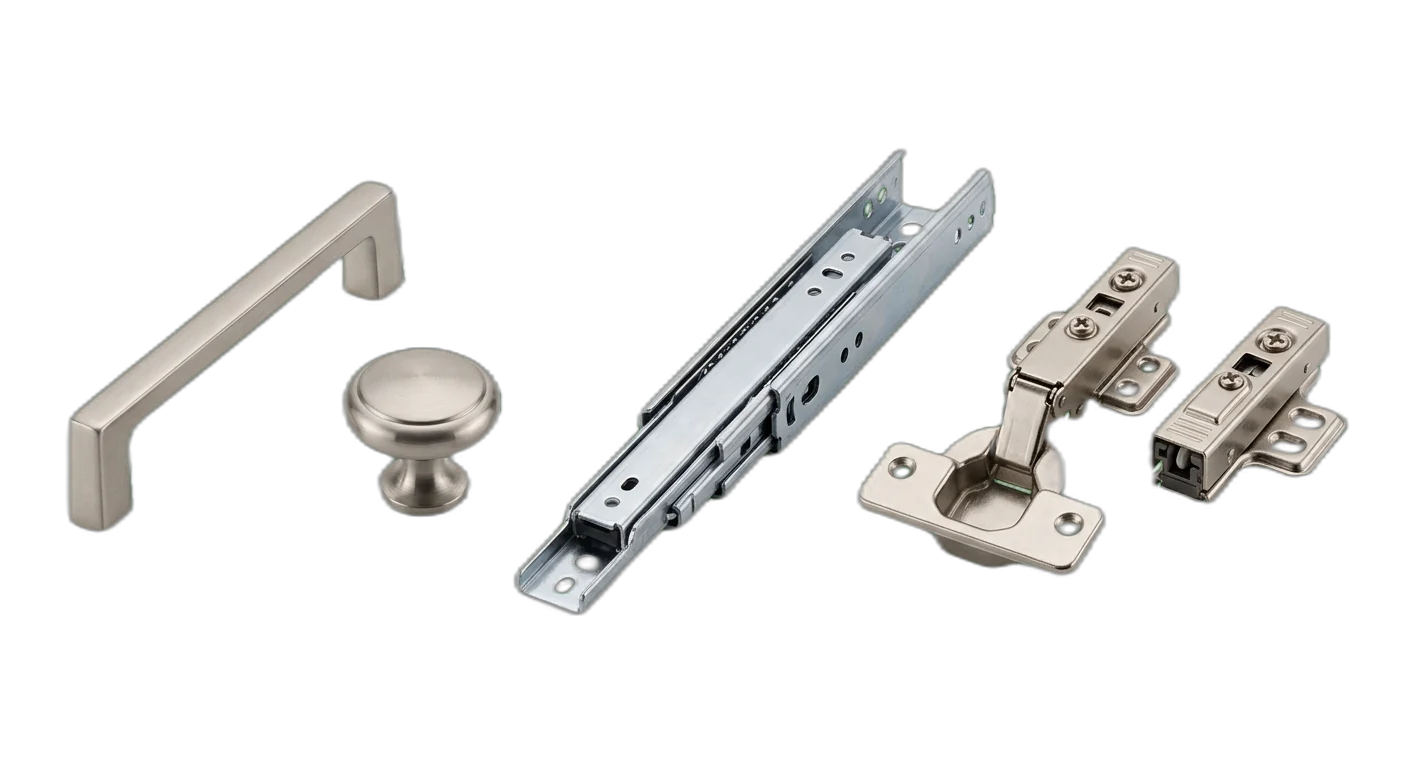
Kastbeslag & Accessoires
IJzerwaren > Kastbeslag
Kastbeslag is een betaalbare upgrade die keukens en badkamers een nieuwe look geeft. De categorie heeft sterke marges, hoge aantallen per bestelling (een keuken heeft voor elke deur en lade een bijpassend stuk nodig) en sterke herhaalaankopen wanneer huiseigenaren extra kamers opknappen.
Vraag: GemiddeldConcurrentie: GemiddeldMarge: HoogStijgendVoorbeeldproductenKasttrekkersKnoppenLadegeleidersSoftclose-scharnierenPro tipToon hart-op-hart afmetingen prominent en bied staffelprijzen aan. Kastbeslag wordt altijd in meervoud gekocht, en volumekorting stimuleert grotere bestellingen.
- 7
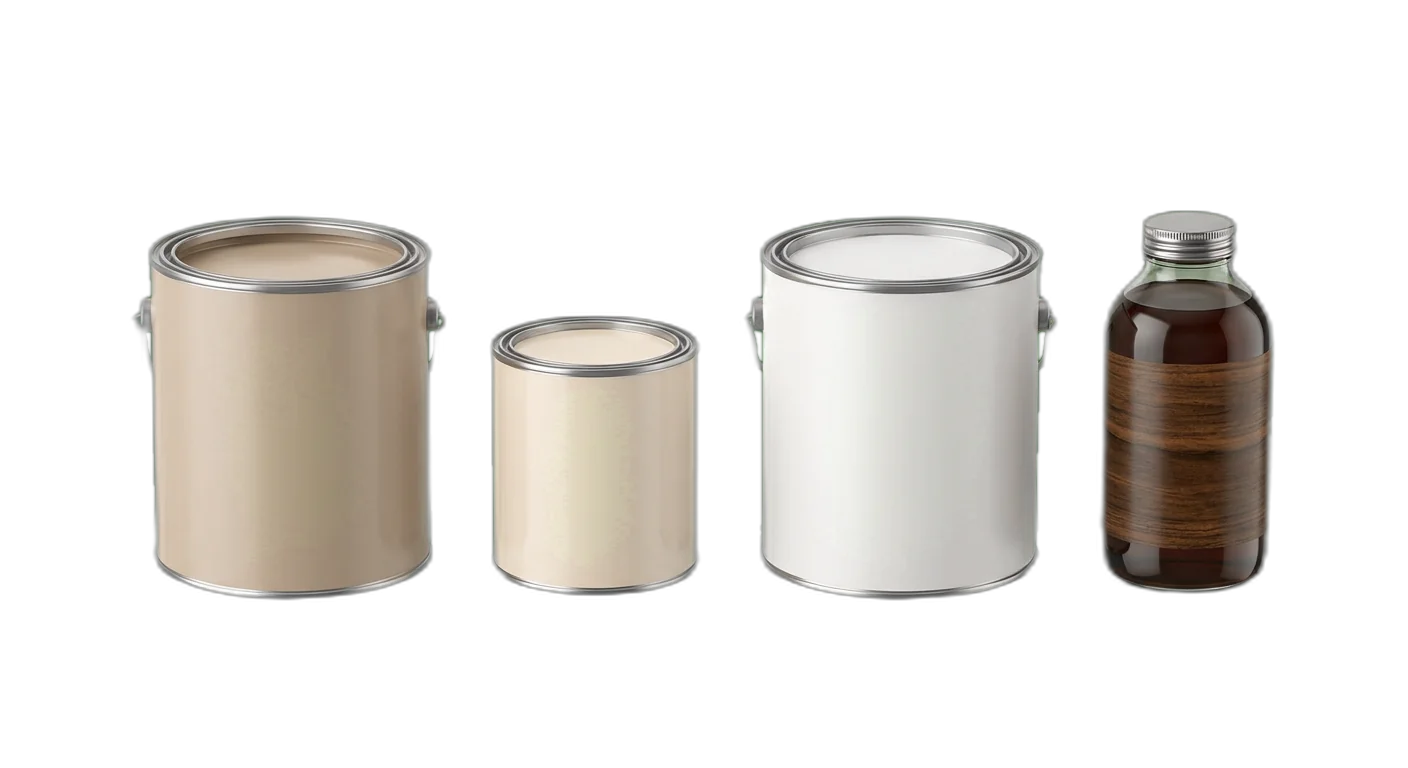
Binnenverf & Beitsen
Verf & Wandbekleding > Binnenverf
Verf is de laagdrempeligste aankoop in de bouwmarkt en genereert enorme volumes voor zowel doe-het-zelvers als professionele schilders. De categorie scoort hoog op herhaalaankopen, veel extra's in het winkelmandje (kwasten, tape, primers) en een duidelijk specificatiegedreven aankoopproces dat prima werkt in een webshop.
Vraag: HoogConcurrentie: HoogMarge: GemiddeldStabielVoorbeeldproductenMuurverf voor binnenKastenverfPlafondverfHoutbeitsPro tipInvesteer in nauwkeurige digitale kleurweergave en bied proefpotjes aan. Kleuren op een scherm wijken vaak af van het eindresultaat op de muur, en dat verschil is een veelvoorkomende reden voor retouren.
- 8
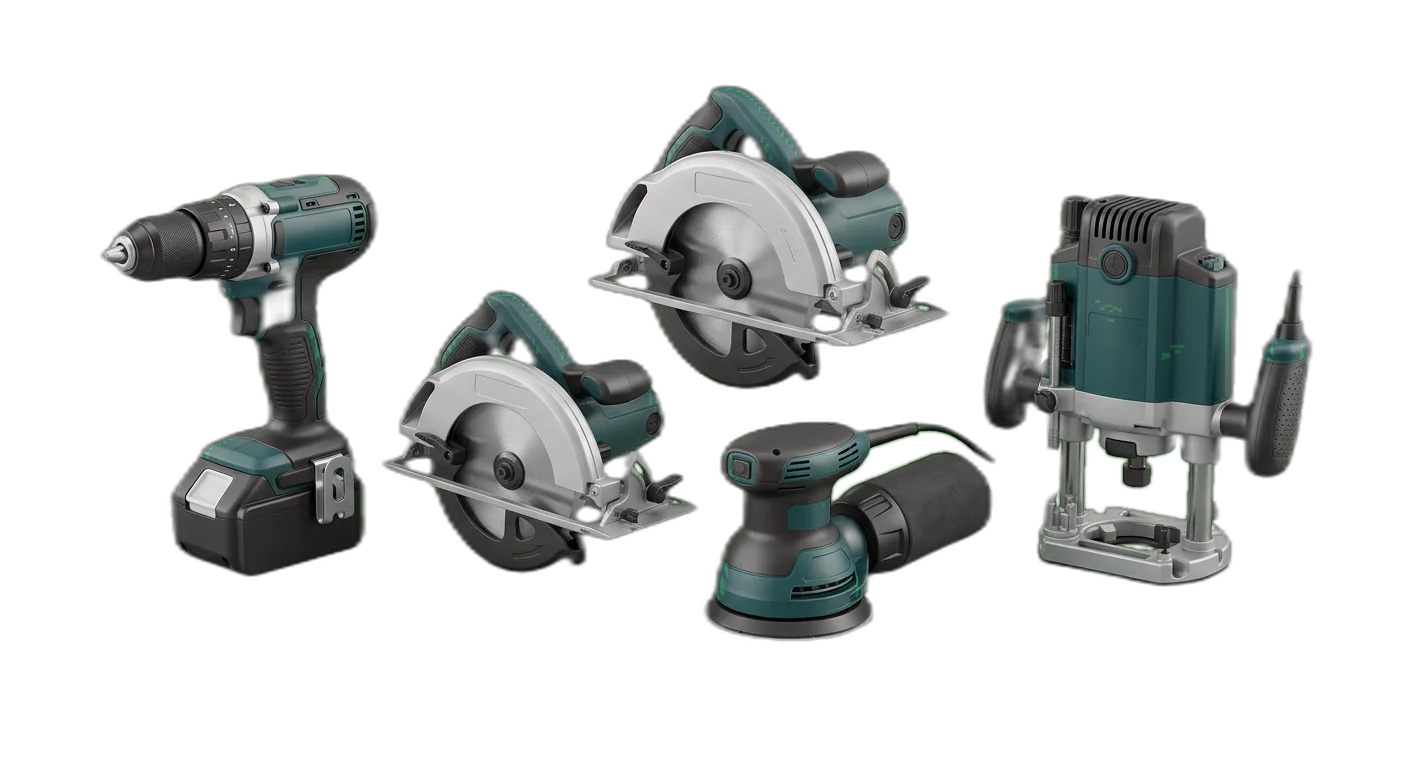
Elektrisch Gereedschap
Gereedschap > Elektrisch Gereedschap
Elektrisch gereedschap hoort bij de hoogste individuele transactiewaarden in de doe-het-zelf-webshop. Accuplatforms zorgen voor sterke merkloyaliteit, en gereedschapskopers voegen vaak extra accessoires, accu's en bijpassend gereedschap toe. Online winkelen is steeds populairder door het ruimere aanbod en de scherpe prijzen.
Vraag: HoogConcurrentie: HoogMarge: GemiddeldStabielVoorbeeldproductenAccuboormachinesCirkelzagenVlakschuurmachinesBovenfrezersPro tipOrganiseer op accuplatform naast gereedschapstype. Zowel doe-het-zelvers als professionals kiezen voor een vast merkecosysteem en willen alle compatibele producten makkelijk kunnen bekijken.
- 9
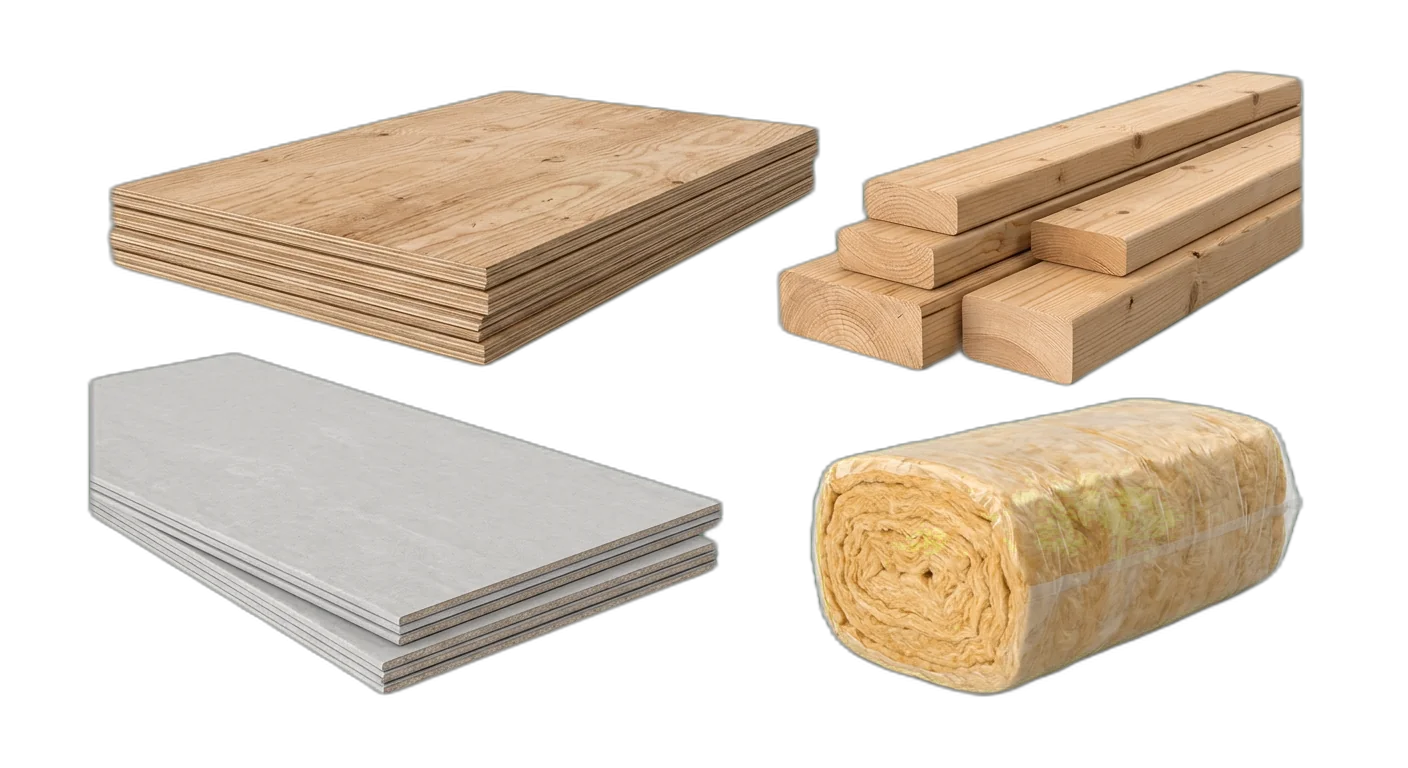
Bouwmaterialen & Hout
Bouwmaterialen > Hout & Plaatmateriaal
Bouwmaterialen vormen de basis van elk renovatie- en bouwproject. Hoewel traditioneel lokaal gekocht, groeit online bestellen voor levering en afhalen op de bouwplaats snel. De categorie heeft hoge bestelwaarden, consistente vraag van professionals en een groeiende doe-het-zelf-markt.
Vraag: HoogConcurrentie: HoogMarge: LaagStabielVoorbeeldproductenMultiplex platenConstructiehoutGipsplatenIsolatiePro tipBied een projectcalculator aan die materiaalhoeveelheden berekent op basis van kamerafmetingen. Professionals waarderen de tijdsbesparing, en doe-het-zelvers hebben die hulp nodig om precies genoeg te bestellen.
- 10
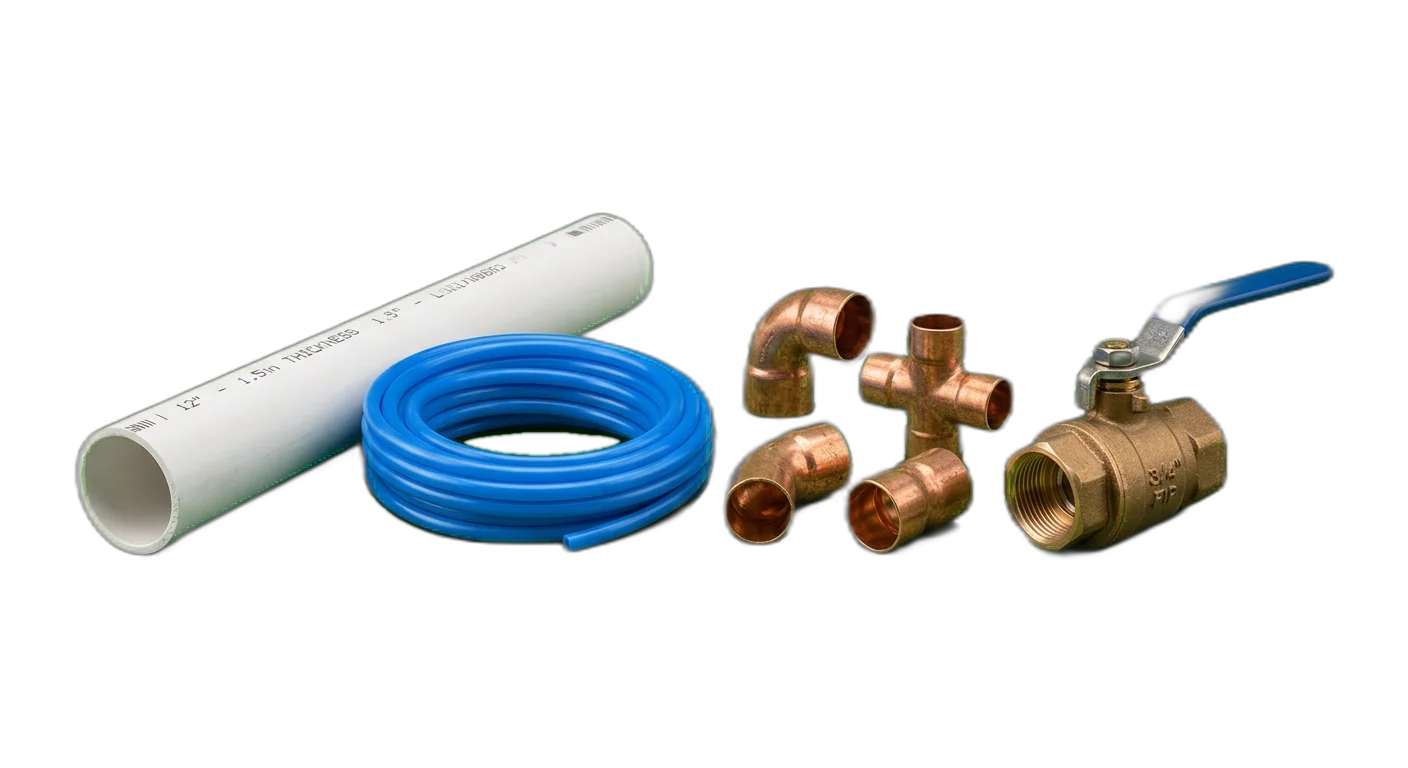
Sanitaire Buizen & Fittingen
Sanitair > Buizen & Fittingen
Buizen en fittingen zijn onmisbare projectonderdelen met een breed SKU-assortiment en een sterke vraag van professionele kopers. De categorie heeft het hele jaar door een consistente vraag, hoge bestelfrequentie van aannemers en een groeiende doe-het-zelf-markt voor eenvoudige reparaties.
Vraag: GemiddeldConcurrentie: GemiddeldMarge: GemiddeldSeizoensgebondenVoorbeeldproductenPVC-buizenPEX-leidingenKoperen fittingenMessing kranenPro tipGebruik compatibiliteitsfilters voor leidingsystemen. PEX-fittingen moeten passen bij het juiste PEX-buistype, en verkeerd gekozen fittingen zijn een veelvoorkomende reden voor retouren in de sanitaire categorie.
Categorieprestaties in één oogopslag
Vergelijk vraag, concurrentie, marges en groei voor alle aanbevolen categorieën
VloerenDeuren & RamenKeuken- & BadkamerkranenVerlichtingsarmaturen & PlafondventilatorenSmart Home ApparatenKastbeslag & AccessoiresBinnenverf & BeitsenElektrisch GereedschapBouwmaterialen & HoutSanitaire Buizen & FittingenAanbevolen Woningverbetering categoriestructuur
De volledige categorieboom met subcategorieën voor elke aanbevolen hoofdcategorie
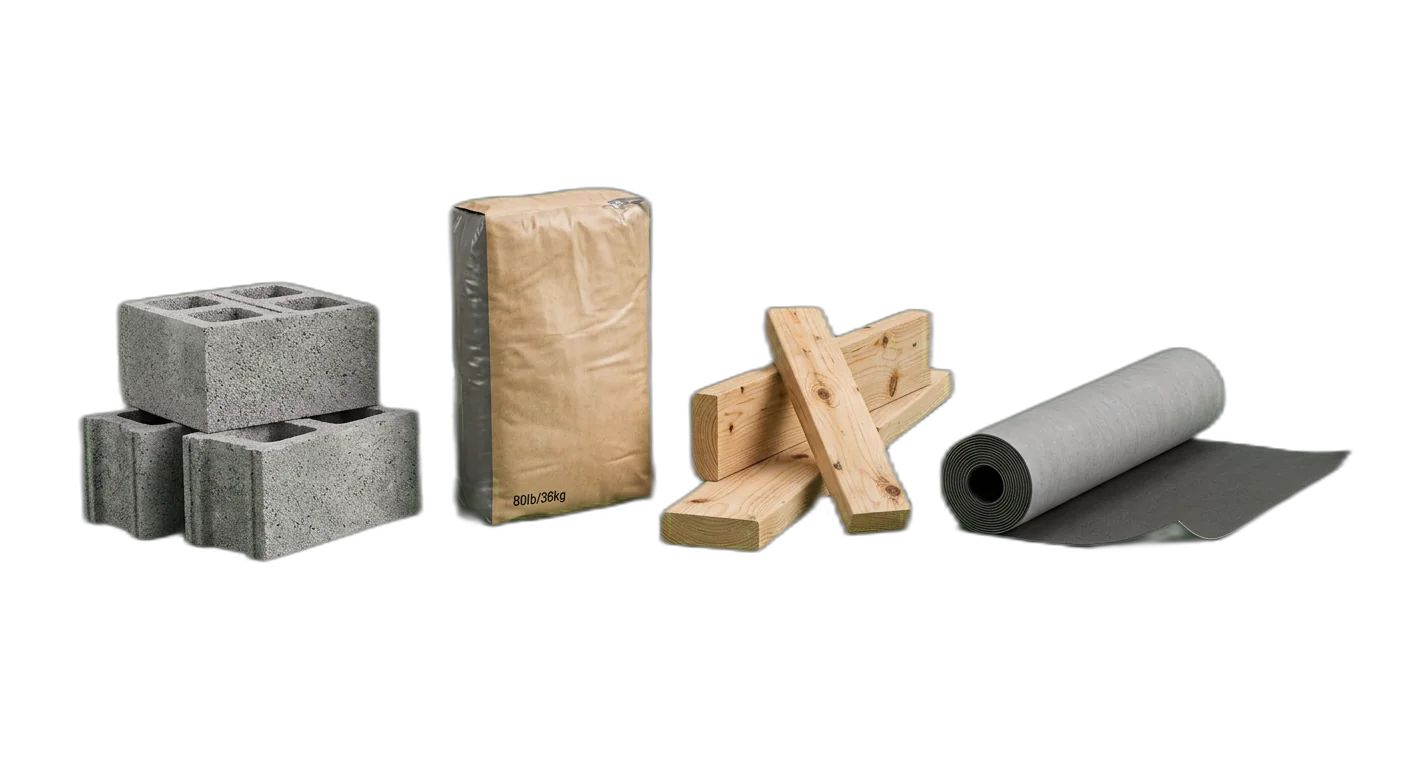
Bouwmaterialen
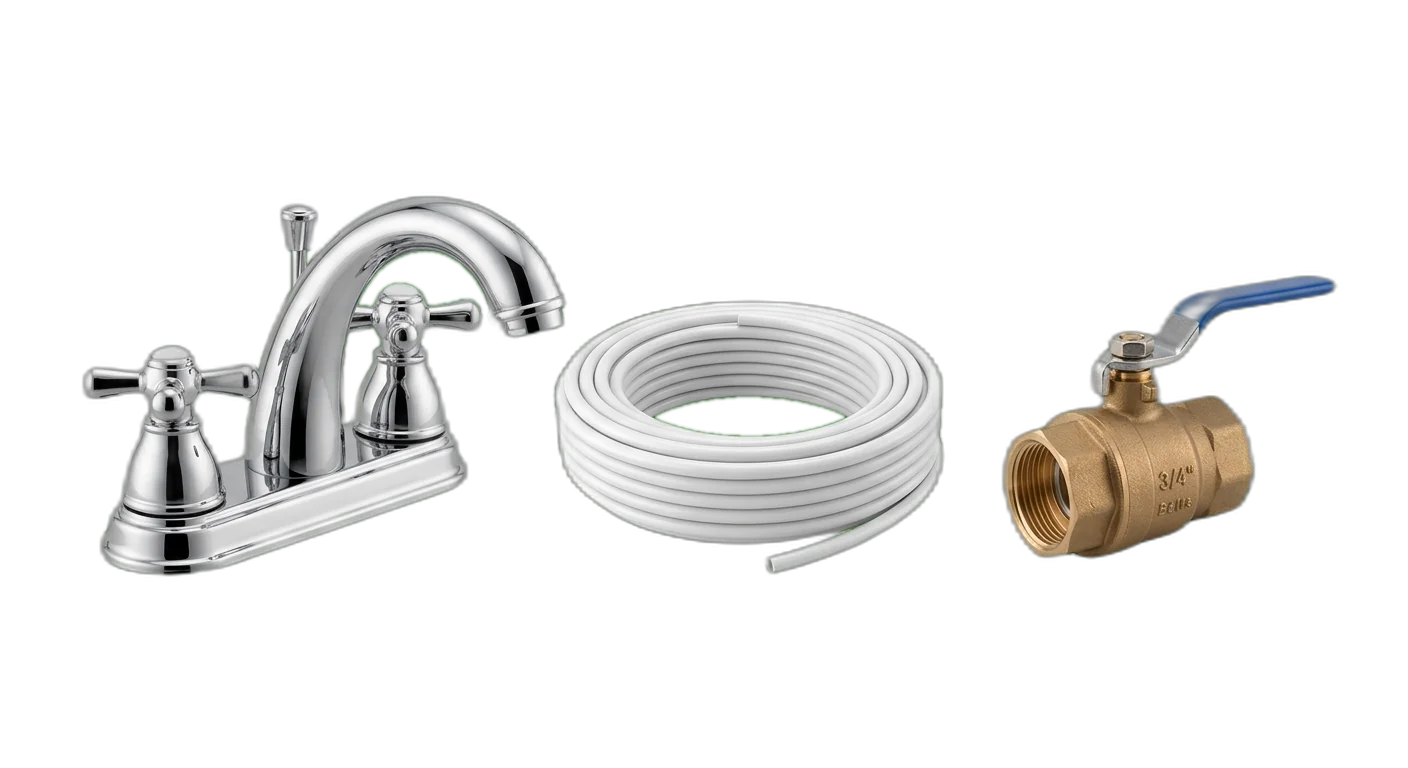
Loodgieterswerk
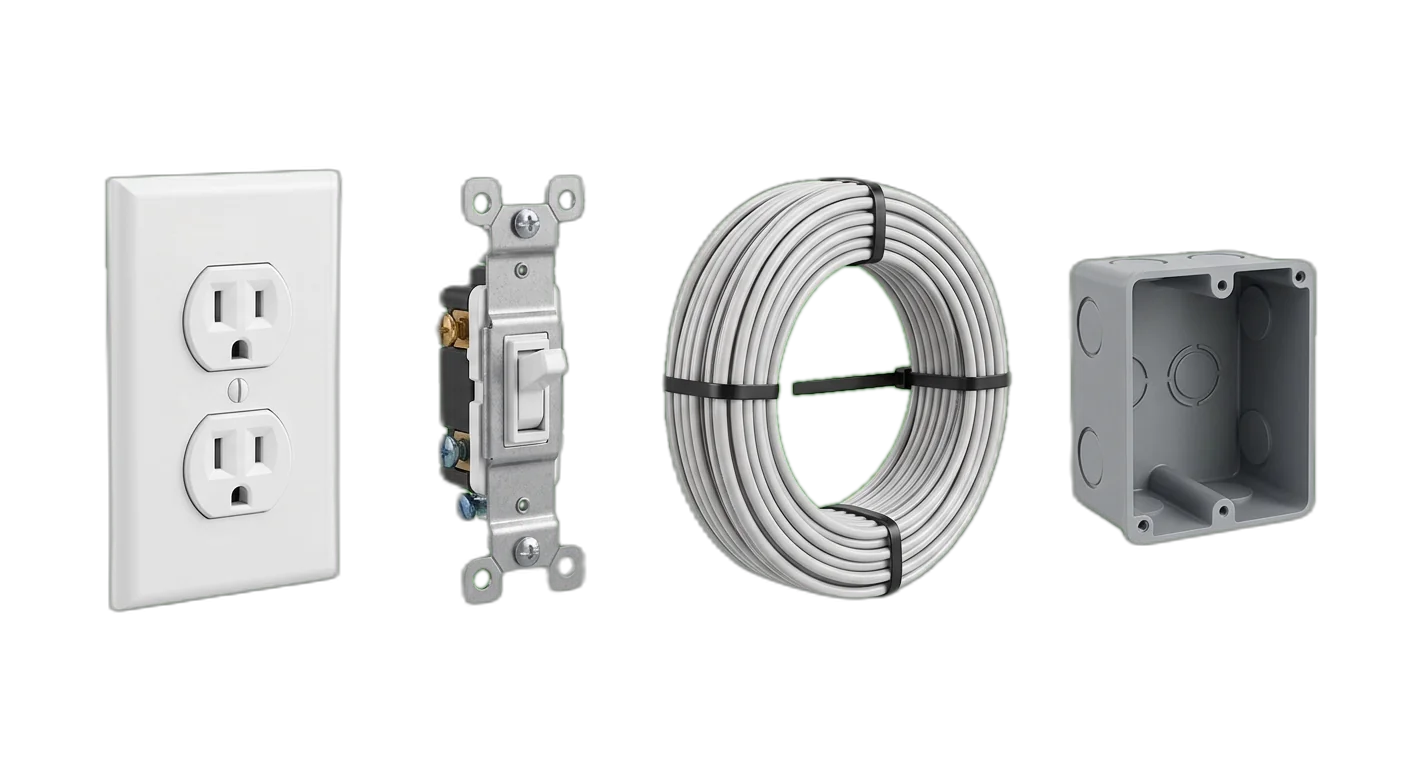
Elektra
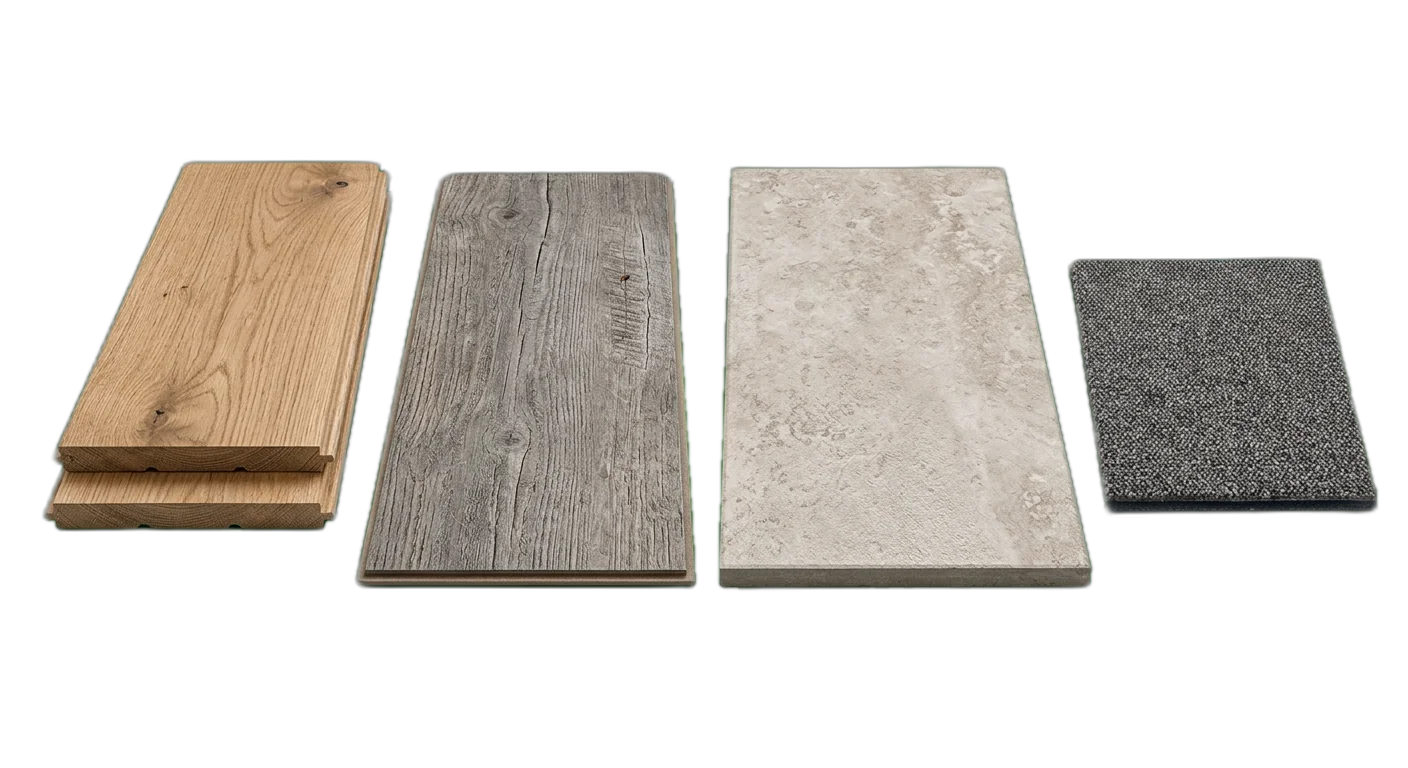
Vloeren
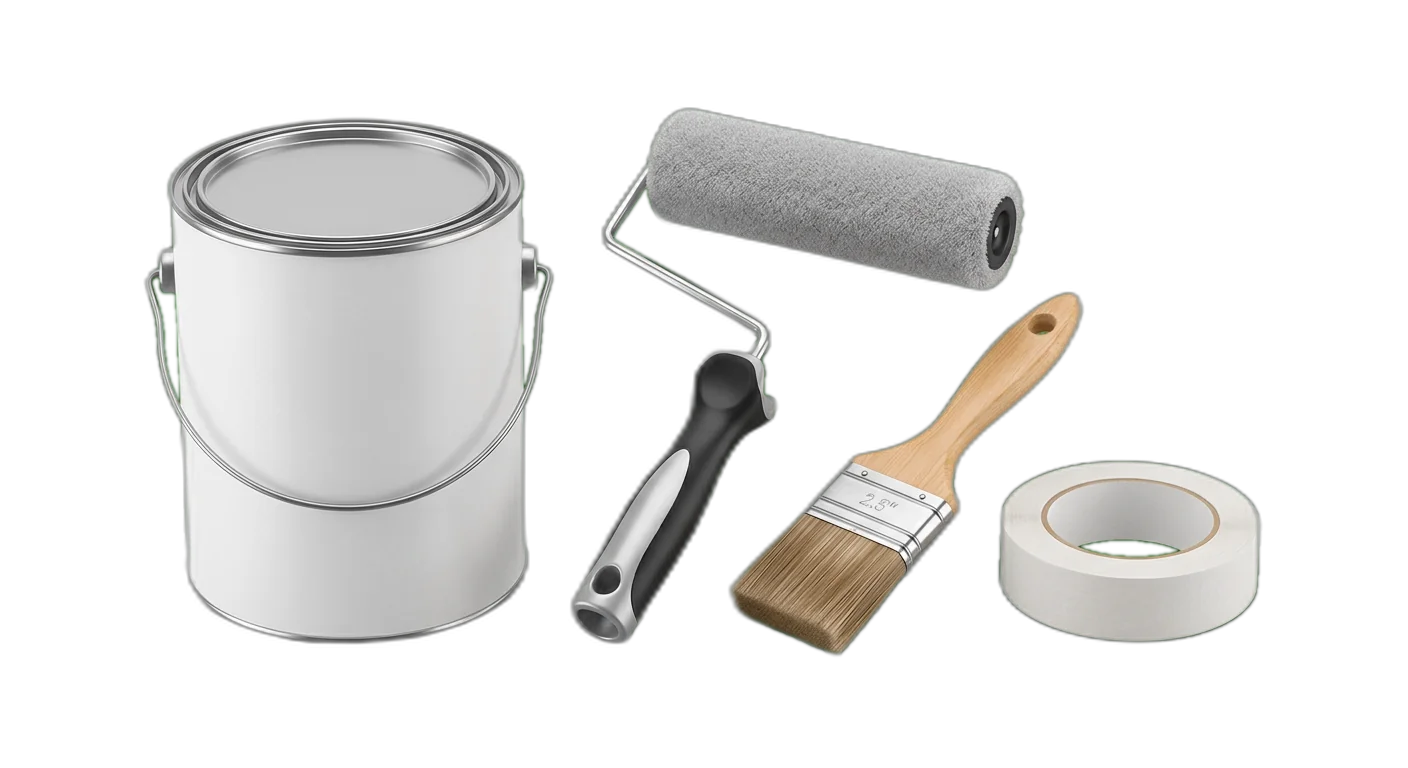
Verf & wandbekleding
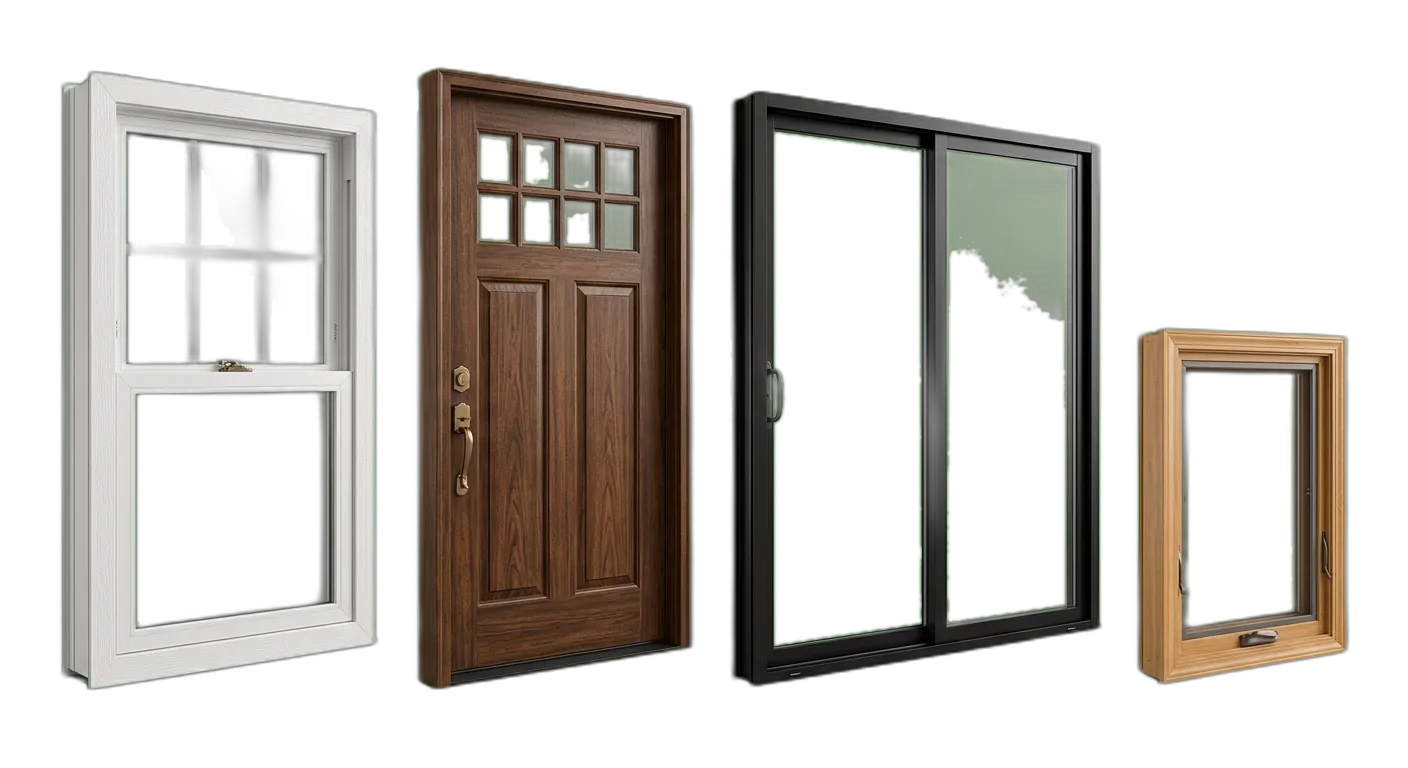
Deuren & ramen
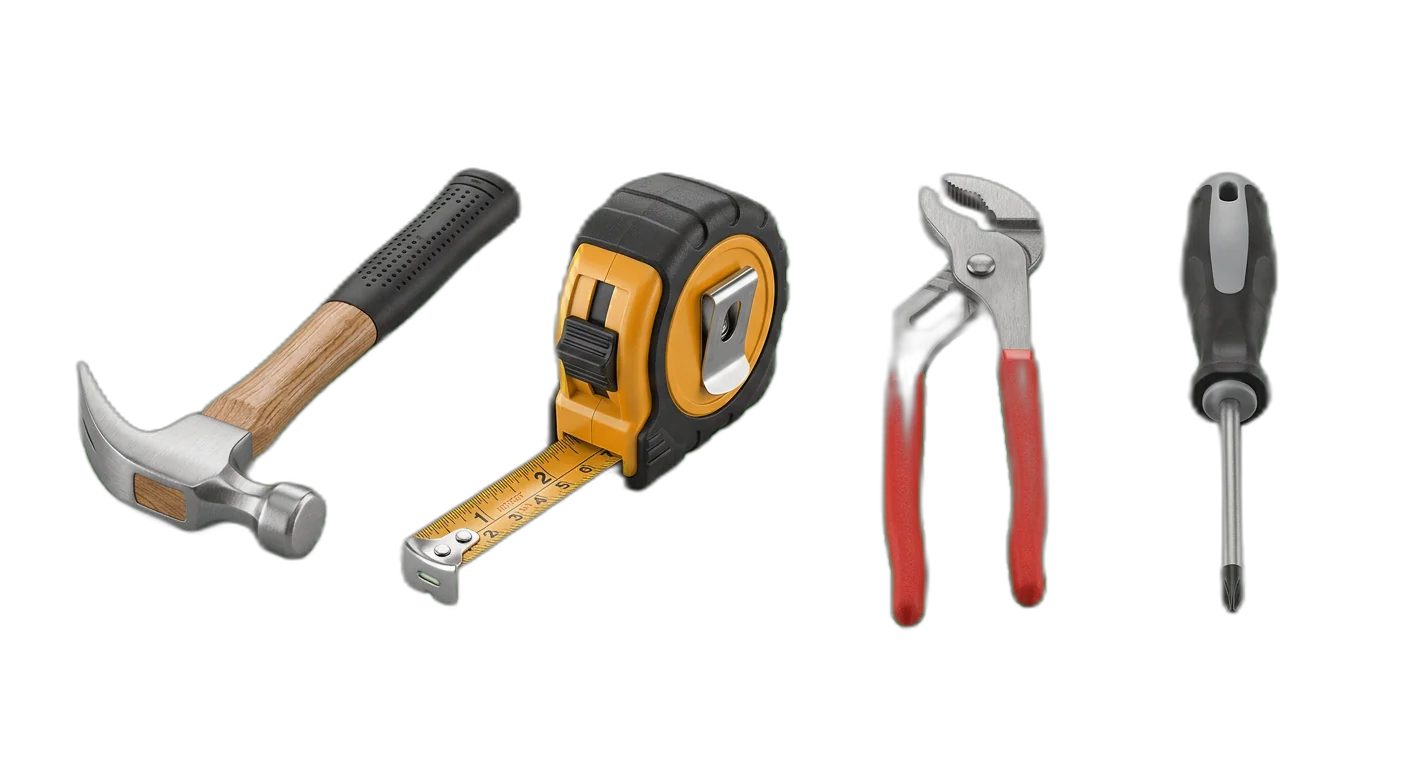
IJzerwaren
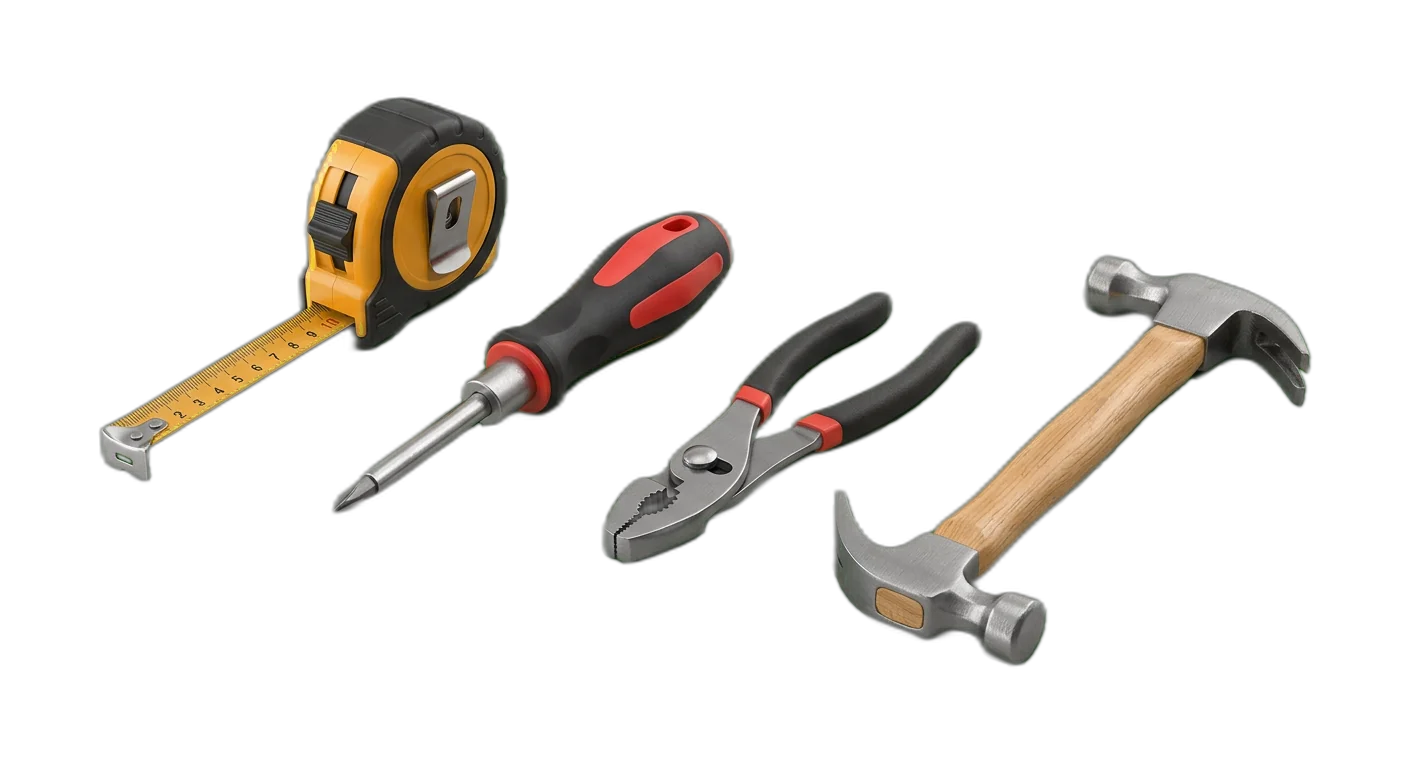
Gereedschap
Met welke categorieën begin je het best?
Kies je startcategorieën op basis van je catalogusgrootte en groeifase
Richt je op een decoratieve of verbruikscategorie. Verf, kastbeslag of verlichting zijn ideale starters vanwege hoge marges en beheersbare logistiek.
Breid uit naar aanvullende categorieën die renovatieprojecten ondersteunen. Voeg gereedschap en armaturen toe om de gemiddelde bestelwaarde te verhogen en zowel doe-het-zelf- als professionele klanten te bedienen.
Dek het volledige aanbod voor de bouwmarkt. Investeer in categorieën per vakgebied, bouwvoorschrift-nalevingsdata en besteltools gericht op aannemers.
Hoe orden je categorieën in je webshop menu?
Praktische tips om je navigatie zo in te richten dat je meer clicks en conversies haalt
Begin met de populairste renovatiecategorieën
"Verf," "Vloeren" en "Verlichting" moeten als eerste in de navigatie staan. Ze trekken het meeste verkeer en spreken zowel doe-het-zelvers als professionele klanten aan.
Voeg een projectgebaseerde browse-optie toe naast categorieën
Laat klanten winkelen op project (Badkamerrenovatie, Vlonder bouwen) dat producten uit meerdere vakgebieden combineert. Zo vul je je taxonomie aan zonder die te hoeven dupliceren.
Bied compatibiliteitsfilters aan voor systeemafhankelijke producten
PEX-fittingen moeten passen bij PEX-buizen, en accugereedschap moet bij het juiste platform horen. Duidelijke compatibiliteitsfilters voorkomen dure retouren en omruilingen.
Toon installatiemoeilijkheid op productkaarten
Gebruik badges zoals Doe-het-zelf, Professioneel en Aannemer vereist op je productoverzicht. Doe-het-zelvers willen voor de aankoop weten wat ze zelf kunnen installeren.
Toon energie-efficiëntiewaarden voor ramen, deuren en klimaatbeheersing
Laat U-waarden, R-waarden en energielabels duidelijk zien. Energiebesparing is een belangrijke koopoverweging bij vervangingsprojecten.
Wanneer piekt elke categorie?
Stem je voorraad en marketing af op seizoensverschuivingen in de vraag
Lente (mrt-mei)
Piekcategorieën
Lente is het drukste renovatieseizoen. Begin al in februari met het aanvullen van verf, vloeren en buitenverbeteringsbenodigdheden.
Zomer (jun-aug)
Piekcategorieën
In het piekbouwseizoen vliegen bouwmaterialen en gereedschap de deur uit. Buiten- en vlonderprojecten domineren het zoekvolume.
Herfst (sep-nov)
Piekcategorieën
Wintervoorbereiding stimuleert de vraag naar isolatie en tochtafdichting. Black Friday is een belangrijk verkoopmoment voor gereedschap, dus plan voorraad en acties op tijd.
Winter (dec-feb)
Piekcategorieën
Binnenprojecten pieken in de winter. Zet keuken- en badkamerupdates, kastbeslagvernieuwing en binnenschilderwerk in de spotlight.
Categorieën die goed samengaan
Combineer verwante categorieën om je gemiddelde bestelwaarde te verhogen
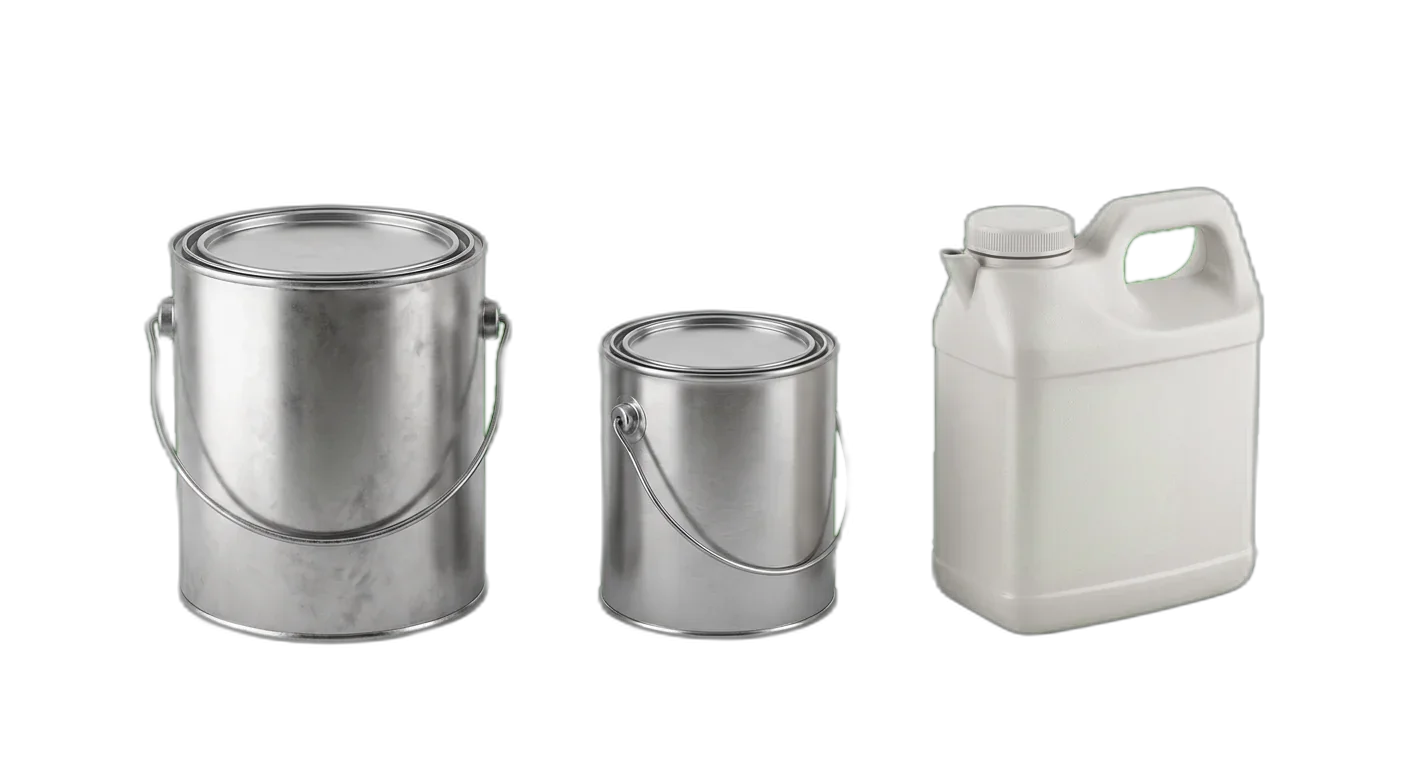
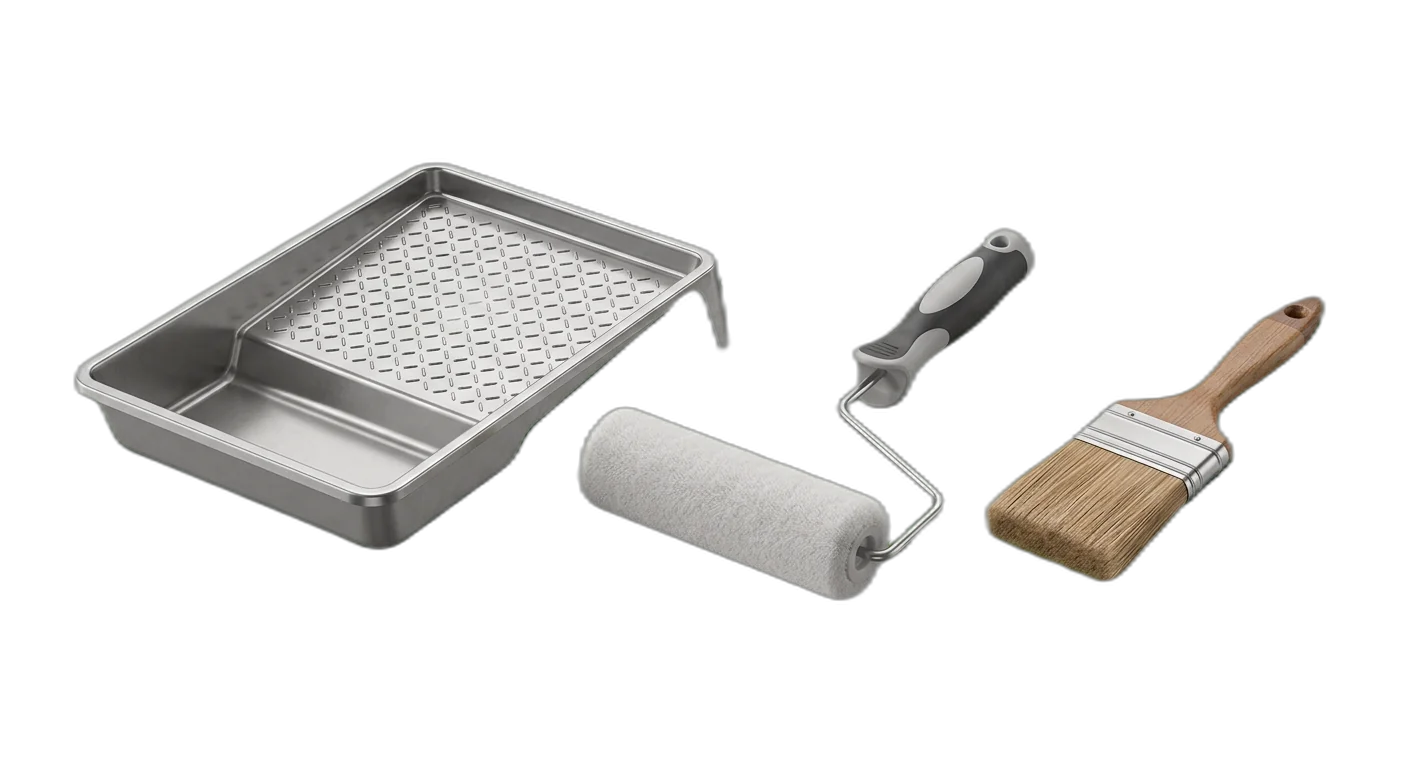
Bij elke verfaankoop horen kwasten, rollers, tape en afdekzeil. Bundel die benodigdheden om de bestelwaarde te verhogen.
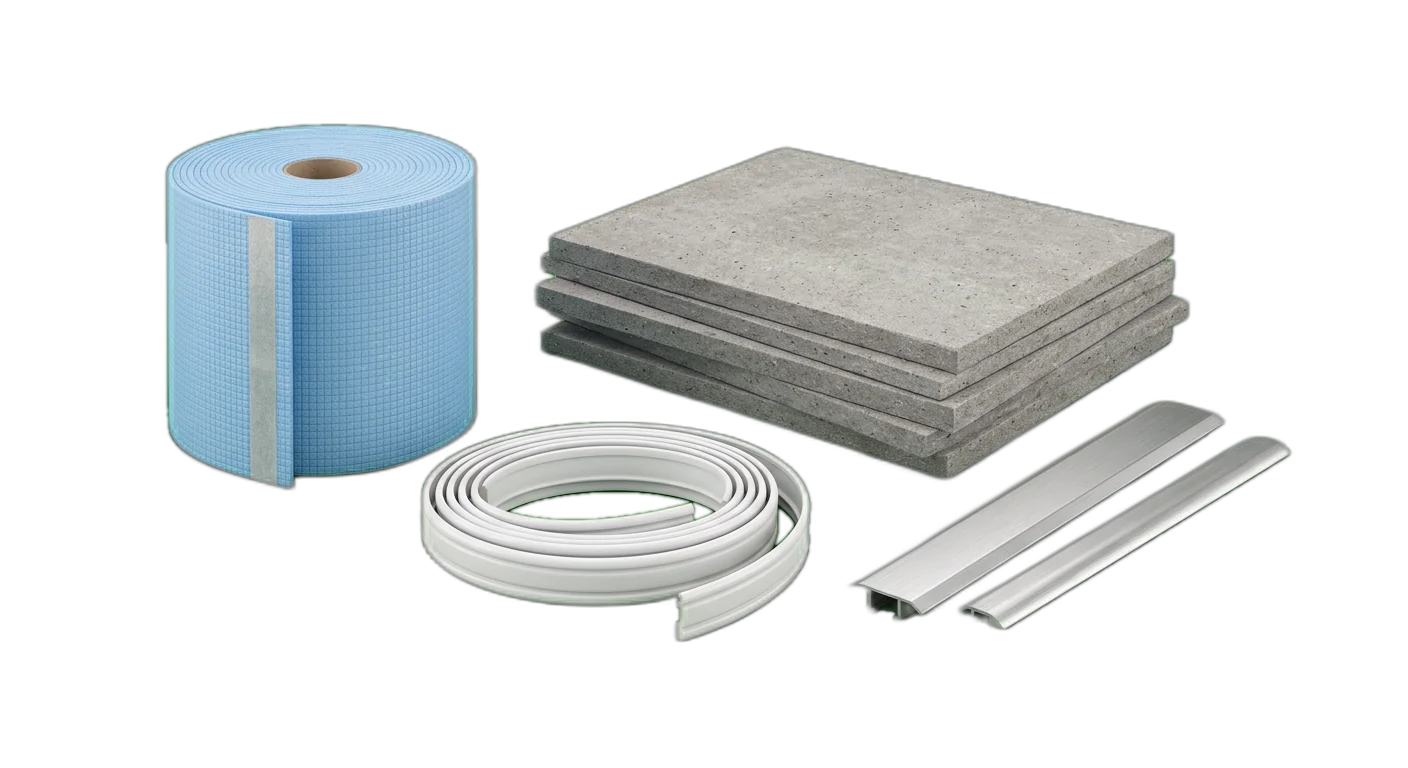
Vloeren leggen zonder ondervloer en overgangsstrips kan niet. Stel automatisch bijpassende producten voor.
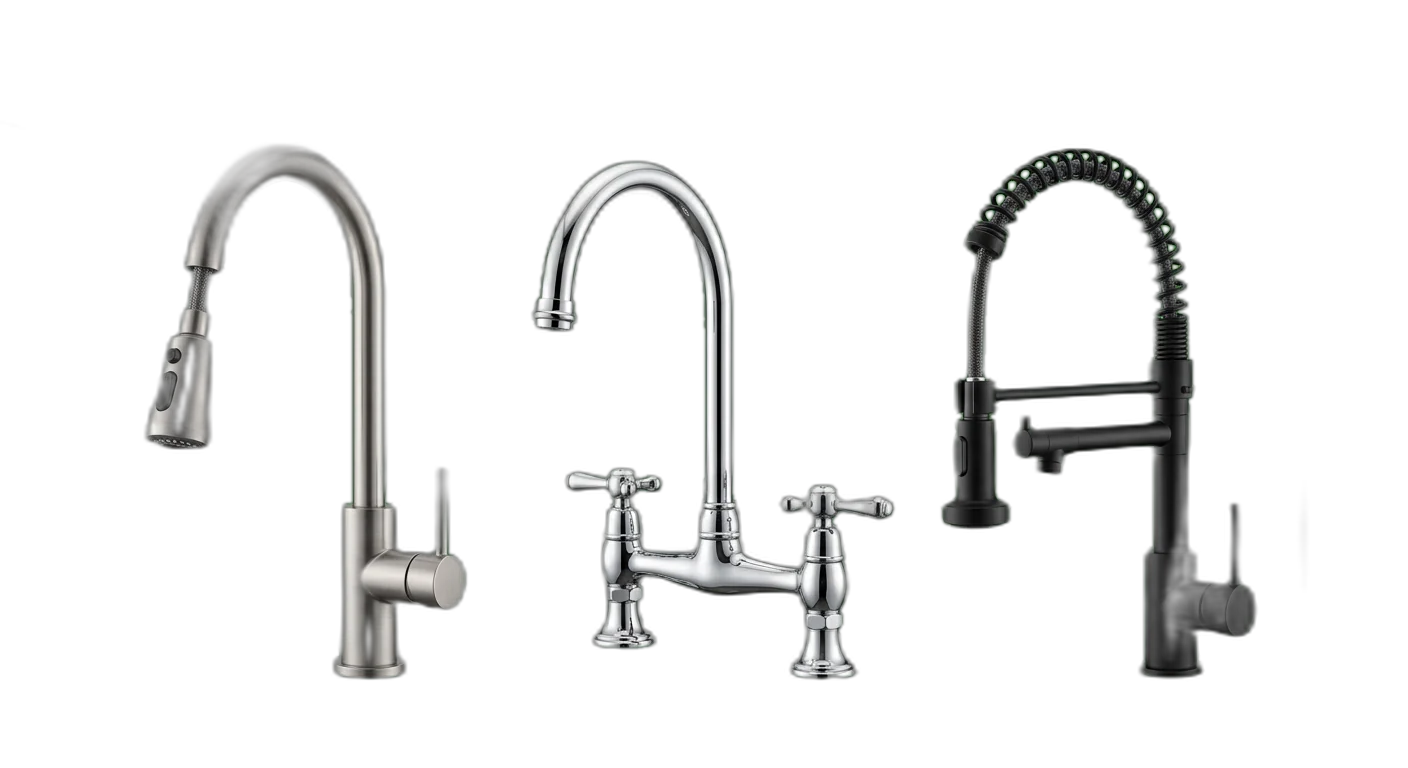

Keukenrenoveerders kopen kranen en beslag in hetzelfde project. Zorg dat afwerkingen over categorieën bij elkaar passen.
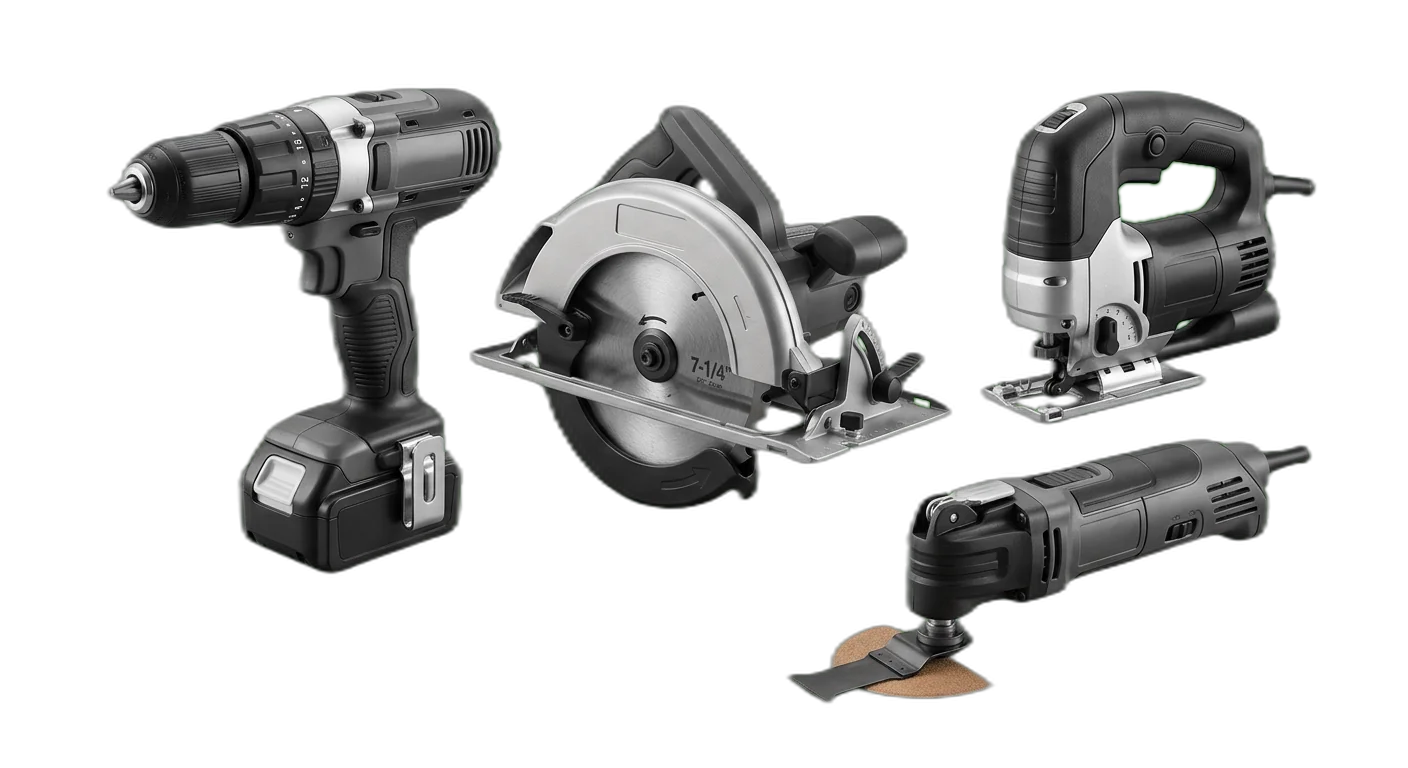

Bij elk elektrisch gereedschap hoort de juiste veiligheidsuitrusting. Beveel veiligheidsbrillen, handschoenen en gehoorbescherming aan bij gereedschapsaankopen.
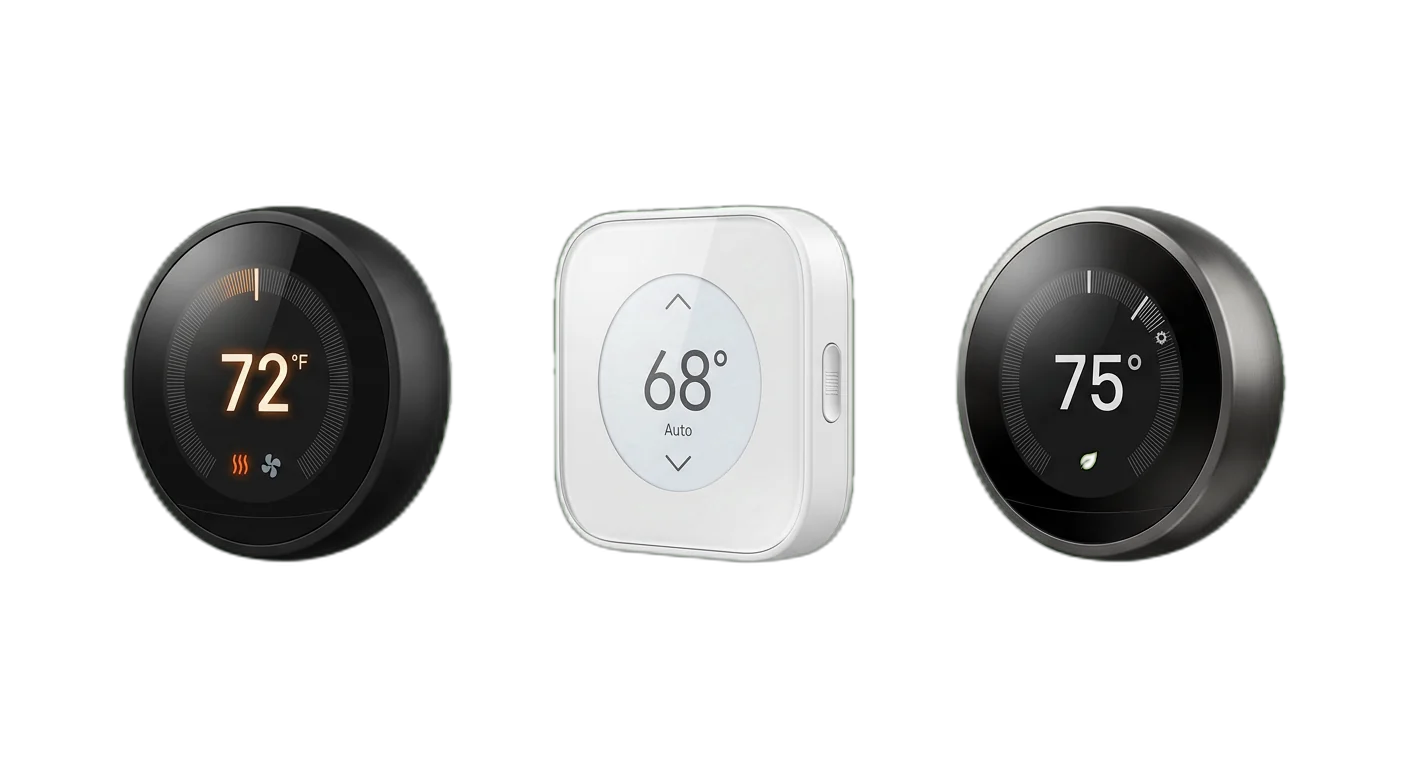
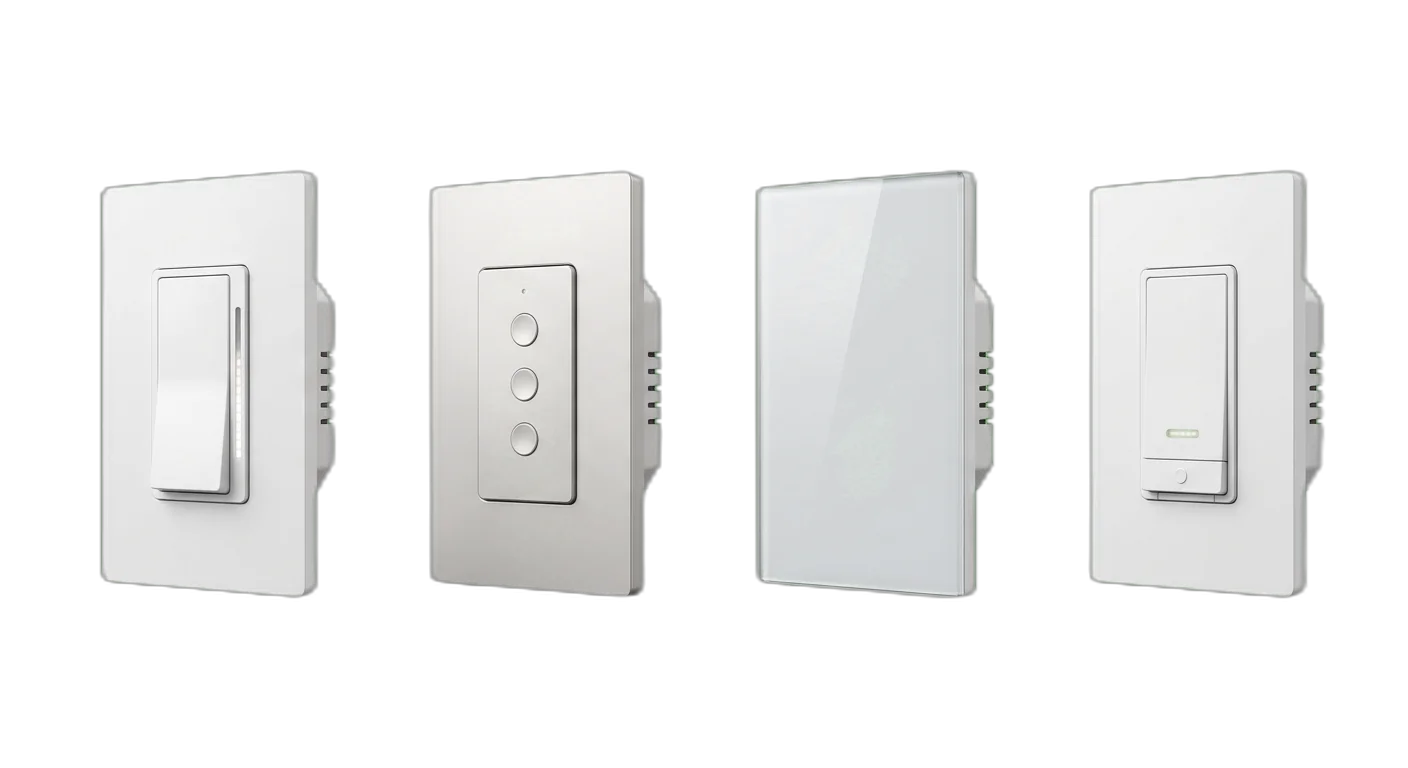
Smart home-kopers breiden hun ecosysteem stap voor stap uit. Stel compatibele apparaten van hetzelfde platform voor.
Veelgemaakte fouten bij Woningverbetering categoriekeuzes
Fouten die je vindbaarheid, SEO en conversieratio schaden
- Fout
Organiseren op kamer (Keuken, Badkamer, Slaapkamer) in plaats van op vakgebied of producttype
Betere aanpakCategoriseer op vakgebied (Sanitair, Elektra, Vloeren) en producttype. Een keukenkraan en badkamerkraan delen dezelfde specificaties en leveranciers. Kamergebaseerd browsen werkt beter als aparte merchandising-laag bovenop je taxonomie.
- Fout
Ontbrekende nalevingskenmerken voor bouwvoorschriften (brandklassen, draaglasten, UL-certificeringen)
Betere aanpakVoeg nalevingskenmerken toe als verplichte attributen voor constructieve, elektrische en sanitaire producten. Professionele kopers kunnen niet bestellen zonder geverifieerde nalevingsdata.
- Fout
Inconsistente afwerkingsnamen over categorieën (Satijn Nikkel voor kranen, Geborsteld Nikkel voor beslag, dezelfde afwerking, andere namen)
Betere aanpakStel een vaste afwerkingsnaamgeving in voor alle categorieën. Koppel de namen van fabrikanten aan jouw standaardnamen zodat klanten afwerkingen kunnen matchen over verschillende producttypen.
- Fout
Geen maatgegevens voor bouwmaterialen in vaste formaten opnemen
Betere aanpakMaak afmetingen verplichte kenmerken. Gebruik nominale maten voor hout, binnendiameter voor buizen en dikte x breedte x lengte voor plaatmateriaal. Vermeld altijd de eenheden.
- Fout
Overlappende gereedschapscategorieën aanmaken (bijv. Elektrische Zagen en Cirkelzagen als zustercategorieën)
Betere aanpakHoud een vaste hiërarchie aan: Elektrisch Gereedschap > Zagen > Cirkelzagen. Het laagste niveau is altijd het specifieke gereedschapstype. Zet een product nooit op meerdere niveaus tegelijk.
Stel Woningverbetering categorieën in met AI
Krijg je Woningverbetering productcategorieën in minuten op orde, niet in dagen
01
Importeer je catalogus
Verbind je ERP, leveranciersfeeds of upload je productdata. WISEPIM leest productnamen, specificaties, SKU-data en afbeeldingen in ter voorbereiding op AI-gestuurde categorisering over alle vakgebieden.
02
AI categoriseert je producten
De AI van WISEPIM analyseert productspecificaties, titels en beschrijvingen om elk artikel in de juiste categorie te plaatsen. Het onderscheidt sanitaire van elektrische fittingen, herkent materiaalklassen en legt compatibiliteitsrelaties vast.
03
Controleer, verfijn en publiceer
Bekijk de door AI voorgestelde categorieën, vul nalevings- en maatgegevens aan en zet je catalogus live op je webshop en marktplaatsen. Categorieën en specificaties blijven automatisch gesynchroniseerd wanneer je nieuwe producten toevoegt.
Veelgestelde vragen
Veelgestelde vragen over het kiezen van Woningverbetering categorieën voor e-commerce
Beste categorieën voor andere branches
Printbare checklist
Begin in 15 minutenBeslis in één week of een nieuwe categorie loont
Begin bij de vraag: 15 minuten in Google Trends. Je krijgt één telling, zoals 2 van 3 termen stijgen. Daarna 5 stappen voor de rest van de week.
Zo werkt het
- Kies de 3 zoektermen die klanten voor de categorie gebruiken.
- Zoek ze alle drie op in Google Trends over 2 jaar.
- Schrijf het aantal op, zoals '2 van 3 termen stijgen'.
Eén mail, één keer, met een link naar de printbare checklist. Verder niets, tenzij je het vakje aanvinkt.
Gratis Excel-template
XLSX · 3 tabbladenZie welke van je 20 bestsellers nog niet compleet zijn
Een Excel-check met de kolommen die je voor wonen en klussen nodig hebt. In ongeveer 15 minuten weet je hoeveel van je 20 producten compleet zijn, en welke verbetering de meeste rijen helpt.
Zo werkt het
- Plak 20 bestsellers uit je webshopexport in Producten.
- Vul in wat je weet. De laatste kolom zegt per rij wat er ontbreekt.
- Lees je resultaat op Begin hier: hoeveel er compleet zijn en welke verbetering de meeste rijen helpt.
Eén mail, één keer, met de XLSX als bijlage en als downloadlink. Verder niets, tenzij je het vakje aanvinkt.
Verder ontdekken
Zorgvuldig gekozen vervolgstappen om dieper te gaan.
Klaar om je Woningverbetering catalogus te organiseren?
WISEPIM gebruikt AI om je producten automatisch te categoriseren, attributes in te stellen en te synchroniseren met al je verkoopkanalen.