Tuinartikelen categoriseren
Echte categoriebomen, classificatieregels en attribuutvereisten voor Tuin & buiten catalogi. Kopieer ze, map je producten en bespaar maanden taxonomiewerk.
Tuin & buiten categoriehiërarchie
Standaard categoriestructuur die op grote e-commerce platforms en marktplaatsen wordt gebruikt
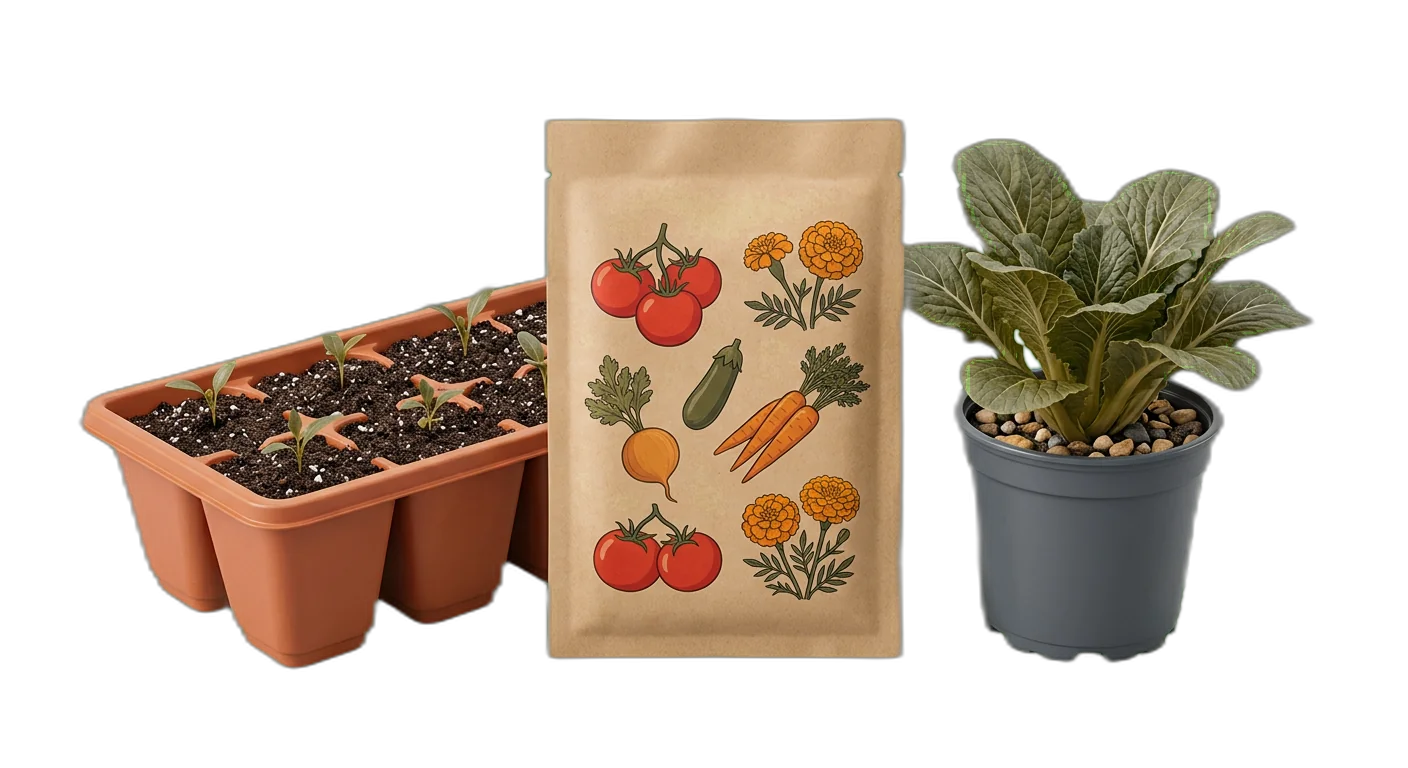
Planten & zaden
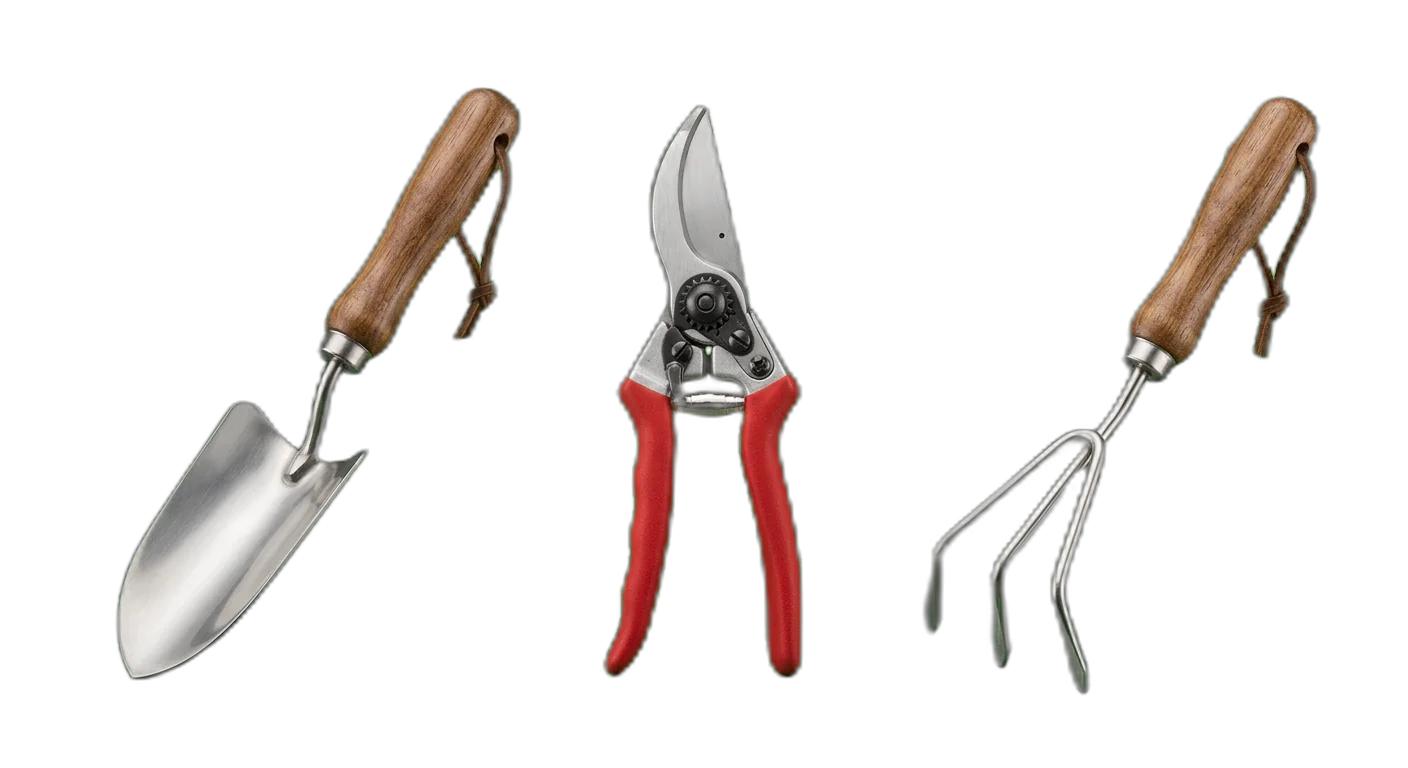
Tuingereedschap
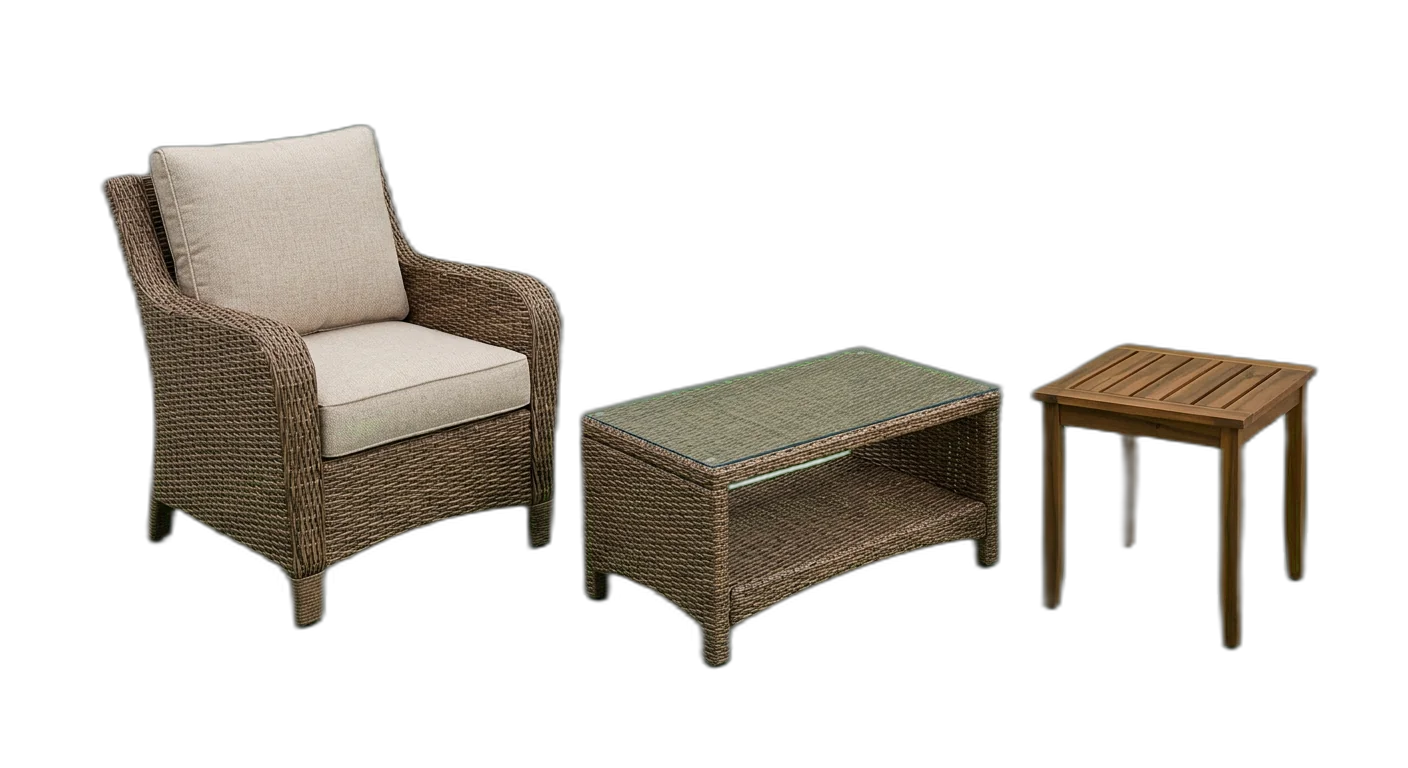
Tuinmeubelen
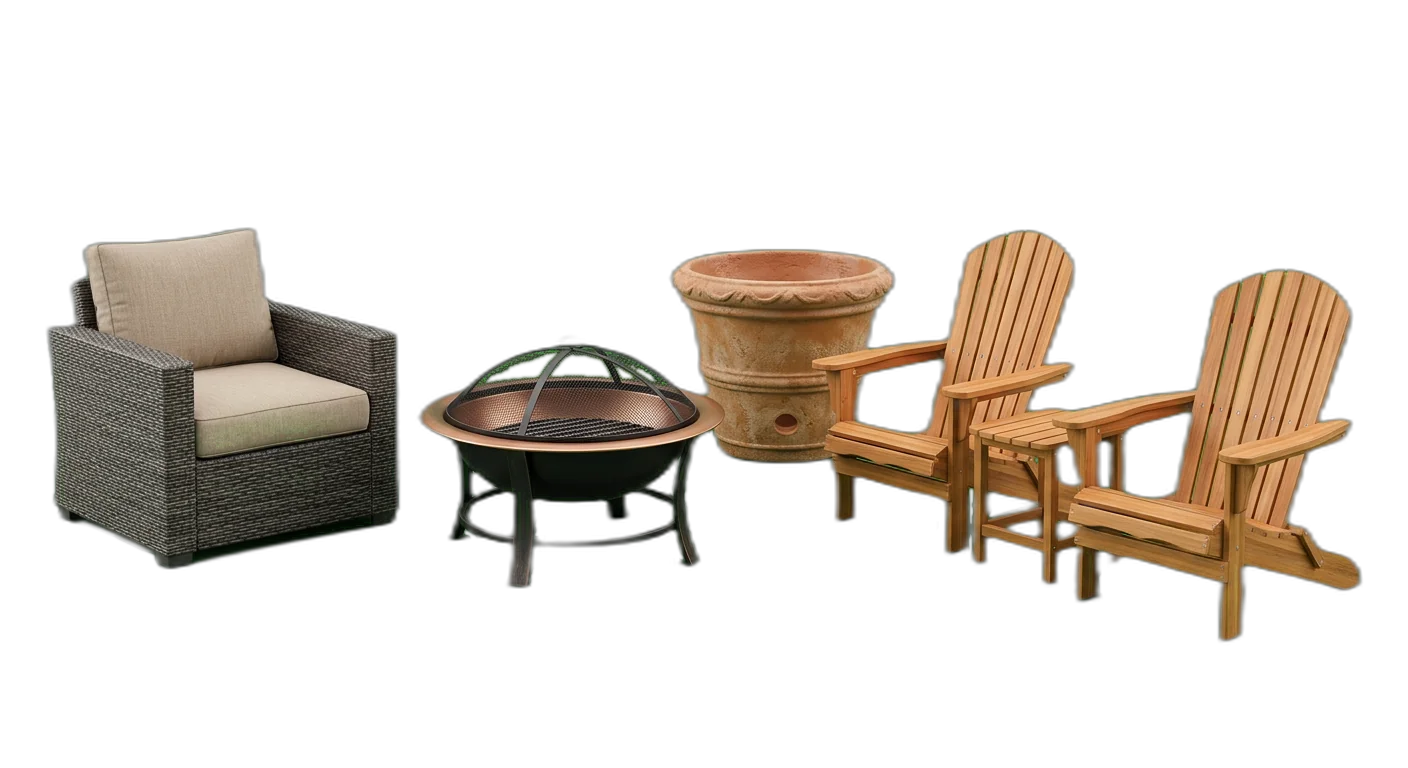
Buitenleven
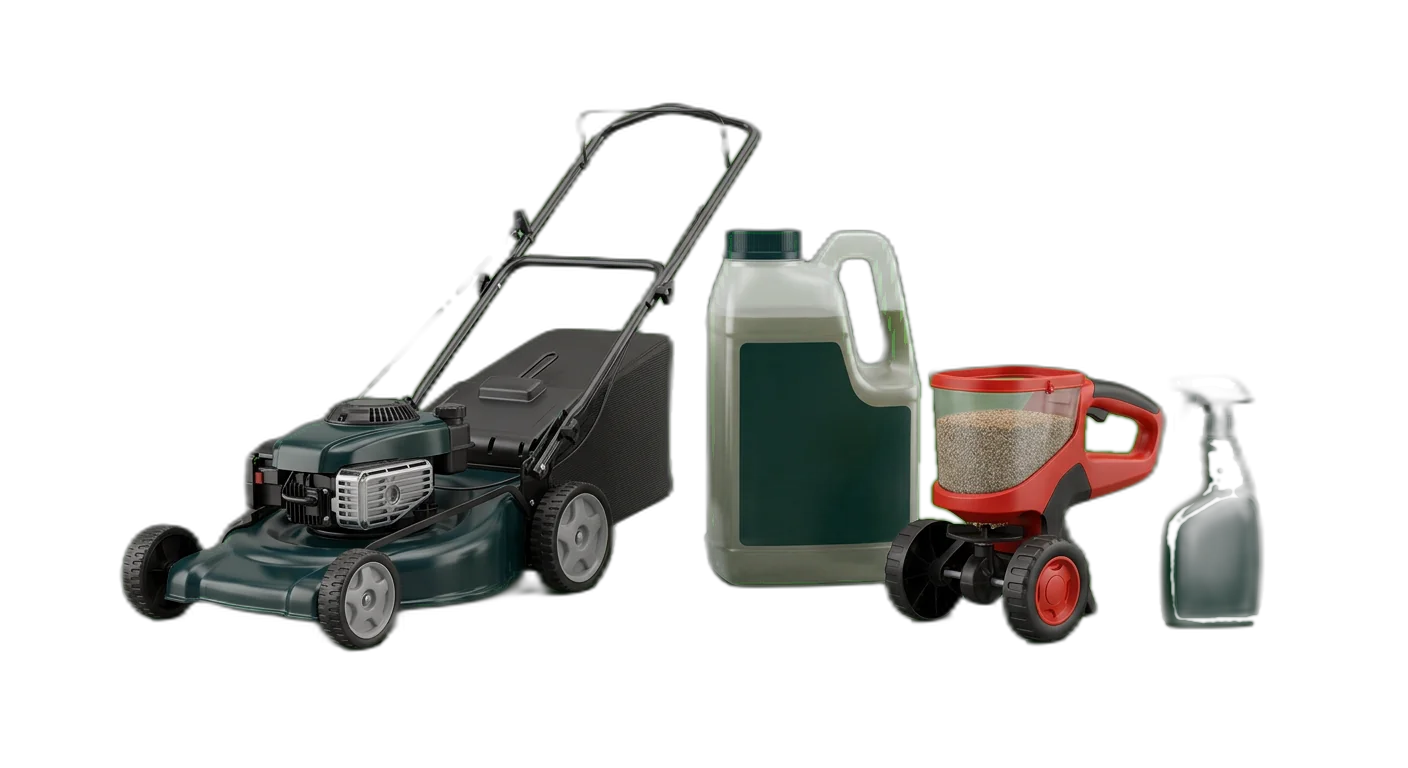
Gazononderhoud
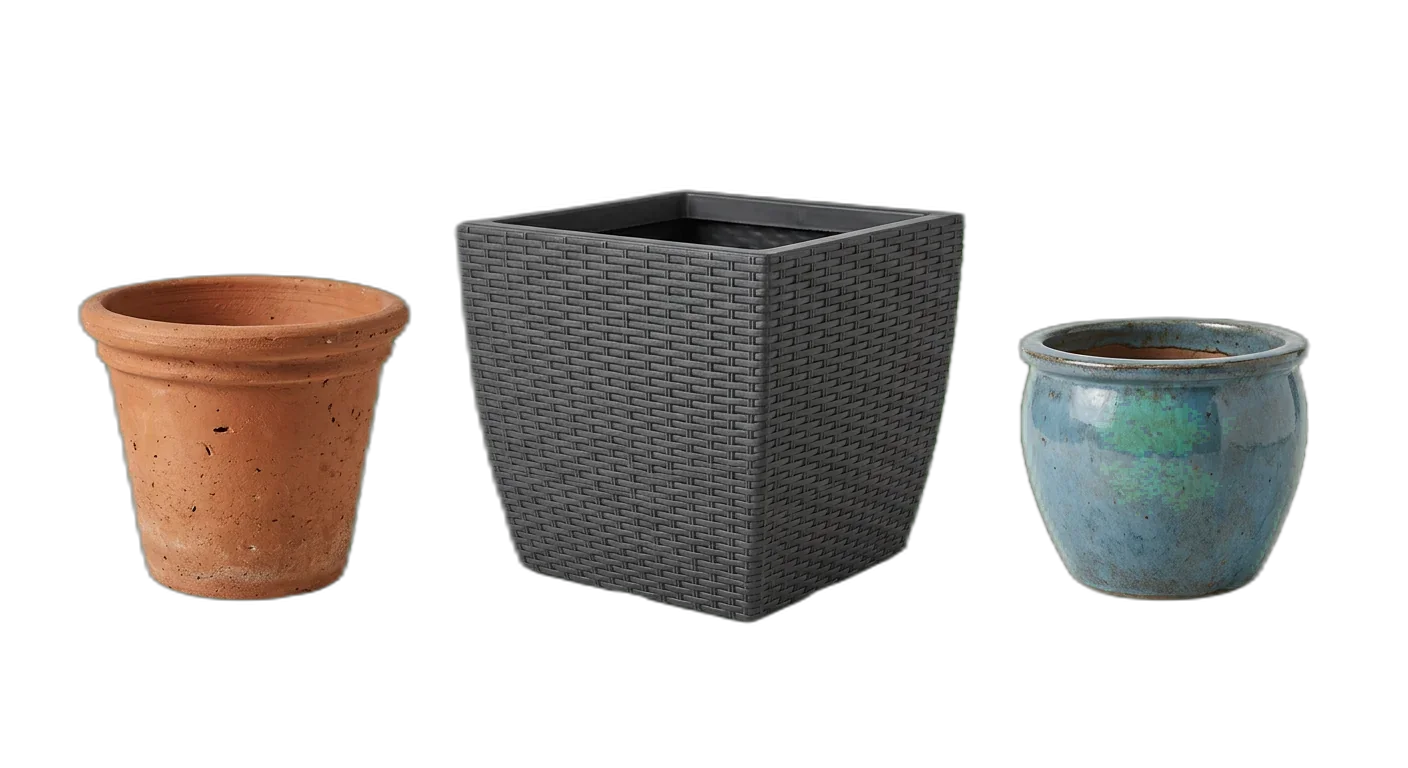
Plantenbakken & potten
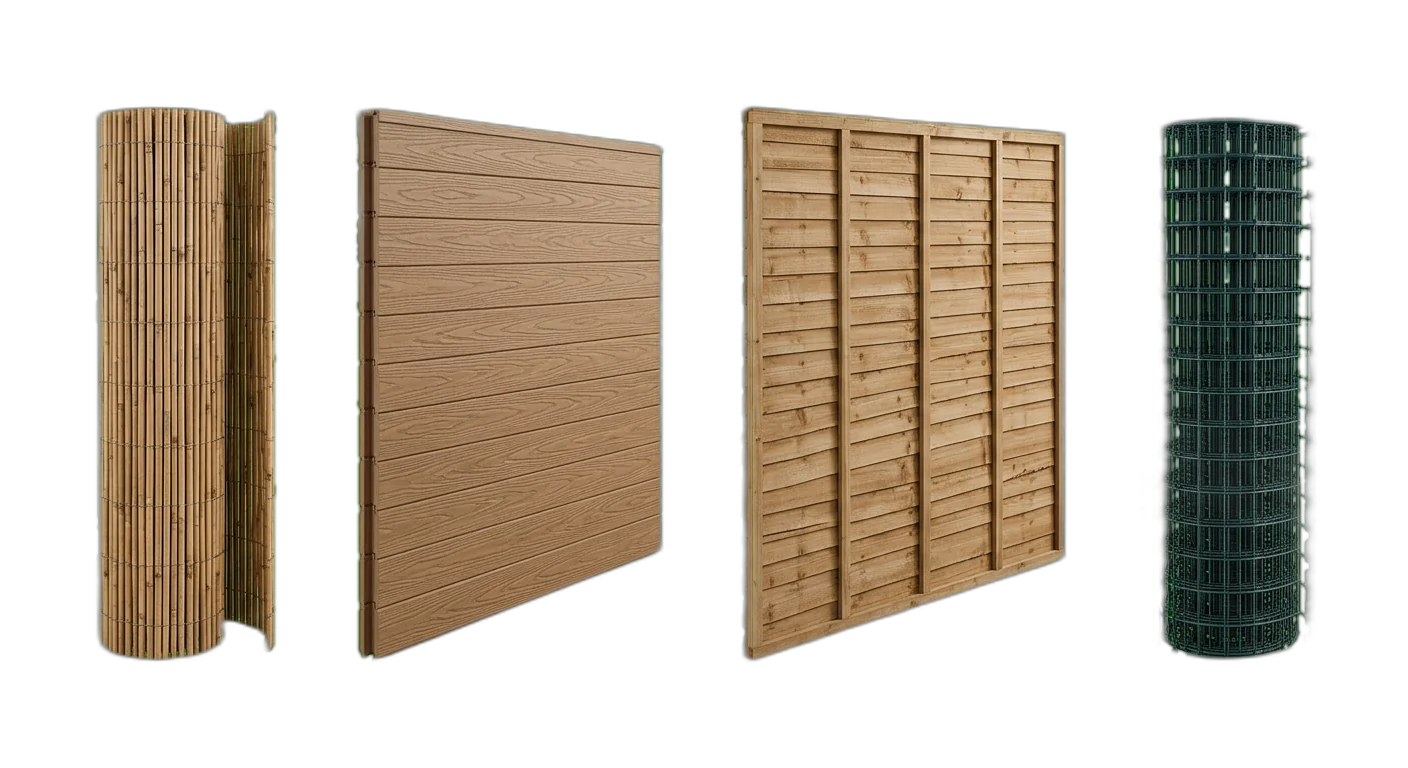
Schuttingen & afscheidingen
Hoe classificeer je Tuin & buiten producten
Volg deze regels om producten elke keer in de juiste categorie te plaatsen
- 1
Onderscheid kamerplanten en tuinplanten op categorieniveau
Kamerplanten en tuinplanten hebben fundamenteel andere verzorgingseisen, lichtbehoeften en klantverwachtingen. Scheid ze altijd als aparte subcategorieën onder Planten & zaden, ook bij soorten die zowel binnen als buiten kunnen groeien.
Een varen die als kamerplant wordt verkocht hoort bij Kamerplanten, niet bij TuinplantenEen potkruid voor op de vensterbank hoort bij Kamerplanten > Kruiden, niet bij Eetbare tuin - 2
Gebruik klimaatzone en winterhardheid als attribuut, niet als categorie
Maak geen aparte categorieën per winterhardheidszone of klimaat. Gebruik in plaats daarvan Winterhardheidszone (bijvoorbeeld USDA 5-9) en Vorstbestendigheid als filterbare attributen op al je planten. Zo blijft je taxonomie beheersbaar terwijl klanten toch precies kunnen filteren.
- 3
Vang seizoensgebondenheid op met attributen, niet met je categoriestructuur
Voorjaarsbollen, zomerbloeiers en najaarsbenodigdheden horen thuis in hun vaste productcategorieën. Gebruik een attribuut Plantseizoen (Voorjaar, Zomer, Najaar, Hele jaar) en een bereik Beste plantmaand, zodat klanten op timing kunnen shoppen zonder dat je taxonomie versplintert.
Tulpenbollen: Zaden & bollen > Bloembollen met Plantseizoen: NajaarVoorgekweekte tomatenplanten: Eetbare tuin > Groenteplanten met Plantseizoen: Voorjaar - 4
Scheid levende producten van niet-levende producten
Levende producten (planten, zaden, bollen) hebben unieke attributen zoals groeisnelheid, lichtbehoefte en gietfrequentie. Niet-levende producten (meubelen, gereedschap, plantenbakken) hebben die niet. Houd ze uit elkaar als aparte hoofdtakken, zodat je per tak het juiste attribuutschema kunt toepassen.
- 5
Deel machines in op energiebron via een attribuut
Een grasmaaier kan op benzine, op netstroom of op een accu werken. Gebruik Energiebron als filterbaar attribuut in plaats van aparte categorieën voor benzinemaaiers, elektrische maaiers en accumaaiers.
Grasmaaiers met Energiebron: Accu (40V)Bladblazers met Energiebron: Benzine (tweetakt) - 6
Eis weerbestendigheidsgegevens voor alle buitenproducten
Elk niet-levend buitenproduct heeft weerbestendigheidsdata nodig. Neem UV-bestendigheid, waterdichtheidsklasse, roestbestendigheid en temperatuurbereik op als verplicht of aanbevolen attribuut. Klanten hebben die gegevens nodig om een onderbouwde keuze te maken voor gebruik buiten.
- 7
Deel barbecues op subcategorieniveau in op brandstoftype
Gas-, houtskool-, elektrische en pelletbarbecues hebben andere accessoires, prestaties en doelgroepen. Brandstoftype hoort daarom de belangrijkste indelingsas binnen BBQ & grillen te zijn, met accessoires gegroepeerd op compatibiliteit.
- 8
Zet zwembadchemie in een aparte subcategorie met veiligheidsmarkering
Zwembadchemie vraagt om bijzondere behandeling, opslag en veiligheidsdocumentatie (veiligheidsinformatiebladen). Plaats deze producten onder Zwembaden & spa's > Zwembadaccessoires met een attribuut Veiligheid: gevaarlijke stof, en meng ze niet met gewone zwembadapparatuur.
- 9
Neem verzorgingsniveau op als standaardattribuut bij planten
Geef al je plantproducten een attribuut Verzorgingsniveau (Makkelijk, Gemiddeld, Expert). Voor zowel beginners als ervaren tuiniers is dit een van de belangrijkste factoren in de koopbeslissing, en het scheelt aanzienlijk in retouren.
- 10
Voeg data over combinatieteelt toe bij eetbare planten
Neem bij zaden, groenteplanten en kruidenplanten Goede buurplanten en Slechte buurplanten op als aanbevolen attributen. Daarmee help je tuiniers hun perceel plannen en geef je je productdata een meerwaarde die je echt onderscheidt.
Tomaat: Goede buurplanten: basilicum, wortel, goudsbloemTomaat: Slechte buurplanten: venkel, kool
Vereiste attributen per categorie
Zorg voor volledige productdata met de verplichte en aanbevolen attributen voor elk categorieniveau
Tuin & buiten classificatievalkuilen om te vermijden
Vermijd deze veelgemaakte categorisatiefouten die de vindbaarheid van producten schaden
- Fout
Aparte seizoenscategorieën maken (Voorjaarsplanten, Zomerplanten) in plaats van vaste categorieën met seizoensattributen
Betere aanpakGebruik vaste categorieën zoals Tuinplanten > Vaste planten en voeg Plantseizoen, Bloeiperiode en Oogstseizoen toe als filterbare attributen. Seizoensgebonden merchandising hoort thuis op landingspagina's en in collecties, niet in je taxonomie.
- Fout
Kamerplanten en tuinplanten in dezelfde categorie mengen omdat ze dezelfde soortnaam delen
Betere aanpakScheid kamerplanten en tuinplanten altijd als aparte subcategorieën. Een varen die als kamerplant wordt verkocht en een varen voor in de border hebben andere verzorgingsattributen, prijzen en verzendeisen. Gebruik de bedoelde groeiomgeving als eerste indelingscriterium.
- Fout
Klimaat- en winterhardheidsdata weglaten bij plantproducten
Betere aanpakVoeg Winterhardheidszone (of het regionale equivalent), Standplaats en Waterbehoefte toe als verplichte attributen voor al je plantproducten. Zonder die data kan een klant niet bepalen of een plant geschikt is voor de eigen tuin.
- Fout
Overlappende categorieën maken, zoals Buitenleven en Tuinmeubelen die allebei zitmeubelen voor buiten bevatten
Betere aanpakLeg duidelijke grenzen vast: Tuinmeubelen bevat zitmeubelen, eethoeken en schaduwconstructies. Buitenleven bevat BBQ, vuurkorven, verlichting en zwembaden. Elk product hoort precies één plek in de taxonomie te hebben.
- Fout
Geen weerbestendigheidsgegevens opnemen bij niet-levende buitenproducten (meubelen, verlichting, opslag)
Betere aanpakVoeg UV-bestendigheid, waterdichtheidsklasse (IP-klasse), roestbestendigheid en temperatuurbereik toe als verplicht of aanbevolen attribuut voor al je buitenproducten. Dit zijn doorslaggevende factoren bij aankopen voor buiten.
- Fout
Energiebronnen door je tuingereedschapscategorieën heen mengen (benzinemaaiers, elektrische maaiers en accumaaiers als losse categorieën)
Betere aanpakHoud Grasmaaiers één categorie en gebruik Energiebron (Benzine, Elektrisch, Accu, Handmatig) als filterbaar attribuut. Dat vereenvoudigt de navigatie en laat klanten over energiebronnen heen vergelijken.
- Fout
Geen verzorgingsinstructies en onderhoudseisen opnemen bij plantproducten
Betere aanpakVoeg Gietfrequentie, Bemestingsschema, Snoeibehoefte en Verzorgingsniveau toe als attributen bij elk plantproduct. Die data verlaagt het aantal retouren en verhoogt de klanttevredenheid.
- Fout
Afmetingen en draagvermogen van tuinmeubelen weglaten, waardoor vergelijken onmogelijk wordt
Betere aanpakNeem volledige afmetingen (LxBxH), gewicht, draagvermogen per zitplaats en zowel gemonteerde als verpakte afmetingen op als verplichte attributen voor al je tuinmeubelen. Klanten hebben die nodig om hun buitenruimte in te delen.
- Fout
Zwembadchemie tussen zwembadspeelgoed en luchtbedden plaatsen zonder onderscheid in veiligheid
Betere aanpakZet zwembadchemie in een eigen subcategorie met veiligheidsmarkeringen. Neem links naar veiligheidsinformatiebladen, opslagvoorschriften en gevarenclassificaties op. Zwembadspeelgoed en onderhoudsmateriaal horen in duidelijk gescheiden subcategorieën.
- Fout
Biologische en reguliere meststoffen of gewasbescherming door elkaar zetten zonder duidelijke aanduiding in de taxonomie
Betere aanpakGebruik een attribuut Biologisch gecertificeerd (Ja/Nee/In omschakeling) op al je producten voor gazononderhoud en ongediertebestrijding, in plaats van aparte biologische categorieën. Voeg certificeringsdetails (OMRI Listed, EU-biologisch) toe als extra attributen.
Hoe categoriseer je Tuin & buiten producten
Volg deze stappen om je Tuin & buiten producten correct te categoriseren voor e-commerce en marktplaatsvereisten
01
Importeer je tuin- en buitencatalogus
Koppel het ERP van je tuincentrum, je leveranciersfeeds of je e-commerceplatform aan WISEPIM. Het systeem verwerkt productnamen, soortgegevens, specificaties en afbeeldingen als voorbereiding op AI-gestuurde categorisatie van zowel levende als niet-levende producten.
02
AI classificeert planten, gereedschap en buitenproducten
WISEPIM analyseert productfoto's, botanische namen en beschrijvingen om artikelen automatisch in de juiste categorie te plaatsen. De AI onderscheidt kamerplanten van tuinplanten, herkent meubelmaterialen en bepaalt met hoge nauwkeurigheid om welk type gereedschap het gaat.
03
Verrijk met teeltgegevens en specificaties
Controleer de door AI toegekende categorieën en verrijk je plantproducten daarna met winterhardheidszones, verzorgingsinstructies en bloeigegevens. Voeg bij tuinmeubelen en gereedschap weerbestendigheidsdata, afmetingen en compatibiliteitsinformatie toe. WISEPIM markeert producten waarbij cruciale attributen ontbreken.
04
Publiceer naar je webshop en marketplaces
Zet je gecategoriseerde en verrijkte catalogus door naar je webshop, Google Shopping, Amazon en tuinbrancheplatforms. WISEPIM mapt je categorieën naar de taxonomie van elke marketplace en houdt al je kanalen automatisch synchroon.
Tuin & buiten: categoriseer je eigen catalogus in WISEPIM
Meld je aan voor het gratis plan en pas deze gids toe op je eigen producten: bouw je categorieboom, laat AI per product een categorie voorstellen en koppel je categorieën aan de producttaxonomie van Google.
- 100 producten en 50 AI-credits per maand met het gratis plan
- Importeer producten uit een CSV-bestand of een gekoppelde winkel
- AI-categorisatie wijst categorieën toe, of stelt ze voor zodat jij eerst checkt
- De categoriekaart koppelt je categorieën aan Google-productcategorieën
Veelgestelde vragen
Veelgestelde vragen over Tuin & buiten productcategorisatie
Beste Tuin & buiten categorieën voor e-commerce
Ontdek de best presterende Tuin & buiten productcategorieën gerangschikt op vraag, marges en groeipotentieel.
Map Tuin & buiten producten naar een globale taxonomie
Heb je je eigen categorieboom? Map ze naar de standaarden die marketplaces, advertentieplatforms en dataleveranciers vereisen.
Bekijk meer branchegidsen
Printbare checklist
Begin in 15 minutenZet elk live product in de juiste categorie
Begin met een telling van 15 minuten: producten zonder categorie, of met alleen een hoofdcategorie. Je krijgt twee getallen, zoals 140 producten, 12 in je top 100. Daarna 5 stappen voor de rest van de week.
Zo werkt het
- Filter op producten zonder categorie of met alleen een hoofdcategorie.
- Kijk hoeveel daarvan in je top 100 bestsellers staan.
- Schrijf beide getallen op, zoals '140 producten, 12 in de top 100'.
Eén mail, één keer, met een link naar de printbare checklist. Verder niets, tenzij je het vakje aanvinkt.
Gratis Excel-template
XLSX · 3 tabbladenZie welke van je 20 bestsellers nog niet compleet zijn
Een Excel-check met de kolommen die je voor tuin en buiten nodig hebt. In ongeveer 15 minuten weet je hoeveel van je 20 producten compleet zijn, en welke verbetering de meeste rijen helpt.
Zo werkt het
- Plak 20 bestsellers uit je webshopexport in Producten.
- Vul in wat je weet. De laatste kolom zegt per rij wat er ontbreekt.
- Lees je resultaat op Begin hier: hoeveel er compleet zijn en welke verbetering de meeste rijen helpt.
Eén mail, één keer, met de XLSX als bijlage en als downloadlink. Verder niets, tenzij je het vakje aanvinkt.
Verder ontdekken
Zorgvuldig gekozen vervolgstappen om dieper te gaan.
Klaar om je Tuin & buiten categorisatie te automatiseren?
WISEPIM gebruikt AI om producten automatisch te classificeren. Bespaar uren handmatig werk en maak een einde aan categorisatiefouten.