Bouwmarktartikelen categoriseren met een taxonomie
Echte categoriebomen, classificatieregels en attribuutvereisten voor Doe-het-zelf & bouw catalogi. Kopieer ze, map je producten en bespaar maanden taxonomiewerk.
Doe-het-zelf & bouw categoriehiërarchie
Standaard categoriestructuur die op grote e-commerce platforms en marktplaatsen wordt gebruikt
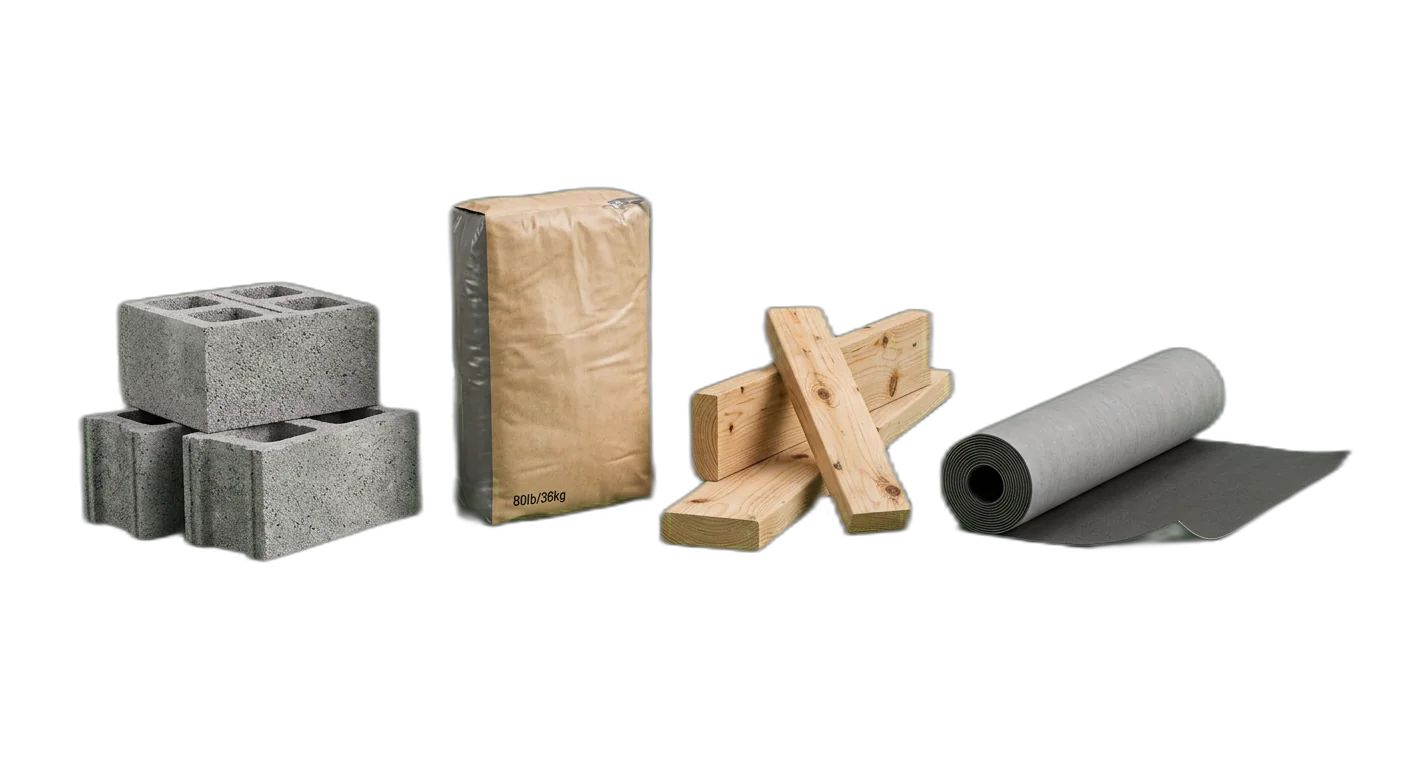
Bouwmaterialen
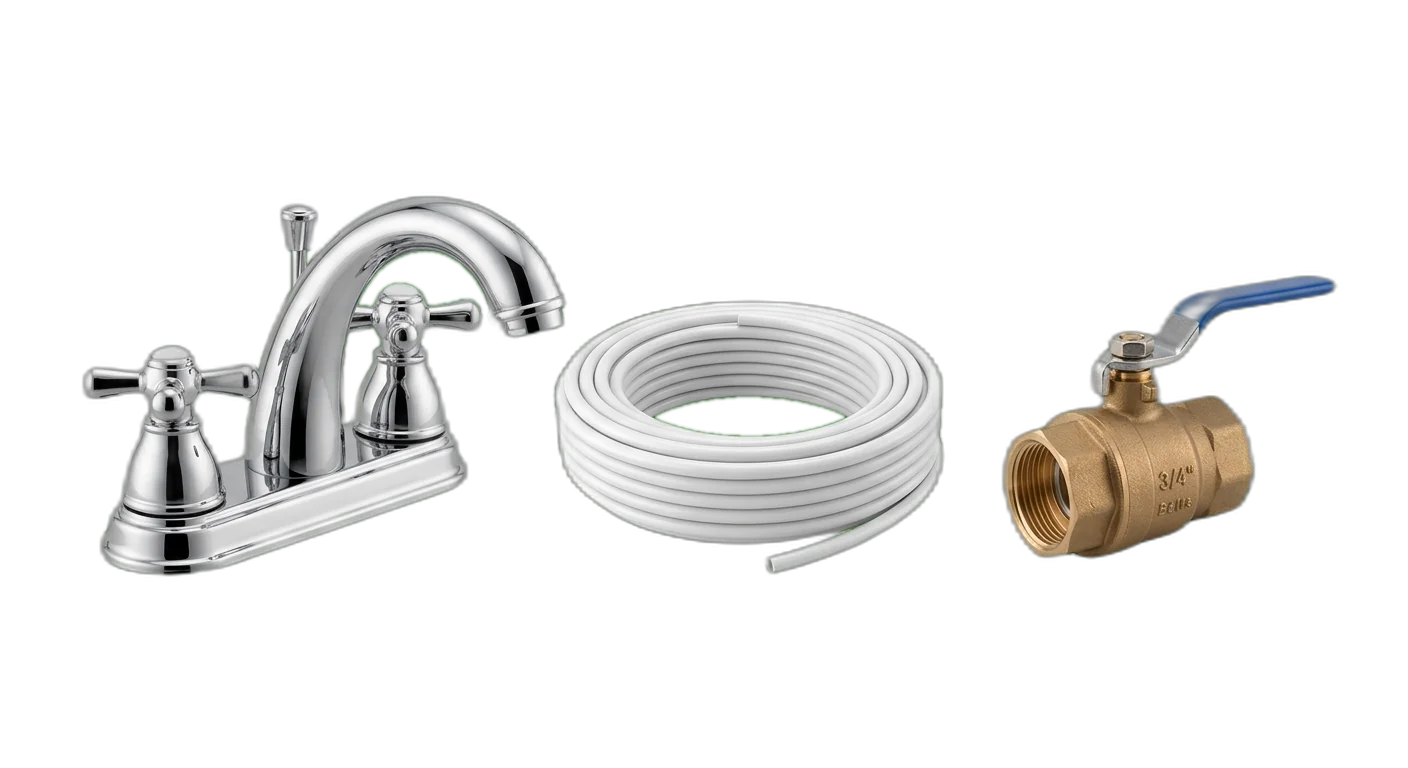
Loodgieterswerk
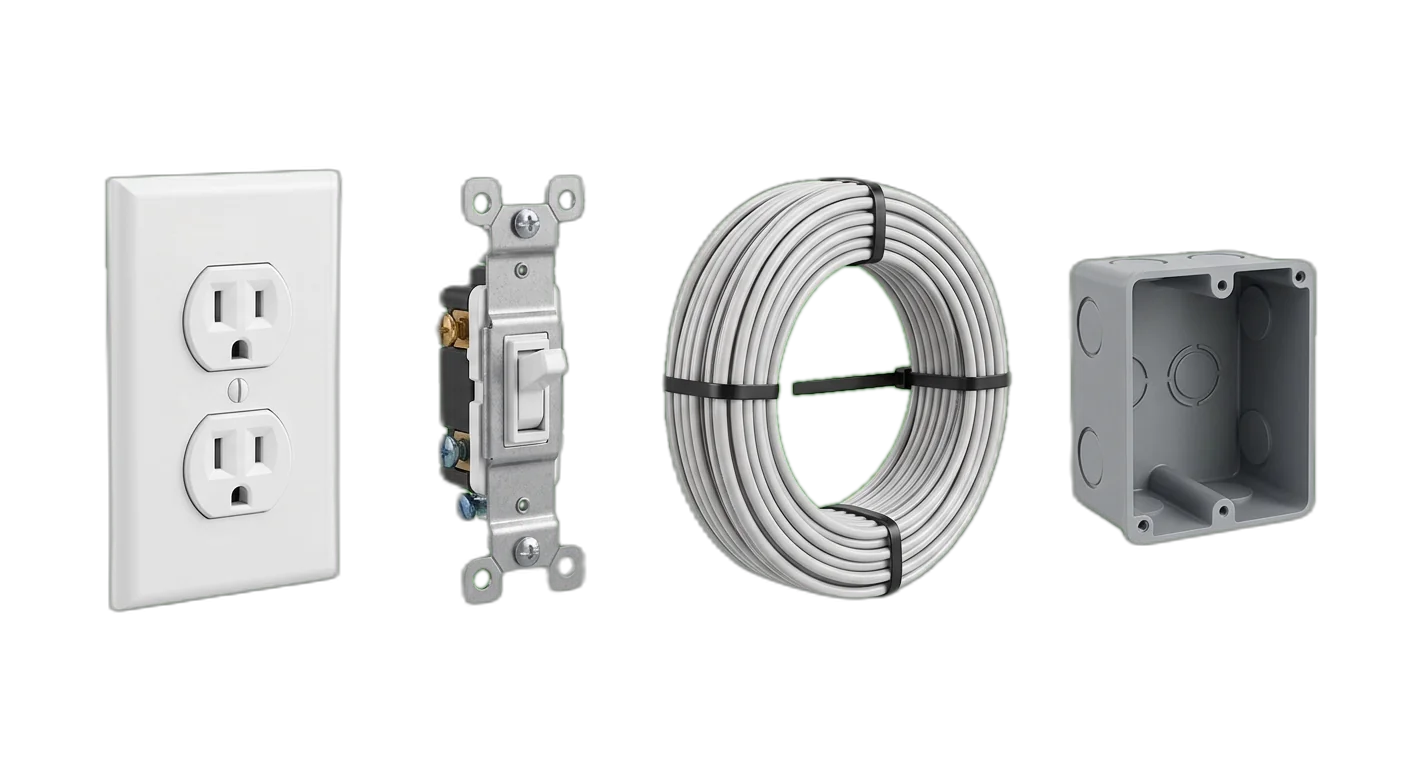
Elektra
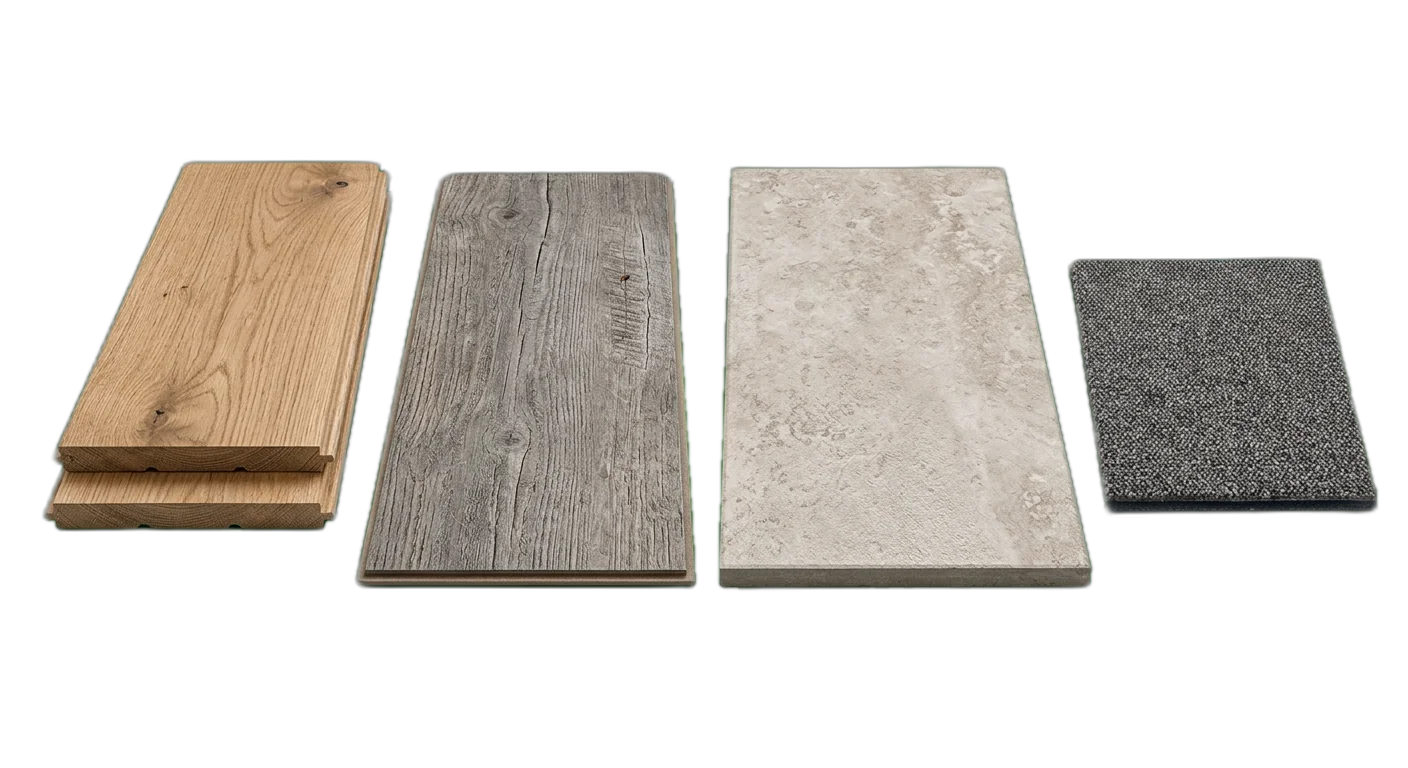
Vloeren
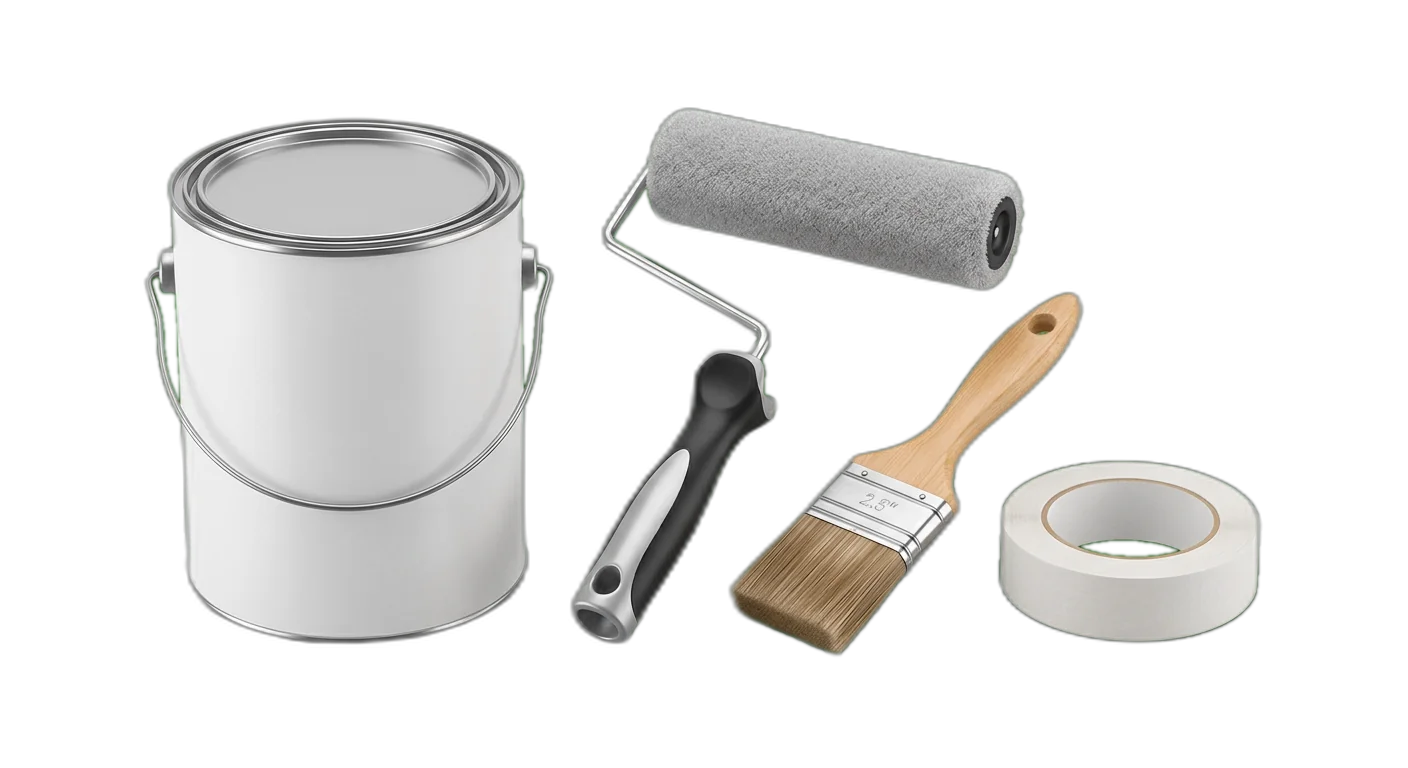
Verf & wandbekleding
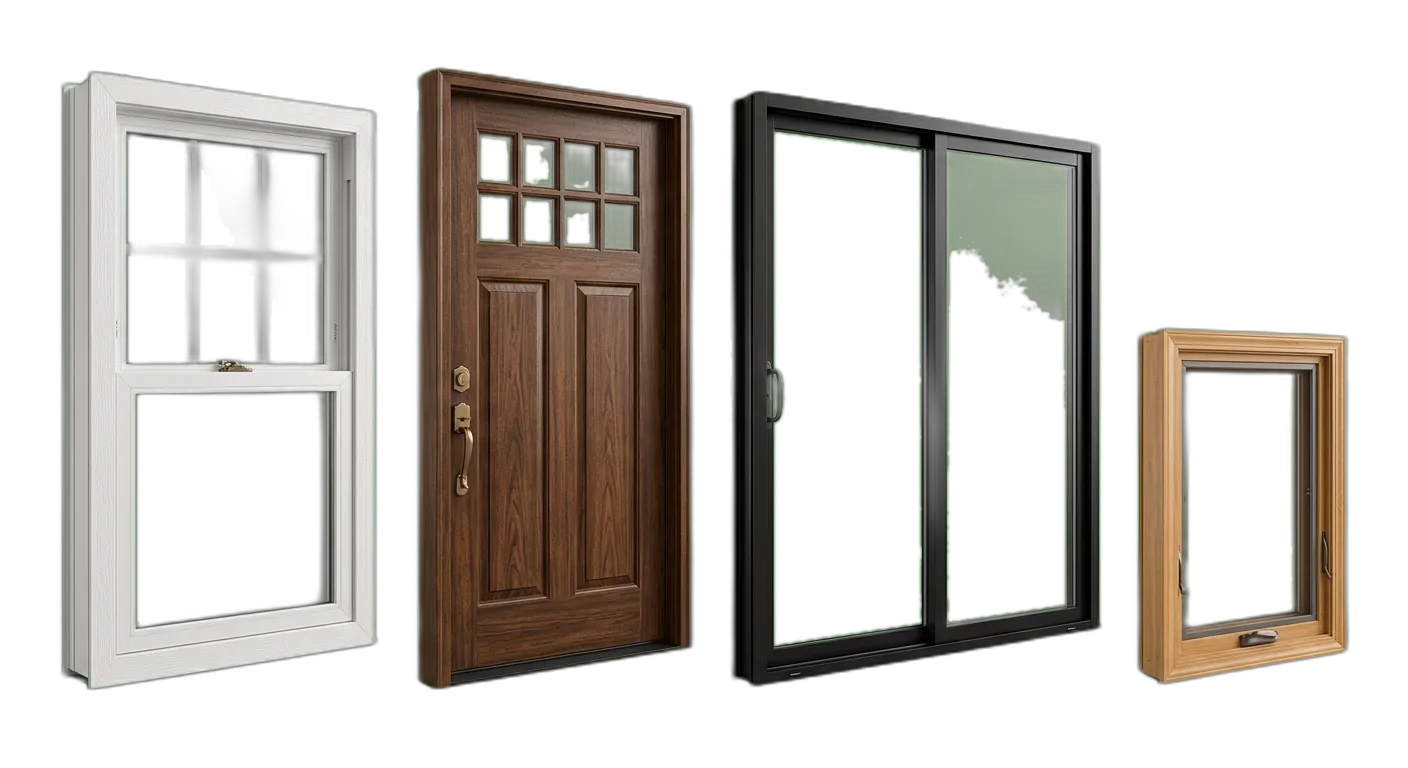
Deuren & ramen
IJzerwaren
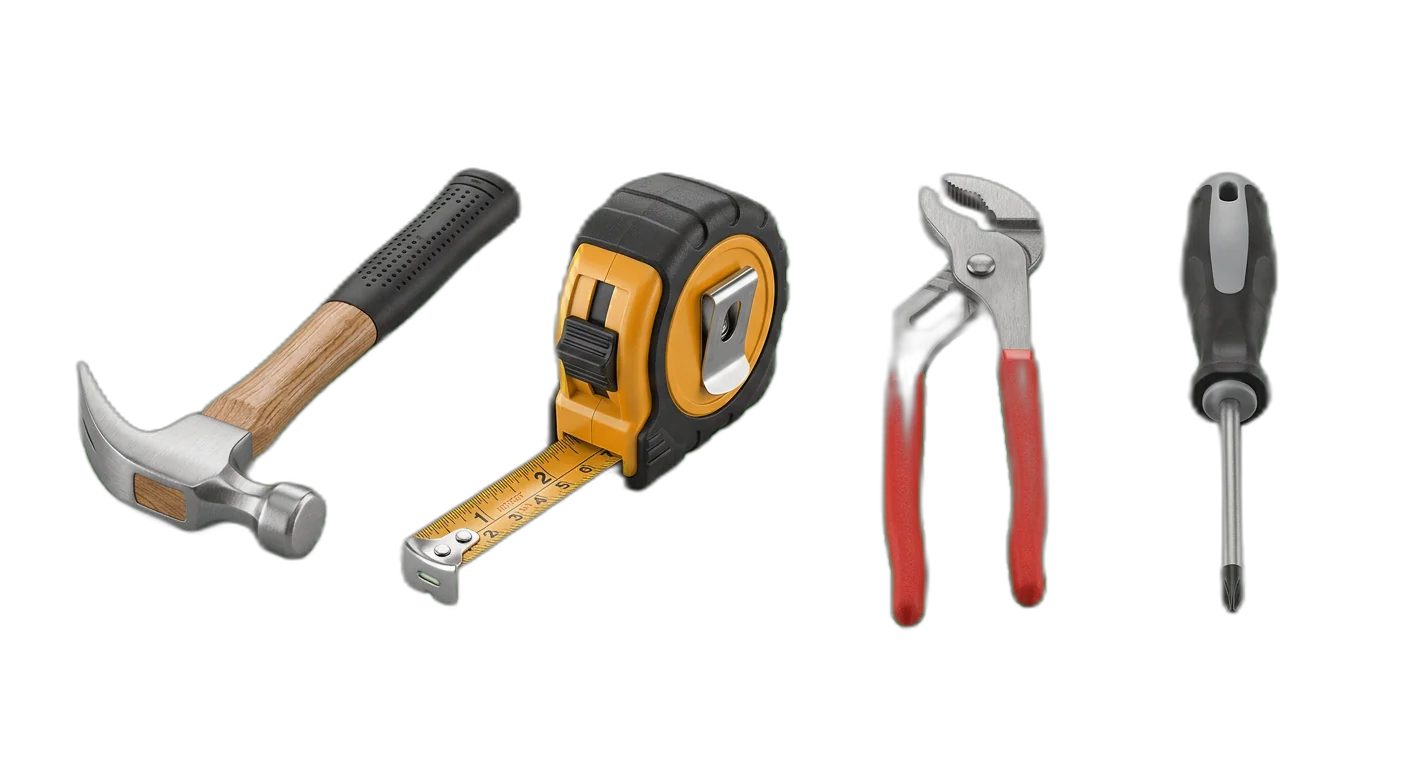
Gereedschap
Hoe classificeer je Doe-het-zelf & bouw producten
Volg deze regels om producten elke keer in de juiste categorie te plaatsen
- 1
Classificeer eerst op vakgebied of bouwsysteem
Orden producten naar het vakgebied of bouwsysteem waar ze bij horen (loodgieterswerk, elektra, klimaattechniek) en niet alleen naar producttype. Een koperen buis hoort thuis in Loodgieterswerk > Buizen & fittingen, niet in Metalen > Koperproducten.
Een PEX-krimpring hoort bij Loodgieterswerk > Buizen & fittingen, niet bij IJzerwaren > BevestigingsmaterialenEen lasdop hoort bij Elektra > Bedrading & kabel, niet bij IJzerwaren > Bevestigingsmaterialen - 2
Maak van professioneel versus doe-het-zelf een attribuut, geen categorie
Bouw geen aparte categorieboom voor professionele en consumentenproducten. Een groepenkast blijft Elektra > Installatieautomaten, ongeacht wie hem koopt. Onderscheid ze met een attribuut als Niveau of Doelgroep (doe-het-zelf, professioneel, beide).
- 3
Neem naleving van bouwnormen op als verplicht attribuut
Bouwmaterialen moeten verwijzen naar de geldende normen en certificeringen (UL-certificering, brandklasse, R-waarde, draagvermogen). Dit zijn doorslaggevende factoren bij de aankoop en voor professionele inkopers gewoon verplicht.
Isolatie: R-waarde R-13, R-19, R-30Hout: kwaliteitsstempel, geïmpregneerd of onbehandeld - 4
Scheid materialen voor binnen en buiten expliciet
Materialen voor binnen- en buitengebruik hebben fundamenteel andere specificaties: weerbestendigheid, uv-stabiliteit en vochtwering. Onderscheid varianten voor binnen en buiten daarom altijd, ook als het om hetzelfde materiaaltype gaat.
Binnenverf en buitenverf zijn aparte subcategorieënBinnendeuren en buitendeuren zijn aparte subcategorieën - 5
Standaardiseer afmetingen over je hele assortiment
Gebruik consistente eenheden en notaties voor alle maatvoering. Hout krijgt nominale maten (2x4, 2x6), buizen de binnendiameter en plaatmateriaal de dikte plus het plaatformaat. Vermeld altijd welk maatsysteem je gebruikt.
- 6
Leg vast welke systemen en koppelingen op elkaar passen
Klusproducten moeten vaak samenwerken. PEX-fittingen moeten passen bij de maat van de PEX-buis, inbouwdozen moeten geschikt zijn voor specifieke schakelaars en vloerovergangen moeten aansluiten op de vloerdikte. Leg die relaties vast met compatibiliteitsattributen.
- 7
Orden op product, niet op project
Maak geen categorieën rond projecten als Badkamer verbouwen of Keukenrenovatie. Categoriseer op producttype en gebruik projecttags of samengestelde collecties voor een projectgerichte winkelervaring.
- 8
Vang seizoensproducten op met attributen
Producten als sneeuwruimers of buitenimpregneermiddelen zijn seizoensgebonden, maar horen thuis in vaste categorieën. Gebruik een attribuut als Seizoen of Seizoensvraag in plaats van tijdelijke seizoenstakken in je categorieboom.
- 9
Zet smart home-producten in hun eigen vakgebied
Slimme thermostaten horen onder Elektra > Smart home en niet in een losse Smart home-hoofdcategorie. Zo blijft je taxonomie opgebouwd rond vakgebieden, terwijl je de smart home-laag wel zichtbaar maakt.
Slimme sloten horen onder Deuren & ramen > Deur- & raambeslag > SlotenSlimme schakelaars horen onder Elektra > Stopcontacten & schakelaars - 10
Behandel afwerking en kleur consequent als attribuut
Geborsteld nikkel, geolied brons en chroom zijn afwerkingsattributen van kranen en beslag, geen aparte categorieën. Standaardiseer je afwerkingsnamen over alle producttypen heen, zodat filteren over categorieën heen werkt.
Vereiste attributen per categorie
Zorg voor volledige productdata met de verplichte en aanbevolen attributen voor elk categorieniveau
Doe-het-zelf & bouw classificatievalkuilen om te vermijden
Vermijd deze veelgemaakte categorisatiefouten die de vindbaarheid van producten schaden
- Fout
Vakgebieden door elkaar husselen (bijvoorbeeld een gasslang onder Loodgieterswerk zetten in plaats van onder Klimaat & gas, of elektrabuis onder Bouwmaterialen plaatsen)
Betere aanpakClassificeer altijd naar het vakgebied dat het product installeert en gebruikt. Elektrabuis hoort bij Elektra > Bedrading & kabel en niet bij Bouwmaterialen > Buizen, ook al ziet het eruit als een buis.
- Fout
Attributen voor normen en voorschriften weglaten (brandklasse, draagvermogen, certificeringen)
Betere aanpakMaak normnaleving een verplicht attribuut voor alle constructie-, elektra- en sanitairproducten. Neem UL-certificering, brandklasse, R-waarde en drukklasse op waar die van toepassing zijn.
- Fout
Cruciale maatvoering van bouwmaterialen missen (houtmaten, buisdiameters, plaatafmetingen)
Betere aanpakStandaardiseer afmetingen als verplichte attributen. Gebruik nominale maten voor hout, de binnendiameter voor buizen en dikte x breedte x lengte voor plaatmateriaal. Vermeld altijd de eenheden.
- Fout
Overlappende gereedschapscategorieën maken, zoals Elektrische zagen en Cirkelzagen naast elkaar
Betere aanpakHanteer één consistente hiërarchie: Elektrisch gereedschap > Zagen > Cirkelzagen. Voorkom dat een producttype op meerdere niveaus terugkomt. Het diepste niveau is het specifieke gereedschapstype.
- Fout
Materiaalcompatibiliteit tussen samenhangende producten negeren (verf en grondverf, vloer en ondervloer, buizen en fittingen)
Betere aanpakGebruik compatibiliteitsattributen of gekoppelde productvelden om materialen te verbinden die samen moeten werken. Een laminaatvloer hoort te verwijzen naar de ondervloertypen die erbij passen.
- Fout
Geen attribuut voor montagemoeilijkheid of vaardigheidsniveau opnemen
Betere aanpakVoeg een attribuut Niveau toe (beginner/doe-het-zelf, gevorderd, vakman nodig) zodat klanten producten kiezen die ze realistisch zelf kunnen monteren. Dat scheelt retouren en verhoogt de tevredenheid.
- Fout
Inconsistente afwerkingsnamen tussen categorieën (Satijn nikkel bij kranen, Geborsteld nikkel bij kastbeslag voor exact dezelfde afwerking)
Betere aanpakLeg één gestandaardiseerde afwerkingswoordenlijst vast die voor alle categorieën geldt. Koppel fabrikantspecifieke afwerkingsnamen aan je eigen standaardnamen via een referentietabel.
- Fout
Geen rendement of verbruik vermelden bij verbruiksmaterialen (verf, mortel, voegmiddel, beits)
Betere aanpakMaak Rendement of Verbruik een verplicht attribuut voor alle verbruiksmaterialen. Druk het uit in consistente eenheden (oppervlak per blik verf, oppervlak per zak mortel).
- Fout
Producten voor professionals en consumenten door elkaar zetten zonder onderscheid
Betere aanpakGebruik een attribuut Doelgroep of Kwaliteitsklasse (consument, professioneel, commercieel) in plaats van aparte takken in je categorieboom. Zo blijft de taxonomie schoon en kun je toch gefilterde overzichten tonen.
- Fout
Projectpakketten of sets op het verkeerde niveau plaatsen (bijvoorbeeld een Badkamerrenovatiepakket als hoofdcategorie)
Betere aanpakPlaats sets en pakketten in de hoofdcategorie van hun belangrijkste onderdeel. Een tegelzetset hoort onder Vloeren > Tegels > Accessoires. Gebruik een attribuut Producttype: set om erop te filteren.
Hoe categoriseer je Doe-het-zelf & bouw producten
Volg deze stappen om je Doe-het-zelf & bouw producten correct te categoriseren voor e-commerce en marktplaatsvereisten
01
Importeer je bouwmarktcatalogus
Koppel je ERP, leveranciersfeeds of e-commerceplatform aan WISEPIM. Het systeem verwerkt productnamen, specificaties, SKU-data en afbeeldingen en maakt je catalogus klaar voor AI-categorisatie over alle vakgebieden heen.
02
AI classificeert op vakgebied en producttype
WISEPIM analyseert productspecificaties, titels en omschrijvingen en plaatst elk artikel automatisch in de juiste categorie per vakgebied. De AI onderscheidt sanitair van elektra, herkent houtkwaliteiten en legt verbanden tussen producten die op elkaar passen.
03
Verrijk met normen en specificaties
Controleer de door AI toegewezen categorieën en vul cruciale attributen aan, zoals normnaleving, maatvoering en compatibiliteit. WISEPIM markeert producten waarbij verplichte attributen ontbreken, zodat je weet waar je verrijking moet beginnen.
04
Publiceer naar al je kanalen
Stuur je gecategoriseerde en verrijkte catalogus door naar je webshop, Google Shopping, Amazon en portalen voor vakmensen. WISEPIM koppelt je categorieën aan de taxonomie van elk kanaal en houdt je productdata overal synchroon.
Doe-het-zelf & bouw: categoriseer je eigen catalogus in WISEPIM
Meld je aan voor het gratis plan en pas deze gids toe op je eigen producten: bouw je categorieboom, laat AI per product een categorie voorstellen en koppel je categorieën aan de producttaxonomie van Google.
- 100 producten en 50 AI-credits per maand met het gratis plan
- Importeer producten uit een CSV-bestand of een gekoppelde winkel
- AI-categorisatie wijst categorieën toe, of stelt ze voor zodat jij eerst checkt
- De categoriekaart koppelt je categorieën aan Google-productcategorieën
Veelgestelde vragen
Veelgestelde vragen over Doe-het-zelf & bouw productcategorisatie
Beste Doe-het-zelf & bouw categorieën voor e-commerce
Ontdek de best presterende Doe-het-zelf & bouw productcategorieën gerangschikt op vraag, marges en groeipotentieel.
Map Doe-het-zelf & bouw producten naar een globale taxonomie
Heb je je eigen categorieboom? Map ze naar de standaarden die marketplaces, advertentieplatforms en dataleveranciers vereisen.
Bekijk meer branchegidsen
- Inventariseer je productbronnen
- Definieer je attribuutschema
- Normaliseer merknamen
- Voeg alt-text toe aan primaire beelden
De productcategorisatie-checklist
Tien concrete stappen voor een schone, schaalbare categorieboom, inclusief regels voor boomdiepte, leaf-level attributen en wat te doen bij conflicten.
- Kies de juiste standaard (Google / GS1 GPC / eCl@ss)
- Max-diepte regels, zodat je boom niet ontspoort
- Minimum attribuutset per leaf-categorie
Eén mail, geen spam. Printen en aan de slag.
| sku | name | brand | dimensions | material |
|---|---|---|---|---|
| FA-001 | Linen shirt | Your brand | — | 100% linen |
| — | — | — | — | — |
De Doe-het-zelf & bouw PIM starter-template
Dezelfde attributen als in deze gids, maar nu als kant-en-klare CSV. Vereist eerst, daarna aanbevolen, met een ingevuld voorbeeld zodat je direct kunt beginnen.
- 10 vereiste + 16 aanbevolen attributen
- Direct importeerbaar in elk PIM of ERP
- Eén voorbeeldrij + één lege rij
Eén mail, één bijlage. Geen marketingreeks.
Verder ontdekken
Zorgvuldig gekozen vervolgstappen om dieper te gaan.
Klaar om je Doe-het-zelf & bouw categorisatie te automatiseren?
WISEPIM gebruikt AI om producten automatisch te classificeren. Bespaar uren handmatig werk en maak een einde aan categorisatiefouten.