Beauty & Personal Care Product Categories and IDs
Face makeup goes under Health & Beauty > Personal Care > Cosmetics > Makeup: lipstick is Google ID 3021 and eye shadow 2904. Hair dryers sit in Hair Care > Hair Styling Tools > Hair Dryers (490) and nail polish in Cosmetics > Nail Care > Nail Polishes (2683). Classify by what the product does, not by brand. IDs follow Google's product taxonomy, version 2021-09-21. WISEPIM's Category map links your own categories to these Google IDs.
Quick answers: which category does it belong to?
| Item | Category path | Standard | ID |
|---|---|---|---|
| Hair dryer | Health & Beauty > Personal Care > Hair Care > Hair Styling Tools > Hair Dryers | Google product taxonomy | 490 |
| Hair brush | Health & Beauty > Personal Care > Hair Care > Hair Styling Tools > Combs & Brushes | Google product taxonomy | 487 |
| Eyeshadow palette | Health & Beauty > Personal Care > Cosmetics > Makeup > Eye Makeup > Eye Shadow | Google product taxonomy | 2904 |
| Lipstick | Health & Beauty > Personal Care > Cosmetics > Makeup > Lip Makeup > Lipstick | Google product taxonomy | 3021 |
| Nail polish | Health & Beauty > Personal Care > Cosmetics > Nail Care > Nail Polishes | Google product taxonomy | 2683 |
| Manicure and pedicure set | Health & Beauty > Personal Care > Cosmetics > Cosmetic Tools > Nail Tools > Manicure Tool Sets | Google product taxonomy | 6300 |
| Foot care products | Health & Beauty > Personal Care > Foot Care | Google product taxonomy | 515 |
| Pads, tampons and menstrual cups | Health & Beauty > Personal Care > Feminine Sanitary Supplies | Google product taxonomy | 485 |
| Shampoo | Health & Beauty > Personal Care > Hair Care > Shampoo & Conditioner > Shampoo | Google product taxonomy | 543615 |
| Perfume | Health & Beauty > Personal Care > Cosmetics > Perfume & Cologne | Google product taxonomy | 479 |
Beauty & Personal Care Category Hierarchy
Standard category structure used across major e-commerce platforms and marketplaces
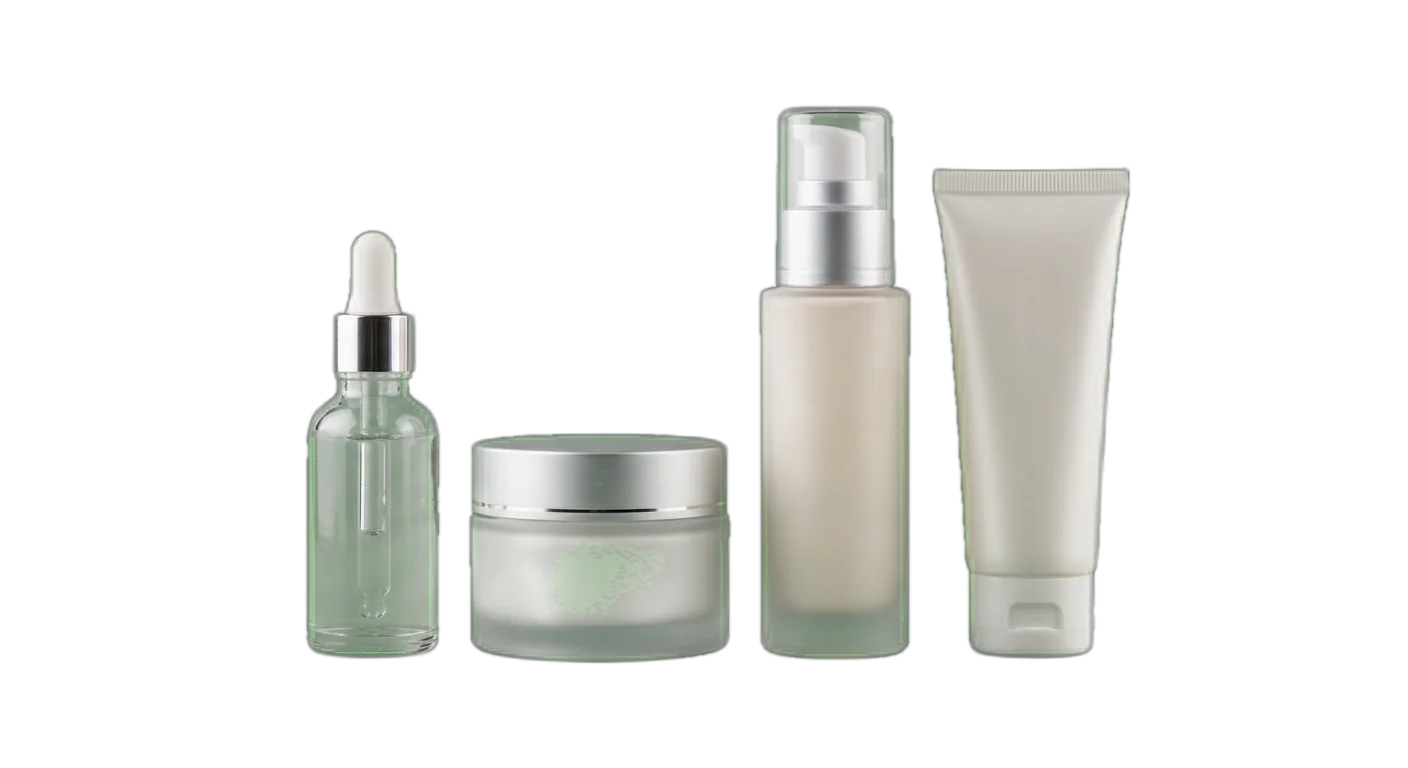
Skincare
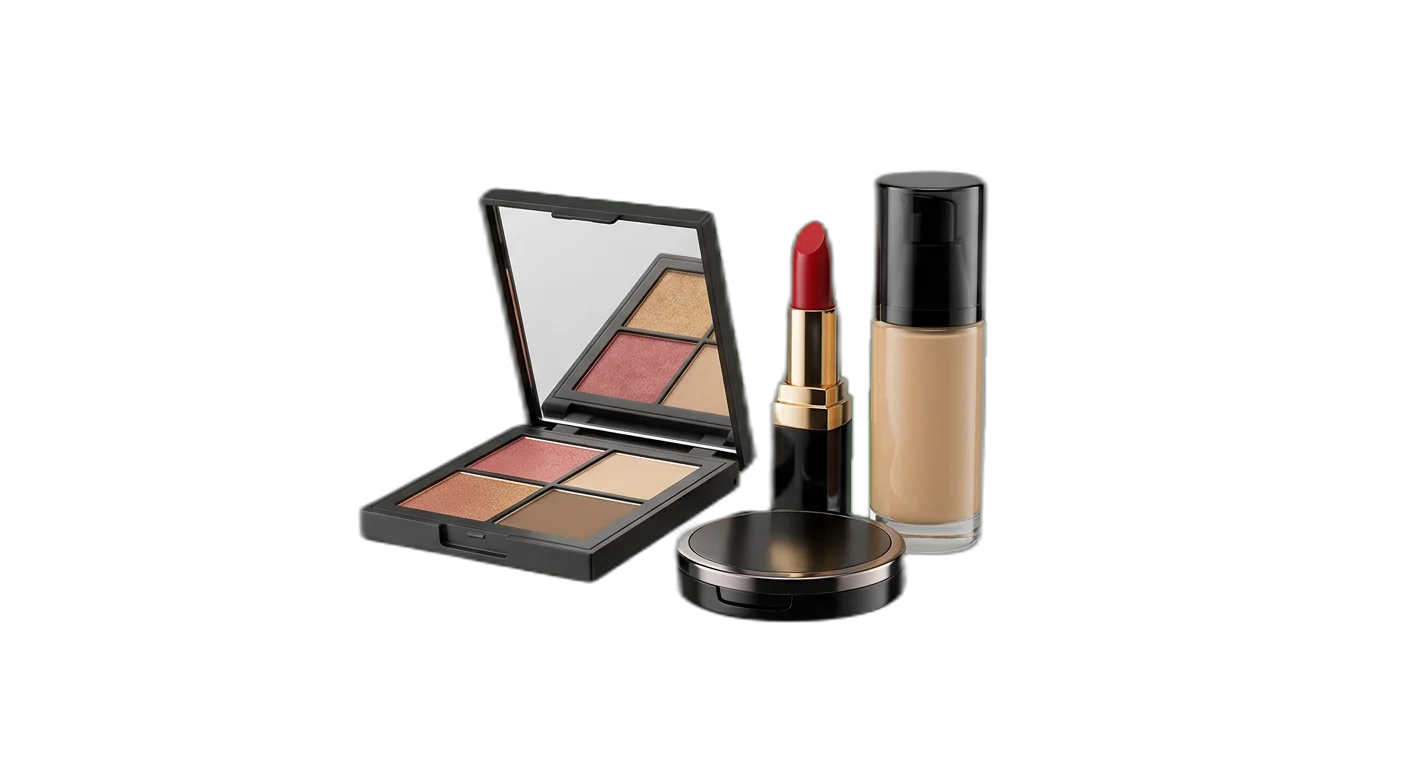
Makeup
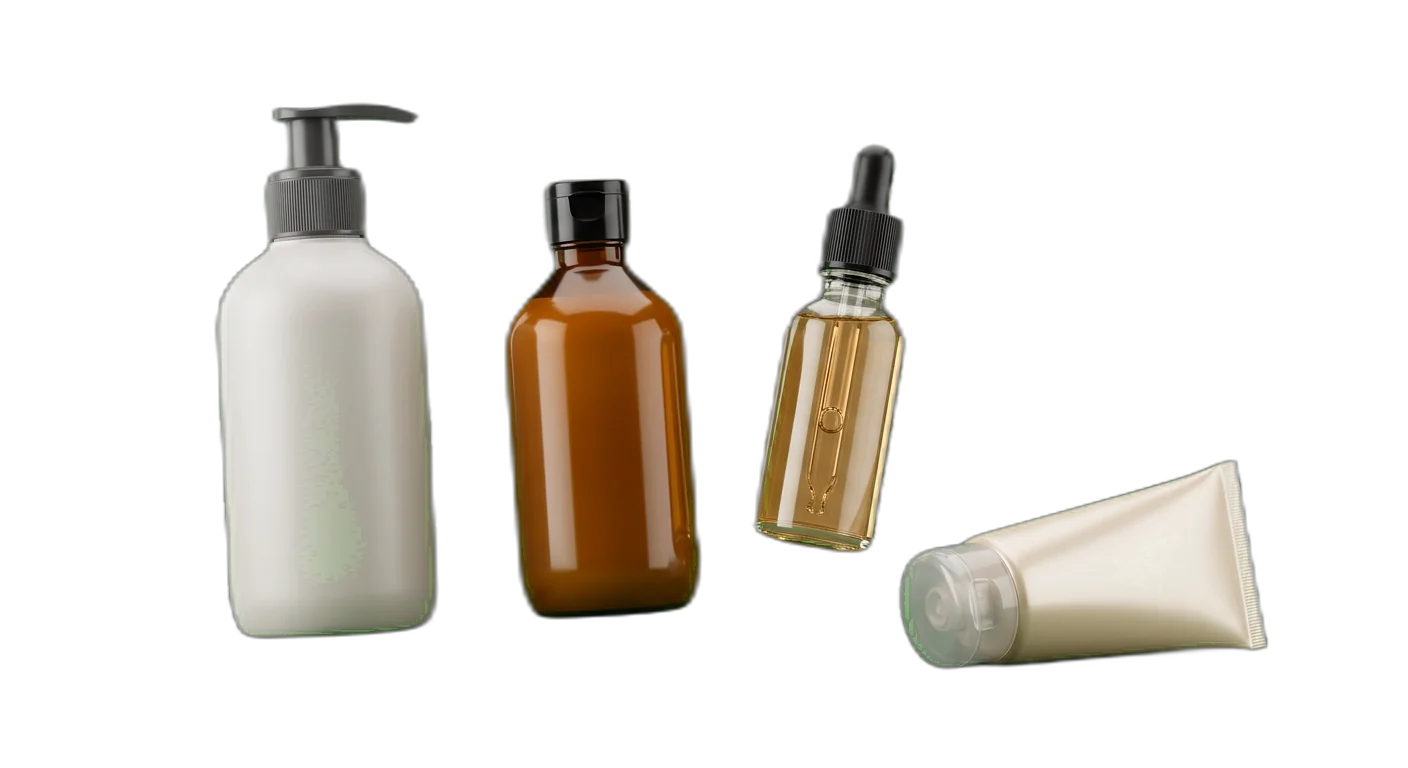
Hair Care
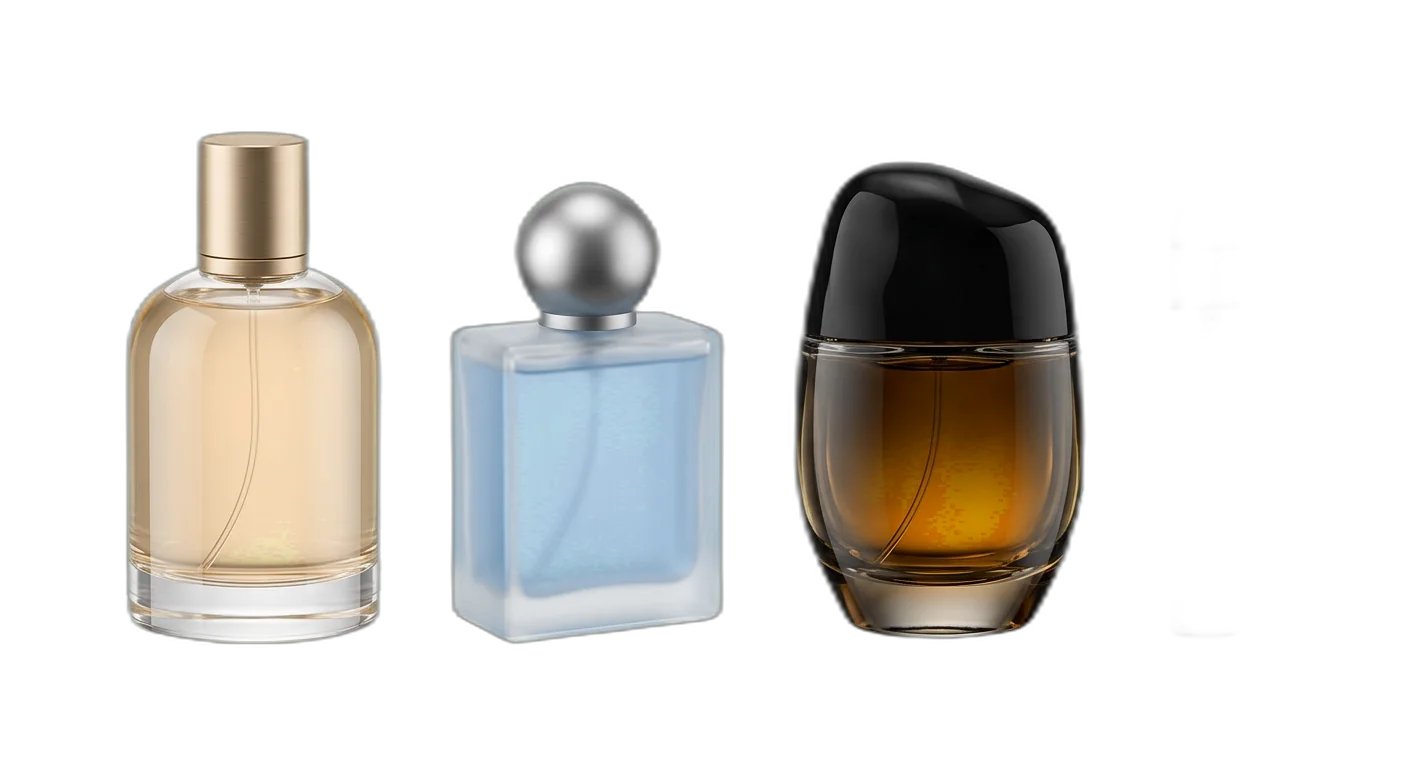
Fragrance
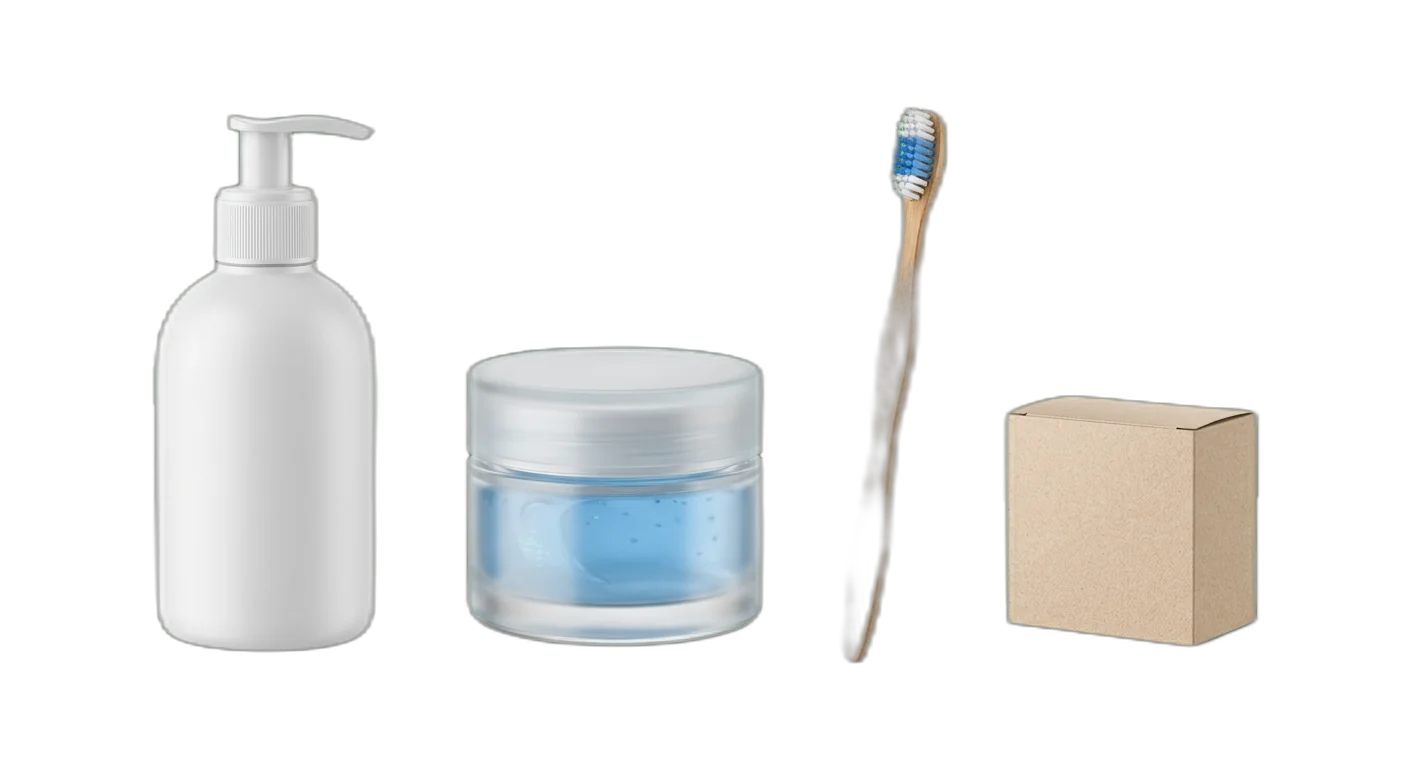
Personal Care
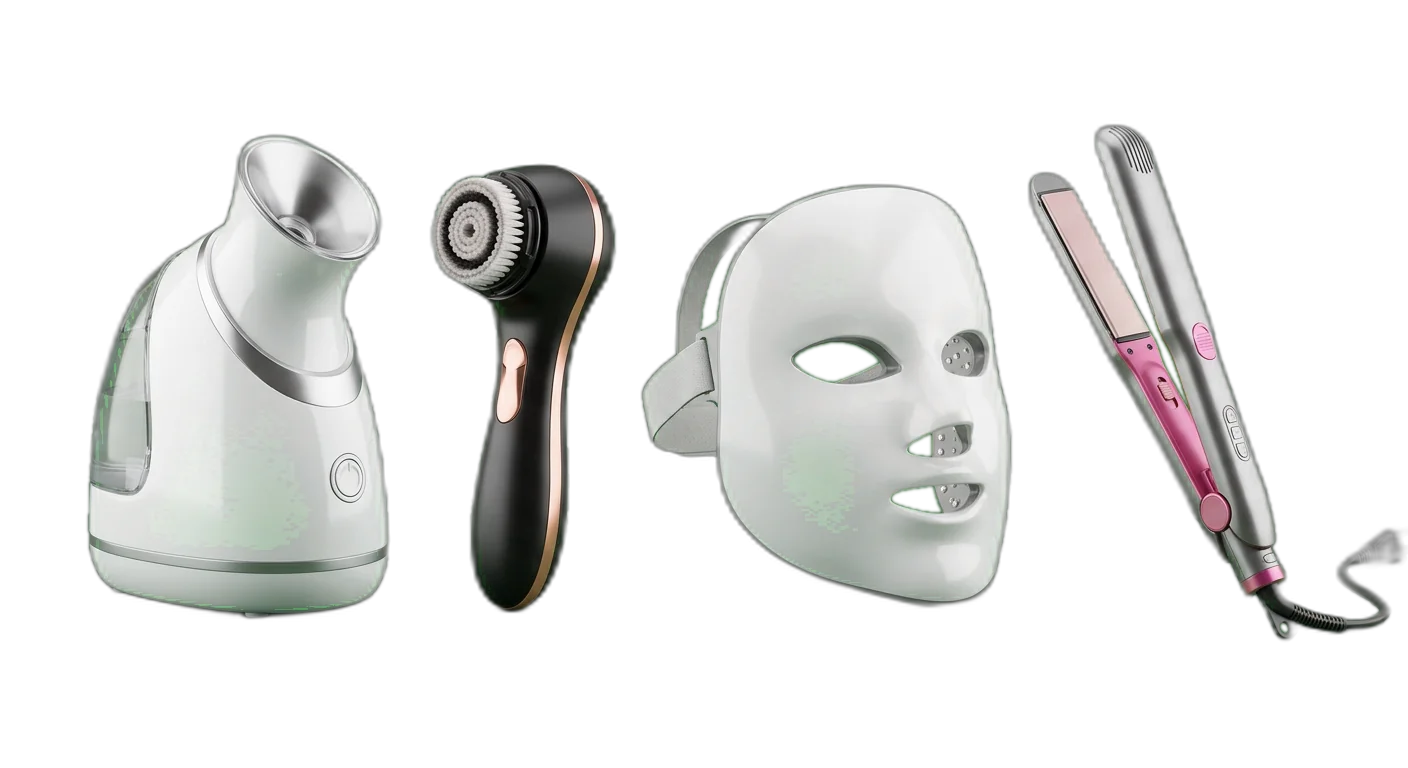
Tools & Devices
How to Classify Beauty & Personal Care Products
Follow these rules to place products in the right categories, every time
- 1
Classify by product function and target body area
Always assign products based on what they do and where they are applied. A hydrating mist for the face is Skincare > Face Care, not Hair Care, even if it could theoretically be used on hair. Function and body area together determine the primary category.
A tinted moisturizer with SPF is Makeup > Face > Foundation, not SkincareA lip scrub is Skincare > Lip Care, not Makeup > Lips - 2
Keep brand as an attribute, never as a category
Brand should be a filterable attribute, not a category level. Creating brand-based categories leads to an unmanageable taxonomy and duplicated product types across many branches.
Use Skincare > Serums with Brand: The Ordinary, not The Ordinary > SerumsUse Makeup > Foundation with Brand: MAC, not MAC > Foundation - 3
Separate tools and devices from consumable products
Beauty tools, brushes, and electronic devices must live under Tools & Devices, not alongside the products they are used with. A makeup brush belongs with tools even though it is used for applying foundation.
A jade roller is Tools & Devices > Skincare Devices > Face Rollers, not Skincare > Face CareA nail file is Tools & Devices, not Nails > Nail Care - 4
Use skin type and concern as attributes, not categories
Do not create separate categories for oily skin, dry skin, or anti-aging. These are product attributes and filter options. A moisturizer for oily skin is still Skincare > Face Care > Moisturizers with a Skin Type: Oily attribute.
- 5
Differentiate fragrance by concentration type
Fragrances must be categorized by concentration (EDP, EDT, Body Mist, Cologne) as subcategories, since concentration fundamentally changes the product. Gender is the first split, concentration is the second.
Women > Eau de Parfum vs Women > Body MistMen > Eau de Toilette vs Men > Cologne - 6
Keep nail products as a separate makeup subcategory
Nail products (polish, treatments, press-ons, gel systems) form their own subcategory under Makeup rather than being scattered across Tools or Skincare. This matches how customers shop for nail products.
- 7
Integrate men's grooming within the main taxonomy
Do not create a completely separate men's section. Instead, place men's products in the appropriate functional category (Shaving & Grooming under Personal Care, Men under Fragrance) and use gender as an attribute where products overlap.
Beard oil is Personal Care > Shaving & Grooming > Beard Care, not a separate Men's categoryMen's moisturizer is Skincare > Face Care > Moisturizers with Gender: Men - 8
Treat clean beauty and certifications as attributes
Clean, organic, vegan, cruelty-free, and similar designations should be filterable attributes, not separate categories. A clean beauty serum is still Skincare > Serums with attributes like Vegan: Yes, Cruelty-Free: Yes.
- 9
Separate professional from consumer product lines
Professional-grade products (salon-only, high concentration treatments) should share the same category structure as consumer products but use a Product Line attribute (Professional vs Consumer) for differentiation.
- 10
Assign multi-purpose products to their primary function
Products marketed for multiple uses (e.g., a lip and cheek tint) should be categorized by their primary use case. Use tags or secondary assignments for cross-merchandising rather than creating multi-purpose categories.
A lip and cheek tint is primarily Makeup > Lips > Lip Stain with a tag for cheek useA shampoo and body wash combo is Hair Care > Cleansing > Shampoo with a multi-use attribute
Required Attributes by Category
Make sure your product data is complete with the required and recommended attributes for each category level
Beauty & Personal Care Classification Pitfalls to Avoid
Avoid these common categorization errors that hurt product discoverability
- Mistake
Using brand names as categories (e.g., creating a MAC or L'Oreal category instead of using brand as a filterable attribute)
Better approachAlways keep brand as a product attribute. Use functional categories like Makeup > Face > Foundation and let customers filter by brand. This scales better and prevents category explosion as you add more brands.
- Mistake
Mixing tools and brushes with the products they apply (e.g., placing makeup brushes in the same category as eyeshadow palettes)
Better approachCreate a dedicated Tools & Devices top-level category. Customers shopping for a foundation brush have different needs than those shopping for foundation itself. Cross-link with tags if needed.
- Mistake
Creating separate categories for skin types (e.g., Dry Skin Moisturizers, Oily Skin Cleansers as categories)
Better approachKeep skin type as a filterable attribute on products. A moisturizer is always Skincare > Face Care > Moisturizers regardless of which skin type it targets. This prevents duplicate category branches.
- Mistake
Mixing professional and consumer products in undifferentiated categories without any distinguishing attribute
Better approachUse the same taxonomy for both but add a Product Line attribute (Professional, Consumer) so salon buyers and everyday consumers can filter accordingly.
- Mistake
Misclassifying fragrances by putting all perfumes in one flat category without concentration-level distinctions
Better approachSubcategorize by concentration (EDP, EDT, Body Mist, Cologne) since they differ significantly in longevity, price point, and use case. Gender should be the first split, then concentration.
- Mistake
Handling shade ranges as separate SKUs without structured color data or shade numbering
Better approachUse a structured shade attribute with consistent naming (e.g., Shade Number, Shade Name, Undertone) so that shades can be grouped, compared, and filtered properly across products.
- Mistake
Categorizing products by ingredient rather than function (e.g., creating a Retinol category or a Hyaluronic Acid category)
Better approachCategorize by function (Anti-Aging Serum, Hydrating Serum) and list key ingredients as searchable attributes. Customers rarely shop by single ingredient alone.
- Mistake
Creating a separate category for gift sets and bundles instead of linking them to their component categories
Better approachPlace gift sets under the primary product category (e.g., Fragrance > Gift Sets) and tag component products. This keeps navigation clean while enabling discovery through both the set and its individual items.
- Mistake
Isolating all men's products in a separate top-level category, duplicating the entire taxonomy
Better approachIntegrate men's products into the functional taxonomy (Skincare, Hair Care, Personal Care) and use Gender as an attribute. Only Fragrance warrants a gender-level split because shopping behavior genuinely differs.
- Mistake
Treating seasonal and limited edition products as permanent categories (e.g., Holiday Collection, Summer Glow)
Better approachUse the standard category structure and add a Collection or Season attribute. Limited editions should be merchandised through tags and landing pages, not permanent taxonomy changes.
How to Categorize Beauty & Personal Care Products
Follow these steps to categorize your Beauty & Personal Care products correctly for e-commerce and marketplace requirements
01
Import Your Beauty Product Catalog
Connect your e-commerce platform or upload your product feed with product names, descriptions, ingredient lists, and images. WISEPIM automatically parses beauty-specific data points like shade names, volumes, and key ingredients to prepare for AI-powered categorization.
02
AI Classifies Products by Function and Body Area
WISEPIM analyzes product titles, descriptions, ingredient lists, and images to assign each item to the correct category. The AI distinguishes between skincare and makeup, recognizes fragrance concentrations, and identifies tools versus consumable products.
03
Enrich Attributes Automatically
Based on the assigned category, WISEPIM populates required attributes like skin type, key ingredients, volume, and shade information. Missing attributes are flagged for manual review to ensure your catalog meets marketplace requirements.
04
Review, Approve & Publish
Review AI suggestions in bulk, make adjustments where needed, and publish your categorized catalog across all sales channels. Category mappings for Google Shopping, Amazon, and other marketplaces are generated automatically so your products appear in the right place everywhere.
Categorize your Beauty & Personal Care catalog in WISEPIM
Sign up for the free plan and apply this guide to your own products: build your category tree, let AI suggest a category for each product, and map your categories to Google's product taxonomy.
- 100 products and 50 AI credits a month on the free plan
- Import products from a CSV file or a connected store
- AI categorization assigns categories, or suggests them for you to review first
- The category map links your categories to Google product categories
Frequently Asked Questions
Common questions about Beauty & Personal Care product categorization
Best Beauty & Personal Care Categories for Ecommerce
Discover the top-performing Beauty & Personal Care product categories ranked by demand, margins, and growth potential.
Map Beauty & Personal Care products to a global taxonomy
Got your own category tree? Map it to the standards that marketplaces, ad platforms, and data partners actually require.
Explore More Industry Guides
Printable checklist
Start in 15 minutesGet every live product into the right category
Start with a 15-minute count of products with no category, or only a top-level one. You get two numbers, like 140 products, 12 in your top 100. Then 5 steps for the rest of the week.
How it works
- Filter products with no category or only a top-level one.
- Check how many of them are in your top 100 sellers.
- Write both numbers, such as '140 products, 12 in the top 100'.
One email, once, with a link to the printable checklist. Nothing else unless you tick the box.
Free Excel template
XLSX · 3 sheetsSee which of your 20 best sellers are incomplete
An Excel check with the columns beauty & personal care products need. In about 15 minutes you know how many of your 20 are complete, and the one fix that helps the most rows.
How it works
- Paste 20 best sellers from your shop export into Products.
- Fill in what you know. The last column says what each row is missing.
- Read your result on Start here: how many are complete, and the fix that helps most rows.
One email, once, with the XLSX attached and as a download link. Nothing else unless you tick the box.
Keep exploring
Hand-picked next steps to go deeper.
Ready to Automate Your Beauty & Personal Care Categorization?
WISEPIM uses AI to classify products automatically, saving hours of manual work and cutting categorization errors.