Garden & Outdoor Product Categories Guide
Real category trees, classification rules, and attribute requirements for Garden & Outdoor catalogs. Copy them, map your products, and skip months of taxonomy work.
Garden & Outdoor Category Hierarchy
Standard category structure used across major e-commerce platforms and marketplaces
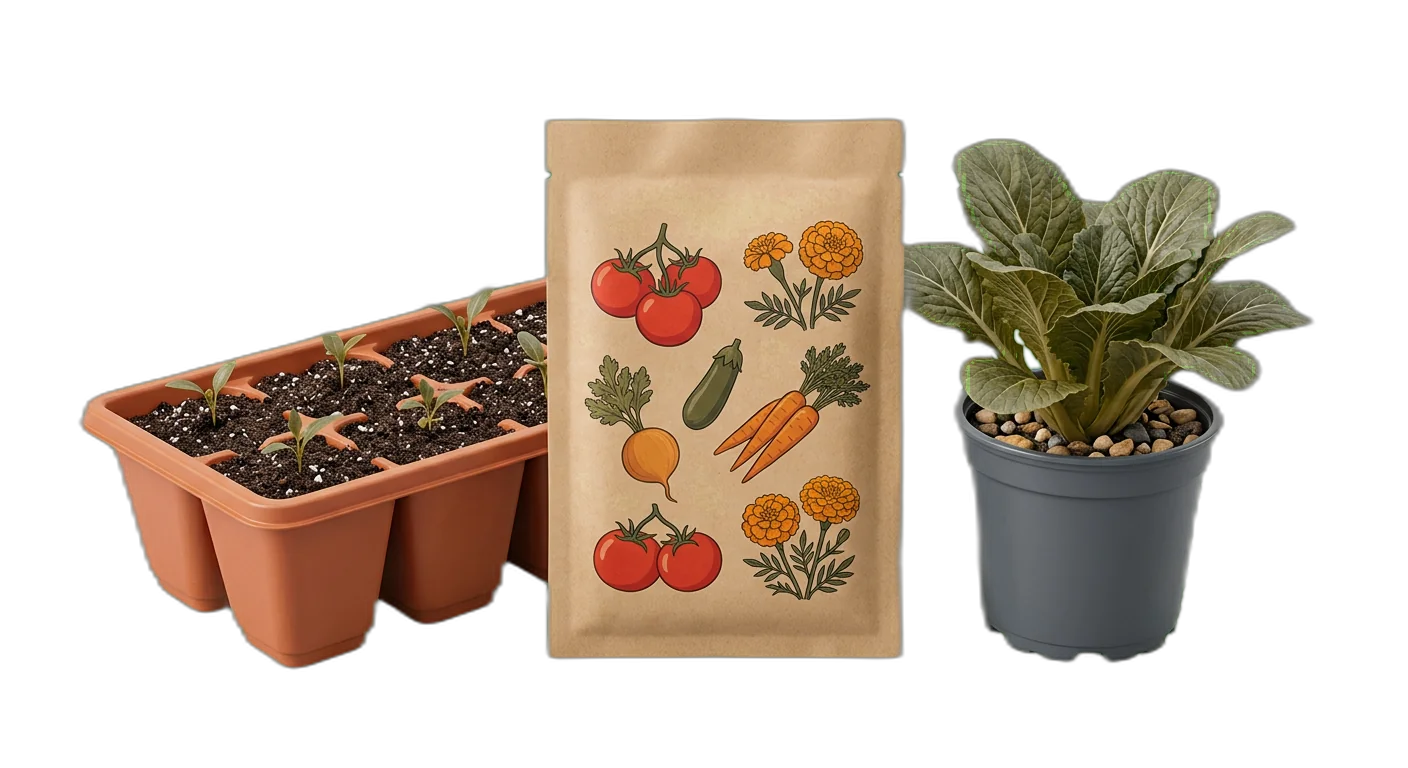
Plants & Seeds
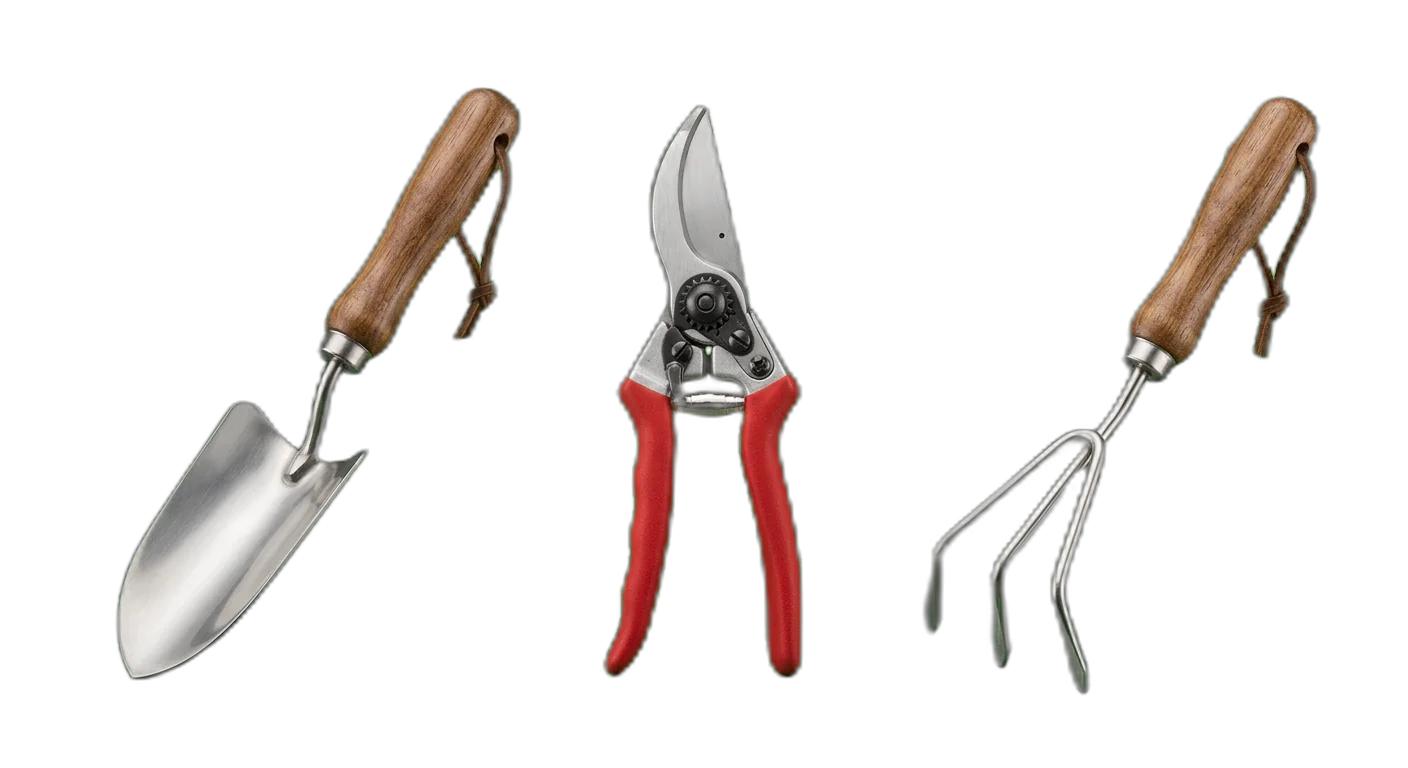
Garden Tools
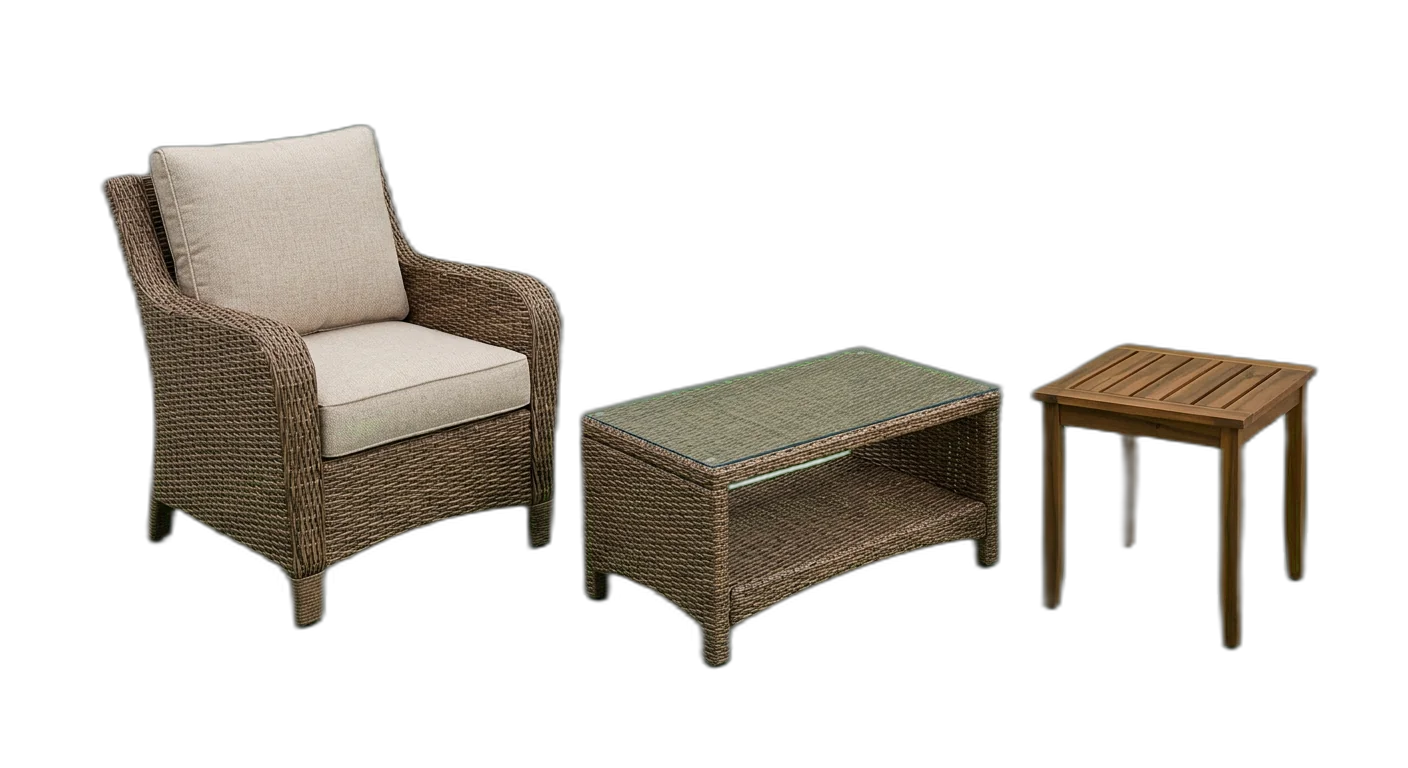
Outdoor Furniture
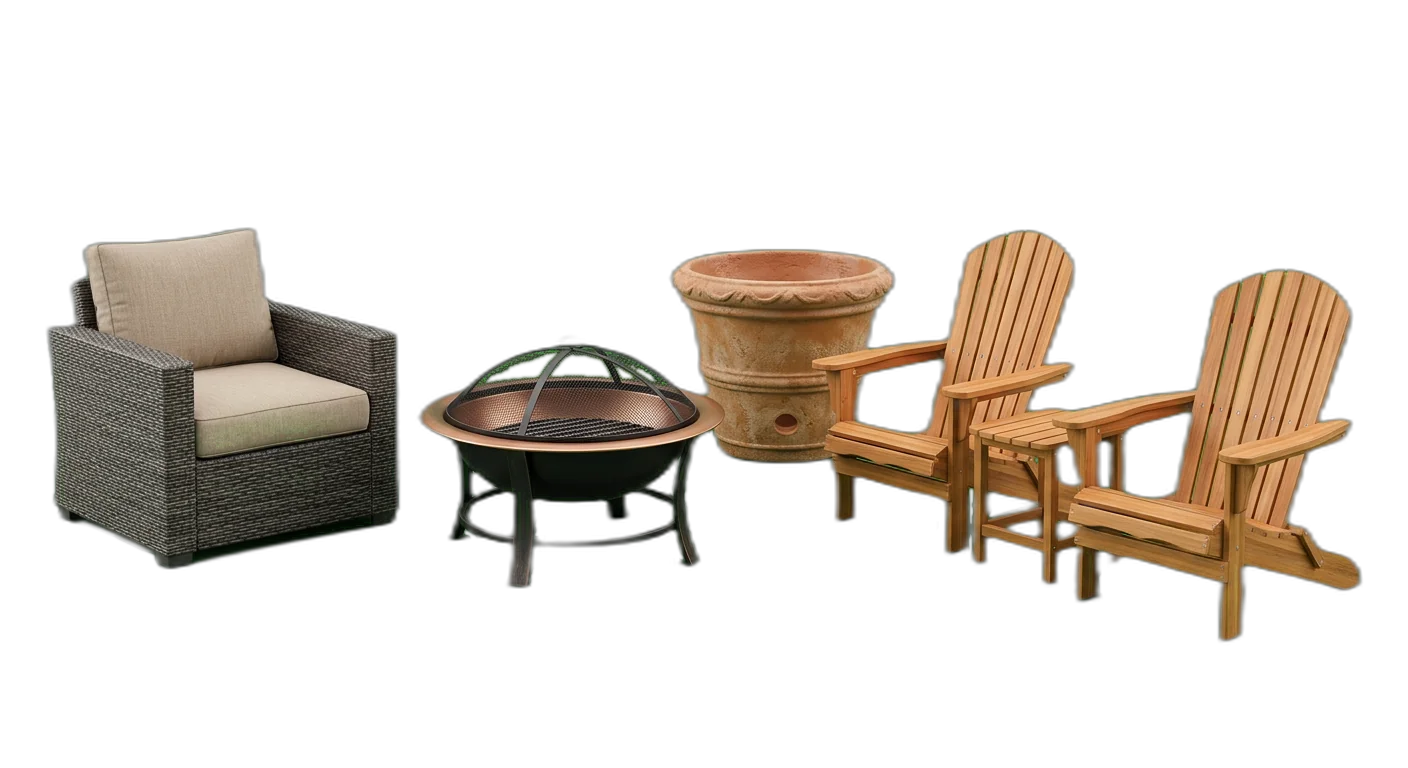
Outdoor Living
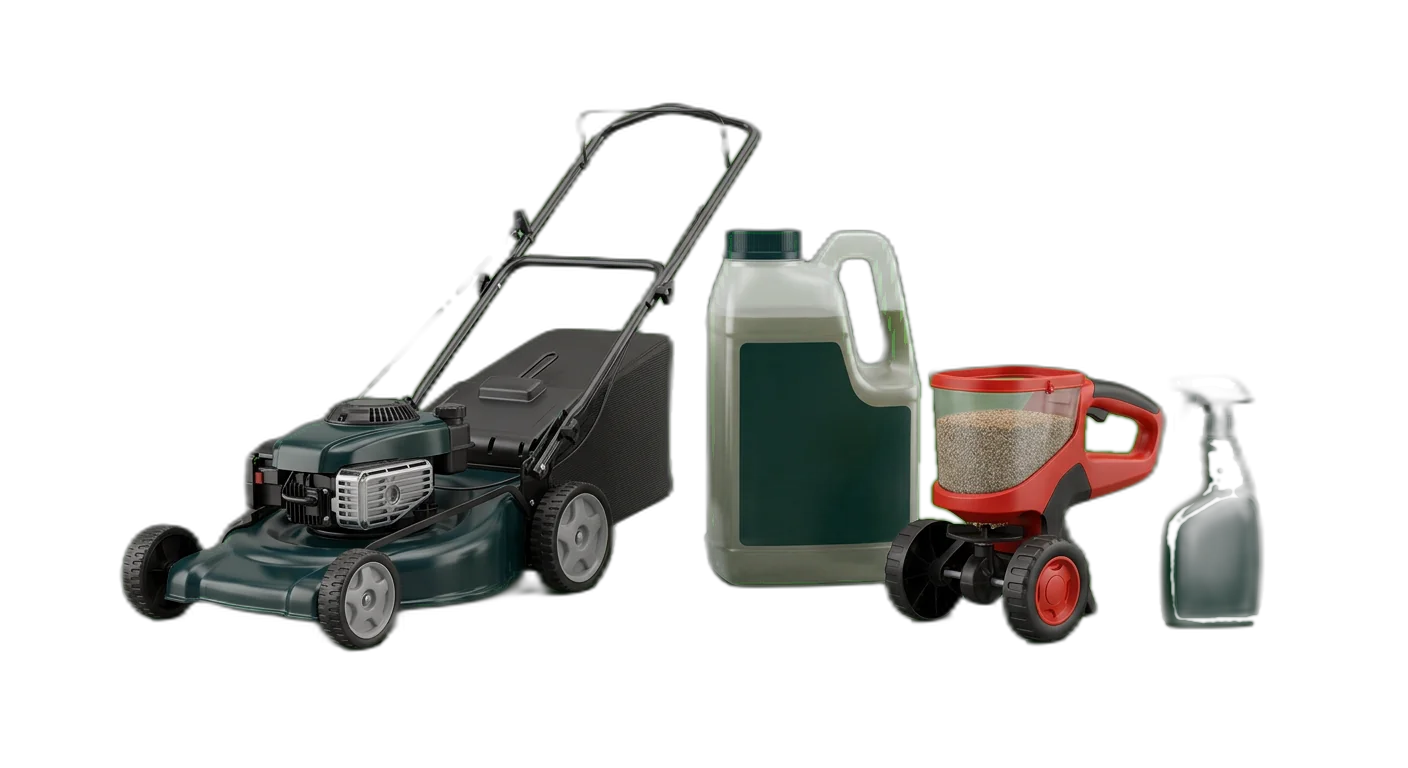
Lawn Care
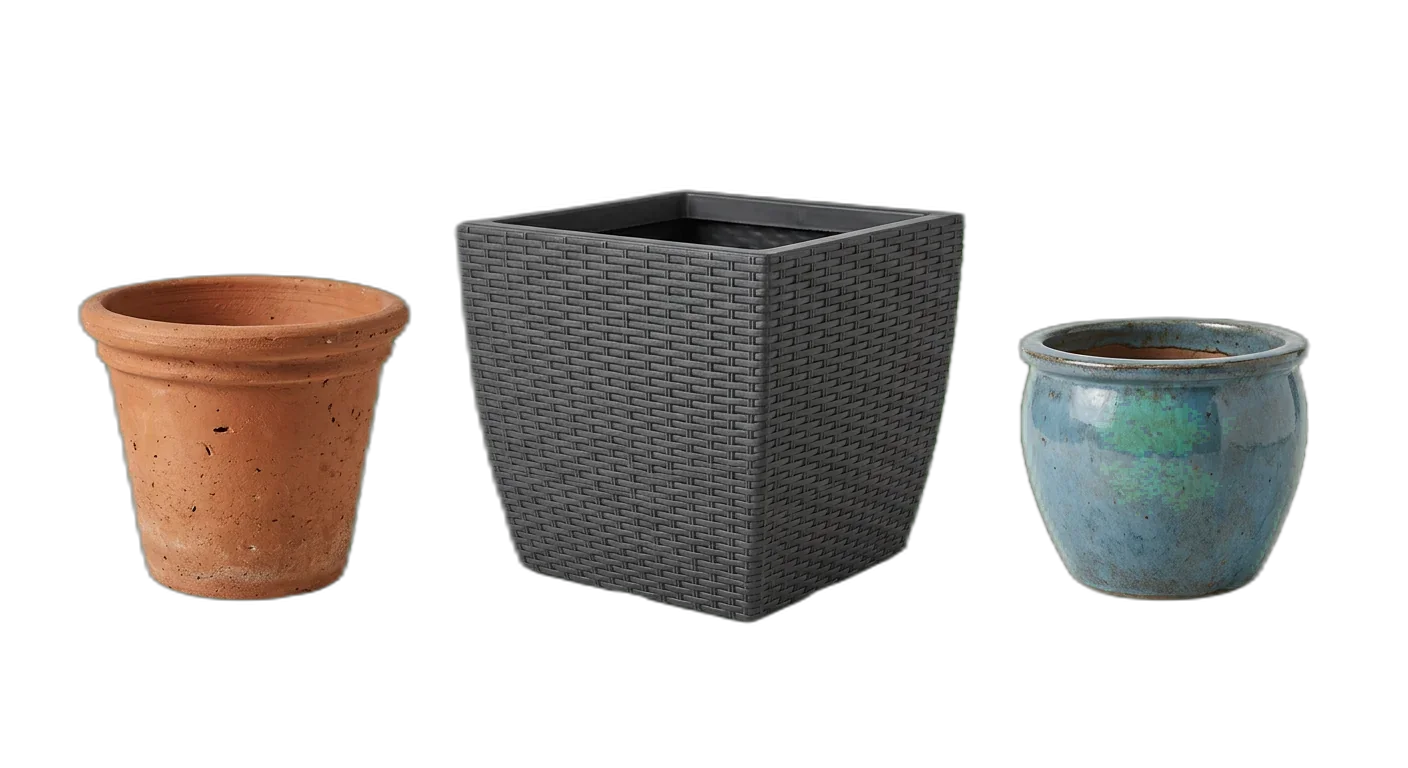
Planters & Containers
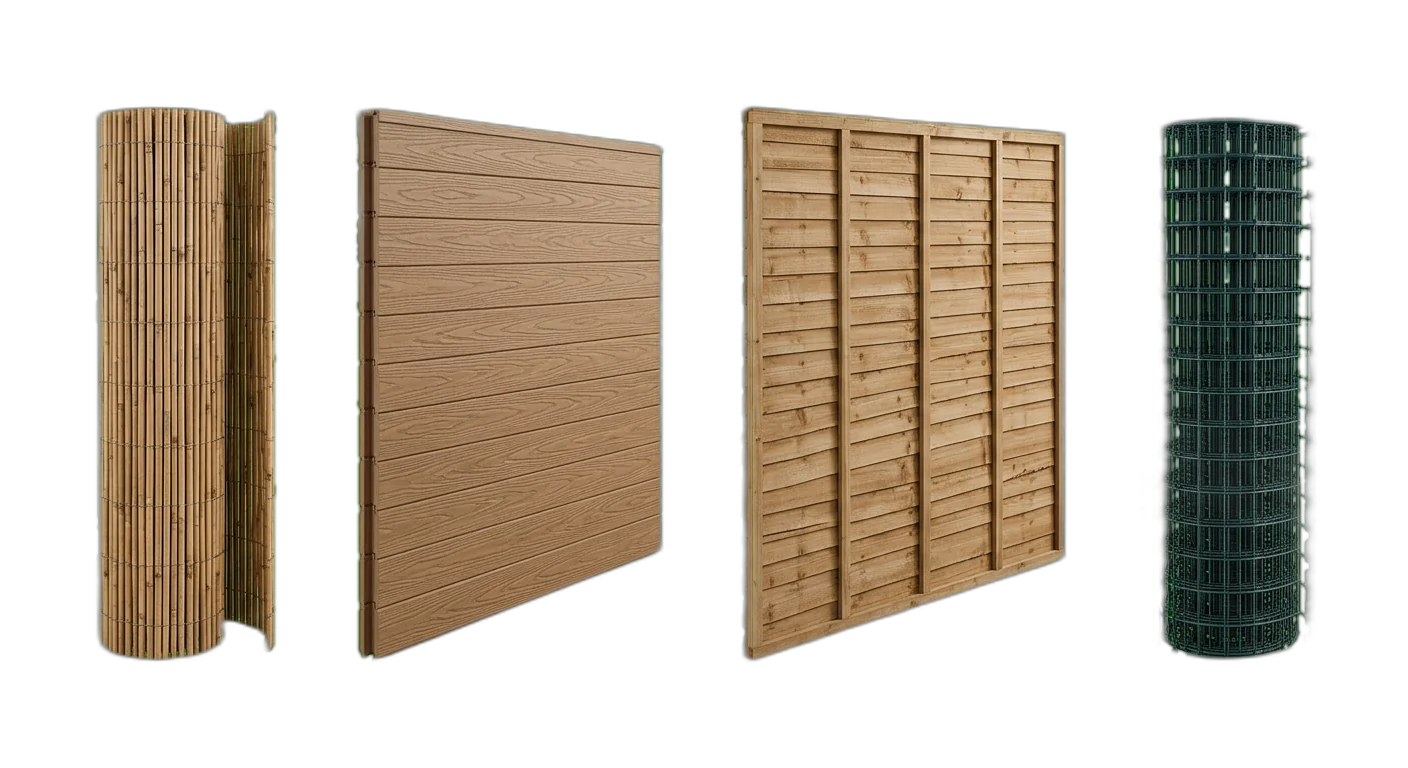
Fencing & Screening
How to Classify Garden & Outdoor Products
Follow these rules to place products in the right categories, every time
- 1
Distinguish indoor from outdoor plants at the category level
Indoor and outdoor plants have fundamentally different care requirements, light needs, and customer expectations. Always separate them as distinct subcategories under Plants & Seeds, even for species that can grow in both environments.
A fern sold as a houseplant is Indoor Plants, not Outdoor PlantsA potted herb for the windowsill is Indoor Plants > Herbs, not Edible Garden - 2
Use climate zone and hardiness as attributes, not categories
Do not create separate categories for each USDA hardiness zone or climate. Instead, use Climate Zone (e.g., USDA 5-9) and Frost Tolerance as filterable attributes on all plants. This keeps the taxonomy manageable while enabling precise filtering.
- 3
Handle seasonality through attributes, not category structure
Spring bulbs, summer annuals, and fall planting supplies belong in their permanent product categories. Use a Planting Season attribute (Spring, Summer, Fall, Year-Round) and a Best Planting Month range to help customers shop by timing without fragmenting the taxonomy.
Tulip bulbs: Seeds & Bulbs > Bulbs with Planting Season: FallTomato starts: Edible Garden > Vegetable Starts with Planting Season: Spring - 4
Separate living products from non-living products
Living products (plants, seeds, bulbs) have unique attributes like growth rate, light requirements, and watering frequency. Non-living products (furniture, tools, containers) do not. Keep these as distinct top-level branches to apply the right attribute schemas.
- 5
Classify power tools by power source as an attribute
A lawn mower can be gas-powered, electric corded, or battery-powered. Use Power Source as a filterable attribute rather than creating separate categories for Gas Mowers, Electric Mowers, and Battery Mowers.
Lawn Mowers with Power Source: Battery (40V)Leaf Blowers with Power Source: Gas (2-Cycle) - 6
Require weather resistance ratings for all outdoor products
Every outdoor non-plant product needs weather resistance data. Include UV resistance, waterproof rating, rust resistance, and temperature range as required or recommended attributes. Customers need this data to make informed purchasing decisions for outdoor environments.
- 7
Classify BBQ products by fuel type at the subcategory level
Gas, charcoal, electric, and pellet grills have different accessories, performance characteristics, and customer segments. Fuel type should be the primary classification axis within BBQ & Grilling, with accessories grouped by compatibility.
- 8
Keep pool chemicals in a separate safety-flagged subcategory
Pool chemicals require special handling, storage, and safety data (SDS sheets). Place them under Pools & Spas > Pool Accessories with a Safety: Hazardous Material attribute, not mixed with general pool equipment.
- 9
Include plant care difficulty as a standard attribute
Add a Care Difficulty attribute (Easy, Moderate, Expert) to all plant products. This is one of the most important purchase decision factors for both beginners and experienced gardeners and significantly reduces returns.
- 10
Add companion planting and compatibility data for edible plants
For seeds, vegetable starts, and herb plants, include Companion Plants and Incompatible Plants as recommended attributes. This helps gardeners plan their plots and provides genuine value that differentiates your product data.
Tomato: Companion Plants: Basil, Carrots, MarigoldsTomato: Incompatible Plants: Fennel, Cabbage
Required Attributes by Category
Make sure your product data is complete with the required and recommended attributes for each category level
Garden & Outdoor Classification Pitfalls to Avoid
Avoid these common categorization errors that hurt product discoverability
- Mistake
Creating separate seasonal categories (Spring Plants, Summer Plants) instead of using permanent categories with seasonal attributes
Better approachUse permanent categories like Outdoor Plants > Perennials and add Planting Season, Bloom Time, and Harvest Season as filterable attributes. Seasonal merchandising should happen through landing pages and collections, not through the taxonomy.
- Mistake
Mixing indoor and outdoor plants within the same category because they share a species name
Better approachAlways separate indoor and outdoor plants as distinct subcategories. A fern sold as a houseplant and a fern sold for garden planting have different care attributes, pricing, and shipping requirements. Use the intended growing environment as the primary classification.
- Mistake
Ignoring climate and hardiness zone data for plant products
Better approachAdd USDA Hardiness Zone (or equivalent regional system), Sun Exposure, and Water Needs as required attributes for all plant products. Without this data, customers cannot determine suitability for their garden.
- Mistake
Creating overlapping categories like Outdoor Living and Patio Furniture that both contain outdoor seating products
Better approachDefine clear boundaries: Outdoor Furniture covers seating, dining, and shade structures. Outdoor Living covers BBQ, fire pits, lighting, and pools. Each product should have exactly one home in the taxonomy.
- Mistake
Not including weather resistance ratings for outdoor non-plant products (furniture, lighting, storage)
Better approachAdd UV Resistance, Waterproof Rating (IP rating), Rust Resistance, and Temperature Range as required or recommended attributes for all outdoor products. These are top decision factors for outdoor purchases.
- Mistake
Mixing power sources within garden tool categories (gas mowers, electric mowers, battery mowers as separate categories)
Better approachKeep Lawn Mowers as one category and use Power Source (Gas, Electric, Battery, Manual) as a filterable attribute. This simplifies navigation and lets customers compare across power types.
- Mistake
Not including care instructions and maintenance requirements for plant products
Better approachAdd Watering Frequency, Fertilizing Schedule, Pruning Needs, and Care Difficulty as attributes for every plant product. This data reduces returns and increases customer satisfaction.
- Mistake
Missing dimensions and weight capacity for outdoor furniture, making comparison shopping impossible
Better approachInclude full dimensions (LxWxH), weight, weight capacity per seat, and assembled vs packaged dimensions as required attributes for all outdoor furniture. These are essential for customers planning their outdoor spaces.
- Mistake
Placing pool chemicals alongside pool toys and floats without safety differentiation
Better approachSeparate pool chemicals into their own subcategory with safety flags. Include SDS (Safety Data Sheet) links, storage requirements, and hazard classifications. Pool toys and maintenance equipment should be clearly distinct subcategories.
- Mistake
Mixing organic and conventional fertilizers/pest control without clear labeling in the taxonomy
Better approachUse an Organic Certified attribute (Yes/No/Transitional) on all lawn care and pest control products rather than creating separate organic categories. Add certification details (OMRI Listed, EU Organic) as additional attributes.
How to Categorize Garden & Outdoor Products
Follow these steps to categorize your Garden & Outdoor products correctly for e-commerce and marketplace requirements
01
Import Your Garden & Outdoor Catalog
Connect your garden center ERP, supplier feeds, or e-commerce platform to WISEPIM. The system processes product names, species data, specifications, and images to prepare for AI-powered categorization of both living and non-living products.
02
AI Classifies Plants, Tools, and Outdoor Products
WISEPIM analyzes product images, botanical names, and descriptions to automatically assign items to the correct category. The AI distinguishes indoor from outdoor plants, identifies furniture materials, and recognizes tool types with high accuracy.
03
Enrich with Growing Data and Specifications
Review AI-generated categories, then enrich plant products with hardiness zones, care instructions, and bloom data. For outdoor furniture and tools, add weather resistance ratings, dimensions, and compatibility information. WISEPIM flags products missing critical attributes.
04
Publish to Your Webshop and Marketplaces
Push your categorized and enriched catalog to your webshop, Google Shopping, Amazon, and garden center platforms. WISEPIM maps your categories to each marketplace taxonomy and keeps all channels synchronized automatically.
Categorize your Garden & Outdoor catalog in WISEPIM
Sign up for the free plan and apply this guide to your own products: build your category tree, let AI suggest a category for each product, and map your categories to Google's product taxonomy.
- 100 products and 50 AI credits a month on the free plan
- Import products from a CSV file or a connected store
- AI categorization assigns categories, or suggests them for you to review first
- The category map links your categories to Google product categories
Frequently Asked Questions
Common questions about Garden & Outdoor product categorization
Best Garden & Outdoor Categories for Ecommerce
Discover the top-performing Garden & Outdoor product categories ranked by demand, margins, and growth potential.
Map Garden & Outdoor products to a global taxonomy
Got your own category tree? Map it to the standards that marketplaces, ad platforms, and data partners actually require.
Explore More Industry Guides
Printable checklist
Start in 15 minutesGet every live product into the right category
Start with a 15-minute count of products with no category, or only a top-level one. You get two numbers, like 140 products, 12 in your top 100. Then 5 steps for the rest of the week.
How it works
- Filter products with no category or only a top-level one.
- Check how many of them are in your top 100 sellers.
- Write both numbers, such as '140 products, 12 in the top 100'.
One email, once, with a link to the printable checklist. Nothing else unless you tick the box.
Free Excel template
XLSX · 3 sheetsSee which of your 20 best sellers are incomplete
An Excel check with the columns garden & outdoor products need. In about 15 minutes you know how many of your 20 are complete, and the one fix that helps the most rows.
How it works
- Paste 20 best sellers from your shop export into Products.
- Fill in what you know. The last column says what each row is missing.
- Read your result on Start here: how many are complete, and the fix that helps most rows.
One email, once, with the XLSX attached and as a download link. Nothing else unless you tick the box.
Keep exploring
Hand-picked next steps to go deeper.
Ready to Automate Your Garden & Outdoor Categorization?
WISEPIM uses AI to classify products automatically, saving hours of manual work and cutting categorization errors.