Jewelry & Watches Product Categories Guide
Real category trees, classification rules, and attribute requirements for Jewelry & Watches catalogs. Copy them, map your products, and skip months of taxonomy work.
Jewelry & Watches Category Hierarchy
Standard category structure used across major e-commerce platforms and marketplaces
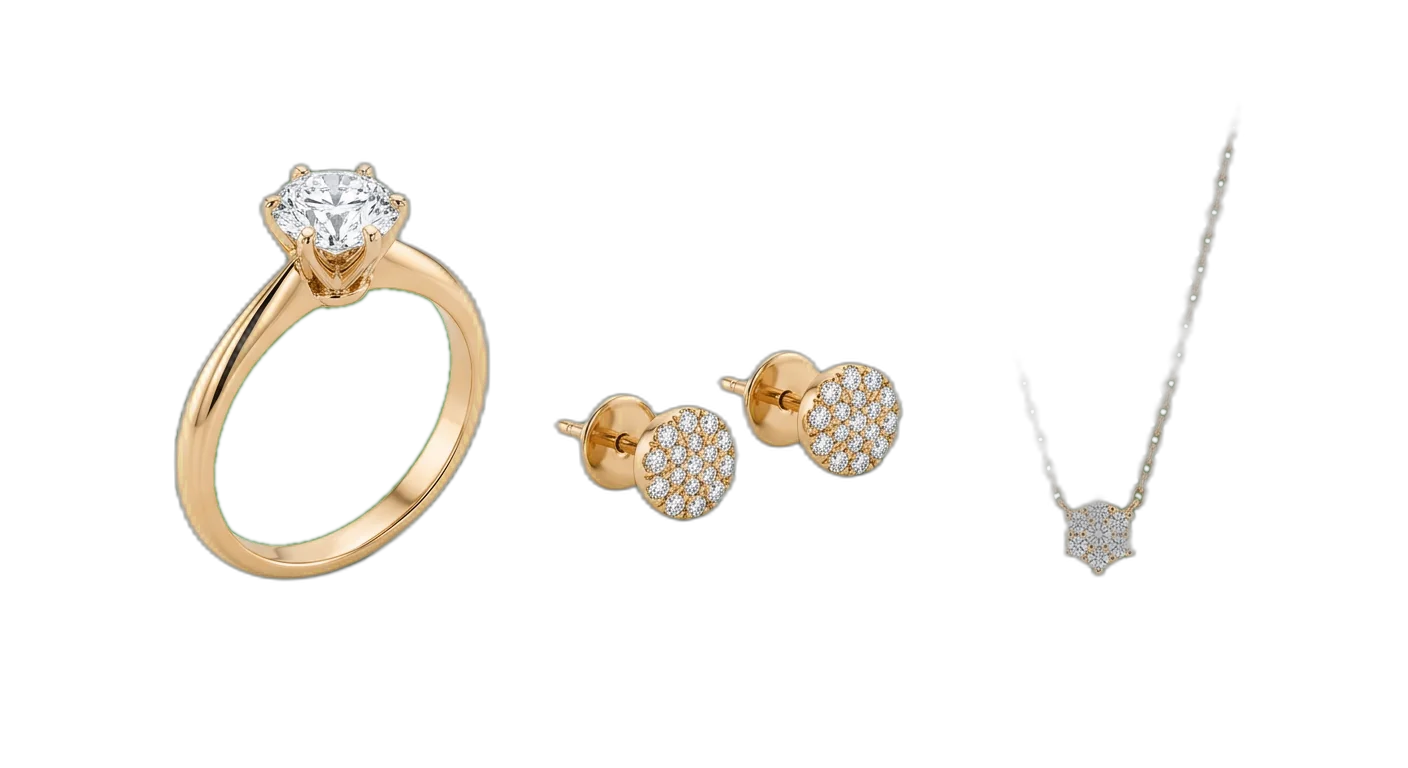
Fine Jewelry
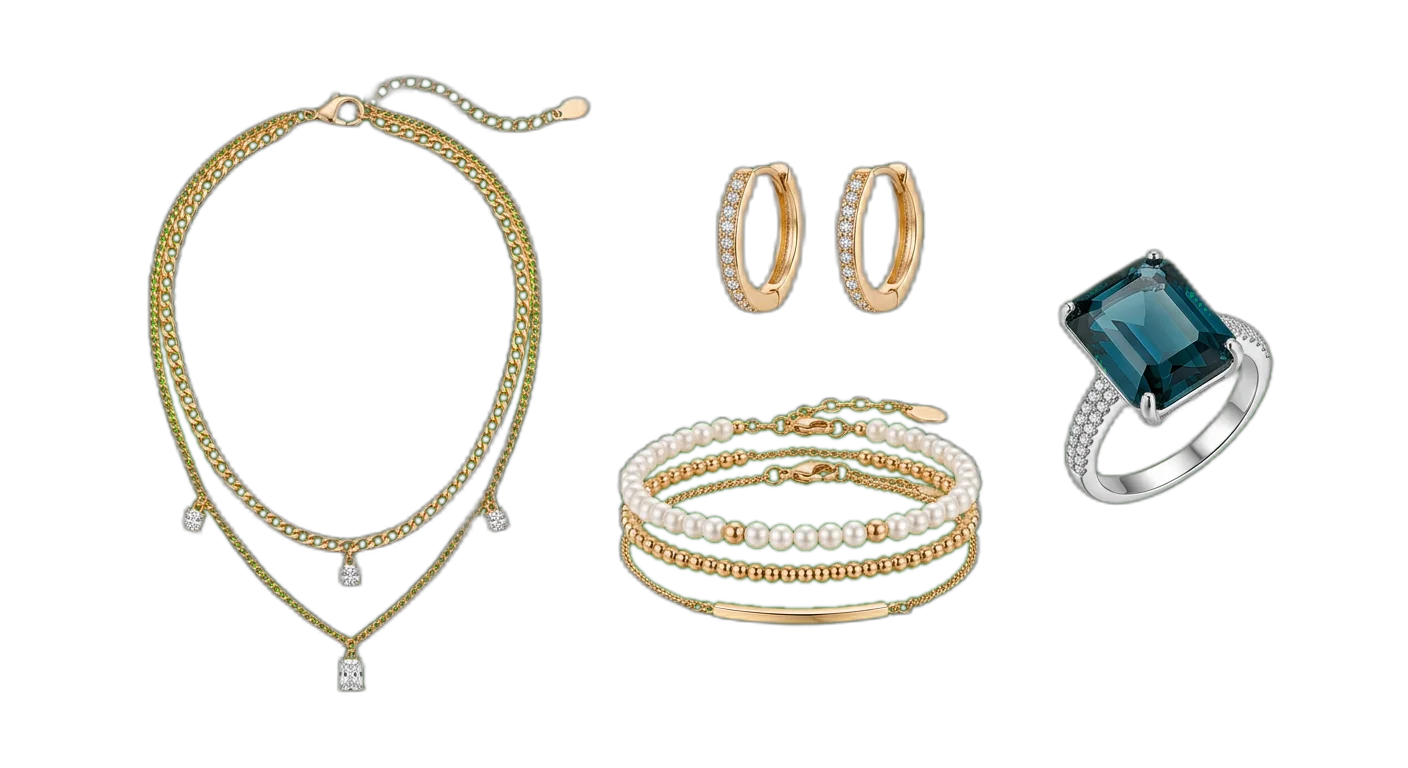
Fashion Jewelry
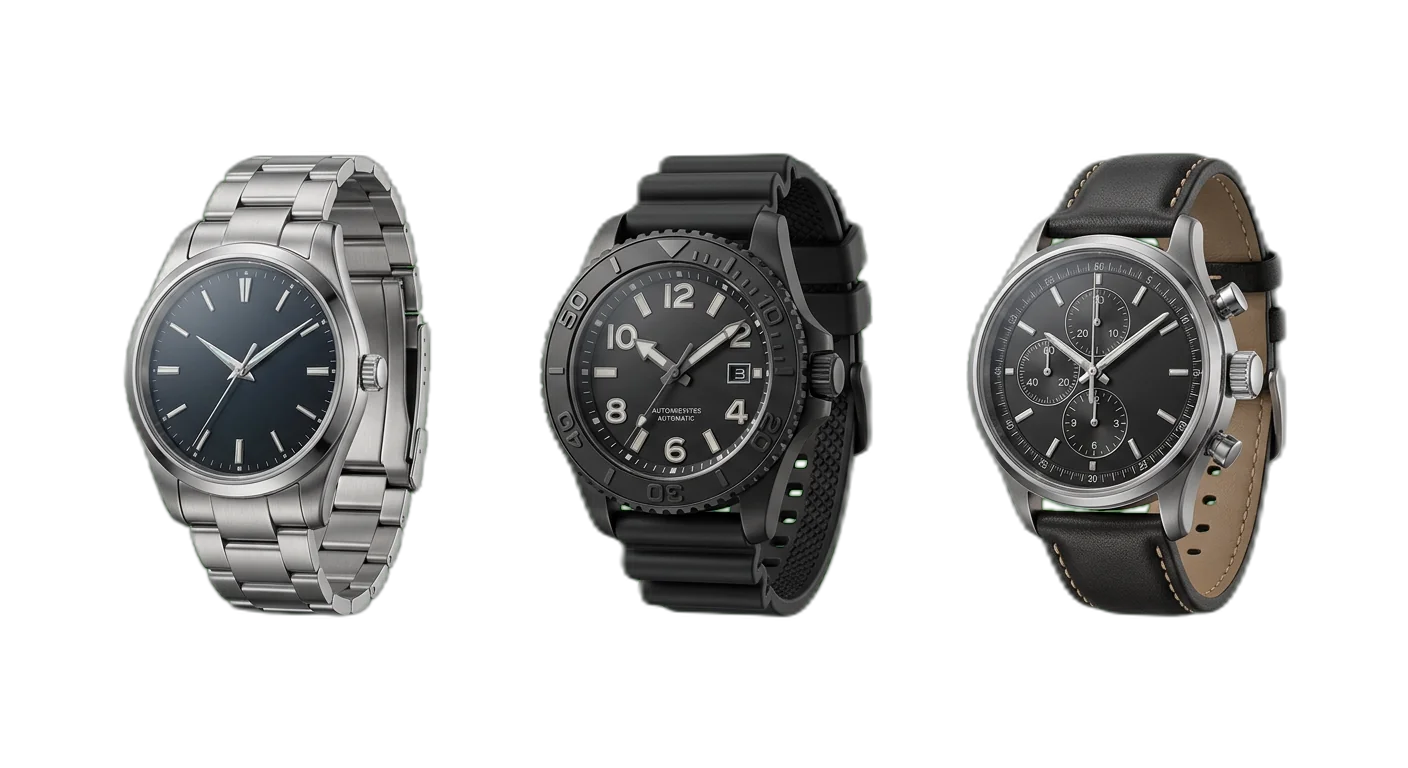
Watches
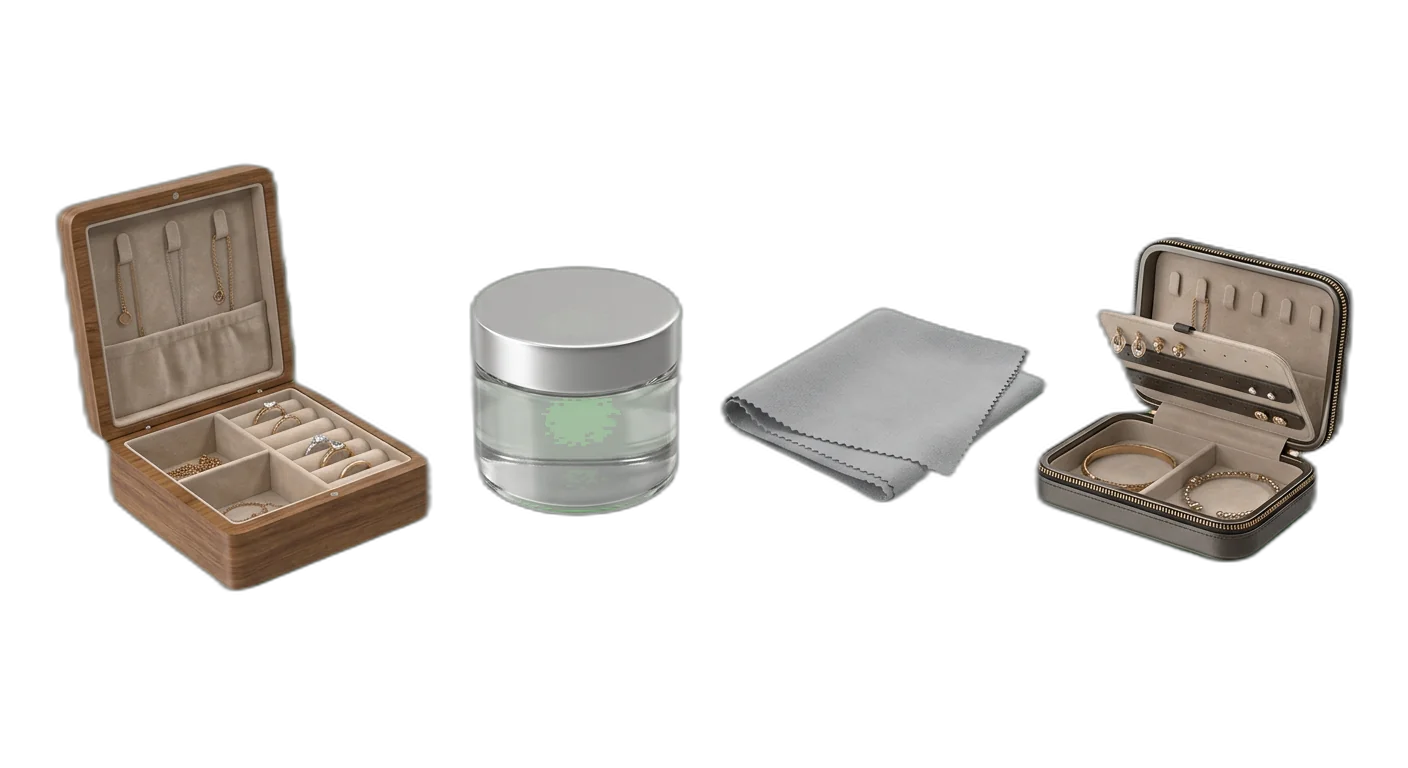
Jewelry Care & Storage
How to Classify Jewelry & Watches Products
Follow these rules to place products in the right categories, every time
- 1
Distinguish fine jewelry from fashion jewelry first
The primary split should always be whether a piece is made from precious metals and genuine gemstones (fine) or from plated, synthetic, or non-precious materials (fashion). This distinction affects pricing, attribute requirements, and compliance obligations.
A 14K gold ring with a natural diamond is Fine Jewelry > RingsA gold-plated ring with cubic zirconia is Fashion Jewelry > Costume Rings - 2
Classify by jewelry type, then by style or occasion
After the fine/fashion split, assign products by their physical form (ring, necklace, earring, bracelet) before further subdividing by style, occasion, or design. This matches how customers naturally browse.
Fine Jewelry > Rings > Engagement Rings (not Engagement > Rings)Fine Jewelry > Earrings > Hoops (not Hoops > Fine Earrings) - 3
Keep watches as a parallel top-level category
Watches have distinct attributes (movement type, case diameter, water resistance) that differ from jewelry. Maintain Watches as a peer category to Fine Jewelry and Fashion Jewelry rather than nesting under accessories.
- 4
Treat gemstone type as an attribute, not a category
Do not create separate categories for Diamond Rings, Ruby Rings, and Sapphire Rings. Instead, categorize under Rings and use a Gemstone Type attribute for filtering. This prevents taxonomy bloat and simplifies maintenance.
Use Fine Jewelry > Rings > Engagement Rings with attribute Gemstone: DiamondDo not create Fine Jewelry > Diamond Jewelry > Diamond Engagement Rings - 5
Use metal type as a filterable attribute
Similar to gemstones, metal type (Gold, Silver, Platinum, Rose Gold) should be an attribute rather than a category level. This keeps the tree manageable and allows customers to filter across jewelry types by their preferred metal.
- 6
Separate care and storage products from wearable jewelry
Cleaning solutions, polishing cloths, jewelry boxes, and display stands serve a fundamentally different purpose than wearable pieces. Keep them in a dedicated Jewelry Care & Storage category to avoid confusing product feeds and marketplace mappings.
- 7
Handle personalized and engraved jewelry through attributes
Products that offer engraving, monogramming, or birthstone personalization should remain in their standard jewelry category. Add attributes like Personalization Available: Yes and Personalization Type: Engraving rather than creating separate Personalized Jewelry categories.
- 8
Track certifications and hallmarks as structured attributes
Certifications such as GIA diamond grading reports, hallmark stamps, and fair-trade sourcing should be captured as dedicated attributes. These are essential for marketplace compliance, especially in markets like the EU where hallmarking is legally required.
- 9
Categorize gift sets by their primary product type
A necklace and earring gift set should be categorized under the primary piece (e.g., Necklaces) with a Product Type attribute of Gift Set. Avoid creating a generic Gift Sets category that mixes unrelated product types.
A pendant and chain gift set goes under Fine Jewelry > Necklaces > Pendants with attribute Product Type: Gift Set - 10
Use collection or series as a tag, not a category
Seasonal collections, designer collaborations, and product series should be handled through tags or a Collection attribute. Categories should reflect permanent product types, not temporary merchandising groupings.
Required Attributes by Category
Make sure your product data is complete with the required and recommended attributes for each category level
Jewelry & Watches Classification Pitfalls to Avoid
Avoid these common categorization errors that hurt product discoverability
- Mistake
Creating categories based on metal type (Gold Jewelry, Silver Jewelry, Platinum Jewelry) instead of product type
Better approachUse product type as the category (Rings, Necklaces, Bracelets) and add Metal Type as a filterable attribute. This prevents duplicate product listings and simplifies catalog management.
- Mistake
Mixing fine and fashion jewelry in the same category tree without clear separation
Better approachAlways maintain Fine Jewelry and Fashion Jewelry as separate top-level categories. The distinction affects pricing tiers, attribute requirements, and marketplace compliance rules.
- Mistake
Creating a generic Gift Sets or Gift Ideas category that mixes rings, necklaces, and watches
Better approachCategorize gift sets under their primary product type and use a Product Type: Gift Set attribute. Cross-merchandise with tags or collections rather than a catch-all category.
- Mistake
Using gemstone types as category levels (Diamond Earrings, Pearl Earrings) leading to hundreds of redundant categories
Better approachKeep gemstone as a structured attribute with standardized values. This allows one Earrings category to serve all gemstone filters without duplicating the category tree.
- Mistake
Not tracking certifications like GIA reports, hallmark stamps, or conflict-free sourcing documentation
Better approachAdd dedicated certification attributes to fine jewelry categories. These are required for marketplace compliance in many regions and build customer trust for high-value purchases.
- Mistake
Inconsistent ring size systems across markets (US, EU, UK, JP) without conversion mapping
Better approachAdopt one primary sizing system per market and implement size conversion tables in your PIM. Map all size variants to a unified internal schema for consistent filtering.
- Mistake
Placing cleaning kits and polishing cloths alongside wearable jewelry in the same category
Better approachMaintain a separate Jewelry Care & Storage top-level category. Care products have different attributes, margin profiles, and marketplace mappings than wearable pieces.
- Mistake
Not capturing provenance or sourcing information for precious materials and gemstones
Better approachAdd Sourcing Origin and Ethical Certification attributes to fine jewelry categories. Provenance data is increasingly required by consumers and regulators, especially under EU due diligence regulations.
- Mistake
Creating separate categories for seasonal or holiday collections (Valentine's Jewelry, Christmas Gifts)
Better approachUse tags or a Collection attribute for seasonal merchandising. Categories should represent permanent product types that remain stable year-round.
- Mistake
Building categories around price tiers (Luxury Rings, Affordable Rings) instead of product types
Better approachPrice tier should be a computed attribute or filter based on actual pricing. Categorize by product type and let customers filter by price range in the storefront.
How to Categorize Jewelry & Watches Products
Follow these steps to categorize your Jewelry & Watches products correctly for e-commerce and marketplace requirements
01
Import Your Jewelry Catalog
Connect your e-commerce platform or upload your product feed with jewelry items. WISEPIM automatically detects product titles, descriptions, images, and existing attributes to prepare your catalog for AI-powered categorization and enrichment.
02
AI Classifies Your Products
WISEPIM analyzes product images and descriptions to classify each piece into Fine Jewelry, Fashion Jewelry, or Watches, then assigns the correct subcategory. The AI identifies jewelry type, style, and material composition with high accuracy, handling everything from engagement rings to smartwatches.
03
Enrich Attributes & Verify
Review AI-suggested categories and fill in critical attributes like metal type, gemstone details, sizing, and certifications. WISEPIM highlights missing required attributes and validates data consistency across your catalog before publishing.
04
Publish Across Channels
Export your categorized and enriched jewelry catalog to your webshop, marketplaces, and product feeds. WISEPIM maps your internal categories to platform-specific taxonomies (Google Shopping, Amazon, eBay) and keeps everything synchronized as you update products.
Categorize your Jewelry & Watches catalog in WISEPIM
Sign up for the free plan and apply this guide to your own products: build your category tree, let AI suggest a category for each product, and map your categories to Google's product taxonomy.
- 100 products and 50 AI credits a month on the free plan
- Import products from a CSV file or a connected store
- AI categorization assigns categories, or suggests them for you to review first
- The category map links your categories to Google product categories
Frequently Asked Questions
Common questions about Jewelry & Watches product categorization
Best Jewelry & Watches Categories for Ecommerce
Discover the top-performing Jewelry & Watches product categories ranked by demand, margins, and growth potential.
Map Jewelry & Watches products to a global taxonomy
Got your own category tree? Map it to the standards that marketplaces, ad platforms, and data partners actually require.
Explore More Industry Guides
Printable checklist
Start in 15 minutesGet every live product into the right category
Start with a 15-minute count of products with no category, or only a top-level one. You get two numbers, like 140 products, 12 in your top 100. Then 5 steps for the rest of the week.
How it works
- Filter products with no category or only a top-level one.
- Check how many of them are in your top 100 sellers.
- Write both numbers, such as '140 products, 12 in the top 100'.
One email, once, with a link to the printable checklist. Nothing else unless you tick the box.
Free Excel template
XLSX · 3 sheetsSee which of your 20 best sellers are incomplete
An Excel check with the columns jewelry & watches products need. In about 15 minutes you know how many of your 20 are complete, and the one fix that helps the most rows.
How it works
- Paste 20 best sellers from your shop export into Products.
- Fill in what you know. The last column says what each row is missing.
- Read your result on Start here: how many are complete, and the fix that helps most rows.
One email, once, with the XLSX attached and as a download link. Nothing else unless you tick the box.
Keep exploring
Hand-picked next steps to go deeper.
Ready to Automate Your Jewelry & Watches Categorization?
WISEPIM uses AI to classify products automatically, saving hours of manual work and cutting categorization errors.