Best Categories for Jewelry & Accessories
The top-performing Jewelry & Accessories product categories for your ecommerce store, ranked by demand, margins, and growth potential.
Best Jewelry & Accessories Categories to Sell Online
Ranked by market demand, profit margins, and growth momentum
- 1
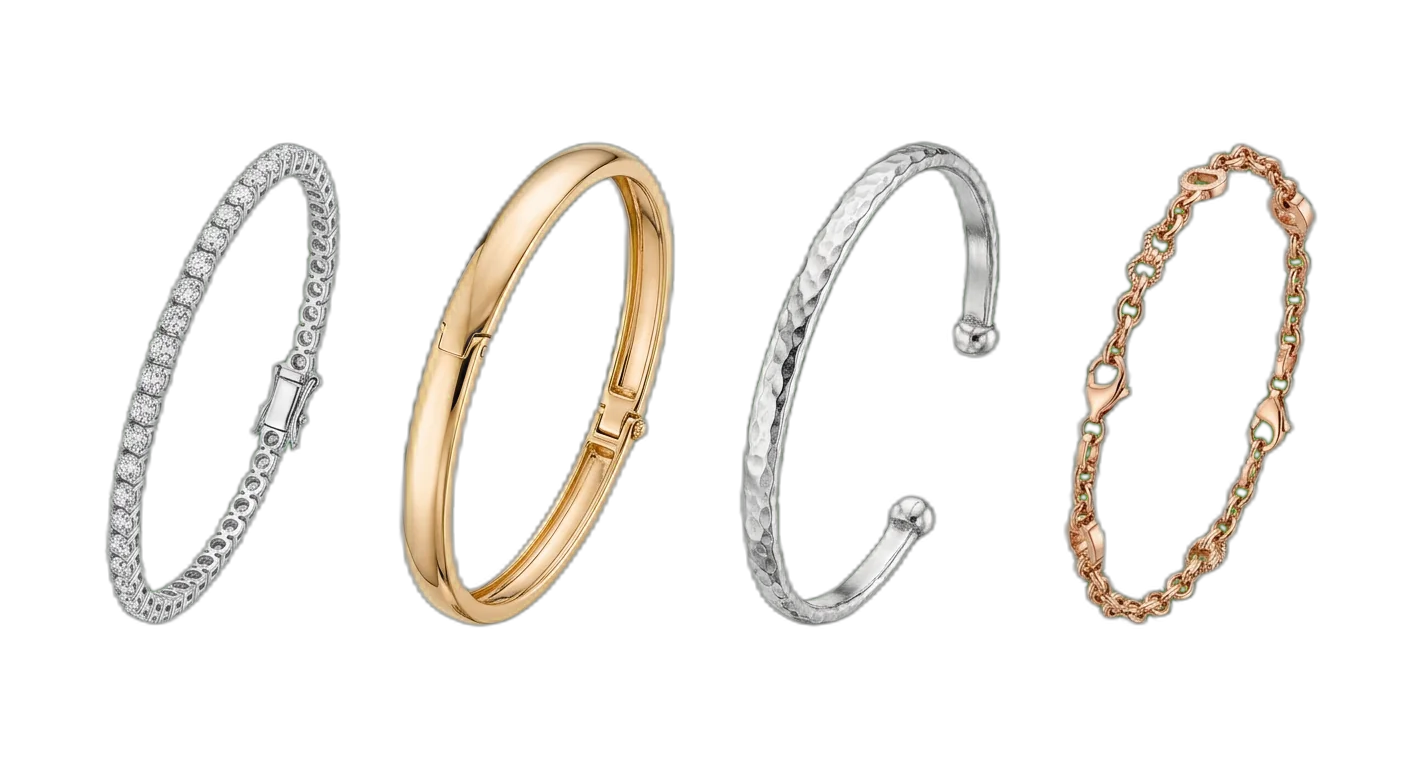
Bracelets & Bangles
Fine Jewelry > Bracelets
Bracelets benefit from the stacking and layering trend, which nudges shoppers to buy more than one piece at a time. Tennis bracelets are back in demand thanks to celebrity influence, and charm bracelets keep customers coming back for add-ons. Gift appeal is strong and return rates are moderate.
Demand: HighCompetition: MediumMargin: HighRisingExample ProductsTennis braceletsBanglesCuffsChain braceletsPro TipAlways include wrist size guidance and state whether bracelets are adjustable. Unclear sizing leads to hesitation and abandoned carts.
- 2
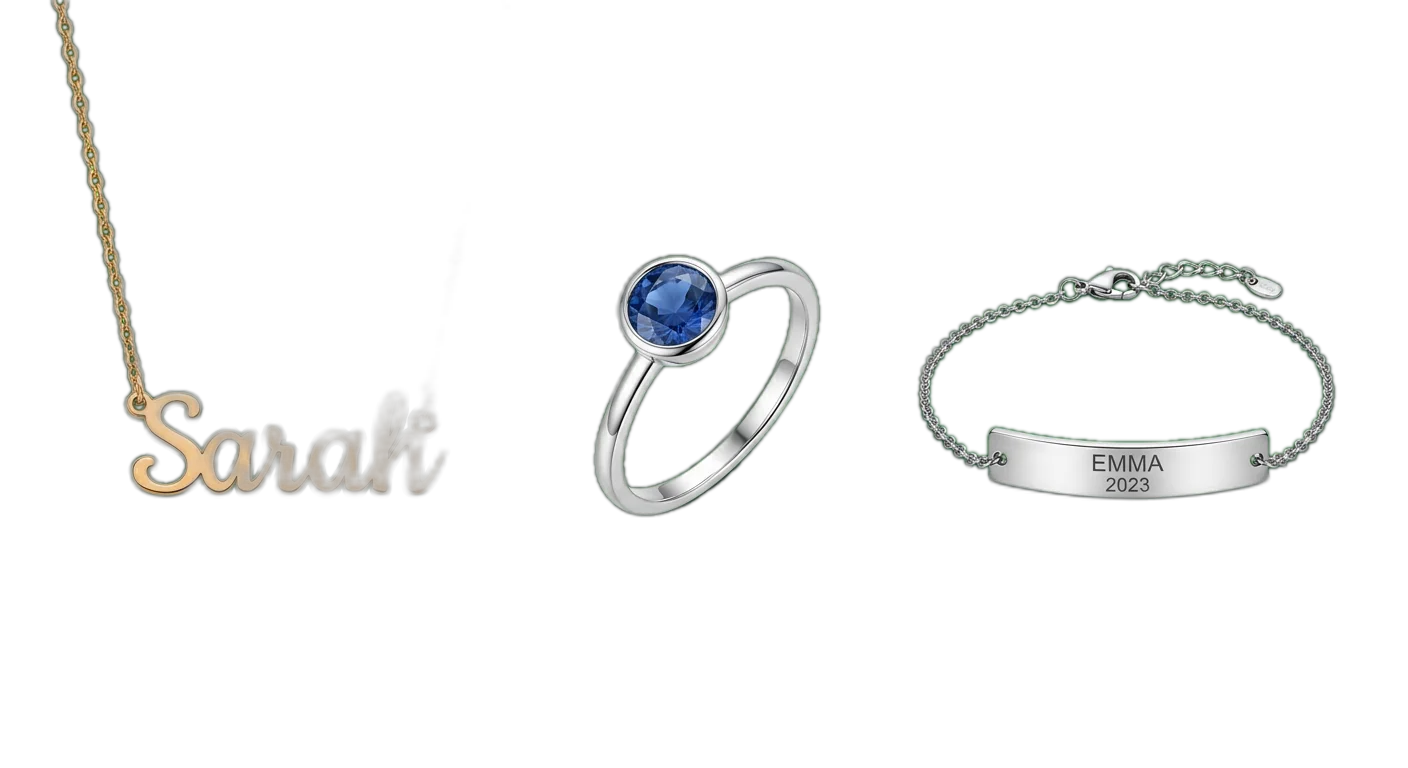
Personalized Jewelry
Fine Jewelry > Necklaces > Pendants
Personalized jewelry (name necklaces, birthstone pieces, engraved items) carries premium prices and is a top gift choice. Because each piece is made to order, shoppers compare prices less and are willing to pay more. Sales spike sharply around gift-giving holidays.
Demand: GrowingCompetition: LowMargin: HighRisingExample ProductsName necklacesBirthstone ringsEngraved braceletsInitial pendantsPro TipShow clear production time estimates on every product page. Buyers of personalized jewelry need to know if the item will arrive in time for a specific occasion. Unclear timelines cause shoppers to leave without buying.
- 3
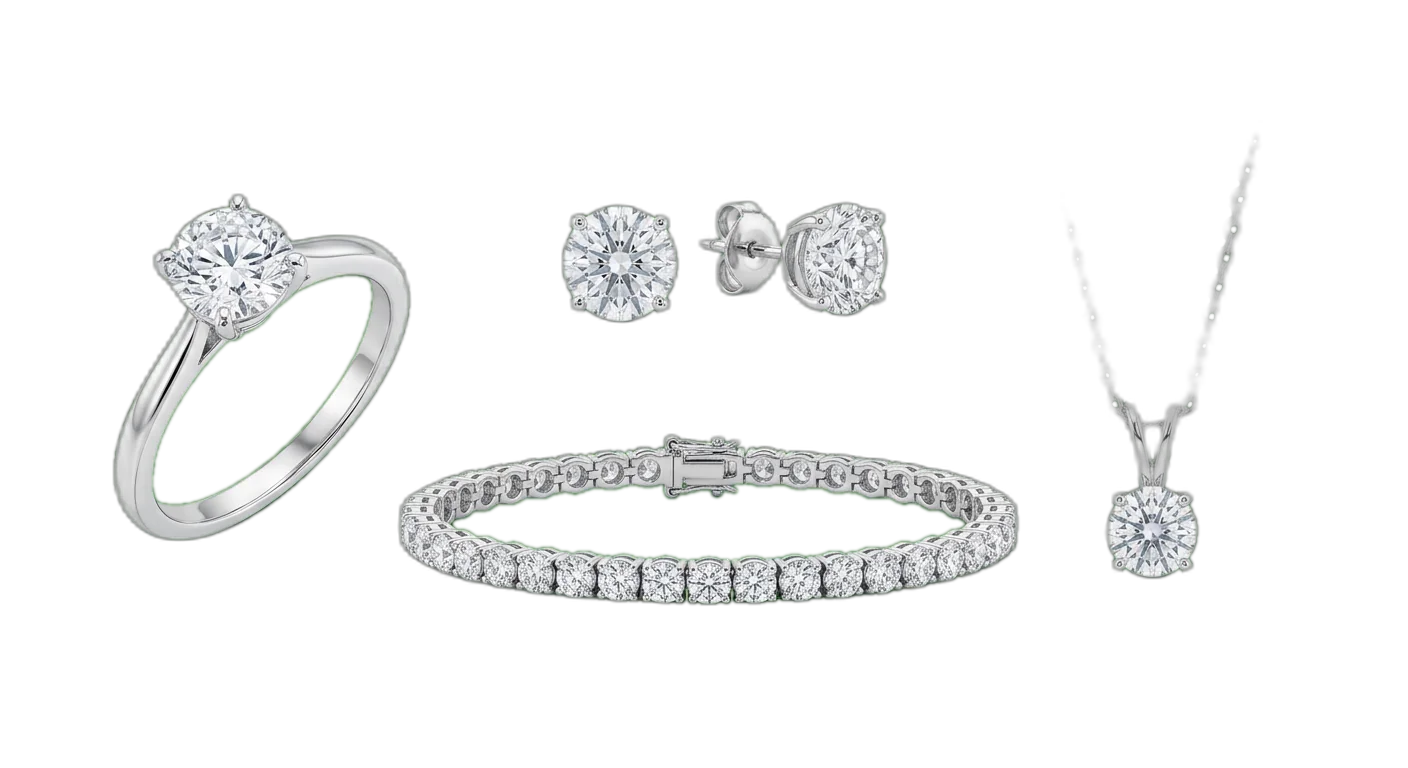
Lab-Grown Diamond Jewelry
Fine Jewelry > Rings > Engagement Rings
Lab-grown diamonds are one of the fastest-growing segments in fine jewelry. They sell for noticeably less than mined diamonds of comparable grade, which appeals to budget-savvy and ethically-minded shoppers. The category draws a younger audience that is new to buying fine jewelry online.
Demand: MediumCompetition: LowMargin: HighRisingExample ProductsLab-grown engagement ringsLab-grown stud earringsLab-grown tennis braceletsLab-grown pendant necklacesPro TipUse Origin Type (Lab-Grown vs. Natural) as a filterable attribute, not a separate category. This lets shoppers compare the two side by side and positions lab-grown as a genuine choice rather than a second-best option.
- 4
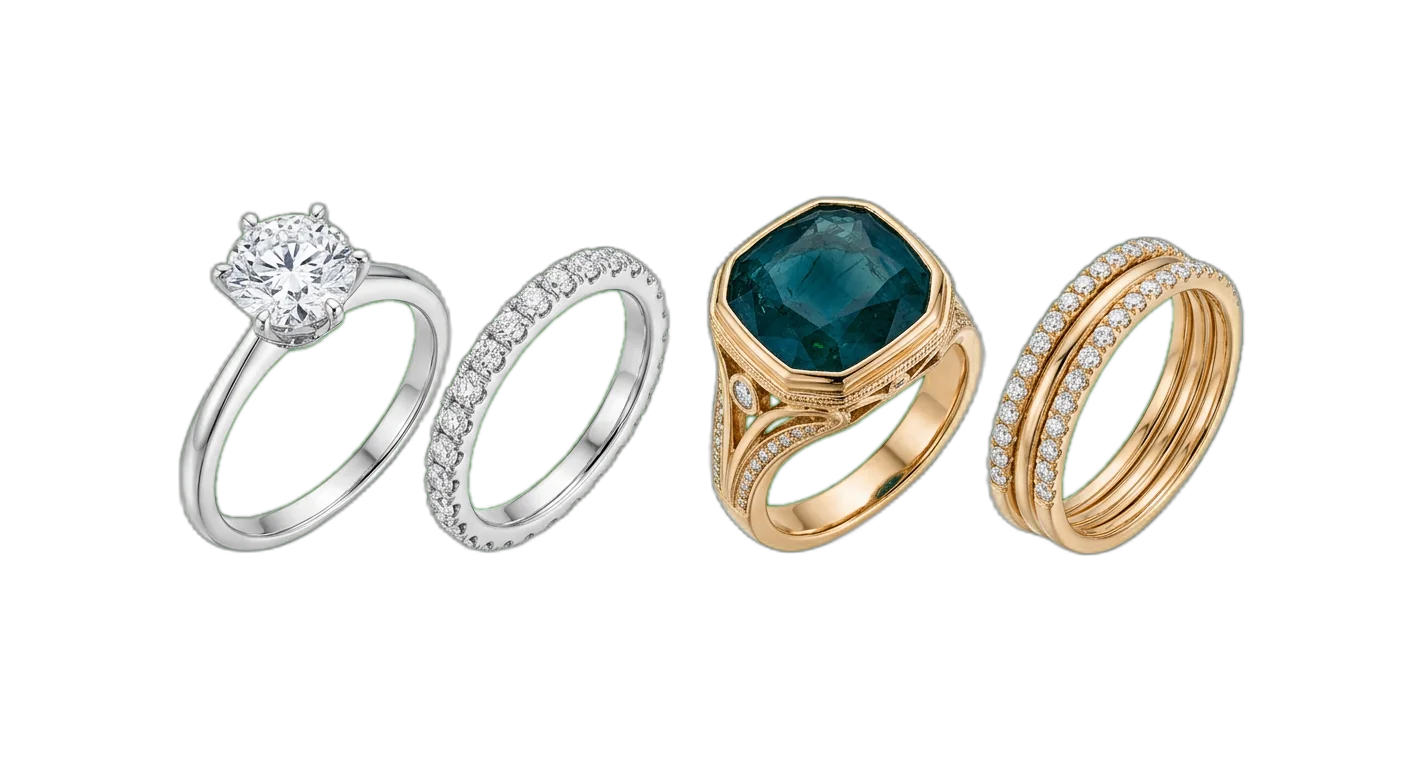
Rings
Fine Jewelry > Rings
Rings are among the highest-value jewelry categories in ecommerce, led by engagement rings and wedding bands with premium price tags. Shoppers spend a lot of time researching before they buy, which means detailed product data directly drives conversions. Search volume stays strong all year.
Demand: HighCompetition: HighMargin: HighStableExample ProductsEngagement ringsWedding bandsStatement ringsStackable ringsPro TipInclude a ring size guide with every product listing. Sizing uncertainty is a leading reason shoppers hesitate over, and return, rings bought online.
- 5
Necklaces & Pendants
Fine Jewelry > Necklaces
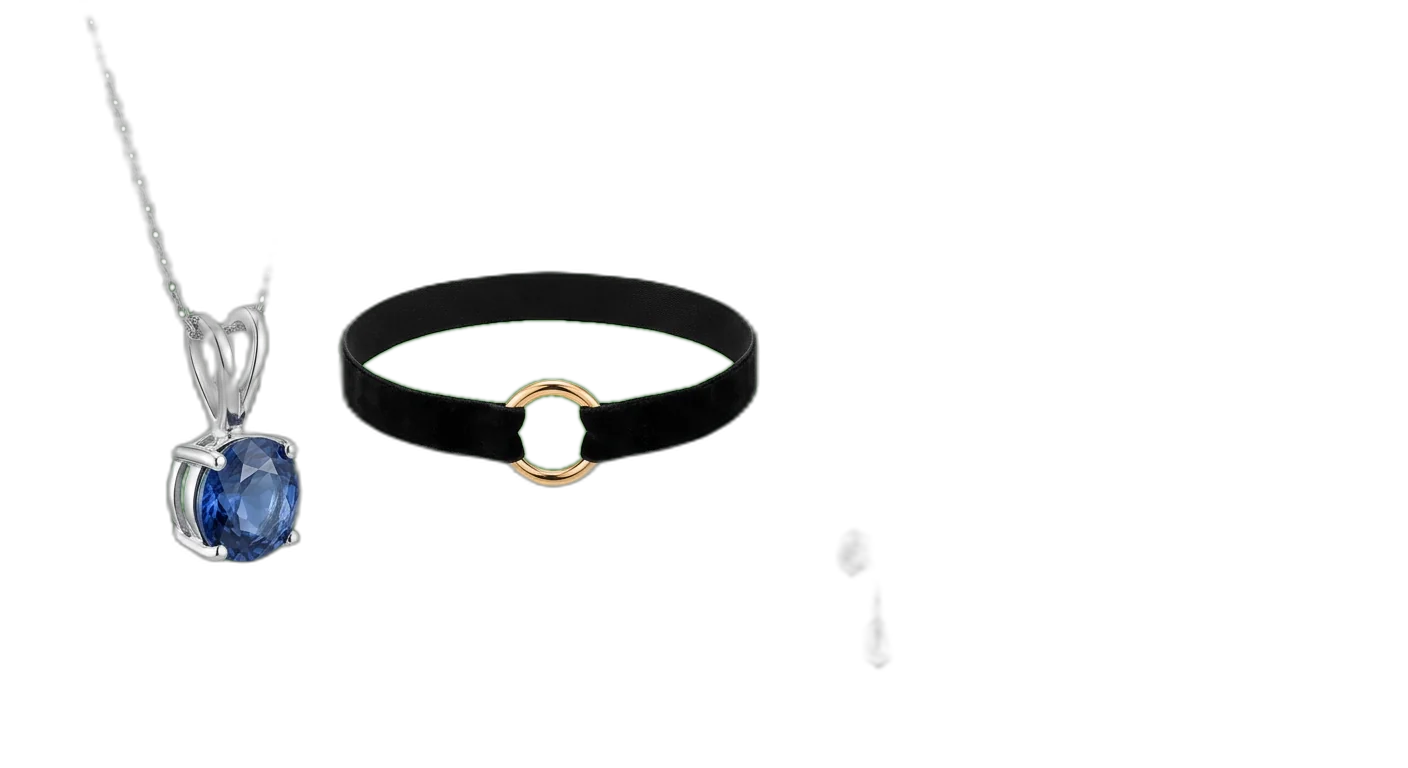
Necklaces are one of the most-gifted jewelry categories, with peak demand around Valentine's Day, Mother's Day, and Christmas. Pendants are easy to personalize (initials, birthstones) and fetch premium prices. Return rates are lower than rings because sizing matters less.
Demand: HighCompetition: MediumMargin: HighSeasonalExample ProductsPendantsChainsChokersLariatsPro TipOffer multiple chain length options for every pendant. A frequent complaint in necklace reviews is that the chain length didn't match expectations. A body diagram showing where each length sits helps shoppers choose with confidence.
- 6
Earrings
Fine Jewelry > Earrings
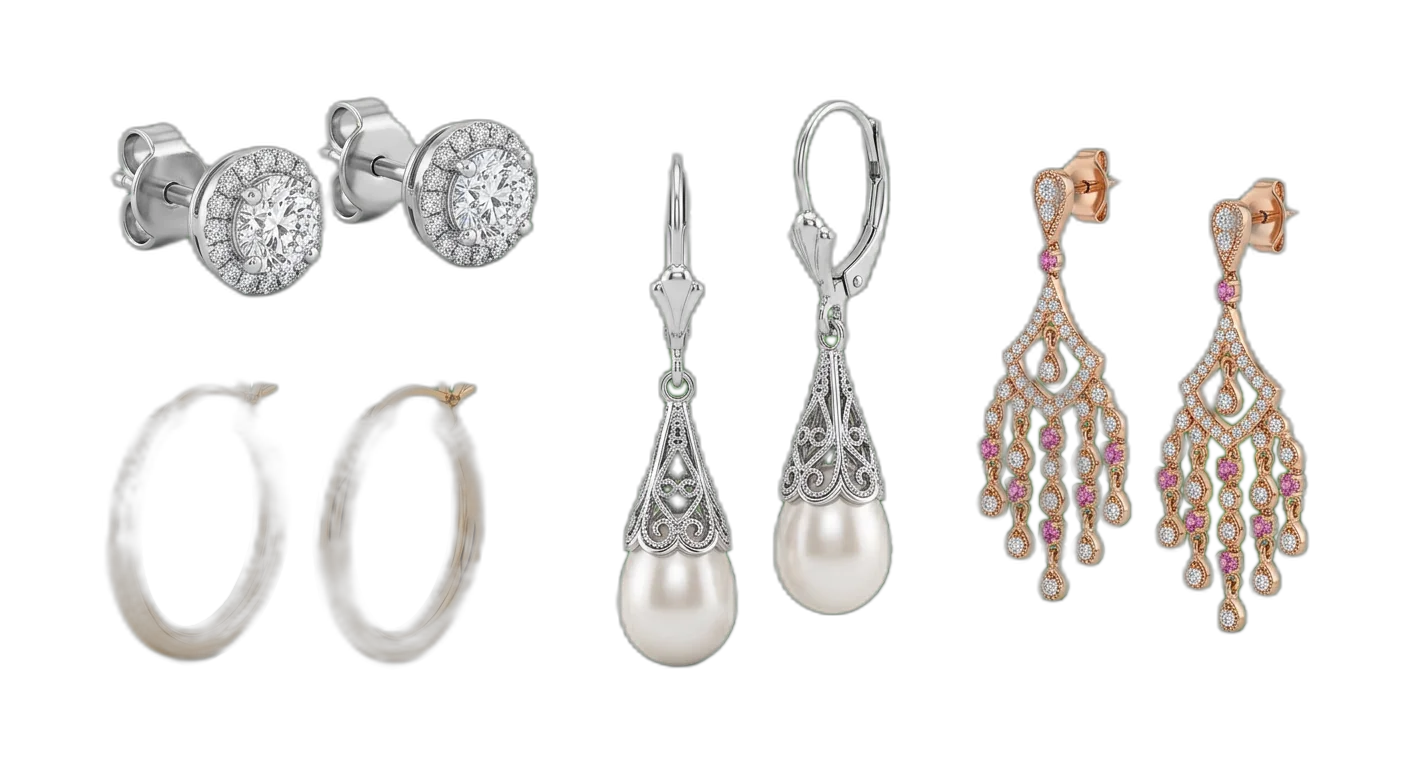
Earrings are one of the most frequently repurchased jewelry types. Customers collect multiple pairs for different occasions, and the price range is huge: from budget studs to high-end diamond drops. Lower order values are more than made up for by strong repeat buying.
Demand: HighCompetition: HighMargin: HighStableExample ProductsStudsHoopsDrop earringsChandelier earringsPro TipOrganize subcategories by style (studs, hoops, drops, climbers) rather than by material. Earring shoppers browse by look first and filter by metal type second.
- 7
Fashion Jewelry
Fashion Jewelry
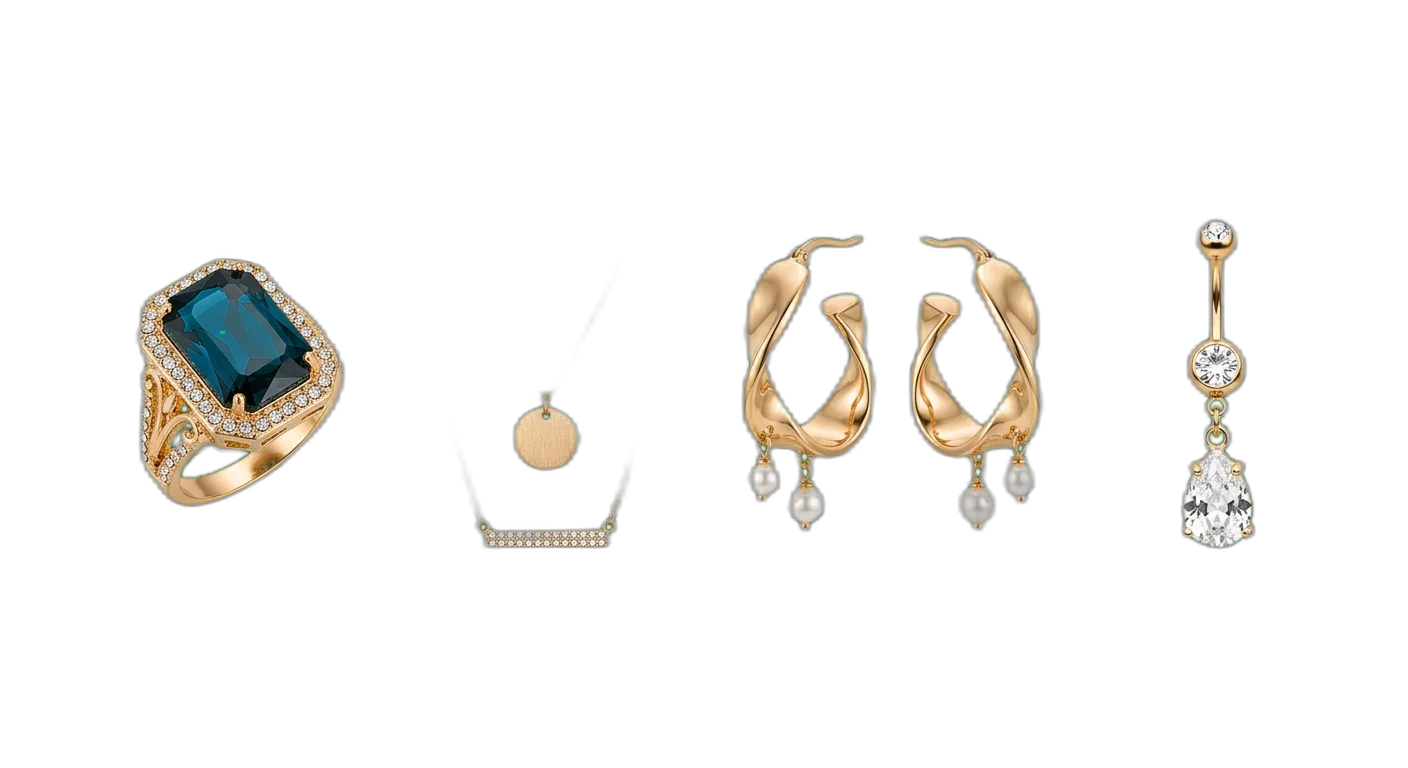
Fashion jewelry drives volume and accessibility in online retail. Lower price points encourage impulse buying and repeat purchases, and the category has grown fast with direct-to-consumer brands and social media trends. Low return shipping costs and strong margins on plated and synthetic materials make it a profitable category.
Demand: HighCompetition: HighMargin: MediumRisingExample ProductsCostume ringsFashion necklacesFashion earringsBody jewelryPro TipAlways state the material clearly (gold-plated, sterling silver, stainless steel). Shoppers who expected precious metals and were surprised are a common source of returns in this category. Transparency builds trust.
- 8
Jewelry Care & Storage
Jewelry Care & Storage
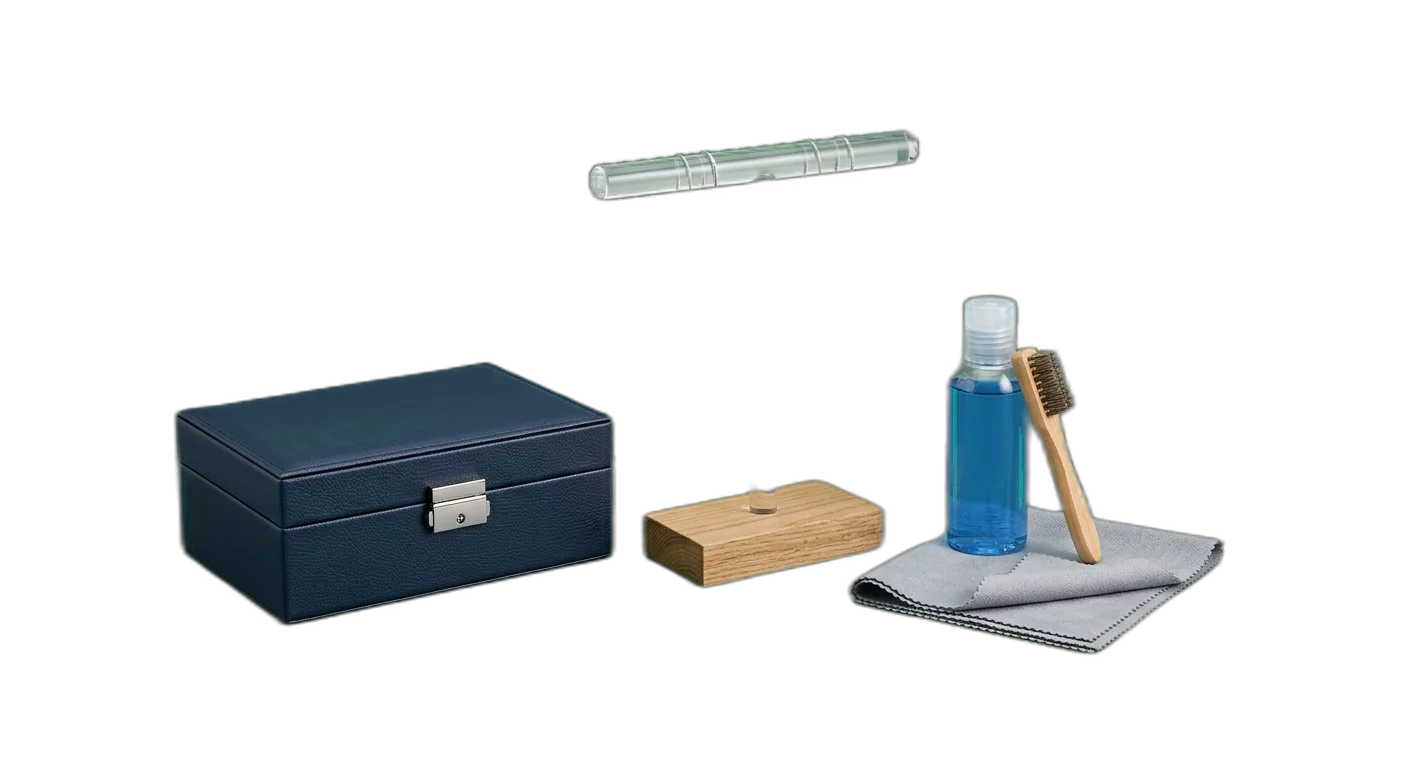
Jewelry care products (cleaning solutions, polishing cloths, storage boxes) are a natural cross-sell with every jewelry purchase. High margins, almost no returns, and the loyalty boost from helping customers look after what they bought make this category an easy win. Display stands also appeal to B2B jewelry retailers.
Demand: MediumCompetition: LowMargin: HighStableExample ProductsJewelry boxesCleaning kitsDisplay standsPolishing clothsPro TipCross-sell care products on every jewelry product page. A simple 'Protect your purchase' section with a cleaning kit is an easy way to lift accessory add-on sales.
- 9
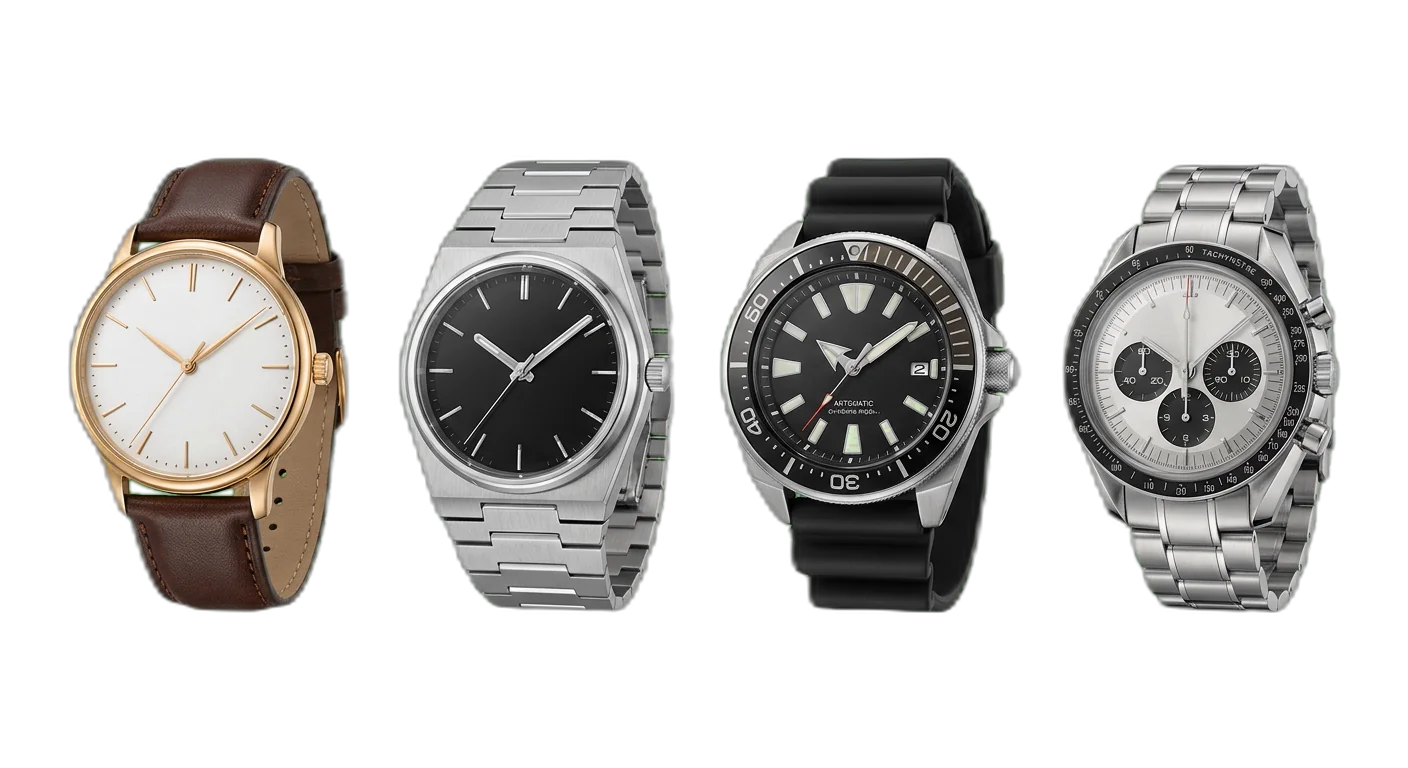
Watches
Watches > Analog Watches
Watches range from affordable fashion pieces to luxury collectibles, and the online watch market keeps growing as shoppers get comfortable buying high-value items online. Brand loyalty drives strong repeat purchases, and the collector market makes premium and limited-edition pricing viable.
Demand: MediumCompetition: MediumMargin: HighStableExample ProductsDress watchesSport watchesDive watchesChronographsPro TipKeep analog watches and smartwatches in separate categories. Watch enthusiasts care about movement type and heritage; smartwatch buyers want health sensors and app compatibility. These are different audiences.
- 10
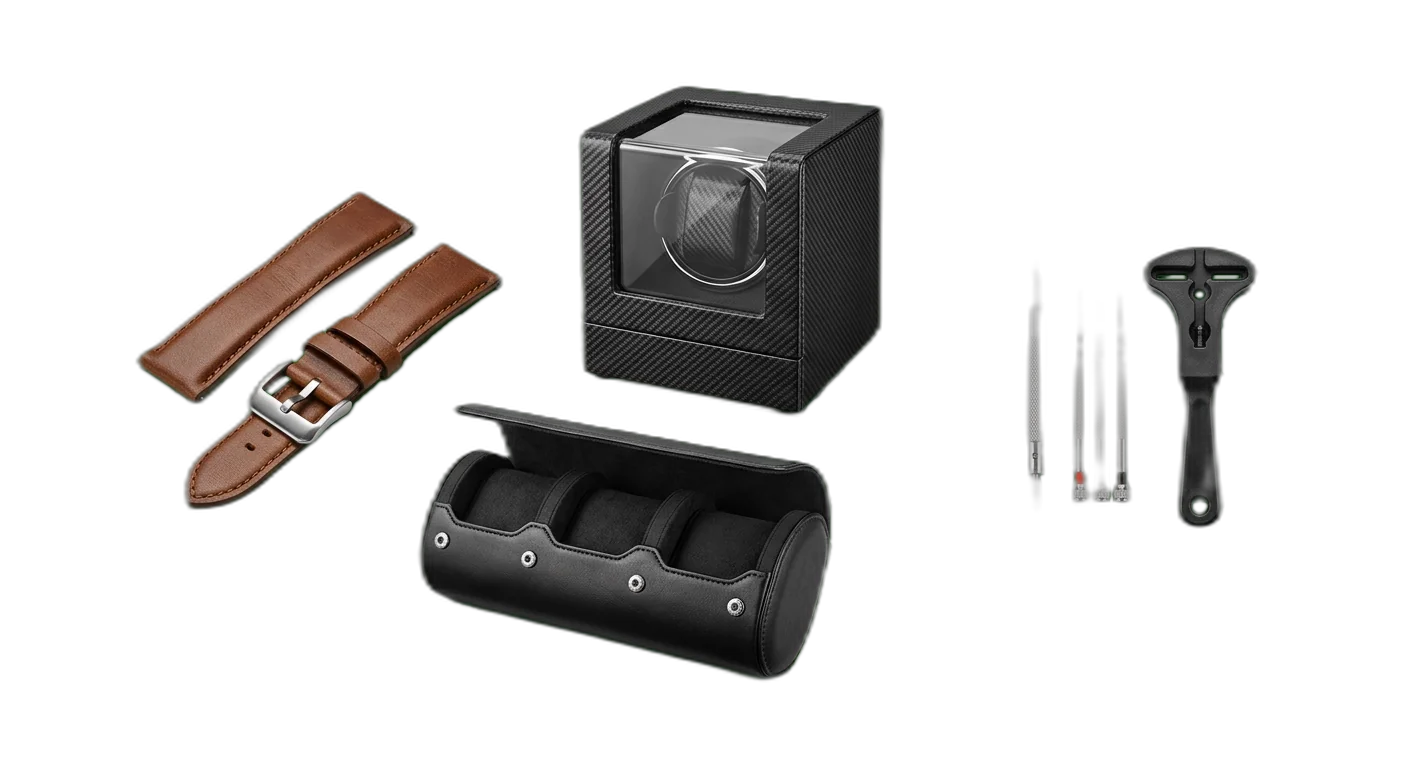
Watch Accessories
Watches > Watch Accessories
Watch straps, winders, and cases generate repeat revenue from existing watch owners. Strap replacement is seasonal, and the rise of smartwatches has created huge demand for interchangeable bands. High margins and low return rates make this a very profitable add-on category.
Demand: MediumCompetition: MediumMargin: MediumSeasonalExample ProductsWatch strapsWatch windersWatch casesWatch toolsPro TipInclude compatibility details for every strap: which watch models it fits and the lug width. Incompatible straps are a leading reason for returns in this category.
Category Performance at a Glance
Compare demand, competition, margins, and growth across all recommended categories
Bracelets & BanglesPersonalized JewelryLab-Grown Diamond JewelryRingsNecklaces & PendantsEarringsFashion JewelryJewelry Care & StorageWatchesWatch AccessoriesRecommended Jewelry & Accessories Category Structure
The complete category tree with subcategories for each recommended top-level category
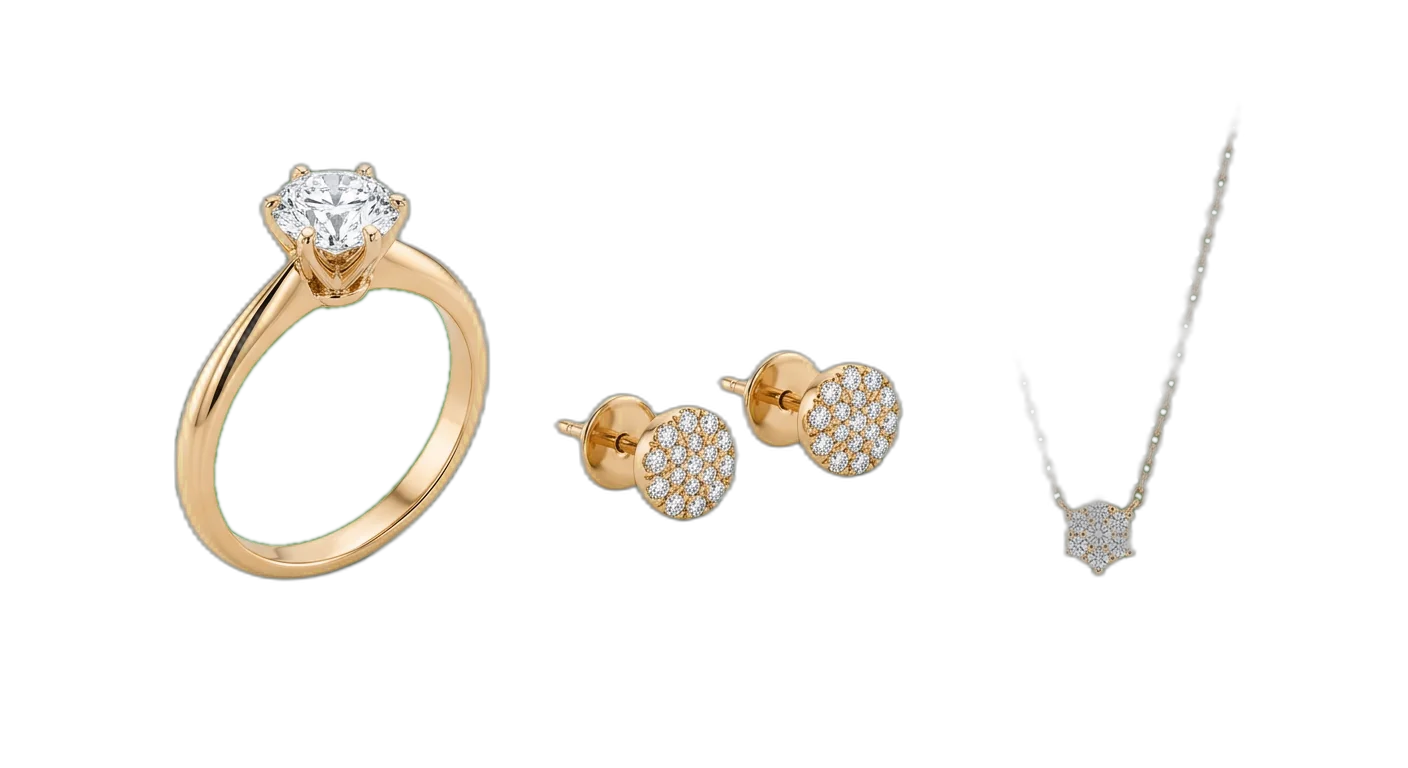
Fine Jewelry
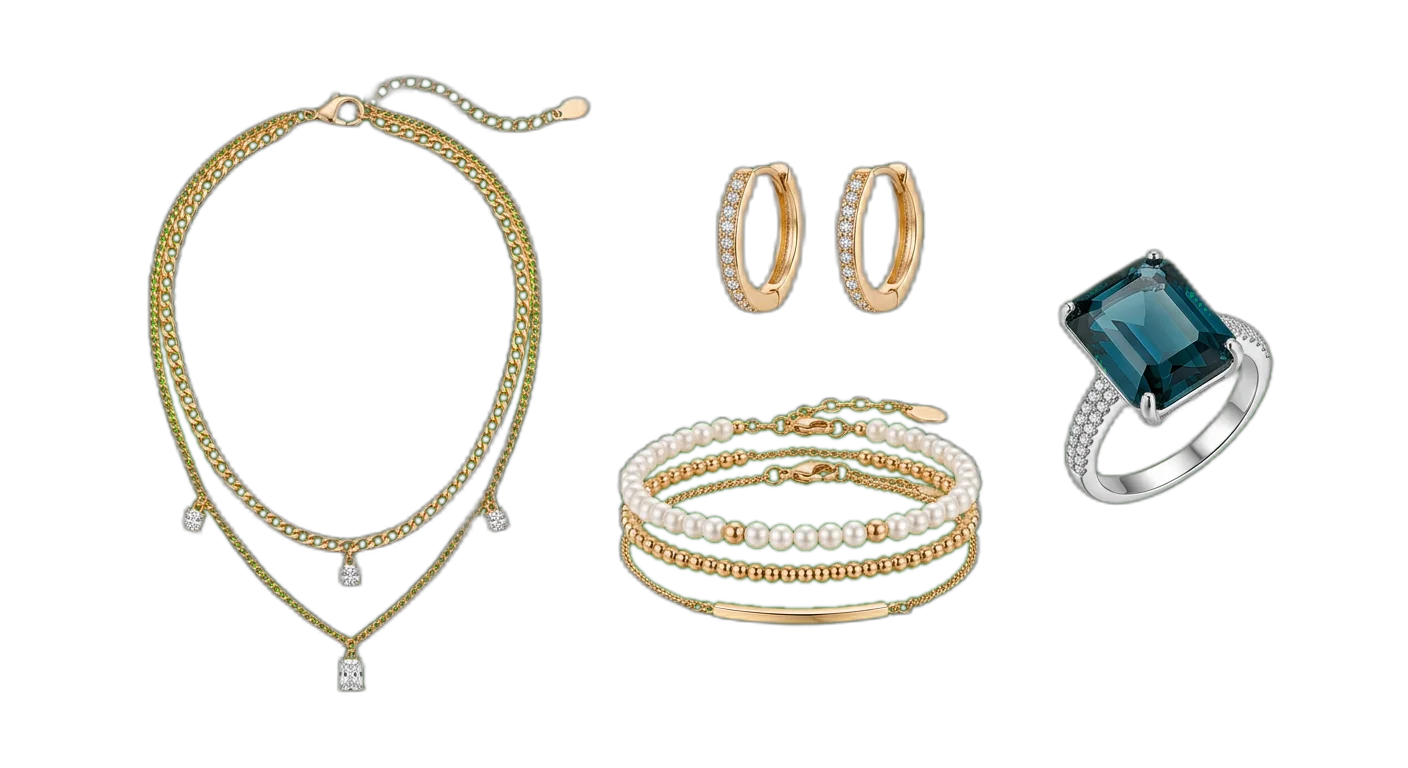
Fashion Jewelry
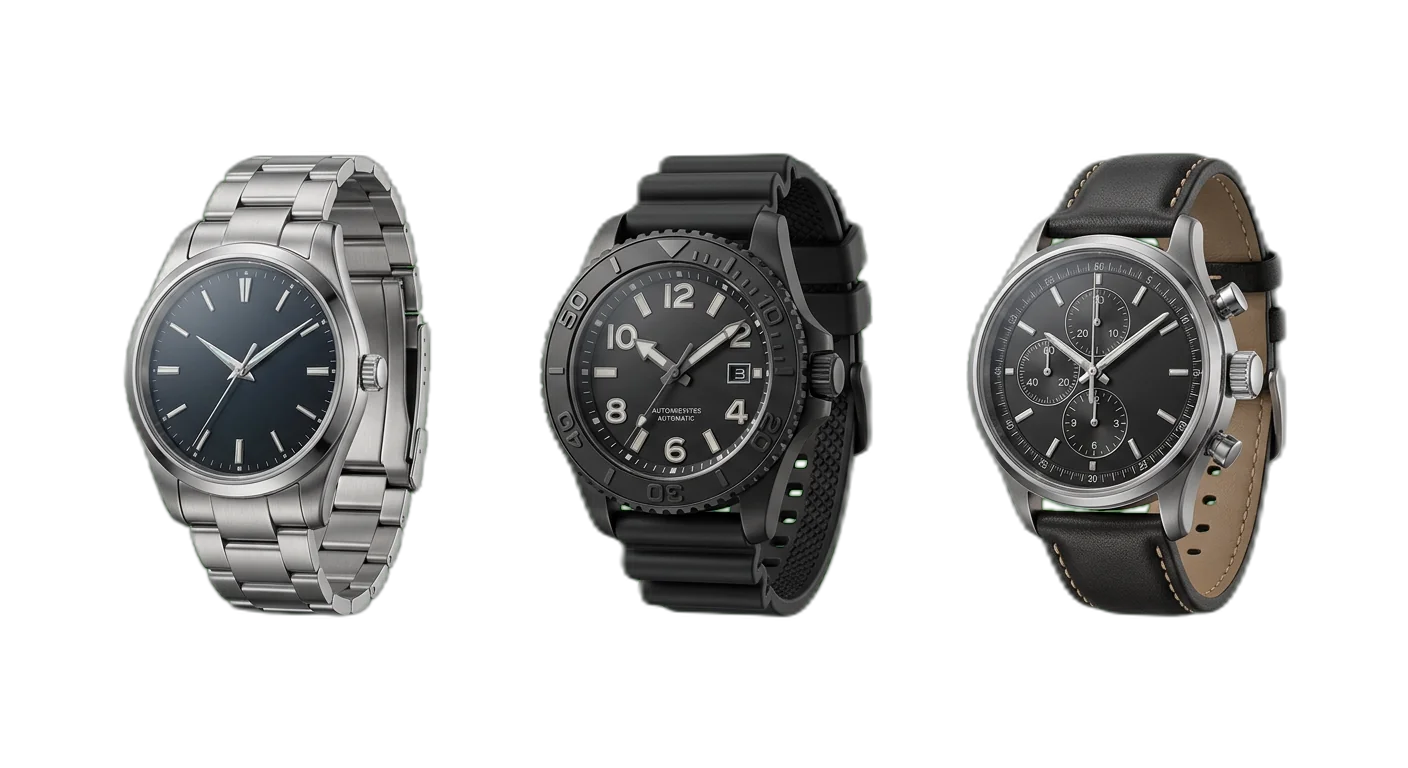
Watches
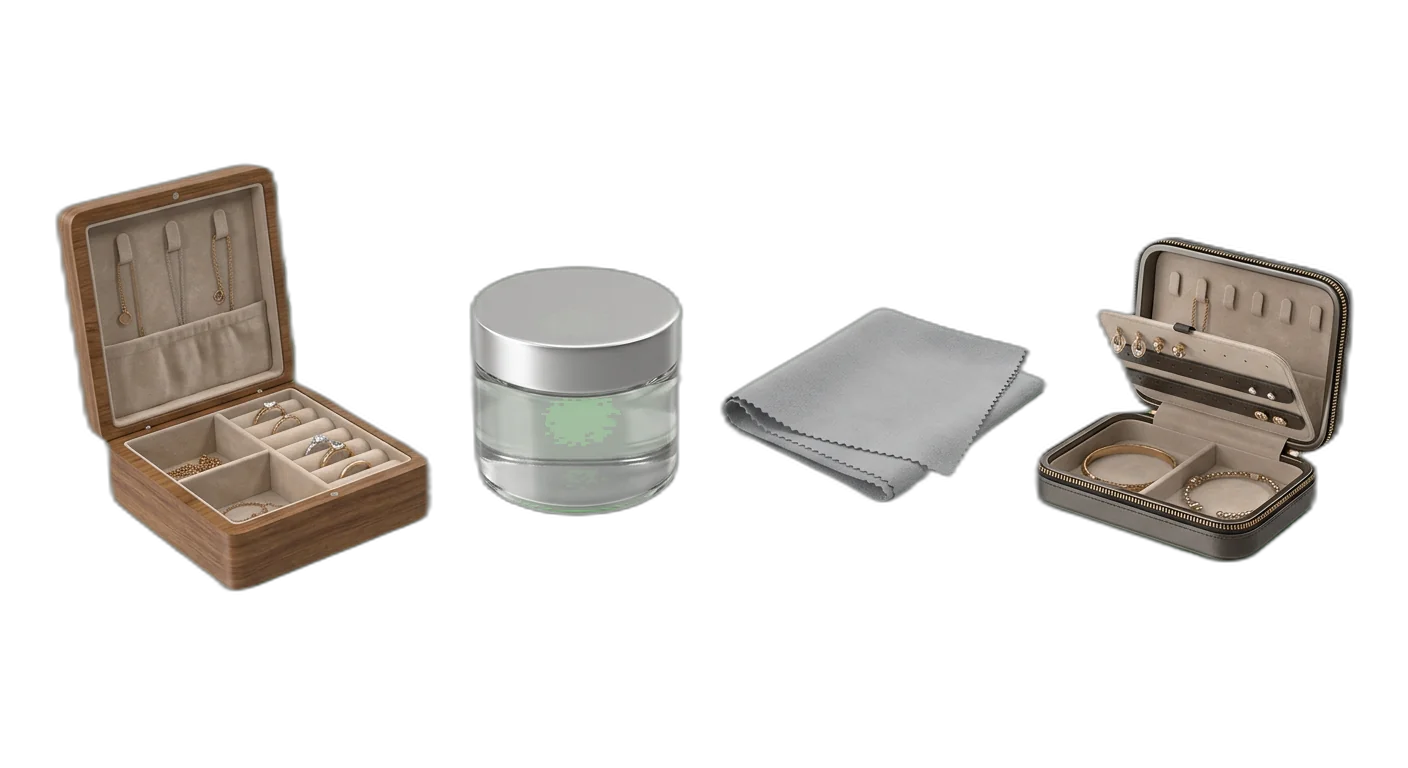
Jewelry Care & Storage
Which Categories Should You Start With?
Choose your starting categories based on your catalog size and growth stage
Pick one jewelry type and go deep with complete product data, size guides, and great photos. Fine jewelry especially needs thorough attribute data to turn browsers into buyers online.
Expand into more jewelry types and add fashion jewelry to drive volume. Bring in watches and care products to grow your average order value and encourage repeat purchases.
Cover the full jewelry range: fine, fashion, watches, and care products. Invest in personalization, certification tracking, and attribute mapping for each marketplace you sell on.
How to Order Categories in Your Store Menu
Practical tips for organizing your navigation to maximize clicks and conversions
Lead with your best-selling jewelry type
Rings and necklaces are usually the most visited jewelry categories. Put them first in your navigation. If you specialize in watches, lead with those instead.
Add an 'Occasion' or 'Shop by Occasion' filter
Jewelry shoppers often have a specific occasion in mind (engagement, birthday, anniversary). An occasion filter works alongside your category structure without adding extra levels.
Separate Fine Jewelry and Fashion Jewelry clearly in navigation
Fine jewelry shoppers have different budgets and expectations than fashion jewelry shoppers. Making the distinction obvious up front prevents frustration and improves conversion.
Highlight personalization options prominently
Personalized jewelry carries premium prices and is a top gift choice. If you offer engraving or custom designs, make sure it is visible in your main navigation or hero section.
Include a price range filter at every level
Jewelry spans an unusually wide price range. A visible price filter at every navigation level helps shoppers find items within their budget quickly.
When Each Category Peaks
Plan your inventory and marketing around seasonal demand shifts
Spring (Mar-May)
Peak Categories
Valentine's Day (February) and Mother's Day (May) are major gifting occasions for jewelry. Get your inventory and marketing campaigns ready at least 4 weeks before each date.
Summer (Jun-Aug)
Peak Categories
Summer is peak season for fashion jewelry and body jewelry (anklets, layered necklaces). Festival and holiday moods lift impulse buying in the lower price ranges.
Autumn (Sep-Nov)
Peak Categories
Engagement season starts in October and peaks in December. Black Friday is becoming a key moment for watches and fine jewelry as shoppers pick up premium gifts early.
Winter (Dec-Feb)
Peak Categories
December is the peak month for jewelry sales. Christmas and New Year engagements push ring sales, and necklaces and watches are popular gift choices.
Categories That Sell Together
Pair related categories to increase your average order value
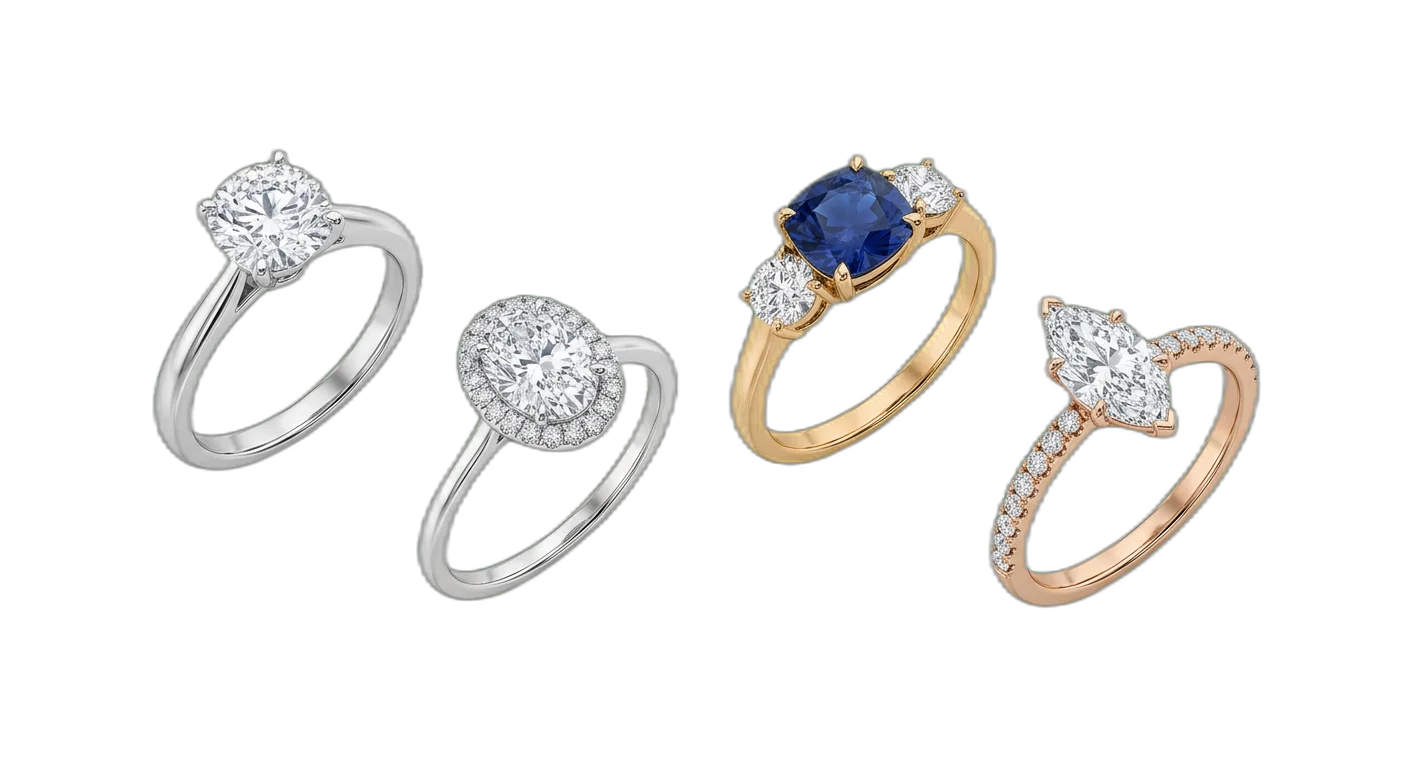
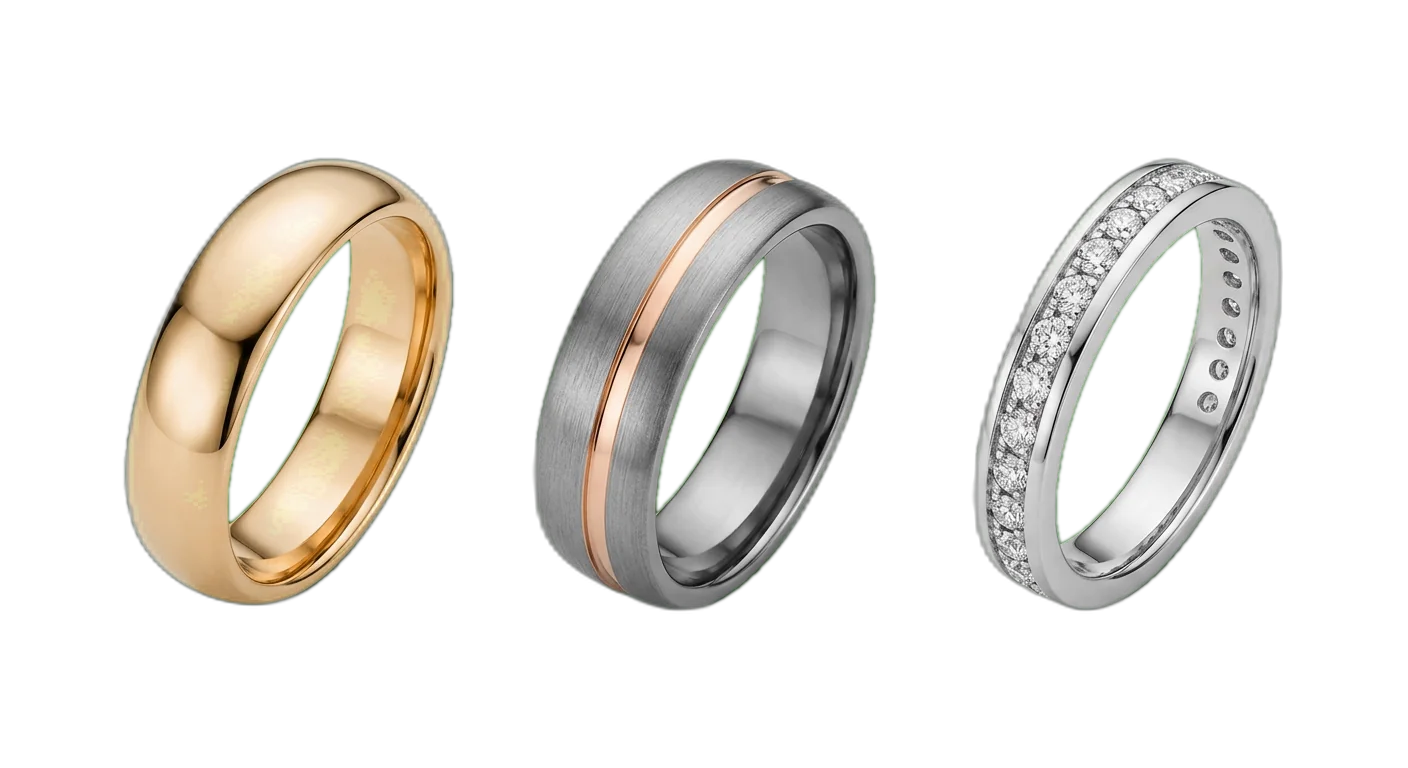
Engagement ring buyers usually come back for wedding bands within the year. Start cross-selling early with matching band suggestions.
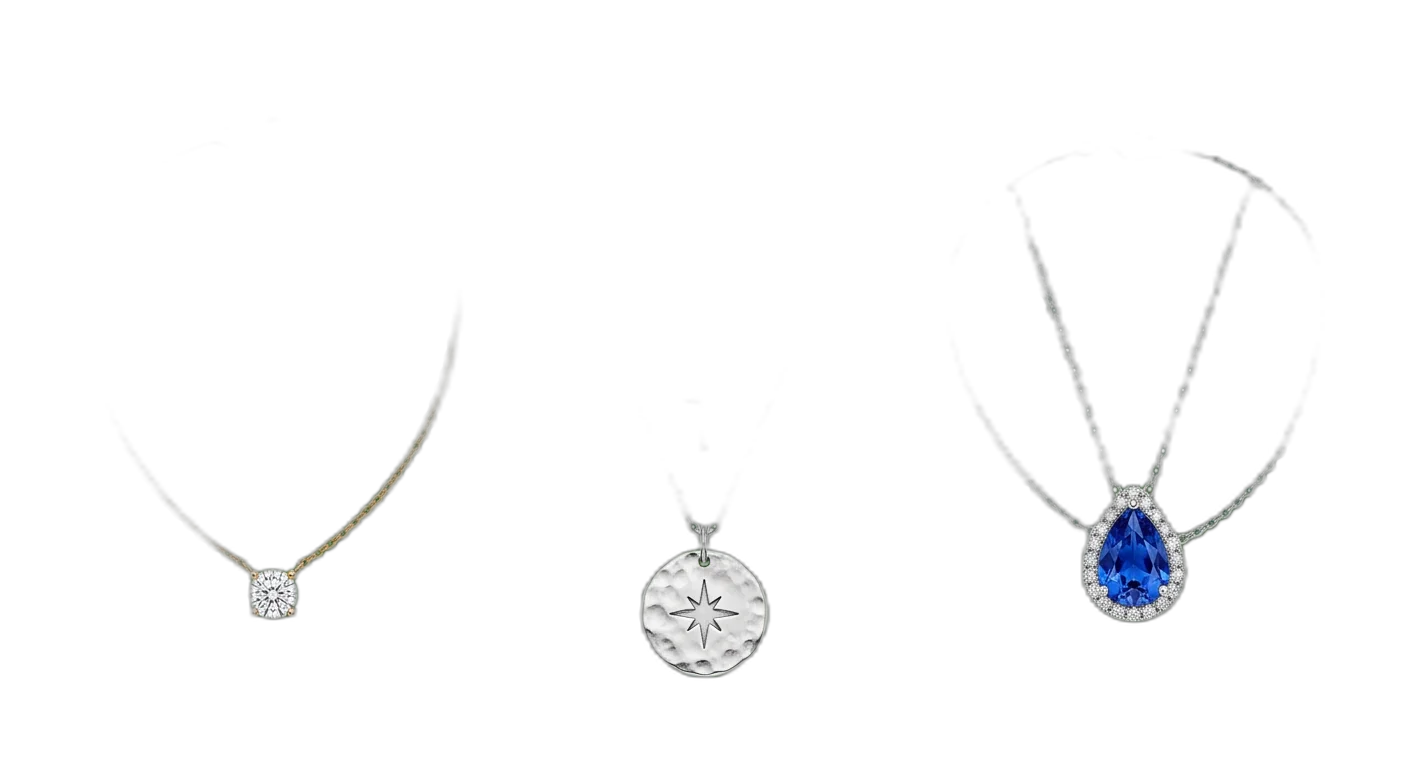
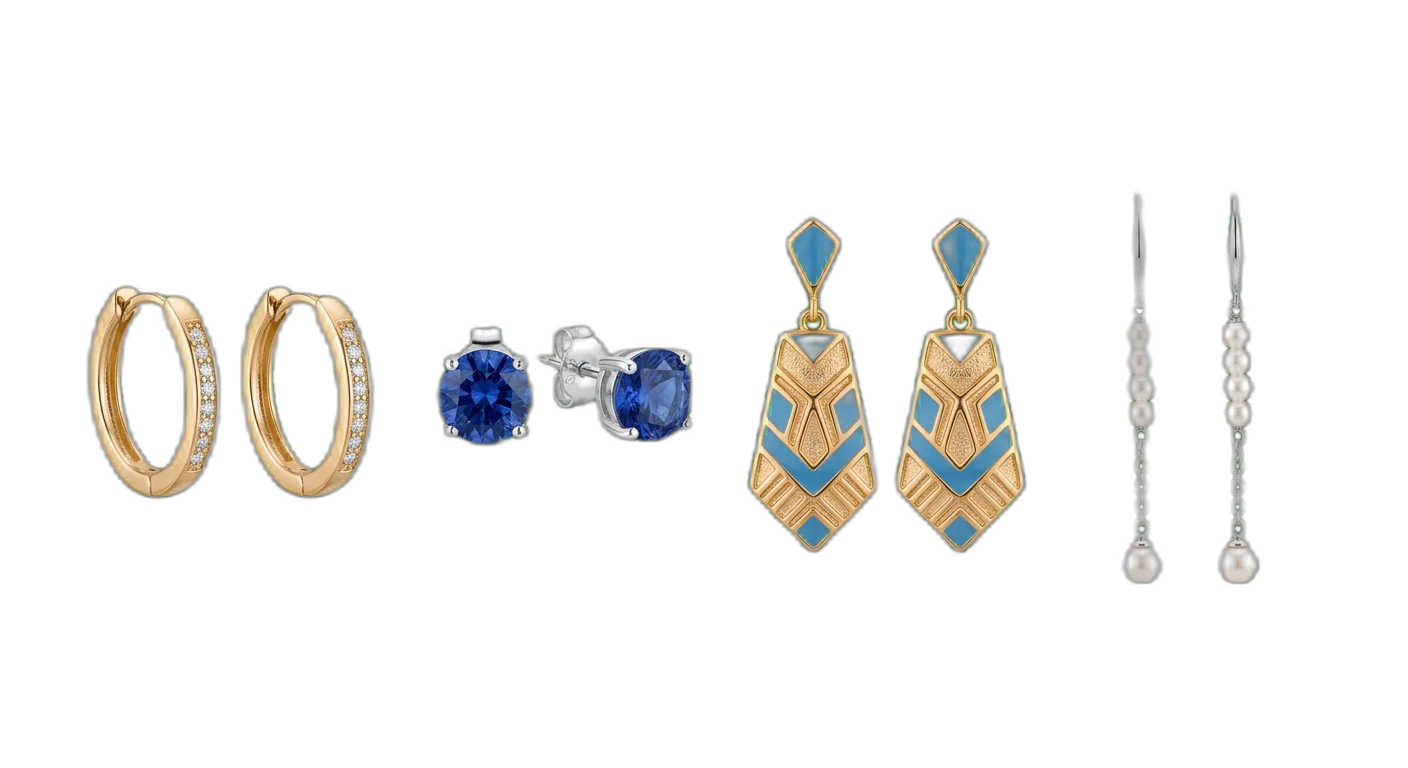
Shoppers often want a matching set. Suggesting coordinating earrings on necklace pages is a straightforward way to lift order value.
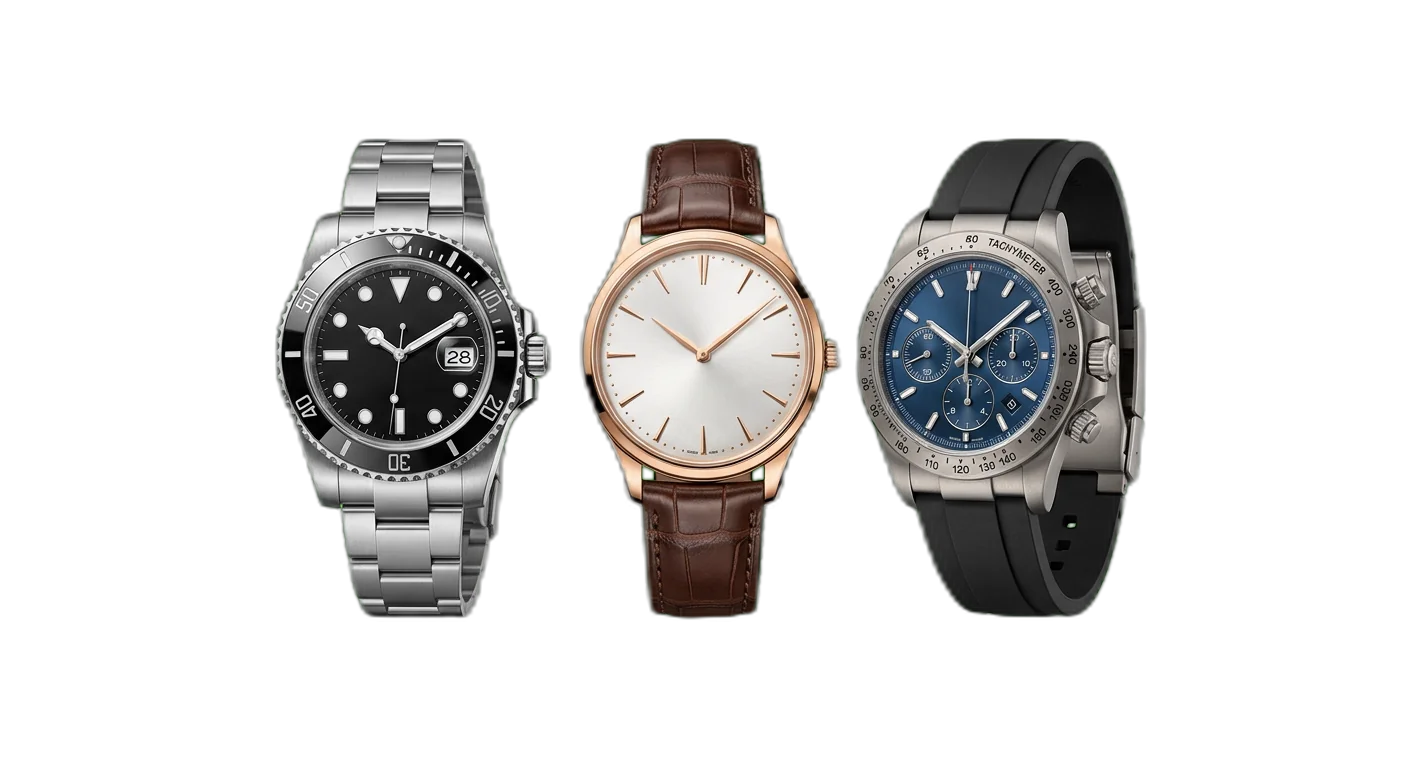
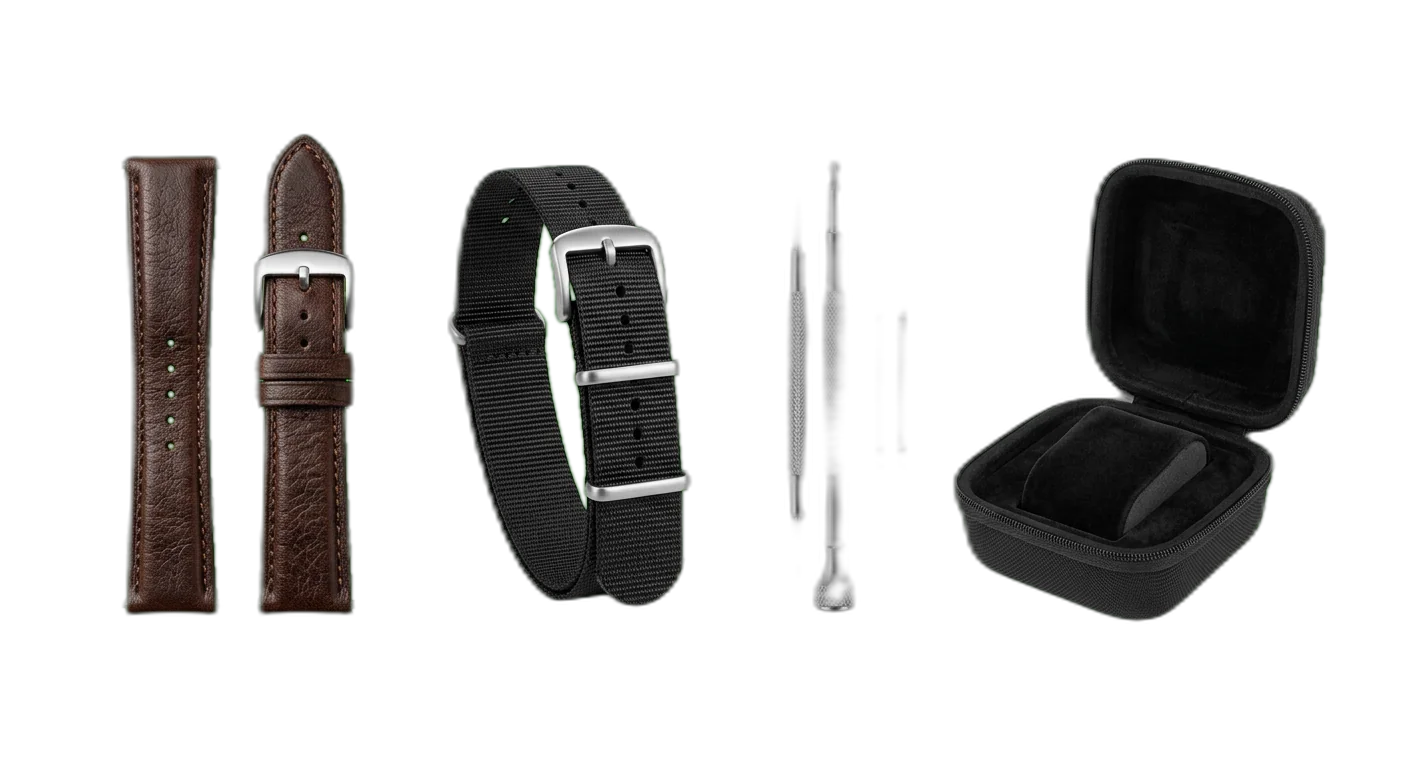
Watch buyers often come back for extra straps and storage. Suggest seasonal strap swaps and premium watch boxes on your product pages.
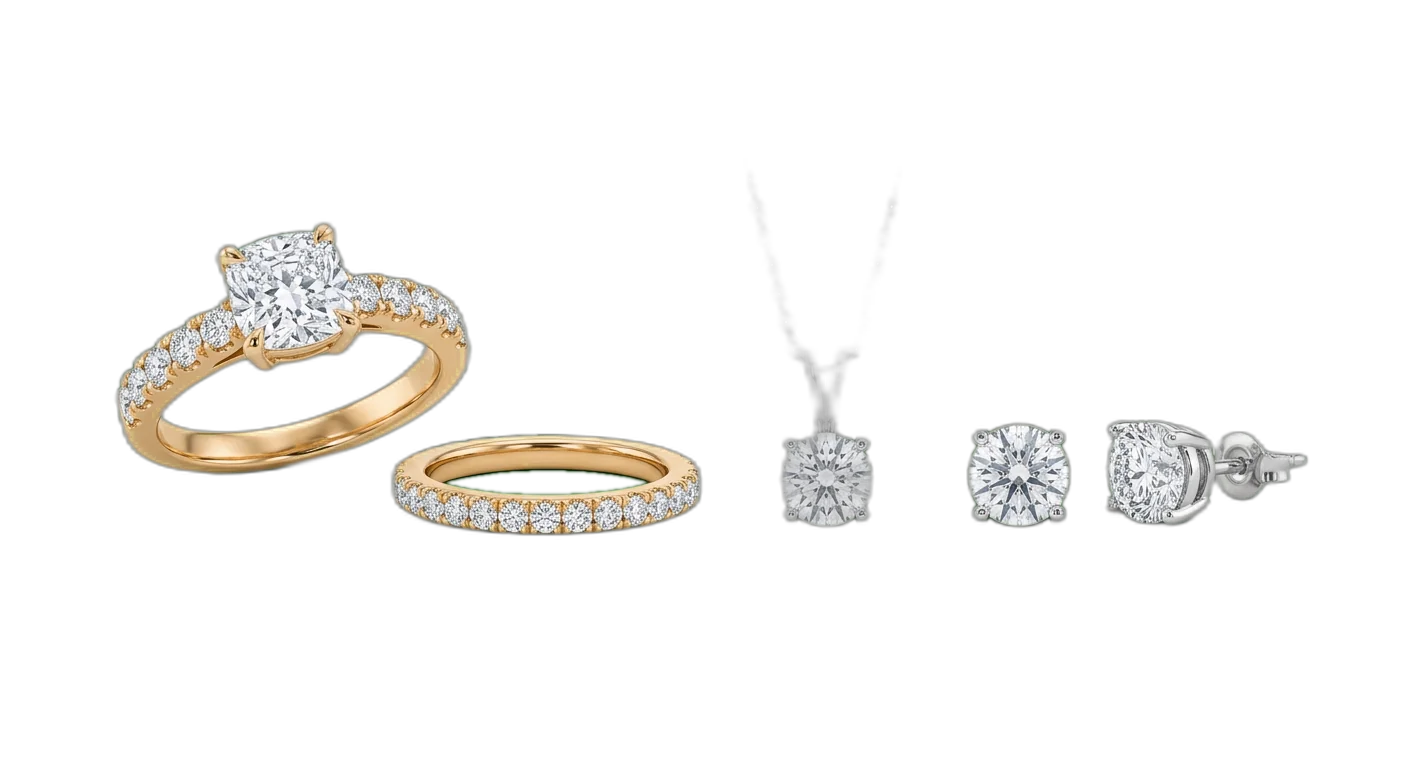
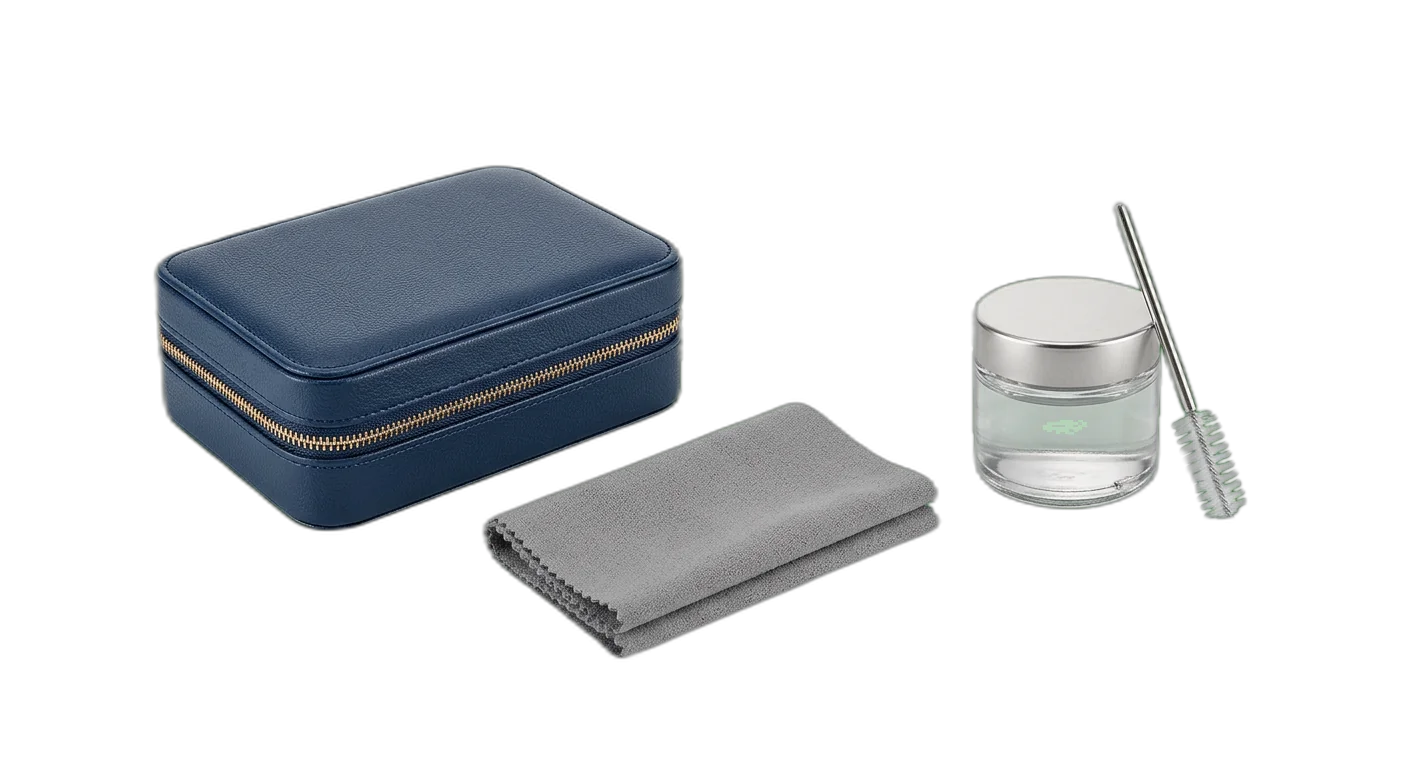
High-value jewelry purchases naturally pair with care products. A 'Protect your investment' section on fine jewelry pages converts well.
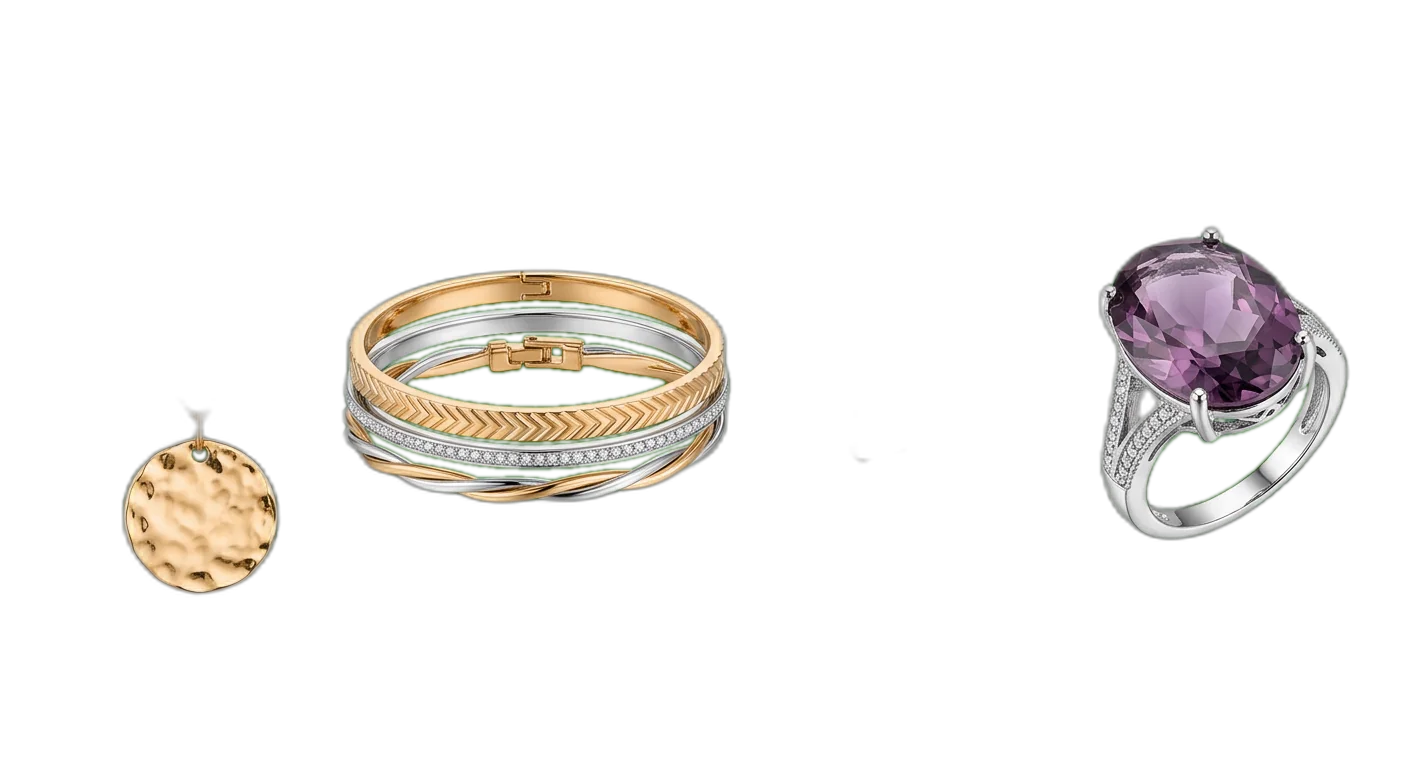
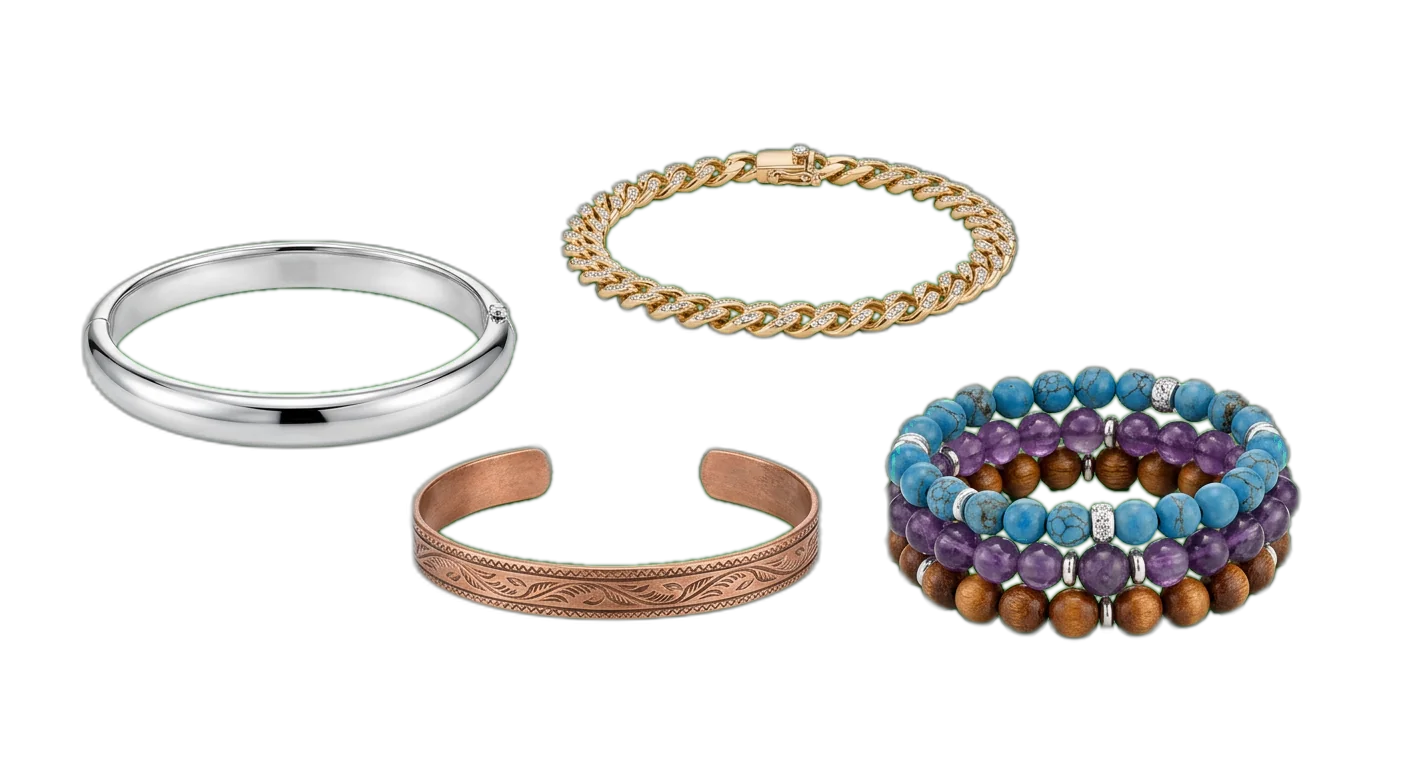
The stacking and layering trend encourages multi-piece purchases. Suggest bracelets and rings that pair well with whatever the shopper has already selected.
Common Jewelry & Accessories Category Mistakes
Mistakes that hurt your discoverability, SEO, and conversion rates
- Mistake
Creating categories based on metal type (Gold Jewelry, Silver Jewelry, Platinum Jewelry) instead of product type
Better approachUse product type as your category (Rings, Necklaces, Earrings) and metal type as a filterable attribute. This prevents duplicate listings and lets shoppers compare across metals in a single view.
- Mistake
Mixing fine and fashion jewelry in the same categories without clear separation
Better approachKeep Fine Jewelry and Fashion Jewelry as separate top-level categories. They have different pricing, materials, attribute requirements, and marketplace rules.
- Mistake
Using gemstone types as category names (Diamond Earrings, Ruby Rings) leading to exponential category growth
Better approachKeep gemstone as a filterable attribute. One Earrings category covers all gemstone options without multiplying your category tree for every stone type.
- Mistake
Not tracking certifications like GIA reports and hallmark stamps as structured data
Better approachAdd dedicated certification attributes to your fine jewelry categories. They are legally required in many markets and build customer trust on high-value purchases.
- Mistake
Creating seasonal categories (Valentine's Collection, Christmas Gifts) that fragment the permanent taxonomy
Better approachUse tags or collection attributes for seasonal campaigns. Categories should reflect permanent product types that stay consistent all year.
Set Up Jewelry & Accessories Categories with AI
Get your Jewelry & Accessories product categories organized in minutes, not days
01
Import your jewelry catalog
Upload your product data via CSV, Excel, or API. WISEPIM automatically picks up jewelry-specific attributes like metal type, gemstone, sizing, and certification details from your existing data and product descriptions.
02
AI categorizes your products
WISEPIM's AI looks at product images, titles, and descriptions to sort each piece into Fine Jewelry, Fashion Jewelry, or Watches, then assigns the right subcategory. It identifies jewelry type, style, and material automatically.
03
Review, refine, and publish
Review AI suggestions in bulk, fill in missing attributes like certifications and sizing, and publish your enriched catalog to all your sales channels. WISEPIM maps your jewelry categories to Google Shopping, Amazon, and other marketplace formats.
Frequently Asked Questions
Common questions about choosing Jewelry & Accessories categories for ecommerce
Best Categories for Other Industries
Printable checklist
Start in 15 minutesDecide in one week if a new category pays off
Start with demand: 15 minutes in Google Trends. You get one count, like 2 of 3 terms rising. Then 5 steps for the rest of the week.
How it works
- Pick the 3 search terms shoppers use for the category.
- Look each one up in Google Trends over 2 years.
- Write the count, such as '2 of 3 terms rising'.
One email, once, with a link to the printable checklist. Nothing else unless you tick the box.
Free Excel template
XLSX · 3 sheetsSee which of your 20 best sellers are incomplete
An Excel check with the columns jewelry & watches products need. In about 15 minutes you know how many of your 20 are complete, and the one fix that helps the most rows.
How it works
- Paste 20 best sellers from your shop export into Products.
- Fill in what you know. The last column says what each row is missing.
- Read your result on Start here: how many are complete, and the fix that helps most rows.
One email, once, with the XLSX attached and as a download link. Nothing else unless you tick the box.
Keep exploring
Hand-picked next steps to go deeper.
Ready to Organize Your Jewelry & Accessories Catalog?
WISEPIM uses AI to automatically categorize your products, set up attributes, and sync across all your sales channels.