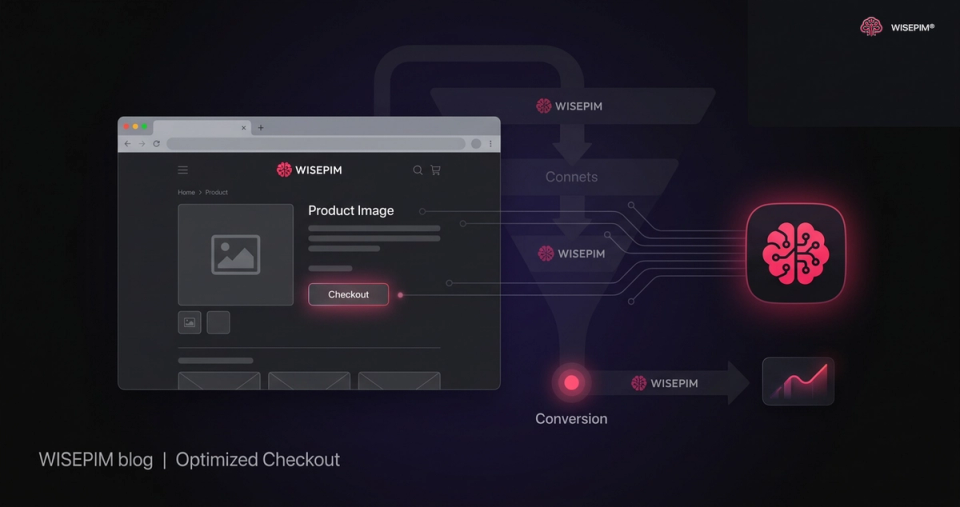
The global average cart abandonment rate sits at 70.22 percent. The Baymard Institute calculated this figure based on 50 different e-commerce studies leading into 2026. Retailers are losing anywhere from $18 billion to $260 billion in recoverable revenue annually, yet many e-commerce teams are trying to solve this massive leak by simply changing the color of their payment buttons.
Stop trying to fix window shopping
Industry analysts at Upsella point out that a 70 percent abandonment rate has remained stable since 2006. Technology has improved drastically, but human psychology has not. Consumers use digital carts as wishlists, price comparison tools, and saving mechanisms. You cannot fix window shopping.
Marketing software vendors often claim that every abandoned cart equals lost revenue. Skeptics rightly argue this is a false metric. True recoverable revenue is much smaller because many users are just browsing. You should benchmark against your specific vertical rather than the global average. Grocery abandonment hovers around 50 percent, while travel spikes to 87 percent.
The unresolved hesitation framework
Rashel Hariri, CMO at Foursixty, frames the problem perfectly. She states that cart abandonment is not about a lack of intent. It is about unresolved hesitation. One unanswered question at checkout can undo everything you did right before it.
Unexpected extra costs like shipping and taxes are among the top reasons shoppers abandon at checkout, and complicated checkout processes follow close behind. These are not UX problems. They are data availability problems. If a customer reaches the final step but the product specifications are unclear, they will leave. Missing shipping dimensions cause inaccurate fee calculations, leading directly to that massive drop-off.
Checkout optimization actually happens upstream
We need to view the checkout not as a standalone transactional page, but as the culmination of the entire product experience. The best checkout optimization happens long before the user clicks a cart icon.
Organizations that deeply integrate their backend systems with their e-commerce platforms report better conversion and fewer returns. Accurate, rich product data sets proper expectations before checkout. A customer who has to pause at the payment screen to wonder about a product's return policy, sizing, or exact weight will likely abandon the purchase.
This is where rigorous data validation becomes a revenue preservation tool. AI-driven systems automatically enrich product data. They ensure that real-time stock availability, pricing, and compliance data are synchronized across all channels. You prevent the dreaded out-of-stock error at the final checkout step by maintaining a pristine multi channel catalog.
The one-page versus multi-step checkout debate
A massive oversimplification exists in the e-commerce industry that a one-page checkout is always superior. UX researchers point out that optimal flow is highly context-dependent.
One-page vs multi-step checkout: which fits your store
| One-page | Low-AOV impulse buys and returning customers | Information overload on mobile screens, where nearly 73 percent of sales will happen by the end of 2026; cramped fields cause fat-finger errors | Speed: everything on one screen, as long as touch targets keep the 44x44 pixel minimum |
|---|---|---|---|
| Multi-step | High-value, complex or B2B purchases | More steps for buyers who only want a quick reorder | Progressive disclosure reduces cognitive load, so a $2,000 purchase feels less overwhelming and builds trust with new customers |
Accelerated guest checkout and digital wallets
Forced account creation drives away a meaningful share of potential buyers. Guest checkout has historically been a massive friction point, but network-driven autofill solutions are taking over in 2026.
Tools like Fastlane by PayPal use vast shopper networks to allow guest users to autofill fields and check out in under two minutes. These solutions convert at roughly 50 percent higher rates than standard guest checkouts. UPLIFT Desk integrated network-tokenized autofill to solve their guest checkout friction. They allowed users to bypass password creation entirely. This decreased their checkout times by 28 percent and significantly reduced the number of clicks required to buy.
Apple Pay, Google Pay, and localized digital wallets are no longer alternative payment methods. They are the baseline expectation for mobile-first, one-tap checkouts. Razorpay's Magic Checkout automatically pre-fills contact and shipping details for millions of shoppers across different brand sites. This balances the speed of a one-click checkout with the trust of a traditional flow.
Synchronizing product data to prevent final step drop-offs
Practitioners struggle when product data fails to sync with the checkout engine. Burger King Europe utilized a multi-lingual system to manage content across its branches. They ensured highly accurate, localized product information like ingredients, allergens, and pricing pushed seamlessly to the digital cart. This massive product data enrichment effort significantly reduced their digital cart abandonment.
With return rates rising, retailers are using the checkout phase to mitigate losses. Many are reintroducing return shipping fees clearly at checkout. Others incentivize free in-store returns to drive foot traffic. You cannot execute these strategies if your core product attributes are messy.
Product data to verify before a shopper reaches checkout
Turn your data into a competitive edge
Cart abandonment is tied to buyer psychology and unresolved hesitation. You cannot force a window shopper to buy. You can absolutely eliminate the data disconnects that cause high-intent buyers to abandon their carts.
Stop treating product information as an operational burden. Deliver clear specifications, transparent pricing, and accurate shipping dimensions early in the user journey. The easiest way to fix a leaky checkout is to ensure the customer has zero questions left to ask by the time they reach it. Let WISEPIM handle the complex data management so your team can focus on creating product experiences that convert.