Best Categories for Automotive Parts
The top-performing Automotive Parts product categories for your ecommerce store, ranked by demand, margins, and growth potential.
Best Automotive Parts Categories to Sell Online
Ranked by market demand, profit margins, and growth momentum
- 1
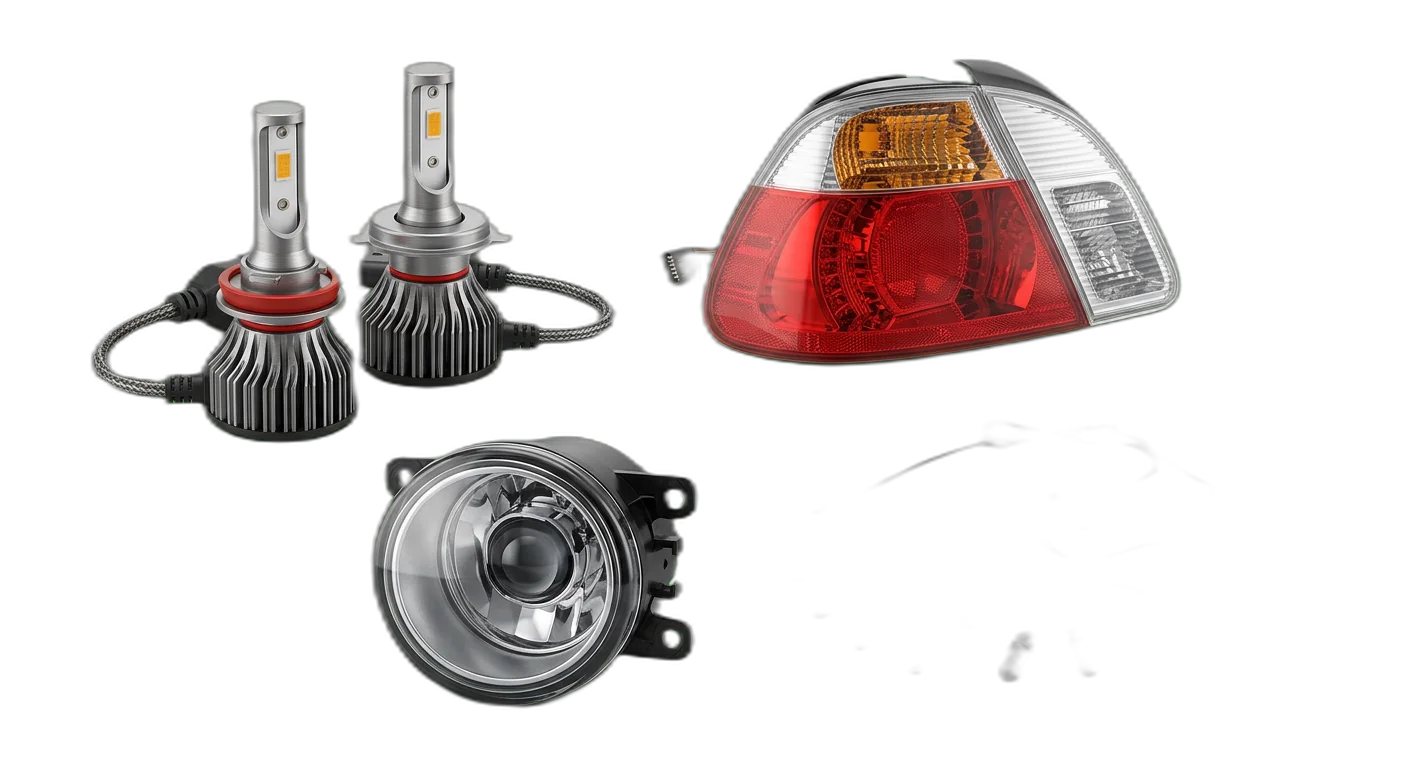
Lighting & Bulbs
Electrical & Lighting > Lighting
Automotive lighting is a growing category driven by the LED upgrade trend. Bulb replacements are a frequent necessity, while LED upgrades and headlight assemblies attract premium prices. The category appeals to both DIY mechanics and professional workshops.
Demand: HighCompetition: MediumMargin: HighRisingExample ProductsLED headlight bulbsTail light assembliesFog lightsInterior LED kitsPro TipAlways specify whether a lighting product is approved for road use (ECE, E-mark) -- customers need to know if a bulb is street-legal, and marketplaces increasingly require this information.
- 2
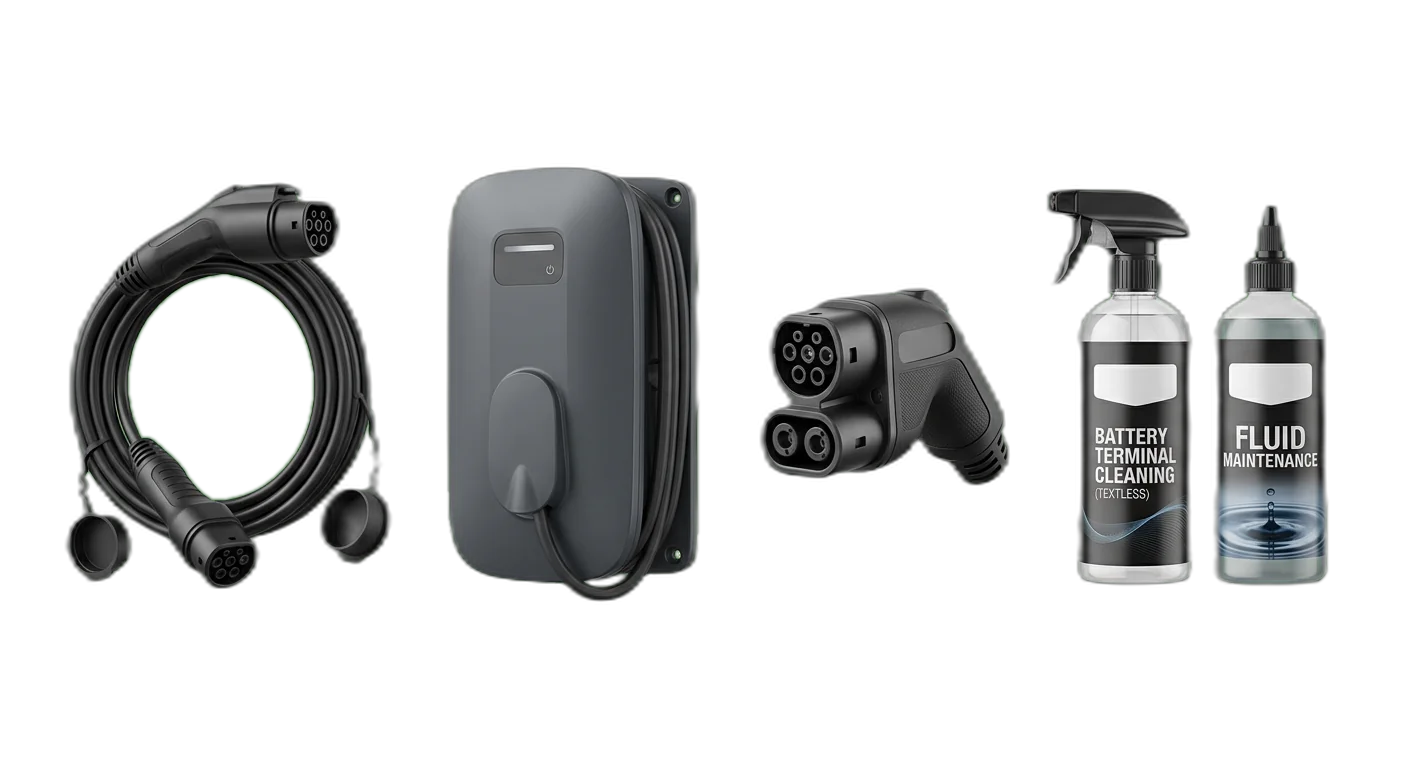
EV Components & Accessories
Electrical & Lighting > EV Components
The EV parts market is the fastest-growing segment in automotive. Charging cables, adapters, and EV-specific accessories serve a rapidly expanding vehicle fleet. Sellers who build a structured EV catalog now will have a head start as the market grows.
Demand: GrowingCompetition: LowMargin: HighRisingExample ProductsCharging cablesHome charger wallboxesCharging adaptersEV battery care productsPro TipOrganize by connector standard (Type 2, CCS, CHAdeMO) and charging speed -- EV owners search by their specific charging requirements, not by brand.
- 3
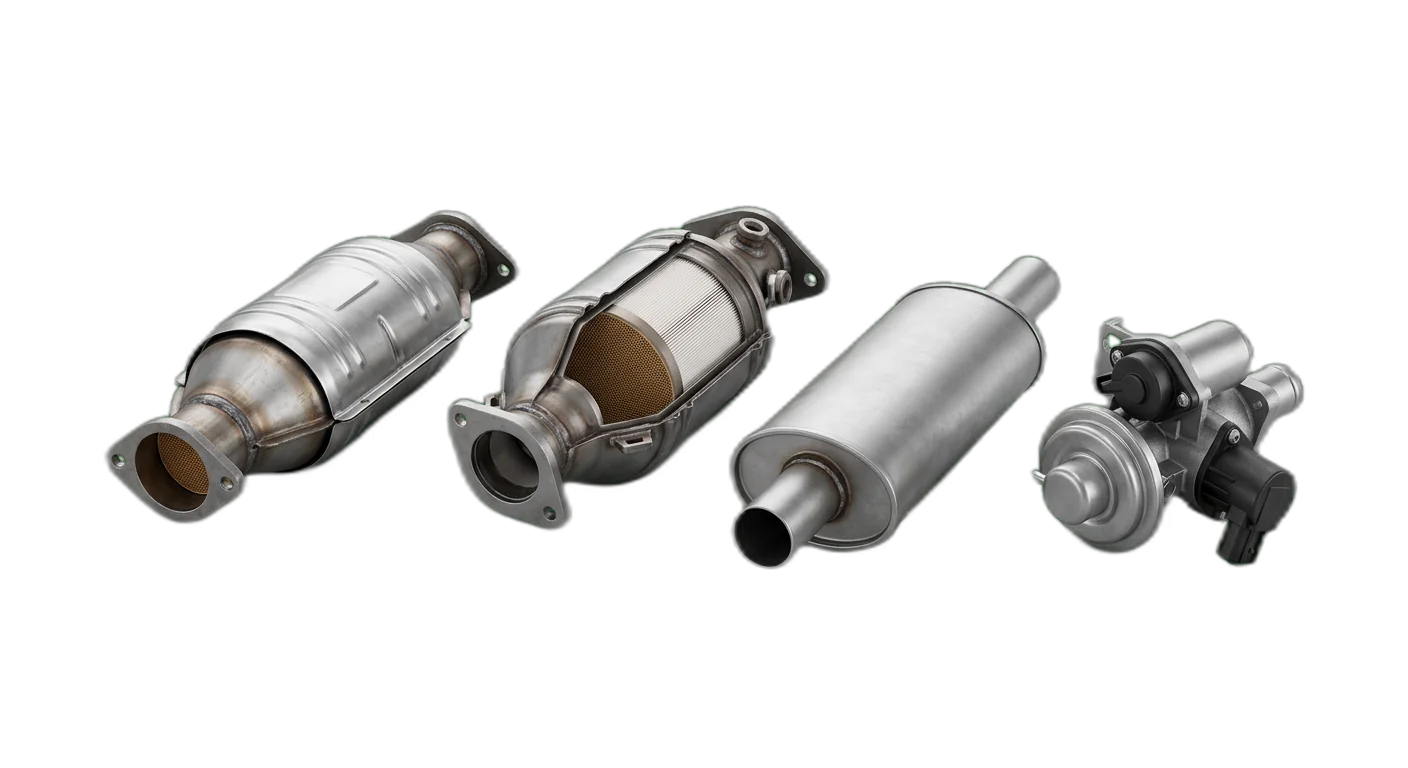
Exhaust & Emissions
Exhaust & Emissions
Emissions regulations require the replacement of catalytic converters and DPF filters, creating consistent demand that isn't optional. The category commands premium prices, has strict fitment requirements that favor specialist sellers, and growing environmental legislation keeps expanding the replacement market.
Demand: MediumCompetition: LowMargin: HighRisingExample ProductsCatalytic convertersDPF filtersMufflersEGR valvesPro TipAlways include Euro emission standard compliance (Euro 5, Euro 6) -- selling non-compliant emissions parts can lead to legal liability and marketplace suspensions.
- 4
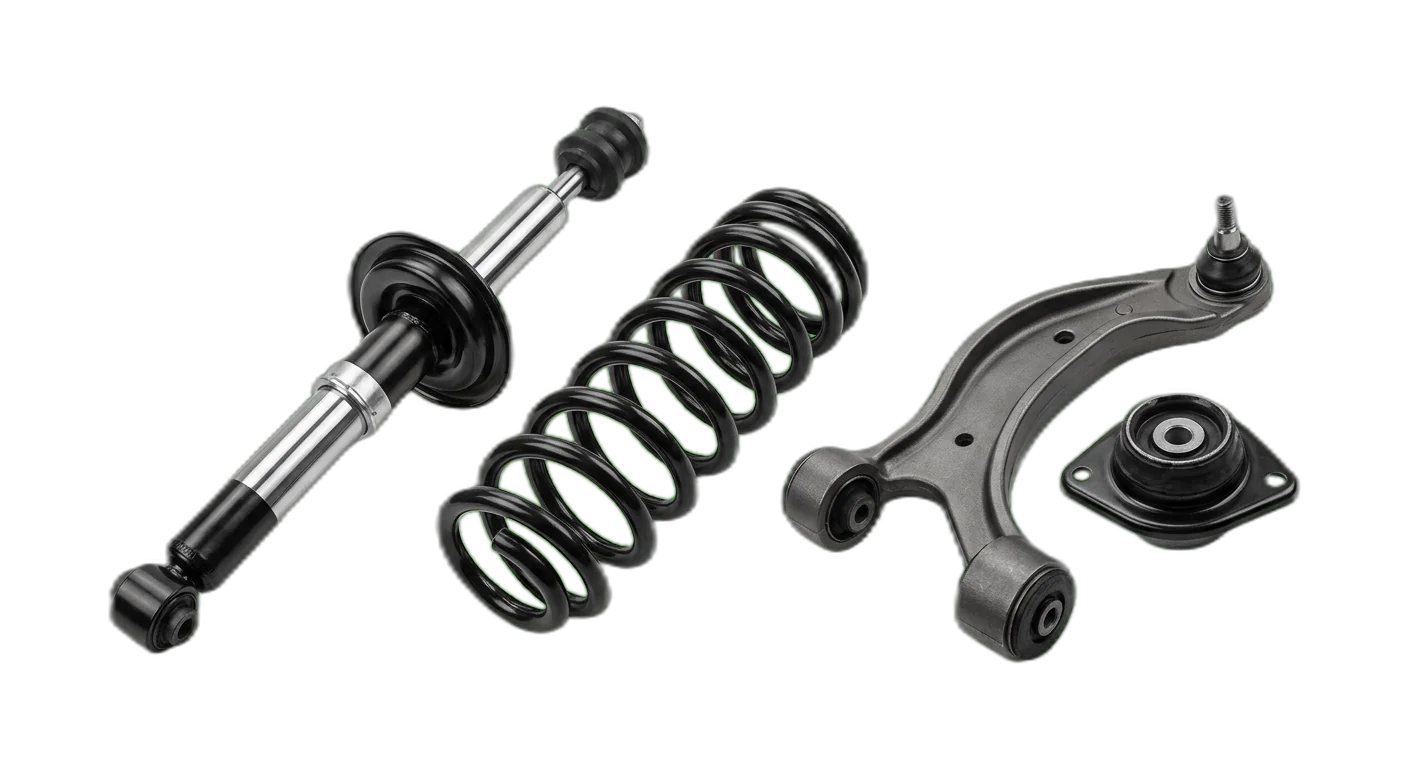
Suspension Components
Suspension & Steering
Suspension parts serve both the replacement market and performance enthusiasts. Shock absorbers and springs wear over time, creating steady replacement demand. Lowering kits and sport suspension attract buyers who are happy to pay a premium.
Demand: HighCompetition: MediumMargin: MediumStableExample ProductsShock absorbersCoil springsControl armsStrut mountsPro TipAlways sell shocks and springs in pairs (front pair, rear pair) -- replacing just one side causes handling imbalance, and professional workshops always replace in pairs.
- 5
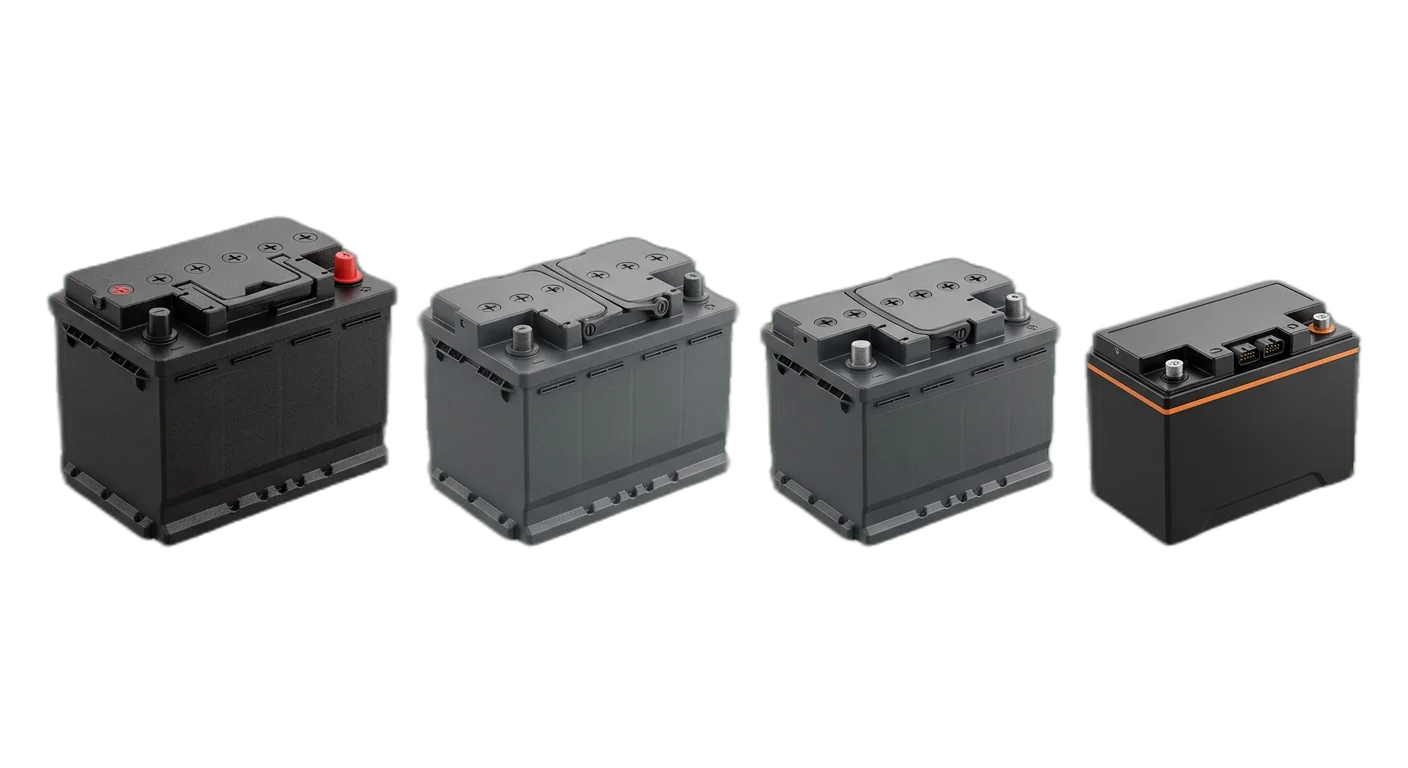
Car Batteries
Electrical & Lighting > Batteries
Car batteries are a high-margin essential with strong seasonal peaks in winter. Online battery shopping is growing fast as buyers use vehicle-specific finders. Clear technical specs make it easy to buy the right battery online.
Demand: MediumCompetition: MediumMargin: HighRisingExample ProductsLead-acid batteriesAGM batteriesEFB batteriesEV auxiliary batteriesPro TipBuild a battery finder with make-model-engine lookup -- battery buyers need an exact fit, and a guided experience reduces returns from wrong purchases.
- 6
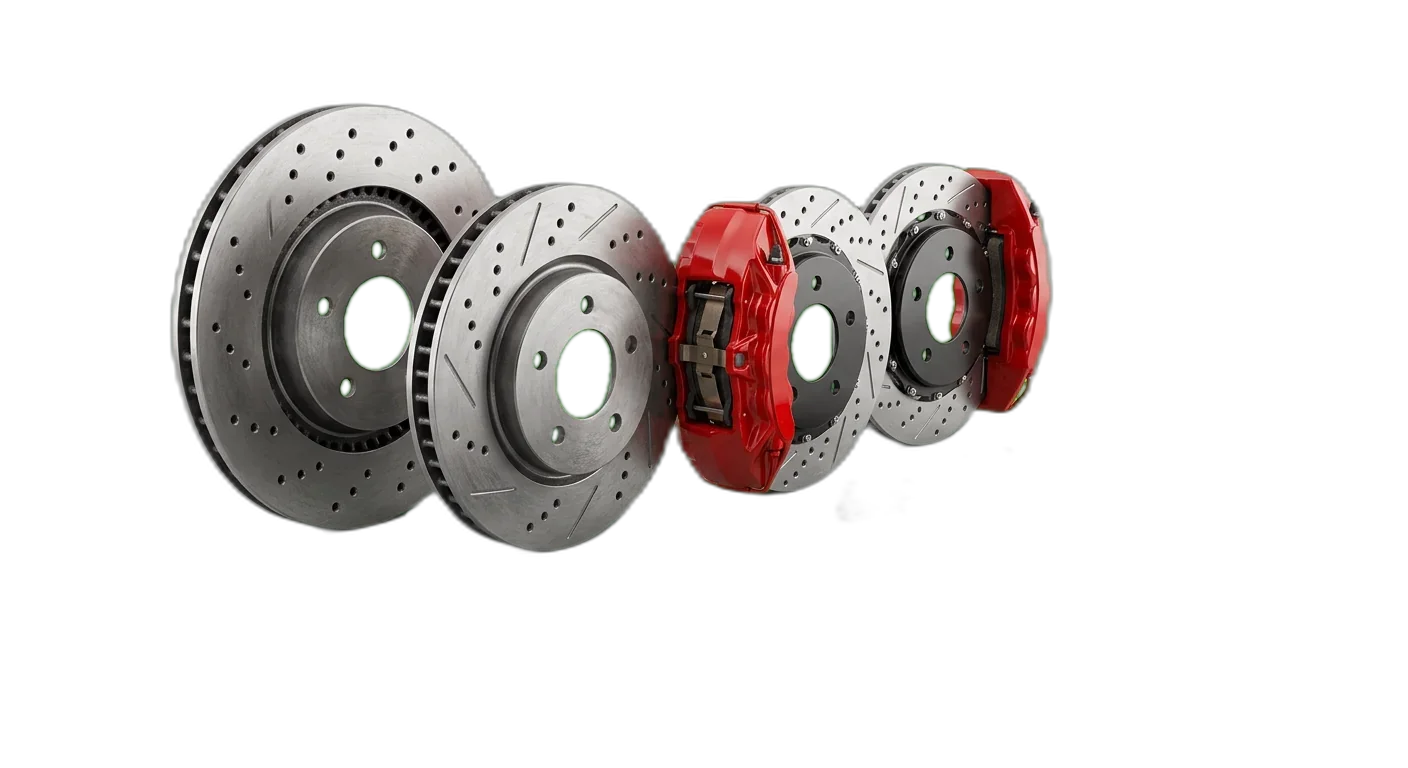
Brake Pads & Discs
Brakes > Brake Pads & Discs
Brake components are the single highest-demand wear part in automotive. Every vehicle needs brake replacements at regular intervals, creating reliable repeat demand. Purchasing is spec-driven, and premium or performance variants carry strong margins.
Demand: HighCompetition: HighMargin: MediumStableExample ProductsFront brake padsVentilated brake discsPerformance brake setsRear brake padsPro TipSell brake pads and discs as sets with a bundle discount -- discs wear alongside the pads and are usually replaced in the same job, so a set saves the customer a second order and lifts your average order value.
- 7
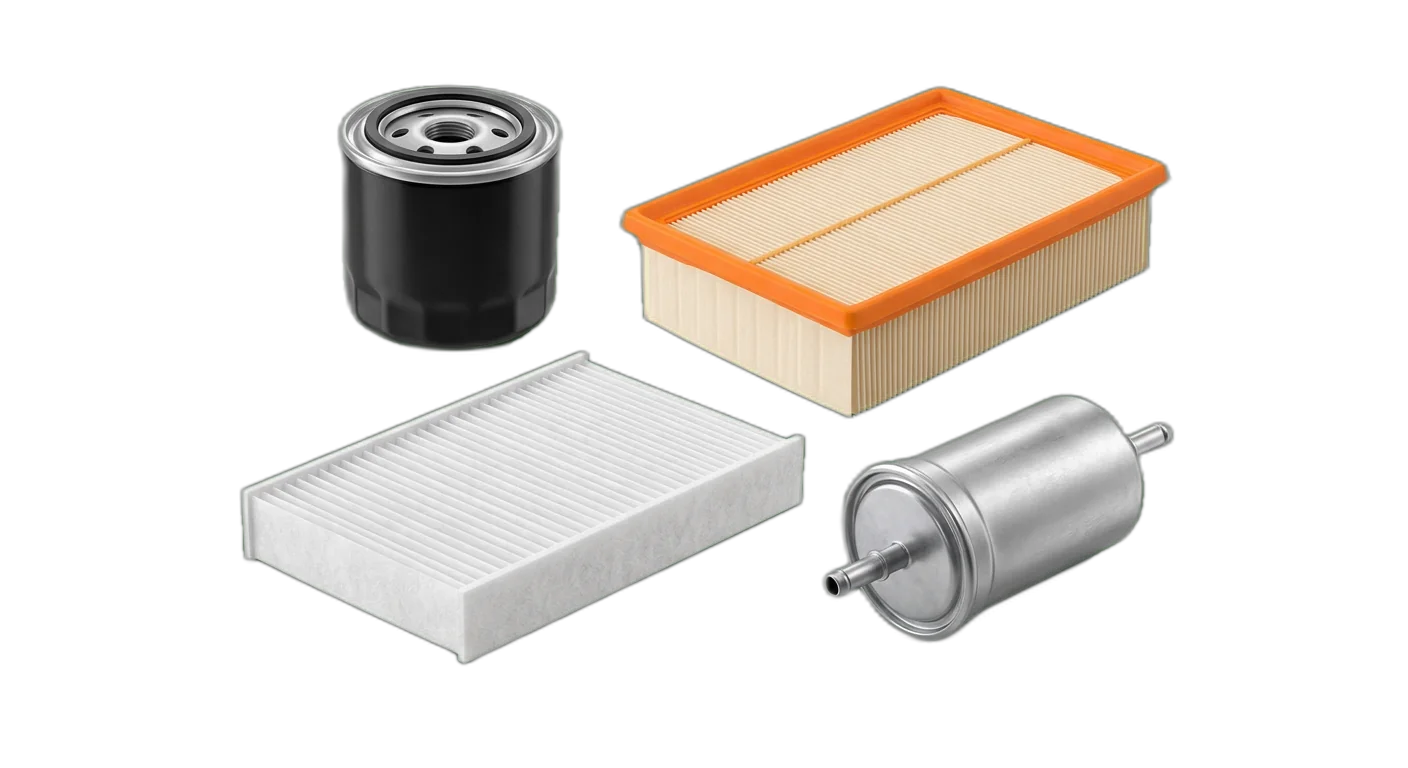
Filters
Engine Parts > Filters
Filters (oil, air, cabin, fuel) are replaced at every service interval, making them the most frequently purchased automotive part. They have very high repeat purchase rates, simple fitment requirements, and ship cheaply, which makes them a natural fit for ecommerce.
Demand: HighCompetition: HighMargin: MediumStableExample ProductsOil filtersAir filtersCabin filtersFuel filtersPro TipOffer service kits that bundle an oil filter, air filter, and cabin filter for a specific vehicle -- DIY mechanics buy all their filters in one go during a service, and a kit makes the buying decision easy.
- 8
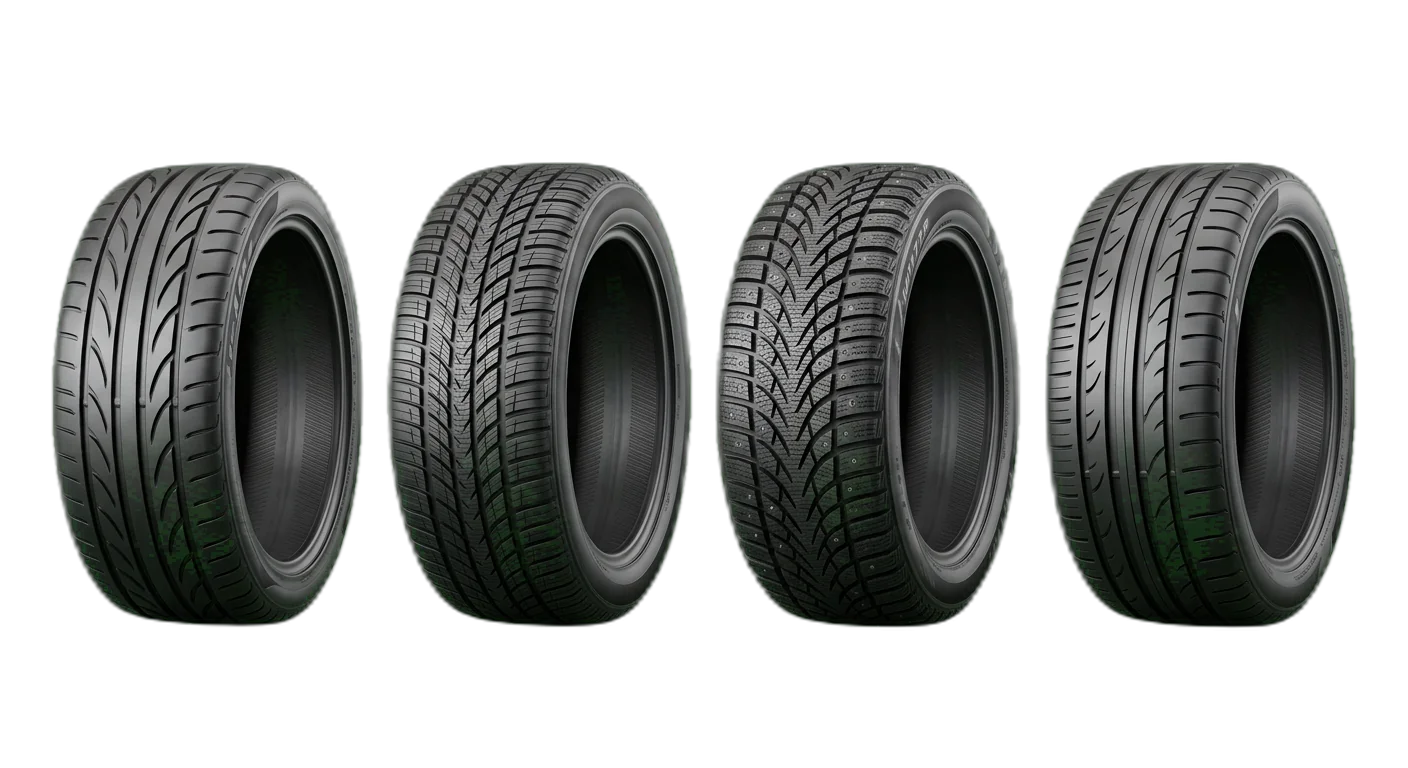
Tires
Wheels & Tires > Tires
Tires are the highest-value wear item in automotive ecommerce. They have strong seasonal peaks (winter and summer changeovers), buyers rely on clear specs to choose, and most people buy a full set at once. The online tire market keeps growing as installation partnerships make fitting easier.
Demand: HighCompetition: MediumMargin: MediumSeasonalExample ProductsSummer tiresWinter tiresAll-season tiresPerformance tiresPro TipDisplay EU tire label data (fuel efficiency, wet grip, noise) prominently -- these ratings are legally required in Europe and are the main thing tire shoppers compare.
- 9
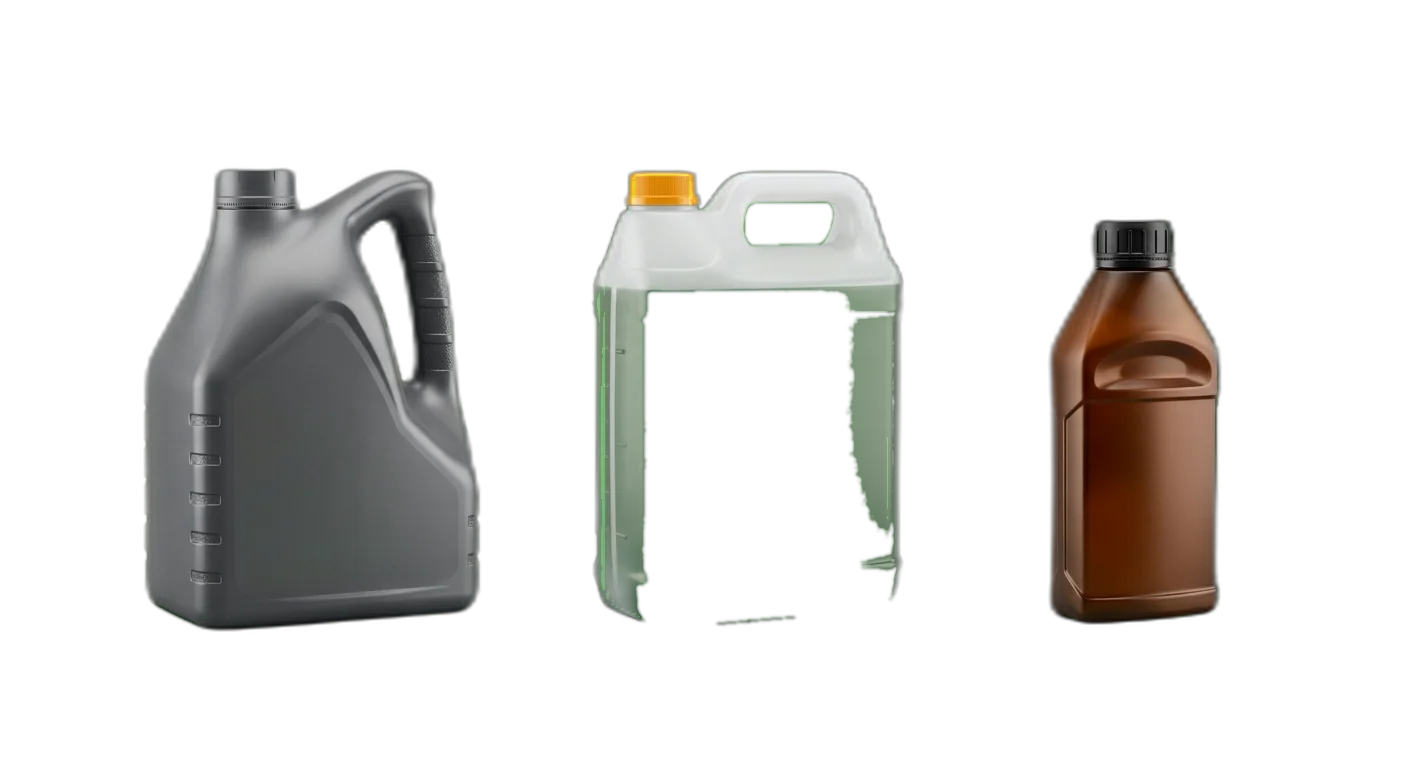
Engine Oil & Fluids
Engine Parts > Engine Oil & Fluids
Motor oil and automotive fluids are the most frequently bought consumables in automotive ecommerce. They have universal demand, strong bulk-buying behavior, and high repeat purchase rates. Buyers search by spec (5W-30, DOT 4), which makes online shopping feel natural.
Demand: HighCompetition: HighMargin: LowStableExample ProductsSynthetic motor oilBrake fluid DOT 4Coolant/antifreezeTransmission fluidPro TipDisplay OEM approval codes (VW 504.00, BMW LL-04, MB 229.51) clearly -- many drivers must use manufacturer-approved oil, and this is the first thing spec-aware buyers look for.
- 10
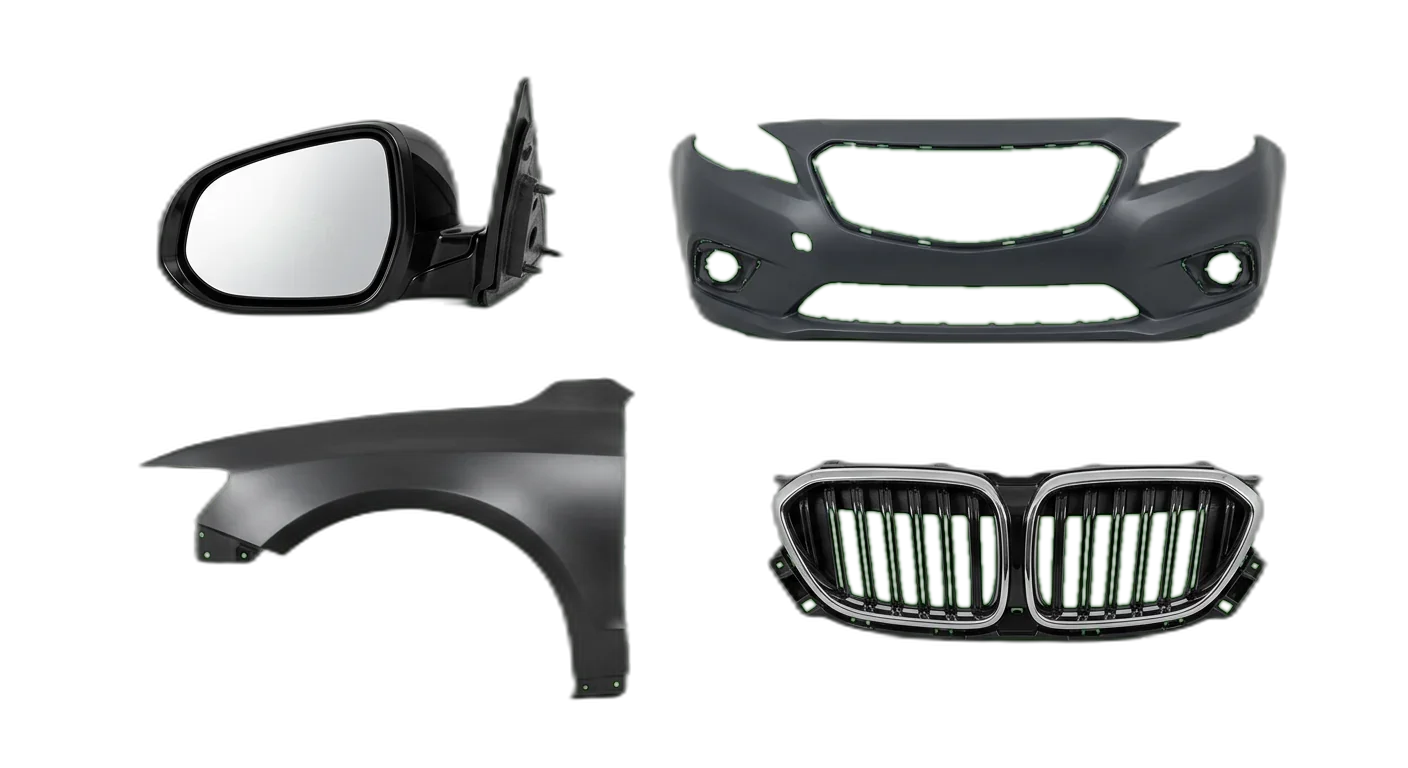
Body & Exterior Parts
Body & Exterior
Body parts serve the accident repair market with consistent demand and high per-unit values. Side mirrors, bumpers, and headlight housings are commonly damaged and have clear fitment requirements. Insurance-driven purchases mean buyers are less price-sensitive.
Demand: MediumCompetition: MediumMargin: MediumStableExample ProductsSide mirrorsBumper coversFendersGrillesPro TipAlways specify whether body parts are primed, painted, or raw -- this is the most common reason for returns, as buyers expect ready-to-install painted parts.
Category Performance at a Glance
Compare demand, competition, margins, and growth across all recommended categories
Lighting & BulbsEV Components & AccessoriesExhaust & EmissionsSuspension ComponentsCar BatteriesBrake Pads & DiscsFiltersTiresEngine Oil & FluidsBody & Exterior PartsRecommended Automotive Parts Category Structure
The complete category tree with subcategories for each recommended top-level category
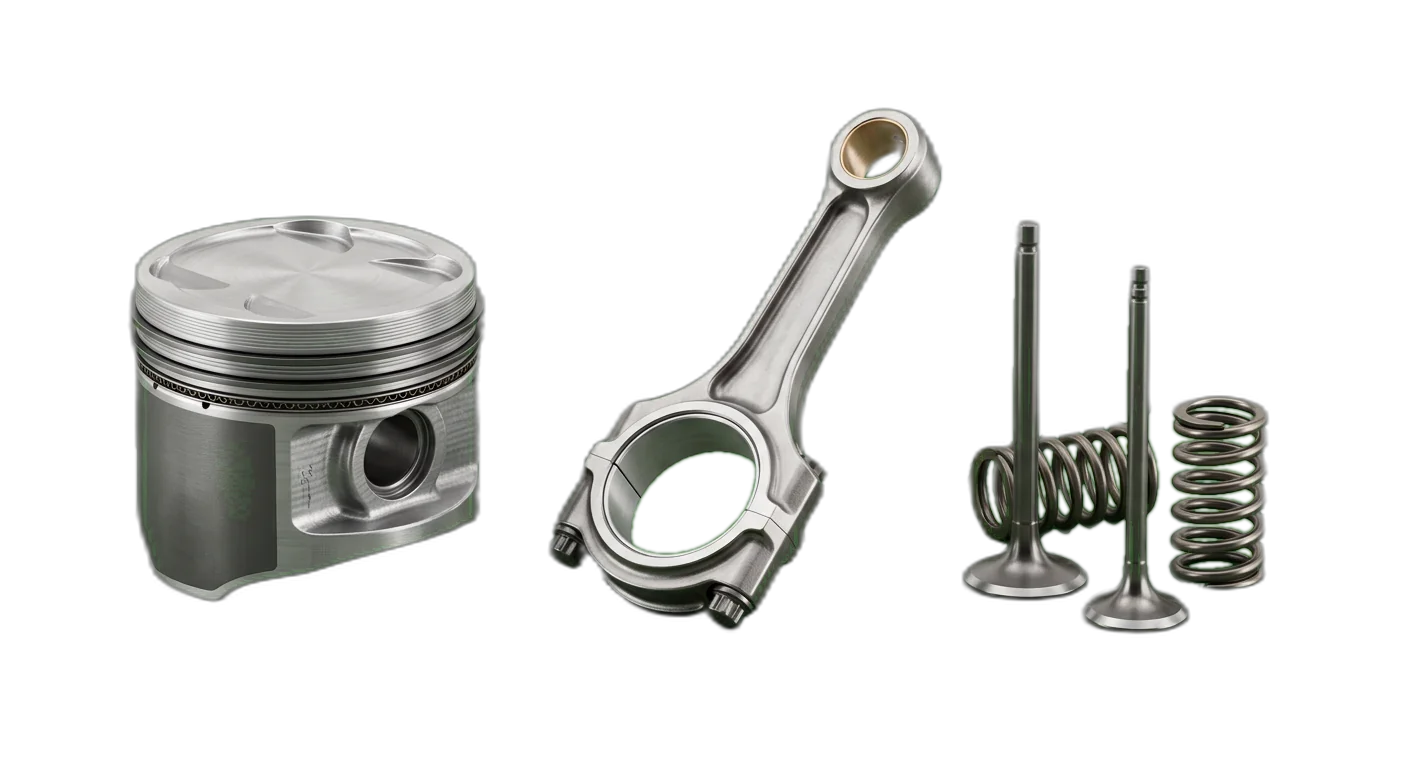
Engine Parts
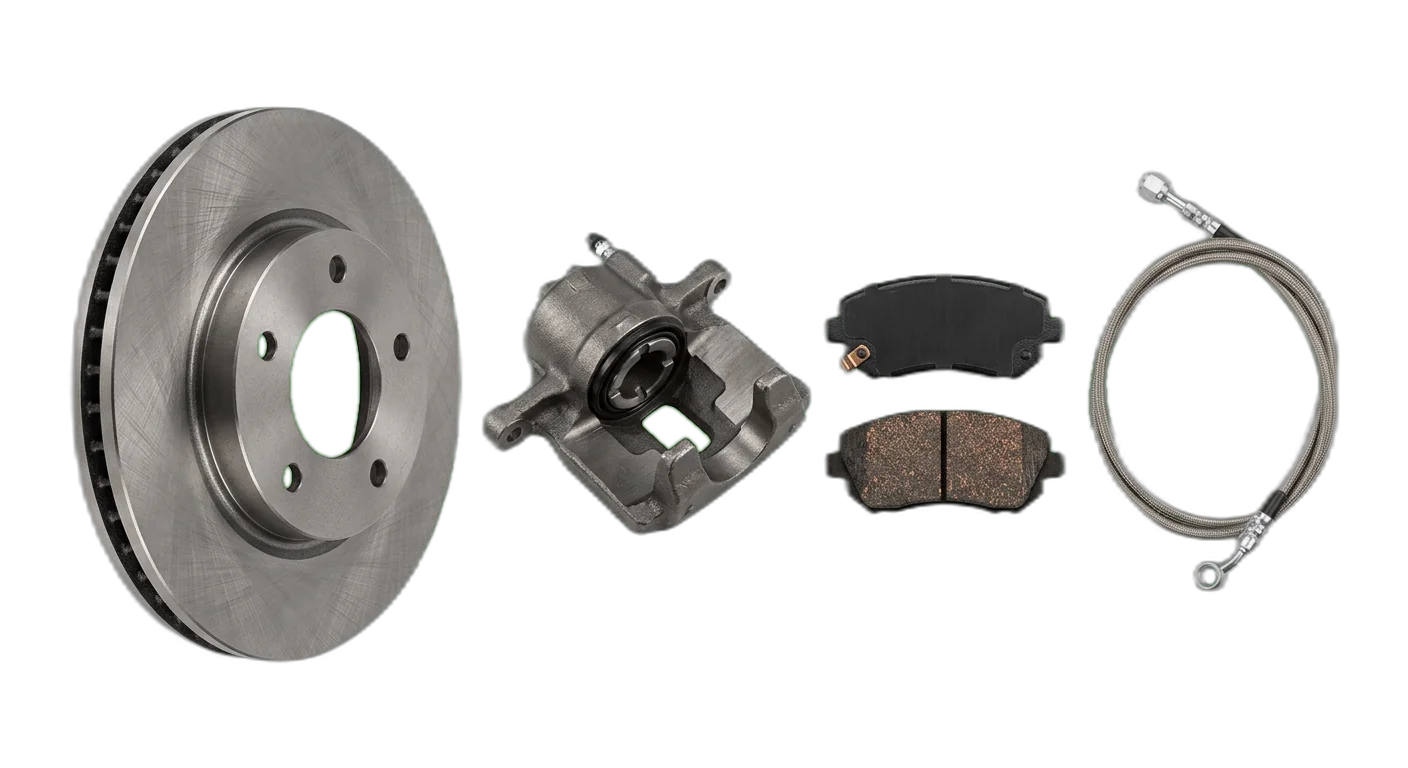
Brakes
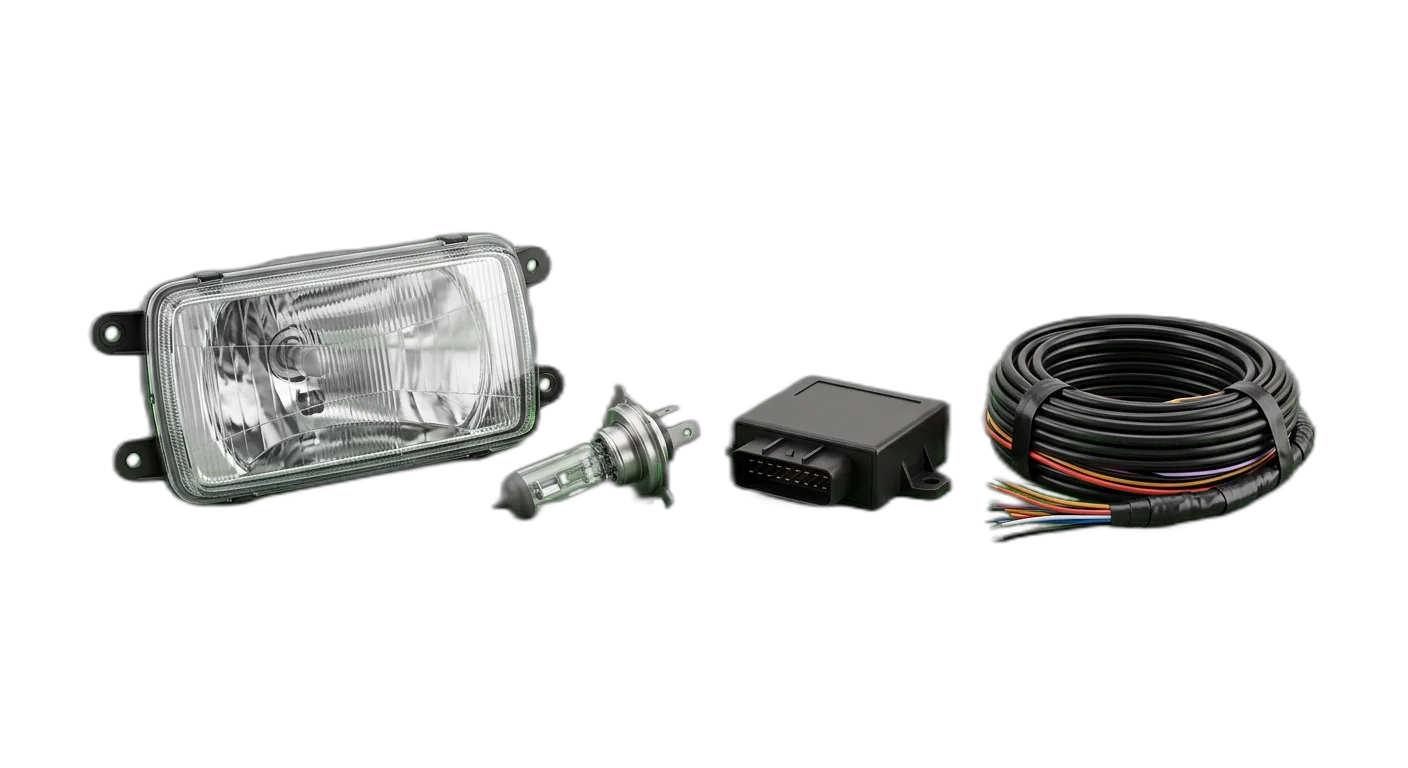
Electrical & Lighting
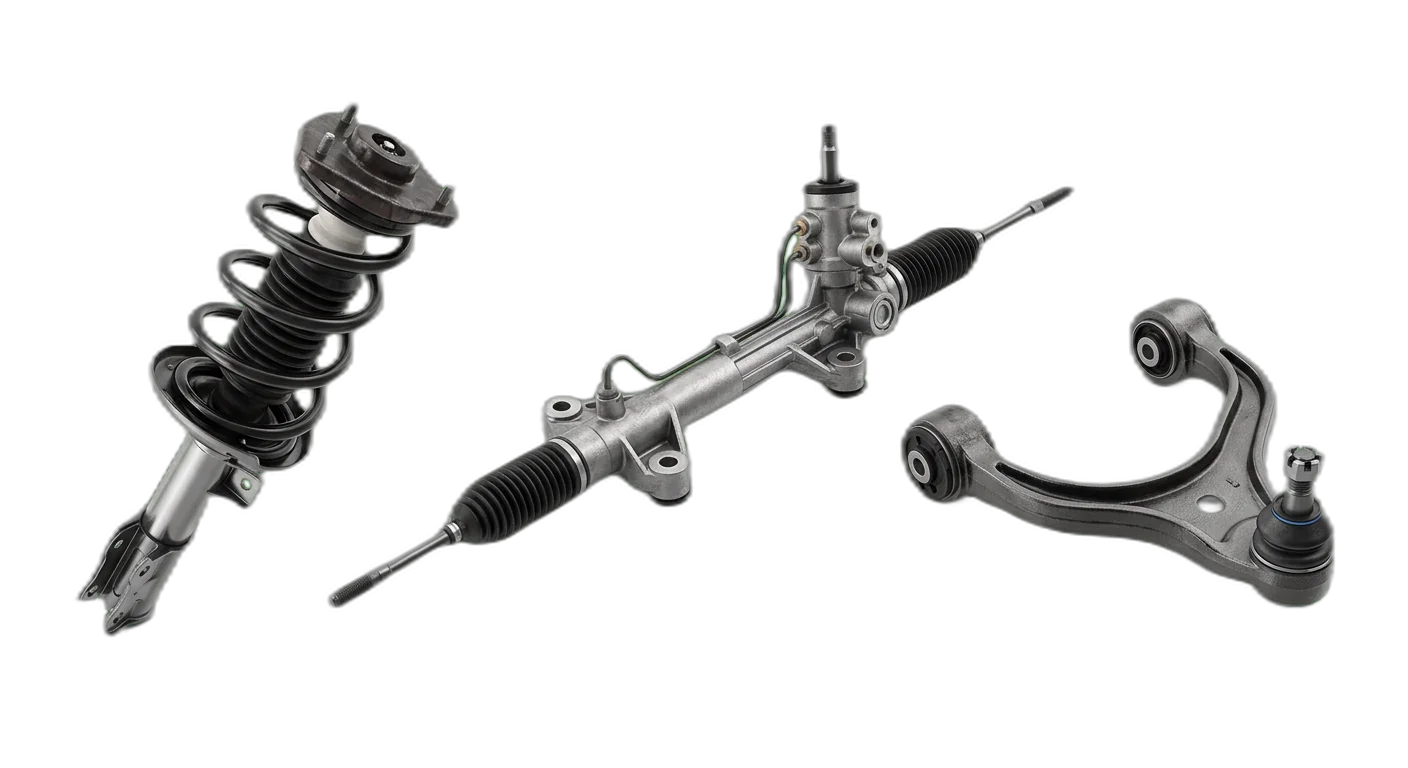
Suspension & Steering
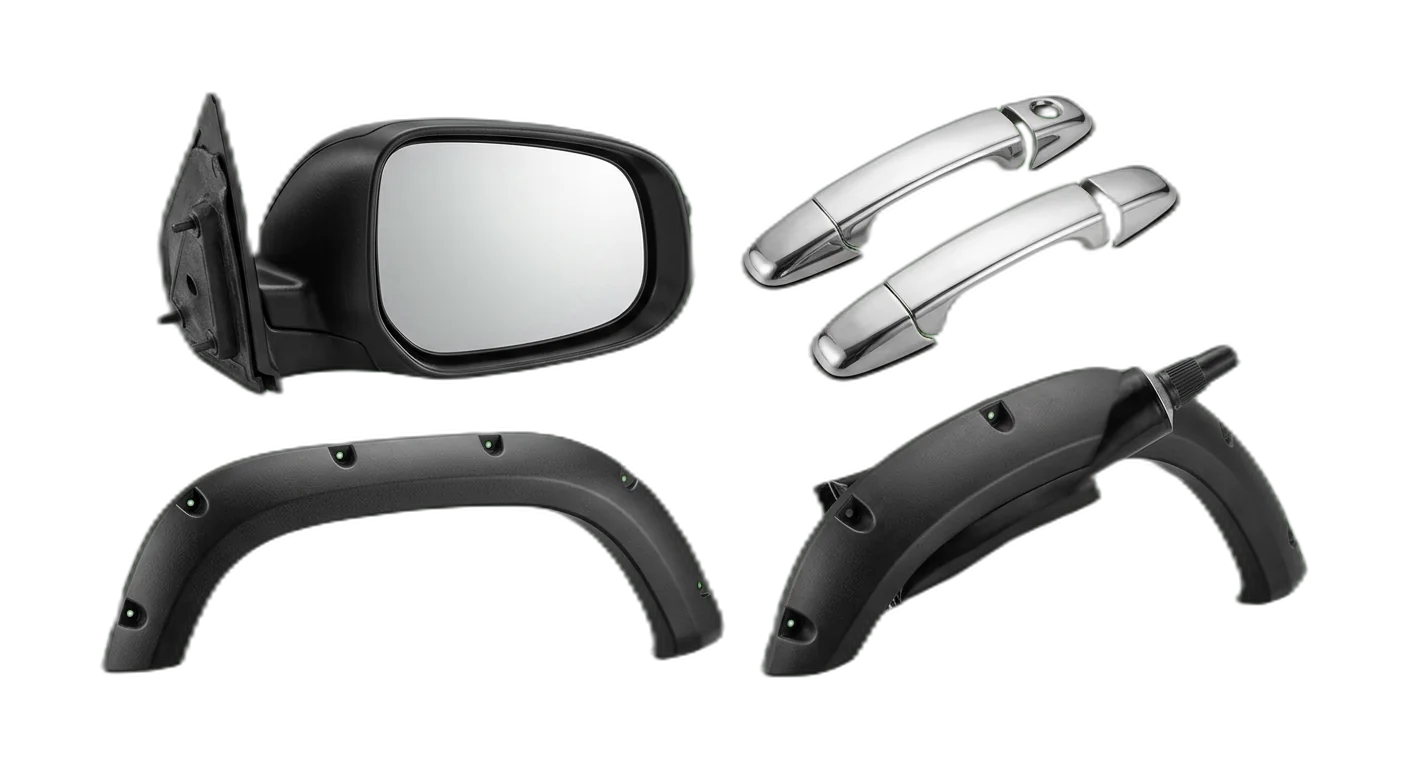
Body & Exterior
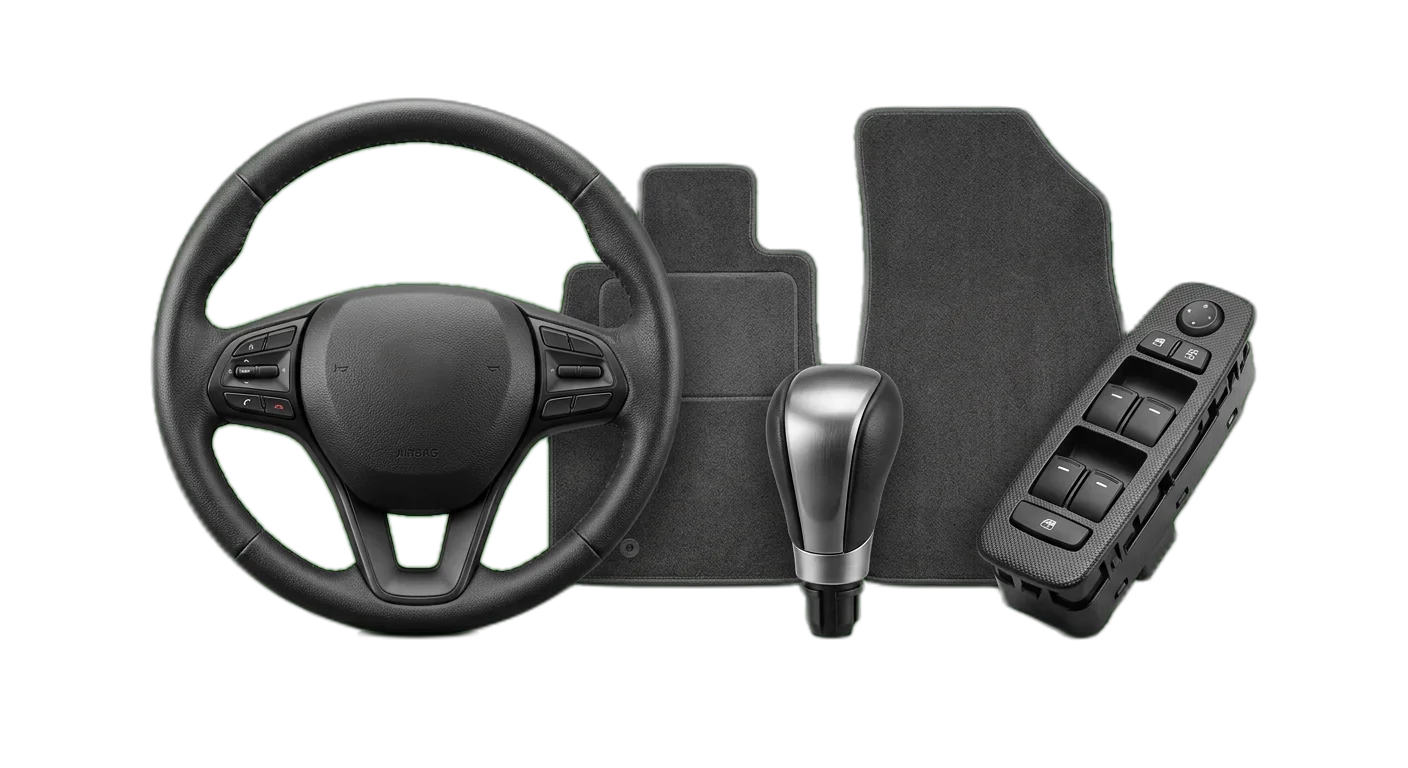
Interior Parts
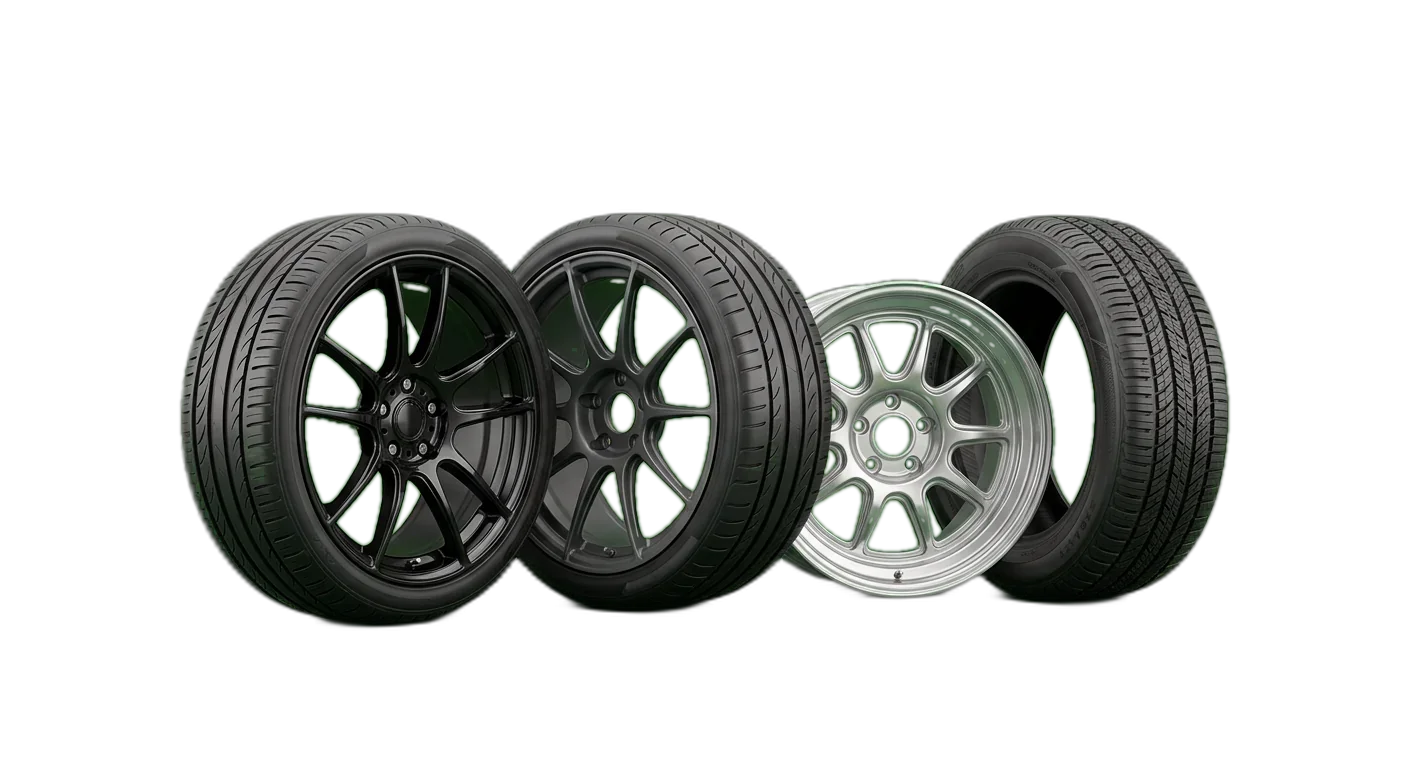
Wheels & Tires
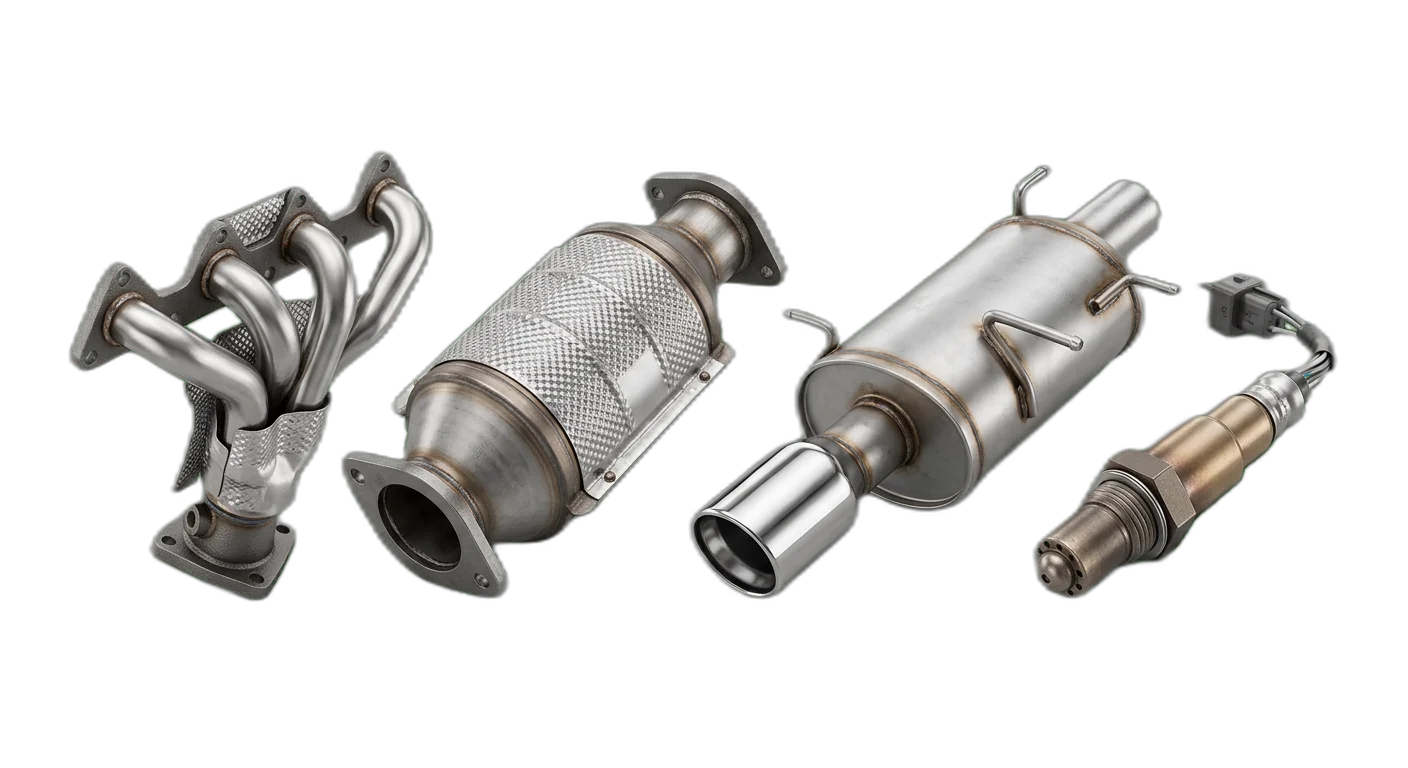
Exhaust & Emissions
Which Categories Should You Start With?
Choose your starting categories based on your catalog size and growth stage
Focus on high-frequency wear parts with broad vehicle coverage. Filters, brake pads, and oil are the best starting categories because demand is universal and logistics are simple.
Expand into higher-value categories and seasonal products. Adding lighting, batteries, and tires helps you capture larger orders and seasonal demand peaks.
Cover all vehicle systems with complete fitment data and TecDoc integration. Invest in cross-referencing, OEM-to-aftermarket mapping, and marketplace-specific data feeds.
How to Order Categories in Your Store Menu
Practical tips for organizing your navigation to maximize clicks and conversions
Build a vehicle finder as the main entry point
Most automotive shoppers start by selecting their vehicle. A Year > Make > Model > Engine finder narrows the catalog to parts that fit, reducing returns from incorrect fitment.
Put high-frequency wear parts first in category navigation
"Brake Pads" and "Filters" should be prominently placed -- these are the parts most customers need most often.
Enable OE number search alongside product browsing
Professional mechanics search by OE part number. Make part number search easy to find and support cross-referencing between manufacturer numbers.
Show vehicle compatibility badges on product listings
If a customer has selected their vehicle, show a green 'Fits your vehicle' badge on compatible products. This simple indicator can significantly improve conversion rates.
Create seasonal landing pages for tire changeover periods
Tires peak in autumn (winter tire season) and spring (summer tire season). Dedicated seasonal pages help you capture this predictable surge in search traffic.
When Each Category Peaks
Plan your inventory and marketing around seasonal demand shifts
Spring (Mar-May)
Peak Categories
Summer tire changeover peaks in March-April; stock up and promote tire and wheel packages.
Summer (Jun-Aug)
Peak Categories
Summer road trips drive pre-trip maintenance purchases. Promote service kits and inspection bundles.
Autumn (Sep-Nov)
Peak Categories
Winter tire changeover and cold-weather prep drive the biggest seasonal peak in automotive parts.
Winter (Dec-Feb)
Peak Categories
Cold weather battery failures spike demand. Promote emergency kits and winter maintenance products.
Categories That Sell Together
Pair related categories to increase your average order value
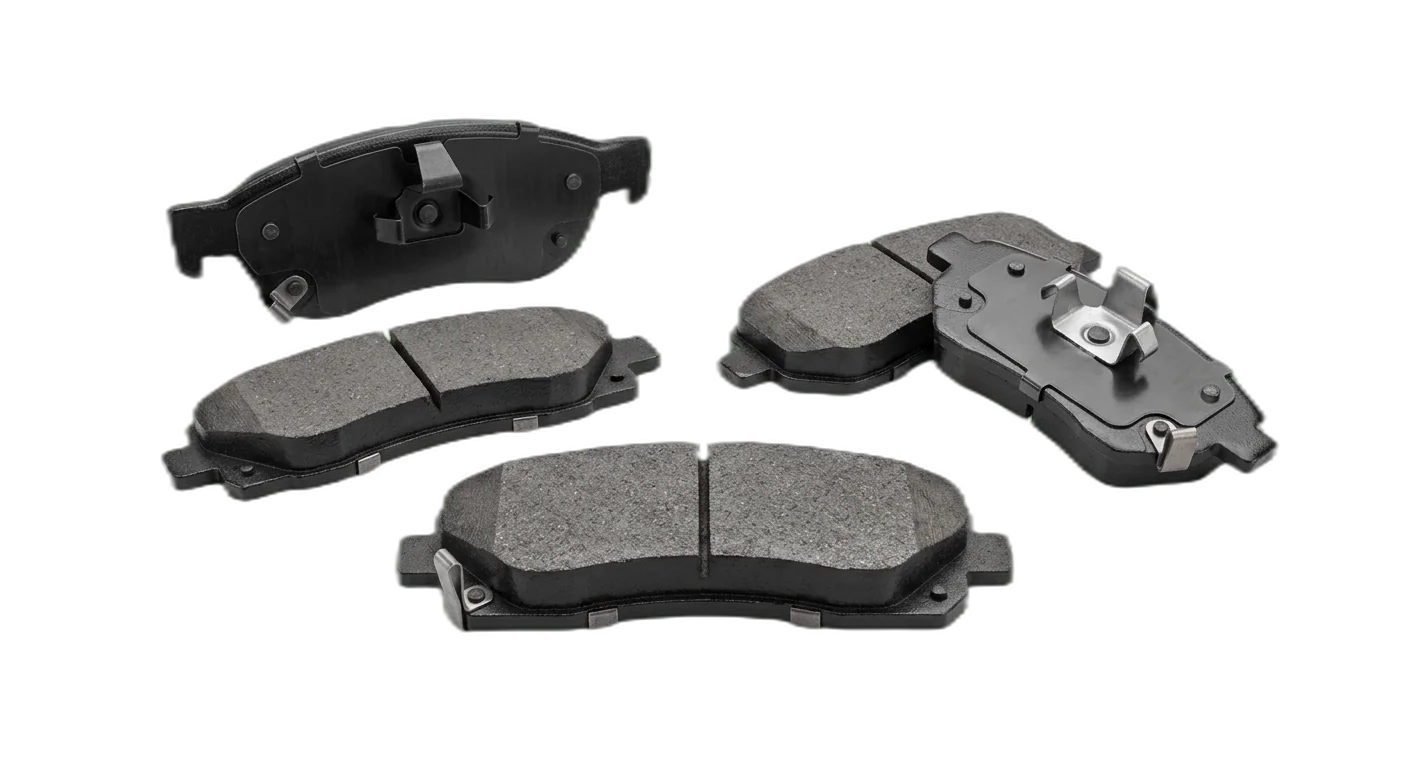
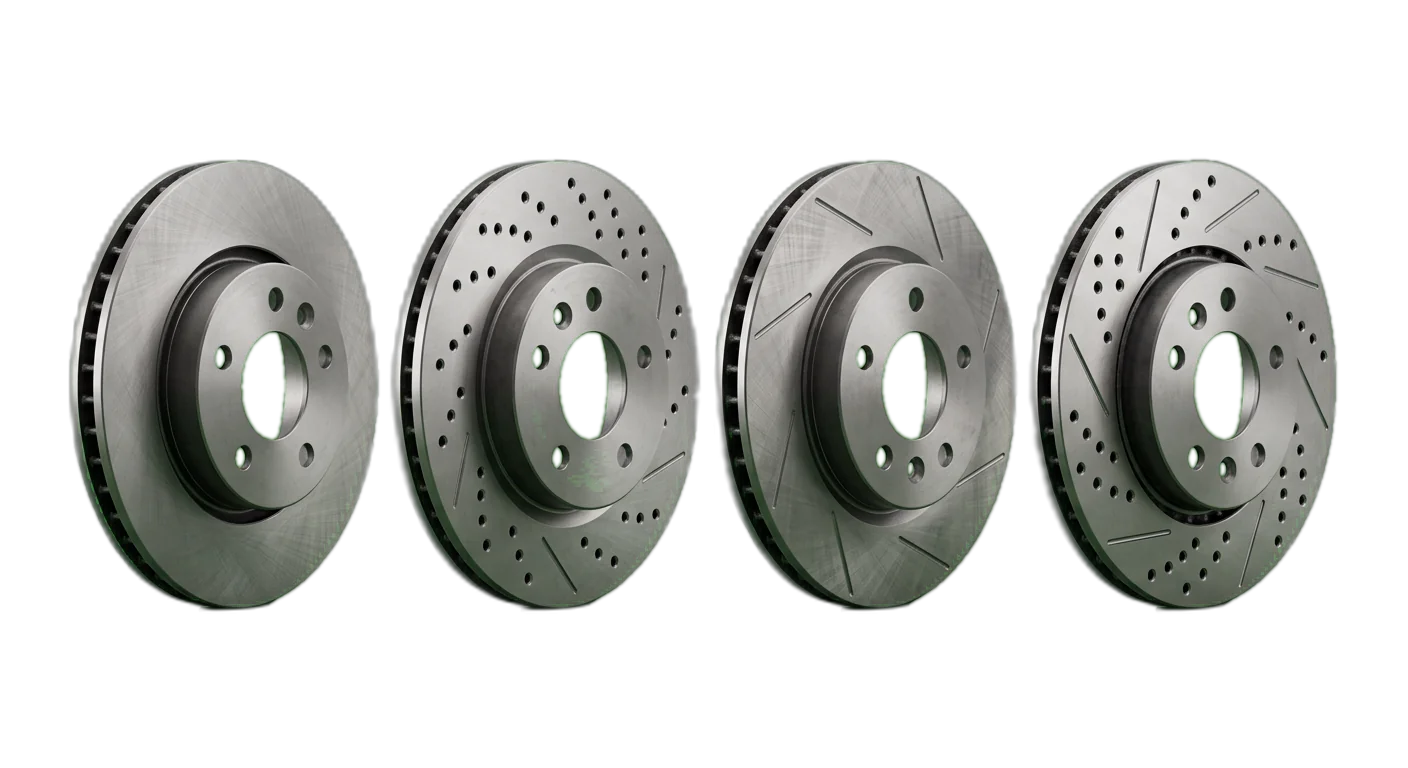
Pads and discs wear together, so a brake job normally replaces both. Offer discounted brake sets.
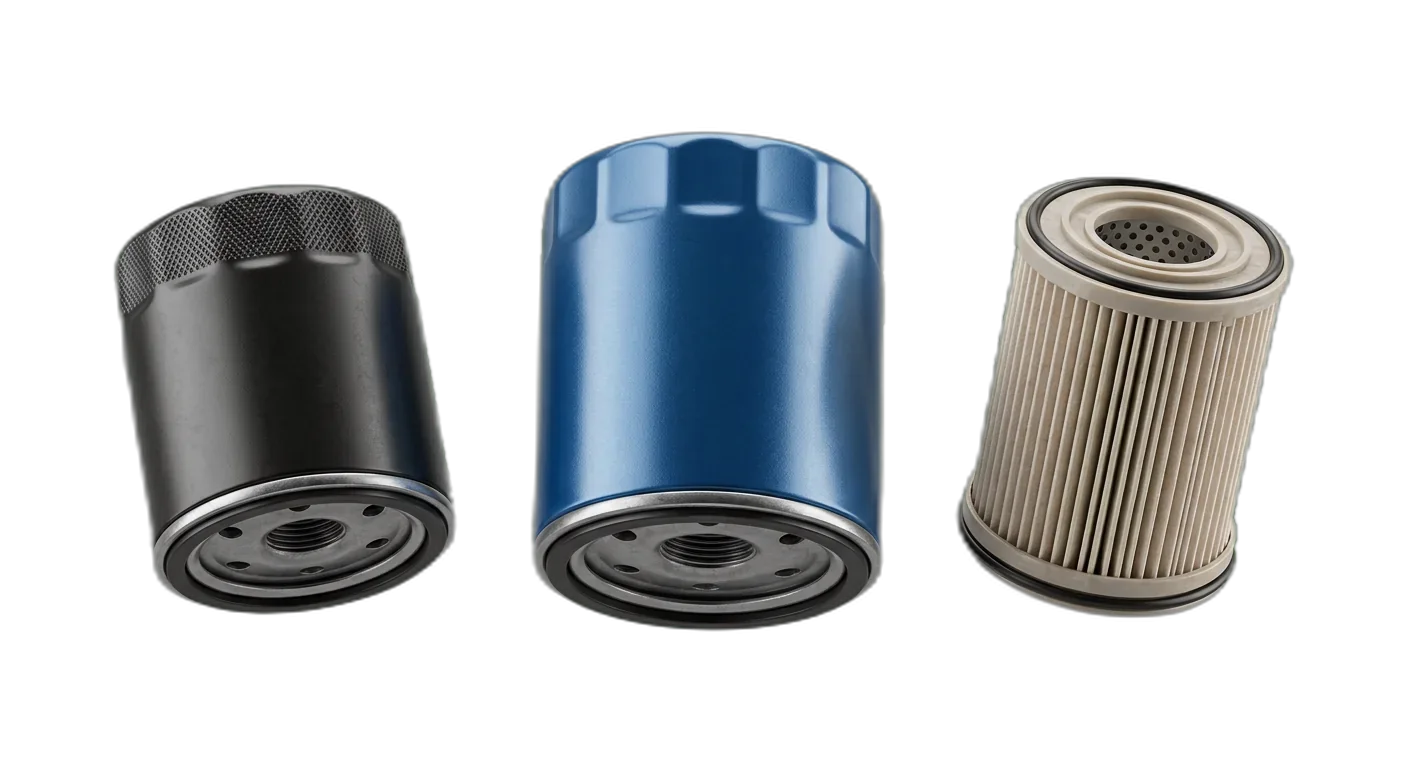
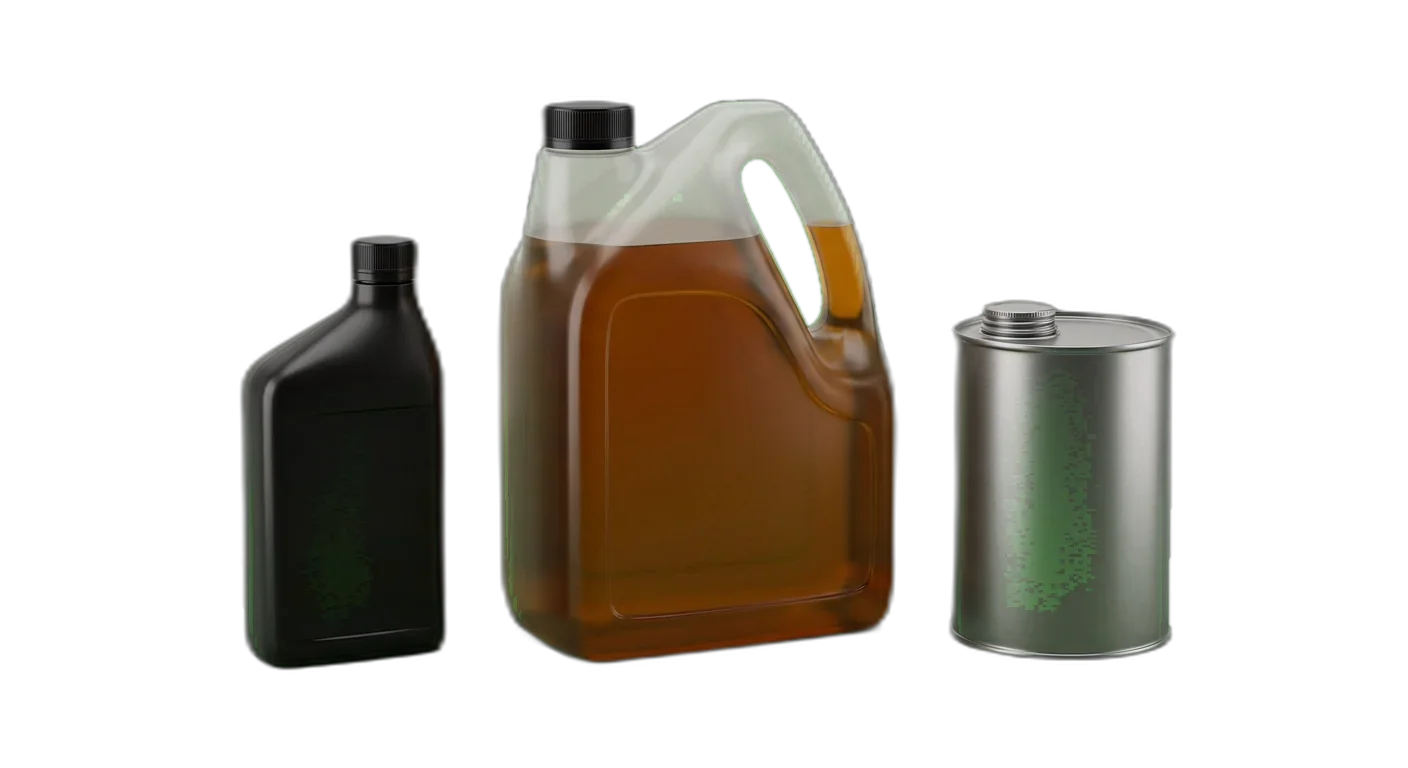
Every oil change requires both. Bundle the correct oil volume with a compatible filter for each vehicle.
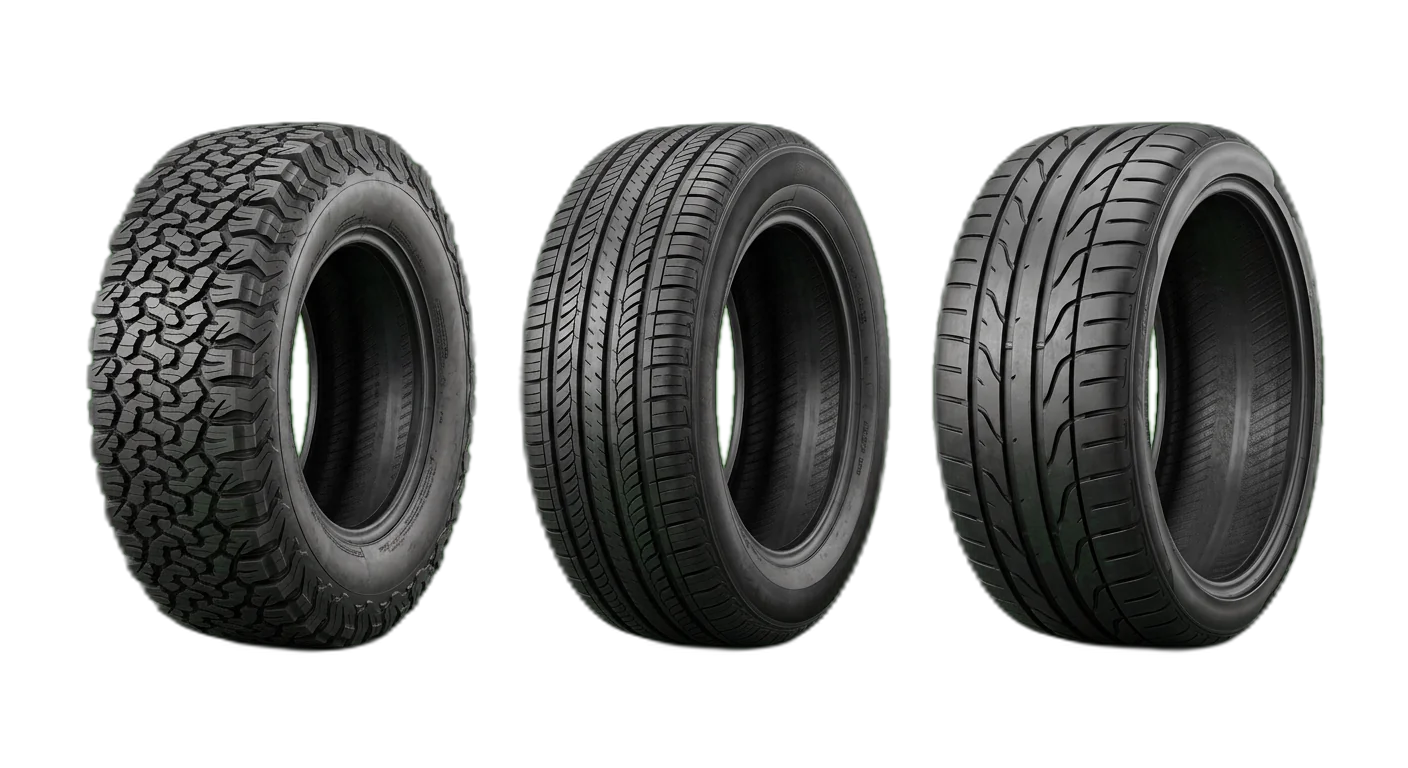
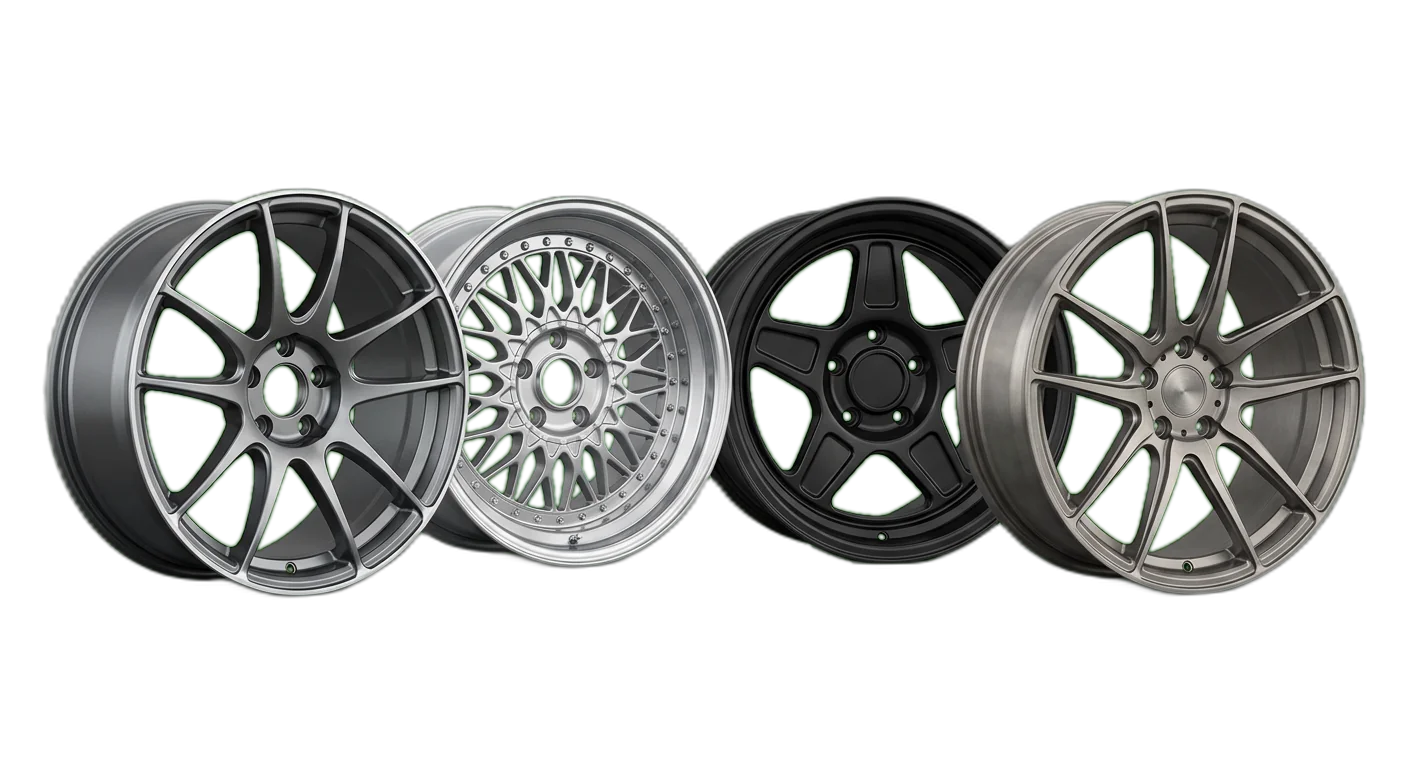
Seasonal tire buyers often upgrade their wheels at the same time. Show compatible wheel options at checkout.
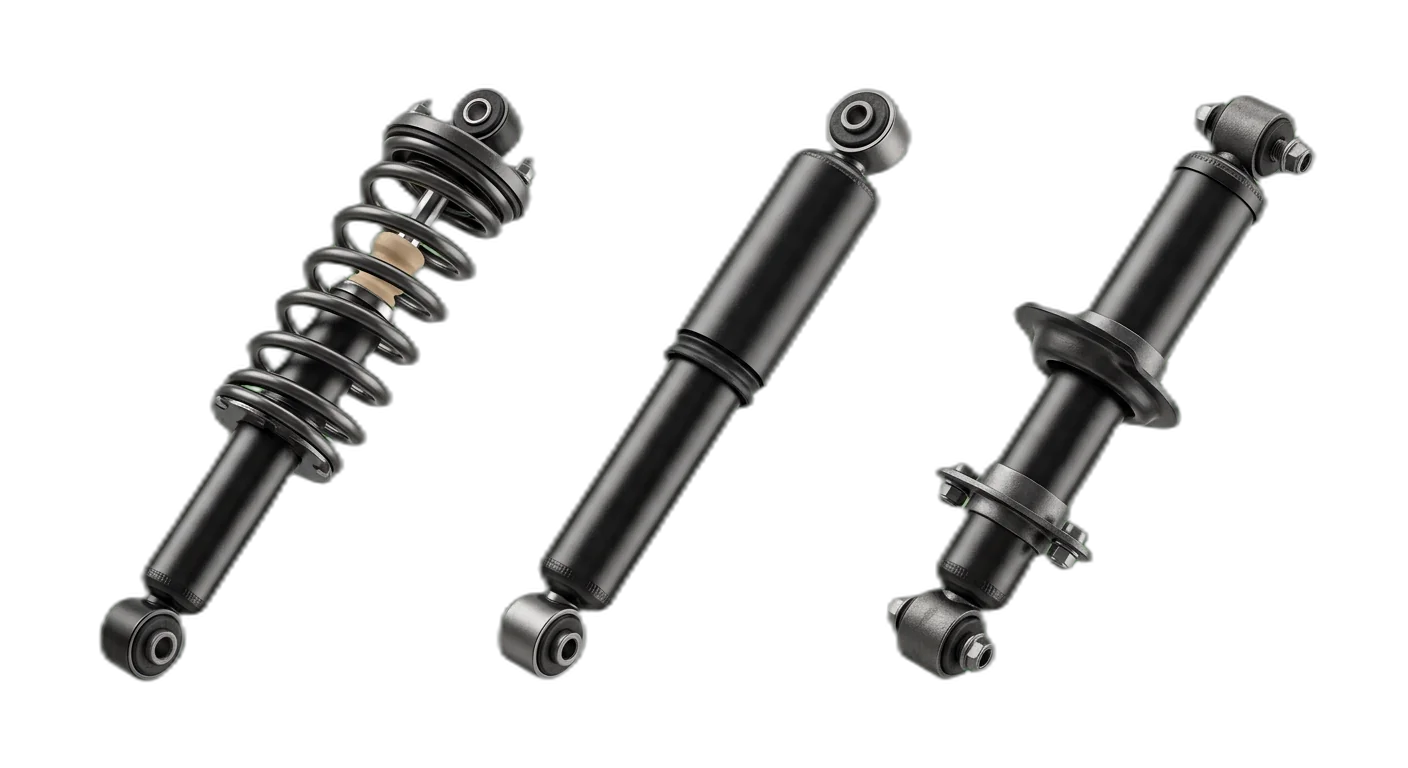
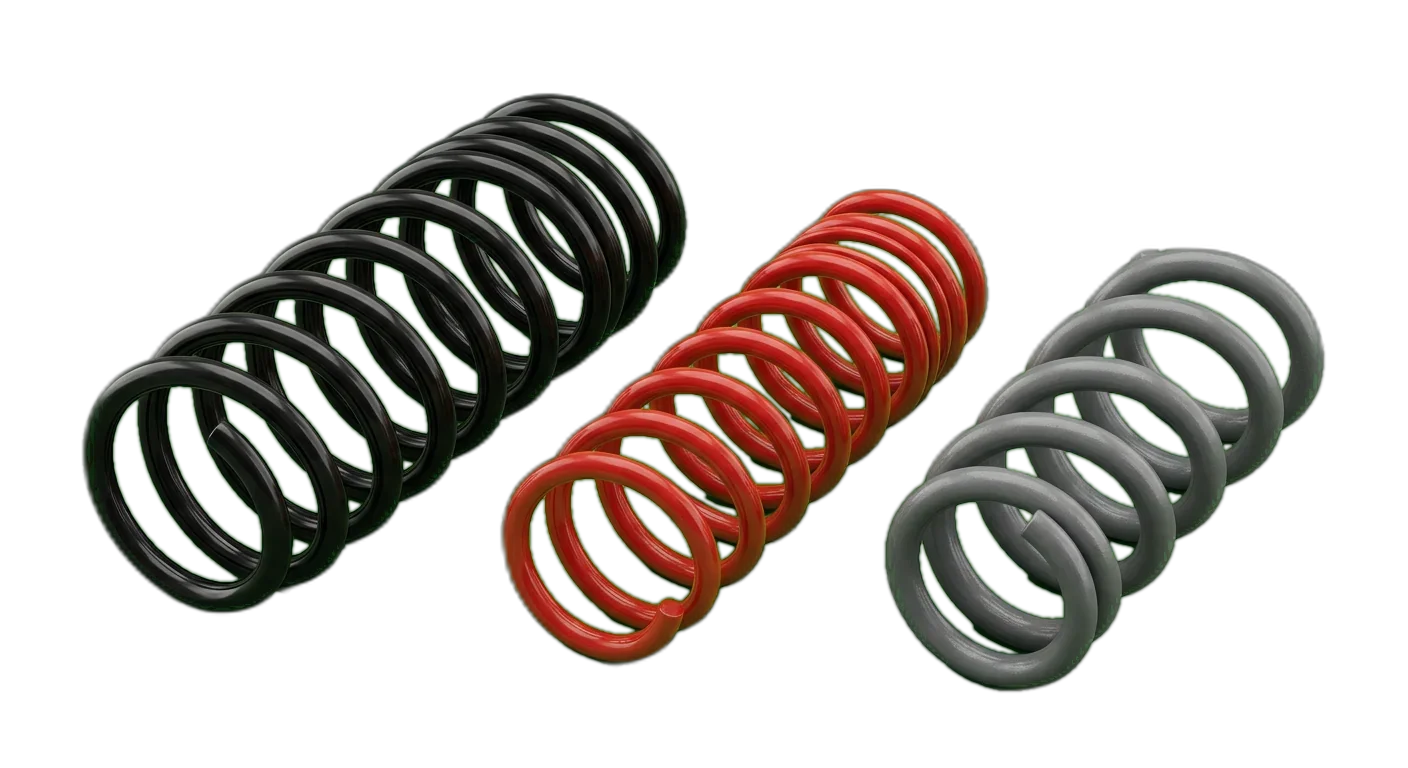
Professionals recommend replacing springs when fitting new shocks. Offer suspension kits for a higher order value.
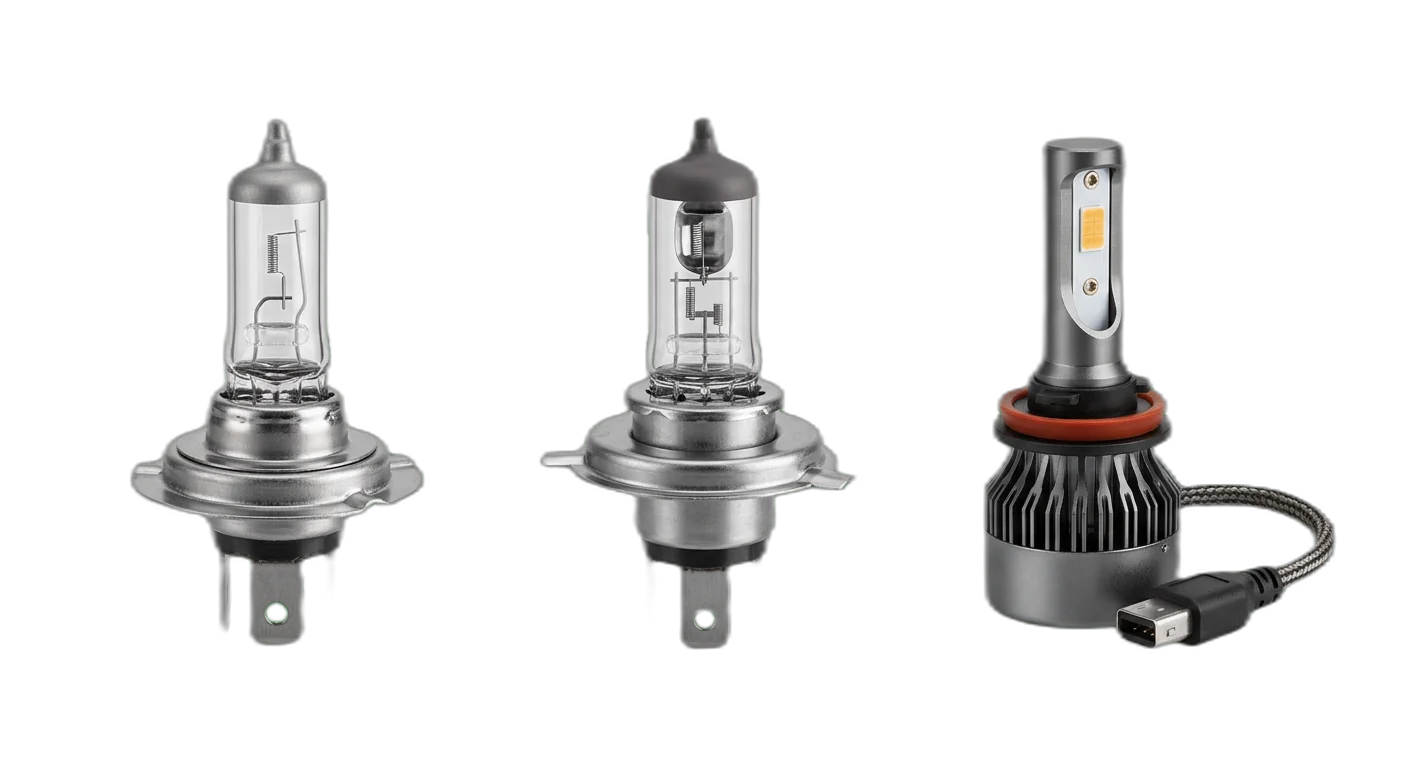
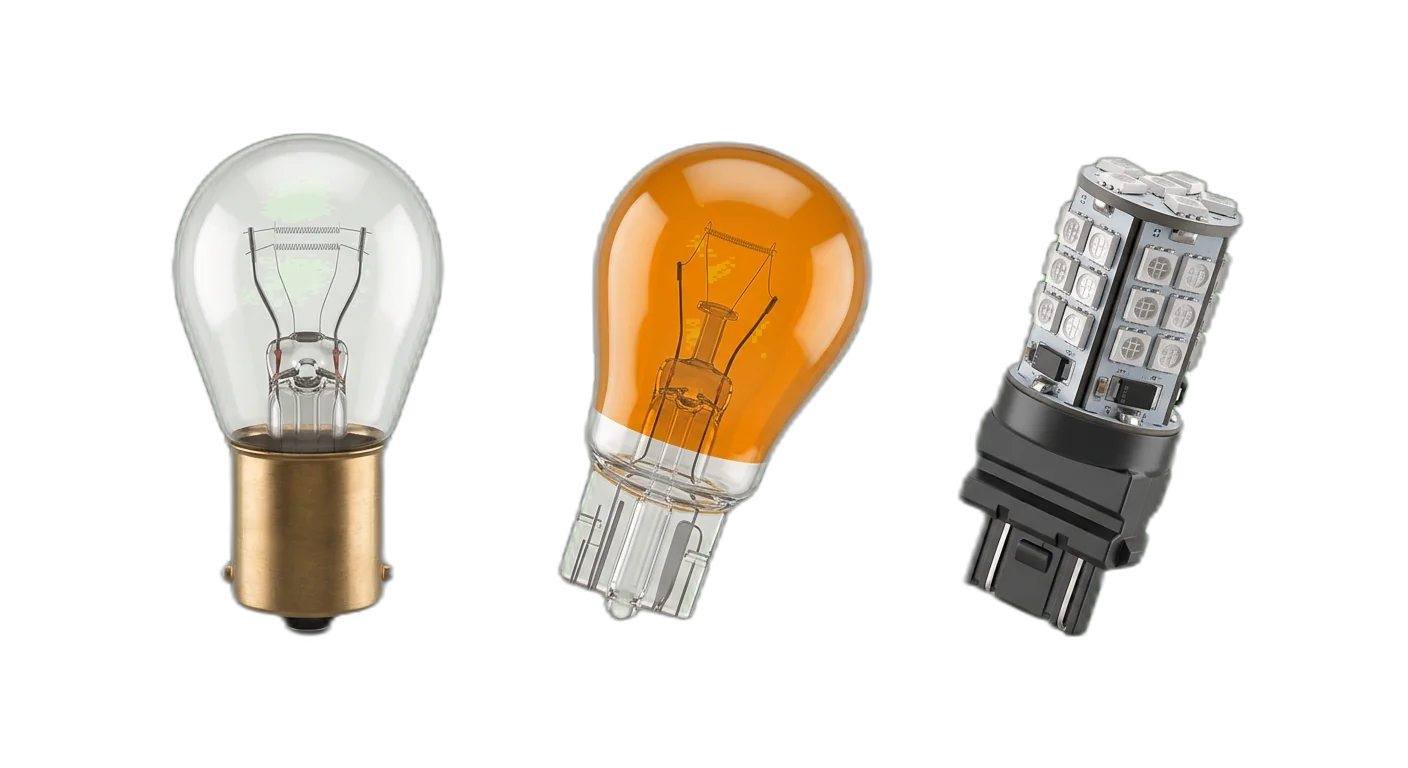
Drivers replacing one bulb often notice others are dimming too. Suggest a full lighting refresh for the vehicle.
Common Automotive Parts Category Mistakes
Mistakes that hurt your discoverability, SEO, and conversion rates
- Mistake
Organizing categories by vehicle make and model (e.g., Toyota > Corolla > Brake Pads) instead of by vehicle system
Better approachCategorize by system function (Brakes > Brake Pads) and use fitment data (Year-Make-Model-Engine) as linked attributes. This prevents your category list from growing out of control every time you add more vehicles.
- Mistake
Listing parts without OE reference numbers or cross-references
Better approachMake the OE reference number required for all vehicle-specific parts. Add cross-references to competing brands (Bosch, Mann, TRW) so buyers can find the exact part no matter how they search.
- Mistake
Not distinguishing universal products from vehicle-specific parts
Better approachTag every product as Universal or Vehicle-Specific. Motor oil is universal by spec; an oil filter requires an exact fit. Universal products should be findable without selecting a vehicle.
- Mistake
Organizing the catalog by brand instead of by vehicle system and function
Better approachBrand is a filter, not a category. Buyers search by part type and vehicle fitment first, then narrow by brand preference. Brand-based categories force buyers to know the manufacturer before they can find anything.
- Mistake
Incomplete fitment data -- listing parts with just the car model without generation, engine, or year range
Better approachRequire complete fitment: Make, Model, Generation/Platform, Engine Code, and Production Year Range. A 'VW Golf brake pad' without specifying Mk7 or Mk8 is useless for purchasing.
Set Up Automotive Parts Categories with AI
Get your Automotive Parts product categories organized in minutes, not days
01
Import your parts catalog
Connect your parts management system or upload your product feed. WISEPIM reads part numbers, OE references, fitment data, and technical specifications to get your catalog ready for AI-powered categorization.
02
AI categorizes your products
WISEPIM's AI reads part numbers, descriptions, and specs to place each part in the right vehicle system category. It checks TecDoc databases, validates fitment data, and flags missing attributes.
03
Review, refine, and publish
Review the AI's classifications, fill in fitment data for vehicle-specific parts, and push your catalog to automotive marketplaces and your webshop. All channels stay in sync with complete cross-reference data.
Frequently Asked Questions
Common questions about choosing Automotive Parts categories for ecommerce
Best Categories for Other Industries
Printable checklist
Start in 15 minutesDecide in one week if a new category pays off
Start with demand: 15 minutes in Google Trends. You get one count, like 2 of 3 terms rising. Then 5 steps for the rest of the week.
How it works
- Pick the 3 search terms shoppers use for the category.
- Look each one up in Google Trends over 2 years.
- Write the count, such as '2 of 3 terms rising'.
One email, once, with a link to the printable checklist. Nothing else unless you tick the box.
Free Excel template
XLSX · 3 sheetsSee which of your 20 best sellers are incomplete
An Excel check with the columns automotive parts products need. In about 15 minutes you know how many of your 20 are complete, and the one fix that helps the most rows.
How it works
- Paste 20 best sellers from your shop export into Products.
- Fill in what you know. The last column says what each row is missing.
- Read your result on Start here: how many are complete, and the fix that helps most rows.
One email, once, with the XLSX attached and as a download link. Nothing else unless you tick the box.
Keep exploring
Hand-picked next steps to go deeper.
Ready to Organize Your Automotive Parts Catalog?
WISEPIM uses AI to automatically categorize your products, set up attributes, and sync across all your sales channels.