Best Categories for Electronics & Tech
The top-performing Electronics & Tech product categories for your ecommerce store, ranked by demand, margins, and growth potential.
Best Electronics & Tech Categories to Sell Online
Ranked by market demand, profit margins, and growth momentum
- 1
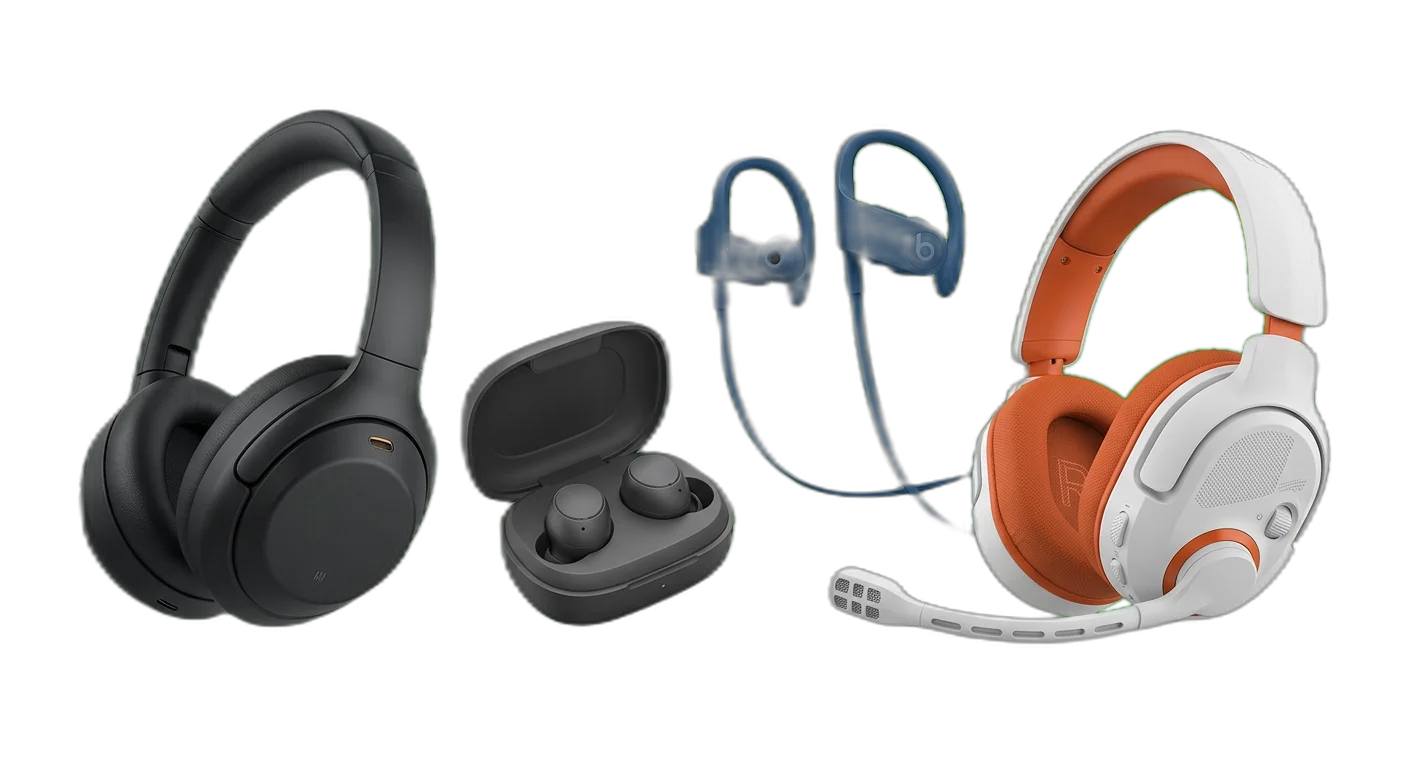
Wireless Headphones & Earbuds
Audio & Video > Headphones > Wireless Headphones
Wireless audio has taken off since headphone jacks disappeared. True wireless earbuds now outsell every other headphone type combined. The category has strong repeat purchases, great gift appeal, and a wide price range from budget to premium.
Demand: HighCompetition: MediumMargin: HighRisingExample ProductsTrue wireless earbudsOver-ear noise-cancelling headphonesSport earbudsGaming headsetsPro TipPut noise cancellation and battery life front and center. They are what most headphone shoppers compare first, so surface them in the listing title, the spec table and the filters.
- 2
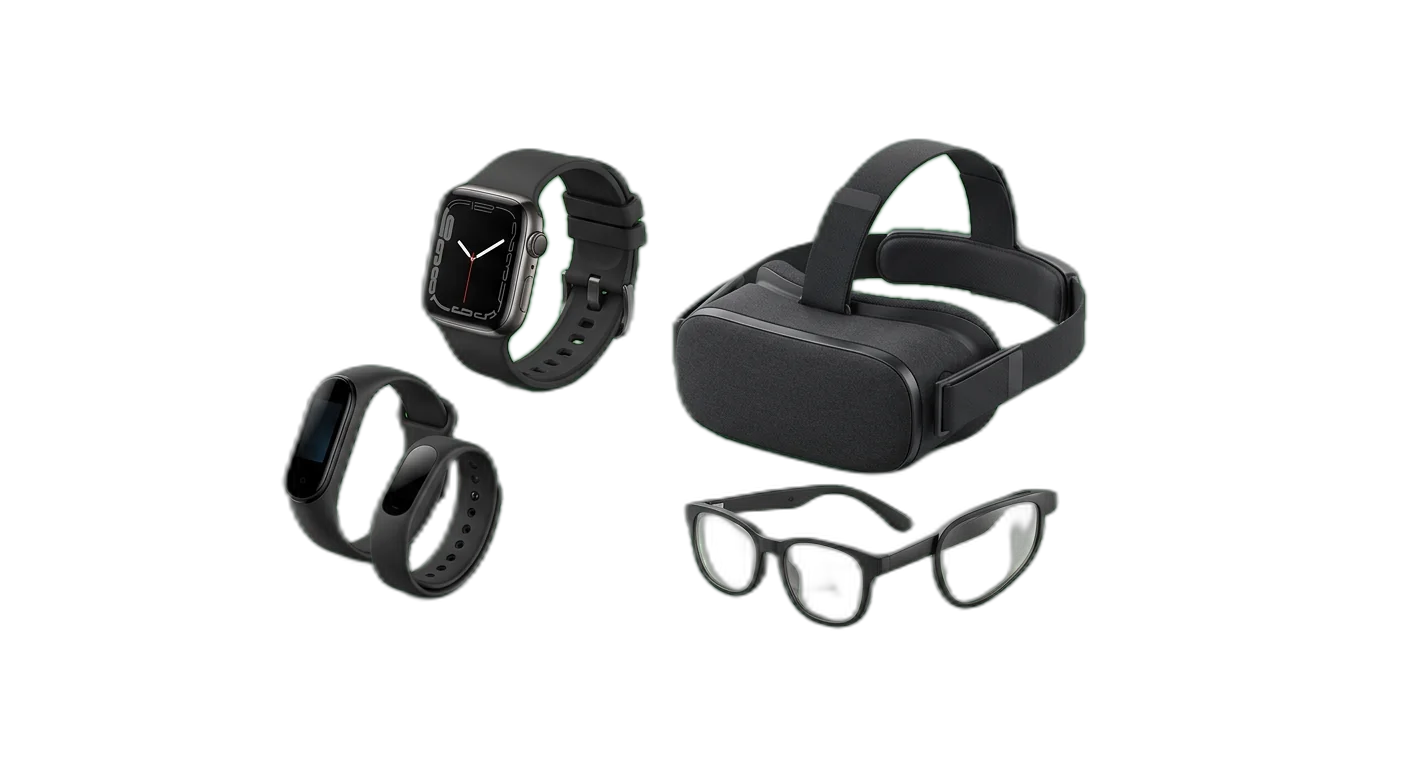
Smartwatches & Wearables
Smartphones & Wearables > Wearables
Wearables are the fastest-growing consumer electronics segment, with smartwatch sales climbing year after year. Health and fitness features have brought this category into the mainstream, well beyond early tech adopters. There is strong cross-sell potential with smartphones and high attachment rates for accessories.
Demand: HighCompetition: MediumMargin: HighRisingExample ProductsSmartwatchesFitness trackersVR headsetsAR glassesPro TipAlways list OS compatibility (iOS, Android, or both) as a primary attribute. Wearable buyers need to confirm device compatibility before purchasing, and a watch that will not pair with the buyer's phone is the most avoidable return in the category.
- 3
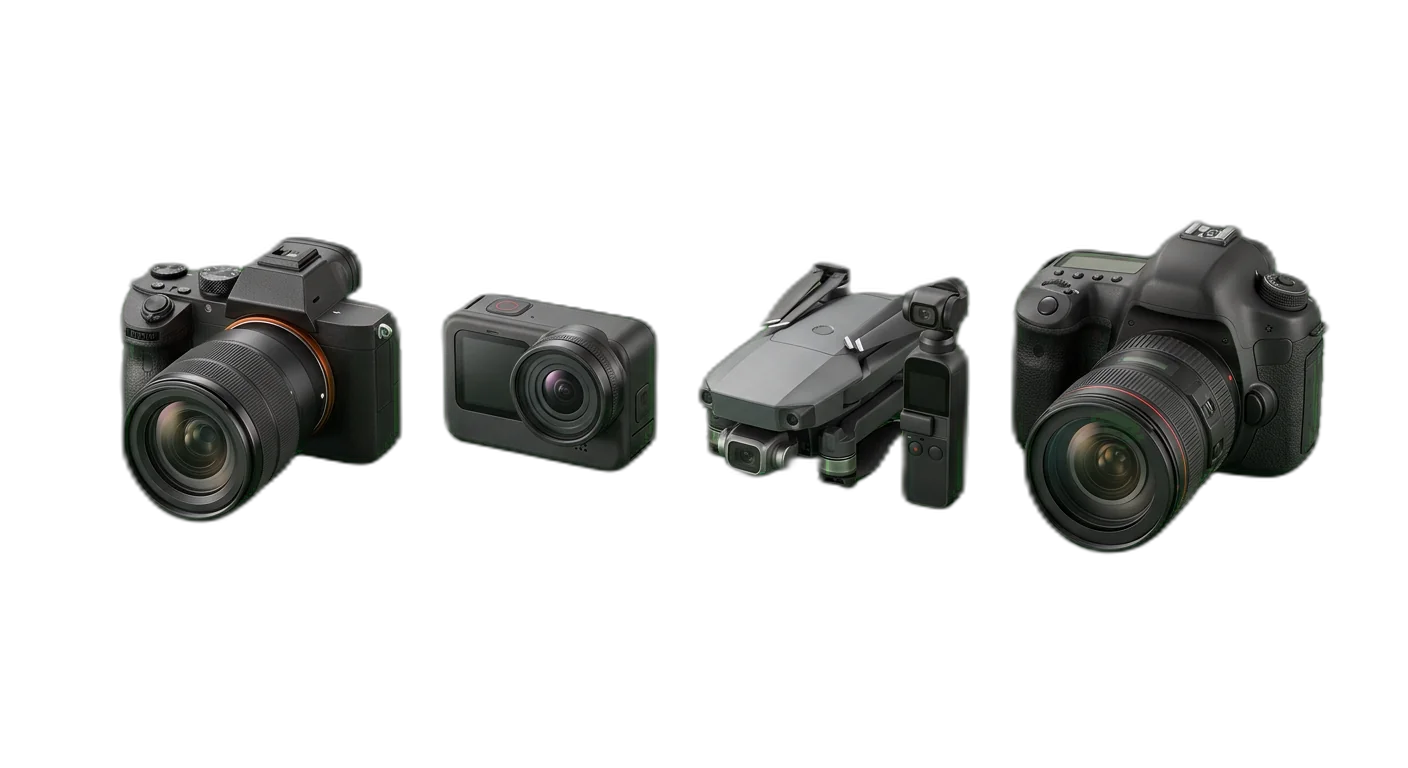
Cameras & Photography
Photography & Cameras
While smartphone cameras have taken over the compact camera market, mirrorless cameras, action cameras, and drones are thriving online. The rise of content creation has expanded the audience well beyond traditional photographers to vloggers, streamers, and social media creators.
Demand: MediumCompetition: LowMargin: HighRisingExample ProductsMirrorless camerasAction camerasDronesDSLR camerasPro TipThink beyond traditional photographers and target content creators too. Add attributes like video resolution, flip screen, and microphone input that creators care about as much as photo specs.
- 4
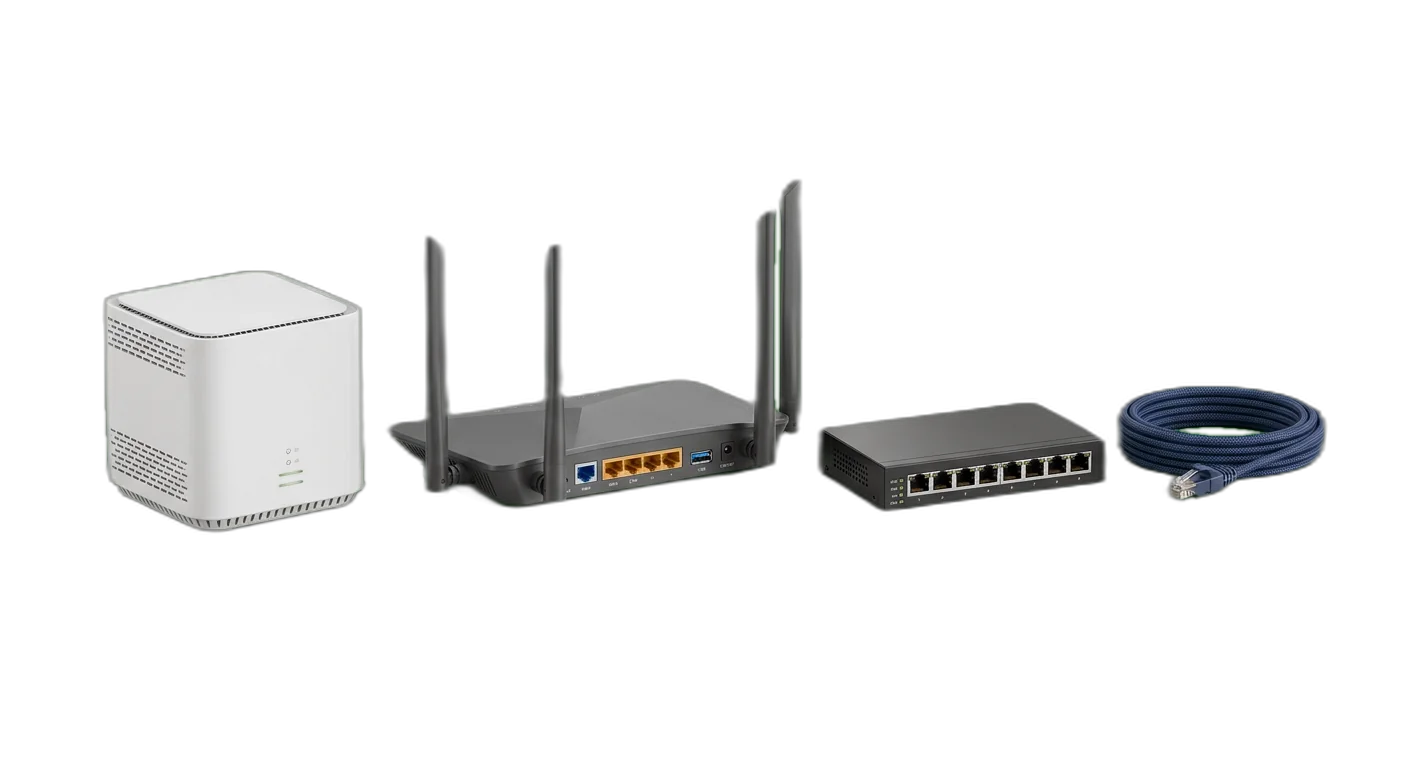
Networking & Connectivity
Components & Peripherals > Networking
Remote work and smart home growth have driven steady demand for networking gear. Wi-Fi 6E and mesh systems have started a new upgrade cycle, bringing customers back for premium equipment. The category has rising demand and relatively low competition compared to consumer devices.
Demand: GrowingCompetition: MediumMargin: HighRisingExample ProductsMesh Wi-Fi systemsRoutersNetwork switchesCables & adaptersPro TipLead with coverage area and number of supported devices, not raw speed numbers. Home network buyers care most about eliminating dead zones and keeping up with a growing number of devices.
- 5
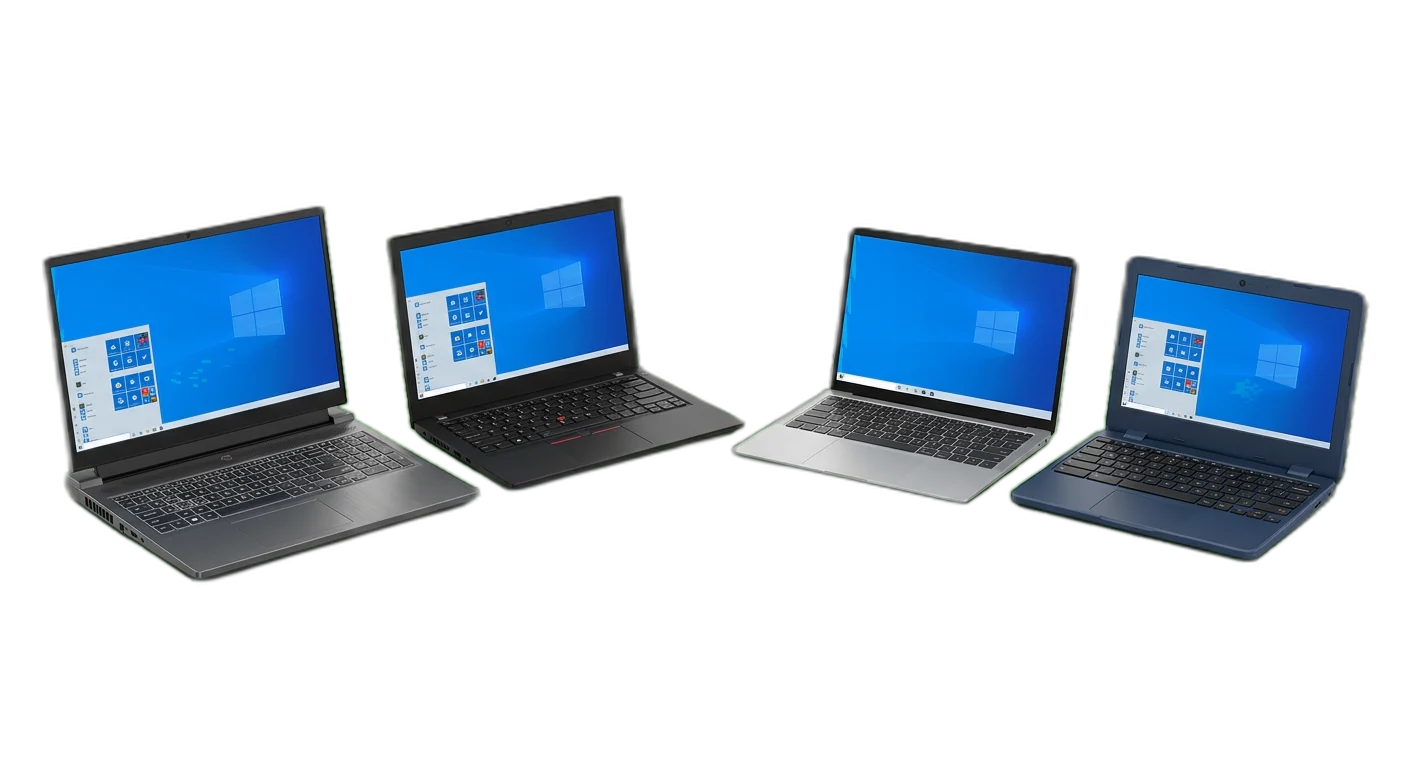
Laptops
Computers & Tablets > Laptops
Laptops are the backbone of personal computing in online retail, with strong demand from consumers, businesses, and schools. Hybrid work has kept demand high, and average order values are among the highest in electronics. Organizing by use case (gaming, business, ultrabook) is key to driving conversions.
Demand: HighCompetition: HighMargin: MediumRisingExample ProductsGaming laptopsBusiness laptopsUltrabooksChromebooksPro TipOrganize by use case rather than brand. Shoppers looking for a gaming laptop care more about GPU and refresh rate than manufacturer, while business buyers focus on battery life and weight.
- 6
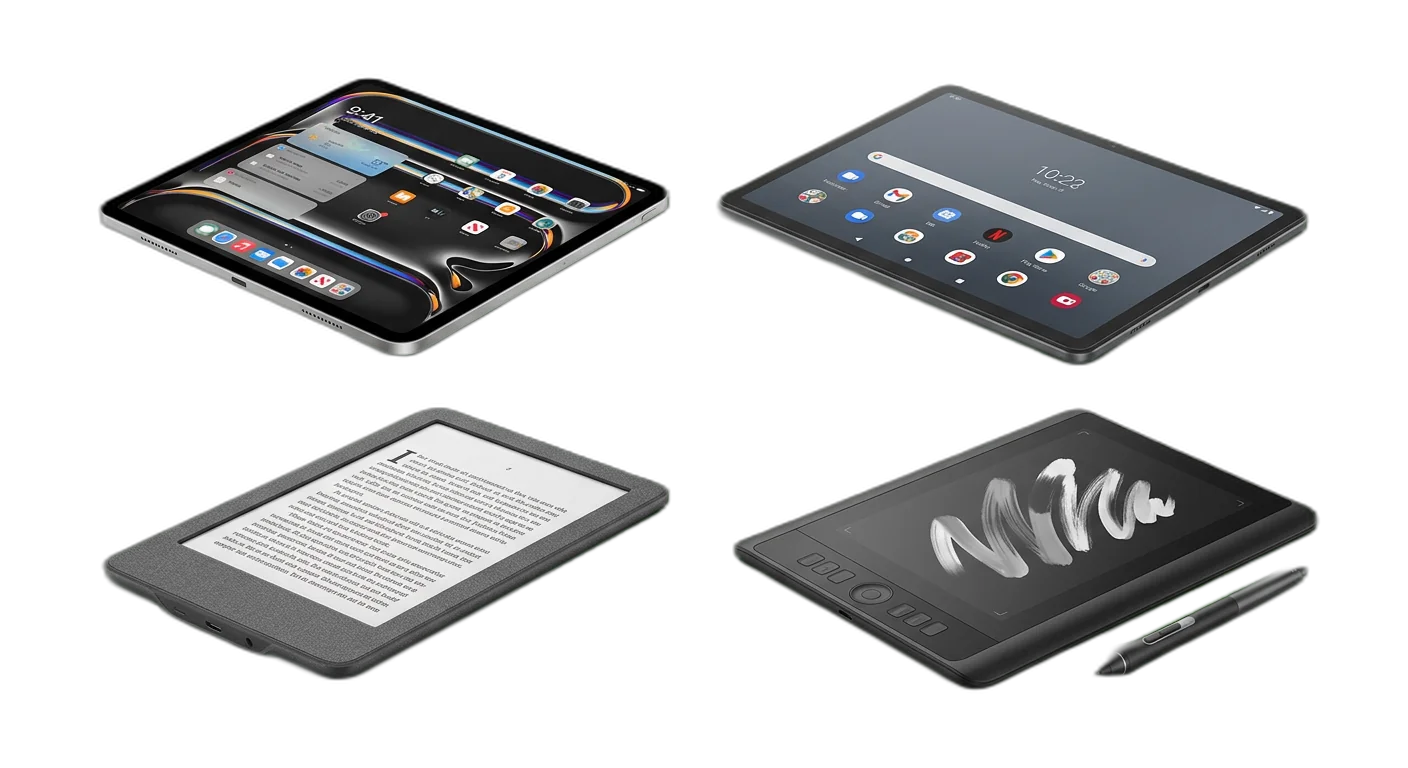
Tablets
Computers & Tablets > Tablets
Tablets have carved out a solid niche between smartphones and laptops, with strong demand in education, creative work, and media. The iPad ecosystem leads, but Android tablets and e-readers serve distinct audiences with loyal customer bases.
Demand: HighCompetition: MediumMargin: MediumStableExample ProductsiPadsAndroid tabletsE-readersDrawing tabletsPro TipSeparate media tablets (iPads, Android tablets), creative tablets (with stylus), and e-readers into distinct subcategories. These audiences rarely overlap and have very different priorities.
- 7
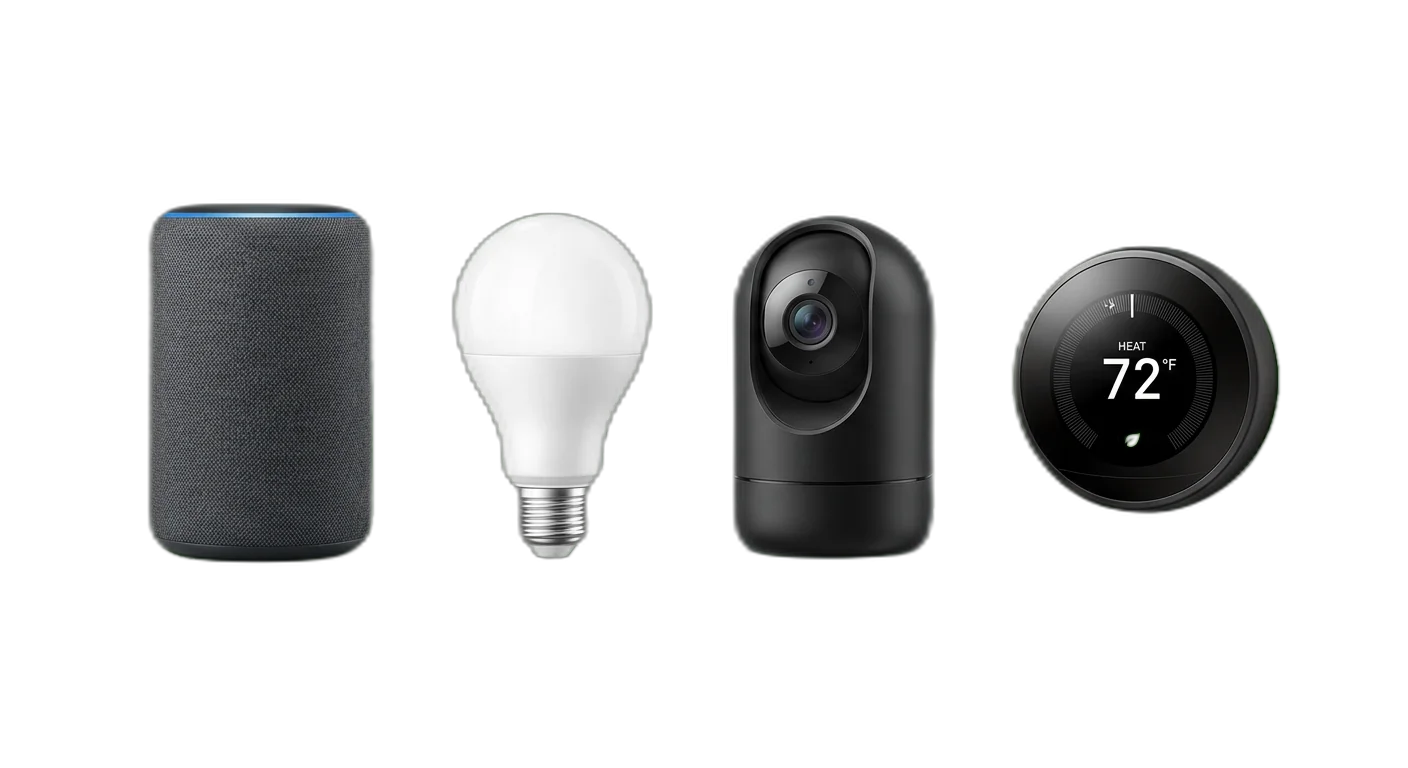
Smart Home Devices
Smart Home
Smart home adoption is picking up speed, helped by the Matter standard making devices easier to connect together. Smart speakers, lighting, and security cameras lead the category. Customers tend to build ecosystems over time, creating strong repeat purchase and cross-sell opportunities.
Demand: MediumCompetition: MediumMargin: HighRisingExample ProductsSmart speakersSmart lightingSmart security camerasSmart thermostatsPro TipGroup by function (lighting, security, climate) rather than by ecosystem (Alexa, Google, HomeKit). Function-first navigation matches how people shop, while ecosystem works better as a filter.
- 8
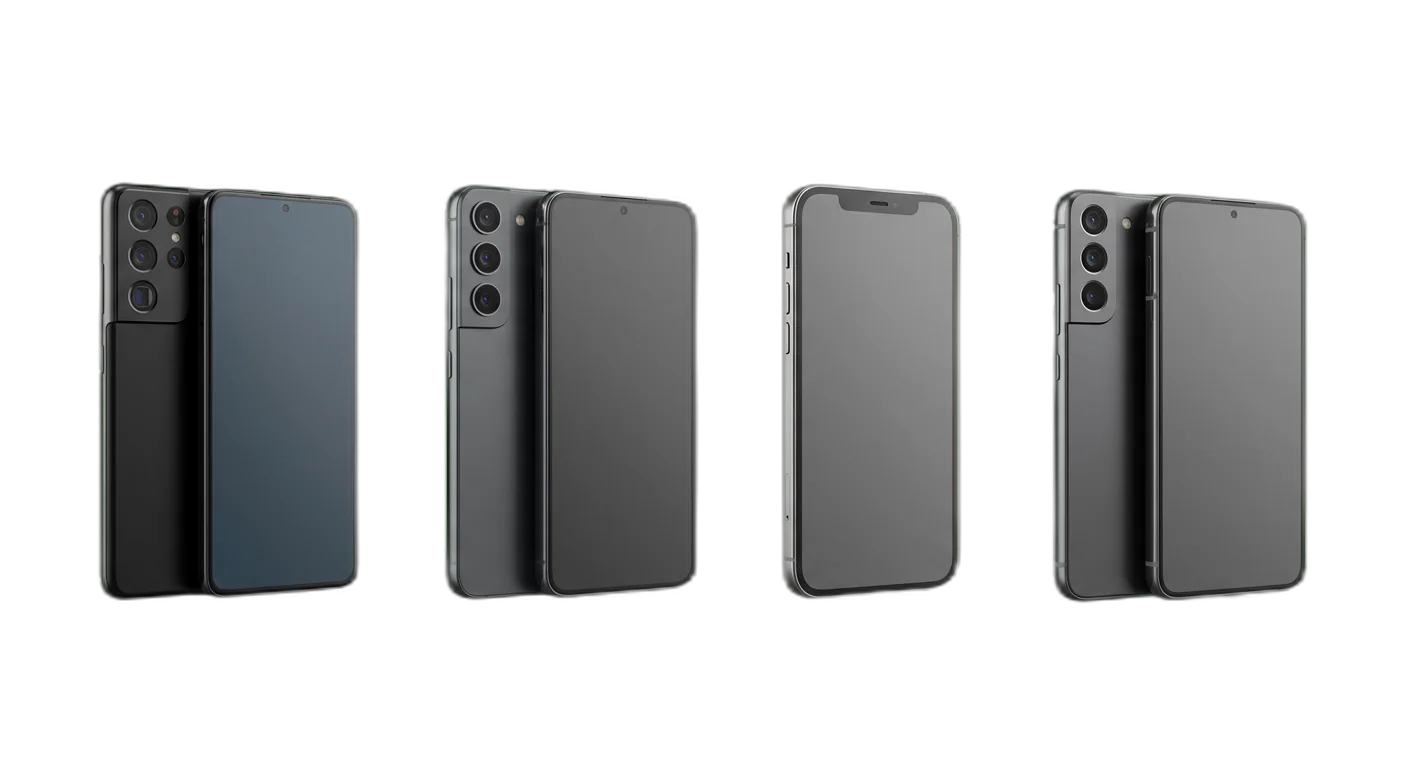
Smartphones
Smartphones & Wearables > Smartphones
Smartphones are the top-grossing consumer electronics category worldwide, with well over a billion handsets shipped every year. A growing share of that runs through online channels, because shoppers compare specs and prices online long before they buy. High order values and strong brand loyalty keep customers coming back.
Demand: HighCompetition: HighMargin: MediumStableExample ProductsAndroid phonesiPhonesRefurbished phones5G smartphonesPro TipAlways list storage variants and color options as separate SKUs sharing one product page. Smartphone shoppers filter heavily on storage, and most weigh at least two capacity options before they commit.
- 9

TVs & Displays
Audio & Video > TVs & Displays
TVs deliver some of the highest revenue per order in electronics. Average selling prices keep rising as shoppers upgrade to larger screens and premium display tech like OLED and QLED. Predictable demand spikes happen around major sporting events and Black Friday.
Demand: HighCompetition: HighMargin: MediumStableExample ProductsOLED TVsQLED TVsLED TVsGaming monitorsPro TipOrganize subcategories by display technology (OLED, QLED, LED) rather than screen size. Shoppers research display type first, then filter by size.
- 10
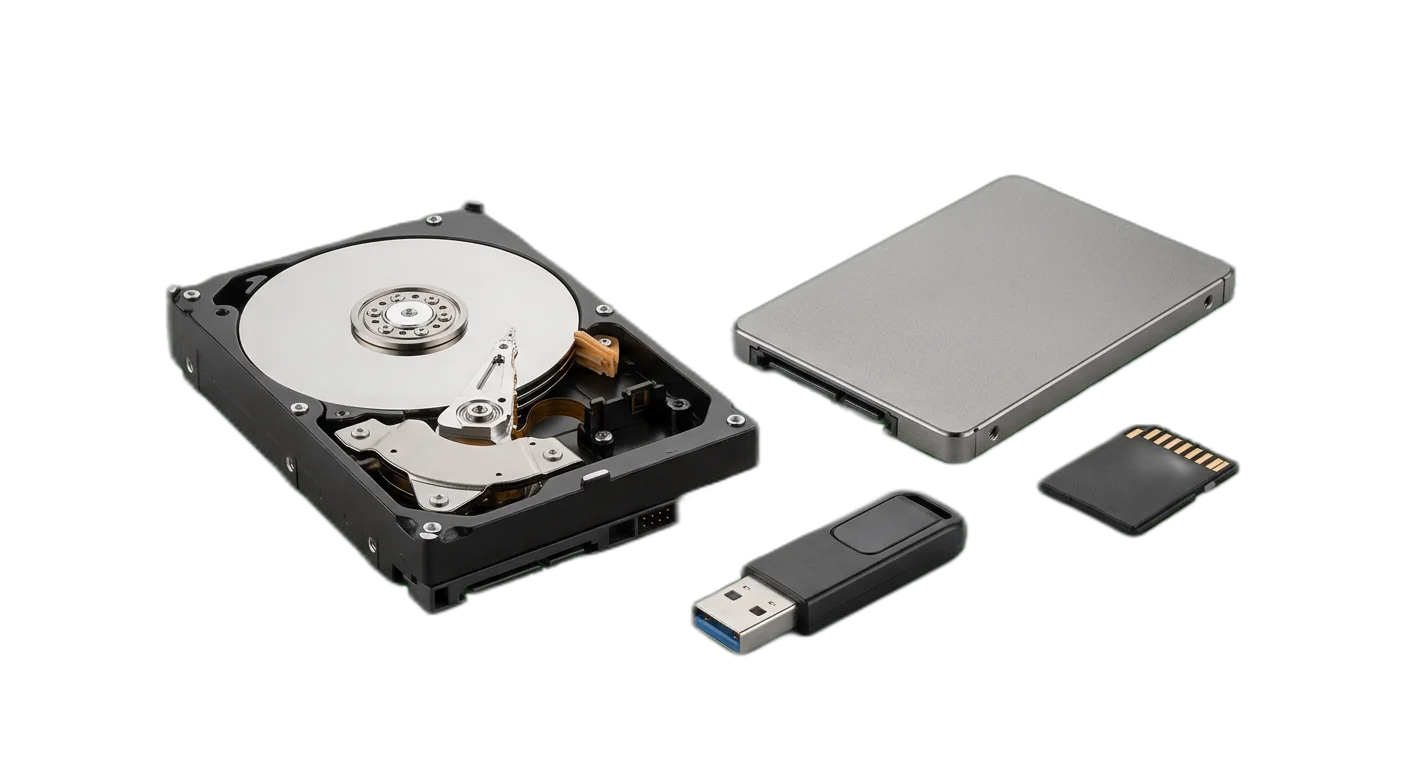
Computer Components & Storage
Components & Peripherals > Storage
PC components and storage attract a loyal, technically minded audience with high repeat purchase rates. DIY PC building stays popular, and storage upgrades (SSDs, external drives) have near-universal demand. Shoppers compare on specs, which makes this category very search-friendly.
Demand: HighCompetition: HighMargin: LowStableExample ProductsSSDsHard drivesUSB flash drivesMemory cardsPro TipInclude benchmark data or speed tiers in your listings. Storage buyers are spec-driven and prefer standardized performance data over marketing claims.
Category Performance at a Glance
Compare demand, competition, margins, and growth across all recommended categories
Wireless Headphones & EarbudsSmartwatches & WearablesCameras & PhotographyNetworking & ConnectivityLaptopsTabletsSmart Home DevicesSmartphonesTVs & DisplaysComputer Components & StorageRecommended Electronics & Tech Category Structure
The complete category tree with subcategories for each recommended top-level category
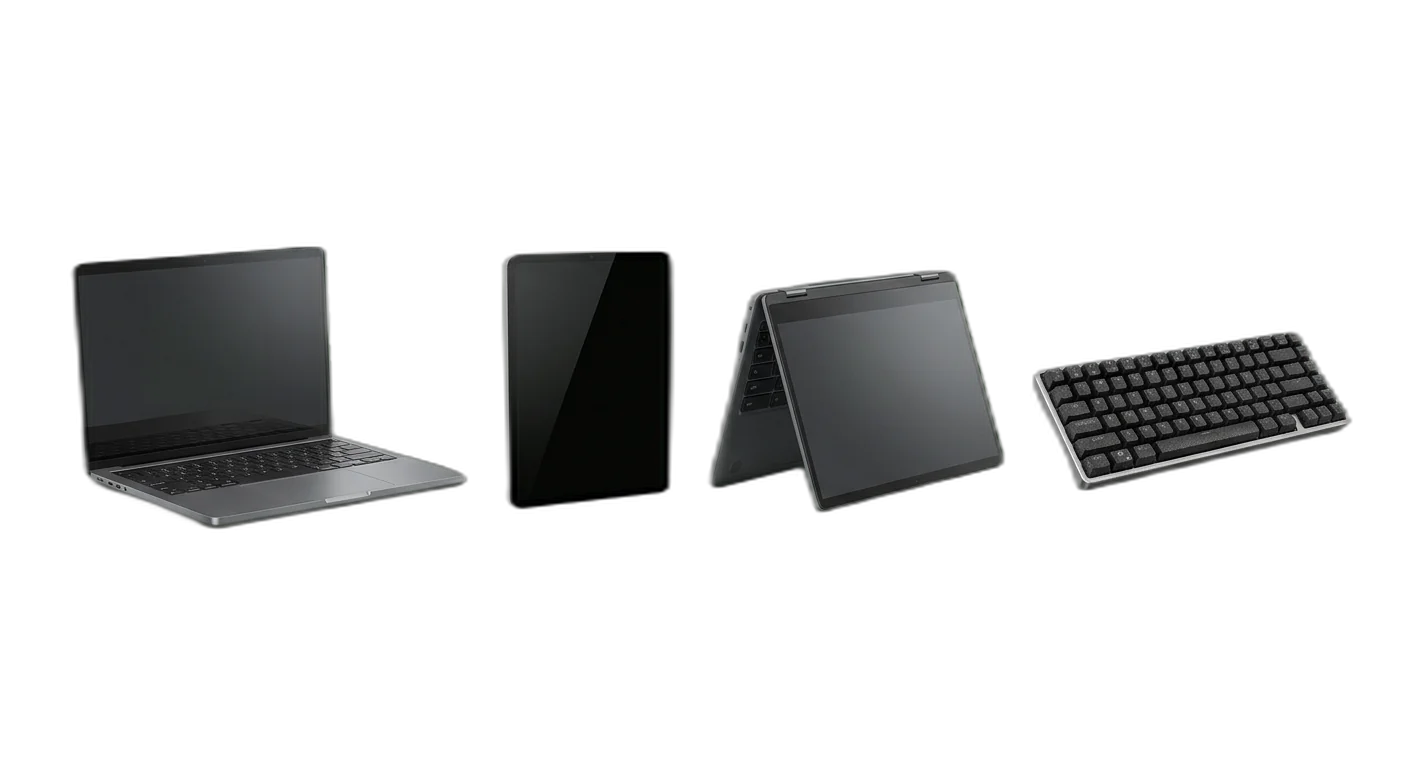
Computers & Tablets
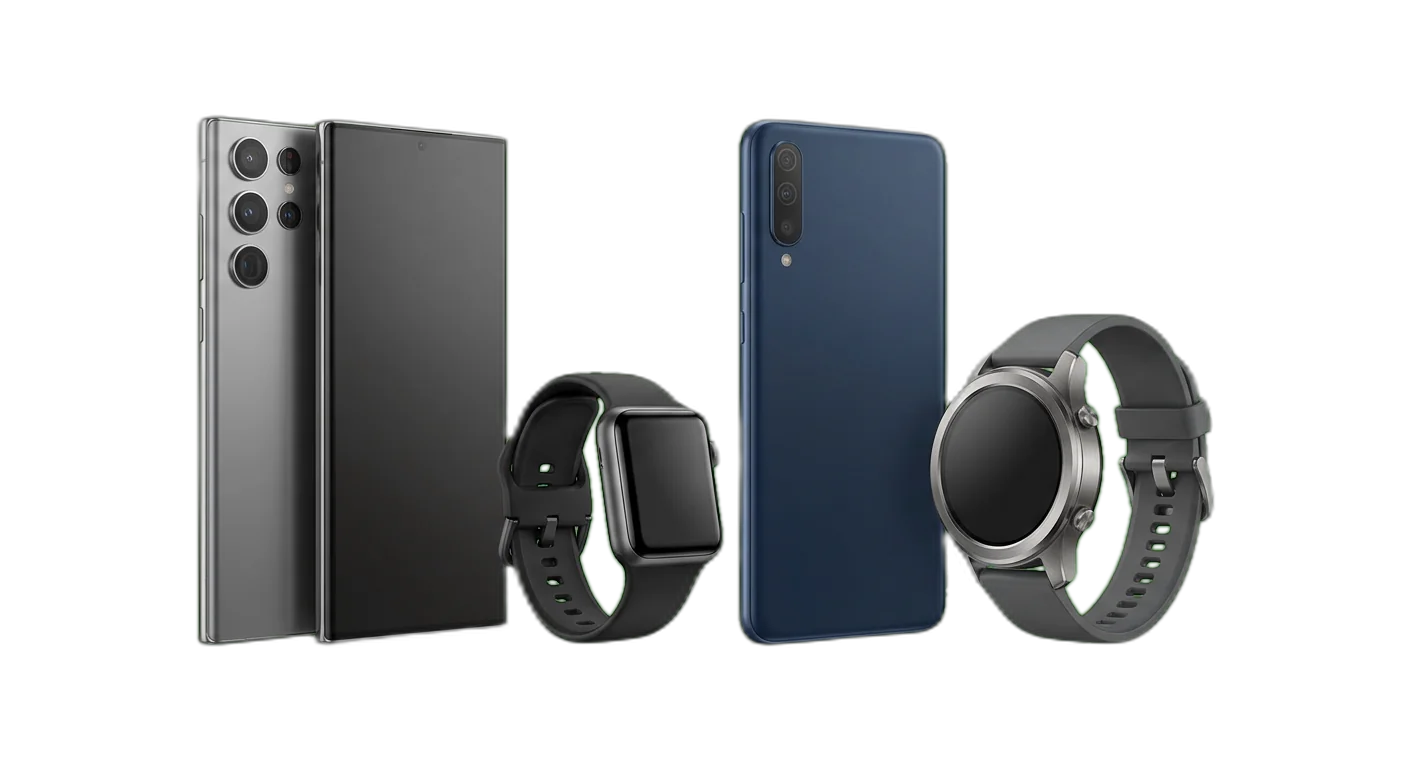
Smartphones & Wearables
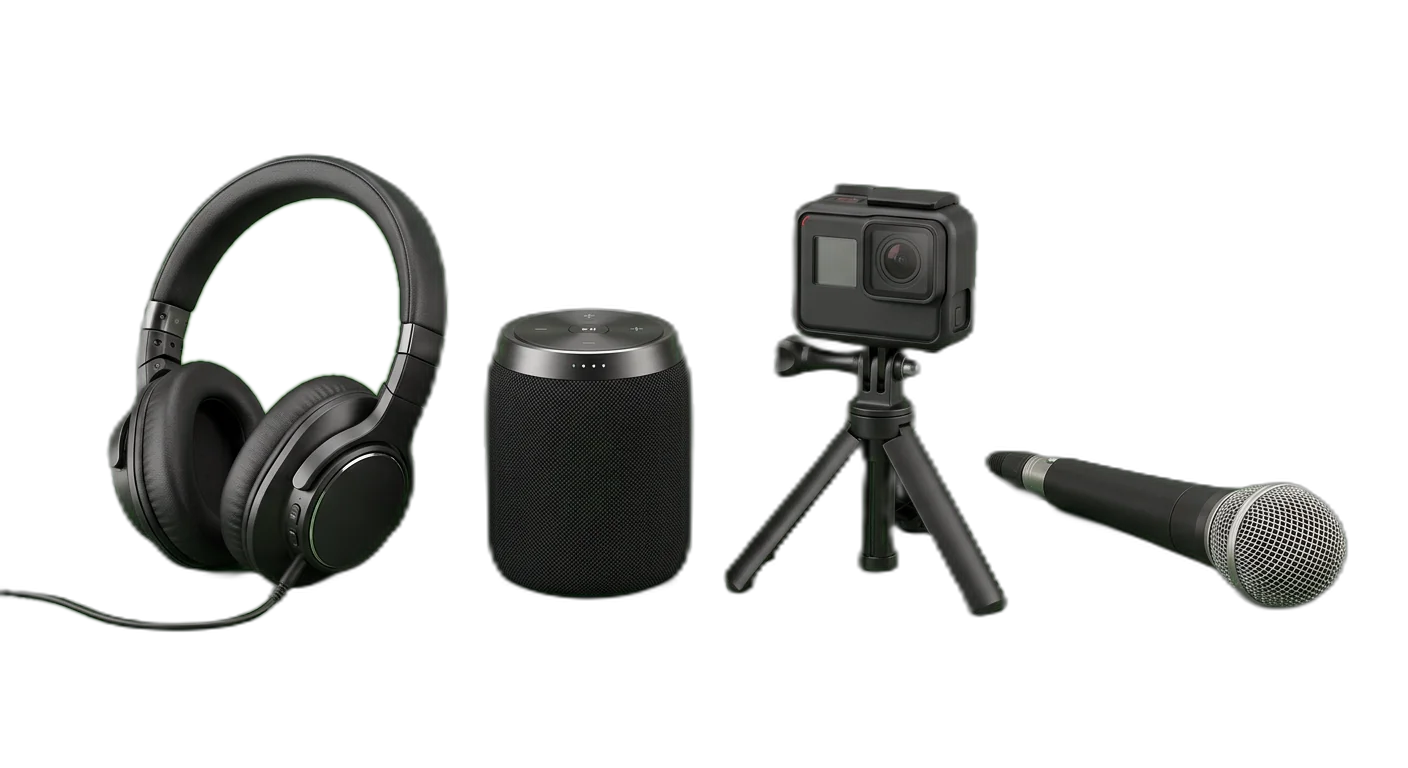
Audio & Video
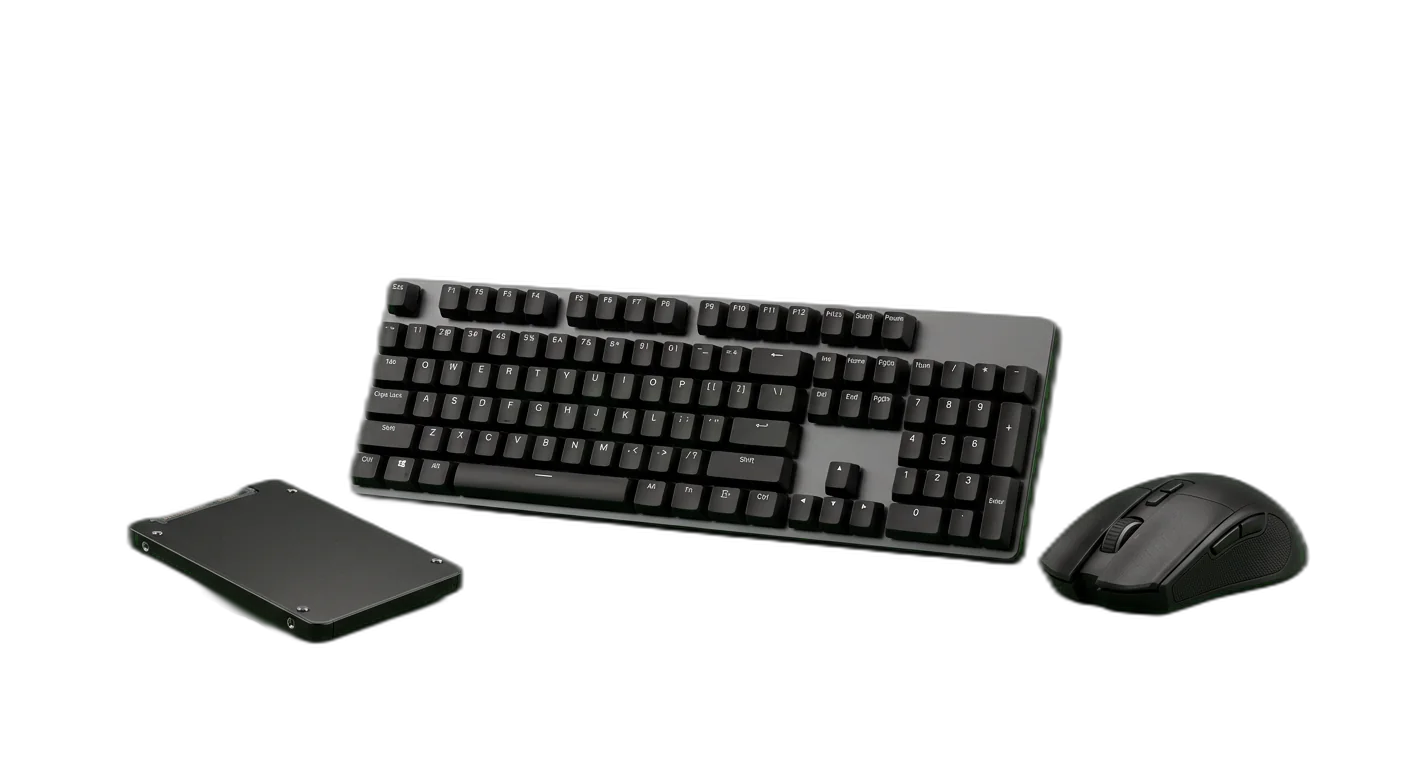
Components & Peripherals
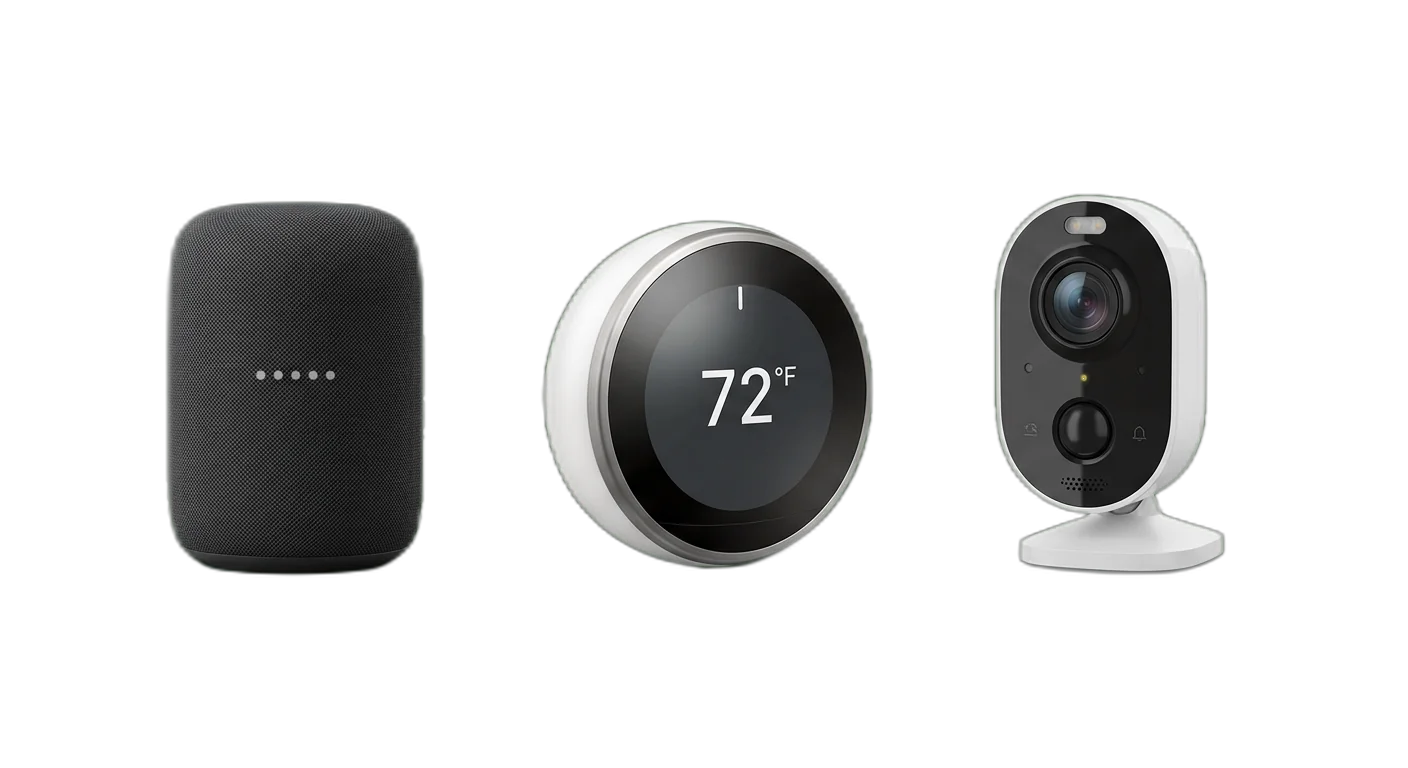
Smart Home
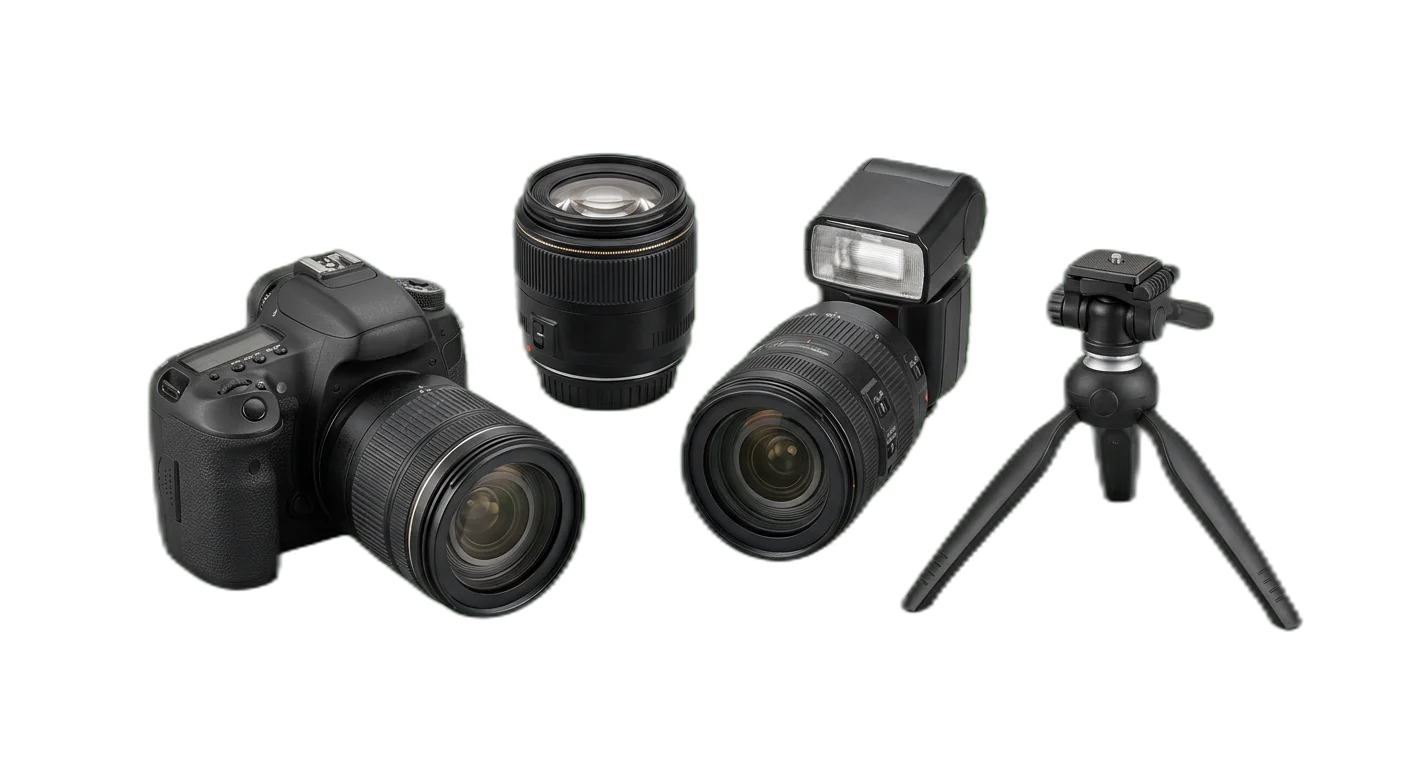
Photography & Cameras
Which Categories Should You Start With?
Choose your starting categories based on your catalog size and growth stage
Focus on one or two categories where you have supplier relationships or real expertise. Build complete product data with detailed specs instead of spreading yourself thin across many categories.
Expand into complementary categories that appeal to your existing customers. Adding accessories and peripherals is a great way to grow your average order value through cross-selling.
Cover the full electronics range with deep subcategories. Invest in spec-rich product data, comparison tools, and marketplace mapping across all major channels.
How to Order Categories in Your Store Menu
Practical tips for organizing your navigation to maximize clicks and conversions
Lead with your highest-traffic device categories
Smartphones, Laptops, and Headphones should be first in your navigation. These categories drive the most organic search traffic and have the highest conversion rates in electronics.
Group peripherals under a single navigation parent
Put keyboards, mice, storage, and networking under 'Components & Peripherals' rather than listing each one separately. This keeps navigation manageable while everything stays easy to find.
Add a 'Smart Home' section even if it is not your largest category
Smart home is the fastest-growing electronics segment. Giving it a prominent spot in your navigation signals that your store covers the full tech ecosystem and draws in a high-value audience.
Use spec-based filters alongside categories
Let customers filter by processor, screen size, RAM, and price across categories. Electronics buyers are spec-driven and expect to narrow down results by technical details.
Highlight deals and renewed products without creating separate category trees
Use promotional badges or a 'Deals' filter rather than duplicating categories. This keeps your main structure clean while still surfacing options for price-conscious shoppers.
When Each Category Peaks
Plan your inventory and marketing around seasonal demand shifts
Spring (Mar-May)
Peak Categories
Spring product launches from Apple and Samsung drive demand for tablets and smartphones. Make sure new models are listed with complete specs within 48 hours of the announcement.
Summer (Jun-Aug)
Peak Categories
Travel and outdoor season lifts portable electronics. Action cameras and travel-friendly headphones peak in summer. Promote bundles with cases and accessories.
Autumn (Sep-Nov)
Peak Categories
New iPhone and Galaxy launches drive the biggest smartphone sales spike of the year. Black Friday is the single largest electronics shopping event, so prepare your inventory and pricing early.
Winter (Dec-Feb)
Peak Categories
Holiday gifting boosts wearables, headphones, and smart speakers. January brings a surge in home networking and component upgrades as people set up their new devices.
Categories That Sell Together
Pair related categories to increase your average order value
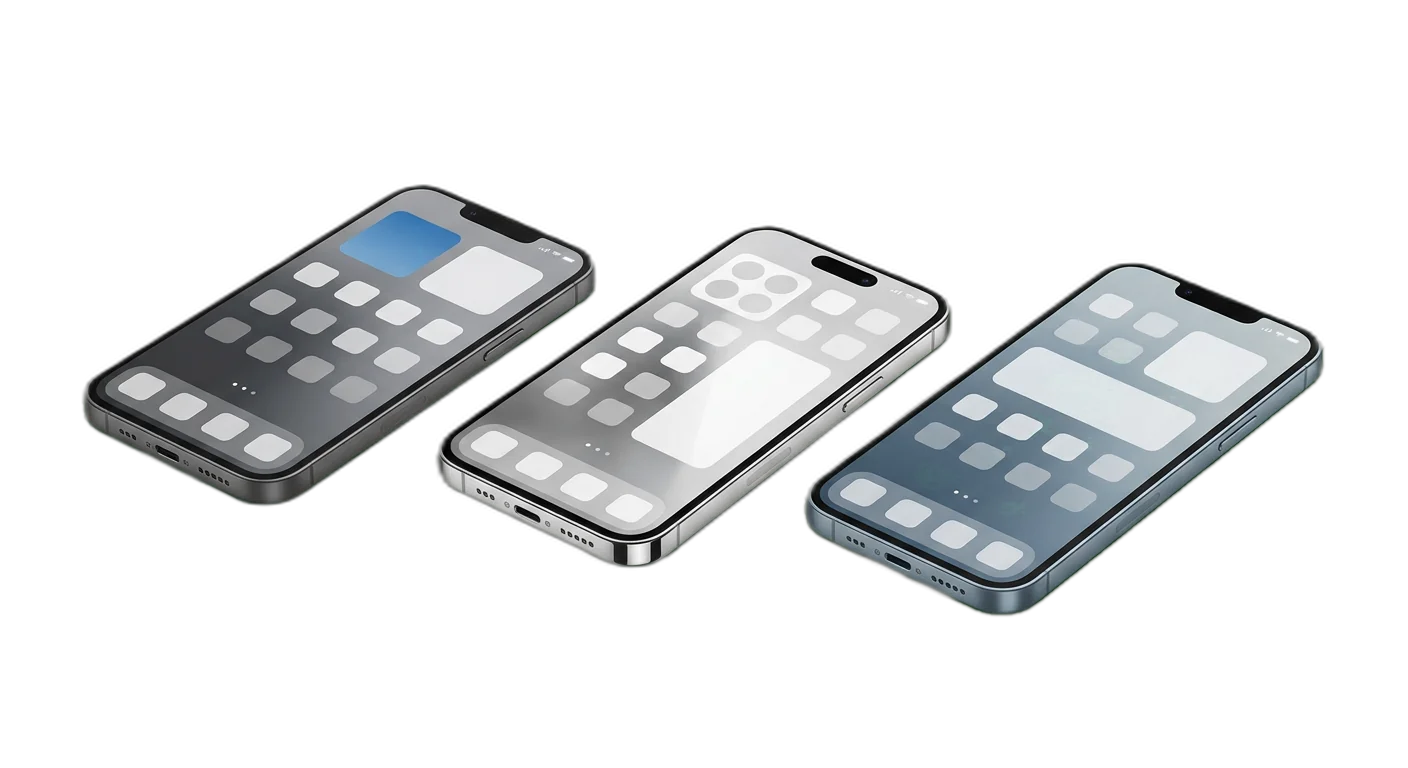
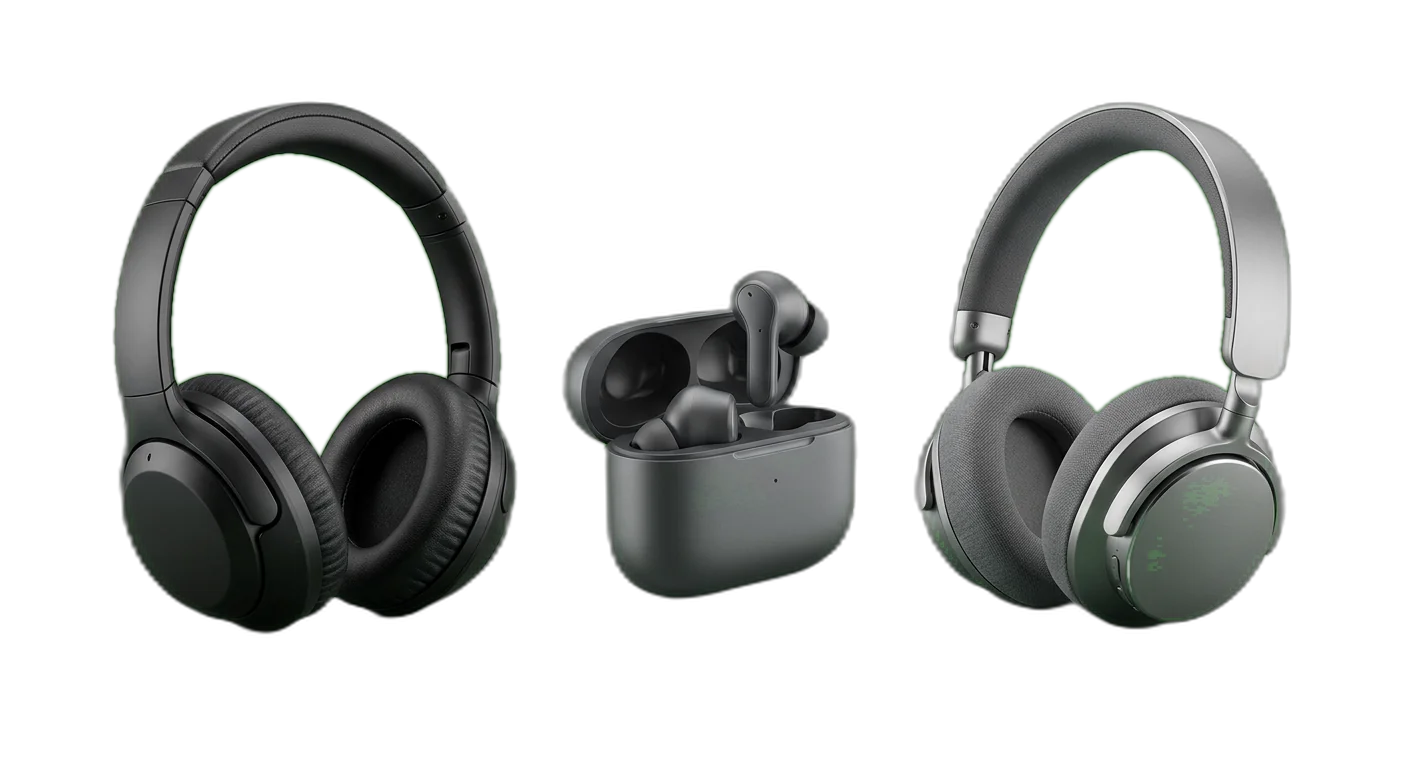
Almost no phone ships with earbuds or a headphone jack any more, so a new phone creates an immediate need for wireless audio. Always suggest audio accessories on smartphone product pages.
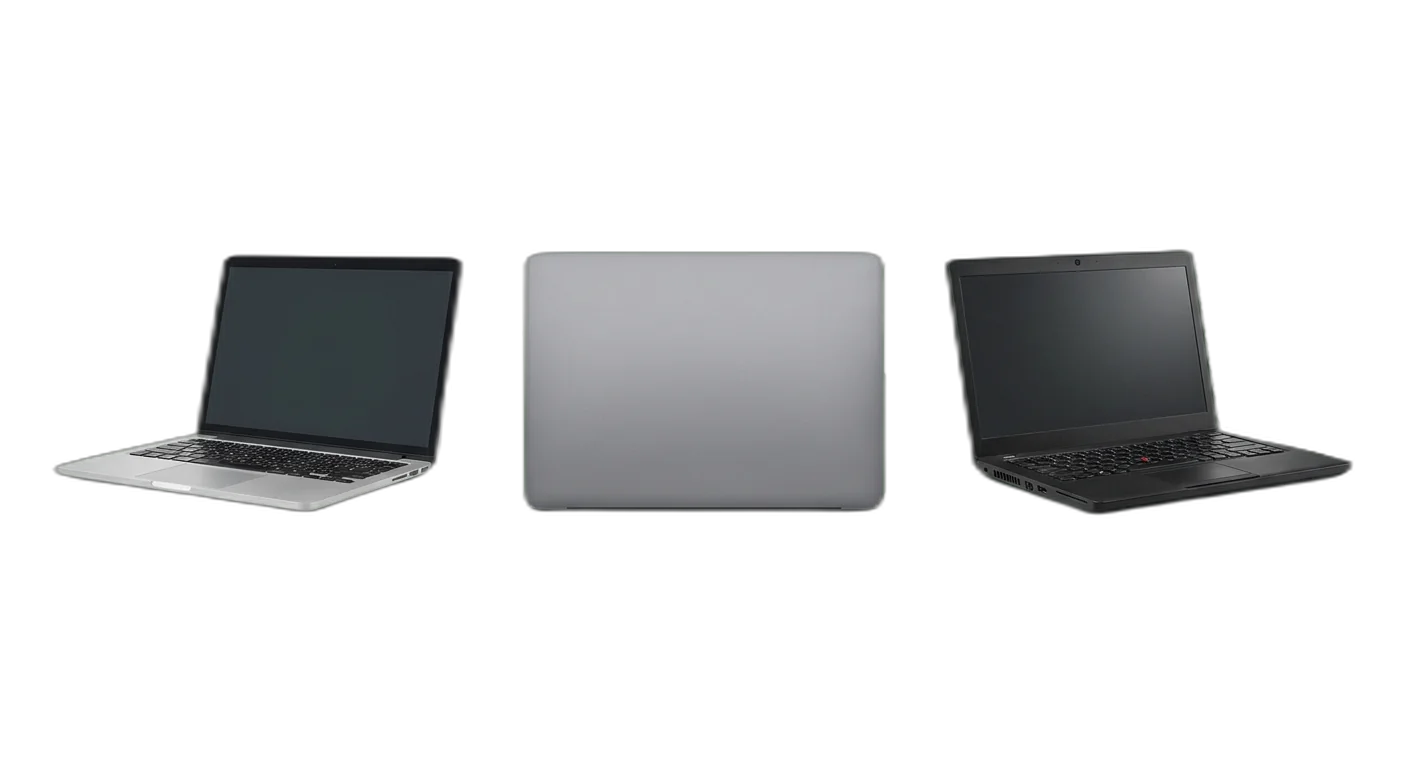
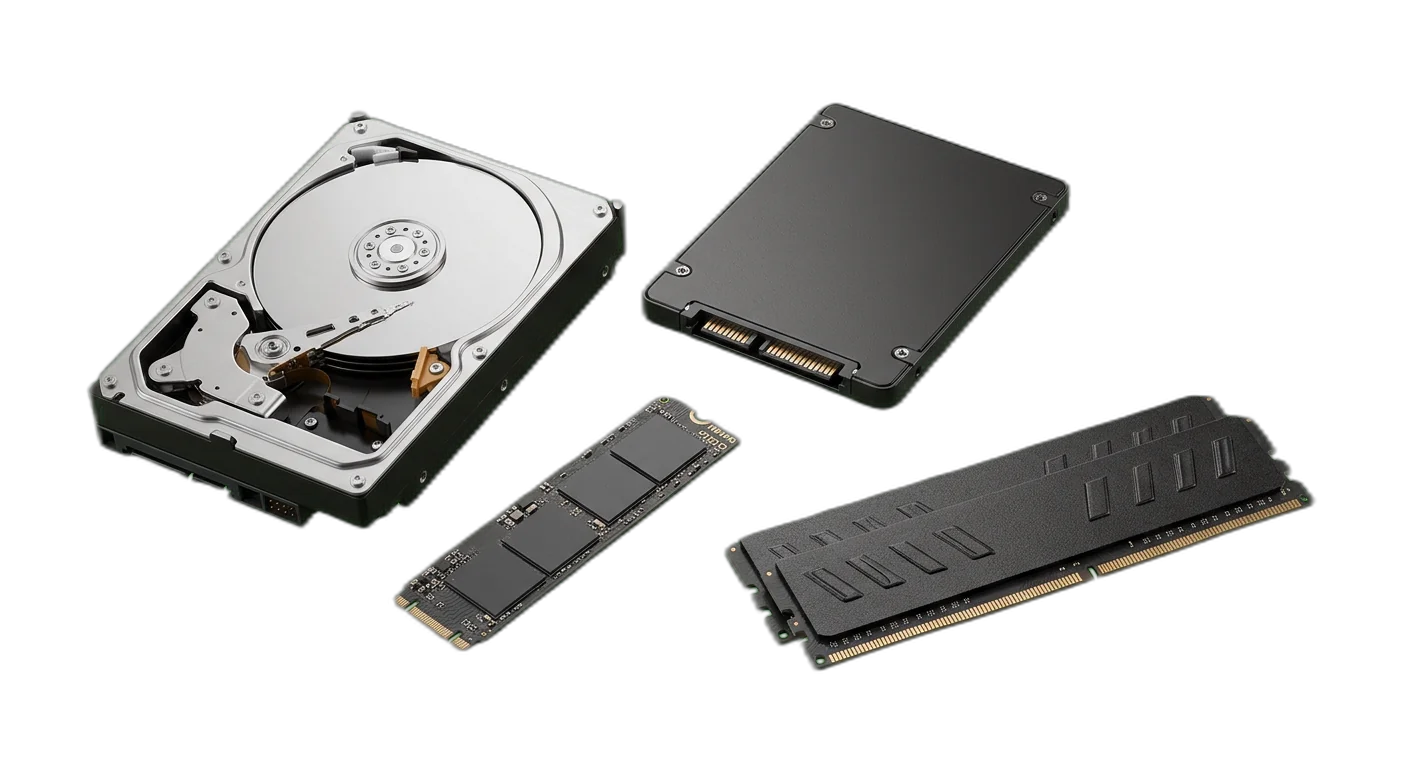
Laptop buyers often add external storage, mice, and USB-C hubs. These are low-friction add-ons, so bundle suggestions on the laptop page lift average order value.
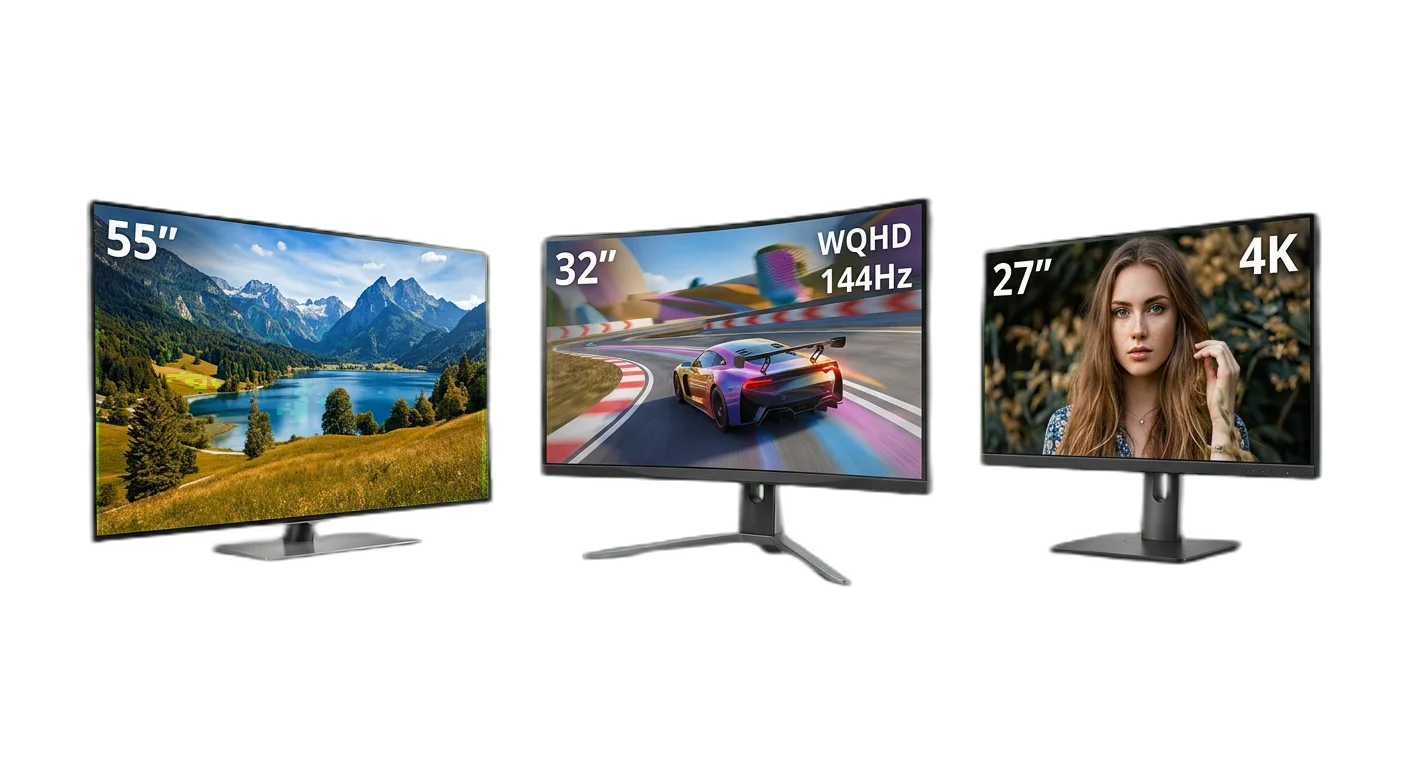
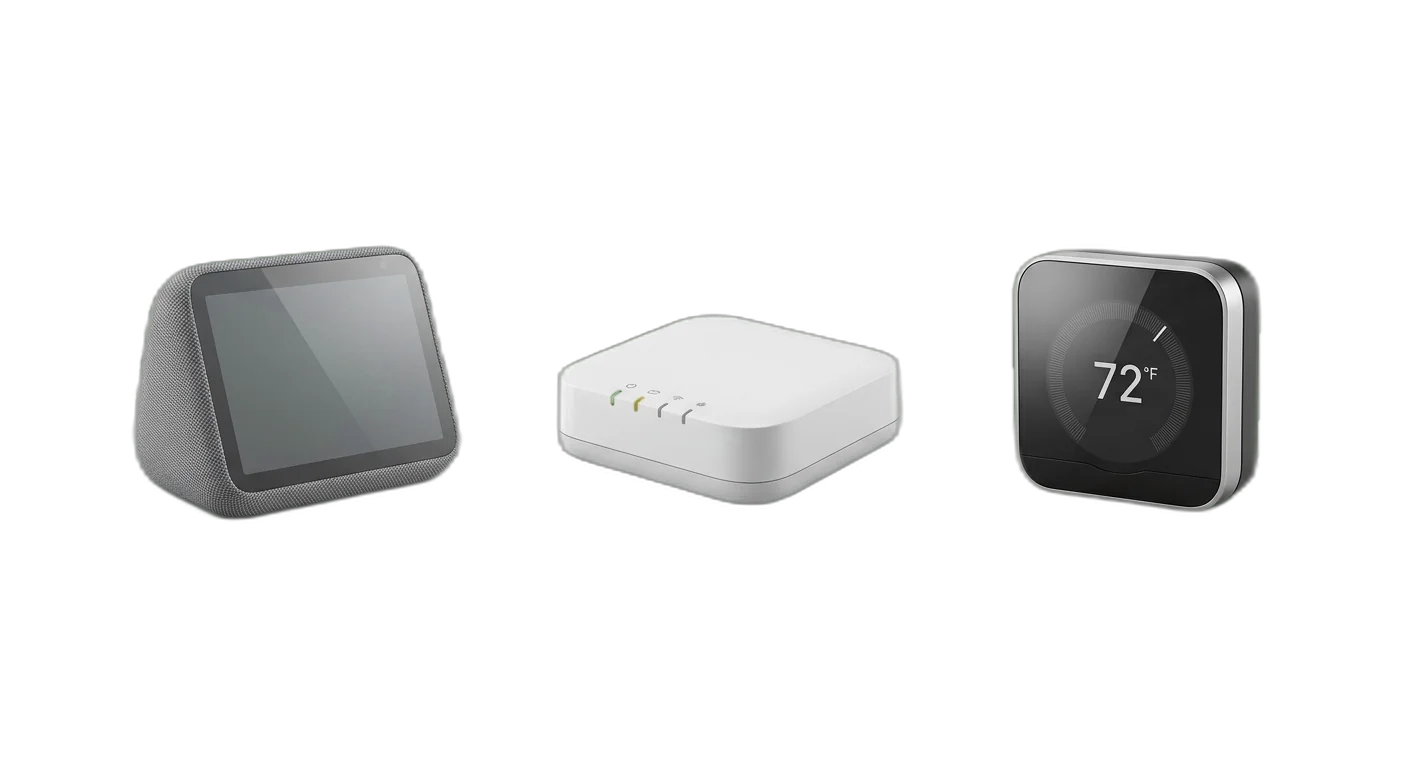
New TV buyers often upgrade their sound setup and add streaming devices. Soundbars and smart speakers are natural cross-sells.
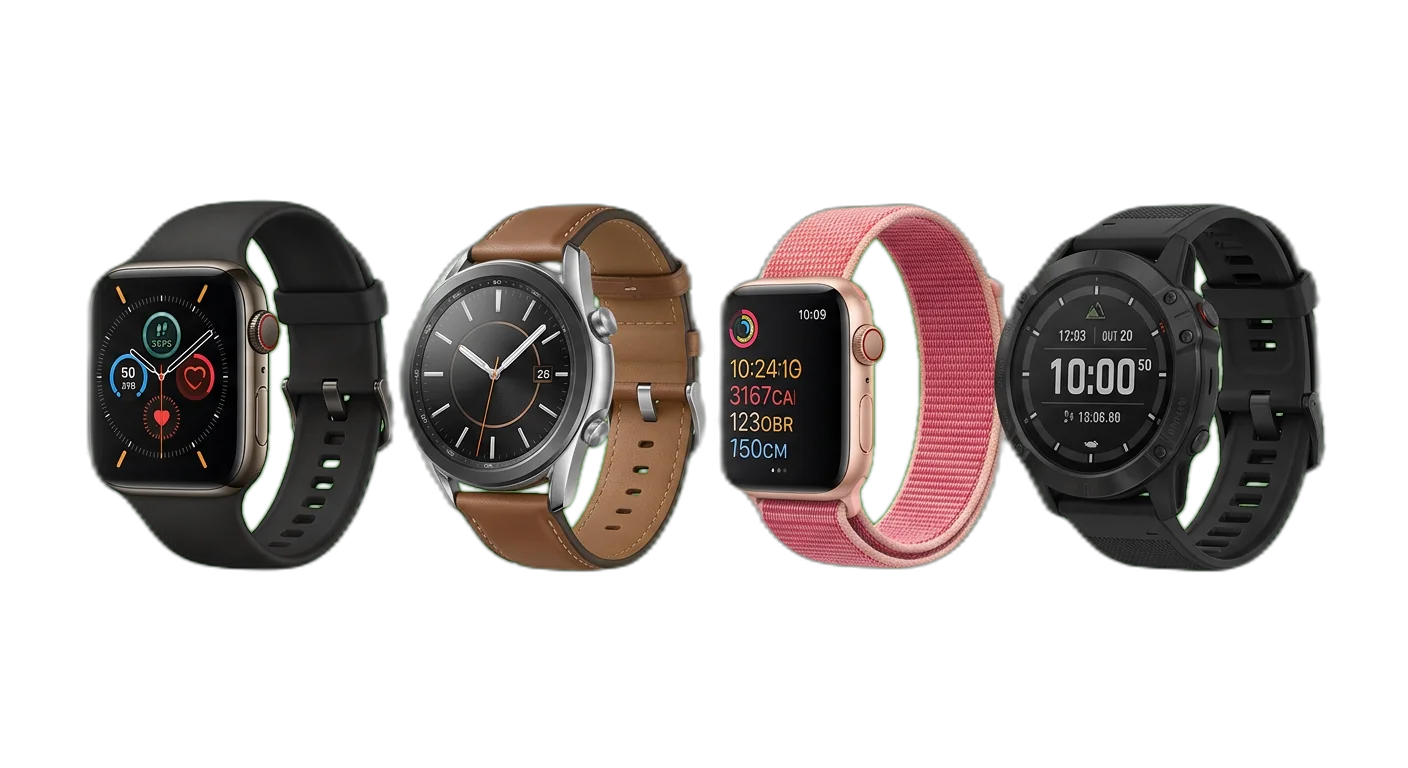
Wearable buyers often browse smartphones for compatibility at the same time. Highlighting compatible phone models increases conversion on both products.
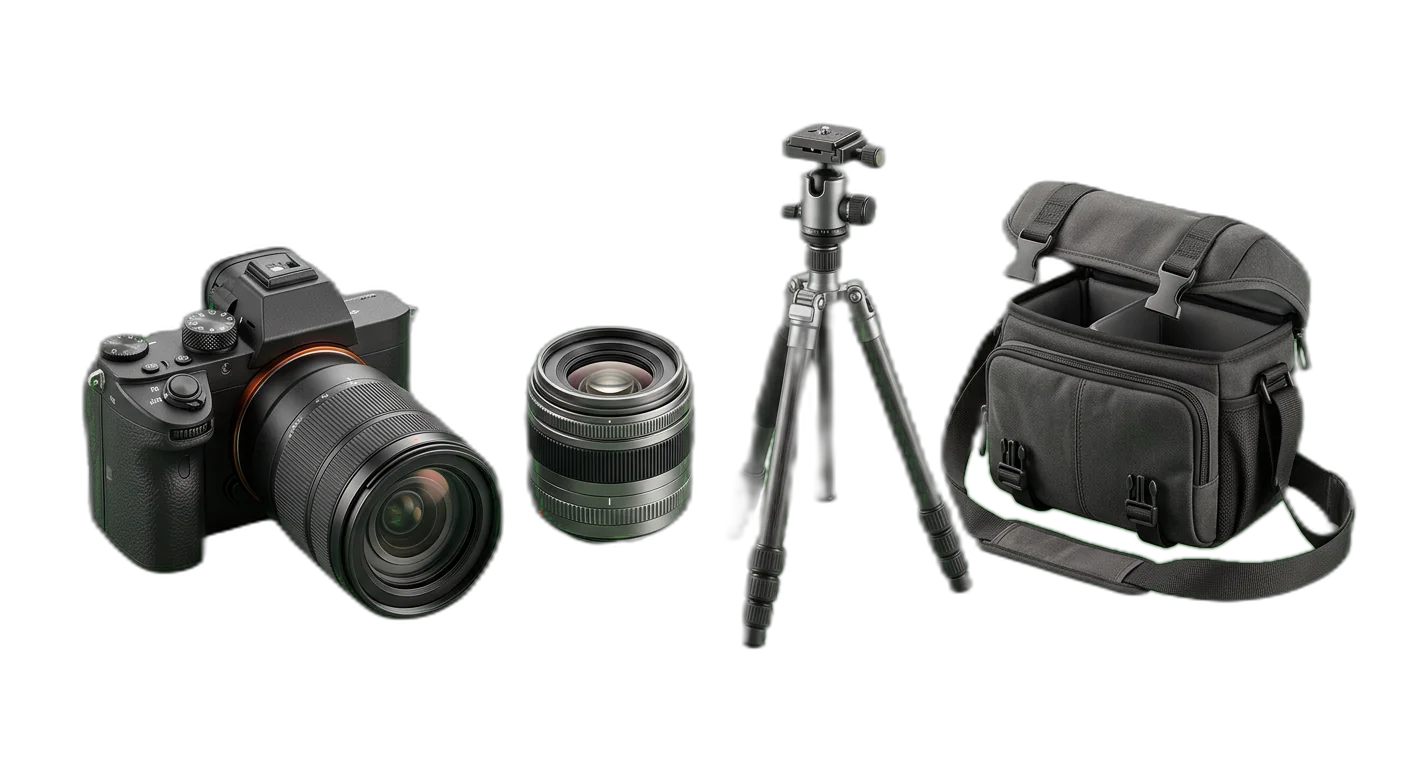
Photographers and content creators need fast memory cards and external SSDs for their workflow. Storage accessories are a natural add-on for this audience.
Common Electronics & Tech Category Mistakes
Mistakes that hurt your discoverability, SEO, and conversion rates
- Mistake
Using brand names as top-level categories (e.g., Apple, Samsung, Sony sections) instead of product-type categories
Better approachUse product type as the main axis (Laptops, Smartphones, Headphones) and brand as a filterable attribute. Brand-based categories fragment the browsing experience and become unmanageable as you add or drop brands.
- Mistake
Mixing accessories with their parent devices in the same category (e.g., phone cases alongside smartphones)
Better approachCreate dedicated accessory subcategories under each device type. Phone cases belong under Smartphone Accessories, not Smartphones. This keeps device listings clean and accessories easy to find.
- Mistake
Creating separate categories for each product generation (e.g., an iPhone 14 category and an iPhone 15 category)
Better approachUse a single product-type category and make generation a filterable attribute. This prevents category sprawl and lets customers compare across generations in one view.
- Mistake
Building one flat 'Electronics' category with no meaningful subcategories, forcing customers to rely on search
Better approachBuild 4-5 levels of depth based on device type, form factor, and use case. Clear category navigation reduces dependence on search and makes it easier for browsers to discover products.
- Mistake
Duplicating the category structure for new vs refurbished products, creating two parallel category trees
Better approachKeep refurbished products in the same categories as new ones and use a Condition attribute (New, Refurbished, Open Box). This avoids duplication and lets customers compare directly.
Set Up Electronics & Tech Categories with AI
Get your Electronics & Tech product categories organized in minutes, not days
01
Import your electronics catalog
Upload your product data via CSV, XML, or API. WISEPIM automatically picks up technical specs like processor, RAM, storage, screen size, and connectivity from your existing product data and spec sheets.
02
AI categorizes your products
WISEPIM's AI reads product titles, descriptions, and technical specs to place each item in the right category. It understands device types, form factors, and use cases, so it can tell a gaming laptop from a business ultrabook automatically.
03
Review, refine, and publish
Review AI suggestions in bulk, fine-tune any edge cases like cross-category peripherals, and push your categorized products to all your sales channels. WISEPIM automatically maps your categories to Google Shopping, Amazon, and Bol.com.
Frequently Asked Questions
Common questions about choosing Electronics & Tech categories for ecommerce
Best Categories for Other Industries
Printable checklist
Start in 15 minutesDecide in one week if a new category pays off
Start with demand: 15 minutes in Google Trends. You get one count, like 2 of 3 terms rising. Then 5 steps for the rest of the week.
How it works
- Pick the 3 search terms shoppers use for the category.
- Look each one up in Google Trends over 2 years.
- Write the count, such as '2 of 3 terms rising'.
One email, once, with a link to the printable checklist. Nothing else unless you tick the box.
Free Excel template
XLSX · 3 sheetsSee which of your 20 best sellers are incomplete
An Excel check with the columns electronics & tech products need. In about 15 minutes you know how many of your 20 are complete, and the one fix that helps the most rows.
How it works
- Paste 20 best sellers from your shop export into Products.
- Fill in what you know. The last column says what each row is missing.
- Read your result on Start here: how many are complete, and the fix that helps most rows.
One email, once, with the XLSX attached and as a download link. Nothing else unless you tick the box.
Keep exploring
Hand-picked next steps to go deeper.
Ready to Organize Your Electronics & Tech Catalog?
WISEPIM uses AI to automatically categorize your products, set up attributes, and sync across all your sales channels.