Auto Parts Categories: Brakes to Detailing with IDs
A car detailing kit goes in Vehicles & Parts > Vehicle Parts & Accessories > Vehicle Maintenance, Care & Decor > Vehicle Cleaning (Google ID 2895); waxes and polishes have their own child category (2643). Mechanical parts sit under Motor Vehicle Parts, such as Motor Vehicle Braking (2977) for brake pads and rotors. Fitment (make, model, year) is an attribute, never a category. IDs follow Google's product taxonomy, version 2021-09-21.
Quick answers: which category does it belong to?
| Item | Category path | Standard | ID |
|---|---|---|---|
| Car detailing kit | Vehicles & Parts > Vehicle Parts & Accessories > Vehicle Maintenance, Care & Decor > Vehicle Cleaning | Google product taxonomy | 2895 |
| Car wax and polish | Vehicles & Parts > Vehicle Parts & Accessories > Vehicle Maintenance, Care & Decor > Vehicle Cleaning > Vehicle Waxes, Polishes & Protectants | Google product taxonomy | 2643 |
| Brake pads and rotors | Vehicles & Parts > Vehicle Parts & Accessories > Motor Vehicle Parts > Motor Vehicle Braking | Google product taxonomy | 2977 |
| Car tires | Vehicles & Parts > Vehicle Parts & Accessories > Motor Vehicle Parts > Motor Vehicle Wheel Systems > Motor Vehicle Tires > Automotive Tires | Google product taxonomy | 6093 |
| Motor oil | Vehicles & Parts > Vehicle Parts & Accessories > Vehicle Maintenance, Care & Decor > Vehicle Fluids > Vehicle Motor Oil | Google product taxonomy | 3044 |
| Headlights and bulbs | Vehicles & Parts > Vehicle Parts & Accessories > Motor Vehicle Parts > Motor Vehicle Lighting | Google product taxonomy | 3318 |
| Side mirror | Vehicles & Parts > Vehicle Parts & Accessories > Motor Vehicle Parts > Motor Vehicle Mirrors | Google product taxonomy | 2642 |
| Car speakers | Vehicles & Parts > Vehicle Parts & Accessories > Motor Vehicle Electronics > Motor Vehicle Speakers | Google product taxonomy | 895 |
| Parking camera | Vehicles & Parts > Vehicle Parts & Accessories > Motor Vehicle Electronics > Motor Vehicle Parking Cameras | Google product taxonomy | 6968 |
| Car cover | Vehicles & Parts > Vehicle Parts & Accessories > Vehicle Maintenance, Care & Decor > Vehicle Covers | Google product taxonomy | 3436 |
Automotive Parts Category Hierarchy
Standard category structure used across major e-commerce platforms and marketplaces
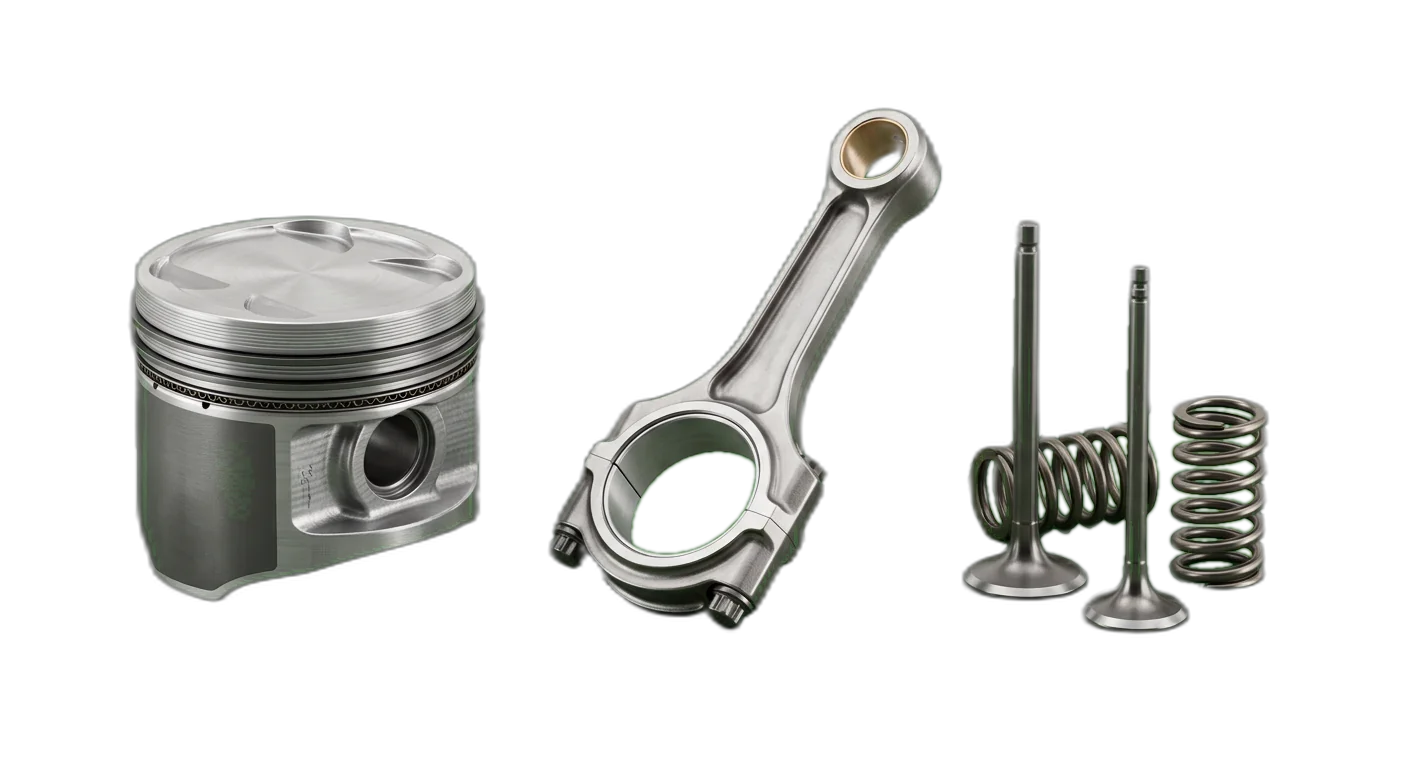
Engine Parts
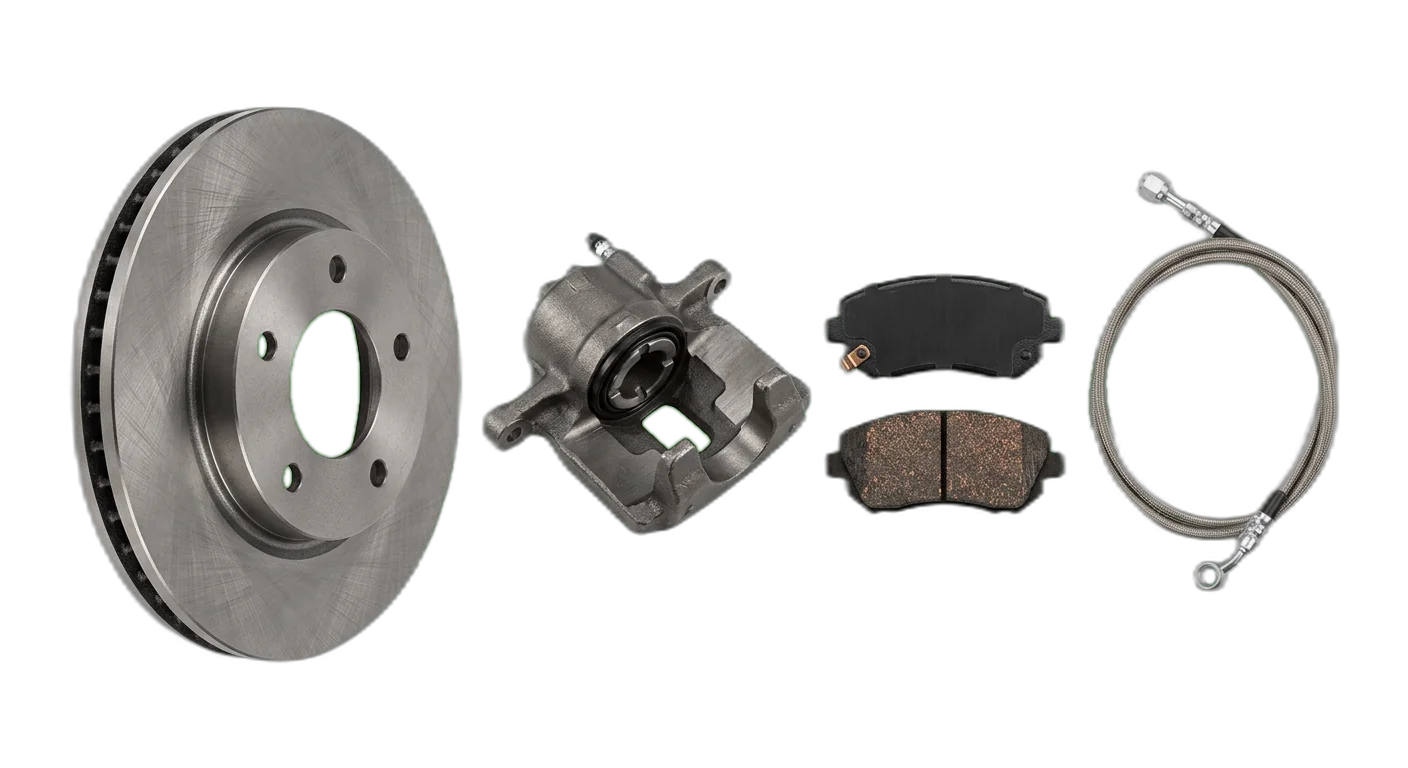
Brakes
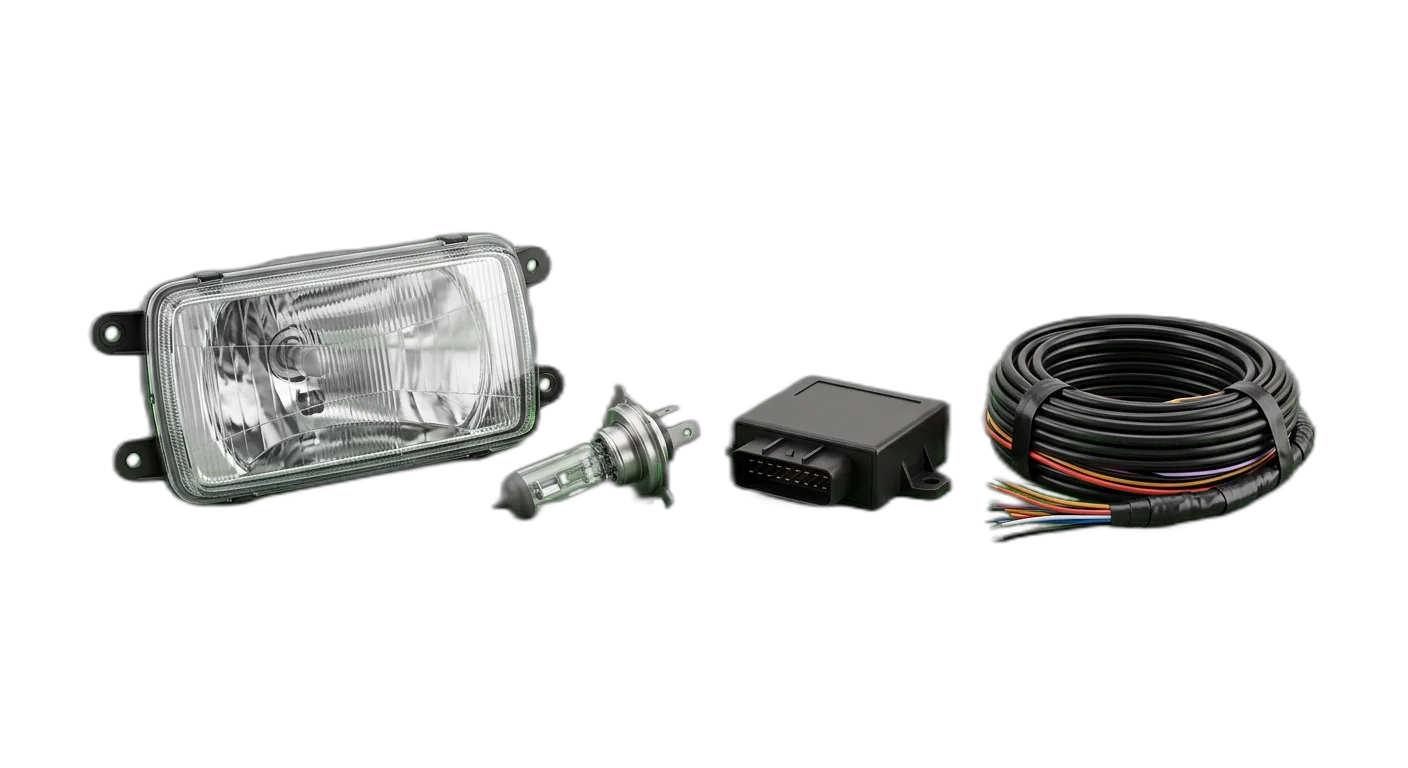
Electrical & Lighting
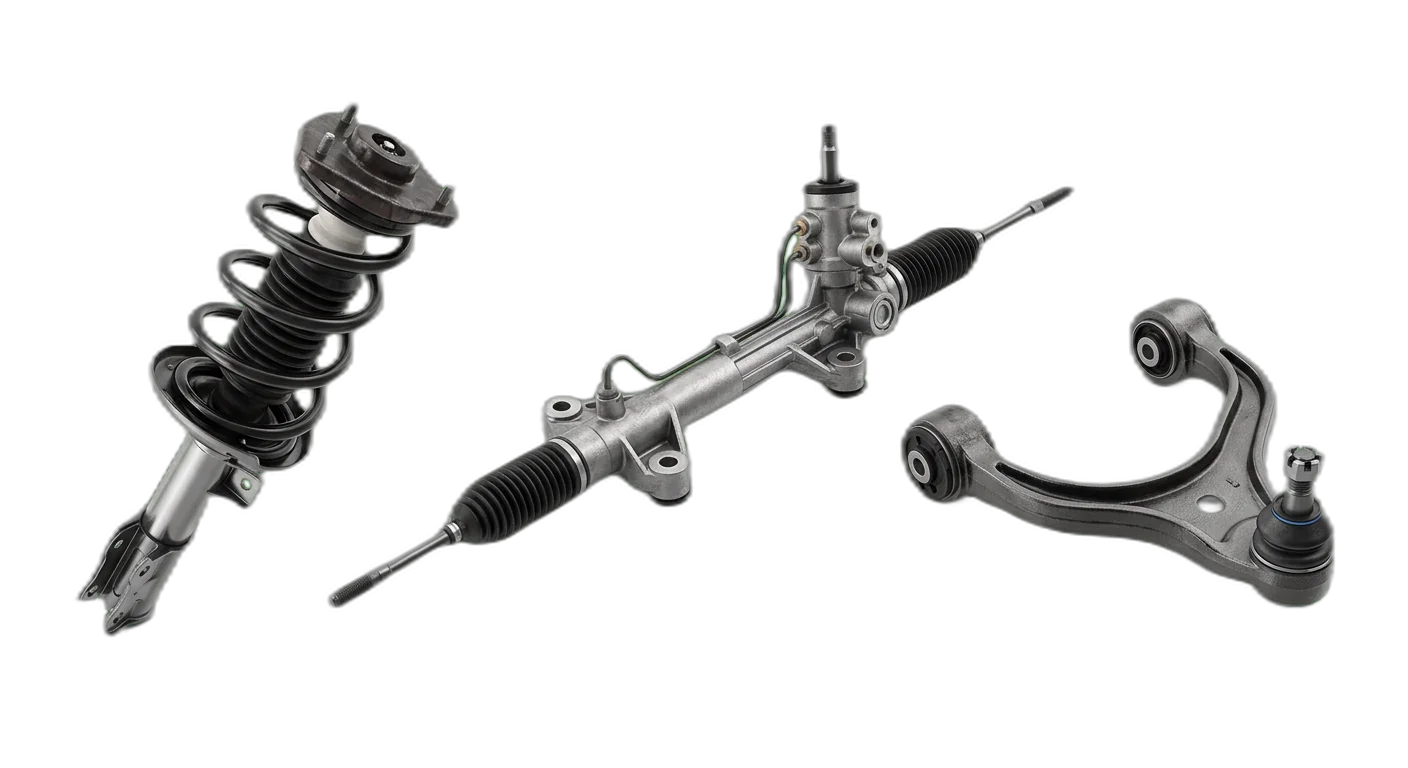
Suspension & Steering
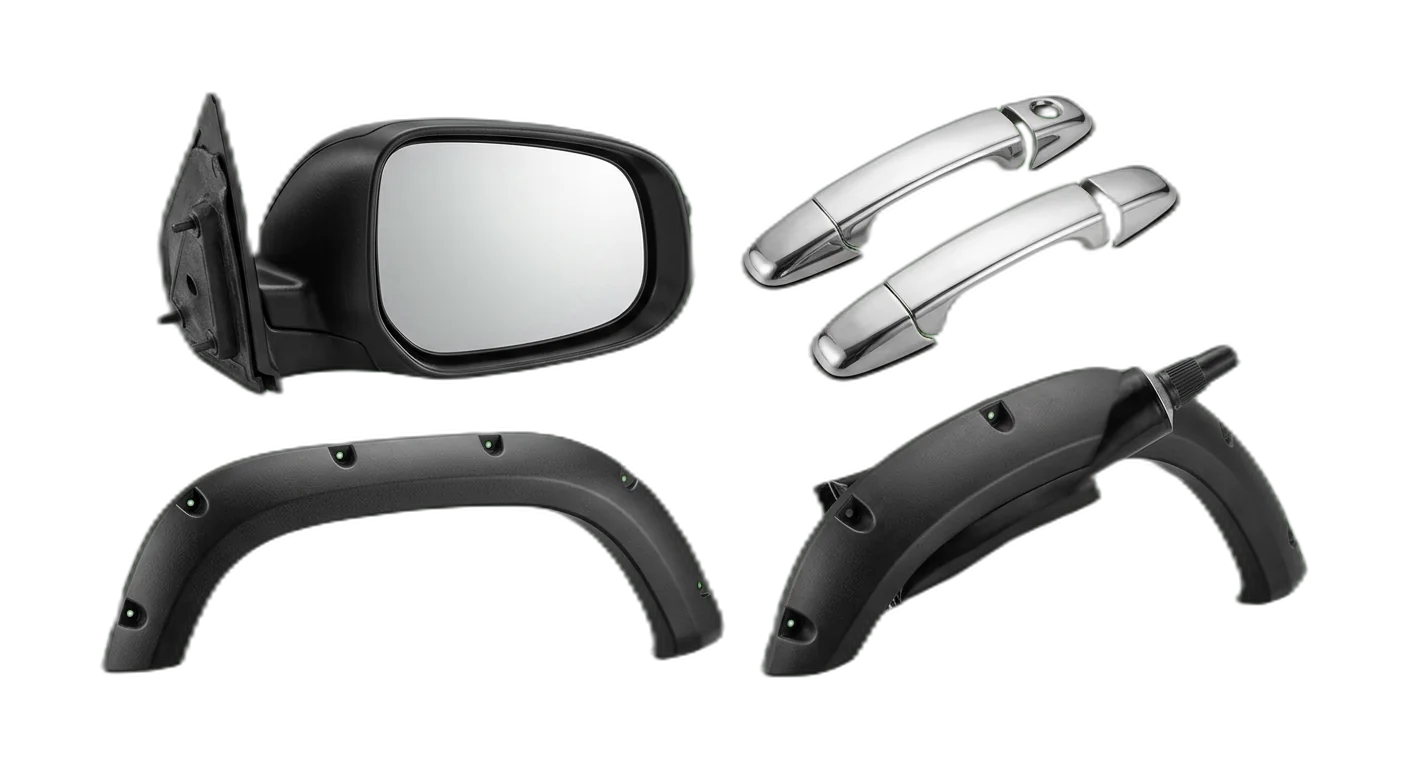
Body & Exterior
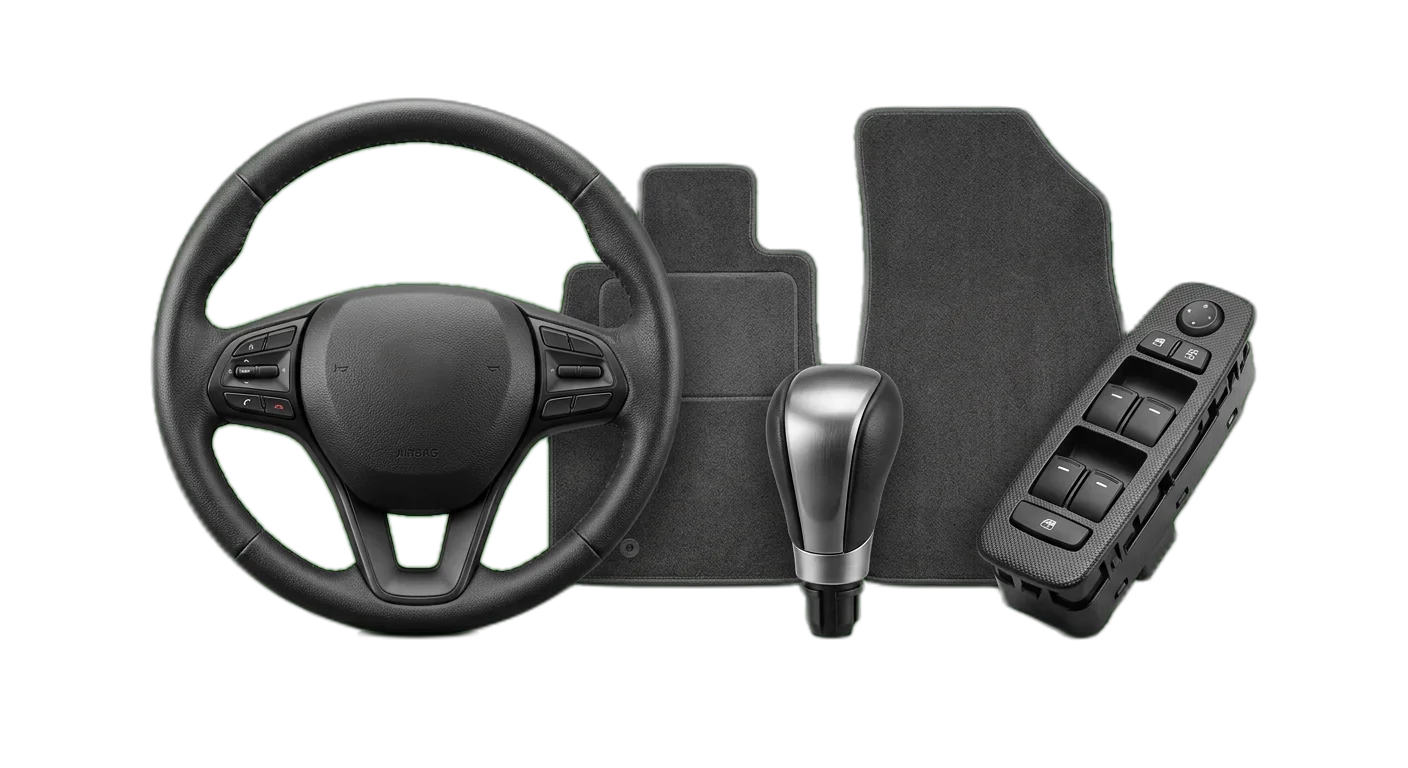
Interior Parts
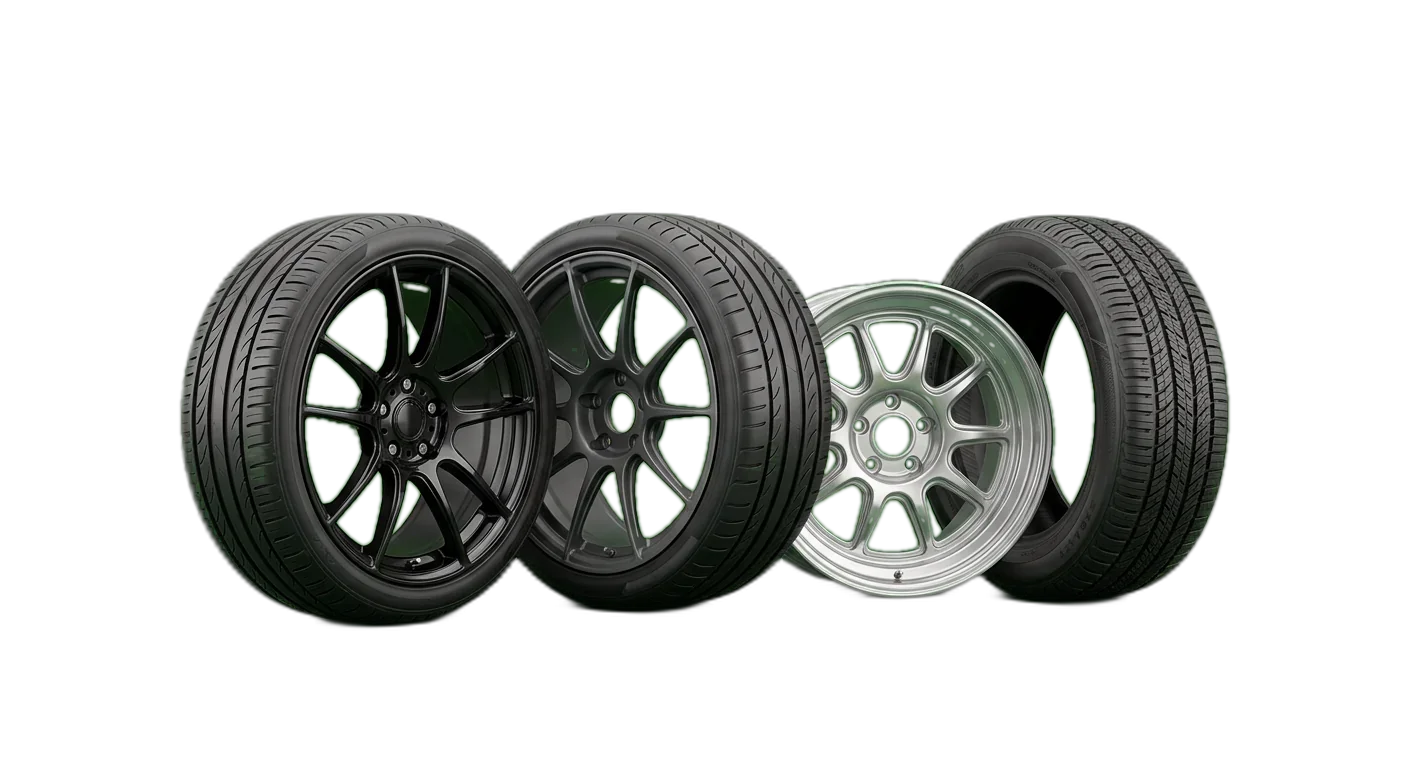
Wheels & Tires
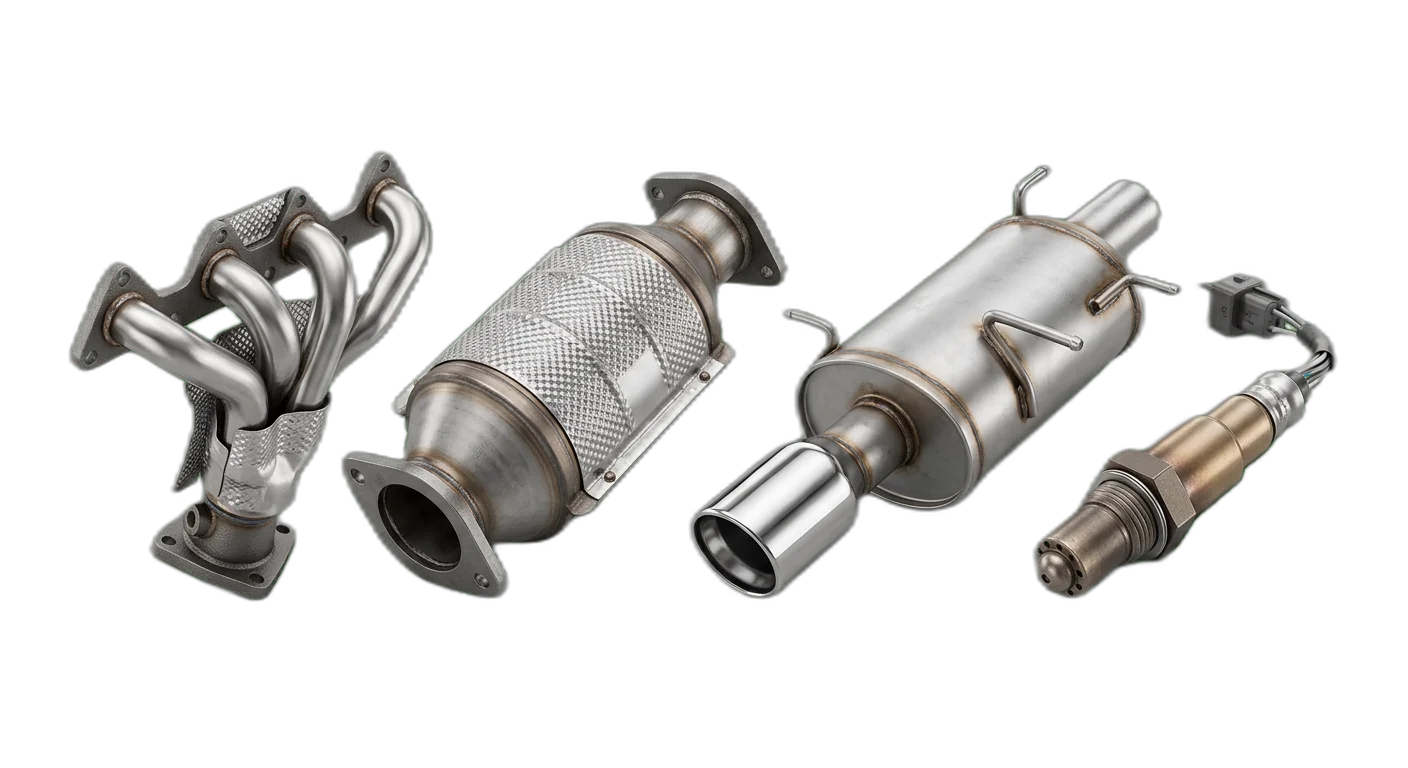
Exhaust & Emissions
How to Classify Automotive Parts Products
Follow these rules to place products in the right categories, every time
- 1
Classify by vehicle system, not by brand or manufacturer
Organize parts by which vehicle system they belong to (Engine, Brakes, Suspension) rather than by brand (Bosch, Brembo, Monroe). Brand is a filterable attribute, not a category. This keeps the taxonomy stable regardless of which brands you carry.
A Bosch oil filter goes under Engine Parts > Filters > Oil Filters, not under a 'Bosch' categoryBrembo brake pads belong in Brakes > Brake Pads, with Brand: Brembo as an attribute - 2
Align with TecDoc or ACES/PIES data standards
Use TecDoc (Europe) or ACES/PIES (North America) as the foundation for your taxonomy. These standards define standardized part categories, attributes, and vehicle linkage data that procurement systems and marketplaces expect.
TecDoc Generic Article 1 = Oil Filter maps to Engine Parts > Filters > Oil FiltersACES Part Terminology 870 = Brake Pad maps to Brakes > Brake Pads - 3
Distinguish OEM from aftermarket with attributes, not categories
OEM (Original Equipment Manufacturer) and aftermarket parts serve the same function and should share categories. Use a Part Type attribute (OEM, OES, Aftermarket, Remanufactured) to let buyers filter by origin without duplicating your taxonomy.
An OEM Toyota oil filter and an aftermarket Mann filter are both Oil Filters with different Part Type attributes - 4
Separate universal parts from vehicle-specific parts using fitment data
Universal parts (wiper fluid, cable ties, generic bulbs) fit any vehicle, while specific parts require Year-Make-Model-Engine fitment data. Tag categories accordingly so that universal products are findable without requiring vehicle selection.
Windshield washer fluid is Universal, a specific headlight assembly requires fitment dataMotor oil is Universal by specification (5W-30), an oil filter is Vehicle-Specific - 5
Track vehicle generation and engine variant for accurate fitment
The same model name spans multiple generations with different parts. Always include generation/platform code and engine variant in fitment data. A 'VW Golf brake pad' is meaningless without specifying Mk7 or Mk8 and the engine variant.
VW Golf VII (5G) 2.0 TDI 150hp is a different fitment than Golf VII 1.4 TSI 125hpBMW 3 Series F30 vs G20 requires completely different suspension components - 6
Create dedicated categories for EV and hybrid components
Electric and hybrid vehicles have unique components (battery packs, inverters, charging cables, regenerative braking) that do not fit traditional ICE categories. Add EV-specific subcategories within relevant system categories.
Electrical > EV Components > Charging Cables alongside Electrical > Batteries > EV BatteriesBrakes > Regenerative Braking Components as a new subcategory - 7
Distinguish wear parts from structural components
Wear parts (brake pads, filters, wiper blades) are replaced regularly and drive repeat purchases. Structural parts (control arms, subframes) are replaced rarely. Tag this distinction to optimize search, marketing, and inventory management.
Brake pads, oil filters, and spark plugs are wear parts with higher purchase frequencySteering racks, gearbox housings, and axle carriers are structural with lower volume - 8
Keep accessories and styling parts separate from functional components
Accessories (floor mats, phone holders, roof racks) and styling parts (spoilers, body kits) serve different buyer needs than functional replacement parts. Group them in distinct top-level categories to match buyer intent.
A chrome exhaust tip is an Accessory, a replacement muffler is Exhaust > MufflersLED interior ambient lighting is an Accessory, a replacement dome light is Electrical > Lighting - 9
Classify fluids and chemicals by specification, not just type
Automotive fluids must be classified by their specification (SAE 5W-30, DOT 4, G12++) in addition to type. Buyers search by specification to ensure compatibility. Make specification a required searchable attribute.
Motor Oil > 5W-30 with API SN Plus / ACEA C3 specifications as attributesBrake Fluid > DOT 4 and DOT 5.1 are different specifications within the same category - 10
Handle performance and tuning parts as subcategories, not separate trees
Performance parts (sport brake pads, lowering springs, sport exhausts) should be subcategories or attribute variants within their functional category, not a separate 'Performance' tree. This prevents taxonomy fragmentation.
Brakes > Brake Pads > Performance Brake Pads, not a separate Performance > Brakes branchSuspension > Springs includes both standard and lowering springs, differentiated by Type attribute
Required Attributes by Category
Make sure your product data is complete with the required and recommended attributes for each category level
Automotive Parts Classification Pitfalls to Avoid
Avoid these common categorization errors that hurt product discoverability
- Mistake
Organizing categories by make and model (e.g., Toyota > Corolla > Brake Pads) instead of by vehicle system
Better approachCategorize by system function (Brakes > Brake Pads) and use fitment data (Year-Make-Model-Engine) as a linked attribute. This prevents exponential category growth and keeps the taxonomy manageable as you add more vehicles.
- Mistake
Listing parts without OE reference numbers or cross-references to original part numbers
Better approachMake OE reference number a mandatory attribute for all vehicle-specific parts. Include cross-references to competitor part numbers (e.g., Bosch, Mann, TRW equivalents) to help buyers find the exact part they need.
- Mistake
Mixing universal products (fluids, bulbs, accessories) with vehicle-specific parts in the same categories without fitment distinction
Better approachTag every product as Universal or Vehicle-Specific. Universal products should be searchable without requiring vehicle selection. Vehicle-specific parts must have complete fitment data before publishing.
- Mistake
Not creating categories or attributes for EV and hybrid-specific components
Better approachAdd dedicated subcategories for EV components (battery modules, inverters, charging equipment, regenerative braking parts). The EV parts market is growing rapidly, and buyers expect to find these parts in a structured taxonomy.
- Mistake
No cross-reference data between OEM parts and aftermarket alternatives
Better approachBuild cross-reference tables linking OEM part numbers to all available aftermarket equivalents. This is the primary way automotive buyers search for parts. Include brand, quality tier, and price positioning in the cross-reference.
- Mistake
Incomplete fitment data - listing parts with just the car model without generation, engine, or production year range
Better approachRequire complete fitment data: Make, Model, Generation/Platform Code, Engine Code, Production Year Range, and where applicable, chassis/body type. Use TecDoc or ACES linkage data as the authoritative source.
- Mistake
Mixing automotive fluids and chemicals with mechanical parts in the same categories
Better approachCreate a dedicated Fluids & Chemicals category with subcategories for motor oil, brake fluid, coolant, and cleaning products. Classify by specification (SAE, DOT, OEM approval) rather than just by type.
- Mistake
Not handling kits and sets (timing belt kit, brake kit) as distinct product types
Better approachCreate a Kit or Set product type that references its individual components. A timing belt kit includes the belt, tensioner, water pump, and seals. List the kit as a separate SKU with a bill-of-materials linking to individual parts.
- Mistake
Missing safety and regulatory certifications (ECE R90 for brake parts, E-mark for lighting, Euro emission standards for catalytic converters)
Better approachMake certification fields mandatory for safety-critical categories. Brake components require ECE R90 approval, lighting needs E-mark certification, and catalytic converters must meet Euro emission standards. Block publishing without valid certifications.
- Mistake
Organizing the catalog by brand (Bosch, Valeo, Sachs) instead of by function and vehicle system
Better approachBrand should always be a filterable attribute, never a category. Buyers search by part function and vehicle fitment, then filter by brand preference. A brand-based taxonomy forces buyers to know the manufacturer before finding the part.
How to Categorize Automotive Parts Products
Follow these steps to categorize your Automotive Parts products correctly for e-commerce and marketplace requirements
01
Import Your Parts Catalog
Connect your parts management system, upload your product feed, or import from TecDoc. WISEPIM reads part numbers, OE references, fitment data, and technical specifications to prepare your catalog for AI-powered categorization.
02
AI Classifies by Vehicle System
WISEPIM analyzes part numbers, descriptions, and specifications to automatically assign each part to the correct vehicle system category. The AI cross-references TecDoc databases, validates fitment data, and identifies missing attributes or cross-references.
03
Enrich Fitment & Cross-Reference Data
Review AI classifications, complete fitment data for vehicle-specific parts, and build cross-reference tables linking OEM numbers to aftermarket equivalents. WISEPIM flags parts with incomplete fitment or missing certifications.
04
Publish to Automotive Channels
Export your structured catalog to automotive marketplaces (eBay Motors, Autodoc, TecDoc catalog), B2B ordering platforms, and your own webshop with complete fitment data and cross-references. All channels stay synchronized as your catalog evolves.
Categorize your Automotive Parts catalog in WISEPIM
Sign up for the free plan and apply this guide to your own products: build your category tree, let AI suggest a category for each product, and map your categories to Google's product taxonomy.
- 100 products and 50 AI credits a month on the free plan
- Import products from a CSV file or a connected store
- AI categorization assigns categories, or suggests them for you to review first
- The category map links your categories to Google product categories
Frequently Asked Questions
Common questions about Automotive Parts product categorization
Best Automotive Parts Categories for Ecommerce
Discover the top-performing Automotive Parts product categories ranked by demand, margins, and growth potential.
Map Automotive Parts products to a global taxonomy
Got your own category tree? Map it to the standards that marketplaces, ad platforms, and data partners actually require.
Explore More Industry Guides
- Inventory all product sources
- Define your attribute schema
- Normalize brand names
- Add alt-text to every primary image
The product categorization checklist
Ten concrete steps to a clean, scalable category tree, including tree-depth rules, leaf-level attribute requirements, and what to do when parent and leaf conflict.
- Pick the right standard (Google / GS1 GPC / eCl@ss)
- Max-depth rules so your tree doesn't balloon
- Minimum attribute set per leaf category
One email, no follow-up spam. Print it and get to work.
| sku | name | brand | compatibility | part number |
|---|---|---|---|---|
| FA-001 | Linen shirt | Your brand | — | — |
| — | — | — | — | — |
The Automotive Parts PIM starter template
The same attributes this guide walks through, as a ready-made CSV. Required first, recommended after, with a worked example so you can start immediately.
- 7 required + 13 recommended attributes
- Import-ready for any PIM or ERP
- One worked example + one blank row
We email the file once. No drip sequence.
Keep exploring
Hand-picked next steps to go deeper.
Ready to Automate Your Automotive Parts Categorization?
WISEPIM uses AI to classify products automatically, saving hours of manual work and cutting categorization errors.