Best Categories for Industrial Equipment
The top-performing Industrial Equipment product categories for your ecommerce store, ranked by demand, margins, and growth potential.
Best Industrial Equipment Categories to Sell Online
Ranked by market demand, profit margins, and growth momentum
- 1
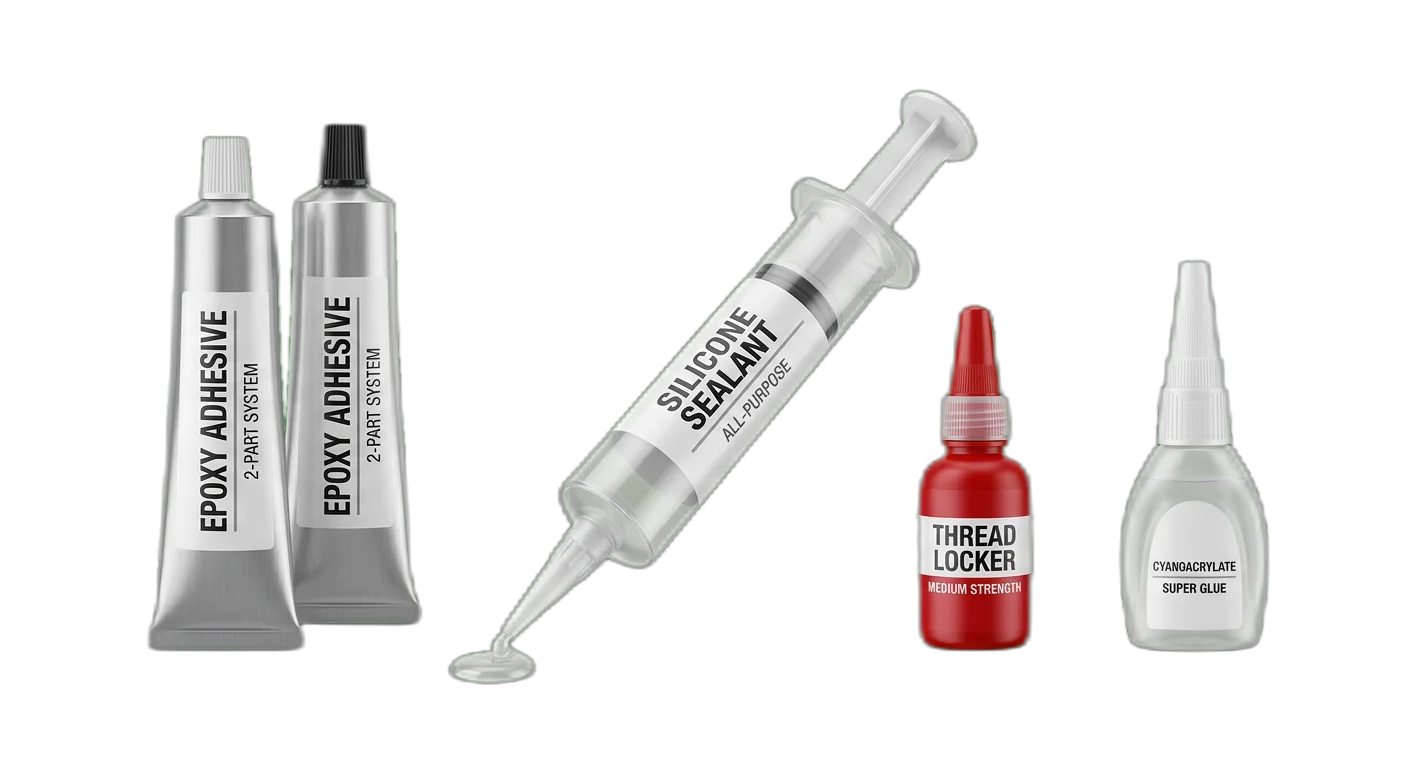
Industrial Adhesives & Sealants
Raw Materials > Adhesives & Sealants
Adhesives and sealants are high-margin consumables with strong repeat purchase patterns. The category requires matching the right product to the right application, which is a great opportunity for well-structured product data to guide buyers and build trust.
Demand: GrowingCompetition: LowMargin: HighRisingExample ProductsEpoxy adhesivesSilicone sealantThread lockerCyanoacrylatePro TipAdd material compatibility data (substrates, surfaces) as filterable attributes -- buyers need to know if an adhesive works on their specific materials before they order.
- 2

Safety & PPE
Safety & PPE
Personal protective equipment is a legal requirement in every industrial workplace, creating steady recurring demand. Pandemic awareness has expanded the market further. PPE has strong margins, mandatory replacement cycles, and growing compliance requirements that favor well-structured online catalogs.
Demand: HighCompetition: MediumMargin: HighStableExample ProductsSafety glassesWork glovesHard hatsSafety bootsPro TipMake certification data (EN 388, EN ISO 20345, EN 166) required and filterable -- industrial buyers must confirm compliance before purchasing, and missing certifications are a deal-breaker.
- 3
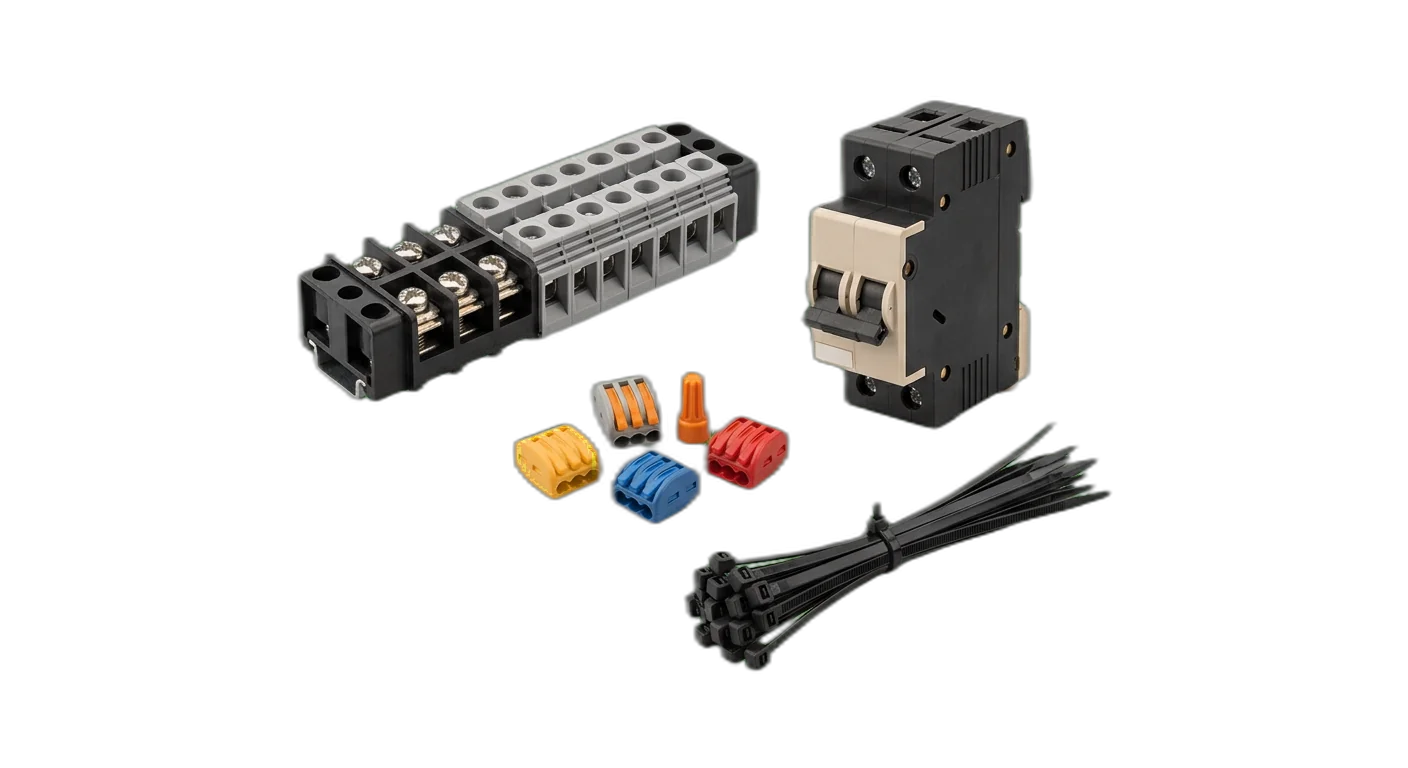
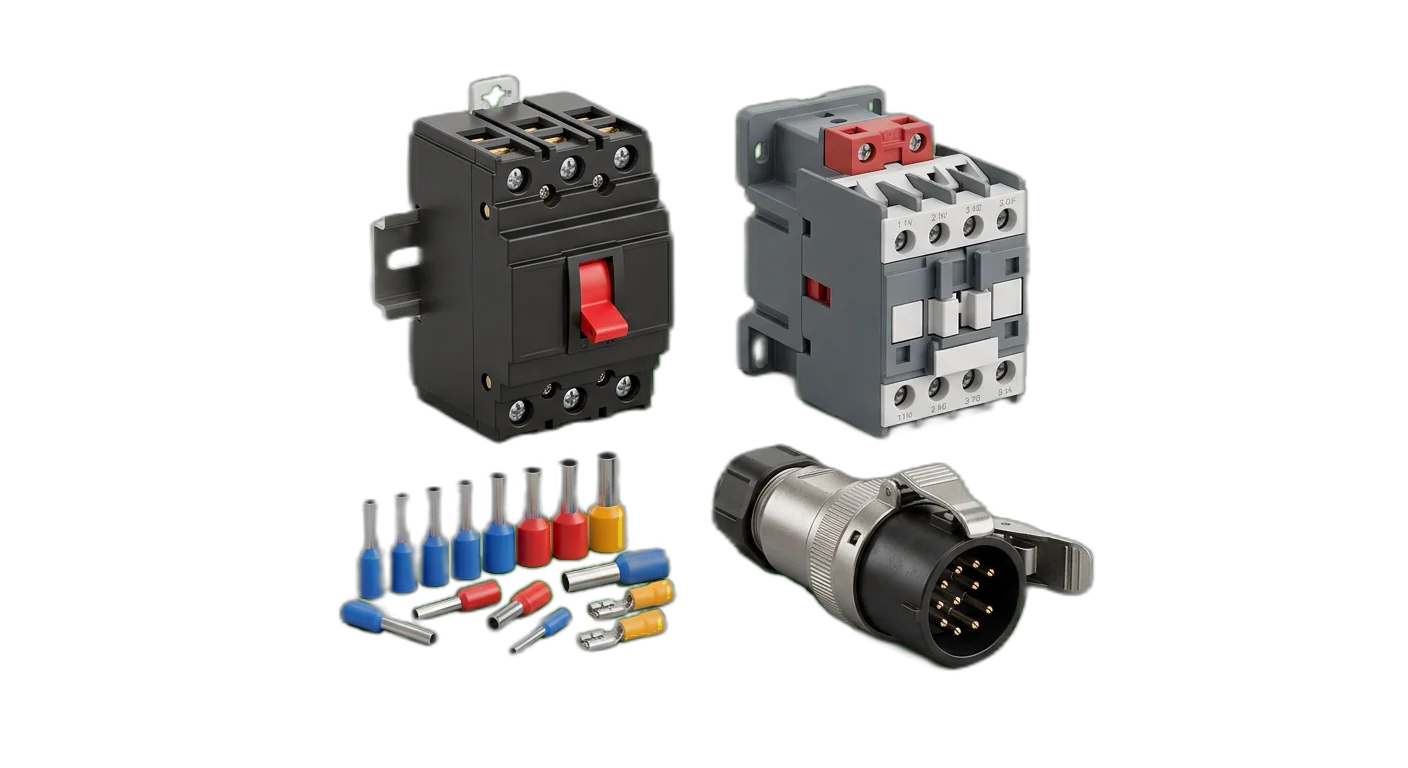
Electrical Components
Electrical Components
Electrical components have huge SKU depth and consistent demand across manufacturing, construction, and maintenance. The category requires precise technical specs for purchasing decisions, making well-structured product data a real competitive advantage.
Demand: HighCompetition: MediumMargin: MediumRisingExample ProductsTerminal blocksCircuit breakersWire connectorsCable tiesPro TipInclude wiring diagrams and technical datasheets as downloadable files -- electrical buyers need documentation before purchasing and will leave sites that don't provide it.
- 4
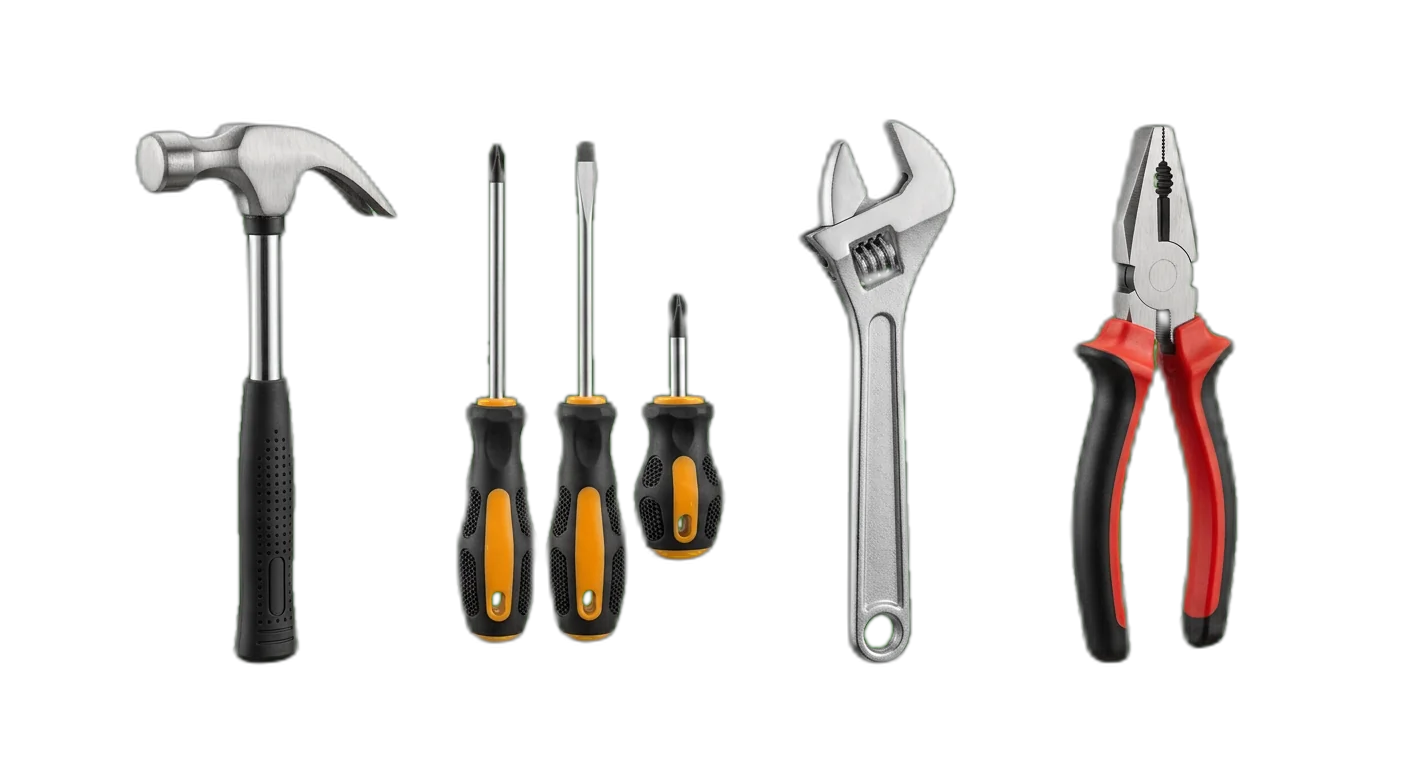
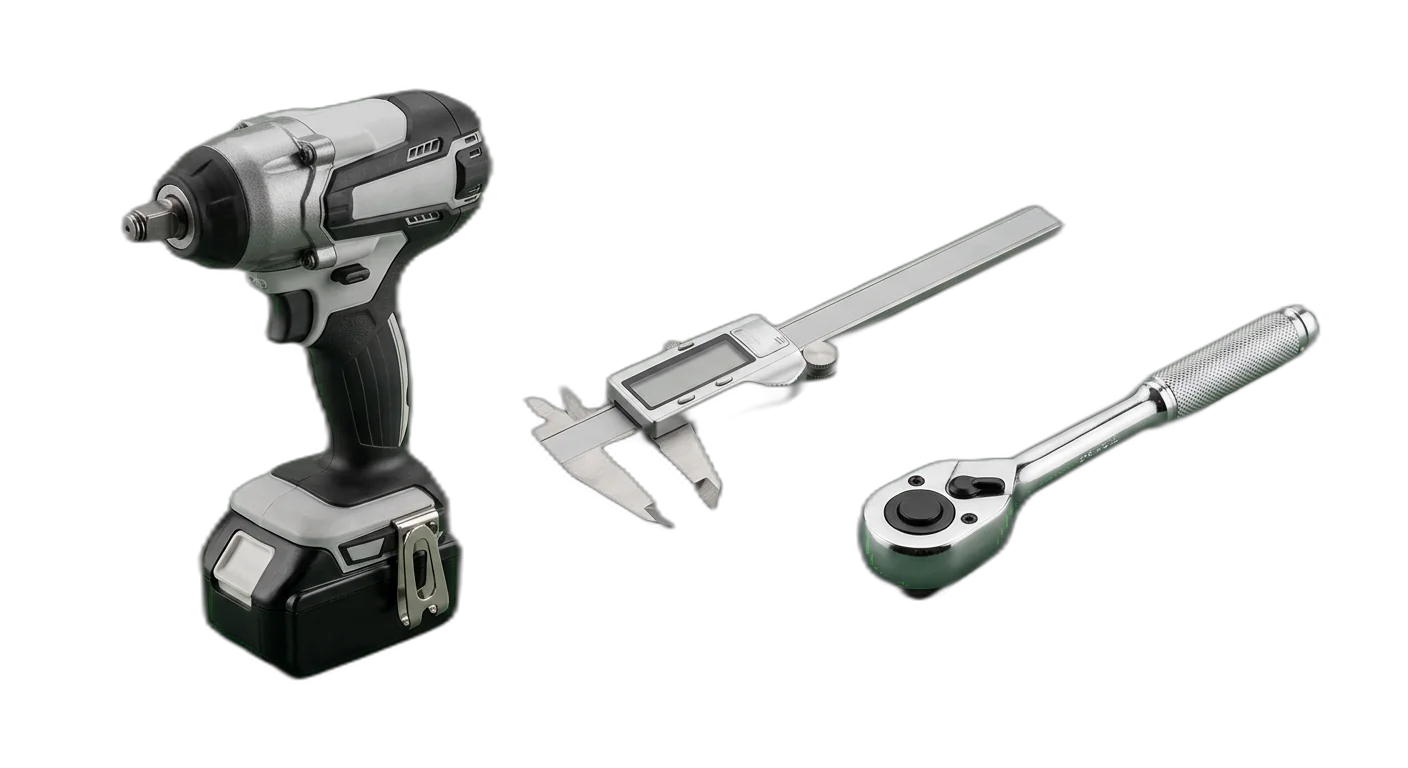
Hand Tools
Tools & Equipment > Hand Tools
Hand tools are an evergreen category with steady demand across every trade and industry. They appeal to professional tradespeople and maintenance teams alike, have straightforward specs, and are easy add-ons when bundled with power tools or project supplies.
Demand: MediumCompetition: LowMargin: HighRisingExample ProductsWrenchesPliersScrewdriver setsHammersPro TipFeature tool sets prominently alongside individual tools -- set purchases carry a much higher order value and professional buyers often outfit entire toolboxes in one go.
- 5
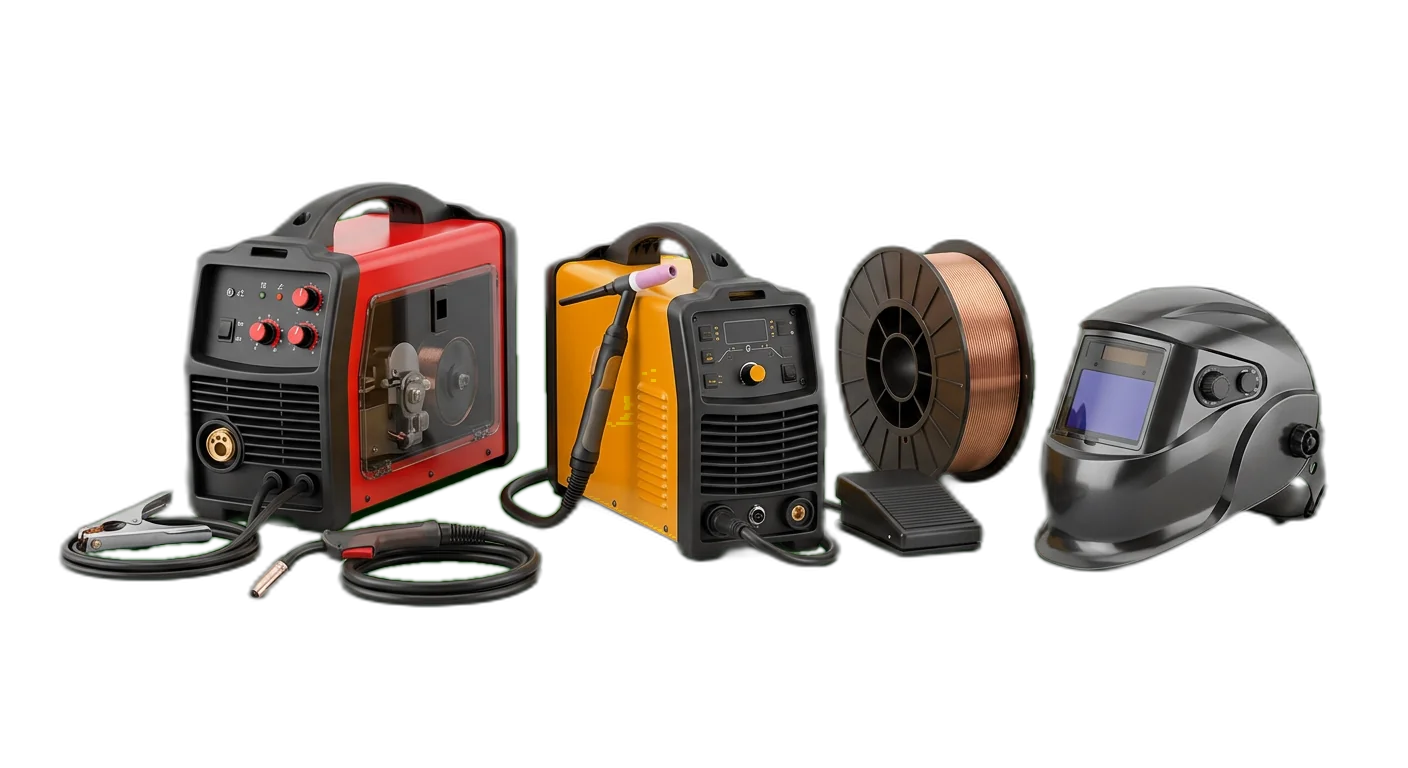
Welding Equipment & Supplies
Tools & Equipment > Welding Equipment
Welding is a high-value category with strong recurring purchases of consumables (wire, rods, gas, tips). Equipment commands premium prices, and consumable sales create predictable repeat revenue. The category serves both professional fabrication shops and a growing DIY market.
Demand: MediumCompetition: MediumMargin: HighRisingExample ProductsMIG weldersTIG weldersWelding wireWelding helmetsPro TipLink welding machines to their compatible consumables (wire, tips, nozzles) -- welders reorder consumables far more often than they buy machines, and easy discovery keeps them coming back.
- 6
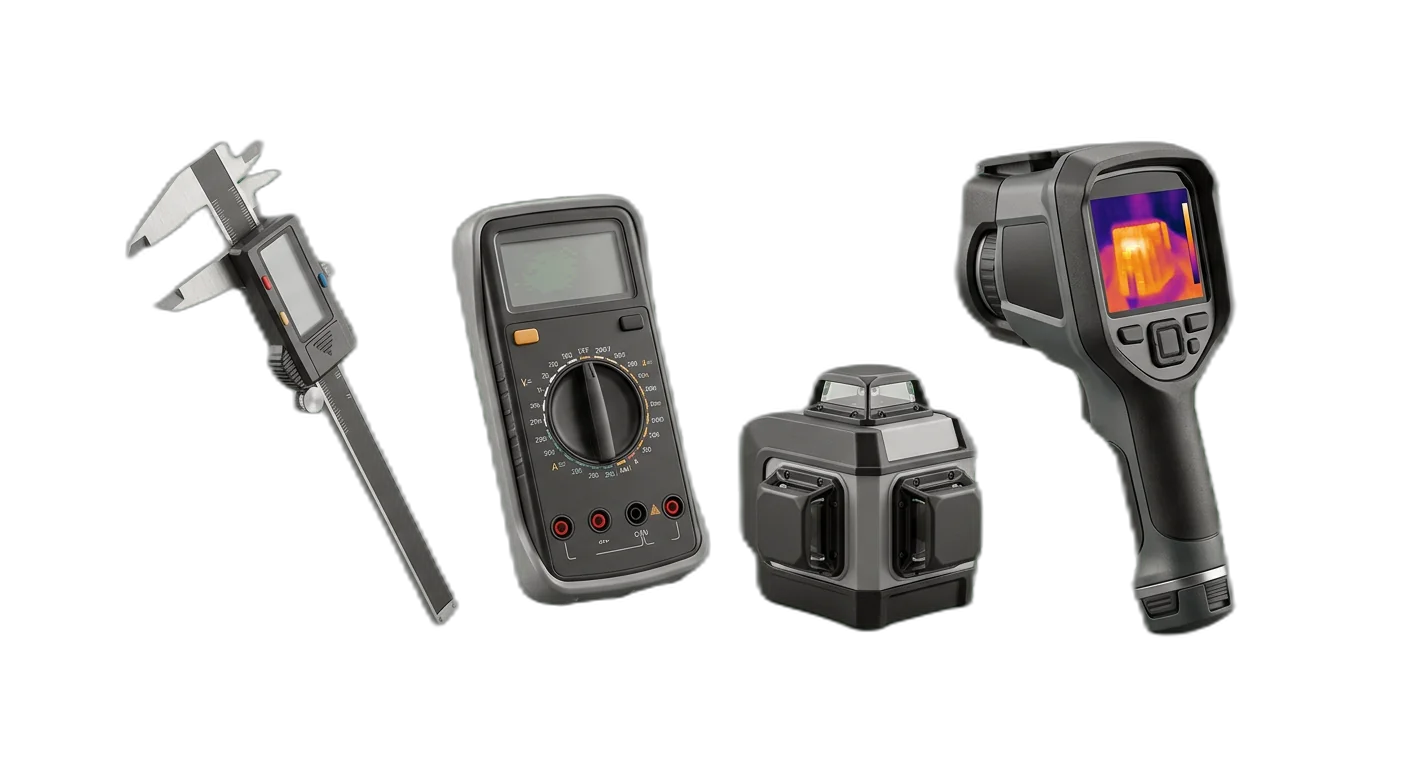
Measuring & Testing Equipment
Tools & Equipment > Measuring & Testing
Precision measurement tools are essential for quality control in manufacturing and maintenance. The category has strong margins, low return rates, and benefits from calibration service add-ons. Growing automation drives demand for digital measurement instruments.
Demand: HighCompetition: MediumMargin: MediumStableExample ProductsDigital calipersMultimetersLaser levelsThermal camerasPro TipHighlight calibration certificates and accuracy specs clearly -- professional buyers need certified, traceable instruments and will pay more for them.
- 7
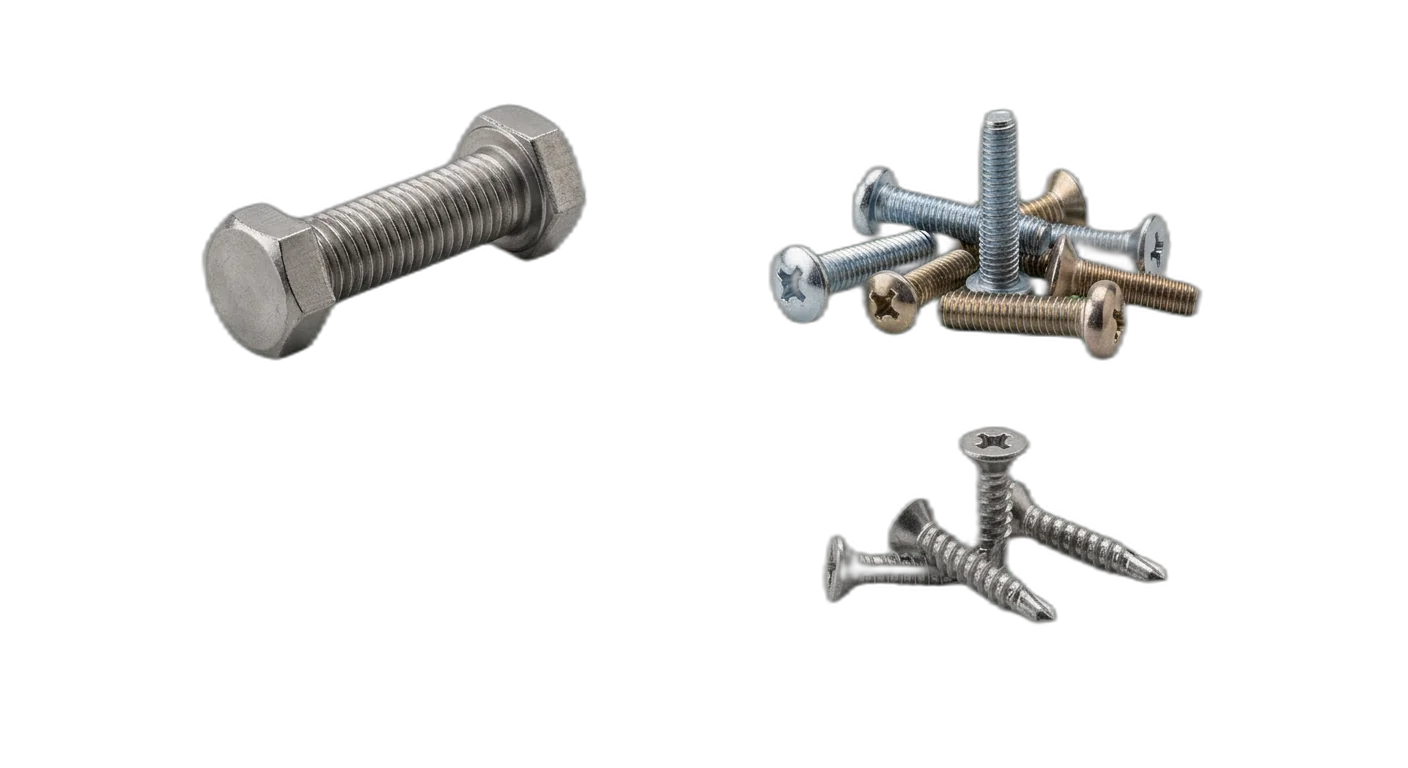
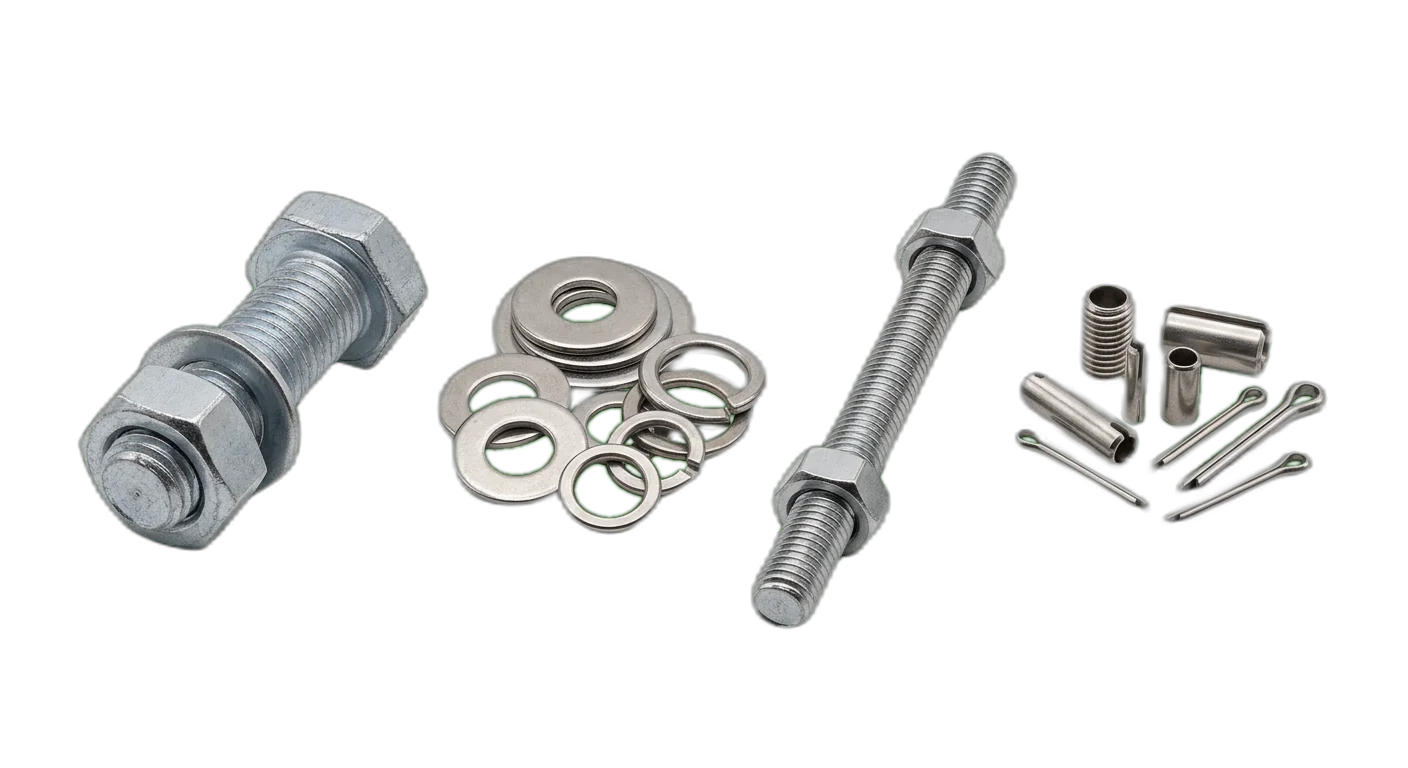
Fasteners & Hardware
Fasteners & Hardware > Bolts & Screws
Fasteners are among the highest-volume industrial categories sold online. They have enormous SKU depth (size, material, grade, and finish combinations), high repeat purchase rates, and are the entry point for most industrial B2B operations.
Demand: HighCompetition: HighMargin: MediumStableExample ProductsHex boltsMachine screwsNuts & washersSelf-tapping screwsPro TipSet up a variant matrix for fasteners -- a single bolt type multiplies into hundreds of SKUs once you combine size, length, grade, and finish. Managing at the template level keeps your catalog organized and makes adding new sizes much faster.
- 8
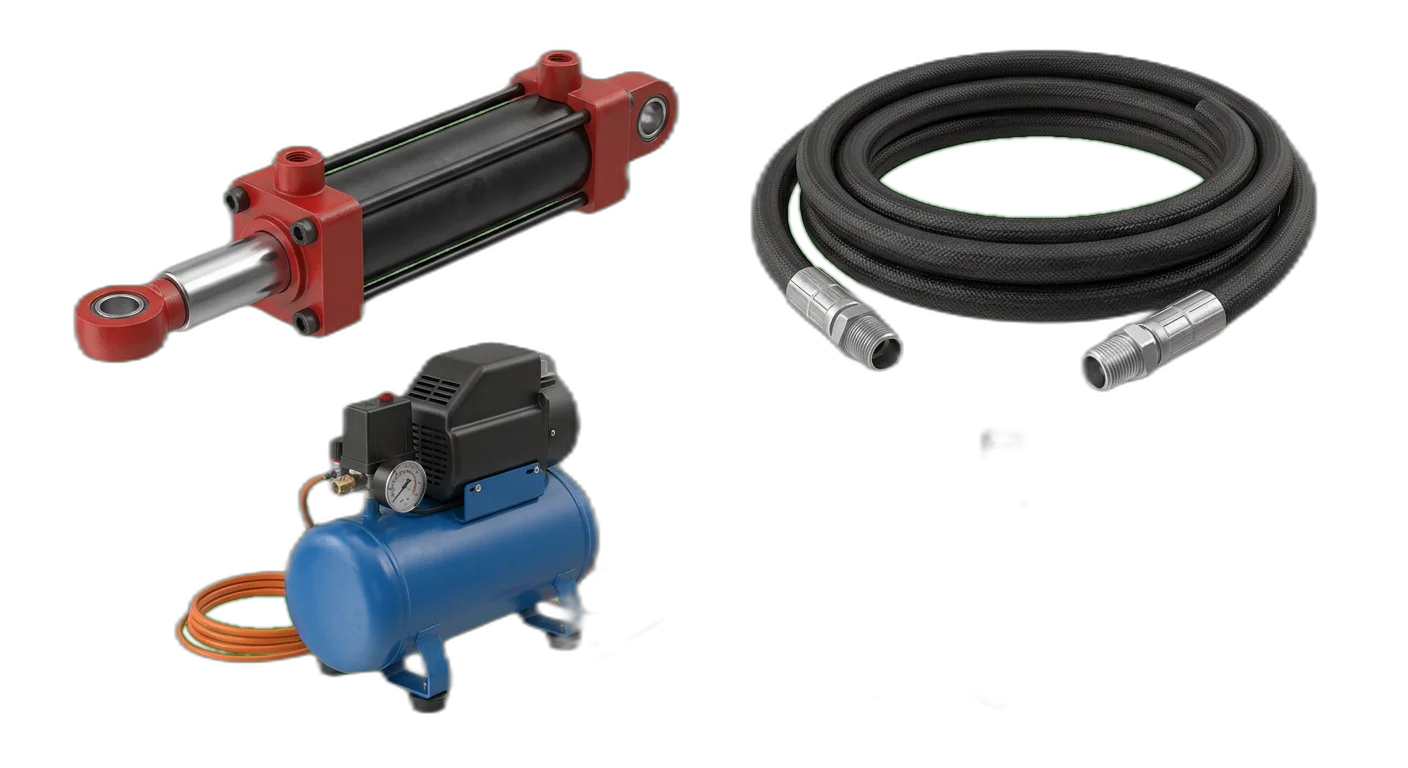
Hydraulics & Pneumatics
Hydraulics & Pneumatics
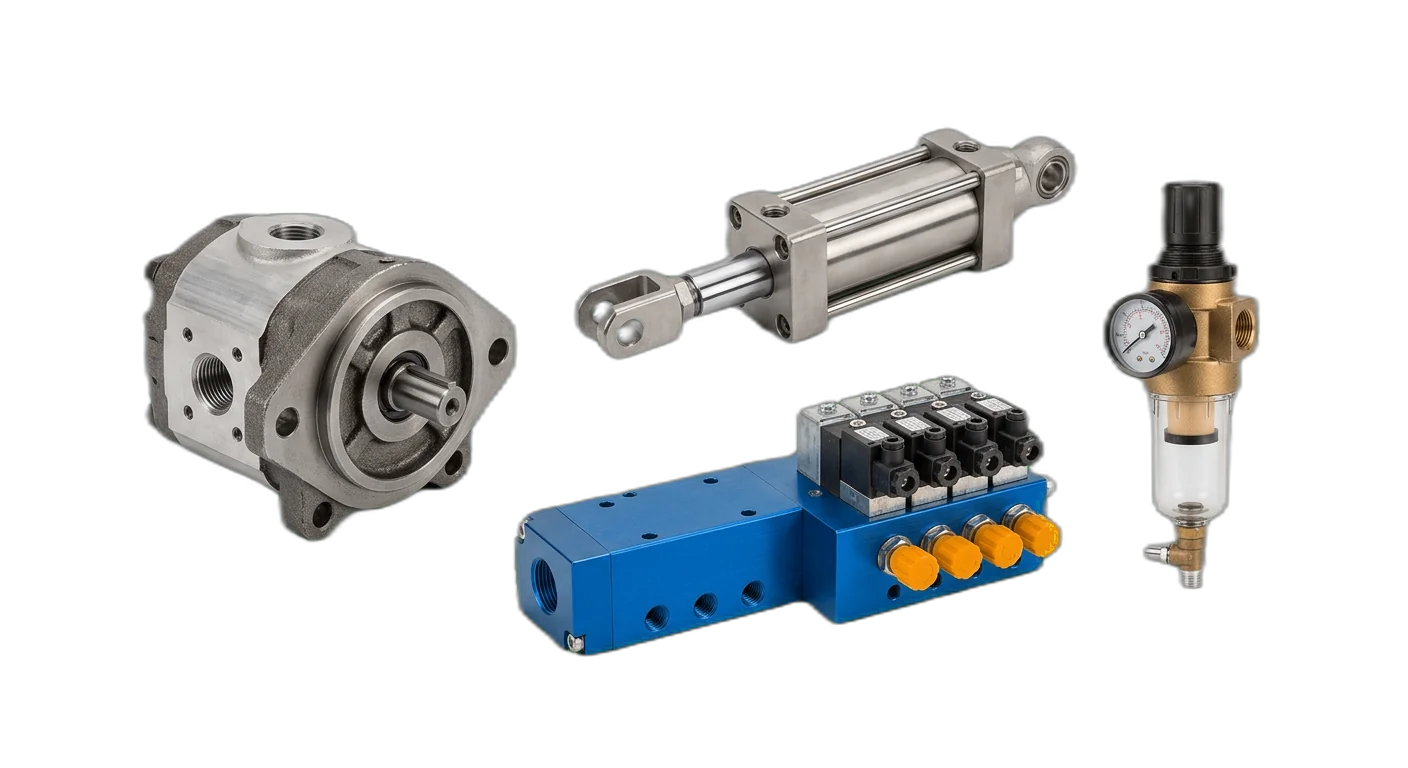
Hydraulic and pneumatic components are critical for manufacturing, agriculture, and construction. High technical complexity keeps competition low, replacement parts carry strong margins, and demand is growing as equipment fleets age.
Demand: HighCompetition: HighMargin: MediumStableExample ProductsHydraulic cylindersPneumatic fittingsAir compressorsHydraulic hosesPro TipBuild cross-reference tables linking cylinders to compatible seals, hoses, and fittings -- MRO buyers searching for replacement parts need to find compatible components fast.
- 9
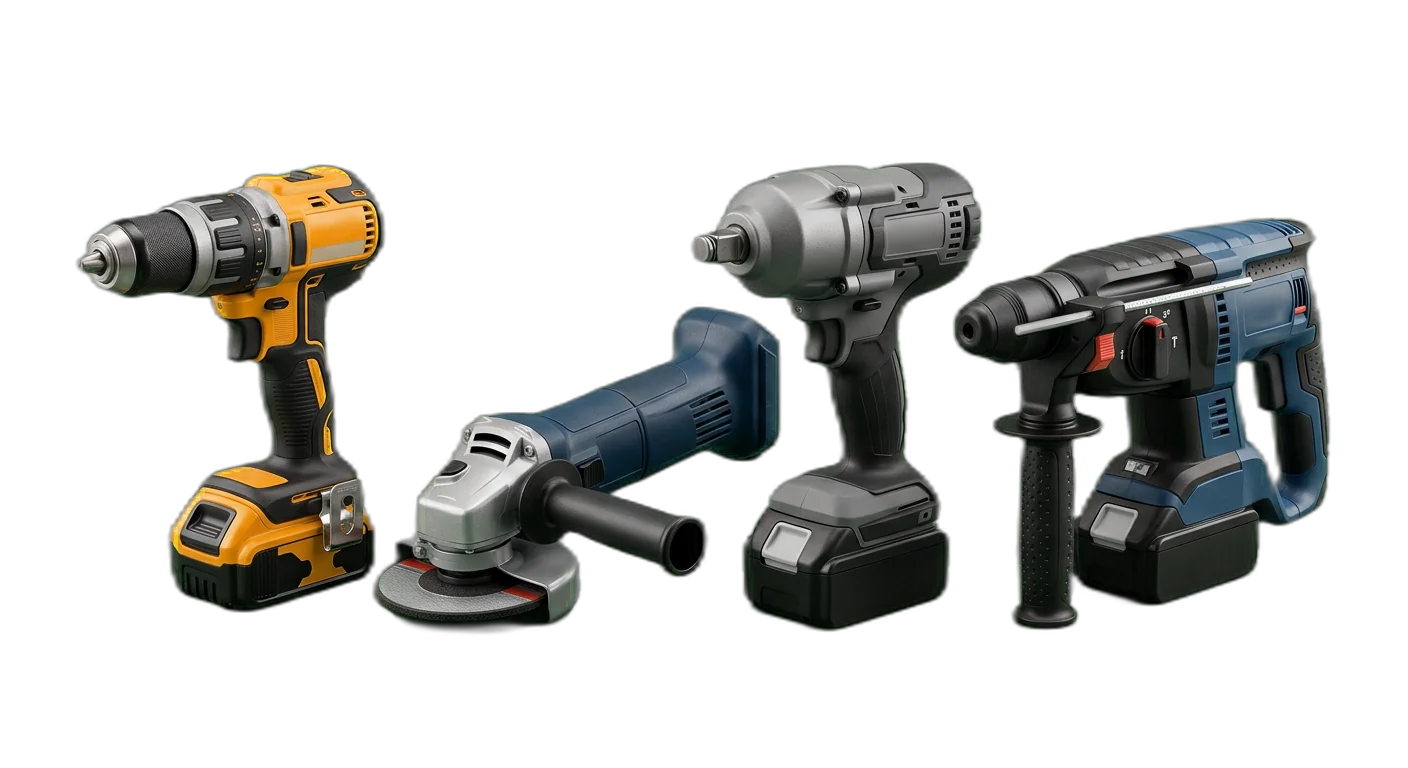
Power Tools
Tools & Equipment > Power Tools
Power tools sit among the highest average order values in industrial supply. Cordless tool platforms keep buyers in one ecosystem, driving repeat purchases of batteries, chargers, and accessories. The category benefits from strong brand loyalty and specification-driven purchasing.
Demand: HighCompetition: HighMargin: LowStableExample ProductsCordless drillsAngle grindersImpact wrenchesRotary hammersPro TipOrganize by battery platform (18V, 36V) alongside tool type -- professional buyers standardize on one platform and will browse all compatible tools within that system.
- 10
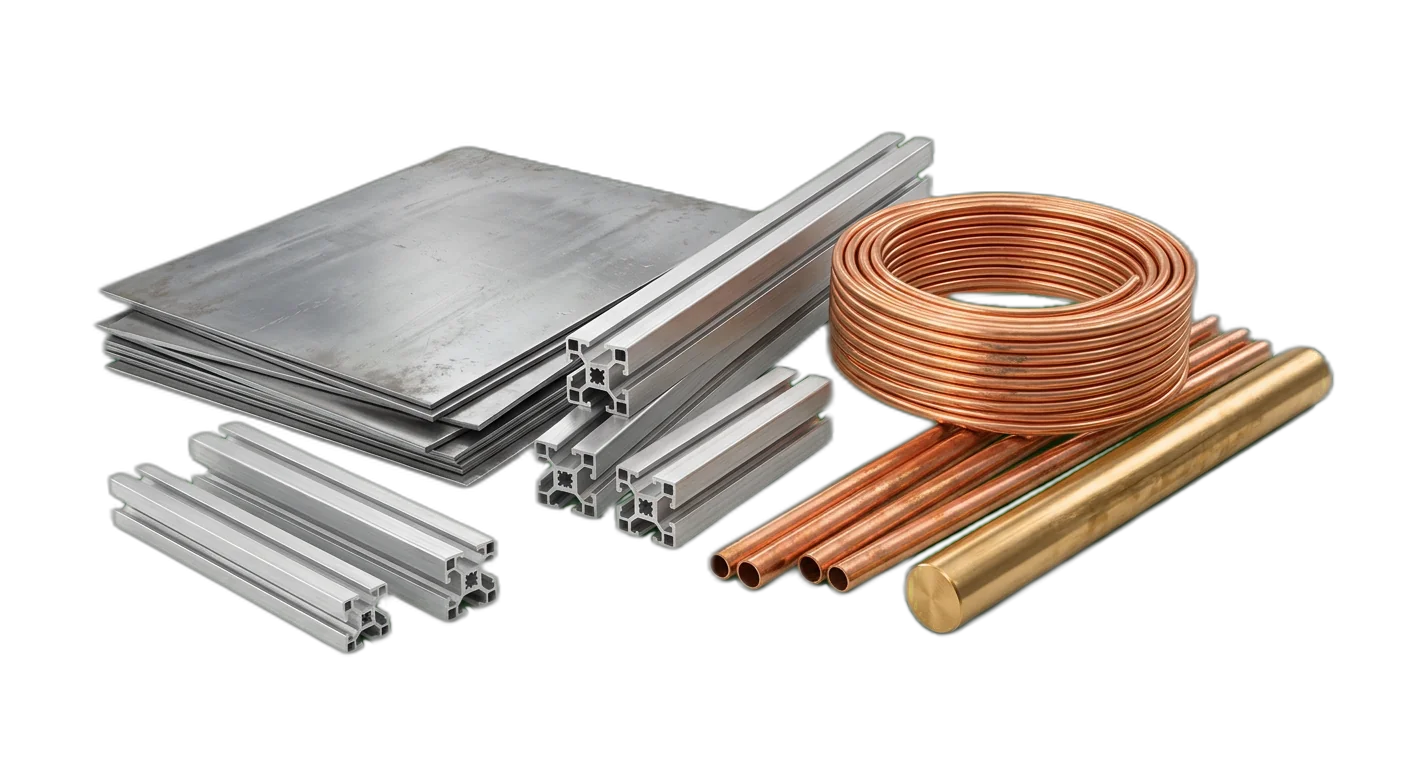
Raw Materials & Metals
Raw Materials > Metals
Industrial metals and raw materials are essential for manufacturing and fabrication. Online ordering replaces what has traditionally been a phone-and-fax process. The category has consistent bulk demand, strong B2B relationships, and a growing preference for digital procurement.
Demand: MediumCompetition: MediumMargin: MediumStableExample ProductsSteel sheetsAluminum extrusionsCopper tubingBrass rodPro TipOffer cut-to-size options and show unit pricing (per meter, per kg) alongside the total price -- fabrication buyers calculate costs by spec and need unit pricing for accurate quotes.
Category Performance at a Glance
Compare demand, competition, margins, and growth across all recommended categories
Industrial Adhesives & SealantsSafety & PPEElectrical ComponentsHand ToolsWelding Equipment & SuppliesMeasuring & Testing EquipmentFasteners & HardwareHydraulics & PneumaticsPower ToolsRaw Materials & MetalsRecommended Industrial Equipment Category Structure
The complete category tree with subcategories for each recommended top-level category
Fasteners & Hardware
Electrical Components

Safety & PPE
Tools & Equipment
Hydraulics & Pneumatics

Raw Materials
Which Categories Should You Start With?
Choose your starting categories based on your catalog size and growth stage
Focus on one high-demand consumable category. Fasteners, PPE, or adhesives are ideal starting points because of their high repeat purchase rates and simple logistics.
Expand into 4-6 categories that serve overlapping buyer types. Add tools and electrical components to complement your consumables base.
Cover the full industrial supply range. Invest in UNSPSC/ETIM mapping, automated cross-referencing, and B2B procurement system integration for large-scale operations.
How to Order Categories in Your Store Menu
Practical tips for organizing your navigation to maximize clicks and conversions
Lead with the highest-volume consumable categories
"Fasteners" and "Safety & PPE" should appear first -- these are among the most frequently purchased categories and drive repeat visits.
Make part number search the primary way to find products
Industrial buyers search by MPN, not product name. Make part number search prominent and support cross-referencing between manufacturer and aftermarket numbers.
Group tools by power platform alongside tool type
Let professional buyers browse all 18V or 36V tools from their preferred battery platform. Platform loyalty drives high-value repeat purchases.
Show compliance and certification data in search results
Display CE marks, EN standards, and IP ratings directly in product listings. Industrial buyers scan for compliance before clicking through.
Offer quick reorder and bulk ordering options
MRO buyers often reorder the same items every month. Quick reorder and CSV upload ordering reduce friction and keep customers coming back.
When Each Category Peaks
Plan your inventory and marketing around seasonal demand shifts
Spring (Mar-May)
Peak Categories
Construction season kicks off -- prepare inventory for increased building and maintenance activity.
Summer (Jun-Aug)
Peak Categories
Manufacturing runs at peak capacity -- industrial maintenance and production procurement pick up.
Autumn (Sep-Nov)
Peak Categories
Year-end budget spending drives capital equipment purchases -- offer volume deals for procurement deadlines.
Winter (Dec-Feb)
Peak Categories
Winter maintenance work drives PPE and indoor repair supplies -- prepare for new-year contract renewals.
Categories That Sell Together
Pair related categories to increase your average order value
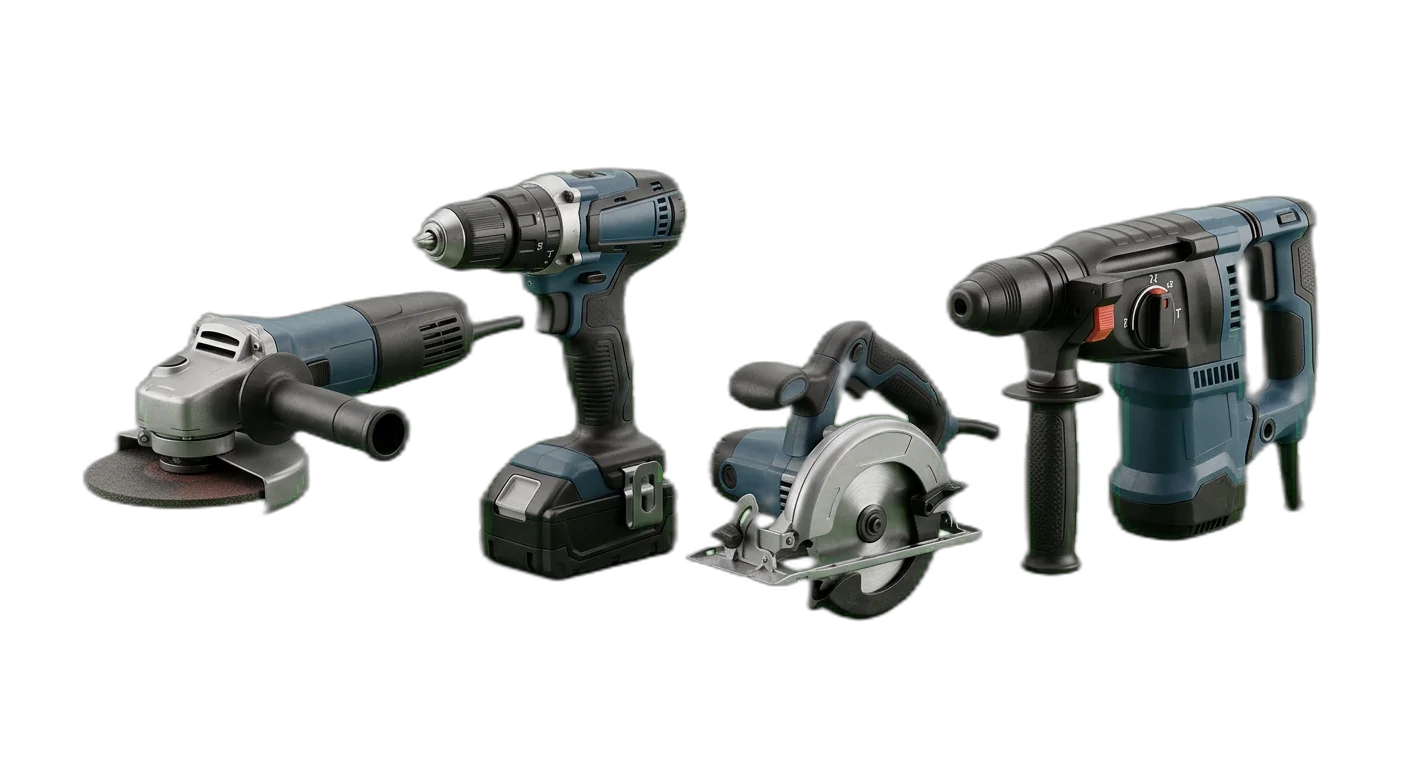
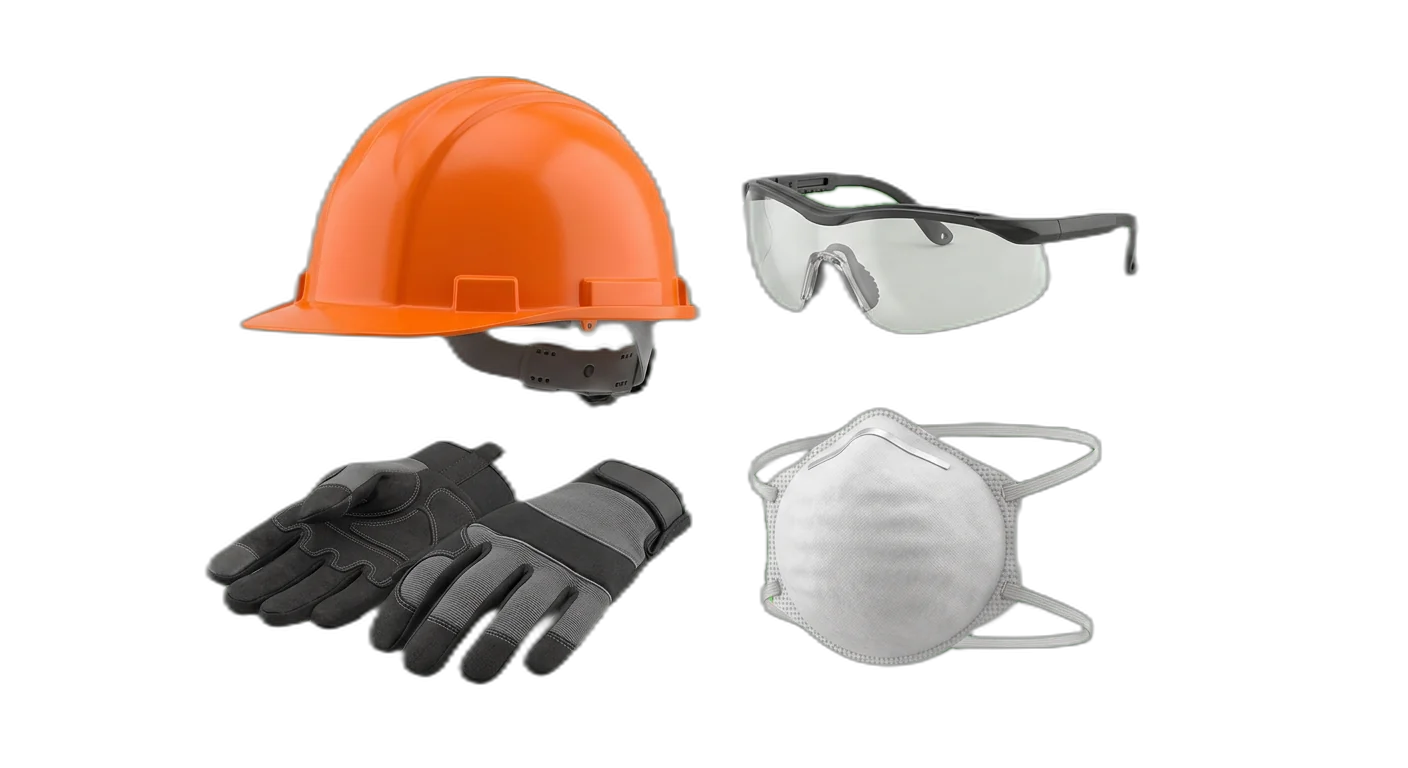
Every power tool purchase should trigger PPE recommendations -- safety glasses, gloves, and hearing protection are natural complements.
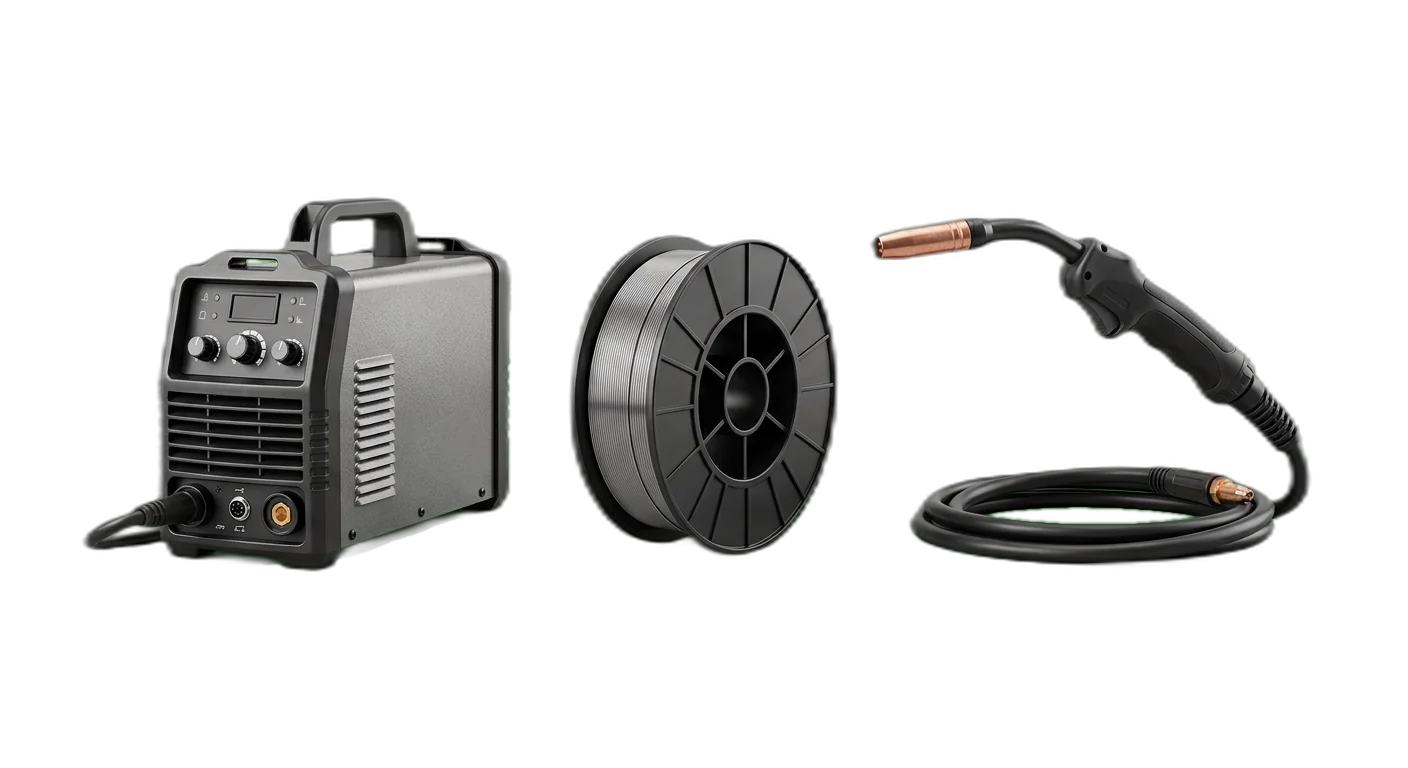
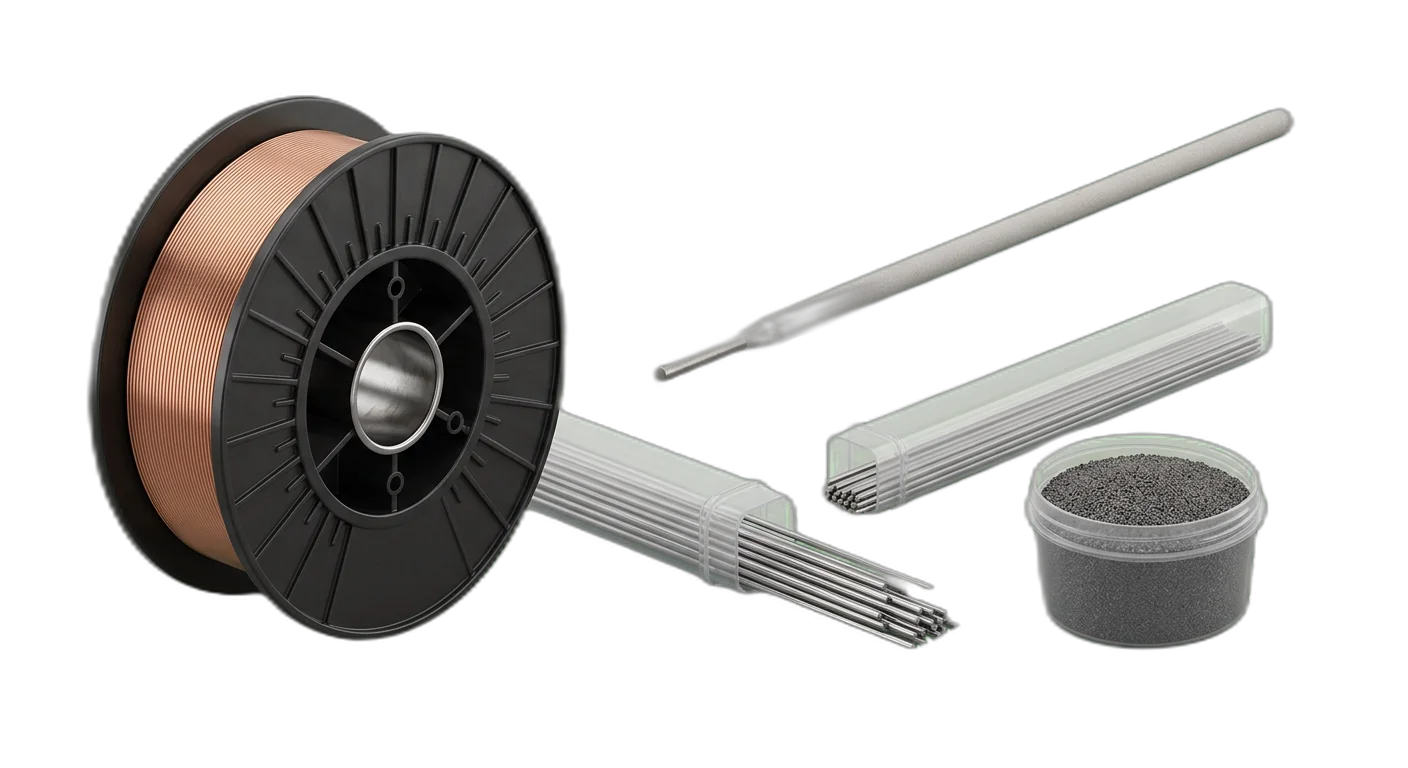
Welding machine buyers need wire, rods, and gas right away. Bundle consumable starter kits with equipment purchases.
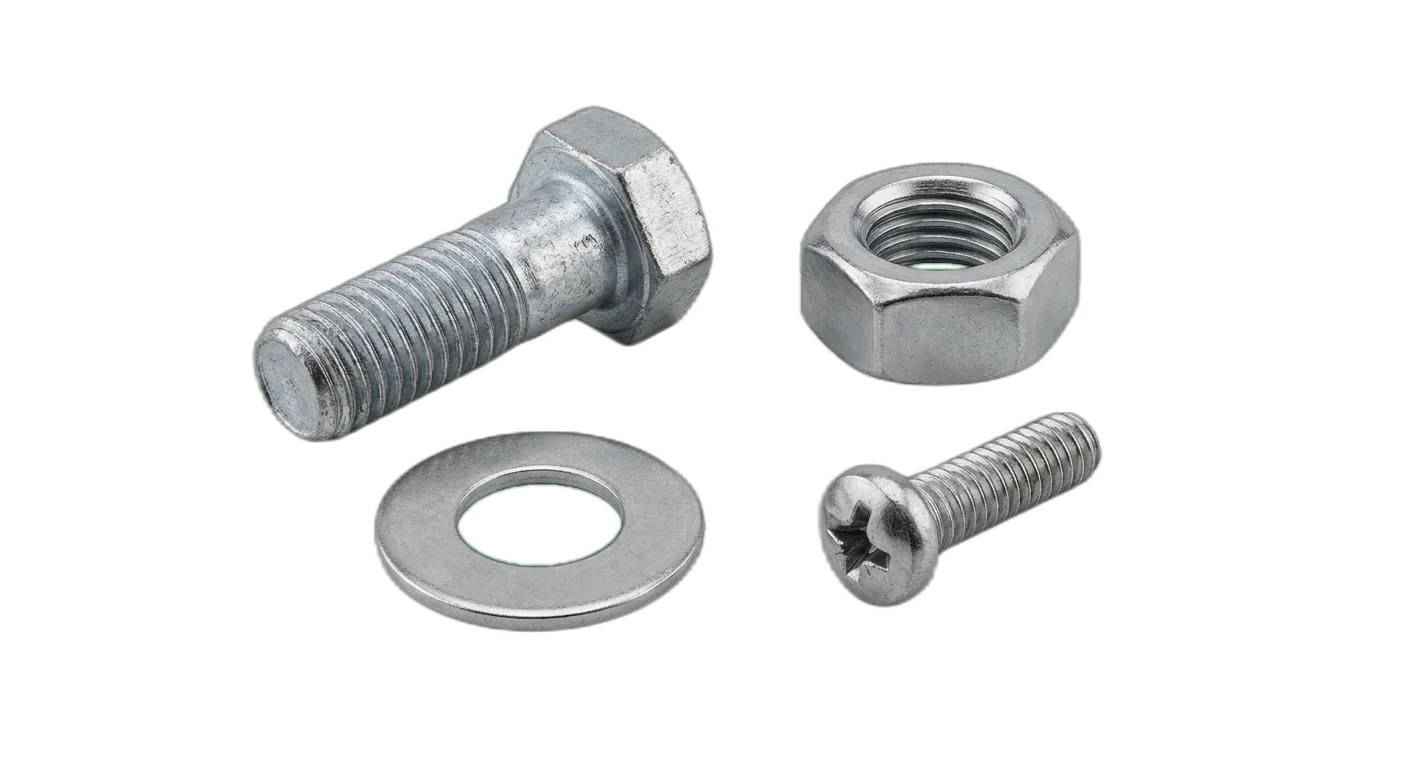
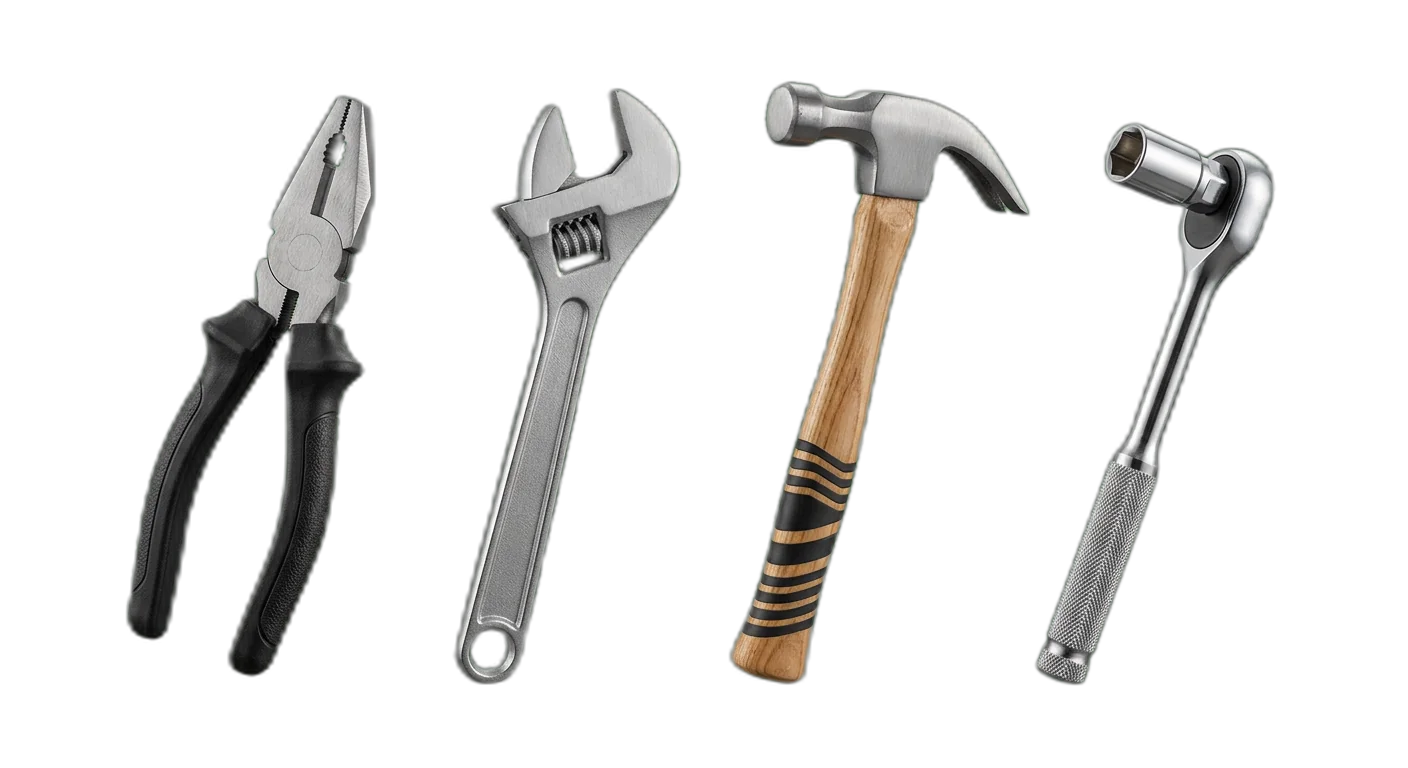
Bolt and screw purchases pair naturally with wrenches and screwdrivers. Suggest matching tools for the fastener size being ordered.
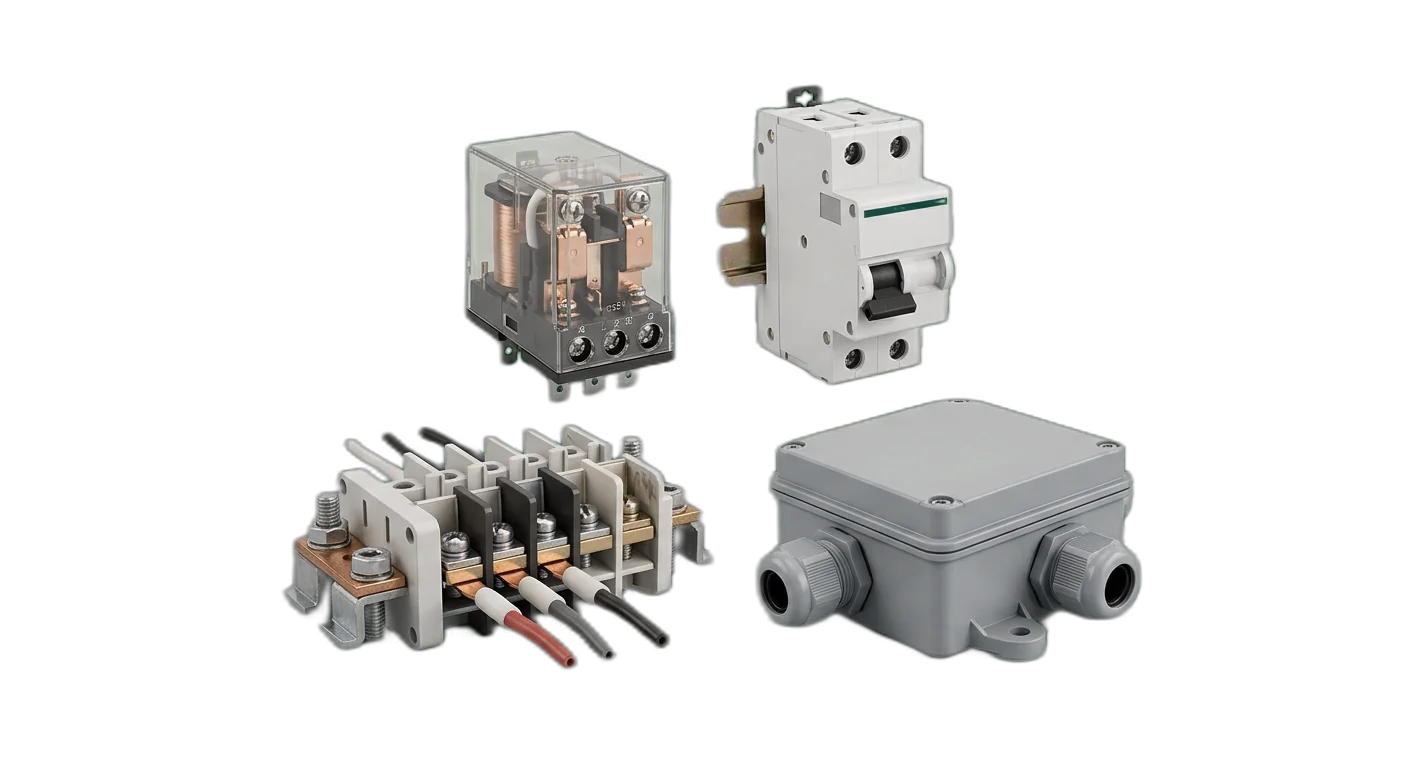
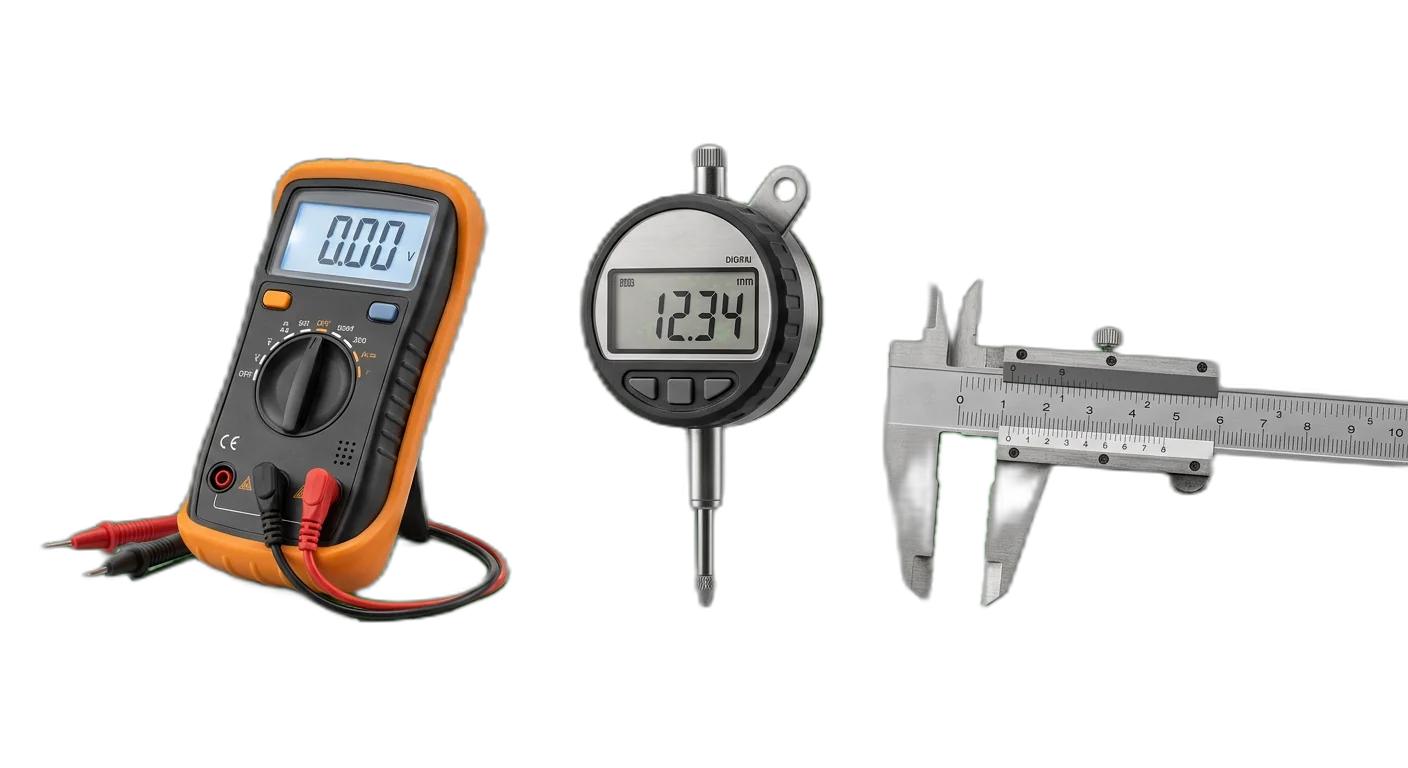
Electricians buying components also need multimeters and testers. Cross-sell measuring tools on electrical product pages.
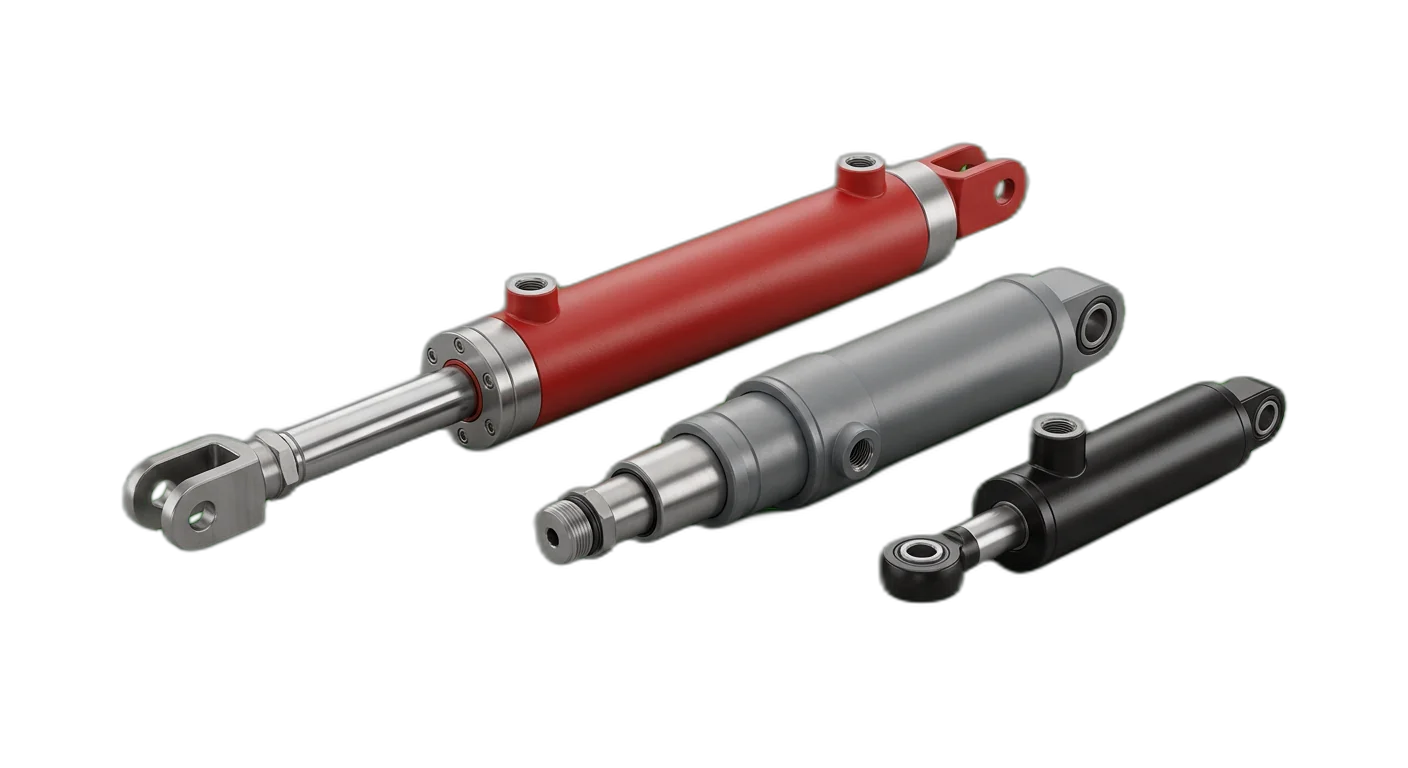
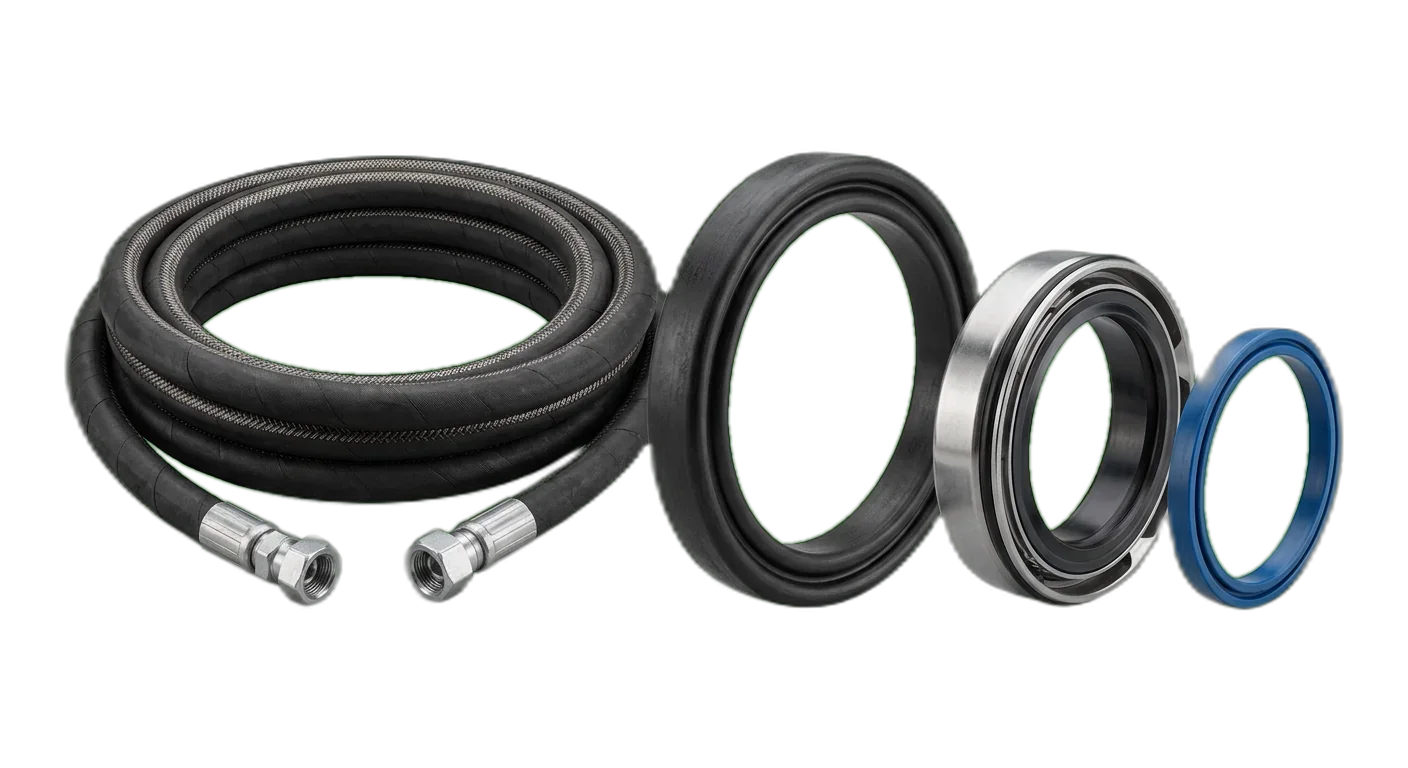
MRO buyers replacing cylinders almost always need new seals and hoses too. Automatically link compatible replacement parts.
Common Industrial Equipment Category Mistakes
Mistakes that hurt your discoverability, SEO, and conversion rates
- Mistake
Using consumer-friendly product names instead of technical specs (e.g., 'Heavy Duty Bolt' instead of 'DIN 933 Hex Bolt M10x50 Grade 8.8')
Better approachUse standardized technical names that include the relevant standard (DIN/ISO), dimensions, material grade, and finish. Consumer names can be added as secondary display names.
- Mistake
Missing certifications and compliance data on products that legally require them (CE, UL, EN standards)
Better approachSet up required certification fields at the category level. Block publishing of PPE, electrical, and pressure equipment without verified compliance documentation.
- Mistake
Organizing by supplier or brand instead of by product function
Better approachCategorize by function and application (Drills, Safety Glasses, Terminal Blocks). Brand is a filterable attribute, not a category. This keeps your taxonomy vendor-neutral and scalable.
- Mistake
Mixing consumables and capital equipment in the same categories
Better approachSeparate consumables (drill bits, welding wire, adhesives) from capital equipment (welding machines, compressors). Link them with compatibility relationships instead of putting them in the same category.
- Mistake
Not aligning to UNSPSC, ETIM, or eCl@ss standards for B2B compatibility
Better approachStart from an established standard and extend it with your specifics. Map every internal category to its UNSPSC or ETIM equivalent for procurement system integration and marketplace compatibility.
Set Up Industrial Equipment Categories with AI
Get your Industrial Equipment product categories organized in minutes, not days
01
Import your industrial catalog
Connect your ERP system, upload your product feed, or import from suppliers. WISEPIM reads part numbers, technical specifications, and existing classifications to get ready for AI-powered categorization.
02
AI categorizes your products
WISEPIM's AI analyzes MPNs, technical attributes, and standard references to assign each item to the right category. It recognizes material grades, dimensions, and certification requirements with industrial-grade accuracy.
03
Review, refine, and publish
Review AI suggestions in bulk, fill in missing technical data and certifications, and push your structured catalog to B2B marketplaces and procurement platforms. All channels stay in sync as you add products.
Frequently Asked Questions
Common questions about choosing Industrial Equipment categories for ecommerce
Best Categories for Other Industries
Printable checklist
Start in 15 minutesDecide in one week if a new category pays off
Start with demand: 15 minutes in Google Trends. You get one count, like 2 of 3 terms rising. Then 5 steps for the rest of the week.
How it works
- Pick the 3 search terms shoppers use for the category.
- Look each one up in Google Trends over 2 years.
- Write the count, such as '2 of 3 terms rising'.
One email, once, with a link to the printable checklist. Nothing else unless you tick the box.
Free Excel template
XLSX · 3 sheetsSee which of your 20 best sellers are incomplete
An Excel check with the columns industrial equipment products need. In about 15 minutes you know how many of your 20 are complete, and the one fix that helps the most rows.
How it works
- Paste 20 best sellers from your shop export into Products.
- Fill in what you know. The last column says what each row is missing.
- Read your result on Start here: how many are complete, and the fix that helps most rows.
One email, once, with the XLSX attached and as a download link. Nothing else unless you tick the box.
Keep exploring
Hand-picked next steps to go deeper.
Ready to Organize Your Industrial Equipment Catalog?
WISEPIM uses AI to automatically categorize your products, set up attributes, and sync across all your sales channels.