Best Categories for Fashion & Apparel
The top-performing Fashion & Apparel product categories for your ecommerce store, ranked by demand, margins, and growth potential.
Best Fashion & Apparel Categories to Sell Online
Ranked by market demand, profit margins, and growth momentum
- 1
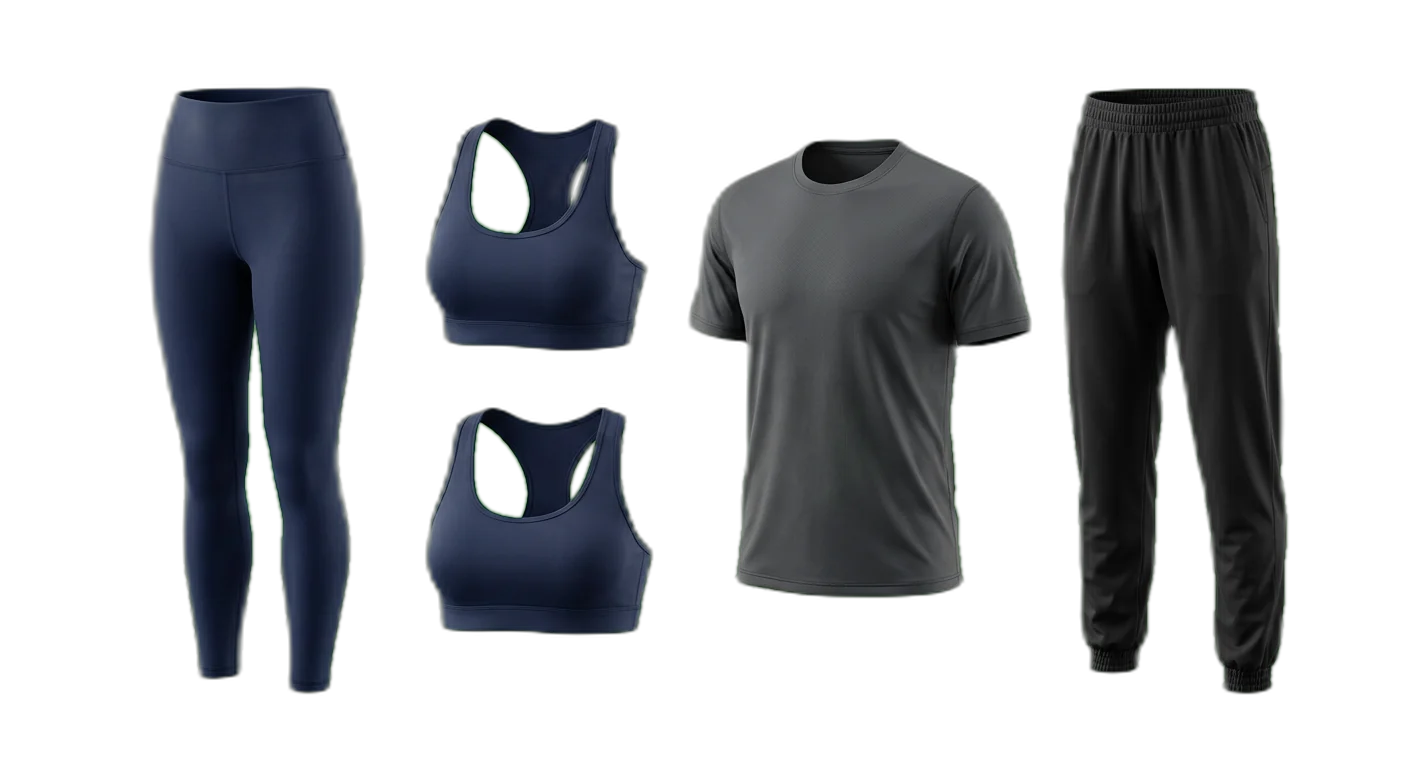
Activewear & Sportswear
Clothing > Activewear
The athleisure trend has turned activewear from a niche into a lifestyle category. Shoppers wear leggings, sports bras, and joggers every day, not just for exercise. This category has high repeat purchase rates and growing demand across all age groups.
Demand: HighCompetition: MediumMargin: HighRisingExample ProductsYoga leggingsSports brasTrack pantsPerformance topsPro TipKeep activewear separate from general sportswear. Shoppers looking for gym leggings have different expectations than those buying team jerseys.
- 2
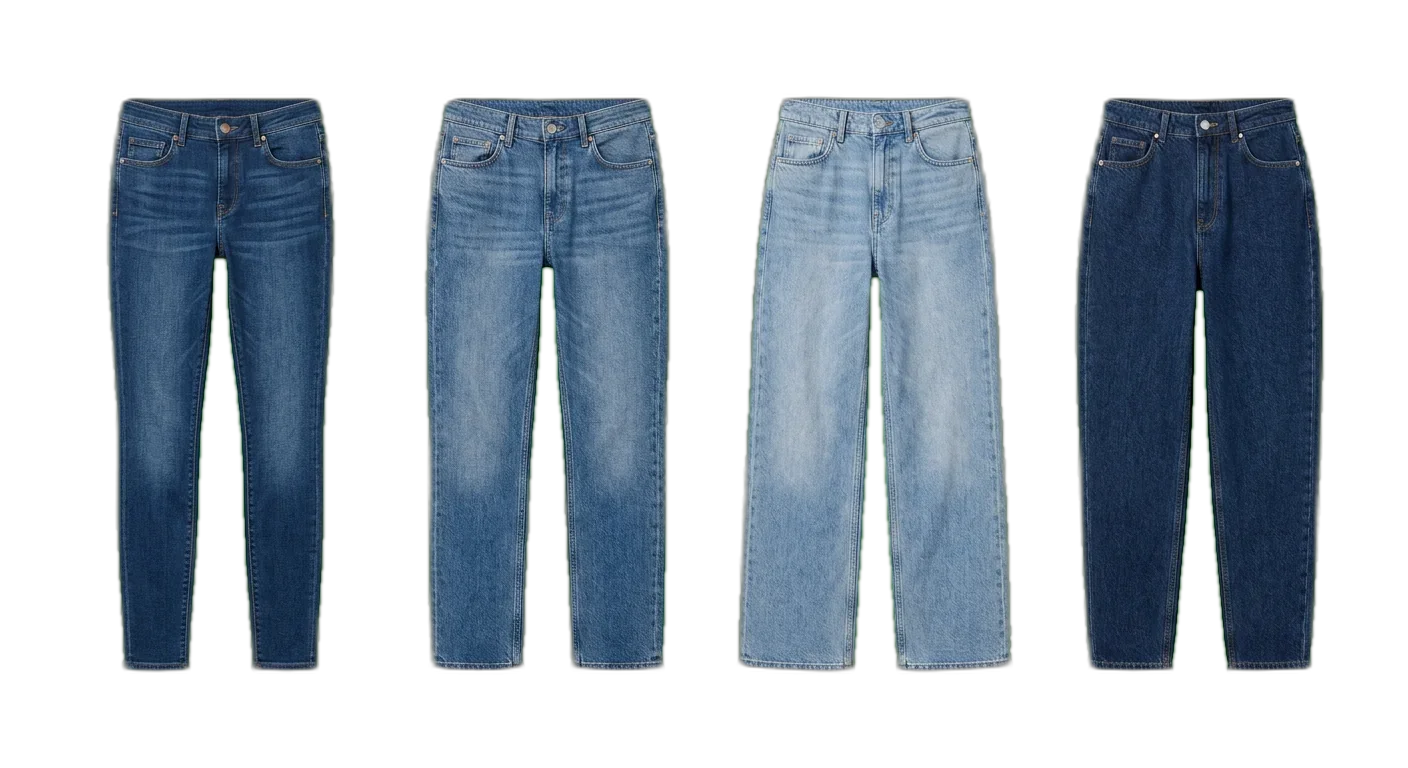
Jeans & Denim
Clothing > Bottoms > Jeans
Jeans remain a wardrobe staple with steady year-round demand. Premium denim commands high margins, and the category has clear attribute-based differences (fit, wash, rise) that make filter-based shopping a natural fit.
Demand: HighCompetition: MediumMargin: HighStableExample ProductsSkinny jeansStraight-leg jeansWide-leg jeansMom jeansPro TipInclude both waist and inseam measurements. This is the number one reason fashion shoppers use filters and the number one cause of returns when it's missing.
- 3
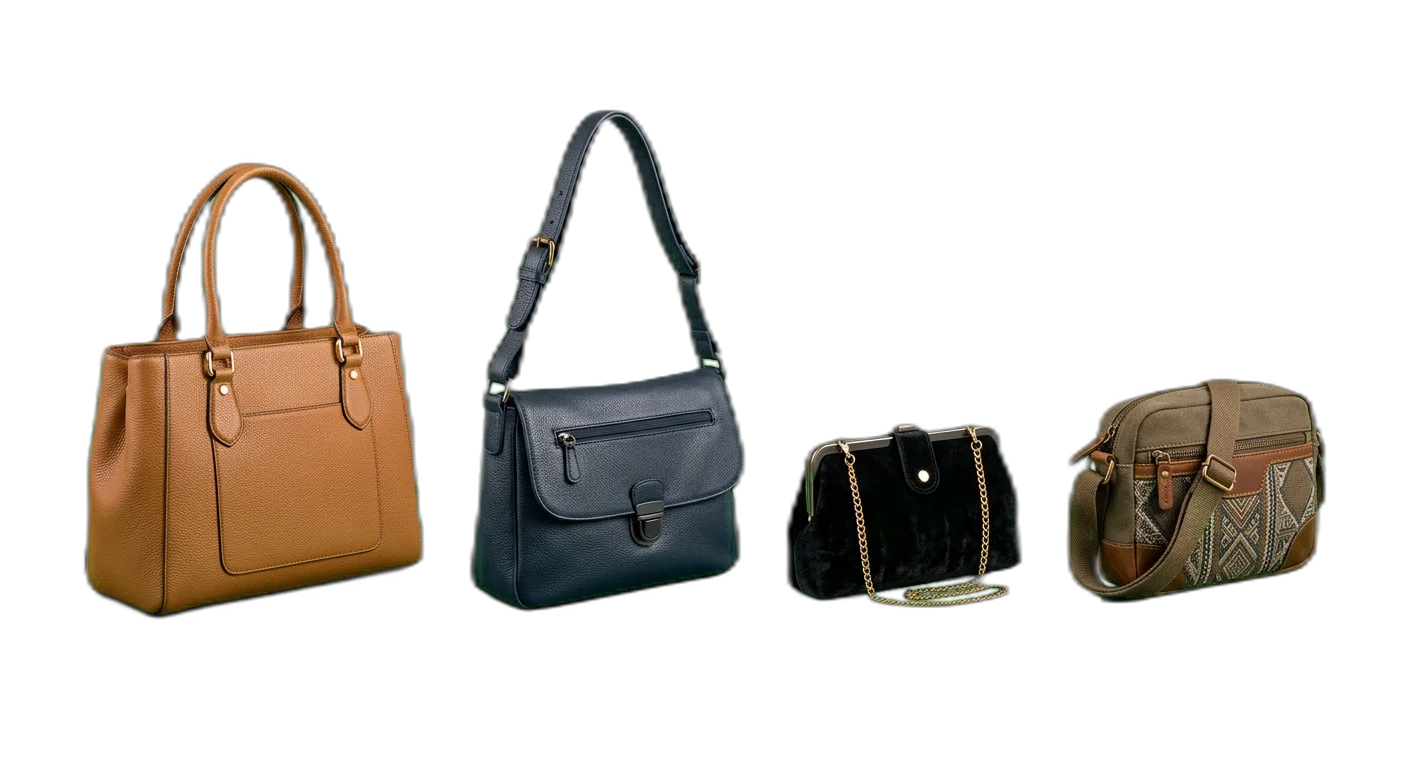
Handbags & Purses
Accessories > Bags > Handbags
Handbags carry the highest margins in fashion accessories, because price is driven by brand and design rather than by material cost. They are a key impulse-purchase and gifting category with strong brand appeal. Search demand peaks significantly during the holiday season.
Demand: HighCompetition: MediumMargin: HighStableExample ProductsTote bagsCrossbody bagsClutchesShoulder bagsPro TipInclude dimensions in both centimeters and inches. Bag shoppers need to know if their laptop or essentials will fit, and clear sizing reduces returns significantly.
- 4
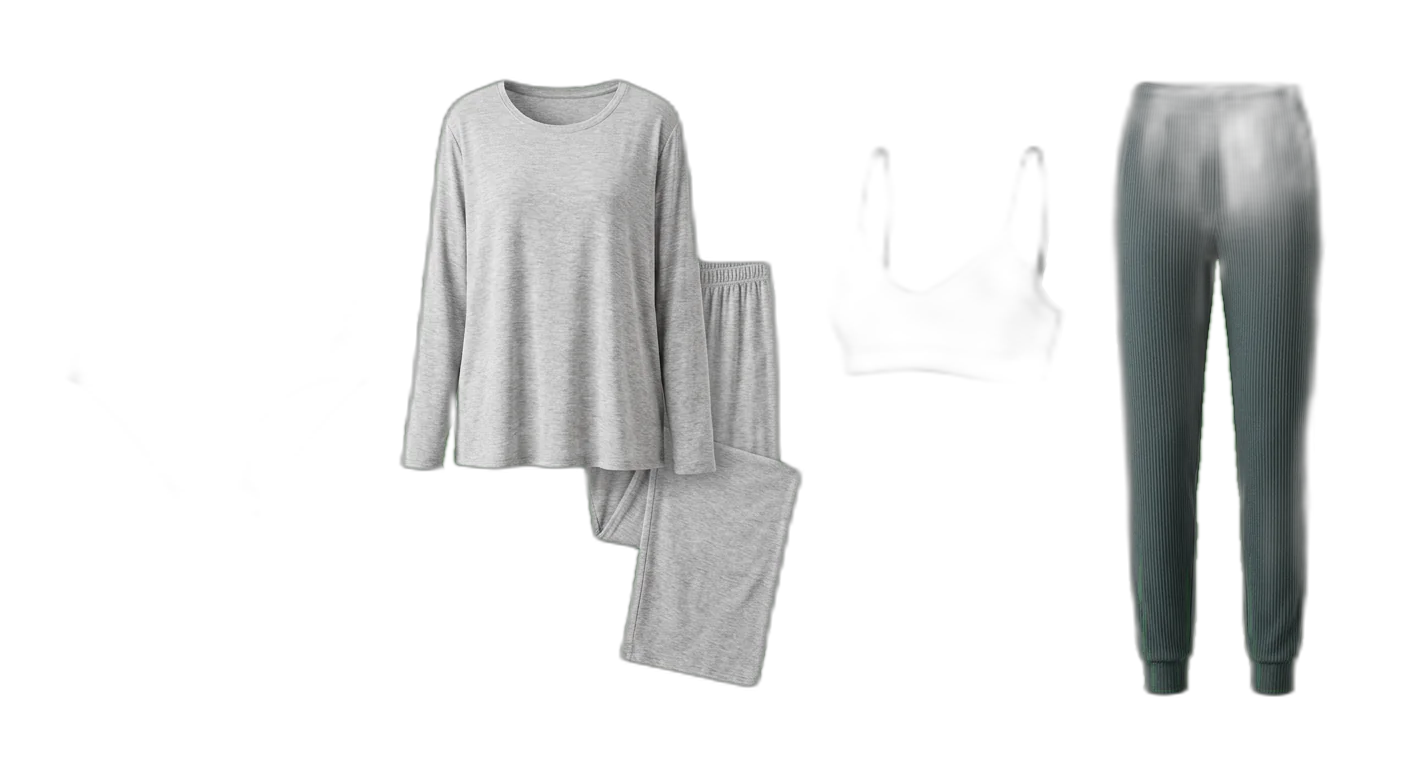
Underwear & Loungewear
Clothing > Underwear & Loungewear
This category has the highest repeat purchase rate in fashion. Customers who find a brand they trust reorder regularly. Subscription models work well here. Low return rates and small package sizes also mean lower shipping costs.
Demand: HighCompetition: MediumMargin: MediumRisingExample ProductsBriefs & boxersBrasPajama setsLounge pantsPro TipPromote multi-pack options prominently. Underwear is one of the few fashion categories where bundles consistently outsell individual items.
- 5
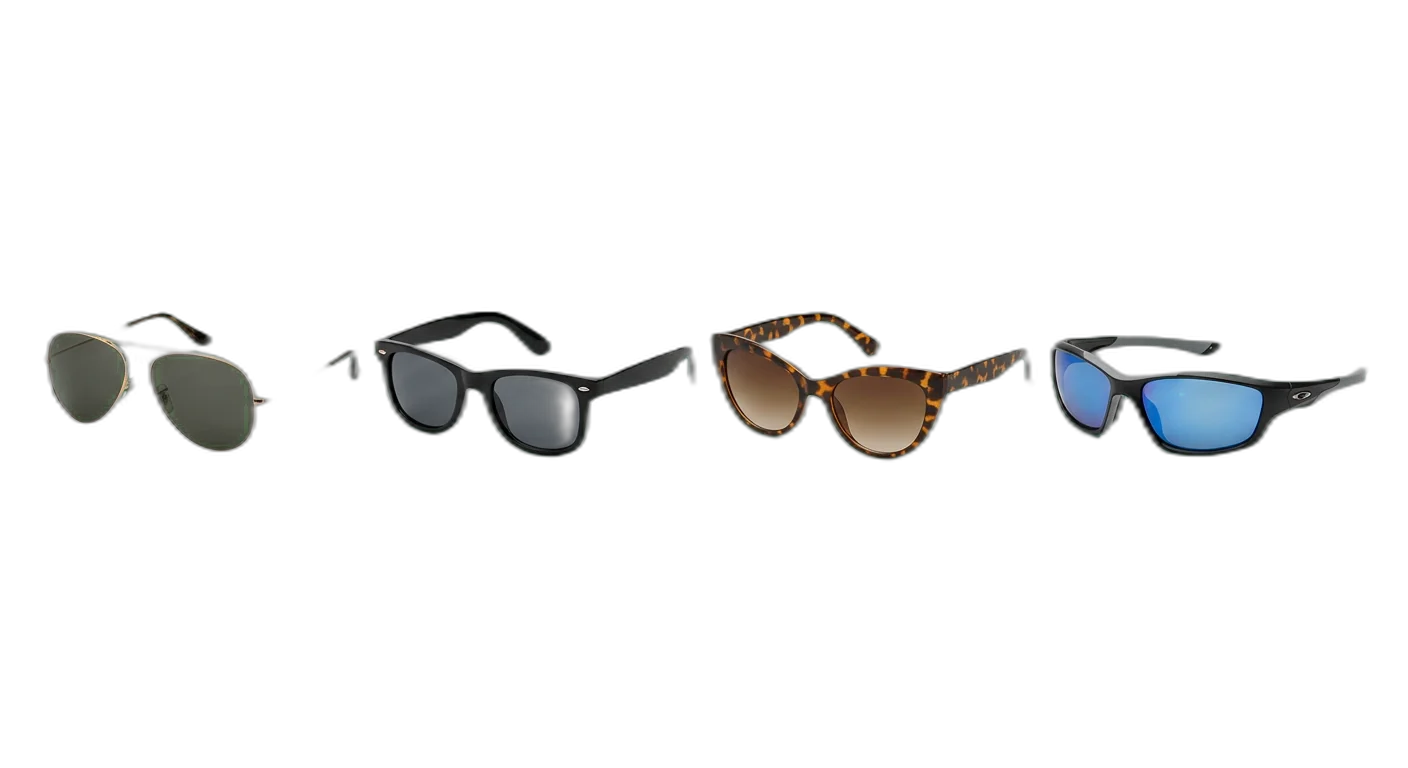
Sunglasses & Eyewear
Accessories > Eyewear > Sunglasses
Sunglasses are a high-margin, low-return accessory with strong impulse purchase behavior. They are highly visual products that perform well in social commerce and influencer marketing, driving growing online demand.
Demand: MediumCompetition: LowMargin: HighRisingExample ProductsAviatorsWayfarersCat-eye framesSport sunglassesPro TipAdd face shape recommendations to your product descriptions. This is the most searched buying guide topic for eyewear and builds customer trust.
- 6
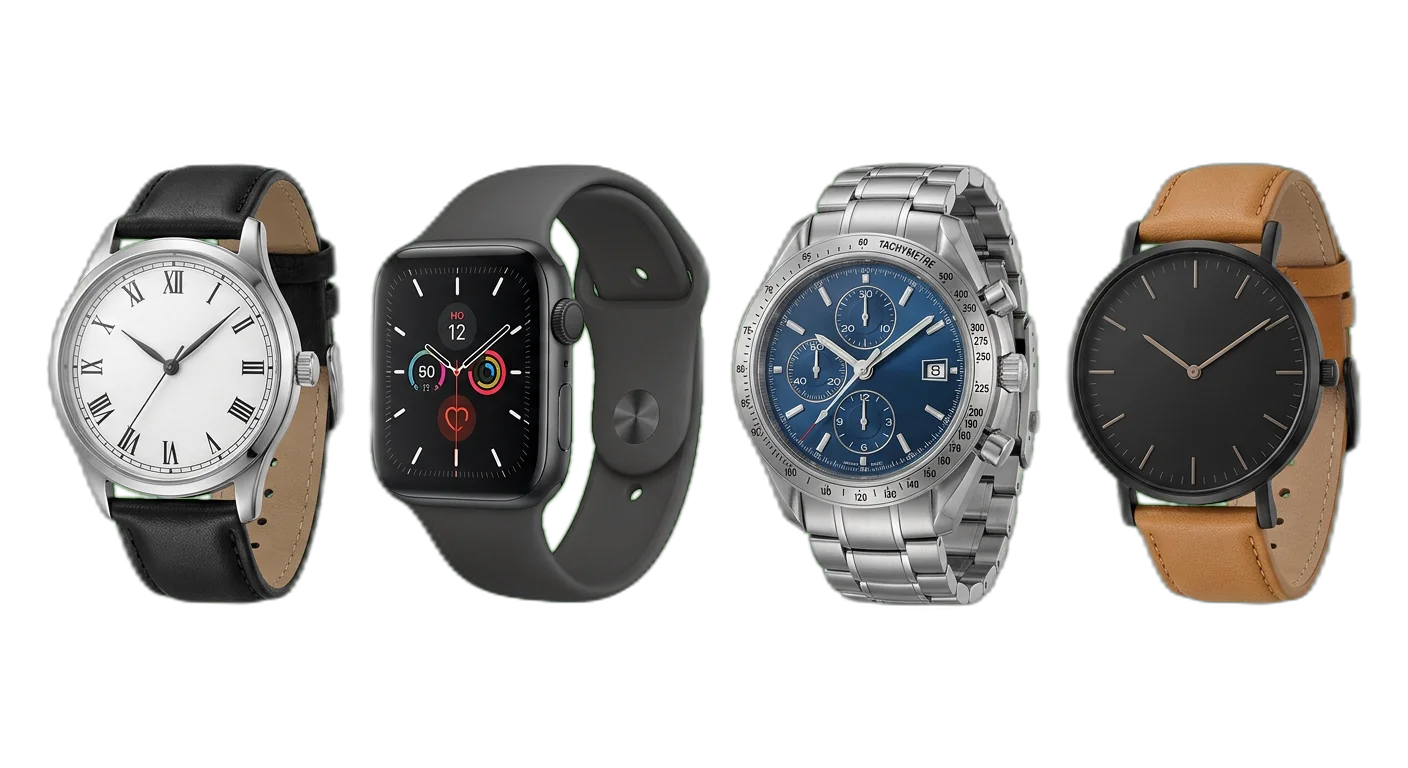
Watches
Accessories > Watches
Watches span a wide price range, from affordable fashion pieces to luxury collectibles. The online watch market is growing as shoppers feel more comfortable buying higher-value items online. The category also has extremely loyal repeat buyers.
Demand: MediumCompetition: LowMargin: HighRisingExample ProductsAnalog watchesSmartwatchesChronographsMinimalist watchesPro TipKeep fashion watches and smartwatches in separate categories. The audiences overlap less than you might think, and mixing them makes filtering confusing.
- 7
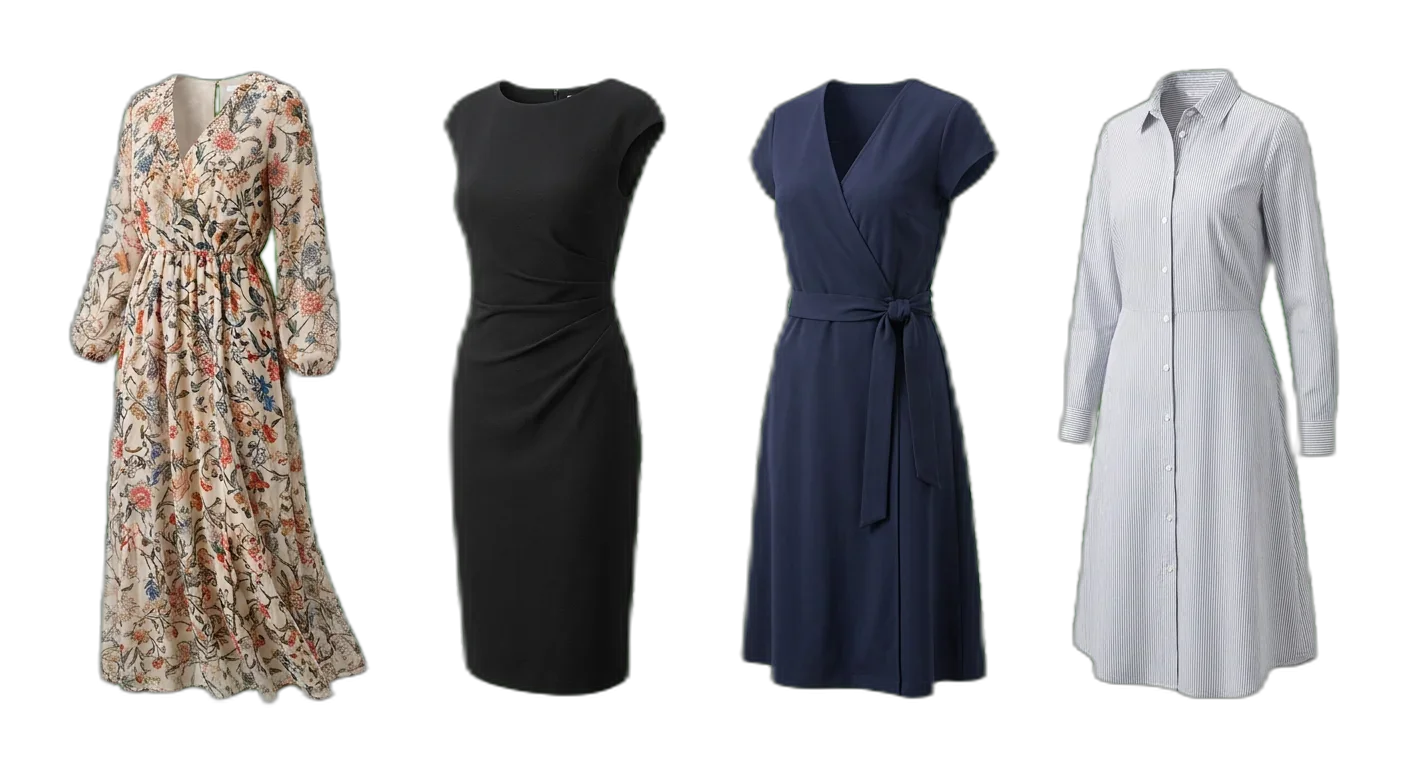
Dresses
Clothing > Dresses
Dresses carry some of the highest average order values in fashion. They have strong seasonal peaks in spring, summer, and the holiday season. Shoppers frequently browse by occasion, so well-organized subcategories are essential for helping customers find what they want.
Demand: HighCompetition: MediumMargin: HighSeasonalExample ProductsMaxi dressesCocktail dressesWrap dressesShirt dressesPro TipCreate subcategories by occasion (casual, formal, party, work). This matches how shoppers actually search and improves your on-site search results.
- 8
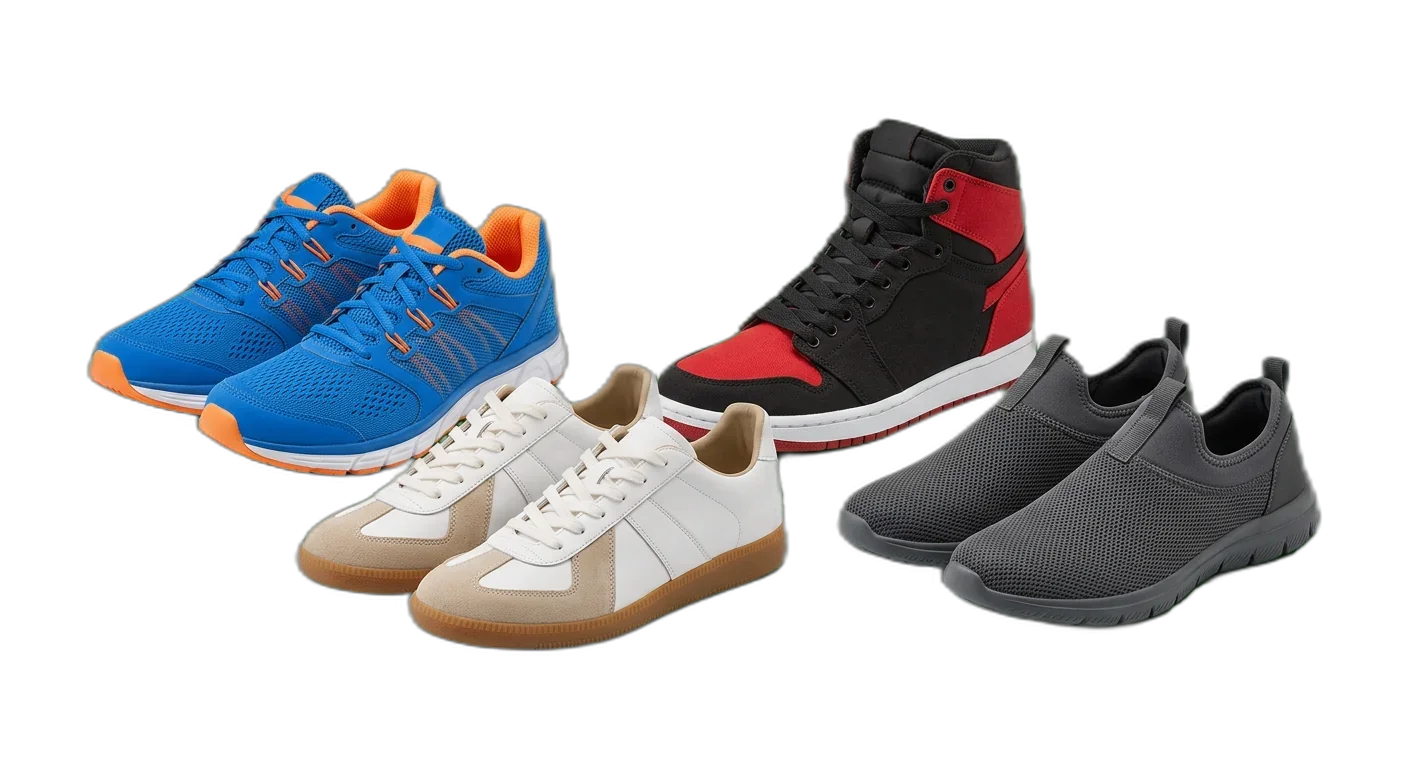
Sneakers & Athletic Shoes
Footwear > Athletic > Sneakers
Sneakers have become the dominant footwear category online, driven by athleisure trends and sneaker culture. They have strong brand loyalty, high search volumes, and a collector market that supports premium pricing.
Demand: HighCompetition: HighMargin: MediumRisingExample ProductsRunning shoesLifestyle sneakersHigh-topsSlip-on trainersPro TipAlways make brand a filterable attribute. Sneaker shoppers are highly brand-conscious, and most sneaker searches lead with a brand name rather than a style.
- 9
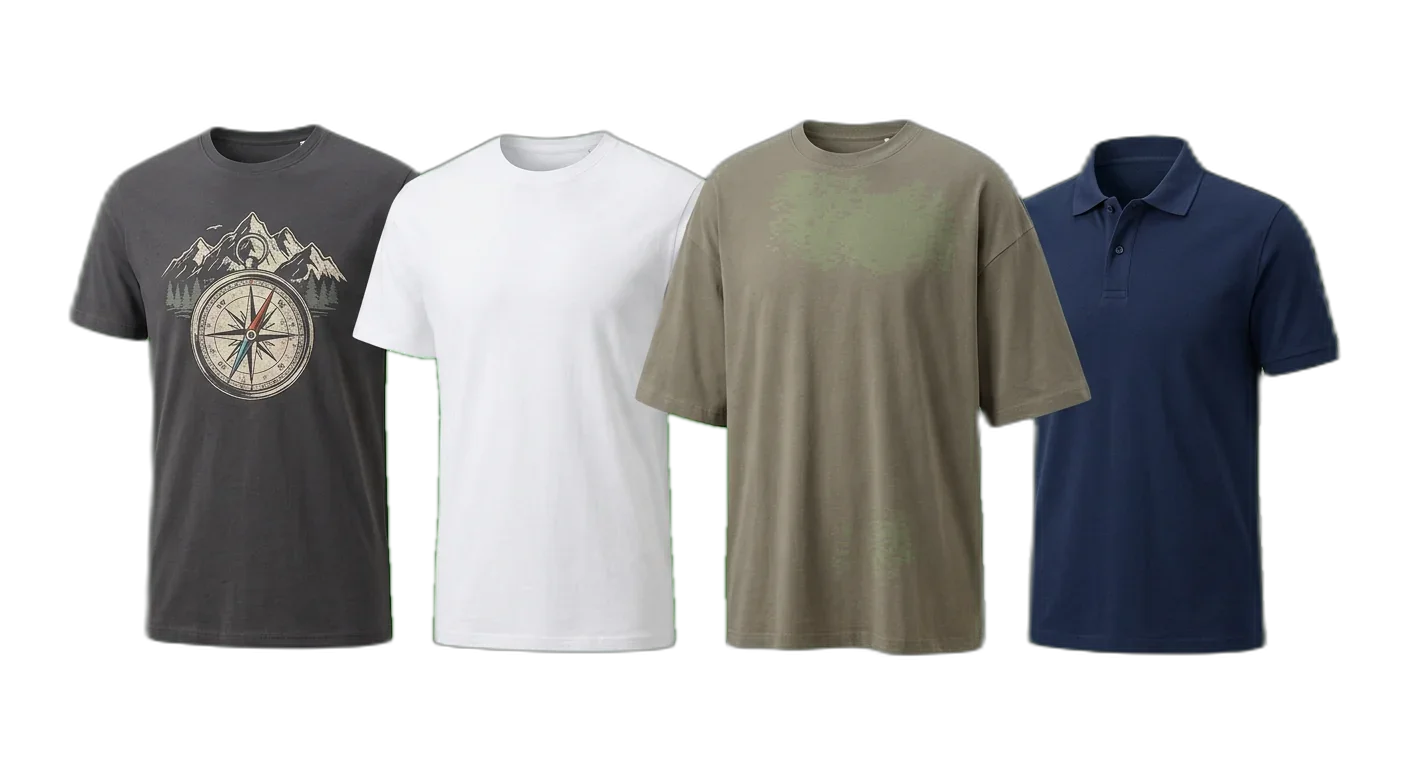
T-Shirts & Tops
Clothing > Tops > T-Shirts
T-shirts are the single highest-volume fashion product sold online. They have low return rates compared to other apparel, strong repeat purchase behavior, and sell well all year round. Print-on-demand has made this category easy to enter for new sellers.
Demand: HighCompetition: HighMargin: MediumStableExample ProductsGraphic teesPlain crew necksOversized teesPolo shirtsPro TipStand out with niche designs or sustainable materials. Generic basics face intense price competition from fast-fashion giants.
- 10
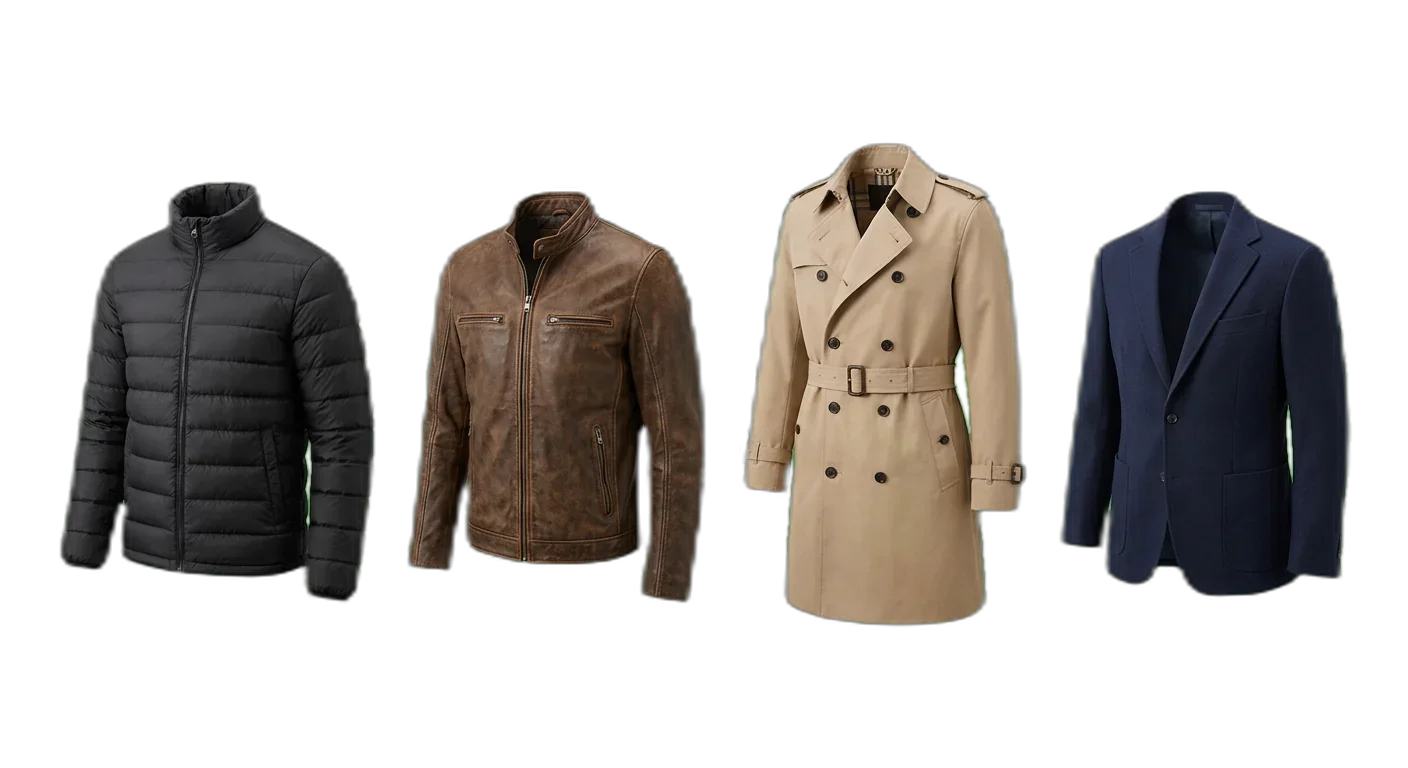
Outerwear & Jackets
Clothing > Outerwear
Outerwear commands premium prices and has strong seasonal demand spikes in autumn and winter. Customers plan these purchases carefully and spend more time comparing options, so well-organized categories with detailed attributes directly improve conversion.
Demand: MediumCompetition: MediumMargin: HighSeasonalExample ProductsPuffer jacketsLeather jacketsTrench coatsBlazersPro TipStart building your outerwear category and SEO in late summer. Search demand starts rising in September and peaks in November.
Category Performance at a Glance
Compare demand, competition, margins, and growth across all recommended categories
Activewear & SportswearJeans & DenimHandbags & PursesUnderwear & LoungewearSunglasses & EyewearWatchesDressesSneakers & Athletic ShoesT-Shirts & TopsOuterwear & JacketsRecommended Fashion & Apparel Category Structure
The complete category tree with subcategories for each recommended top-level category
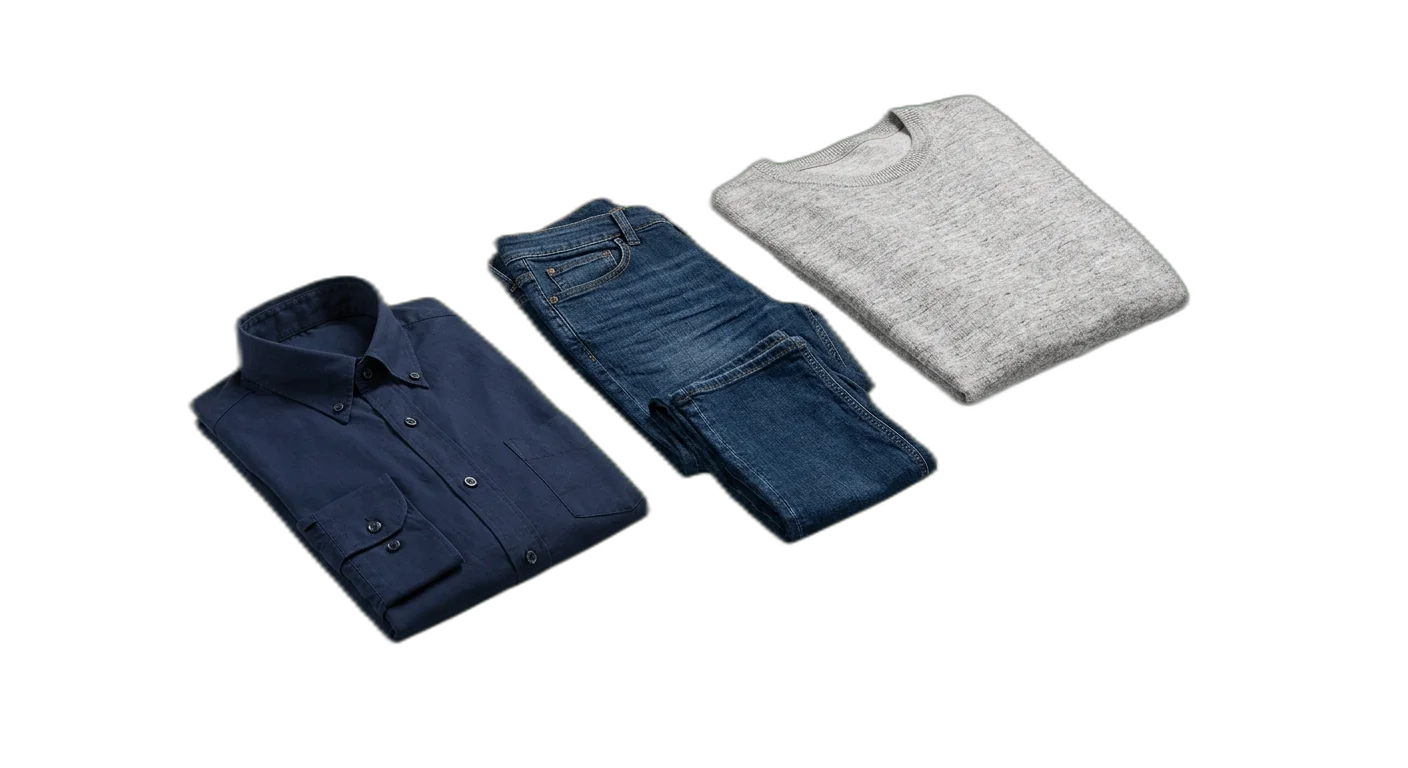
Clothing
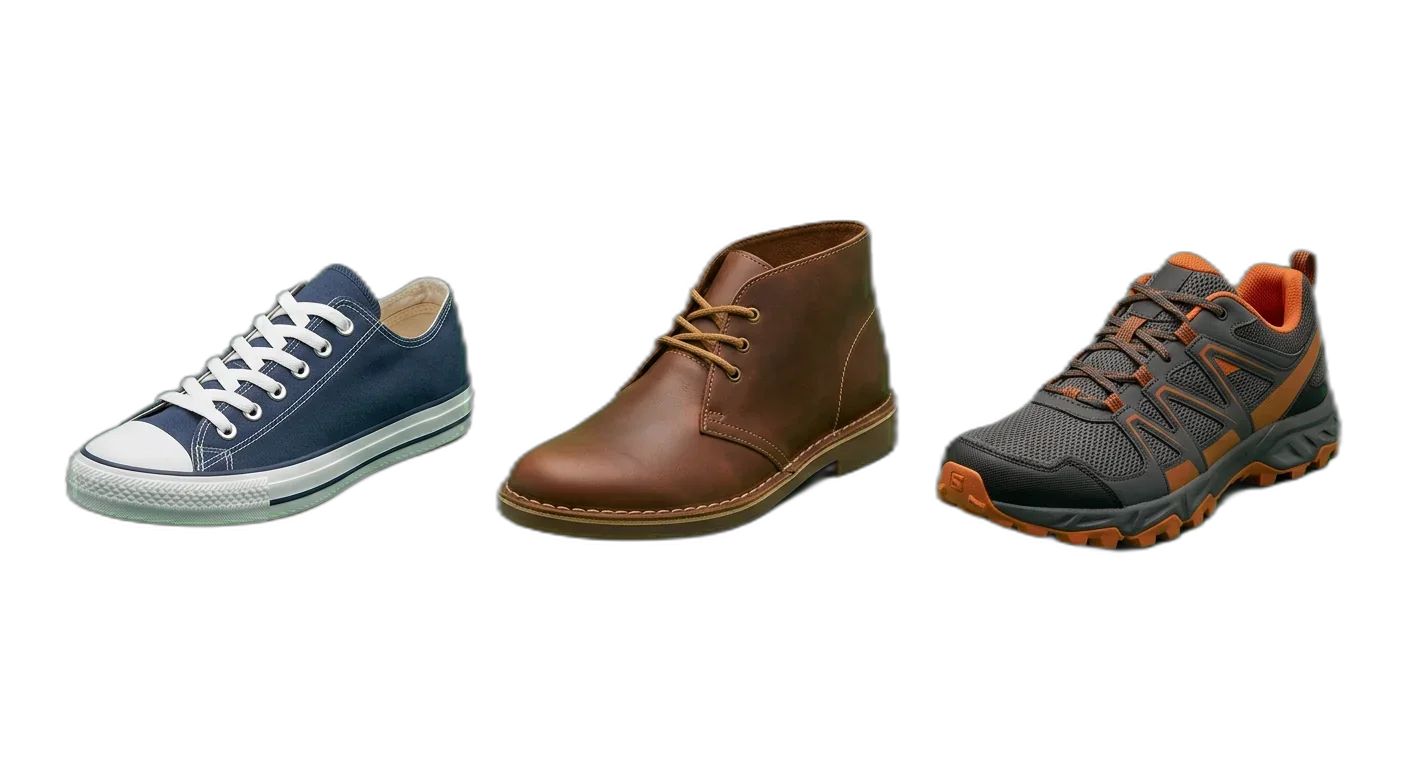
Footwear
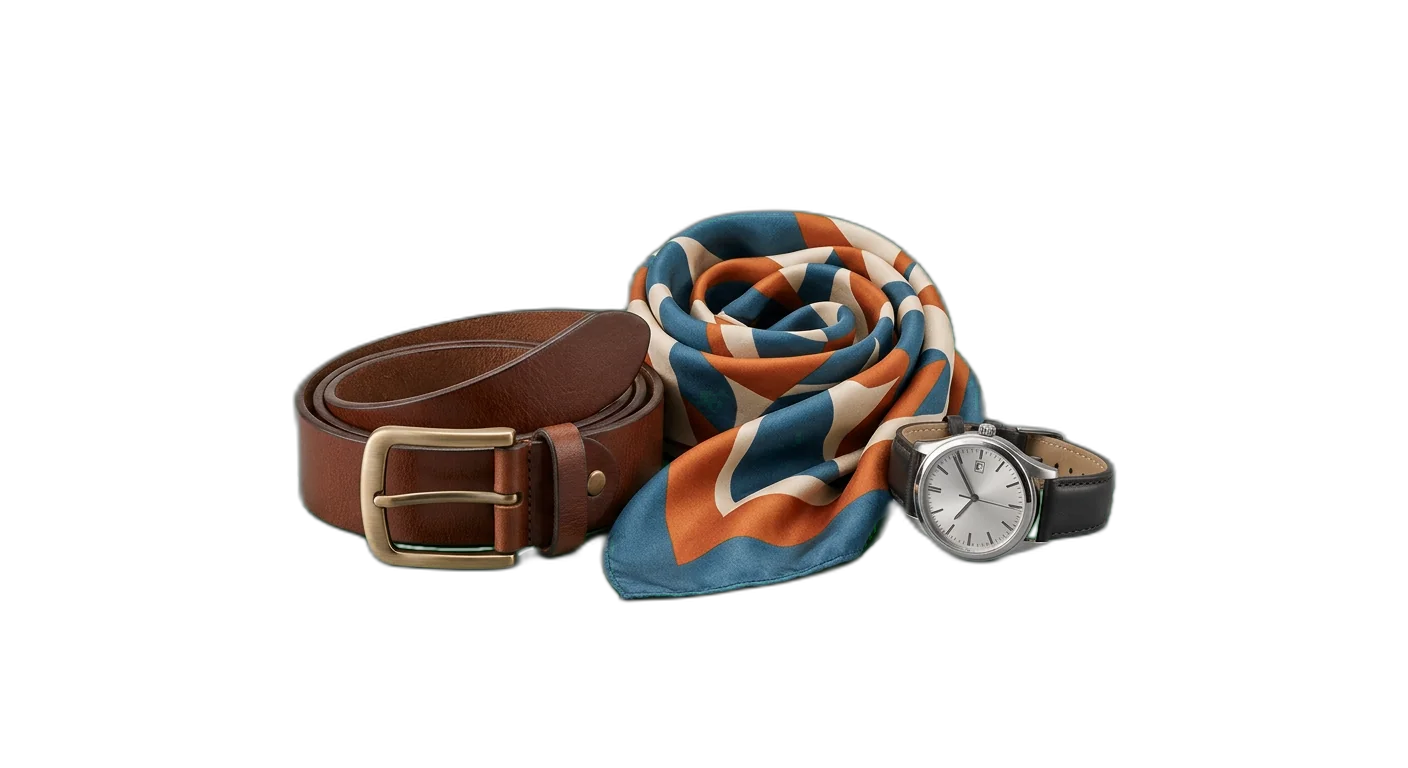
Accessories
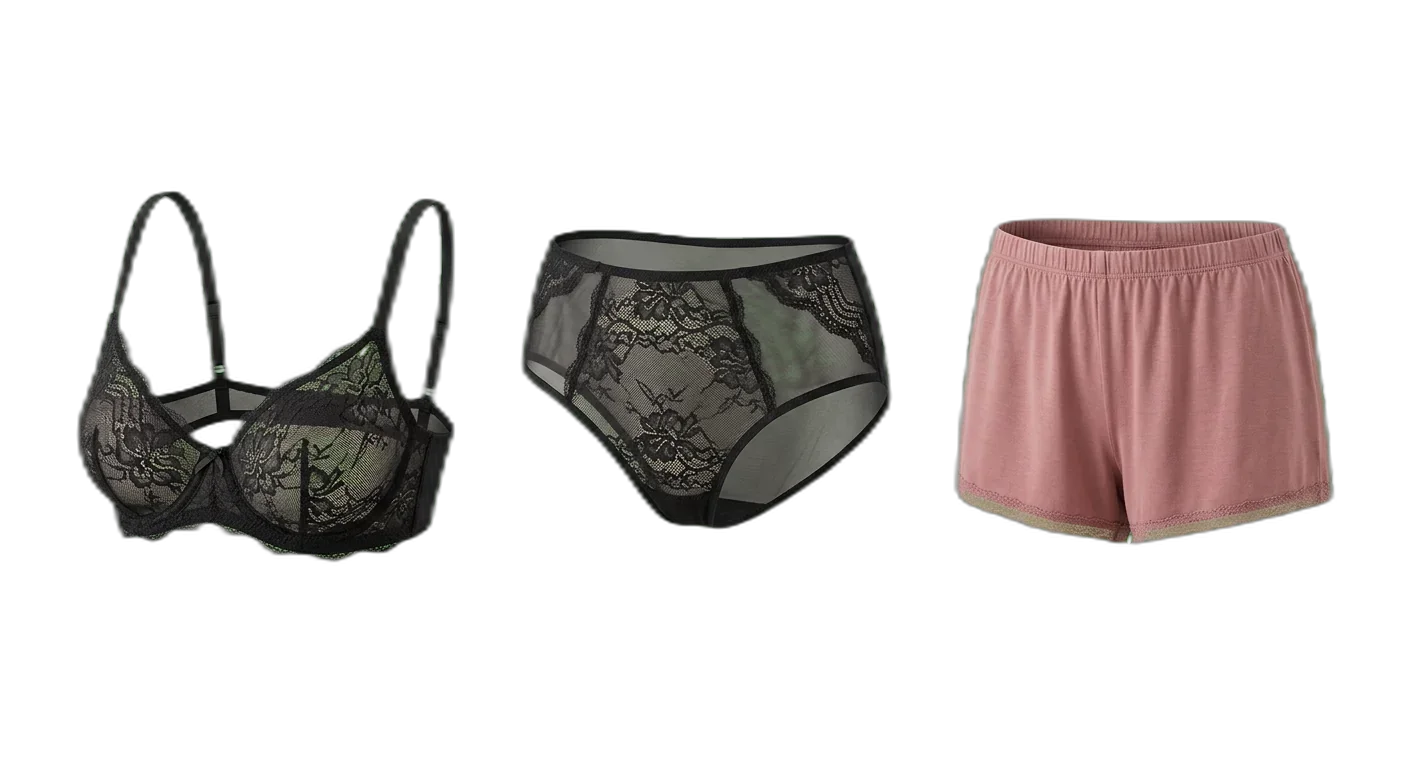
Undergarments & Lingerie
Which Categories Should You Start With?
Choose your starting categories based on your catalog size and growth stage
Focus on one core category and do it really well. Build depth in subcategories rather than spreading thinly across many top-level categories.
Expand into 4 to 6 categories that share your target audience. Add accessories as a high-margin complement to your core apparel categories.
Cover the full fashion range with all major categories. Invest in deep subcategories, advanced filtering, and cross-category merchandising.
How to Order Categories in Your Store Menu
Practical tips for organizing your navigation to maximize clicks and conversions
Put highest-demand categories first
"T-Shirts & Tops" and "Dresses" should appear before niche categories like "Watches" in your main menu. Most shoppers only scan the first few menu items before they pick one or fall back to search.
Rotate seasonal categories to prominent positions
Move "Outerwear" up in autumn and winter, and "Dresses" up in spring and summer. Update your menu order at least once a quarter.
Keep your menu under 7 to 8 top-level items
Too many categories cause decision paralysis. Group smaller categories under parent items (for example, "Accessories" containing Bags, Jewelry, and Eyewear).
Use "Shop by" filters alongside categories
Let customers also browse by occasion, brand, or trend. This adds flexibility to your category structure without making it more complex.
Place "Sale" or "New Arrivals" as the last menu item
These aren't real categories but they do drive clicks. Placing them last prevents shoppers from skipping your actual product categories.
When Each Category Peaks
Plan your inventory and marketing around seasonal demand shifts
Spring (Mar-May)
Peak Categories
Launch new spring collections by late February to capture early-season search demand.
Summer (Jun-Aug)
Peak Categories
Sunglasses peak in June. Start clearing winter stock to make room for summer bestsellers.
Autumn (Sep-Nov)
Peak Categories
Outerwear searches spike in September. Black Friday drives all categories in November.
Winter (Dec-Feb)
Peak Categories
Watches and accessories peak as gift items in December.
Categories That Sell Together
Pair related categories to increase your average order value
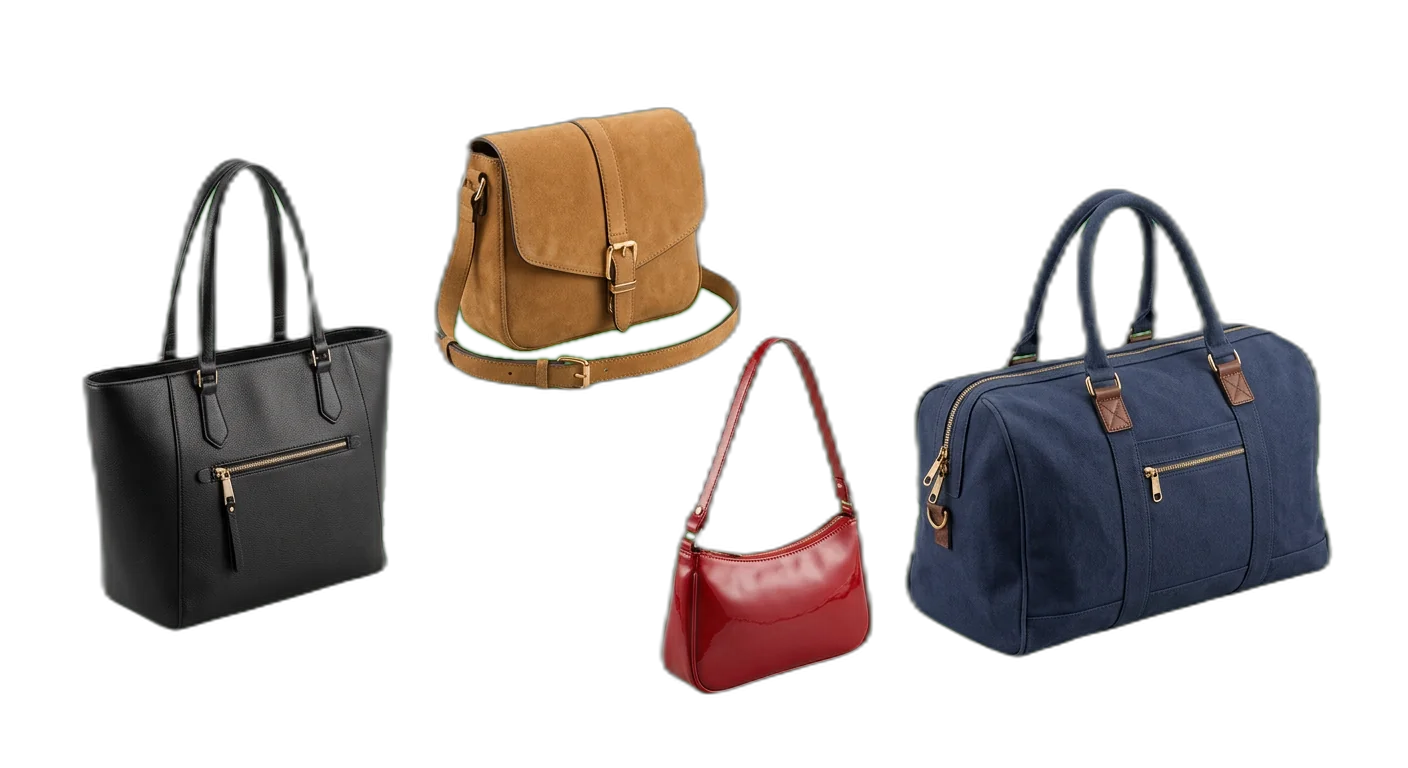
Shoppers completing an outfit often add a bag at checkout.
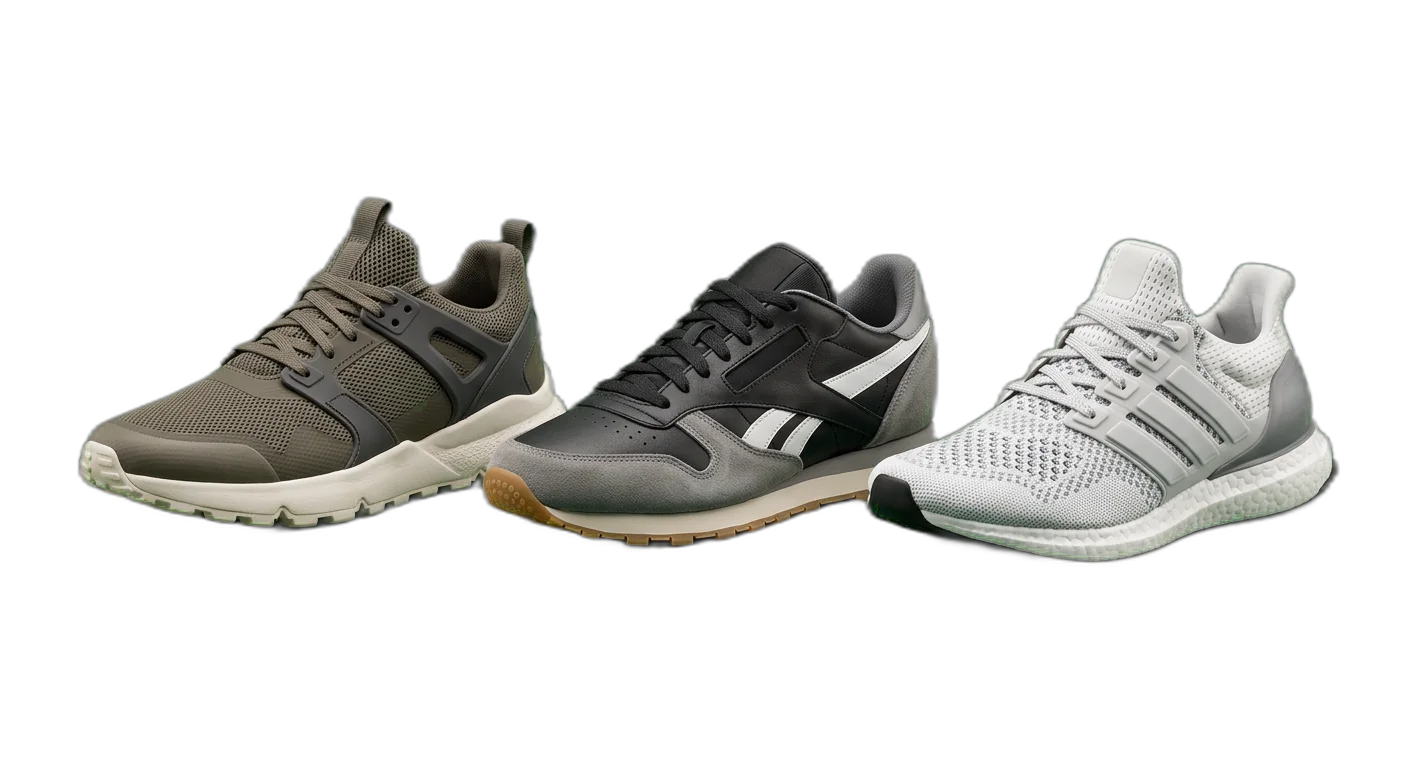
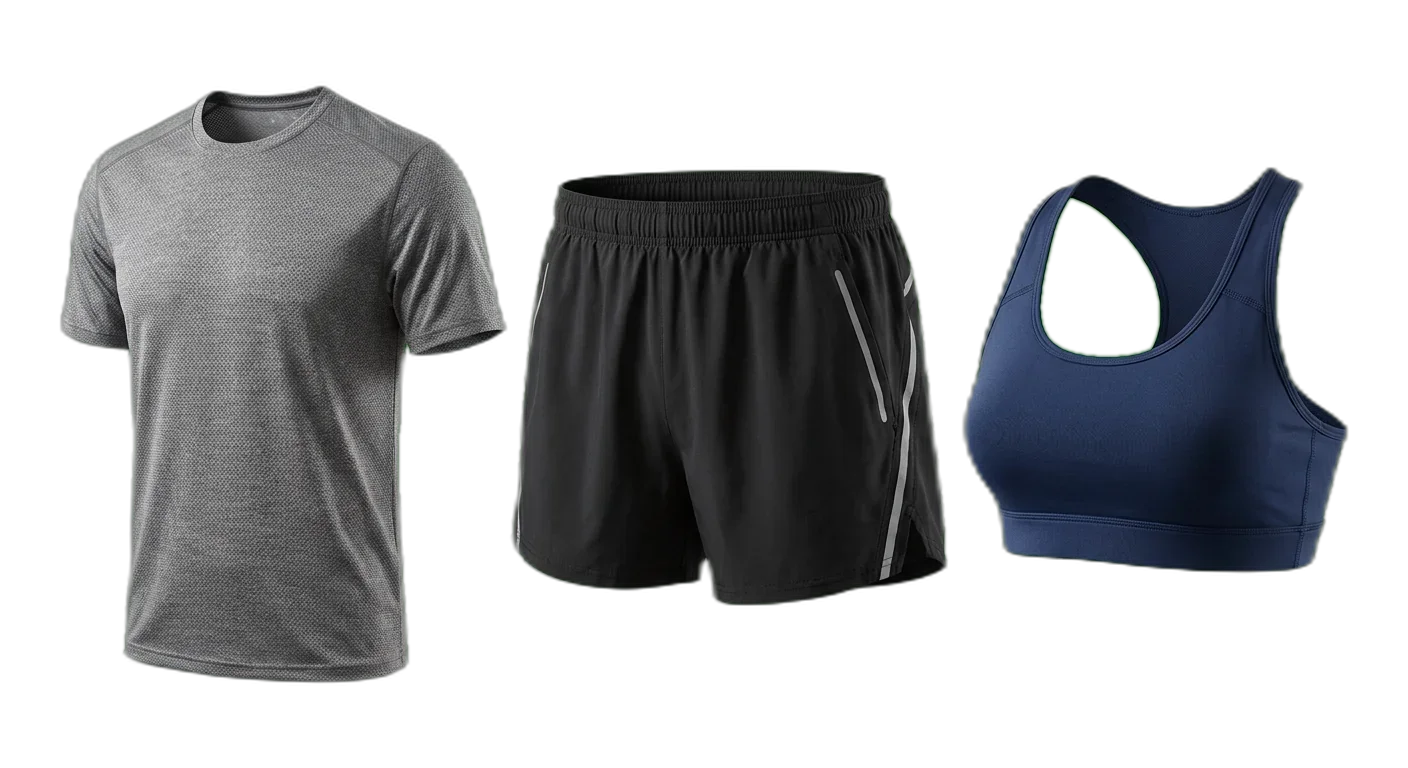
Someone buying running or training shoes is usually kitting out for the same activity, so activewear is the obvious next stop.
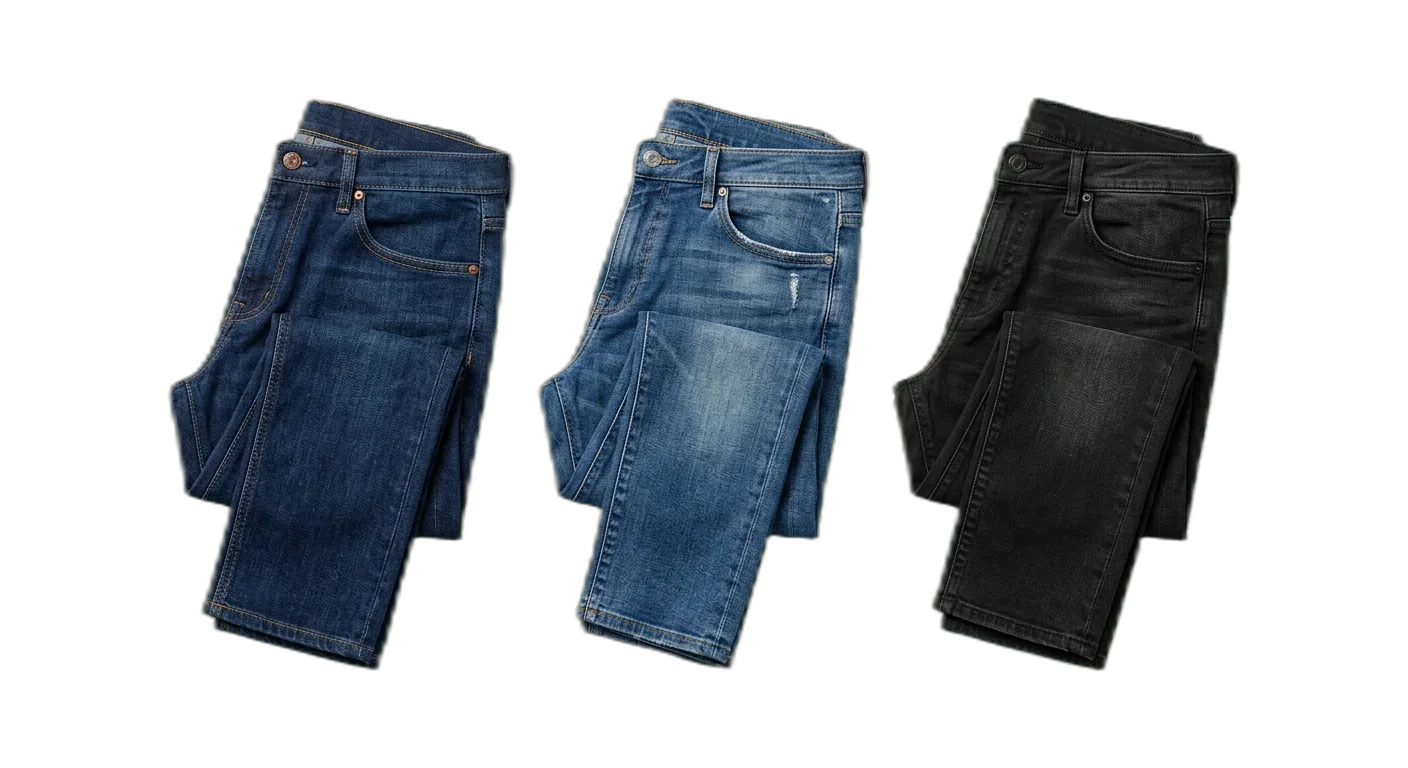
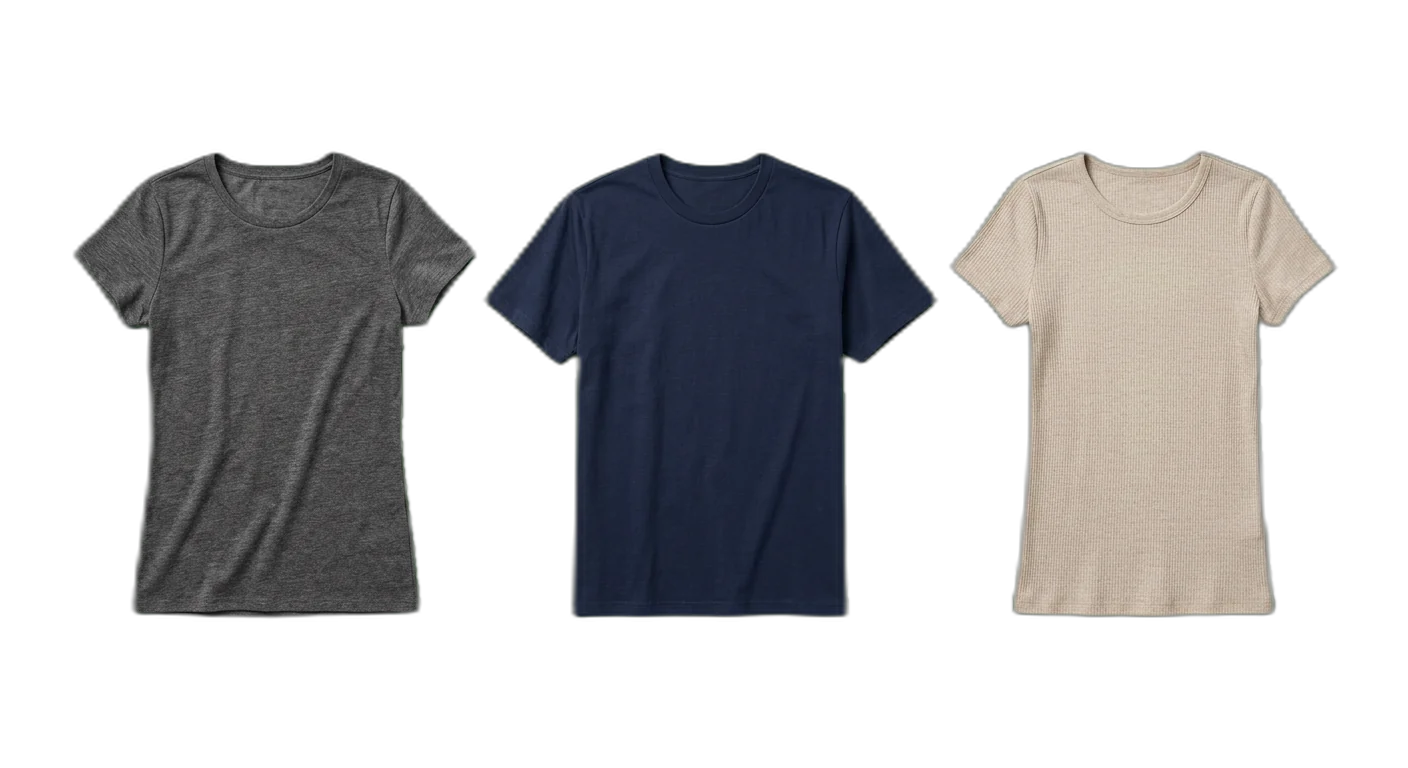
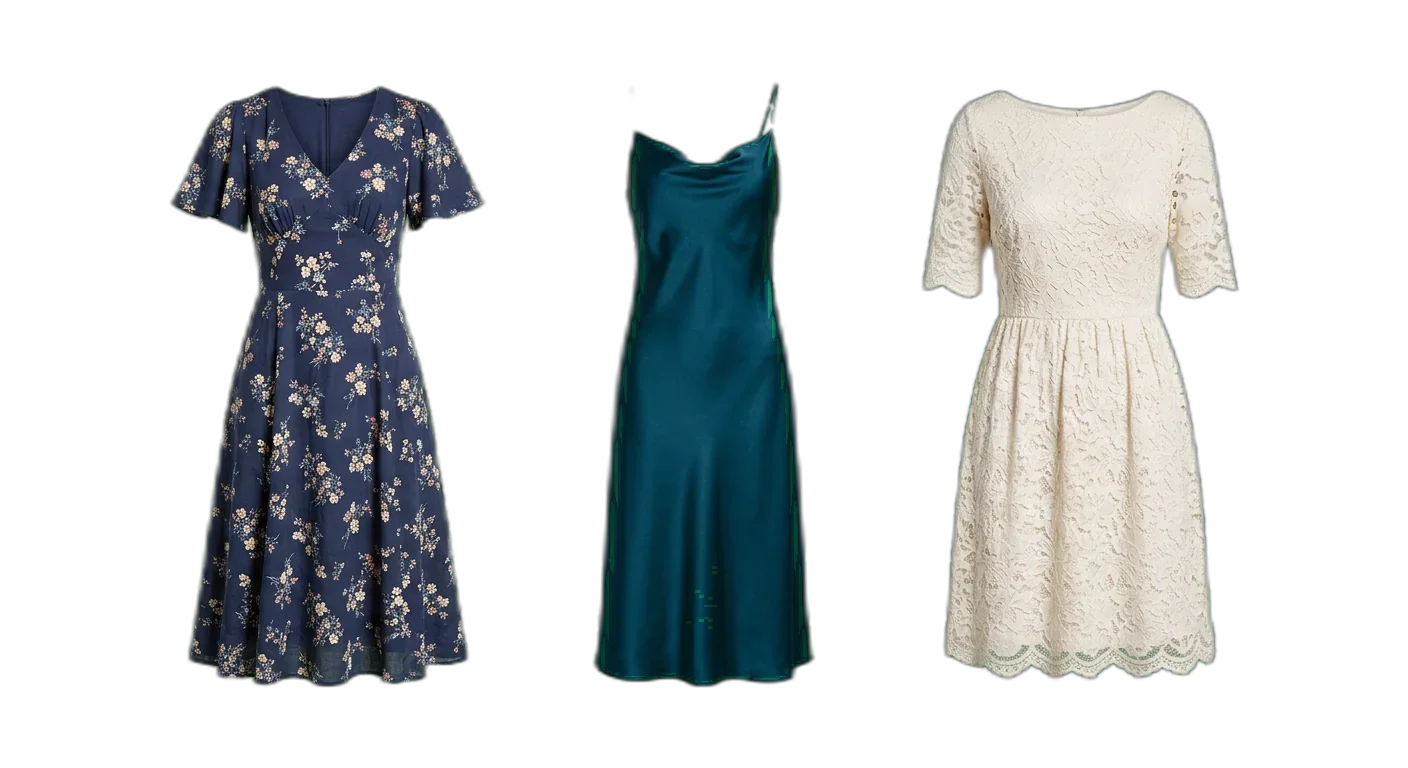
A natural outfit pairing. Showing the complete look turns a single-item order into a two-item one.
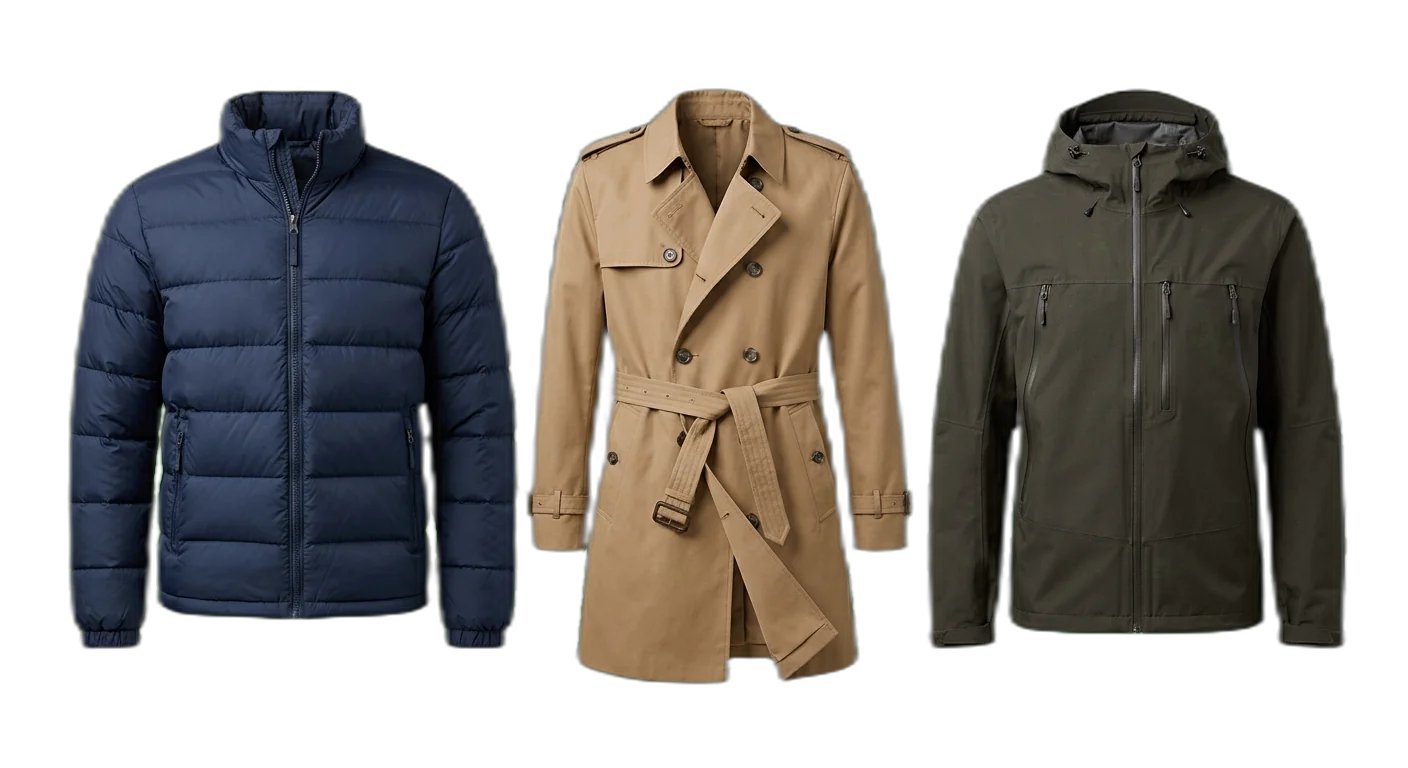
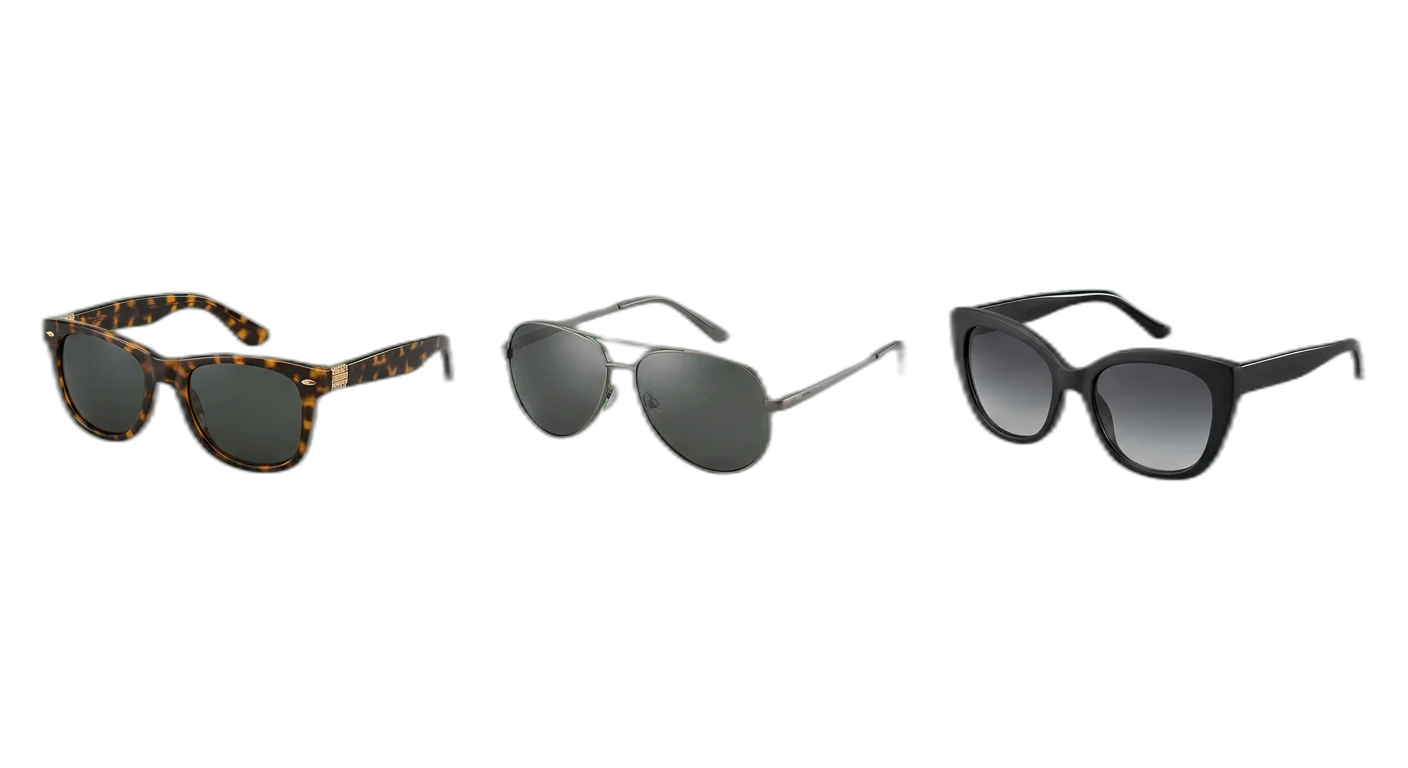
Seasonal accessories complement outerwear. Display them together in winter.
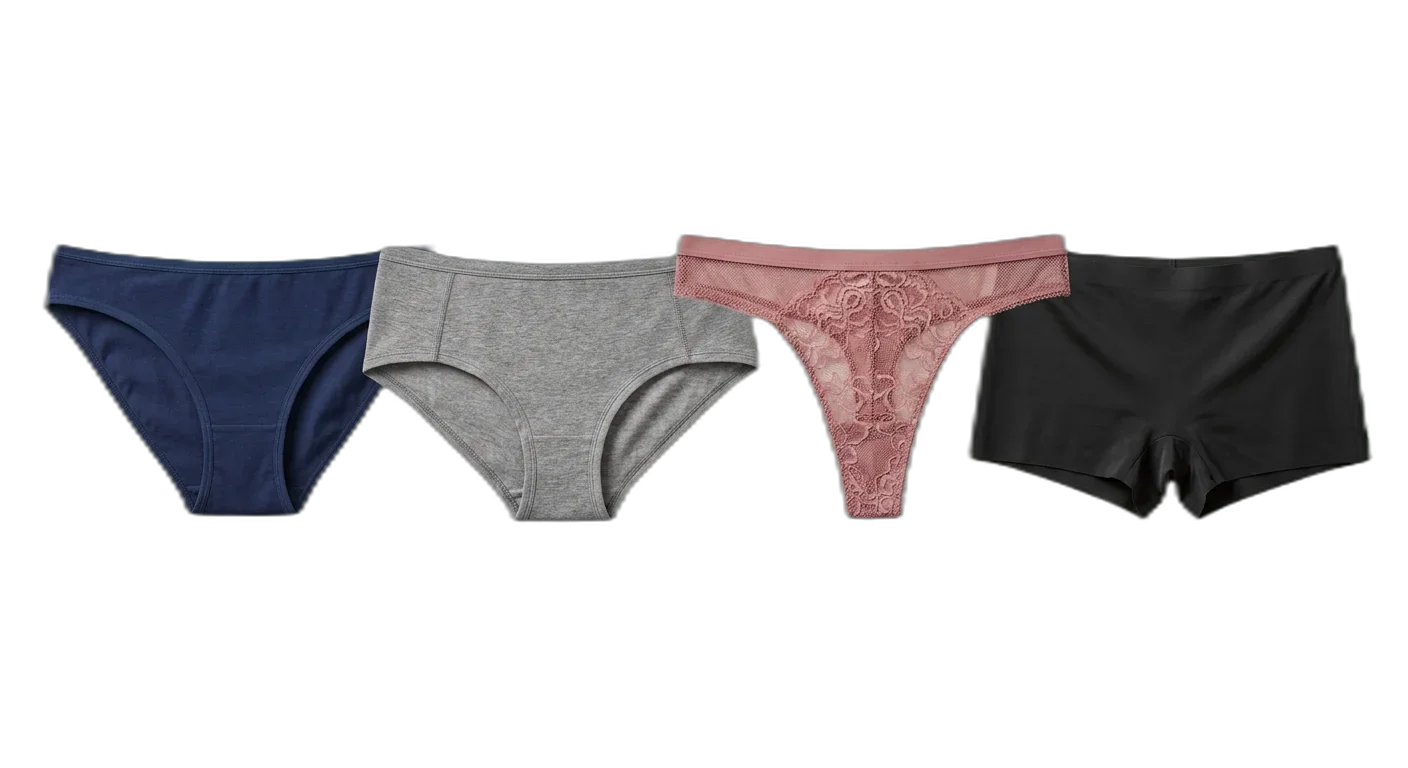
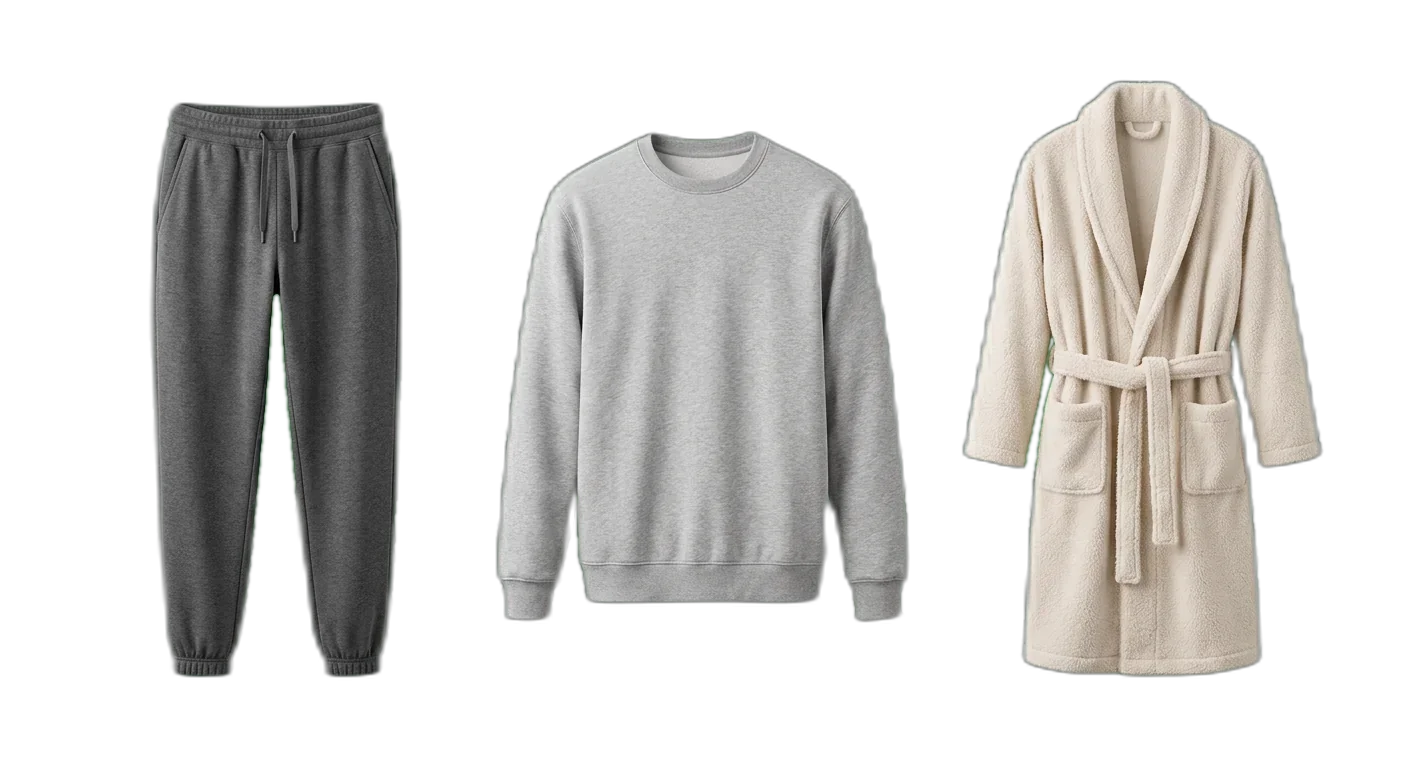
Same comfort-first shopping mindset. Cross-sell in the cart and on product pages.
Common Fashion & Apparel Category Mistakes
Mistakes that hurt your discoverability, SEO, and conversion rates
- Mistake
Creating gender-first top-level categories (Men > Clothing > Shirts) instead of product-first categories
Better approachUse product type as the main axis (Clothing > Shirts) and gender as a filterable attribute. This avoids duplicate category trees and makes management easier as you grow.
- Mistake
Lumping all accessories into a single flat category without subcategories
Better approachBreak accessories into clear subcategories (Bags, Jewelry, Watches, Eyewear, Scarves & Hats). Each has different attributes and attracts different shoppers.
- Mistake
Creating seasonal categories like 'Summer Collection' or 'Winter Essentials'
Better approachUse tags or attributes for seasons, not categories. Seasonal categories create dead pages for half the year and spread your SEO value across short-lived URLs.
- Mistake
Mixing clothing and shoes under a single 'Apparel' category
Better approachSeparate Clothing and Footwear at the top level. Shoes have fundamentally different sizing systems, attributes (sole type, width), and return patterns.
- Mistake
Over-categorizing by creating separate categories for every brand
Better approachUse brand as a filterable attribute, not a category. Brand categories create thousands of thin pages and make cross-brand browsing impossible.
Set Up Fashion & Apparel Categories with AI
Get your Fashion & Apparel product categories organized in minutes, not days
01
Import your fashion catalog
Upload your product data via CSV, Excel, or API. WISEPIM automatically detects fashion-relevant attributes like size, color, material, and brand from your existing data.
02
AI categorizes your products
WISEPIM's AI analyzes product titles, descriptions, and attributes to place each item in the best-fitting category in your structure. It handles tricky cases like multi-category products and seasonal items automatically.
03
Review, refine, and publish
Review AI suggestions in bulk, tweak any edge cases, and push your categorized products to all your sales channels. Categories stay in sync as you add new products.
Frequently Asked Questions
Common questions about choosing Fashion & Apparel categories for ecommerce
Best Categories for Other Industries
Printable checklist
Start in 15 minutesDecide in one week if a new category pays off
Start with demand: 15 minutes in Google Trends. You get one count, like 2 of 3 terms rising. Then 5 steps for the rest of the week.
How it works
- Pick the 3 search terms shoppers use for the category.
- Look each one up in Google Trends over 2 years.
- Write the count, such as '2 of 3 terms rising'.
One email, once, with a link to the printable checklist. Nothing else unless you tick the box.
Free Excel template
XLSX · 3 sheetsSee which of your 20 best sellers are incomplete
An Excel check with the columns fashion & apparel products need. In about 15 minutes you know how many of your 20 are complete, and the one fix that helps the most rows.
How it works
- Paste 20 best sellers from your shop export into Products.
- Fill in what you know. The last column says what each row is missing.
- Read your result on Start here: how many are complete, and the fix that helps most rows.
One email, once, with the XLSX attached and as a download link. Nothing else unless you tick the box.
Keep exploring
Hand-picked next steps to go deeper.
Ready to Organize Your Fashion & Apparel Catalog?
WISEPIM uses AI to automatically categorize your products, set up attributes, and sync across all your sales channels.