Best Categories for Beauty & Personal Care
The top-performing Beauty & Personal Care product categories for your ecommerce store, ranked by demand, margins, and growth potential.
Best Beauty & Personal Care Categories to Sell Online
Ranked by market demand, profit margins, and growth momentum
- 1
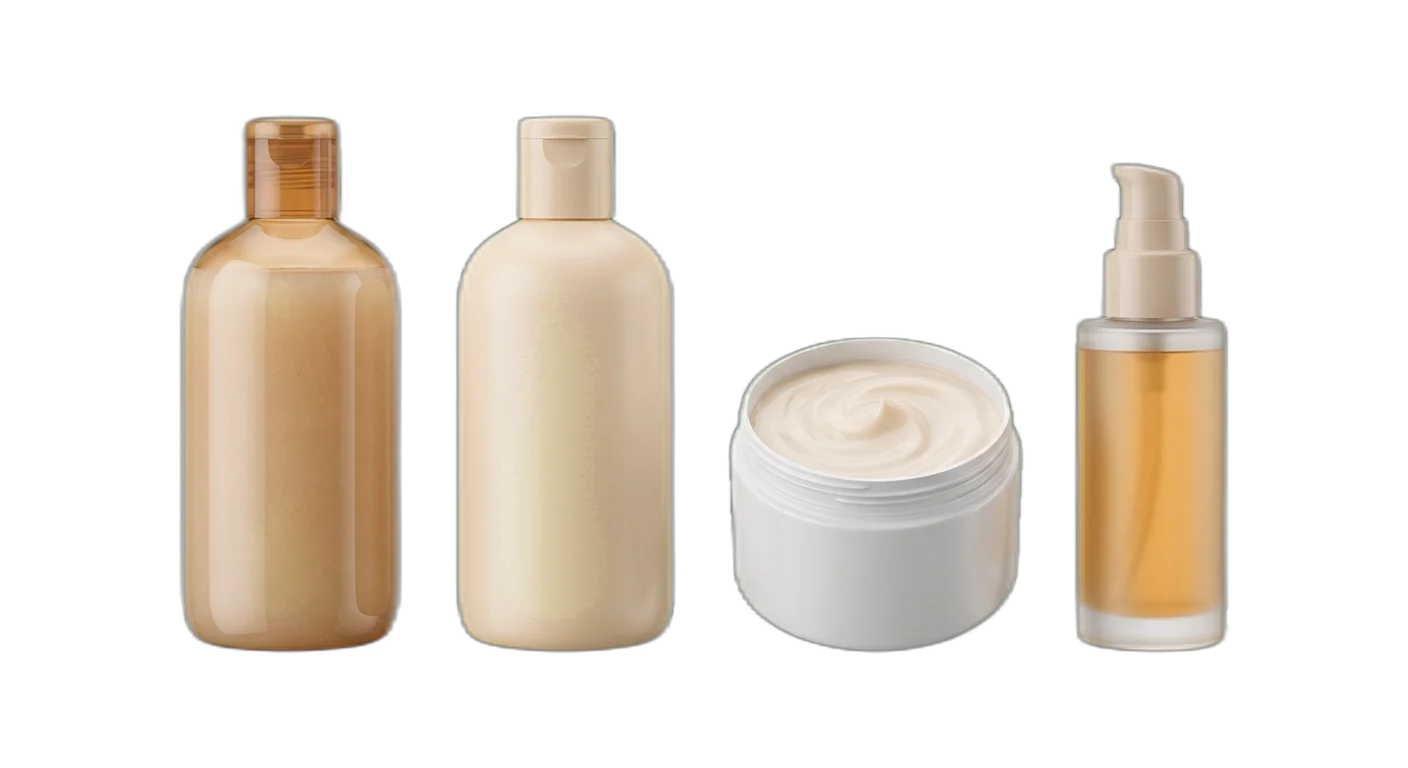
Hair Care & Styling
Hair Care
Hair care is the second-largest beauty category by revenue. Shampoo and conditioner drive steady baseline sales, while treatment products like masks, serums, and oils bring higher margins. The natural and clean hair care movement has created premium price tiers and strong opportunities to stand out from competitors.
Demand: HighCompetition: MediumMargin: HighRisingExample ProductsShampooConditionerHair masksStyling productsPro TipOrganize subcategories by hair care step (Cleansing, Treatment, Styling, Color). This matches the routine-based way shoppers think about hair care and encourages them to buy multiple products at once.
- 2
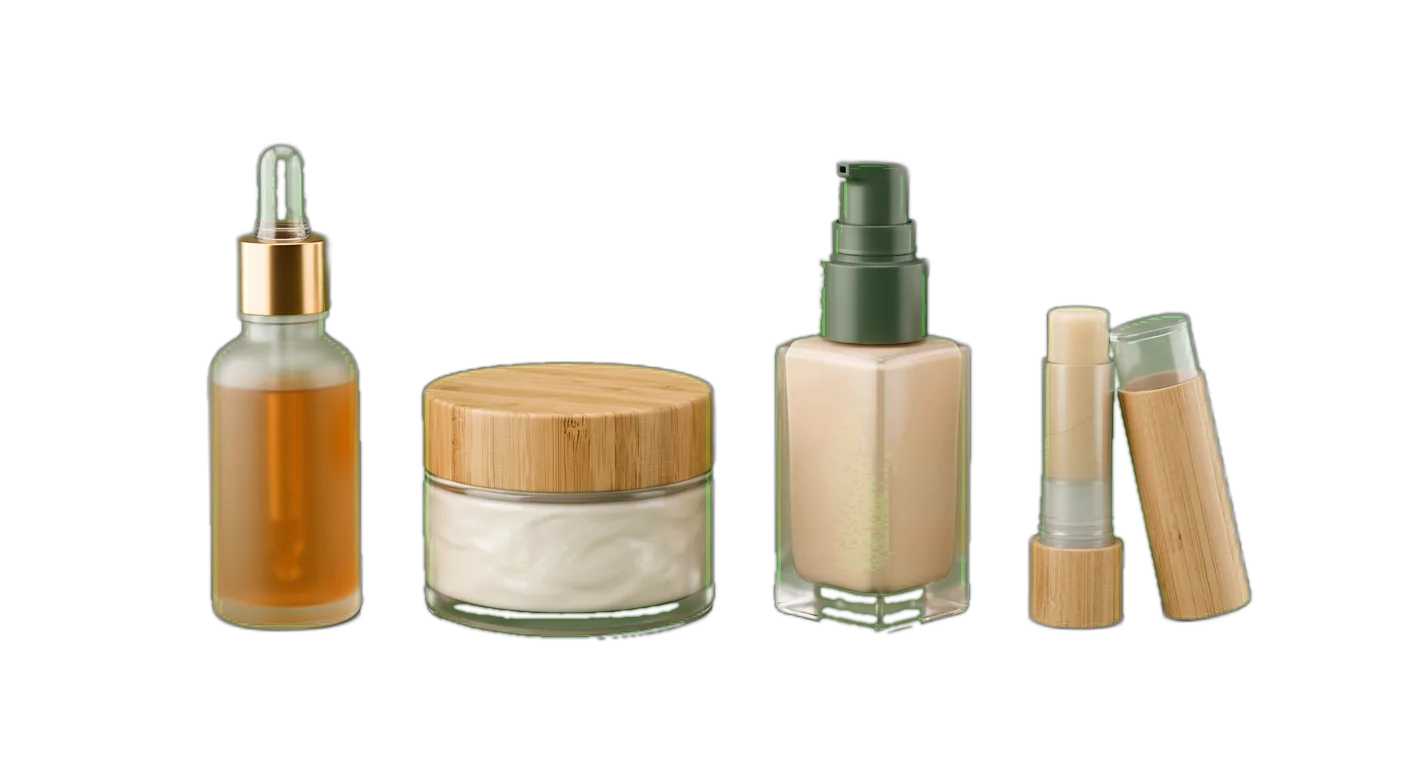
Clean & Natural Beauty
Skincare > Face Care
Clean beauty is no longer a niche. It has become a mainstream buying filter across skincare, makeup, and hair care. More and more shoppers look for products free from parabens, sulfates, and synthetic fragrances. The category commands premium pricing, has a passionate and loyal customer base, and benefits from strong word-of-mouth and social media advocacy.
Demand: GrowingCompetition: LowMargin: HighRisingExample ProductsOrganic serumsNatural moisturizersClean foundationsVegan lip productsPro TipUse clean beauty certifications (Leaping Bunny, COSMOS Organic, EWG Verified) as filterable attributes rather than a separate category. This lets customers filter for clean products across your entire catalog.
- 3
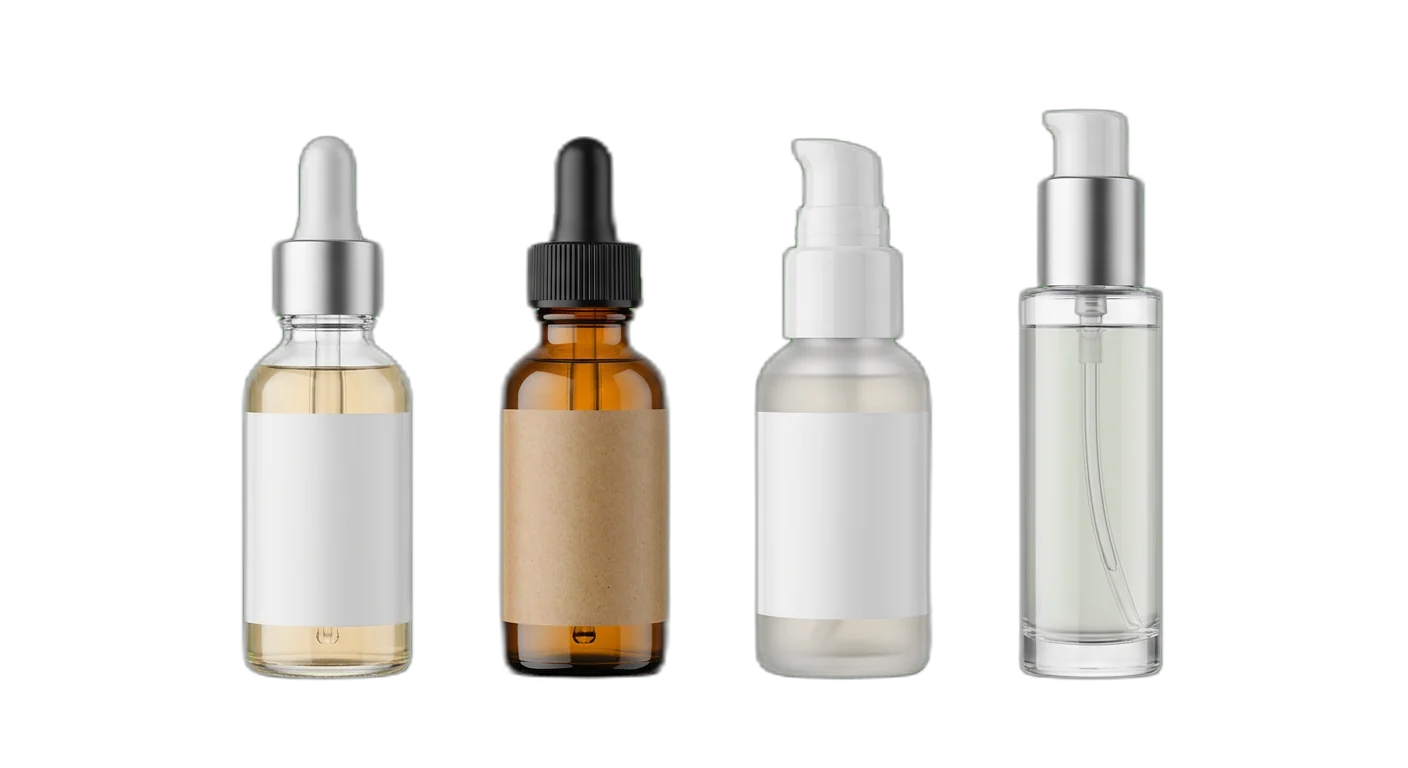
Skincare Serums & Treatments
Skincare > Face Care > Serums
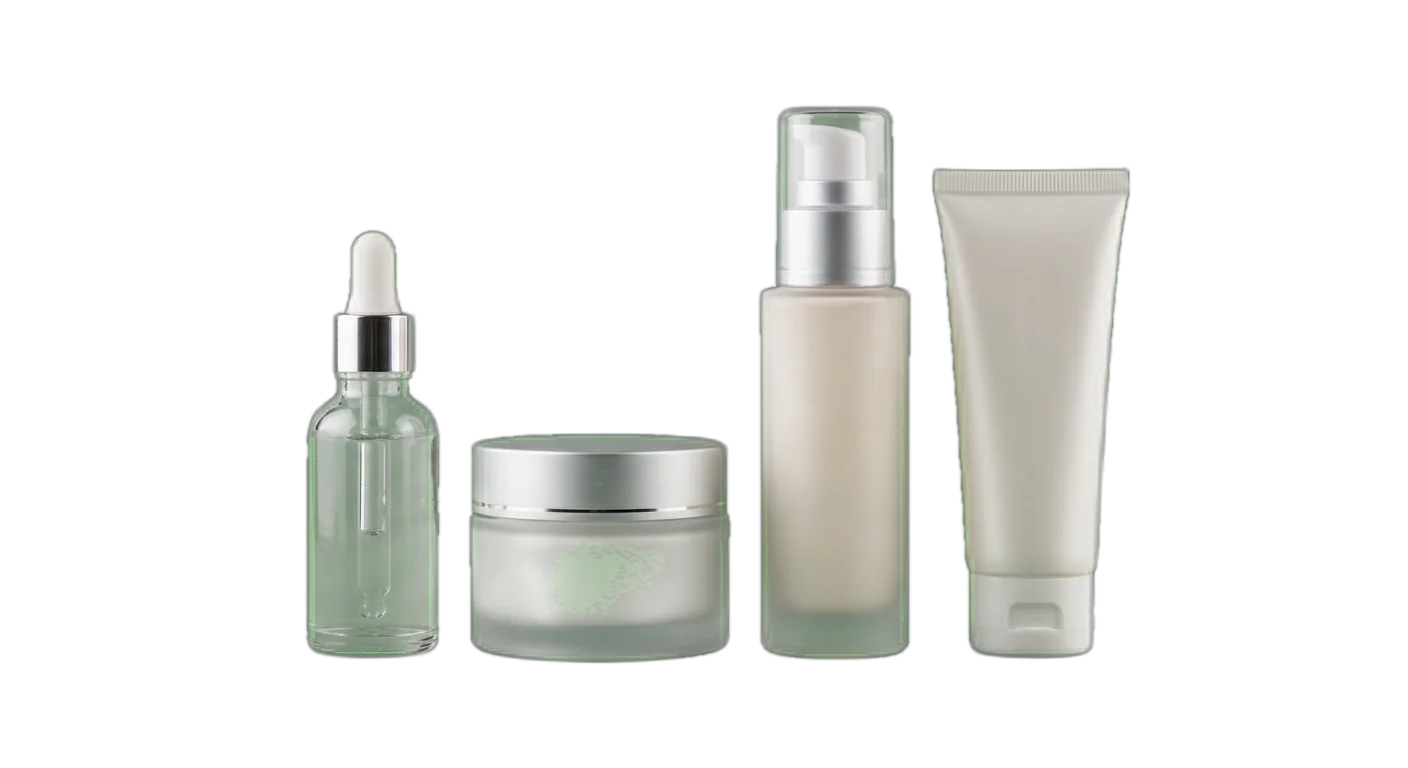
Serums are one of the fastest-growing skincare segments. They command premium prices because of their concentrated active ingredients, and shoppers come back again and again once serums become part of their daily routine. Ingredient trends like retinol, vitamin C, and niacinamide keep demand strong throughout the year.
Demand: HighCompetition: HighMargin: HighRisingExample ProductsVitamin C serumsRetinol serumsHyaluronic acid serumsNiacinamide serumsPro TipList active ingredients with their concentrations (e.g., '10% Niacinamide') in your product attributes. Shoppers who know their ingredients search for exact formulations, and clear data helps them find and buy with confidence.
- 4
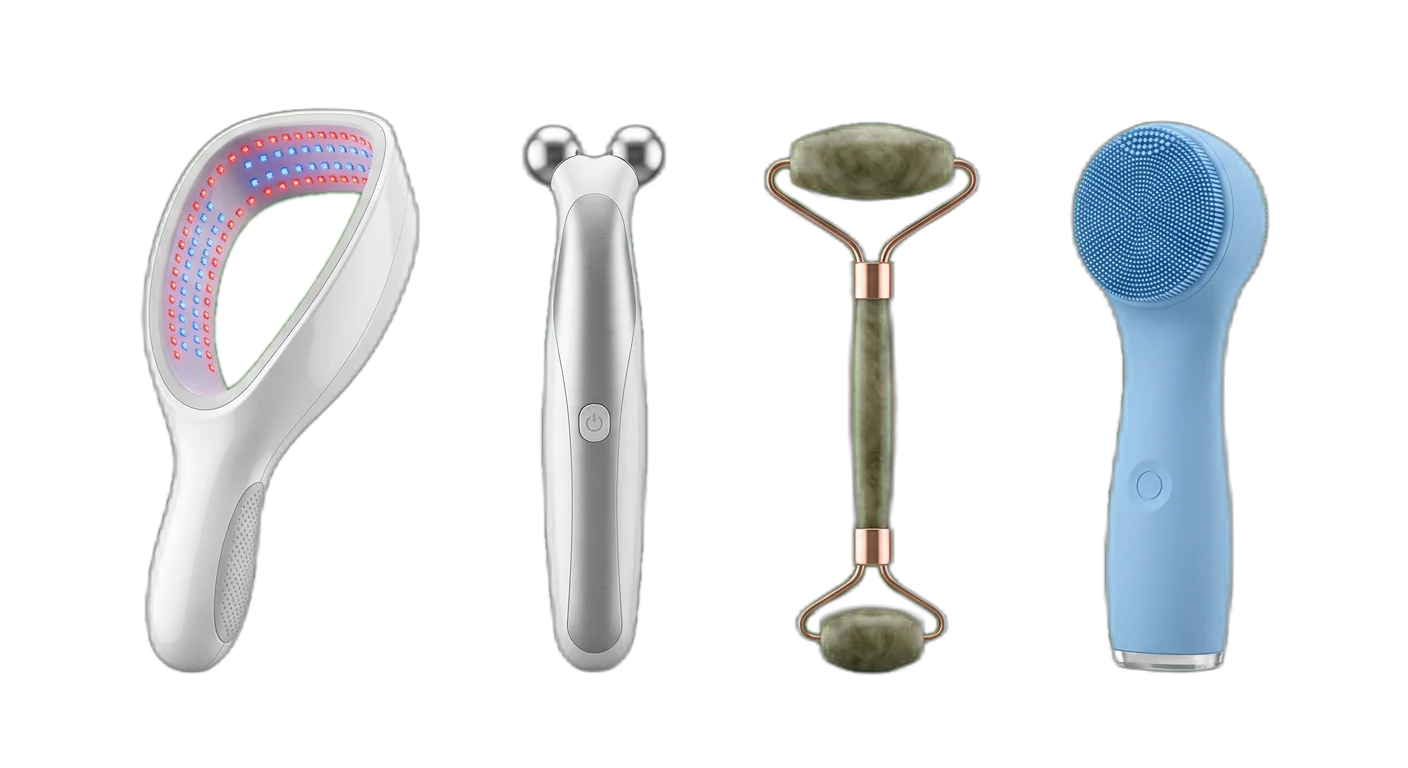
Skincare Devices & Tools
Tools & Devices > Skincare Devices
At-home skincare devices such as LED masks, microcurrent tools, and face rollers are the fastest-growing beauty tools segment, fueled by the clinical beauty trend. They command premium prices, carry high margins, and build brand loyalty as shoppers invest in device ecosystems with replacement heads and matching serums.
Demand: MediumCompetition: LowMargin: HighRisingExample ProductsLED devicesMicrocurrent devicesFace rollersCleansing brushesPro TipHighlight clinical evidence and certifications clearly. Skincare device buyers do a lot of research and look for FDA clearance, clinical study references, and dermatologist endorsements before they buy.
- 5
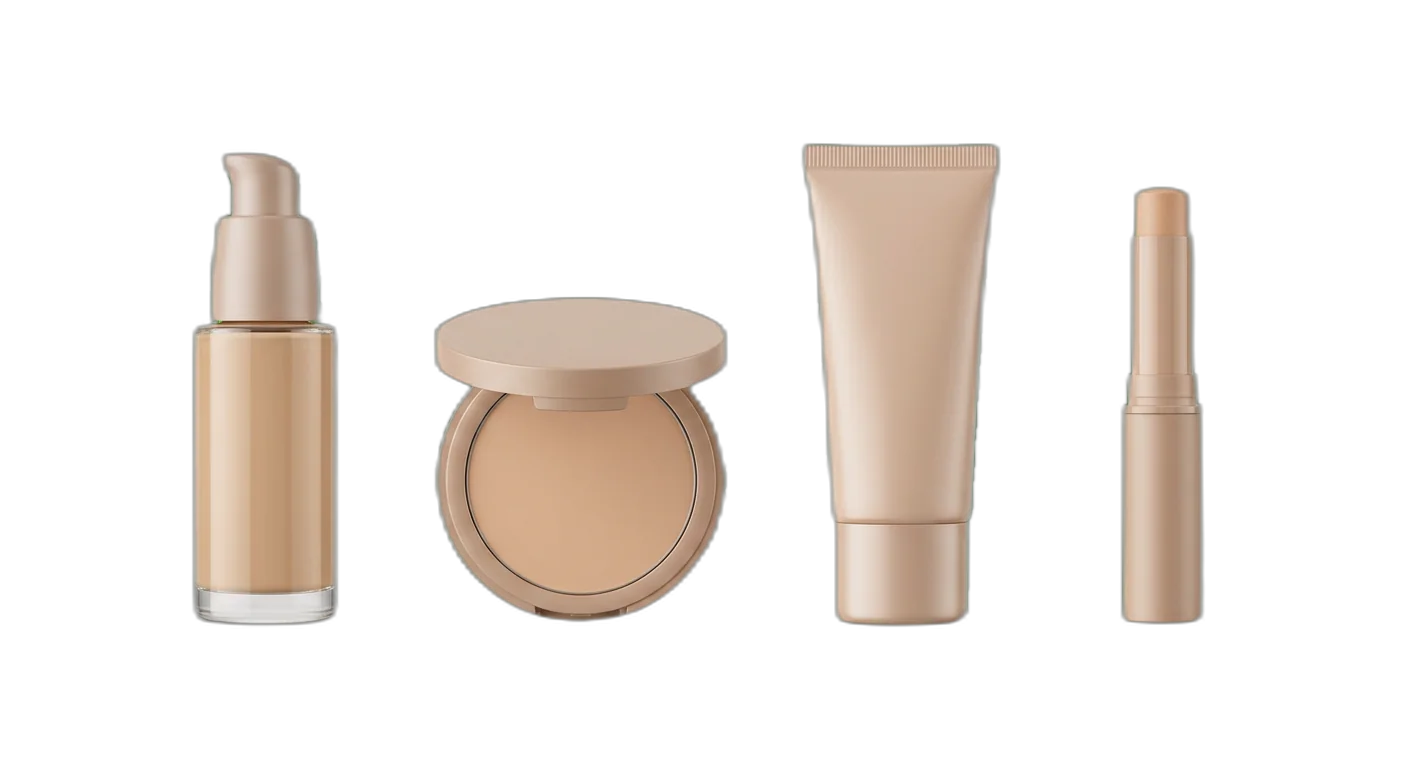
Foundation & Face Makeup
Makeup > Face
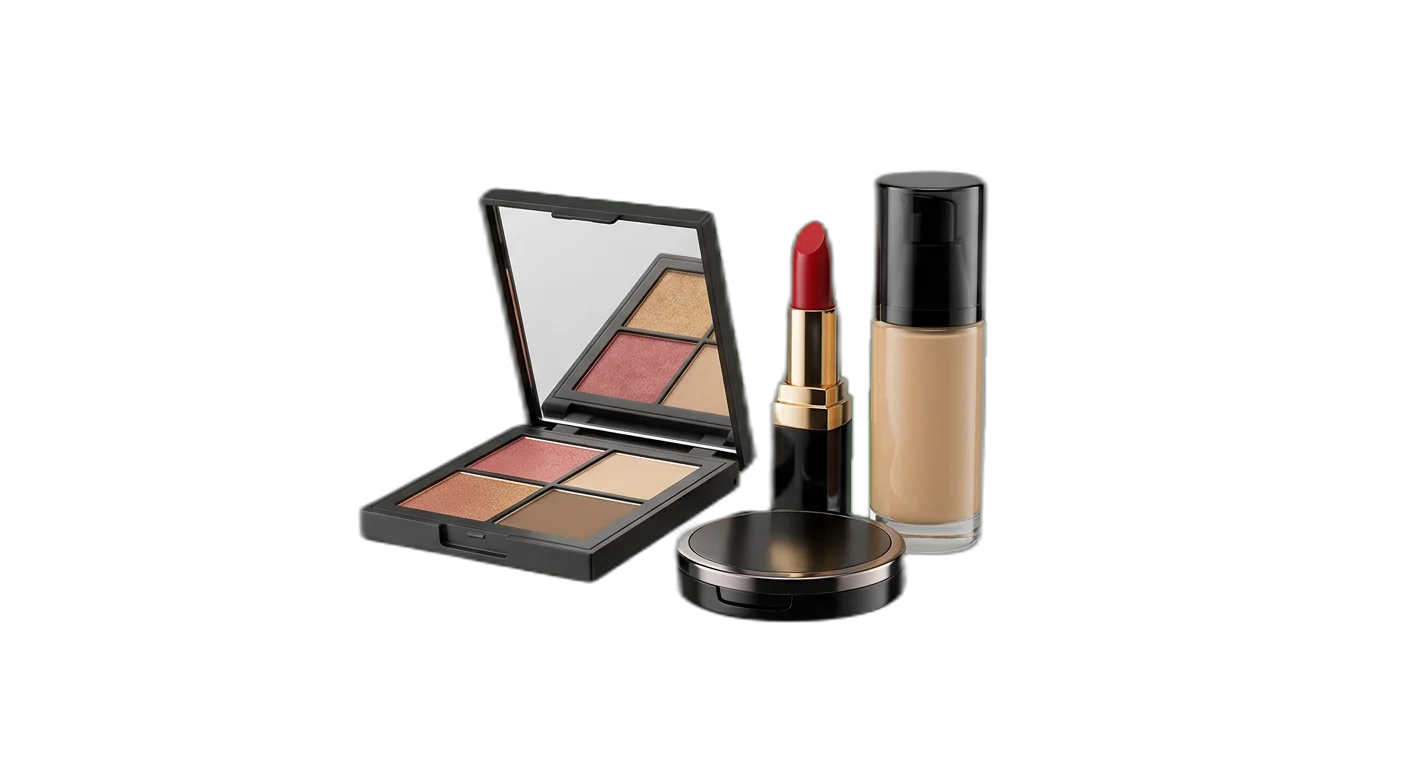
Foundation is the anchor product in makeup ecommerce, with the highest average order value in the cosmetics category. Finding the right shade takes a lot of online research, and customers who nail their match become very loyal repeat buyers. The category benefits from an expanding shade range that serves a wider range of customers.
Demand: HighCompetition: HighMargin: HighStableExample ProductsLiquid foundationPowder foundationBB creamConcealerPro TipInvest in shade-matching tools or detailed undertone guides. Getting the shade wrong is the main reason foundation comes back, and accurate undertone and finish data is the most direct way to bring that return rate down.
- 6
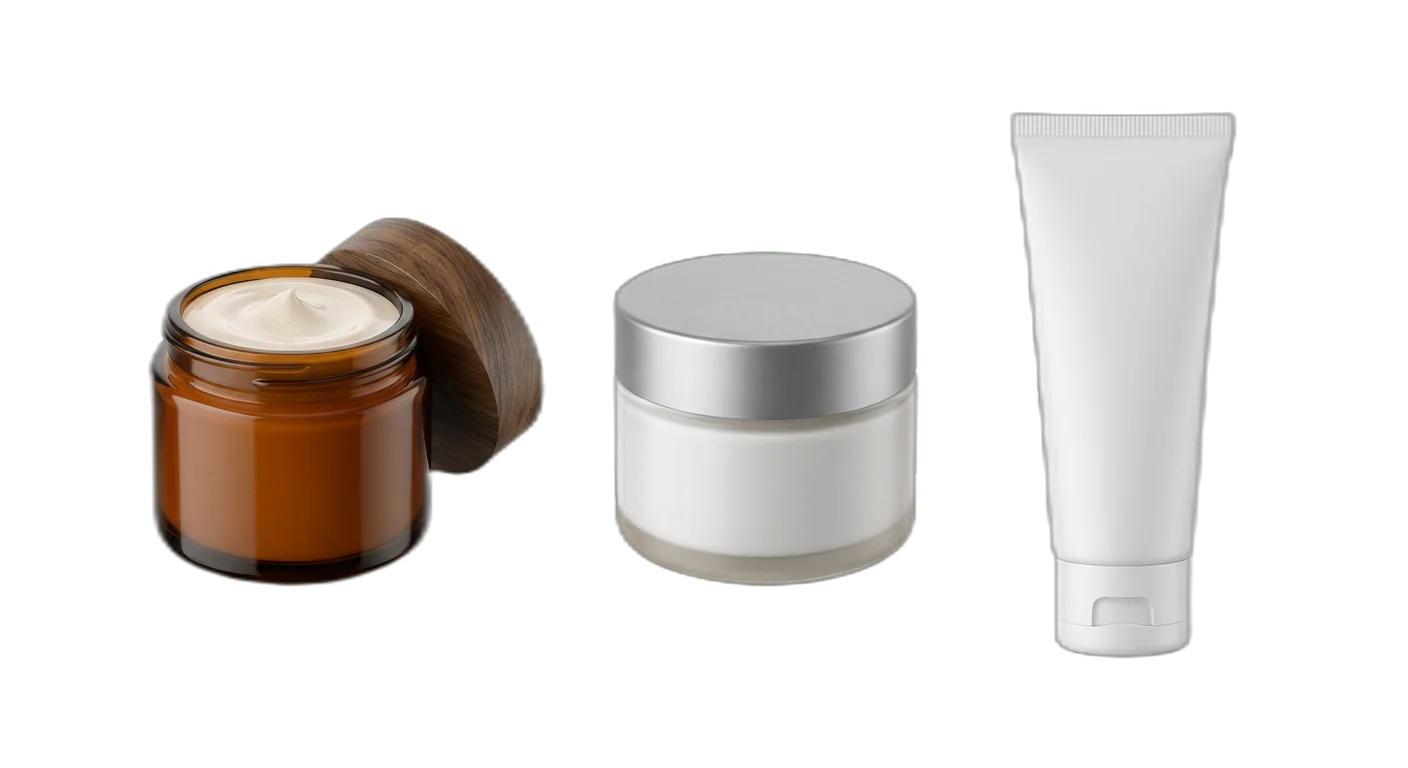
Moisturizers & Sunscreen
Skincare > Face Care > Moisturizers
Moisturizers are the most universal skincare product, used by virtually every demographic. The category has very high repeat purchase rates and broad appeal. Sunscreen has shifted from a seasonal buy to a year-round essential as awareness of UV damage grows, which spreads demand across the whole calendar instead of a short summer peak.
Demand: HighCompetition: MediumMargin: MediumStableExample ProductsDay creamNight creamSPF moisturizerSunscreenPro TipPromote SPF moisturizers all year round, not just in summer. Year-round sun protection is the top dermatologist recommendation, and positioning these products that way extends your peak selling season.
- 7
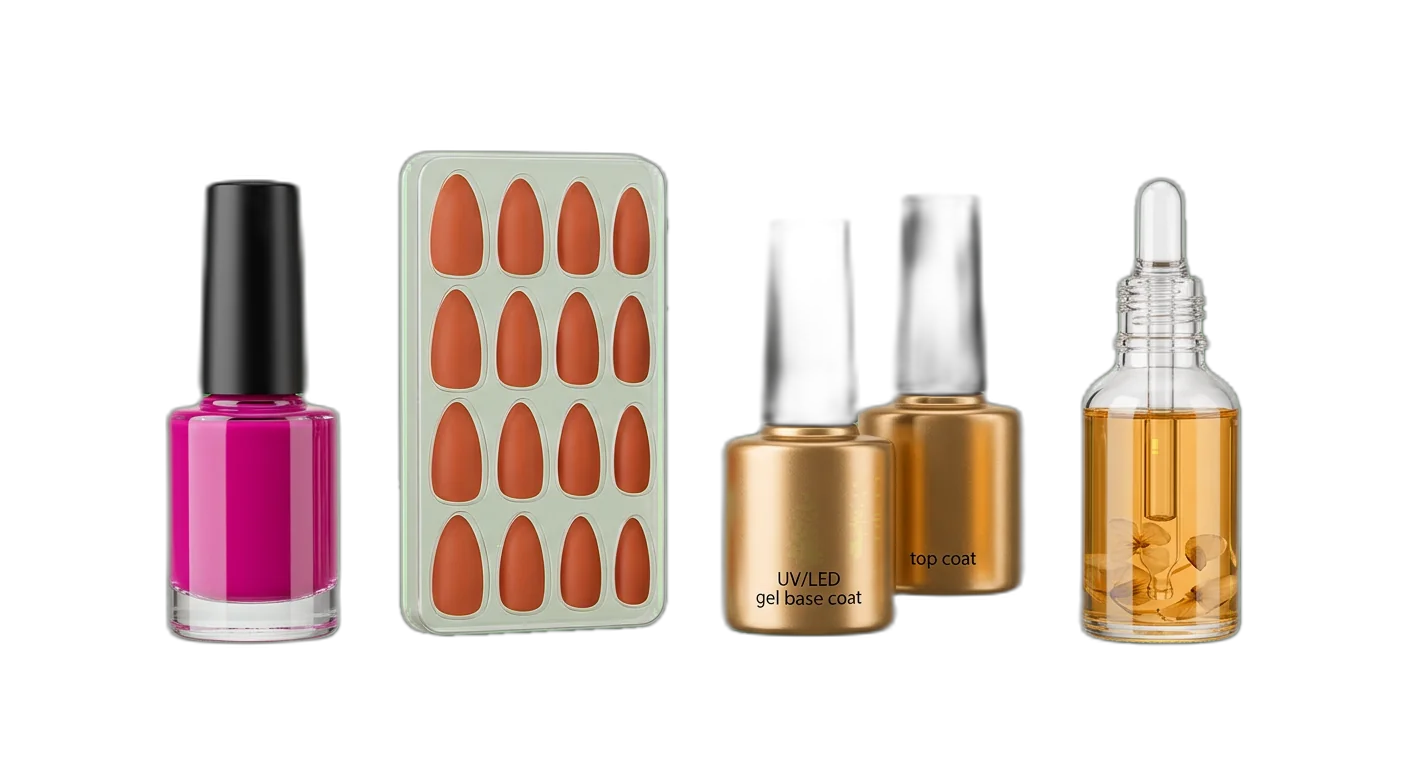
Nail Products
Makeup > Nails
The at-home nail care market has grown significantly, driven by gel and press-on nail innovations that deliver salon-quality results at home. Nail polish brings shoppers back regularly as they collect new colors. Press-on nails are the fastest-growing segment, attracting younger shoppers who value speed and convenience.
Demand: MediumCompetition: MediumMargin: HighRisingExample ProductsNail polishPress-on nailsGel systemsNail care treatmentsPro TipShow colors accurately with multiple swatch images on different skin tones. Color accuracy is the biggest purchase driver, and it's also the main complaint when the product looks different in real life.
- 8
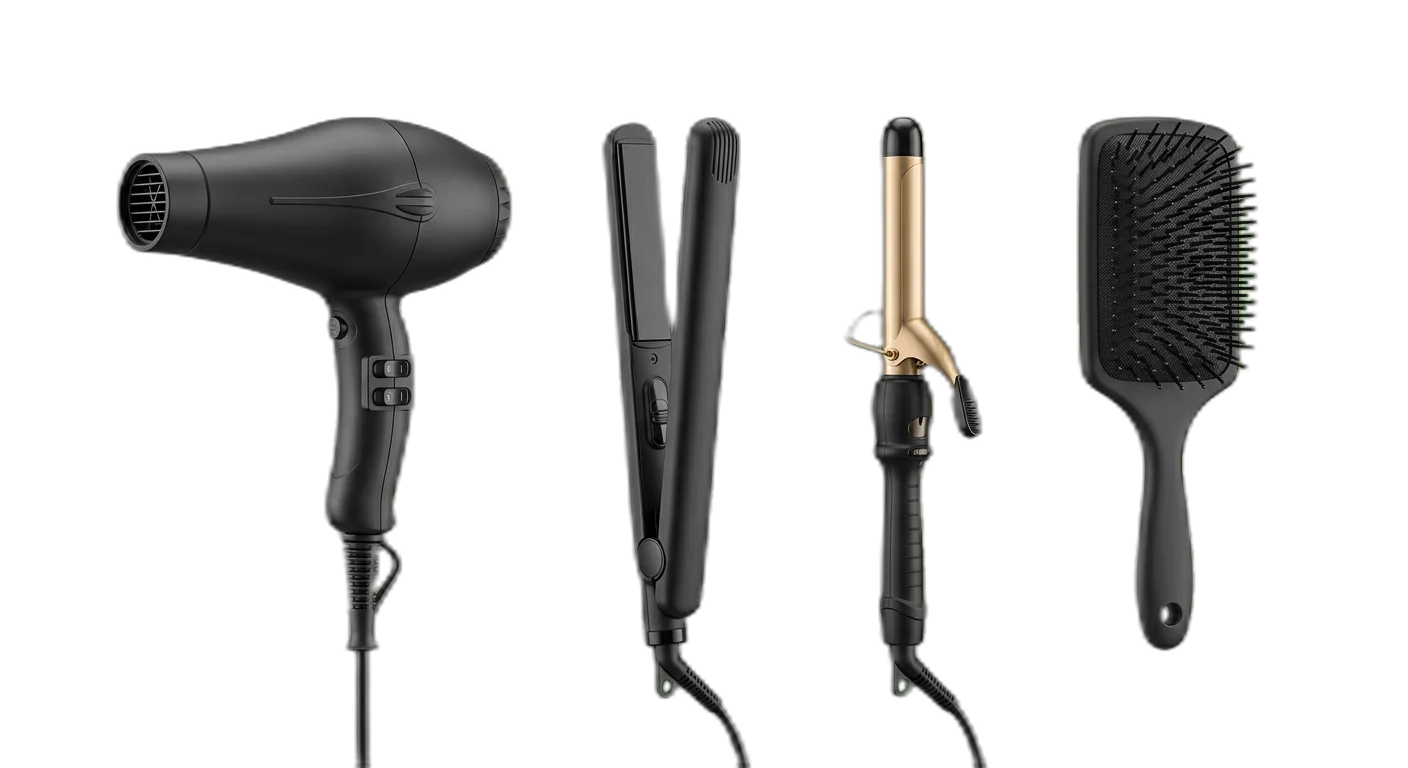
Hair Tools & Devices
Tools & Devices > Hair Tools
Hair tools like dryers, straighteners, and curling irons are high-value purchases with strong brand loyalty and long replacement cycles. Premium tools from brands like Dyson and ghd have raised the category's average order values. Heat styling tools also have great cross-sell potential with heat protectant products and styling accessories.
Demand: HighCompetition: MediumMargin: MediumStableExample ProductsHair dryersFlat ironsCurling ironsHair brushesPro TipInclude technology type (ionic, ceramic, tourmaline, infrared) as a key attribute. Informed shoppers compare these technologies carefully, and clear specs help drive higher-end purchases.
- 9
Fragrance
Fragrance
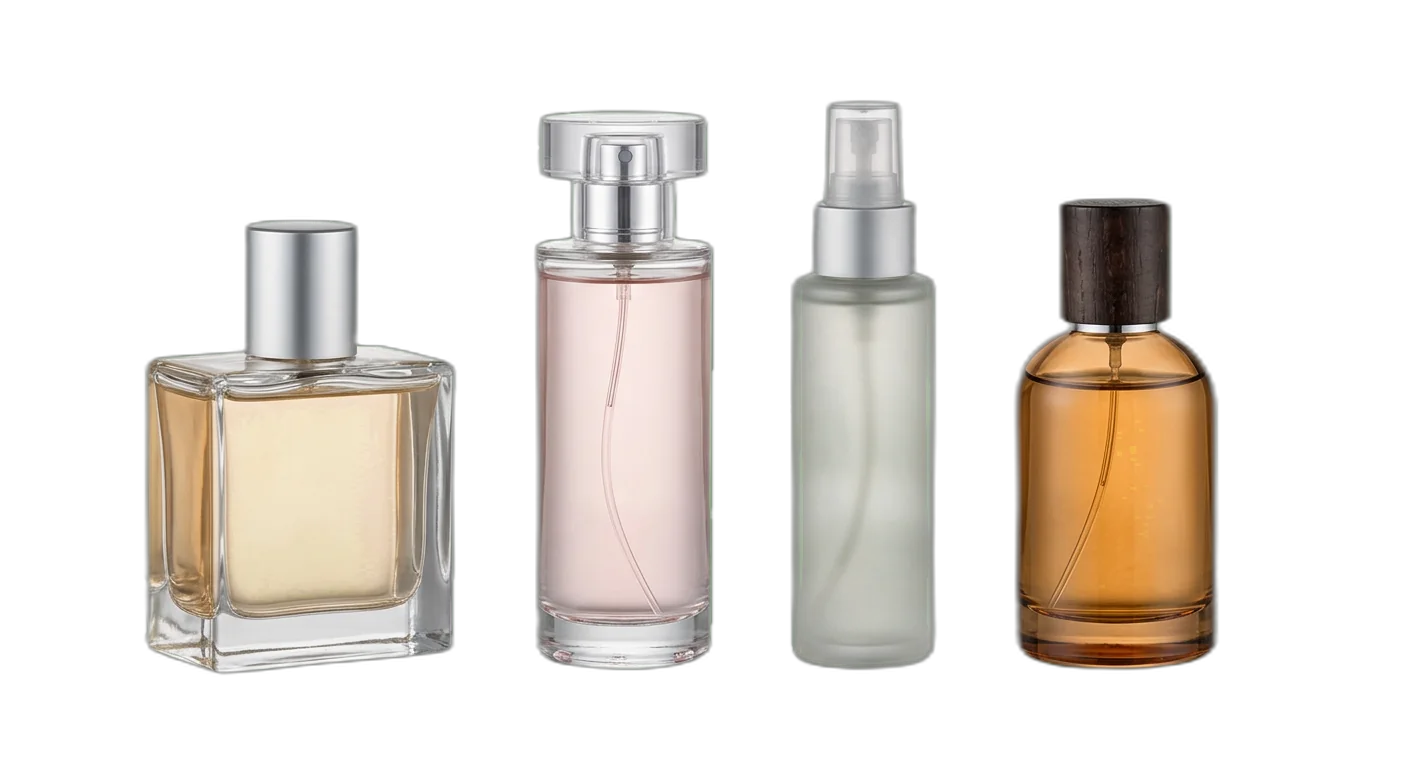
Fragrance carries the highest margins in beauty ecommerce: the juice itself is a small part of the retail price, with brand, bottle, and packaging carrying the rest. The category has strong seasonal gifting peaks and growing online demand as shoppers become comfortable buying scents without smelling them first. Brand loyalty is exceptionally strong, because people repurchase a signature scent rather than experiment.
Demand: HighCompetition: HighMargin: HighSeasonalExample ProductsEau de parfumEau de toiletteBody mistColognePro TipOrganize by gender first, then by concentration type (EDP, EDT, Body Mist). This matches how fragrance shoppers browse. Include scent family (floral, woody, oriental) as a prominent filter.
- 10
Bath & Body
Personal Care > Bath & Shower
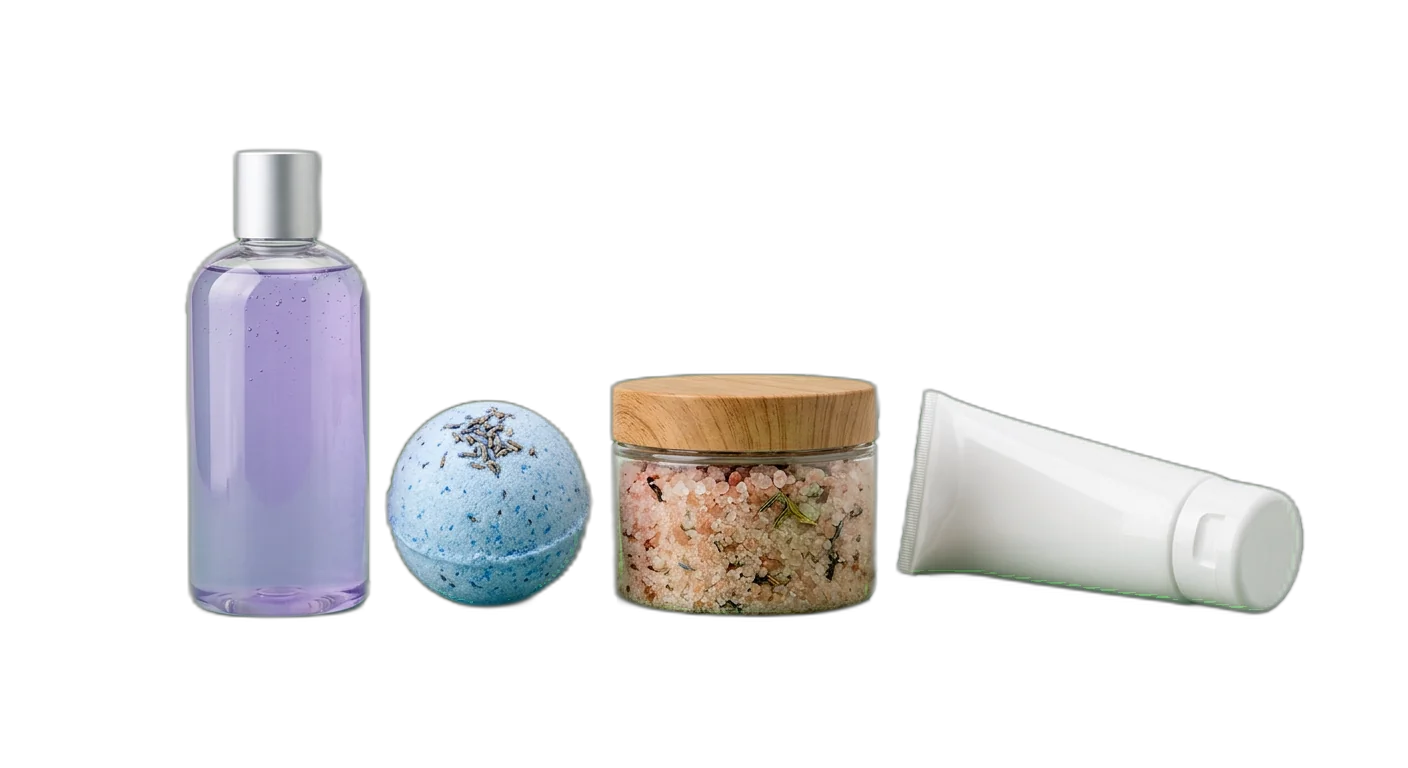
Bath and body products like shower gels, body scrubs, and bath bombs are the most-gifted personal care category, with strong seasonal peaks around holidays and Mother's Day. The category has consistent repeat demand, low return rates, and a growing premium segment driven by aromatherapy and self-care trends.
Demand: MediumCompetition: MediumMargin: MediumStableExample ProductsShower gelBath bombsBody scrubBody lotionPro TipMake gift sets a prominent part of your range. Bath and body is the top beauty gift category, and a bundled set with complementary scents sells for more than the single item a gift shopper would otherwise have picked.
Category Performance at a Glance
Compare demand, competition, margins, and growth across all recommended categories
Hair Care & StylingClean & Natural BeautySkincare Serums & TreatmentsSkincare Devices & ToolsFoundation & Face MakeupMoisturizers & SunscreenNail ProductsHair Tools & DevicesFragranceBath & BodyRecommended Beauty & Personal Care Category Structure
The complete category tree with subcategories for each recommended top-level category
Skincare
Makeup
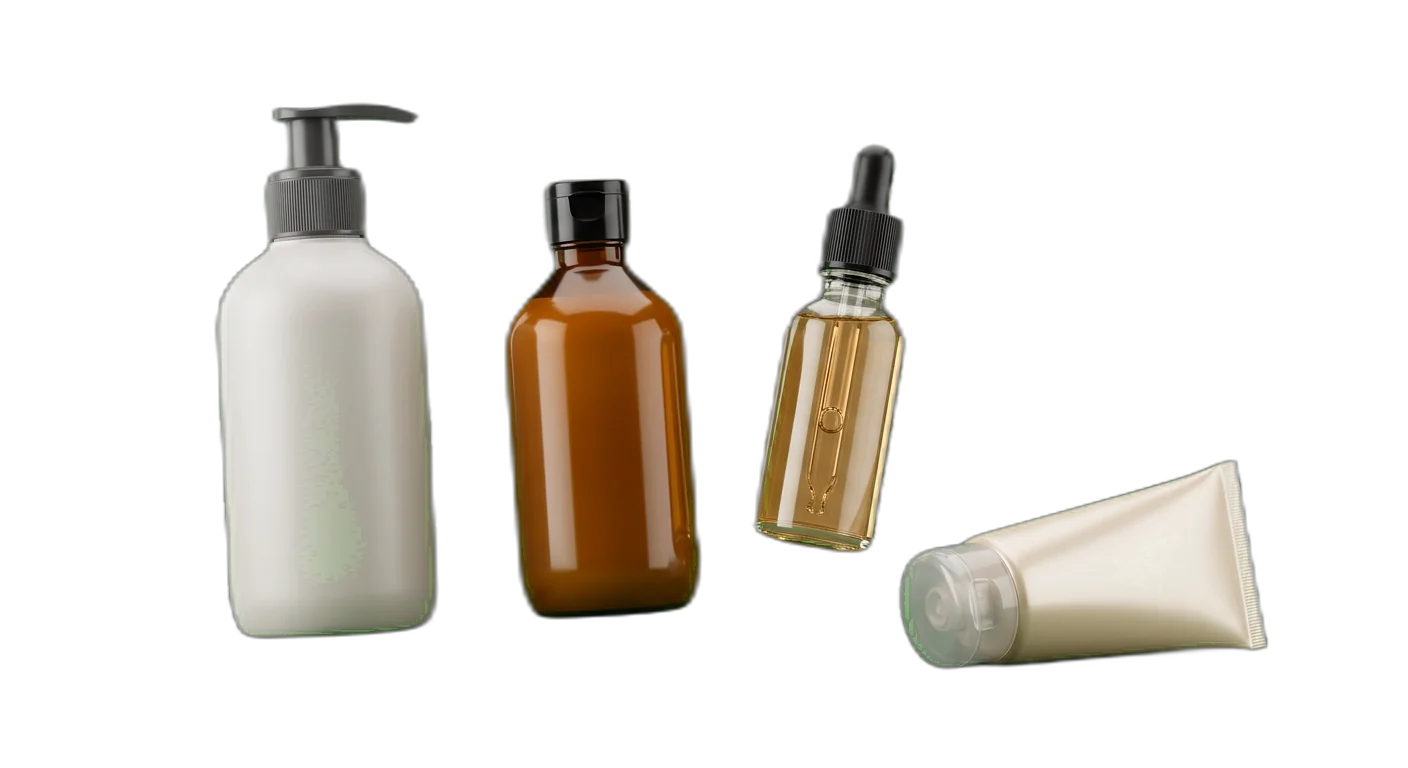
Hair Care
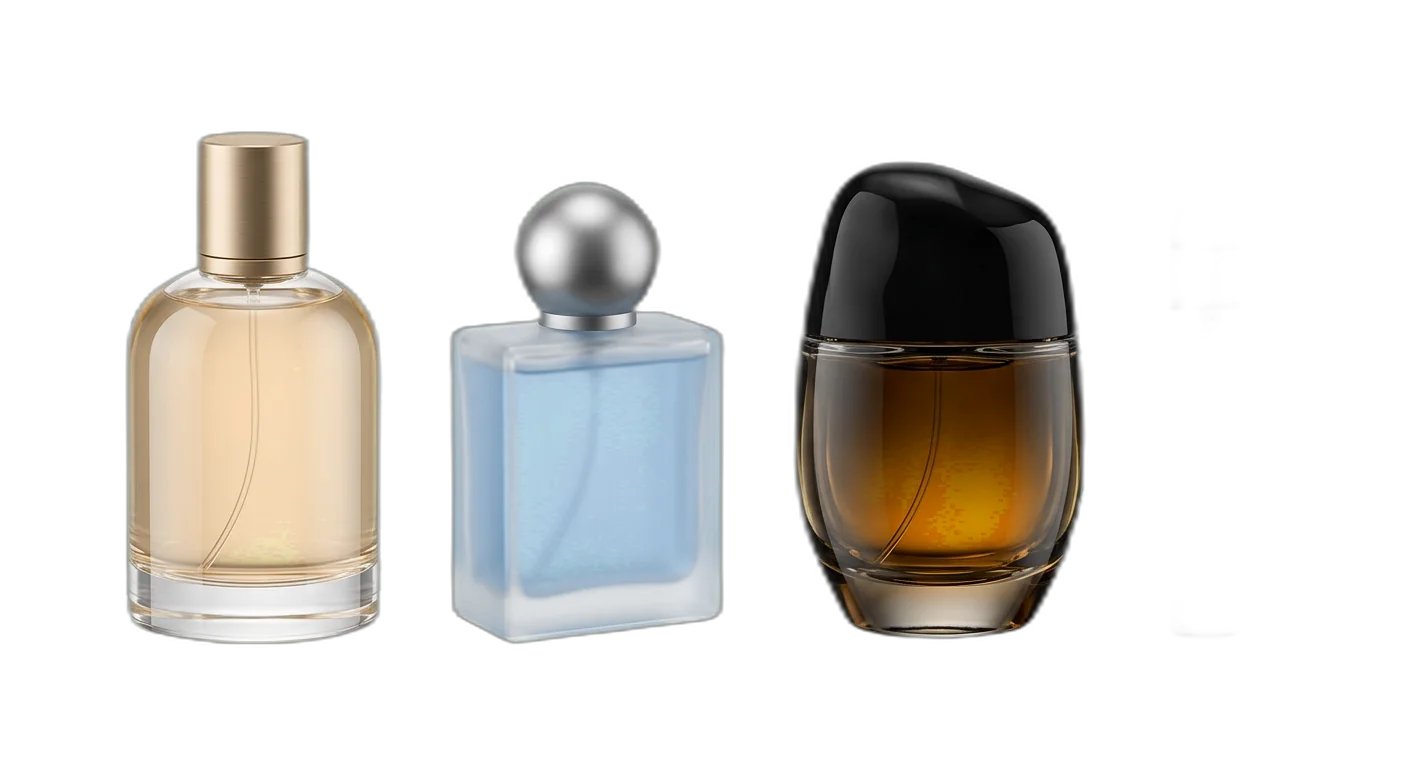
Fragrance
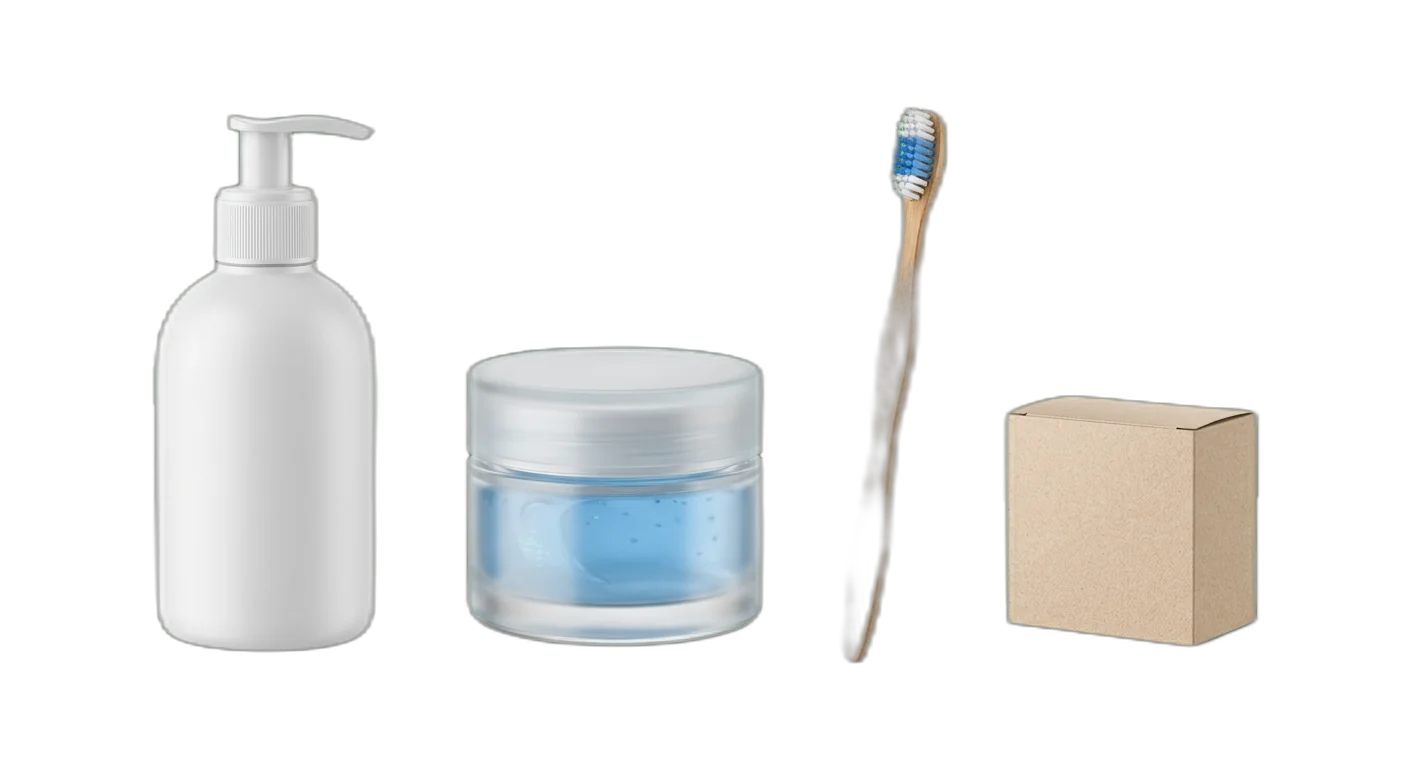
Personal Care
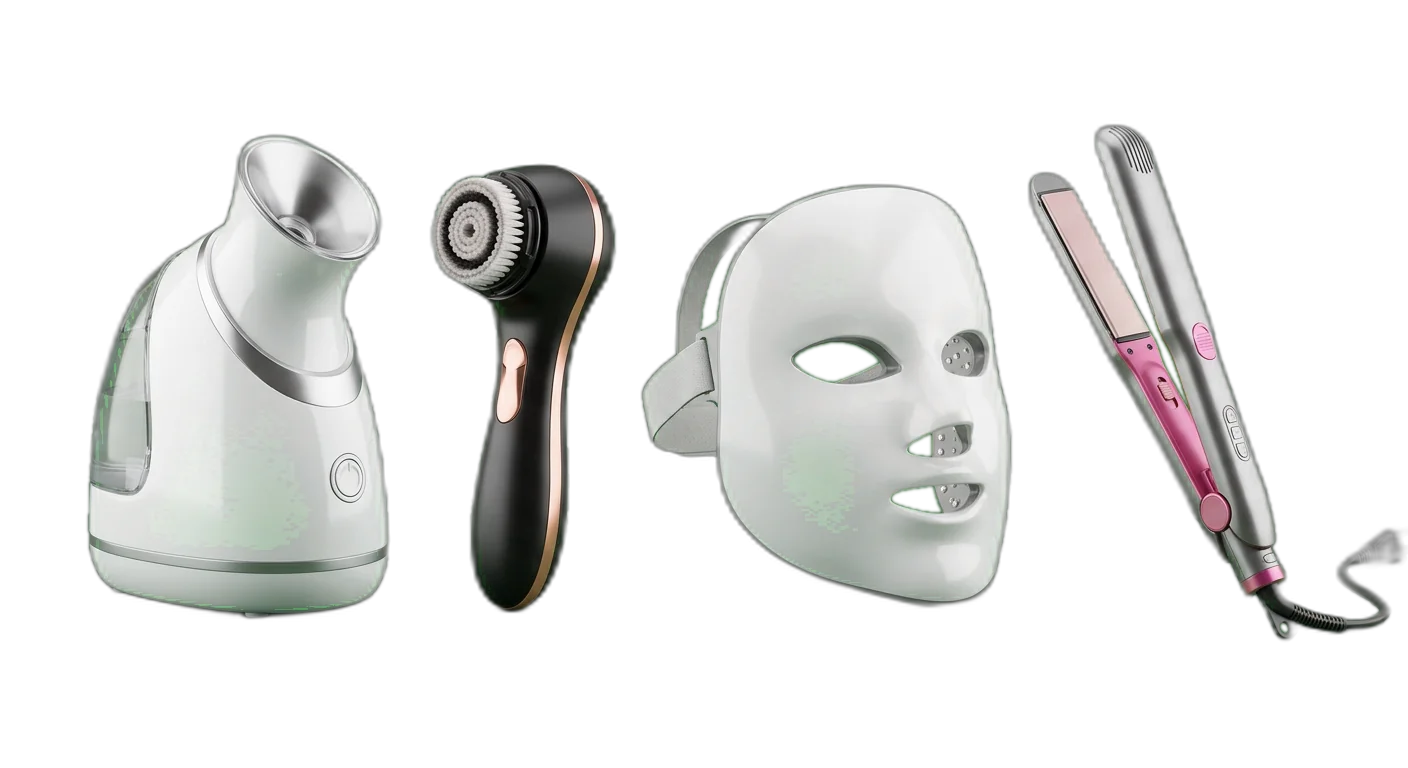
Tools & Devices
Which Categories Should You Start With?
Choose your starting categories based on your catalog size and growth stage
Focus on one beauty vertical (skincare, makeup, or hair care) and build depth with complete ingredient data, shade information, and high-quality images. Beauty products need rich product data to convert.
Expand across beauty verticals and add fragrance as a high-margin complement. Introduce tools and devices to increase basket size and attract higher-spending customers.
Cover the full beauty spectrum with deep subcategorization. Invest in shade-matching tools, ingredient databases, and certification tracking to manage clean beauty at scale.
How to Order Categories in Your Store Menu
Practical tips for organizing your navigation to maximize clicks and conversions
Lead with Skincare and Makeup as top-level navigation items
These two categories drive the most traffic in beauty ecommerce. Put them first. Hair Care and Fragrance should follow, with Personal Care and Tools grouped further along.
Add a 'Shop by Concern' filter alongside categories
Let customers browse by skin concern (acne, aging, hydration, brightening) across all categories. This matches how many beauty shoppers think about what they need.
Make ingredient search prominent
Beauty shoppers increasingly search by ingredient (retinol, vitamin C, hyaluronic acid). Make key ingredients filterable at every level of navigation.
Highlight clean beauty and certifications visually
Use badges or icons for Vegan, Cruelty-Free, and Organic products throughout the browsing experience. Shoppers who buy on ethics and ingredients screen for these claims first, and a badge lets them do that at a glance instead of opening every product page.
Create routine-based navigation alongside product categories
Add a 'Build Your Routine' or 'Skincare Steps' navigation option. Routine-based shopping encourages multi-product purchases and increases average order value.
When Each Category Peaks
Plan your inventory and marketing around seasonal demand shifts
Spring (Mar-May)
Peak Categories
Spring skin refresh drives serum and moisturizer sales. Mother's Day (May) is the second-largest beauty gifting moment of the year, so prepare fragrance and skincare gift sets in advance.
Summer (Jun-Aug)
Peak Categories
Sunscreen demand peaks in summer. Waterproof makeup, UV hair protection, and bright nail colors are seasonal bestsellers. Promote travel-size products for vacation shoppers.
Autumn (Sep-Nov)
Peak Categories
Skincare routines shift to richer, more nourishing products. New-season makeup launches drive foundation sales. Black Friday is the biggest beauty shopping event of the year.
Winter (Dec-Feb)
Peak Categories
Holiday gifting dominates December. Fragrance, bath sets, and beauty tools are the top gift categories. January brings a 'new year, new routine' surge in skincare interest.
Categories That Sell Together
Pair related categories to increase your average order value
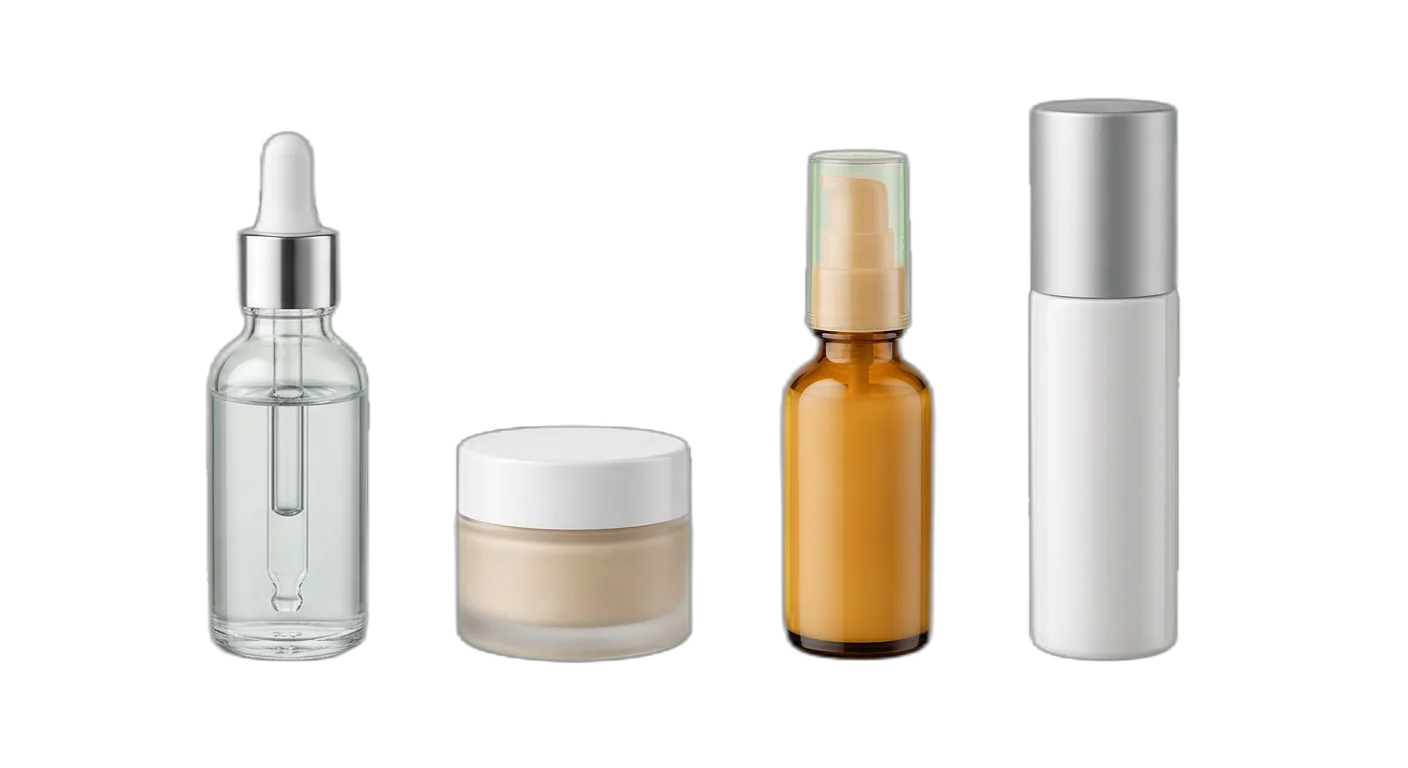
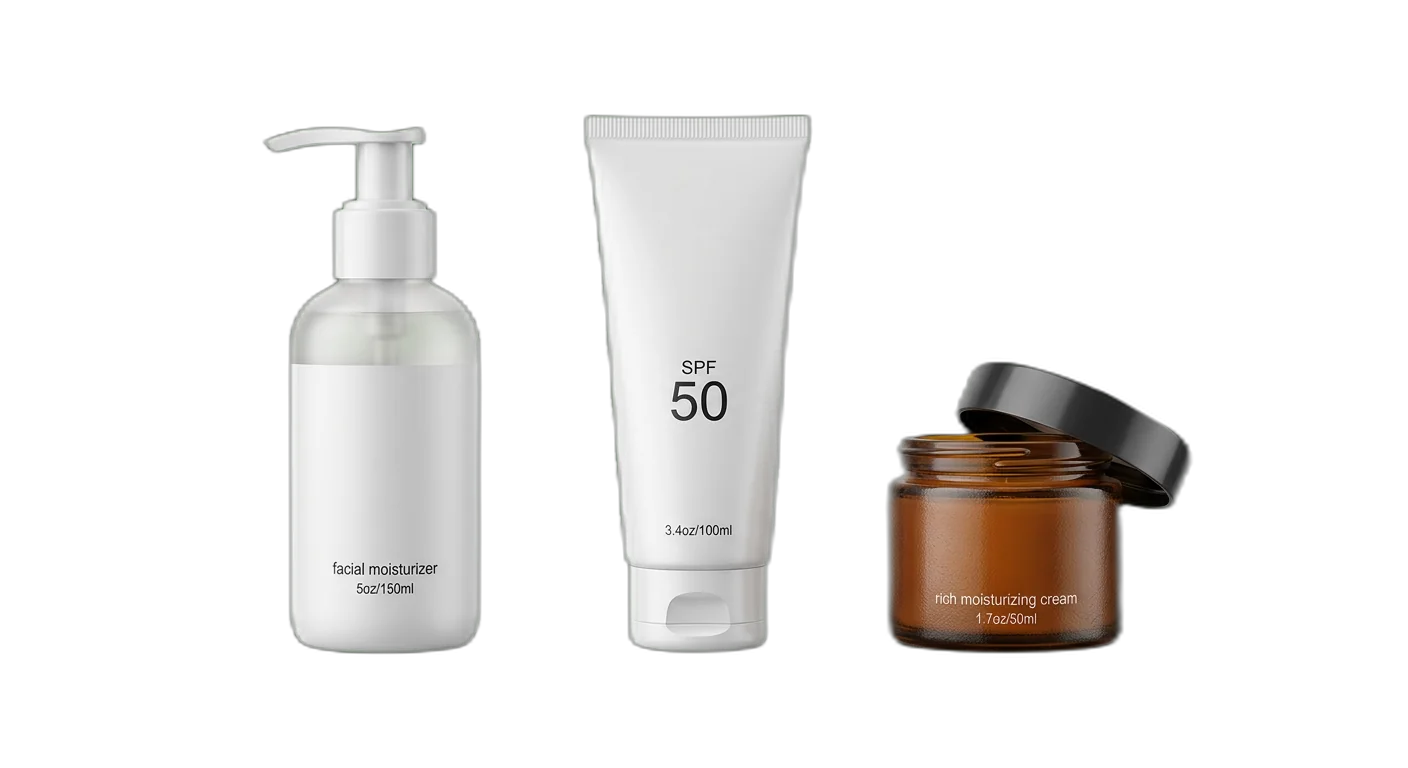
Serums are always followed by moisturizer in a skincare routine. Suggesting a matching moisturizer turns a single-product order into a routine.
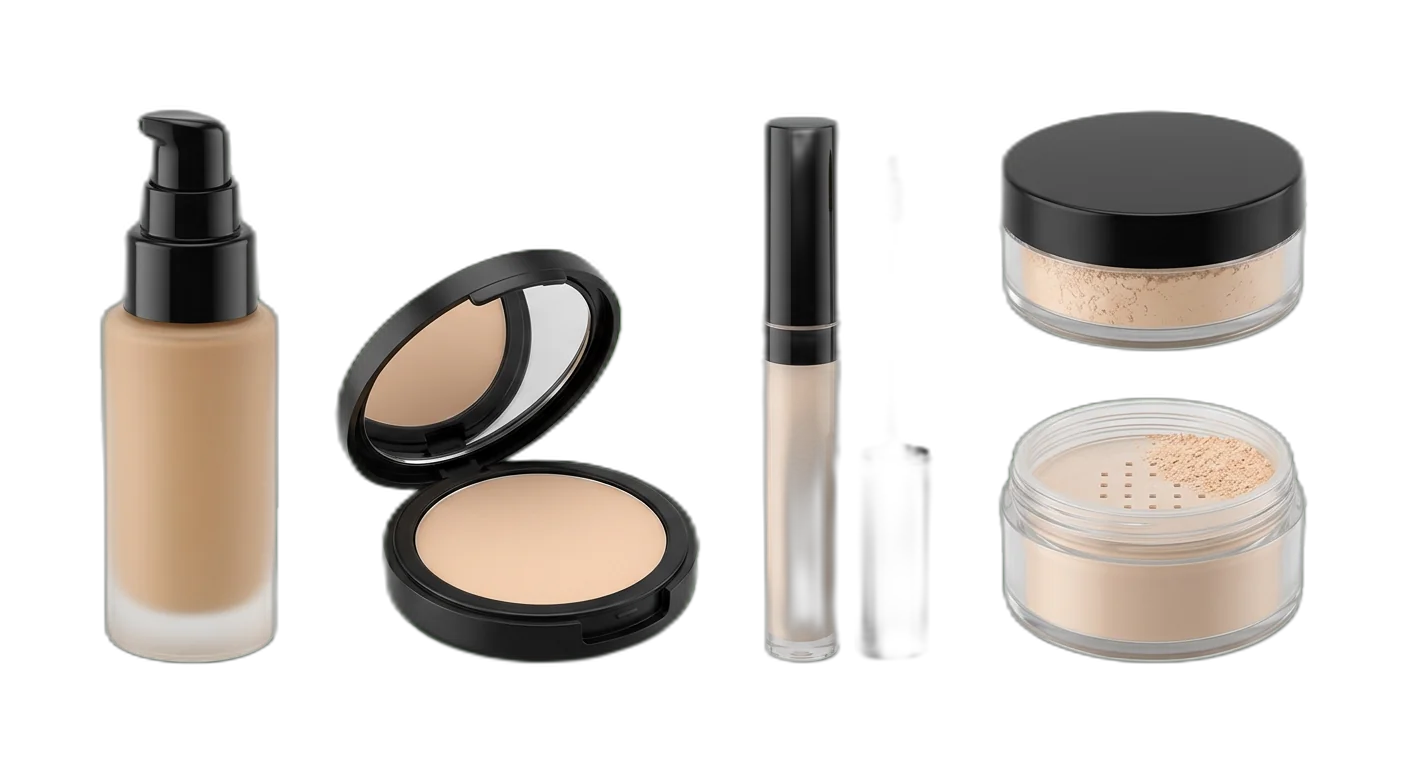
Makeup shoppers increasingly invest in skincare to improve their base. Suggest primers and serums that help foundation perform better.
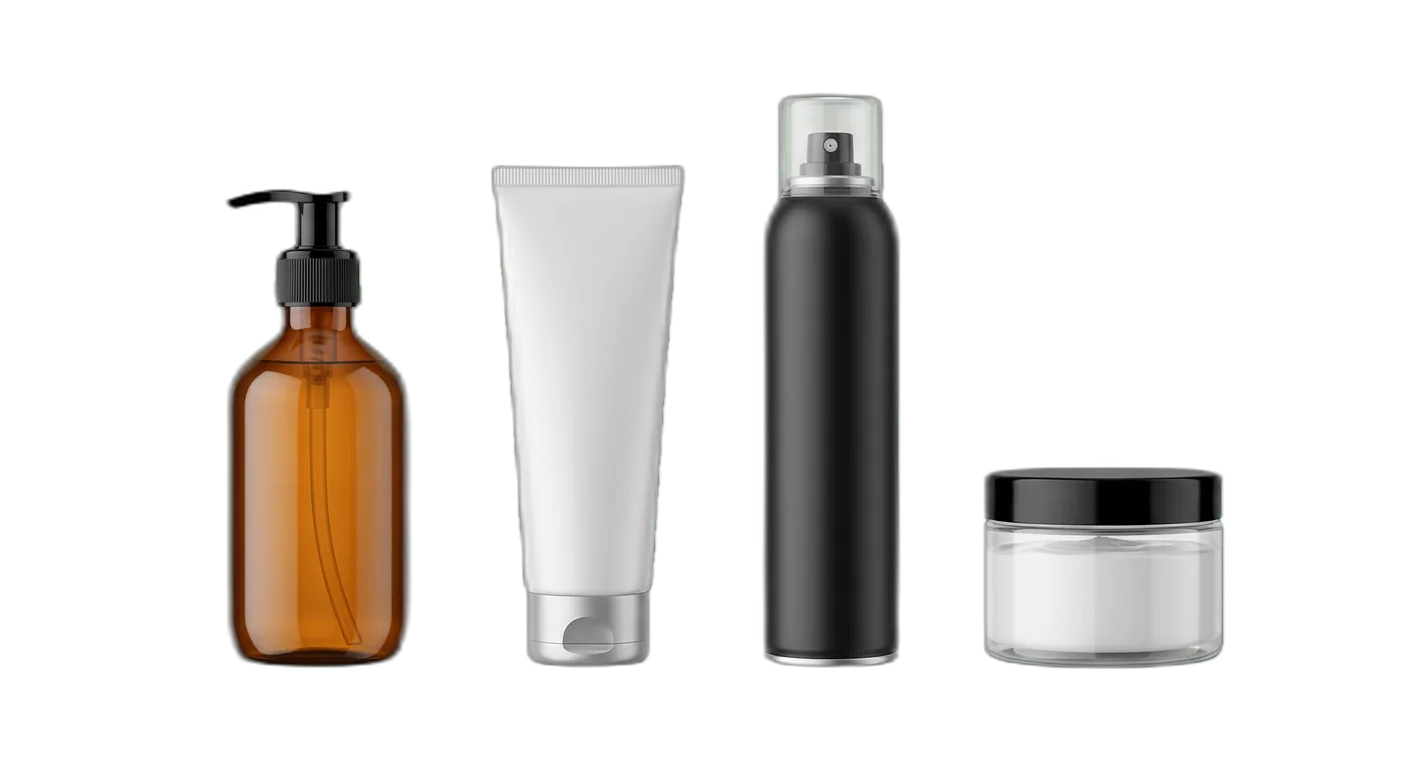
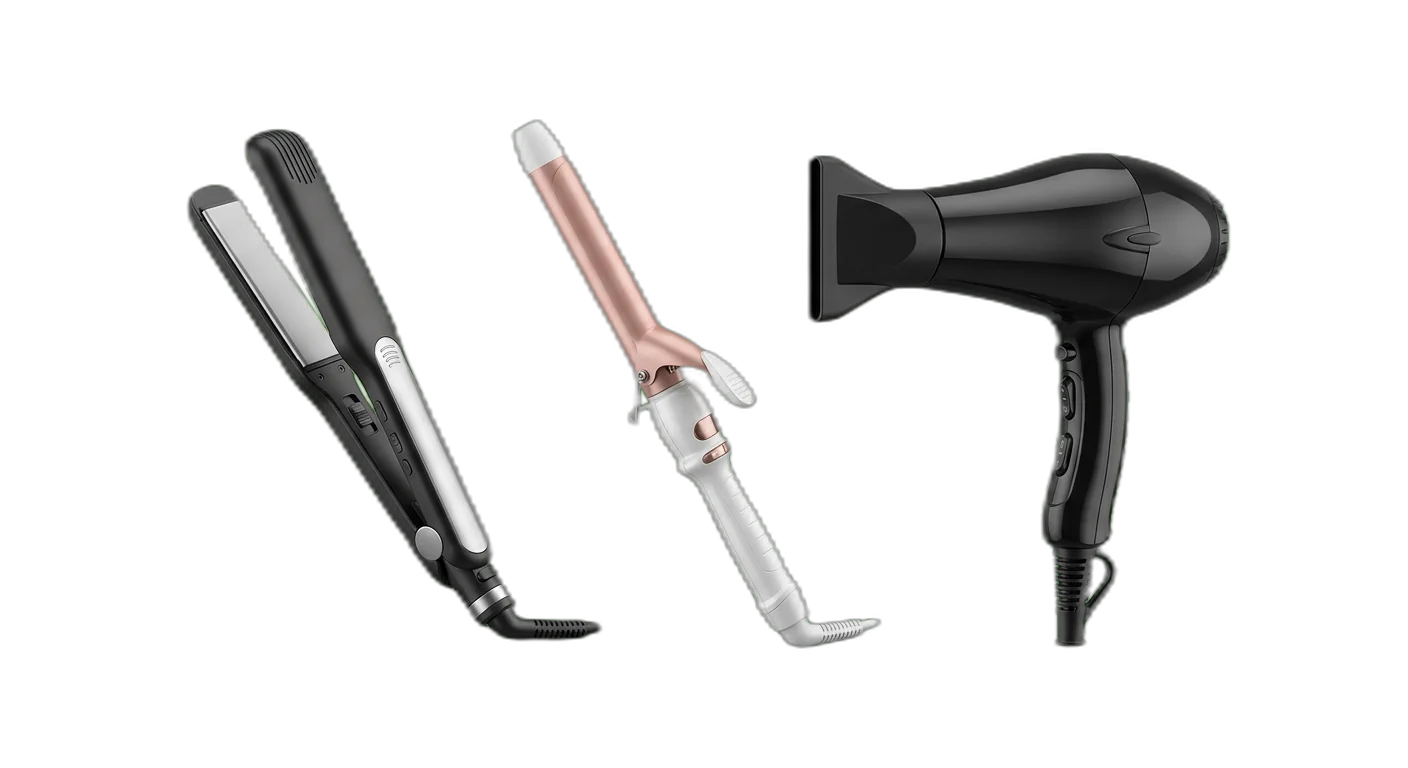
Hair product buyers frequently upgrade their tools too. Suggest a matching heat protectant when selling styling tools, and vice versa.
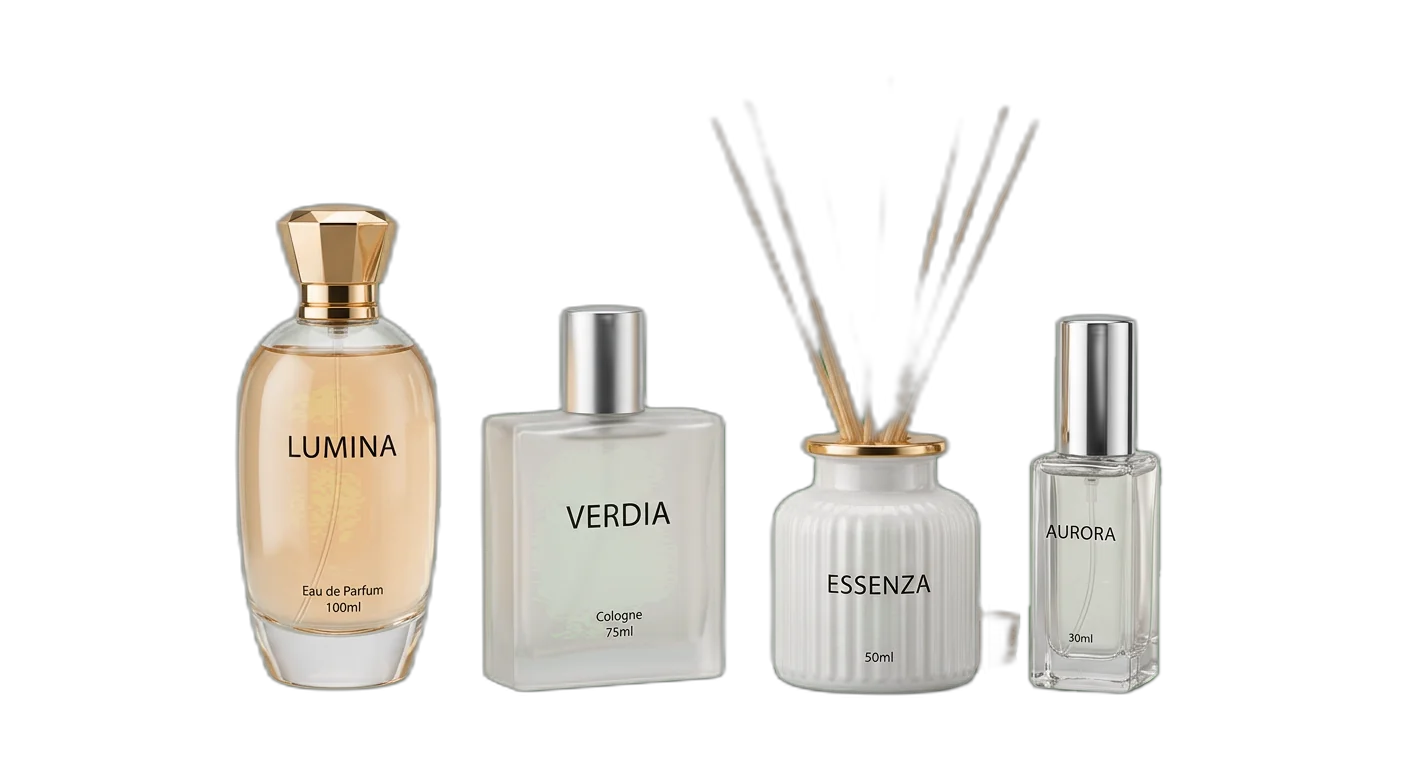
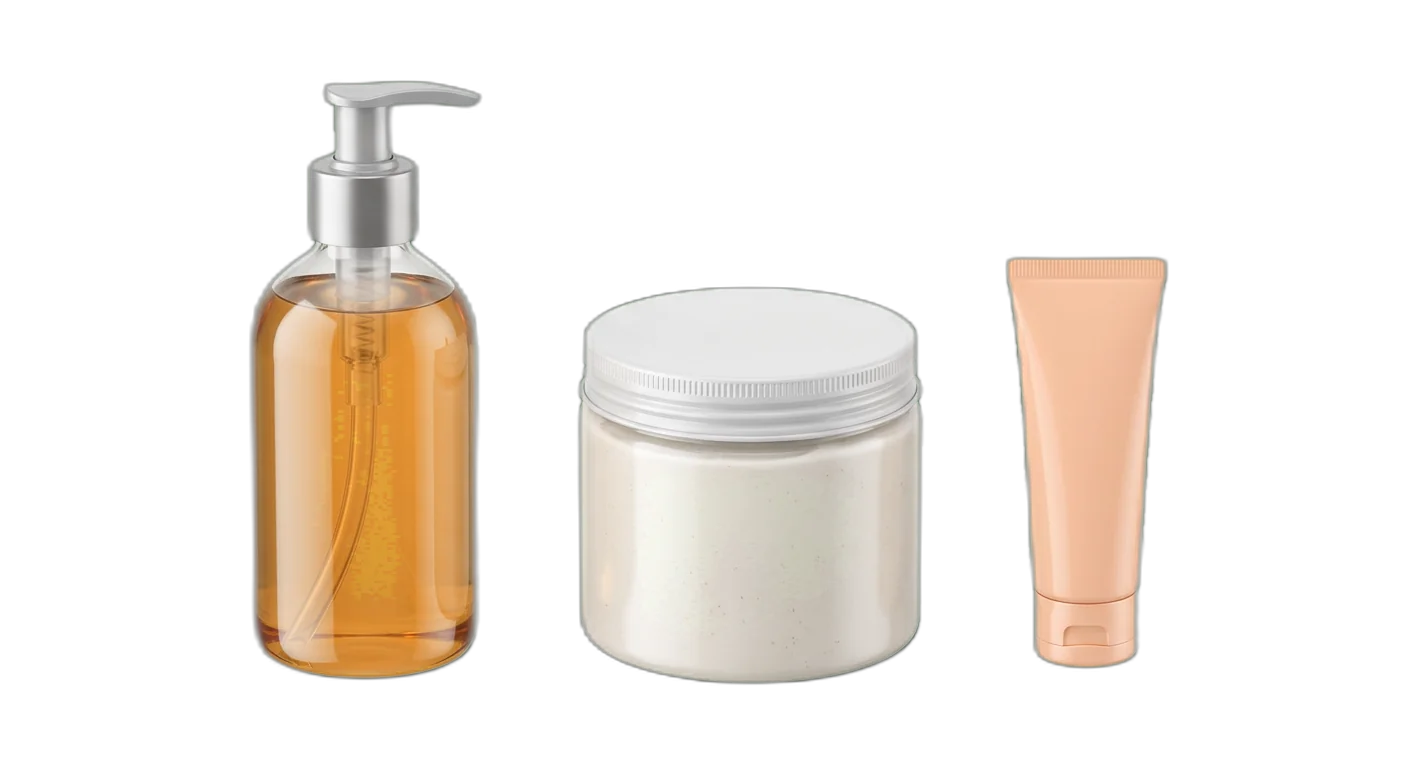
Layering fragrance with matching body products makes the scent last longer. Suggest shower gels and body lotions in the same scent family.
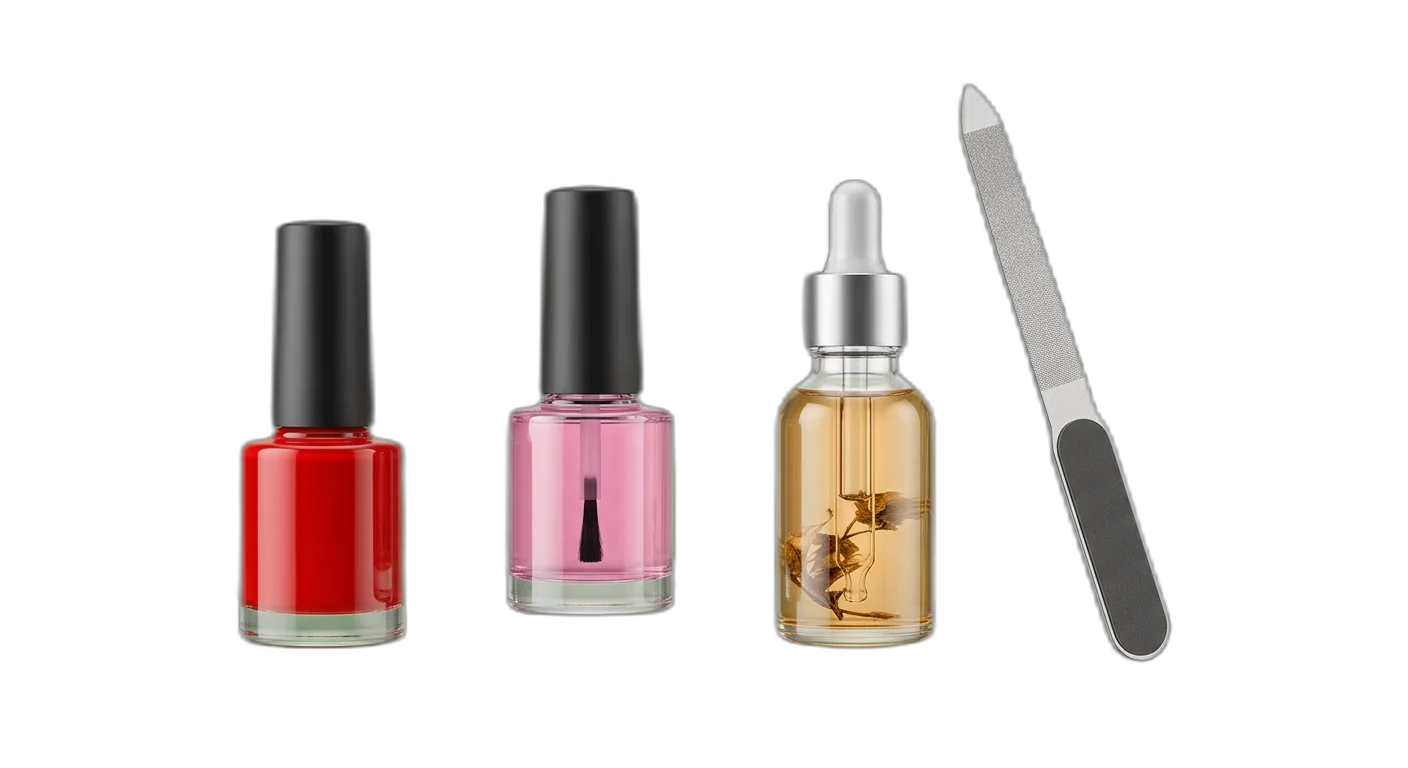
Shoppers looking for clean nail products often want clean options across their whole routine. Cross-sell vegan and non-toxic products across categories.
Common Beauty & Personal Care Category Mistakes
Mistakes that hurt your discoverability, SEO, and conversion rates
- Mistake
Using brand names as categories (e.g., creating MAC, L'Oreal, The Ordinary as category sections)
Better approachUse functional categories (Serums, Foundation, Shampoo) and brand as a filterable attribute. Brand-based categories fragment the browsing experience and become hard to manage as you add or drop brands.
- Mistake
Placing beauty tools and brushes in the same category as the products they apply
Better approachCreate a dedicated Tools & Devices top-level category. Customers shopping for a foundation brush have very different needs from those shopping for foundation itself. Cross-link the two with recommendations.
- Mistake
Creating separate categories for each skin type (Oily Skin Moisturizers, Dry Skin Cleansers)
Better approachKeep skin type as a filterable attribute. A moisturizer always belongs in Skincare > Face Care > Moisturizers, regardless of the target skin type. This avoids duplicate branches and simplifies management.
- Mistake
Categorizing products by ingredient (Retinol Products, Vitamin C Products) instead of by function
Better approachCategorize by product function (Serums, Moisturizers, Cleansers) and list ingredients as searchable attributes. Ingredient trends come and go; product functions stay stable.
- Mistake
Isolating all men's products in a separate top-level category, duplicating the taxonomy
Better approachIntegrate men's products into functional categories (a men's moisturizer belongs in Skincare > Face Care > Moisturizers) and use Gender as an attribute. Only Fragrance benefits from a gender-level split.
Set Up Beauty & Personal Care Categories with AI
Get your Beauty & Personal Care product categories organized in minutes, not days
01
Import your beauty catalog
Upload your product data via CSV, Excel, or API. WISEPIM automatically picks up beauty-specific details like shade names, ingredient lists, volumes, and fragrance notes from your existing data.
02
AI categorizes your products
WISEPIM's AI reads product titles, descriptions, and ingredient lists to assign each item to the right category. It tells skincare from makeup apart, recognizes fragrance concentrations, and automatically distinguishes tools from consumable products.
03
Review, refine, and publish
Review AI suggestions in bulk, fill in any missing shade data and ingredient lists, and push your enriched catalog to all your sales channels. WISEPIM maps your categories to Google Shopping, Amazon Beauty, and other marketplace taxonomies.
Frequently Asked Questions
Common questions about choosing Beauty & Personal Care categories for ecommerce
Best Categories for Other Industries
Printable checklist
Start in 15 minutesDecide in one week if a new category pays off
Start with demand: 15 minutes in Google Trends. You get one count, like 2 of 3 terms rising. Then 5 steps for the rest of the week.
How it works
- Pick the 3 search terms shoppers use for the category.
- Look each one up in Google Trends over 2 years.
- Write the count, such as '2 of 3 terms rising'.
One email, once, with a link to the printable checklist. Nothing else unless you tick the box.
Free Excel template
XLSX · 3 sheetsSee which of your 20 best sellers are incomplete
An Excel check with the columns beauty & personal care products need. In about 15 minutes you know how many of your 20 are complete, and the one fix that helps the most rows.
How it works
- Paste 20 best sellers from your shop export into Products.
- Fill in what you know. The last column says what each row is missing.
- Read your result on Start here: how many are complete, and the fix that helps most rows.
One email, once, with the XLSX attached and as a download link. Nothing else unless you tick the box.
Keep exploring
Hand-picked next steps to go deeper.
Ready to Organize Your Beauty & Personal Care Catalog?
WISEPIM uses AI to automatically categorize your products, set up attributes, and sync across all your sales channels.