Industrial & B2B Product Categories Guide
Real category trees, classification rules, and attribute requirements for Industrial & B2B catalogs. Copy them, map your products, and skip months of taxonomy work.
Industrial & B2B Category Hierarchy
Standard category structure used across major e-commerce platforms and marketplaces
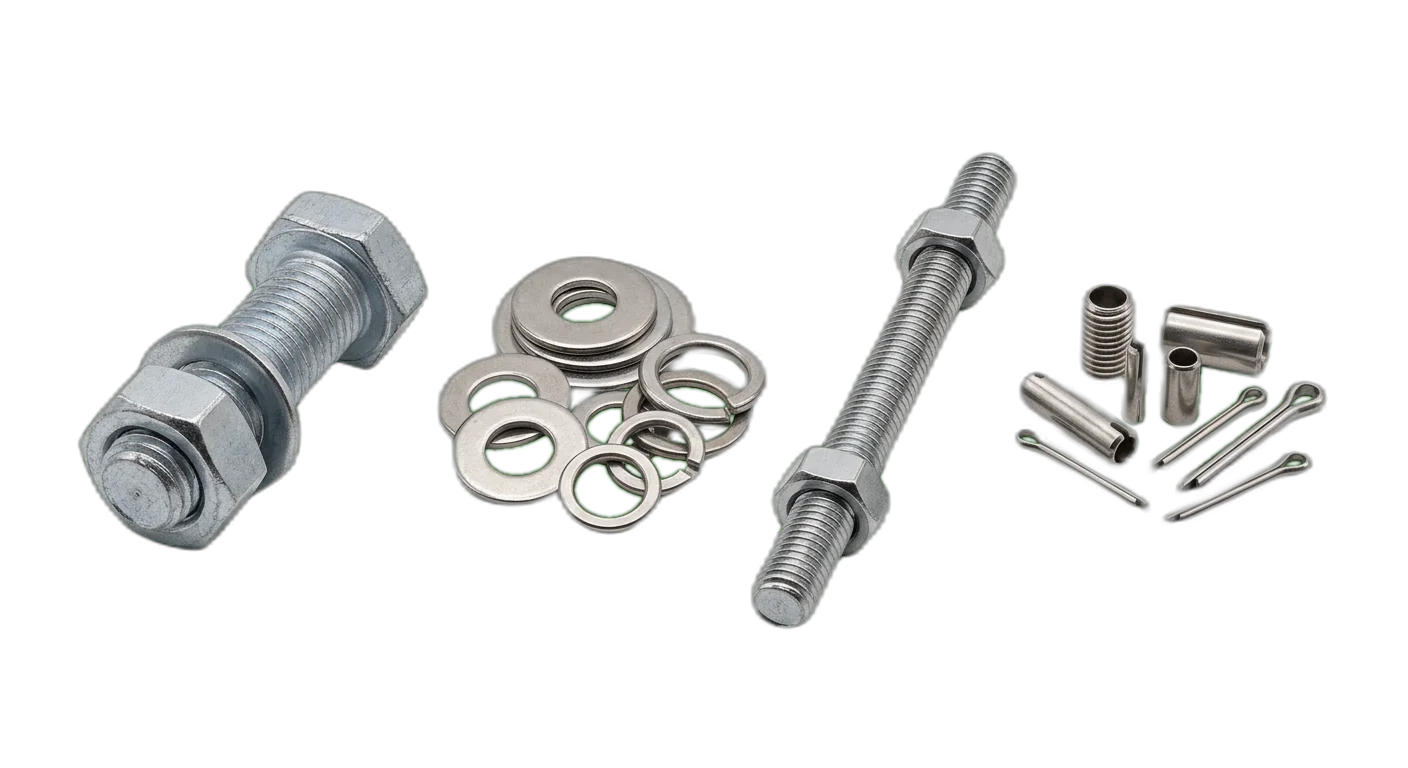
Fasteners & Hardware
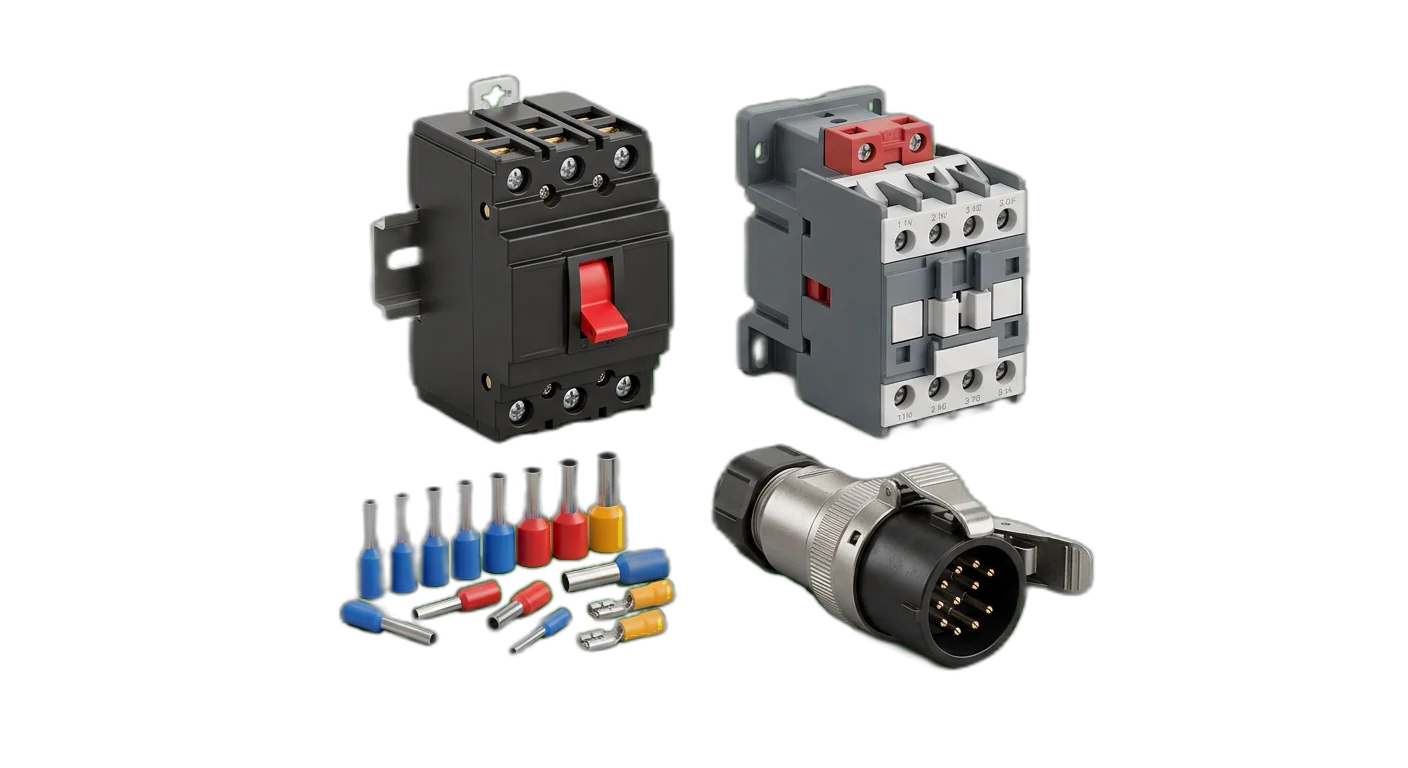
Electrical Components

Safety & PPE
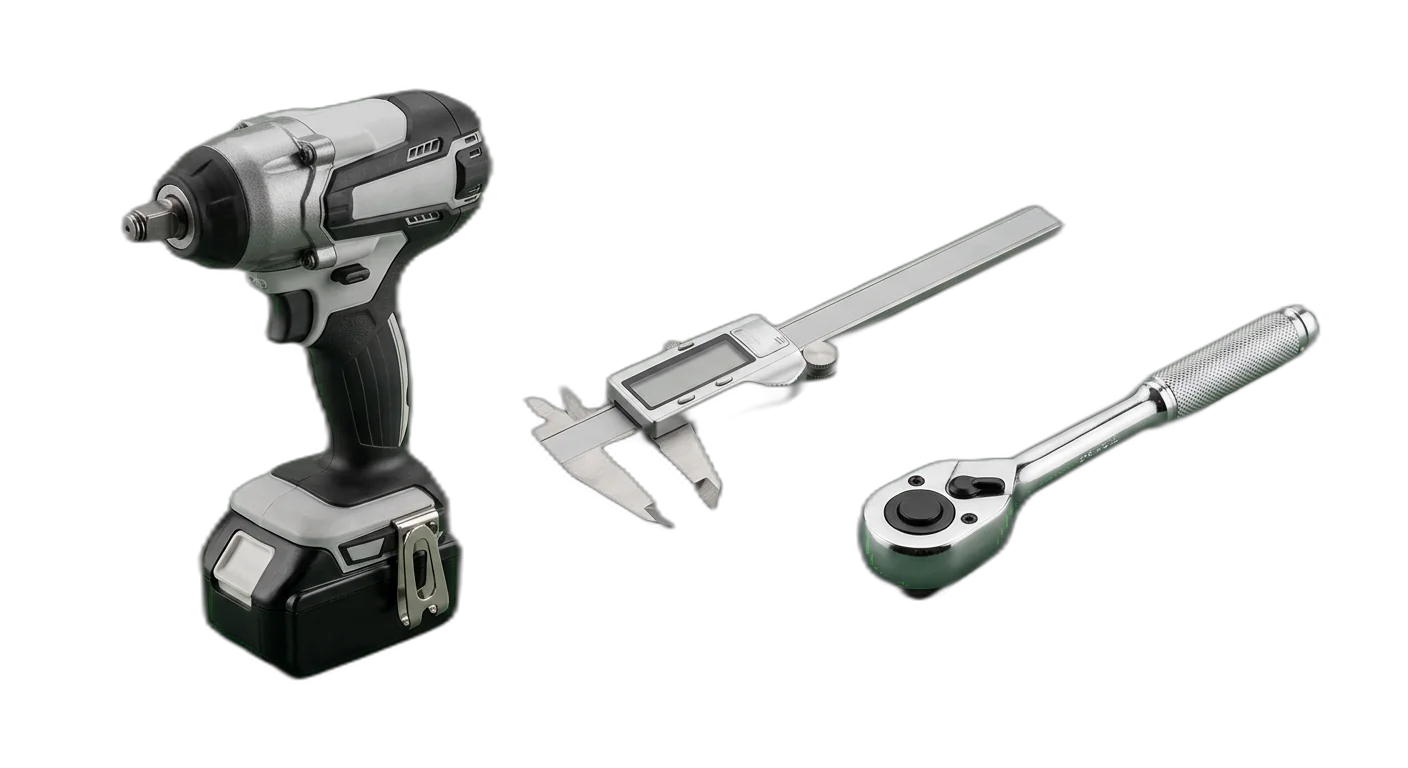
Tools & Equipment
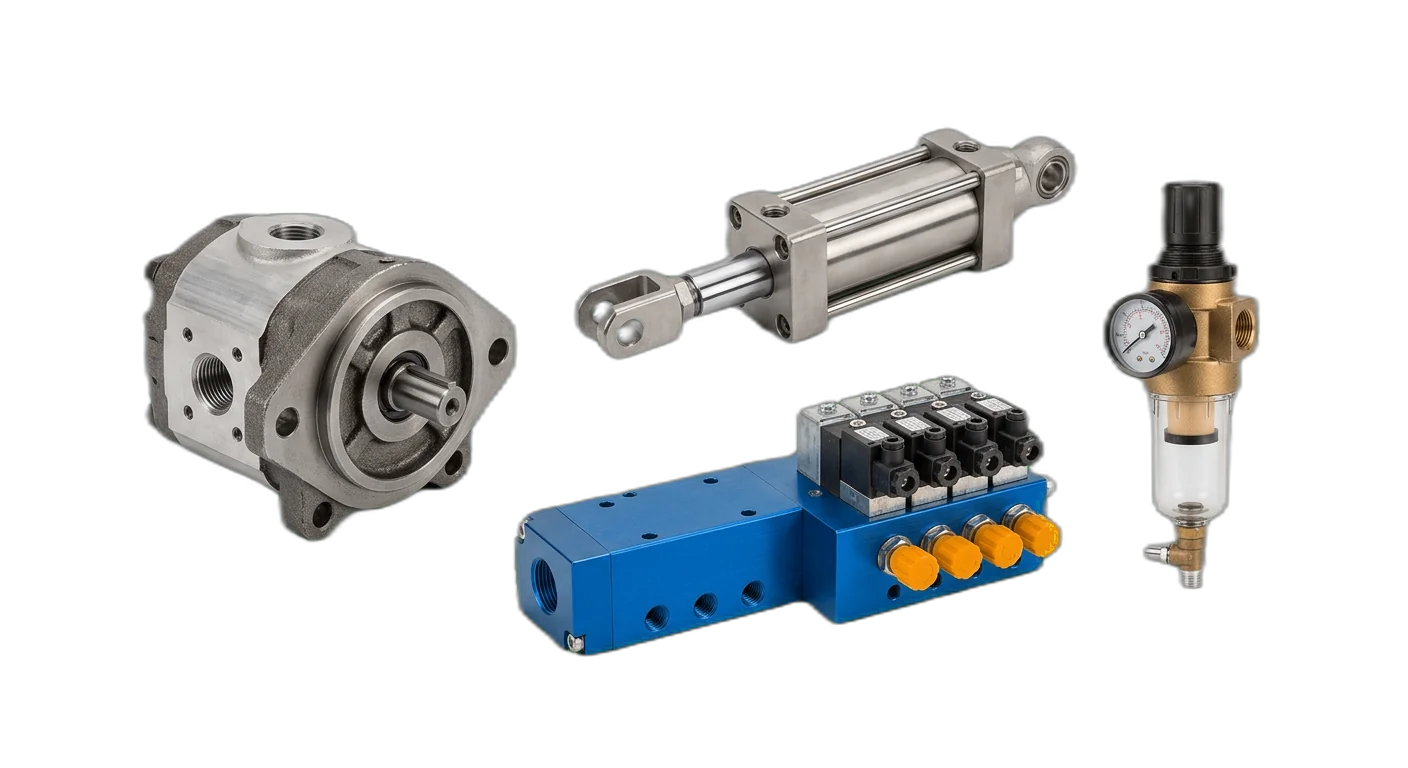
Hydraulics & Pneumatics

Raw Materials
How to Classify Industrial & B2B Products
Follow these rules to place products in the right categories, every time
- 1
Align with UNSPSC or ETIM standards from the start
Map your internal taxonomy to an established industrial standard like UNSPSC (United Nations Standard Products and Services Code) or ETIM (European Technical Information Model). This ensures interoperability with procurement systems and simplifies marketplace onboarding.
UNSPSC 31161500 = Nuts, ETIM EC000023 = Hexagon boltUse standard codes as secondary identifiers alongside your internal category IDs - 2
Enable part number and MPN search across the taxonomy
Industrial buyers search by manufacturer part number (MPN), not product name. Ensure every SKU has a searchable MPN, and that your taxonomy supports cross-reference lookups between OEM part numbers and aftermarket equivalents.
Searching 'DIN 933 M10x50' should find Hex Bolts > DIN 933 in the correct gradeBosch GBH 2-26 maps to Power Tools > Drills > Rotary Hammer Drills - 3
Separate consumables from capital equipment
Consumables (drill bits, welding rods, adhesives) and capital equipment (CNC machines, compressors) have fundamentally different purchasing cycles, approval flows, and lifecycle management. Keep them in distinct top-level branches.
Welding wire is a Consumable, the MIG welder is Capital EquipmentAbrasive discs are Consumables, the angle grinder is Equipment - 4
Classify by application and function, not by supplier
Organize categories around what the product does and where it is used, not who manufactures it. Supplier and brand should be filterable attributes, keeping the taxonomy vendor-neutral.
A Bosch drill and a DeWalt drill both go under Power Tools > Drills3M and Honeywell respirators both belong under Safety & PPE > Respiratory - 5
Require technical specifications for every listing
Industrial products cannot be sold without complete technical data. Enforce mandatory attributes like material grade, thread size, voltage rating, or pressure rating at the category level to prevent incomplete listings.
Hex Bolts require: thread size, length, grade, finish, materialCircuit Breakers require: current rating, voltage, number of poles, trip curve - 6
Support cross-referencing between compatible products
Industrial buyers need to find alternatives and compatible items. Structure your taxonomy to support cross-reference tables, where-used lists, and frequently-bought-together relationships between categories.
An M10 bolt cross-references to matching M10 nuts, washers, and lock washersA hydraulic cylinder links to compatible seals, hoses, and fittings - 7
Handle pack sizes and unit-of-measure at the attribute level
Industrial products are sold in various pack sizes (individual, box of 100, pallet of 5000). Do not create separate categories for different quantities. Use UOM and pack size as attributes within the same category.
M8 Hex Bolts sold as 1pc, box of 50, or box of 500 are the same SKU familyCable ties in bags of 100, 500, or 1000 share a category - 8
Flag certification and compliance requirements per category
Many industrial products require certifications (CE, ATEX, UL, ISO) or compliance documentation. Tag categories that mandate certifications so products cannot be published without the required documentation.
PPE categories require CE marking and EN standard referencesElectrical components require CE/UL certification and IP ratings - 9
Identify and tag hazardous materials separately
Products containing hazardous substances (chemicals, solvents, certain adhesives) must be flagged for regulatory compliance, SDS documentation, and shipping restrictions. Use hazmat classification as a mandatory attribute.
Epoxy adhesives require SDS sheets and GHS hazard symbolsSpray paints and solvents need UN dangerous goods numbers - 10
Distinguish maintenance/replacement parts from new-build components
Industrial buyers often search specifically for replacement parts (MRO - Maintenance, Repair, Operations). Tag products that commonly serve as replacement parts so they surface in MRO-focused search and procurement workflows.
A replacement hydraulic seal is an MRO item, a new hydraulic cylinder is a build itemSpare motor brushes are MRO, the complete motor is capital equipment
Required Attributes by Category
Make sure your product data is complete with the required and recommended attributes for each category level
Industrial & B2B Classification Pitfalls to Avoid
Avoid these common categorization errors that hurt product discoverability
- Mistake
Using consumer-oriented product names instead of technical descriptions (e.g., 'Heavy Duty Screw' instead of 'DIN 933 Hex Bolt M10x50 Grade 8.8')
Better approachAlways use standardized technical naming conventions that include the relevant standard (DIN/ISO), dimensions, material grade, and finish. Consumer-friendly names can be added as secondary display names.
- Mistake
Missing certifications and compliance data on products that legally require them (CE, ATEX, UL, EN standards)
Better approachConfigure mandatory certification fields at the category level. Block publishing of PPE, electrical, and pressure equipment without verified compliance documentation and test reports.
- Mistake
Ignoring Minimum Order Quantities (MOQ) and pack size variations in the product structure
Better approachUse a parent-child SKU structure where the parent represents the product and children represent pack sizes. Include MOQ, lead time, and price breaks as attributes, not as separate product listings.
- Mistake
Building a custom taxonomy without aligning to UNSPSC, ETIM, or eCl@ss standards
Better approachStart from an established standard and extend it with your specific subcategories. Map every internal category to its UNSPSC or ETIM equivalent to enable EDI, e-procurement integration, and marketplace compatibility.
- Mistake
Mixing consumables and capital equipment in the same categories (e.g., drill bits alongside drill presses)
Better approachCreate separate top-level branches for consumables, tools, and capital equipment. Cross-reference them with 'compatible with' or 'requires' relationships instead of co-locating them.
- Mistake
Listing products with incomplete technical specifications (missing dimensions, materials, or tolerances)
Better approachDefine mandatory attribute templates per category and enforce them before products can be published. Industrial buyers cannot make purchasing decisions without complete technical data.
- Mistake
Not flagging hazardous materials (REACH, RoHS, GHS) or providing Safety Data Sheets
Better approachAdd a hazmat classification attribute to relevant categories and make SDS document uploads mandatory for chemicals, adhesives, solvents, and coatings. Include GHS pictograms and H/P statements.
- Mistake
No cross-referencing between compatible or alternative products
Better approachImplement cross-reference tables that link bolts to matching nuts and washers, filters to compatible equipment, and OEM parts to aftermarket alternatives. This is critical for industrial buyers.
- Mistake
Using vague material grade descriptions like 'stainless steel' without specifying the exact grade (304, 316, A2, A4)
Better approachRequire specific material grade designations following international standards (e.g., AISI 316L, EN 1.4404). Different grades have vastly different corrosion resistance, temperature ratings, and pricing.
- Mistake
Not handling product variants at scale (thousands of size/material/finish combinations per base product)
Better approachUse a matrix or variant structure that generates SKUs from attribute combinations. A single hex bolt can have 200+ variants across sizes, lengths, grades, and finishes. Manage at the template level, not individually.
How to Categorize Industrial & B2B Products
Follow these steps to categorize your Industrial & B2B products correctly for e-commerce and marketplace requirements
01
Import Your Industrial Catalog
Connect your ERP system, upload your product feed, or import from an existing PIM. WISEPIM ingests part numbers, technical specifications, supplier data, and existing classifications to prepare your catalog for AI-powered categorization.
02
AI Classifies Against Standards
WISEPIM analyzes product data including MPNs, technical attributes, and standard references (DIN, ISO) to automatically assign each item to the correct UNSPSC or ETIM category. The AI recognizes material grades, dimensions, and certification requirements with industrial-grade accuracy.
03
Enrich Technical Data & Compliance
Fill in missing specifications, attach certifications and SDS documents, and set up cross-references between compatible products. WISEPIM flags incomplete listings and suggests attributes based on the product category.
04
Publish to B2B Channels
Export your structured catalog to B2B marketplaces, procurement platforms (BMEcat, cXML, OCI), and your own webshop. WISEPIM keeps all channels synchronized as you add products, update specs, or change pricing.
Categorize your Industrial & B2B catalog in WISEPIM
Sign up for the free plan and apply this guide to your own products: build your category tree, let AI suggest a category for each product, and map your categories to Google's product taxonomy.
- 100 products and 50 AI credits a month on the free plan
- Import products from a CSV file or a connected store
- AI categorization assigns categories, or suggests them for you to review first
- The category map links your categories to Google product categories
Frequently Asked Questions
Common questions about Industrial & B2B product categorization
Best Industrial & B2B Categories for Ecommerce
Discover the top-performing Industrial & B2B product categories ranked by demand, margins, and growth potential.
Map Industrial & B2B products to a global taxonomy
Got your own category tree? Map it to the standards that marketplaces, ad platforms, and data partners actually require.
Explore More Industry Guides
Printable checklist
Start in 15 minutesGet every live product into the right category
Start with a 15-minute count of products with no category, or only a top-level one. You get two numbers, like 140 products, 12 in your top 100. Then 5 steps for the rest of the week.
How it works
- Filter products with no category or only a top-level one.
- Check how many of them are in your top 100 sellers.
- Write both numbers, such as '140 products, 12 in the top 100'.
One email, once, with a link to the printable checklist. Nothing else unless you tick the box.
Free Excel template
XLSX · 3 sheetsSee which of your 20 best sellers are incomplete
An Excel check with the columns industrial equipment products need. In about 15 minutes you know how many of your 20 are complete, and the one fix that helps the most rows.
How it works
- Paste 20 best sellers from your shop export into Products.
- Fill in what you know. The last column says what each row is missing.
- Read your result on Start here: how many are complete, and the fix that helps most rows.
One email, once, with the XLSX attached and as a download link. Nothing else unless you tick the box.
Keep exploring
Hand-picked next steps to go deeper.
Ready to Automate Your Industrial & B2B Categorization?
WISEPIM uses AI to classify products automatically, saving hours of manual work and cutting categorization errors.