Best Categories for Crafts & Hobbies
The top-performing Crafts & Hobbies product categories for your ecommerce store, ranked by demand, margins, and growth potential.
Best Crafts & Hobbies Categories to Sell Online
Ranked by market demand, profit margins, and growth momentum
- 1
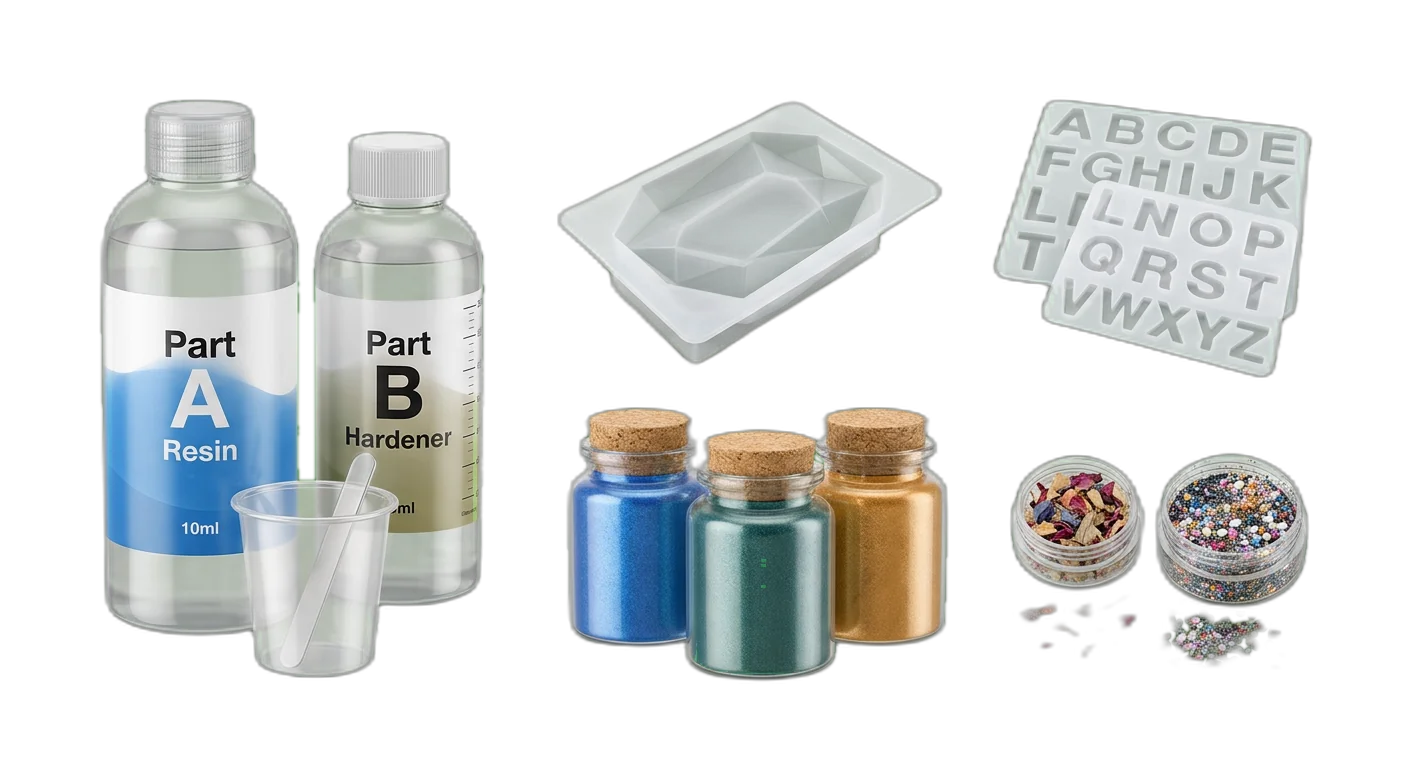
Resin Craft Supplies
Jewelry Making > Resin Crafts
Resin crafts are the fastest-growing segment in the hobby market, fueled by social media tutorials and the desire for handmade jewelry, coasters, and art. Starter kits convert well, margins are high, and resin and pigments are consumables that bring customers back again and again.
Demand: HighCompetition: MediumMargin: HighRisingExample ProductsEpoxy resin kitsSilicone moldsMica powder pigmentsResin inclusionsPro TipBundle resin with molds and pigments as starter kits. Beginners do not know what to buy individually, so a kit removes the guesswork and converts far better than a standalone bottle of resin.
- 2
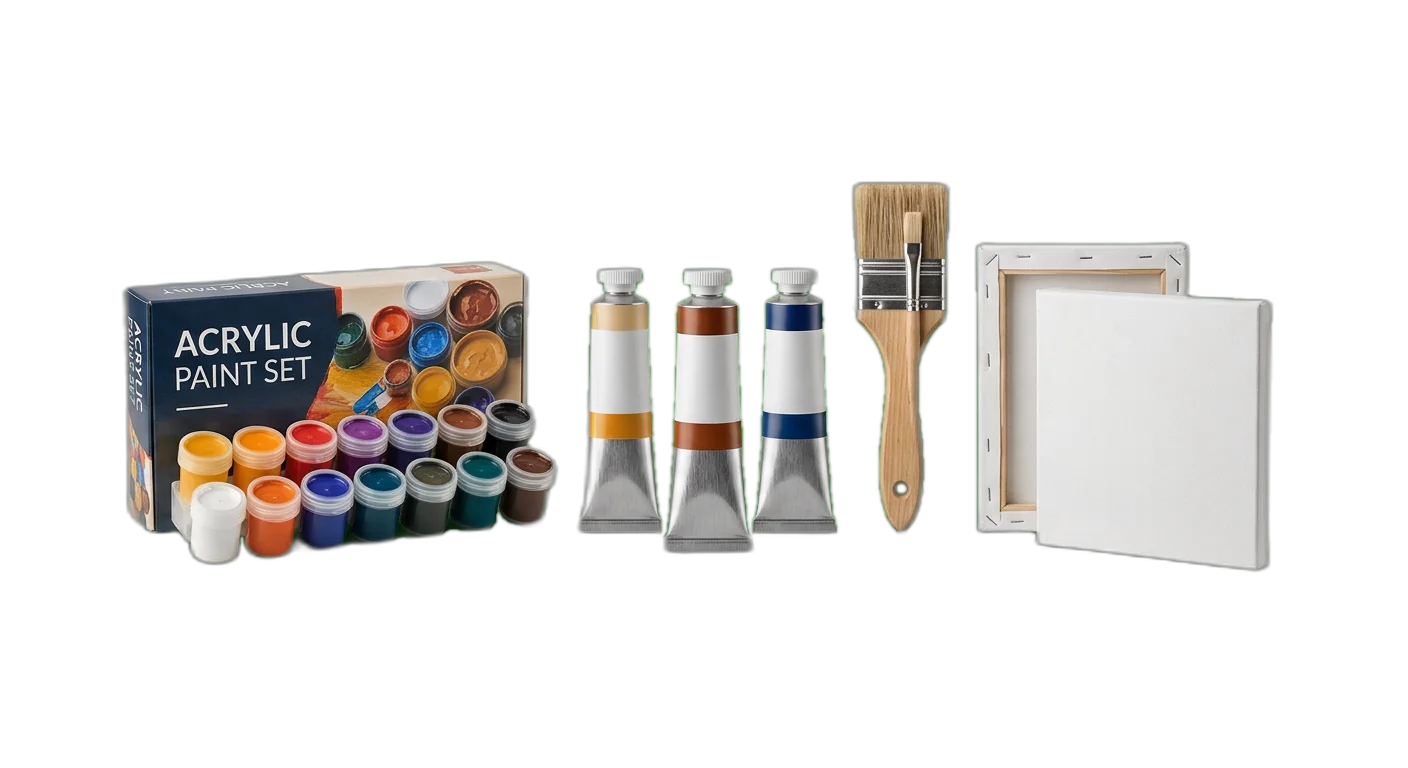
Acrylic & Oil Paints
Art Supplies > Painting
Painting supplies are the cornerstone of the art supply market. Acrylics are the fastest-growing segment because they are versatile and beginner-friendly. The category spans a wide price range from student-grade to professional, attracting both hobbyists and serious artists. Social media painting tutorials keep bringing in new customers.
Demand: GrowingCompetition: LowMargin: HighRisingExample ProductsAcrylic paint setsOil paint tubesPainting brush setsCanvas panelsPro TipSeparate student-grade from artist-grade products with a clear Quality Grade filter. Mixing quality levels confuses beginners looking for affordable options and professionals seeking pigment-rich paint.
- 3
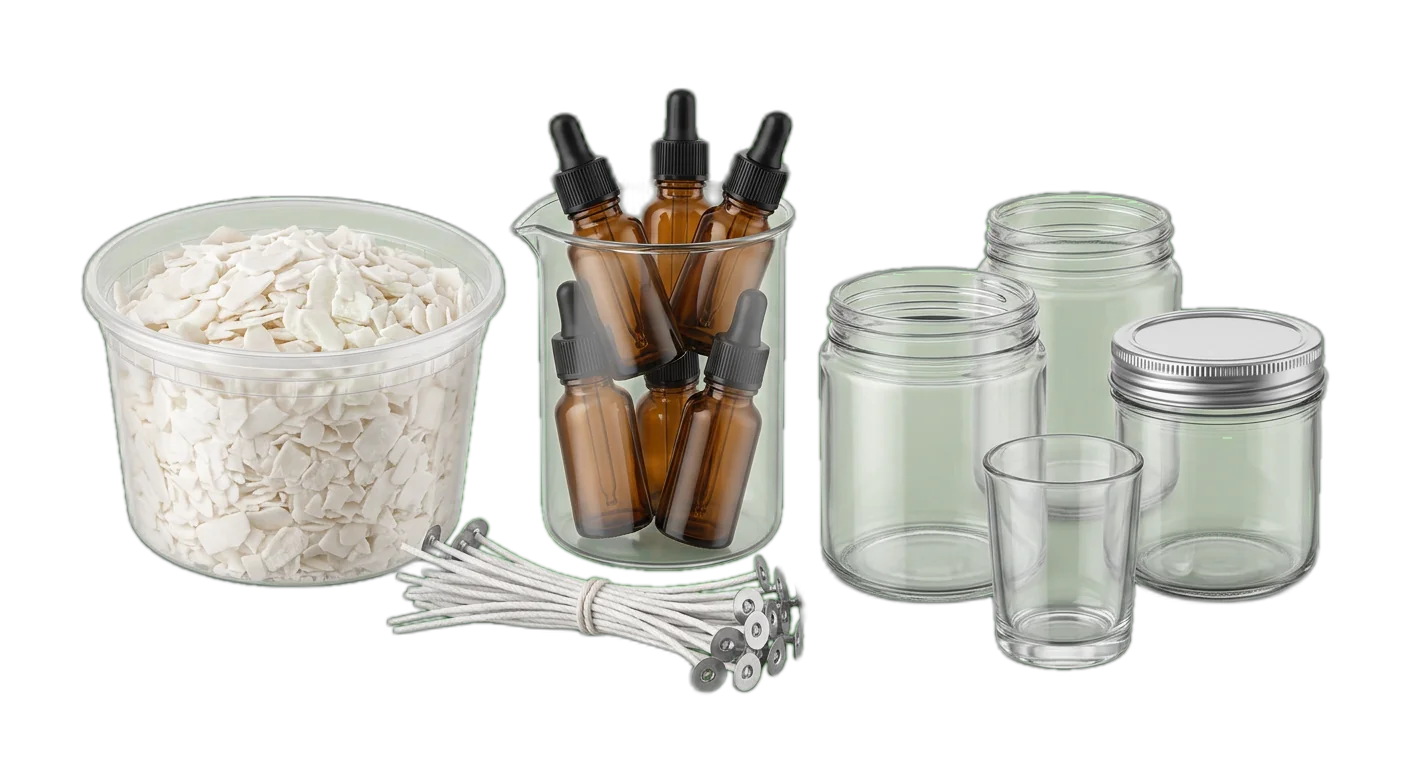
Candle Making Supplies
DIY & Maker > Candle Making
Candle making has become one of the most popular home-based side businesses, driving demand from both hobbyists and small entrepreneurs. Starter kits are the most popular entry point. Wax, fragrance oils, and wicks are consumables with strong repeat purchase rates, and the category carries strong margins.
Demand: GrowingCompetition: LowMargin: HighRisingExample ProductsSoy wax flakesFragrance oil setsCotton wicksGlass candle jarsPro TipCreate starter bundles with everything needed for a first project (wax, wicks, fragrance, container). First-time candle makers convert far better on a complete kit than on individual supplies, because they have no way to judge which wick suits which wax.
- 4
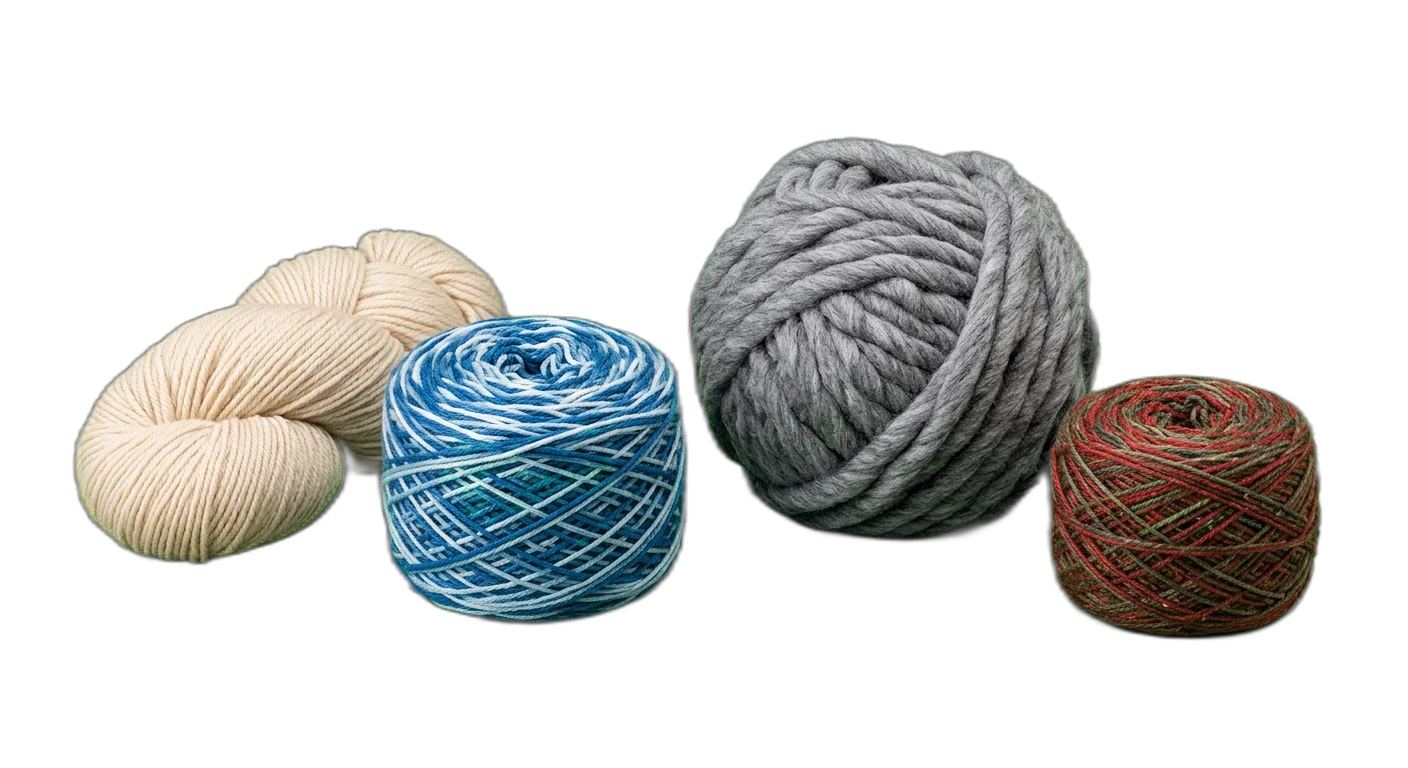
Yarn & Knitting Supplies
Needlecrafts > Knitting > Yarn
Yarn is the top-selling consumable in the craft industry. Knitting and crochet saw a huge comeback during the pandemic, and that demand has held strong. Yarn has excellent repeat purchase rates, strong brand loyalty, and customers who buy in bulk for projects.
Demand: HighCompetition: MediumMargin: HighStableExample ProductsMerino wool yarnCotton blend yarnChunky knit yarnSock yarnPro TipAlways include fiber content percentage and weight category (DK, Worsted, Bulky). Knitters filter by these first and will leave a store that does not provide them.
- 5
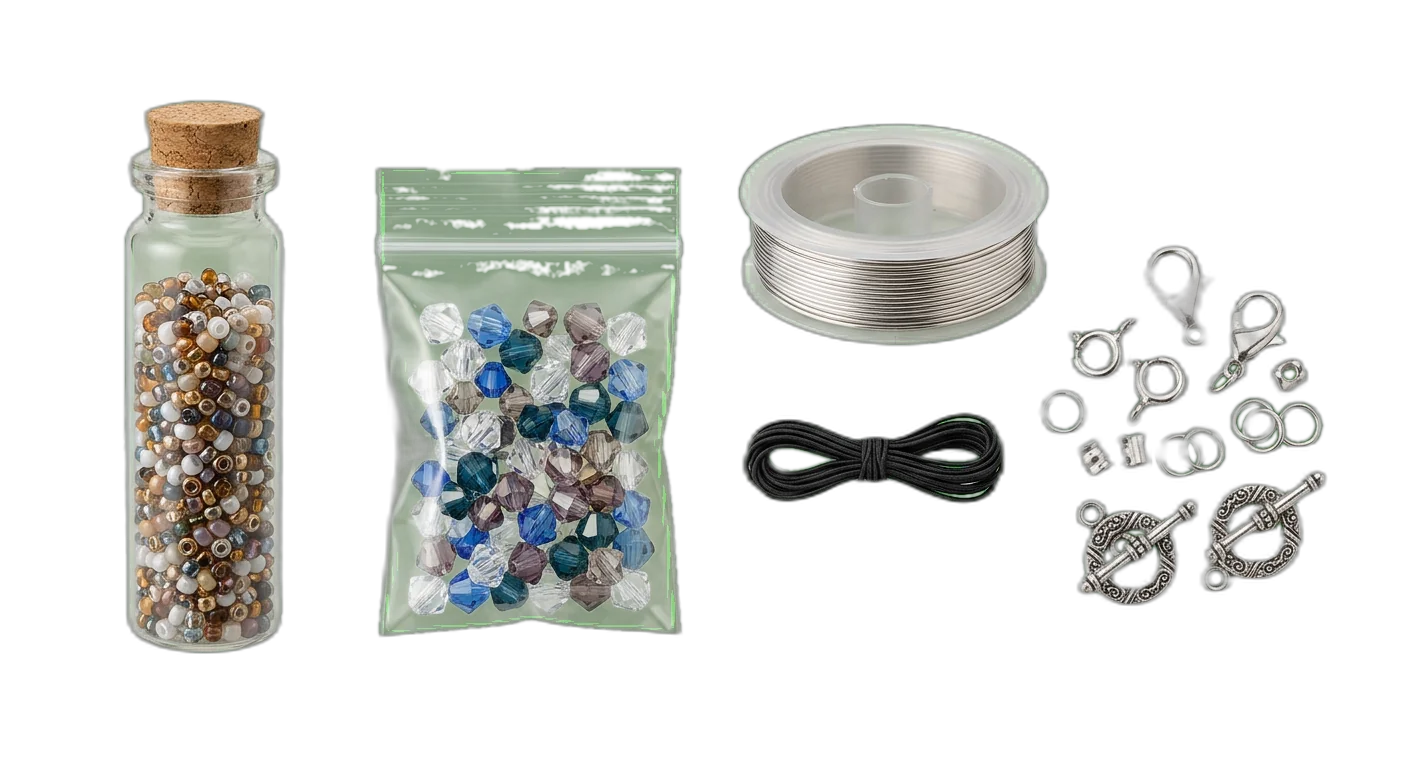
Beading & Jewelry Findings
Jewelry Making > Beading
Beading and jewelry making is one of the most accessible craft categories, with low entry costs and high creative satisfaction. Beads are sold in bulk quantities with excellent margins. The category benefits from trend-driven purchasing (new bead styles, colors, and materials every season) and strong community engagement.
Demand: MediumCompetition: LowMargin: HighRisingExample ProductsGlass seed beadsCrystal bicone beadsJewelry wire and cordClasps and findingsPro TipOffer beads both by individual type and in curated color palettes. Themed bead kits (ocean colors, earth tones, holiday sparkle) hand the shopper a ready-made palette and sell for more than the single strand they came for.
- 6
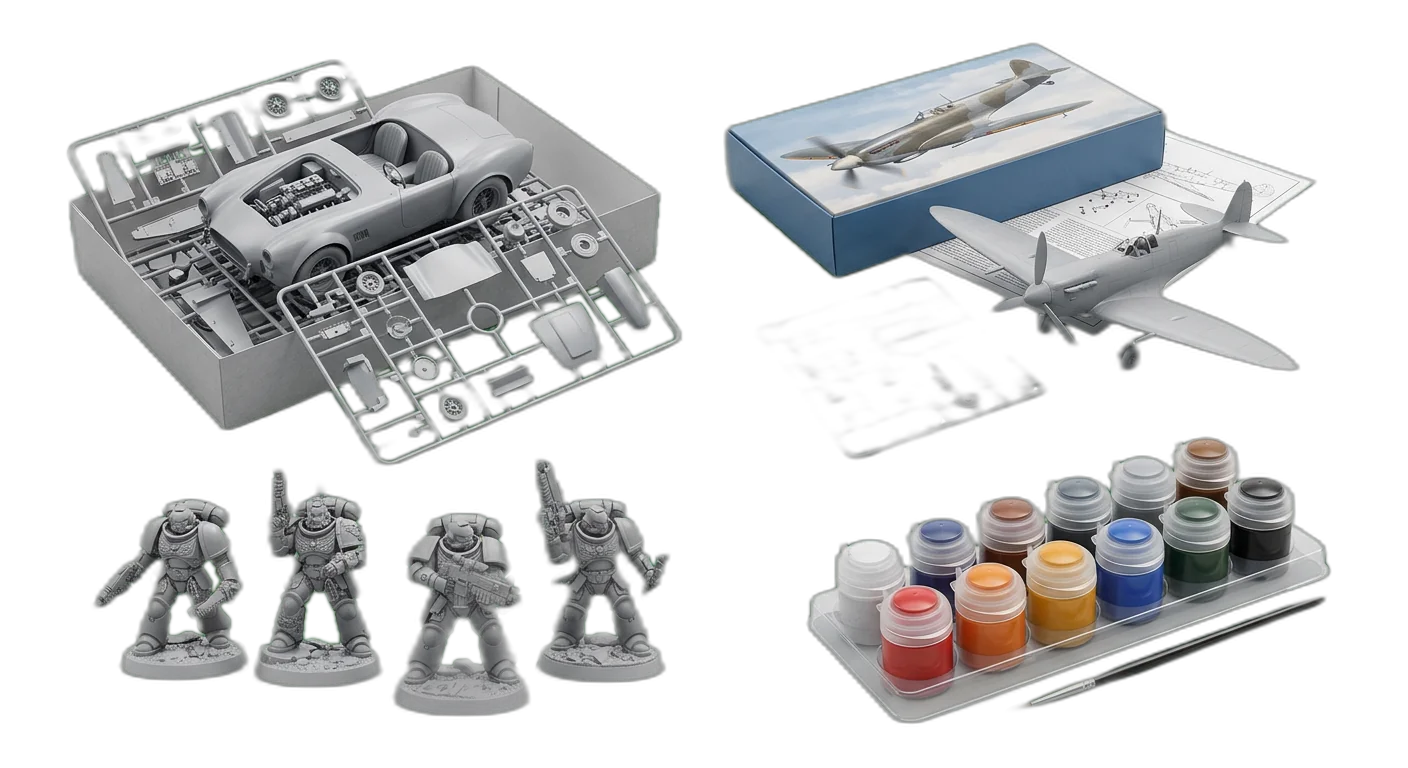
Scale Models & Miniatures
Model Building > Scale Models
Scale model building has a loyal, high-spending customer base with strong brand loyalty to manufacturers like Tamiya, Revell, and Games Workshop. The miniature painting segment has grown a lot with tabletop gaming. Customers buy ongoing supplies (paint, glue, tools) alongside kits, creating strong long-term value.
Demand: MediumCompetition: LowMargin: HighRisingExample ProductsPlastic model car kitsAircraft model kitsWarhammer miniaturesModel paint setsPro TipAlways show skill level clearly and offer beginner, intermediate, and advanced filters. New modelers leave stores where they cannot quickly find entry-level kits.
- 7
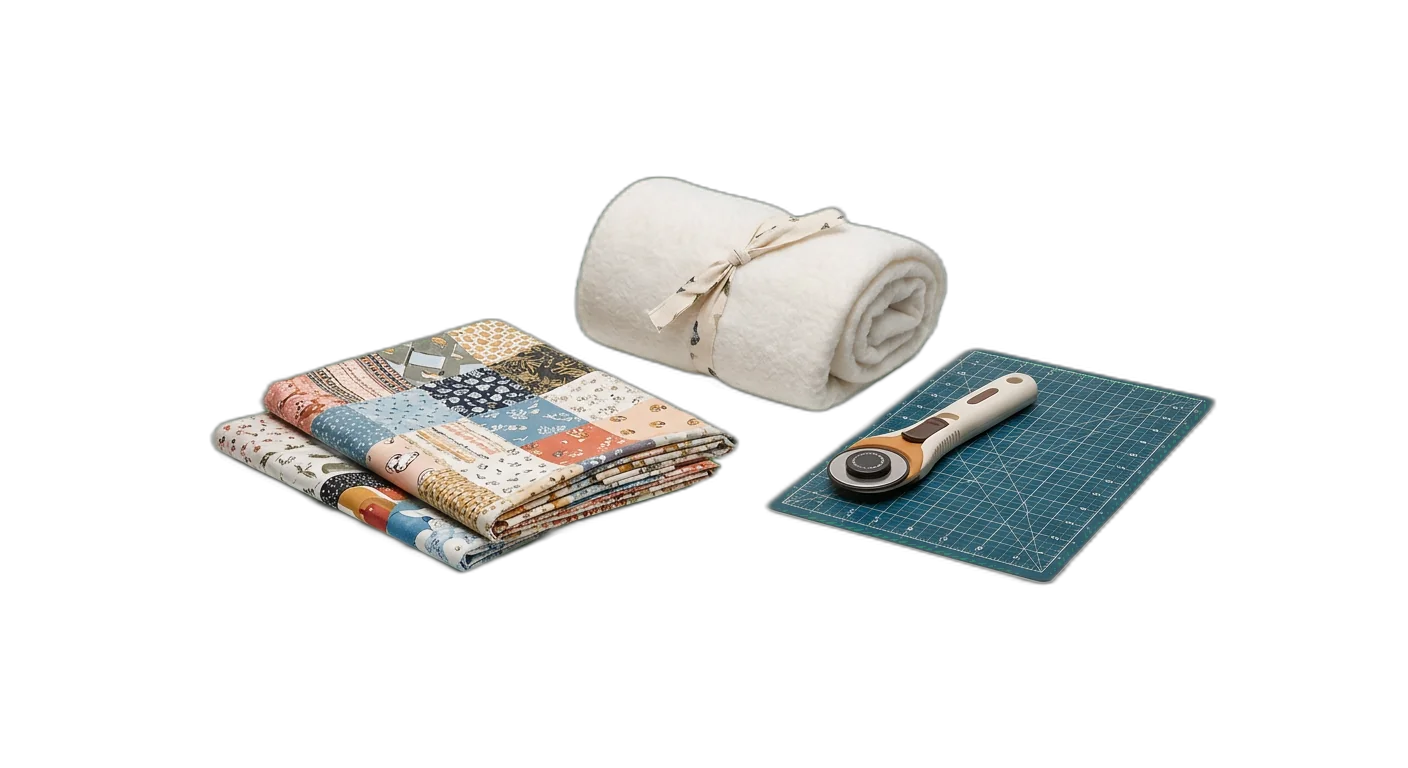
Fabric & Quilting Materials
Needlecrafts > Quilting
Quilting has a dedicated and passionate customer base that spends significantly more per year than the average craft hobbyist. Quilters buy fabric in large quantities and often collect coordinating prints. The category has strong seasonal demand, excellent margins on premium fabrics, and high customer loyalty to specific fabric brands and designers.
Demand: HighCompetition: MediumMargin: MediumStableExample ProductsQuilting cotton fat quartersFabric bundles by designerBatting rollsRotary cutters and matsPro TipOrganize fabric by designer collection and color family. A quilt needs a whole coordinated set, so quilters buy several complementary prints in a single visit rather than one cut at a time.
- 8
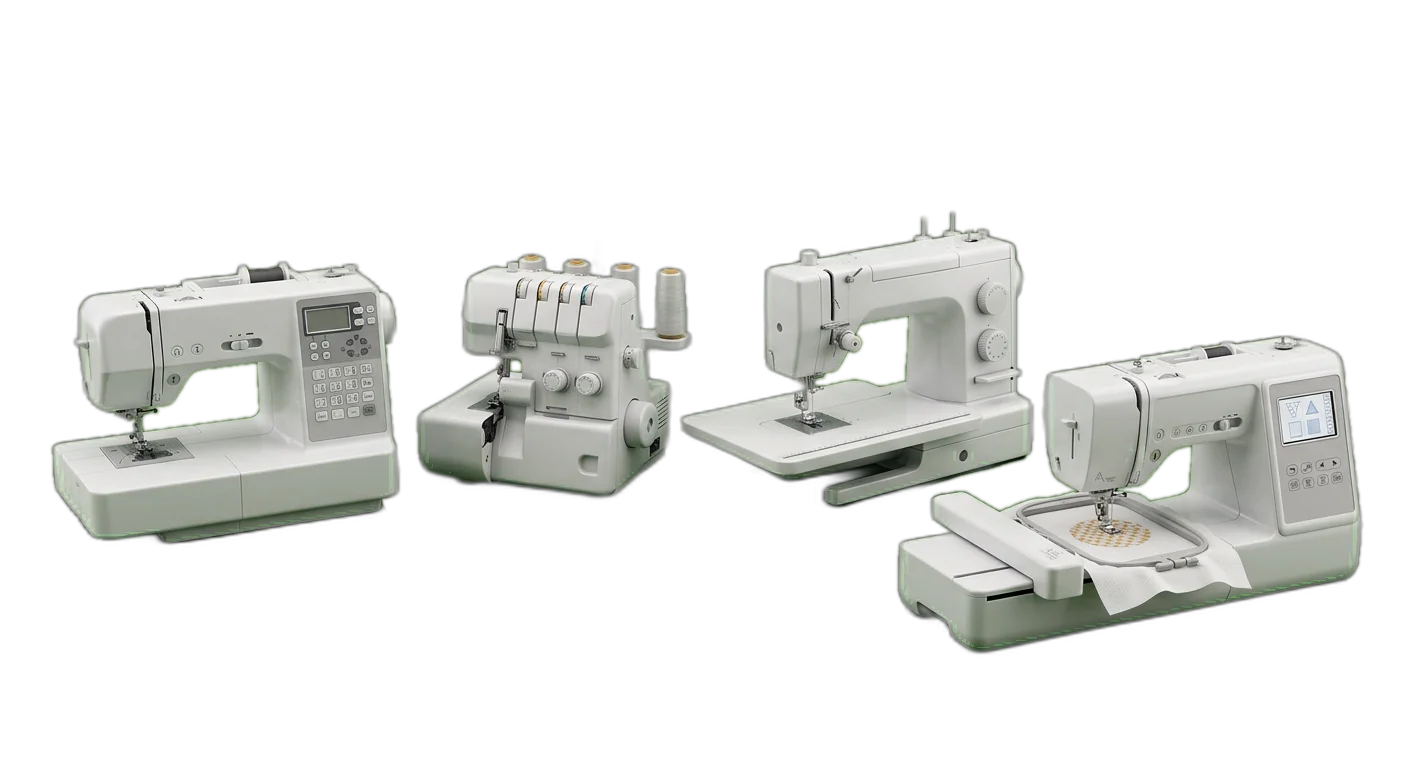
Sewing Machines & Accessories
Needlecrafts > Sewing > Sewing Machines
Sewing machines are the highest-value individual product in the craft market, ranging from $100 for beginners to $5,000+ for professional models. The maker movement and sustainable fashion trends have kept demand strong. Buyers also purchase a lot of accessories (presser feet, thread, fabric), making this one of the highest attach-rate categories.
Demand: HighCompetition: HighMargin: MediumStableExample ProductsComputerized sewing machinesSerger/overlock machinesQuilting machinesEmbroidery machinesPro TipCreate comparison guides for machine types (mechanical vs. computerized vs. serger). Sewing machine purchases involve a lot of research, and helpful buying guides attract shoppers who are ready to buy.
- 9
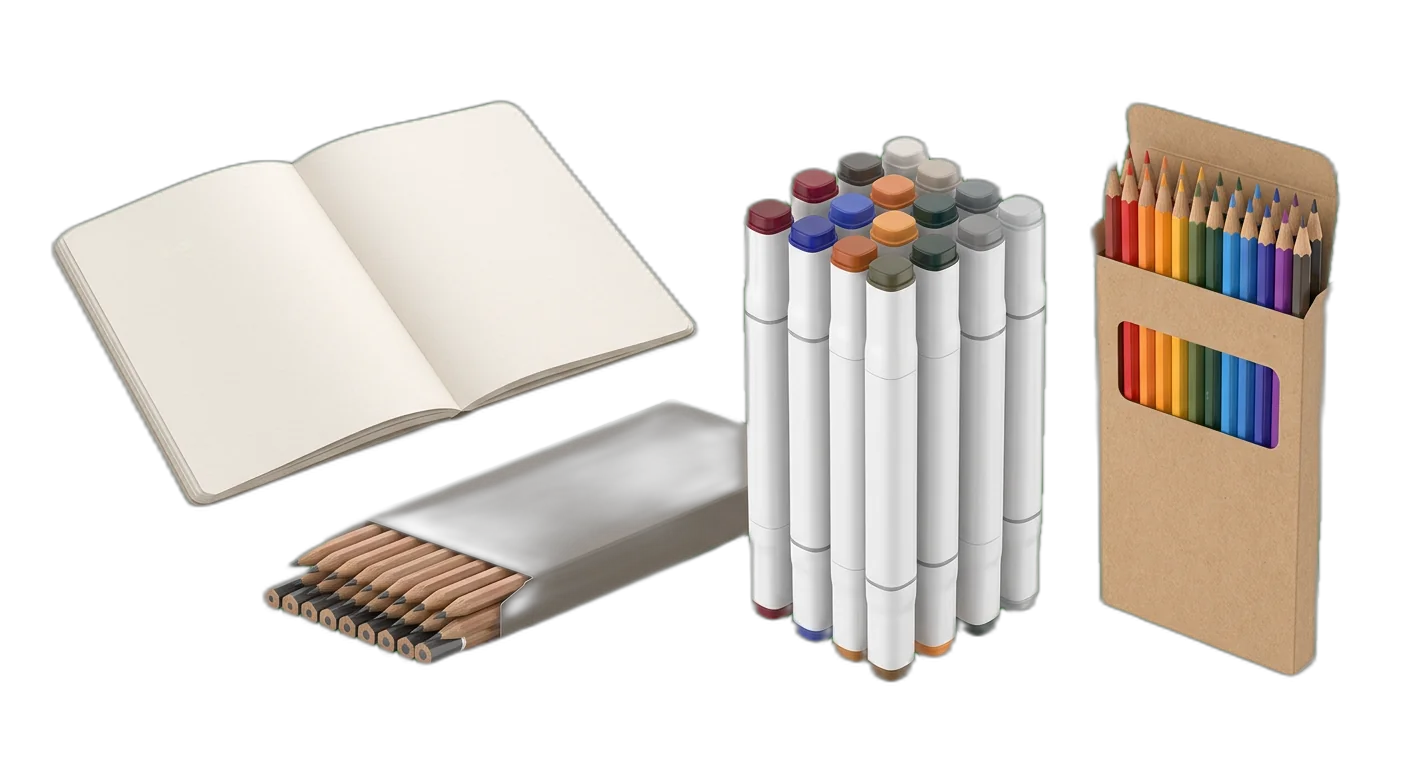
Drawing & Sketching Supplies
Art Supplies > Drawing
Drawing supplies are the most accessible art category, with low price points and broad appeal. Pencils, markers, and sketchbooks are bought by students, hobbyists, and professionals alike. The category has consistent year-round demand, with back-to-school and holiday gifting peaks and high repeat rates for consumables like marker refills.
Demand: MediumCompetition: LowMargin: MediumStableExample ProductsGraphite pencil setsAlcohol markersSketchbooksColored pencil setsPro TipOffer both individual items and curated sets. Professional artists prefer buying specific pencil grades individually, while hobbyists prefer complete sets.
- 10
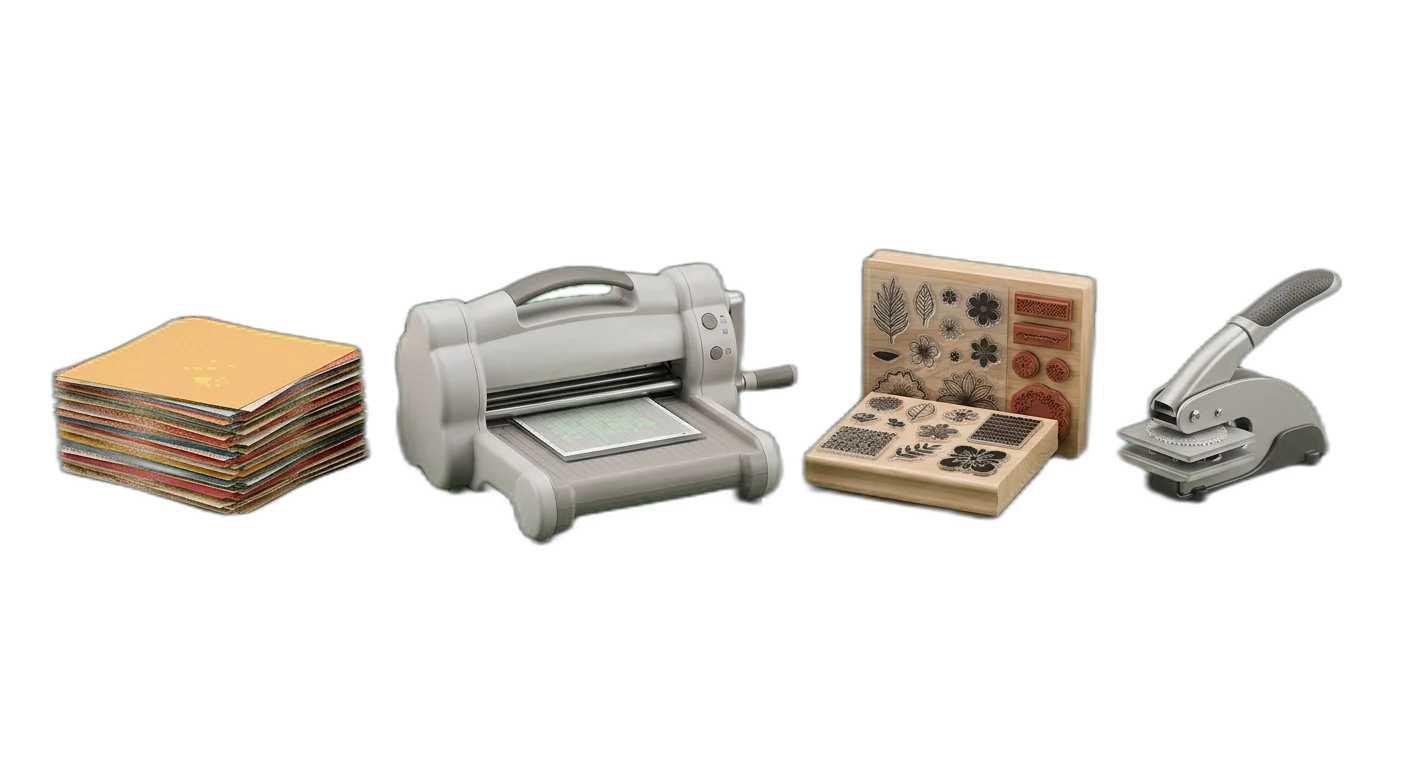
Scrapbooking & Card Making
Paper Crafts > Scrapbooking
Scrapbooking and card making drive frequent, lower-cost purchases that build strong customer loyalty. The category benefits from seasonal peaks (holidays, wedding season, back-to-school) and has a passionate community that shares projects online. Die-cutting machines like Cricut have expanded the market significantly.
Demand: MediumCompetition: MediumMargin: MediumSeasonalExample ProductsScrapbook paper packsDie-cutting machinesStamp setsEmbossing toolsPro TipShow machine compatibility clearly. Cricut and Sizzix users specifically search for compatible dies, and missing compatibility data is the top reason for craft supply returns.
Category Performance at a Glance
Compare demand, competition, margins, and growth across all recommended categories
Resin Craft SuppliesAcrylic & Oil PaintsCandle Making SuppliesYarn & Knitting SuppliesBeading & Jewelry FindingsScale Models & MiniaturesFabric & Quilting MaterialsSewing Machines & AccessoriesDrawing & Sketching SuppliesScrapbooking & Card MakingRecommended Crafts & Hobbies Category Structure
The complete category tree with subcategories for each recommended top-level category
Art Supplies
Needlecrafts
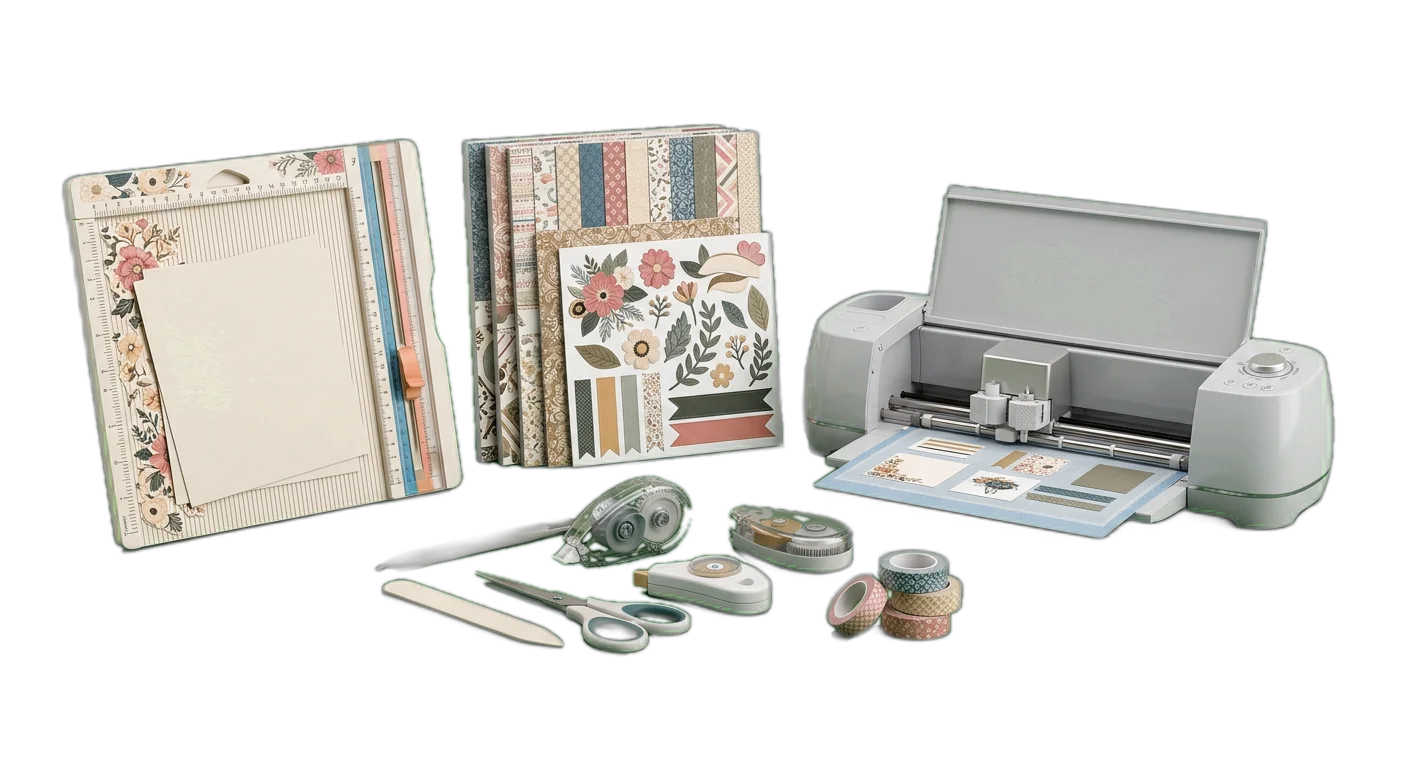
Paper Crafts
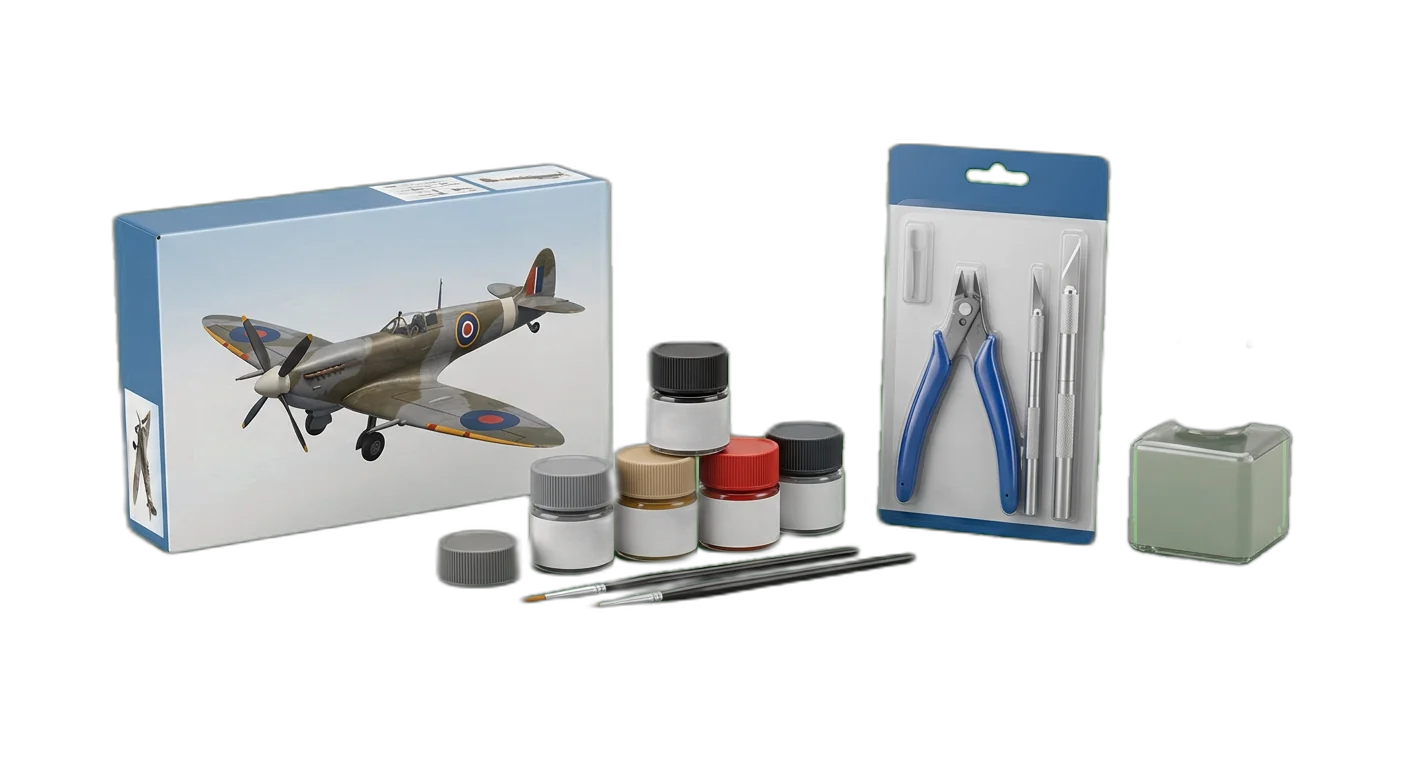
Model Building
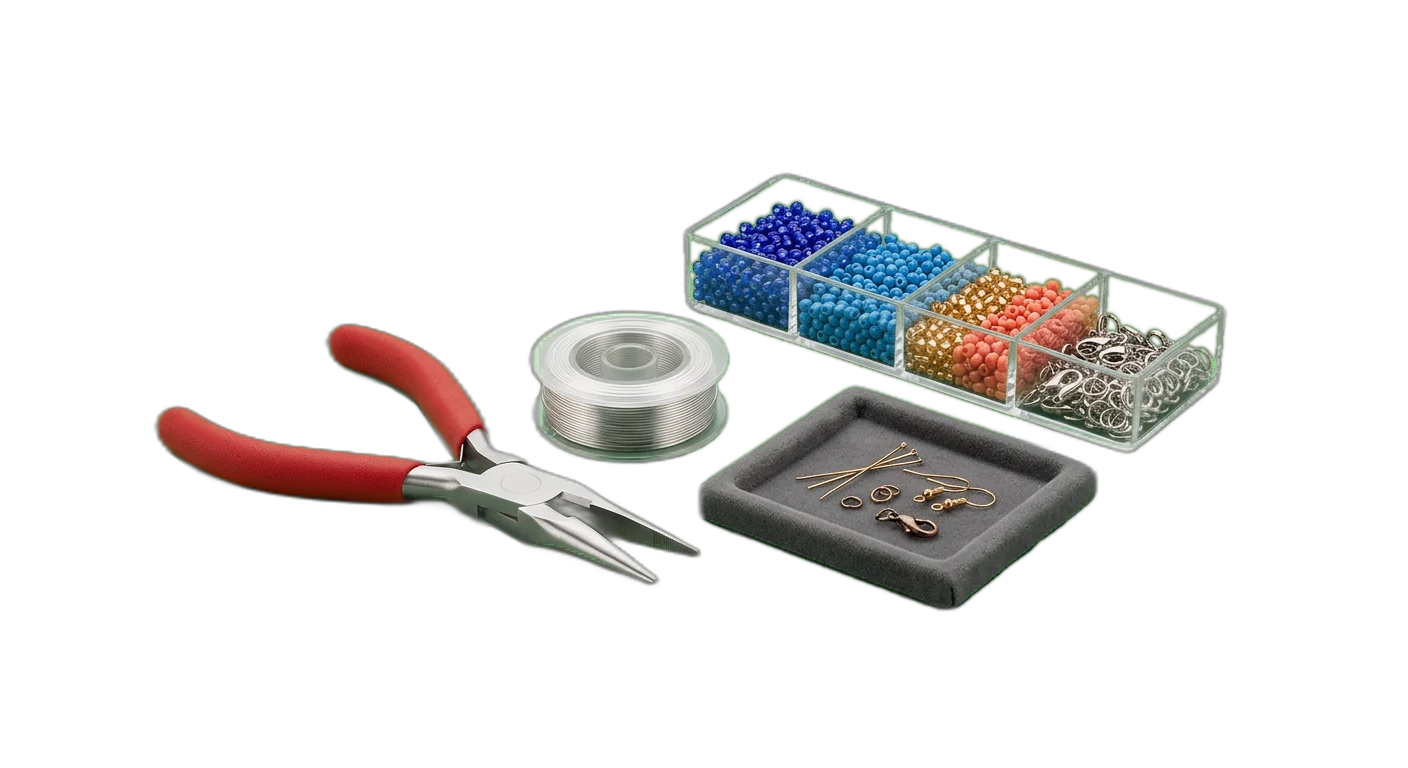
Jewelry Making
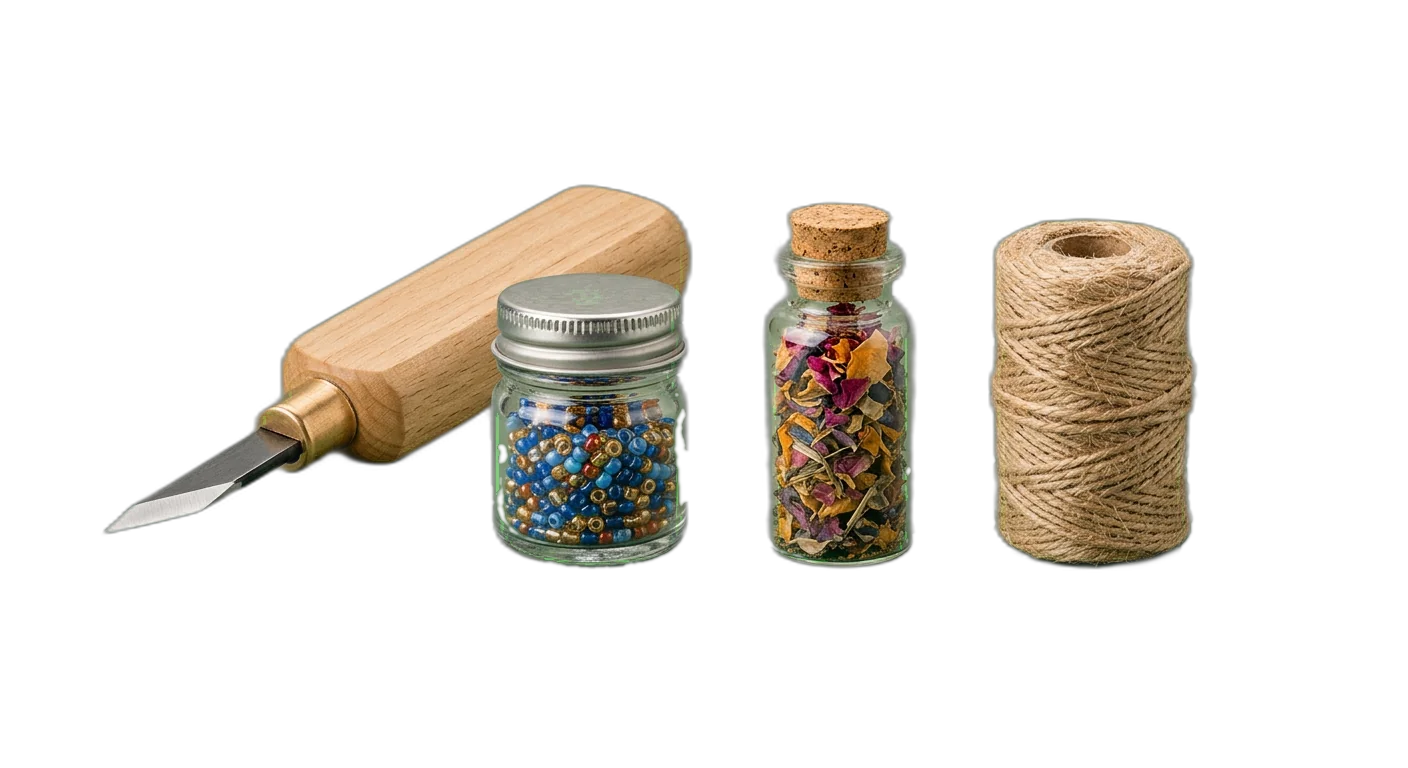
DIY & Maker
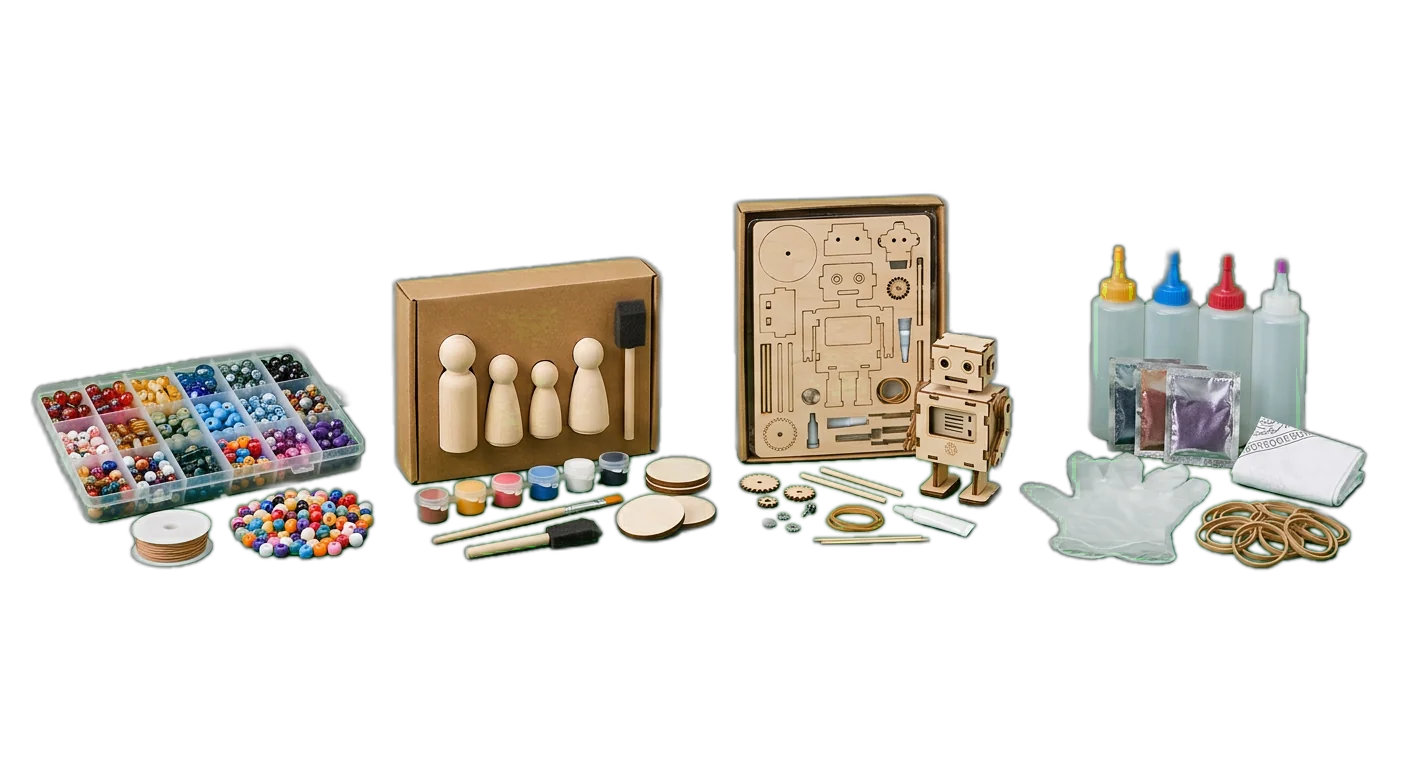
Kids Crafts
Which Categories Should You Start With?
Choose your starting categories based on your catalog size and growth stage
Focus on one craft discipline and offer everything a practitioner needs. A deep yarn store or a complete resin craft shop outperforms a shallow multi-craft catalog.
Expand into 3-5 complementary craft disciplines that share your target audience. Add tool categories as higher-margin complements to consumable supplies.
Cover the full crafts and hobbies spectrum across all major disciplines. Invest in cross-discipline bundling, project-based merchandising, and detailed skill-level filtering.
How to Order Categories in Your Store Menu
Practical tips for organizing your navigation to maximize clicks and conversions
Organize your menu by craft discipline, not product type
Lead with discipline names (Knitting, Painting, Jewelry Making) rather than generic types (Yarn, Paint, Beads). Crafters identify with their discipline and expect to find everything they need under one heading.
Feature beginner-friendly kits prominently
New crafters are your fastest-growing segment. Place 'Starter Kits' or 'Beginner-Friendly' as a highlighted filter or featured section to reduce the overwhelm of browsing hundreds of individual supplies.
Keep your main menu under 7-8 discipline categories
Group related disciplines together. For example, 'Fiber Arts' can contain Knitting, Crochet, and Embroidery without cluttering the top-level navigation.
Add project-based browsing alongside category navigation
Many crafters search by project ('scarf pattern', 'resin coaster kit'). Adding a 'Shop by Project' section complements your discipline-based categories and captures project-intent searches.
Show 'New Arrivals' per discipline, not globally
A knitter does not care about new beads. Show new products within each discipline section so crafters see relevant additions without scrolling past unrelated items.
When Each Category Peaks
Plan your inventory and marketing around seasonal demand shifts
Spring (Mar-May)
Peak Categories
Spring craft fairs drive supply purchases. Promote project kits and display materials for craft fair season.
Summer (Jun-Aug)
Peak Categories
Summer camps and vacation crafting drive sales to kids and beginners. Promote travel-friendly craft kits.
Autumn (Sep-Nov)
Peak Categories
Knitting season starts in September. Holiday card making peaks in October-November. Black Friday is the biggest sales event for craft supplies.
Winter (Dec-Feb)
Peak Categories
Craft kits and sewing machines are top holiday gifts. New Year resolutions drive art supply purchases in January.
Categories That Sell Together
Pair related categories to increase your average order value
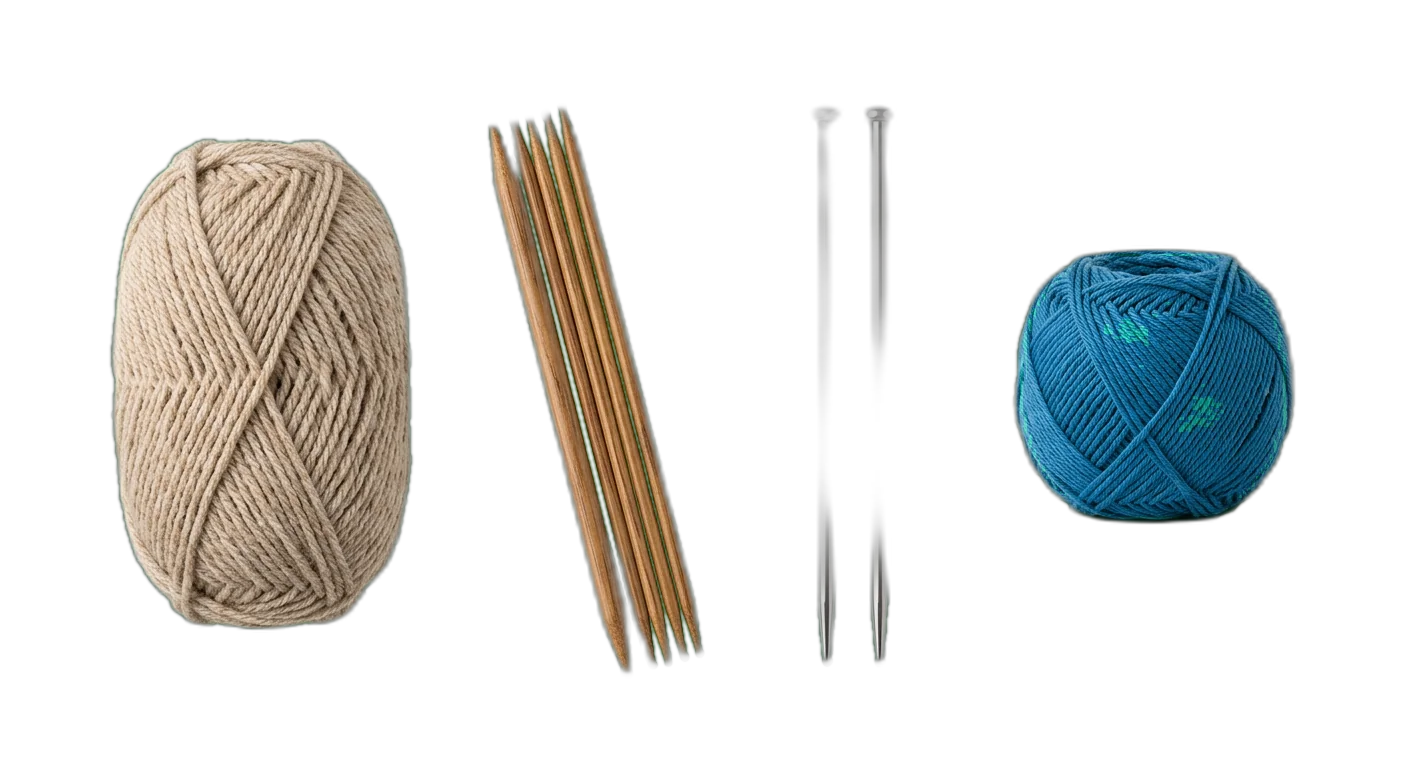
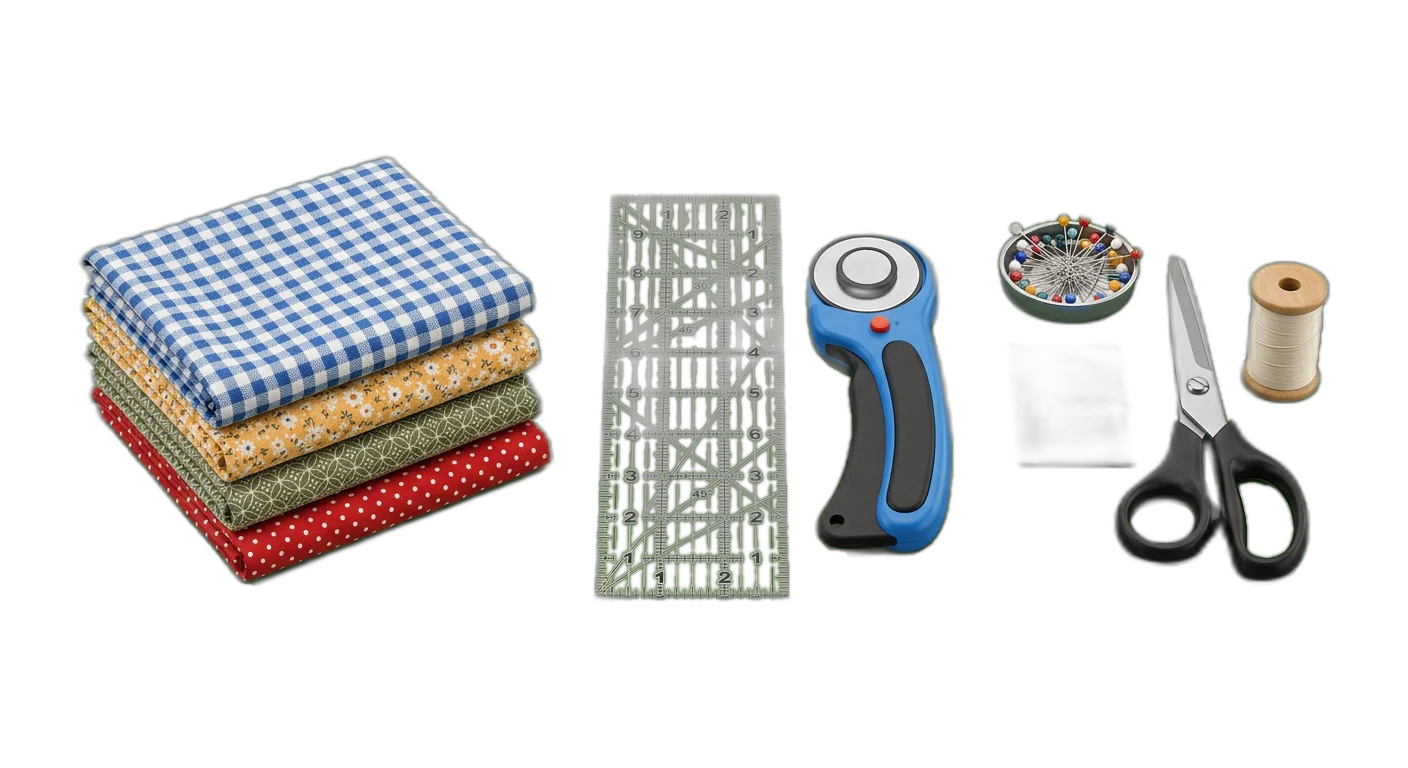
Fiber arts enthusiasts often move between knitting and quilting. They share the same creative mindset and workspace.
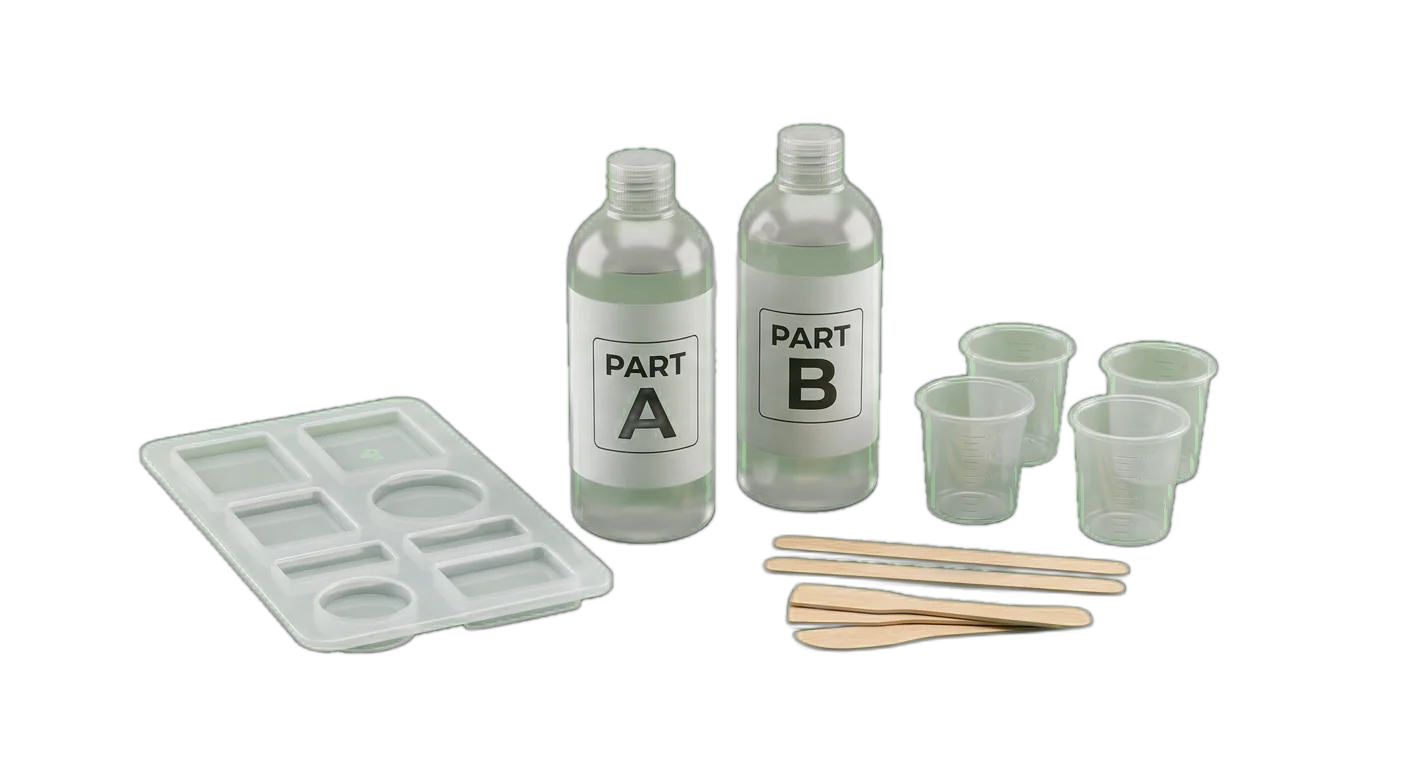
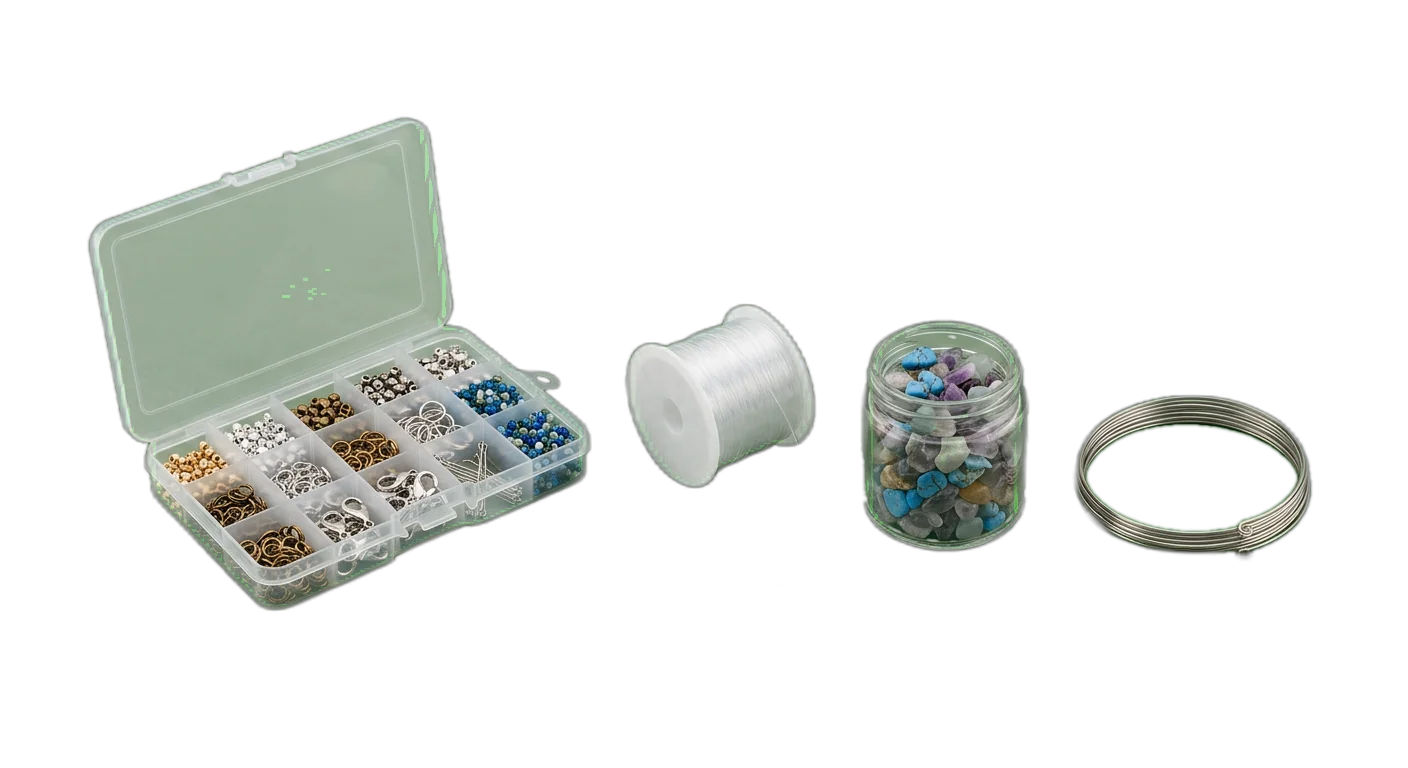
Resin jewelry is the top resin craft project. Resin buyers frequently add bezels, bails, and chains to their orders.

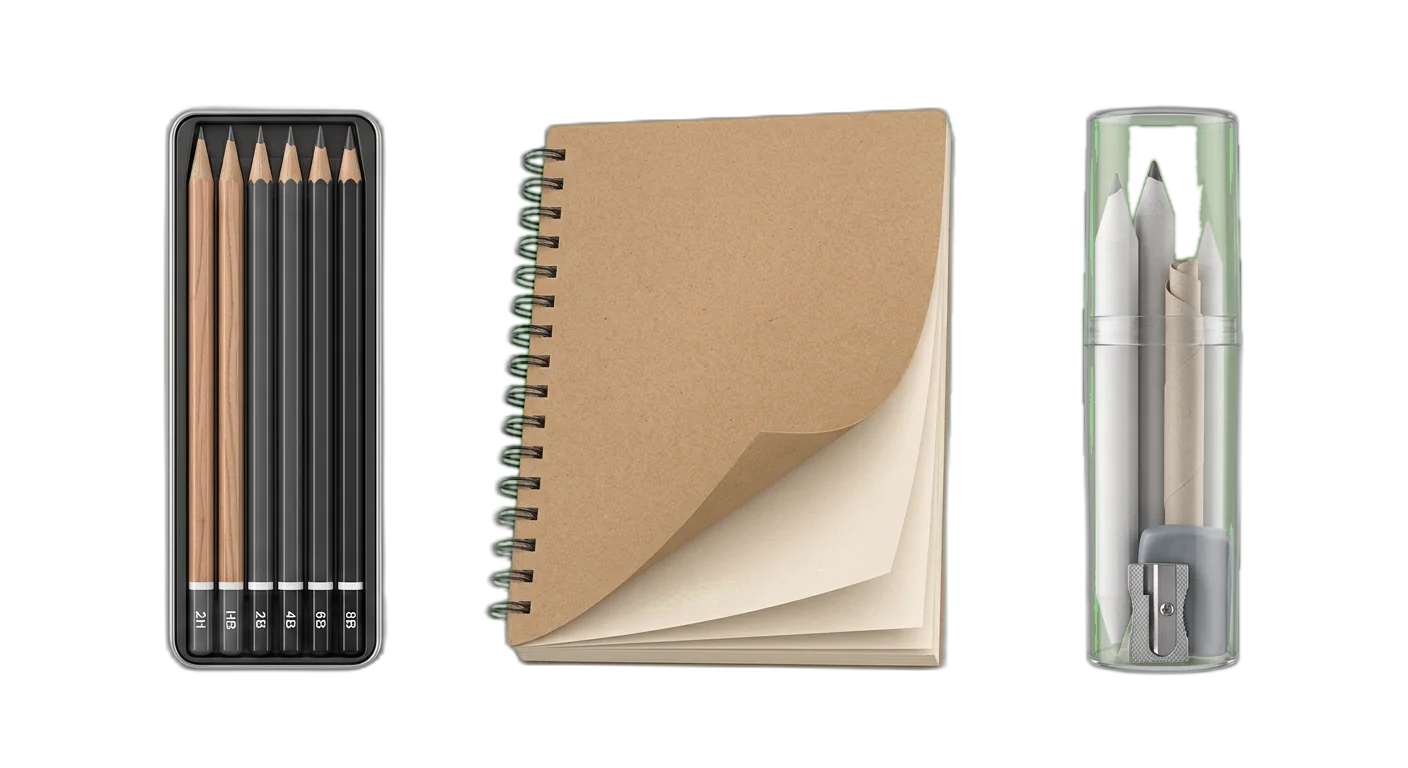
Most painters also sketch. Pencils and sketchbooks are natural additions when purchasing paint supplies.
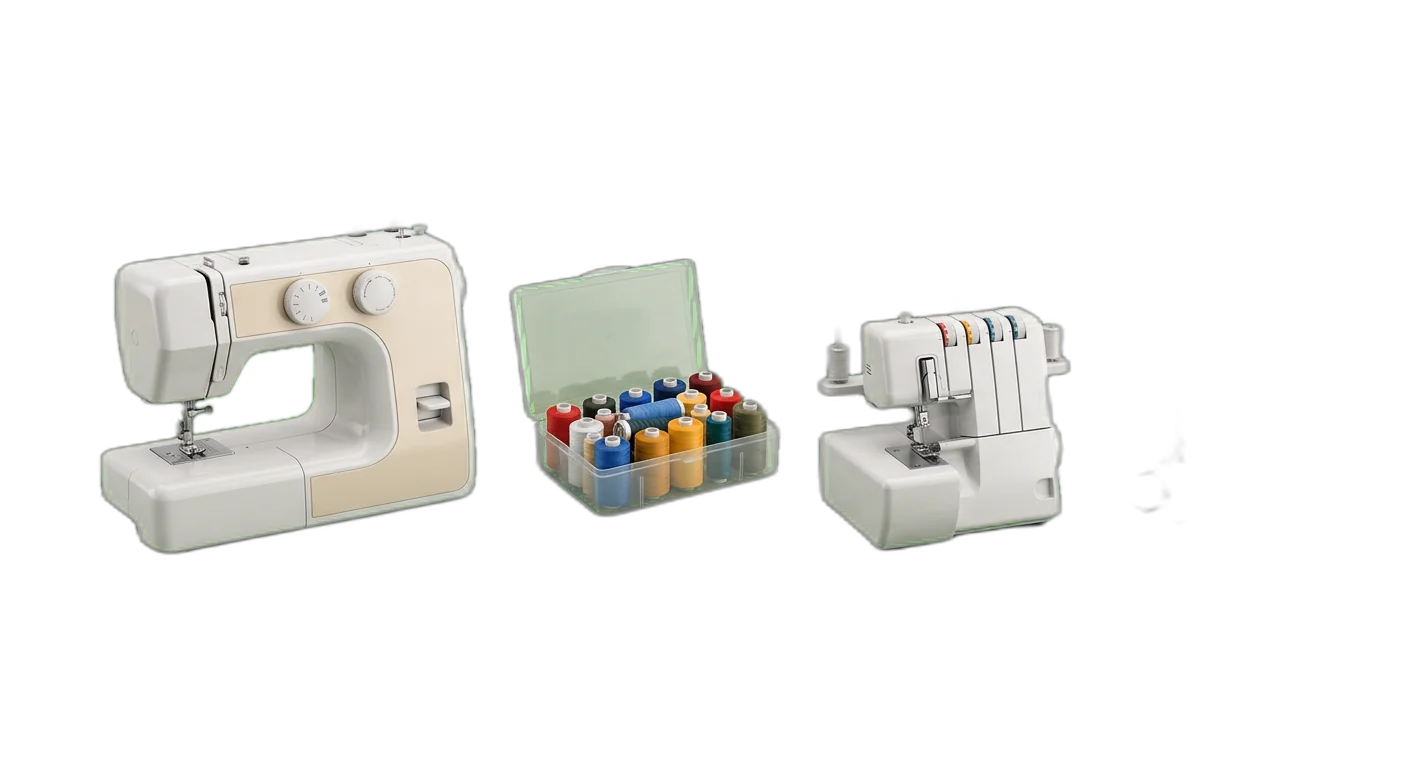
New sewing machine buyers immediately need fabric, thread, and patterns to start their first project.
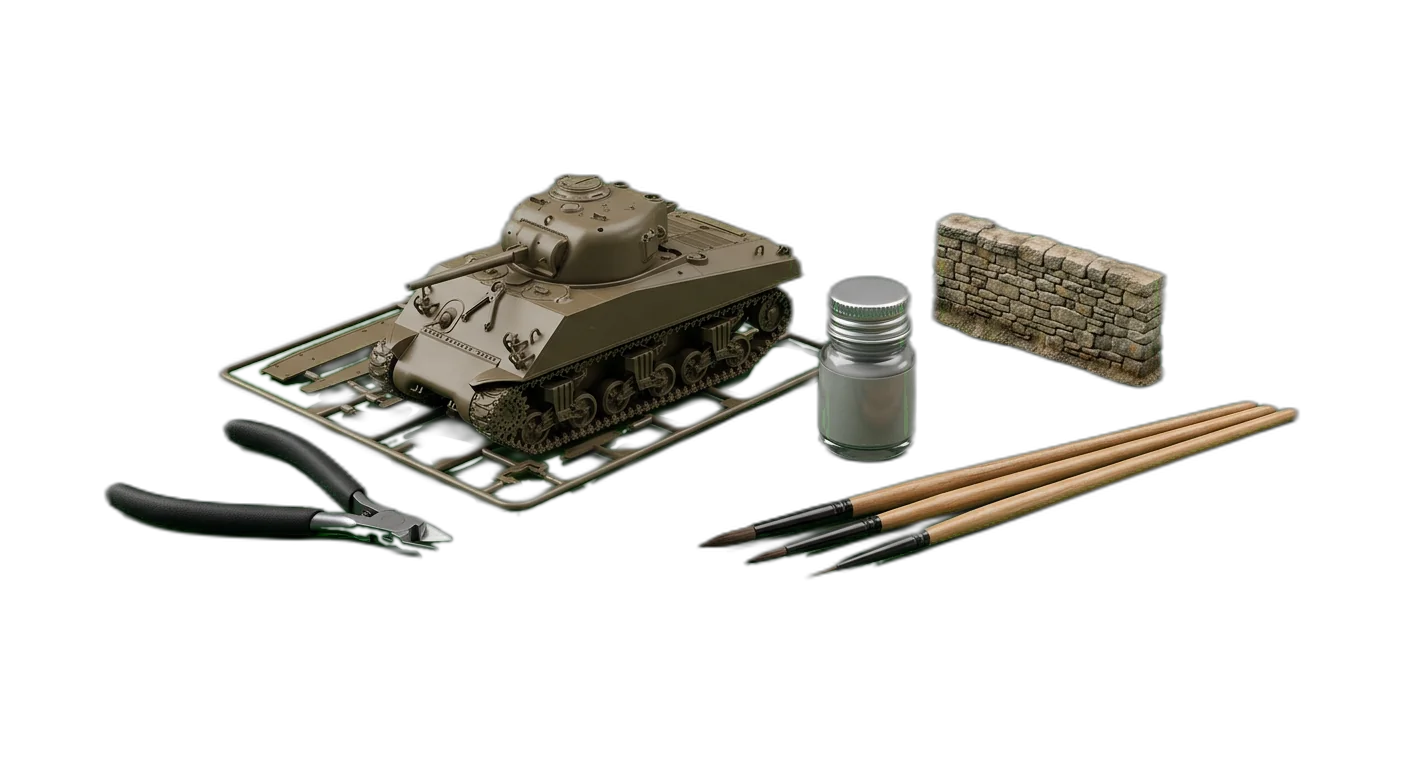
Most model builders paint their models. Miniature paint, brushes, and airbrush equipment are essential companion purchases.
Common Crafts & Hobbies Category Mistakes
Mistakes that hurt your discoverability, SEO, and conversion rates
- Mistake
Using skill level (Beginner, Intermediate, Advanced) as a category level, effectively tripling the entire category tree
Better approachCapture skill level as a filterable attribute on every product. A beginner knitting kit and an advanced knitting kit both belong under Knitting Kits, differentiated by a Skill Level attribute. Customers can then filter any category by their experience level.
- Mistake
Placing all paints together regardless of craft discipline (canvas acrylics mixed with miniature paints)
Better approachKeep products within their craft discipline. Acrylic paint for canvas belongs under Art Supplies > Painting, while miniature paint belongs under Model Building > Miniatures. Even though both are paint, the customer intent and attributes differ significantly.
- Mistake
Not distinguishing between complete kits and individual supply items, leaving customers unsure about what is included
Better approachCreate explicit Kit subcategories within each craft discipline. Kits need additional attributes: Items Included, Skill Level, Project Result, and whether additional supplies are required.
- Mistake
Placing patterns and instructions in a generic 'Patterns' category instead of within their specific craft discipline
Better approachKeep patterns under their discipline: Sewing > Sewing Patterns, Knitting > Knitting Patterns. Each has completely different attributes and audiences.
- Mistake
Creating seasonal category branches (Christmas Crafts, Halloween Crafts) that are empty for most of the year
Better approachKeep seasonal craft supplies in their permanent discipline category and use Holiday and Season tags for merchandising. Create seasonal collections or landing pages for discovery without restructuring your taxonomy.
Set Up Crafts & Hobbies Categories with AI
Get your Crafts & Hobbies product categories organized in minutes, not days
01
Import your craft supply catalog
Upload your product data via CSV, Excel, or API. WISEPIM automatically detects craft-relevant attributes like material composition, skill level, and quality grades from your existing product data.
02
AI categorizes your products
WISEPIM's AI analyzes product titles, descriptions, and images to classify each item into the right craft discipline and subcategory. It identifies whether a product is a tool, consumable, kit, or pattern, and suggests attributes like quality grade and skill level.
03
Review, refine, and publish
Review AI suggestions in bulk, fill in missing attributes like compatibility data and safety certifications, and push your categorized products to all your sales channels. WISEPIM maps your categories to Amazon, Etsy, and other platform taxonomies automatically.
Frequently Asked Questions
Common questions about choosing Crafts & Hobbies categories for ecommerce
Best Categories for Other Industries
Printable checklist
Start in 15 minutesDecide in one week if a new category pays off
Start with demand: 15 minutes in Google Trends. You get one count, like 2 of 3 terms rising. Then 5 steps for the rest of the week.
How it works
- Pick the 3 search terms shoppers use for the category.
- Look each one up in Google Trends over 2 years.
- Write the count, such as '2 of 3 terms rising'.
One email, once, with a link to the printable checklist. Nothing else unless you tick the box.
Free Excel template
XLSX · 3 sheetsSee which of your 20 best sellers are incomplete
An Excel check with the columns crafts & hobbies products need. In about 15 minutes you know how many of your 20 are complete, and the one fix that helps the most rows.
How it works
- Paste 20 best sellers from your shop export into Products.
- Fill in what you know. The last column says what each row is missing.
- Read your result on Start here: how many are complete, and the fix that helps most rows.
One email, once, with the XLSX attached and as a download link. Nothing else unless you tick the box.
Keep exploring
Hand-picked next steps to go deeper.
Ready to Organize Your Crafts & Hobbies Catalog?
WISEPIM uses AI to automatically categorize your products, set up attributes, and sync across all your sales channels.