Product Categorization Examples for Furniture
Real category trees, classification rules, and attribute requirements for Furniture catalogs. Copy them, map your products, and skip months of taxonomy work.
Quick answers: which category does it belong to?
| Item | Category path | Standard | ID |
|---|---|---|---|
| Sofa or sectional | Furniture > Sofas | Google product taxonomy | 460 |
| Dresser | Furniture > Cabinets & Storage > Dressers | Google product taxonomy | 4195 |
| Dining chair | Furniture > Chairs > Kitchen & Dining Room Chairs | Google product taxonomy | 5886 |
| Bed frame | Furniture > Beds & Accessories > Beds & Bed Frames | Google product taxonomy | 505764 |
| Headboard | Furniture > Beds & Accessories > Headboards & Footboards | Google product taxonomy | 451 |
| Mattress | Furniture > Beds & Accessories > Mattresses | Google product taxonomy | 2696 |
| Desk chair | Furniture > Office Furniture > Office Chairs | Google product taxonomy | 2045 |
| Armchair or recliner | Furniture > Chairs > Arm Chairs, Recliners & Sleeper Chairs | Google product taxonomy | 6499 |
| Seat cushion | Home & Garden > Decor > Chair & Sofa Cushions | Google product taxonomy | 4453 |
| Camping chair | Sporting Goods > Outdoor Recreation > Camping & Hiking > Camp Furniture | Google product taxonomy | 1014 |
Furniture Category Hierarchy
Standard category structure used across major e-commerce platforms and marketplaces
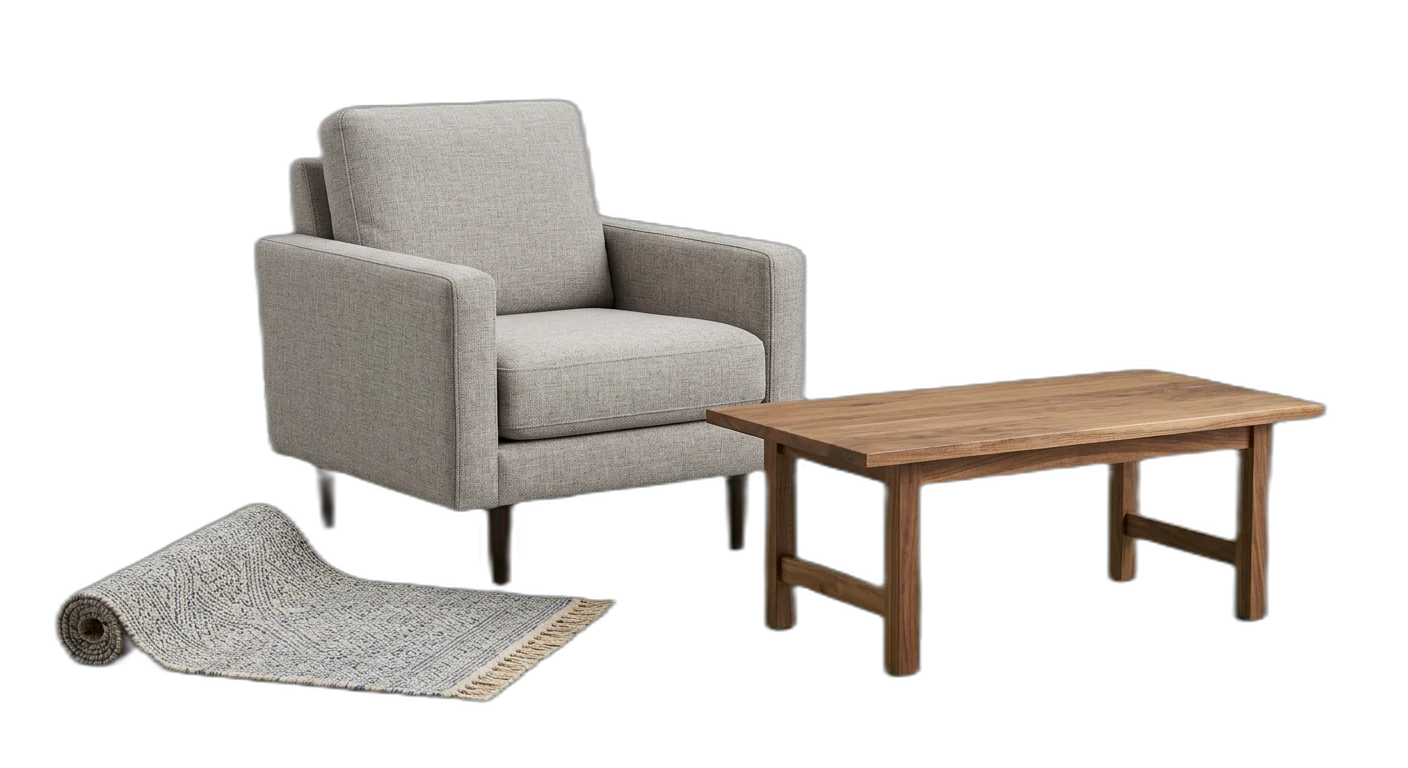
Living Room
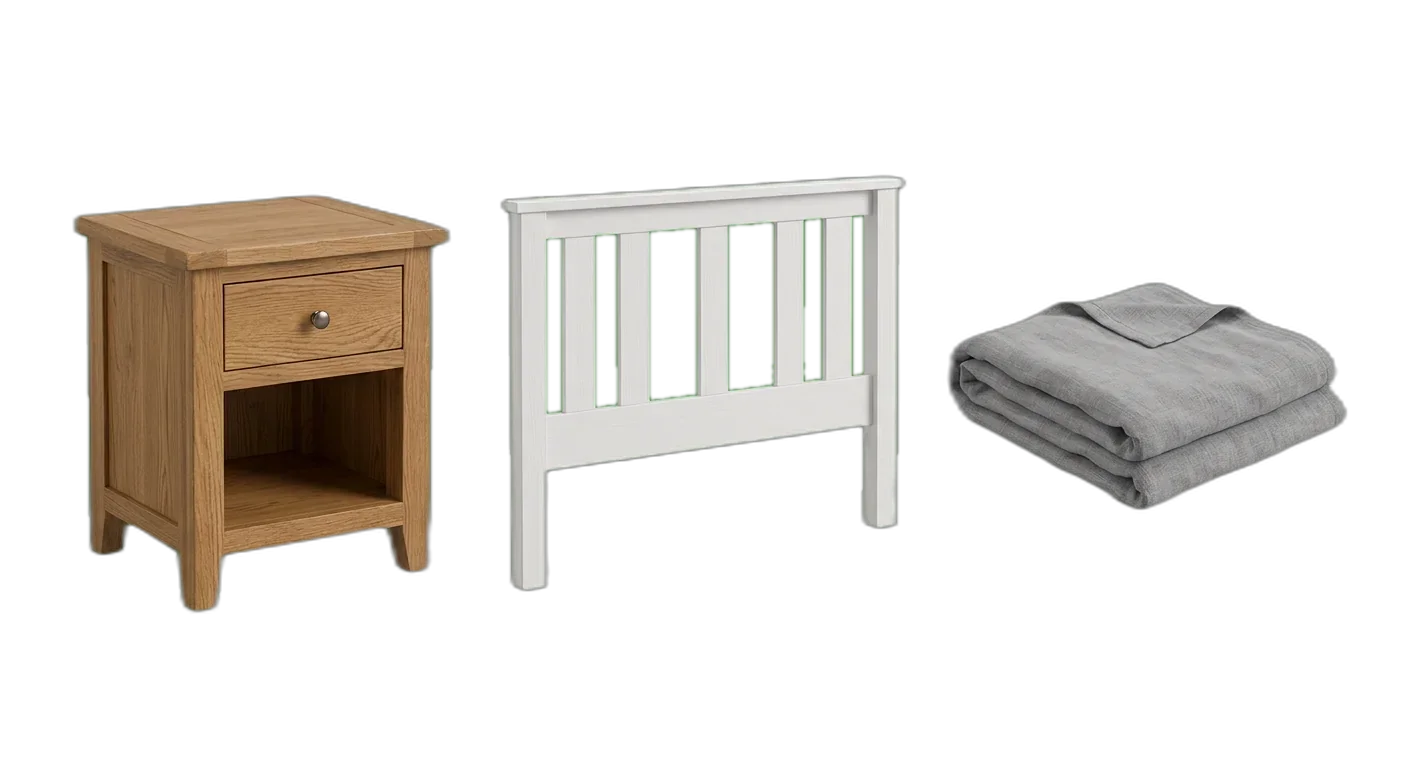
Bedroom
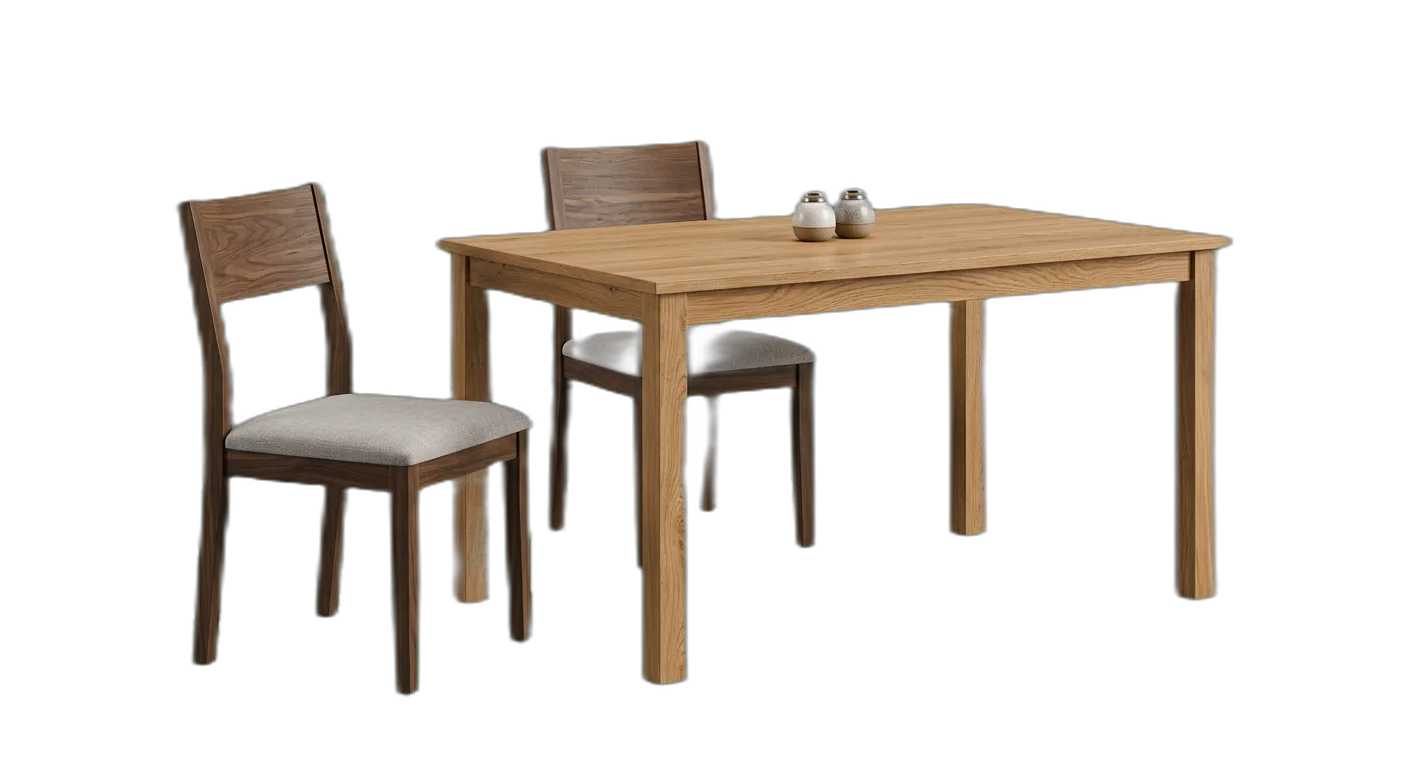
Dining Room
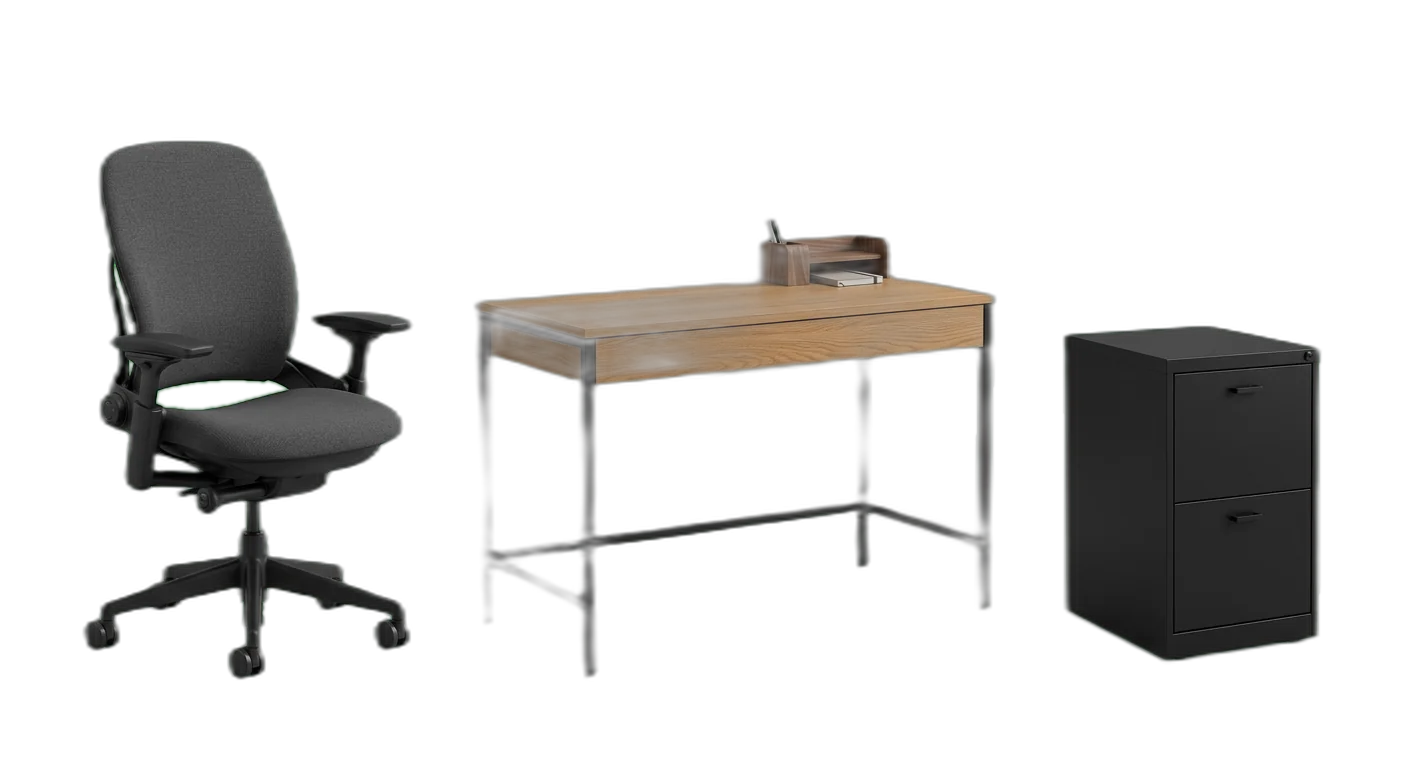
Home Office
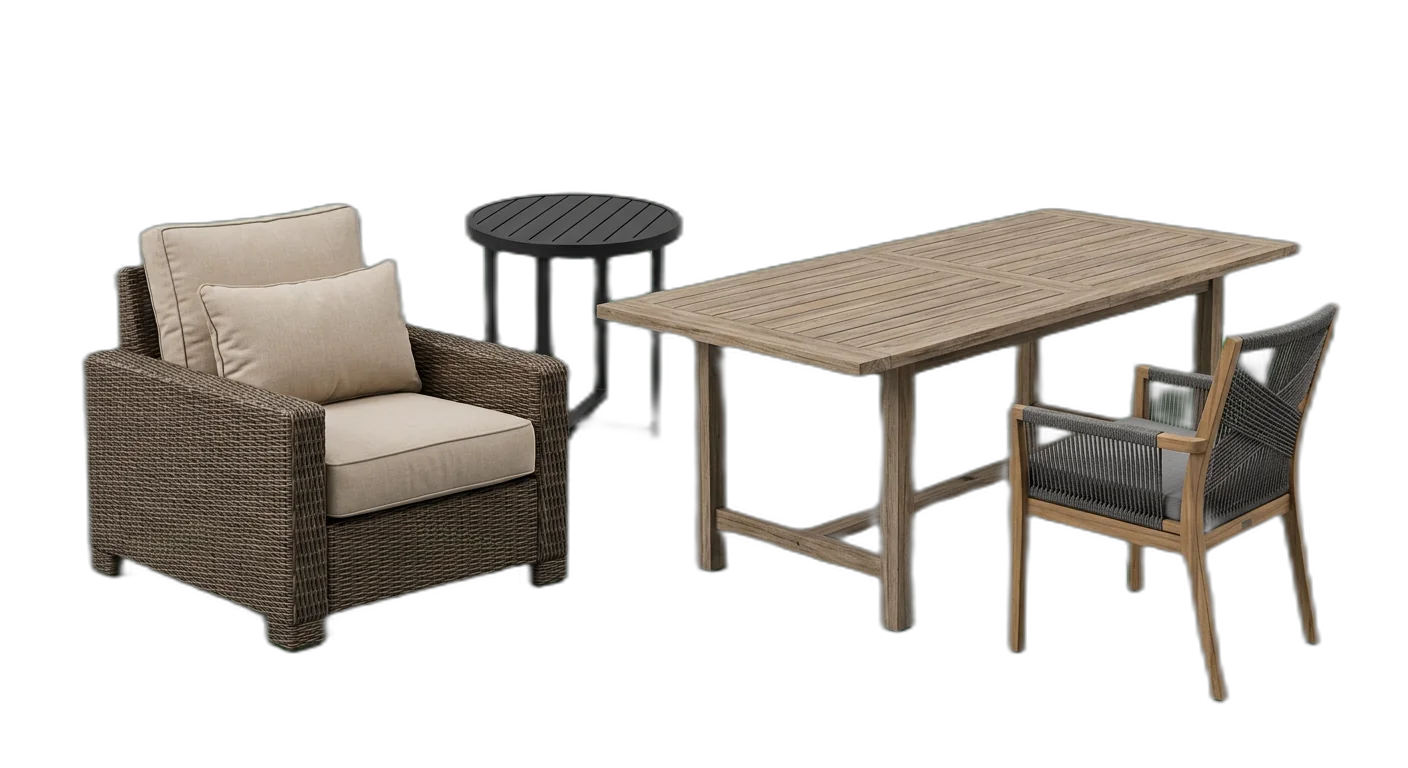
Outdoor Furniture
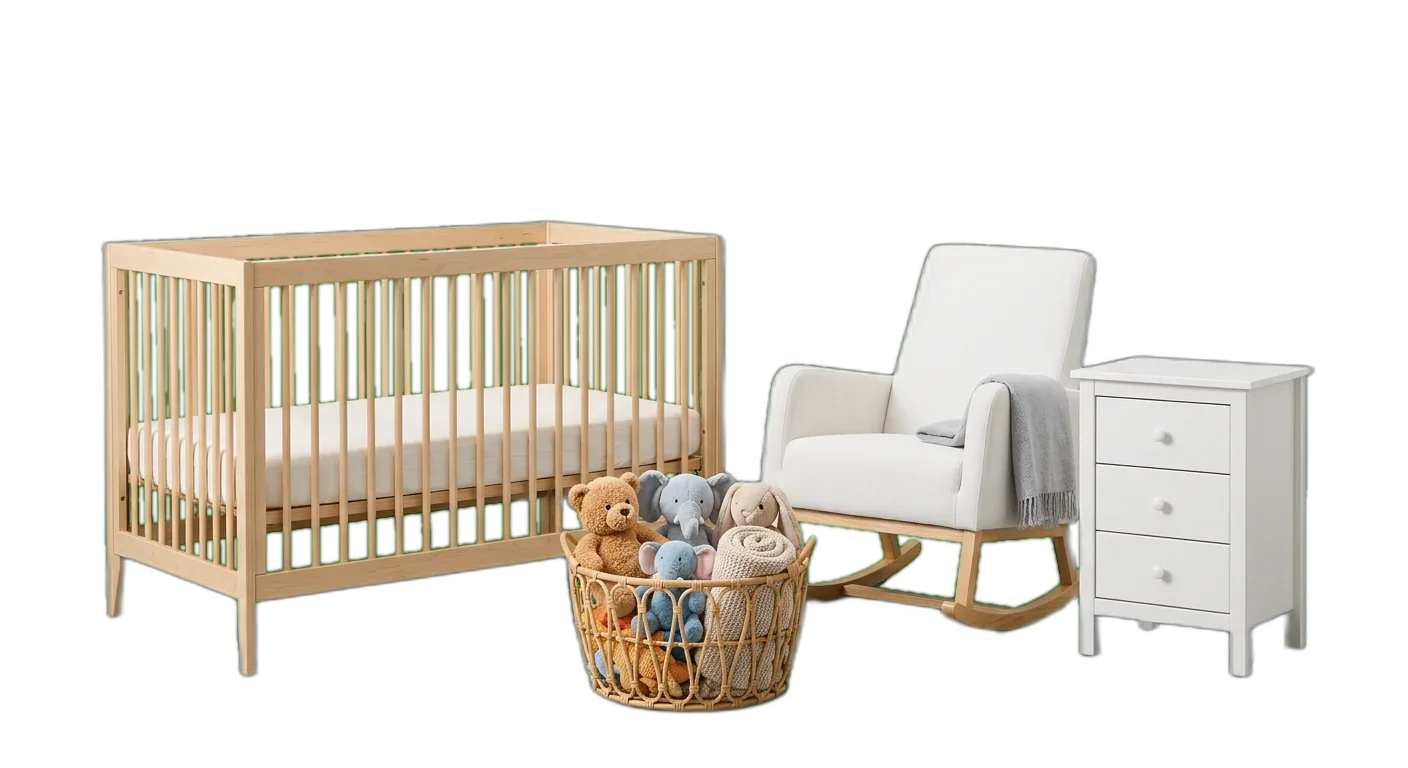
Kids & Nursery
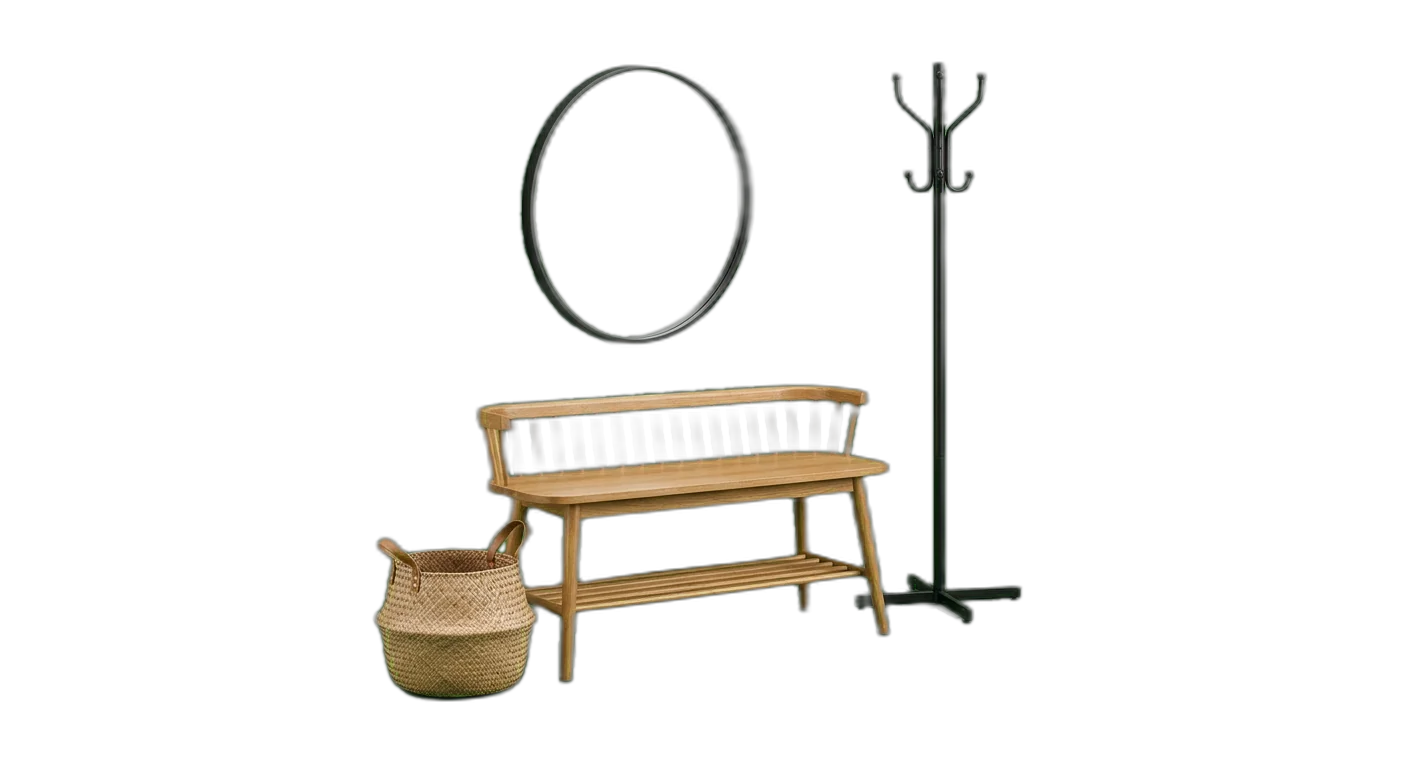
Entryway & Hallway
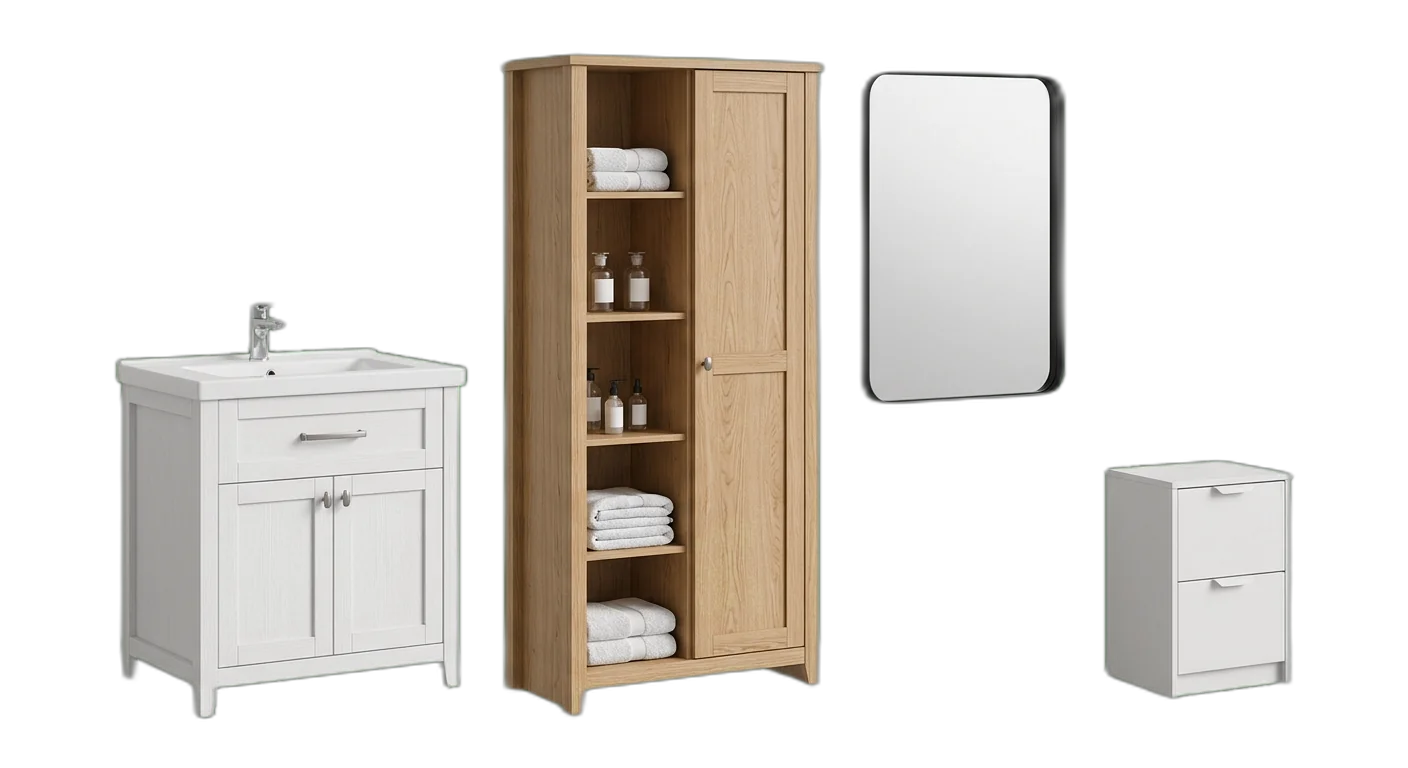
Bathroom Furniture
How to Classify Furniture Products
Follow these rules to place products in the right categories, every time
- 1
Classify by room first, then by furniture type
The primary categorization should reflect the room where the piece is intended to be used (Living Room, Bedroom, Dining Room). Within each room, subdivide by furniture type (seating, tables, storage). This matches how customers naturally shop and browse furniture stores.
A leather armchair is Living Room > Seating > ArmchairsA bedside cabinet is Bedroom > Bedroom Storage > Nightstands - 2
Treat style as an attribute, not a category
Do not create separate categories for Modern Sofas, Scandinavian Sofas, and Mid-Century Sofas. Instead, assign the product to the correct furniture type category and use a Style attribute for filtering. This prevents taxonomy bloat and allows customers to filter across styles within a type.
Use Living Room > Sofas & Sectionals > 3-Seater Sofas with attribute Style: Mid-Century ModernDo not create Modern Furniture > Modern Sofas > Modern 3-Seater - 3
Capture material as a structured attribute
Materials like solid oak, MDF, metal, velvet, or leather should always be attributes rather than category levels. A single sofa category serves all materials, and customers can filter by their preferred upholstery or frame material without navigating parallel category trees.
- 4
Require dimensions for every furniture product
Width, depth, height, and weight are mandatory attributes for all furniture items. Without dimensions, customers cannot determine if a piece fits their space, leading to high return rates. Standardize on centimeters or inches per market, and always include both assembled and packaged dimensions for shipping.
- 5
Track assembly type as a required attribute
Every furniture product should indicate whether it arrives fully assembled, requires partial assembly, or needs full assembly. Include estimated assembly time, tools required, and whether professional assembly is recommended. This information directly impacts customer satisfaction and return rates.
Assembly Type: Flat-Pack, Estimated Time: 45 min, Tools Required: Allen Key (included)Assembly Type: Fully Assembled, White Glove Delivery Available: Yes - 6
Maintain strict indoor vs outdoor separation
Indoor and outdoor furniture have fundamentally different material requirements, weather ratings, and care instructions. Keep Outdoor Furniture as a dedicated top-level category rather than mixing patio chairs into a generic Seating category. Products suitable for both should be categorized as outdoor with an Indoor Use attribute.
- 7
Handle collections and sets through attributes
Furniture collections (e.g., the Hampton Collection) and multi-piece sets should use a Collection attribute and a Set attribute rather than creating separate categories. A dining set should be categorized under Dining Tables with a Product Type: Set attribute, and each individual piece should reference the same collection.
Hampton 7-Piece Dining Set goes under Dining Room > Dining Tables > Extendable Tables with attribute Product Type: Dining Set, Collection: Hampton - 8
Differentiate size variants within the same product listing
For furniture that comes in multiple sizes (2-seater vs 3-seater sofa, single vs double bed), each size should be a variant within a product listing or a separate product in the correct subcategory. Do not merge all sizes into a single generic Sofas category without size distinction.
- 9
Treat finish and color as attributes
Wood finishes (walnut, oak, white-washed) and upholstery colors should be attributes with standardized values, not category levels. Use a primary Material Finish attribute for the frame and a Color/Fabric attribute for upholstery. Maintain a consistent color naming convention across the entire catalog.
- 10
Capture weight capacity for seating and storage
All seating products (chairs, sofas, stools, beds) and shelving or storage units must include a maximum weight capacity attribute. This is required for safety compliance in many markets and is essential information for customers making purchasing decisions.
Required Attributes by Category
Make sure your product data is complete with the required and recommended attributes for each category level
Furniture Classification Pitfalls to Avoid
Avoid these common categorization errors that hurt product discoverability
- Mistake
Using style names as categories (Modern Furniture, Scandinavian Furniture, Industrial Furniture) instead of room and type
Better approachUse room-based top-level categories with furniture type subcategories, and add Style as a filterable attribute. Styles are subjective and change with trends, while rooms and furniture types are permanent classification anchors.
- Mistake
Omitting physical dimensions from product data, relying only on size labels like Small, Medium, or Large
Better approachAlways include exact width, depth, and height in centimeters or inches. Include both assembled dimensions and packaged dimensions for shipping. Size labels can supplement but never replace precise measurements.
- Mistake
Not specifying assembly requirements, leaving customers uncertain about what to expect upon delivery
Better approachAdd Assembly Type (Flat-Pack, Partial Assembly, Fully Assembled), estimated assembly time, tools required, and whether professional assembly is available. This reduces customer support inquiries and return rates significantly.
- Mistake
Placing the same product in multiple room categories (e.g., a bookcase appearing in both Living Room and Home Office)
Better approachAssign each product to its primary intended room category. Use a Secondary Room attribute or tags for cross-room visibility. This prevents duplicate listings and keeps inventory counts accurate across channels.
- Mistake
Not tracking weight capacity for seating, beds, and shelving products
Better approachInclude maximum weight capacity as a required attribute for all seating (chairs, sofas, stools), beds, and storage furniture. This is a safety requirement in many markets and a key purchasing factor for customers.
- Mistake
Treating furniture collections as categories (Hampton Collection, Nordic Series) rather than using attributes
Better approachKeep collections as a tag or attribute so products remain in their functional category. A Hampton dining table should be under Dining Tables with attribute Collection: Hampton, not under a Hampton Collection category.
- Mistake
Inconsistent material naming across the catalog (using Oak, Solid Oak, Natural Oak, and Oak Wood for the same material)
Better approachEstablish a standardized material vocabulary and enforce it across all products. Define a controlled list of material values (e.g., Solid Oak, Engineered Oak, Oak Veneer) and apply them consistently.
- Mistake
Mixing indoor and outdoor furniture in the same category tree without clear separation
Better approachMaintain Outdoor Furniture as a dedicated top-level category with its own subcategories. Outdoor furniture has unique attributes (weather resistance, UV rating, rust-proofing) that do not apply to indoor pieces.
- Mistake
Failing to capture packaged/shipping dimensions alongside assembled dimensions
Better approachAlways store both assembled dimensions and packaged box dimensions. Shipping costs, warehouse slotting, and delivery logistics all depend on packaged size, and many marketplaces require shipping dimensions for accurate rate calculation.
- Mistake
Using the same color or finish attribute for both frame material and upholstery without distinguishing them
Better approachSeparate frame finish (e.g., Walnut Stain, Black Metal) from upholstery color (e.g., Charcoal Velvet, Tan Leather). Many furniture pieces combine multiple materials, and customers need to filter by each independently.
How to Categorize Furniture Products
Follow these steps to categorize your Furniture products correctly for e-commerce and marketplace requirements
01
Import Your Furniture Catalog
Connect your e-commerce platform or upload your product feed containing furniture items. WISEPIM automatically detects product titles, descriptions, images, and existing attributes to prepare your catalog for AI-powered categorization and enrichment.
02
AI Classifies Your Products by Room & Type
WISEPIM analyzes product images and descriptions to assign each piece to the correct room category, then identifies the furniture type and specific subcategory. The AI detects room context, material composition, and product form to classify everything from sofas to outdoor dining sets with high accuracy.
03
Enrich Dimensions, Materials & Assembly Data
Review AI-suggested categories and fill in critical attributes including exact dimensions, materials, weight capacity, assembly requirements, and finish options. WISEPIM highlights missing required attributes and validates that dimension formats are consistent across your catalog.
04
Map to Marketplaces & Publish
Export your categorized furniture catalog to your webshop, Google Shopping, Amazon, and other sales channels. WISEPIM maps your internal room-based categories to each platform's furniture taxonomy and ensures all required attributes are present for each channel.
Categorize your Furniture catalog in WISEPIM
Sign up for the free plan and apply this guide to your own products: build your category tree, let AI suggest a category for each product, and map your categories to Google's product taxonomy.
- 100 products and 50 AI credits a month on the free plan
- Import products from a CSV file or a connected store
- AI categorization assigns categories, or suggests them for you to review first
- The category map links your categories to Google product categories
Frequently Asked Questions
Common questions about Furniture product categorization
Best Furniture Categories for Ecommerce
Discover the top-performing Furniture product categories ranked by demand, margins, and growth potential.
Furniture Taxonomy Standards Compared
See how Google, GS1 GPC and bol. classify furniture, and which attributes each standard expects before you map your category tree.
Map Furniture products to a global taxonomy
Got your own category tree? Map it to the standards that marketplaces, ad platforms, and data partners actually require.
Explore More Industry Guides
- Inventory all product sources
- Define your attribute schema
- Normalize brand names
- Add alt-text to every primary image
The product categorization checklist
Ten concrete steps to a clean, scalable category tree, including tree-depth rules, leaf-level attribute requirements, and what to do when parent and leaf conflict.
- Pick the right standard (Google / GS1 GPC / eCl@ss)
- Max-depth rules so your tree doesn't balloon
- Minimum attribute set per leaf category
One email, no follow-up spam. Print it and get to work.
| sku | name | brand | material | size |
|---|---|---|---|---|
| FA-001 | Linen shirt | Your brand | 100% linen | M |
| — | — | — | — | — |
The Furniture PIM starter template
The same attributes this guide walks through, as a ready-made CSV. Required first, recommended after, with a worked example so you can start immediately.
- 7 required + 7 recommended attributes
- Import-ready for any PIM or ERP
- One worked example + one blank row
We email the file once. No drip sequence.
Keep exploring
Hand-picked next steps to go deeper.
Ready to Automate Your Furniture Categorization?
WISEPIM uses AI to classify products automatically, saving hours of manual work and cutting categorization errors.