Sports Product Taxonomy: Tennis Shoes to Swimwear
Tennis shoes from Nike or Adidas go in Apparel & Accessories > Shoes (Google ID 187), not under Sporting Goods: Google files shoes as apparel and the sport becomes an attribute. Equipment does go under Sporting Goods, such as Athletics > Tennis > Tennis Racquets (3906), and swimwear sits in Apparel & Accessories > Clothing > Swimwear (211). Brand is always an attribute, never a category. IDs follow Google's product taxonomy, version 2021-09-21.
Sports & Outdoors Category Hierarchy
Standard category structure used across major e-commerce platforms and marketplaces
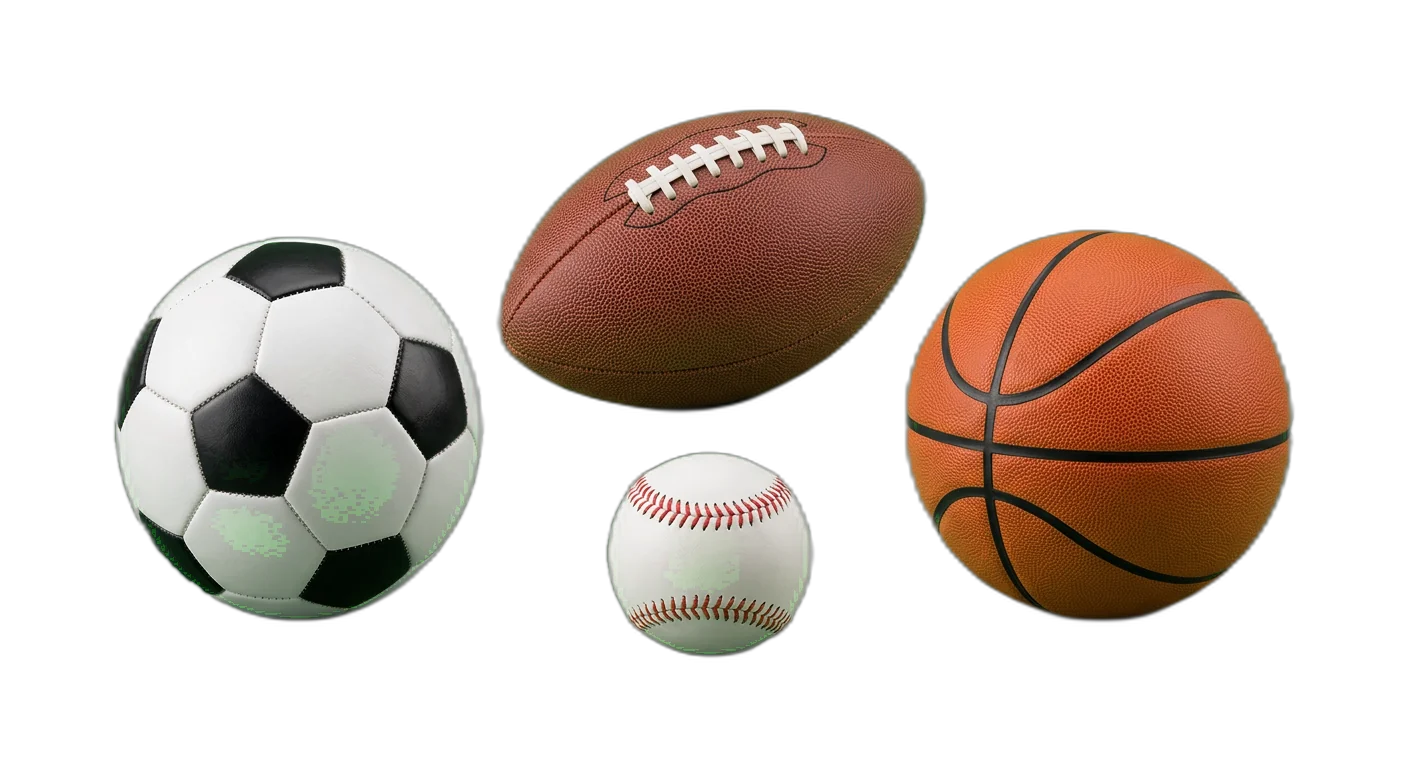
Team Sports
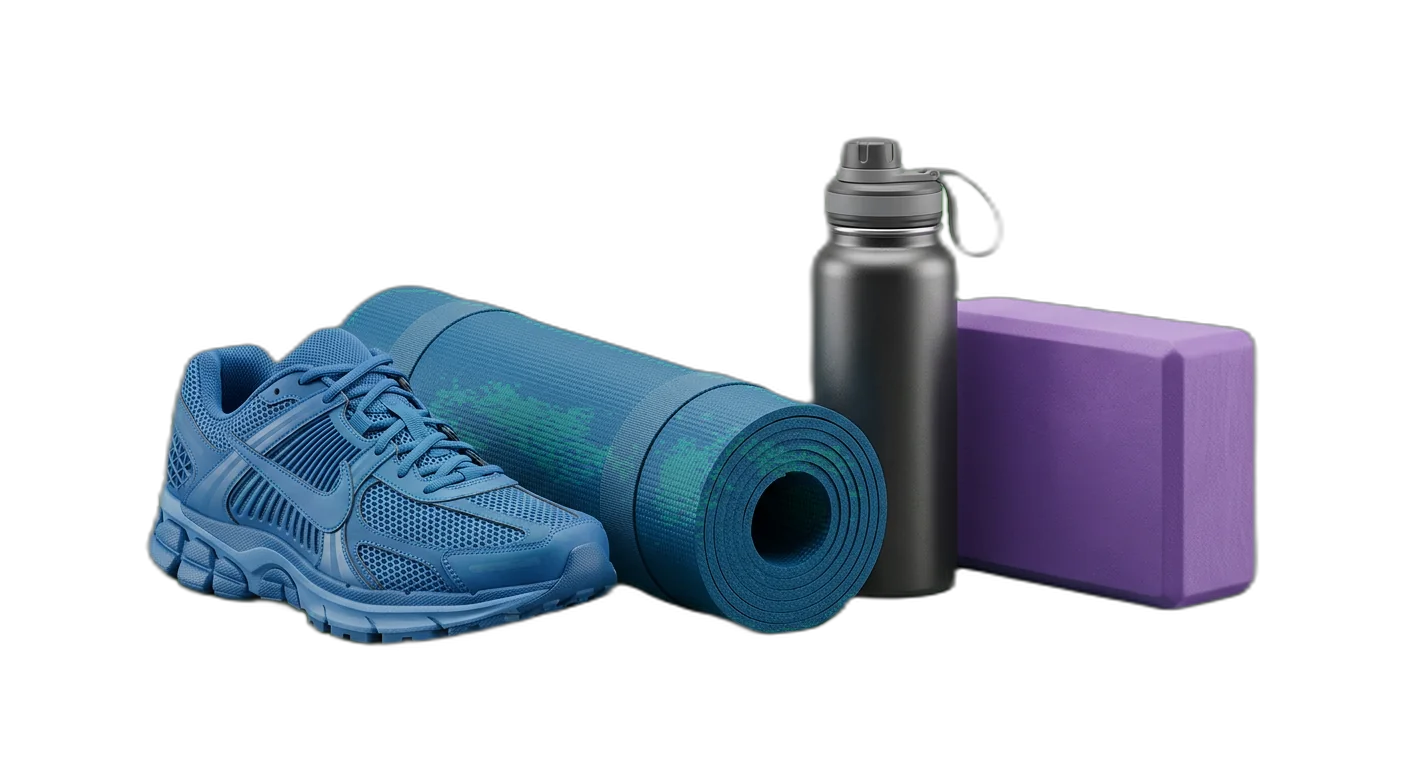
Individual Sports
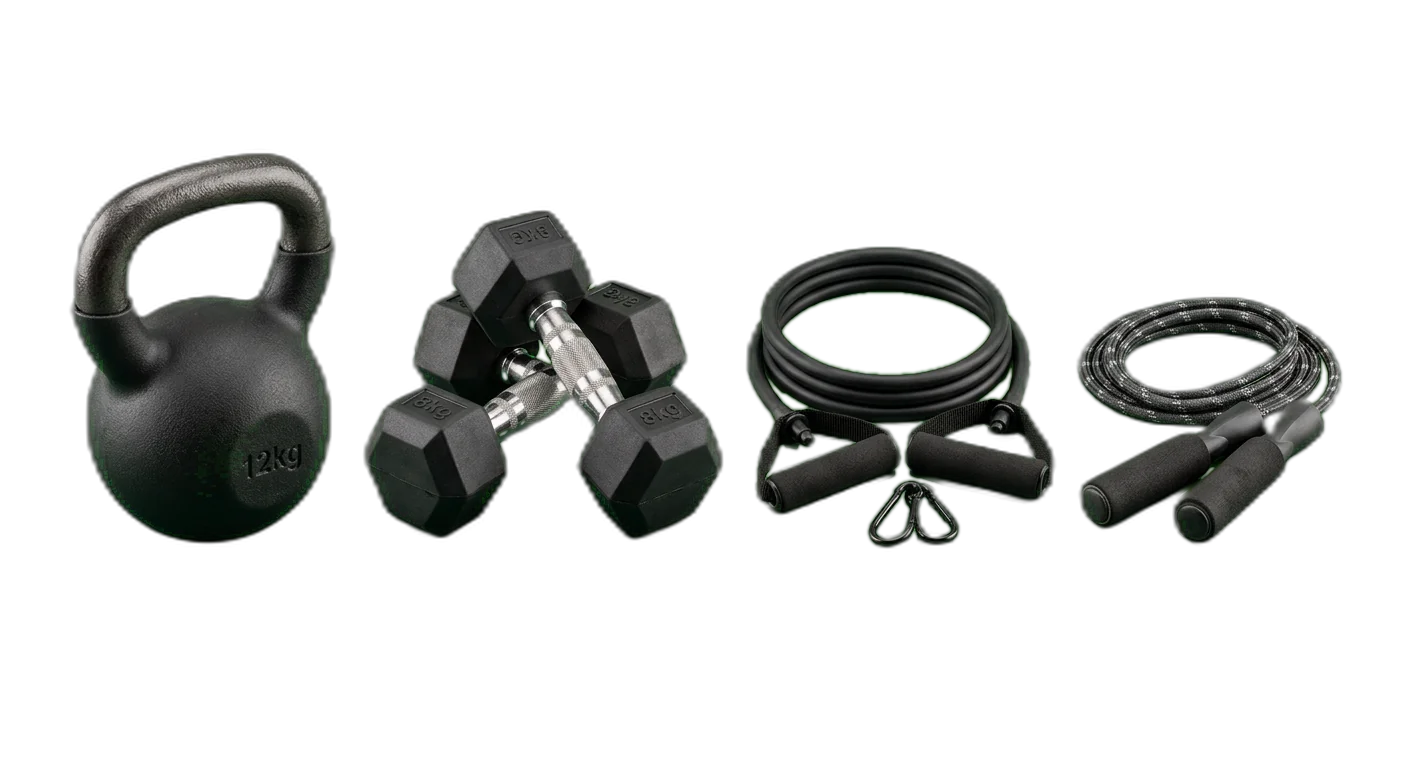
Fitness & Training
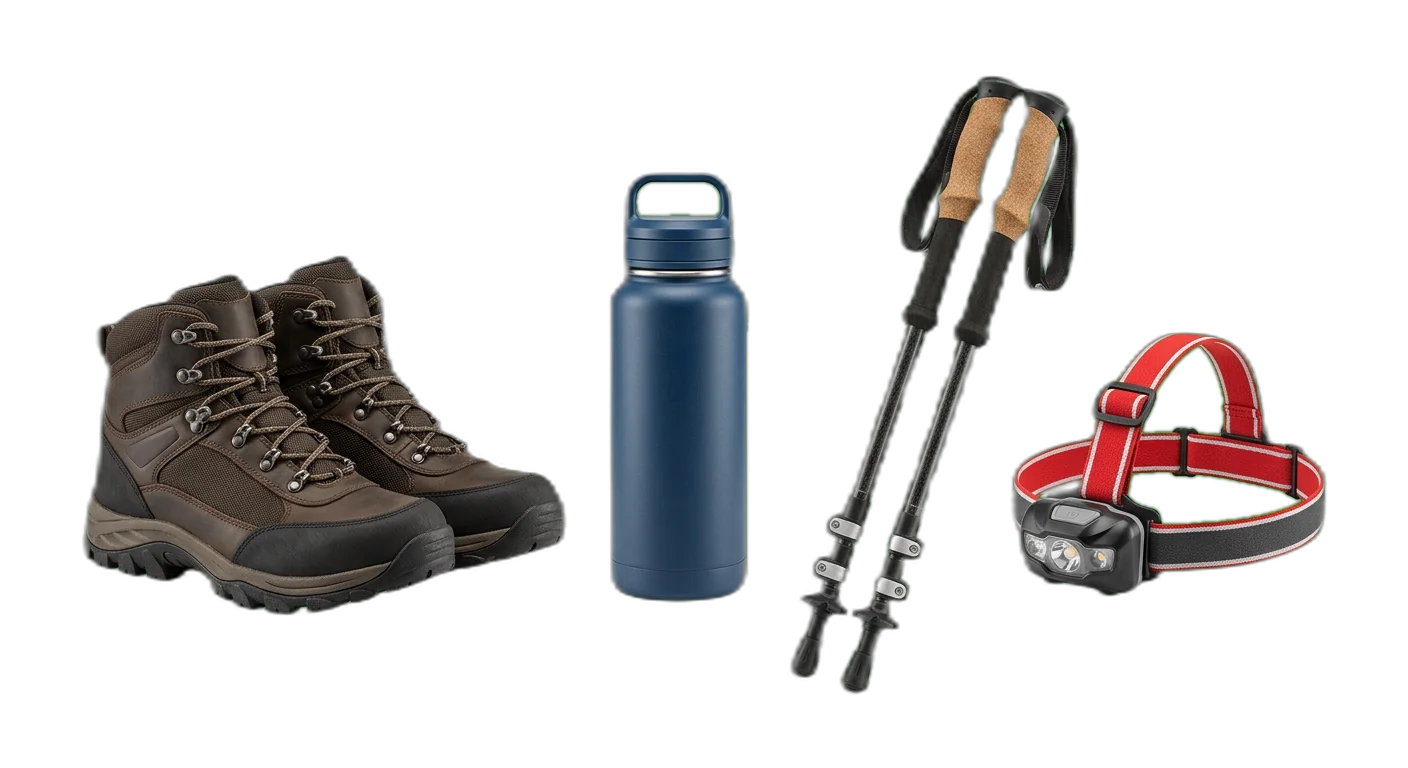
Outdoor Recreation
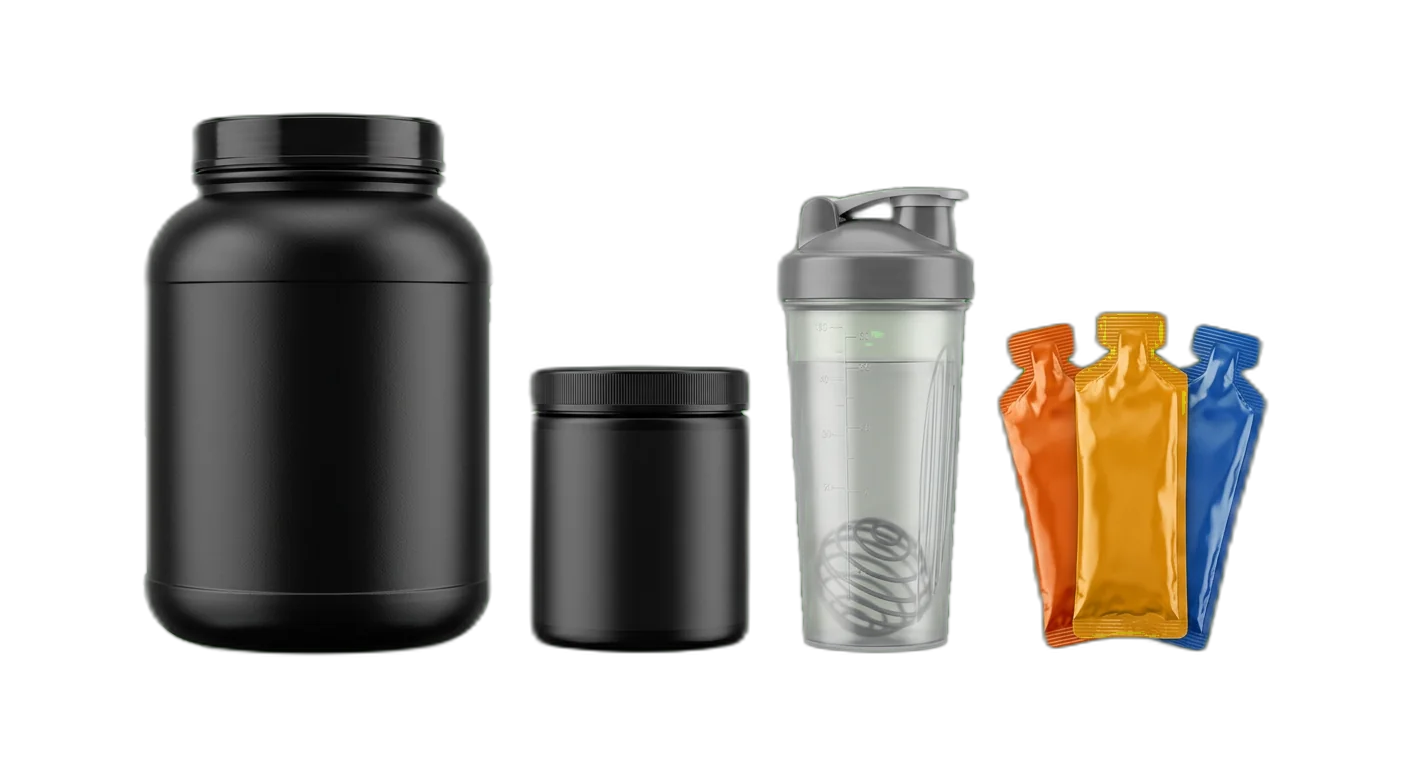
Sports Nutrition
How to Classify Sports & Outdoors Products
Follow these rules to place products in the right categories, every time
- 1
Classify by sport first, then by product type
The primary organizational axis should be the sport or activity. Within each sport, subdivide by product type (equipment, apparel, accessories). This reflects how athletes and enthusiasts actually shop: they search by their sport, not by whether they need apparel or equipment.
A tennis skirt goes under Tennis > Tennis Apparel, not Apparel > SkirtsA cycling helmet goes under Cycling > Cycling Helmets, not Helmets > Cycling - 2
Separate equipment from apparel within each sport
Within a sport category, keep a clear distinction between hard goods (equipment, gear) and soft goods (clothing, footwear). This separation supports different attribute schemas and helps with inventory management, as equipment and apparel have fundamentally different supply chain characteristics.
- 3
Use skill level as an attribute, not a category
Do not create separate categories for Beginner Tennis Rackets, Intermediate Tennis Rackets, and Pro Tennis Rackets. Keep one Tennis Rackets category and add a Skill Level attribute (Beginner, Intermediate, Advanced, Professional). This prevents taxonomy bloat and makes filtering more flexible.
Use Tennis > Tennis Rackets with attribute Skill Level: AdvancedDo not create Tennis > Advanced > Rackets - 4
Handle indoor vs outdoor variants through attributes
Many sports have indoor and outdoor variants (soccer, volleyball, basketball). Use Indoor/Outdoor as an attribute rather than creating parallel category trees. The equipment differs in specifications but shares the same fundamental category structure.
- 5
Group accessories under their parent sport
Sport-specific accessories (bags, grips, replacement parts) should be nested under their sport category, not in a generic Accessories category. A tennis racket bag belongs under Tennis, not under a global Bags category, because customers shop by sport.
- 6
Handle seasonal sport products with attributes
Products designed for specific seasons (summer swimwear, winter base layers) should remain in their sport or activity category with a Season attribute. Avoid creating separate Summer Sports and Winter Sports top-level categories, as many products (like thermal running gear) blur these boundaries.
- 7
Categorize protective gear under its sport, not generically
Helmets, pads, guards, and other protective equipment should be categorized under the specific sport they serve. A cycling helmet and a skateboarding helmet have different safety certifications and features. Generic Protective Gear categories make it impossible to surface the right compliance attributes.
Cycling > Cycling Helmets (with CE/CPSC certification attributes)Hockey > Protective Gear > Hockey Helmets (with HECC certification) - 8
Keep sports nutrition as a separate top-level category
Protein powders, energy bars, hydration products, and supplements serve all sports and fitness activities. Placing them under a specific sport would force awkward cross-referencing. Maintain Sports Nutrition as a peer to Team Sports, Individual Sports, and Fitness.
- 9
Use gender as a filterable attribute, not a category level
Avoid duplicating your entire category tree for Men and Women. Instead, add Gender (Men, Women, Unisex, Youth) as an attribute. The exception is sport-specific apparel where fit differs significantly, but even there, gender should be an attribute applied after the product type category.
- 10
Distinguish age groups through attributes, not tree duplication
Products designed for youth, junior, or adult athletes should share the same category with an Age Group attribute. Creating separate Kids Sports and Adult Sports trees leads to massive duplication and maintenance overhead. Use Age Group: Youth, Junior, Adult, Senior as a filterable attribute.
Required Attributes by Category
Make sure your product data is complete with the required and recommended attributes for each category level
Sports & Outdoors Classification Pitfalls to Avoid
Avoid these common categorization errors that hurt product discoverability
- Mistake
Organizing sport apparel by clothing type (all T-Shirts together, all Shorts together) instead of by sport
Better approachCategorize by sport first, then by product type. Running shorts and basketball shorts have entirely different attributes, sizing, and customer expectations. Group them under their respective sports and use Product Type as a secondary attribute.
- Mistake
Duplicating the entire category tree for each gender (Men's Team Sports, Women's Team Sports, Kids Team Sports)
Better approachMaintain one category tree and use Gender as a filterable attribute. A basketball is the same product for all genders. Only sport-specific apparel needs gender variants, and even then, gender should be an attribute, not a category level.
- Mistake
Mixing indoor and outdoor versions of sports into separate top-level categories instead of using attributes
Better approachKeep one category per sport (e.g., Soccer) and add an Indoor/Outdoor attribute. Indoor soccer shoes and outdoor cleats share the same sport context and customer journey. Splitting them creates navigation confusion.
- Mistake
Creating categories organized by brand (Nike Running, Adidas Training) rather than by sport or activity
Better approachBrand should always be a filterable attribute, never a category. Brand-based categories fragment the browsing experience and become unmanageable as you add or drop brands from your assortment.
- Mistake
Using skill level as a category level (Beginner Golf, Advanced Golf) instead of an attribute
Better approachUse a single Golf category with a Skill Level attribute (Beginner, Intermediate, Advanced, Professional). This prevents tree duplication and allows customers to filter across skill levels when browsing.
- Mistake
Not tracking safety certifications and ratings for protective equipment like helmets and pads
Better approachAdd mandatory Safety Certification attributes to all protective gear categories. Track specific standards like CE EN 1078 for cycling helmets, ASTM for baseball helmets, and HECC for hockey gear. These are required for marketplace compliance and consumer safety.
- Mistake
Placing sports nutrition products (protein, hydration, energy) alongside equipment in sport-specific categories
Better approachKeep Sports Nutrition as a separate top-level category. Nutrition products serve all sports and activities. Nesting protein powder under Fitness > Strength Training makes it invisible to runners, swimmers, and cyclists who also need it.
- Mistake
Creating overlapping categories across Outdoor Recreation and Individual Sports (e.g., Swimming under both)
Better approachAssign each activity to one primary location in the tree. Competitive swimming goes under Individual Sports, while recreational snorkeling and kayaking go under Outdoor Recreation > Water Sports. Use cross-references or tags for overlap rather than duplicate categories.
- Mistake
Inconsistent sizing standards across sport categories (US sizes for running shoes, EU for soccer cleats, UK for cricket)
Better approachStandardize on one primary sizing system per market and implement automatic conversion. Store size data in a unified schema with mappings to all regional systems. Display the appropriate system based on customer locale.
- Mistake
Not distinguishing between team and individual sports, grouping all sport equipment in a flat list
Better approachUse Team Sports and Individual Sports as top-level organizing categories. This reflects how customers think about their purchases and helps surface sport-specific equipment sets (e.g., a full basketball setup vs personal running gear).
How to Categorize Sports & Outdoors Products
Follow these steps to categorize your Sports & Outdoors products correctly for e-commerce and marketplace requirements
01
Import Your Sports Catalog
Connect your e-commerce platform or upload your product feed containing sports and outdoor products. WISEPIM automatically detects product titles, descriptions, images, and existing attributes to prepare your catalog for AI-powered categorization across all sport and activity types.
02
AI Classifies Your Products
WISEPIM analyzes product images, titles, and descriptions to identify the sport, product type, and key specifications. The AI distinguishes between team and individual sports, separates equipment from apparel, and assigns each product to the correct subcategory with high accuracy.
03
Enrich Attributes & Validate Safety Data
Review AI-suggested categories and complete critical attributes like sizing, safety certifications, and skill level ratings. WISEPIM highlights missing required attributes and flags protective gear that needs certification data before marketplace publishing.
04
Publish Across All Channels
Export your categorized sports catalog to your webshop, marketplaces, and product feeds. WISEPIM maps your internal categories to platform-specific taxonomies (Google Shopping Sporting Goods, Amazon Sports & Outdoors, eBay) and keeps everything synchronized as you update products.
Categorize your Sports & Outdoors catalog in WISEPIM
Sign up for the free plan and apply this guide to your own products: build your category tree, let AI suggest a category for each product, and map your categories to Google's product taxonomy.
- 100 products and 50 AI credits a month on the free plan
- Import products from a CSV file or a connected store
- AI categorization assigns categories, or suggests them for you to review first
- The category map links your categories to Google product categories
Frequently Asked Questions
Common questions about Sports & Outdoors product categorization
Best Sports & Outdoors Categories for Ecommerce
Discover the top-performing Sports & Outdoors product categories ranked by demand, margins, and growth potential.
Map Sports & Outdoors products to a global taxonomy
Got your own category tree? Map it to the standards that marketplaces, ad platforms, and data partners actually require.
Explore More Industry Guides
Printable checklist
Start in 15 minutesGet every live product into the right category
Start with a 15-minute count of products with no category, or only a top-level one. You get two numbers, like 140 products, 12 in your top 100. Then 5 steps for the rest of the week.
How it works
- Filter products with no category or only a top-level one.
- Check how many of them are in your top 100 sellers.
- Write both numbers, such as '140 products, 12 in the top 100'.
One email, once, with a link to the printable checklist. Nothing else unless you tick the box.
Free Excel template
XLSX · 3 sheetsSee which of your 20 best sellers are incomplete
An Excel check with the columns sporting goods products need. In about 15 minutes you know how many of your 20 are complete, and the one fix that helps the most rows.
How it works
- Paste 20 best sellers from your shop export into Products.
- Fill in what you know. The last column says what each row is missing.
- Read your result on Start here: how many are complete, and the fix that helps most rows.
One email, once, with the XLSX attached and as a download link. Nothing else unless you tick the box.
Keep exploring
Hand-picked next steps to go deeper.
Ready to Automate Your Sports & Outdoors Categorization?
WISEPIM uses AI to classify products automatically, saving hours of manual work and cutting categorization errors.