Best Categories for Food & Beverage
The top-performing Food & Beverage product categories for your ecommerce store, ranked by demand, margins, and growth potential.
Best Food & Beverage Categories to Sell Online
Ranked by market demand, profit margins, and growth momentum
- 1
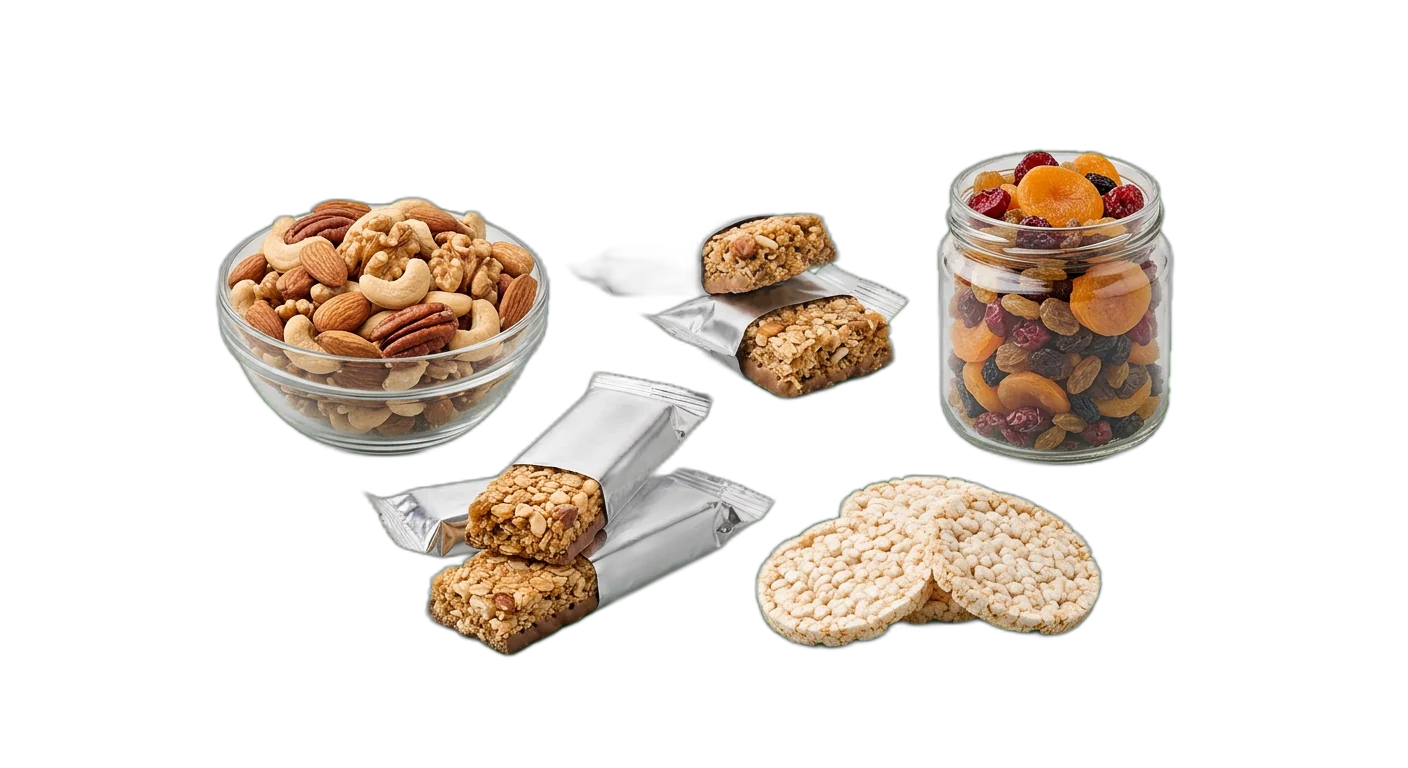
Snacks & Nuts
Snacks & Confectionery > Nuts & Snacks
Snacks are the most impulse-driven food category online, with strong add-to-cart behavior and low return rates. Shoppers love trying new flavors, which drives high SKU breadth and repeat visits.
Demand: HighCompetition: MediumMargin: HighRisingExample ProductsMixed nutsProtein barsDried fruitRice crackersPro TipOffer multi-packs and variety boxes -- snack shoppers respond strongly to bundles and discovery packs, which raise the basket and get people to try flavors they would never have picked on their own.
- 2
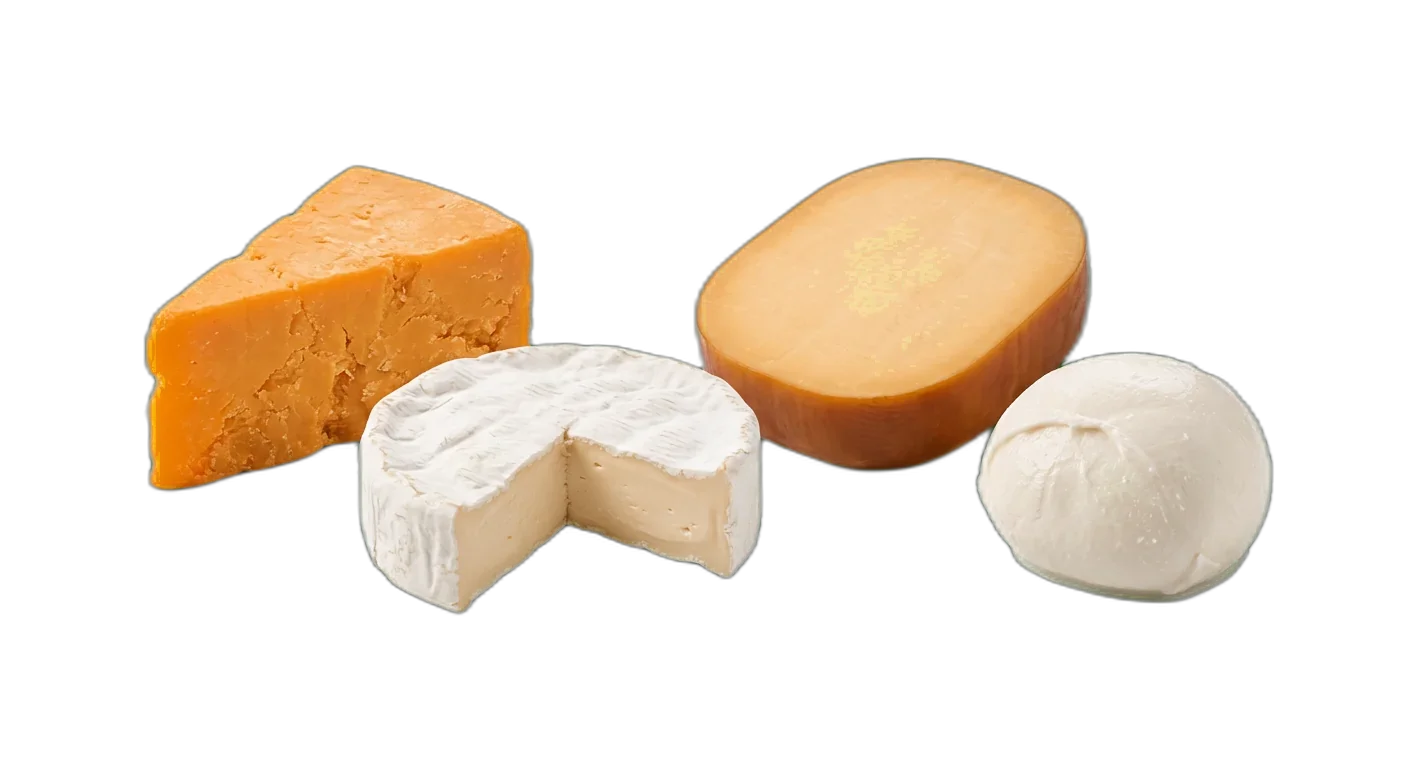
Cheese & Dairy
Fresh Food > Dairy & Eggs > Cheese
Artisanal and specialty cheese is one of the fastest-growing food categories online. Premium cheeses command strong margins, customers love to explore new varieties, and subscription cheese boxes have become a popular gifting format.
Demand: HighCompetition: MediumMargin: HighRisingExample ProductsAged cheddarBrieGoudaMozzarellaPro TipInclude pairing suggestions (wine, crackers, fruit) in product descriptions -- cheese shoppers are usually assembling a board rather than buying one item, so a pairing suggestion turns a single cheese into a basket.
- 3

Craft Beer & Spirits
Beverages > Alcoholic > Craft
Craft beverages are one of the highest-growth segments in food ecommerce. Consumers seek unique, small-batch products they cannot find locally. The category has low competition from mass retailers and commands premium pricing with loyal customer bases.
Demand: GrowingCompetition: LowMargin: HighRisingExample ProductsIPA craft beerSmall-batch ginArtisanal whiskeyNatural winePro TipBuild rich tasting notes and origin stories into product data -- craft beverage buyers are experience-focused and make purchasing decisions based on the story, not just the specs.
- 4
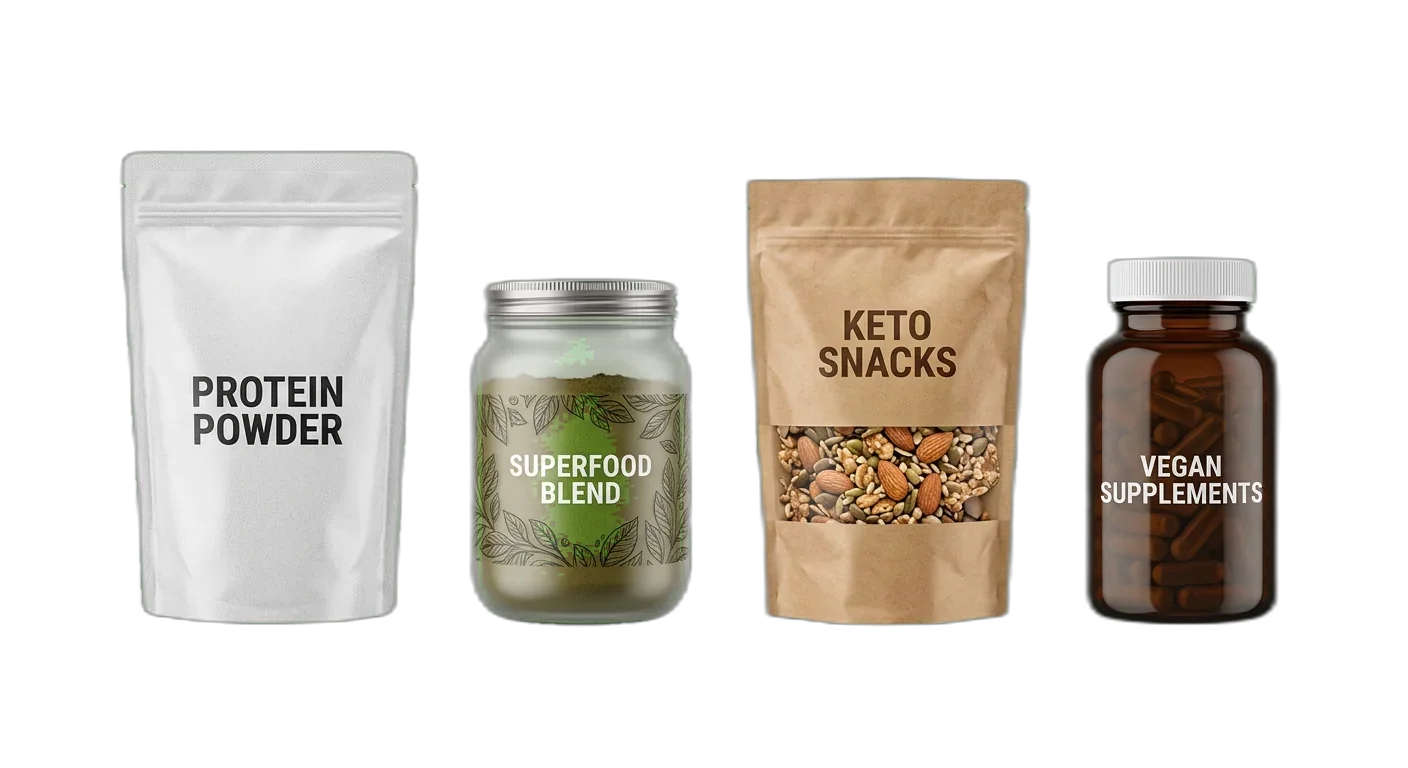
Specialty & Health Foods
Special Diets > Health & Wellness
Health-conscious eating is a lasting growth trend driving rapid expansion of organic, plant-based, gluten-free, and functional foods online. These products carry premium margins and attract loyal, repeat buyers willing to pay more for dietary alignment.
Demand: HighCompetition: MediumMargin: MediumRisingExample ProductsProtein powdersSuperfood blendsKeto snacksVegan supplementsPro TipUse dietary labels as filterable attributes across your entire store, not just in this category -- health-conscious buyers filter by diet type first, regardless of product category.
- 5
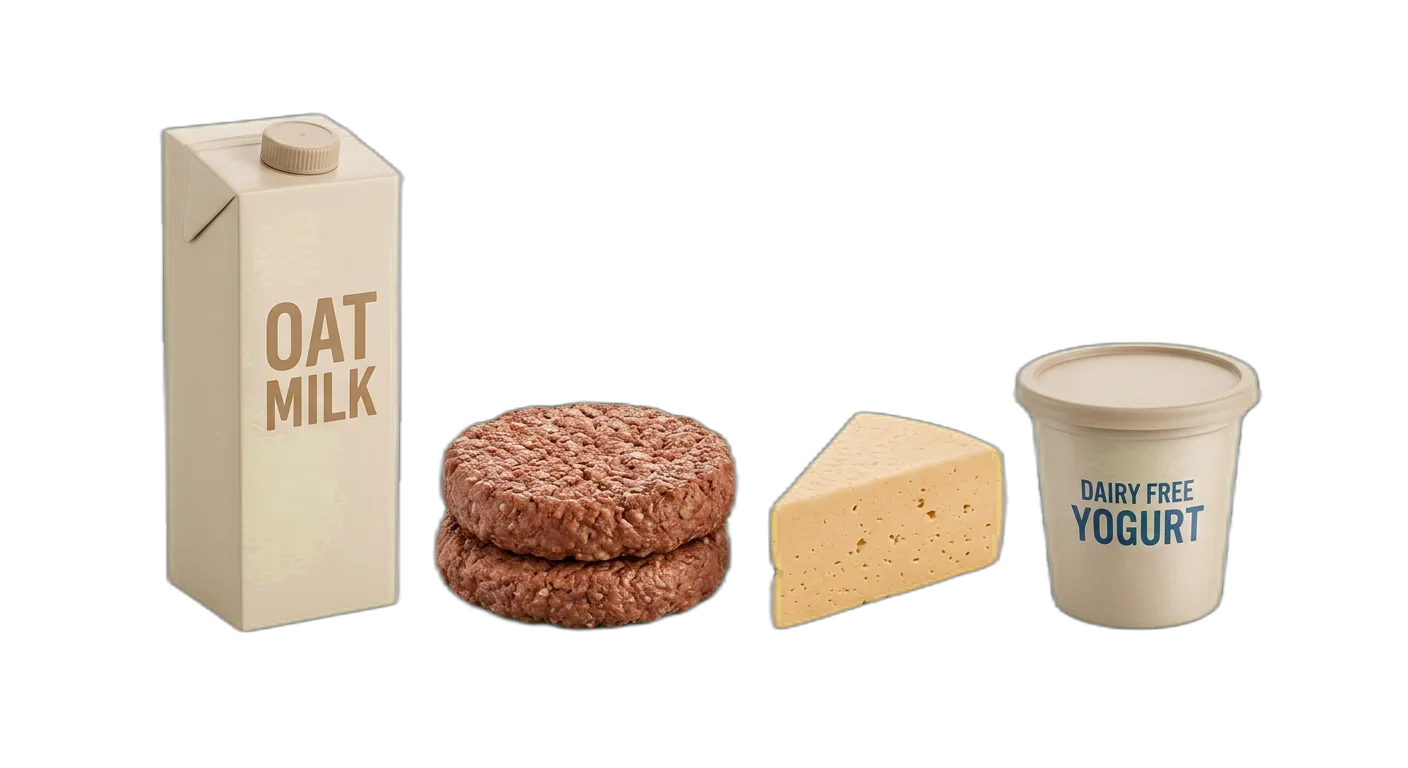
Plant-Based & Vegan
Special Diets > Vegan
The plant-based category is growing fast, driven by health, sustainability, and ethical consumer preferences. New products launch every week, competition is still developing in many subcategories, and stores with strong product data gain a big head start in search visibility.
Demand: MediumCompetition: LowMargin: HighRisingExample ProductsOat milkPlant-based burgersVegan cheeseDairy-free yogurtPro TipCross-reference plant-based products with their conventional equivalents -- many shoppers are switching gradually and want to find plant-based alternatives to products they already buy.
- 6
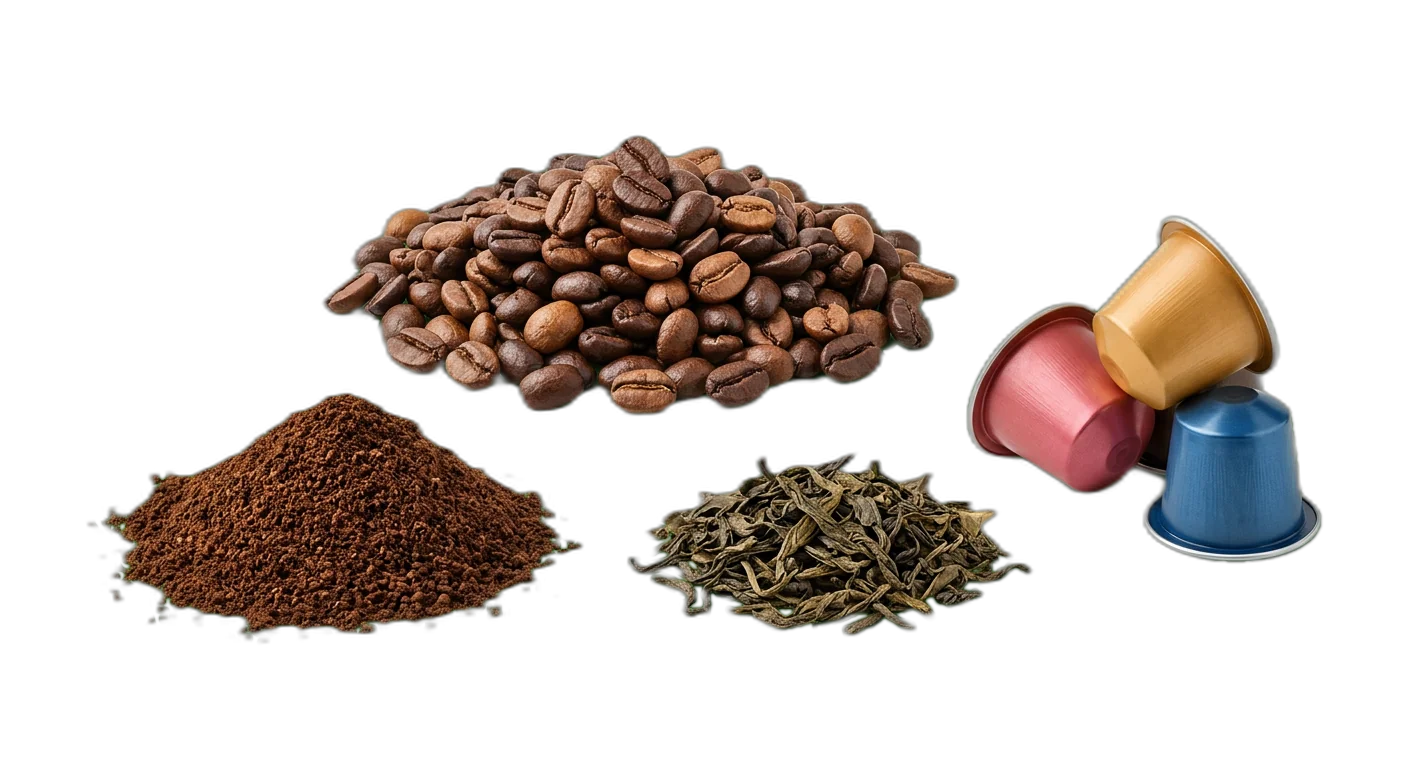
Coffee & Tea
Beverages > Non-Alcoholic > Coffee & Tea
Coffee and tea are among the most purchased consumables online, with exceptional repeat purchase rates and strong subscription potential. Specialty and single-origin products command premium margins, and the category spans a wide price range from everyday blends to luxury loose-leaf teas.
Demand: HighCompetition: HighMargin: MediumStableExample ProductsWhole bean coffeeGround espressoLoose-leaf green teaCoffee capsulesPro TipOffer subscription options prominently -- coffee and tea are the strongest subscription categories in food ecommerce because they run out on a predictable schedule, which makes recurring delivery an easy yes.
- 7
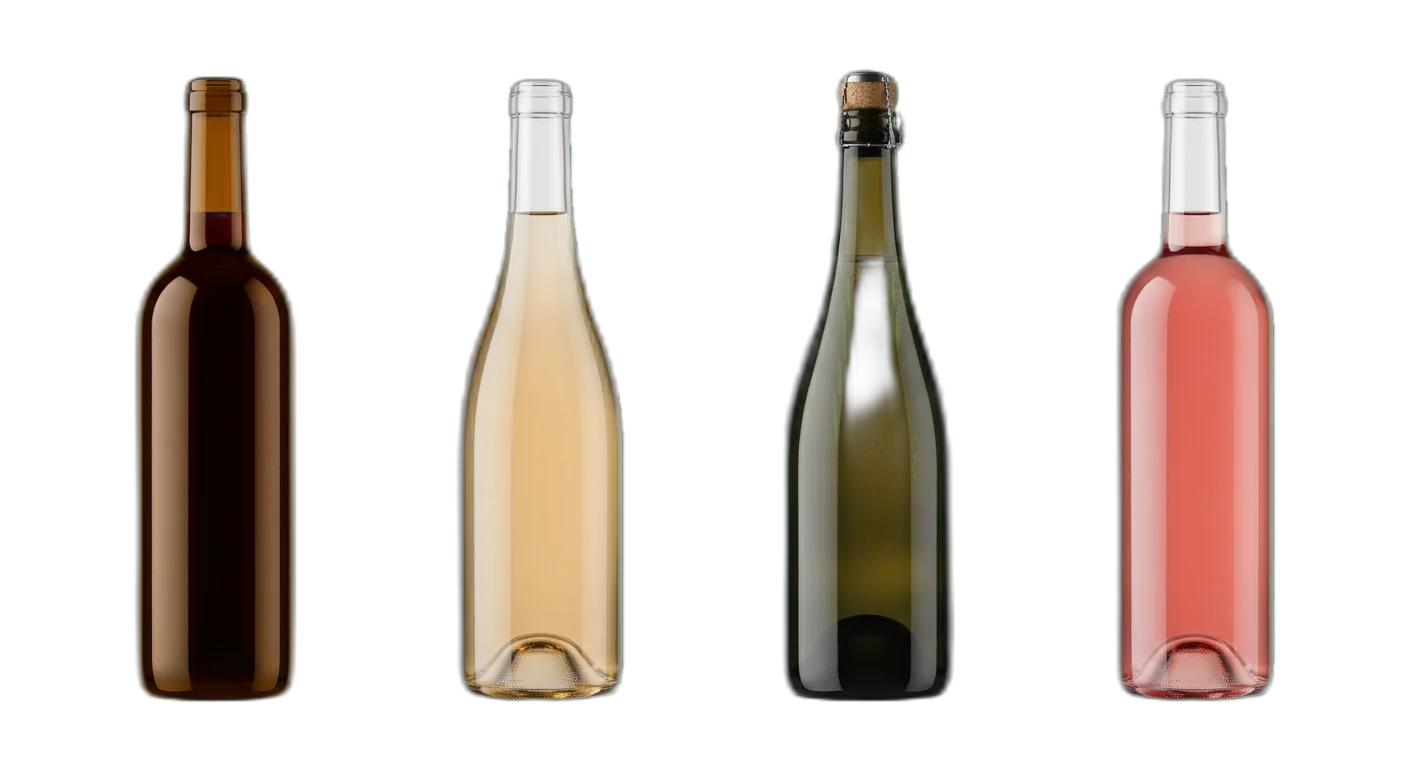
Wine
Beverages > Alcoholic > Wine
Online wine sales have grown dramatically as consumers become more comfortable buying alcohol digitally. Wine commands high average order values, strong gifting demand, and collectors drive premium purchases. Well-structured categories with region and grape variety filters are essential.
Demand: HighCompetition: HighMargin: MediumStableExample ProductsRed wineWhite wineSparkling wineRose winePro TipOrganize by region and grape variety rather than just color -- wine enthusiasts search by terroir and grape variety, and this structure dramatically improves discoverability and SEO.
- 8
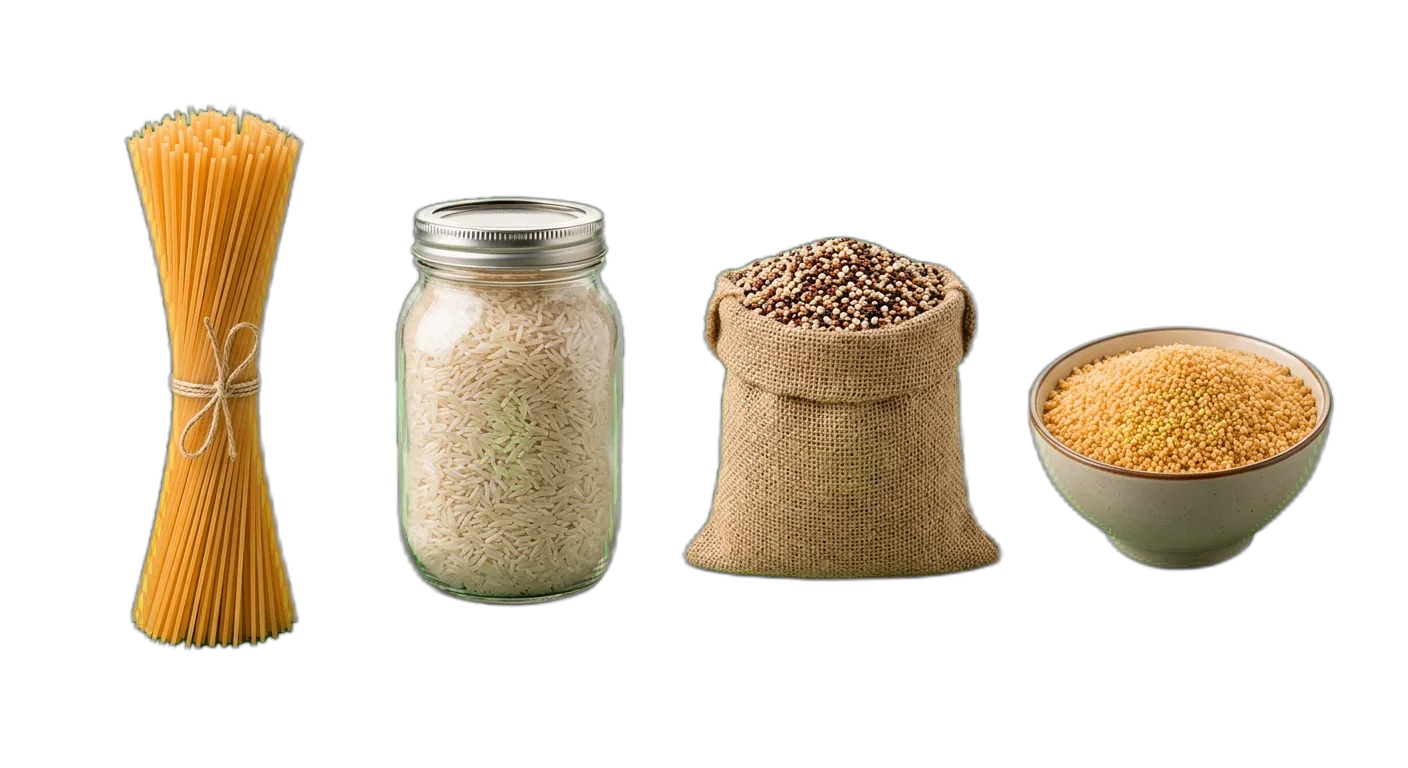
Pasta, Rice & Grains
Pantry Staples > Grains & Pasta
Pantry staples are the backbone of online grocery. They have consistent year-round demand, low return rates, and customers buy them regularly in bulk. Shipping works well for shelf-stable products, making this category especially profitable for ecommerce.
Demand: HighCompetition: HighMargin: LowStableExample ProductsSpaghettiBasmati riceQuinoaCouscousPro TipPromote bulk sizes prominently -- pantry staple shoppers are price-conscious and bulk options increase average order value while improving your cost-per-unit margin.
- 9

Chocolate & Confectionery
Snacks & Confectionery > Chocolate & Candy
Chocolate and confectionery drive major seasonal peaks (Valentine's, Easter, Christmas) while maintaining steady demand year-round. Premium and artisanal chocolate commands high margins, and the category has strong gifting potential.
Demand: MediumCompetition: MediumMargin: HighSeasonalExample ProductsDark chocolate barsTrufflesGift boxesSugar-free chocolatePro TipLaunch seasonal collections 6-8 weeks before peak holidays -- search demand for gift chocolate starts rising well before the actual holiday date.
- 10
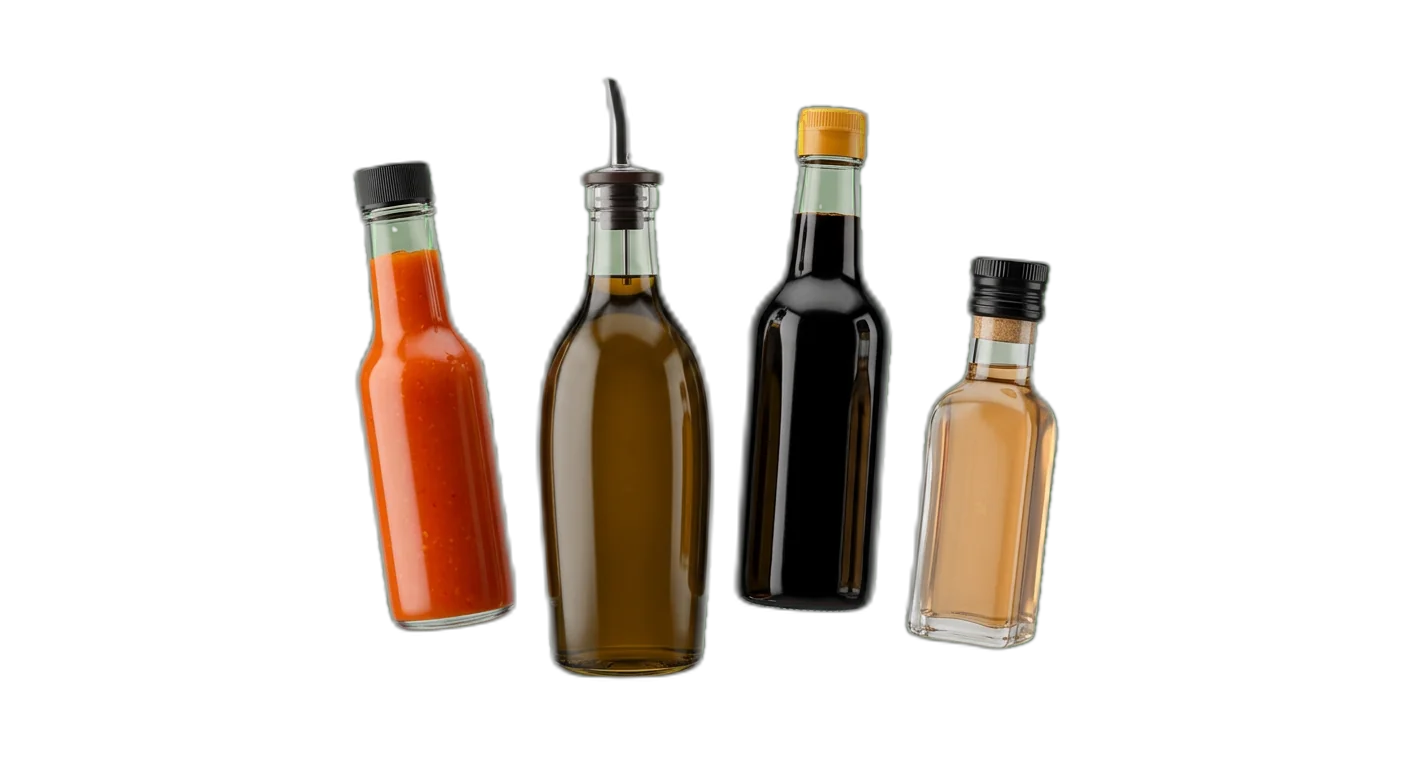
Sauces, Oils & Condiments
Pantry Staples > Sauces & Condiments
Sauces and condiments have excellent online economics: they are shelf-stable, lightweight to ship, and inspire exploration. International and specialty sauces drive high margins and attract food enthusiasts searching for specific cuisines and flavors.
Demand: MediumCompetition: MediumMargin: MediumSeasonalExample ProductsHot sauceExtra virgin olive oilSoy sauceTruffle oilPro TipOrganize by cuisine type as a secondary filter -- sauce shoppers often browse by cuisine (Asian, Italian, Mexican), and this structure captures niche search traffic effectively.
Category Performance at a Glance
Compare demand, competition, margins, and growth across all recommended categories
Snacks & NutsCheese & DairyCraft Beer & SpiritsSpecialty & Health FoodsPlant-Based & VeganCoffee & TeaWinePasta, Rice & GrainsChocolate & ConfectionerySauces, Oils & CondimentsRecommended Food & Beverage Category Structure
The complete category tree with subcategories for each recommended top-level category
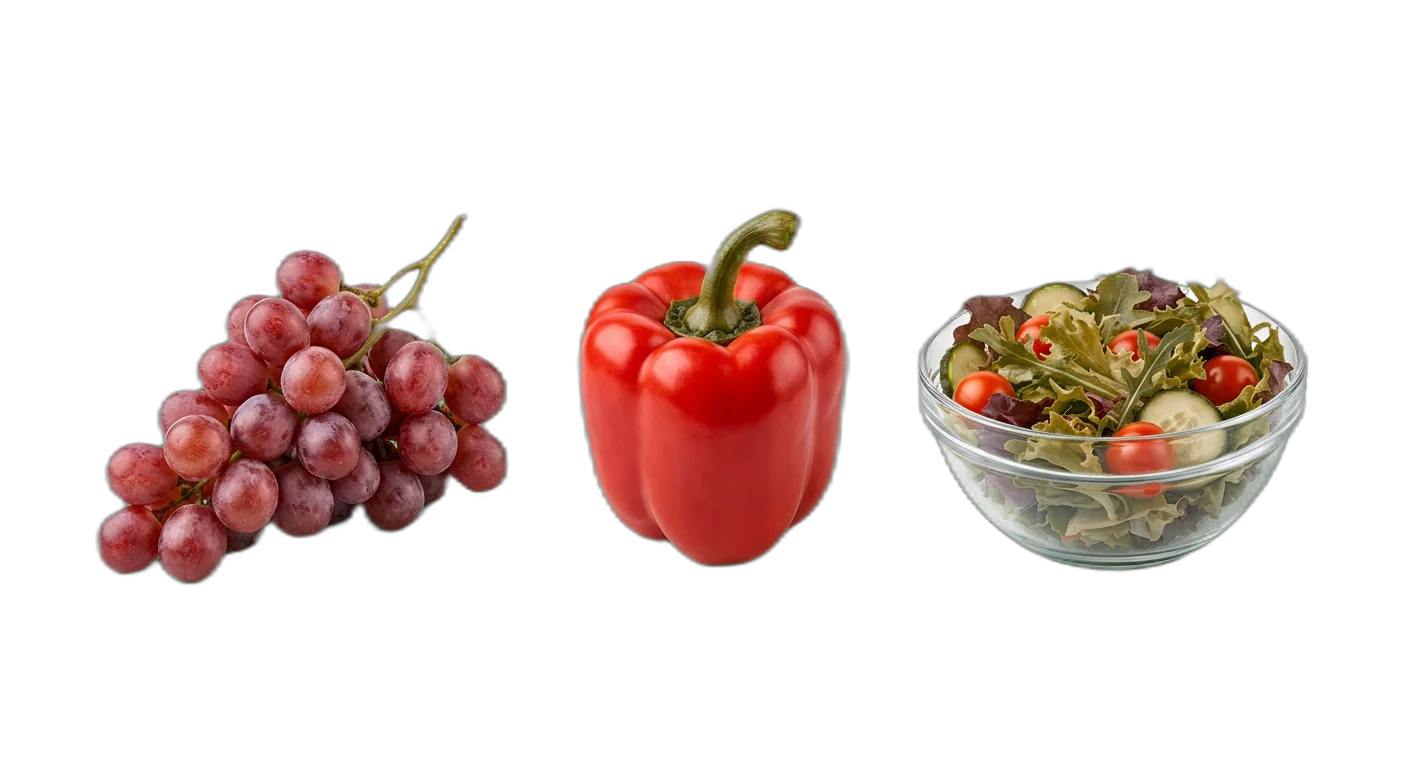
Fresh Food
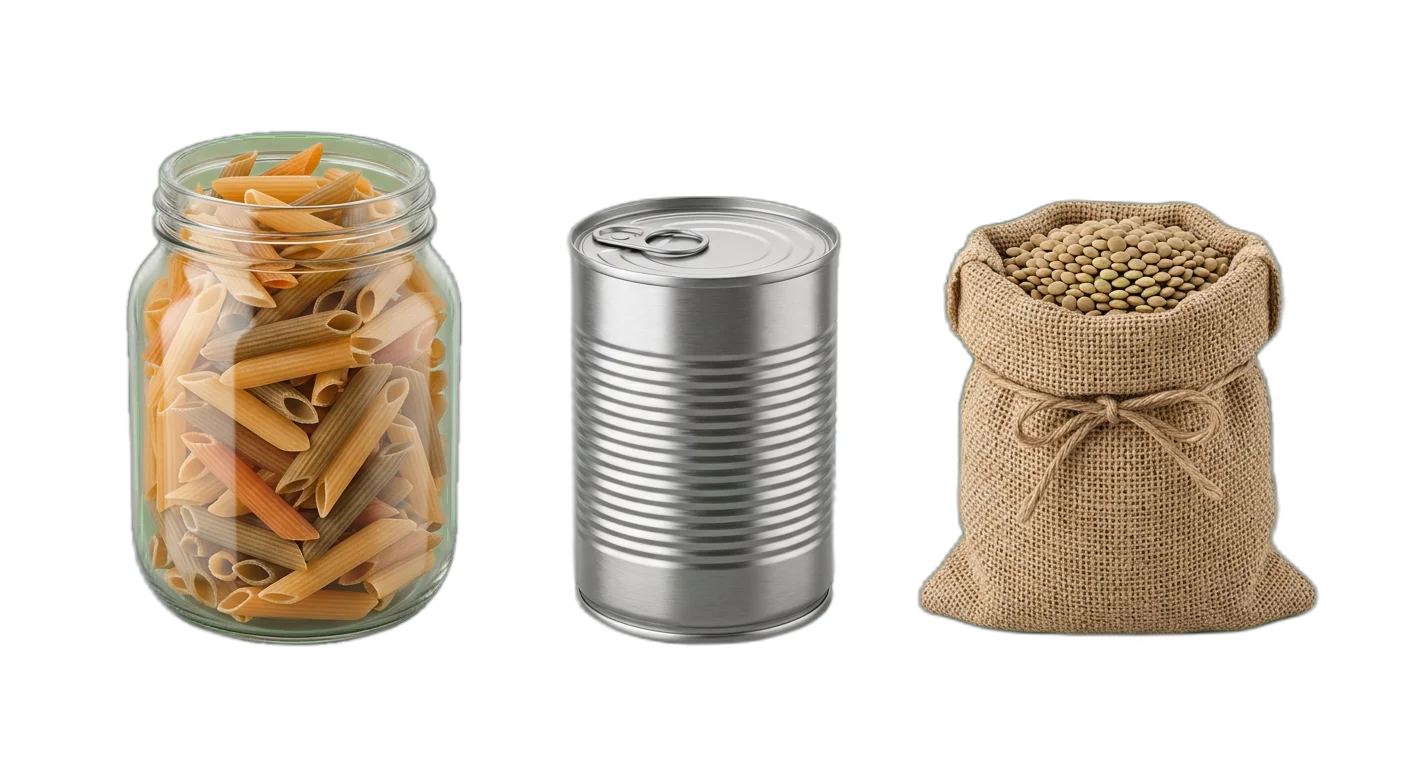
Pantry Staples
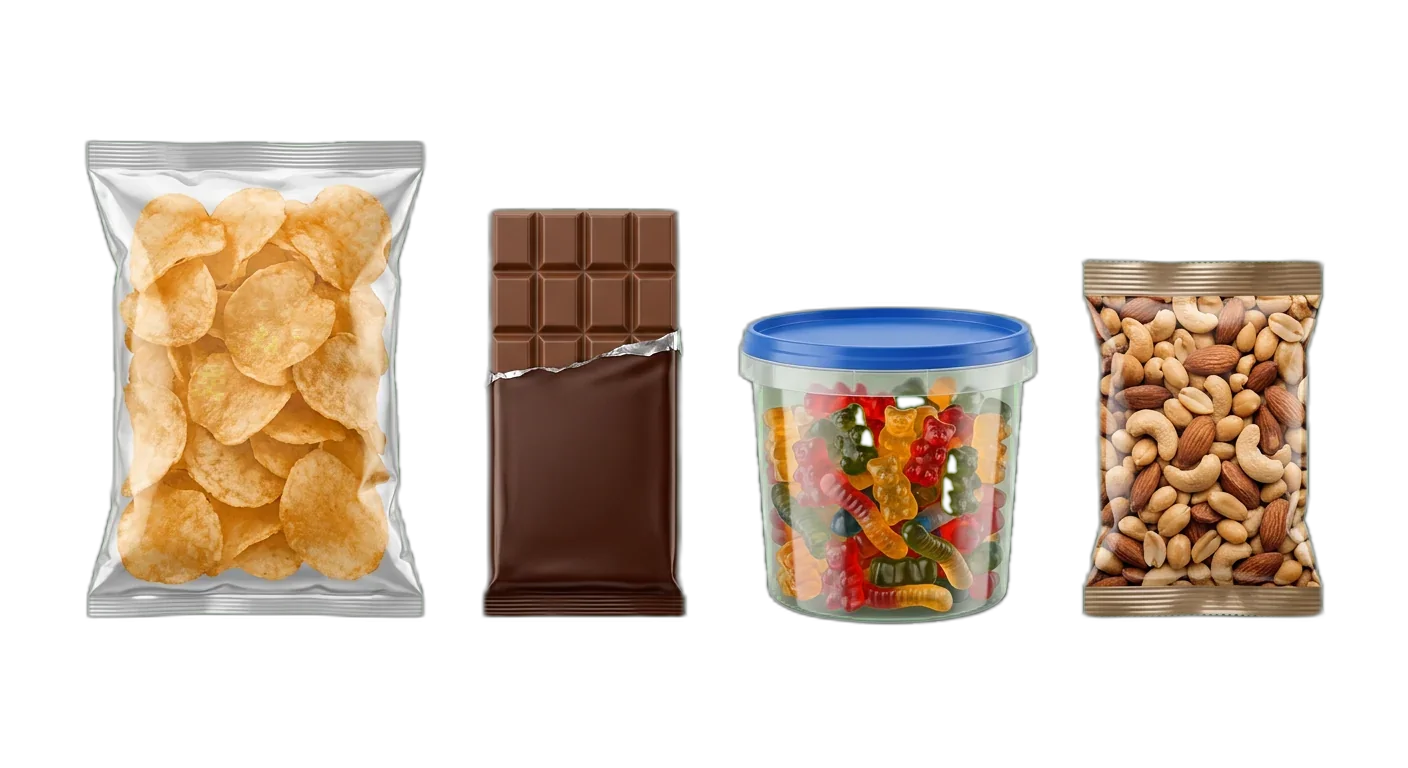
Snacks & Confectionery
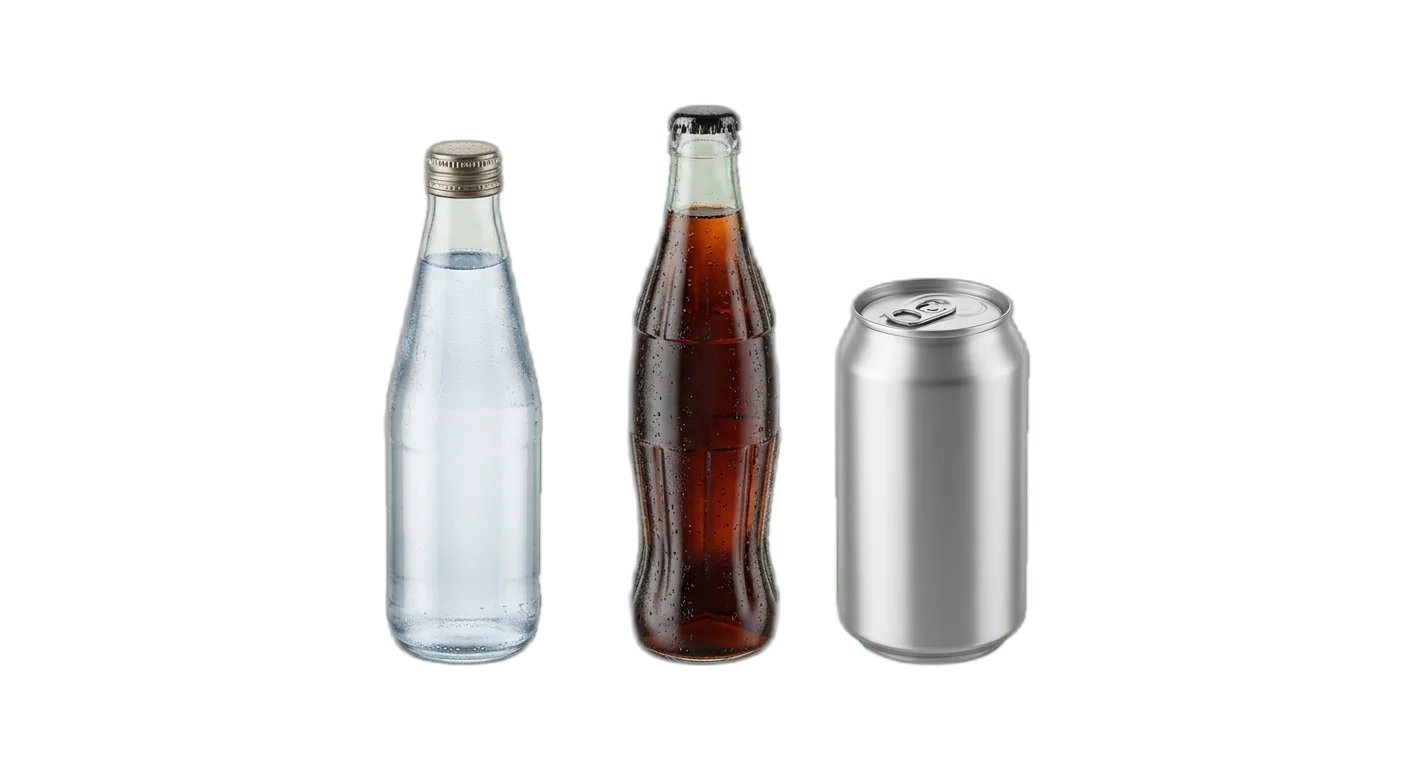
Beverages
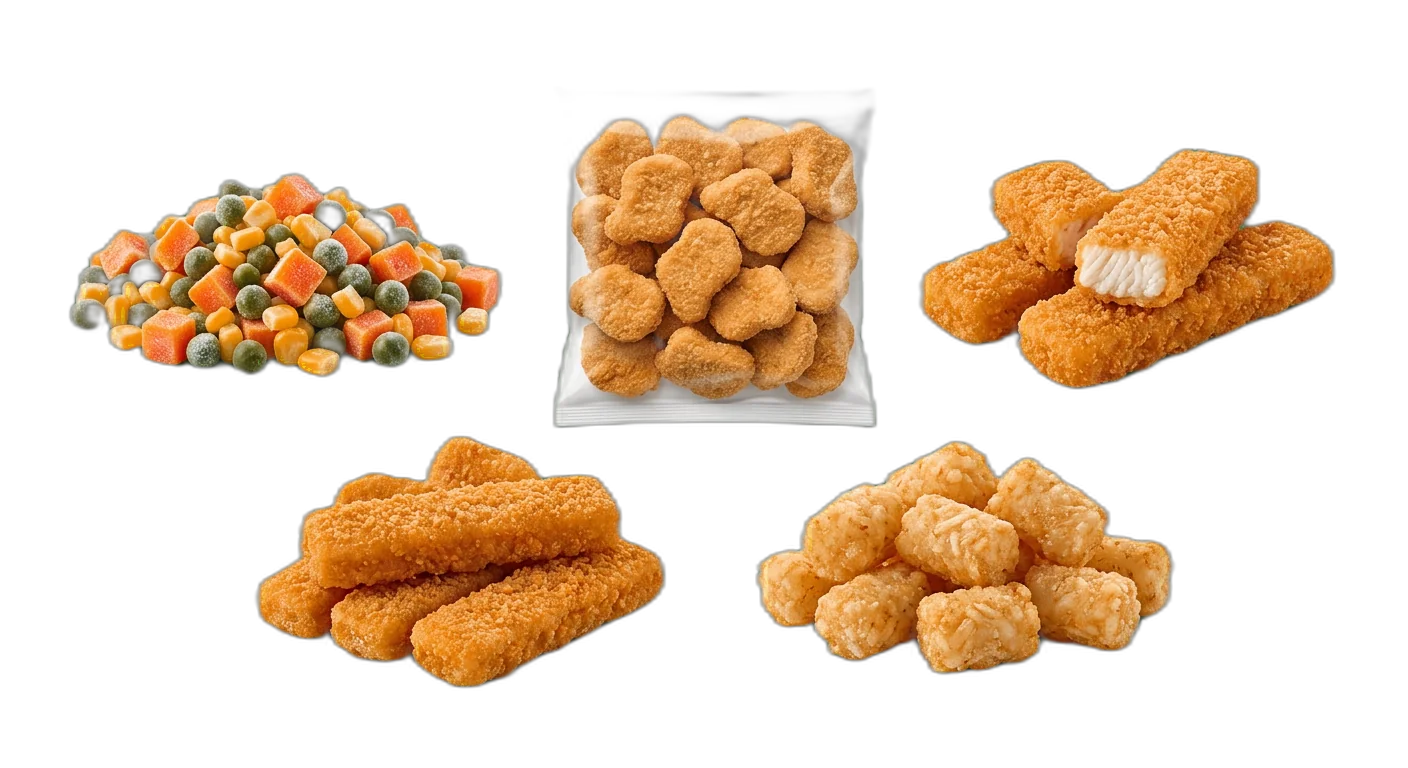
Frozen Food
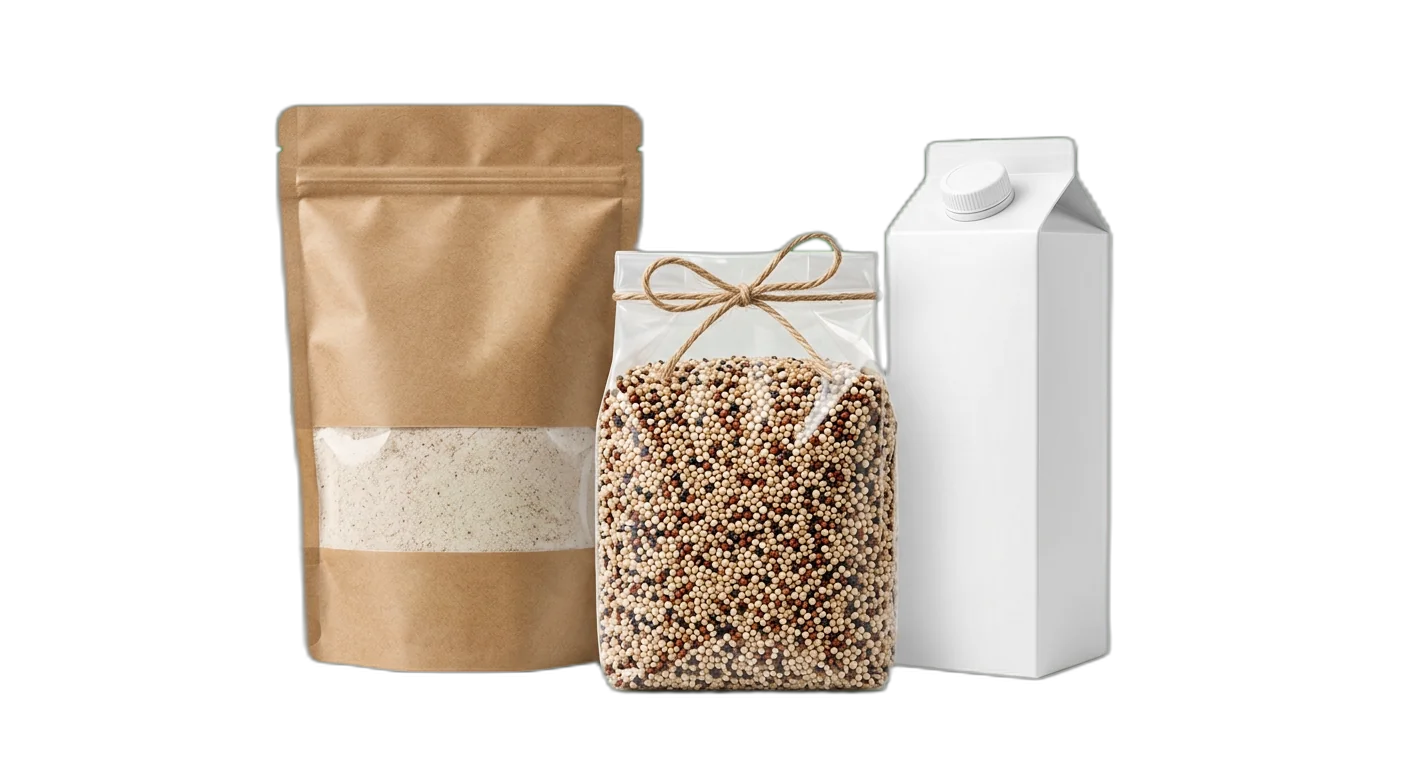
Special Diets
Which Categories Should You Start With?
Choose your starting categories based on your catalog size and growth stage
Focus on one specialty niche and build depth. Shelf-stable products (coffee, snacks, sauces) are ideal for beginners due to simpler logistics and longer shelf life.
Expand into 4-6 categories that share your target customer. Add premium and specialty products to stand out from grocery chains and increase average order value.
Cover the full food and beverage spectrum. Invest in deep subcategorization, allergen and nutritional data, and automated compliance across all product categories.
How to Order Categories in Your Store Menu
Practical tips for organizing your navigation to maximize clicks and conversions
Put everyday essentials first in navigation
"Coffee & Tea" and "Snacks" should appear before niche categories like "Craft Beer" in your main menu. Most grocery shoppers start from their regular staples and browse the specialties afterwards.
Add dietary filters at the top level
Let customers filter by Organic, Vegan, Gluten-Free, and Keto across all categories. Health-conscious shoppers prioritize diet compatibility over product type.
Separate alcoholic and non-alcoholic beverages clearly
These are fundamentally different purchase decisions with different regulations. Keep them as distinct menu items to avoid confusion and compliance issues.
Feature seasonal and gift categories prominently during holidays
Move gift boxes, advent calendars, and seasonal selections to top positions during peak gifting periods (Christmas, Easter, Valentine's Day).
Use cuisine-based browsing alongside product categories
Let customers shop by cuisine (Italian, Japanese, Mexican) as an alternative navigation path. This complements your product taxonomy without making it deeper.
When Each Category Peaks
Plan your inventory and marketing around seasonal demand shifts
Spring (Mar-May)
Peak Categories
Launch health-focused and plant-based promotions in spring when New Year's resolution momentum meets warmer weather.
Summer (Jun-Aug)
Peak Categories
BBQ season drives sauces and marinades; promote grilling bundles and summer drink collections.
Autumn (Sep-Nov)
Peak Categories
Coffee and wine peak in autumn; launch seasonal flavors and start building holiday gift collections for Black Friday.
Winter (Dec-Feb)
Peak Categories
Gift hampers and premium food boxes peak in December. Prepare curated gift sets 8 weeks before Christmas.
Categories That Sell Together
Pair related categories to increase your average order value
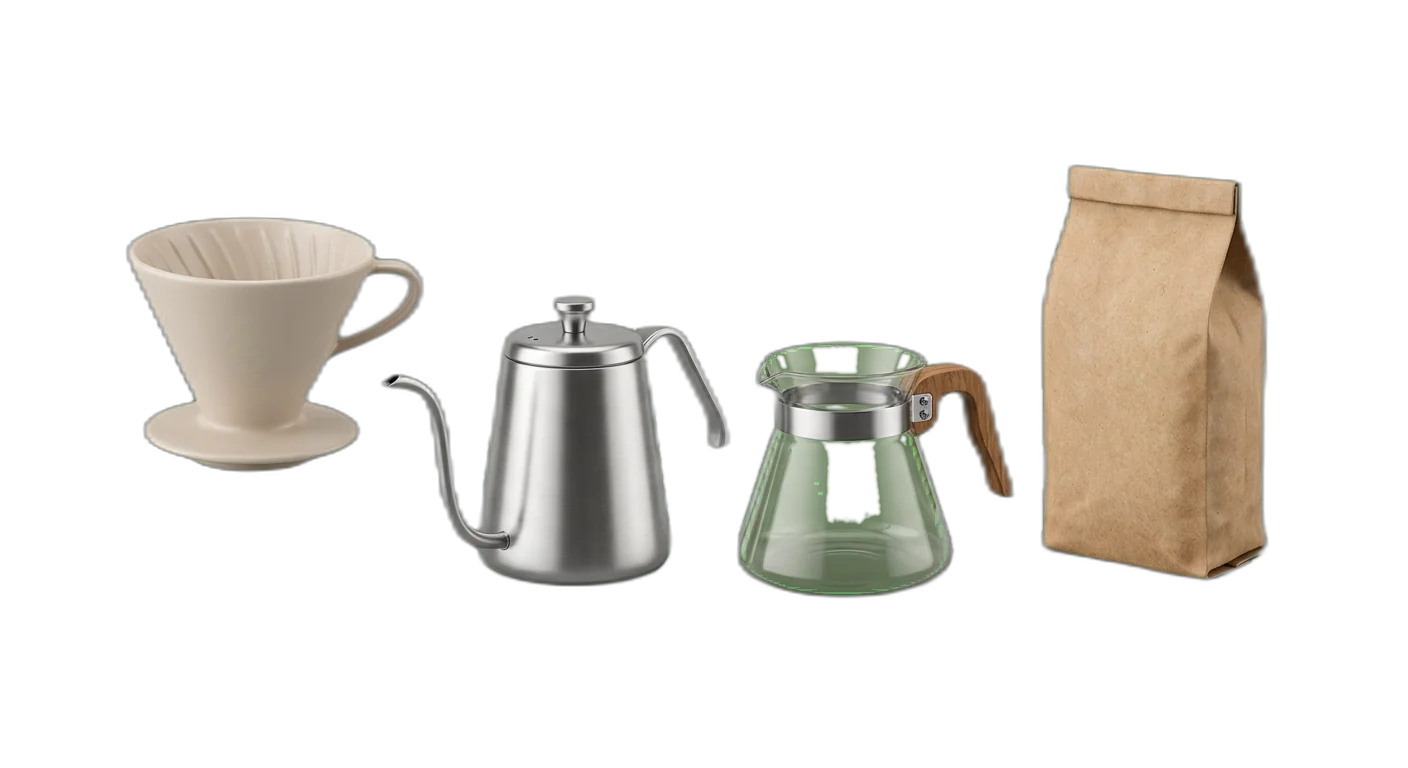

Coffee and chocolate are a natural pairing, and both are gift staples -- bundling them lifts average order value and makes an easy present.

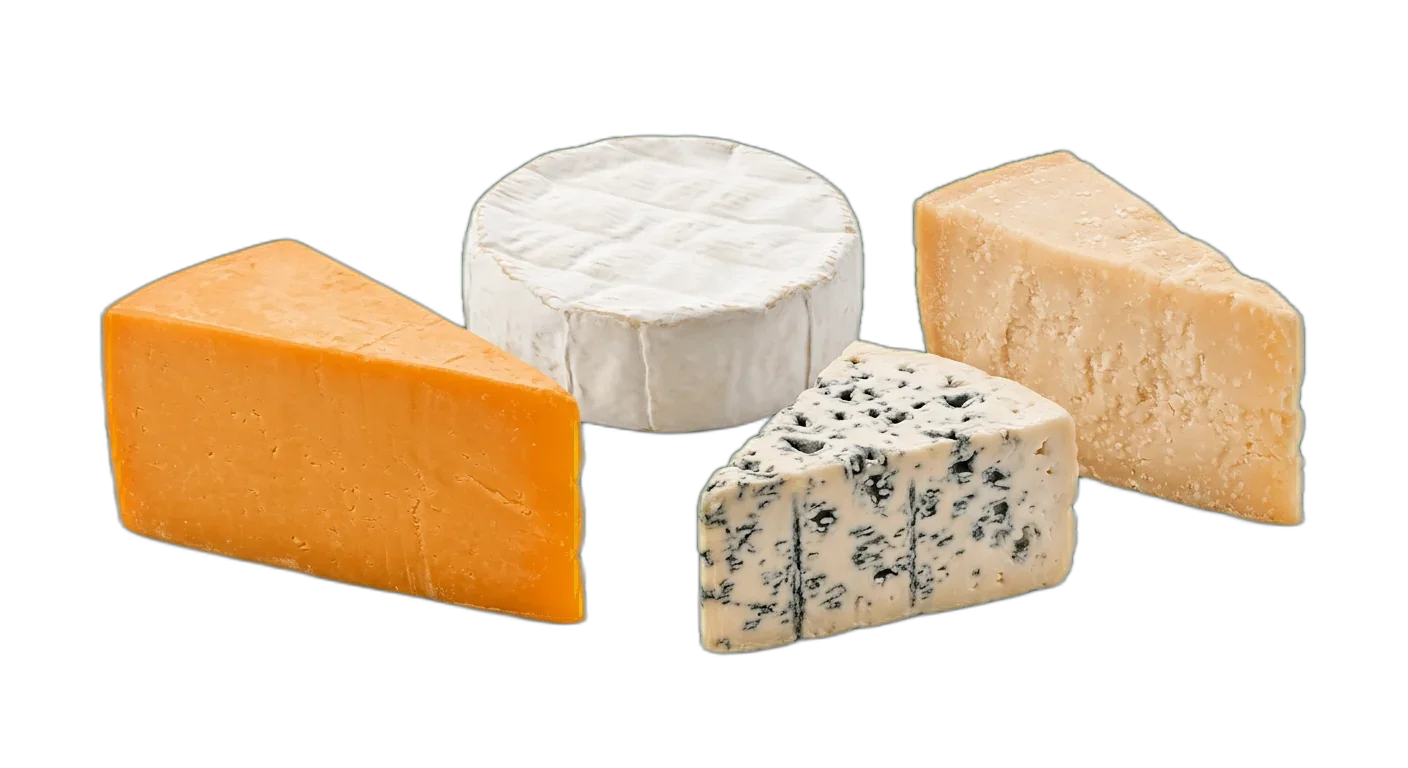
Wine and cheese pairing is deeply ingrained in consumer behavior, driving strong cross-sell at checkout.
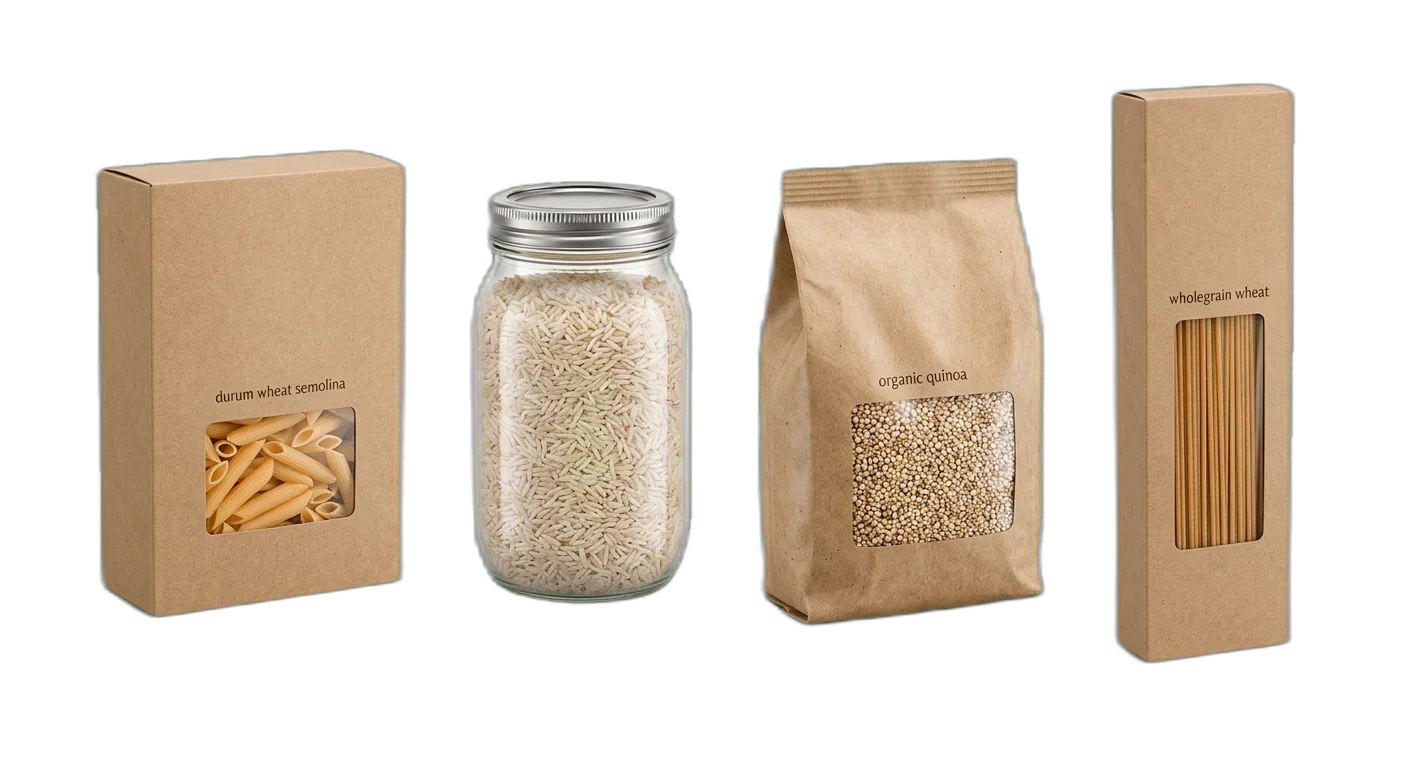
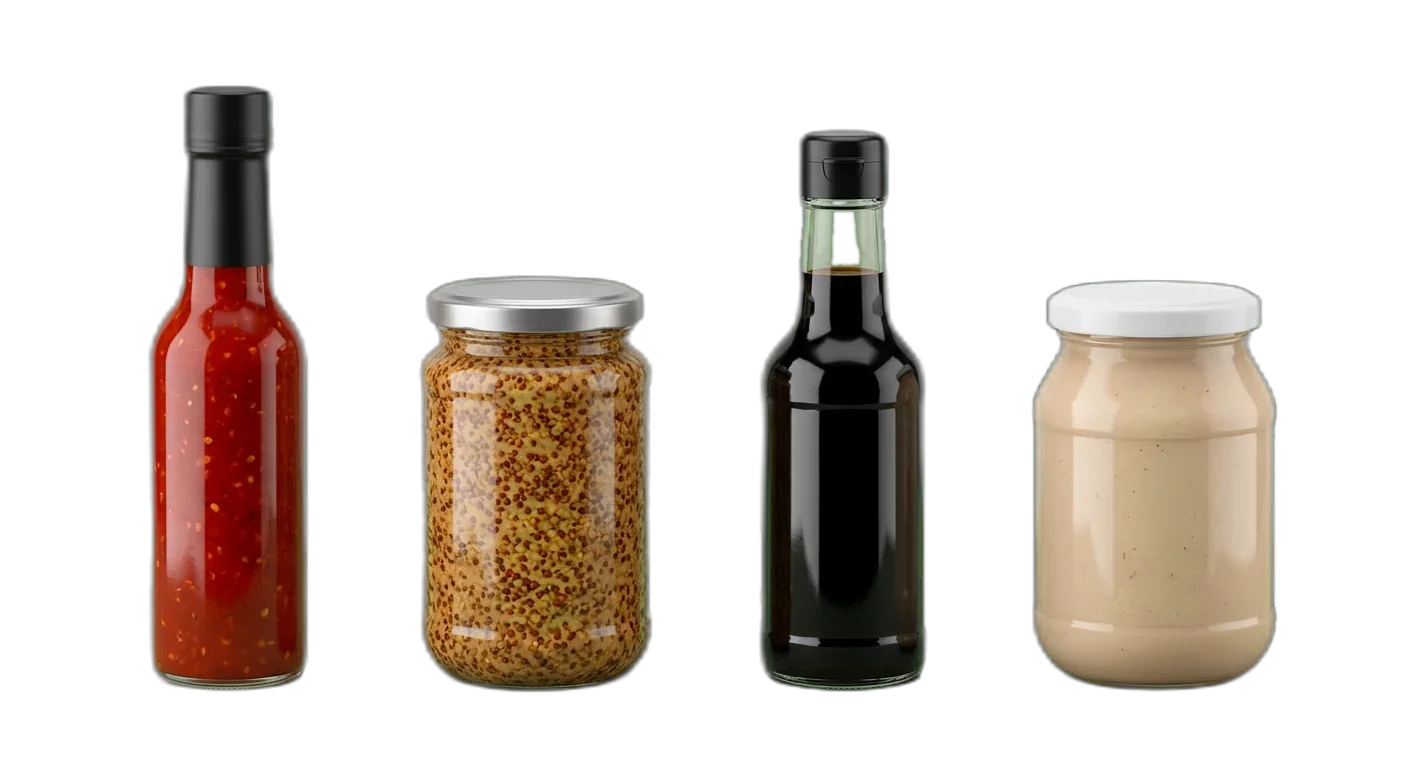
Customers buying pasta almost always need a sauce; suggest compatible sauces on product pages.
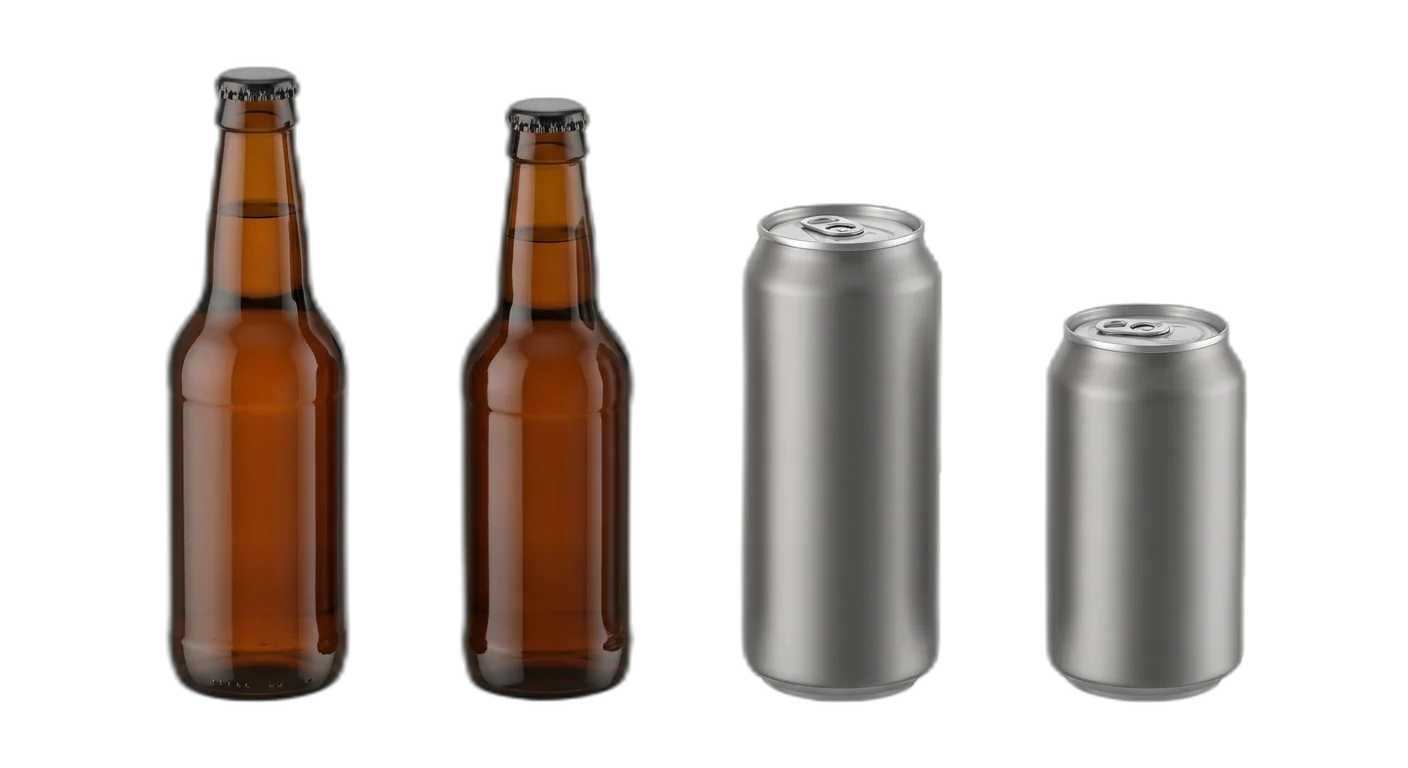
Snack pairings complement craft beer purchases and increase basket size during evening browsing sessions.
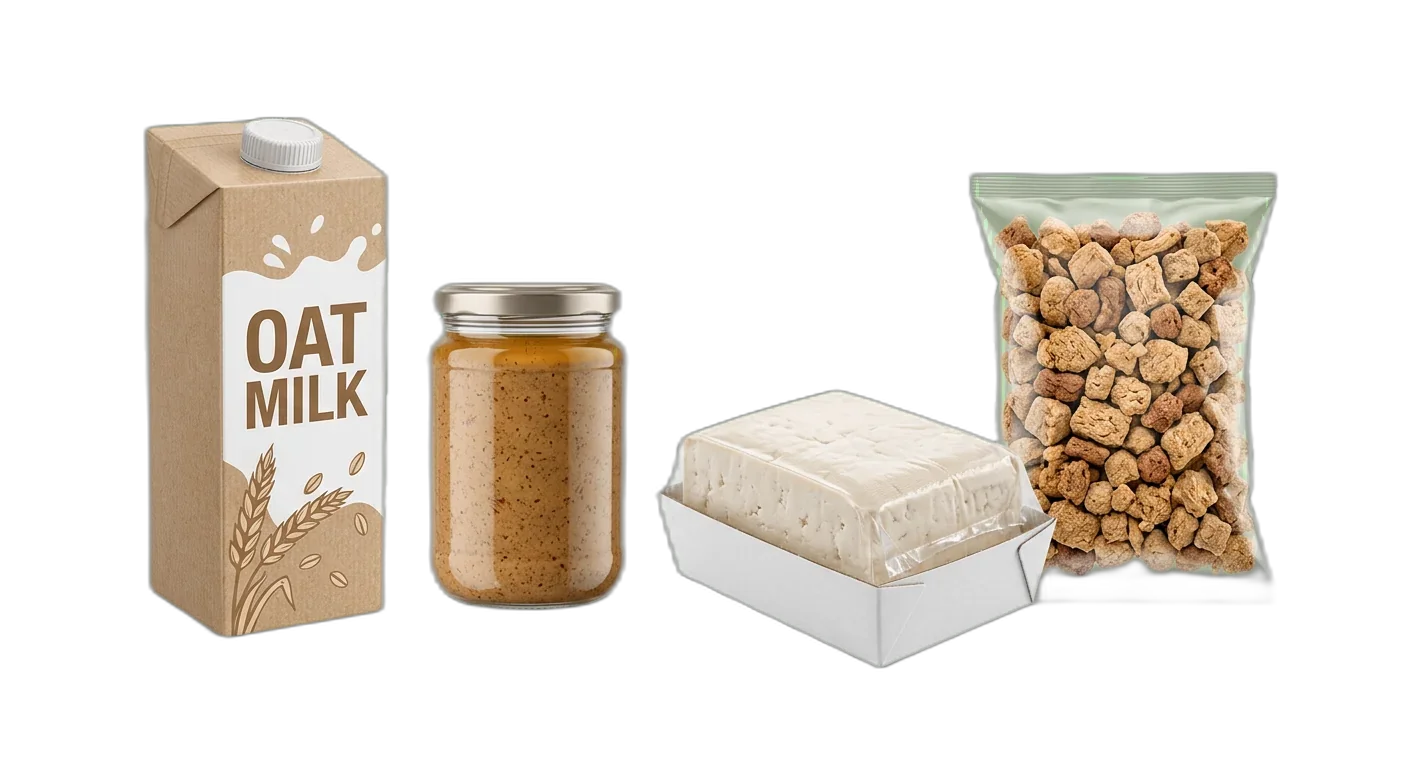
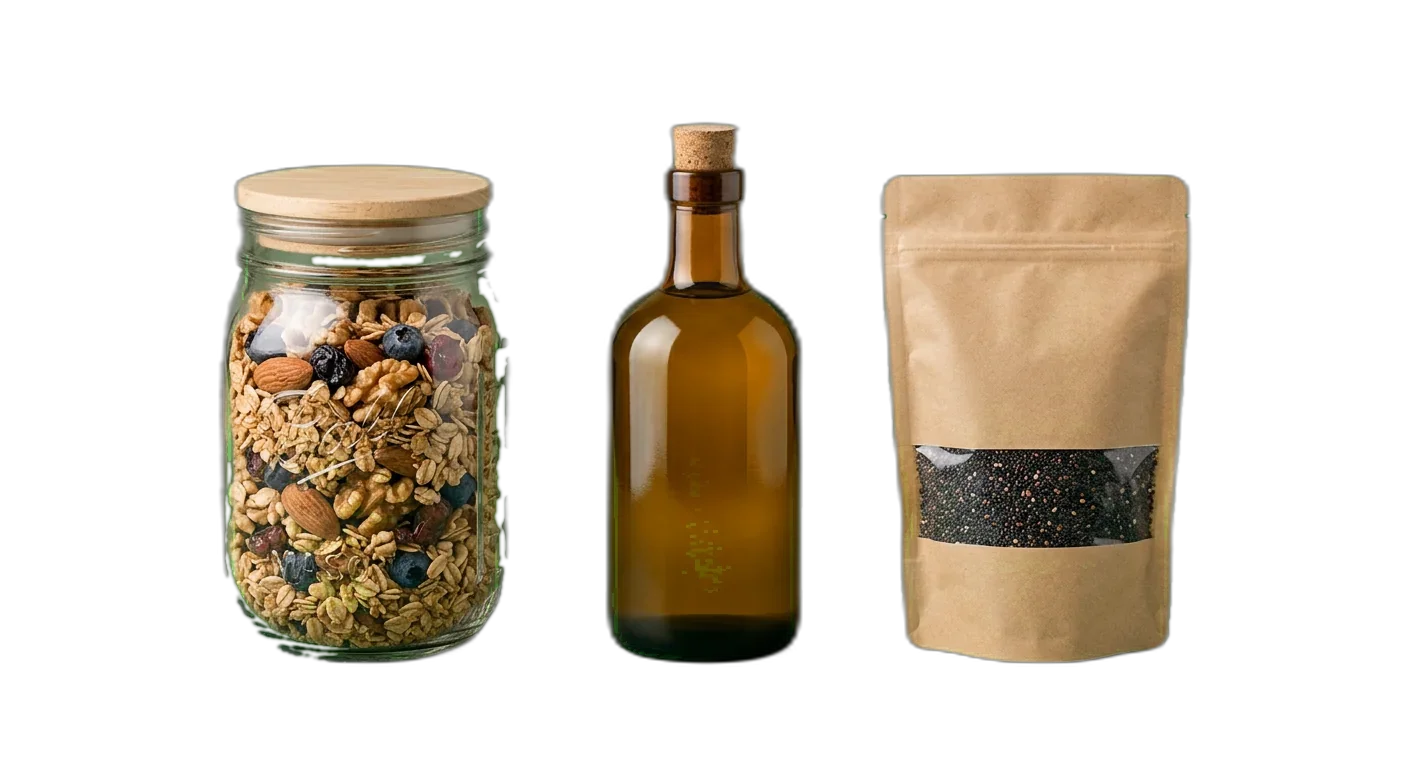
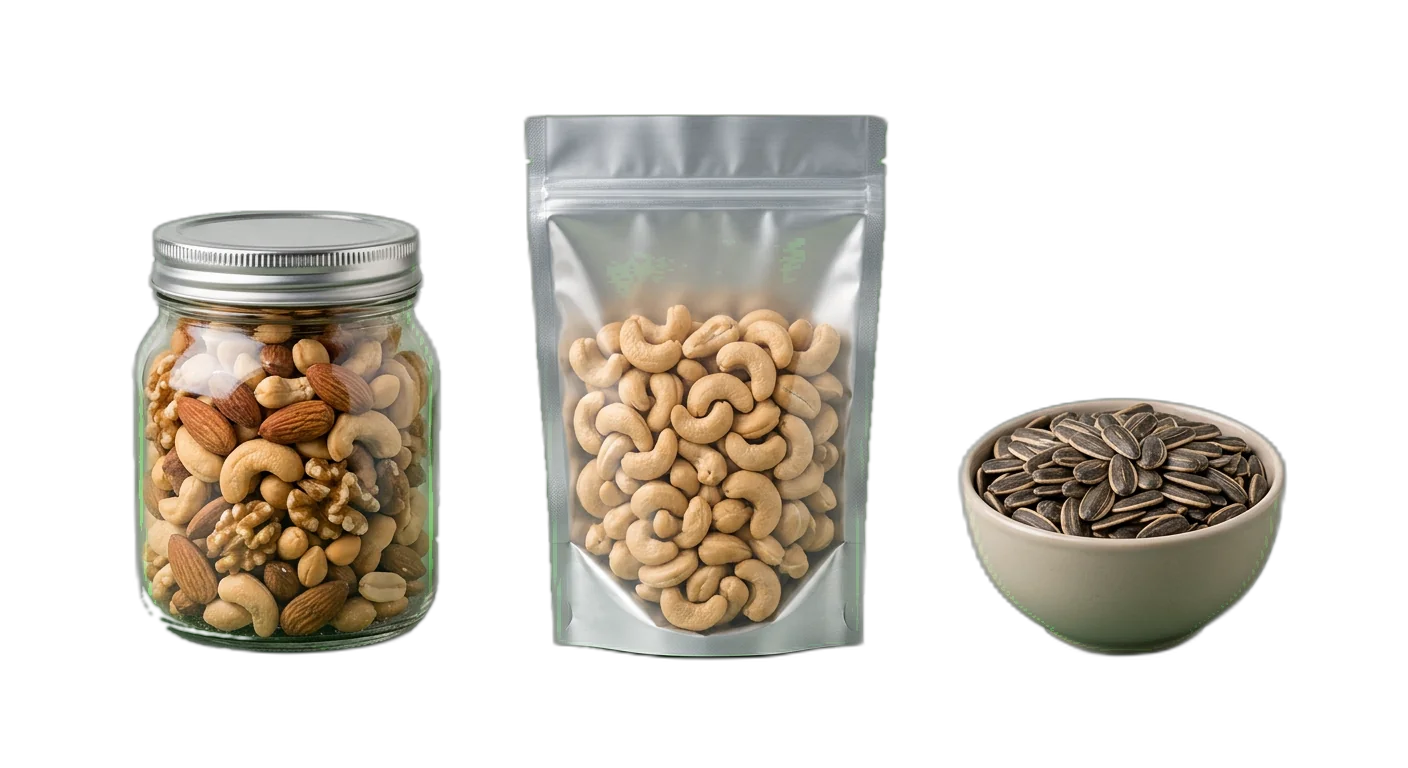
Health-conscious shoppers cross-browse between these categories; surface related products to increase discovery.
Common Food & Beverage Category Mistakes
Mistakes that hurt your discoverability, SEO, and conversion rates
- Mistake
Creating duplicate category branches for every dietary preference (e.g., a full Vegan, Gluten-Free, and Organic tree mirroring your main taxonomy)
Better approachUse dietary labels (Vegan, Gluten-Free, Organic, Keto) as filterable attributes on products. A vegan pasta is Pantry Staples > Pasta with a Vegan: Yes attribute, not a separate Vegan > Pasta category.
- Mistake
Mixing ready-to-eat meals with raw cooking ingredients in the same category
Better approachSeparate by product state and intended use. Raw chicken is Fresh Food > Meat, while a pre-cooked rotisserie chicken is a prepared food. Storage and preparation requirements should drive categorization.
- Mistake
Using brand names as categories instead of product types
Better approachBrand should be a filterable attribute, never a category. Products belong in their functional category (Sauces, Pasta) with Brand as searchable data. This prevents category sprawl and enables cross-brand browsing.
- Mistake
Placing beverages inside food categories (e.g., orange juice under Fruits & Vegetables)
Better approachBeverages are always a top-level category, separate from food. Even though juice comes from fruit, it has different attributes (volume, serving size) and different shopping behavior.
- Mistake
Not including structured allergen data, relying only on free-text ingredient lists
Better approachAdd boolean allergen attributes (Contains Nuts, Contains Dairy, Contains Gluten, etc.) to every product. This enables proper filtering, regulatory compliance, and safe marketplace exports.
Set Up Food & Beverage Categories with AI
Get your Food & Beverage product categories organized in minutes, not days
01
Import your food & beverage catalog
Upload your product data via CSV, Excel, or API. WISEPIM automatically detects food-relevant attributes like weight, ingredients, allergens, and nutritional information from your existing data.
02
AI categorizes your products
WISEPIM's AI analyzes product titles, descriptions, and ingredient lists to assign each item to the best-fit category. It recognizes food types, identifies allergens, and handles edge cases like multi-ingredient products and dietary specialty items automatically.
03
Review, refine, and publish
Review AI suggestions in bulk, complete any missing allergen or nutritional data, and push your categorized products to all your sales channels. Categories and compliance data stay synced as you add new products.
Frequently Asked Questions
Common questions about choosing Food & Beverage categories for ecommerce
Best Categories for Other Industries
Printable checklist
Start in 15 minutesDecide in one week if a new category pays off
Start with demand: 15 minutes in Google Trends. You get one count, like 2 of 3 terms rising. Then 5 steps for the rest of the week.
How it works
- Pick the 3 search terms shoppers use for the category.
- Look each one up in Google Trends over 2 years.
- Write the count, such as '2 of 3 terms rising'.
One email, once, with a link to the printable checklist. Nothing else unless you tick the box.
Keep exploring
Hand-picked next steps to go deeper.
Ready to Organize Your Food & Beverage Catalog?
WISEPIM uses AI to automatically categorize your products, set up attributes, and sync across all your sales channels.