Food & Beverage Categories: Pasta to Soda with IDs
Food and drinks are separate branches of Food, Beverages & Tobacco. A case of soda goes in Beverages > Soda (Google ID 2628), bottled water in Beverages > Water (420), pasta in Food Items > Pasta & Noodles (434) and dried fruit in Food Items > Fruits & Vegetables > Dried Fruits (1755). Pack size, such as a case of 24, is an attribute. Cocktail shakers are barware under Home & Garden (6956). IDs follow Google's taxonomy, version 2021-09-21.
Quick answers: which category does it belong to?
| Item | Category path | Standard | ID |
|---|---|---|---|
| Pasta | Food, Beverages & Tobacco > Food Items > Pasta & Noodles | Google product taxonomy | 434 |
| Soda (can, bottle or case) | Food, Beverages & Tobacco > Beverages > Soda | Google product taxonomy | 2628 |
| Bottled water | Food, Beverages & Tobacco > Beverages > Water | Google product taxonomy | 420 |
| Coffee | Food, Beverages & Tobacco > Beverages > Coffee | Google product taxonomy | 1868 |
| Tea | Food, Beverages & Tobacco > Beverages > Tea & Infusions | Google product taxonomy | 2073 |
| Dried fruit | Food, Beverages & Tobacco > Food Items > Fruits & Vegetables > Dried Fruits | Google product taxonomy | 1755 |
| Chips | Food, Beverages & Tobacco > Food Items > Snack Foods > Chips | Google product taxonomy | 2392 |
| Wine | Food, Beverages & Tobacco > Beverages > Alcoholic Beverages > Wine | Google product taxonomy | 421 |
| Cocktail shaker | Home & Garden > Kitchen & Dining > Barware > Cocktail Shakers & Tools > Cocktail Shakers | Google product taxonomy | 6956 |
| Cooking utensils | Home & Garden > Kitchen & Dining > Kitchen Tools & Utensils | Google product taxonomy | 668 |
Food & Beverage Category Hierarchy
Standard category structure used across major e-commerce platforms and marketplaces
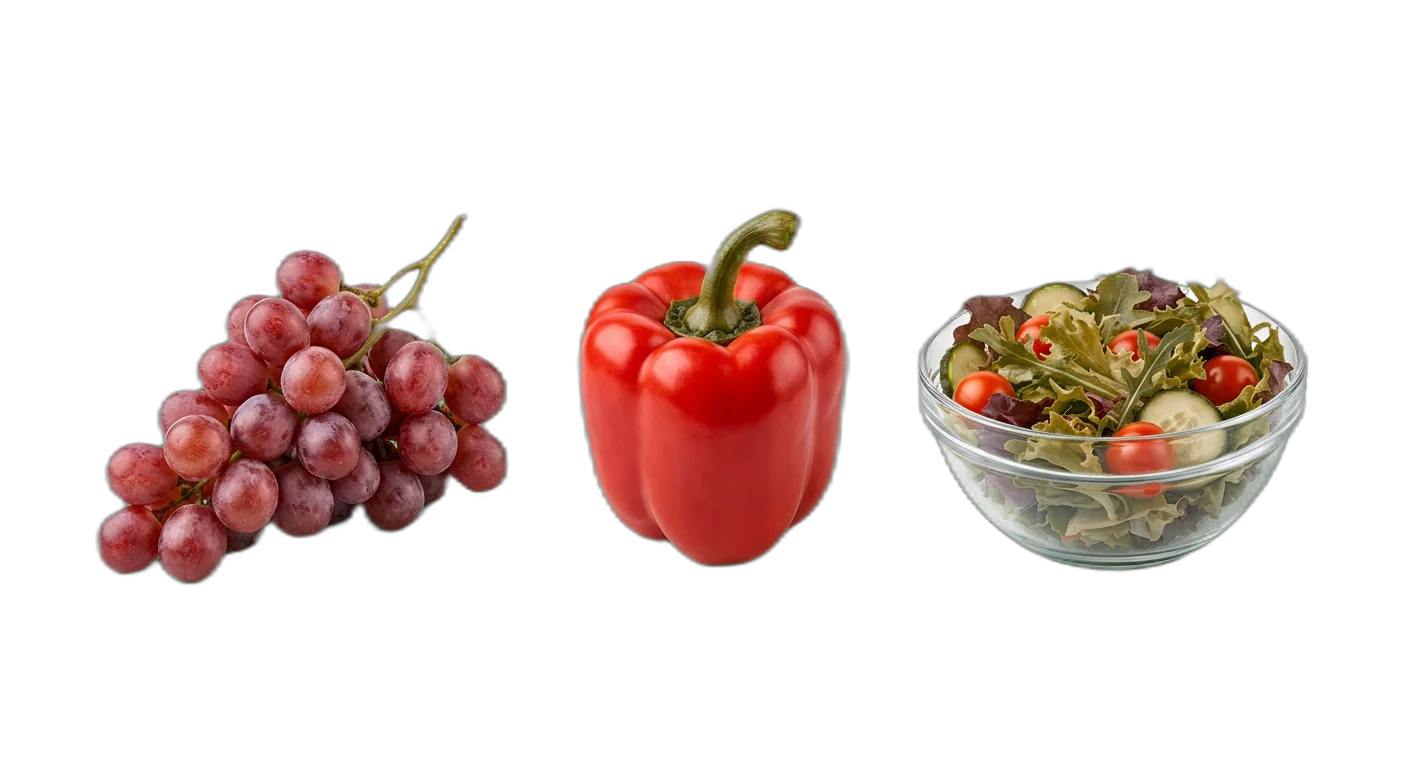
Fresh Food
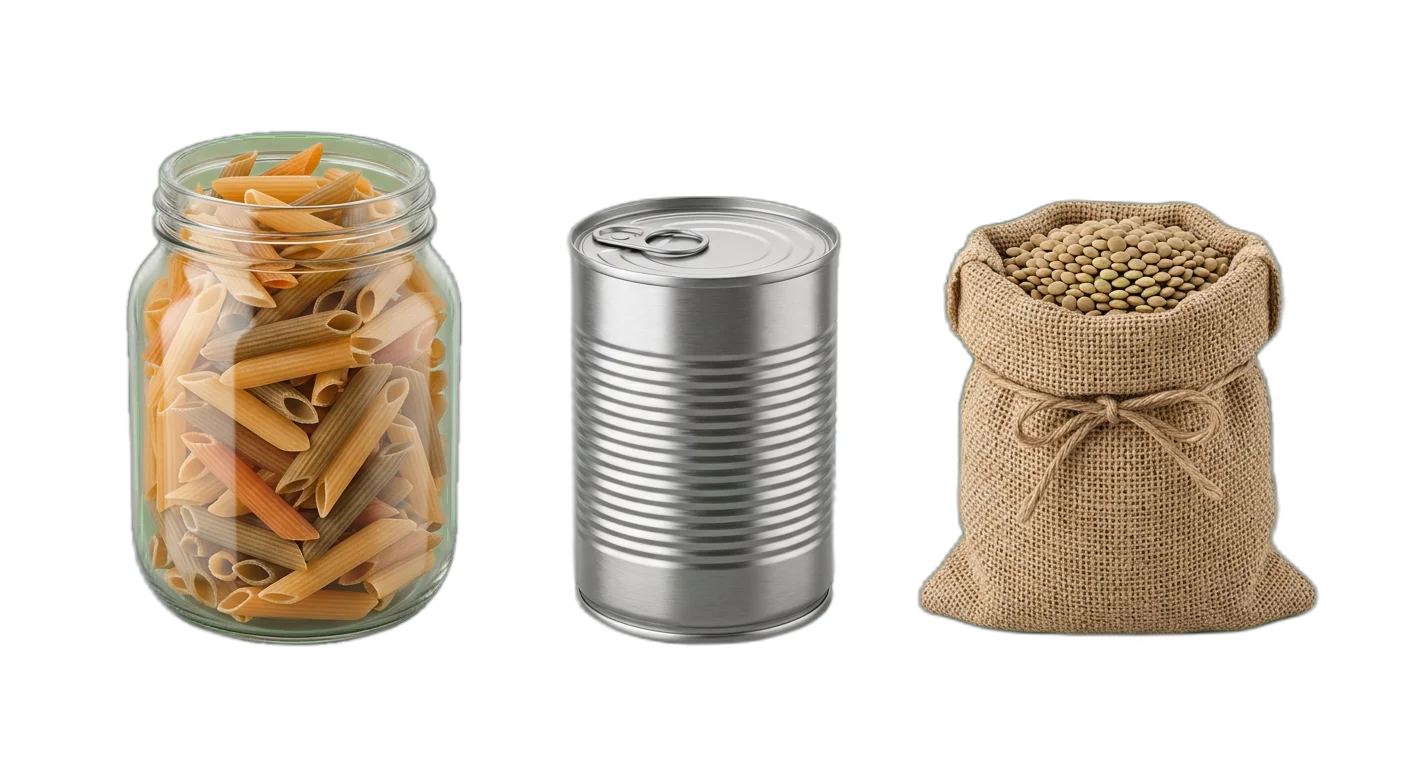
Pantry Staples
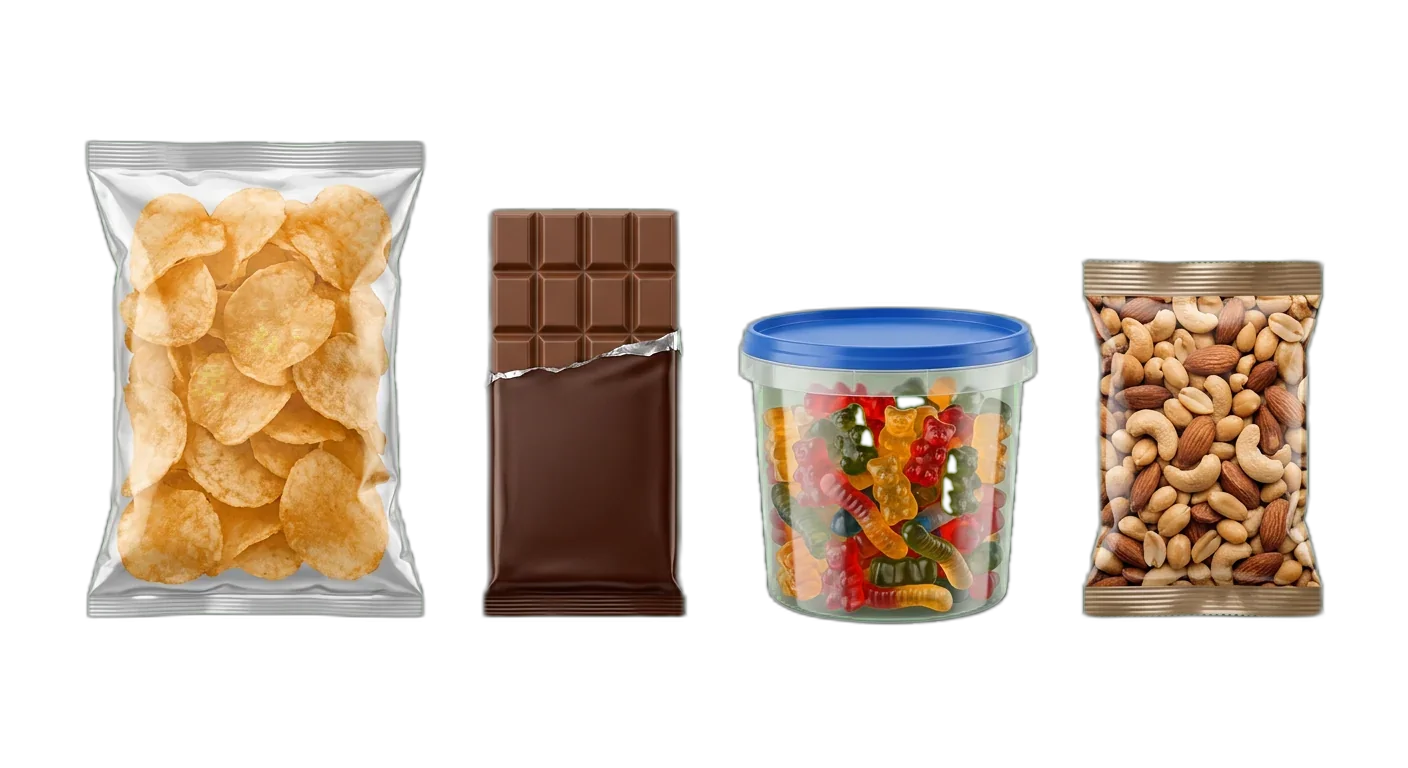
Snacks & Confectionery
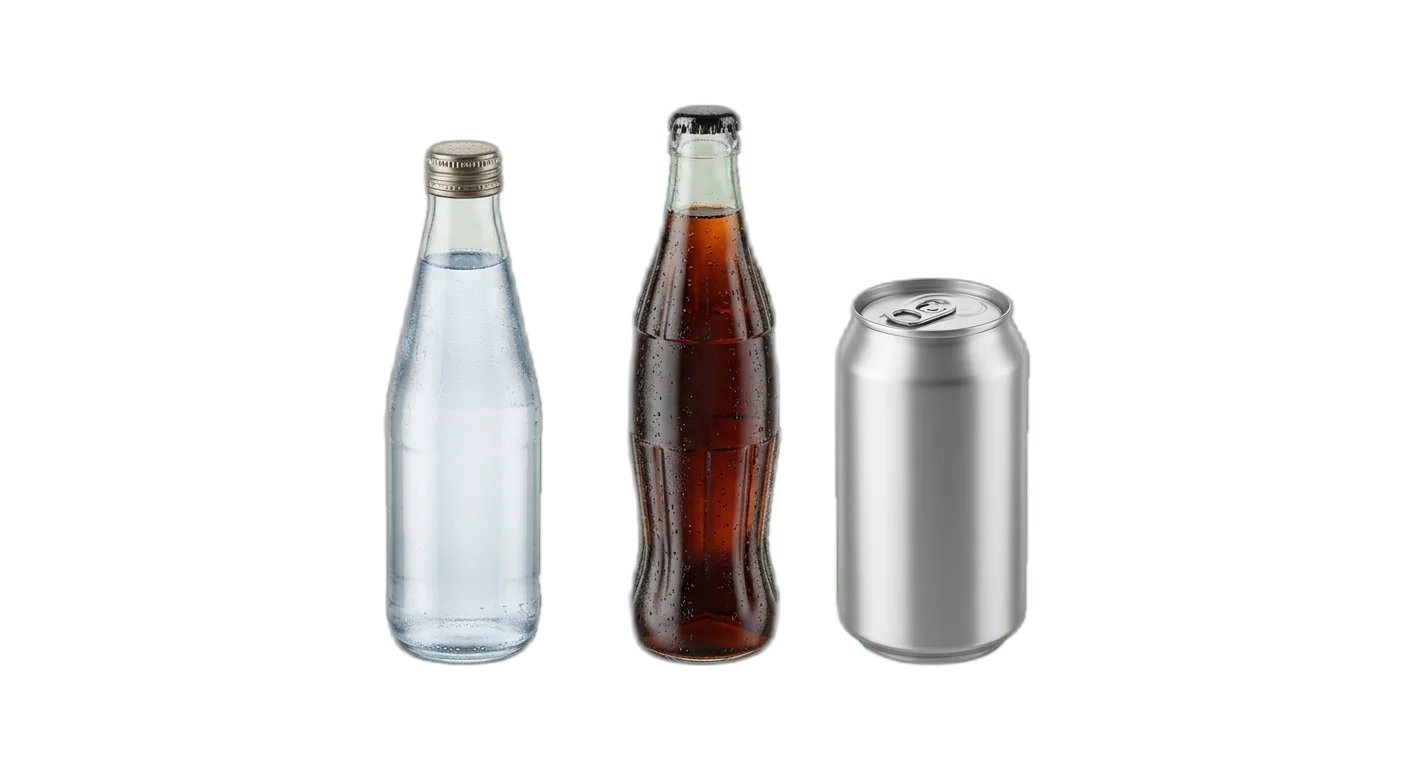
Beverages
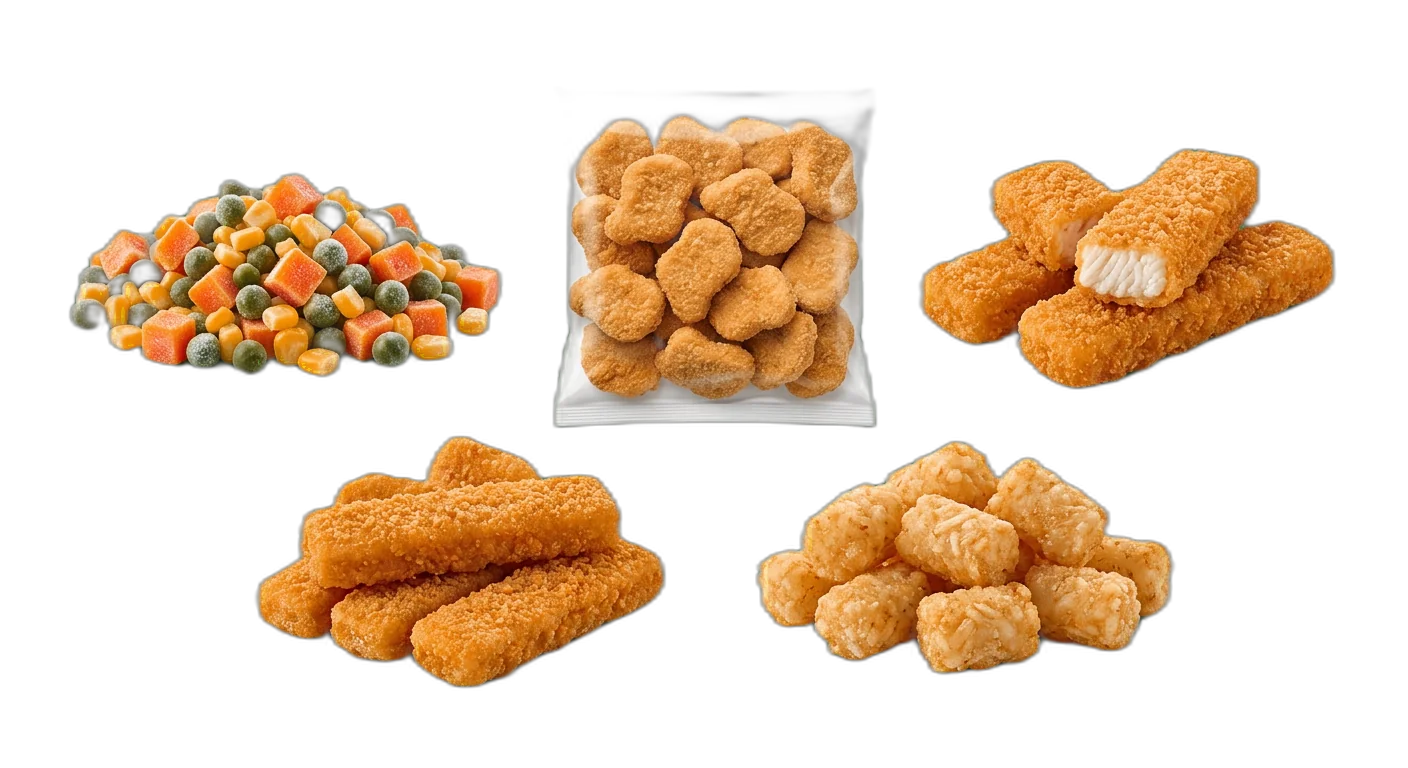
Frozen Food
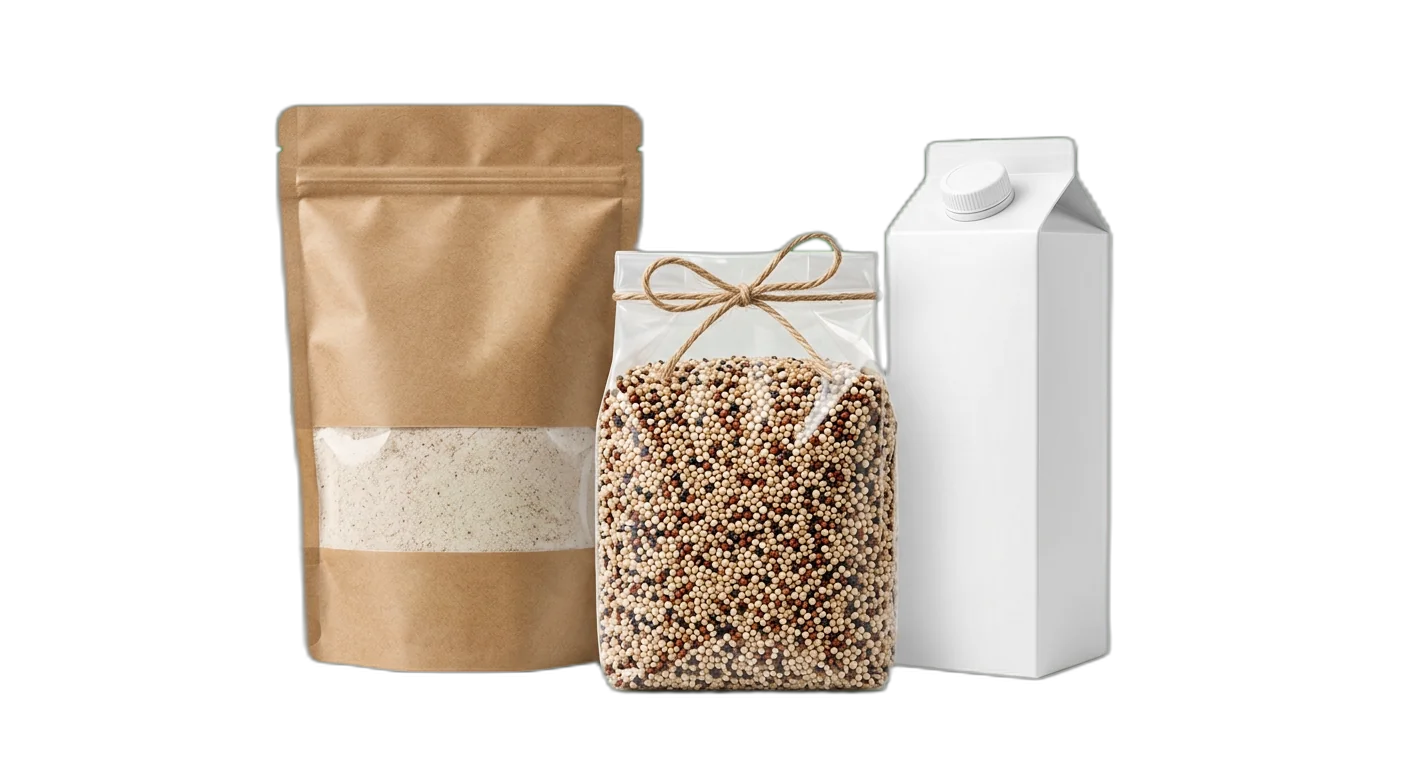
Special Diets
How to Classify Food & Beverage Products
Follow these rules to place products in the right categories, every time
- 1
Classify by storage requirement and freshness first
The primary split for food products should be based on how they are stored: Fresh (refrigerated), Pantry (ambient), Frozen, and Beverages. This mirrors how physical and online grocery stores are organized and matches customer expectations.
Fresh salmon is Fresh Food > Seafood > Fresh Fish, not a general Fish categoryFrozen salmon fillets are Frozen Food > Frozen Fish, even though both are fish - 2
Keep dietary preferences as attributes, not categories
Vegan, gluten-free, organic, keto, and other dietary labels should be filterable product attributes. A gluten-free pasta is still Pantry Staples > Grains & Pasta > Pasta with a Gluten-Free: Yes attribute. The Special Diets section is for products that exist solely because of a dietary need.
Gluten-free bread is Bakery > Bread with Gluten-Free: Yes, not Special Diets > Gluten-FreeA dedicated protein powder is Special Diets > Sports Nutrition - 3
Classify multi-ingredient products by intended use
Products made from multiple ingredients should be categorized by how the customer intends to use them, not by their primary ingredient. A tomato pasta sauce is a Sauce, not a Vegetable product. A chicken soup is Canned & Jarred > Soups, not Meat & Poultry.
Pesto sauce is Pantry Staples > Canned & Jarred > Sauces, not HerbsA beef stew ready meal is Frozen Food > Frozen Meals, not Meat & Poultry - 4
Keep beverages separate from food
Beverages should always be a top-level category, never mixed with food categories. Even beverage-adjacent products like coffee beans or tea leaves are Beverages, not Pantry Staples. Split beverages into Non-Alcoholic and Alcoholic at the second level.
- 5
Treat organic as an attribute, not a duplicate category
Do not create parallel organic versions of every category. Organic bananas are Fresh Food > Fruits & Vegetables > Fresh Fruits with an Organic: Yes attribute. The only exception is when a dedicated organic section helps discovery (as in the Special Diets section for specialty stores).
- 6
Separate frozen products into their own top-level category
Frozen products require fundamentally different storage and handling. Even if the unfrozen version of the same product exists elsewhere (fresh fish vs frozen fish), frozen items should live under Frozen Food to reflect their storage and shipping requirements.
- 7
Structure allergen data as standardized attributes
Allergen information (contains nuts, dairy, gluten, soy, shellfish, eggs) must be structured as boolean attributes on every product. This enables proper filtering, regulatory compliance, and marketplace export. Never rely on free-text fields for allergen data.
- 8
Distinguish between cooking ingredients and ready-to-eat products
A jar of pasta sauce (cooking ingredient) and a ready-to-eat pasta bowl (meal) serve different purposes. Cooking ingredients belong in Pantry Staples, while prepared foods go in Frozen Food or Fresh Food depending on storage. Do not mix them in the same subcategory.
Raw pasta is Pantry Staples > Grains & Pasta > PastaA microwaveable pasta meal is Frozen Food > Frozen Meals - 9
Handle meal kits as a distinct product type
Meal kits that contain multiple components (protein, vegetables, sauce, instructions) should be categorized based on their storage requirement. Fresh meal kits go under Fresh Food, and they should have a Product Type: Meal Kit attribute so customers can filter specifically for kits.
- 10
Apply special handling rules for baby food and infant nutrition
Baby food products have unique regulatory and labeling requirements. Place them under Special Diets > Baby Food with dedicated age-range and stage attributes (Stage 1, 2, 3). Never mix baby food with general food categories even if the product type overlaps (e.g., baby cereal vs regular cereal).
Required Attributes by Category
Make sure your product data is complete with the required and recommended attributes for each category level
Food & Beverage Classification Pitfalls to Avoid
Avoid these common categorization errors that hurt product discoverability
- Mistake
Creating full category branches for each dietary preference (e.g., a complete Vegan category tree that mirrors the main food taxonomy)
Better approachUse dietary labels as filterable attributes on products. A vegan pizza is Frozen Food > Frozen Pizza with Vegan: Yes, not Special Diets > Vegan > Pizza. The Special Diets section should only contain products that exist purely for a dietary niche (protein powders, baby food).
- Mistake
Mixing ready-to-eat meals with raw cooking ingredients in the same category (e.g., raw chicken and rotisserie chicken in one category)
Better approachSeparate by product state: raw chicken is Fresh Food > Meat & Poultry > Chicken, while a pre-cooked rotisserie chicken is a prepared food. Storage and preparation requirements should drive categorization.
- Mistake
Not including allergen information as structured data, relying only on ingredient list text
Better approachAdd boolean allergen attributes (Contains Nuts, Contains Dairy, Contains Gluten, Contains Soy, Contains Eggs, Contains Shellfish) to every food product. This enables proper filtering, regulatory compliance, and safe marketplace exports.
- Mistake
Using brand names as categories (e.g., creating a Heinz or Barilla category section)
Better approachBrand should always be a filterable attribute. Products from any brand belong in their functional category (Sauces, Pasta) with Brand as a searchable attribute. This prevents category explosion and maintains a clean taxonomy.
- Mistake
Duplicating organic products across both the organic section and regular categories without linking them
Better approachPlace all products in their functional category (e.g., Fresh Fruits) and use an Organic: Yes/No attribute. Organic ranges can be surfaced through filters and landing pages without duplicating the taxonomy.
- Mistake
Ignoring storage temperature requirements when assigning categories, placing shelf-stable and refrigerated items together
Better approachStorage requirement is a fundamental classifier for food. A shelf-stable milk carton is Pantry Staples while fresh milk is Fresh Food > Dairy. A product's storage need directly impacts logistics, shelf placement, and how customers shop.
- Mistake
Placing beverages alongside food products in mixed categories (e.g., putting juice in Fruits & Vegetables)
Better approachBeverages are a top-level category. Even though orange juice comes from oranges, it is a drink product with different attributes (volume, serving size, pasteurization). Keep Beverages separate and split by Non-Alcoholic and Alcoholic.
- Mistake
Not structuring nutritional information as typed attributes, storing it only as free text or images
Better approachCreate structured numeric attributes for Calories, Protein, Fat, Carbohydrates, Sugar, Fiber, and Sodium per serving. This enables comparison features, dietary filtering, and compliant data exports to marketplaces.
- Mistake
Classifying meal kits in the same category as individual ingredients or finished frozen meals
Better approachMeal kits are a distinct product type. Categorize by storage (Fresh or Frozen) and add a Product Type: Meal Kit attribute. This lets customers filter for kits specifically while keeping them in the appropriate storage-based taxonomy.
- Mistake
Using regional or colloquial product names as category names (e.g., Biscuits in UK vs Cookies in US)
Better approachStandardize category names for your primary market and use locale-specific aliases for search and filtering. Your canonical taxonomy should use consistent, universally understood terms. Add regional name variants as searchable synonyms.
How to Categorize Food & Beverage Products
Follow these steps to categorize your Food & Beverage products correctly for e-commerce and marketplace requirements
01
Import Your Food & Beverage Catalog
Connect your e-commerce platform, ERP, or upload your product feed. WISEPIM reads product names, ingredient lists, nutritional data, and images to prepare for AI-powered categorization and attribute enrichment.
02
AI Classifies by Storage Type and Product Function
WISEPIM analyzes product data to assign each item to the correct storage-based category (Fresh, Pantry, Frozen, Beverages). The AI recognizes food types from descriptions and images, identifies allergens from ingredient lists, and extracts nutritional values automatically.
03
Enrich Compliance and Nutritional Attributes
Based on the assigned category, WISEPIM populates required attributes including allergen declarations, nutritional information, storage instructions, and dietary labels. Missing or inconsistent data is flagged for review to ensure regulatory compliance.
04
Review, Approve & Publish Across Channels
Review AI suggestions in bulk, resolve flagged items, and publish your enriched catalog to your webshop, marketplace listings, and food delivery platforms. Category mappings for Google Shopping, Amazon Fresh, and Instacart are generated automatically.
Categorize your Food & Beverage catalog in WISEPIM
Sign up for the free plan and apply this guide to your own products: build your category tree, let AI suggest a category for each product, and map your categories to Google's product taxonomy.
- 100 products and 50 AI credits a month on the free plan
- Import products from a CSV file or a connected store
- AI categorization assigns categories, or suggests them for you to review first
- The category map links your categories to Google product categories
Frequently Asked Questions
Common questions about Food & Beverage product categorization
Best Food & Beverage Categories for Ecommerce
Discover the top-performing Food & Beverage product categories ranked by demand, margins, and growth potential.
Map Food & Beverage products to a global taxonomy
Got your own category tree? Map it to the standards that marketplaces, ad platforms, and data partners actually require.
Explore More Industry Guides
Printable checklist
Start in 15 minutesGet every live product into the right category
Start with a 15-minute count of products with no category, or only a top-level one. You get two numbers, like 140 products, 12 in your top 100. Then 5 steps for the rest of the week.
How it works
- Filter products with no category or only a top-level one.
- Check how many of them are in your top 100 sellers.
- Write both numbers, such as '140 products, 12 in the top 100'.
One email, once, with a link to the printable checklist. Nothing else unless you tick the box.
Keep exploring
Hand-picked next steps to go deeper.
Ready to Automate Your Food & Beverage Categorization?
WISEPIM uses AI to classify products automatically, saving hours of manual work and cutting categorization errors.