Pet Supplies Category Classification with Google IDs
Pet supplies sit under Animals & Pet Supplies > Pet Supplies, split by animal first: dog food is Dog Supplies > Dog Food (Google ID 3530) and cat litter is Cat Supplies > Cat Litter (4999). Items for any animal sit directly under Pet Supplies: carriers and crates (6251), collars and harnesses (6250) and leashes (6249). IDs follow Google's product taxonomy, version 2021-09-21. WISEPIM's Category map links your own categories to these Google IDs.
Quick answers: which category does it belong to?
| Item | Category path | Standard | ID |
|---|---|---|---|
| Pet carrier or crate | Animals & Pet Supplies > Pet Supplies > Pet Carriers & Crates | Google product taxonomy | 6251 |
| Dog food | Animals & Pet Supplies > Pet Supplies > Dog Supplies > Dog Food | Google product taxonomy | 3530 |
| Cat food | Animals & Pet Supplies > Pet Supplies > Cat Supplies > Cat Food | Google product taxonomy | 3367 |
| Cat litter | Animals & Pet Supplies > Pet Supplies > Cat Supplies > Cat Litter | Google product taxonomy | 4999 |
| Dog bed | Animals & Pet Supplies > Pet Supplies > Dog Supplies > Dog Beds | Google product taxonomy | 4434 |
| Dog toy | Animals & Pet Supplies > Pet Supplies > Dog Supplies > Dog Toys | Google product taxonomy | 5010 |
| Collar or harness | Animals & Pet Supplies > Pet Supplies > Pet Collars & Harnesses | Google product taxonomy | 6250 |
| Leash | Animals & Pet Supplies > Pet Supplies > Pet Leashes | Google product taxonomy | 6249 |
| Aquarium | Animals & Pet Supplies > Pet Supplies > Fish Supplies > Aquariums | Google product taxonomy | 3238 |
| Bird cage | Animals & Pet Supplies > Pet Supplies > Bird Supplies > Bird Cages & Stands | Google product taxonomy | 4989 |
Pet Supplies Category Hierarchy
Standard category structure used across major e-commerce platforms and marketplaces
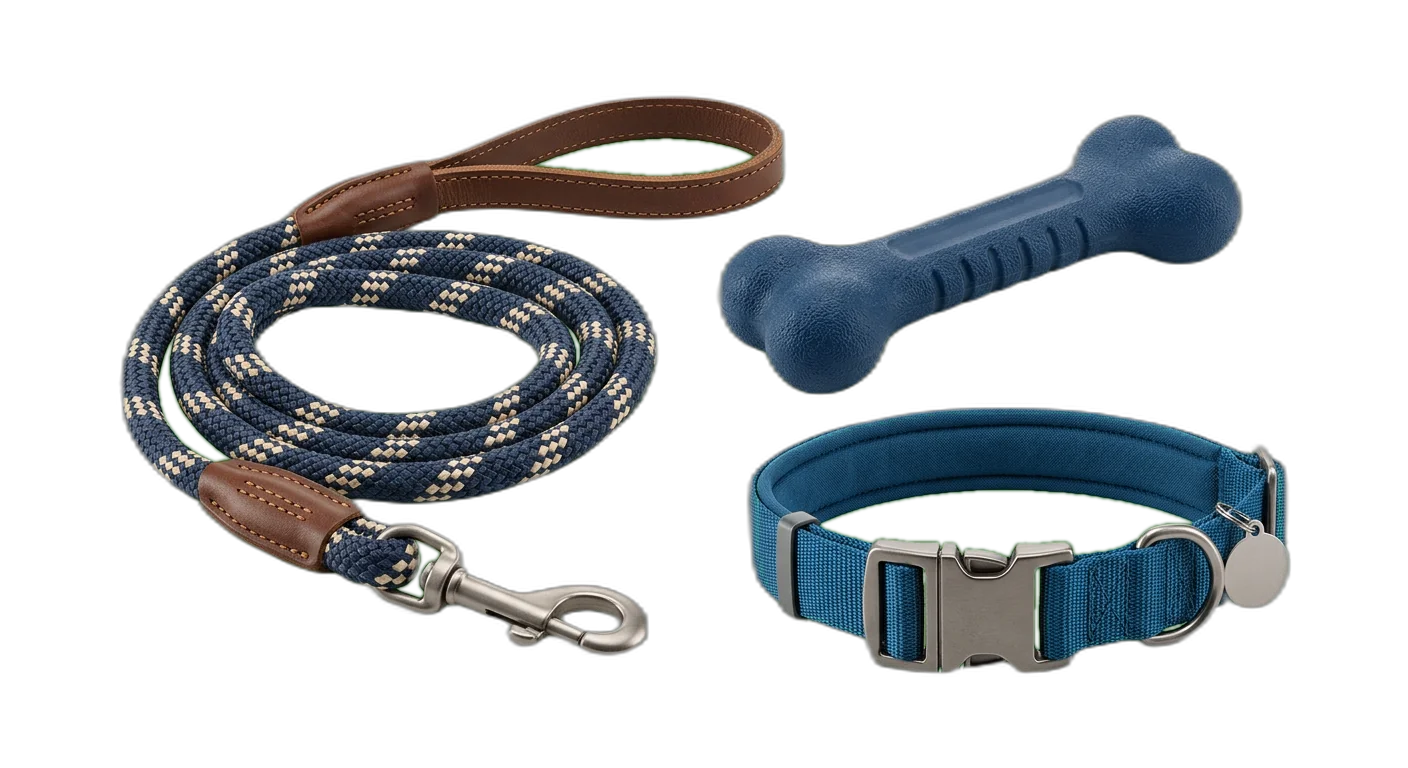
Dog Supplies
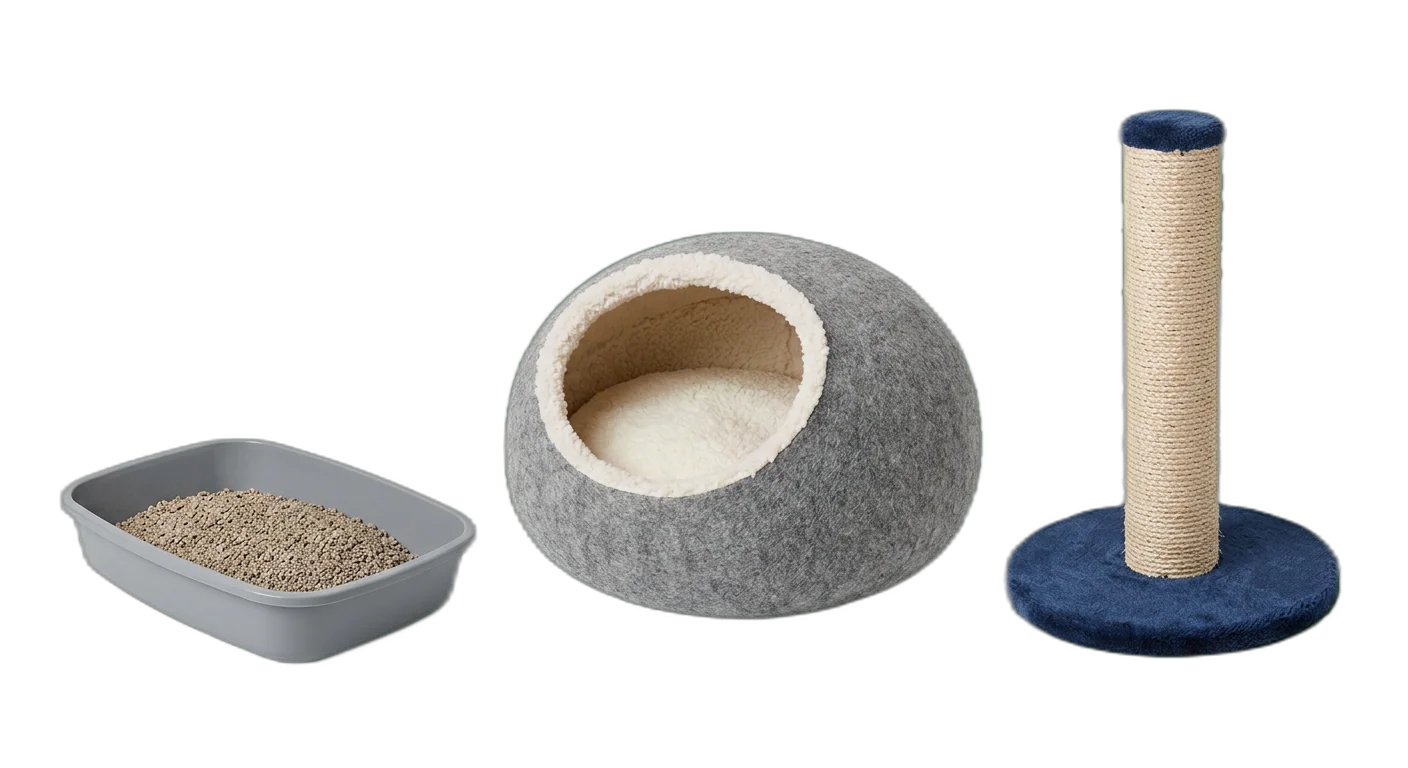
Cat Supplies
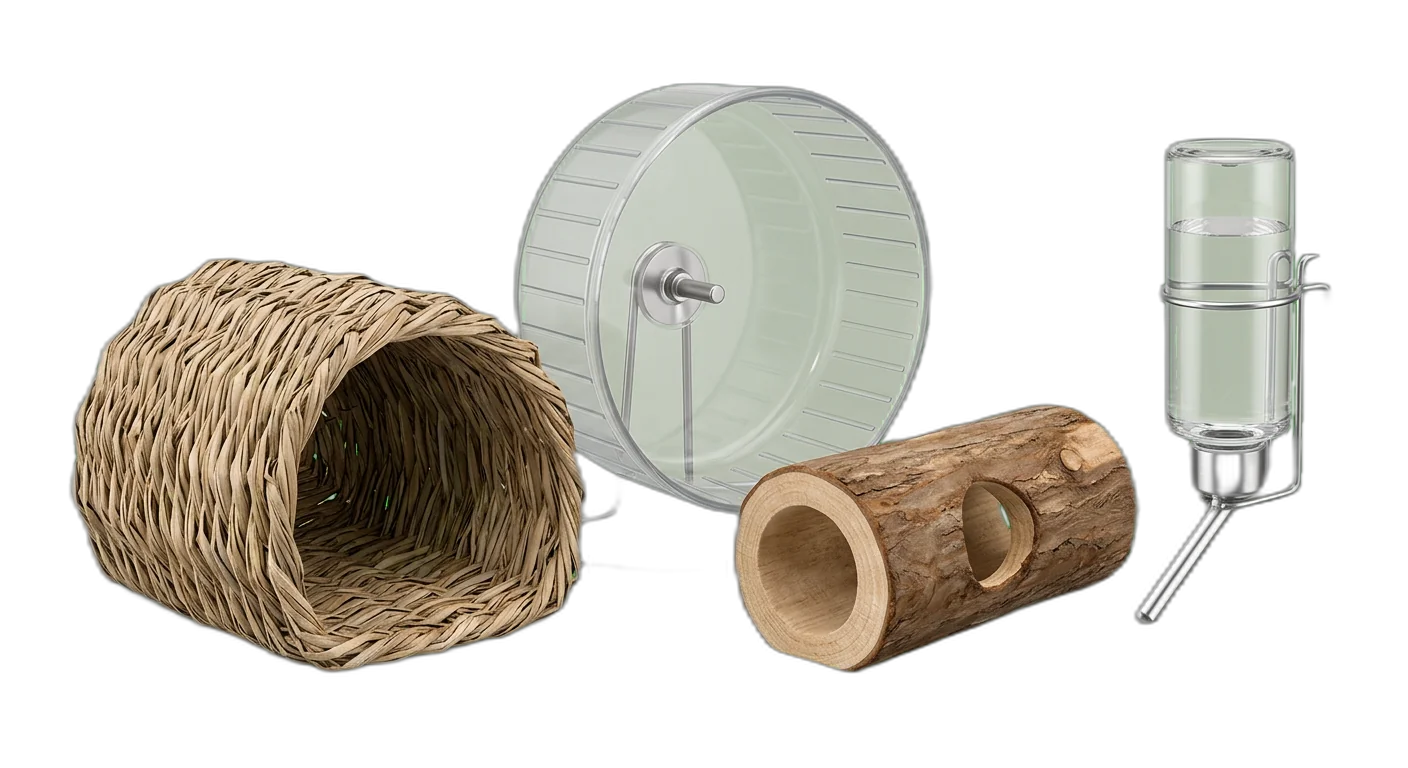
Small Animals
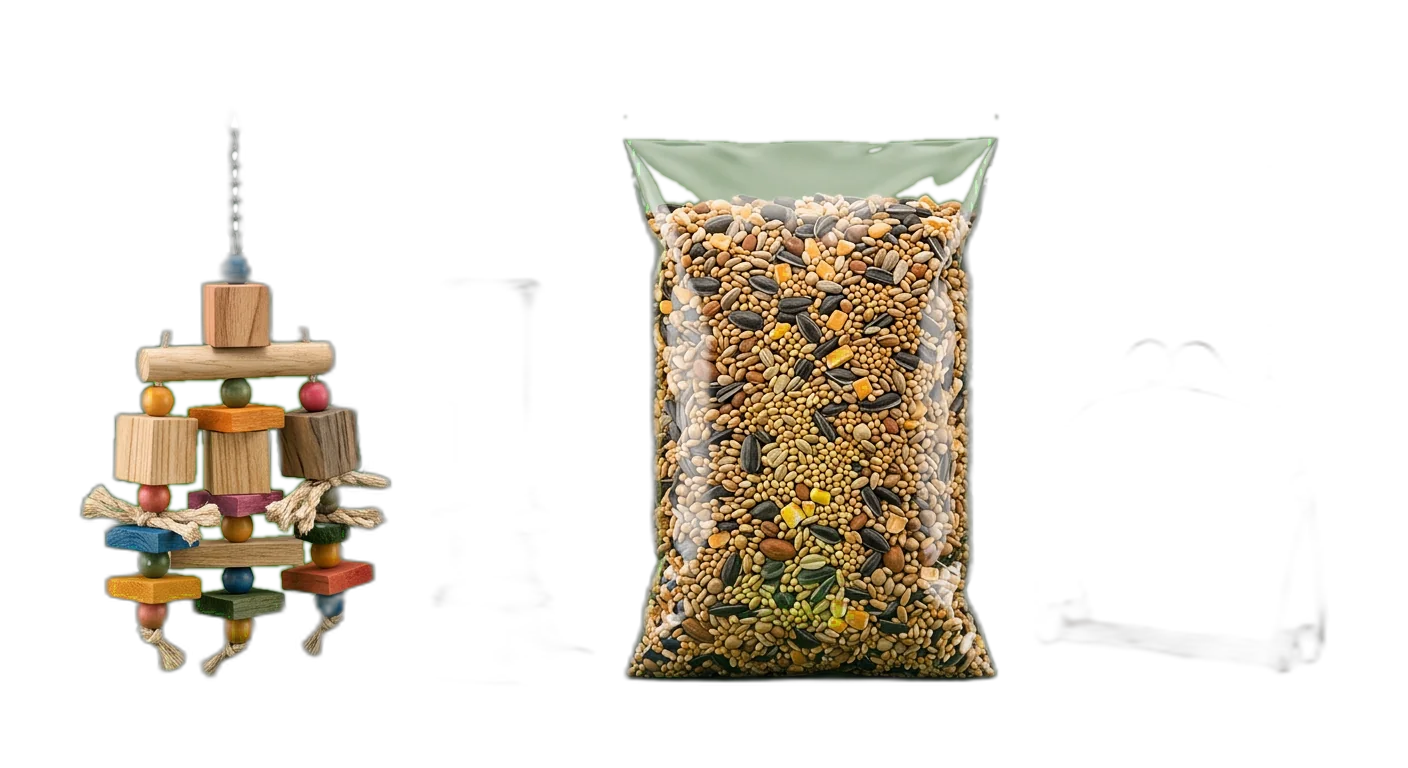
Birds
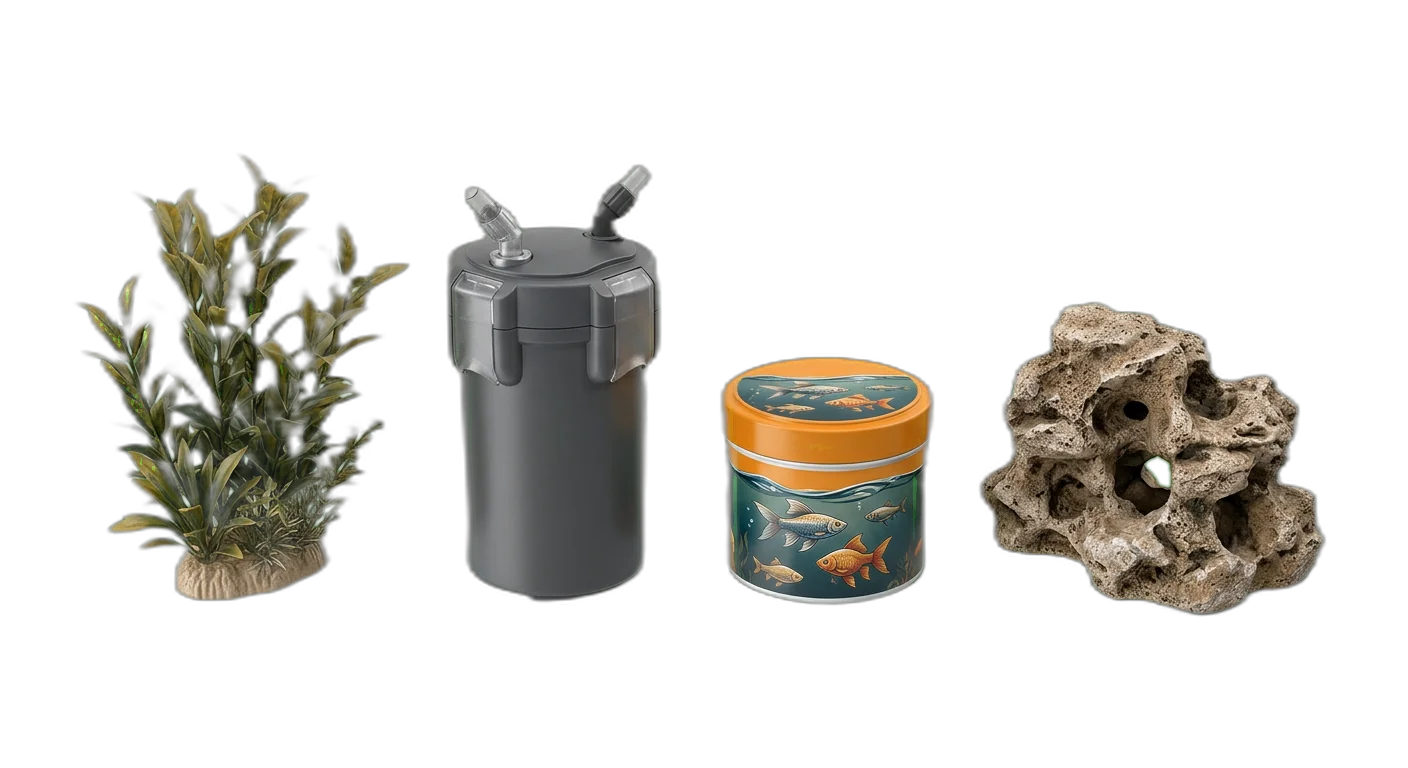
Fish & Aquatics
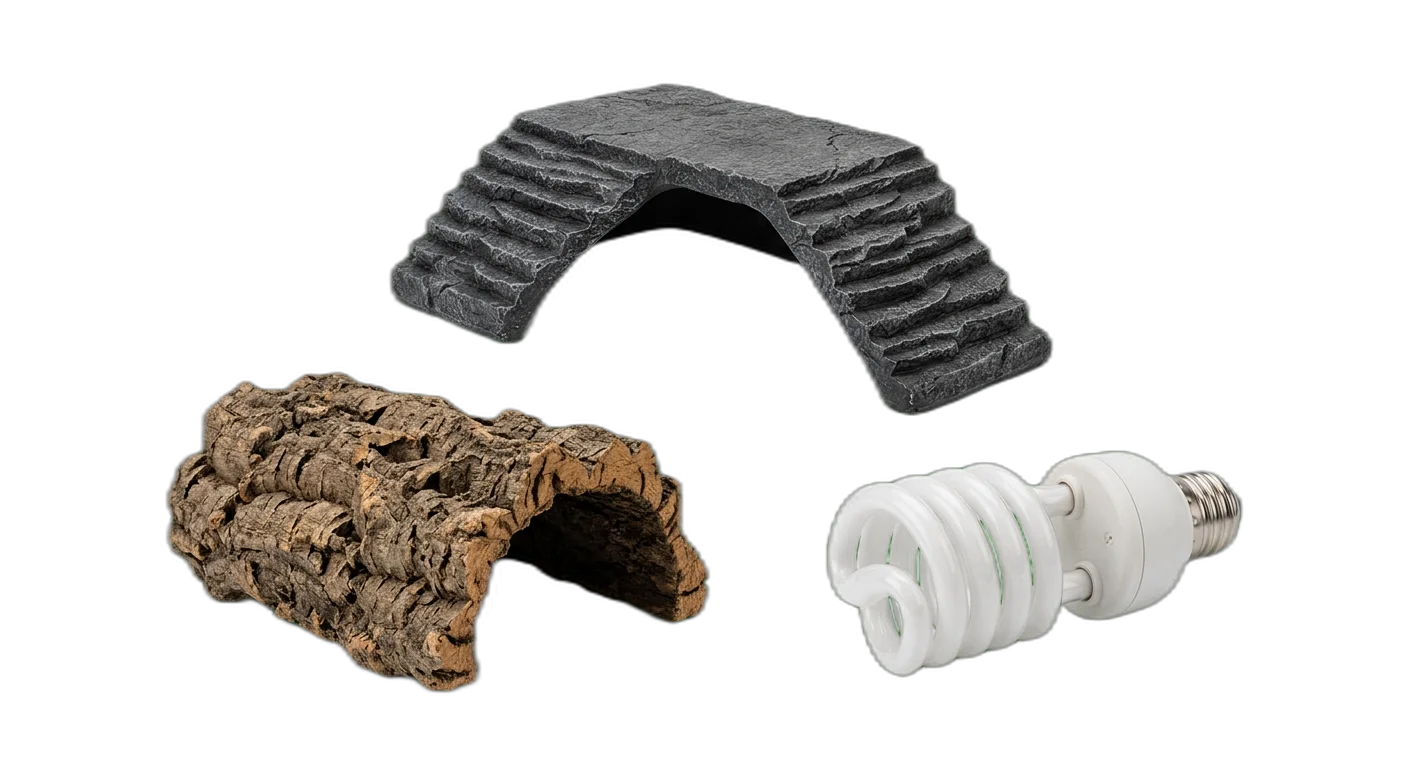
Reptiles & Amphibians
How to Classify Pet Supplies Products
Follow these rules to place products in the right categories, every time
- 1
Always classify by pet type first, then by product category
The top level of the taxonomy is the pet type (Dog, Cat, Small Animals, Birds, Fish, Reptiles). Within each pet type, organize by product function (Food, Toys, Health, Accessories). A dog bed is Dog Supplies > Dog Accessories > Dog Beds, never Beds > Dog Beds.
A chew toy is Dog Supplies > Dog Toys > Chew Toys, not Toys > Dog Chew ToysCat litter is Cat Supplies > Cat Litter > Clumping Litter, not Litter > Cat Clumping - 2
Track breed size and suitability as attributes, not categories
Products designed for specific breeds or size ranges (small, medium, large, giant) should use Size Suitability and Breed as filterable attributes. Creating breed-based categories would result in thousands of duplicate category paths.
A large-breed dog food is Dog Supplies > Dog Food > Dry Dog Food with Size Suitability: Large Breed (50-90 lbs)A small dog harness is Dog Supplies > Dog Accessories > Harnesses with Size: Small (under 20 lbs) - 3
Categorize food by pet type first, then by food form
All food products start under the appropriate pet type, then subdivide by form (Dry, Wet, Raw, Treats, Supplements). Treats are a distinct food subcategory, not a separate accessories item. This mirrors how pet owners shop for food.
Freeze-dried dog treats are Dog Supplies > Dog Food > Dog Treats with Form: Freeze-DriedCanned cat food is Cat Supplies > Cat Food > Wet Cat Food with Can Size: 5.5 oz - 4
Keep health products in a separate subcategory from food and accessories
Flea and tick treatments, dental care products, grooming supplies, and health supplements serve a medical or wellness function and should not be mixed with food or accessories. This distinction matters because health products often have regulatory requirements and dosage information.
- 5
Use life stage as a primary filterable attribute
Puppy, kitten, adult, and senior products should share the same category with Life Stage as a required attribute. Creating age-based categories (Puppy Food vs Adult Food as separate top-level items) duplicates the taxonomy structure unnecessarily.
Puppy food is Dog Supplies > Dog Food > Dry Dog Food with Life Stage: Puppy (0-12 months)Senior cat food is Cat Supplies > Cat Food > Dry Cat Food with Life Stage: Senior (7+ years) - 6
Keep brand as an attribute, never as a category
Pet supply brands like Royal Canin, Hill's Science Diet, and Purina should be filterable attributes, not category branches. Brand-based categories fracture the taxonomy and make cross-brand comparison impossible.
Royal Canin dry dog food is Dog Supplies > Dog Food > Dry Dog Food with Brand: Royal Canin - 7
Distinguish prescription products from over-the-counter with clear attributes
Prescription pet foods and medications require veterinary authorization and must be clearly separated from OTC products using a Prescription Required attribute. This supports regulatory compliance and proper storefront filtering.
Hill's Prescription Diet is Dog Supplies > Dog Food > Dry Dog Food with Prescription Required: Yes - 8
Separate treats from regular food as distinct subcategories
Treats serve a different purpose (training, rewards, dental health) than daily nutrition food. Keep them as a dedicated subcategory under Food rather than mixing them with regular food or placing them under Accessories.
- 9
Classify pet furniture and large items under Accessories, not a separate Furniture category
Cat trees, dog beds, crates, and kennels belong under the pet type's Accessories subcategory. Creating a separate Furniture top-level category splits the pet-type-first navigation pattern that customers expect.
- 10
Handle aquarium and terrarium equipment with technical attributes
Fish and reptile products require specific technical attributes (tank volume, wattage, flow rate, UVB output) that differ significantly from other pet supplies. Ensure these categories carry the right attribute templates to support informed purchasing decisions.
An aquarium filter is Fish & Aquatics > Filters & Pumps with Tank Size: Up to 50 gallons, Flow Rate: 200 GPHA reptile heat lamp is Reptiles & Amphibians > Heating & Lighting with Wattage: 75W, UVB Output: 5%
Required Attributes by Category
Make sure your product data is complete with the required and recommended attributes for each category level
Pet Supplies Classification Pitfalls to Avoid
Avoid these common categorization errors that hurt product discoverability
- Mistake
Mixing products for different pet types in the same category (e.g., combining all flea treatments into one Flea & Tick category regardless of species)
Better approachAlways organize by pet type first. Dog flea treatments and cat flea treatments must be in separate category paths (Dog Supplies > Dog Health > Flea & Tick and Cat Supplies > Cat Health > Flea & Tick) because formulations are often species-specific and cross-species use can be dangerous.
- Mistake
Using brand names as categories instead of filterable attributes (e.g., creating a Royal Canin or Purina category)
Better approachKeep brand as a product attribute. Pet owners should find all dry dog food options in Dog Supplies > Dog Food > Dry Dog Food and filter by brand. This enables meaningful cross-brand comparison and scales as you add new brands.
- Mistake
Blurring the line between food and treats by placing treats in the same subcategory as daily nutrition food
Better approachKeep treats as a distinct subcategory under Food (e.g., Dog Supplies > Dog Food > Dog Treats). Treats serve different purposes (training, rewards, dental health) and have different nutritional profiles than regular food. Customers shop for them separately.
- Mistake
Not recording breed or size suitability, leaving customers guessing whether a product fits their pet
Better approachAdd Size Suitability (Small, Medium, Large, Giant) and Breed Recommendation attributes to all size-dependent products. This is especially critical for food (different formulations by size), collars, harnesses, beds, and crates.
- Mistake
Missing nutritional information and guaranteed analysis data on food products
Better approachAll pet food products must carry structured nutritional attributes: Primary Protein, Calorie Content, AAFCO Statement, and Guaranteed Analysis data (crude protein %, fat %, fiber %). This is both a regulatory requirement and essential for informed purchasing.
- Mistake
Mixing prescription veterinary products with over-the-counter items without clear distinction
Better approachAdd a Prescription Required attribute to all health and food products. Prescription diets (e.g., Hill's Prescription Diet) and medications need to be clearly flagged for regulatory compliance and to prevent unauthorized purchases.
- Mistake
Not including life stage information (puppy, kitten, adult, senior) as a structured attribute
Better approachLife Stage is a required attribute on all food, supplement, and many accessory products. Puppy food has fundamentally different nutritional requirements than adult food. Make Life Stage a filterable attribute rather than embedding it in the product name.
- Mistake
Oversimplifying aquarium and terrarium equipment categories without technical specifications
Better approachFish and reptile products require detailed technical attributes (tank volume, flow rate, wattage, UVB output, water type compatibility). Without these, customers cannot determine product compatibility with their setup.
- Mistake
Not including safety warnings or species-specific toxicity information on products
Better approachAdd Safety Warning and Species Restriction attributes to products where cross-species use is dangerous. Some flea treatments toxic to cats are safe for dogs. Essential oils in certain products can harm birds. These warnings are a liability and customer safety issue.
- Mistake
Failing to track ingredient transparency and sourcing information for pet food
Better approachModern pet owners demand ingredient transparency. Add structured attributes for Ingredient List, Protein Source Country, Manufacturing Country, and any recall history. This builds trust and supports the growing demand for premium and transparent pet food brands.
How to Categorize Pet Supplies Products
Follow these steps to categorize your Pet Supplies products correctly for e-commerce and marketplace requirements
01
Import Your Pet Supply Catalog
Connect your e-commerce platform or upload your product feed with product names, descriptions, ingredient lists, and images. WISEPIM automatically detects the target pet type, identifies product categories, and extracts species-specific attributes like nutritional data, size suitability, and safety information.
02
AI Classifies Products by Pet Type and Function
WISEPIM analyzes product data to assign each item to the correct pet type and product category. The AI distinguishes between dog and cat products, identifies food versus health supplements, matches breed suitability, and flags prescription items for compliance review with 95%+ accuracy.
03
Enrich Attributes with Species-Specific Data
Based on the assigned category, WISEPIM populates required attributes like life stage, protein source, size suitability, and safety warnings. Missing nutritional data and compatibility information are flagged for manual review to ensure your catalog meets regulatory and marketplace requirements.
04
Review, Approve & Publish Across Channels
Review AI suggestions in bulk, adjust where needed, and publish your categorized catalog to all sales channels. Category mappings for Amazon, Google Shopping, Chewy, and other pet marketplaces are generated automatically so your products reach the right shoppers everywhere.
Categorize your Pet Supplies catalog in WISEPIM
Sign up for the free plan and apply this guide to your own products: build your category tree, let AI suggest a category for each product, and map your categories to Google's product taxonomy.
- 100 products and 50 AI credits a month on the free plan
- Import products from a CSV file or a connected store
- AI categorization assigns categories, or suggests them for you to review first
- The category map links your categories to Google product categories
Frequently Asked Questions
Common questions about Pet Supplies product categorization
Best Pet Supplies Categories for Ecommerce
Discover the top-performing Pet Supplies product categories ranked by demand, margins, and growth potential.
Map Pet Supplies products to a global taxonomy
Got your own category tree? Map it to the standards that marketplaces, ad platforms, and data partners actually require.
Explore More Industry Guides
Printable checklist
Start in 15 minutesGet every live product into the right category
Start with a 15-minute count of products with no category, or only a top-level one. You get two numbers, like 140 products, 12 in your top 100. Then 5 steps for the rest of the week.
How it works
- Filter products with no category or only a top-level one.
- Check how many of them are in your top 100 sellers.
- Write both numbers, such as '140 products, 12 in the top 100'.
One email, once, with a link to the printable checklist. Nothing else unless you tick the box.
Free Excel template
XLSX · 3 sheetsSee which of your 20 best sellers are incomplete
An Excel check with the columns pet supplies products need. In about 15 minutes you know how many of your 20 are complete, and the one fix that helps the most rows.
How it works
- Paste 20 best sellers from your shop export into Products.
- Fill in what you know. The last column says what each row is missing.
- Read your result on Start here: how many are complete, and the fix that helps most rows.
One email, once, with the XLSX attached and as a download link. Nothing else unless you tick the box.
Keep exploring
Hand-picked next steps to go deeper.
Ready to Automate Your Pet Supplies Categorization?
WISEPIM uses AI to classify products automatically, saving hours of manual work and cutting categorization errors.