Best Categories for Pet Supplies
The top-performing Pet Supplies product categories for your ecommerce store, ranked by demand, margins, and growth potential.
Best Pet Supplies Categories to Sell Online
Ranked by market demand, profit margins, and growth momentum
- 1
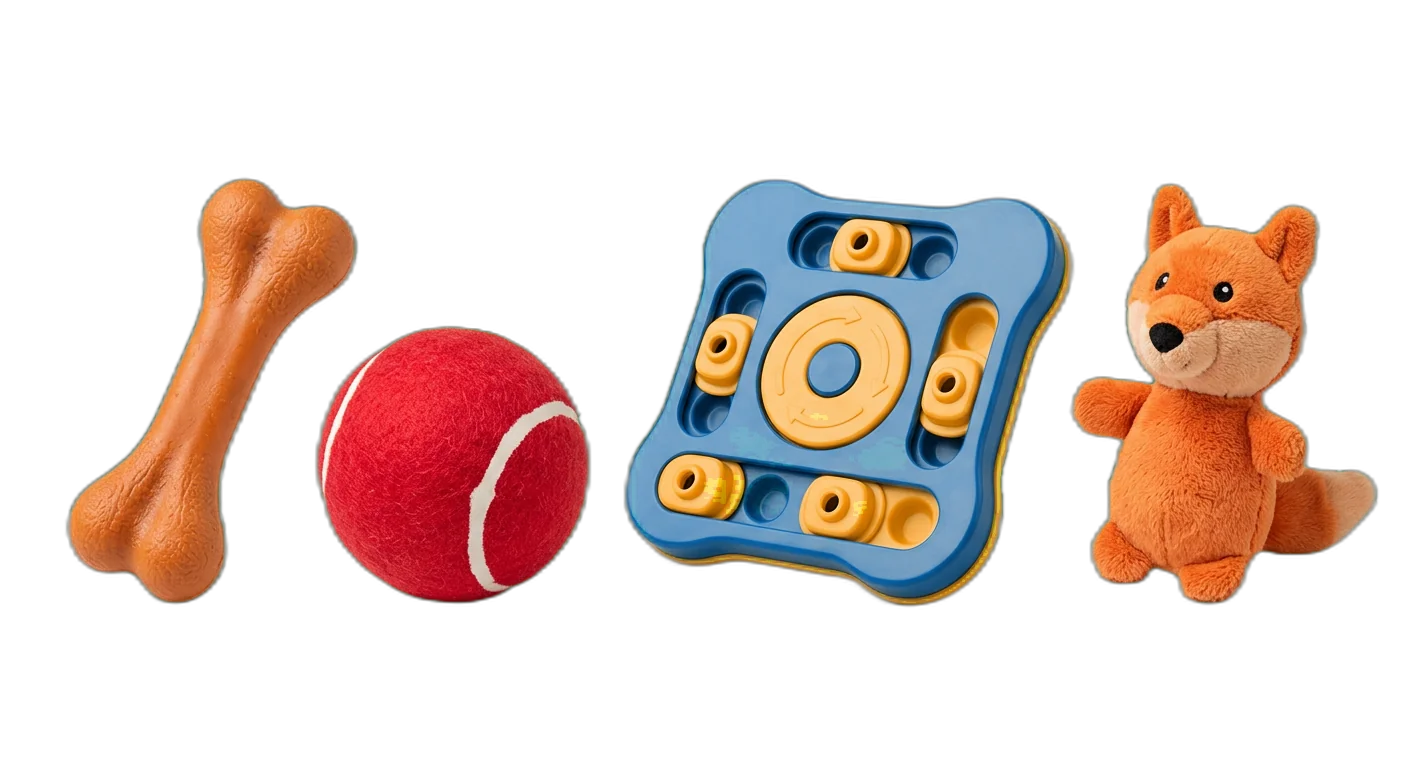
Dog Toys
Dog Supplies > Dog Toys
Dog toys are one of the highest-margin categories in pet supplies. Durable and interactive toys keep growing as pet owners invest in play and mental stimulation. Low return rates and strong impulse buying make this a reliable profit driver.
Demand: HighCompetition: MediumMargin: HighRisingExample ProductsChew toysFetch toysInteractive puzzle toysPlush dog toysPro TipFeature durability information prominently. 'Indestructible' and 'heavy duty' are common search terms for dog toy shoppers, especially for large breed owners.
- 2
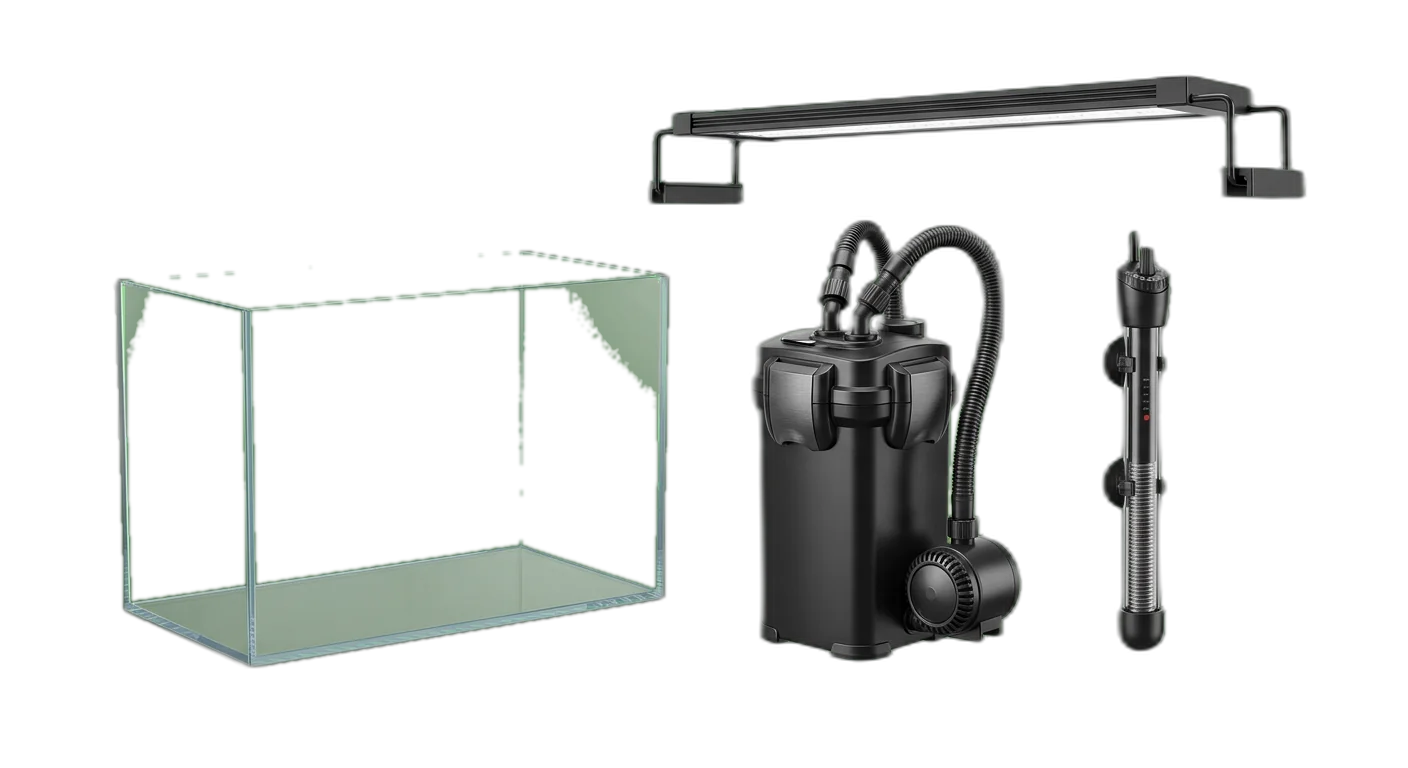
Aquarium Equipment
Fish & Aquatics
The aquarium hobby saw a big revival after the pandemic, and fishkeeping has held on to much of that growth. Equipment like filters, heaters, and tanks has strong margins and creates an ongoing need for consumables (filter media, food, water conditioners).
Demand: GrowingCompetition: LowMargin: HighRisingExample ProductsAquariums & tanksFilters & pumpsHeatersLED lightingPro TipCreate compatibility guides showing which equipment works with which tank sizes. Aquarium hobbyists need precise technical matching and will trust stores that give clear guidance.
- 3

Cat Trees & Scratching Posts
Cat Supplies > Cat Accessories > Cat Trees
Cat trees and scratching posts are essential for indoor cat wellbeing, and as more cats are kept exclusively indoors, demand keeps growing. Modern cat furniture that fits home decor earns premium prices. The category has low return rates and strong word-of-mouth.
Demand: GrowingCompetition: LowMargin: HighRisingExample ProductsMulti-level cat treesWall-mounted shelvesScratching postsCat condosPro TipInclude weight capacity and stability information. Cat tree buyers worry about tipping with large cats, and clear stability details reduce purchase hesitation.
- 4
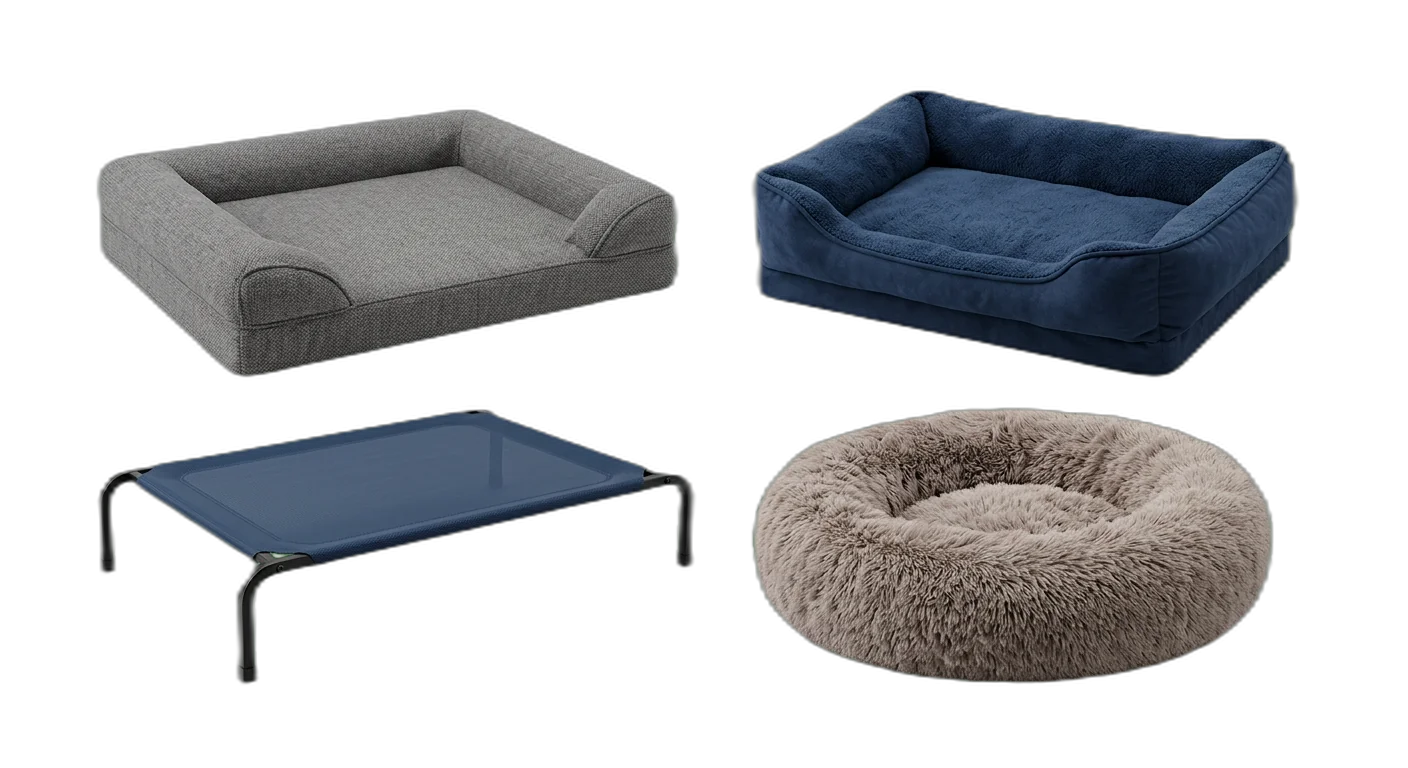
Dog Beds
Dog Supplies > Dog Accessories > Dog Beds
Dog beds have become a premium home category as owners invest in orthopedic and stylish options. Memory foam and bolster beds in the mid price range have the strongest sell-through. Seasonal upgrades and multi-dog households drive repeat purchases.
Demand: MediumCompetition: LowMargin: HighRisingExample ProductsOrthopedic memory foam bedsBolster bedsElevated cotsDonut cuddler bedsPro TipInclude weight capacity alongside size. A 'Large' bed means different things across brands, but a '50-80 lb' weight range gives dog owners confidence in their purchase.
- 5
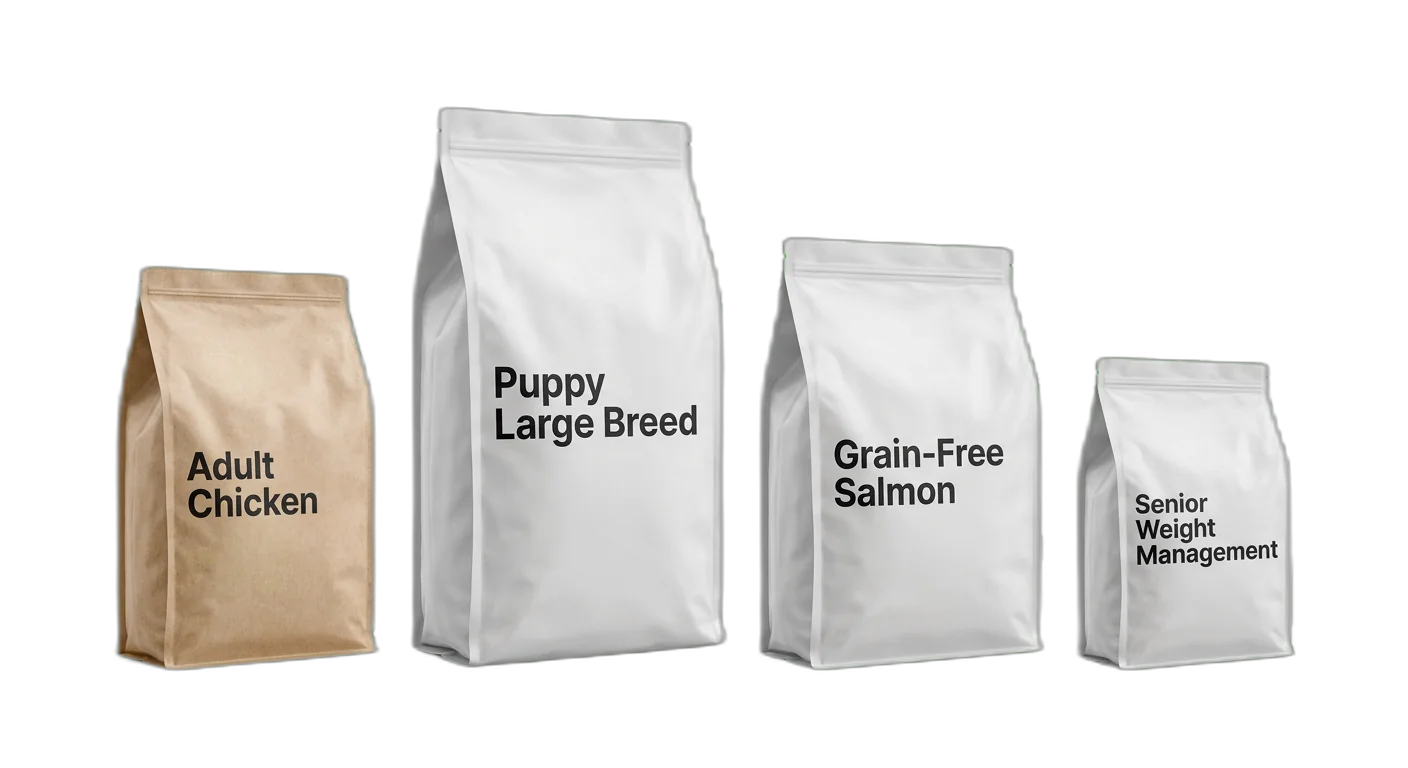
Dry Dog Food
Dog Supplies > Dog Food > Dry Dog Food
Dry dog food is the biggest segment in pet food and the backbone of most pet stores. It has one of the highest repeat purchase rates of any pet product, because a bag lasts weeks rather than months. Premium and grain-free formulas keep lifting the margin mix.
Demand: HighCompetition: HighMargin: MediumRisingExample ProductsAdult chicken kibblePuppy large-breed formulaGrain-free salmonSenior weight managementPro TipMake life stage and breed size the primary filters. Dog owners always know their dog's age and size, and the wrong formula leads to returns and negative reviews.
- 6
Cat Litter
Cat Supplies > Cat Litter
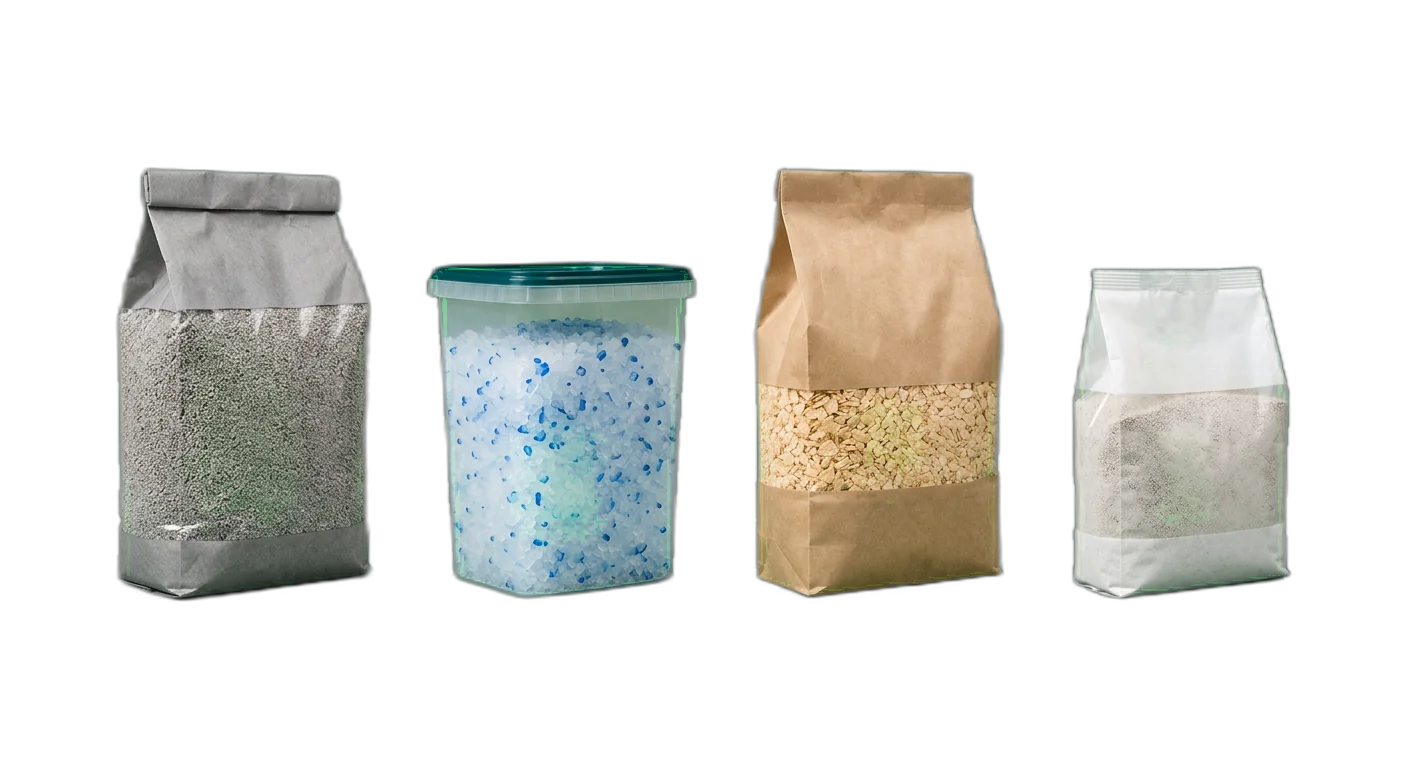
Cat litter is one of the largest pet consumables by volume: every cat household buys it again every few weeks. The shift toward clumping, low-dust, and natural litters is driving buyers toward premium options. Subscription autoship programs create predictable recurring revenue with minimal churn.
Demand: HighCompetition: MediumMargin: MediumStableExample ProductsClumping clay litterCrystal litterNatural corn litterLightweight clumpingPro TipEmphasize weight and dust level as key attributes. These are decisive factors for cat owners, especially for online orders where heavy bags need clear weight labeling.
- 7
Dog Collars & Leashes
Dog Supplies > Dog Accessories
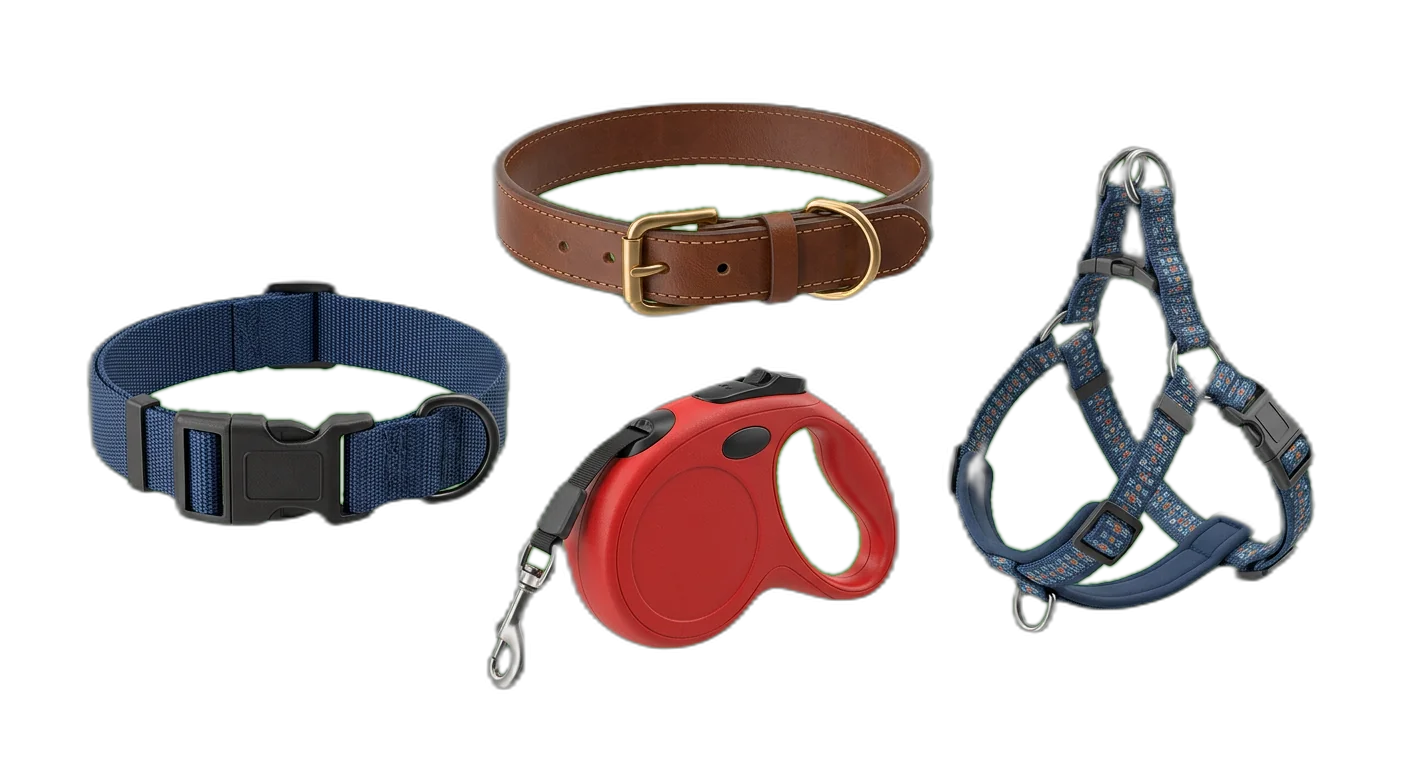
Collars and leashes are essential for every dog owner, making this a universal category. It has grown beyond basics into fashion and tech (GPS-enabled, LED collars). Premium leather and custom collars earn strong margins and bring repeat buyers as dogs grow.
Demand: MediumCompetition: MediumMargin: HighRisingExample ProductsNylon collarsLeather collarsRetractable leashesHarnessesPro TipProvide a detailed size guide with neck measurement ranges. Wrong sizing is a leading return reason for collars and harnesses.
- 8

Dog Treats
Dog Supplies > Dog Food > Dog Treats
Dog treats are one of the fastest-growing segments in pet food, driven by demand for natural, high-quality options and the growing emotional bond owners have with their pets. Natural, single-ingredient treats earn strong margins and are often bought on impulse. Training treats add a functional subsegment with strong repeat buyers.
Demand: HighCompetition: MediumMargin: MediumStableExample ProductsTraining treatsDental chewsNatural jerky treatsFreeze-dried treatsPro TipHighlight calorie content and ingredient quality. Health-conscious pet owners read treat labels just as carefully as their own food labels.
- 9
Wet Cat Food
Cat Supplies > Cat Food > Wet Cat Food
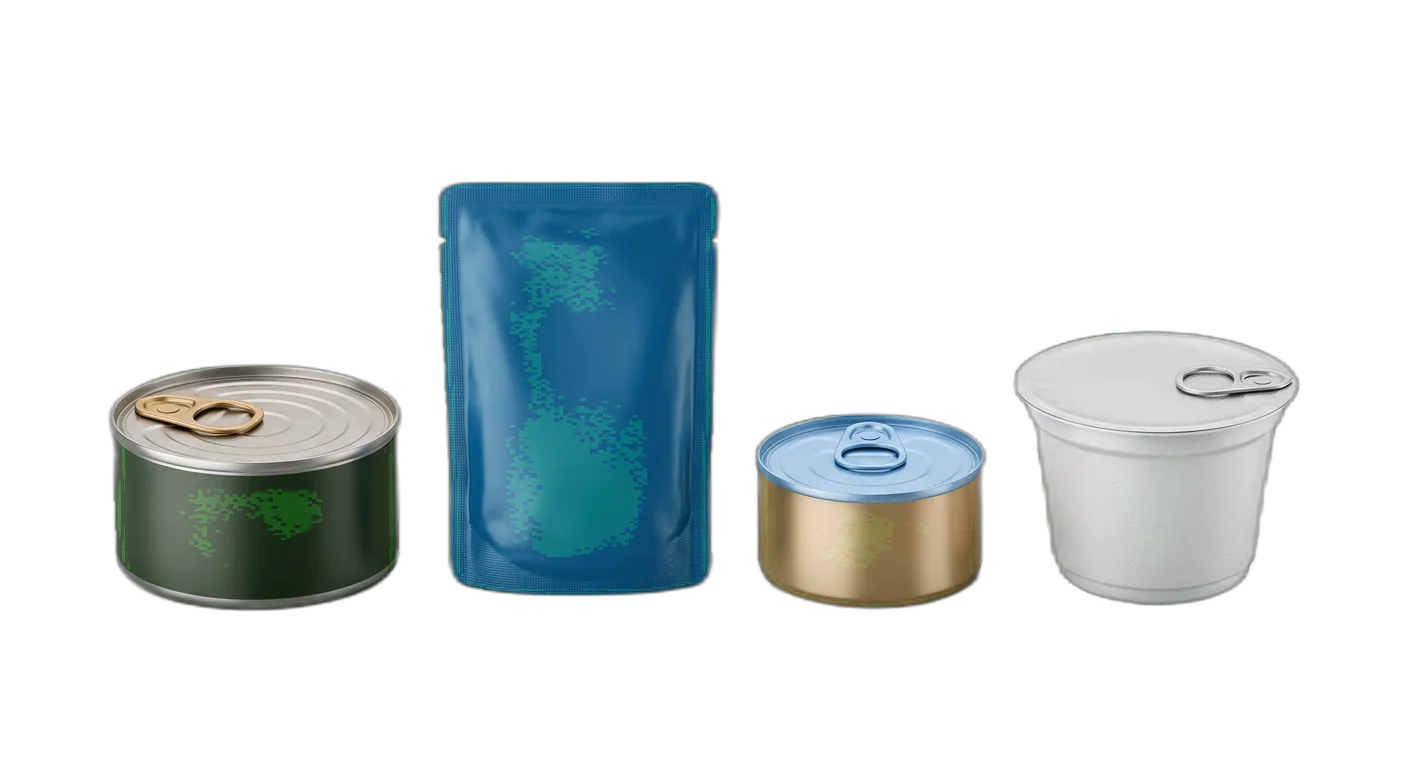
Wet cat food has become the center of the premium cat nutrition segment, and many owners buy it alongside dry food. It earns higher margins than dry food and builds strong brand loyalty. Subscription models do well here because reorder cycles are short and predictable.
Demand: HighCompetition: HighMargin: MediumStableExample ProductsPate cat foodChunks in gravyKitten wet foodSenior cat foodPro TipOffer multipacks prominently. Cat owners buying wet food prefer 12-pack or 24-pack variety bundles, which is an easy way to lift average order value.
- 10
Flea & Tick Prevention
Dog Supplies > Dog Health > Flea & Tick
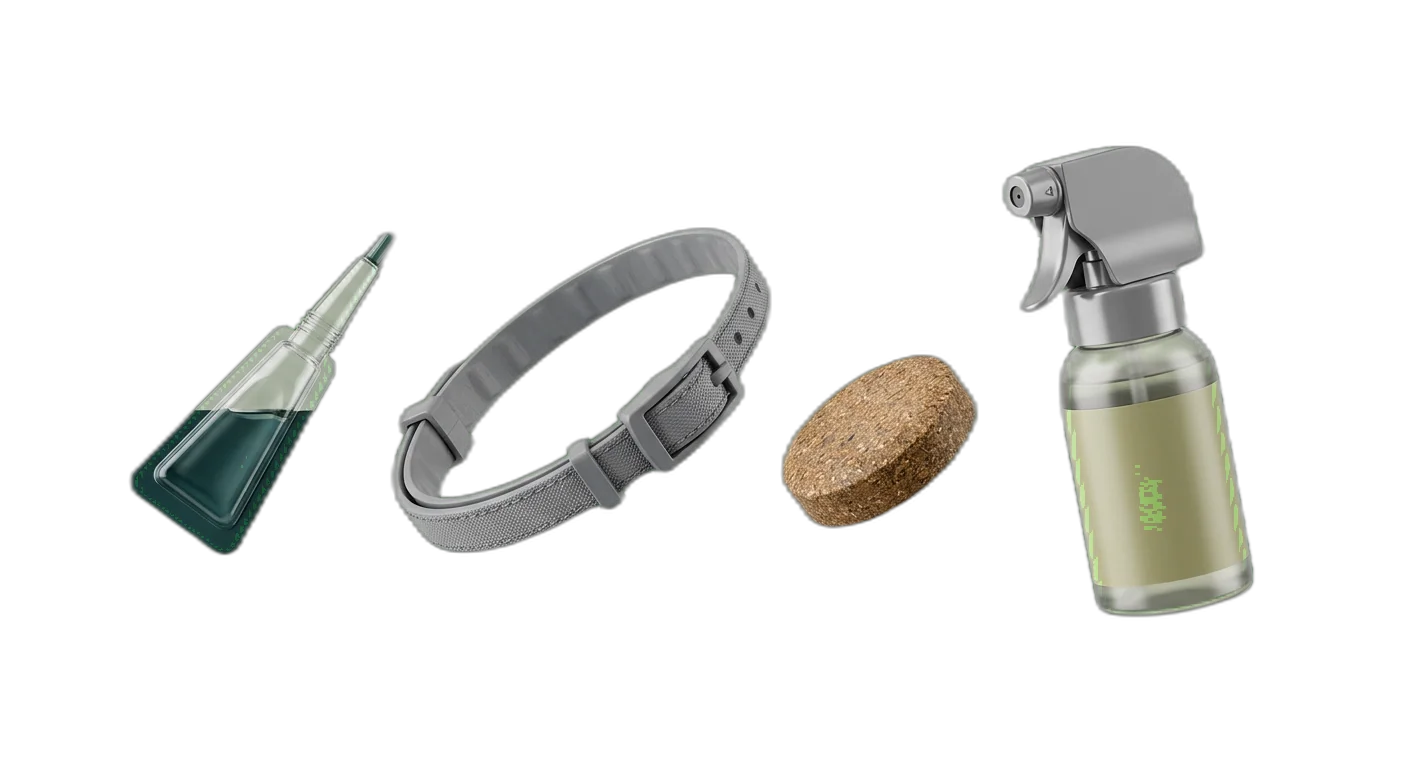
Flea and tick prevention is a seasonal essential with high demand from spring through autumn. It has strong repeat purchase patterns (monthly application) and customers are loyal to trusted brands. The shift from vet-only to over-the-counter products has opened this market significantly for e-commerce.
Demand: MediumCompetition: MediumMargin: MediumSeasonalExample ProductsTopical treatmentsFlea collarsOral chewablesFlea spraysPro TipAlways clearly separate dog and cat flea products. Some dog flea treatments contain permethrin, which is toxic to cats. Clear species labeling prevents dangerous mistakes.
Category Performance at a Glance
Compare demand, competition, margins, and growth across all recommended categories
Dog ToysAquarium EquipmentCat Trees & Scratching PostsDog BedsDry Dog FoodCat LitterDog Collars & LeashesDog TreatsWet Cat FoodFlea & Tick PreventionRecommended Pet Supplies Category Structure
The complete category tree with subcategories for each recommended top-level category

Dog Supplies
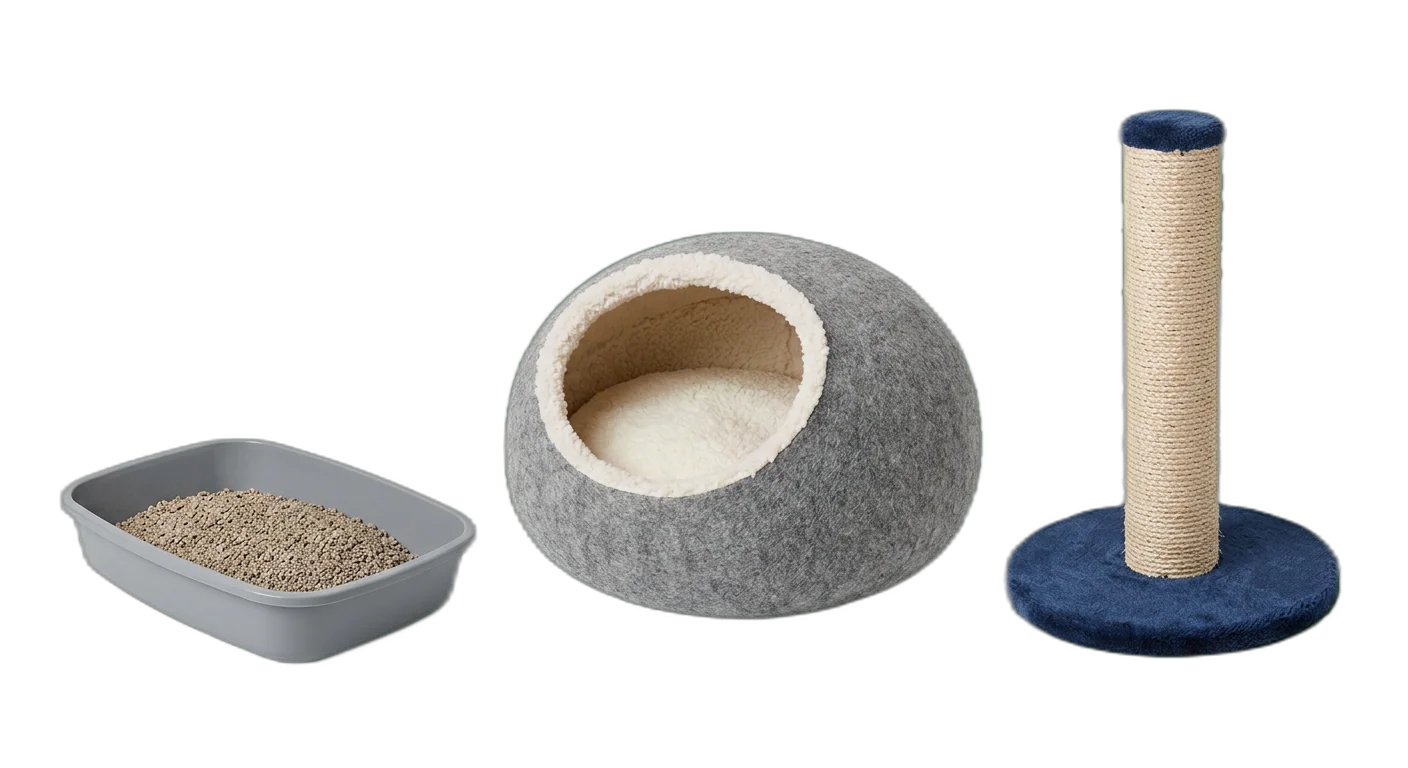
Cat Supplies
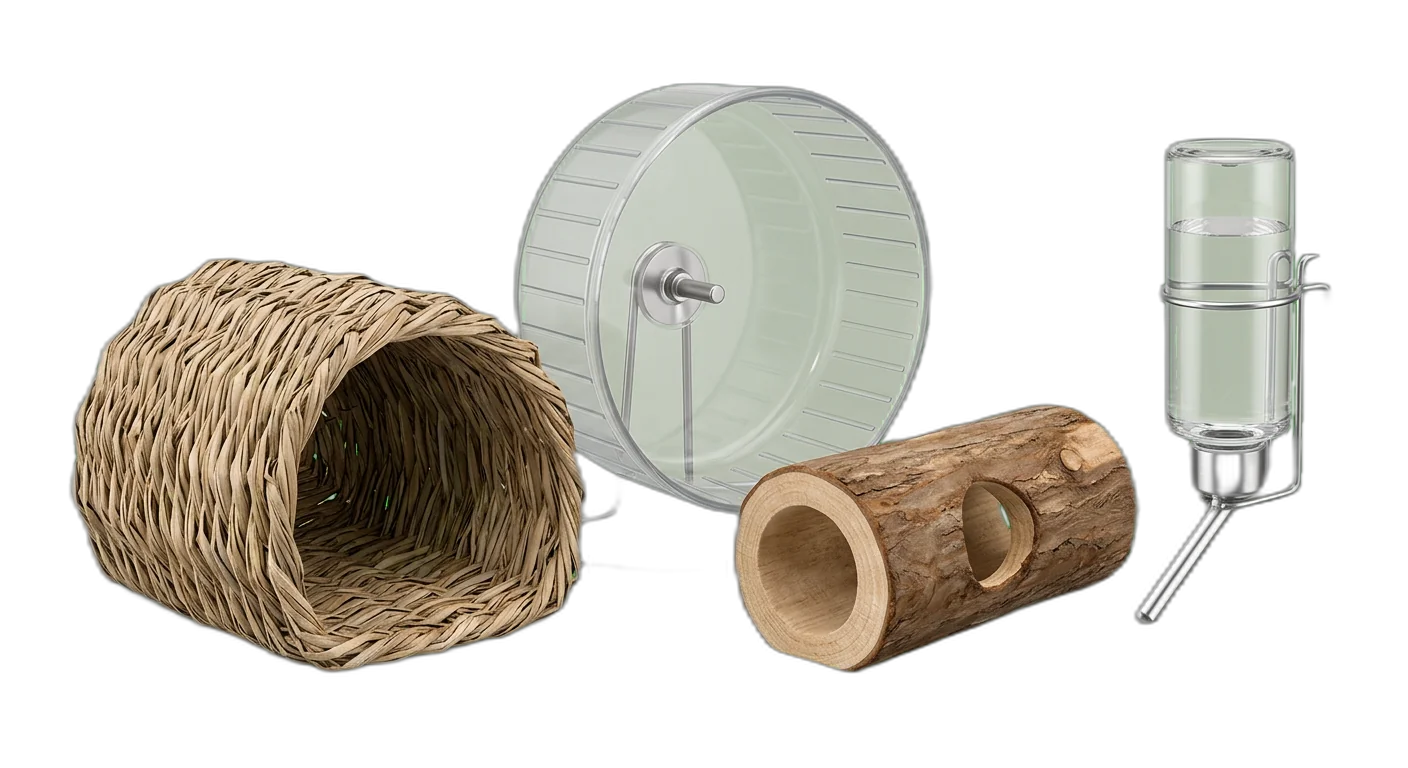
Small Animals
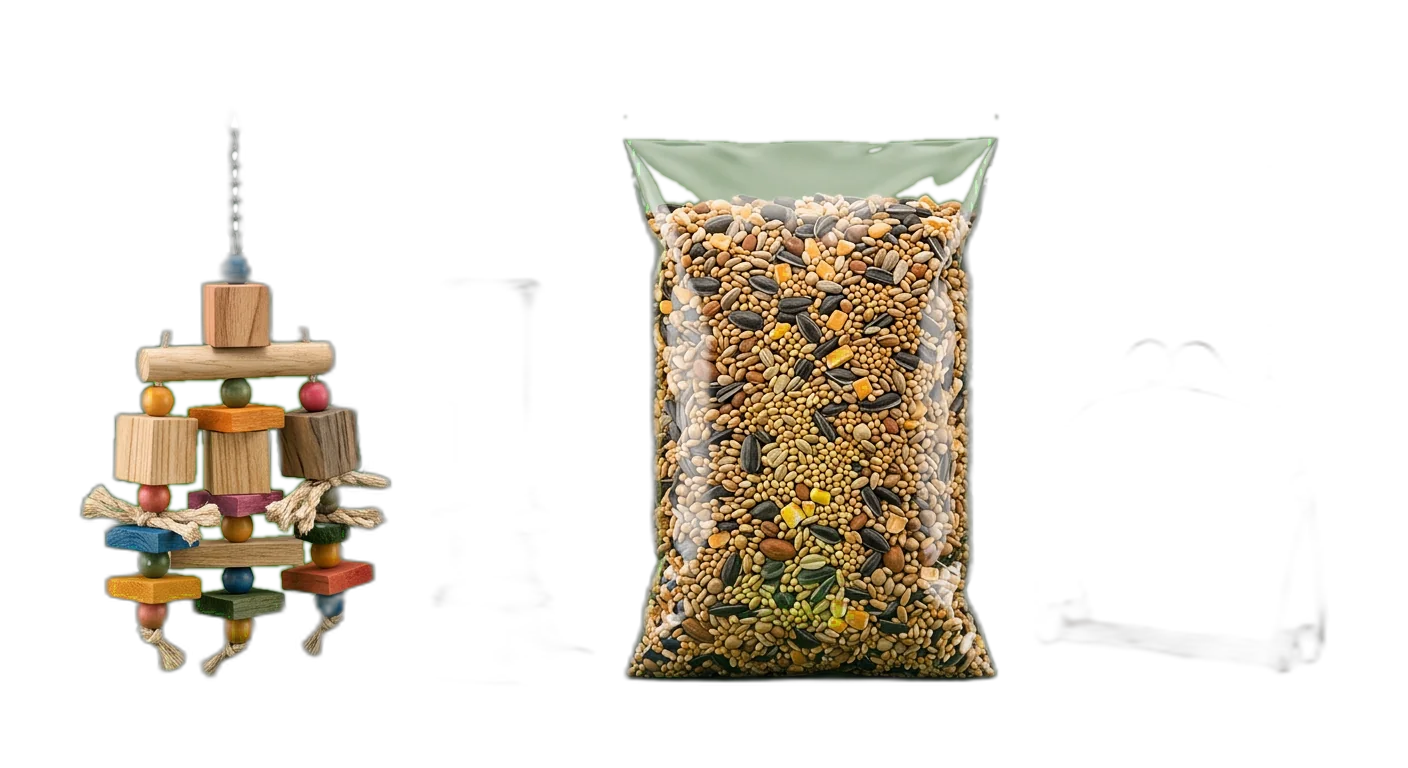
Birds
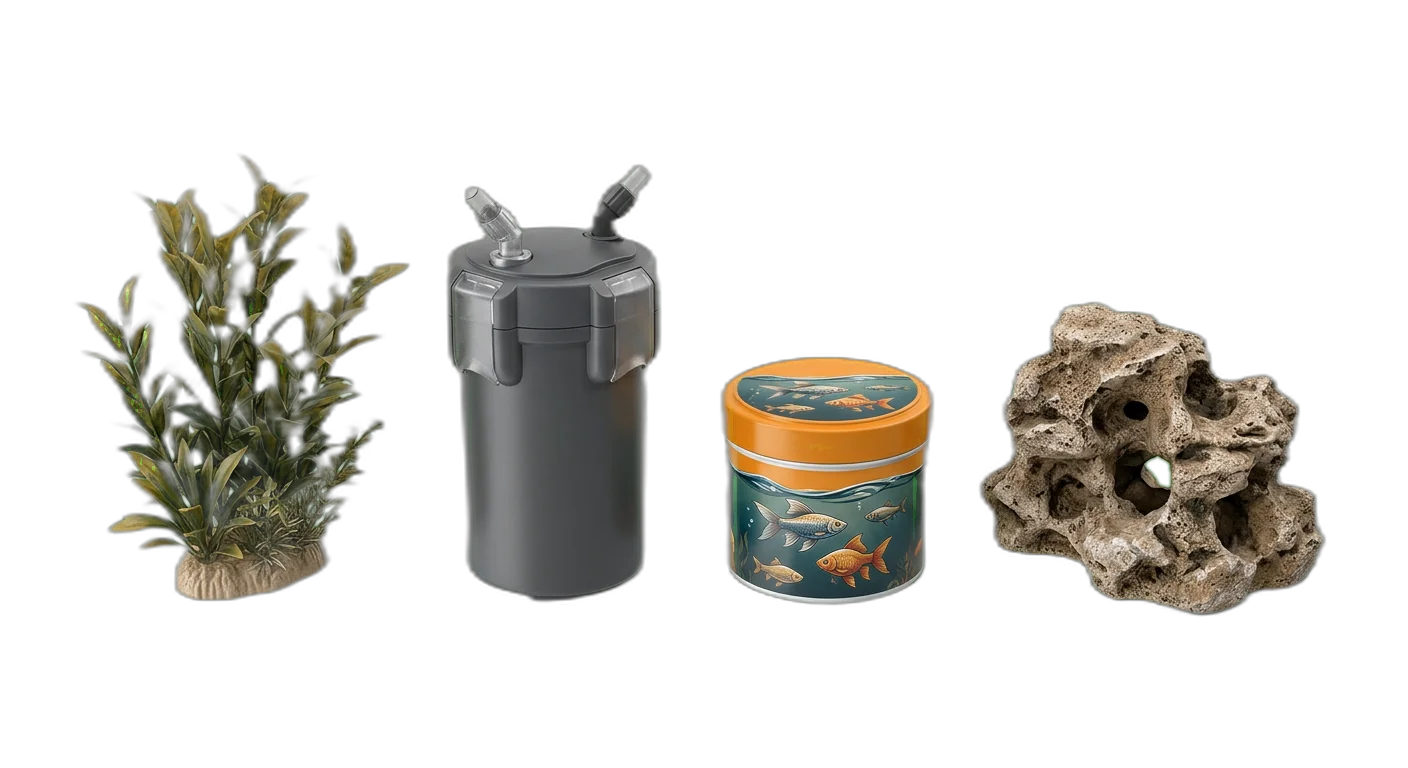
Fish & Aquatics

Reptiles & Amphibians
Which Categories Should You Start With?
Choose your starting categories based on your catalog size and growth stage
Focus on one pet type (dog or cat) and cover the essential consumables: food, treats, and one accessory category. Consumables bring customers back quickly.
Expand to cover both dogs and cats with food, accessories, and health products. Add high-margin categories like toys and beds to complement your consumable revenue.
Cover all major pet types, including fish and small animals. Build rich product data with nutritional information, compatibility guides, and breed-specific recommendations.
How to Order Categories in Your Store Menu
Practical tips for organizing your navigation to maximize clicks and conversions
Lead with pet type as the primary navigation axis
"Dog" and "Cat" should be the first two menu items. Pet supply shoppers almost always pick their pet type before browsing product categories.
Feature food categories most prominently within each pet type
Food is the highest-frequency purchase and the entry point for most pet supply customers. Place it first within each pet type section.
Add breed or size filters to food and accessories
A breed size selector (Small, Medium, Large) is one of the most-used filters after pet type. Make it visible on category pages, not hidden in advanced filters.
Create health and wellness as a dedicated section
Flea prevention, dental care, and supplements have different browsing intent than food or toys. Group them under a Health section within each pet type.
Highlight autoship and subscription options in navigation
Consumable products like food, litter, and flea prevention drive recurring revenue. Make subscription options visible from category pages to encourage sign-ups.
When Each Category Peaks
Plan your inventory and marketing around seasonal demand shifts
Spring (Mar-May)
Peak Categories
Flea and tick season starts in spring. Launch prevention product promotions by March to reach early-season buyers.
Summer (Jun-Aug)
Peak Categories
Peak outdoor activity means higher demand for outdoor toys, cooling mats, and water bowls. Aquarium interest also peaks during summer as an indoor hobby.
Autumn (Sep-Nov)
Peak Categories
Colder weather drives indoor comfort purchases. Black Friday is a major pet supply shopping event, so prepare bulk deals on food and beds.
Winter (Dec-Feb)
Peak Categories
Pet gifts drive December demand for toys and accessories. Dog clothing peaks in winter months for cold-weather breeds.
Categories That Sell Together
Pair related categories to increase your average order value


Food buyers frequently add treats. Suggesting complementary protein flavors is a simple way to increase basket size.
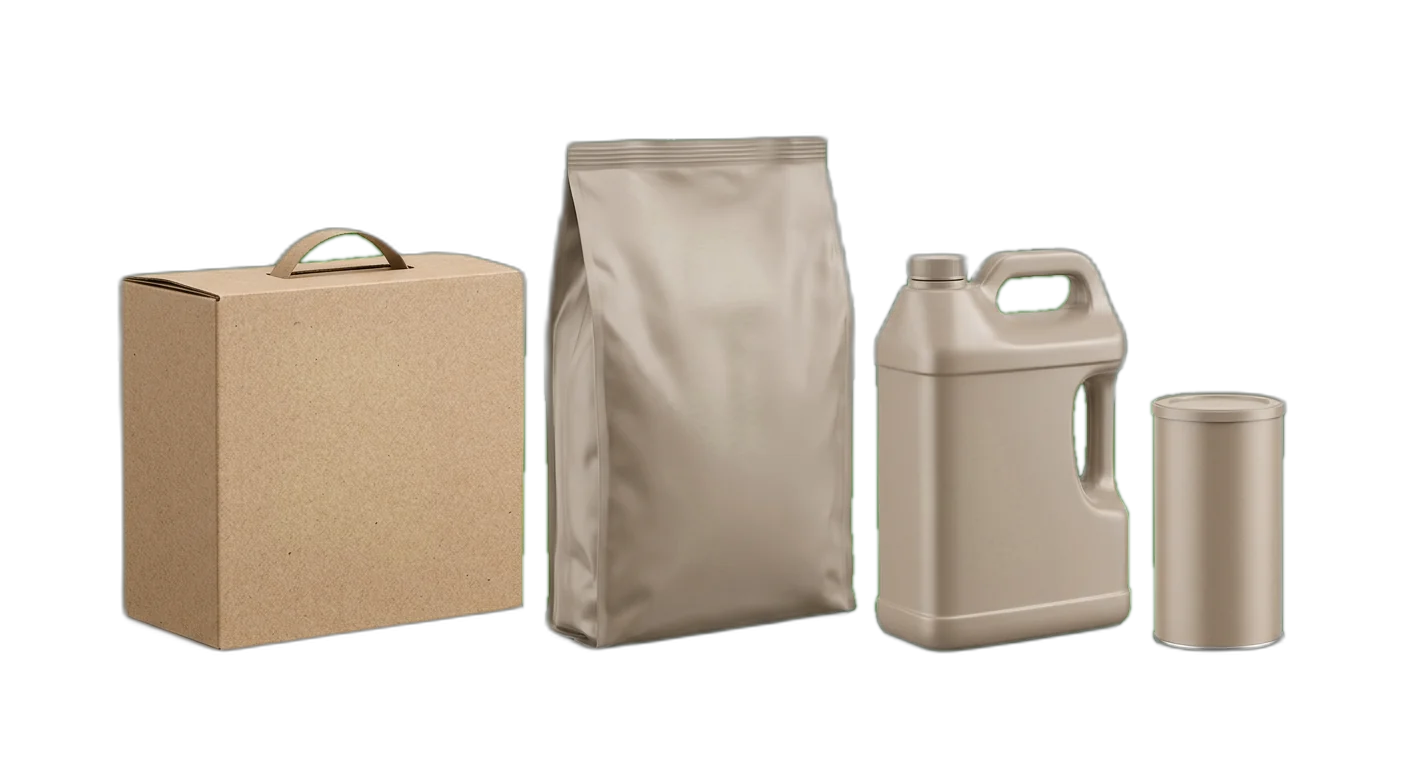
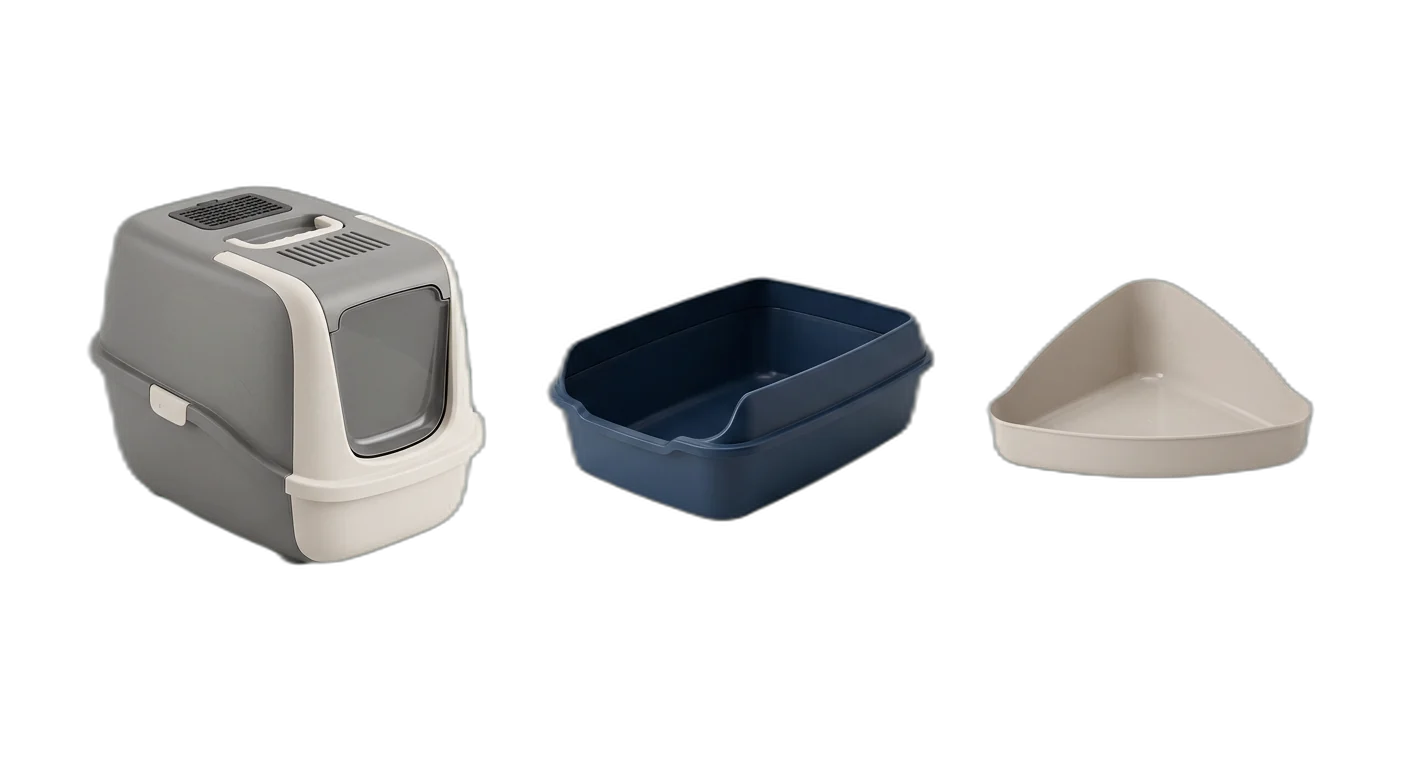
Litter and litter box purchases are naturally paired, especially for new cat owners setting up their home.


Collar and leash purchases are almost always paired. Offer matching sets so the pairing takes no extra effort.
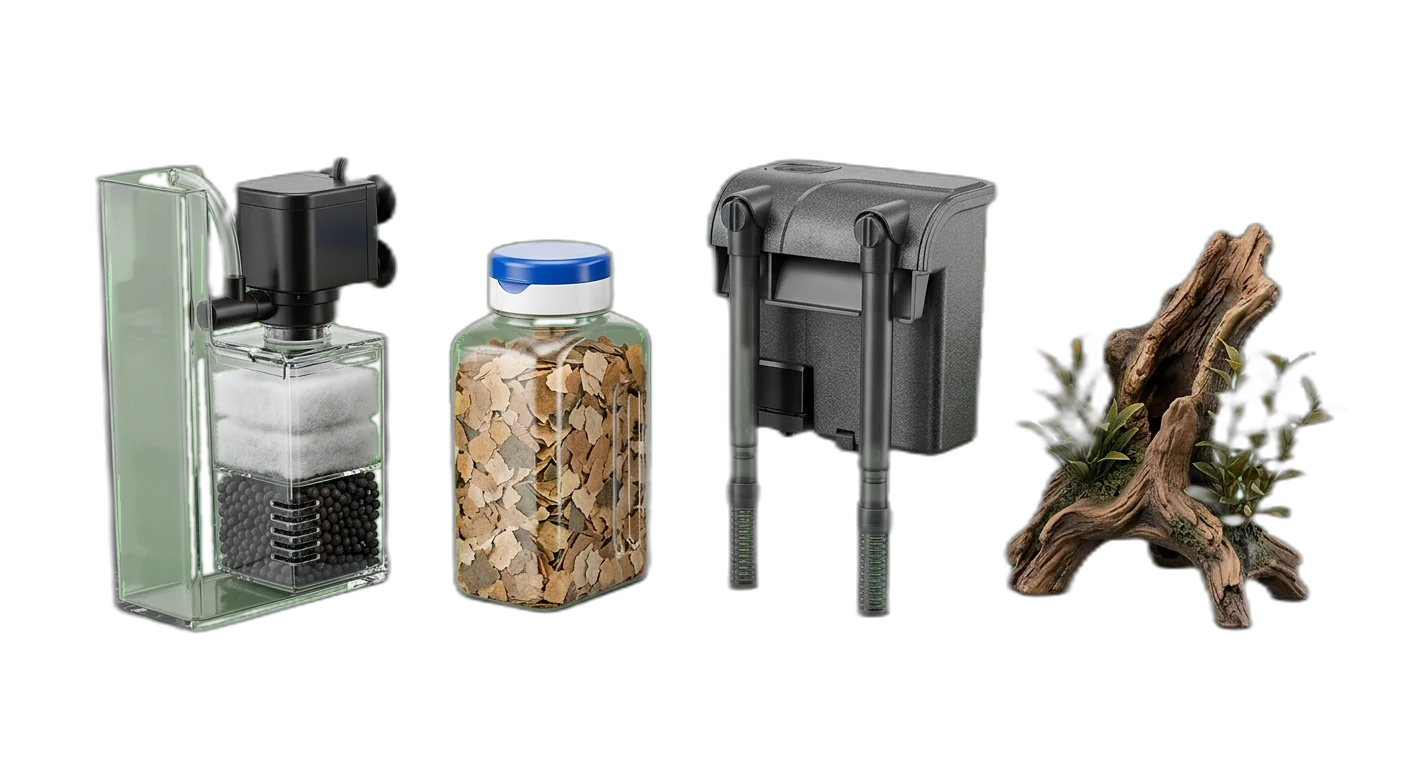
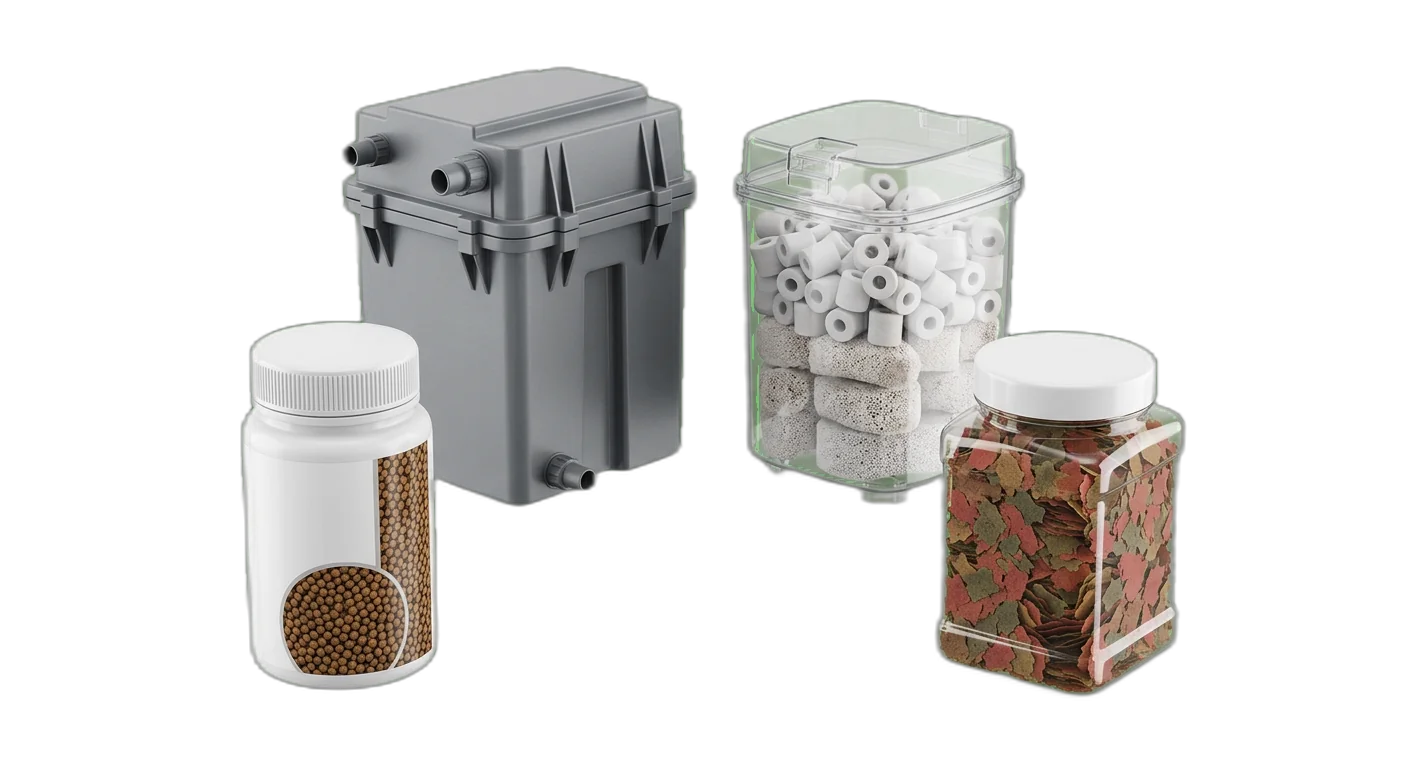
New aquarium purchases always need filters, heaters, and food. Bundle starter kits to capture the full setup spend.


Bed buyers are investing in their dog's comfort. Interactive and plush toys complement this comfort-focused mindset.
Common Pet Supplies Category Mistakes
Mistakes that hurt your discoverability, SEO, and conversion rates
- Mistake
Mixing products for different pet species in the same category (e.g., all flea treatments in one general Flea & Tick section)
Better approachAlways organize by pet type first. Dog and cat flea treatments must be in separate paths because formulations are species-specific and cross-species use can be dangerous.
- Mistake
Not recording breed size suitability, leaving customers guessing whether food or accessories fit their pet
Better approachAdd Size Suitability (Small, Medium, Large, Giant) as a required attribute on all size-dependent products. This is especially important for food, collars, harnesses, and beds.
- Mistake
Placing treats in the same subcategory as regular daily nutrition food
Better approachKeep treats as a distinct subcategory under Food (e.g., Dog Food > Dog Treats). Treats serve different purposes (training, rewards, dental health) and customers shop for them separately.
- Mistake
Missing nutritional information and guaranteed analysis data on food products
Better approachAll pet food must carry structured nutritional attributes: Primary Protein, Calorie Content, AAFCO Statement, and Guaranteed Analysis (crude protein %, fat %, fiber %). This is a regulatory requirement and essential for shoppers.
- Mistake
Mixing prescription veterinary products with over-the-counter items without clear distinction
Better approachAdd a Prescription Required attribute to all health and food products. Prescription diets and medications must be clearly flagged for regulatory compliance.
Set Up Pet Supplies Categories with AI
Get your Pet Supplies product categories organized in minutes, not days
01
Import your pet supply catalog
Upload your product data via CSV, Excel, or API. WISEPIM automatically detects pet-specific attributes like species, life stage, protein source, size suitability, and nutritional data from your existing product information.
02
AI categorizes your products
WISEPIM's AI reviews your product data and assigns each item to the right pet type and product category. It tells dog products from cat products, separates food from supplements, matches breed suitability, and flags prescription items for compliance review.
03
Review, refine, and publish
Review AI suggestions in bulk, check nutritional data and species safety information, and push your categorized products to all sales channels. Marketplace mappings for Amazon, Google Shopping, and Chewy are generated automatically.
Frequently Asked Questions
Common questions about choosing Pet Supplies categories for ecommerce
Best Categories for Other Industries
Printable checklist
Start in 15 minutesDecide in one week if a new category pays off
Start with demand: 15 minutes in Google Trends. You get one count, like 2 of 3 terms rising. Then 5 steps for the rest of the week.
How it works
- Pick the 3 search terms shoppers use for the category.
- Look each one up in Google Trends over 2 years.
- Write the count, such as '2 of 3 terms rising'.
One email, once, with a link to the printable checklist. Nothing else unless you tick the box.
Free Excel template
XLSX · 3 sheetsSee which of your 20 best sellers are incomplete
An Excel check with the columns pet supplies products need. In about 15 minutes you know how many of your 20 are complete, and the one fix that helps the most rows.
How it works
- Paste 20 best sellers from your shop export into Products.
- Fill in what you know. The last column says what each row is missing.
- Read your result on Start here: how many are complete, and the fix that helps most rows.
One email, once, with the XLSX attached and as a download link. Nothing else unless you tick the box.
Keep exploring
Hand-picked next steps to go deeper.
Ready to Organize Your Pet Supplies Catalog?
WISEPIM uses AI to automatically categorize your products, set up attributes, and sync across all your sales channels.