Art & Craft Supplies Product Classification
Real category trees, classification rules, and attribute requirements for Crafts & Hobbies catalogs. Copy them, map your products, and skip months of taxonomy work.
Crafts & Hobbies Category Hierarchy
Standard category structure used across major e-commerce platforms and marketplaces
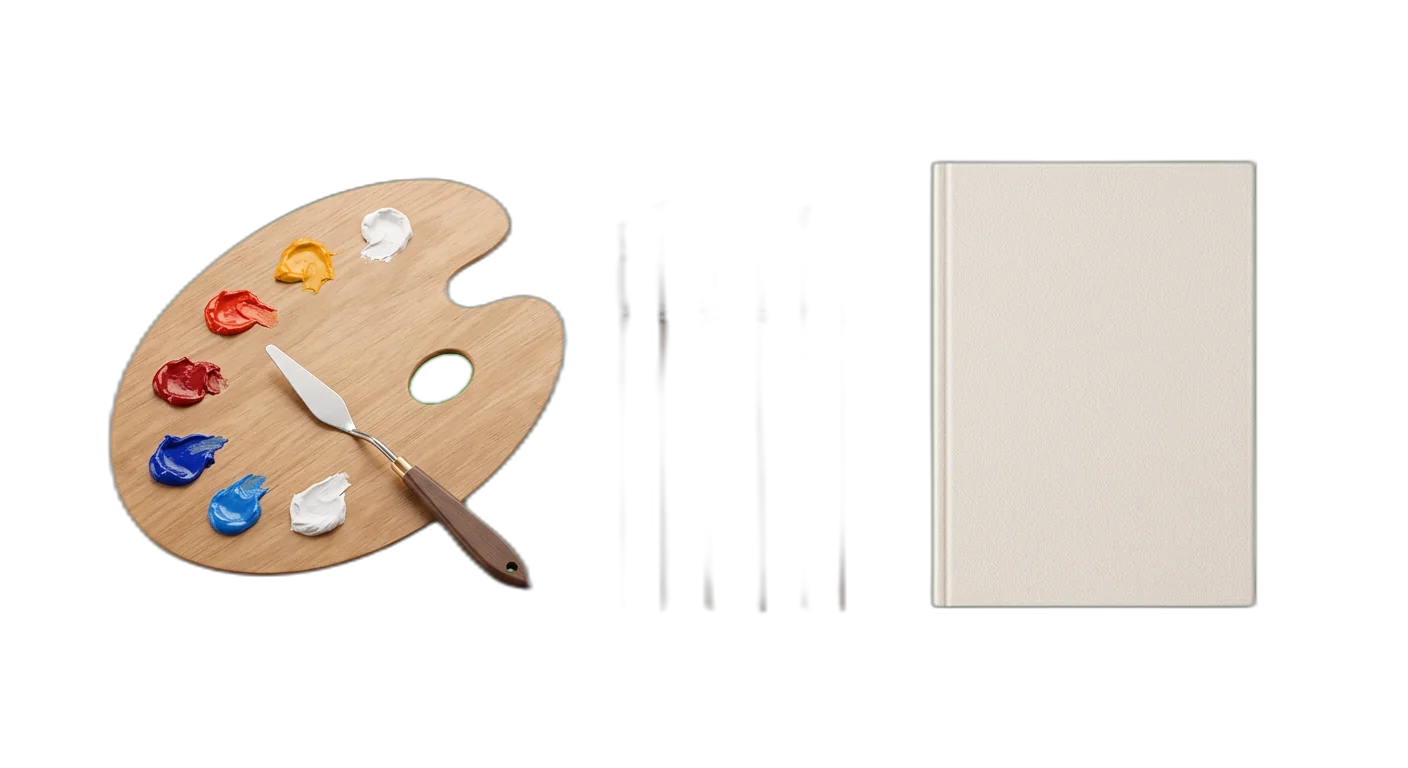
Art Supplies
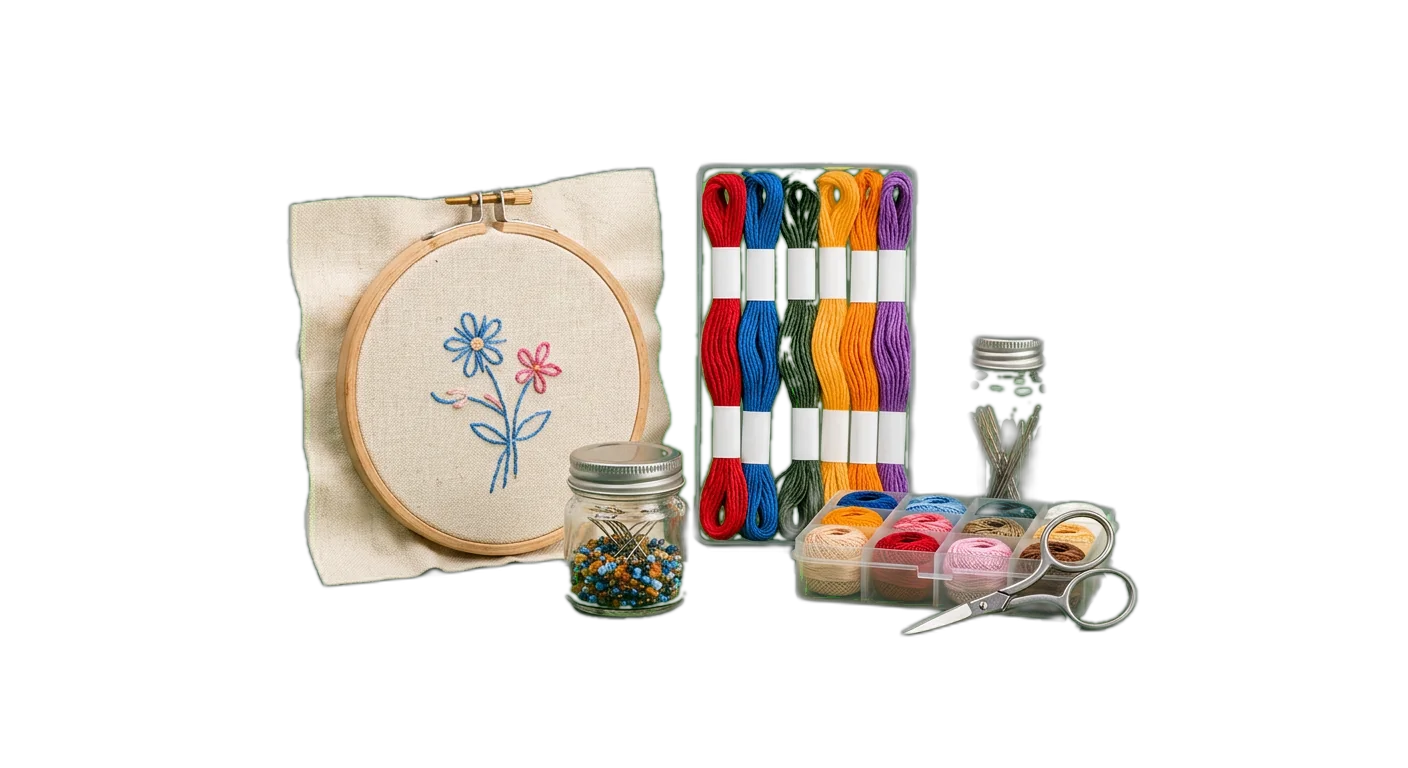
Needlecrafts
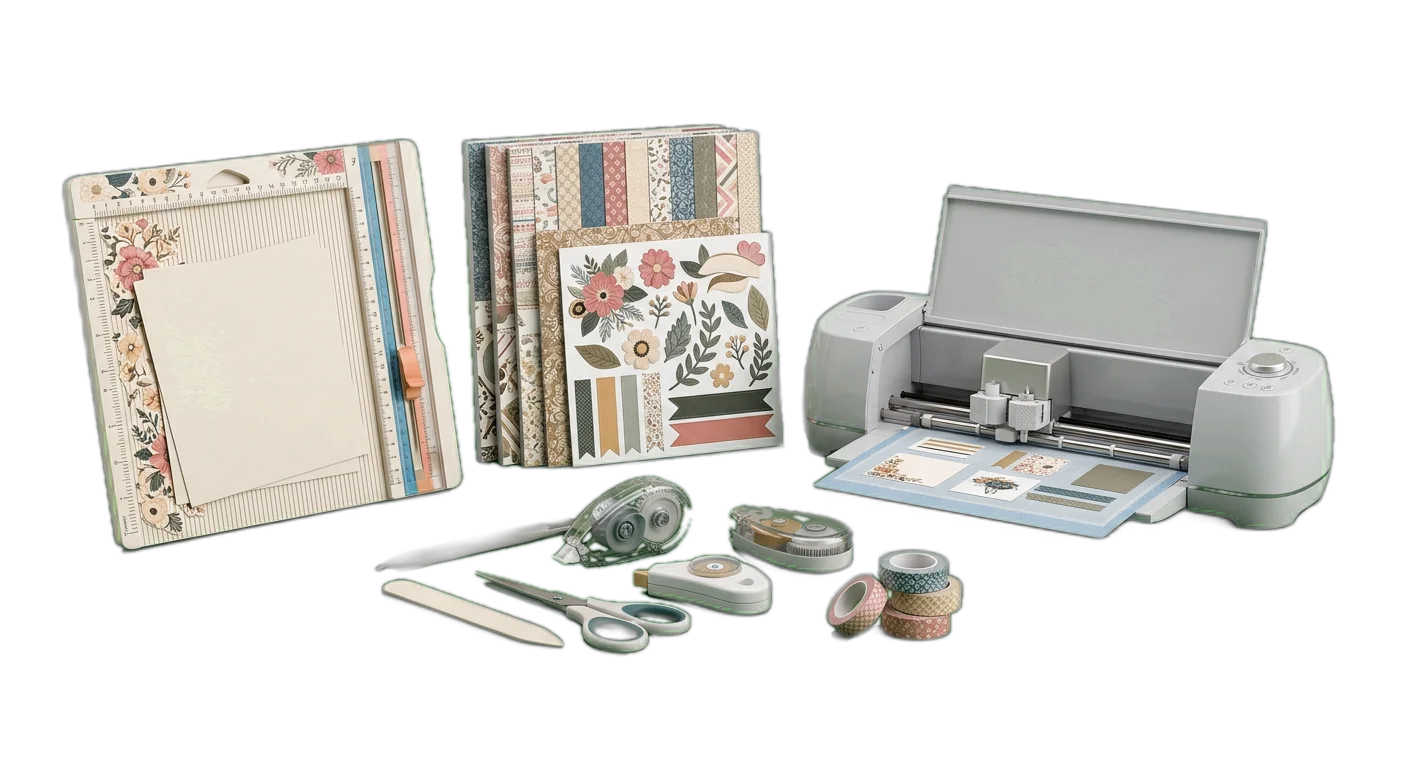
Paper Crafts
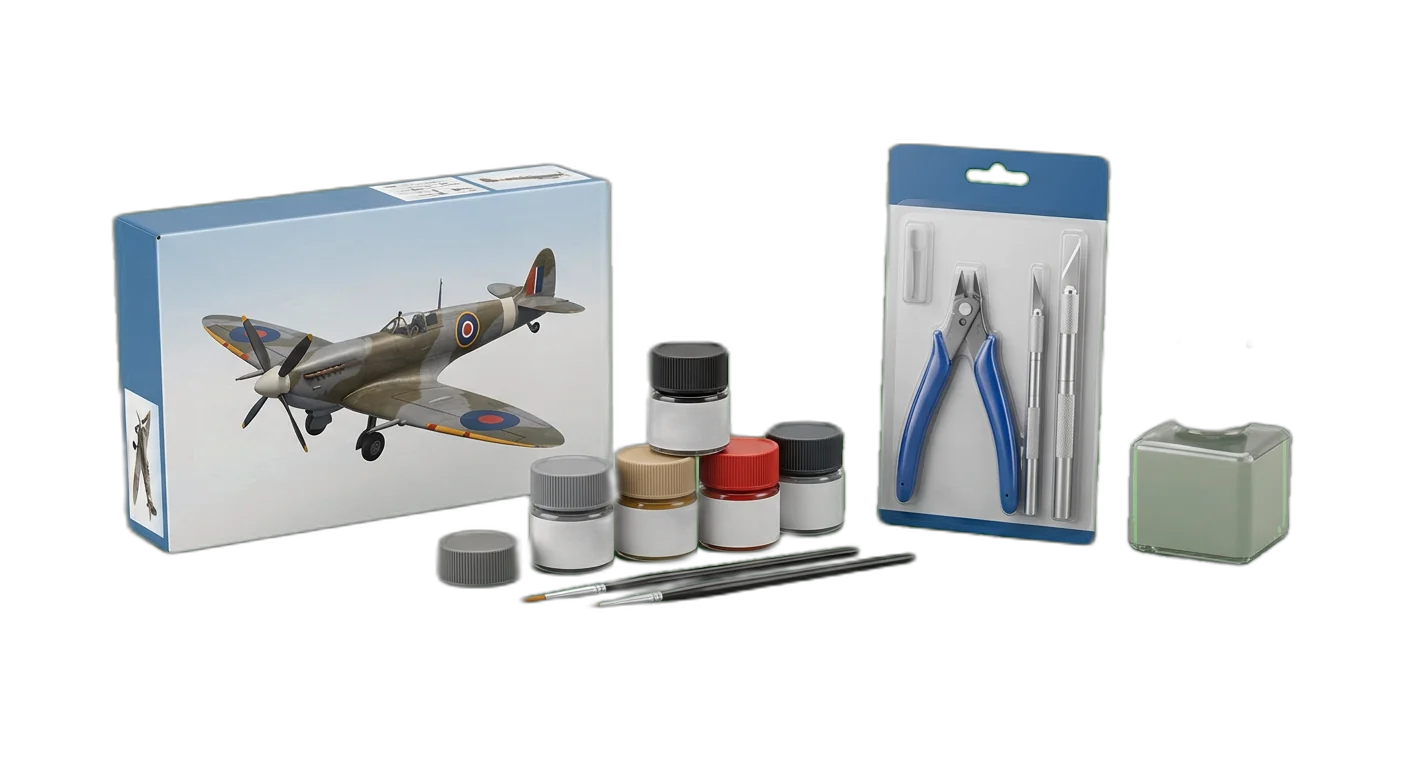
Model Building
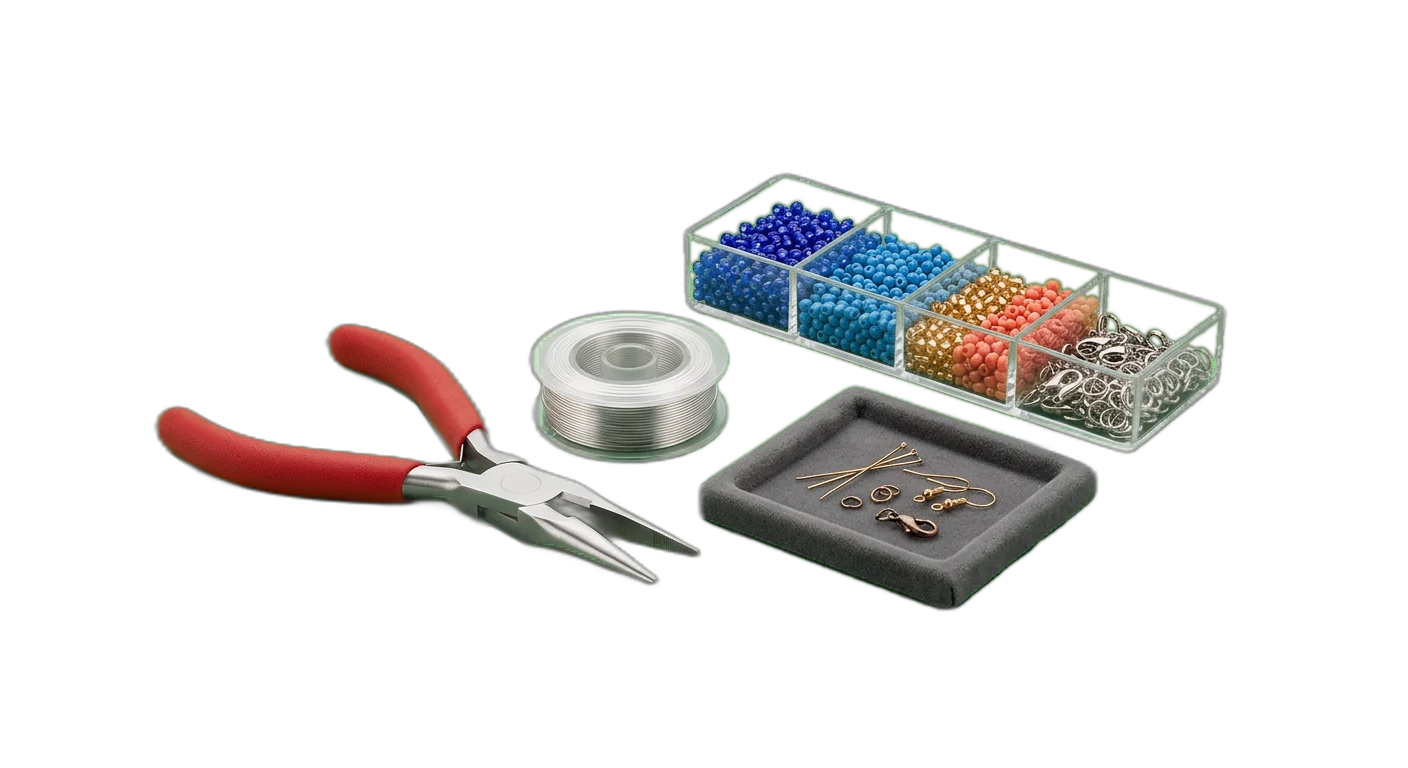
Jewelry Making
DIY & Maker
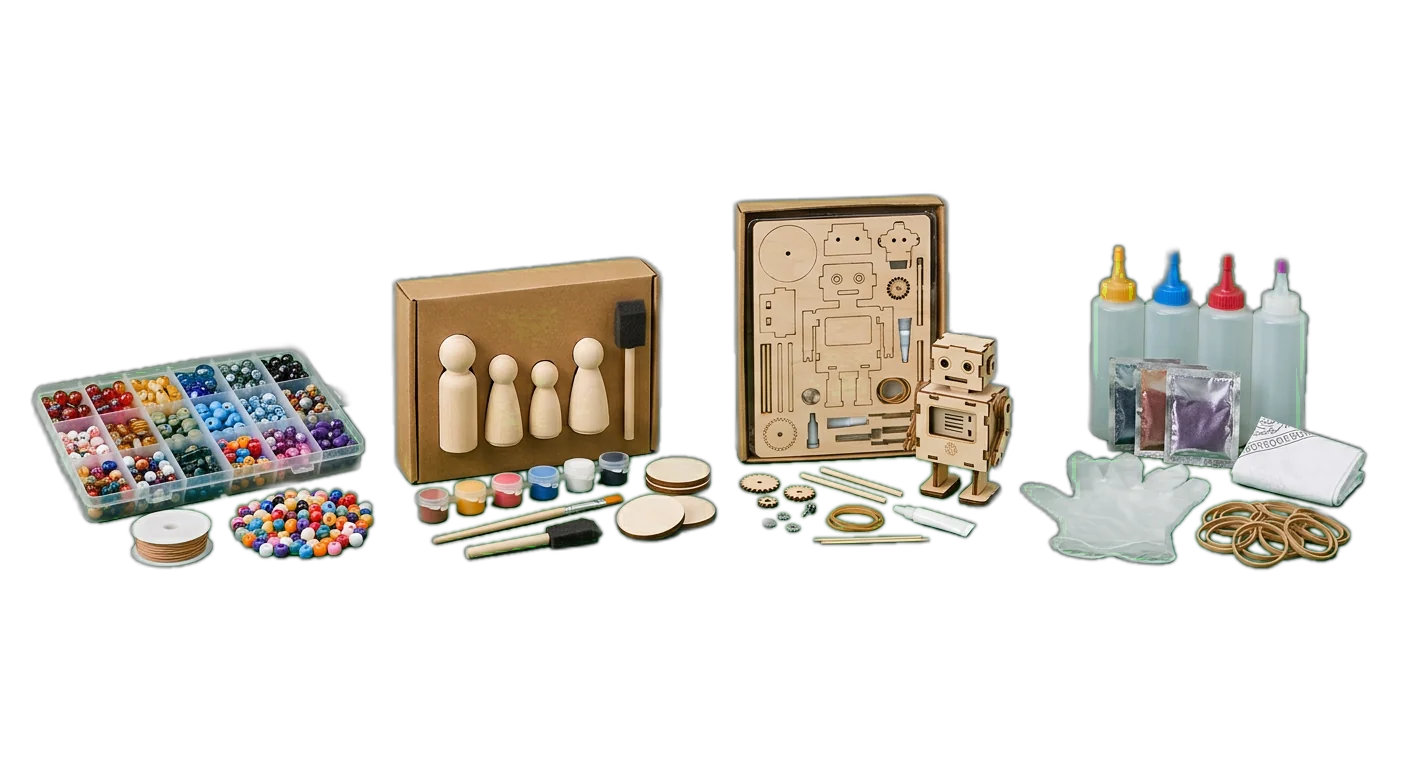
Kids Crafts
How to Classify Crafts & Hobbies Products
Follow these rules to place products in the right categories, every time
- 1
Classify by craft discipline first
The primary category should reflect the craft type (Painting, Knitting, Woodworking), not the product form. A brush sold for acrylic painting belongs under Art Supplies > Painting > Brushes, not in a generic Brushes category. This mirrors how crafters shop -- they browse by their discipline, not by product type.
A watercolor brush goes under Art Supplies > Painting > Brushes, not Tools > BrushesEmbroidery scissors belong under Needlecrafts > Embroidery, not a generic Scissors category - 2
Use skill level as an attribute, not a category
Do not create separate Beginner, Intermediate, and Advanced category branches. Skill level varies by individual and is best captured as a filterable attribute. This prevents duplicating your entire category tree three times over and lets customers discover products at their own level through filters.
Knitting Kits with attribute Skill Level: BeginnerScale Models with attribute Skill Level: Advanced - 3
Distinguish kits from individual supplies
Kits that bundle multiple items for a complete project belong in a Kits subcategory within their craft discipline. Individual supplies (paint, yarn, tools) are categorized by their specific type. This distinction matters because kits and individual items have different attribute requirements, pricing models, and customer intent.
A complete knitting starter set goes under Needlecrafts > Knitting > Knitting KitsA ball of merino yarn goes under Needlecrafts > Knitting > Yarn - 4
Capture project type as an attribute, not a category
Crafters often search by project (scarf, candle, model car), but project types should be attributes or tags rather than categories. The product is the supply or tool, and the project is what you make with it. This avoids an explosion of project-based categories that overlap with supply-based ones.
Yarn with project_suggestions: ['Scarf', 'Beanie', 'Blanket']Resin with project_type tags: ['Jewelry', 'Coasters', 'Art'] - 5
Define material quality tiers as structured attributes
Craft supplies range from student-grade to professional-grade. Capture this as a Quality Grade attribute (Student, Artist, Professional) rather than creating parallel category trees. Quality affects pricing, pigment concentration, and durability but does not change what the product fundamentally is.
Acrylic Paint with Quality Grade: Artist, Pigment Load: HighDrawing Pencils with Quality Grade: Student, suitable for beginners - 6
Tag age appropriateness for safety and discoverability
Craft supplies intended for or safe for children should carry age range attributes (Recommended Age: 6+) and safety certifications (ASTM D-4236, CE, EN71). Place children's craft products in the dedicated Kids Crafts category. Products with safety hazards (sharp tools, chemicals, small parts) should be flagged as adult-only.
Kids art kit with Age Range: 6-12, Safety: ASTM D-4236 CertifiedEpoxy resin with Age Range: 18+, Safety: Requires ventilation, not for children - 7
Link patterns and instructions to their parent craft discipline
Patterns, templates, and instruction materials should be subcategories within their craft discipline, not in a separate Patterns top-level category. A sewing pattern is fundamentally different from a knitting pattern, and crafters expect to find patterns alongside the supplies for that discipline.
Needlecrafts > Sewing > Sewing Patterns (not Patterns > Sewing Patterns)Needlecrafts > Knitting > Knitting Patterns (not Patterns > Knitting Patterns) - 8
Handle seasonal crafts through attributes and tags
Holiday-themed craft supplies (Christmas ornament kits, Easter egg decorating) should stay in their permanent craft category with seasonal tags. Do not create seasonal category branches that go empty for most of the year. Use Season and Holiday attributes for merchandising and promotional filtering.
A Christmas ornament painting kit stays under Art Supplies > Painting with tags: ['Christmas', 'Holiday']Valentine's card-making supplies stay under Paper Crafts > Card Making with Season: Valentine's Day - 9
Distinguish tools from consumables
Tools (scissors, needles, cutting mats) and consumables (paint, yarn, wax) have different purchasing patterns and attribute requirements. While both live under their craft discipline, clearly separating them at the subcategory level helps with inventory planning, replenishment alerts, and customer shopping behavior.
Painting brushes (reusable tool) and acrylic paint (consumable) are siblings under Art Supplies > PaintingCrochet hooks (tool) and crochet thread (consumable) are siblings under Needlecrafts > Crochet - 10
Use brand collections as tags, not categories
Popular craft brands often release coordinated product lines or collections. Handle these through a Brand Collection attribute and cross-product tagging rather than brand-specific categories. This keeps your taxonomy brand-agnostic and prevents restructuring when brand partnerships change.
DMC Mouline thread with Brand: DMC, Collection: ColorisCricut cutting machine with Brand: Cricut, not under a Cricut category
Required Attributes by Category
Make sure your product data is complete with the required and recommended attributes for each category level
Crafts & Hobbies Classification Pitfalls to Avoid
Avoid these common categorization errors that hurt product discoverability
- Mistake
Mixing craft types in shared categories, such as placing all paints together regardless of discipline (acrylic painting paints alongside miniature painting paints)
Better approachKeep products within their craft discipline. Acrylic paint for canvas painting belongs under Art Supplies > Painting > Acrylic Paint, while miniature paint belongs under Model Building > Miniatures & Wargaming > Miniature Paint. Even though both are paint, the customer intent and attribute requirements differ significantly.
- Mistake
Using skill level (Beginner, Intermediate, Advanced) as a category level, tripling the entire category tree
Better approachCapture skill level as a filterable product attribute. A beginner knitting kit and an advanced knitting kit both belong under Needlecrafts > Knitting > Knitting Kits, differentiated by a Skill Level attribute. This prevents tree bloat and lets customers filter by their experience level across all products in a discipline.
- Mistake
Not distinguishing between complete kits and individual supply items, leading to customer confusion about what is included
Better approachCreate explicit Kits subcategories within each craft discipline. Clearly define kit-specific attributes: Items Included, Skill Level, Project Result, and Completeness (everything needed vs additional supplies required). Individual supplies and kits serve different shopping intents and should be easy to browse separately.
- Mistake
Ignoring material quality grades, making it impossible for customers to find professional-grade vs student-grade supplies
Better approachAdd a Quality Grade attribute (Student, Artist, Professional) to all consumable craft supplies. Quality grade affects pigment concentration, fiber content, material purity, and price point. Crafters actively filter by grade, and marketplace listings often require this distinction.
- Mistake
Placing patterns and instruction materials in a generic Patterns category rather than within their specific craft discipline
Better approachKeep patterns under their discipline: Needlecrafts > Sewing > Sewing Patterns, Needlecrafts > Knitting > Knitting Patterns. A sewing pattern has completely different attributes (garment type, size range, fabric requirements) than a knitting pattern (yarn weight, gauge, stitch techniques). Mixing them in one category breaks filtering and discoverability.
- Mistake
Duplicating the same tool across multiple craft disciplines because it can be used in more than one craft
Better approachAssign multi-use tools to their most common craft discipline and use cross-reference tags for secondary uses. For example, sharp scissors could serve quilting, scrapbooking, and sewing -- place them under the primary discipline (e.g., Sewing > Notions) and add tags for ['quilting', 'scrapbooking'] for cross-category search.
- Mistake
Not including project suggestions or inspiration, missing an opportunity to help customers discover related products
Better approachAdd a Project Suggestions attribute or related projects tag to supplies and tools. When a customer views yarn, they should see project ideas (Scarf, Blanket, Amigurumi) that link to relevant patterns and complementary supplies. This drives cross-selling and improves the shopping experience.
- Mistake
Missing safety information and age recommendations for craft supplies, especially for items sold to families
Better approachAdd Age Recommendation and Safety Certifications (ASTM D-4236, EN71, CE) as required attributes for all products that could be used by or around children. Flag products with sharp components, toxic chemicals, or choking hazards. This is both a legal requirement in many markets and builds customer trust.
- Mistake
Creating seasonal category branches (Christmas Crafts, Halloween Crafts) that are empty for most of the year
Better approachKeep seasonal craft supplies in their permanent discipline category and use Season and Holiday tags for merchandising. A Christmas ornament painting kit belongs under Art Supplies > Painting with a Holiday: Christmas tag. Use seasonal collections or landing pages for discovery, not taxonomy restructuring.
- Mistake
Not tracking product compatibility across brands and systems (e.g., which die-cutting dies work with which machines)
Better approachAdd Compatibility attributes that reference machine brands and systems. For die-cutting dies, include Compatible Machines: ['Cricut Maker', 'Sizzix Big Shot']. For sewing machine accessories, specify Compatible Models. This prevents returns and helps customers find products that work with their existing equipment.
How to Categorize Crafts & Hobbies Products
Follow these steps to categorize your Crafts & Hobbies products correctly for e-commerce and marketplace requirements
01
Import Your Craft Supply Catalog
Connect your e-commerce platform or upload your product feed with craft supplies, tools, kits, and patterns. WISEPIM detects product titles, descriptions, images, and existing attributes to prepare your catalog for AI-powered classification by craft discipline.
02
AI Classifies Products by Craft Discipline
WISEPIM analyzes product data to classify each item into its correct craft discipline and subcategory. The AI identifies whether a product is a tool, consumable, kit, or pattern, assigns the appropriate discipline (Art Supplies, Needlecrafts, Model Building), and suggests attributes like skill level, quality grade, and material type.
03
Enrich Attributes & Link Related Products
Review AI-suggested categories and complete critical attributes: material specifications, skill levels, safety certifications, and compatibility data. WISEPIM highlights missing required attributes and suggests project-based cross-references to help customers discover complementary products within and across craft disciplines.
04
Publish Across Channels
Export your categorized craft catalog to your webshop, Amazon, Etsy, and other channels. WISEPIM maps your internal craft discipline taxonomy to each platform's category structure and keeps listings synchronized as you add new products or update existing ones.
Categorize your Crafts & Hobbies catalog in WISEPIM
Sign up for the free plan and apply this guide to your own products: build your category tree, let AI suggest a category for each product, and map your categories to Google's product taxonomy.
- 100 products and 50 AI credits a month on the free plan
- Import products from a CSV file or a connected store
- AI categorization assigns categories, or suggests them for you to review first
- The category map links your categories to Google product categories
Frequently Asked Questions
Common questions about Crafts & Hobbies product categorization
Best Crafts & Hobbies Categories for Ecommerce
Discover the top-performing Crafts & Hobbies product categories ranked by demand, margins, and growth potential.
Map Crafts & Hobbies products to a global taxonomy
Got your own category tree? Map it to the standards that marketplaces, ad platforms, and data partners actually require.
Explore More Industry Guides
Printable checklist
Start in 15 minutesGet every live product into the right category
Start with a 15-minute count of products with no category, or only a top-level one. You get two numbers, like 140 products, 12 in your top 100. Then 5 steps for the rest of the week.
How it works
- Filter products with no category or only a top-level one.
- Check how many of them are in your top 100 sellers.
- Write both numbers, such as '140 products, 12 in the top 100'.
One email, once, with a link to the printable checklist. Nothing else unless you tick the box.
Free Excel template
XLSX · 3 sheetsSee which of your 20 best sellers are incomplete
An Excel check with the columns crafts & hobbies products need. In about 15 minutes you know how many of your 20 are complete, and the one fix that helps the most rows.
How it works
- Paste 20 best sellers from your shop export into Products.
- Fill in what you know. The last column says what each row is missing.
- Read your result on Start here: how many are complete, and the fix that helps most rows.
One email, once, with the XLSX attached and as a download link. Nothing else unless you tick the box.
Keep exploring
Hand-picked next steps to go deeper.
Ready to Automate Your Crafts & Hobbies Categorization?
WISEPIM uses AI to classify products automatically, saving hours of manual work and cutting categorization errors.