Office Supplies Product Classification with a Template
Office supplies sit under Office Supplies (Google ID 922). Pens go in Office Instruments > Writing & Drawing Instruments > Pens & Pencils > Pens (982), copy paper in General Office Supplies > Paper Products > Printer & Copier Paper (962) and binders in Filing & Organization > Binding Supplies > Binders (4303). Classify by product type; color, pack size and paper weight are attributes. IDs follow Google's product taxonomy, version 2021-09-21.
Office & School Supplies Category Hierarchy
Standard category structure used across major e-commerce platforms and marketplaces
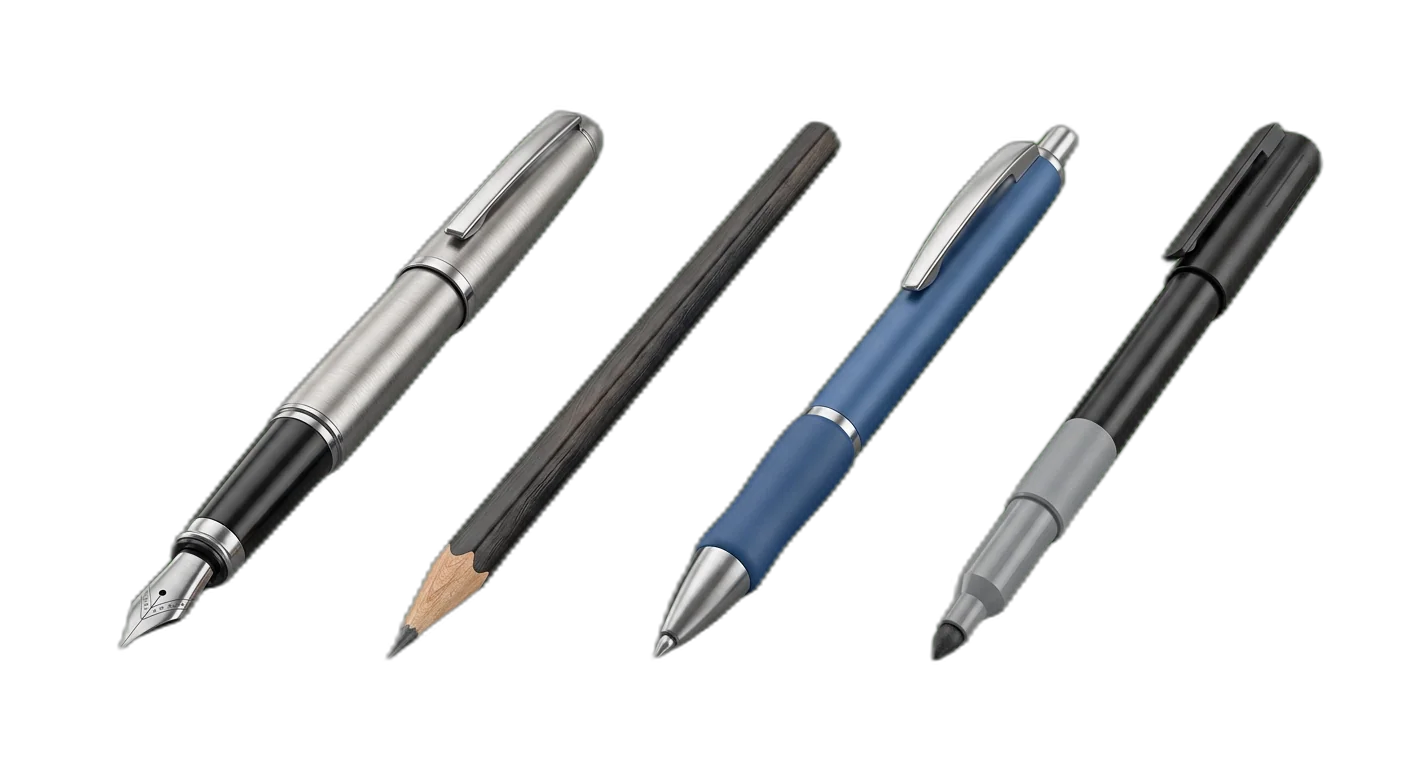
Writing Instruments
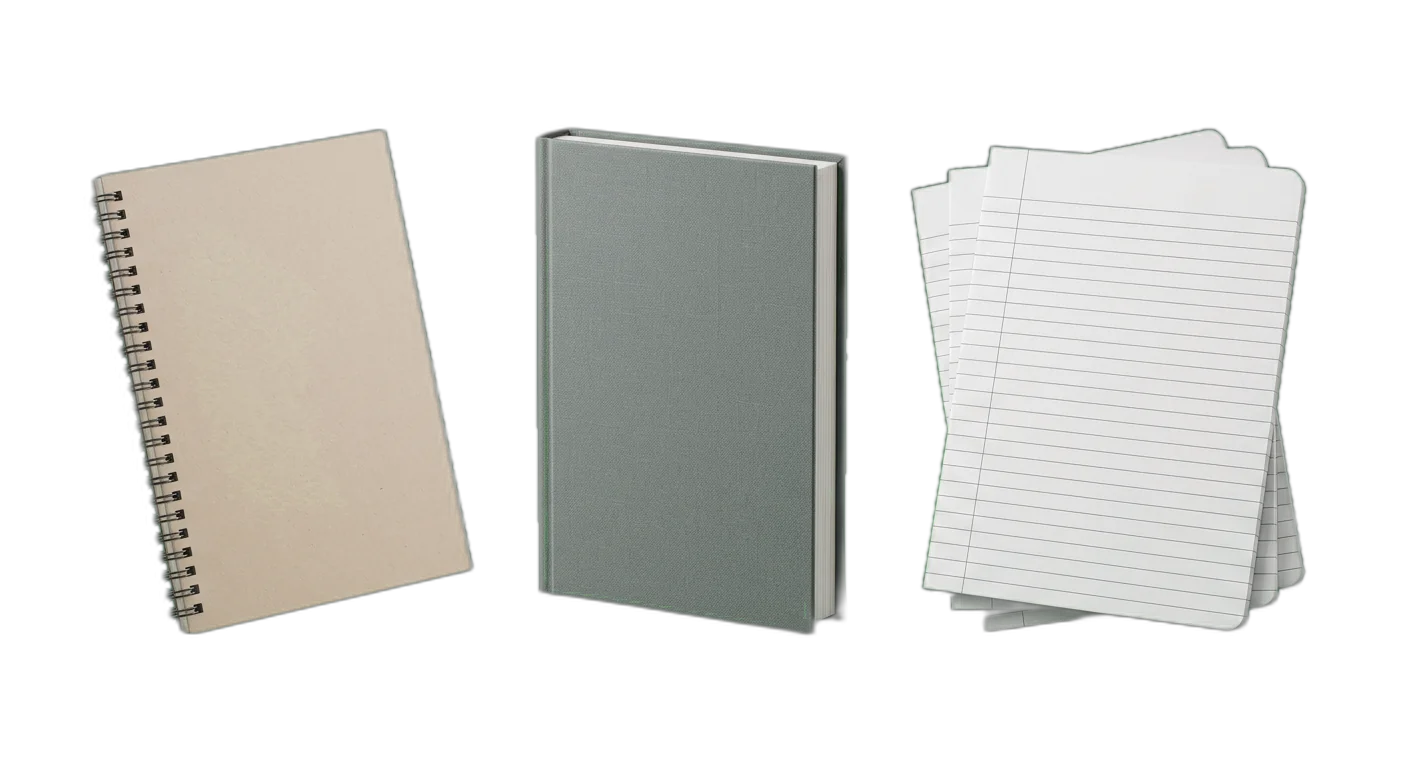
Paper Products
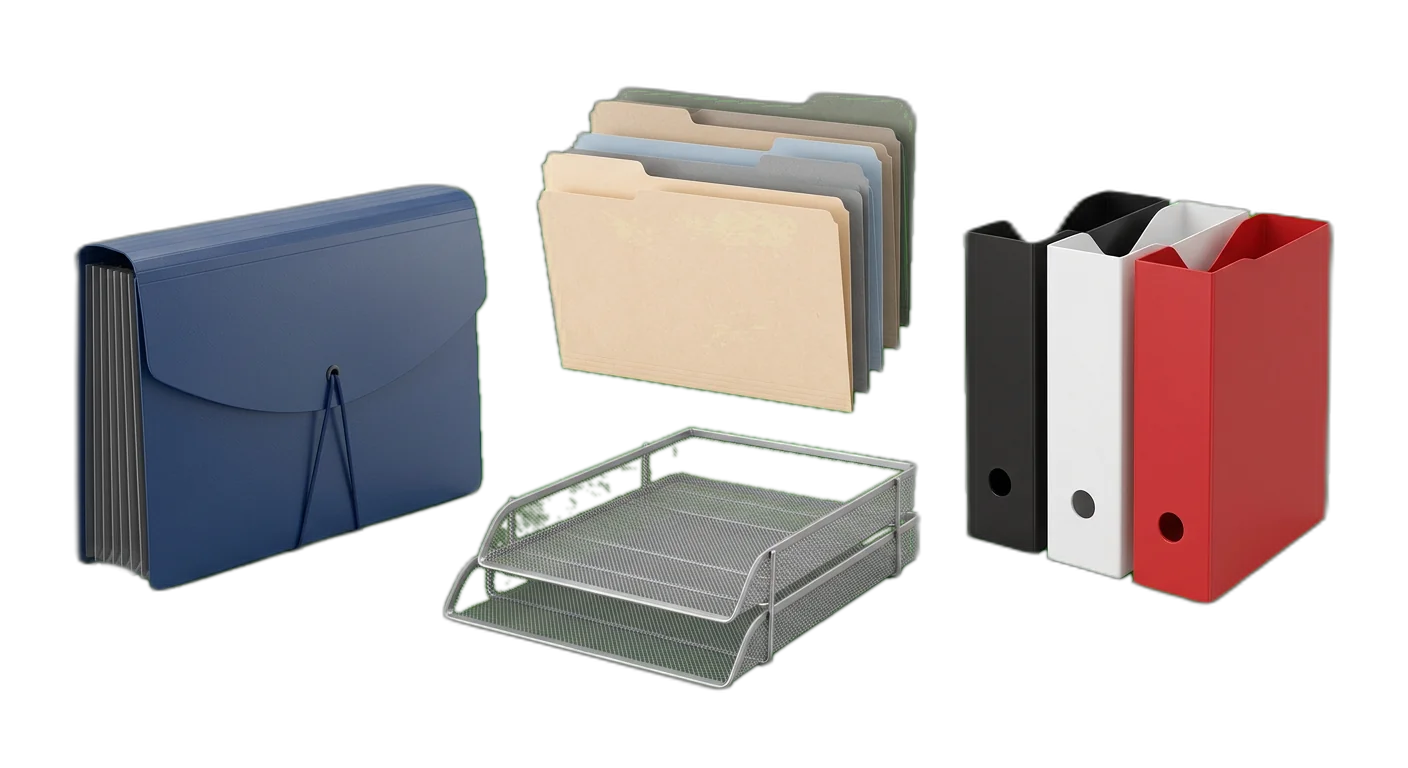
Filing & Organization
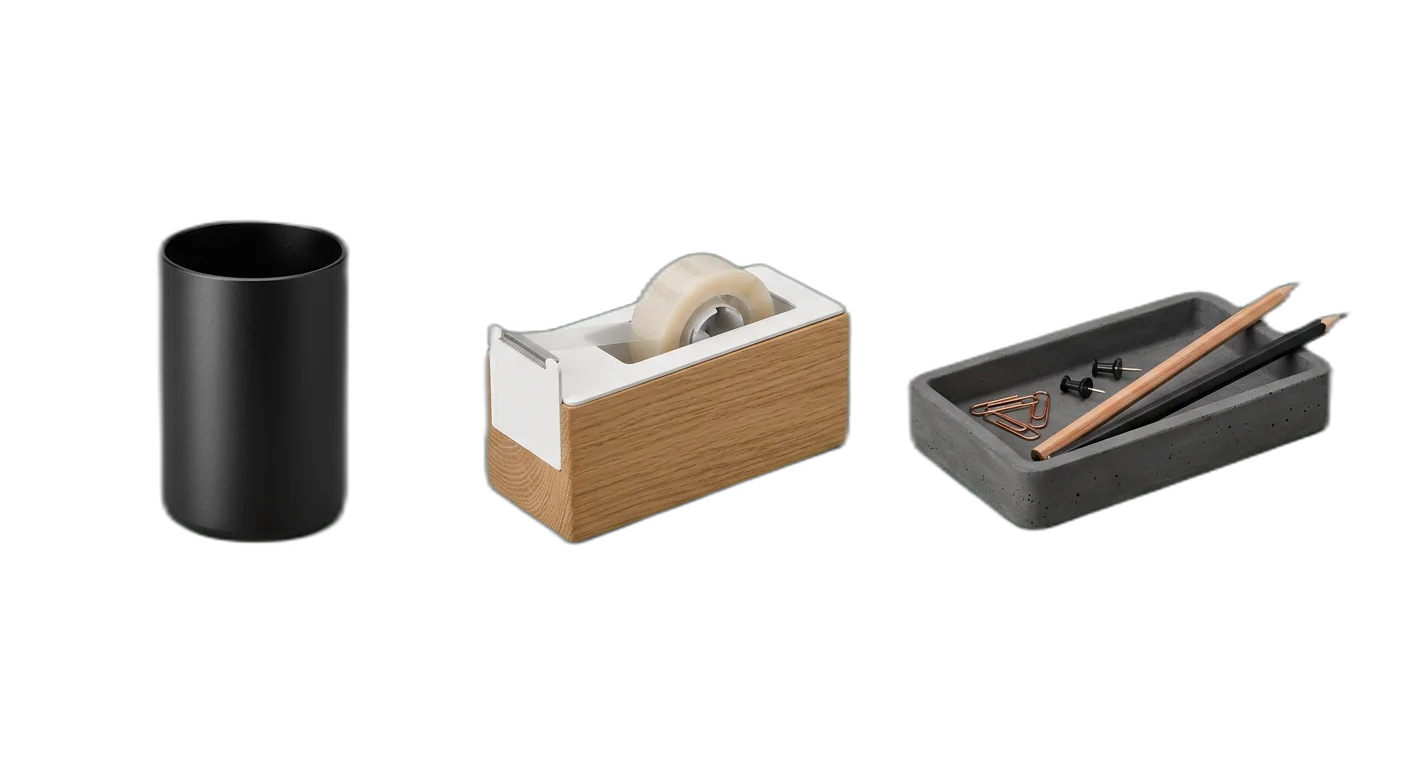
Desk Accessories

Technology & Electronics
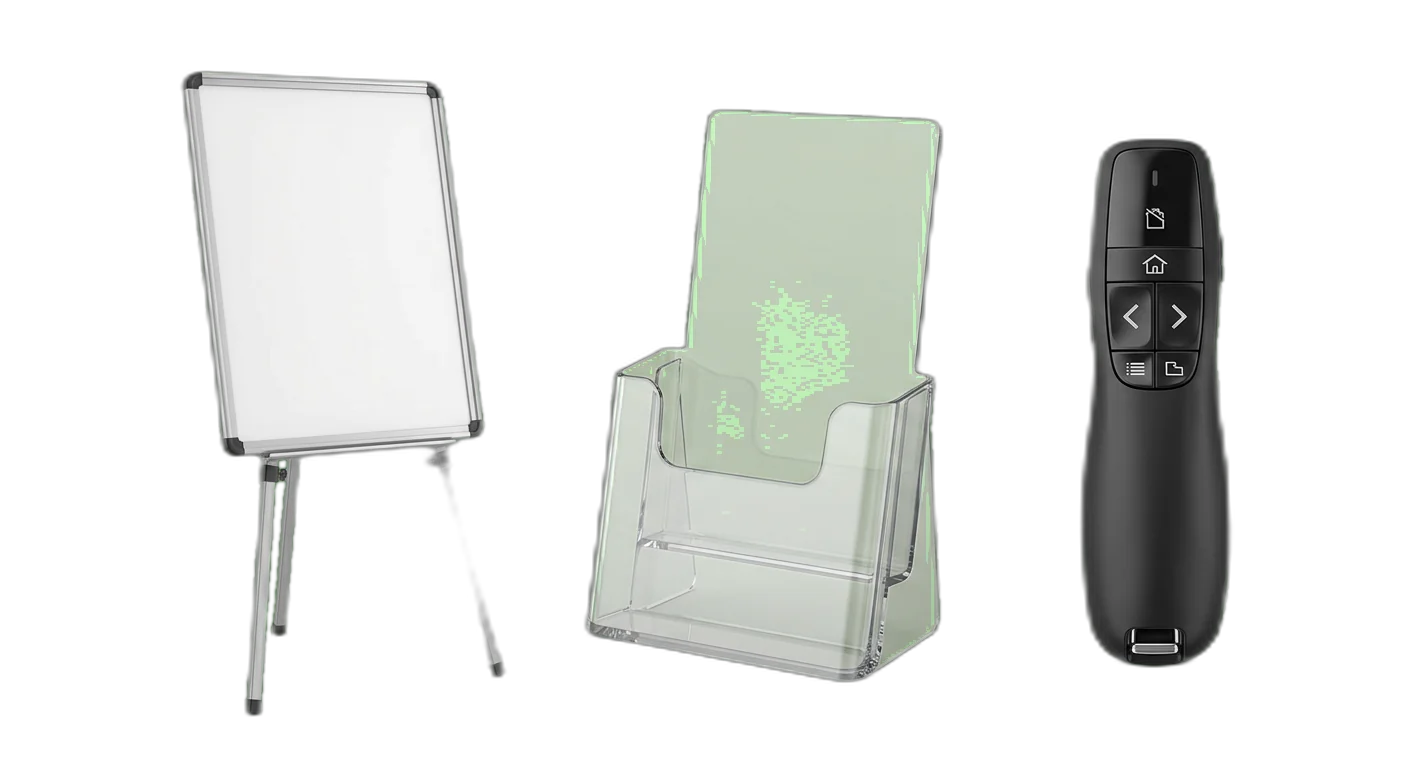
Presentation & Display
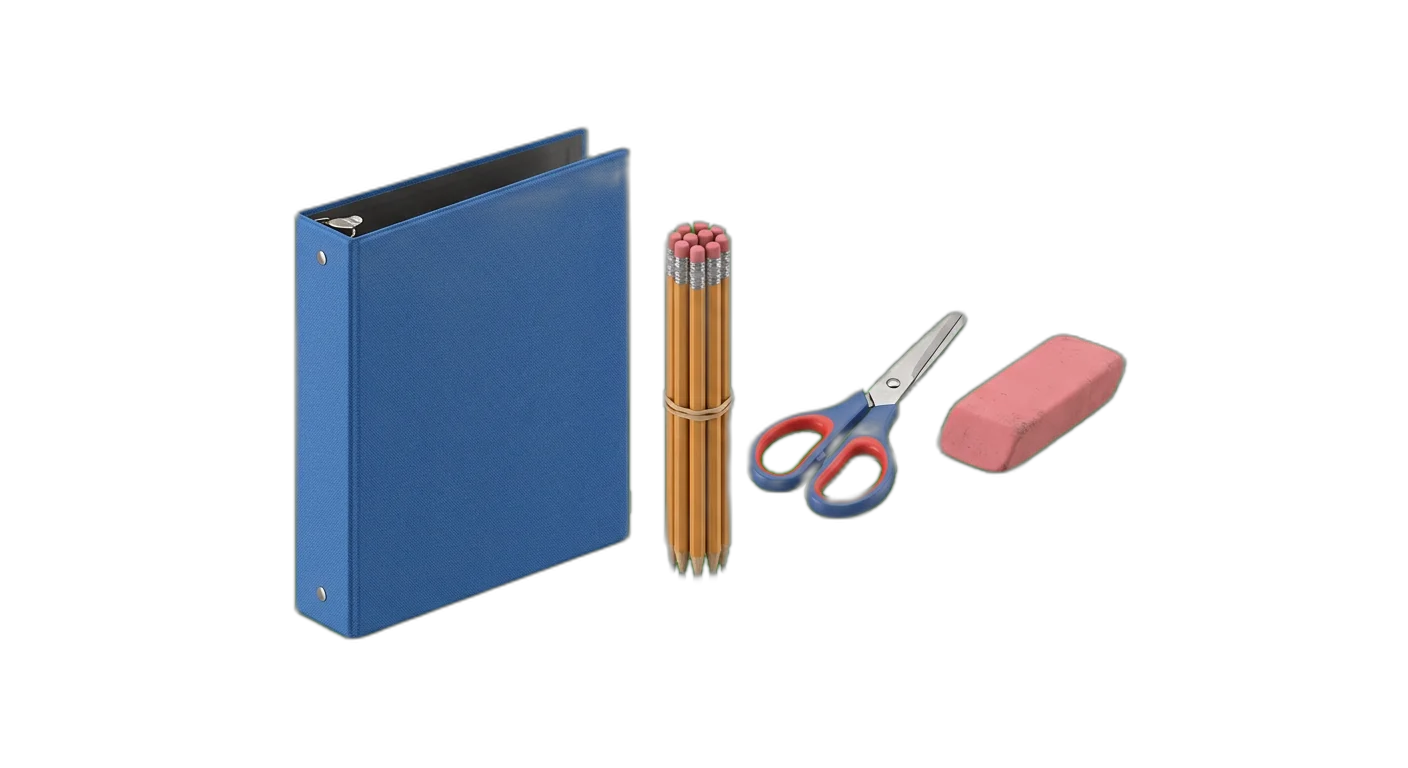
School Supplies

Breakroom & Janitorial
How to Classify Office & School Supplies Products
Follow these rules to place products in the right categories, every time
- 1
Classify by product function first, not by brand or aesthetic
Always assign products based on what they do in an office or classroom setting. A pen is a writing instrument regardless of whether it is marketed as a designer brand or a budget option. Function determines the primary category, while brand, color, and design are attributes.
A Montblanc ballpoint pen is Writing Instruments > Pens > Ballpoint Pens with Brand: Montblanc, not a Luxury categoryA decorative tape dispenser is Desk Accessories > Tape & Adhesives, not Decor - 2
Track consumable compatibility with the hardware it serves
Ink cartridges, toner, label tape, staples, and other consumables must carry compatibility attributes linking them to the specific printer, label maker, or stapler models they fit. This is critical for repeat purchasing and avoids costly ordering mistakes.
An HP 61 ink cartridge is Ink & Toner > Ink Cartridges with Compatible Printers: HP DeskJet 1000/2540/3050Label tape is Labels & Labeling > Label Tape with Compatible Device: Brother P-Touch PTD210 - 3
Handle B2B bulk packaging as a variant, not a separate category
Many office supplies are sold in bulk packs (case of 10 reams, box of 12 pens). These should be variants of the single-unit product with a Pack Size attribute, not separate categories. This keeps the taxonomy clean and enables pack-size filtering.
A 10-ream case of copy paper is Paper Products > Printer Paper > Copy Paper with Pack Size: 10 ReamsA 12-pack of ballpoint pens is Writing Instruments > Pens > Ballpoint Pens with Pack Size: 12 - 4
Separate school supplies from general office supplies
School supplies like backpacks, lunch boxes, geometry sets, and book covers serve a distinct audience and have different seasonal demand patterns. Keep them in a dedicated School Supplies category to enable targeted merchandising during back-to-school season.
- 5
Distinguish consumable from durable products with attributes
Office supplies span single-use consumables (paper, ink, sticky notes) and durable goods (staplers, printers, filing cabinets). Use a Product Lifecycle attribute (Consumable vs Durable) to support reorder reminders for consumables and warranty tracking for durables.
- 6
Keep brand as an attribute, never as a category
Brand-based categories (e.g., a 3M category or a Pilot category) become unmanageable quickly and duplicate product types. Use brand as a filterable attribute so customers can find all sticky notes or all pens from their preferred brand across the taxonomy.
Post-it notes are Paper Products > Sticky Notes & Flags > Sticky Notes with Brand: 3M/Post-itPilot G2 pens are Writing Instruments > Pens > Gel Pens with Brand: Pilot - 7
Record pack size and unit count as structured attributes
Office supply customers compare price per unit extensively. Every product must carry structured Pack Size and Unit Count attributes to enable accurate price comparison and B2B procurement decisions.
- 8
Treat eco-friendly and sustainability certifications as attributes
Recycled content, FSC certification, carbon-neutral shipping, and other environmental claims should be filterable attributes, not separate categories. This allows environmentally conscious buyers to filter across all product types.
Recycled copy paper is Paper Products > Printer Paper > Copy Paper with Recycled Content: 100%, FSC Certified: Yes - 9
Keep office furniture separate from desktop supplies
Filing cabinets and desk organizers live under Filing & Organization > Storage because they serve an organizational function. Full office furniture (desks, chairs, shelving) belongs in a separate Furniture category if you carry it, never mixed with consumable supplies.
- 10
Categorize technology accessories with their parent devices
Printer cables, replacement parts, and device-specific accessories should live under Technology & Electronics near the devices they support, not scattered across Desk Accessories. This ensures customers find everything they need for their printer or laminator in one place.
Required Attributes by Category
Make sure your product data is complete with the required and recommended attributes for each category level
Office & School Supplies Classification Pitfalls to Avoid
Avoid these common categorization errors that hurt product discoverability
- Mistake
Mixing school-specific products into general office supply categories, making seasonal back-to-school merchandising difficult
Better approachMaintain a dedicated School Supplies category for products primarily marketed to students (backpacks, lunch boxes, geometry sets, book covers). This enables targeted promotions during back-to-school season and keeps the office supply taxonomy focused on workplace needs.
- Mistake
Ignoring consumable compatibility by not tracking which ink cartridges, toner, or staples work with specific devices
Better approachAdd structured compatibility attributes (Compatible Printers, Compatible Devices) to all consumable products. This is the most critical attribute for repeat purchases and prevents costly customer ordering errors.
- Mistake
Failing to record pack size and unit count, making price comparison impossible for bulk buyers
Better approachEvery product should carry Pack Size and Unit Count attributes. A box of 12 pens is fundamentally different from a single pen for B2B procurement purposes, even though it is the same product category.
- Mistake
Using brand names as categories instead of filterable attributes (e.g., creating a 3M category or a Staples brand section)
Better approachKeep brand as a product attribute across the taxonomy. Customers should be able to filter for Post-it sticky notes or Pilot pens within the Writing Instruments or Paper Products categories, not navigate to a brand-specific silo.
- Mistake
Not recording GSM weight, brightness, or paper size for paper products, leaving customers unable to compare sheets
Better approachPaper products require specific technical attributes: GSM Weight, Brightness Rating, Paper Size, and Sheet Count. These are non-negotiable for B2B buyers who need exact specifications for their printers and copiers.
- Mistake
Placing ink cartridges under the wrong printer brand or mixing OEM and compatible cartridges without distinction
Better approachCategorize all cartridges under Ink & Toner with structured attributes for Compatible Printers, Cartridge Number, and OEM vs Compatible/Remanufactured. This lets buyers filter by their exact printer model and choose between original and third-party options.
- Mistake
Placing office furniture items like full desks and chairs alongside desktop supplies like tape dispensers and pen holders
Better approachMaintain a clear boundary between desktop supplies (small items that sit on a desk) and office furniture (the desk itself). Filing cabinets and desk organizers can stay in Filing & Organization, but full furniture pieces need their own top-level category.
- Mistake
Not adding eco-friendly certifications or recycled content as structured attributes for environmentally conscious filtering
Better approachAdd structured attributes for Recycled Content percentage, FSC Certification, Energy Star rating (for electronics), and other environmental claims. Many B2B buyers now require sustainability data in procurement decisions.
- Mistake
Treating seasonal school supply items as permanent year-round categories, creating empty category pages outside the back-to-school window
Better approachUse the standard School Supplies category year-round but add a Season attribute and manage visibility through merchandising rules. This keeps the taxonomy stable while allowing seasonal prominence adjustments.
- Mistake
Ignoring B2B pricing tiers and account-based pricing in the product data model, treating all buyers the same
Better approachStructure your catalog to support tiered pricing by adding attributes for Minimum Order Quantity, Volume Discount Tiers, and Contract Pricing eligibility. This is essential for office supply catalogs serving both individual consumers and corporate accounts.
How to Categorize Office & School Supplies Products
Follow these steps to categorize your Office & School Supplies products correctly for e-commerce and marketplace requirements
01
Import Your Office Supply Catalog
Connect your e-commerce platform or upload your product feed with product names, descriptions, specifications, and images. WISEPIM automatically parses office-supply-specific data like paper weights, ink compatibility, and pack sizes to prepare for AI-powered categorization.
02
AI Categorizes Products by Function and Type
WISEPIM analyzes product data to assign items to the correct taxonomy node. The AI distinguishes between writing instruments and desk accessories, identifies paper specifications, matches ink cartridges to printer models, and separates school supplies from office products with high accuracy.
03
Enrich Product Attributes Automatically
Based on the assigned category, WISEPIM populates required attributes like paper GSM, ink color, pack size, and device compatibility. Missing attributes are flagged for review so your catalog meets the data requirements of B2B buyers and marketplace channels.
04
Review, Approve & Publish Across Channels
Review AI suggestions in bulk, adjust where needed, and publish your categorized catalog to all sales channels. Marketplace mappings for Amazon, Google Shopping, Staples, and other platforms are generated automatically so your products appear in the right categories everywhere.
Categorize your Office & School Supplies catalog in WISEPIM
Sign up for the free plan and apply this guide to your own products: build your category tree, let AI suggest a category for each product, and map your categories to Google's product taxonomy.
- 100 products and 50 AI credits a month on the free plan
- Import products from a CSV file or a connected store
- AI categorization assigns categories, or suggests them for you to review first
- The category map links your categories to Google product categories
Frequently Asked Questions
Common questions about Office & School Supplies product categorization
Best Office & School Supplies Categories for Ecommerce
Discover the top-performing Office & School Supplies product categories ranked by demand, margins, and growth potential.
Map Office & School Supplies products to a global taxonomy
Got your own category tree? Map it to the standards that marketplaces, ad platforms, and data partners actually require.
Explore More Industry Guides
Printable checklist
Start in 15 minutesGet every live product into the right category
Start with a 15-minute count of products with no category, or only a top-level one. You get two numbers, like 140 products, 12 in your top 100. Then 5 steps for the rest of the week.
How it works
- Filter products with no category or only a top-level one.
- Check how many of them are in your top 100 sellers.
- Write both numbers, such as '140 products, 12 in the top 100'.
One email, once, with a link to the printable checklist. Nothing else unless you tick the box.
Free Excel template
XLSX · 3 sheetsSee which of your 20 best sellers are incomplete
An Excel check with the columns office & school supplies products need. In about 15 minutes you know how many of your 20 are complete, and the one fix that helps the most rows.
How it works
- Paste 20 best sellers from your shop export into Products.
- Fill in what you know. The last column says what each row is missing.
- Read your result on Start here: how many are complete, and the fix that helps most rows.
One email, once, with the XLSX attached and as a download link. Nothing else unless you tick the box.
Keep exploring
Hand-picked next steps to go deeper.
Ready to Automate Your Office & School Supplies Categorization?
WISEPIM uses AI to classify products automatically, saving hours of manual work and cutting categorization errors.