Toy Categories: Figurines vs Collectibles to Plush
A figurine made for play is a toy: Toys & Games > Toys > Dolls, Playsets & Toy Figures > Action & Toy Figures (Google ID 6058). One sold to collect, such as a limited edition, goes in Arts & Entertainment > Hobbies & Creative Arts > Collectibles (216), and a decorative one in Home & Garden > Decor > Figurines (5609). Decide by intended use, not looks. IDs follow Google's product taxonomy, version 2021-09-21.
Toys & Games Category Hierarchy
Standard category structure used across major e-commerce platforms and marketplaces
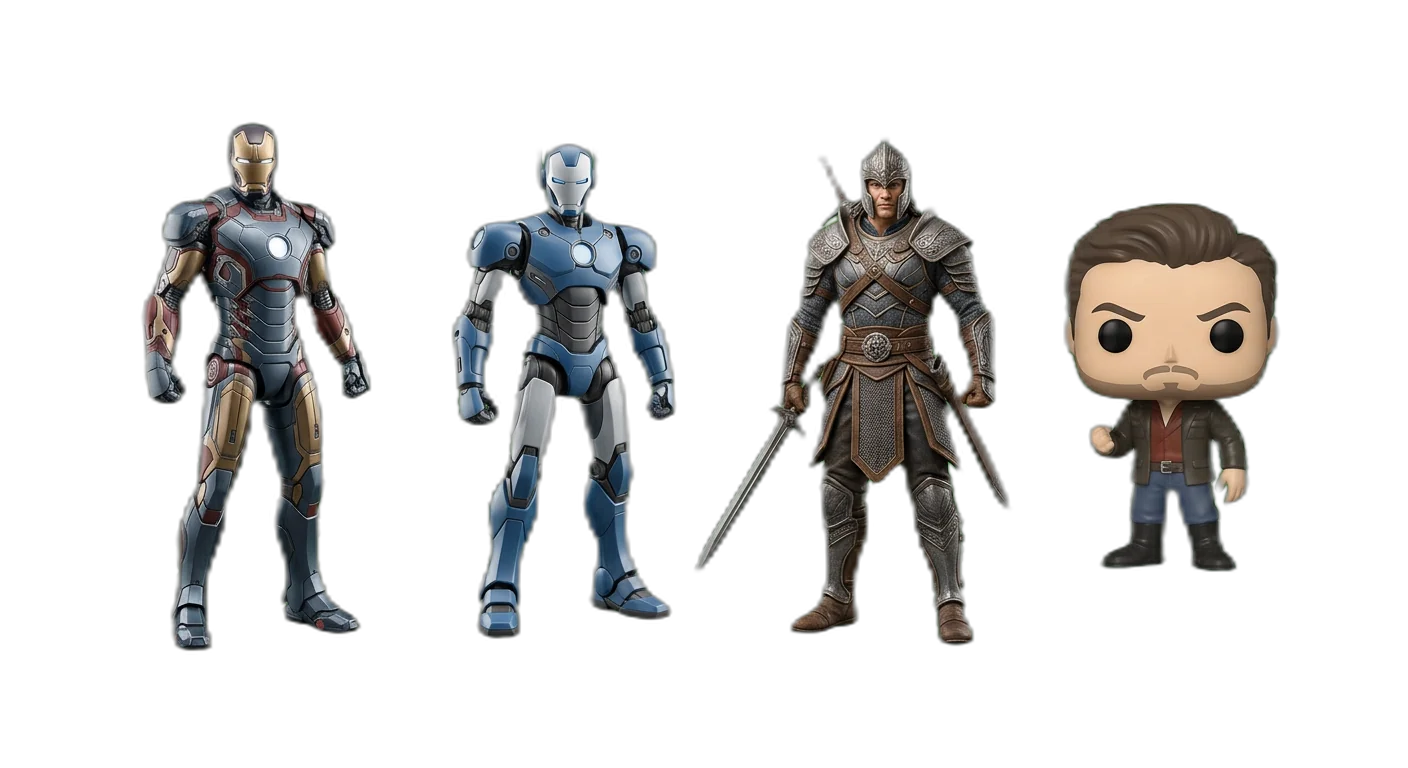
Action Figures & Collectibles
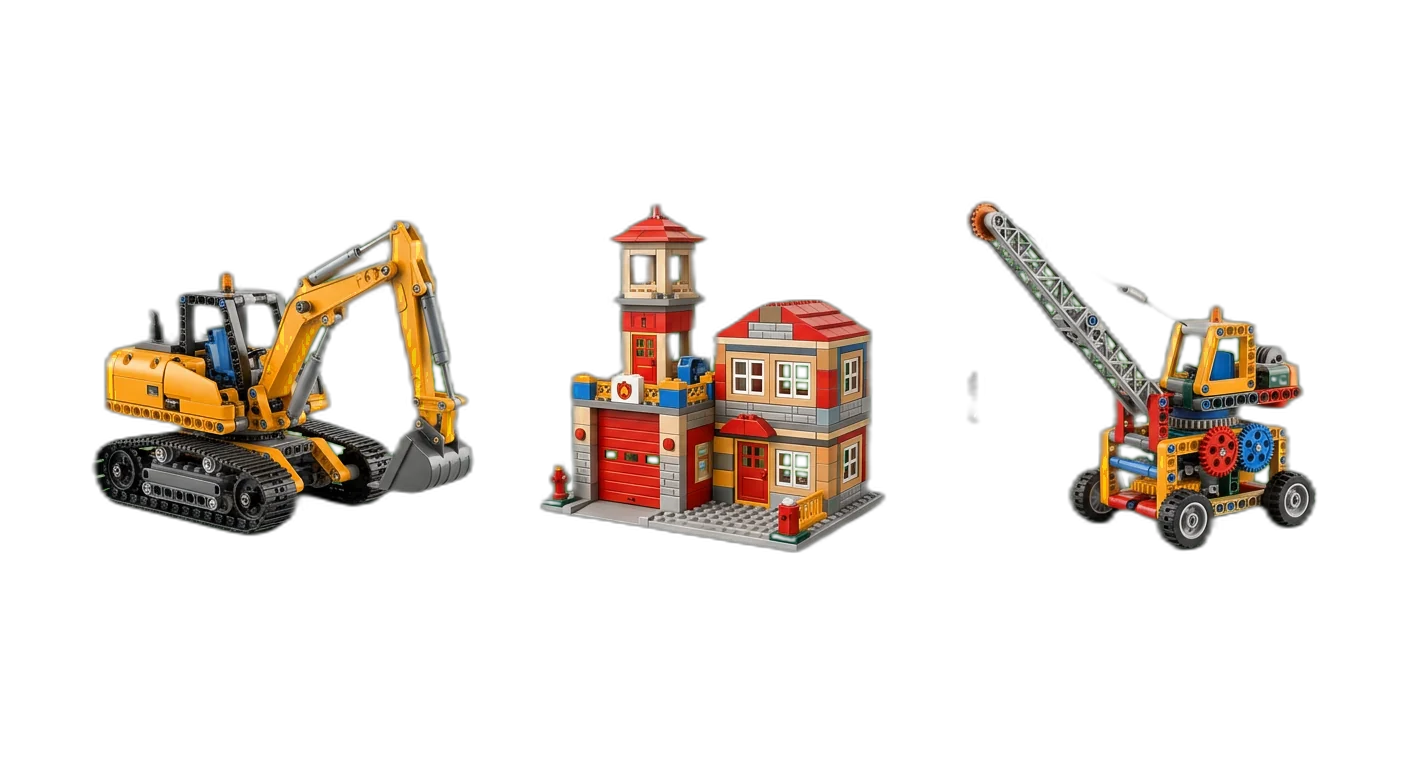
Building & Construction
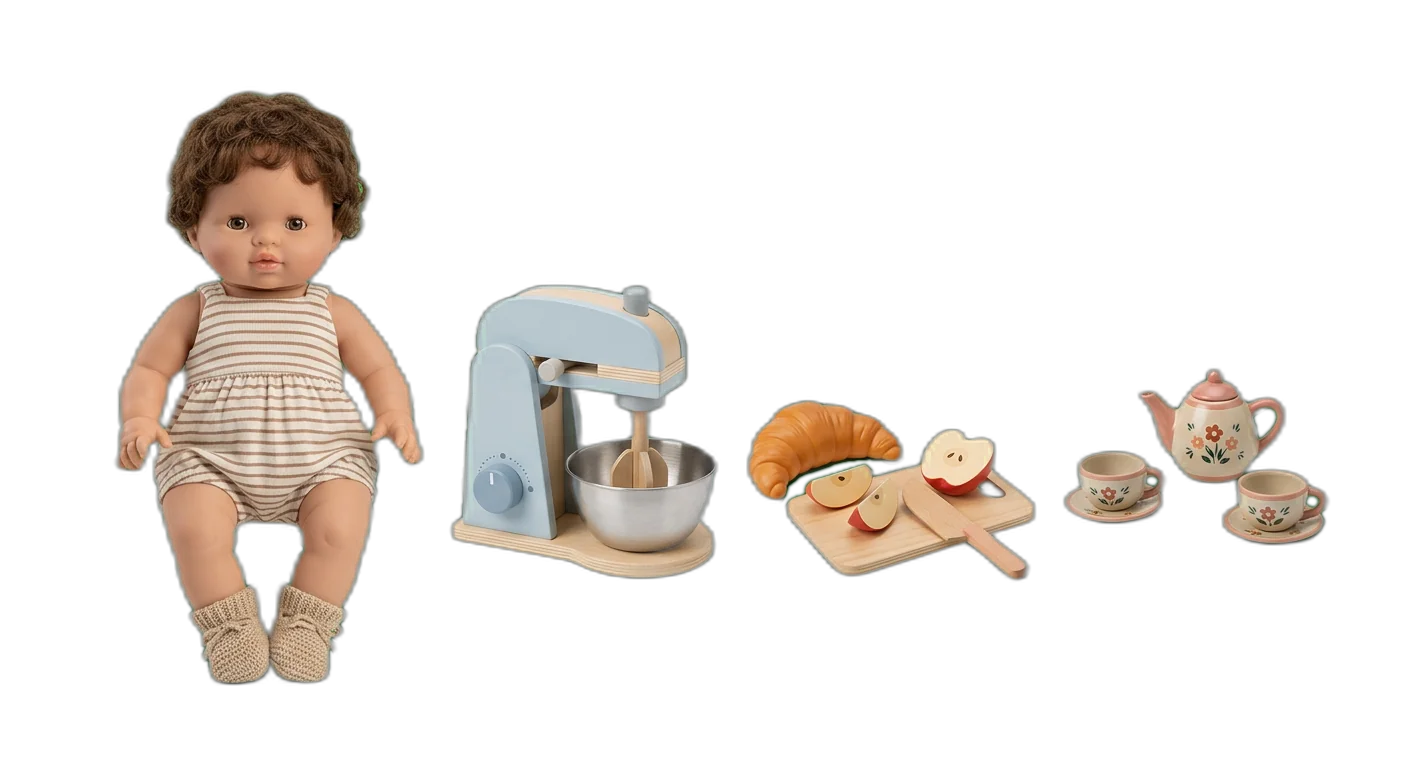
Dolls & Pretend Play
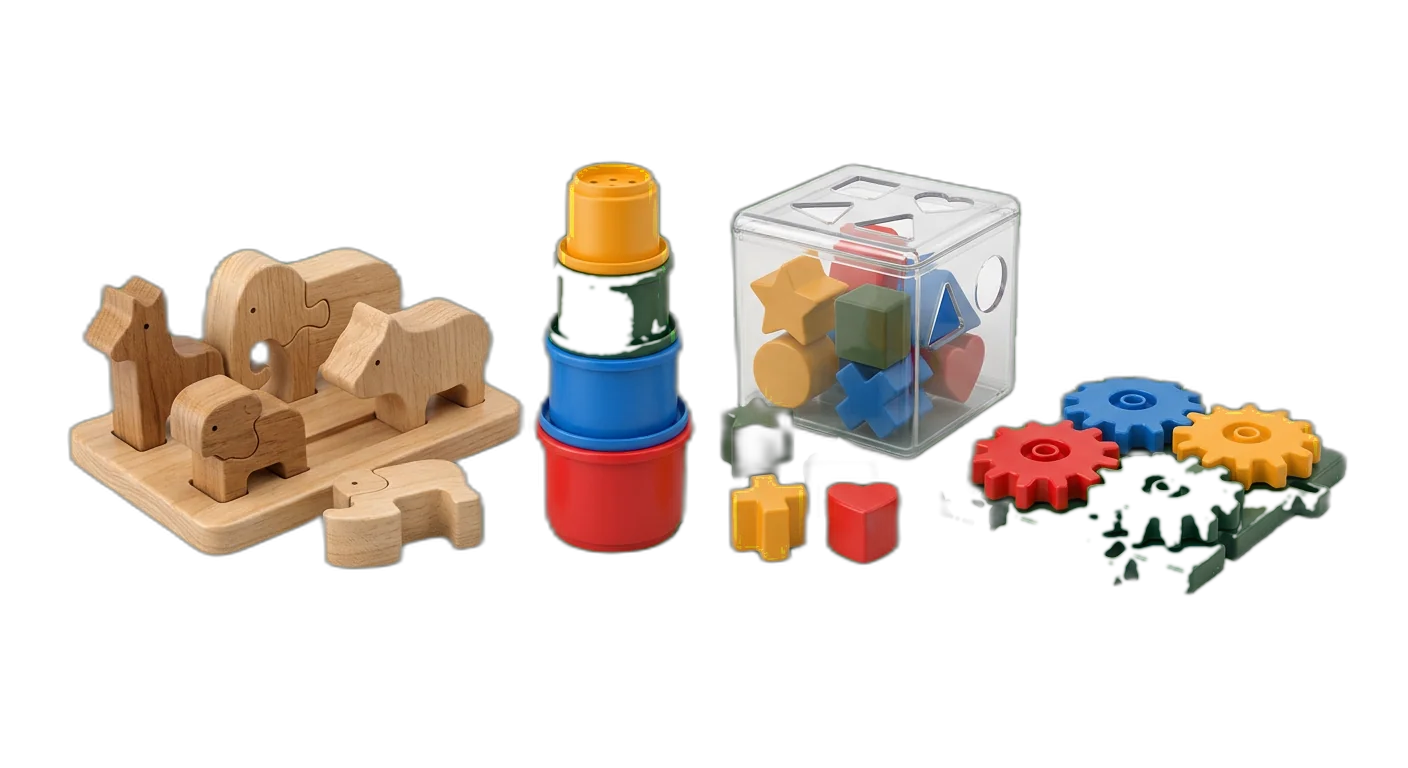
Educational Toys
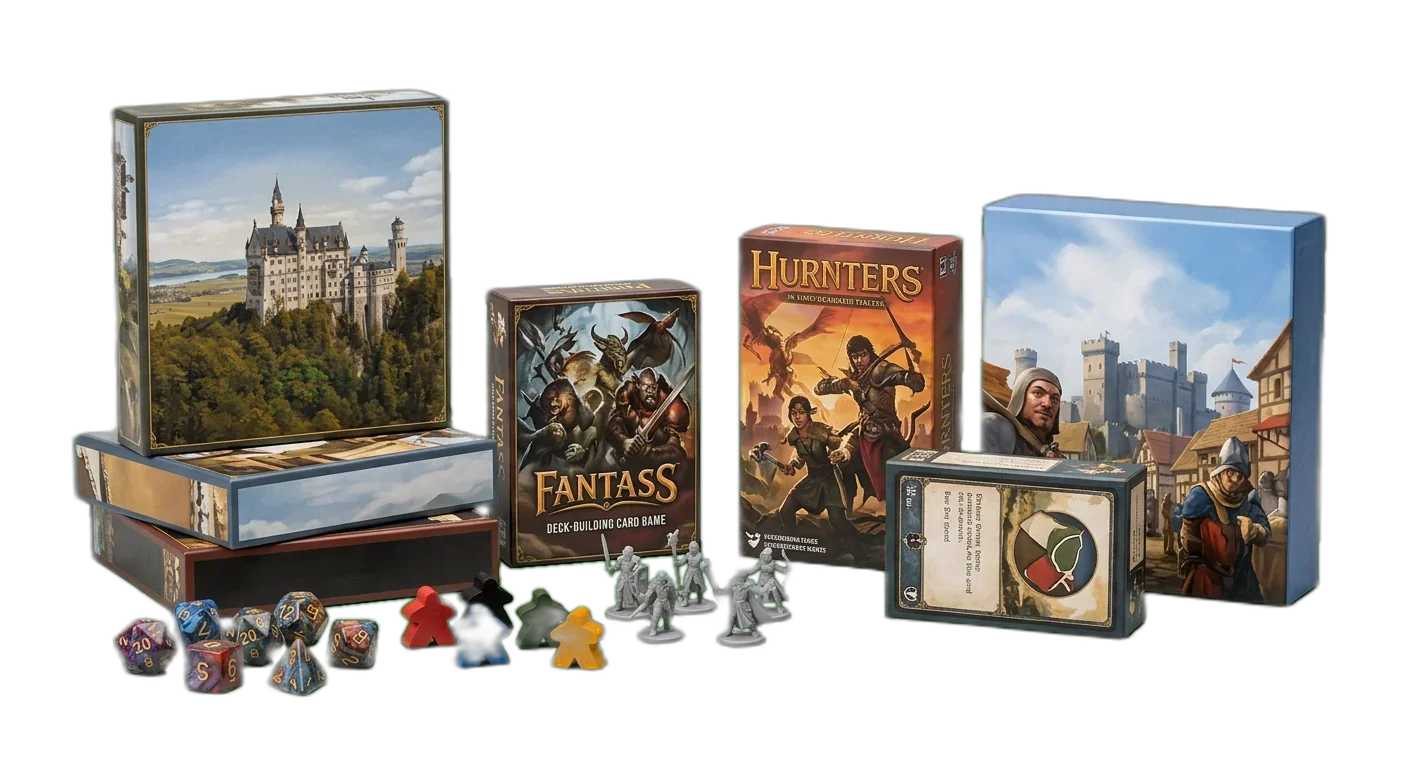
Games
Outdoor Toys
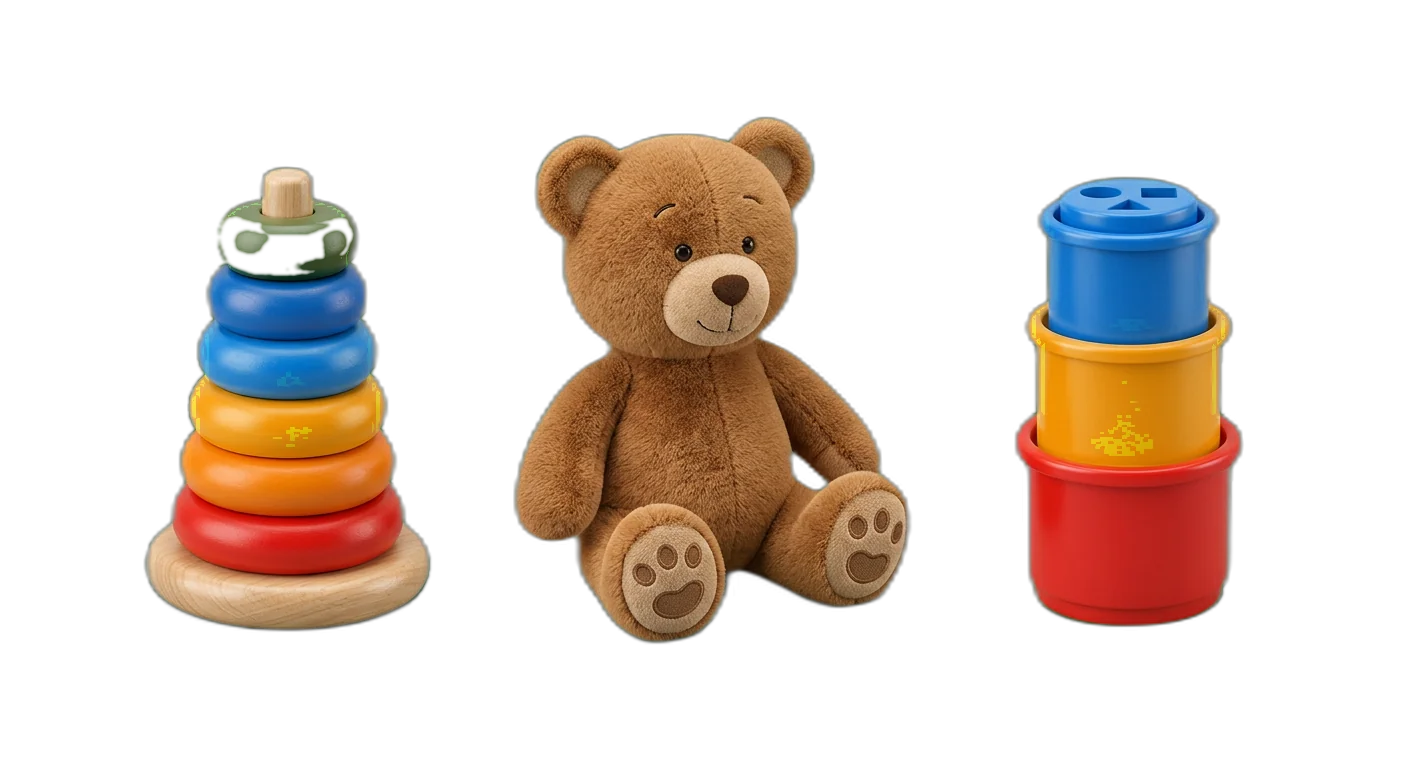
Baby & Toddler
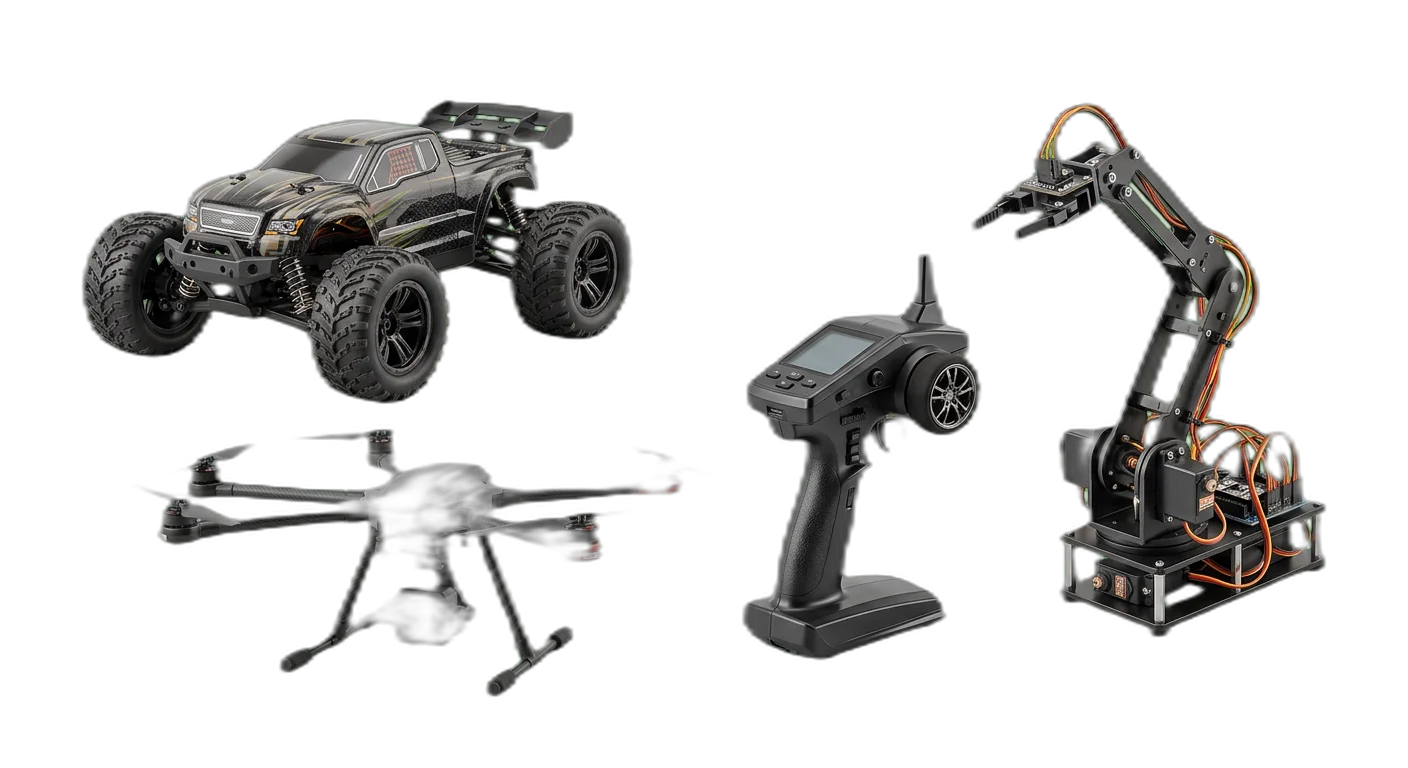
Remote Control & Electronics
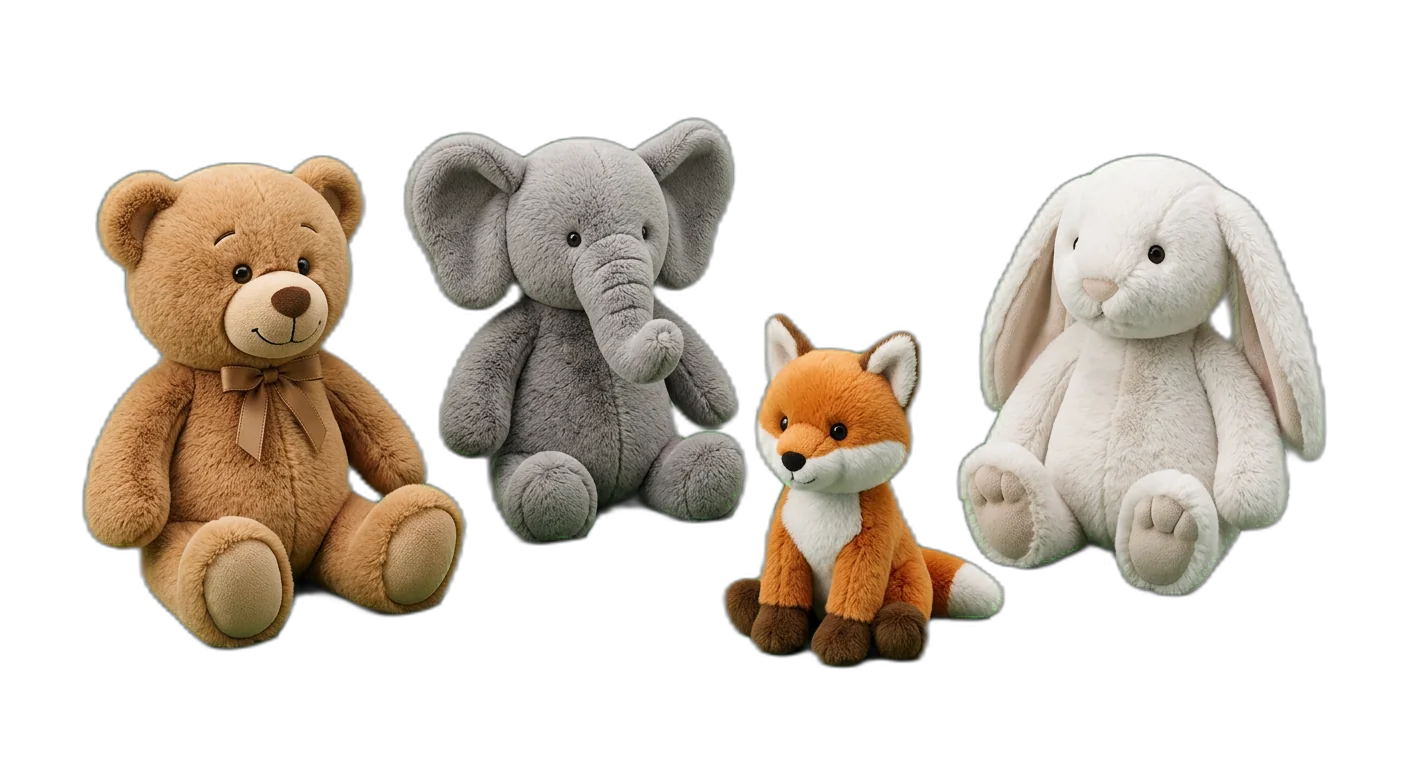
Stuffed Animals & Plush
How to Classify Toys & Games Products
Follow these rules to place products in the right categories, every time
- 1
Age range is the primary filterable attribute on every product
Every toy and game must carry a structured Age Range attribute (e.g., 0-6 months, 1-3 years, 4-7 years, 8-12 years, 13+ years, Adults). This is the most important filter for toy shoppers and is required by most marketplaces. However, age should be an attribute, not a category level.
A LEGO City set is Building & Construction > LEGO & Compatible > City with Age Range: 6-12 yearsA baby rattle is Baby & Toddler > Rattles & Teethers with Age Range: 0-6 months - 2
Safety certifications are mandatory attributes for all toy products
Every toy product must carry structured safety certification attributes: ASTM F963 (US), EN 71 (EU), CPSC compliance, choking hazard warnings, and applicable age restrictions. These are legal requirements in most markets and must be stored as structured, exportable data.
Small parts warning: Age Range: 3+ years, Choking Hazard: Yes - Small Parts, ASTM F963: Compliant - 3
Track franchise and license as attributes, not categories
Licensed products (Disney, Marvel, Star Wars, Paw Patrol, Barbie) must use Franchise/License as a filterable attribute rather than a category branch. Creating franchise-based categories duplicates the entire toy taxonomy under each franchise.
A Spider-Man action figure is Action Figures & Collectibles > Action Figures > Superheroes with Franchise: Marvel, Character: Spider-ManA Frozen doll is Dolls & Pretend Play > Fashion Dolls with Franchise: Disney, Character: Elsa - 4
Tag educational value and skill development areas
Add Skill Development attributes to products (Fine Motor, Gross Motor, STEM, Creativity, Social Skills, Language, Problem Solving). This helps parents and educators find developmentally appropriate toys and is increasingly important for marketplace visibility.
Building blocks develop Fine Motor Skills and Spatial ReasoningA coding robot develops STEM, Problem Solving, and Logical Thinking - 5
Record battery requirements as structured data
All electronic toys must carry structured Battery Type, Battery Count, and Batteries Included attributes. This is a legal requirement in many markets and a major purchasing consideration for parents. Include whether batteries are included in the box.
An RC car: Battery Type: AA, Battery Count: 4, Batteries Included: No, Rechargeable: Yes (controller) - 6
Distinguish indoor and outdoor products with an environment attribute
Use an Indoor/Outdoor attribute rather than relying solely on the Outdoor Toys category. Some products work in both environments, and this attribute enables cross-category filtering for seasonal planning.
- 7
Map skill development categories alongside product type
Educational toys should be categorized by product type first (building, science, art), not by the skill they develop. Use Skill Development as a multi-value attribute so products can be tagged with multiple developmental benefits without creating overlapping categories.
- 8
Manage series, waves, and collection data as attributes
Collectible toys often come in series or waves (Funko Pop! waves, LEGO seasonal themes). Track these as Series, Wave Number, and Collection Year attributes rather than creating ephemeral category branches that become outdated.
Funko Pop! Marvel #847 is Collectible Figurines > Funko Pop! with Series: Marvel, Wave: 2024 Q3, Number: 847 - 9
Handle seasonal toys within the standard taxonomy using attributes
Holiday toys, summer water toys, and seasonal items belong in their standard product category with a Season attribute. Do not create temporary seasonal categories that create dead pages the rest of the year.
A Christmas LEGO advent calendar is Building & Construction > LEGO & Compatible with Season: Christmas, Product Type: Advent Calendar - 10
Apply a gender-neutral categorization approach
Avoid gendered categories (Boys' Toys, Girls' Toys). Modern toy retailers categorize by product type and function, then let customers filter by interest, franchise, or theme. This broadens discoverability and aligns with current retail best practices.
Kitchen play sets are Dolls & Pretend Play > Pretend Play > Kitchen Play, not Girls' ToysTool sets are Dolls & Pretend Play > Pretend Play > Workshop Play, not Boys' Toys
Required Attributes by Category
Make sure your product data is complete with the required and recommended attributes for each category level
Toys & Games Classification Pitfalls to Avoid
Avoid these common categorization errors that hurt product discoverability
- Mistake
Using age range as a category level instead of a filterable attribute (e.g., creating categories like Toys for 3-5 Year Olds)
Better approachAge range must be a filterable attribute on every product, not a category. A LEGO set is always Building & Construction > LEGO & Compatible with Age Range: 6+ as an attribute. Age-based categories force products into a single age bucket when many toys span multiple age groups.
- Mistake
Not recording safety certification data (ASTM F963, EN 71, choking hazard warnings) as structured attributes
Better approachAdd mandatory Safety Certifications and Choking Hazard Warning attributes to all toy products. These are legal requirements in the US and EU, and marketplaces will reject listings without them. Store them as structured data for automated compliance checking.
- Mistake
Using franchise or license (Disney, Marvel, Paw Patrol) as a category instead of a filterable attribute
Better approachKeep Franchise and Character as filterable attributes. A Frozen doll is Dolls & Pretend Play > Fashion Dolls with Franchise: Disney, Character: Elsa. Creating franchise categories duplicates the entire toy taxonomy under each license and becomes unmaintainable as licenses change.
- Mistake
Not tracking battery type, count, and inclusion status on electronic toys
Better approachEvery electronic toy must carry Battery Type, Battery Count, and Batteries Included as mandatory attributes. Many markets legally require this disclosure. Parents need this information before purchase to avoid gift-giving disappointment.
- Mistake
Confusing skill development level with product complexity (e.g., categorizing all easy toys as educational)
Better approachUse separate attributes for Age Range, Difficulty Level, and Skill Development. A simple stacking toy can develop important motor skills (high educational value) while being easy to use (low difficulty). These are independent dimensions.
- Mistake
Placing educational products in a single Educational Toys category when they span multiple toy types
Better approachCategorize by product type first (building toys, science kits, art supplies), then tag with educational attributes like Skill Development and Learning Area. A coding robot is Educational Toys > STEM Toys > Coding Toys, not a generic Educational catch-all.
- Mistake
Not tracking series, wave, or collection data for collectible products, making inventory management impossible
Better approachAdd Series, Wave Number, Collection Year, and Limited Edition status as structured attributes for collectibles and trading cards. This enables collectors to identify specific items, track availability, and discover new additions to their collection.
- Mistake
Creating temporary seasonal categories (Christmas Toys, Summer Toys) that become empty dead ends the rest of the year
Better approachUse the standard product categories and add a Season attribute. A holiday LEGO advent calendar is Building & Construction with Season: Christmas. Manage seasonal merchandising through landing pages and promotional tags, not category structure changes.
- Mistake
Not recording piece count, dimensions, or assembled size for construction and building toys
Better approachPiece Count, Box Dimensions, and Built Dimensions are critical attributes for building toys. Parents compare sets by piece count and need to know shelf size. These should be mandatory attributes, not buried in product descriptions.
- Mistake
Failing to consider accessibility needs and not tracking sensory-friendly or adaptive toy attributes
Better approachAdd Accessibility Features as a multi-value attribute (Switch-Adapted, Sensory-Friendly, One-Handed Play, Visual/Audio Cues). The adaptive toy market is growing and many mainstream toys have accessibility features worth highlighting for inclusive shopping experiences.
How to Categorize Toys & Games Products
Follow these steps to categorize your Toys & Games products correctly for e-commerce and marketplace requirements
01
Import Your Toy & Game Catalog
Connect your e-commerce platform or upload your product feed with product names, descriptions, packaging data, and images. WISEPIM automatically extracts toy-specific data including age ranges, franchise associations, piece counts, and safety certifications to prepare for AI-powered categorization.
02
AI Categorizes Products by Type and Attributes
WISEPIM analyzes product data to assign items to the correct taxonomy node. The AI identifies product types (building sets, action figures, board games), detects franchise and character associations from images and titles, extracts age ranges, and flags safety certification gaps with high accuracy.
03
Enrich Attributes with Safety and Compliance Data
Based on the assigned category, WISEPIM populates required attributes like age range, piece count, battery requirements, and safety certifications. Products missing mandatory compliance data (ASTM F963, EN 71, choking hazard warnings) are flagged for review before publishing.
04
Review, Approve & Publish Across Channels
Review AI suggestions in bulk, adjust where needed, and publish your categorized catalog to all sales channels. Marketplace mappings for Amazon, Google Shopping, Walmart, and specialty toy retailers are generated automatically so your products reach the right shoppers everywhere.
Categorize your Toys & Games catalog in WISEPIM
Sign up for the free plan and apply this guide to your own products: build your category tree, let AI suggest a category for each product, and map your categories to Google's product taxonomy.
- 100 products and 50 AI credits a month on the free plan
- Import products from a CSV file or a connected store
- AI categorization assigns categories, or suggests them for you to review first
- The category map links your categories to Google product categories
Frequently Asked Questions
Common questions about Toys & Games product categorization
Best Toys & Games Categories for Ecommerce
Discover the top-performing Toys & Games product categories ranked by demand, margins, and growth potential.
Map Toys & Games products to a global taxonomy
Got your own category tree? Map it to the standards that marketplaces, ad platforms, and data partners actually require.
Explore More Industry Guides
Printable checklist
Start in 15 minutesGet every live product into the right category
Start with a 15-minute count of products with no category, or only a top-level one. You get two numbers, like 140 products, 12 in your top 100. Then 5 steps for the rest of the week.
How it works
- Filter products with no category or only a top-level one.
- Check how many of them are in your top 100 sellers.
- Write both numbers, such as '140 products, 12 in the top 100'.
One email, once, with a link to the printable checklist. Nothing else unless you tick the box.
Free Excel template
XLSX · 3 sheetsSee which of your 20 best sellers are incomplete
An Excel check with the columns toys & games products need. In about 15 minutes you know how many of your 20 are complete, and the one fix that helps the most rows.
How it works
- Paste 20 best sellers from your shop export into Products.
- Fill in what you know. The last column says what each row is missing.
- Read your result on Start here: how many are complete, and the fix that helps most rows.
One email, once, with the XLSX attached and as a download link. Nothing else unless you tick the box.
Keep exploring
Hand-picked next steps to go deeper.
Ready to Automate Your Toys & Games Categorization?
WISEPIM uses AI to classify products automatically, saving hours of manual work and cutting categorization errors.