Best Categories for Books & Digital Media
The top-performing Books & Digital Media product categories for your ecommerce store, ranked by demand, margins, and growth potential.
Best Books & Digital Media Categories to Sell Online
Ranked by market demand, profit margins, and growth momentum
- 1
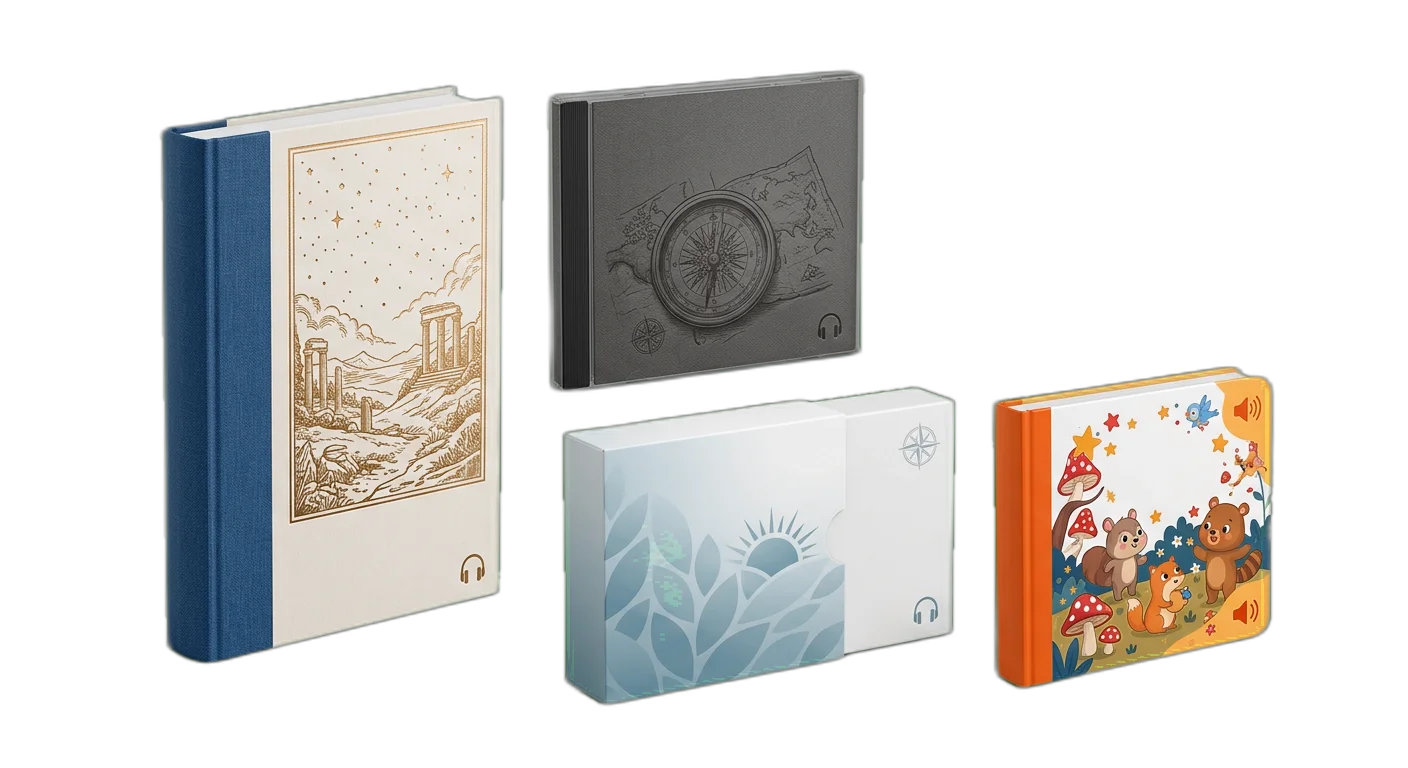
Audiobooks
E-Books & Audiobooks > Audiobooks
Audiobooks are the fastest-growing segment in publishing, and have posted double-digit revenue growth year after year. Commuting, walking, and multitasking have made them mainstream. Digital delivery means zero shipping cost and instant fulfillment, making this a high-margin category.
Demand: HighCompetition: MediumMargin: HighRisingExample ProductsFiction audiobooksNon-fiction audiobooksSelf-help audiobooksChildren's audio storiesPro TipAlways list the narrator prominently. Audiobook buyers are often as loyal to narrators as to authors, and narrator name is a top search term.
- 2
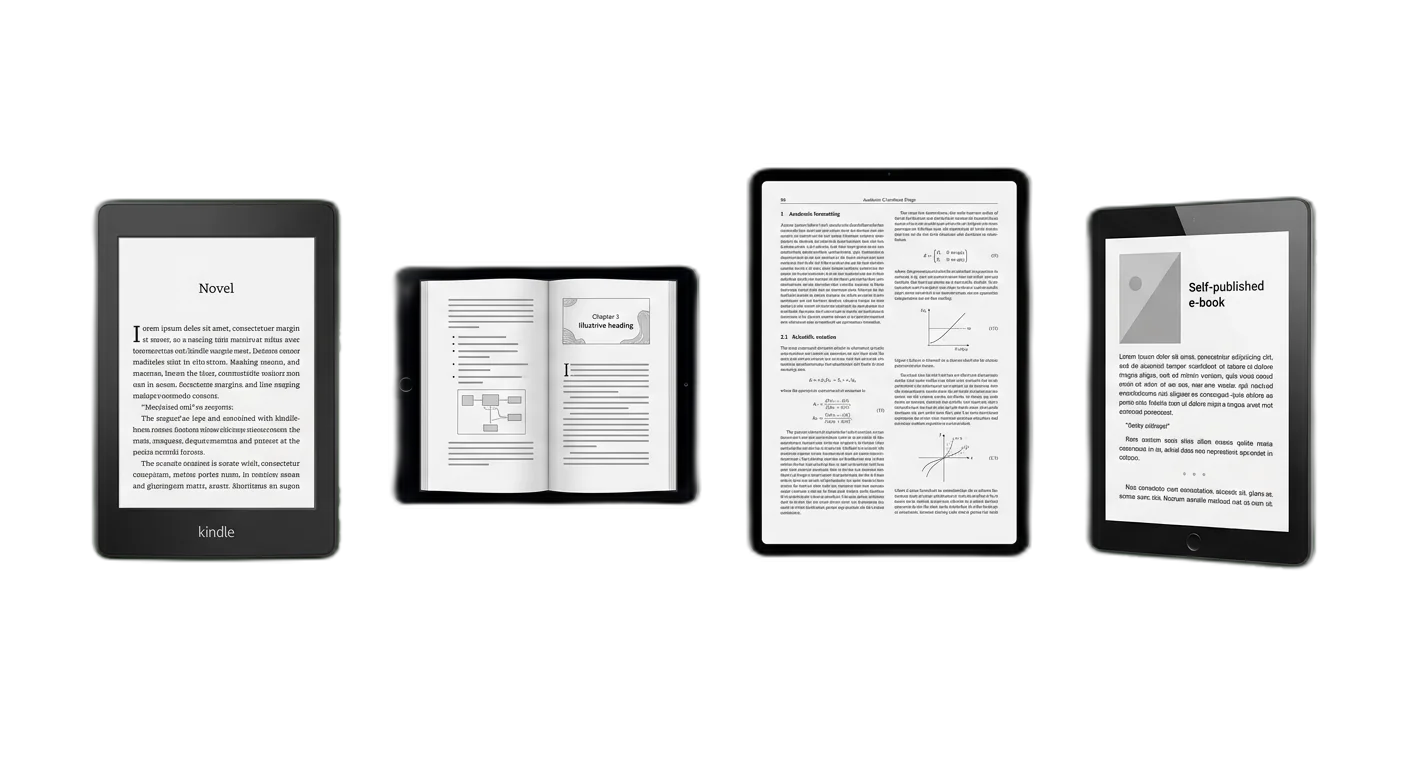
E-Books
E-Books & Audiobooks > E-Books
E-books are a substantial share of book revenue and offer the highest margin in publishing, with no printing or shipping costs. Instant delivery and broad device compatibility make them ideal for online retailers. Self-published e-books are a fast-growing niche with strong discoverability.
Demand: GrowingCompetition: LowMargin: HighRisingExample ProductsKindle-format novelsEPUB non-fictionAcademic e-textbooksSelf-published e-booksPro TipOffer e-book and audiobook bundles at a discount. Readers who buy both formats have twice the lifetime value of single-format buyers.
- 3
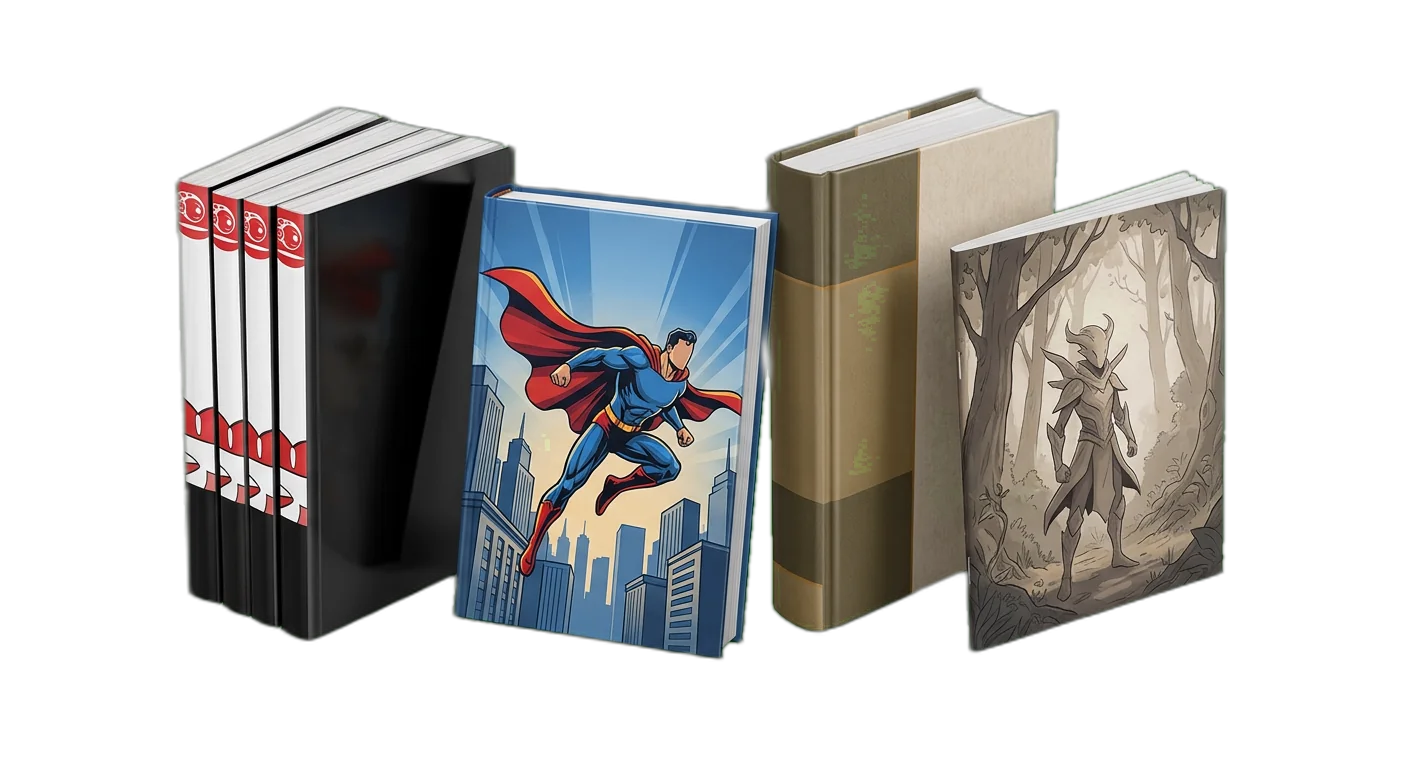
Manga & Comics
Books > Comics & Graphic Novels
Manga has been the fastest-growing book category in Western markets, with sales climbing steeply since 2019. Series-based purchasing drives very high lifetime value per customer. The visual format performs well in social commerce, and the category has a passionate collector community that supports premium editions.
Demand: GrowingCompetition: LowMargin: HighRisingExample ProductsManga series volumesSuperhero comic collectionsGraphic novelsIndependent comicsPro TipShow series volumes in reading order with clear numbering. Manga readers buy sequentially, and making the next volume easy to find significantly increases repeat purchases.
- 4
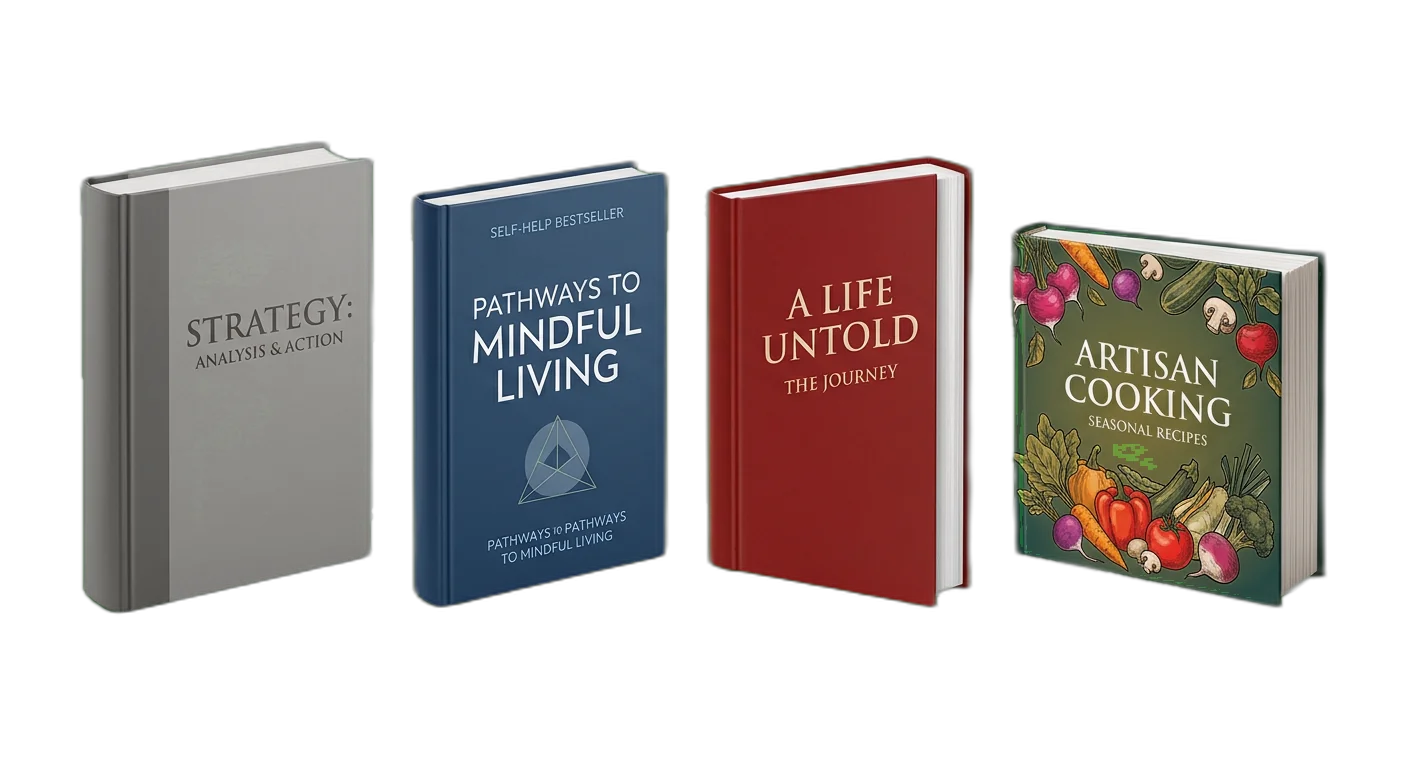
Non-Fiction & Self-Help
Books > Non-Fiction
Non-fiction and self-help books are the strongest gift choices in the book market. Categories like business, personal development, and cooking regularly top bestseller lists. They also see the highest rate of impulse purchases driven by social media recommendations and podcast mentions.
Demand: HighCompetition: MediumMargin: HighStableExample ProductsBusiness strategy booksSelf-help bestsellersBiography & memoirCooking & recipe booksPro TipAdd a 'Recommended By' or 'As Seen On' tag for titles featured on popular podcasts or book clubs. A recommendation from a trusted host or club is often what turns a non-fiction browser into a buyer.
- 5
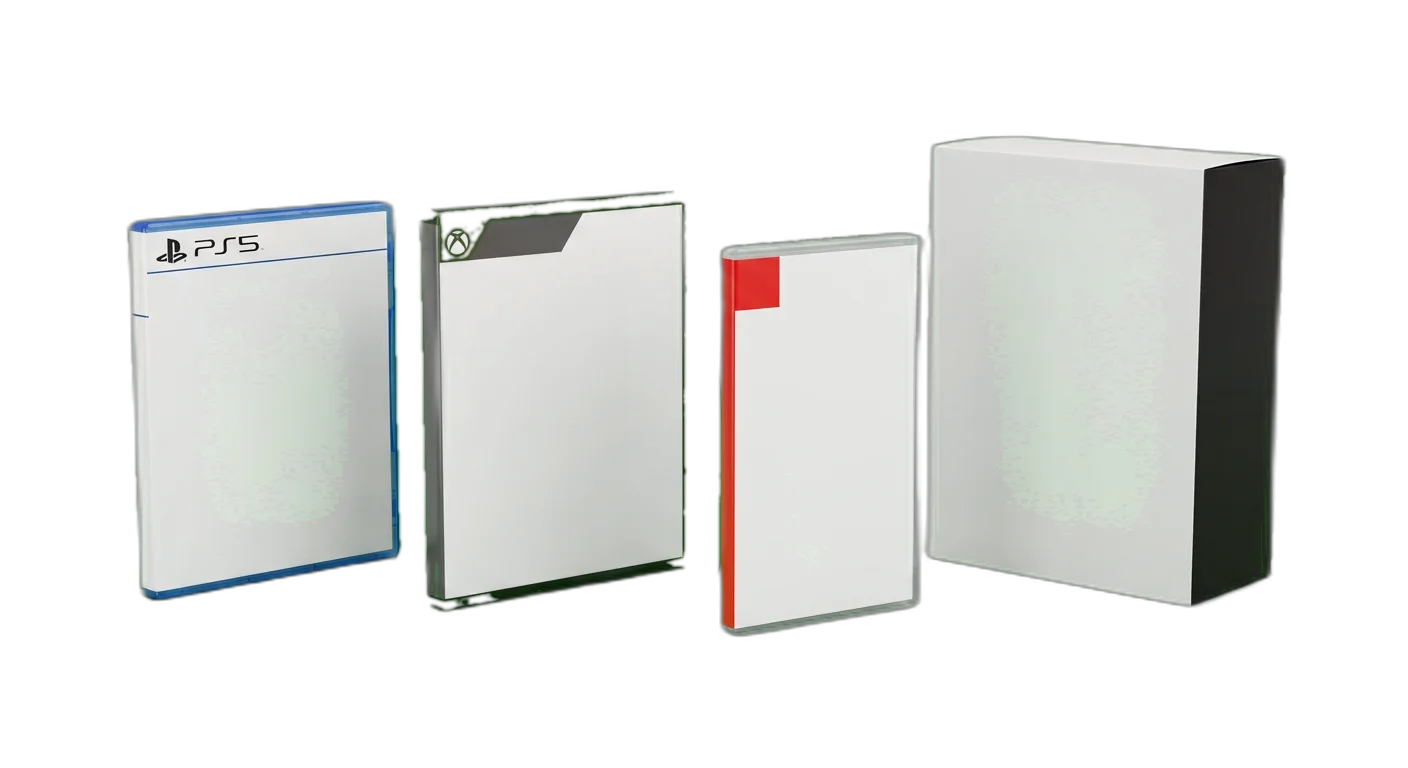
Video Games
Video Games > Console Games
Video games have the highest average product value in digital media, with new releases priced at $60-70 and collector's editions above $100. It is one of the largest entertainment categories online. Pre-order demand and launch-day sales create predictable revenue spikes.
Demand: HighCompetition: HighMargin: MediumRisingExample ProductsPlayStation 5 gamesXbox Series X gamesNintendo Switch gamesCollector's editionsPro TipKeep physical disc games and digital codes in separate listings. They have different fulfillment and return policies, and mixing them causes customer confusion.
- 6
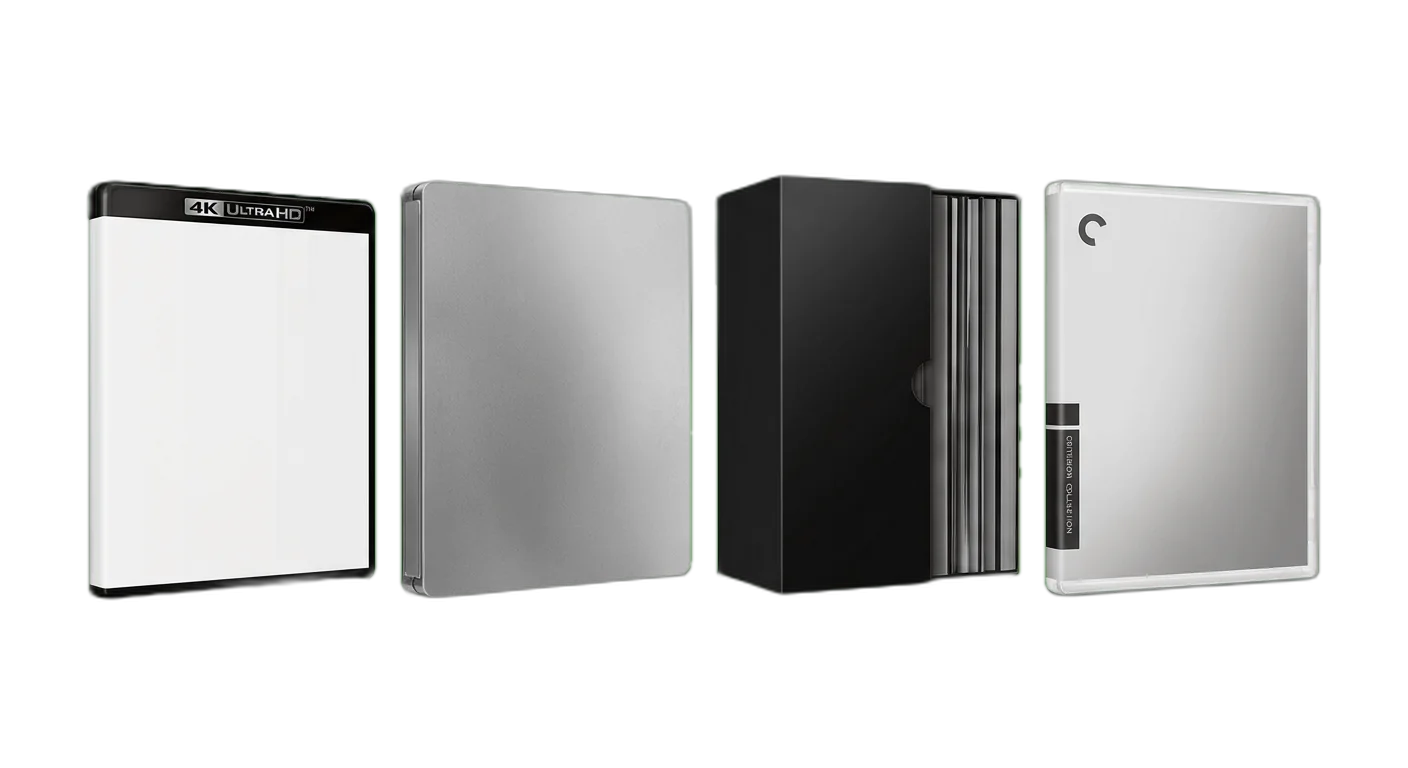
Blu-ray & 4K UHD
Movies & TV > Physical Media
While streaming dominates casual viewing, collectors and film lovers continue to drive strong Blu-ray and 4K UHD sales. Steelbook and limited editions command premium prices. The category benefits from catalog depth, with classic films and complete TV series box sets generating consistent long-tail revenue.
Demand: MediumCompetition: LowMargin: MediumRisingExample Products4K UHD Blu-raysSteelbook editionsTV series box setsCriterion Collection releasesPro TipFeature the audio format (Dolby Atmos, DTS-HD) prominently. Home theater enthusiasts filter by audio quality, and this is a key differentiator from streaming.
- 7
Fiction Books
Books > Fiction
Fiction is the highest-volume book category online and the single biggest slice of what bookstores sell. It has strong repeat purchases, clear genre-based subcategories that help shoppers discover titles, and consistent year-round demand with a major spike during the holiday gifting season.
Demand: HighCompetition: HighMargin: MediumStableExample ProductsLiterary fiction novelsMystery & thriller paperbacksScience fiction seriesRomance bestsellersPro TipSubcategorize fiction by genre (Mystery, Sci-Fi, Romance, Fantasy) rather than by format. Readers browse by what they want to read, not how it is bound.
- 8
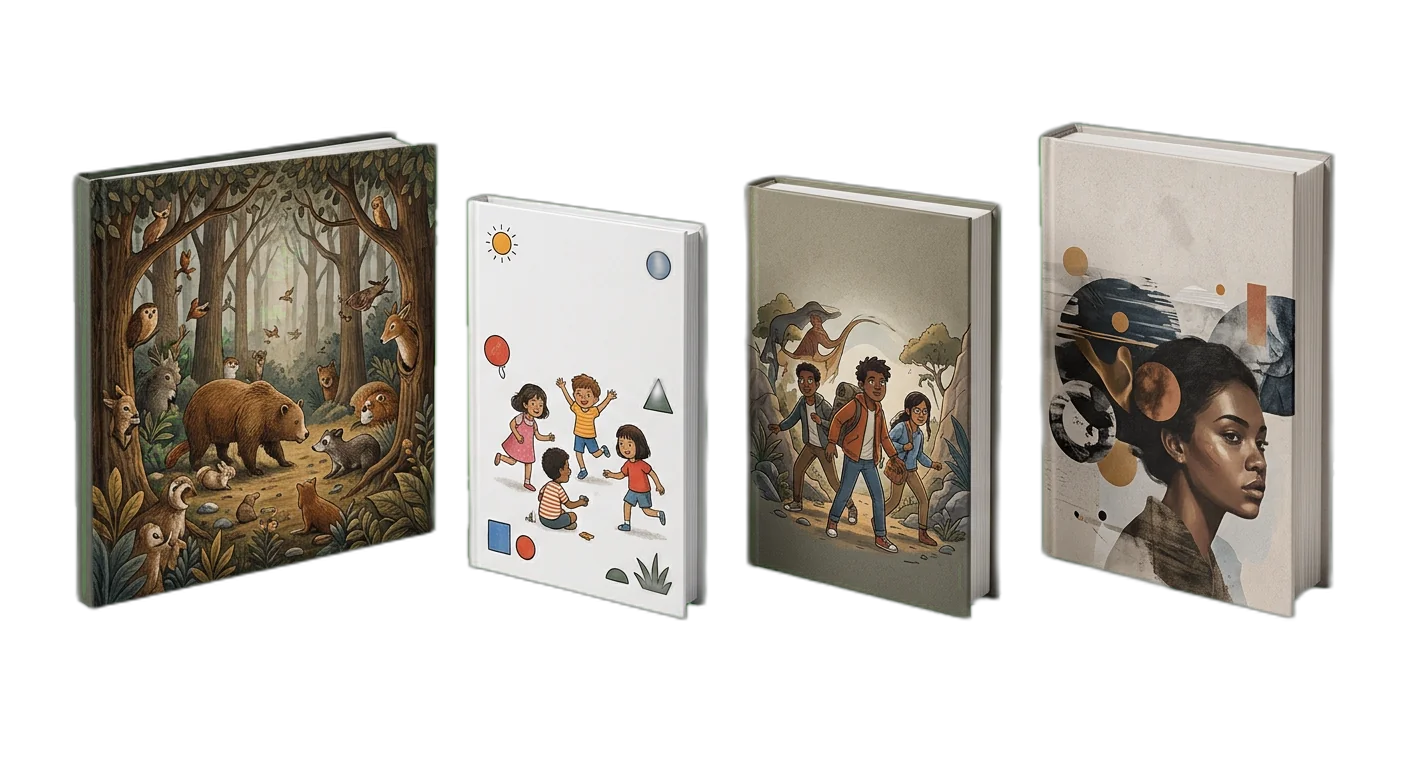
Children's Books
Books > Children's Books
Children's books are the most resilient book category during economic downturns. Parents consistently prioritize reading material for their kids. The category has strong gifting demand, high repeat purchases as children move through reading levels, and growing interest in diverse and inclusive titles.
Demand: MediumCompetition: MediumMargin: MediumRisingExample ProductsPicture booksEarly readersMiddle grade novelsYoung adult fictionPro TipAlways include both age range and reading level as filterable attributes. Parents shop by age, while educators and librarians filter by reading level.
- 9
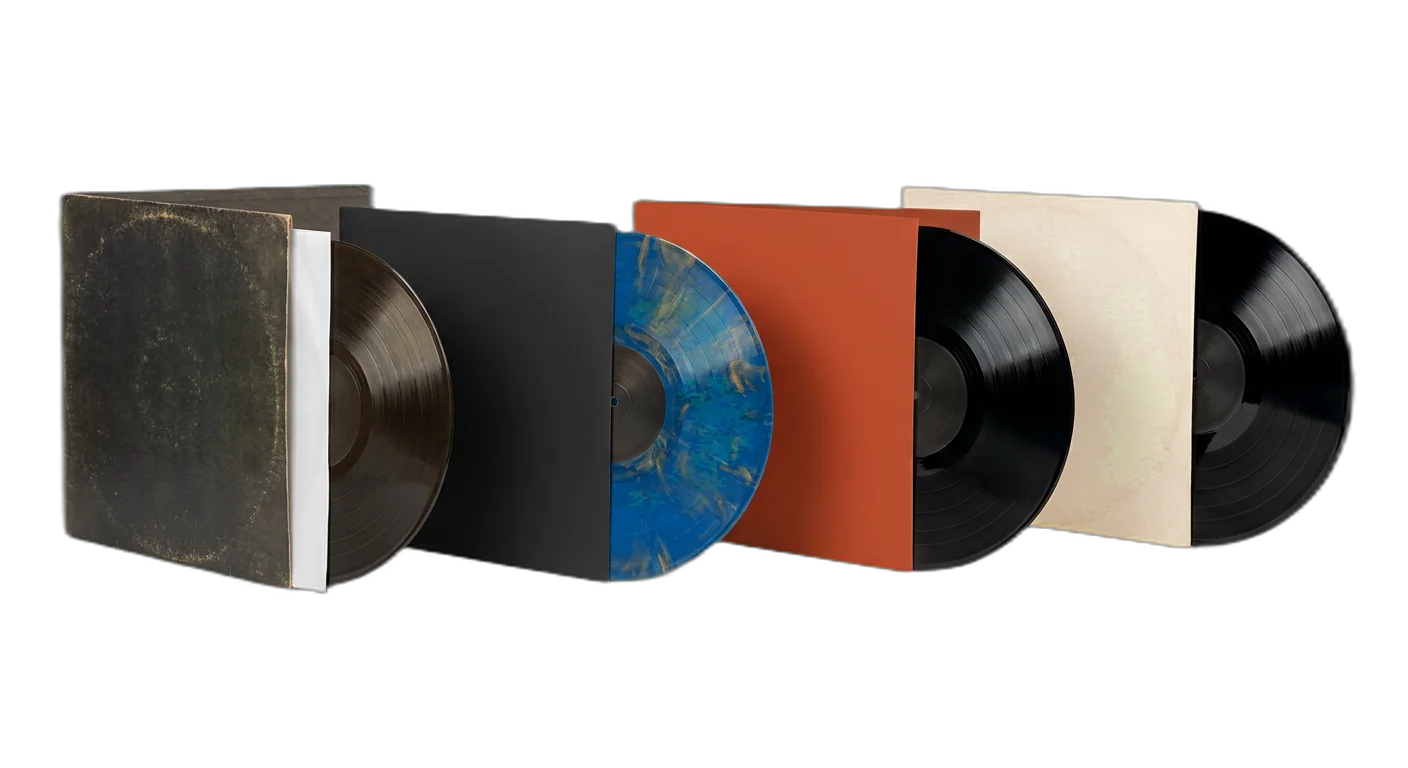
Vinyl Records
Music > Physical Music > Vinyl Records
Vinyl records have been the fastest-growing physical media format for over a decade. In its 2020 year-end report, the RIAA found US vinyl revenue had overtaken CD revenue for the first time since the 1980s. Collectors drive premium pricing on limited editions and colored pressings. The category appeals to both nostalgic buyers and younger audiophiles, creating a broad customer base with high average order values.
Demand: HighCompetition: HighMargin: LowStableExample ProductsClassic rock reissuesLimited edition colored vinylNew release LPsJazz and classical pressingsPro TipHighlight pressing details (180g vinyl, colored vinyl, picture disc) in product titles. Collectors search specifically for pressing variants and will pay a premium for special editions.
- 10
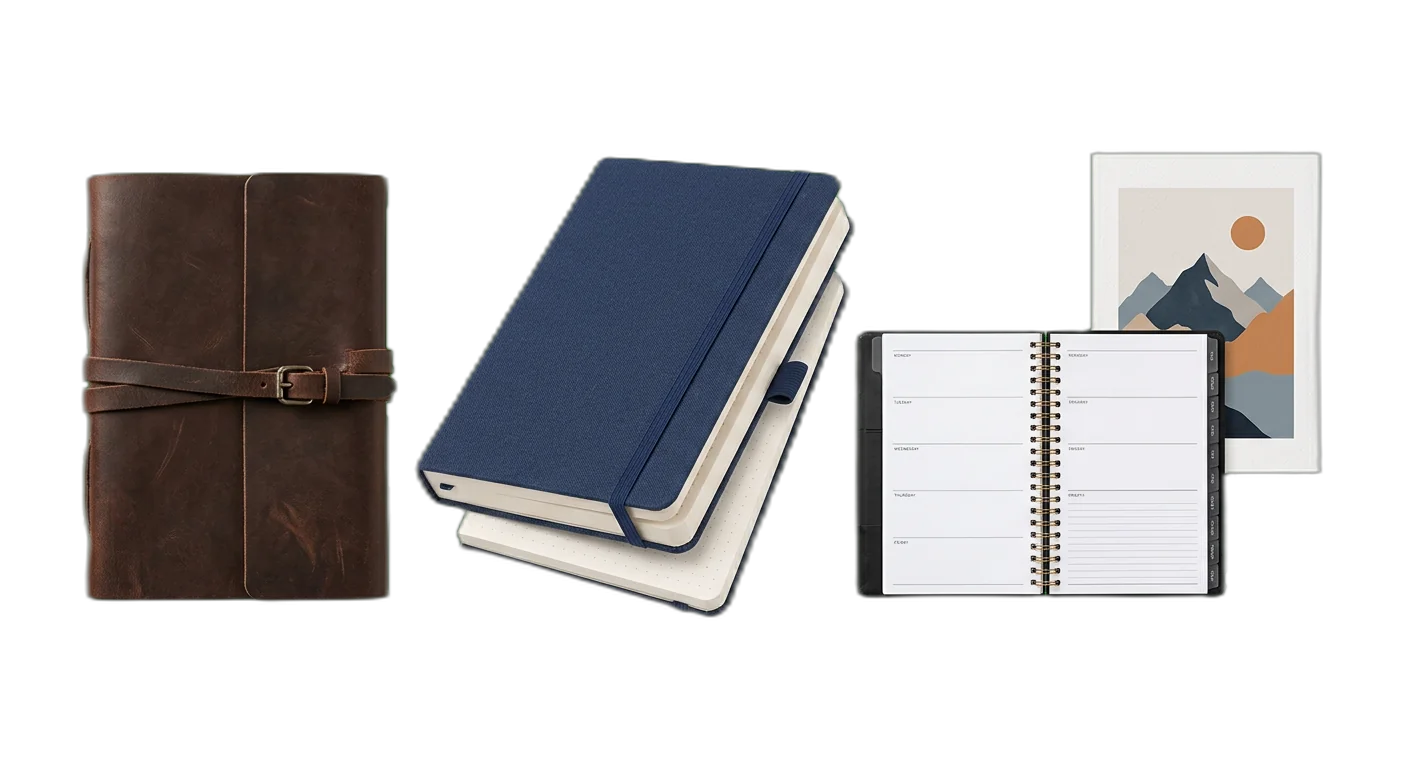
Stationery & Journals
Stationery & Journals
Stationery and journals have seen a strong comeback, driven by the bullet journaling and analog productivity movements. They carry healthy margins, are popular impulse and gift purchases, and have strong seasonal demand around back-to-school and the New Year. The category pairs naturally with books and writing instruments.
Demand: MediumCompetition: MediumMargin: HighSeasonalExample ProductsDotted notebooksLeather journalsPlanners & organizersArt prints & postersPro TipPosition journals and planners near your book checkout flow. They are one of the strongest impulse add-on categories in book retail.
Category Performance at a Glance
Compare demand, competition, margins, and growth across all recommended categories
AudiobooksE-BooksManga & ComicsNon-Fiction & Self-HelpVideo GamesBlu-ray & 4K UHDFiction BooksChildren's BooksVinyl RecordsStationery & JournalsRecommended Books & Digital Media Category Structure
The complete category tree with subcategories for each recommended top-level category
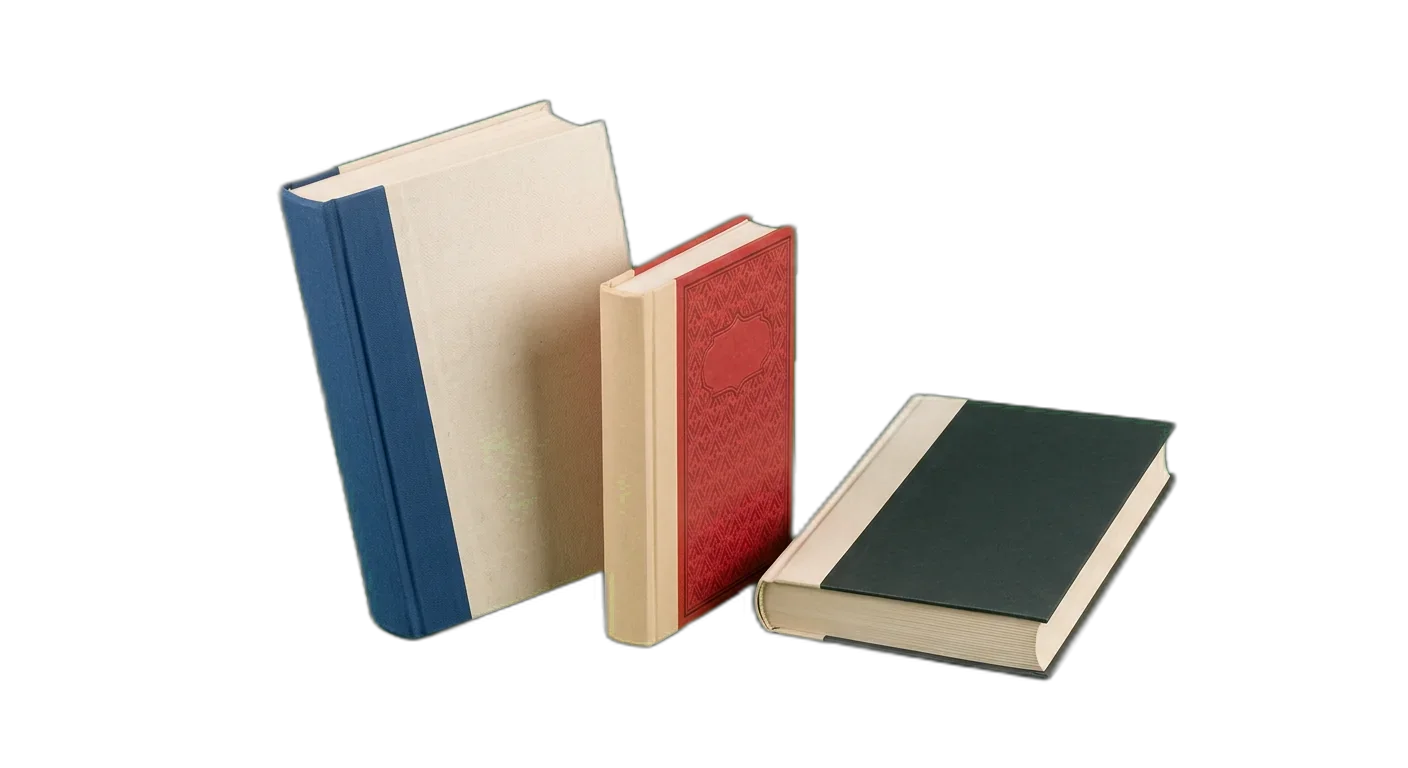
Books
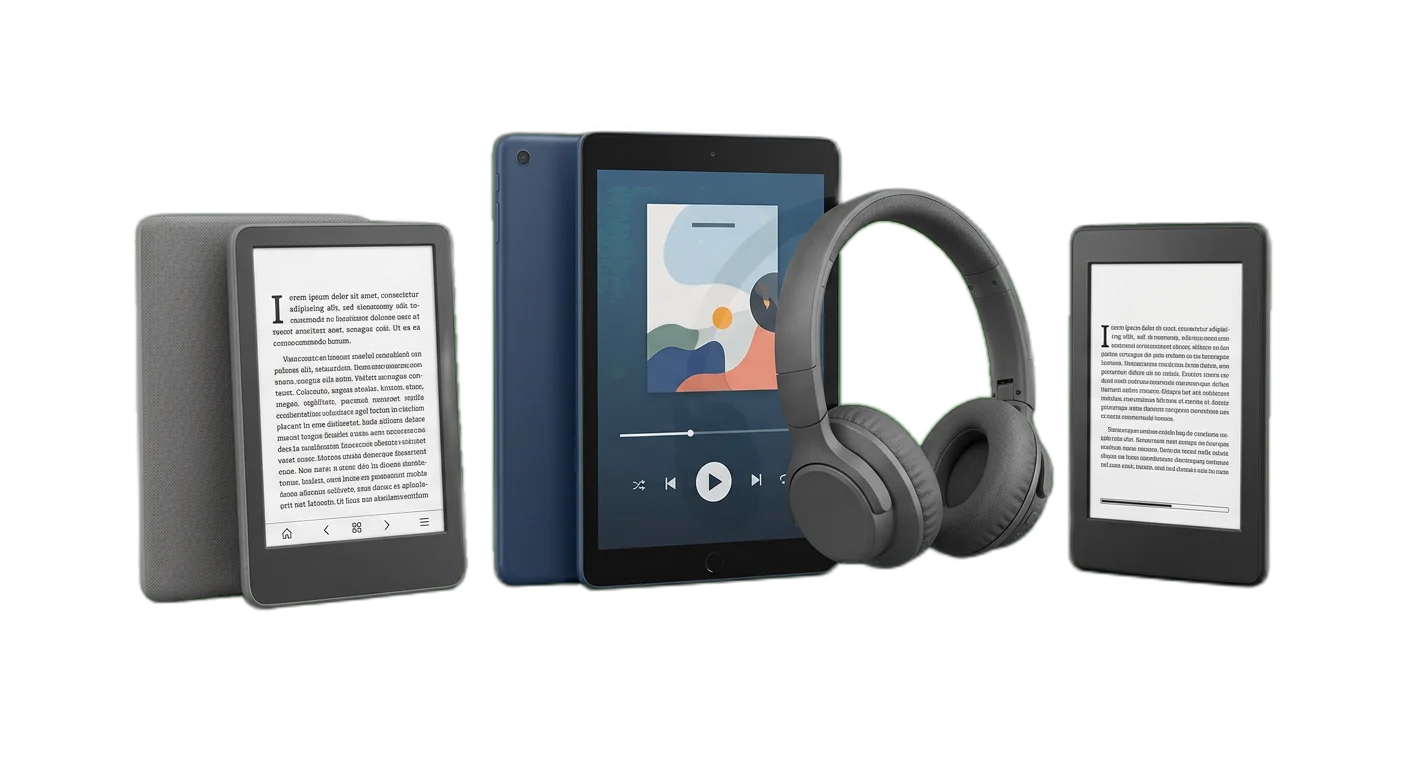
E-Books & Audiobooks
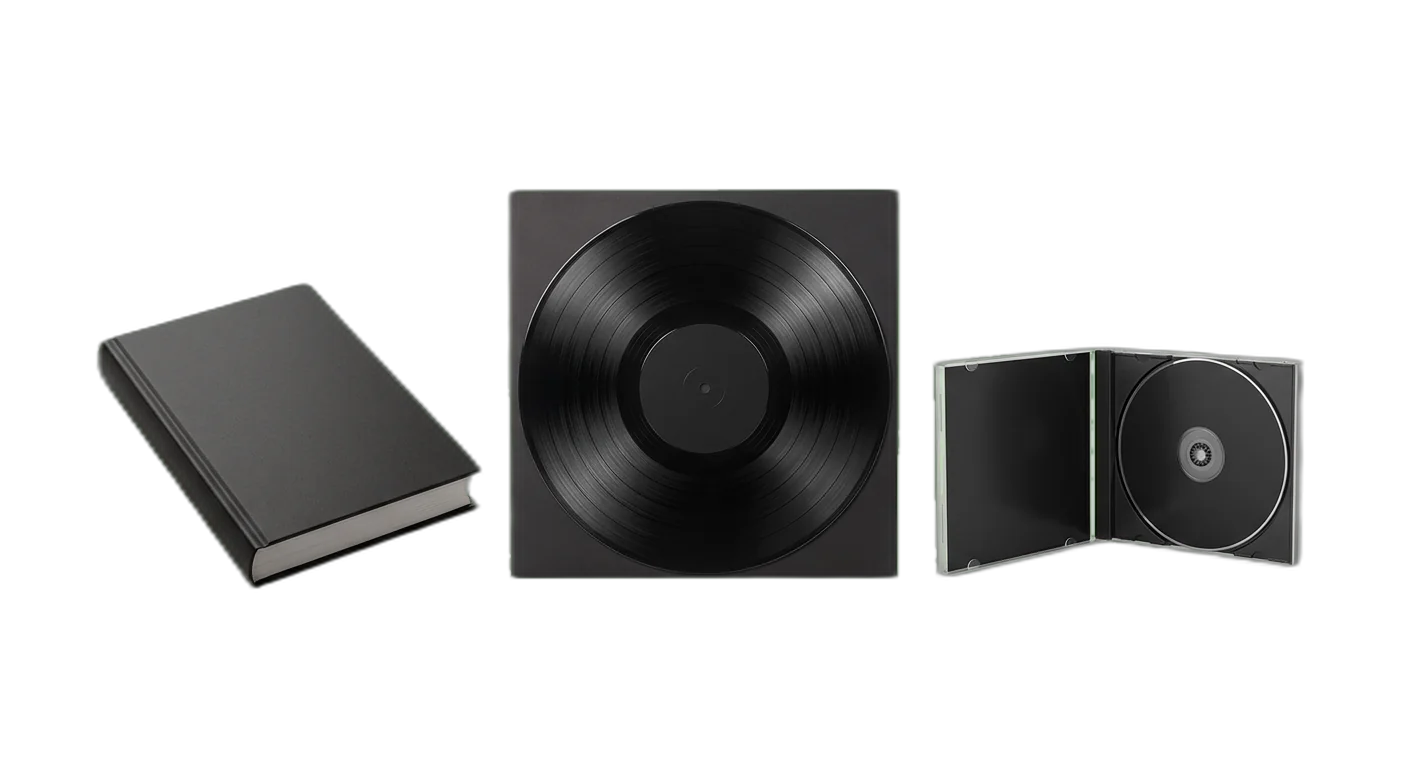
Music
Movies & TV
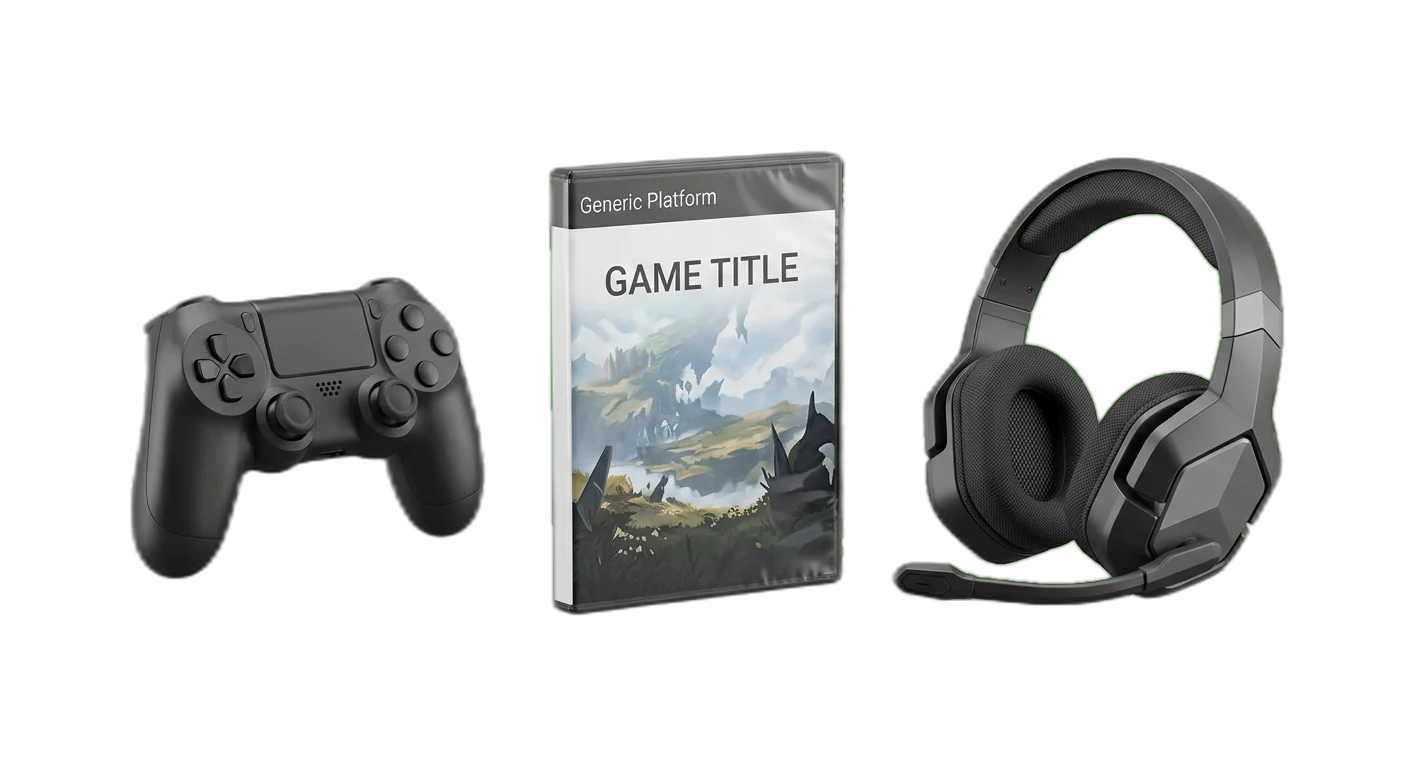
Video Games
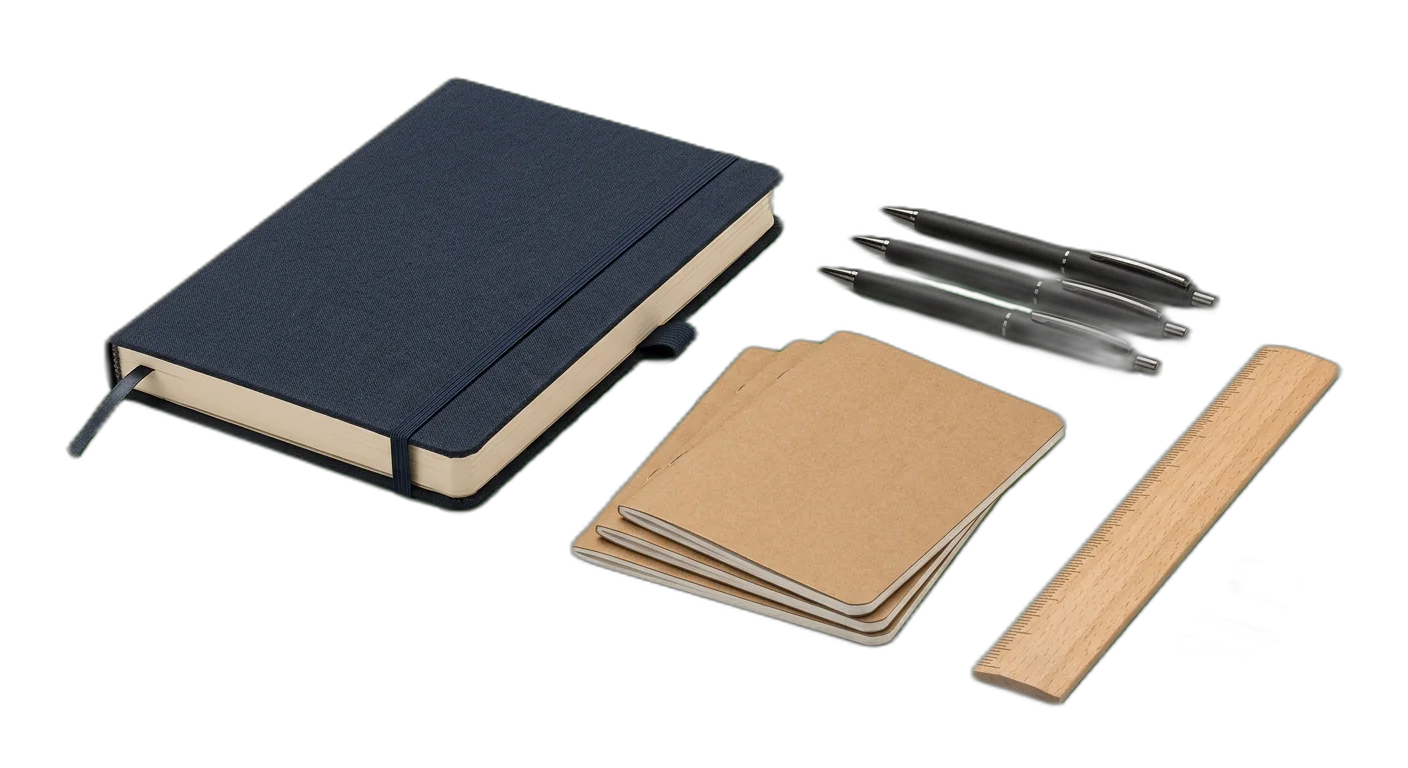
Stationery & Journals
Which Categories Should You Start With?
Choose your starting categories based on your catalog size and growth stage
Focus on one core media type and build depth within it. A curated fiction collection or a niche vinyl record store outperforms a scattered multi-media catalog at small scale.
Expand into complementary media formats that share your audience. Add digital formats as high-margin additions to your physical catalog.
Cover the full media spectrum with deep subcategories. Invest in series tracking, multi-format linking, and cross-category recommendations.
How to Order Categories in Your Store Menu
Practical tips for organizing your navigation to maximize clicks and conversions
Put Fiction and Non-Fiction front and center
Books are the core of any media store. 'Fiction' and 'Non-Fiction' should always be your first two menu items, because between them they cover the bulk of what a bookstore sells.
Feature trending and award-winning titles prominently
Create a 'Bestsellers' or 'Award Winners' section. Book buyers are heavily influenced by social proof, and surfacing popular titles increases browse-to-purchase conversion.
Keep your main menu under 7-8 top-level items
Group related media types under parent items. For example, 'Digital Media' can contain E-Books, Audiobooks, and Digital Music without cluttering the top-level navigation.
Enable series browsing as a navigation shortcut
Many book and manga buyers search by series name. Add a 'Browse by Series' option that lets customers view all volumes in reading order.
Use 'New Releases' as a featured section, not a category
New releases drive significant traffic but should not be a permanent category. Use a date-based filter or featured collection that updates automatically, rather than moving products by hand.
When Each Category Peaks
Plan your inventory and marketing around seasonal demand shifts
Spring (Mar-May)
Peak Categories
Spring reading lists and Mother's Day drive non-fiction and children's book sales. Launch new journal designs for spring planning.
Summer (Jun-Aug)
Peak Categories
Summer reading drives fiction sales. Audiobook demand peaks with vacation travel. Promote beach reads and summer series bundles.
Autumn (Sep-Nov)
Peak Categories
Major game releases cluster in autumn. Back-to-school drives stationery sales. Black Friday is the biggest single sales event across all media.
Winter (Dec-Feb)
Peak Categories
Books and vinyl are top gift items in December. Box sets and collector's editions see their highest demand during the holiday season.
Categories That Sell Together
Pair related categories to increase your average order value
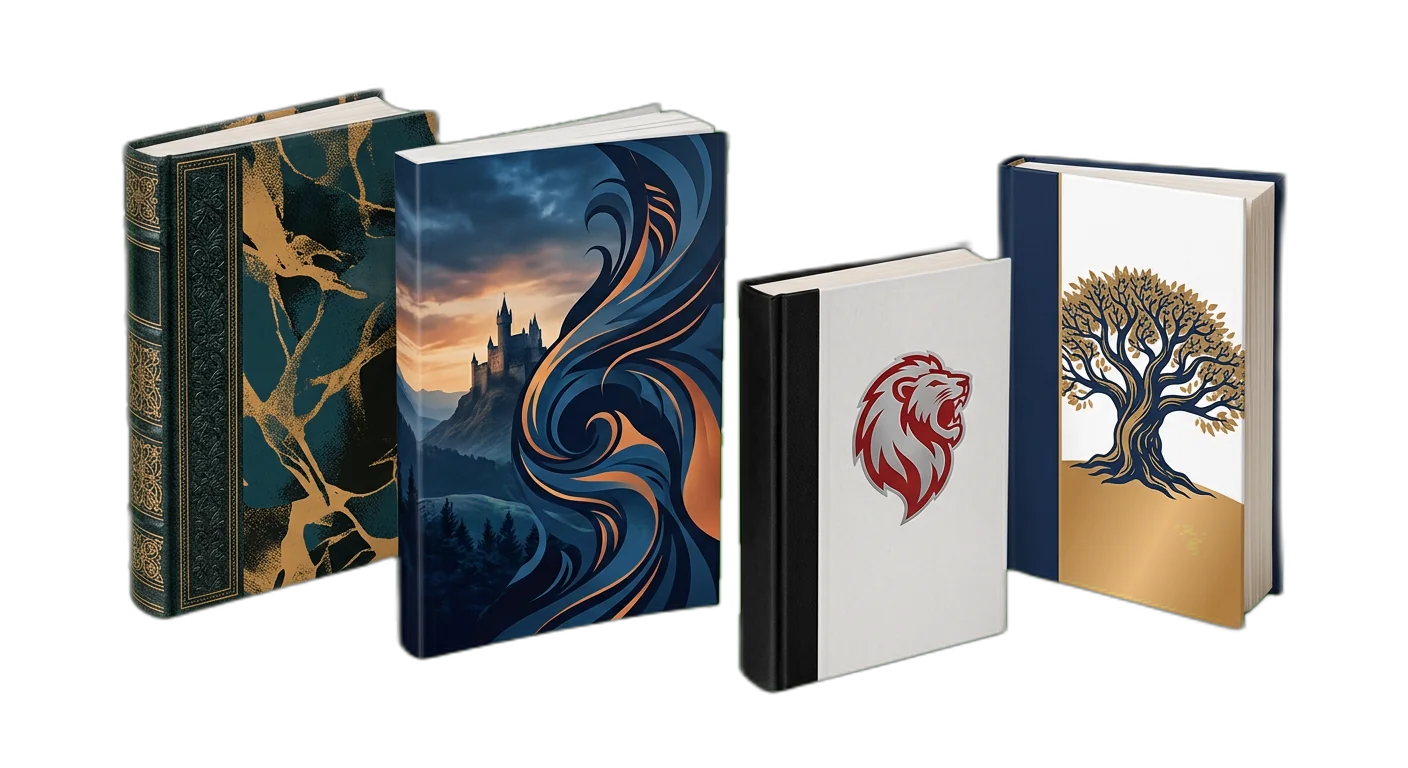
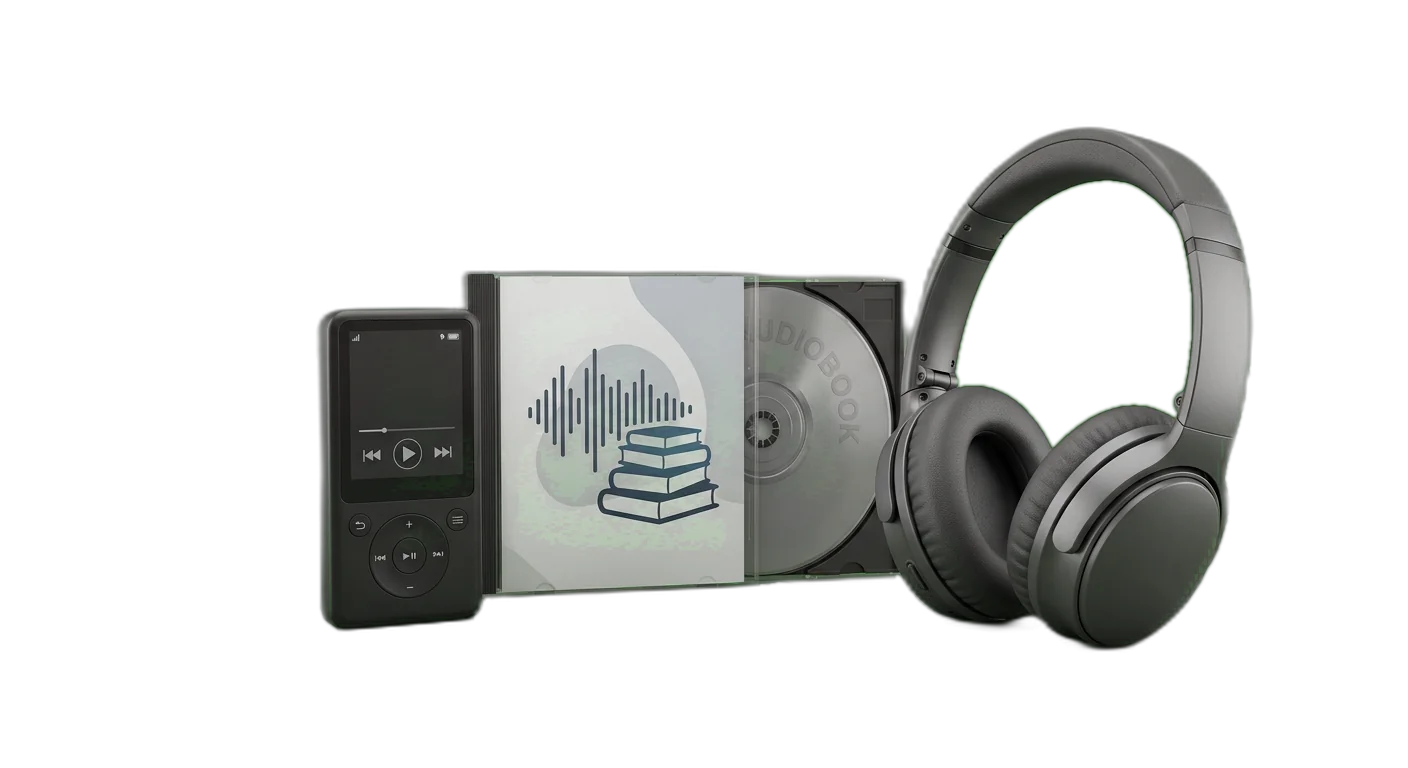
Readers who enjoy a physical book often want the audiobook version for commuting. Bundle discounts increase dual-format purchases.
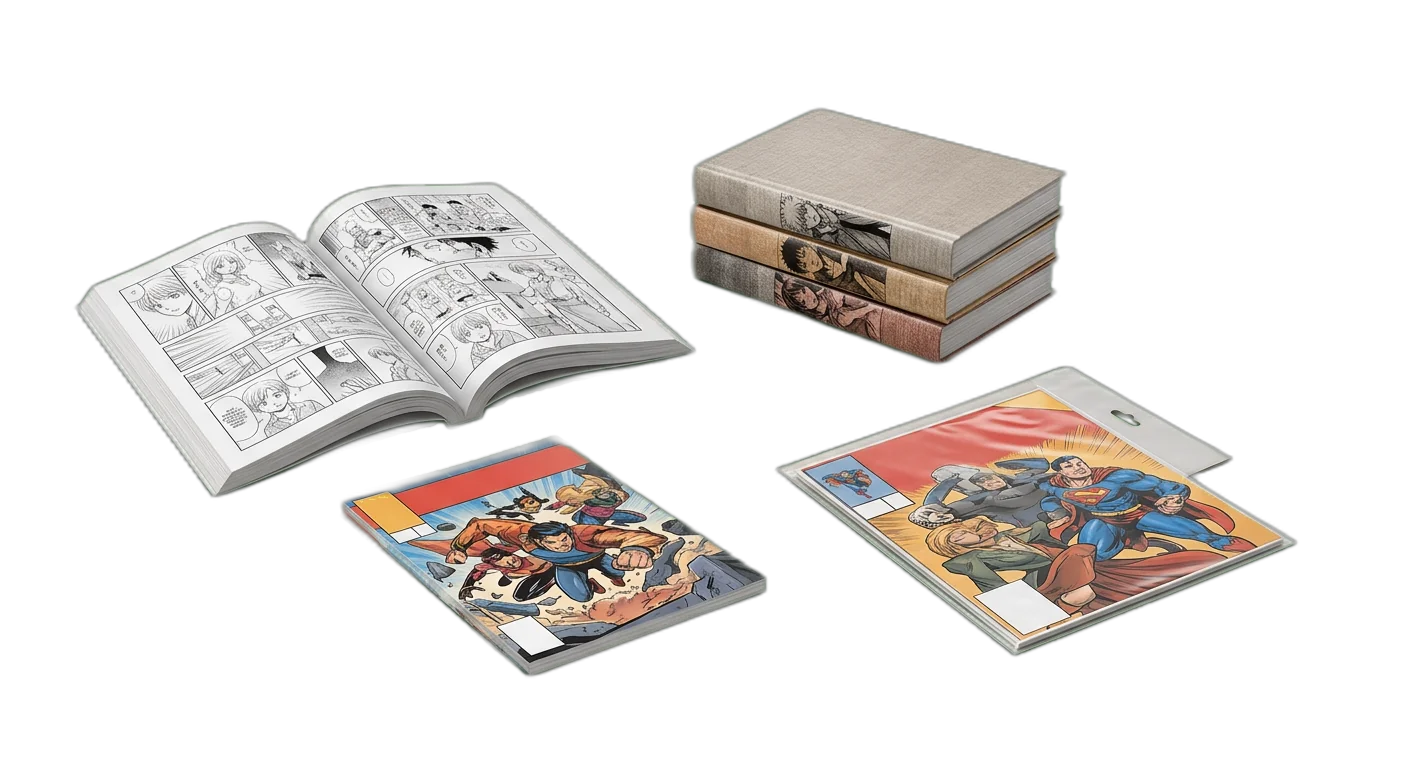
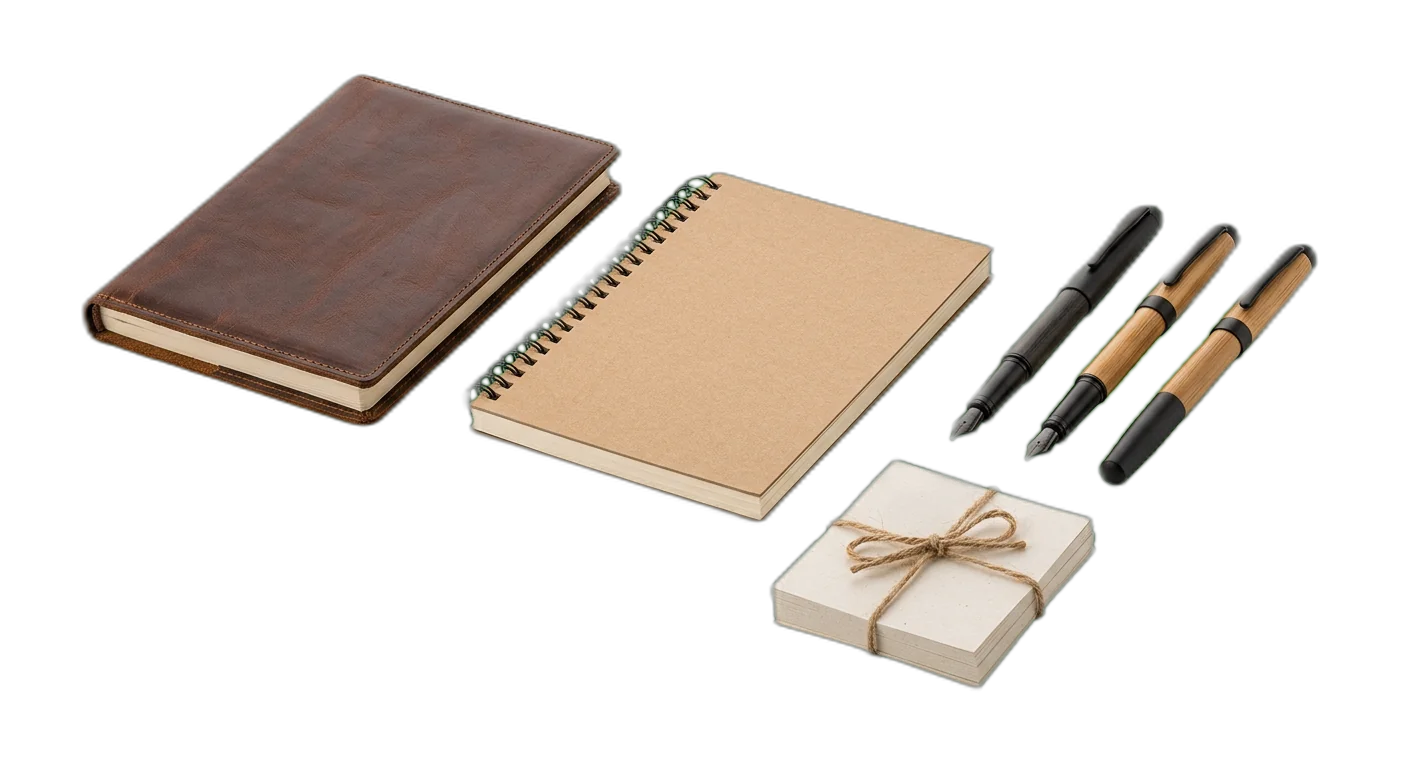
Manga fans are avid collectors and journalers. Art-themed notebooks and manga-inspired stationery sell well alongside comic purchases.
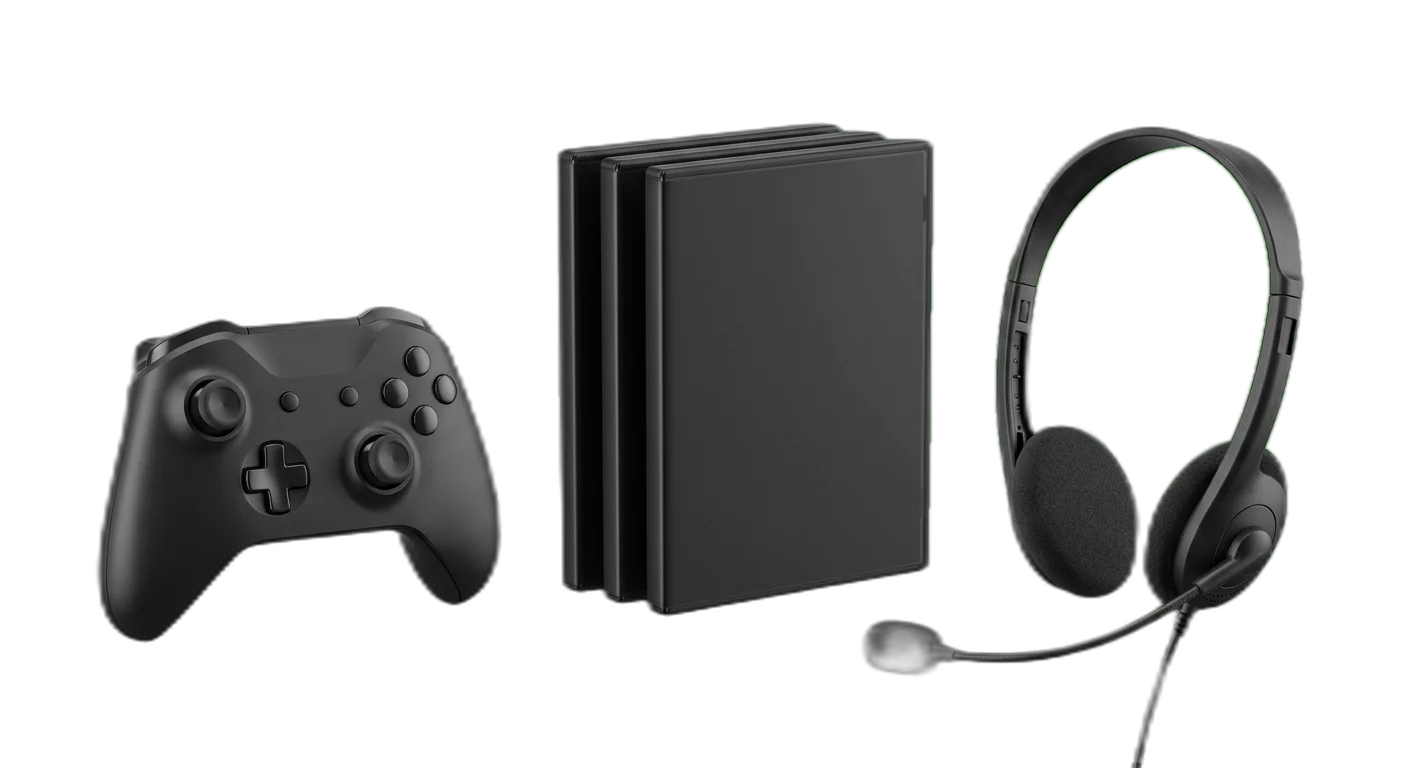
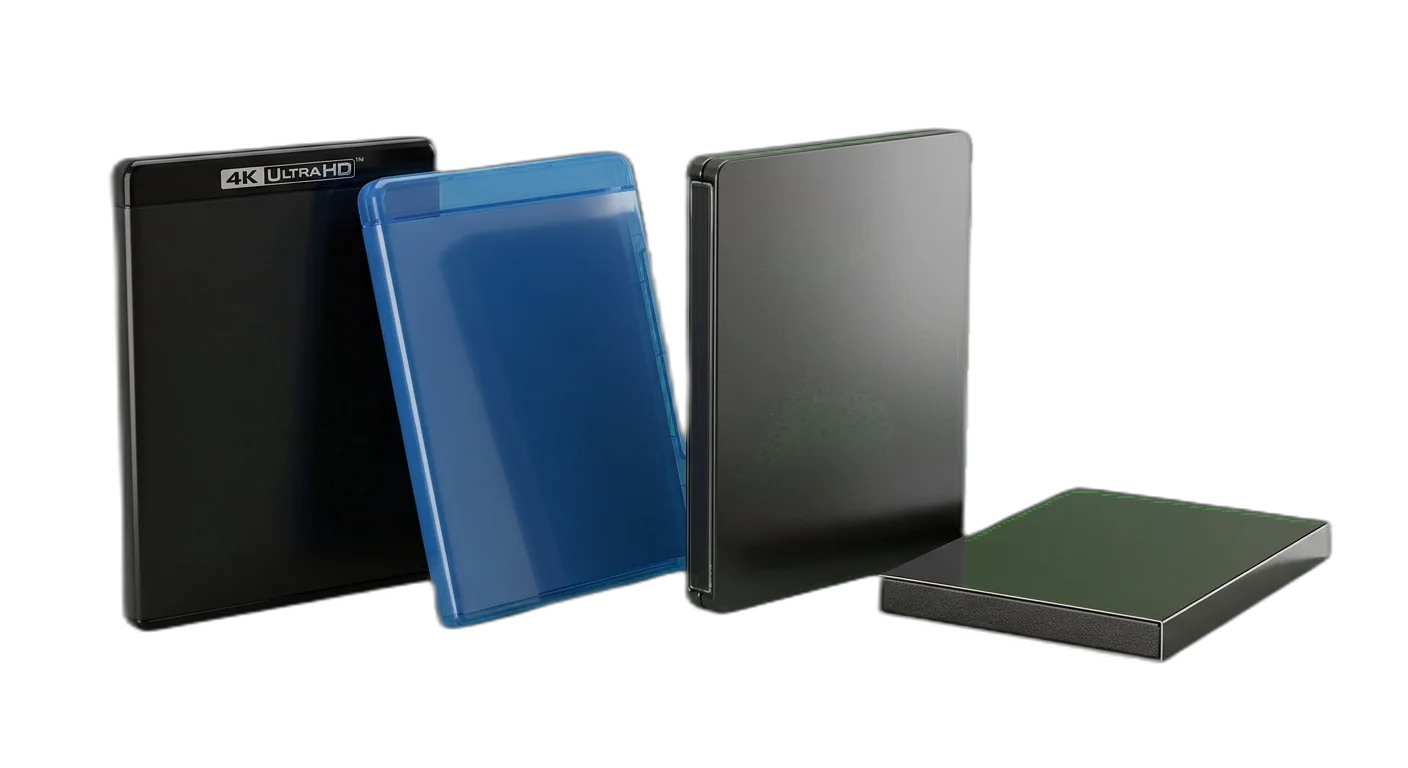
Gamers and home entertainment enthusiasts overlap significantly. Movie tie-in games and game adaptation films create natural cross-sell opportunities.
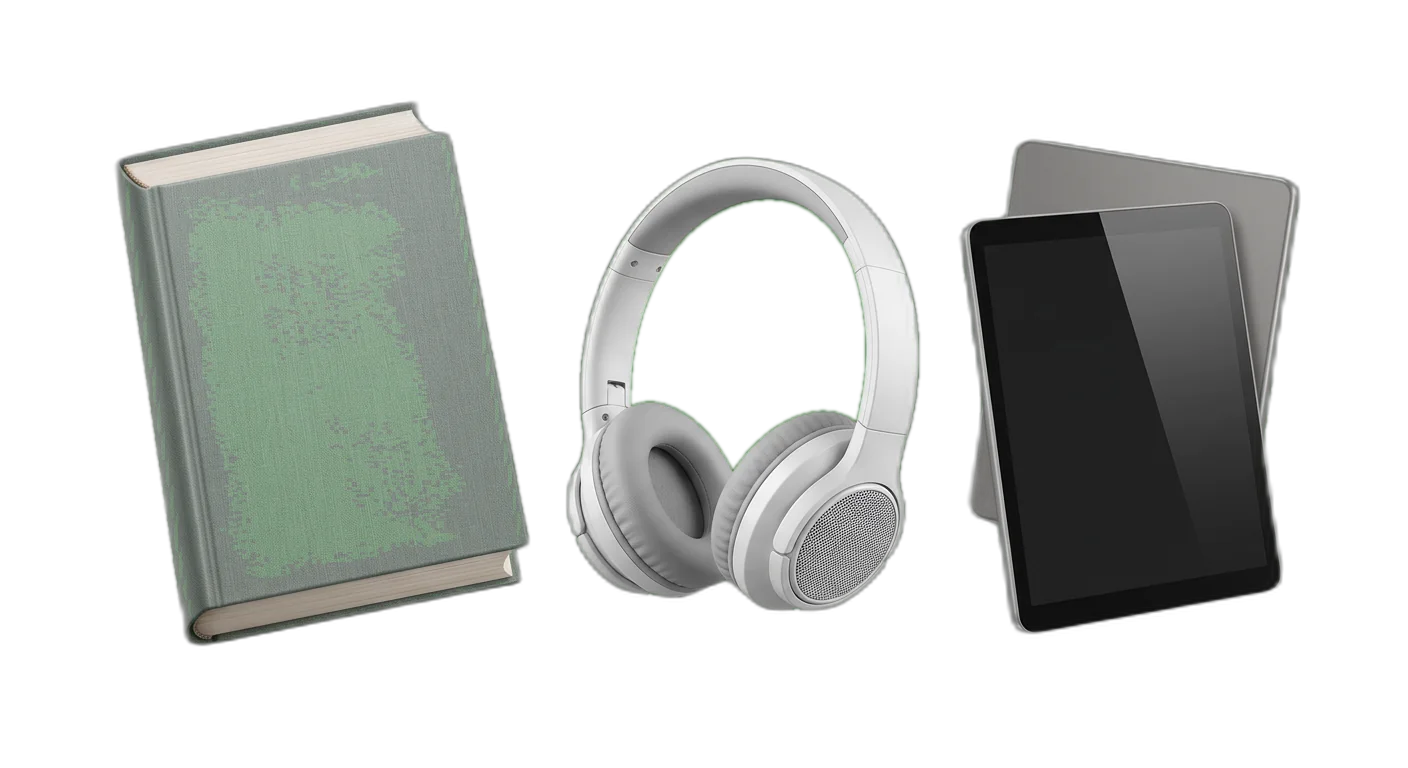
Productivity and self-help readers frequently buy planners, journals, and notebooks to put what they learn into practice.
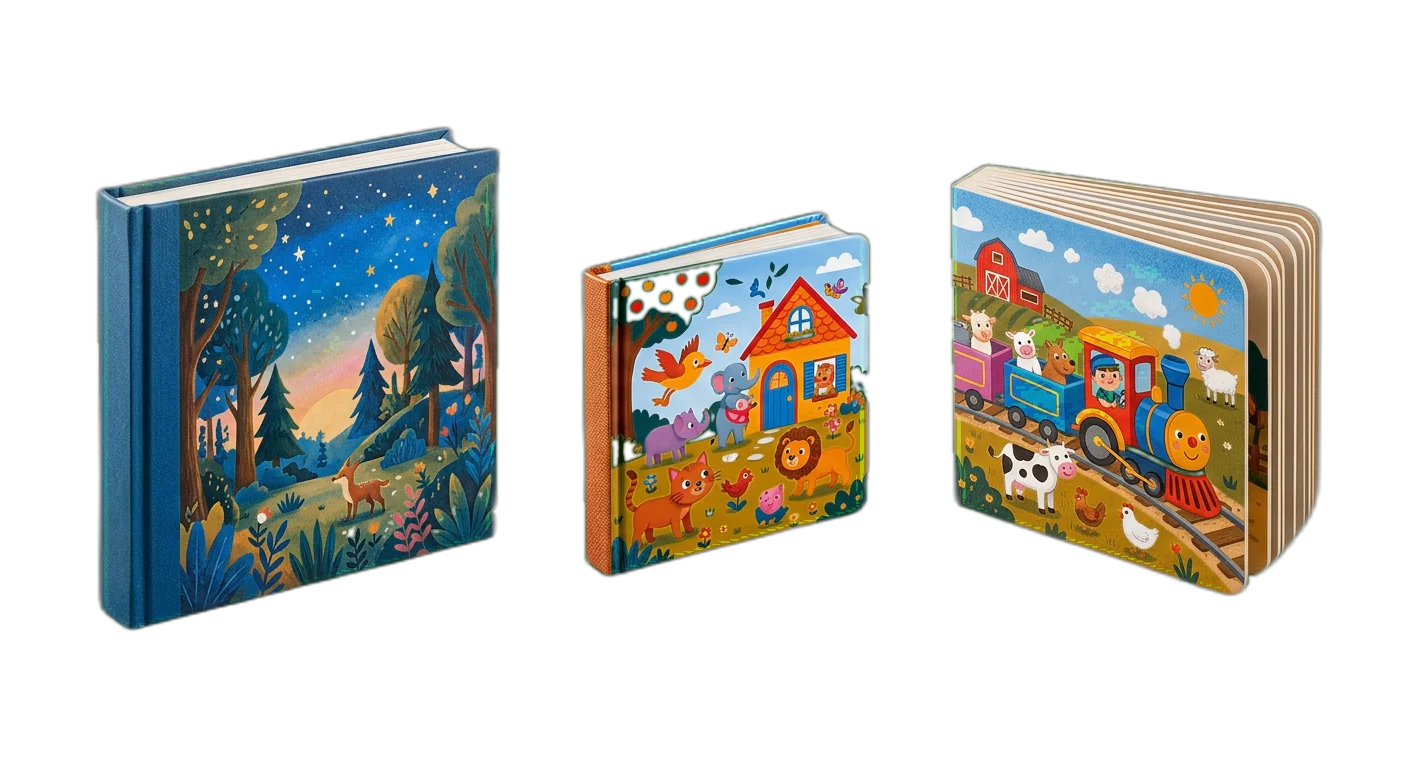
Parents buying physical books for home often add e-book versions for travel and screen time on tablets.
Common Books & Digital Media Category Mistakes
Mistakes that hurt your discoverability, SEO, and conversion rates
- Mistake
Using binding format (Hardcover, Paperback, E-Book) as a top-level category instead of genre and content type
Better approachFormat is a product variant, not a category. Categorize by content type and genre first (Books > Fiction > Fantasy), then use Format as a filterable attribute. This prevents the same title from appearing in three separate category branches.
- Mistake
Not tracking series membership, leaving customers unable to find the next volume in a sequence
Better approachAdd Series Name, Volume Number, and Total Volumes as dedicated attributes on every title that belongs to a series. This enables reading-order navigation and prevents customers from buying the wrong volume.
- Mistake
Creating separate categories for every language edition instead of using a language attribute
Better approachUse a Language attribute with ISO 639-1 codes (en, es, de, nl). For bilingual editions, store multiple codes. This keeps your category tree clean and scalable as you expand to new markets.
- Mistake
Mixing physical and digital products in the same category without a clear distinction
Better approachKeep a clear separation between physical products (Books, CDs, Blu-ray) and their digital counterparts (E-Books, Digital Downloads, Streaming Codes). They have different fulfillment and return policies.
- Mistake
Creating a 'Pre-Order' or 'New Releases' category that requires constantly moving products between categories
Better approachUse an Availability Status attribute (Available, Pre-Order, Coming Soon) combined with a Release Date field. Pre-order products live in their correct content category and appear through status-based filters.
Set Up Books & Digital Media Categories with AI
Get your Books & Digital Media product categories organized in minutes, not days
01
Import your books & media catalog
Upload your product data via CSV, Excel, or API. WISEPIM automatically detects ISBNs, titles, authors, and existing metadata from your catalog to get ready for AI-powered classification.
02
AI categorizes your products
WISEPIM's AI analyzes titles, descriptions, cover images, and metadata to classify each product by media type, genre, and audience. It detects series membership, identifies formats, and suggests missing attributes like age ratings and language codes.
03
Review, refine, and publish
Review AI suggestions in bulk, link format variants and series volumes, and push your categorized catalog to all your sales channels. WISEPIM automatically maps your categories to Amazon Browse Nodes, Google Product Categories, and other platform taxonomies.
Frequently Asked Questions
Common questions about choosing Books & Digital Media categories for ecommerce
Best Categories for Other Industries
Printable checklist
Start in 15 minutesDecide in one week if a new category pays off
Start with demand: 15 minutes in Google Trends. You get one count, like 2 of 3 terms rising. Then 5 steps for the rest of the week.
How it works
- Pick the 3 search terms shoppers use for the category.
- Look each one up in Google Trends over 2 years.
- Write the count, such as '2 of 3 terms rising'.
One email, once, with a link to the printable checklist. Nothing else unless you tick the box.
Free Excel template
XLSX · 3 sheetsSee which of your 20 best sellers are incomplete
An Excel check with the columns books & digital media products need. In about 15 minutes you know how many of your 20 are complete, and the one fix that helps the most rows.
How it works
- Paste 20 best sellers from your shop export into Products.
- Fill in what you know. The last column says what each row is missing.
- Read your result on Start here: how many are complete, and the fix that helps most rows.
One email, once, with the XLSX attached and as a download link. Nothing else unless you tick the box.
Keep exploring
Hand-picked next steps to go deeper.
Ready to Organize Your Books & Digital Media Catalog?
WISEPIM uses AI to automatically categorize your products, set up attributes, and sync across all your sales channels.